How A Simple Service Window Became Part Of Car Culture
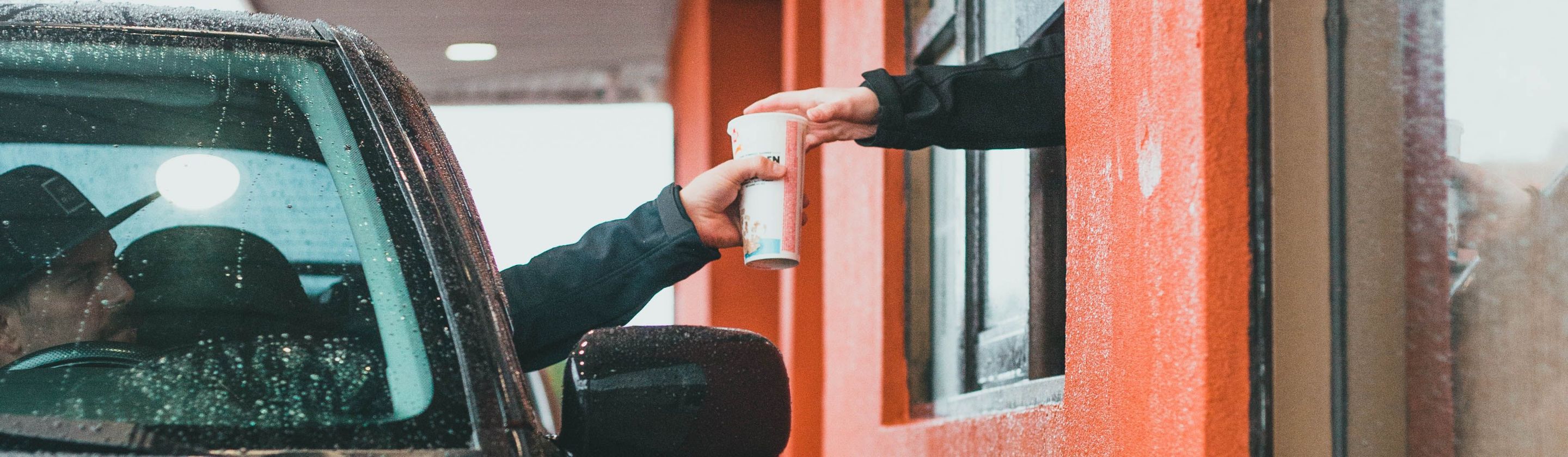
Drive-thrus are so common now that most of us barely think about them. They’re just part of driving life, right along with coffee runs and late-night fries. The idea didn’t appear overnight, though. It grew out of roadside dining, fast-food experiments, suburban life, longer commutes, and businesses figuring out how to serve people without making them get out of the car. These 20 facts show how drive-thrus became such a familiar part of life behind the wheel.
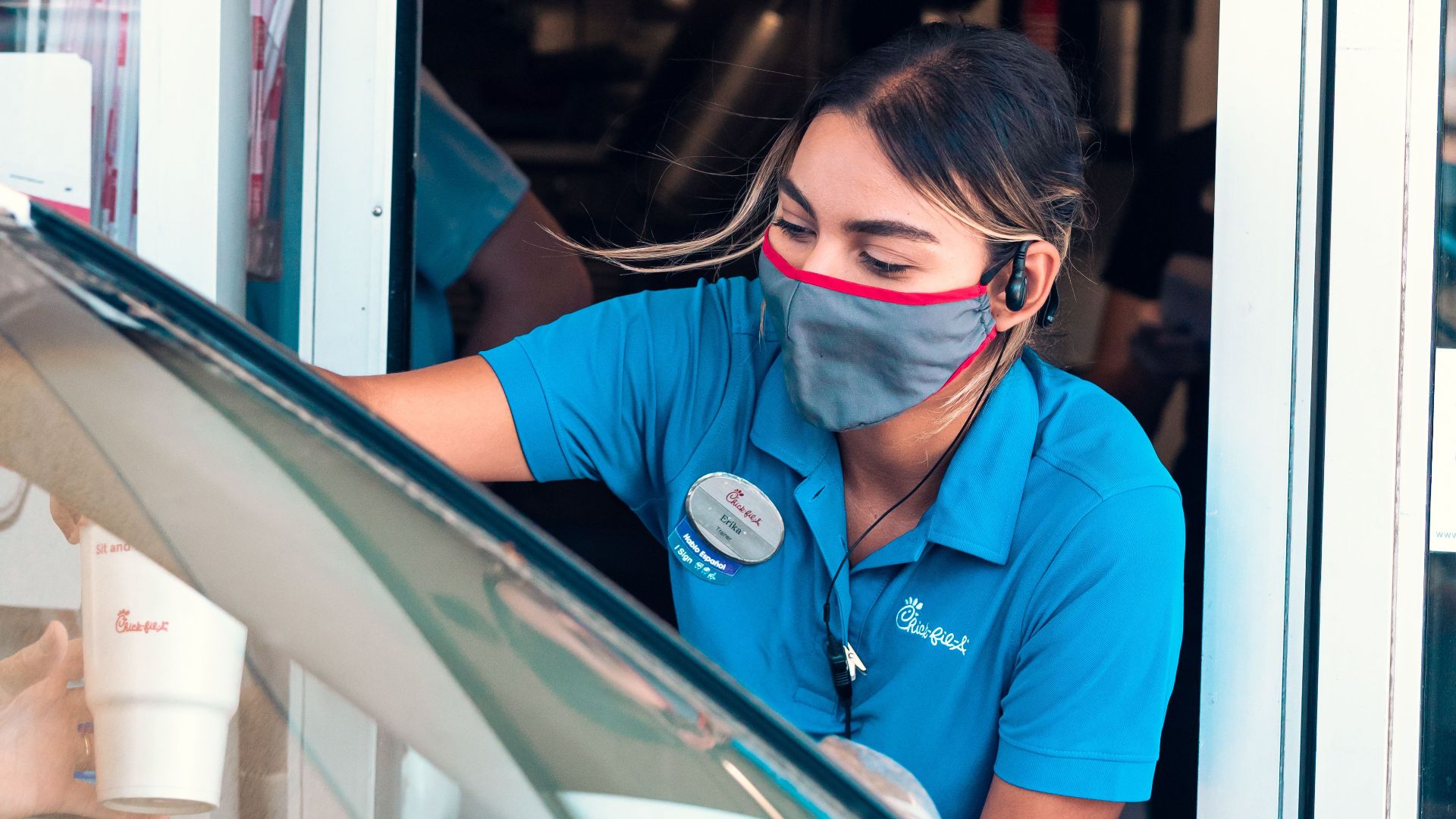
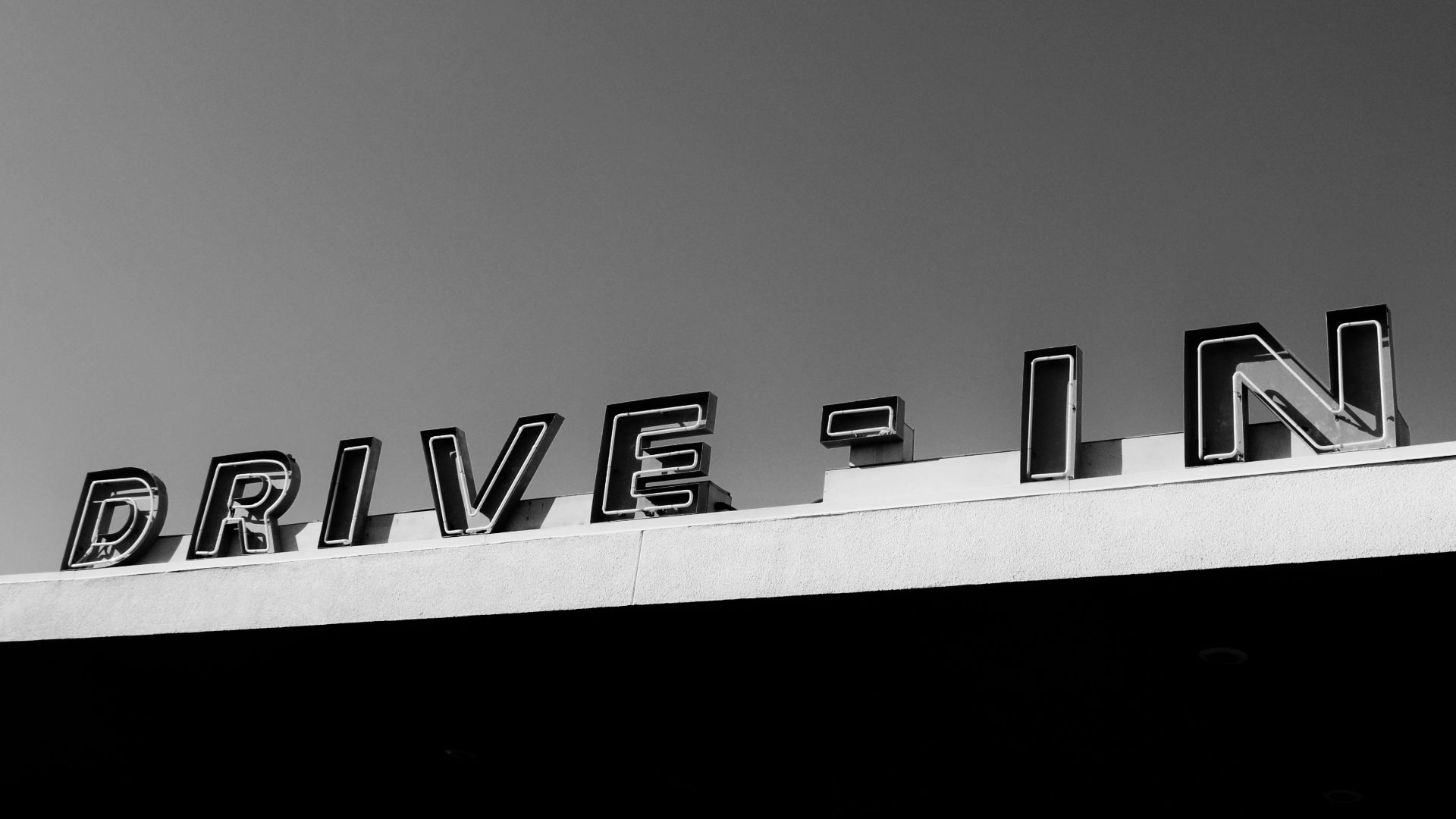
1. Drive-Thrus Grew Out Of Drive-Ins
Before drive-thru lanes became common, drive-ins helped make the car part of the meal. Customers could park, order, and eat without walking into a restaurant, usually while a carhop brought food right to the window. That made eating in the car feel normal long before speaker boxes showed up.
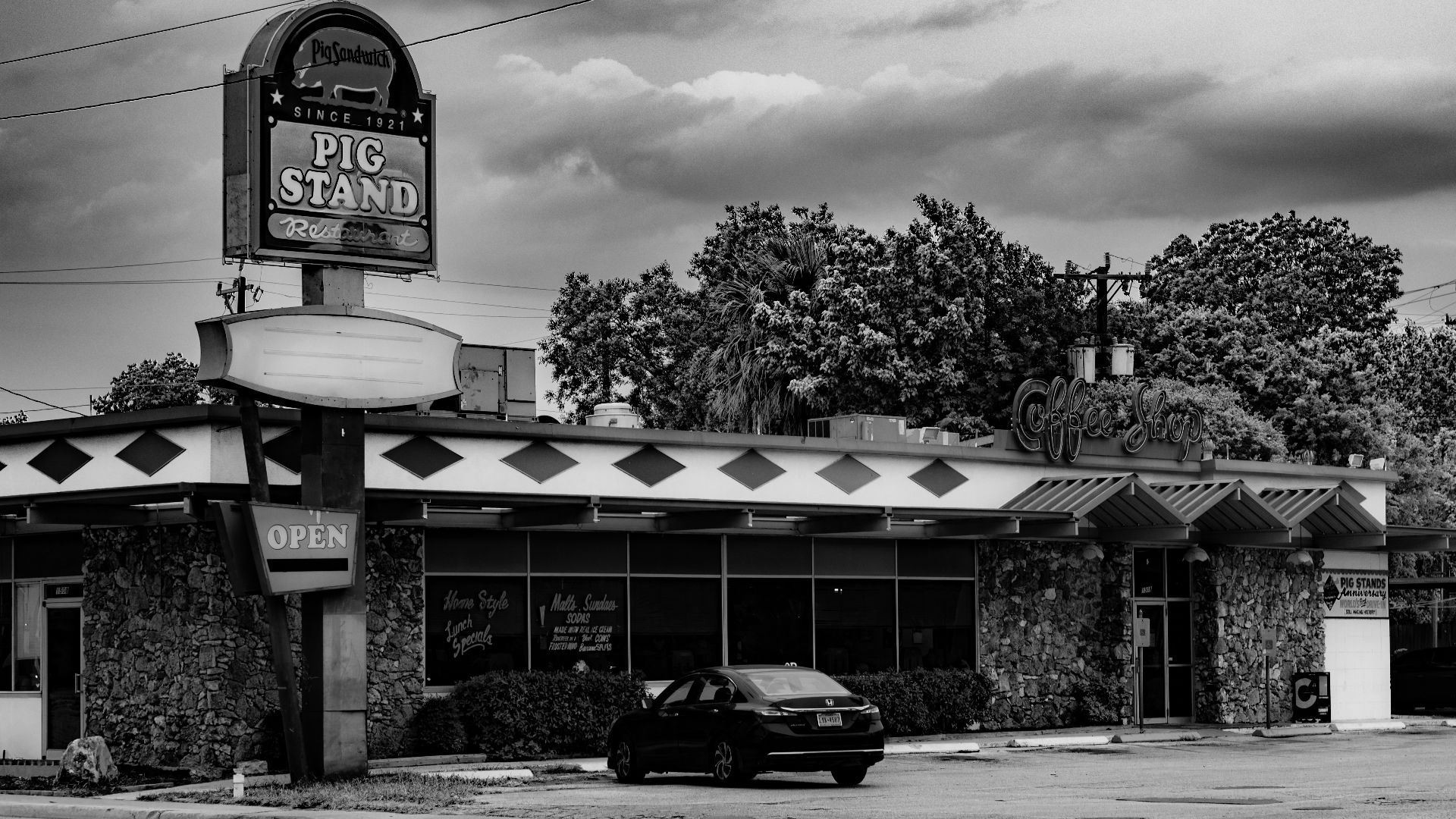
2. Kirby’s Pig Stand Helped Start Car-Based Dining
Kirby’s Pig Stand opened in Dallas in 1921 and is widely connected to the start of American drive-in restaurant culture. Its curb-service setup showed that restaurants could be built around drivers, parking spaces, and quick roadside stops.
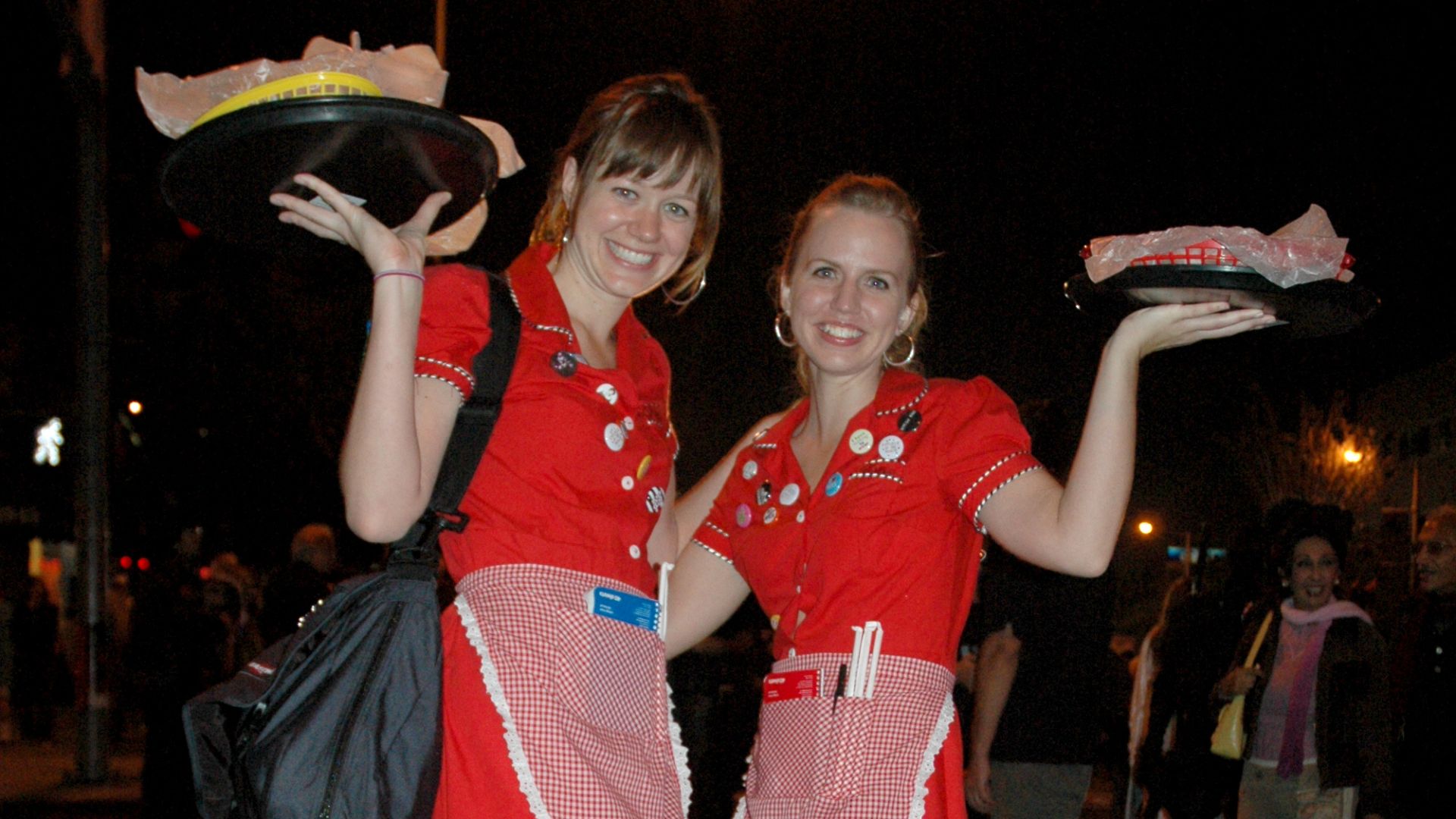
3. Carhops Came Before Speaker Boxes
Long before drivers ordered through a menu board, carhops did a lot of the work. They moved through parking lots with trays of food, giving drive-in dining a busy and social feel. The drive-thru later made the process faster, but carhops helped people get used to being served in their cars.
4. Red’s Giant Hamburg
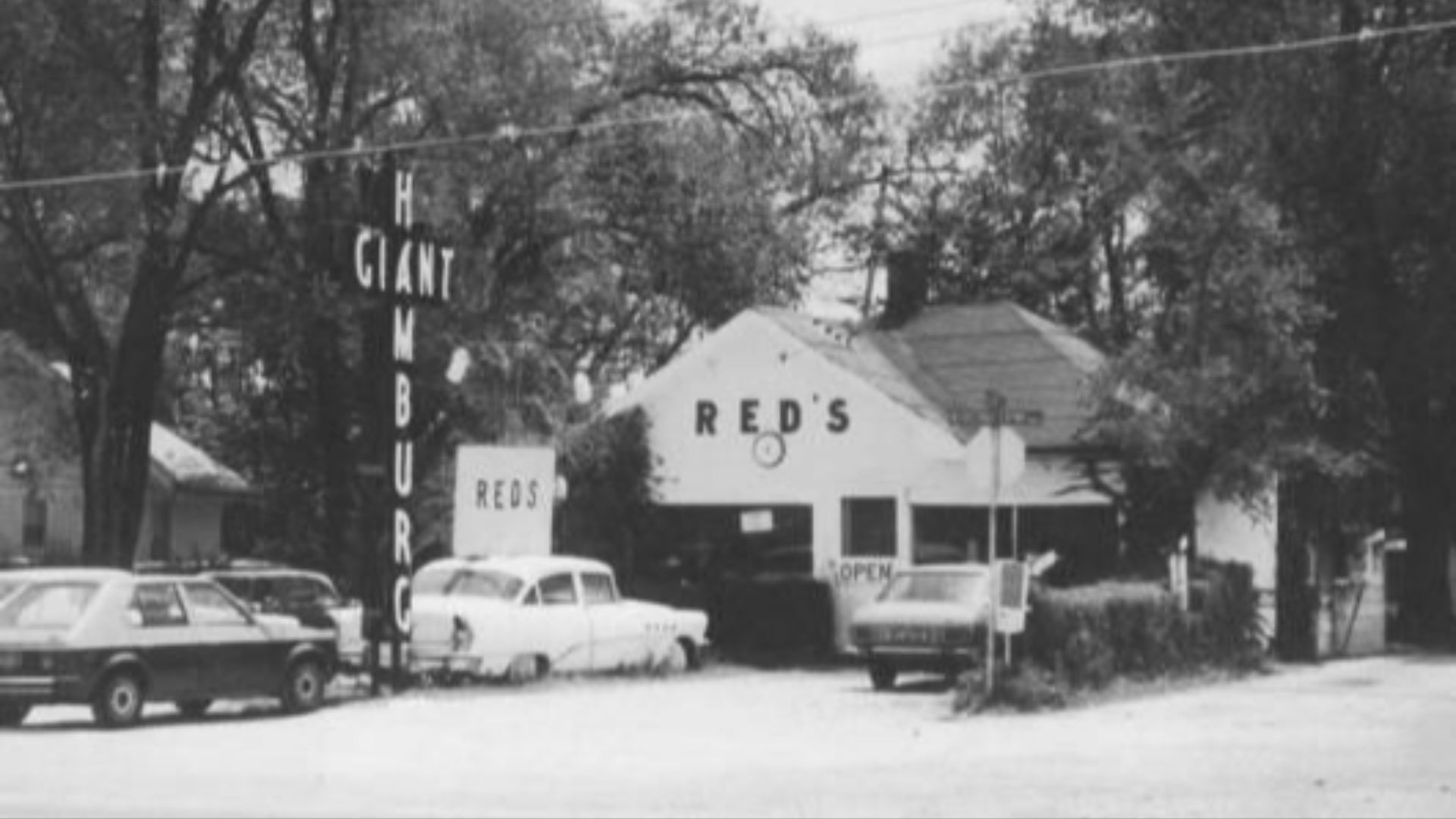
Red’s Giant Hamburg opened in Springfield, Missouri, in 1947 and later added a drive-up window with speakers. It’s often treated as one of the earliest true drive-thru setups because customers could move through without depending on traditional carhop service. That makes it an important name in drive-thru history.
5. Route 66 Made The Idea Feel Practical
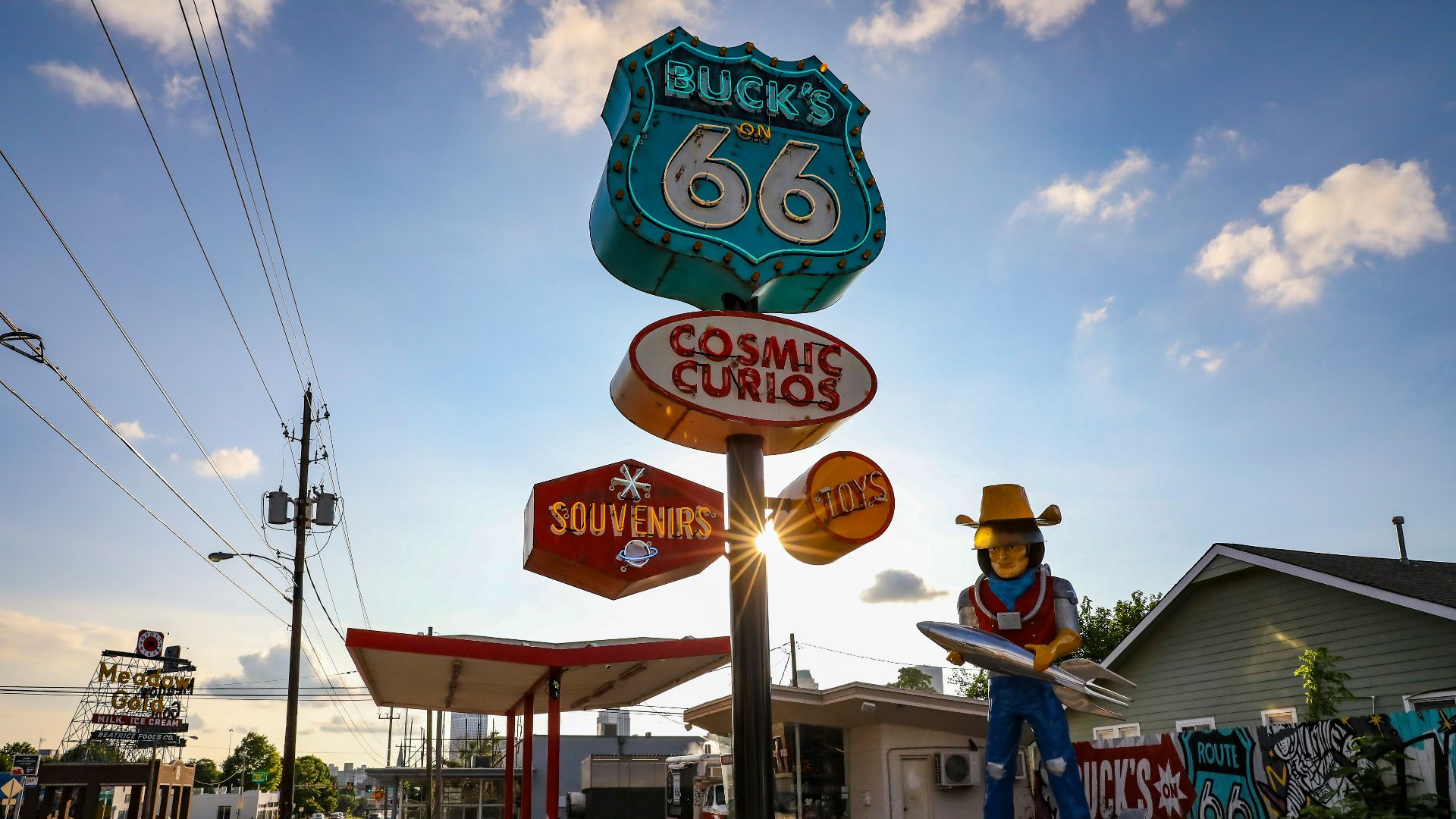
Red’s Giant Hamburg sat along Route 66, which gave the format a strong place to grow. Road-trippers, truckers, families, and hungry travelers all wanted quick food without climbing out of the car. A service window built for passing drivers made sense on a road full of people trying to keep moving.
6. In-N-Out Helped Bring Drive-Thru Burgers To California
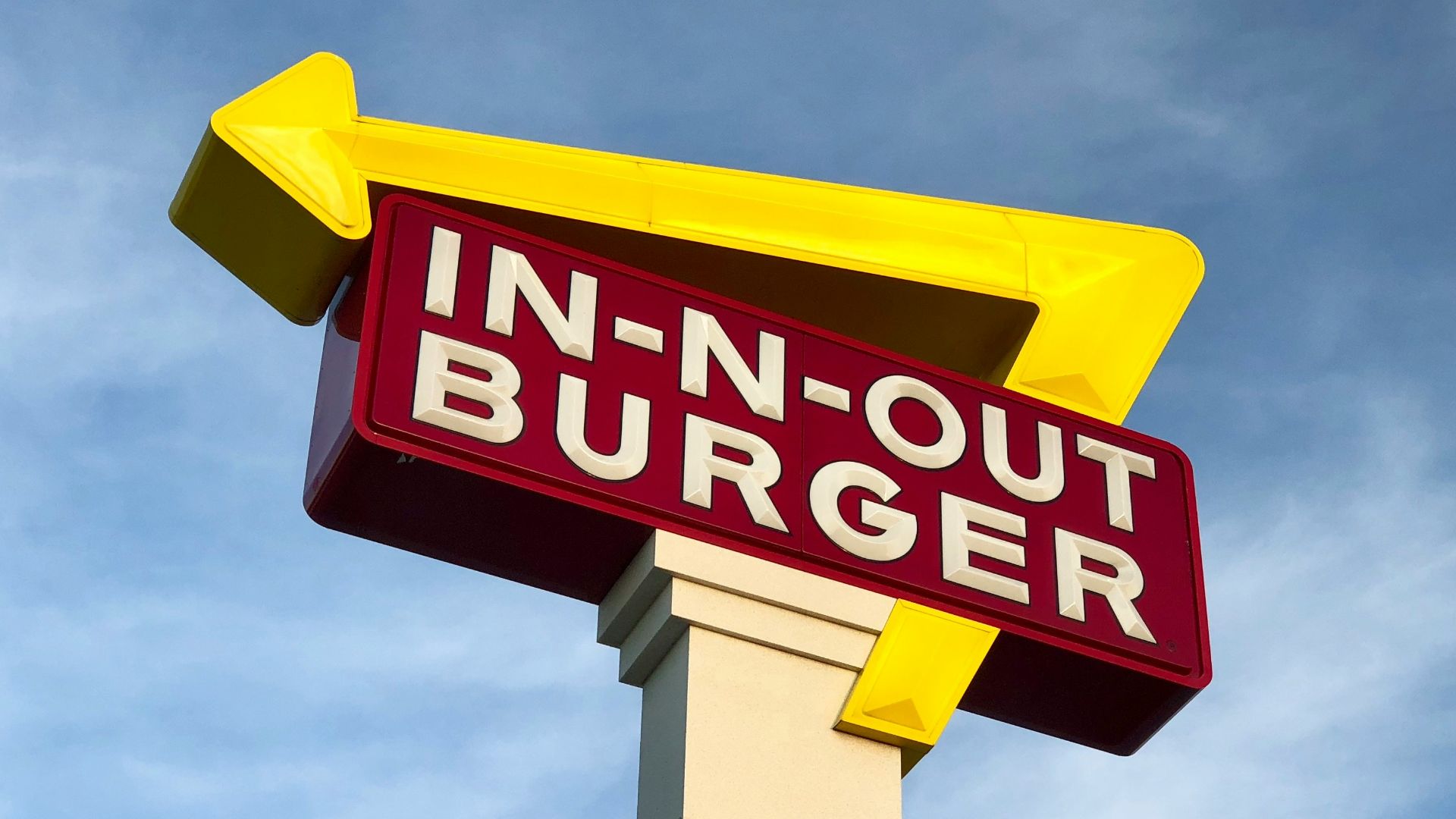
In-N-Out opened its first burger stand in Baldwin Park, California, in 1948. The original location was small, but its drive-thru setup fit Southern California’s car-heavy lifestyle. It also helped build the brand around fresh food, quick service, and customers who stayed behind the wheel.
7. The Two-Way Speaker
Early drive-thru service needed more than a pickup window to work well. The two-way speaker let customers order from their cars before they reached the window, which helped speed things up. It feels ordinary now, but at the time, it changed how fast food service could work.
8. Early Drive-Thru Eating Needed Lap Protection
Early In-N-Out customers were given paper lap protection while eating in their cars. That small detail says a lot about how people used drive-thrus in the beginning. Many customers weren’t just picking up food and driving away, since they were eating burgers, fries, and drinks right there in the car.
9. Jack In The Box Put The Drive-Thru Front And Center
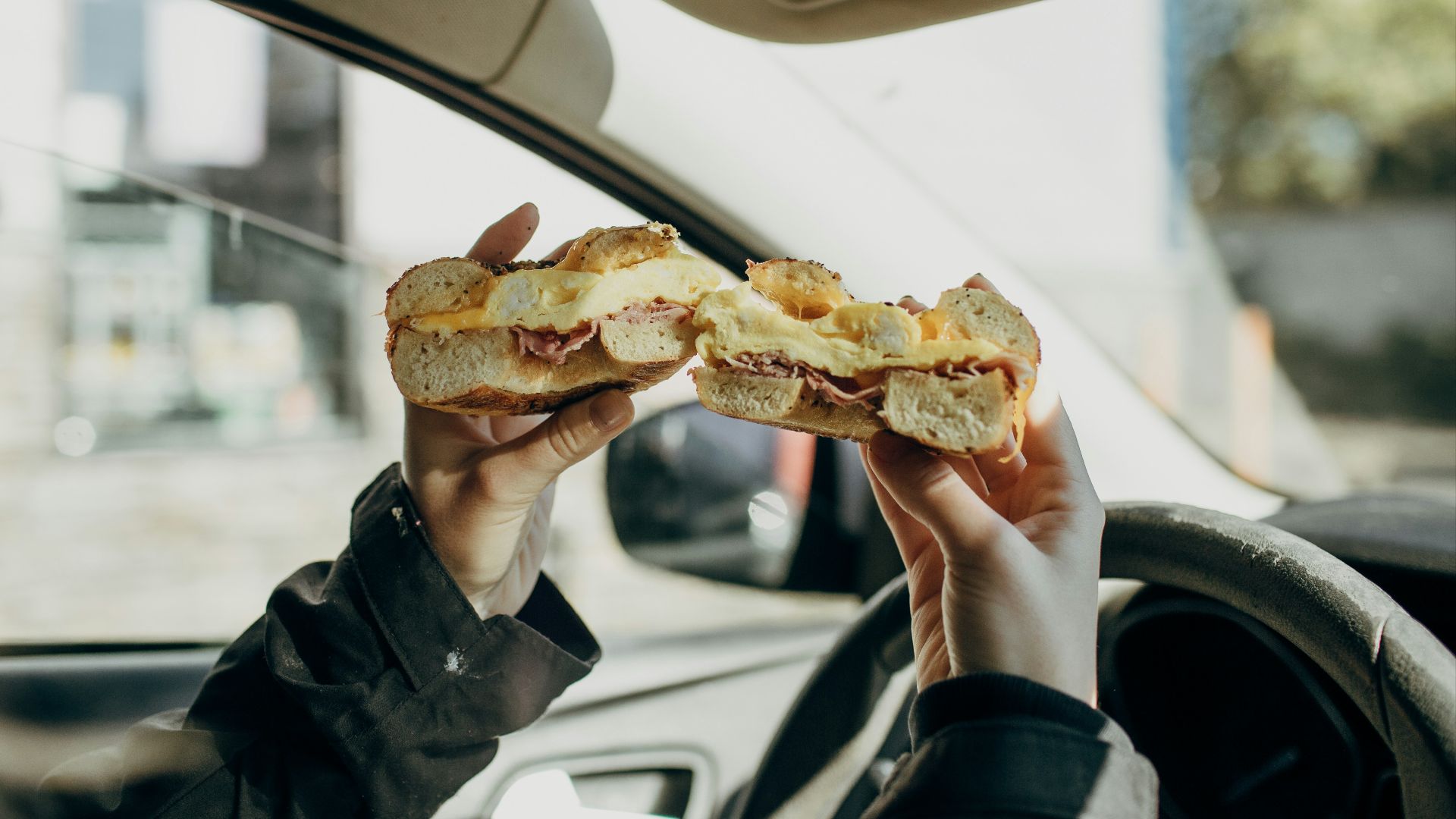
Jack in the Box opened in Southern California in 1951 and made car-based service a major part of its early identity. Some early locations didn’t have indoor seating, so the drive-thru wasn’t just an extra feature on the side. The car lane was the main way the restaurant worked.
10. Speaker Ordering
Talking to a speaker box didn’t feel normal in the 1950s. Early systems sometimes used signs that prepared drivers for a voice to answer them, which shows how new the process felt.
11. Sonic Kept The Drive-In Spirit Alive
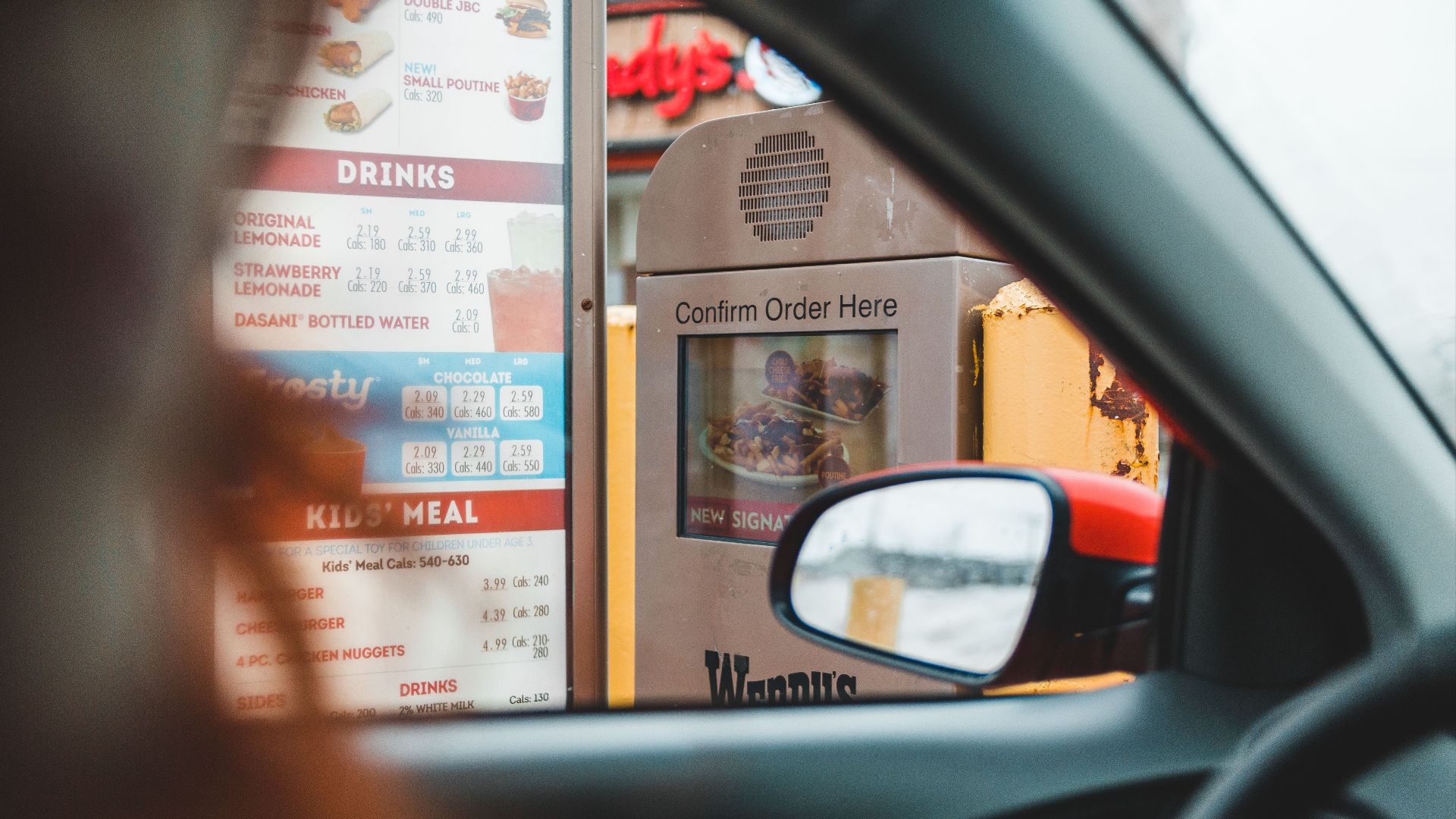
Sonic traces its roots to Top Hat Drive-In, which opened in Shawnee, Oklahoma, in 1953. While many chains leaned into moving drive-thru lanes, Sonic kept the parked-car experience with carhops, canopies, and intercom ordering. That helped an older style of car service stick around while fast food kept changing.
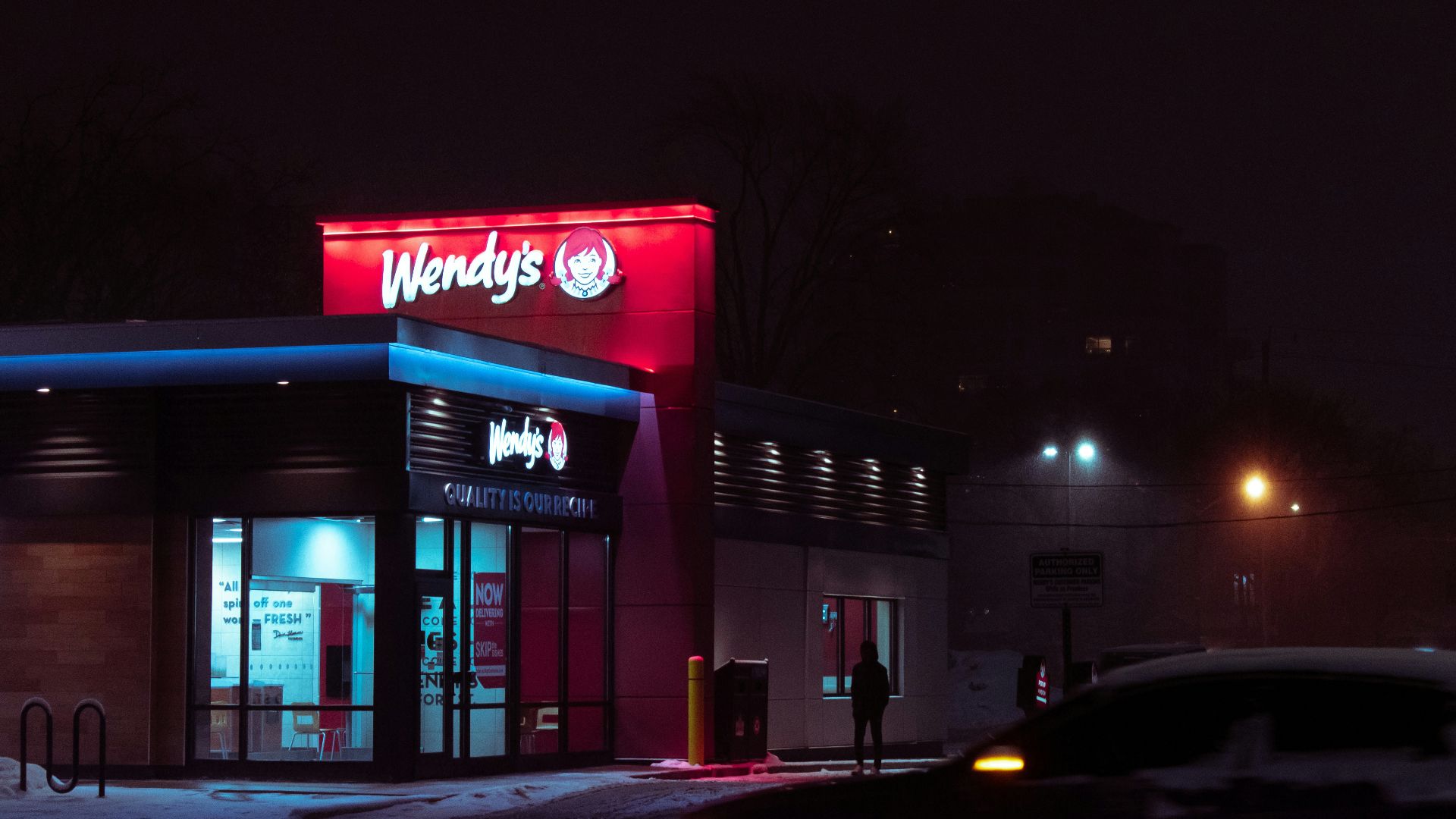
12. Wendy’s Helped Modernize The Pickup Window
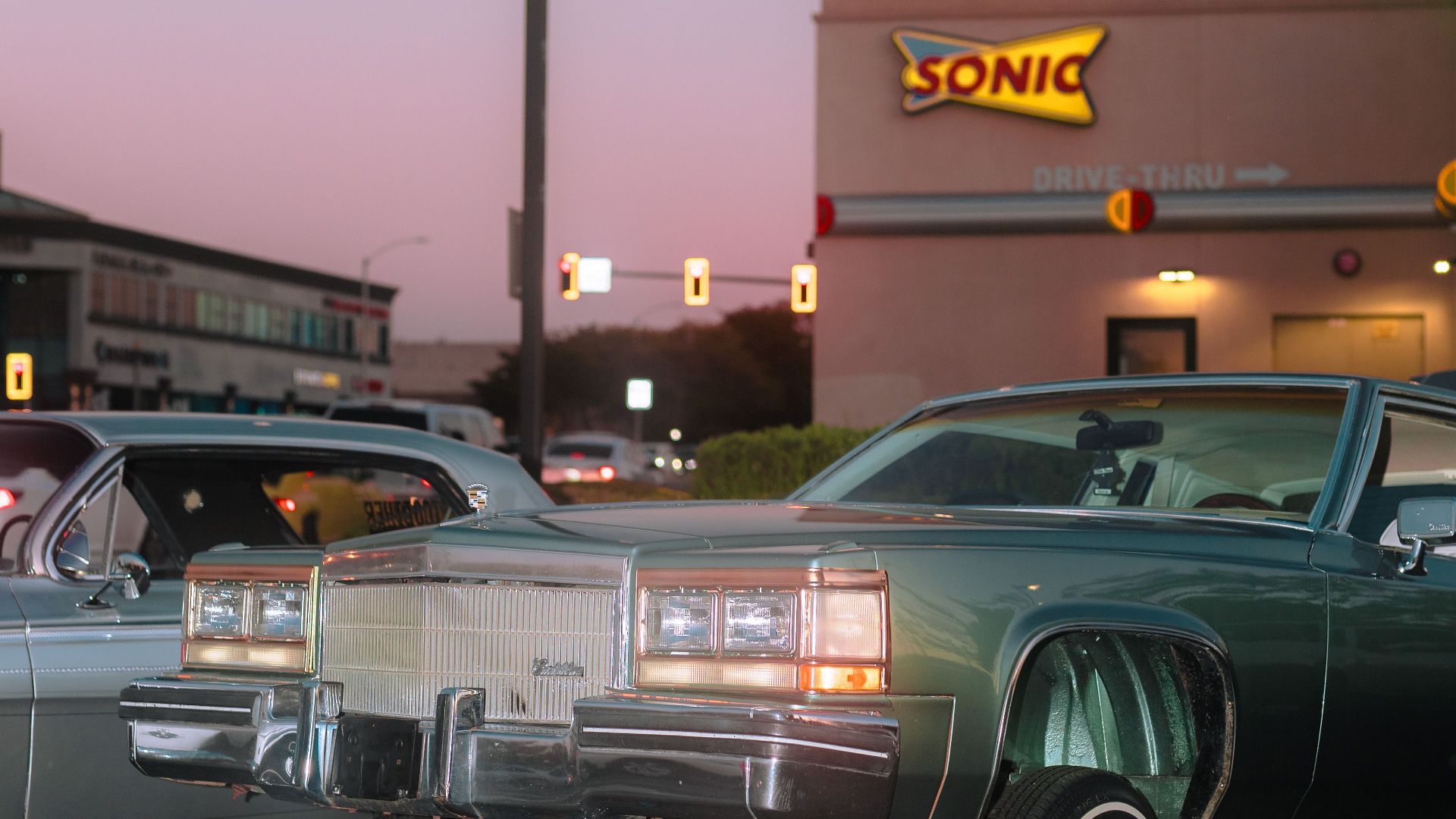
Wendy’s introduced its Pick-Up Window in November 1970. The idea wasn’t brand new, but it helped make drive-thru service feel more organized for a growing fast-food chain. Customers still needed some guidance at first, which shows that the format hadn’t become second nature yet.
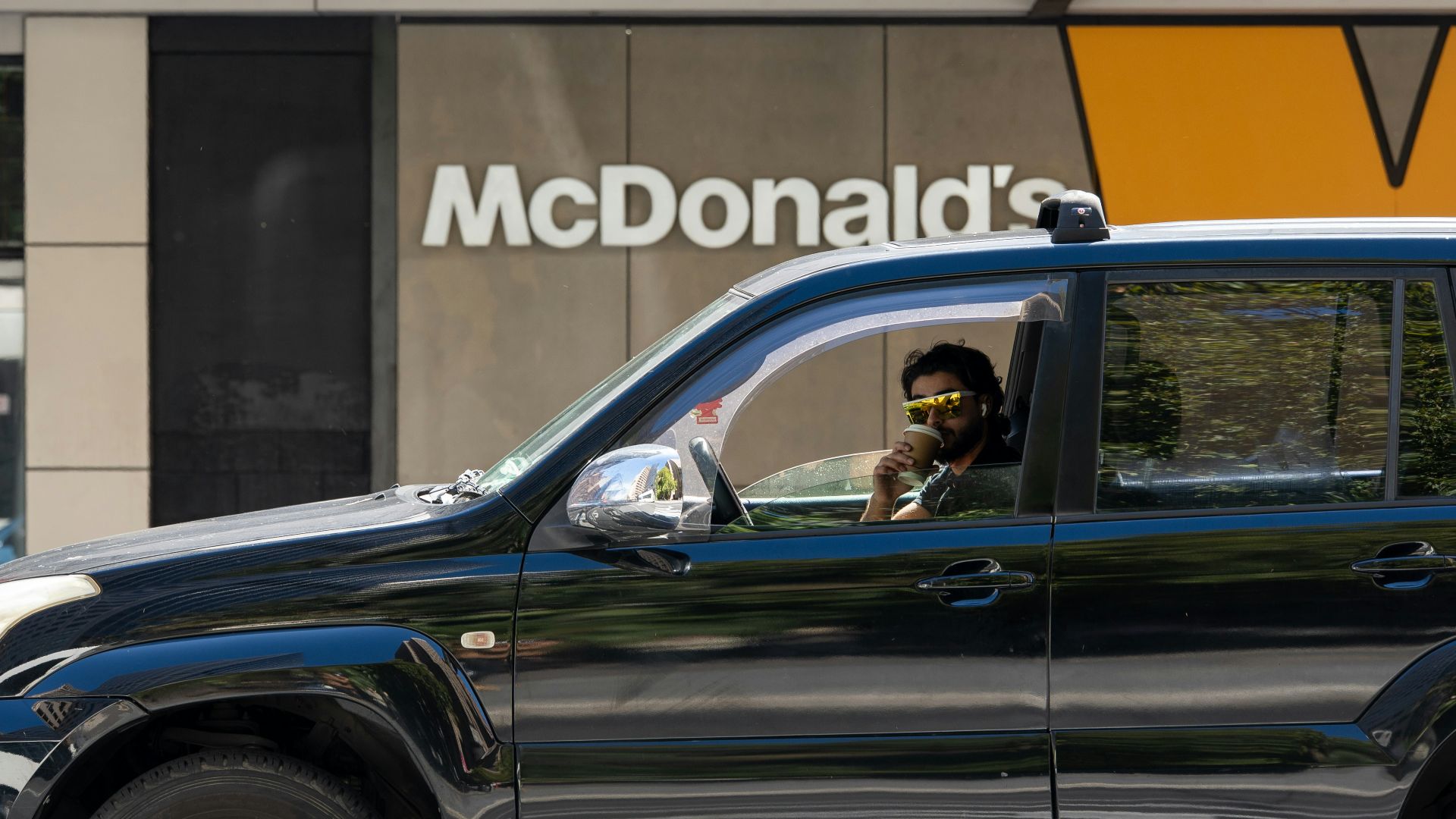
13. McDonald’s
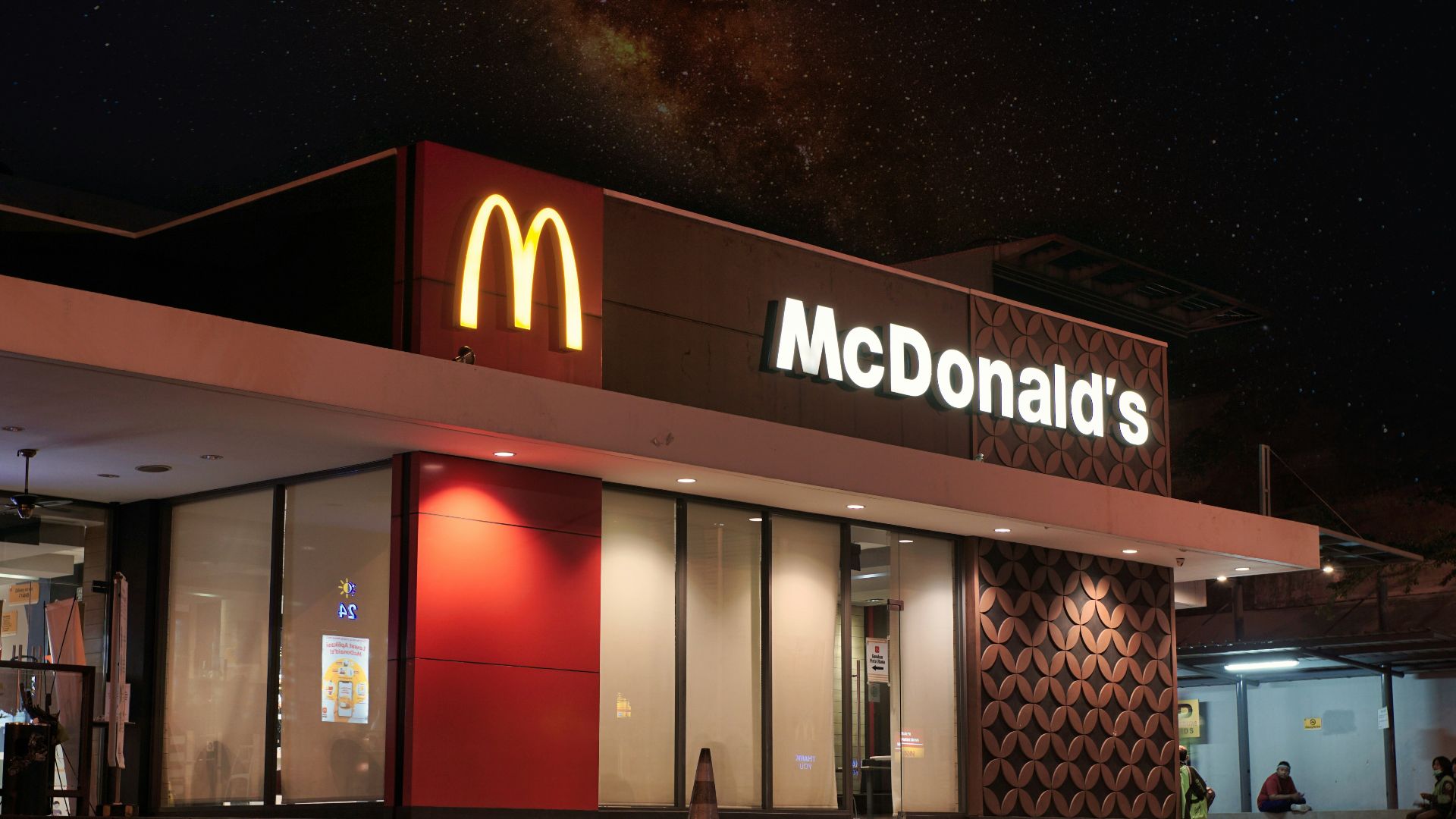
McDonald’s opened its first drive-thru on January 24, 1975, in Sierra Vista, Arizona. That timing can surprise people because the chain is now so closely tied to drive-thru service. Other restaurants had already spent years testing and improving car-window ordering by then.
14. The First McDonald’s Drive-Thru
That first McDonald’s drive-thru was near Fort Huachuca. The location mattered because uniformed soldiers faced rules that made it difficult to go inside the restaurant while wearing fatigues. A drive-thru window solved a local problem and helped push the chain toward a much bigger change.
15. The 1970s Helped Make Drive-Thrus Mainstream
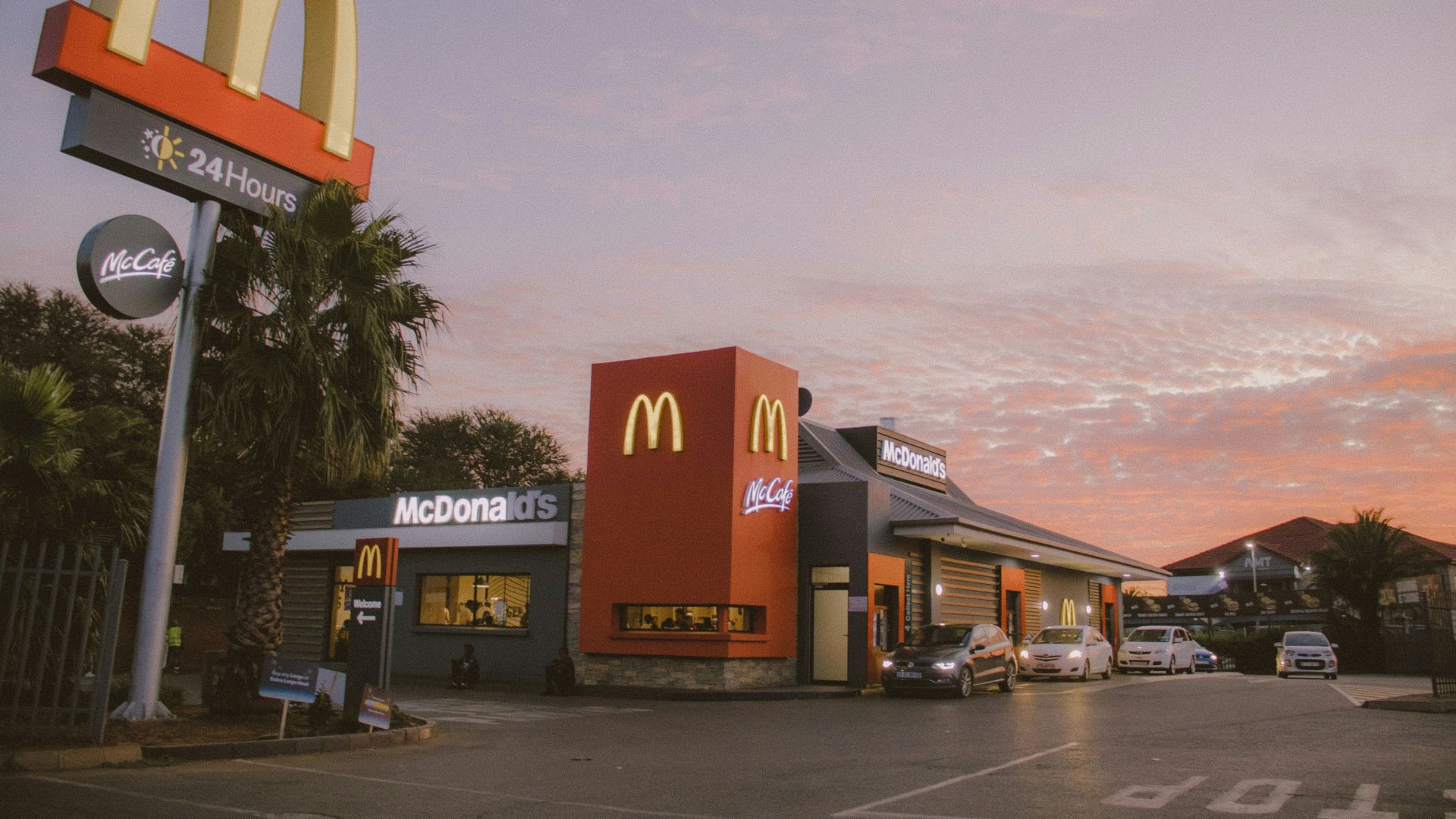
By the 1970s, drive-thru service was becoming less of a novelty and more of a serious fast-food feature. Suburbs were spreading, commutes were getting longer, and families were spending more time running errands by car. The drive-thru fit that daily routine because it made meals and snacks easier to grab on the move.
16. Drive-Thrus Changed Restaurant Buildings
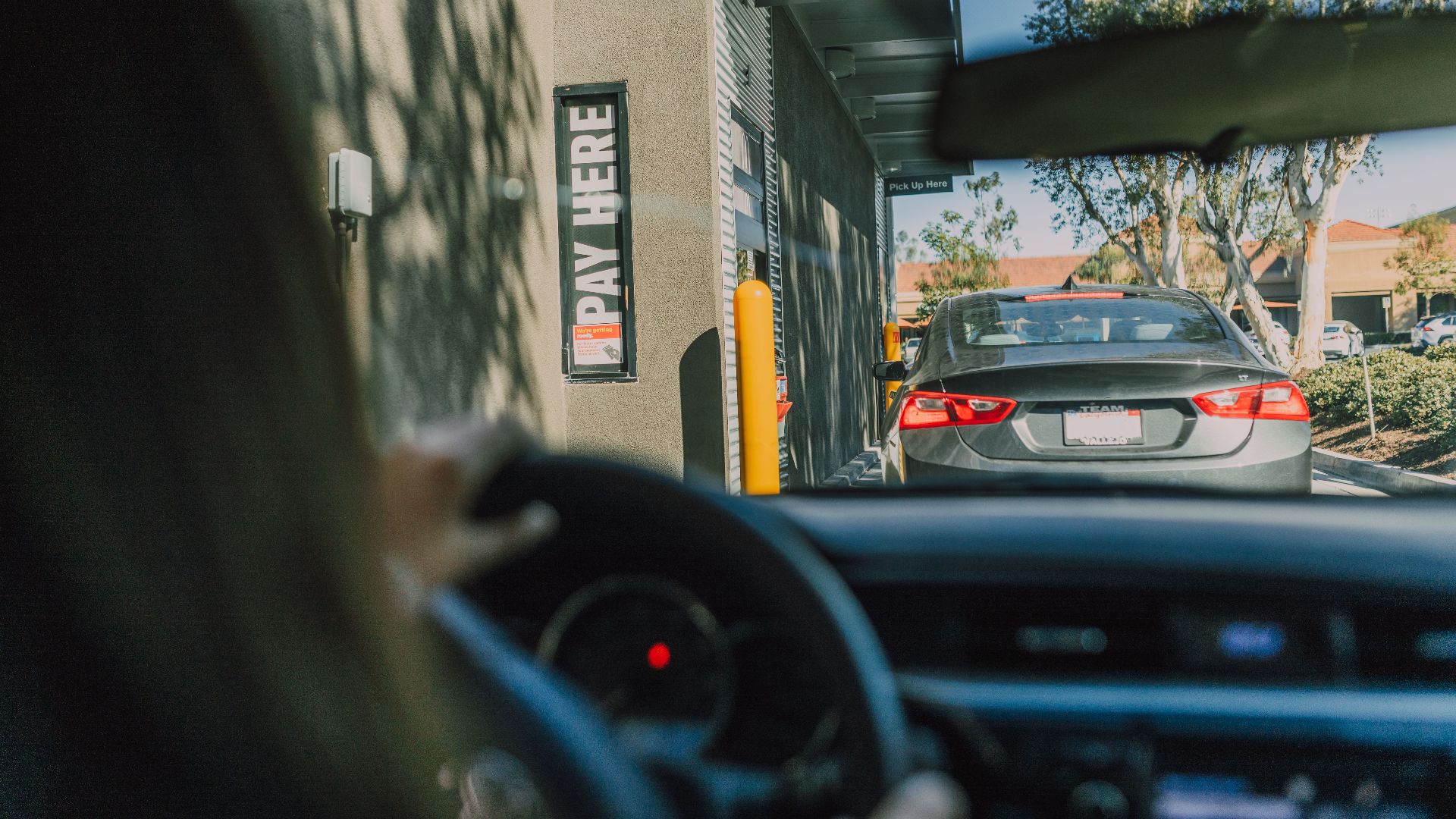
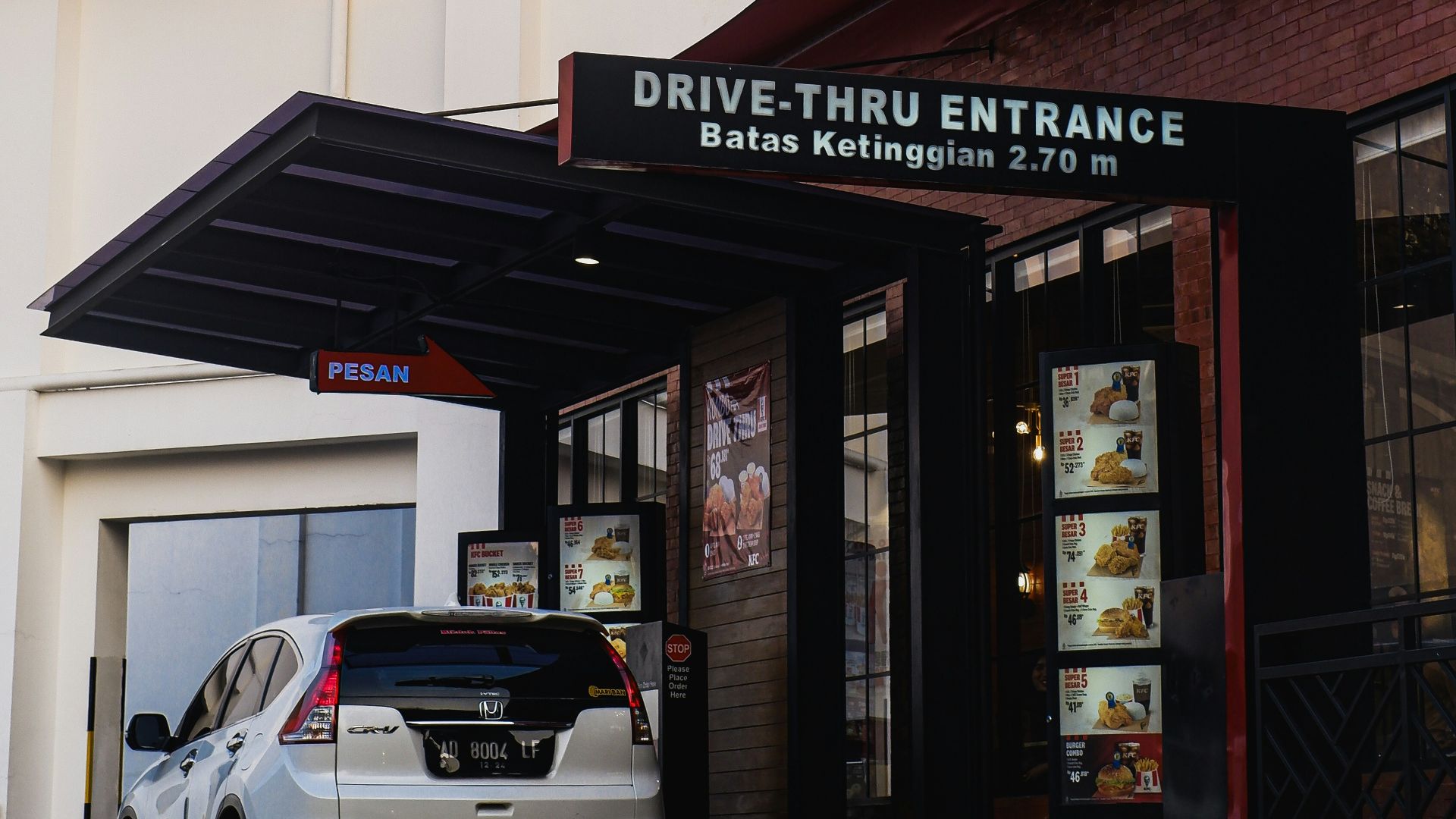
A good drive-thru needs more than a window cut into a wall. Restaurants had to rethink lane placement, menu boards, speaker boxes, payment points, pickup windows, traffic flow, and waiting spots for slower orders. The building had to work for cars as well as walk-in customers.
17. Banks Helped Normalize Drive-Up Errands
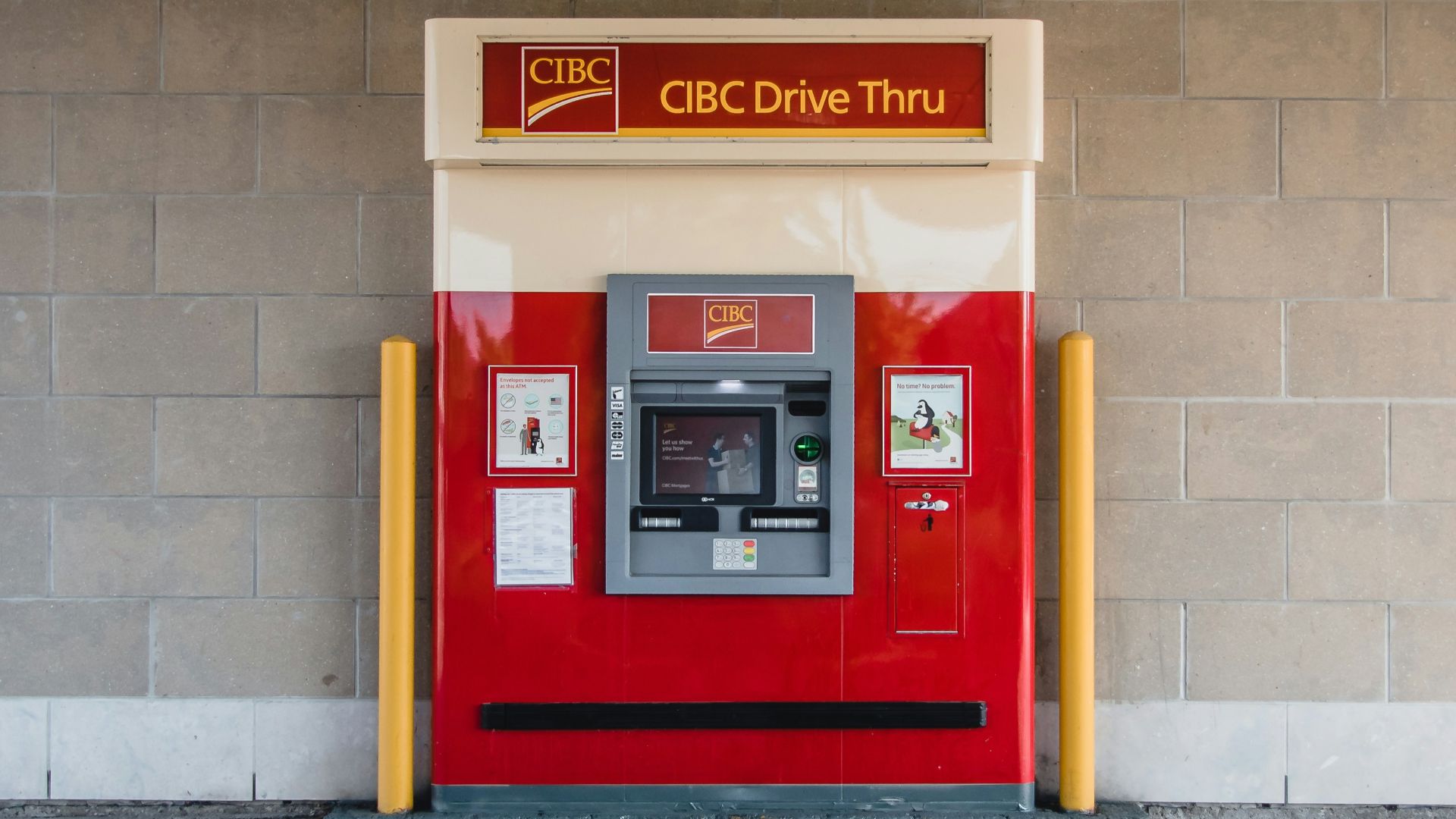
Restaurants weren’t the only businesses built around drivers. Drive-up banking helped people get used to handling everyday errands from the driver’s seat through windows, drawers, protective glass, and later, air-powered tube systems. That wider car-service culture made restaurant drive-thrus feel less strange.
18. “Drive-Thru” Became The Friendly Spelling
“Drive-through” is the more formal spelling, while “drive-thru” became the shorter version often used on signs, menus, and brand materials. The casual spelling fits the experience well. When drivers are trying to grab coffee, burgers, or fries quickly, the shorter version feels right at home.
19. Drive-Thrus Became A Huge Sales Channel
By 2018, many major quick-service chains reported that about 70 percent of their sales came through the drive-thru window. That helps explain why restaurants care so much about lane speed, menu design, order accuracy, and how cars move around the building. A slow lane can frustrate drivers and affect how well the whole restaurant runs.
20. The Drive-Thru Is Still Being Reinvented
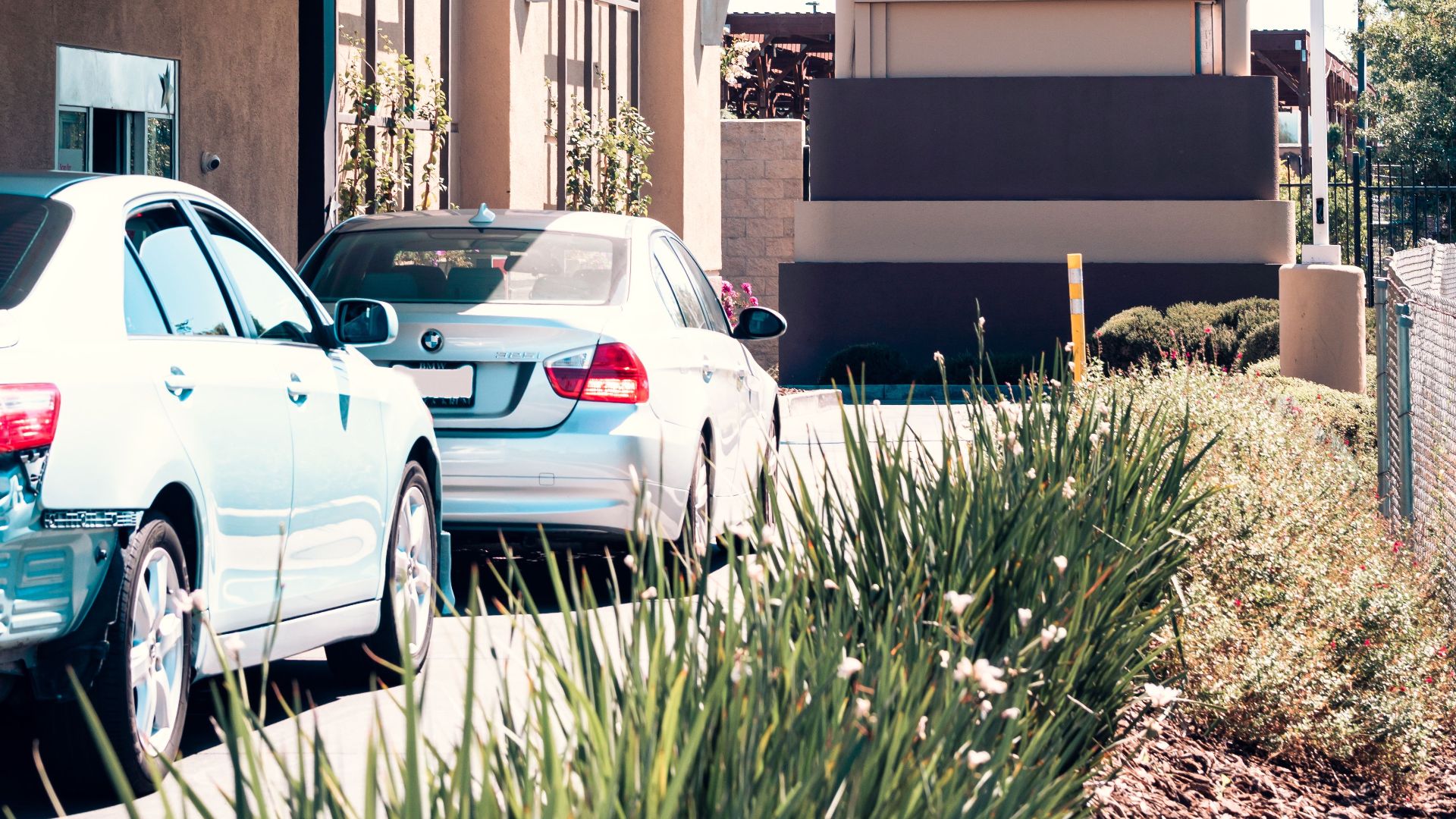
Today’s newest drive-thrus go far beyond one speaker and one pickup window. Some newer designs use multiple lanes, elevated kitchens, mobile-order lanes, vertical lifts, and conveyor systems to move food faster. The basic idea is still simple, but the setup around it keeps getting more advanced.