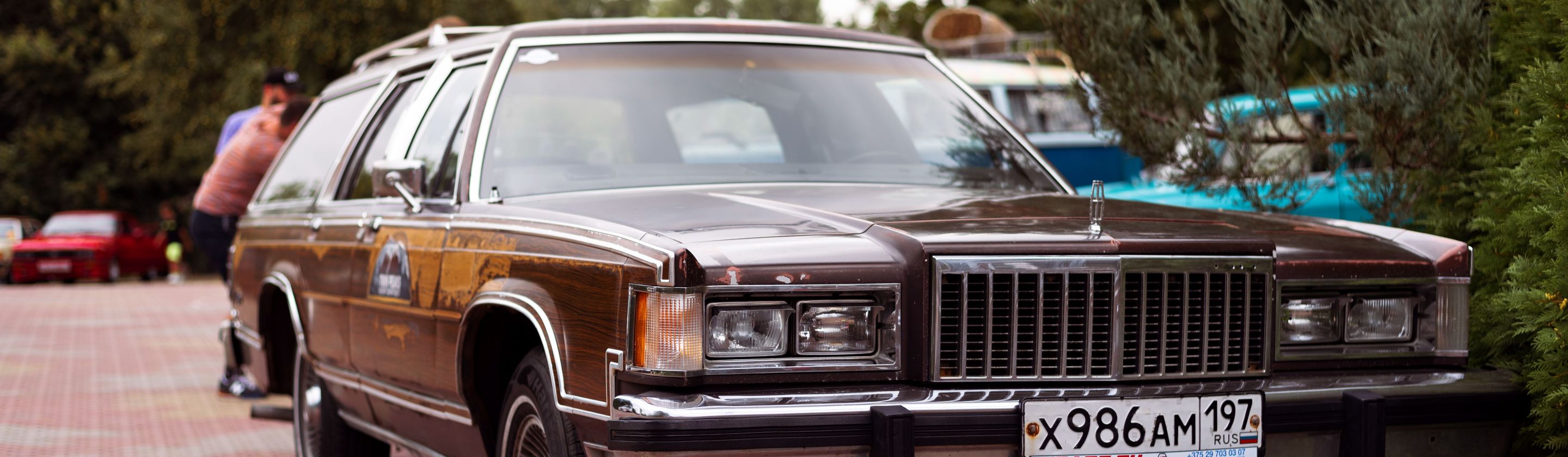

Station wagons were once the go-to family vehicle before minivans and SUVs took over the market, but they're quietly finding their way back into the spotlight. Drivers are rediscovering that wagons offer many of the same practical benefits as crossovers while delivering a lower ride height, sharper handling, and a distinctive sense of style. Rather than being viewed as outdated, many classic wagons are now appreciated for their versatility, timeless design, and growing collector appeal.
Modern buyers are also beginning to recognize that many wagons were simply ahead of their time. They combined generous cargo space with car-like driving dynamics long before crossovers became popular, and that balance feels surprisingly relevant today. Whether restored to factory condition or tastefully updated, these vehicles are attracting both longtime enthusiasts and a younger generation of drivers looking for something different.
Practicality Never Went Out Of Style
One of the biggest reasons classic wagons are making a comeback is that they remain exceptionally practical. Their long roofs and spacious cargo areas make it easy to haul everything from luggage and camping gear to antiques and home improvement supplies without sacrificing passenger comfort. Many models also offered rear seats that folded flat, creating impressive storage space that rivaled much larger vehicles.
Unlike many modern SUVs, classic wagons typically sit lower to the ground, making them easier to load and unload. That lower center of gravity also improves handling and creates a driving experience that feels more connected to the road. For people who enjoy road trips or regularly carry bulky items, a wagon often strikes an ideal balance between utility and comfort.
Owners also appreciate the excellent visibility many wagons provide. Large windows and slimmer roof pillars create an airy cabin while making parking and maneuvering easier than in many taller modern vehicles. Those practical advantages have aged remarkably well, especially for drivers who value function over fashion.
Nostalgia And Collectibility Are Driving Interest
Many people who grew up riding in station wagons now see them as symbols of family vacations, weekend errands, and everyday life during previous decades. Restoring one allows owners to reconnect with those memories while preserving a unique piece of automotive history. As a result, wagons that were once overlooked have become increasingly welcome at classic car shows and enthusiast gatherings.
Collectors have also noticed that some wagons remain relatively affordable compared with equally desirable coupes or convertibles from the same era. Models from manufacturers like Ford, Chevrolet, Volvo, Mercedes-Benz, and Subaru have developed loyal followings because they combined practicality and rarity. As values for traditional muscle cars continue to climb, well-preserved wagons have become attractive alternatives for buyers looking to stand out.
Limited production numbers have added to that appeal. Performance-oriented wagons and upscale trim levels were often built in far smaller quantities than standard sedans, making surviving examples especially desirable today. That scarcity has encouraged more owners to restore rather than modify them, helping preserve their originality for future generations.
Modern Drivers Appreciate Their Unique Character
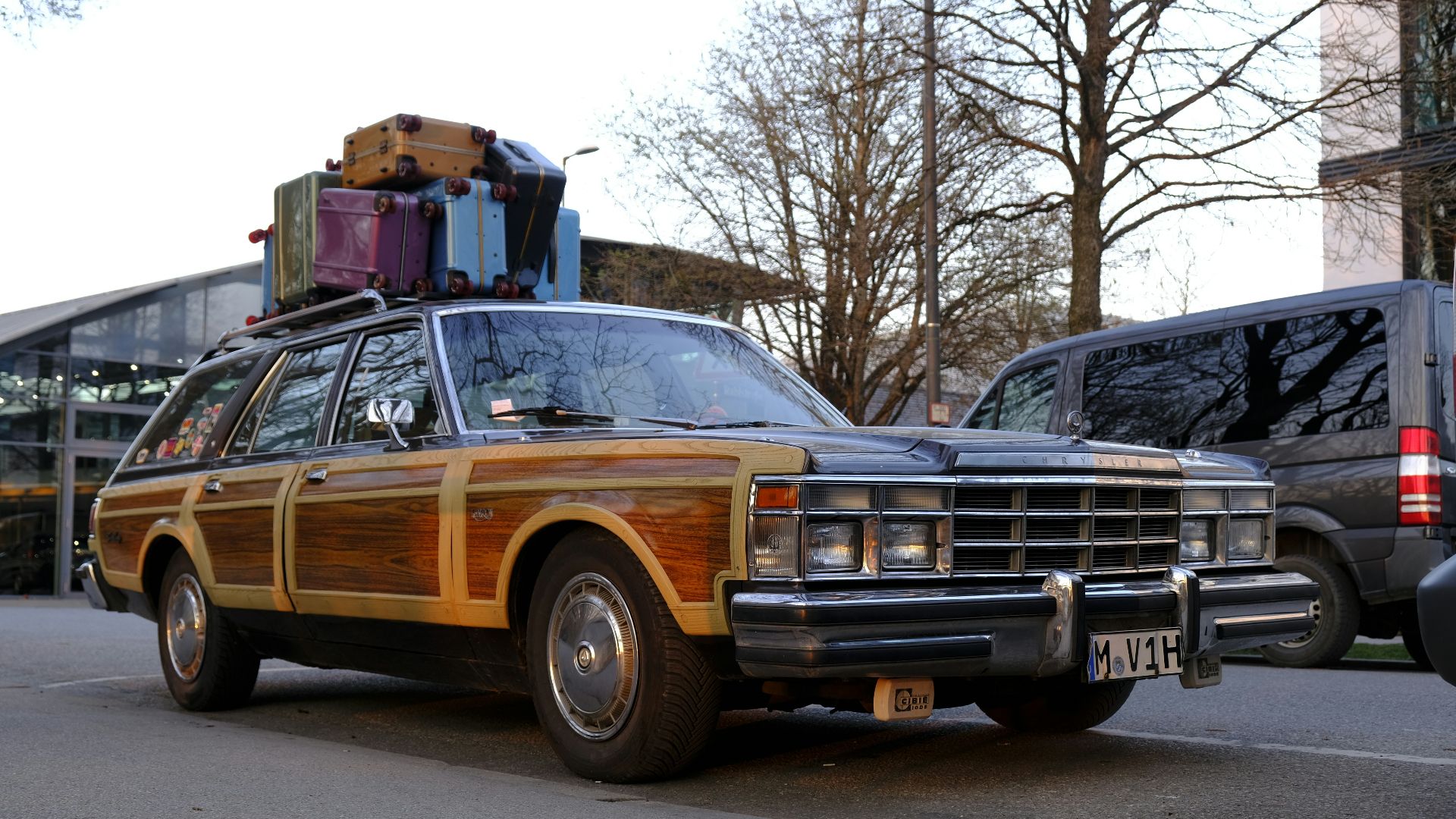
Classic wagons offer a personality that many modern vehicles struggle to match. Their styling tends to emphasize long, clean body lines rather than the tall proportions that dominate today's crossover market. As automotive designs have become increasingly similar, a well-kept wagon immediately stands out without trying too hard.
The growing popularity of vintage road trips, classic car events, and outdoor recreation has also worked in the wagon's favor. Owners appreciate having enough cargo space for bicycles, coolers, camping equipment, or photography gear while still enjoying the relaxed driving experience of a traditional passenger car. That versatility makes these vehicles feel just as useful today as they did decades ago.
There's also a thriving community built around preserving and enjoying classic wagons. Enthusiast clubs, online forums, and specialty parts suppliers have made ownership much easier than it once was, giving new buyers access to restoration advice and hard-to-find components. As more restored examples appear on the road, public appreciation continues to grow, introducing an entirely new audience to vehicles that deserve far more recognition than they received when they were simply family transportation.
The quiet revival of classic wagons isn't based solely on nostalgia. It reflects a growing appreciation for vehicles that combine practicality, distinctive styling, and enjoyable driving manners without following modern trends. As more enthusiasts rediscover what these long-roof classics have to offer, it's becoming clear that the station wagon's story is far from over.