Built To Succeed Or Fade Away
Ford's history is filled with vehicles that took very different paths after leaving the factory. Some reshaped the automotive industry, inspired generations of enthusiasts, or became household names that are still celebrated today, while others struggled to find an audience and quietly disappeared despite showing plenty of promise. Looking at 10 unforgettable successes and 10 forgotten missteps offers a fascinating look at how timing, design, performance, and consumer tastes can determine whether a vehicle becomes a legend or simply another footnote in Ford's long history.
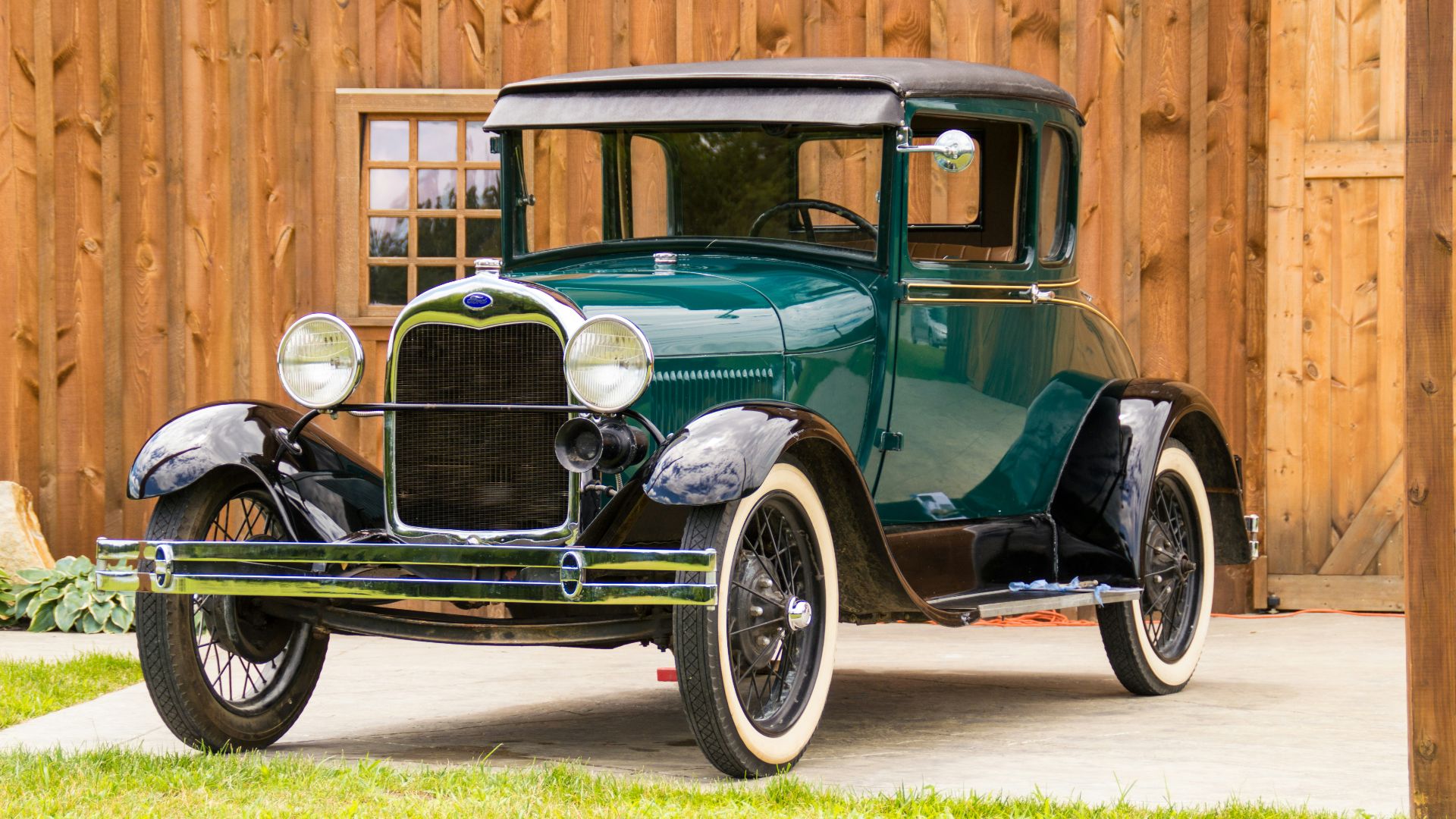
1. Ford Model T
The Model T transformed personal transportation by making automobiles affordable for ordinary families. Its moving assembly line revolutionized manufacturing and lowered production costs around the world. More than a century later, it's still recognized as one of the most influential vehicles ever built.
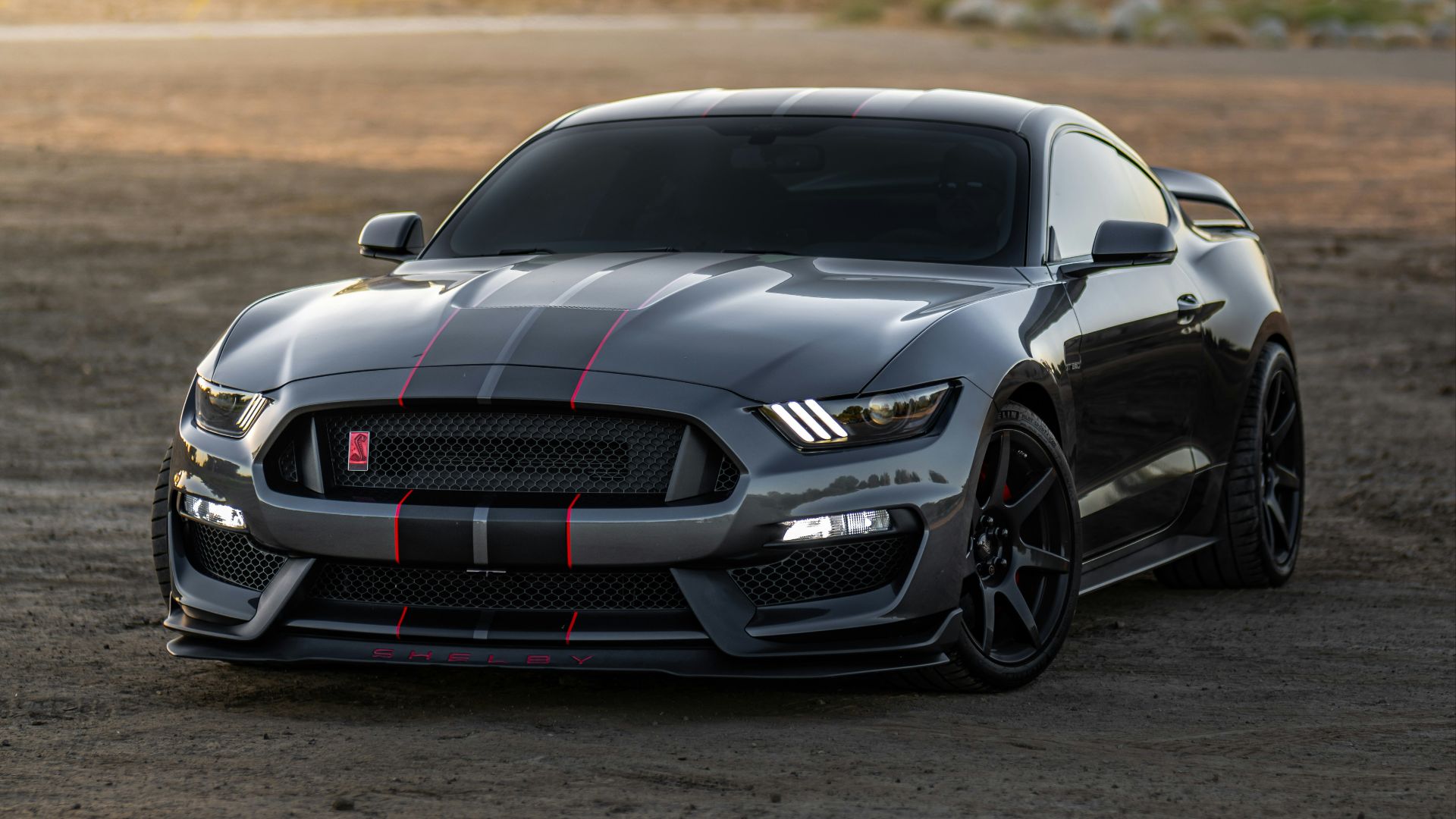
2. Ford Mustang
Introduced in 1964, the Mustang created the "pony car" segment almost overnight. Its stylish design and wide range of engine choices attracted drivers of all ages. Few American cars have maintained such strong popularity across multiple generations.
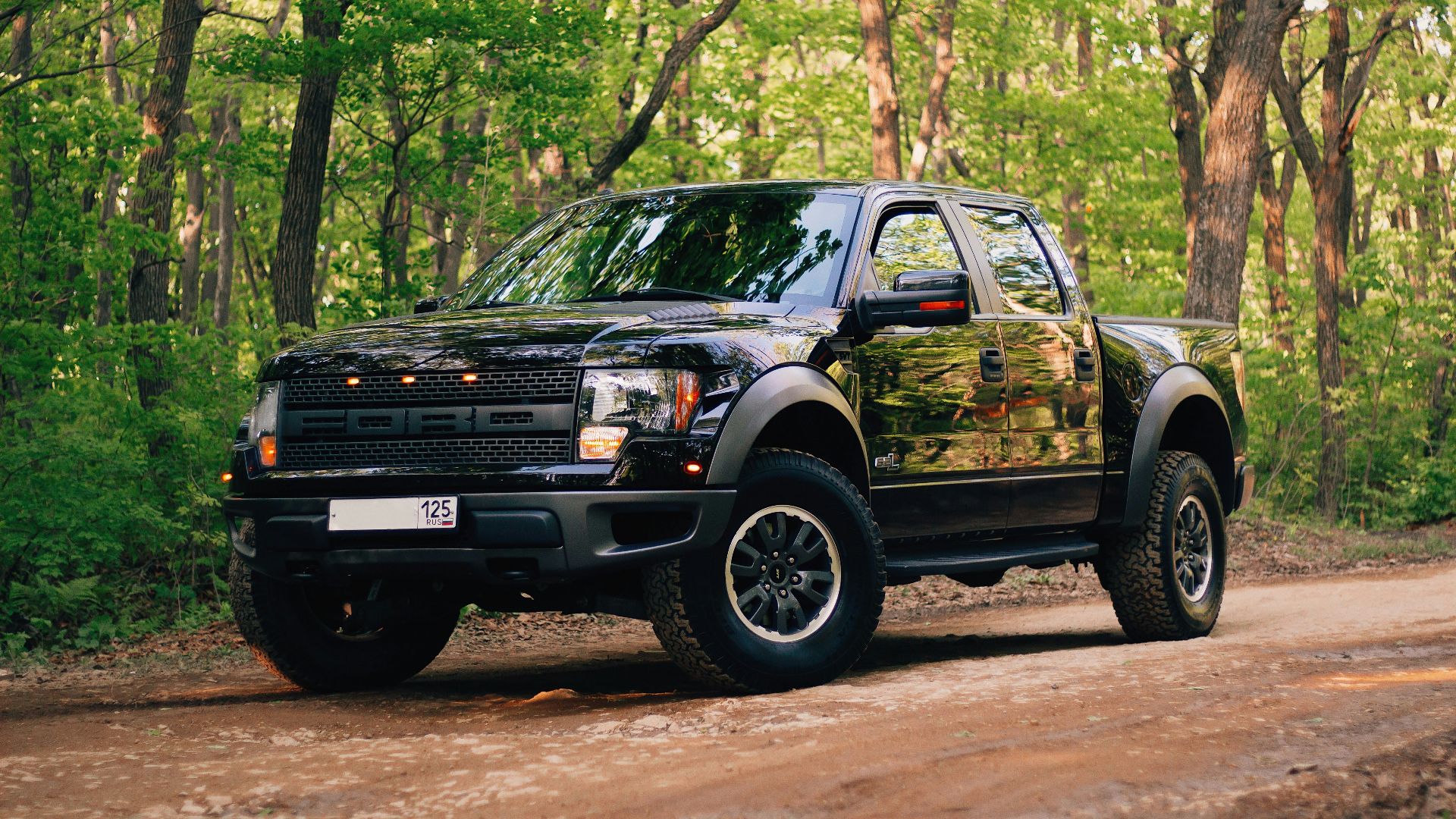
3. Ford F-150
The F-150 has spent decades as one of America's best-selling vehicles. Its combination of durability, capability, and continual improvements has helped it dominate the full-size pickup market. Every new generation builds on a reputation earned over many years.
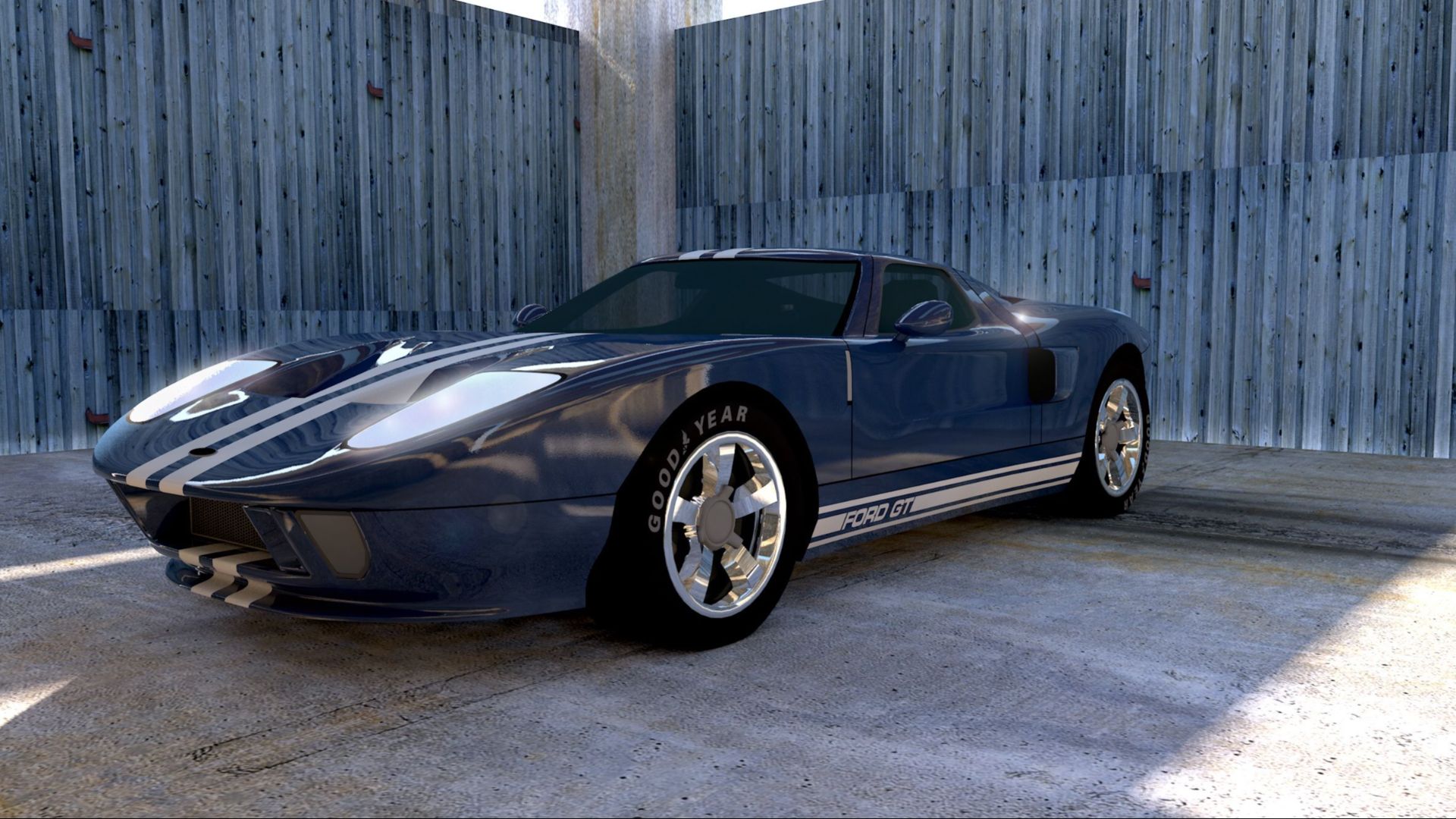
4. Ford GT40
The GT40 became a racing legend after defeating Ferrari four consecutive times at the 24 Hours of Le Mans from 1966 through 1969. Its victories marked one of the greatest achievements in American motorsports. The car remains an icon of endurance racing.
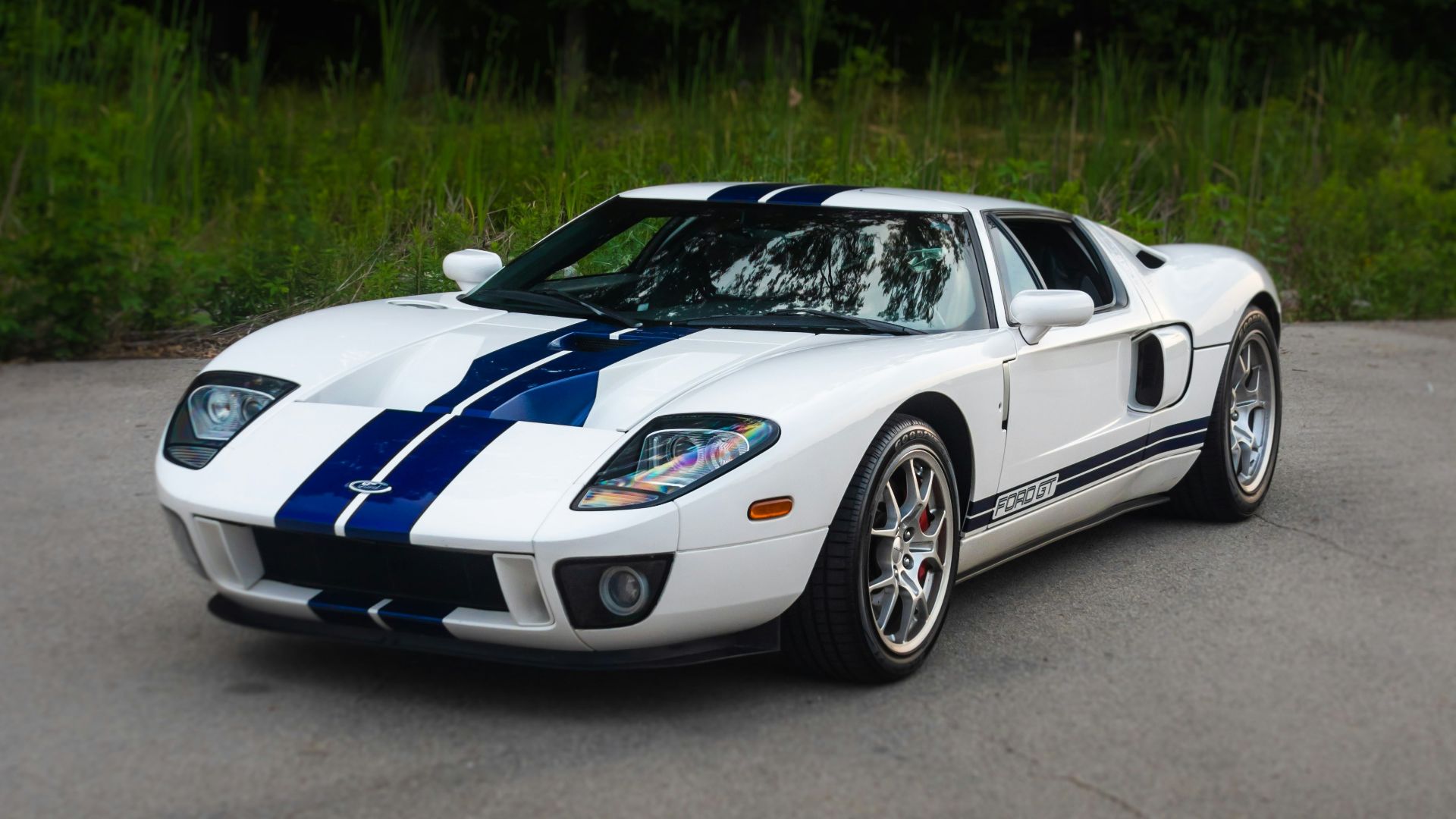
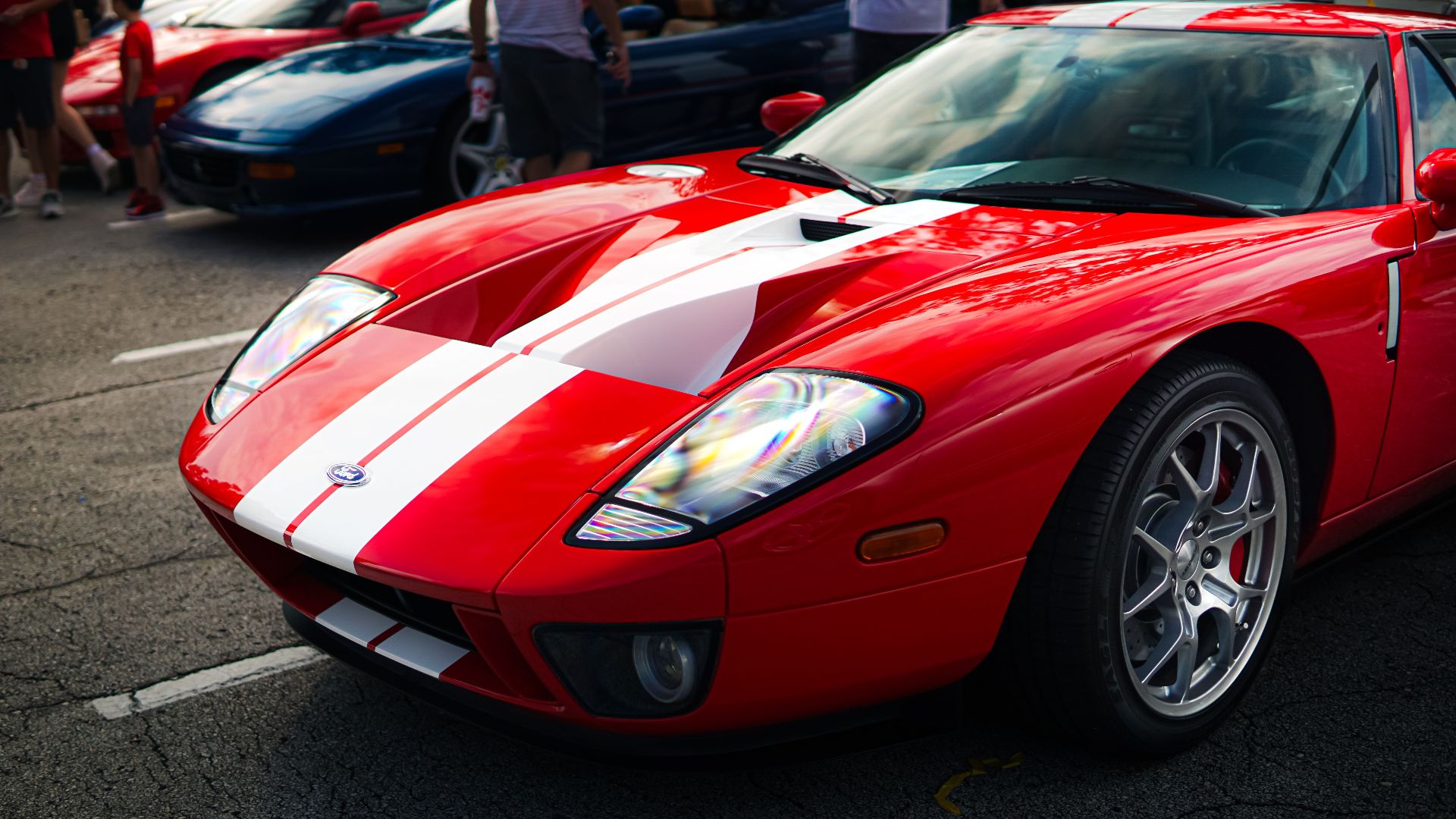
5. Ford GT
Released in the mid-2000s as a tribute to the GT40, the modern Ford GT blended retro styling with supercar performance. A second-generation version later returned with advanced aerodynamics and another Le Mans class victory. Both versions have become highly desirable collector cars.
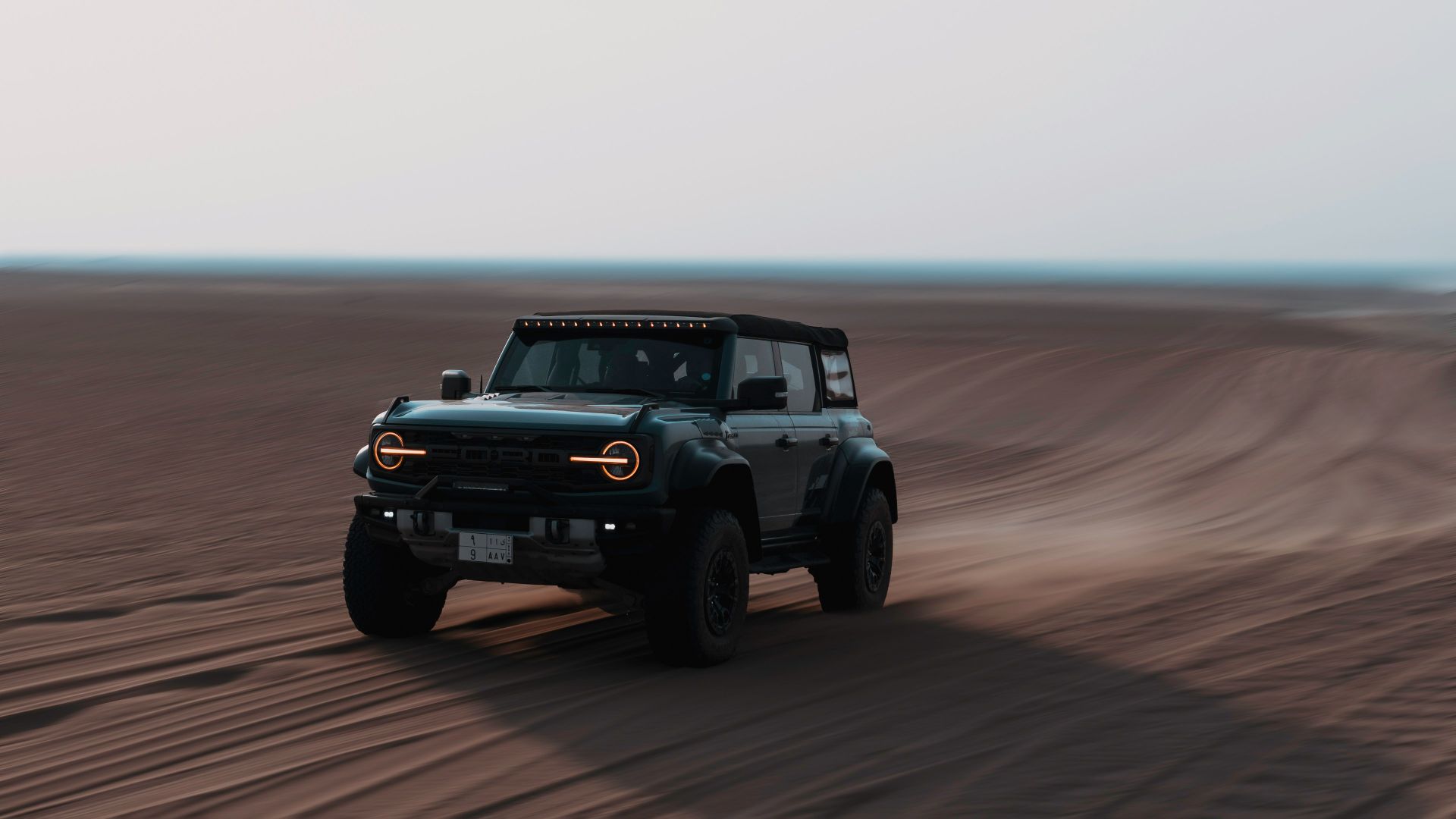
6. Ford Bronco
The original Bronco helped define the sport utility vehicle decades before SUVs dominated the market. Its rugged capability earned a loyal following among off-road enthusiasts. The successful revival of the nameplate proved its enduring appeal.
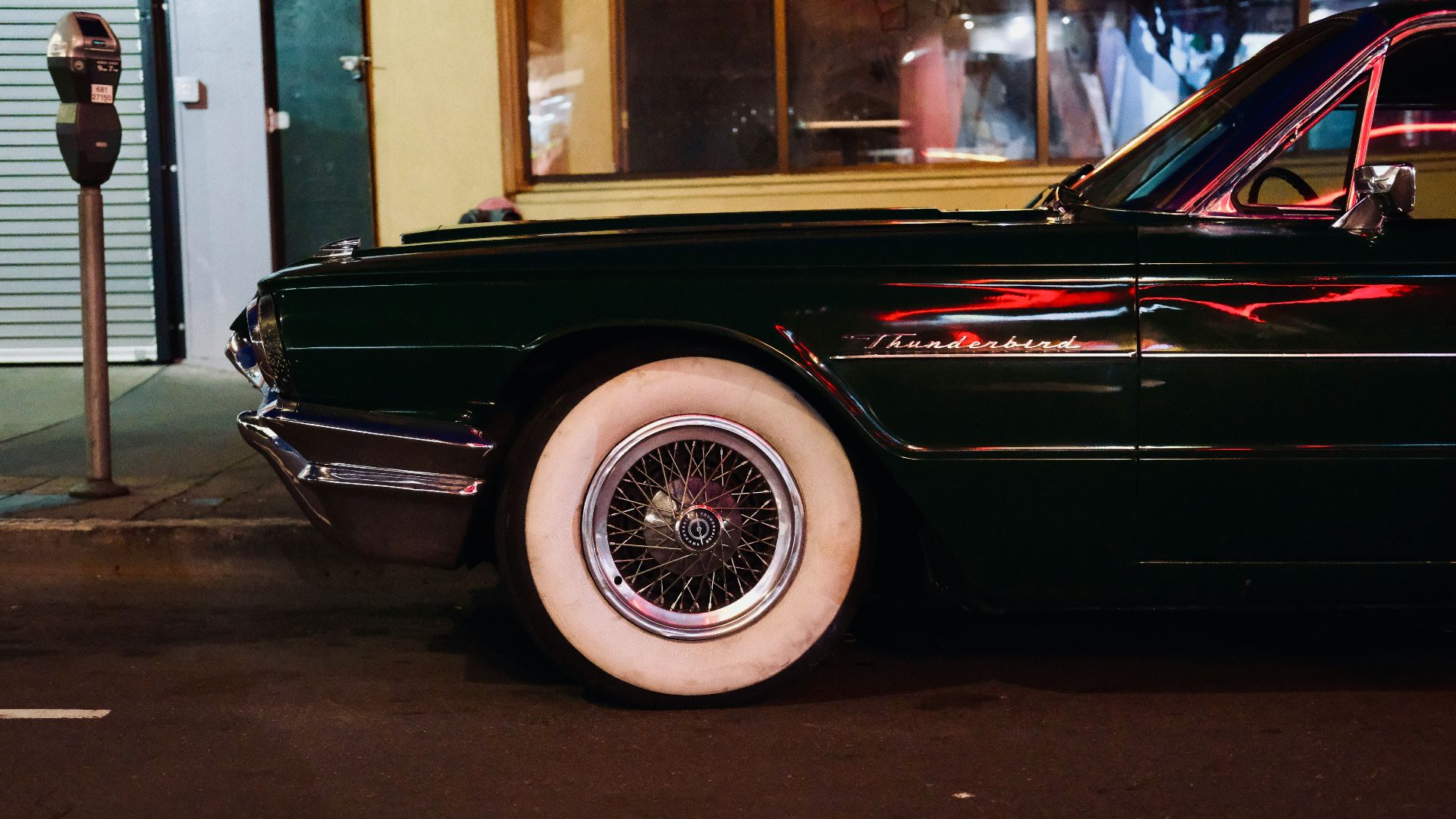
7. Ford Thunderbird
The Thunderbird introduced Americans to the personal luxury car segment in 1955. It combined sporty styling with everyday comfort rather than focusing solely on performance. Early Thunderbirds remain some of Ford's most collectible classics.
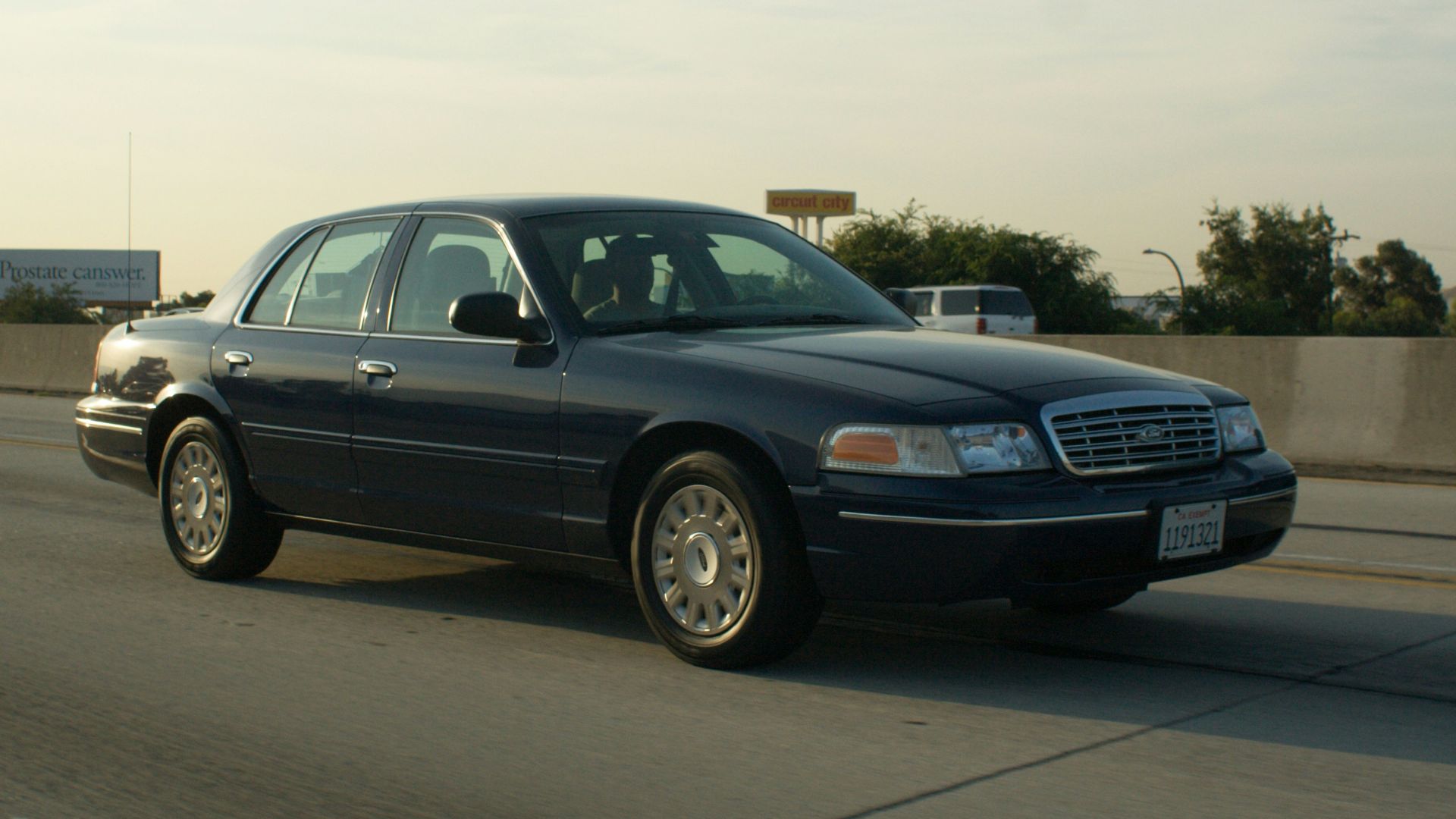
8. Ford Crown Victoria
The Crown Victoria became synonymous with police departments, taxi fleets, and dependable long-distance transportation. Its body-on-frame construction made it durable and inexpensive to maintain. Even years after production ended, many remain in service.
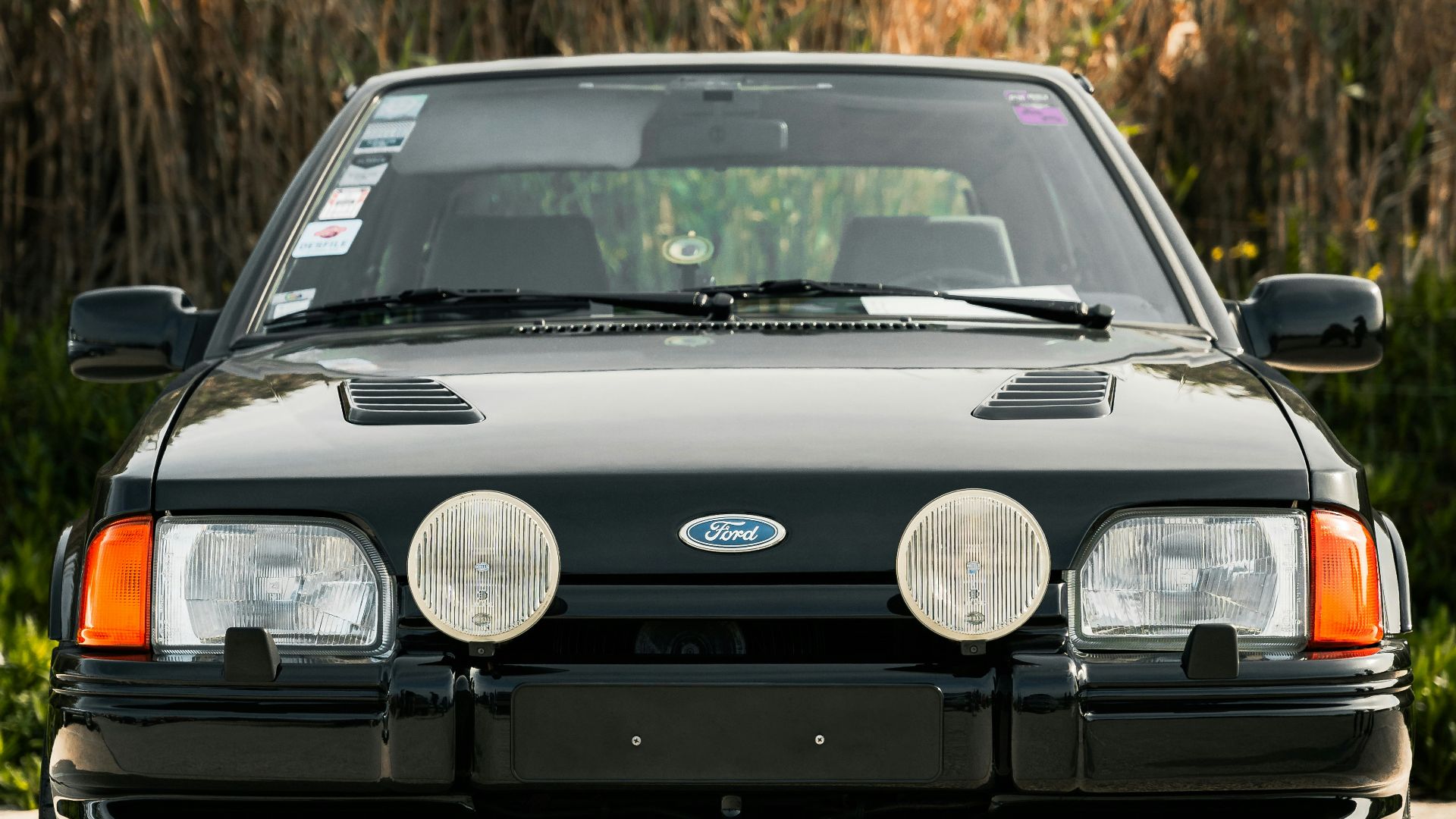
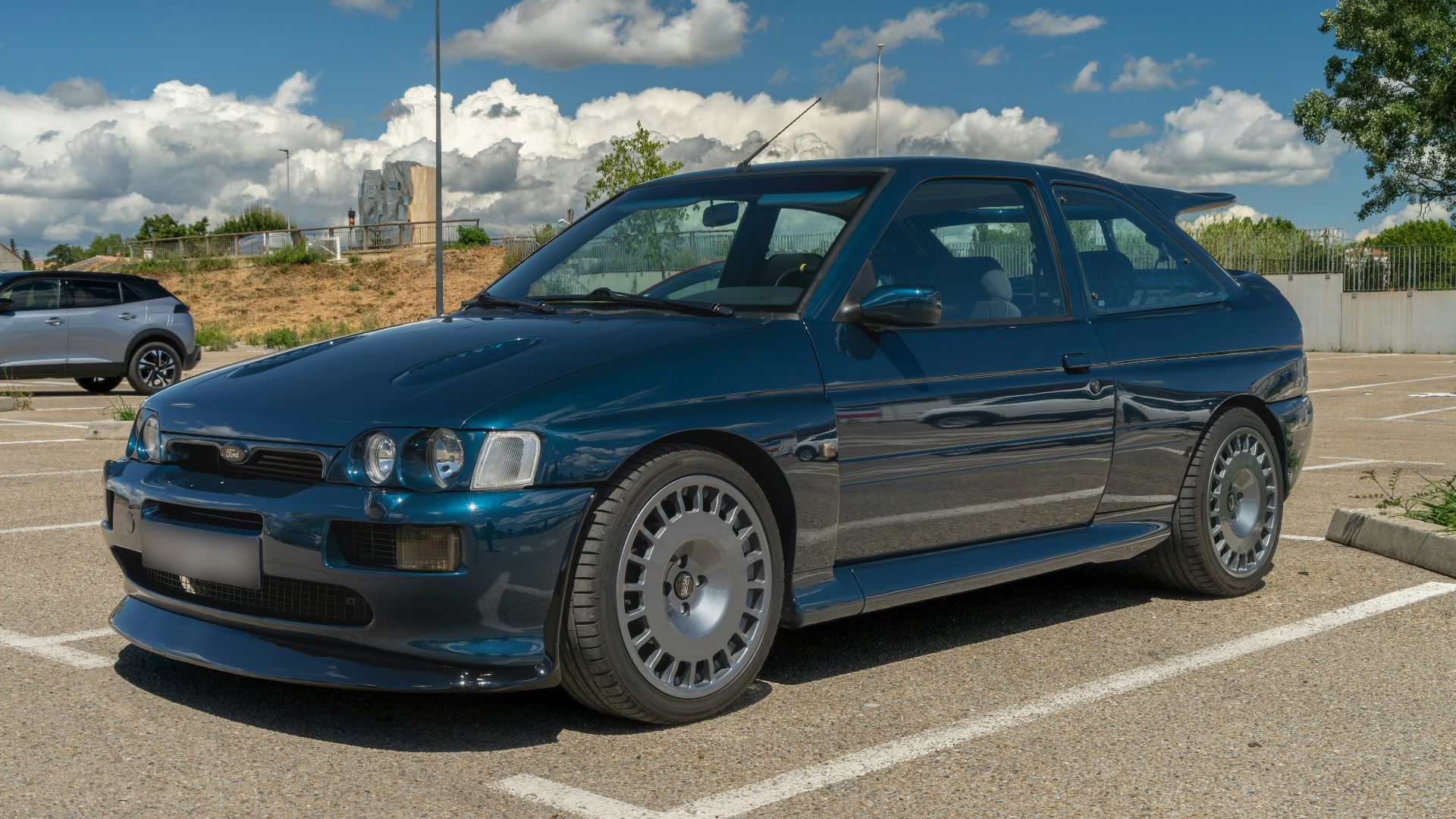
9. Ford Escort RS Cosworth
Built to satisfy rally homologation rules, the Escort RS Cosworth delivered impressive performance with all-wheel drive and turbocharged power. Its massive rear wing became one of the most recognizable designs of the 1990s. Today, it's considered one of Ford's greatest performance cars.
10. Ford Fiesta ST
The Fiesta ST proved that an affordable hot hatch could deliver genuine driving excitement. Sharp handling and a lively turbocharged engine earned praise from both reviewers and enthusiasts. It remains one of the most celebrated small performance cars of the modern era.
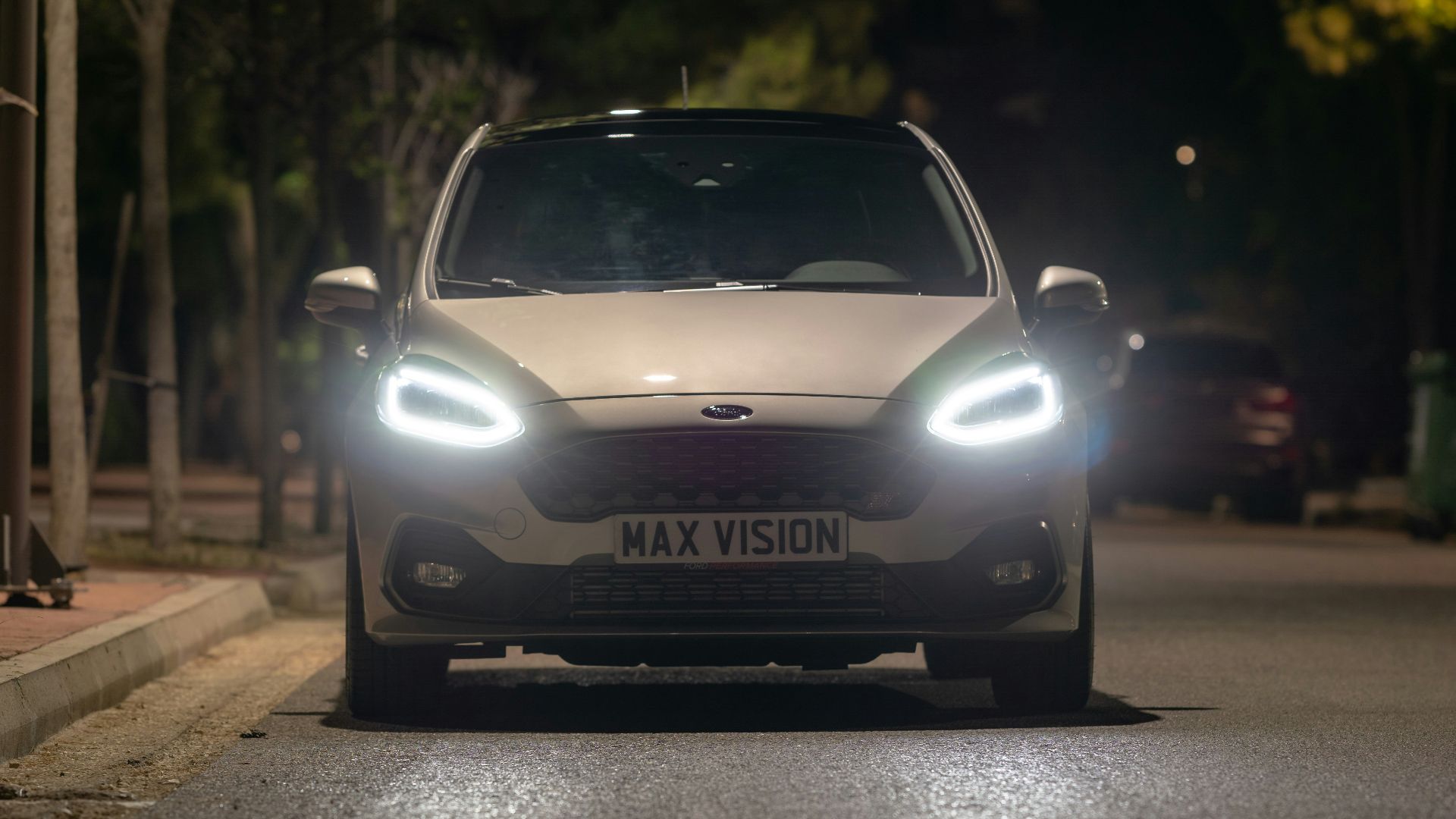
1. Ford Contour
The Contour replaced the Tempo in North America during the mid-1990s with modern styling and improved handling. Although critics generally praised its driving dynamics, buyers largely overlooked it. Sales never met expectations, and it disappeared after only a few years.
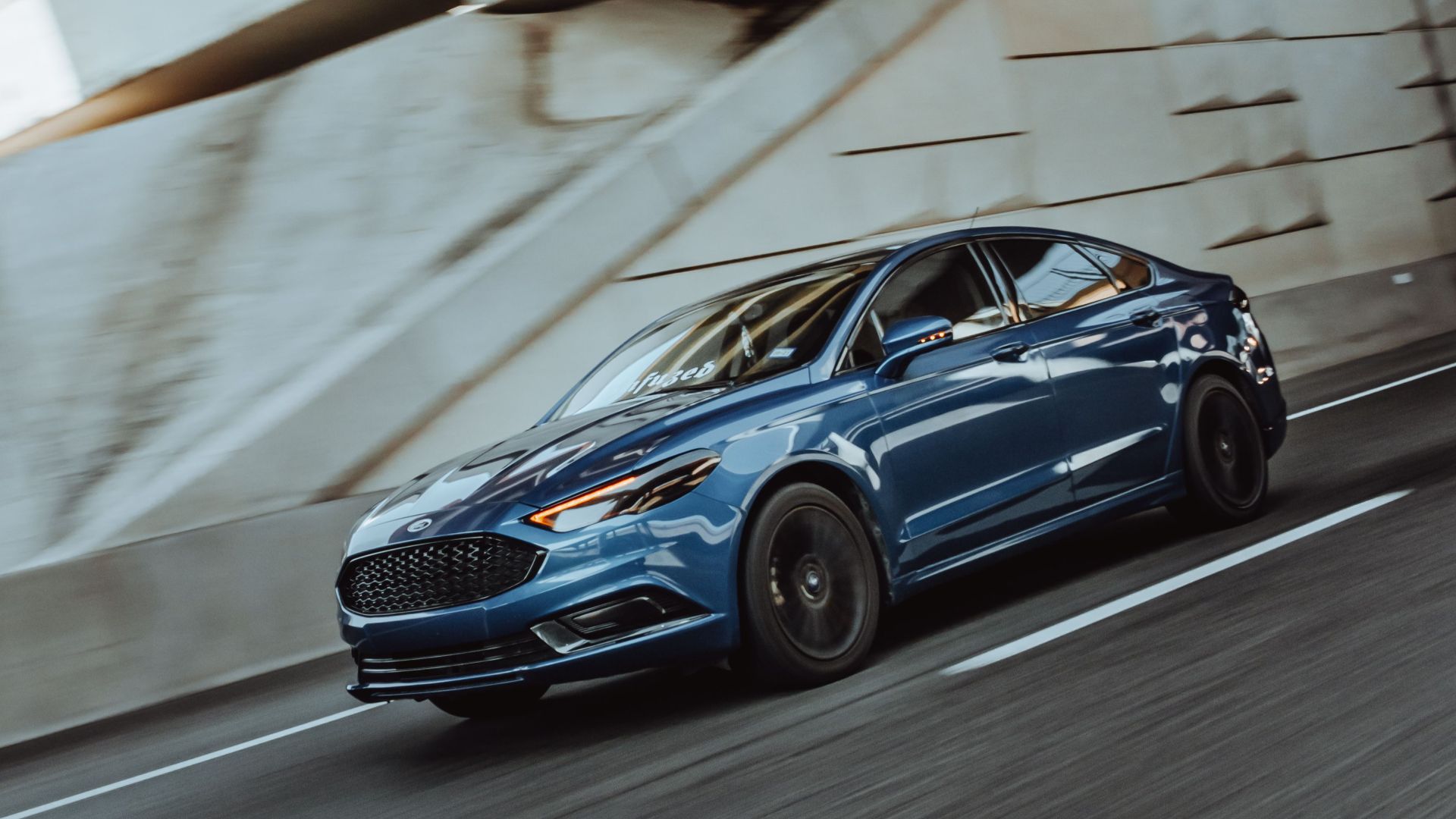
2. Ford Five Hundred
Ford hoped the Five Hundred would become a mainstream family sedan, but conservative styling limited its appeal. It offered generous interior space and available all-wheel drive, yet it struggled to stand out. The model was eventually renamed the Taurus in an effort to revive sales.
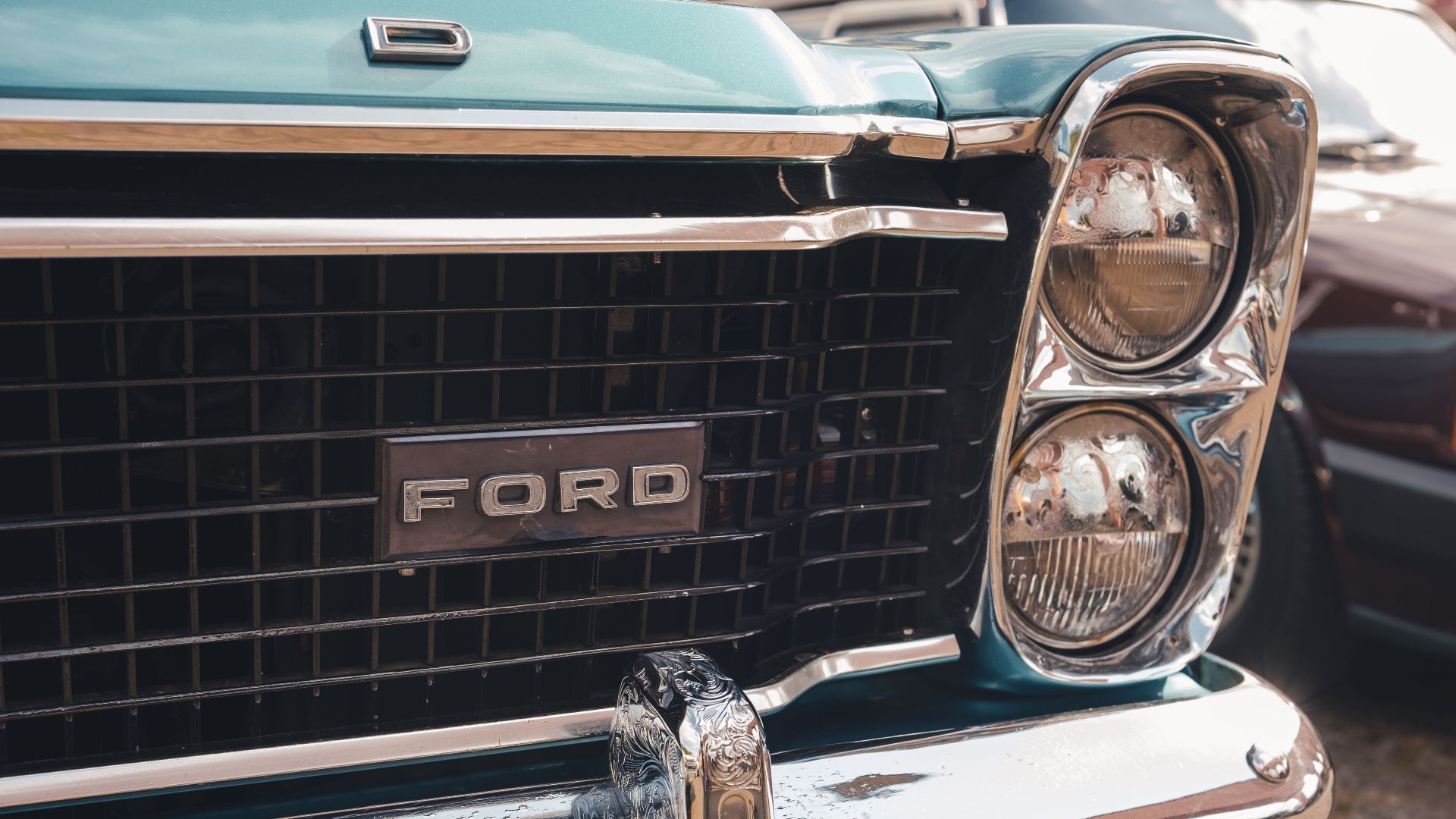
3. Ford Freestyle
The Freestyle blended wagon practicality with SUV-inspired styling before crossovers became mainstream. Unfortunately, many shoppers weren't sure how to classify it. It later evolved into the better-known Taurus X before disappearing entirely.
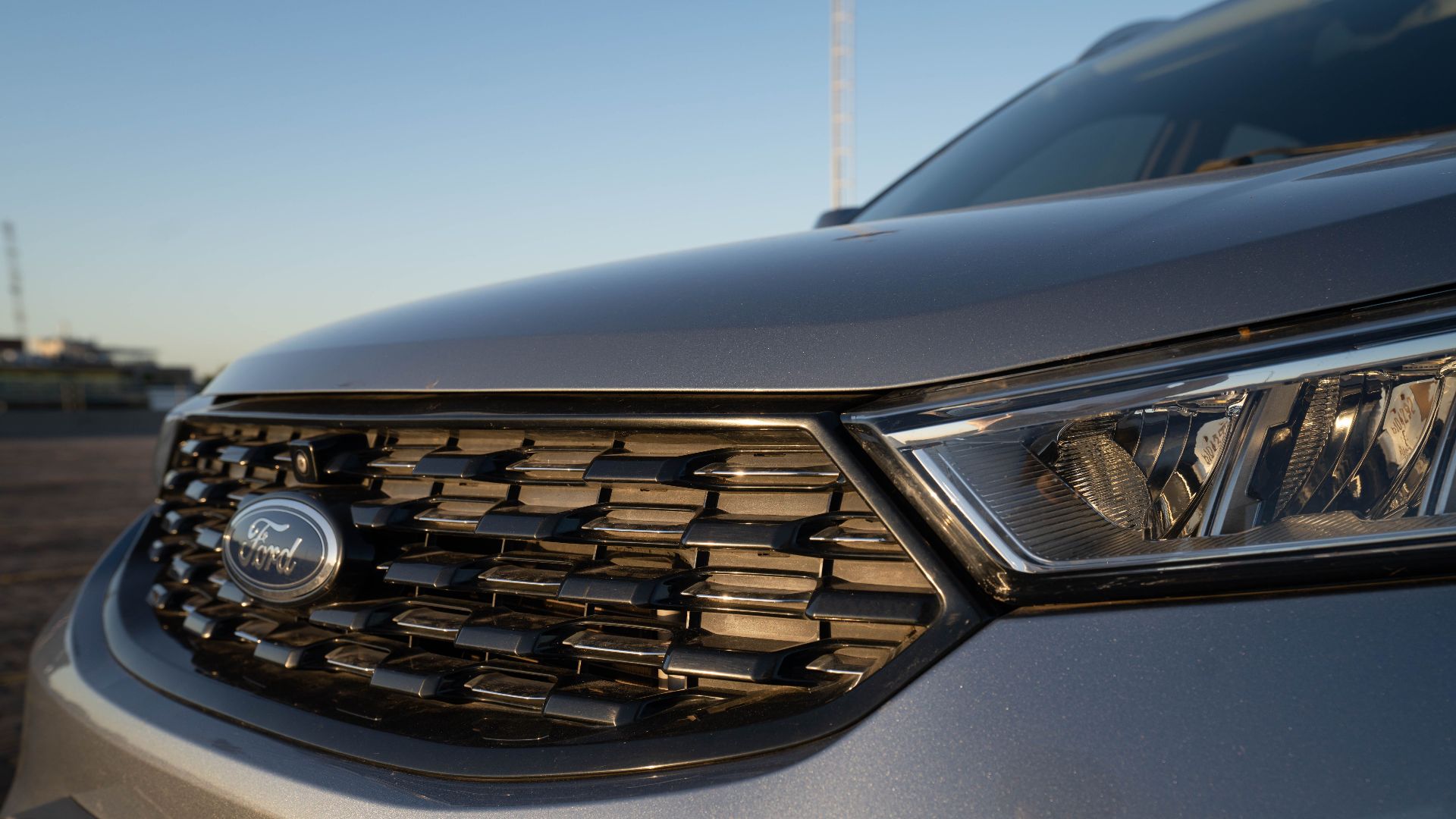
4. Ford Aspire
The Aspire served as an inexpensive entry-level hatchback during the 1990s. While economical to own, it offered little excitement compared with growing competition. Most buyers quickly moved on to newer small-car alternatives.
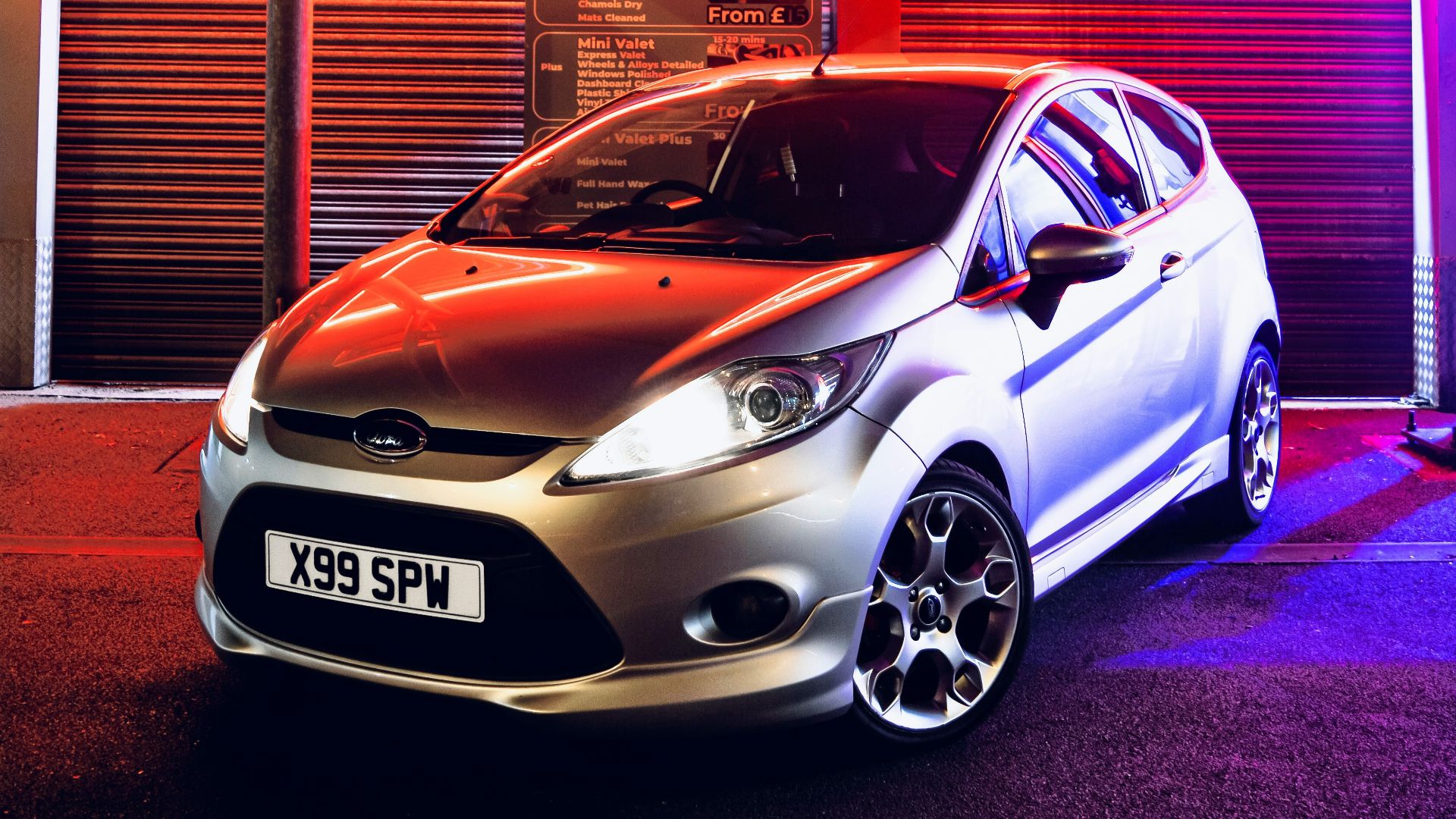 Sam Pearce-Warrilow on Unsplash
5. Ford Windstar
The Windstar entered the crowded minivan market with strong early sales. Reliability concerns and increasing SUV popularity gradually reduced its appeal. Ford eventually replaced it with the Freestar before leaving the minivan segment altogether.
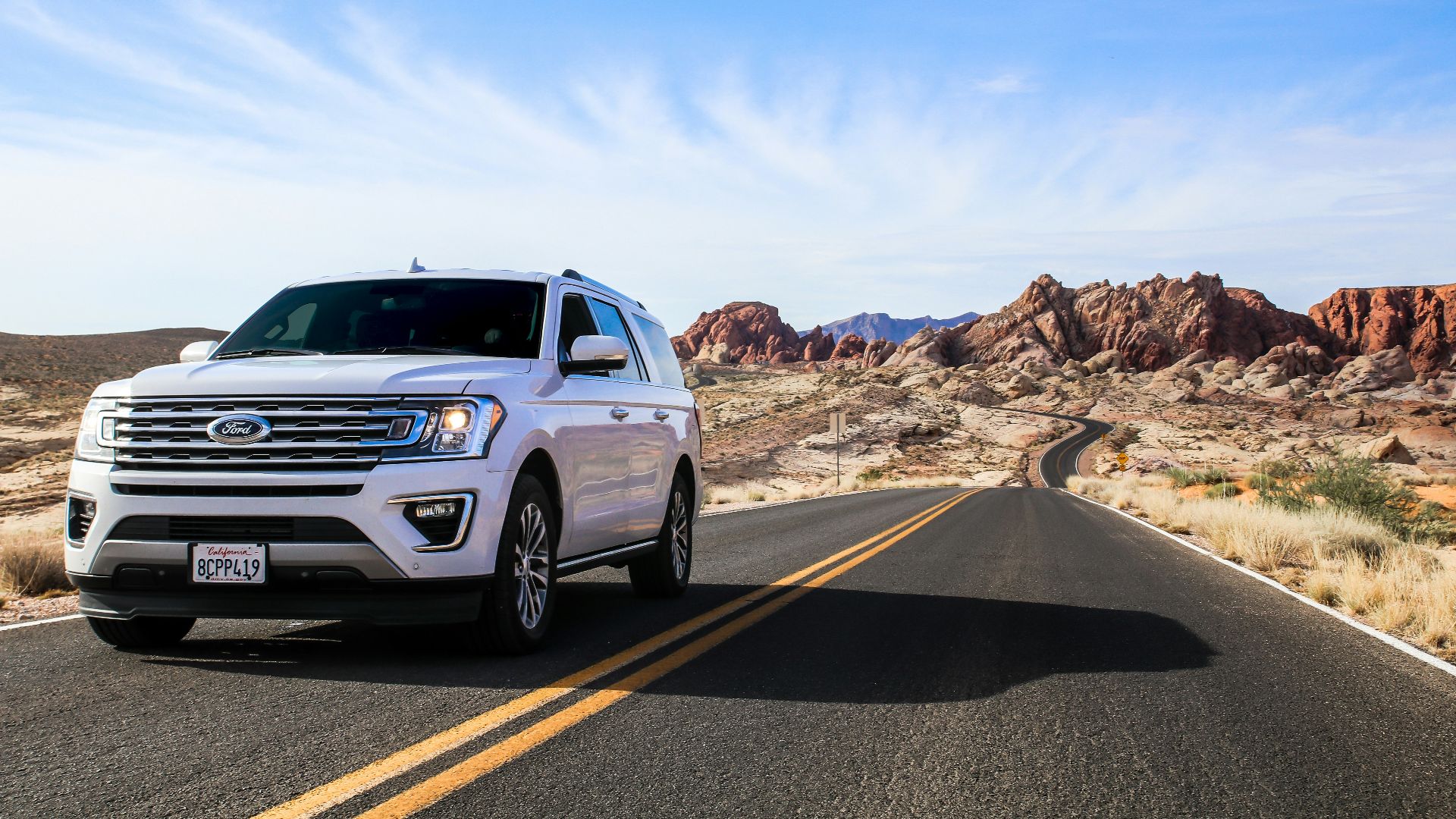
6. Ford Freestar
The Freestar attempted to improve upon the Windstar but arrived as consumer interest shifted heavily toward crossovers. It never established a strong identity within Ford's lineup. Production lasted only a few years before the company abandoned the segment.
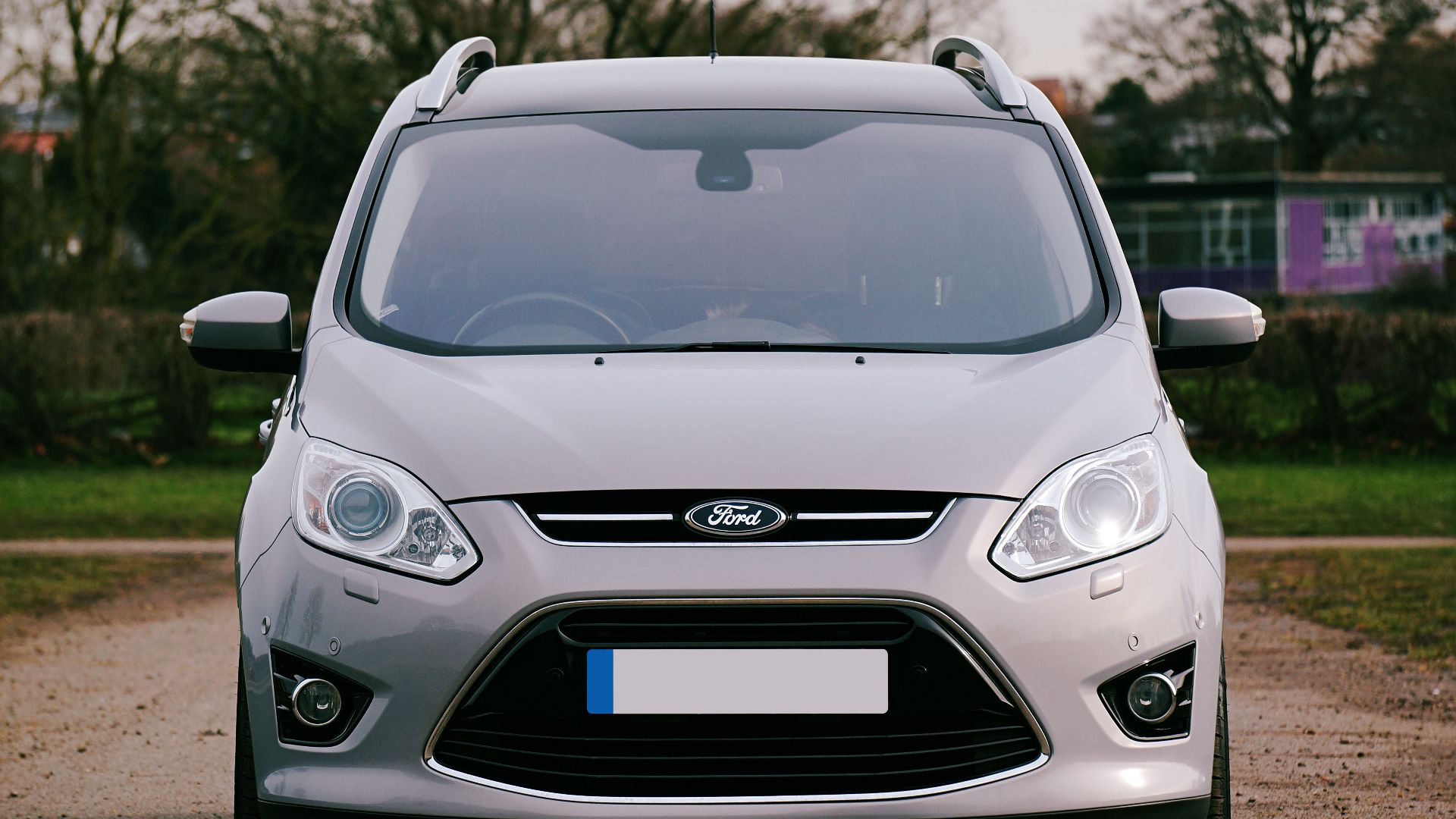
7. Ford EcoSport
The EcoSport entered the American market as demand for small crossovers surged. Despite respectable fuel economy, its cramped interior and aging design limited its success. Ford quietly discontinued it after only a brief run in North America.
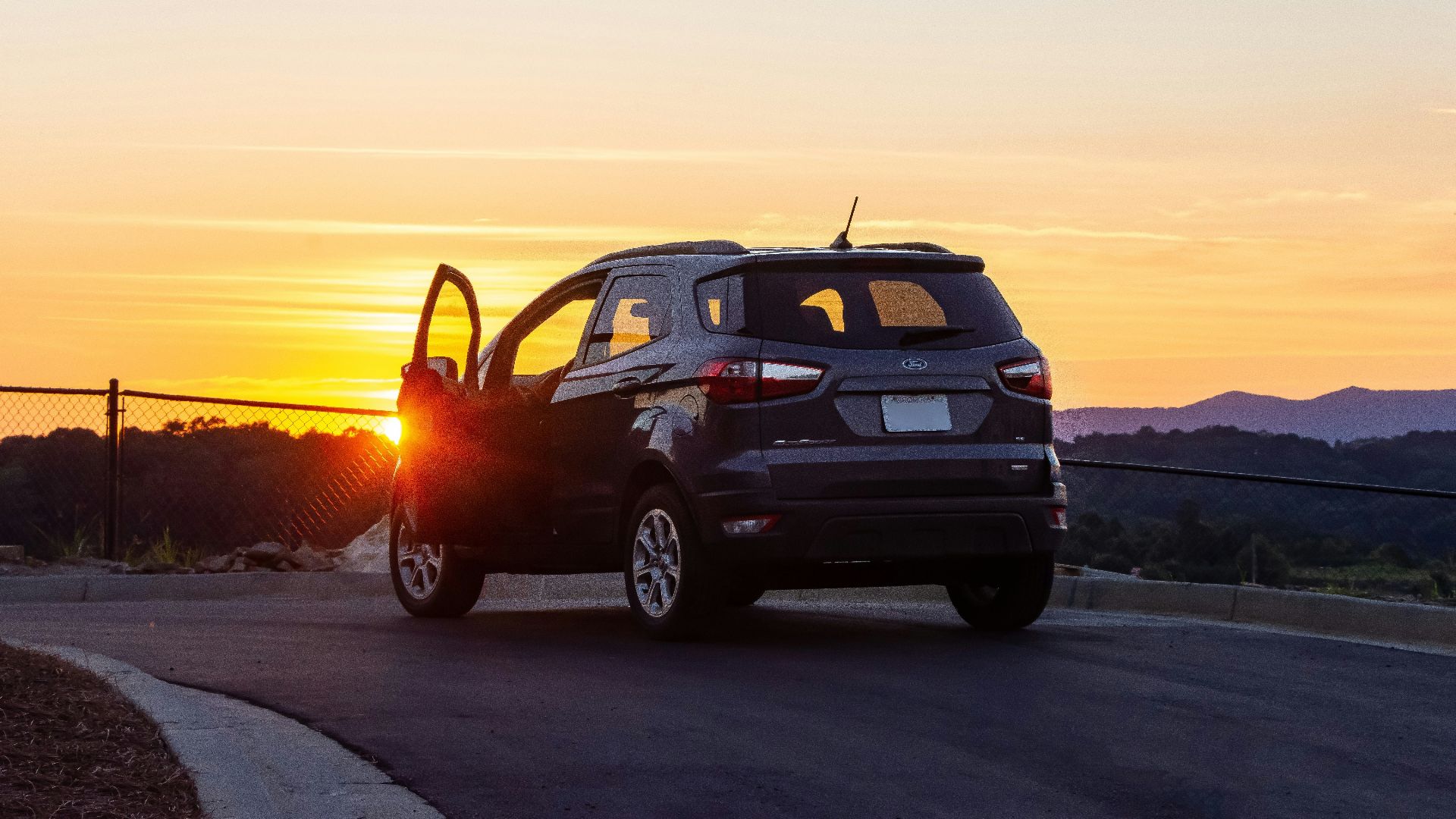
8. Ford Flex
The Flex offered remarkable interior space and distinctive boxy styling that appealed to a dedicated group of owners. Even so, its unconventional appearance kept many buyers away. It developed a cult following but never achieved mainstream success.
9. Ford EXP
Based largely on the Escort, the EXP attempted to attract sporty compact car buyers during the 1980s. Its modest performance failed to match its sporty appearance. It quietly exited the market without leaving much of a lasting impression.
10. Ford Tempo
The Tempo sold reasonably well during its production run but quickly faded from public memory after newer midsize sedans arrived. It emphasized practicality over personality at a time when the market became increasingly competitive. Today, it's remembered far less often than many of Ford's more iconic models.