 Bertel Schmitt (BsBsBs) on Wikimedia
Hydrogen cars have been declared the future, the next big thing, and a lost cause, sometimes all in the same conversation. Battery-electric vehicles have clearly taken the lead in the mainstream clean-car race, while hydrogen models remain rare, expensive, and heavily dependent on a refueling network that barely exists.
Still, hydrogen cars keep hanging around. Automakers continue building them, governments keep funding hydrogen projects, and engineers still point to real advantages that batteries don’t easily match. Hydrogen may not be ready to take over your neighborhood driveway, but it also hasn’t packed its bags and left the transportation debate.
Hydrogen Still Has a Few Real Advantages
The biggest reason hydrogen cars won’t disappear is that the basic idea still makes sense in certain ways. A fuel-cell vehicle uses hydrogen to generate electricity onboard, so it drives much like an EV without needing a giant battery pack. The tailpipe emission is water vapor, which gives hydrogen a clean image that remains appealing. For anyone tired of charging anxiety, the concept still sounds very attractive.
Refueling speed is another reason people keep paying attention. A hydrogen car can be refueled in minutes when the station works and fuel is available, which feels familiar to drivers used to gasoline. That matters because not every driver can charge at home, and not every use case works neatly around long charging stops. In theory, hydrogen offers a way to keep the convenience of quick refueling while cutting local emissions.
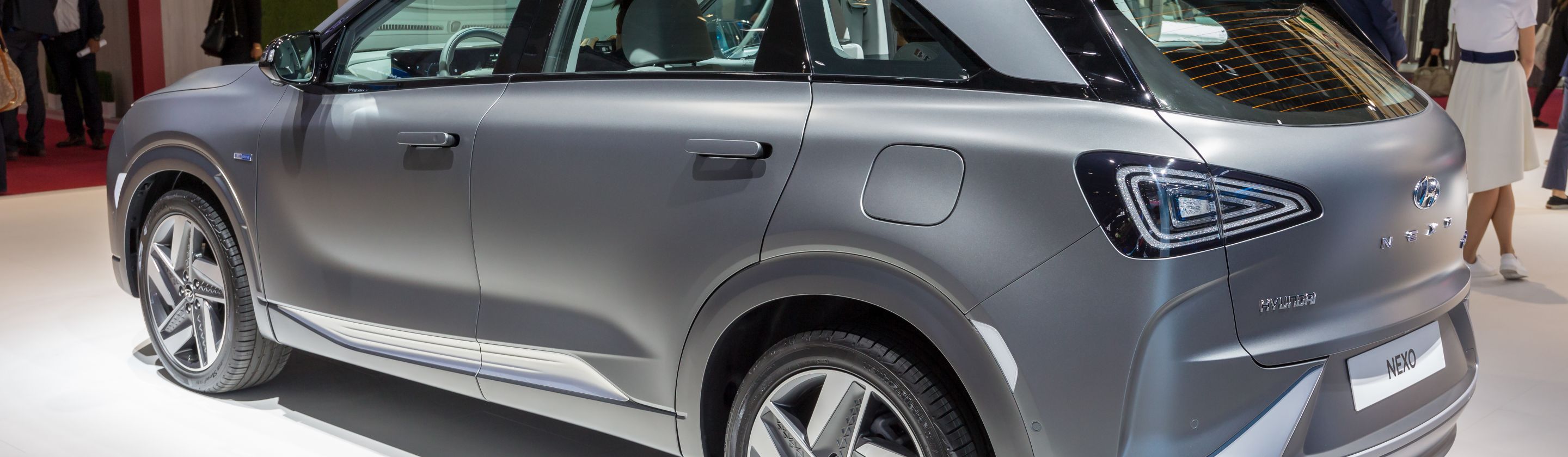
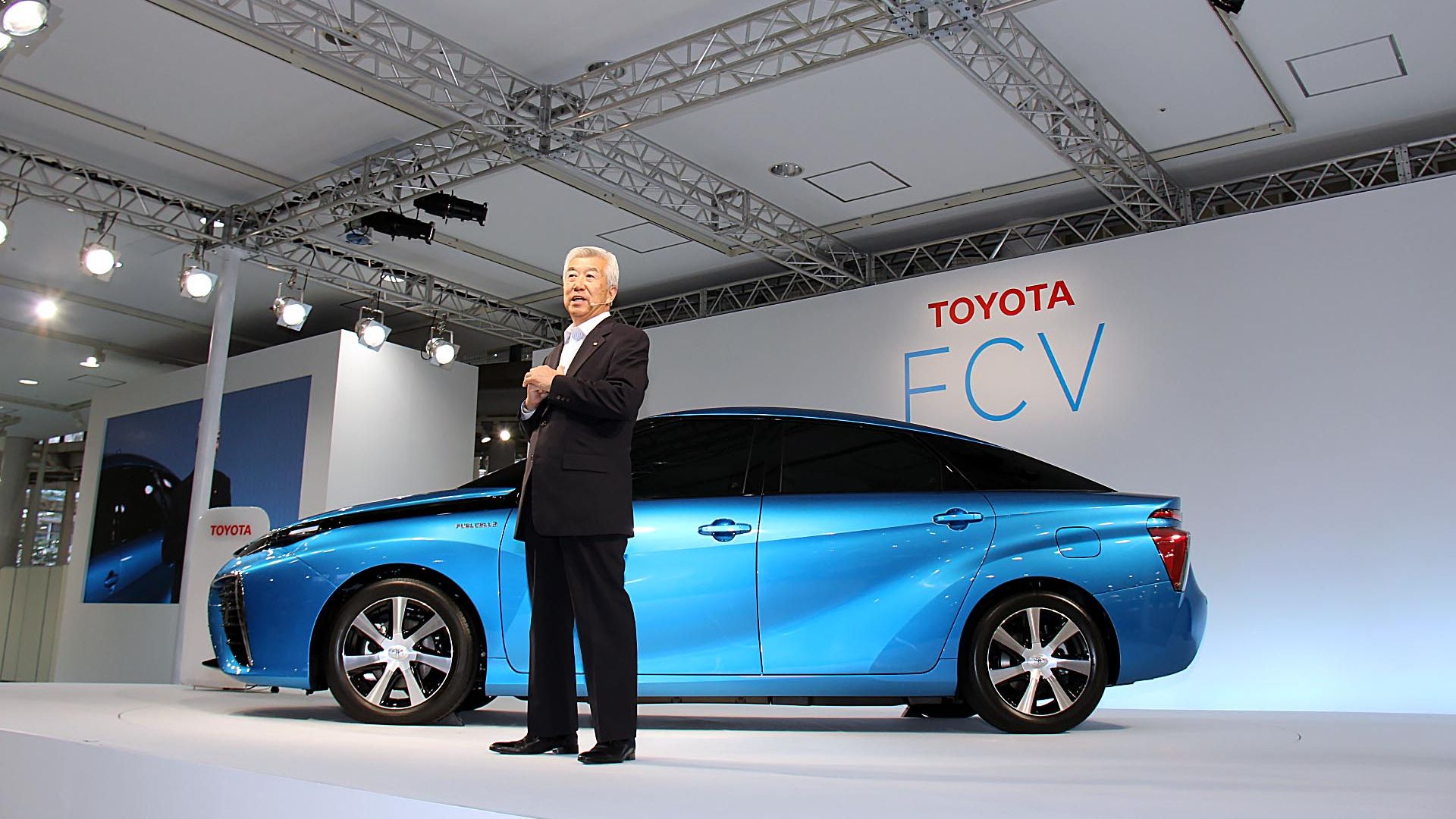
Range also keeps hydrogen in the conversation. Models like the Toyota Mirai and Hyundai Nexo have shown that fuel-cell cars can deliver usable driving distances without requiring the biggest battery packs on the market. That doesn’t solve the station problem, but it does prove the technology itself can work. If you live near reliable hydrogen stations, the day-to-day experience can seem less strange than outsiders might expect.
Hydrogen also appeals to companies and governments, thinking beyond passenger cars. The same fuel-cell technology can be used in buses, trucks, forklifts, backup power systems, and industrial equipment. That wider ecosystem matters because passenger cars may not be strong enough to support hydrogen infrastructure alone. If heavy transport and industry help build demand, cars could continue benefiting from the same network.
The Problems Are Still Very Hard to Ignore
For regular drivers, the biggest problem is painfully simple: there aren’t enough places to refuel. Battery-electric cars can use home chargers, workplace chargers, public fast chargers, and even ordinary outlets in a pinch. Hydrogen cars need specialized stations, and those stations are expensive to build, maintain, and keep supplied. That makes ownership feel less like adopting the future and more like planning your errands around a very picky map.
Fuel availability can also be frustrating. A hydrogen station may exist on paper, but that doesn’t mean it’s always open, stocked, or functioning smoothly. If a gasoline station is closed, another one is usually nearby; if a hydrogen station is down, your options may be much less forgiving. That kind of uncertainty makes hydrogen cars difficult to recommend for anyone who doesn’t enjoy logistical suspense.
Cost is another stubborn issue. Hydrogen vehicles are expensive to develop and produce, and hydrogen fuel itself can be costly for consumers. Green hydrogen, made using renewable electricity, is cleaner but still difficult to produce at scale cheaply. If the hydrogen comes from fossil fuels without strong emissions controls, the environmental argument becomes much messier.
Efficiency also works against hydrogen in many passenger-car debates. Battery-electric cars use electricity directly, while hydrogen usually requires electricity to make the fuel, energy to compress or transport it, and then another conversion back into electricity inside the car. Each step loses energy. This makes it harder to justify for simple daily commuting when battery EVs are already improving so quickly.
Automakers Are Keeping One Foot in the Door
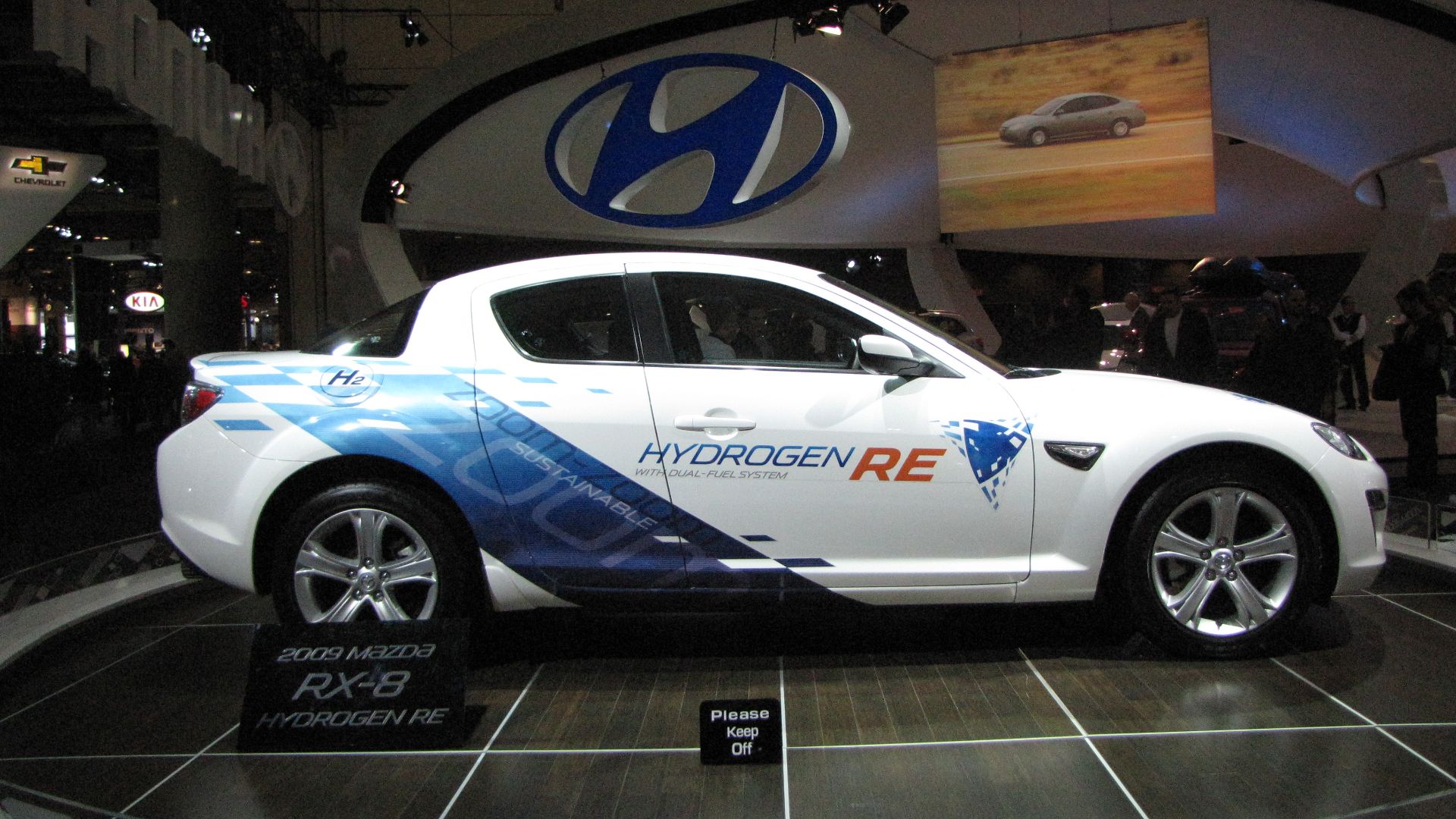 Tabercil from Canadian on Wikimedia
Toyota is the most famous hydrogen holdout, and it has spent years arguing that the clean-car future shouldn’t rely on batteries alone. The Mirai remains a symbol of that strategy, even if its sales are tiny compared with mainstream EVs. Toyota has also explored hydrogen in trucks, racing, commercial vehicles, and concept projects. The company clearly sees hydrogen as part of a broader energy puzzle.
Hyundai has also refused to walk away. The Nexo has been one of the few hydrogen SUVs available to consumers, and Hyundai continues talking about hydrogen through its wider fuel-cell and logistics plans. That matters because Hyundai isn’t treating hydrogen as a single-car experiment. It sees possible uses across freight, industry, and energy systems, which gives the technology more staying power.
Honda has taken a more cautious route with the CR-V e:FCEV, which combines hydrogen fuel-cell driving with a plug-in battery. That setup quietly admits one of hydrogen’s biggest weaknesses: refueling access is still limited. By adding plug-in capability, Honda gives drivers some battery-only flexibility for shorter trips. It’s not a mass-market breakthrough yet, but it’s an interesting attempt to make hydrogen less inconvenient.
Hydrogen cars refuse to disappear because they still solve problems that batteries don’t solve perfectly. They can refuel quickly, travel decent distances, avoid huge battery packs, and connect to a larger hydrogen economy that may matter for trucks, shipping, steel, power storage, and industry. At the same time, they’re held back by cost, infrastructure, efficiency, and limited model availability. That's why hydrogen cars are stuck in this strange automotive middle ground where the idea is still too useful to abandon but too difficult to make normal yet.