 Andrew Patrick Photo on Pexels
You've probably had your license for years, maybe even decades, but if you're like most drivers you're probably not following every rule of the road the way you did when you first sat behind the wheel. Over time, small habits creep in, shortcuts start to feel normal, and the rules you memorized for your driving test slowly fade into the background. It happens to nearly everyone, and it's rarely intentional.
The trouble is that these overlooked rules exist for good reason, and ignoring them puts you and everyone around you at greater risk. Below, you'll find the driving rules that trip up even experienced drivers most often, along with the numbers that show just how much they matter.
Rolling Through Stop Signs and Red Lights
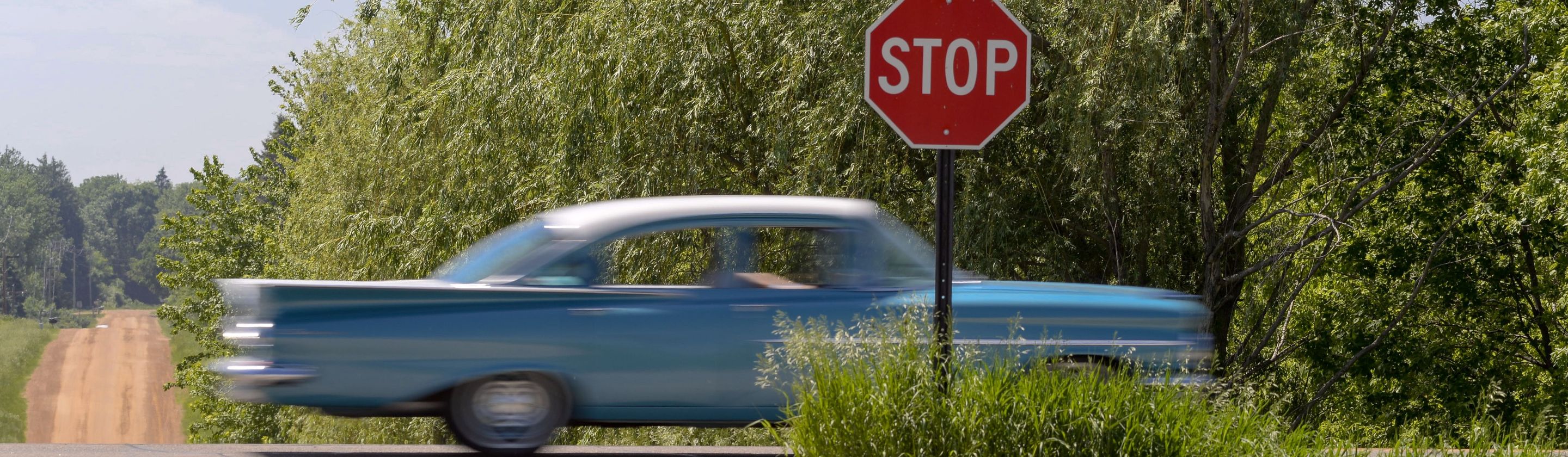
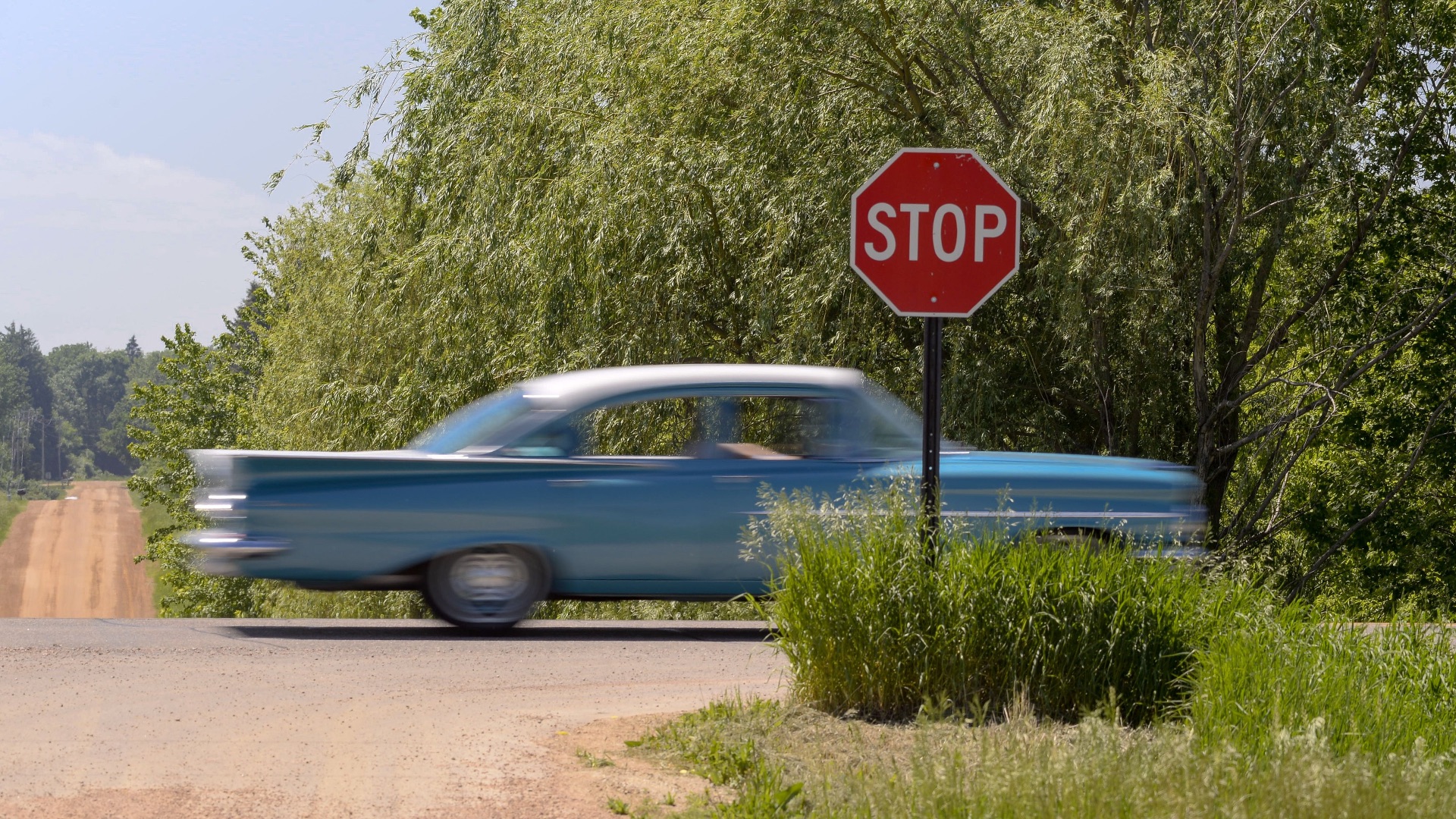
A full stop means your wheels actually stop moving, not just slow down to a crawl while you check for cross traffic. It's tempting to treat an empty intersection as an exception, especially late at night or in a neighborhood you know well, but the law doesn't make that distinction. Police can and do issue tickets for rolling stops, and the habit tends to stick once it starts.
The consequences go well beyond a fine. According to the Insurance Institute for Highway Safety, 1,119 people were killed in crashes involving red light running in 2024, and half of those killed were pedestrians, bicyclists, or occupants of other vehicles who were struck by the red light runner. That same year, more than 141,000 people were hurt in crashes tied to red light running, which means this isn't some rare occurrence reserved for reckless drivers. iihs
What's striking is how normal the behavior has become in the minds of people who know better. A 2024 national survey found that 80% of drivers said it's very or extremely dangerous to drive through a light that had just turned red when they could have stopped safely, yet 27% admitted to doing exactly that within the past 30 days. That gap between what people believe and what they actually do says a lot about how easily this rule slips.
Skipping the Seat Belt for Short Trips
There's a common assumption that seat belts only matter on highways or long road trips, and that a quick errand a few blocks away doesn't carry the same risk. Unfortunately, plenty of serious crashes happen close to home, precisely because drivers let their guard down on familiar roads. Buckling up takes two seconds, yet it remains one of the easiest safety steps to skip.
The numbers make the stakes painfully clear. Of the 22,713 passenger vehicle occupants killed in 2024, 9,758, or 43%, were unrestrained at the time of the crash, and that figure doesn't even count thousands more deaths where restraint use wasn't recorded. Looking only at cases where seat belt use was known, 48% of passenger vehicle fatalities involved someone who wasn't wearing a seat belt.
Young adults tend to take the biggest risk here. Research shows that among people 18 to 34 killed in passenger vehicles in 2024, 59% were completely unrestrained, one of the highest percentages of any age group. Nighttime driving compounds the danger even further, since 56% of passenger vehicle occupants killed at night in 2024 weren't wearing their seat belts, likely because visibility drops and drivers assume fewer people are watching.
Using a Phone Behind the Wheel
Almost everyone knows texting and driving is dangerous, and yet the pull of a buzzing phone is hard to ignore once you're behind the wheel. Glancing down for what feels like a split second can turn into several seconds of not watching the road, which is more than enough time for a situation to change completely. This rule gets broken constantly because the behavior feels small in the moment, even when the risk isn't.
The scale of the problem is significant. In 2024, 3,208 people were killed and more than 315,000 were injured in crashes involving distracted drivers. Texting is often singled out as the riskiest form of distraction because of how long it pulls your attention away; the National Highway Traffic Safety Administration notes that reading or sending a text takes your eyes off the road for about five seconds, which, at 55 miles per hour, is like driving the length of a football field with your eyes closed.
Cell phone use specifically factors into a meaningful share of these tragedies. Cellphone use was cited as the distraction in 14% of all distraction-affected fatal crashes in 2024, and a 2025 study found that drivers with a high level of cell phone distraction are 240% more likely to crash. Most states have responded with bans; 49 states, along with Washington, D.C., Puerto Rico, and several territories, currently prohibit texting while driving, though enforcement still varies widely from place to place.
Following Too Closely
Tailgating tends to happen when a driver is in a hurry or frustrated with the pace of traffic ahead, and it's easy to underestimate how little space you're actually leaving. The trouble is that following distance is what gives you time to react when the car in front brakes suddenly, and that margin disappears fast when you're riding someone's bumper. This is a rule most drivers understand in theory, but abandon the moment they feel rushed.
The consequences show up in crash data constantly, since rear-end collisions remain one of the most common types of accidents on American roads. Safety experts generally recommend keeping at least a three-second gap between your vehicle and the one ahead during normal conditions, and extending that gap significantly in rain, fog, or heavy traffic. You can measure this by picking a fixed point on the road, like a sign or an overpass, and counting the seconds between when the car ahead passes it and when you do.
Distracted, impatient driving often makes tailgating worse, since a driver who's checking a phone or feeling rushed is less likely to notice they've crept up too close. Leaving extra space costs you almost nothing in terms of travel time, but it buys you the reaction window that can mean the difference between a close call and a collision.
Ultimately, the statistics above make it clear that these aren't hypothetical dangers reserved for careless drivers; they involve everyday people who got a little too comfortable behind the wheel. If you want to keep you and your passengers—and everyone on the road—safe, it's crucial to build these habits back into your routine. You might be surprised how much of a real difference it can make.