How School Pickup Lines Became America’s Slowest Traffic System
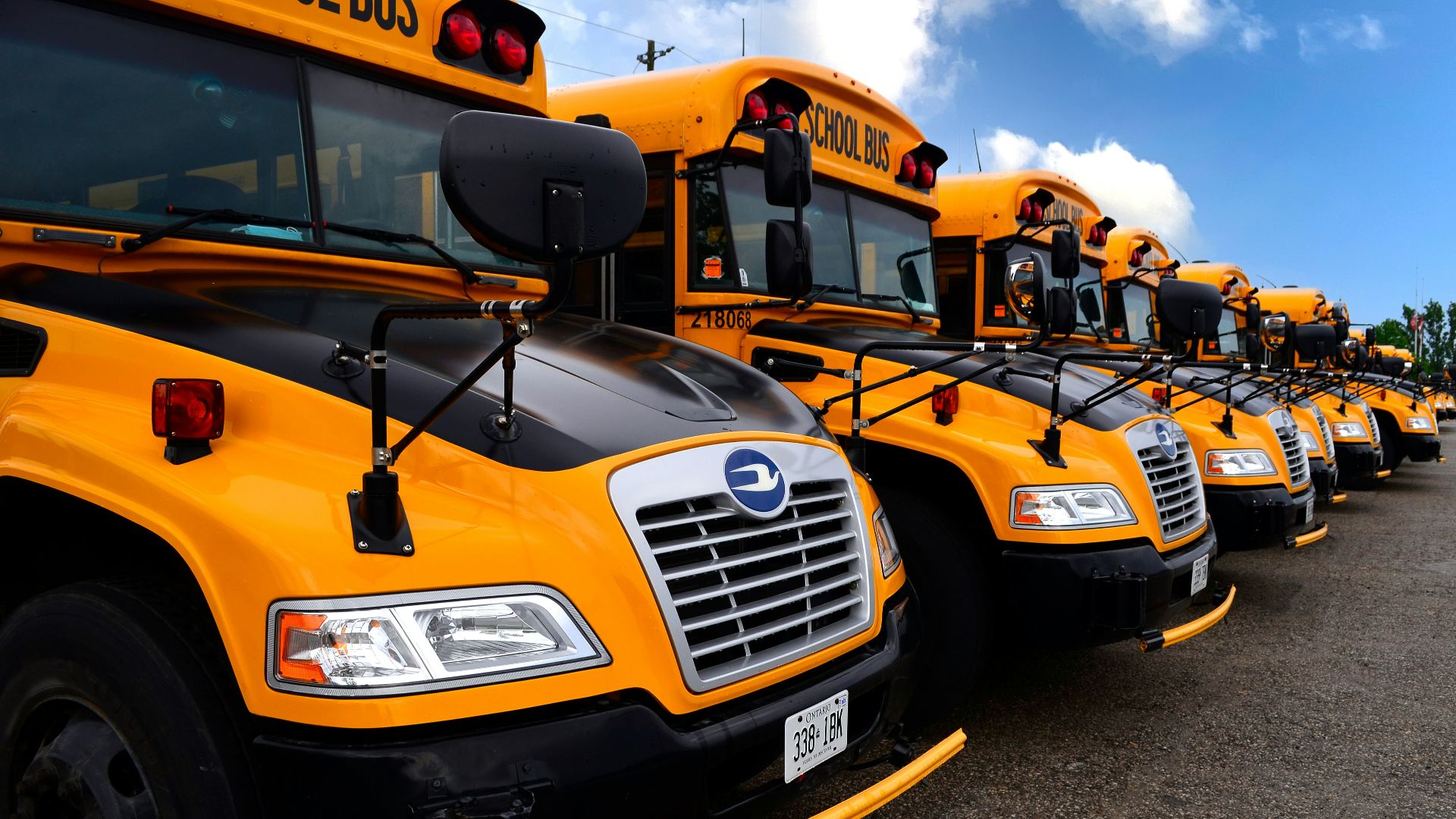
Dismissal time can change a quiet street outside a school in a matter of minutes. Cars ease toward the curb, buses wait their turn, and children move between sidewalks, crossings, and school doors. By the time the last bell has rung, a short line can hold up parents, neighbors, and other drivers trying to get through.
There’s no formal national ranking for school-pickup traffic speeds. Still, the daily line has a simple problem: many vehicles arrive in a short period, and every step must put children’s safety first. The long wait stems from greater use of private cars, larger school service areas, and curbside routines that don’t allow much room for delays.
The School Run Became A Car Trip
For many parents, driving to school is just another part of the day’s routine. The U.S. Department of Transportation found that 48 percent of children ages five to 14 usually walked or biked to school in 1969. By 2009, that share had dropped to 13 percent, while the share arriving by private automobile rose from 12 percent to 44 percent.
While those numbers are historical, rather than a count of today’s pickup lines, yet they help explain why school entrances are handling more cars than they once did. Curb space now has to serve buses, walkers, staff, and a large number of family vehicles. When most people arrive within the same small stretch of time, a backup is hard to avoid.
School location also matters. An Environmental Protection Agency report describes a long-term move toward fewer, larger schools, with the number of schools declining 70 percent since World War II while average size grew fivefold. Its regional research also found that students with shorter walking and biking trips, along with better walking environments, were more likely to walk or bike. That research doesn’t cover every community, though it helps explain why a school can feel too far away or too difficult to reach without a car.
Why The Curbside Line Gets Stuck
A pickup lane can only handle a limited number of cars at once. Each driver has to enter the school area, find a place in line, stop safely, wait for a child, load up, and pull back into traffic. When there isn’t a safe place to pass, every car behind the vehicle at the curb has to wait.
A small delay can slow everyone down. A child who hasn’t reached the pickup point, a parent getting a younger child settled in a car seat, or a driver stopping outside the marked area can hold up the lane. When the line reaches beyond school property, it can also block driveways, crossings, and nearby intersections.
School-zone traffic has to work differently from regular traffic. The Federal Highway Administration’s traffic-control manual says school-area controls should take vehicle volume and speed, street width, and the number and ages of students using a crossing into account. Slower movement can be frustrating when you’re waiting in line, though those rules help protect children near active traffic. School staff and crossing guards may also need to pause cars until students have cleared the area.
Safety, Buses, And Cleaner Air
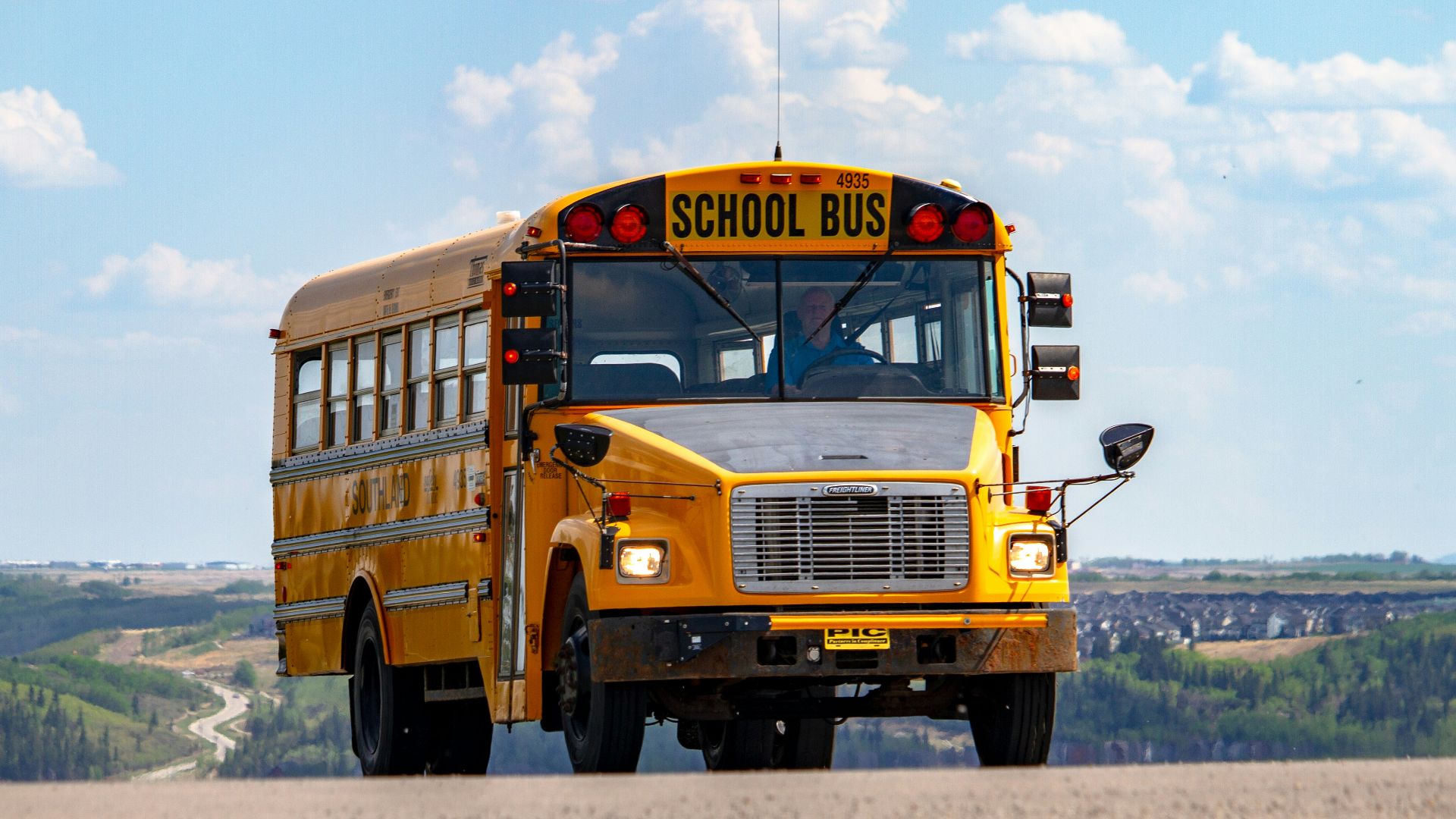
School buses add to the activity around the curb, though they also keep some families from making separate car trips. The National Highway Traffic Safety Administration calls school buses among the safest vehicles on the road and says less than one percent of all traffic fatalities involve children on school transportation vehicles. NHTSA also says every state prohibits passing a school bus with its stop arm extended and red lights flashing. Bus service won’t work for every family or route, yet buses remain an important part of getting students home safely.
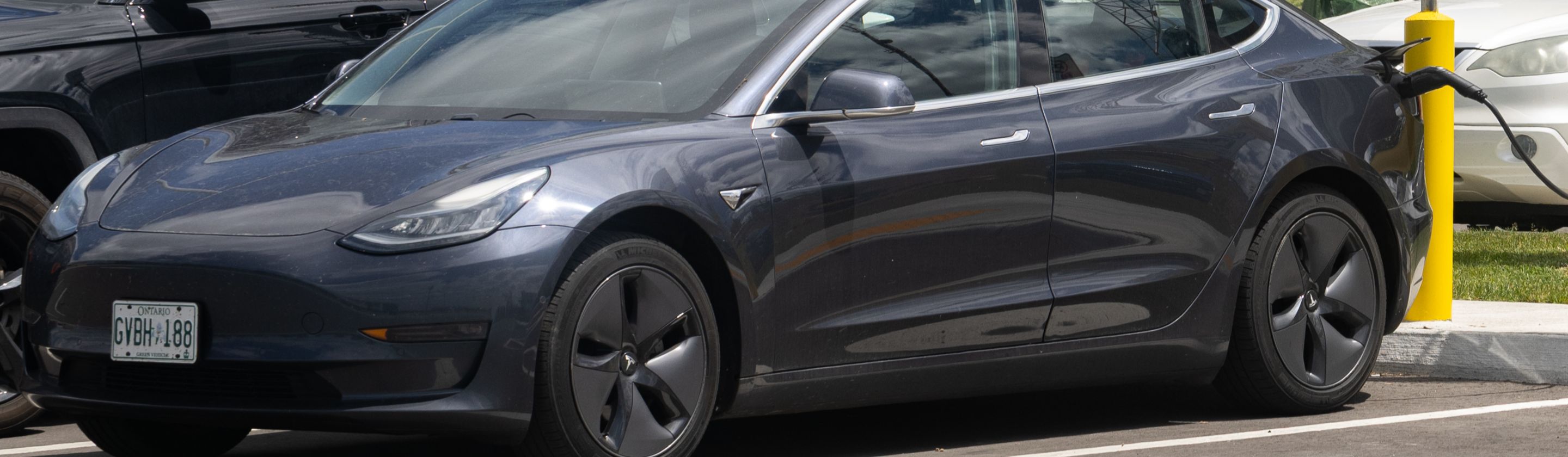
The waiting line also affects the air children breathe. The EPA’s Idle-Free Schools Toolkit says school monitoring has found elevated levels of benzene, formaldehyde, acetaldehyde, and other air toxics during the afternoon period when parents pick up children. A no-idling rule won’t clear a packed lane by itself, though it can reduce unnecessary pollution while families wait. Electric vehicles remove tailpipe exhaust at the curb, but they still take up the same amount of space in the queue.
Better pickup procedures can make the process safer and easier to manage. Many safety traffic guides recommend using site-specific combinations of engineering, enforcement, education, and encouragement. Clear loading rules, separate bus and car movements where space allows, safe walking routes, and steady parent communication can all help. School pickup may never be quick, though it can become more predictable and less stressful for everyone sharing the street.