The Innovations That Spread And The Experiments That Stayed Niche
Audi has frequently used technology to distinguish itself from other premium automakers, sometimes introducing features that eventually appeared across the industry. Not every experiment became a lasting success, however, and several ambitious ideas remained rare because they were expensive, complicated, restricted by regulations, or quickly replaced by better alternatives. Here are 10 Audi features that changed the industry & 10 that didn’t catch on.

1. Quattro All-Wheel Drive
Audi’s original quattro demonstrated that permanent all-wheel drive could improve a performance car rather than being reserved for trucks and off-road vehicles. Its success in international rallying gave the technology credibility under demanding conditions.

2. Aerodynamic Flush-Mounted Windows
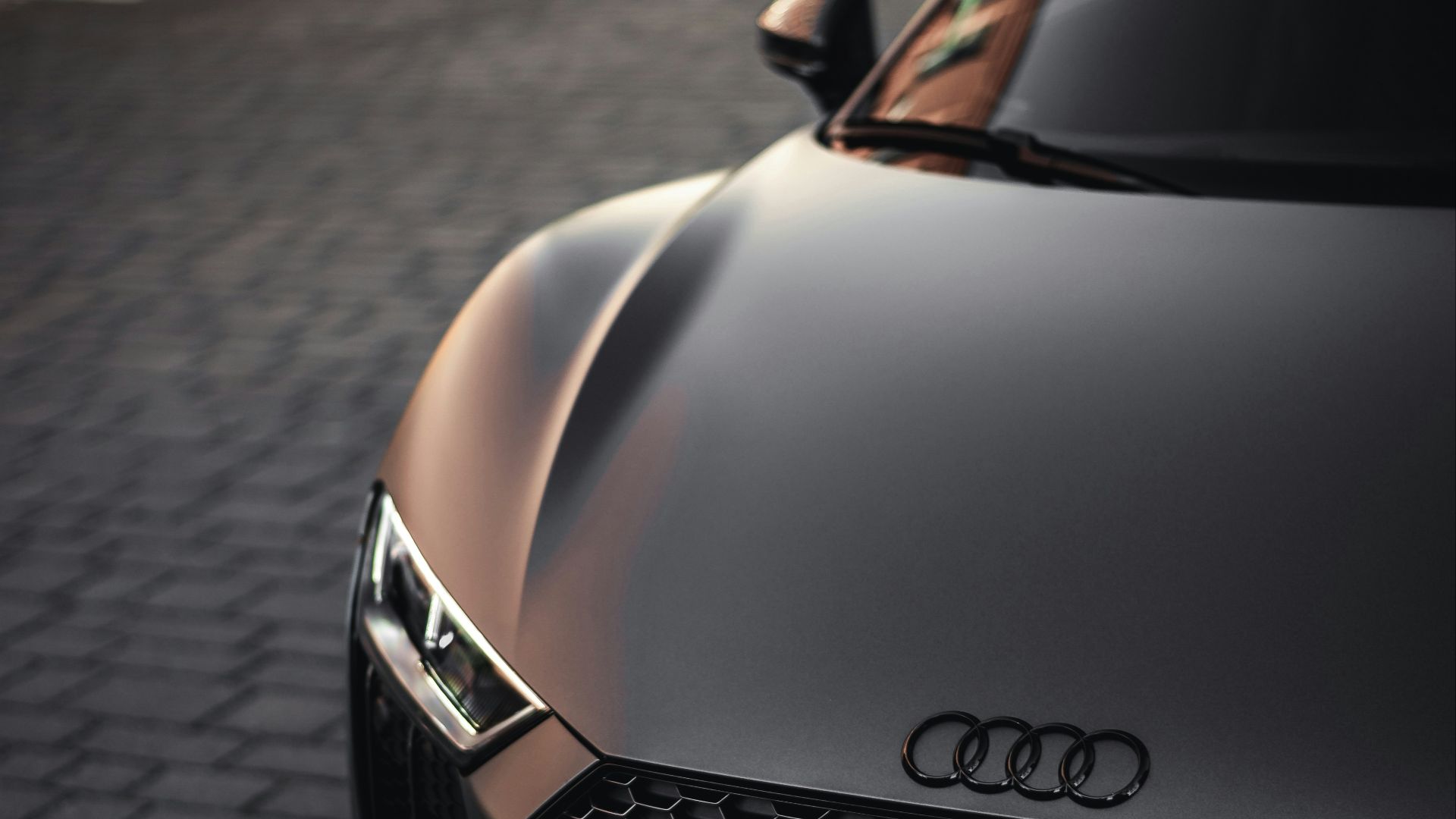
The third-generation Audi 100 used flush-mounted side windows and careful body shaping to achieve an unusually low drag coefficient for a production sedan in the early 1980s. At the time, many cars still had exposed rain gutters and less integrated glass.
 Damian Ochrymowicz on Unsplash
3. Fully Galvanized Car Bodies
Audi expanded the use of fully galvanized steel bodies during the 1980s to provide stronger protection against corrosion. Improved galvanizing and corrosion treatment eventually became widespread throughout the automotive industry.
4. TDI Direct-Injection Diesel Engines
The Audi 100 introduced a turbocharged direct-injection diesel engine carrying the TDI name in 1989. Compared with many older passenger-car diesels, the technology offered stronger torque and better performance while maintaining efficient fuel consumption.
5. Aluminum Space Frame Construction
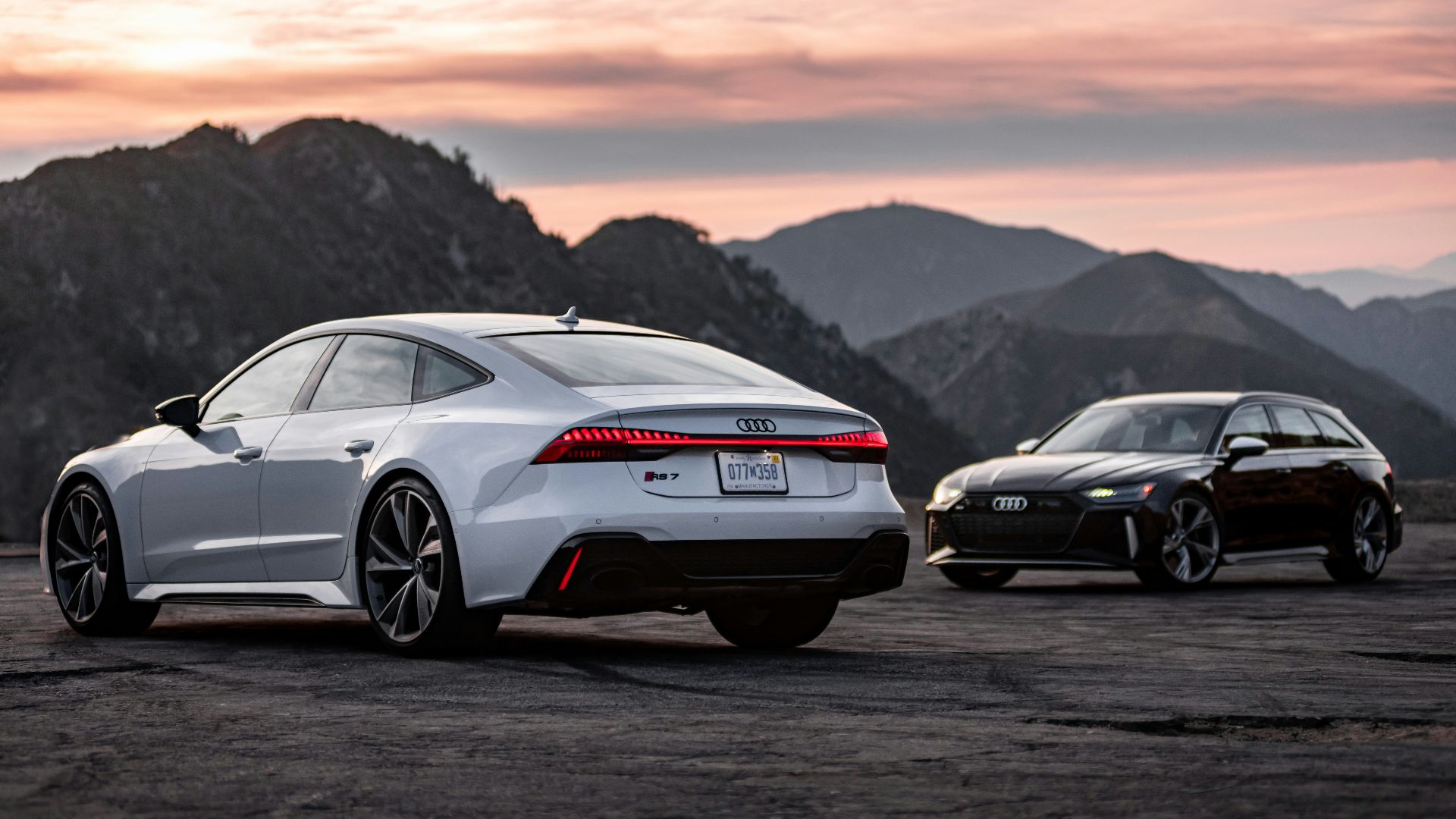
The first-generation A8 used the Audi Space Frame, which combined an aluminum structure with aluminum body panels to reduce weight. Full aluminum construction remained expensive and never replaced steel across the entire market, but it influenced how manufacturers approached lightweight luxury vehicles.
 Damian Ochrymowicz on Unsplash
6. LED Daytime Running Light Signatures
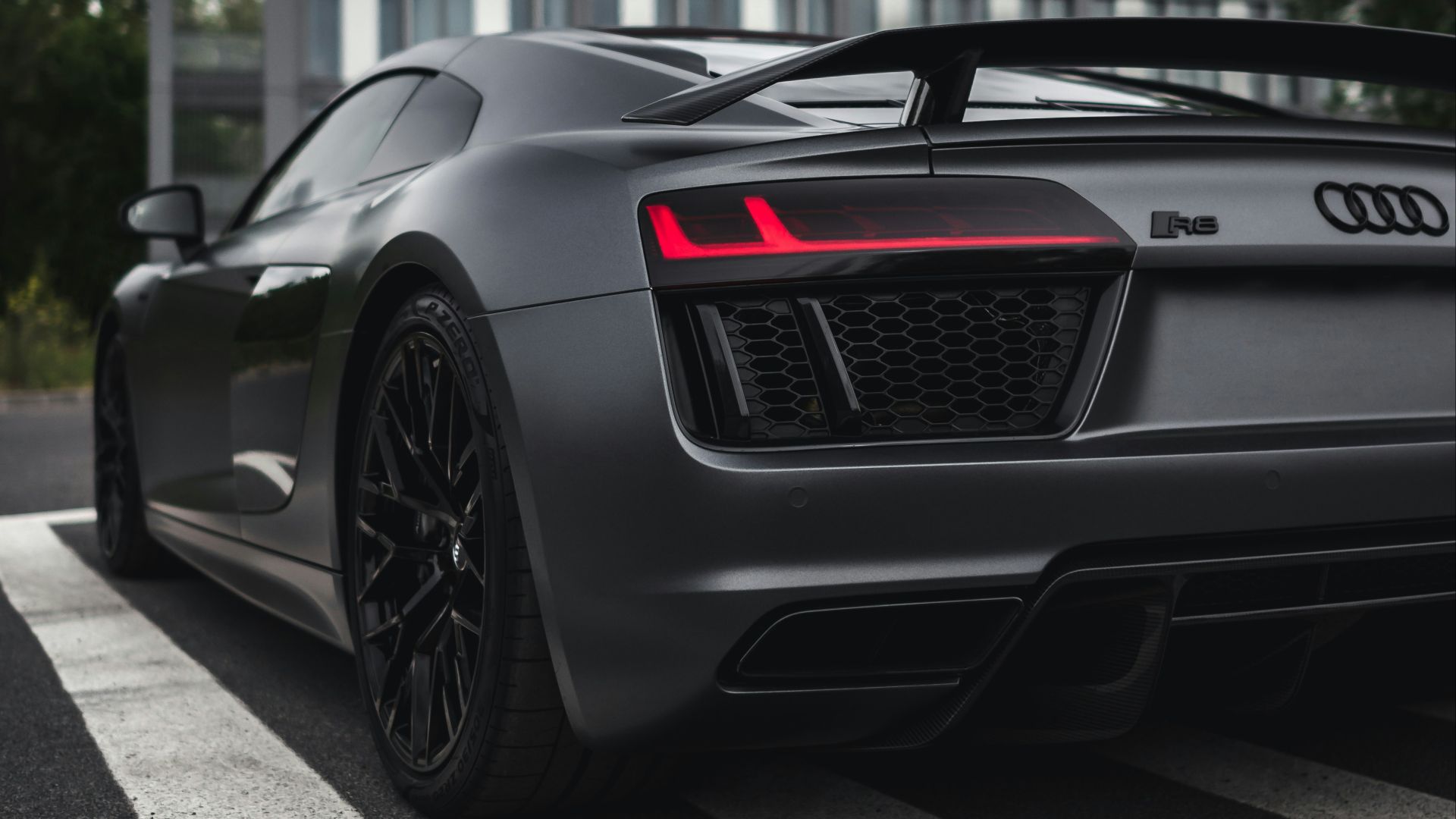
Audi turned daytime running lights into recognizable design elements rather than treating them as ordinary safety equipment. Distinctive LED patterns allowed drivers to identify models even before seeing the grille or badge.

7. Full LED Headlights
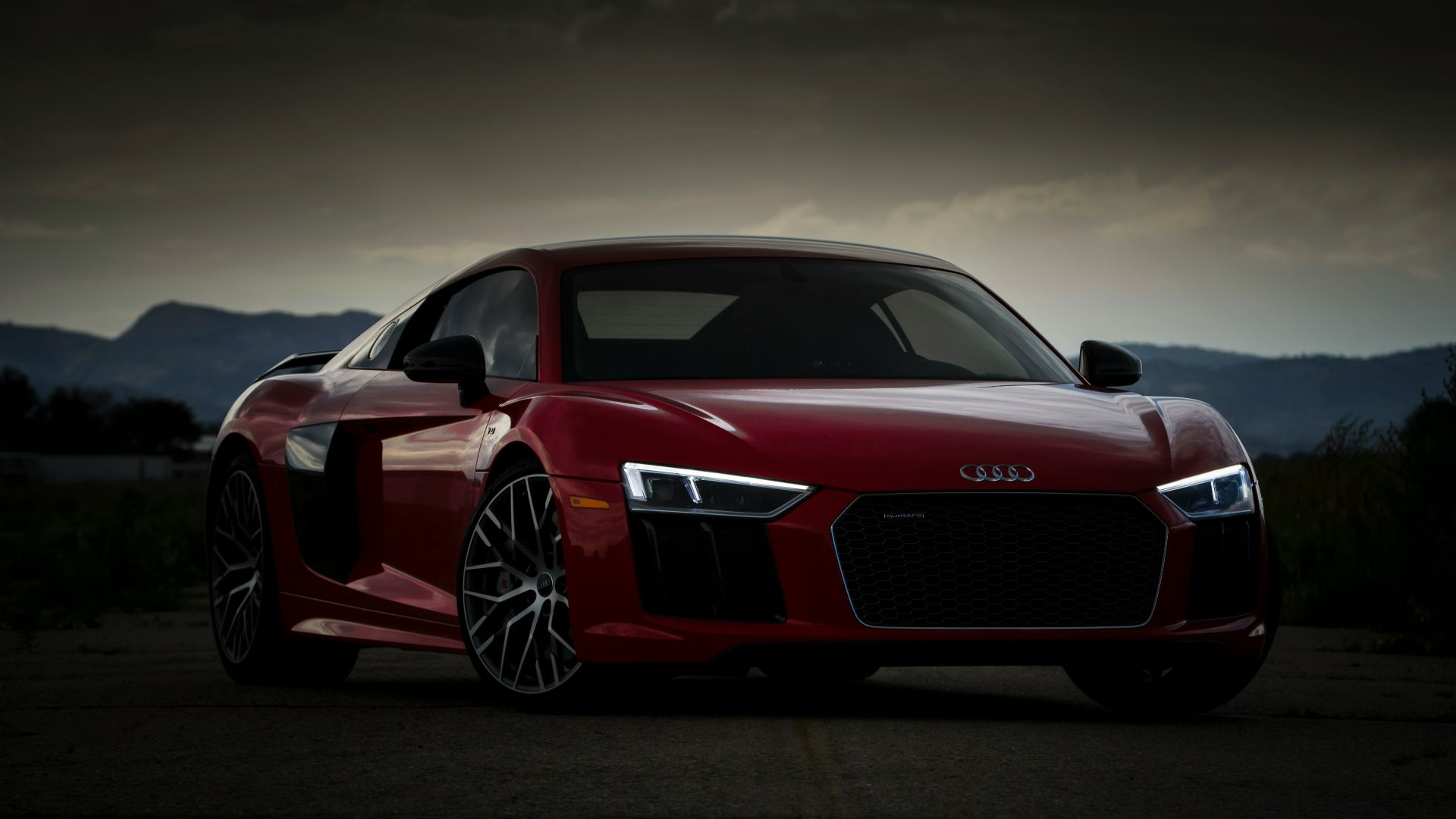
The Audi R8 was among the earliest production cars offered with headlights using LEDs for every major lighting function. LEDs provided designers with greater freedom while offering long service life and reduced energy use compared with some traditional bulbs.
8. Matrix LED High Beams
Audi’s Matrix LED headlights divided the high beam into individually controlled segments. The system could reduce illumination around detected vehicles while keeping other portions of the road brightly lit, allowing drivers to use more high-beam coverage without constantly dazzling others.

9. The Virtual Cockpit
Audi’s Virtual Cockpit replaced conventional analog gauges with a large configurable digital display directly in front of the driver. Digital instrument clusters soon spread throughout the industry and are now available in vehicles far below the premium price range.
10. High-Performance Dual-Clutch Transmissions
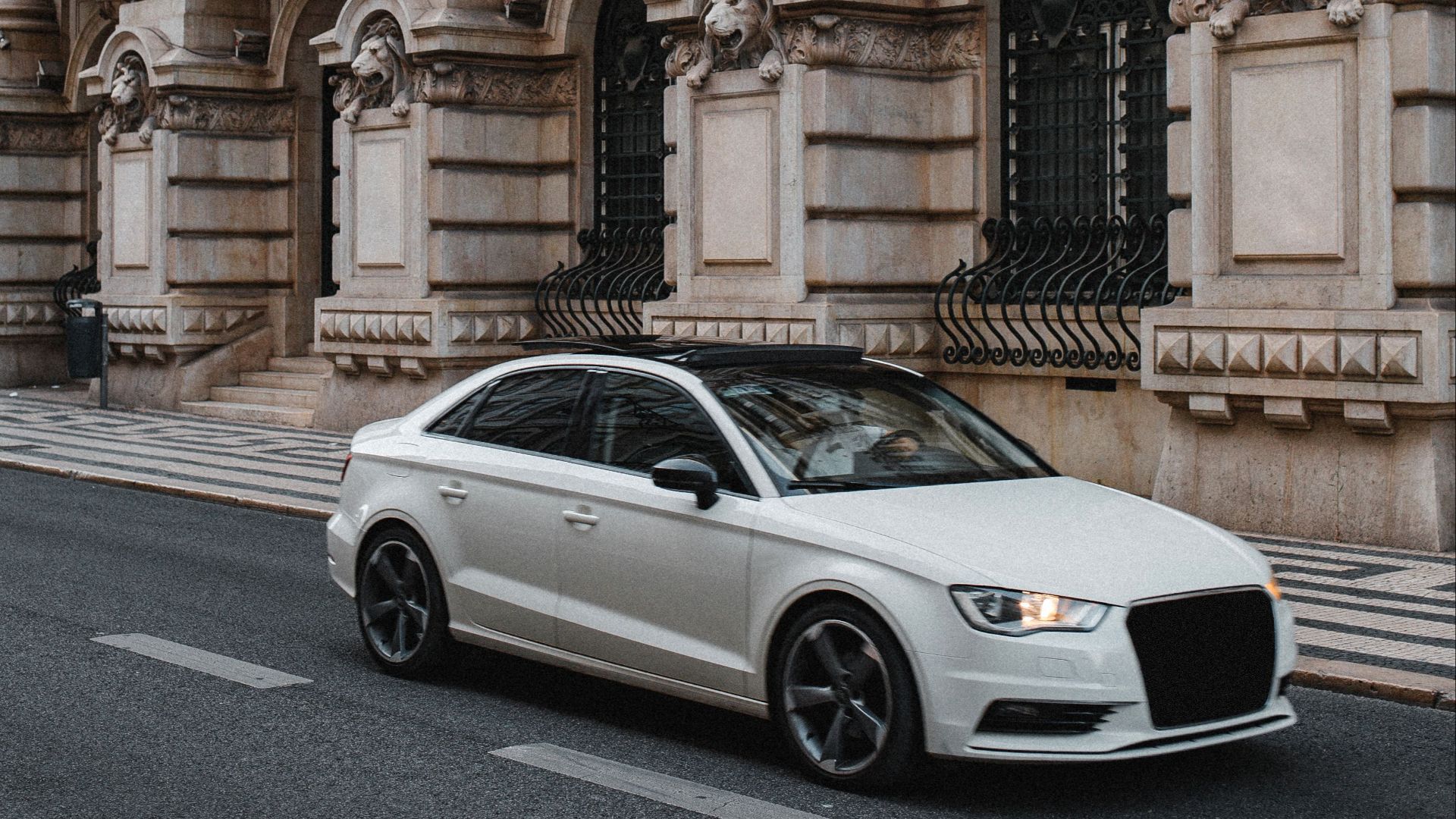
Audi helped make dual-clutch transmissions familiar to drivers through its S tronic-equipped performance and mainstream models. These gearboxes could deliver rapid automatic shifts while retaining much of the direct feel associated with a manual transmission.

1. Procon-Ten
Procon-ten was a mechanical safety system introduced before airbags became widely available. During a severe frontal collision, cables connected to engine movement tightened the front seatbelts and pulled the steering wheel away from the driver.

2. Multitronic Continuously Variable Transmission
Audi developed Multitronic to provide smooth acceleration and efficient operation without the fixed gears of a conventional automatic transmission. Audi eventually abandoned the transmission as improved dual-clutch and torque-converter automatics became more suitable.
3. Solar Sunroofs
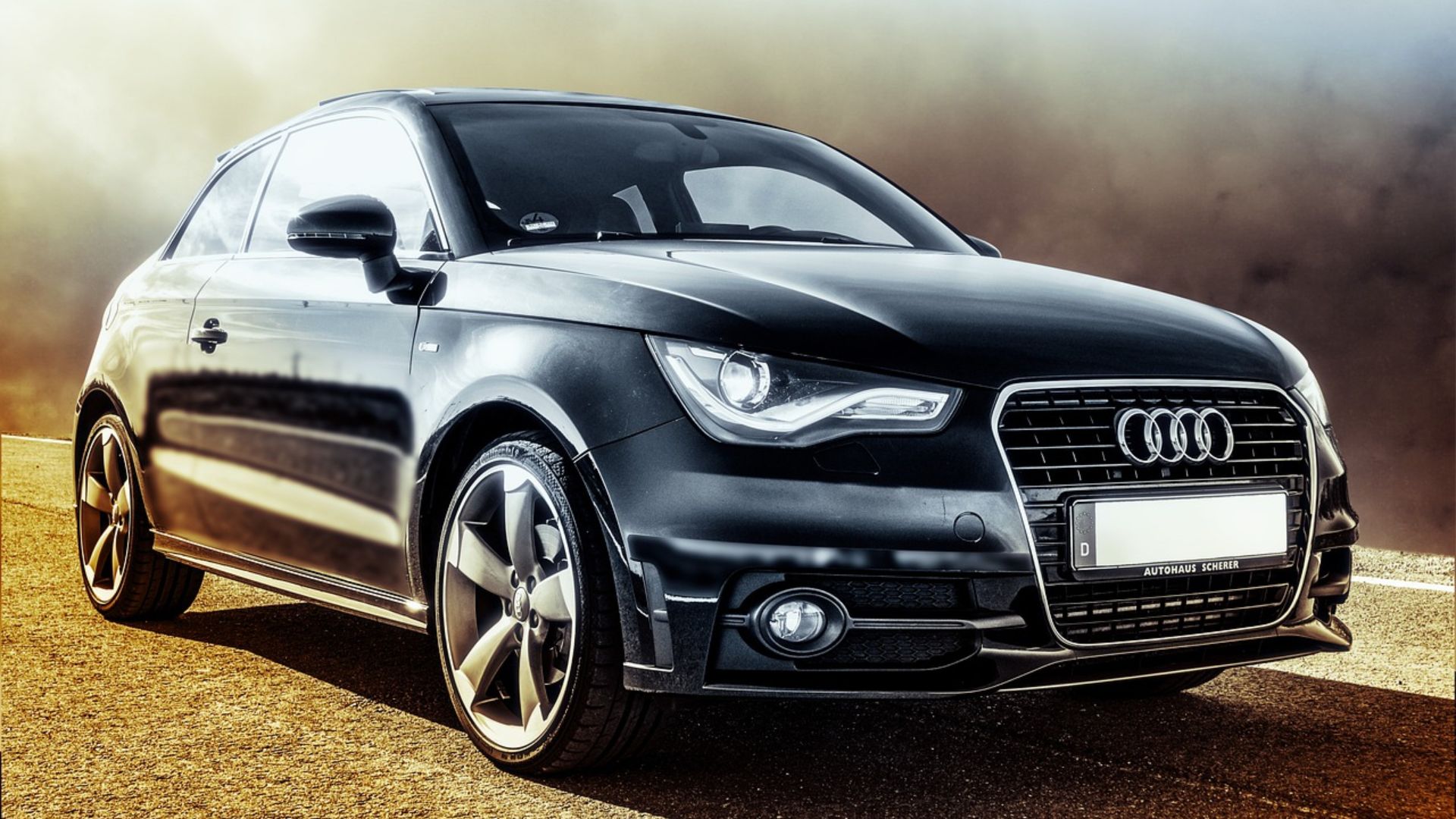
Certain Audi models offered solar cells integrated into the sunroof, which could power ventilation fans while the vehicle was parked. The feature helped reduce cabin heat without draining the main battery, particularly on sunny days. High cost, limited output, and the shrinking popularity of opaque solar roof panels prevented the idea from becoming a normal industry feature.
 André Luís Alves Campos on Unsplash
4. The Audi Duo Plug-In Hybrid
Audi experimented with several Duo hybrid vehicles before plug-in hybrids became commercially practical. One version combined a diesel engine with an electric motor and was produced in very small numbers during the 1990s. Its high price and limited demand meant it never achieved meaningful sales, even though the underlying concept would become far more relevant decades later.
5. The W12 Luxury Engine
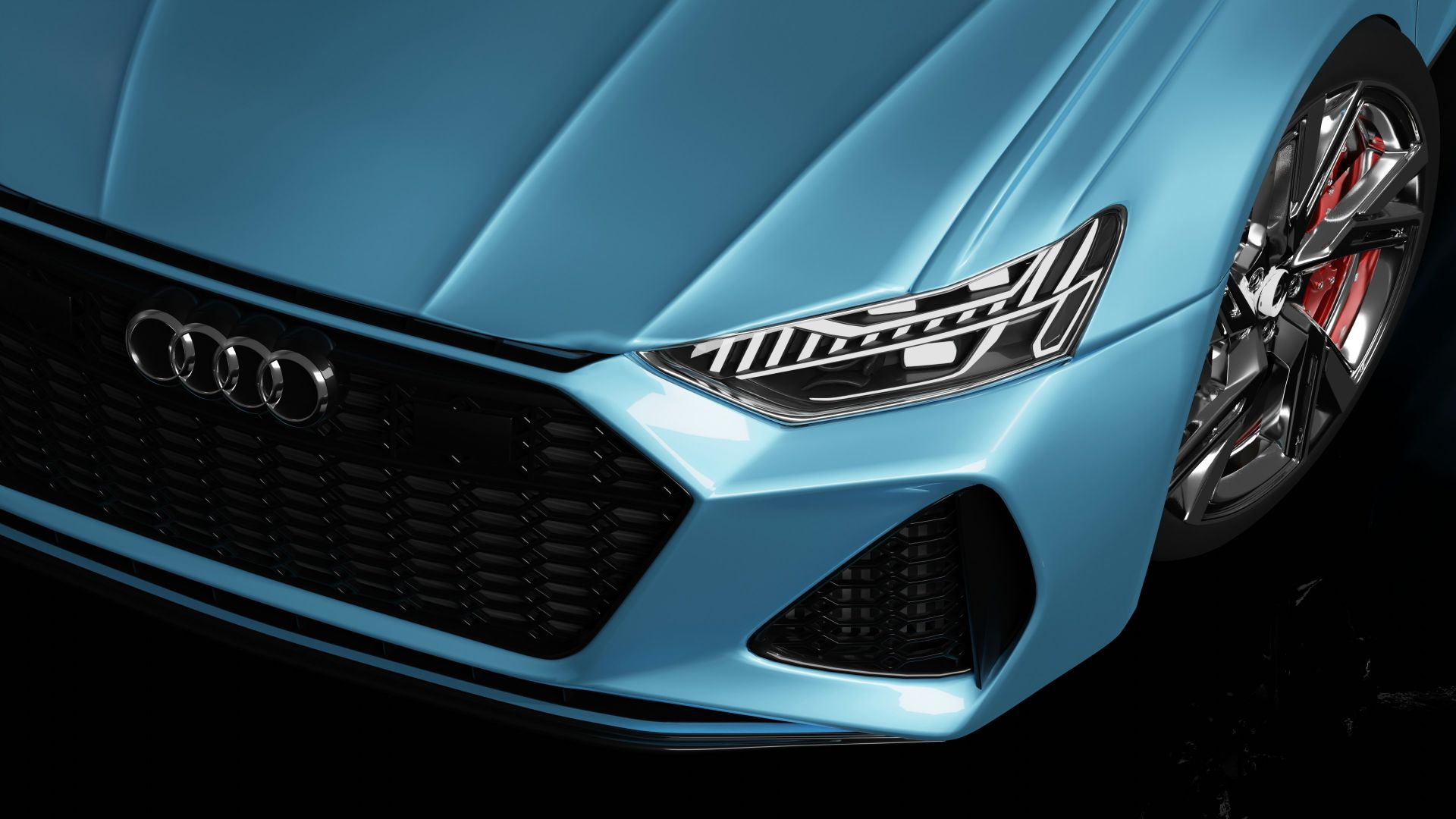
Audi placed a compact W12 engine in flagship versions of the A8, offering smooth power and considerable prestige without requiring an unusually long engine compartment. Tighter emissions standards and changing luxury preferences eventually pushed the industry toward smaller turbocharged and electrified powertrains.
6. The V12 TDI SUV Engine
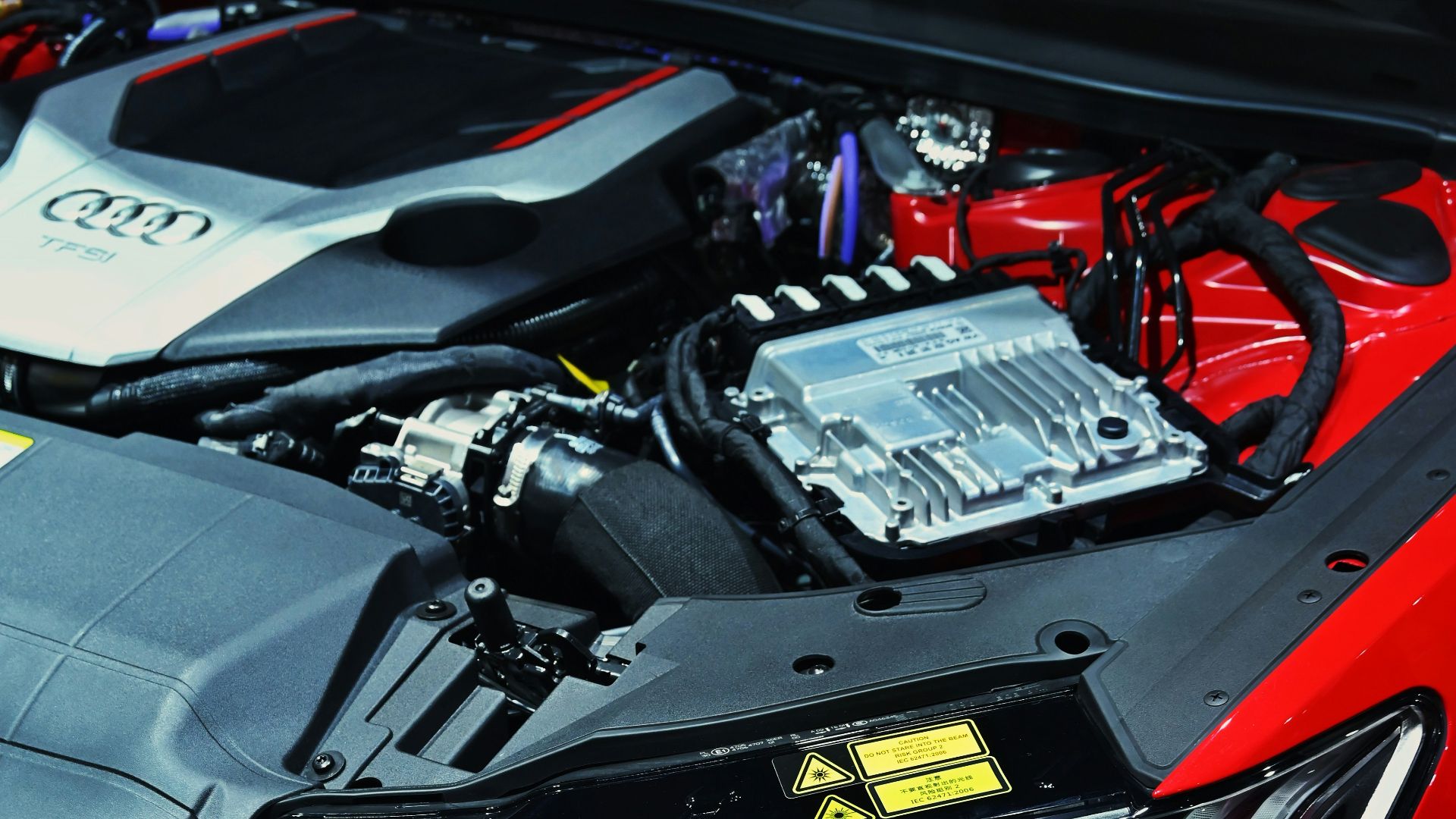
The Q7 V12 TDI brought race-inspired diesel technology to a large luxury SUV with extraordinary torque and performance. Its six-liter engine was technically remarkable, yet it was also heavy, expensive, and available only in limited markets. No broad class of twelve-cylinder diesel SUVs followed, leaving it as one of Audi’s most unusual production experiments.
7. Retractable Dashboard Screens
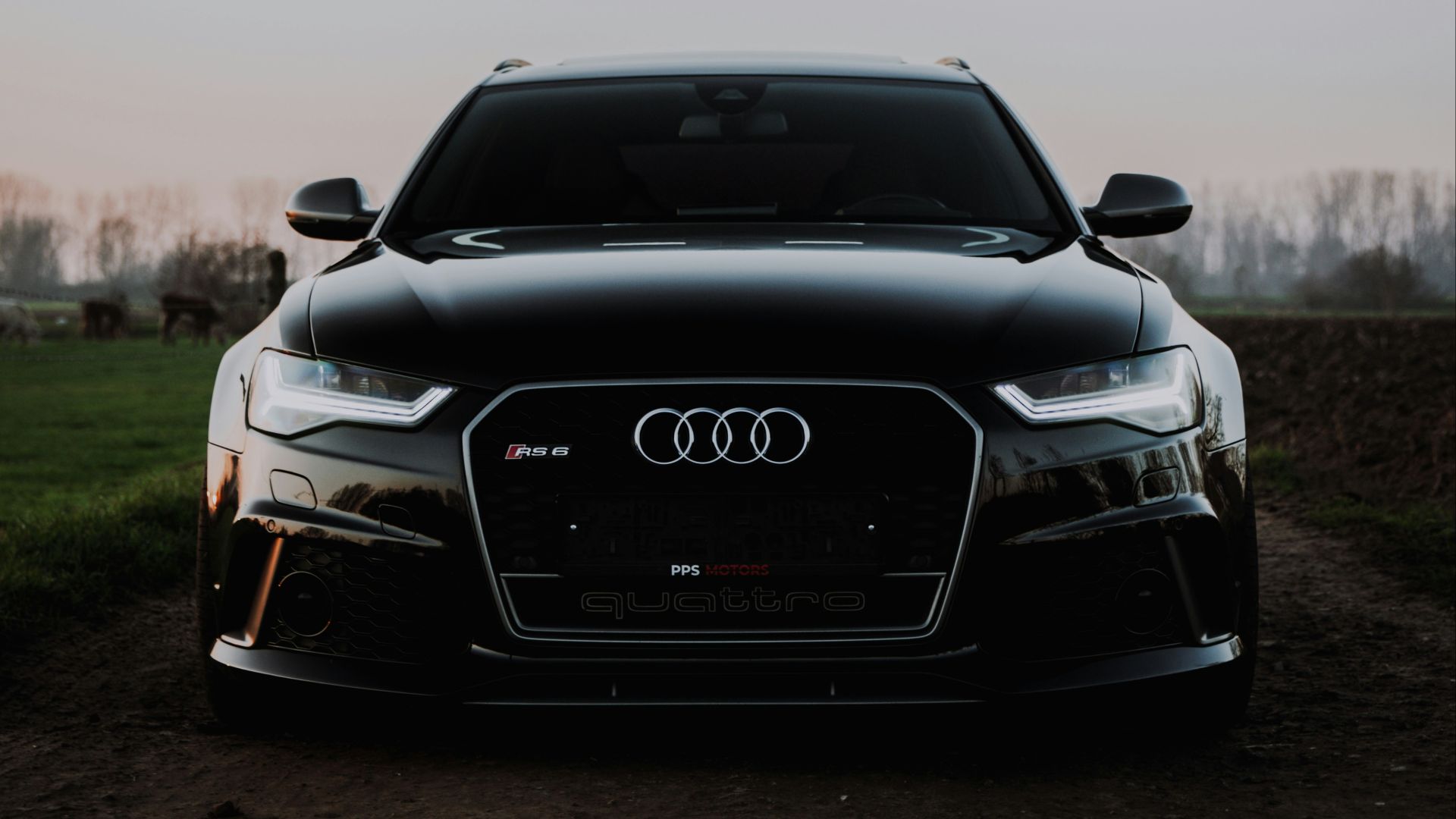
Several Audi interiors used a motorized display that rose from the dashboard when the vehicle started and disappeared when switched off. Larger fixed touchscreens eventually became more practical, and Audi moved away from the pop-up design.
8. Handwriting Recognition Touchpads
Audi added touch-sensitive pads that allowed drivers to draw letters and numbers when entering navigation destinations. Voice recognition and improved touchscreens advanced quickly, however, so handwriting input remained a transitional solution rather than an industry standard.

9. Level 3 Traffic Jam Pilot
Audi designed the A8’s Traffic Jam Pilot to handle steering, braking, and acceleration under restricted highway conditions while allowing the driver to look away temporarily. Driver-assistance technology continued advancing, but this specific Audi feature never became widely available to customers.

10. Camera-Based Exterior Mirrors
The original e-tron offered small exterior cameras that sent images to displays mounted inside the doors instead of using conventional mirrors. Camera mirrors remain available on selected vehicles, yet ordinary glass mirrors continue to dominate.