What Actually Needs Doing First
Road trips have a way of revealing how prepared you really are, and by the time you find out, you're usually too far from home to fix it. Some problems show up in the car itself, in a tire that's been slowly losing air for weeks or a battery that's on its last summer. Other problems show up in the trunk, or rather in what's missing from it, once you're two states away and realize nobody grabbed the phone charger. A little planning before you leave the driveway saves you from spending your trip white-knuckling it through avoidable mistakes. Here are 10 things you should check before you hit the road, and 10 things people always leave behind.

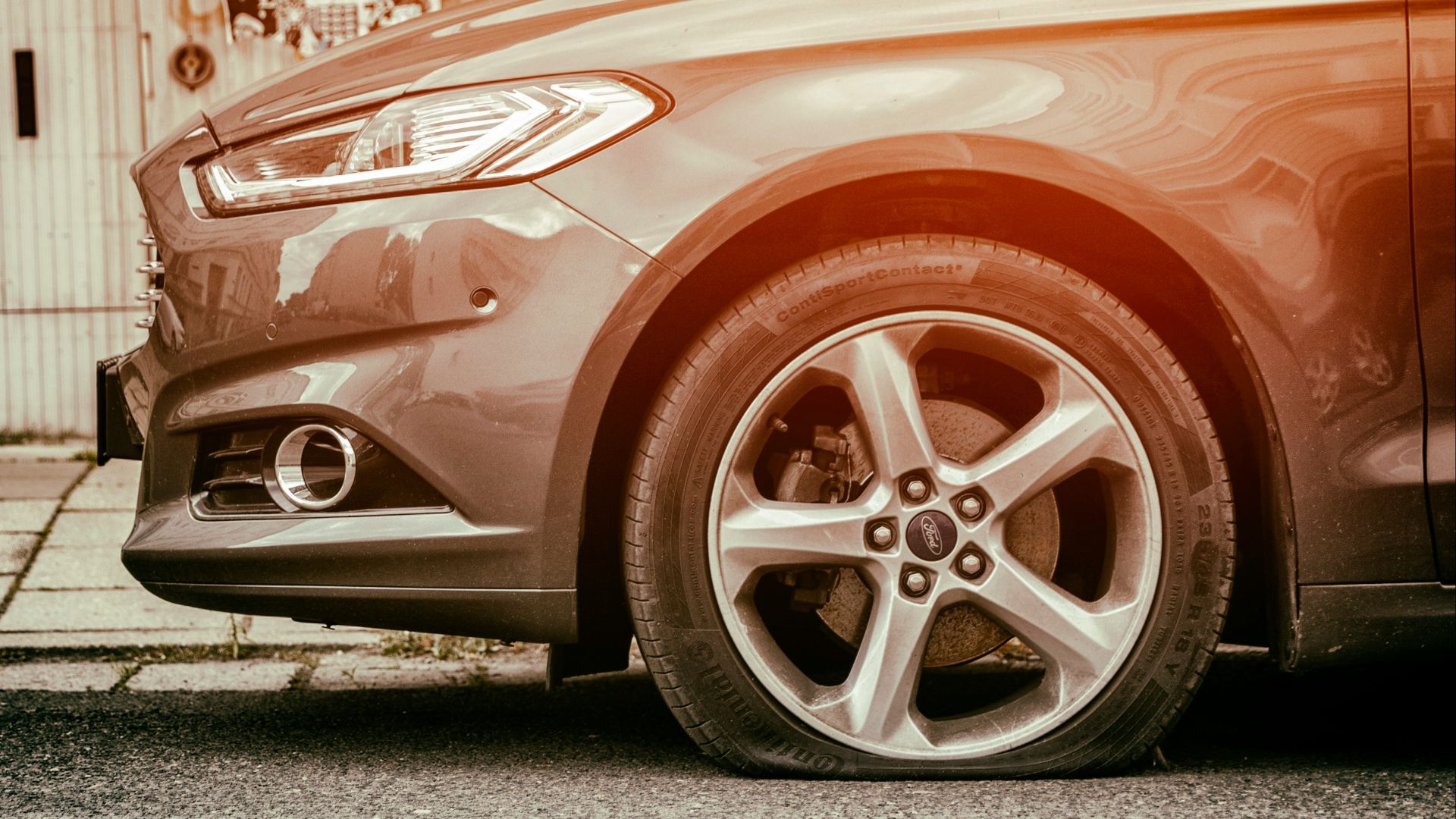
1. Tire Pressure and Tread
Underinflated tires wear unevenly and hurt your gas mileage, and they're far more likely to blow out on a long highway stretch than tires kept at the right pressure. Check the tread depth too, since a tire that looks fine at a glance can already be too worn to grip wet pavement safely.
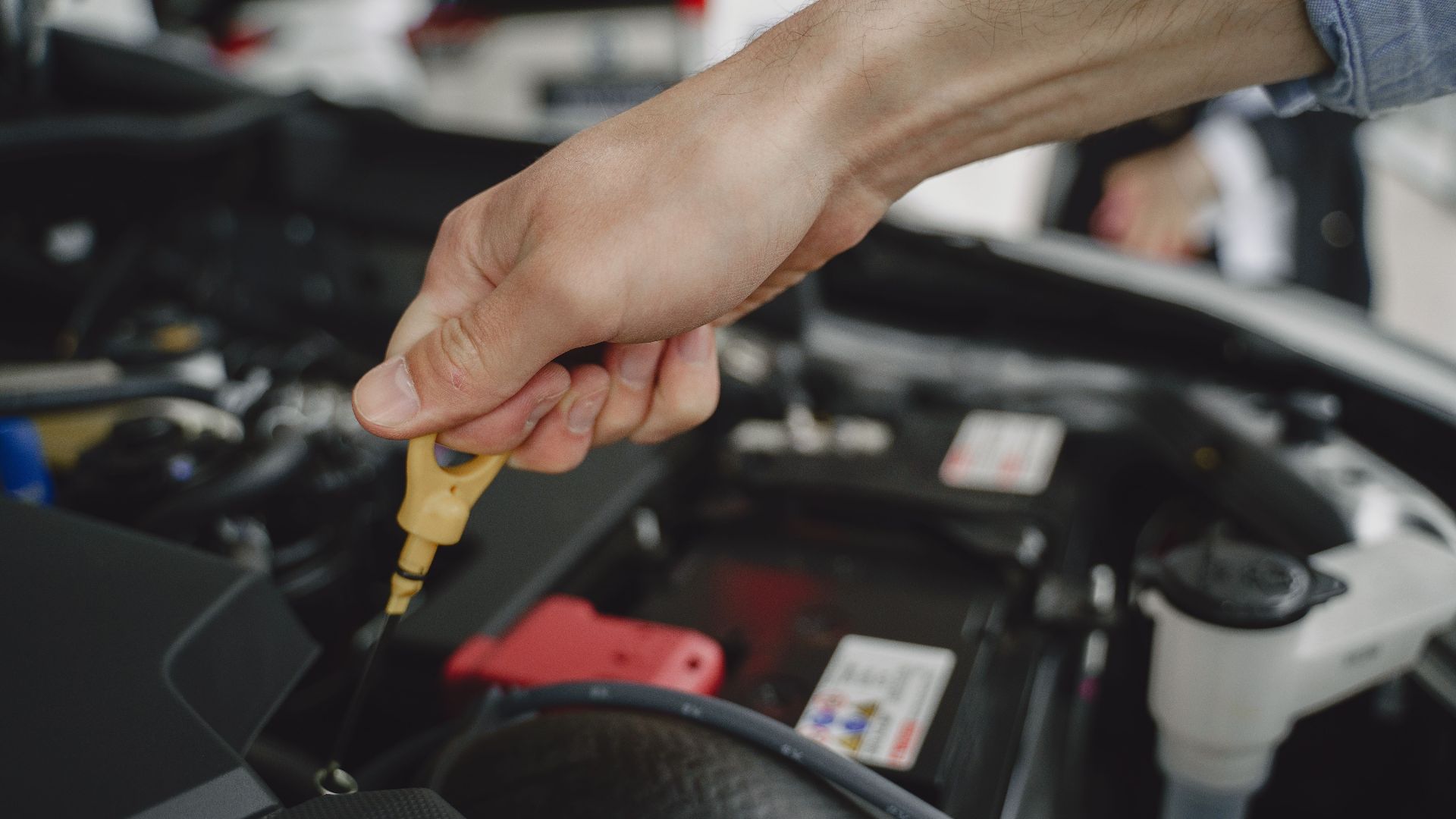
2. Oil Level and Oil Life
An oil change that's overdue by a few thousand miles might not cause trouble around town, but hours of highway driving in the heat puts a lot more strain on an engine running low or dirty oil. If you're anywhere close to your next scheduled change, get it done before you leave rather than partway through the trip.
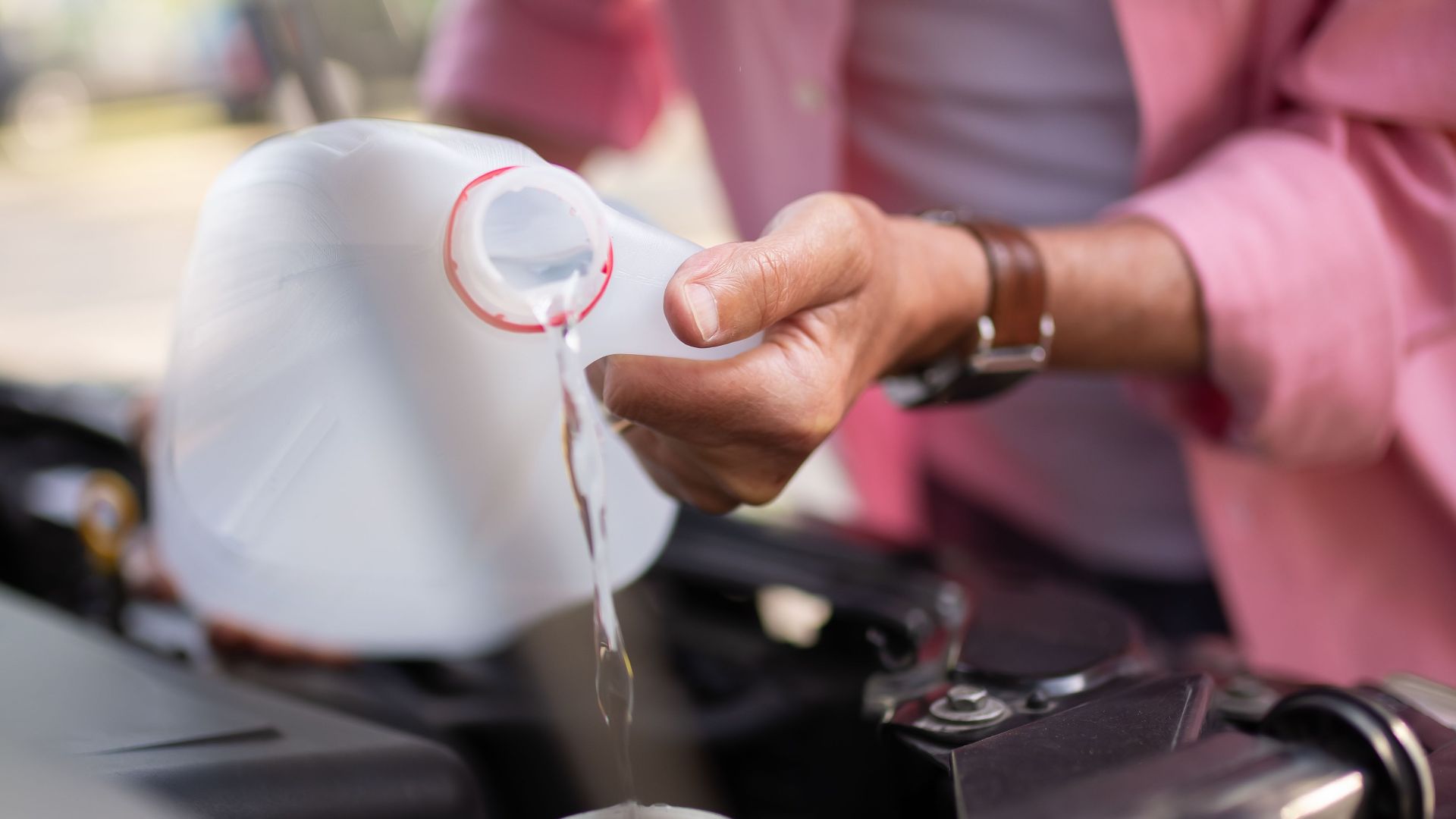
3. Coolant Level
Low coolant is one of the fastest ways to turn a summer road trip into a roadside wait for a tow truck, since an overheating engine can cause serious damage in a matter of minutes. Check the level when the engine is cold, and top it off if it's below the line on the reservoir.
4. Brake Pads and Fluid
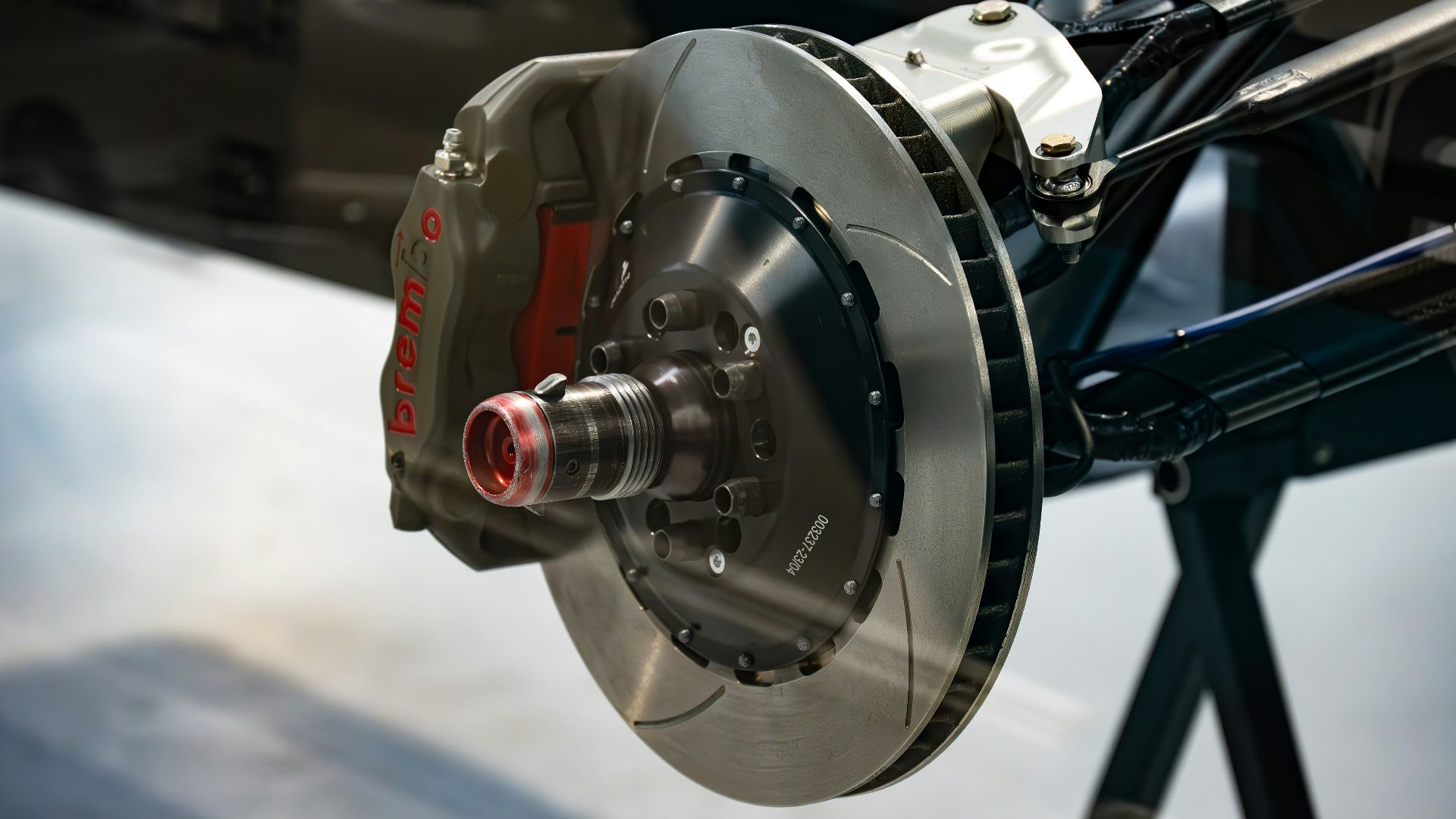
Worn brake pads tend to announce themselves with a squeal, but by the time you hear it, they're often already thinner than they should be for a trip involving unfamiliar roads and mountain grades. Brake fluid should also be checked, since low or old fluid can make your pedal feel soft right when you need it to feel solid.
5. Battery Health
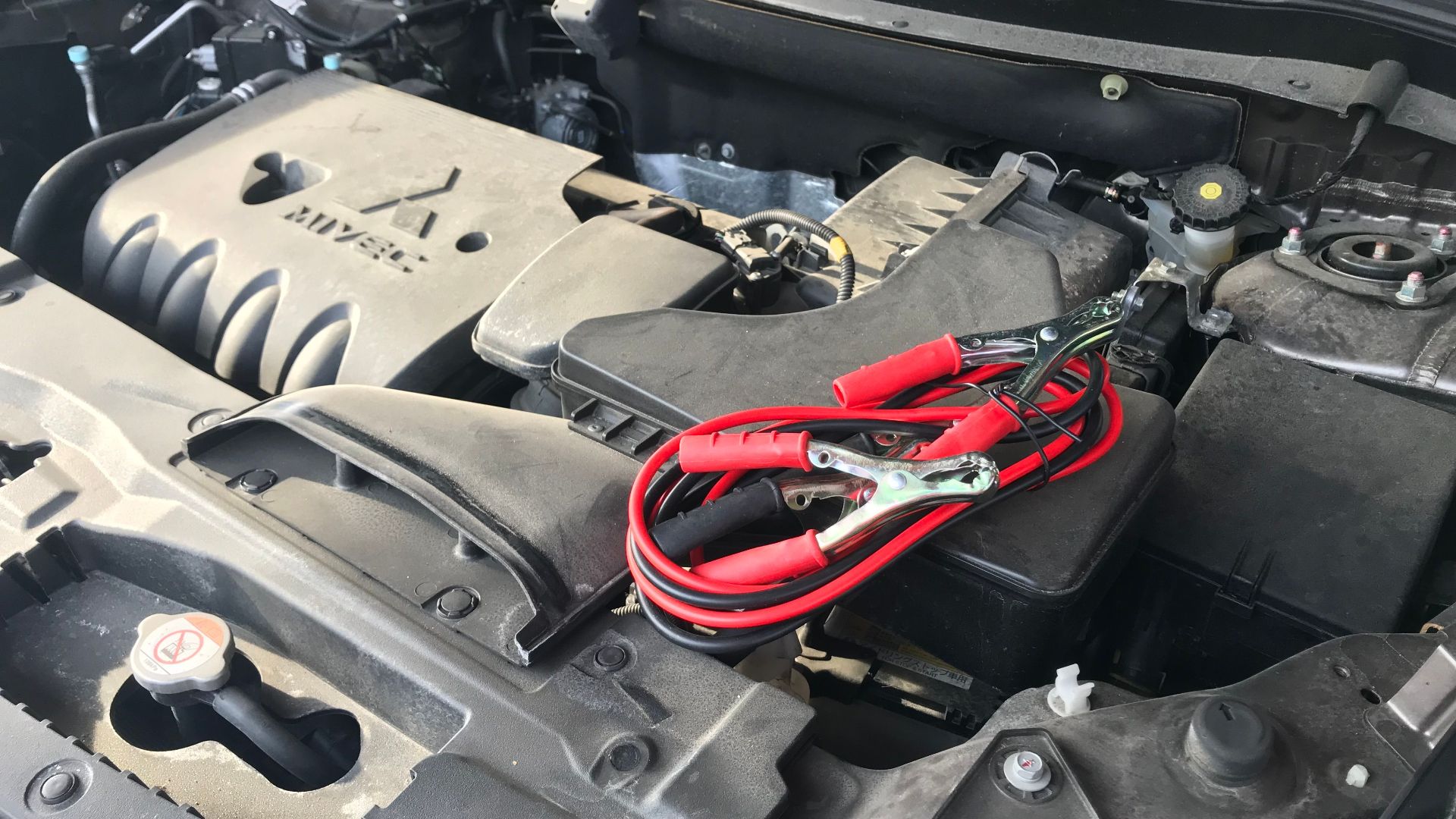
A battery that's been quietly struggling all winter can pick the worst possible moment to finally die, usually at a rest stop with no one else around. Most auto parts stores will test a battery for free, and it only takes a few minutes to find out if yours needs replacing before you're relying on it.
6. Wiper Blades
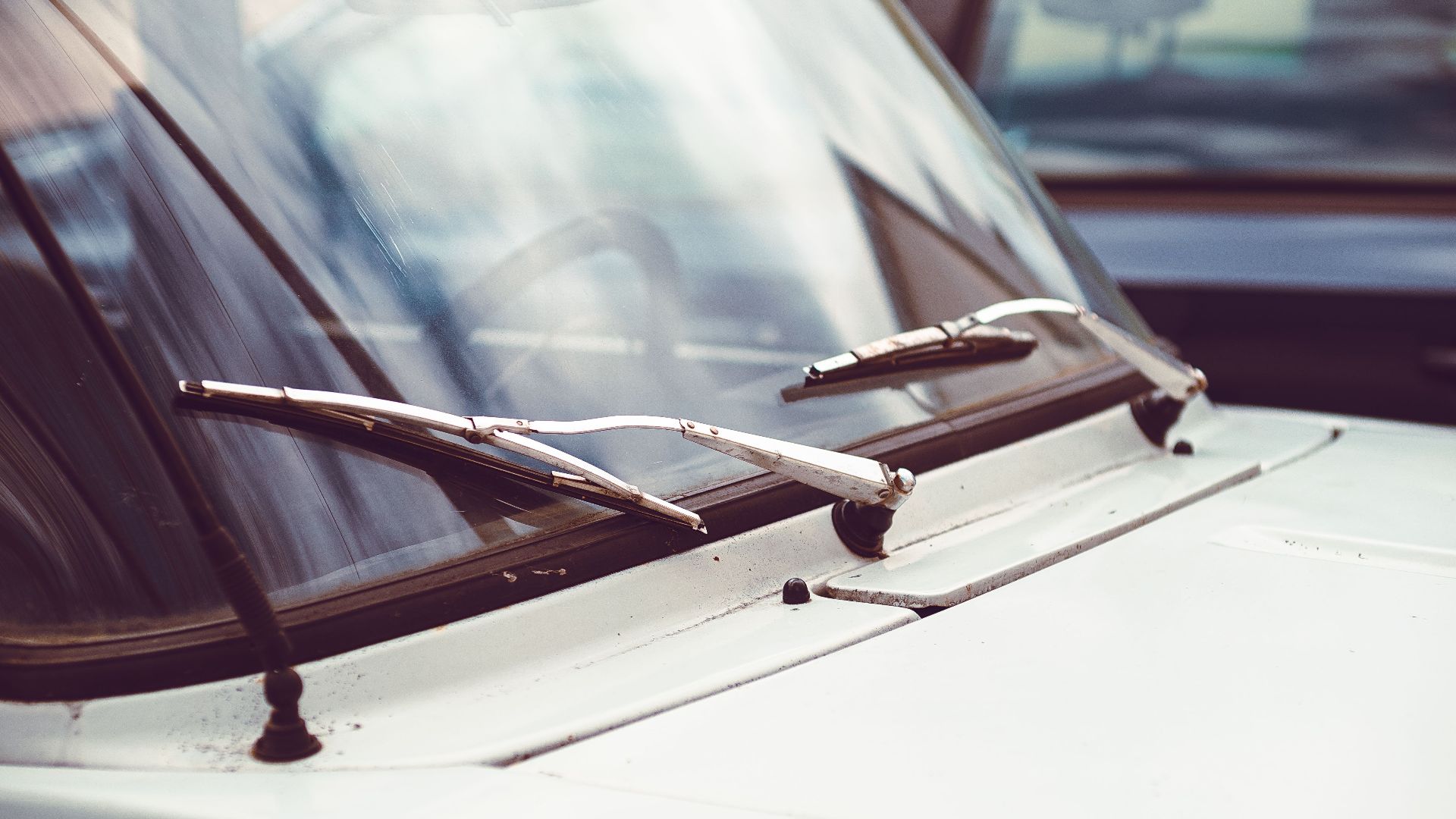
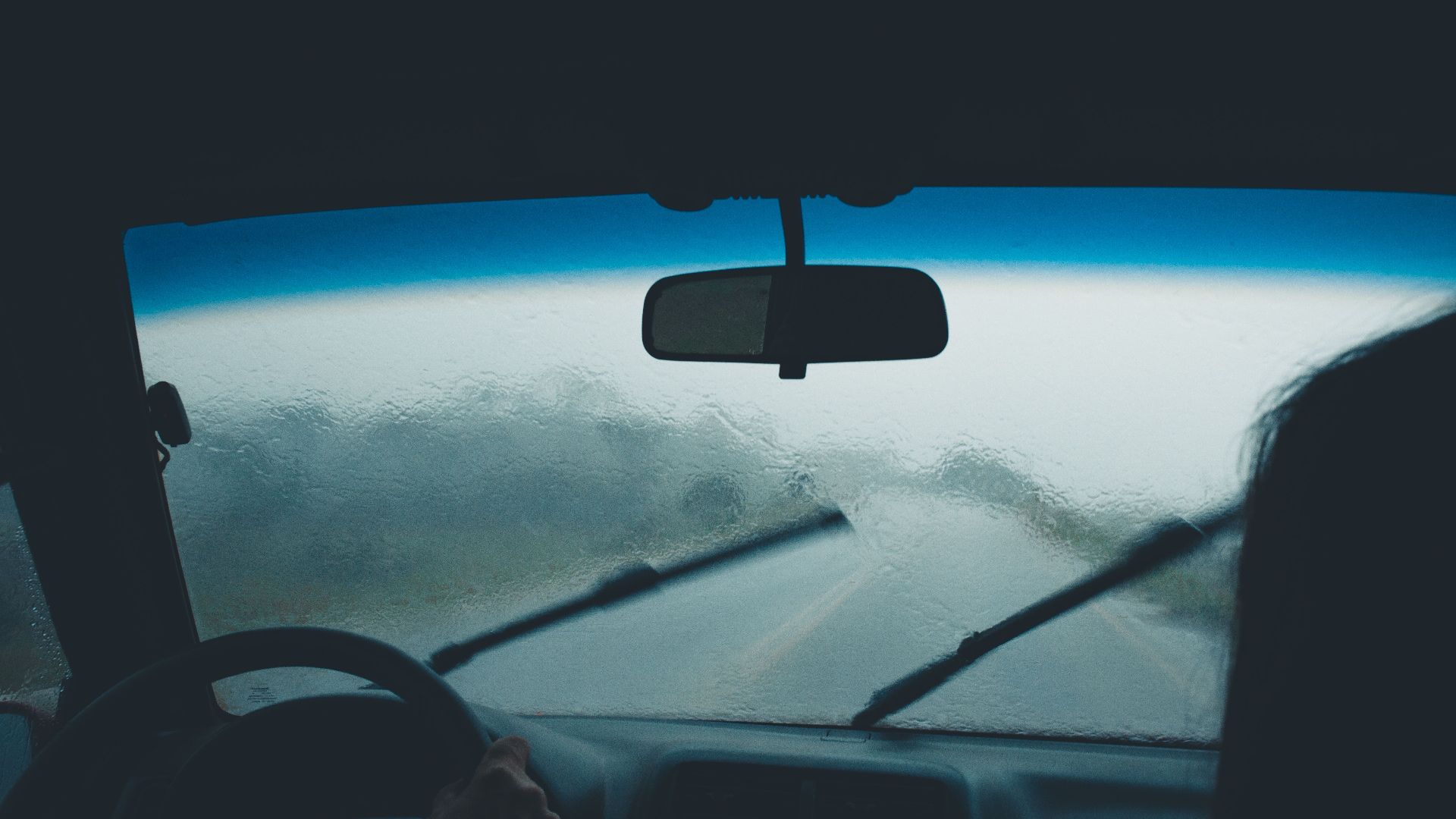
Streaky, cracked wiper blades are easy to ignore until you're driving into rain or road spray at highway speed with almost no visibility. They're inexpensive to replace and take only a minute, so there's no good reason to leave home with worn-out ones.
7. Headlights and Taillights
A burned-out headlight or taillight is one of those things that's invisible from the driver's seat, which is exactly why it's worth a walk around the car before you go. Bad lighting cuts your visibility on night drives and makes it more likely you'll get pulled over hundreds of miles from home.

8. Spare Tire and Jack
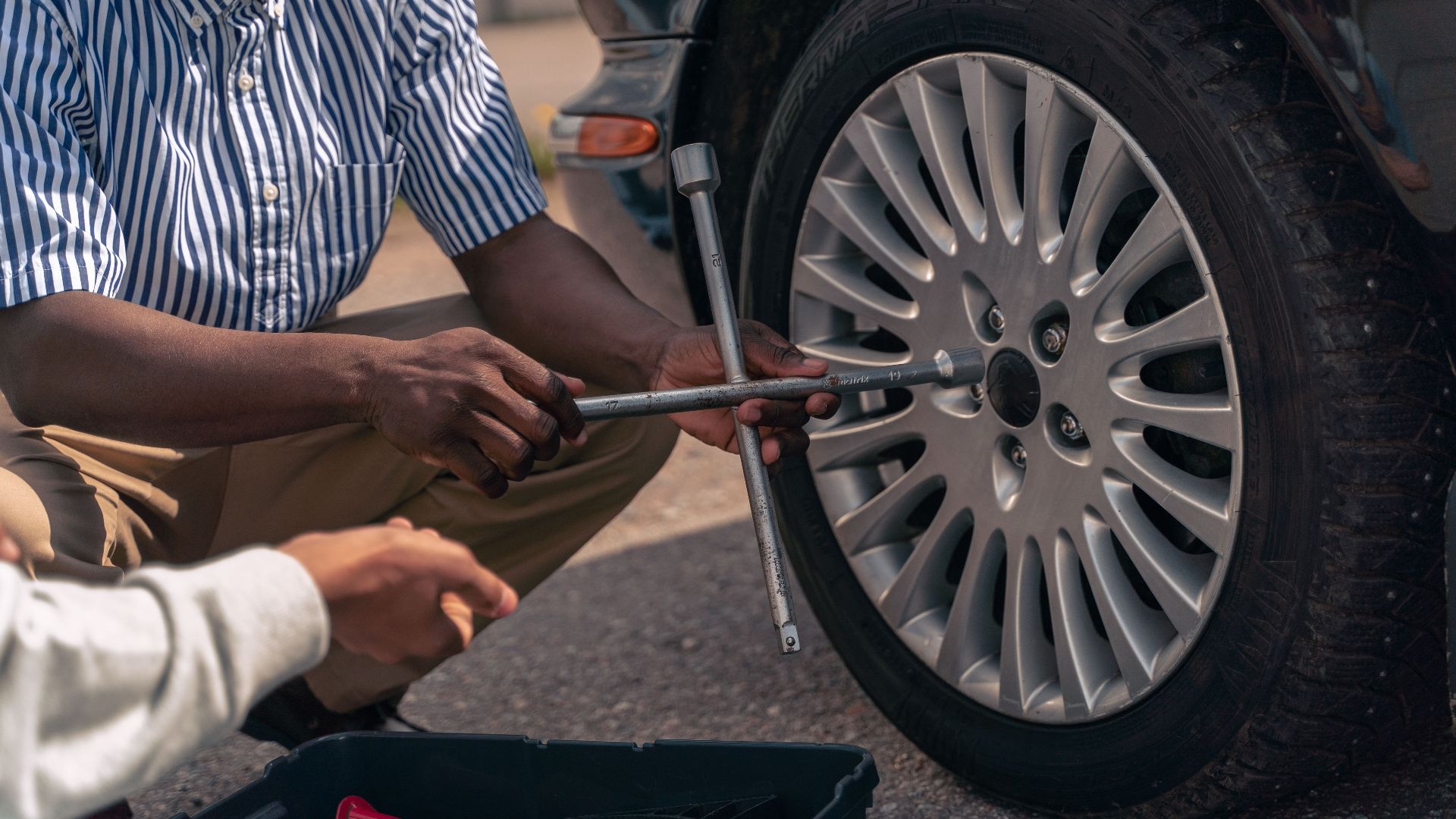
A spare that's been sitting in the trunk for years can lose pressure right along with everything else, so it's worth checking before you actually need it on the side of the road. Confirm the jack and lug wrench are still in the car too, since it's surprisingly common for them to go missing after a previous repair.
9. Air Filter
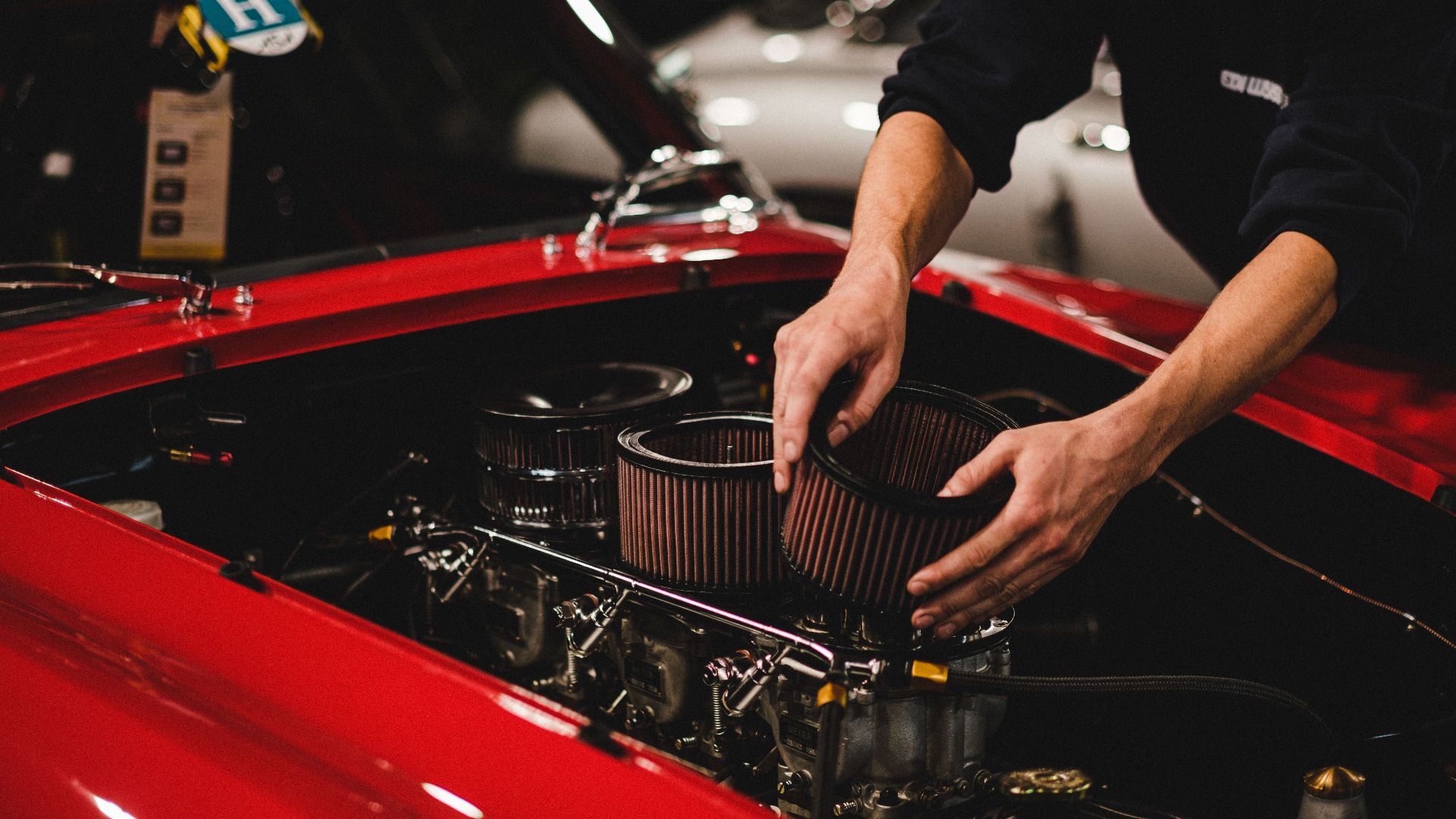
A clogged air filter forces the engine to work harder than it needs to, which can quietly drag down fuel economy over a long drive. It's a cheap part to swap out and takes only a few minutes, making it one of the easiest pre-trip fixes to skip if you don't think to check.
10. Route and Weather Conditions
Checking the forecast and road conditions the night before helps you avoid driving straight into a storm system or a stretch of highway construction that could add hours to the trip. It's also worth having a backup route in mind in case the primary one closes unexpectedly.
Here's 10 things that tend to get left behind entirely.
1. Phone Charger
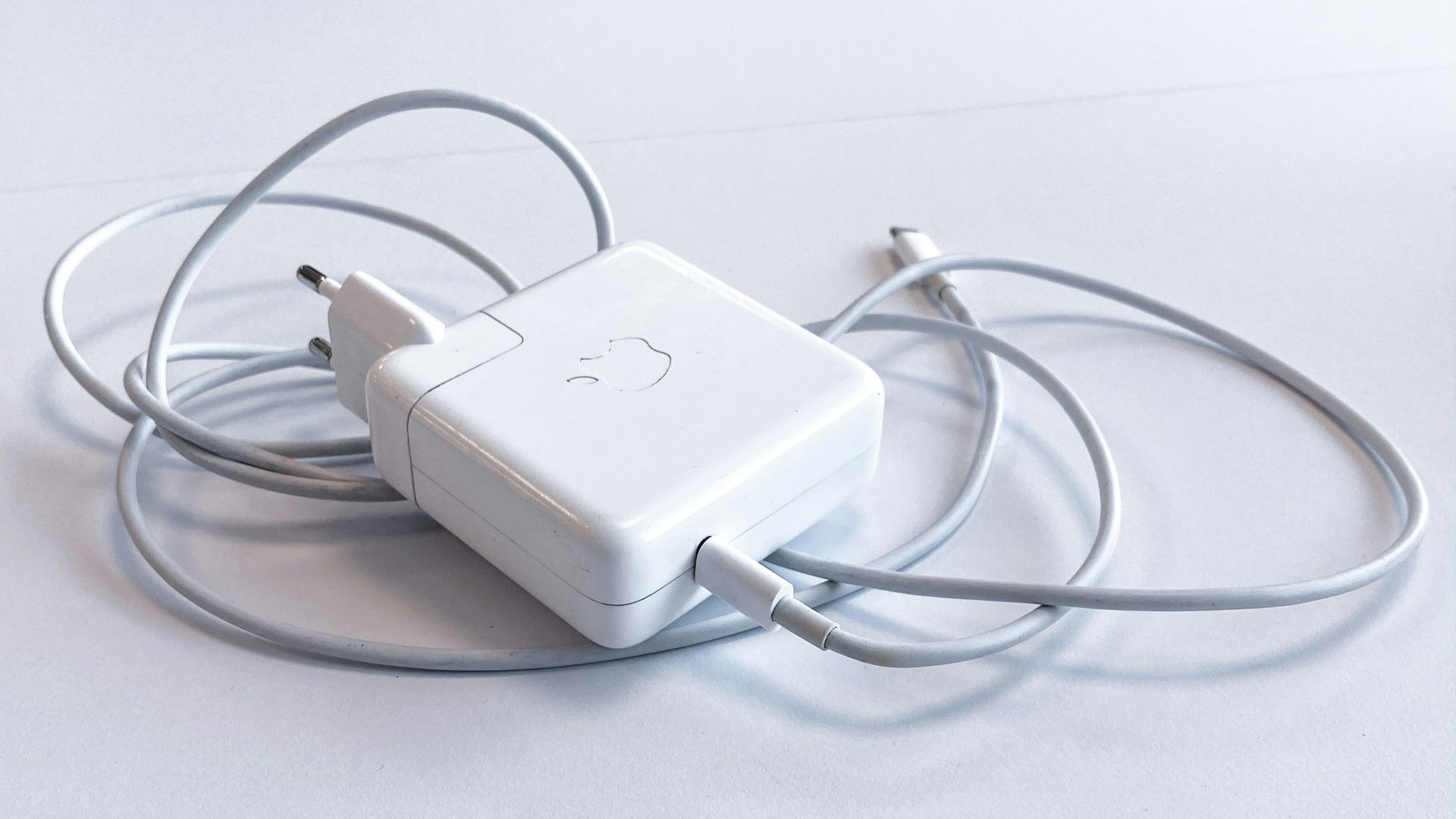
It's one of the most obvious items to pack and somehow still the one most often left plugged into the kitchen wall. A dead phone on the road means no navigation and no way to call for help if something goes wrong.
2. Offline Maps or a Paper Map
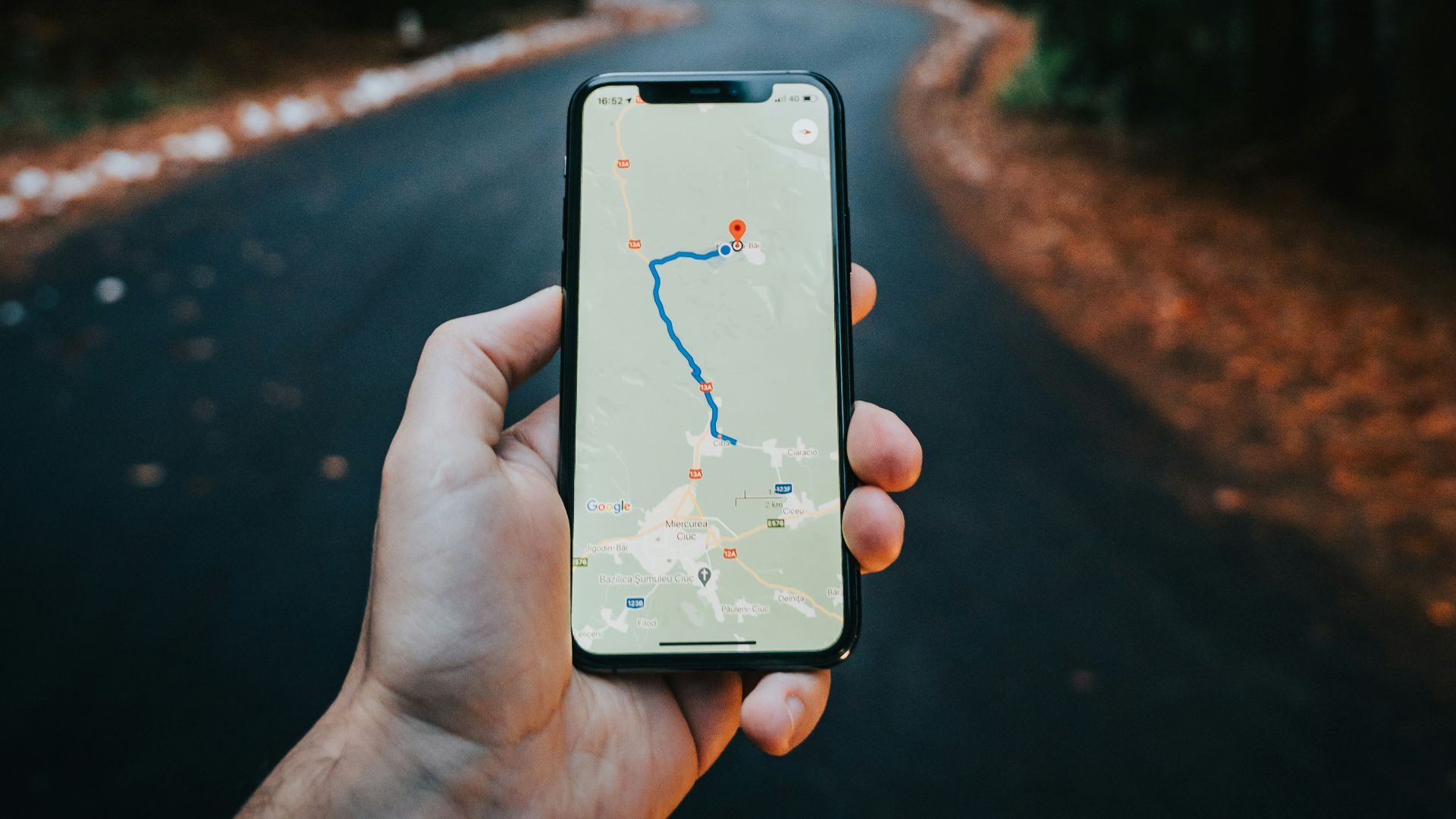
Cell service disappears in more places than people expect, especially through mountains or rural stretches, and a navigation app that needs a live connection can leave you guessing. Downloading offline maps ahead of time, or keeping an old-fashioned paper map in the glovebox, is a cheap form of insurance.
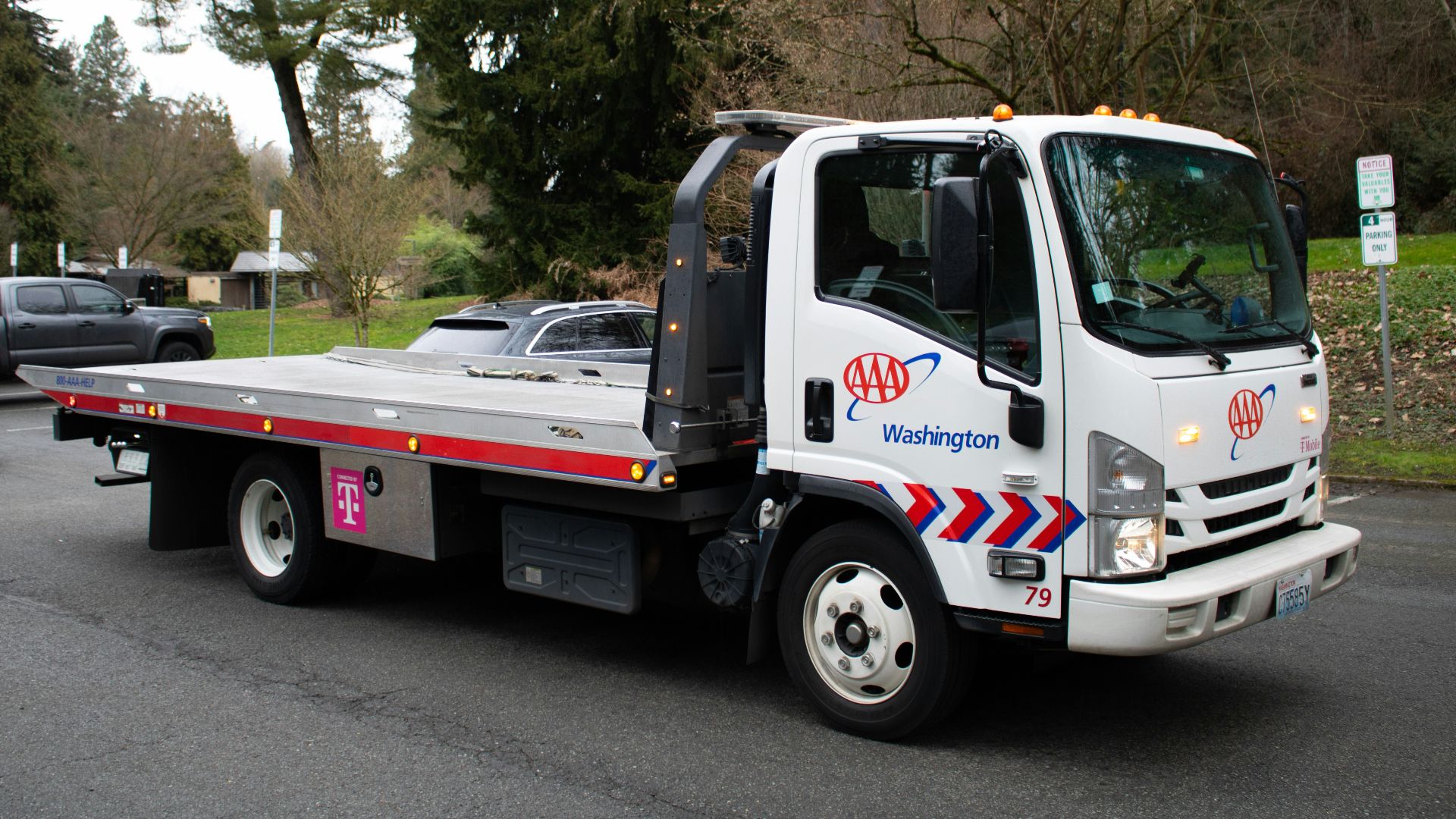
3.Offline Maps
Most people have some kind of roadside assistance through their insurance, a credit card, or a membership program, but almost nobody can recall the phone number when they actually need it. Saving that number in your phone before you leave saves a frustrating scramble later.
4. A Spare Set of Keys
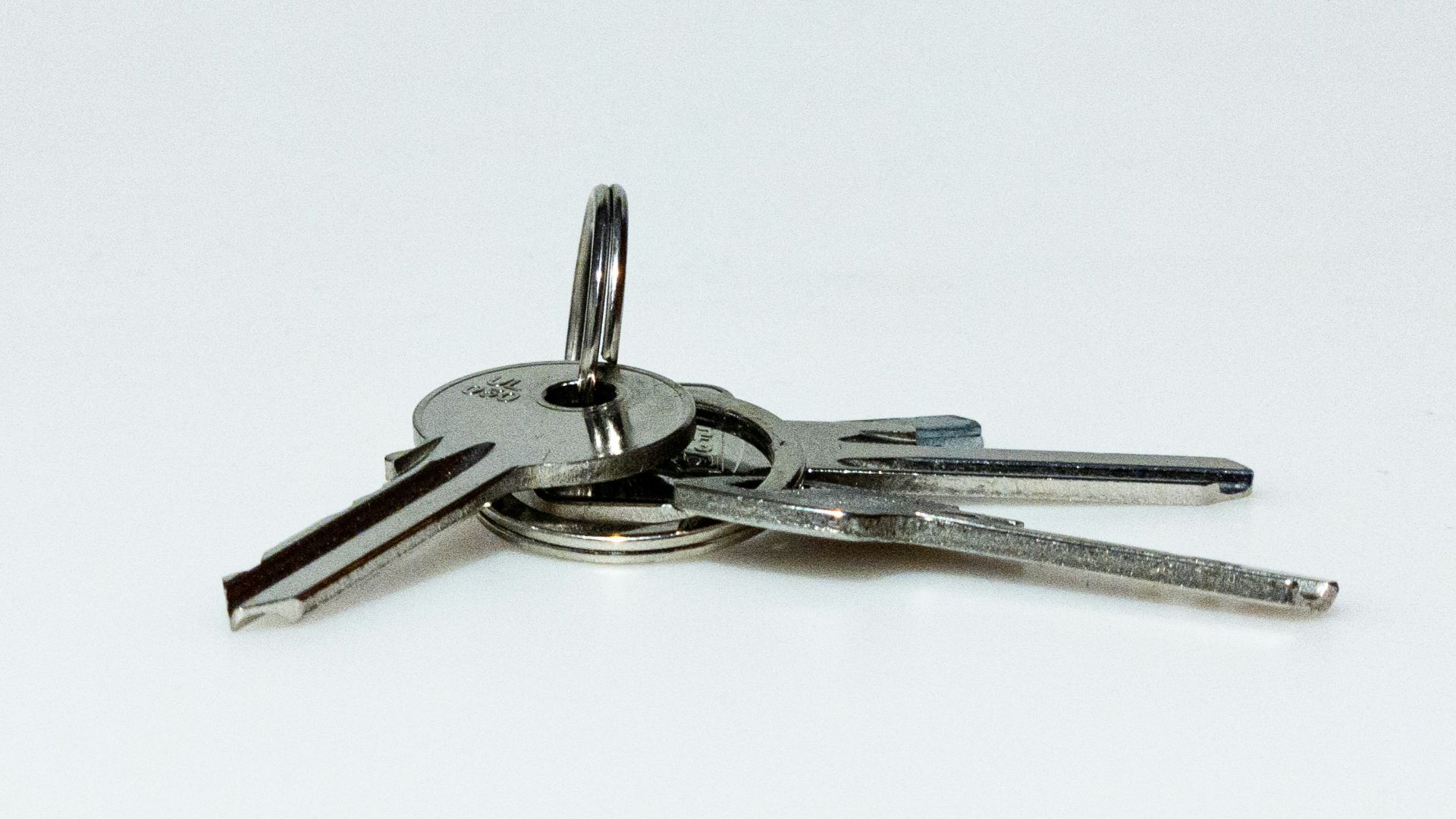
Getting locked out or losing a key hours from home turns a minor annoyance into a genuinely expensive problem. A spare key tucked in a bag or left with someone back home is a small precaution that almost never gets remembered until it's too late.
5. Cash for Tolls and Emergencies
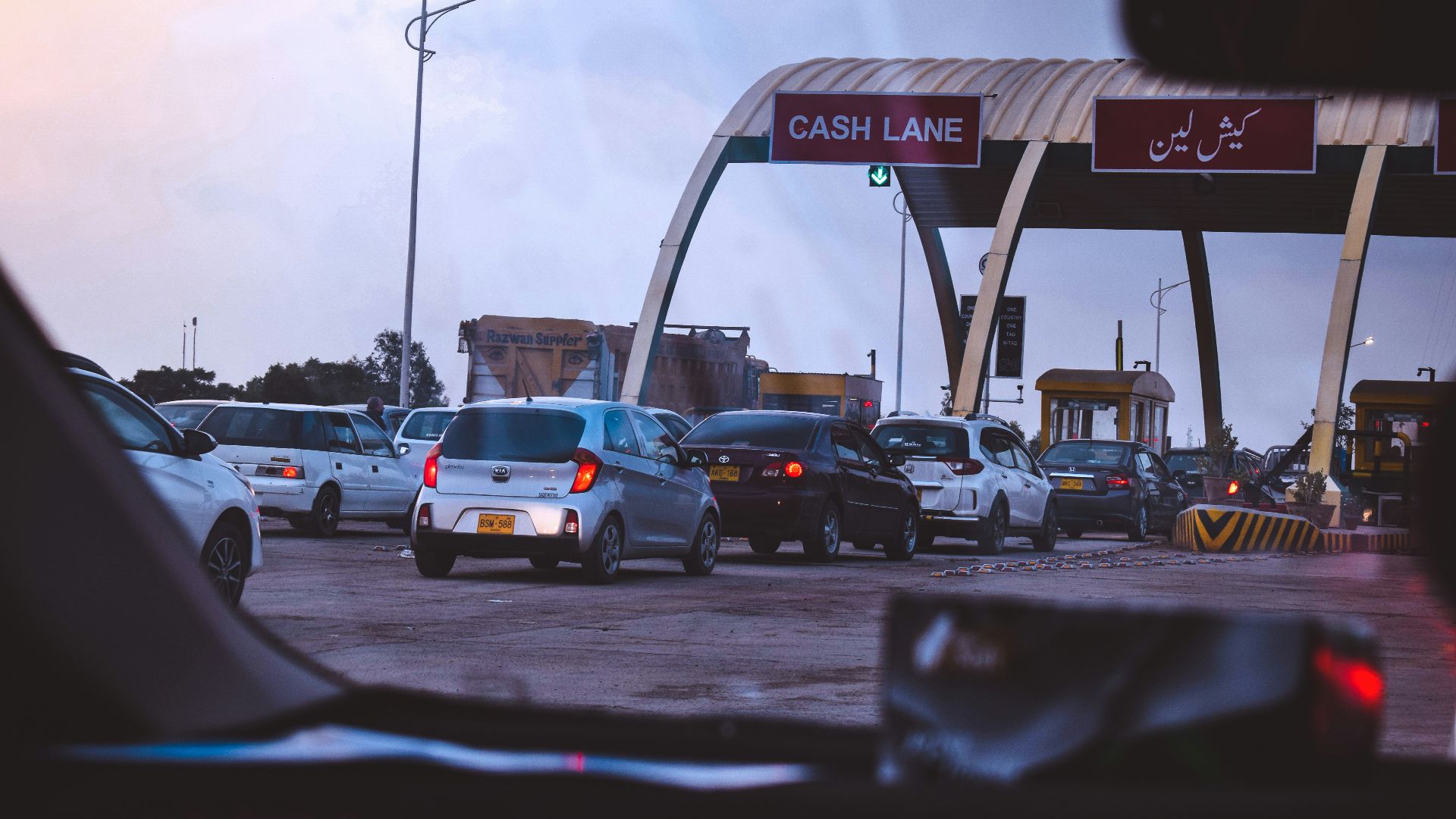
Plenty of toll roads and small-town gas stations still don't take cards smoothly, and card readers everywhere occasionally go down at the worst possible moment. A little cash tucked away avoids an awkward standoff at a toll booth or a register that's not accepting anything electronic.
6. Snacks and Water
Traffic and unexpected detours can turn a short drive into a much longer one, and there's nothing worse than being stuck hungry with the nearest exit twenty miles away. A simple bag of snacks and a few bottles of water costs almost nothing and solves a problem before it starts.

7. Sunglasses
Sun glare at the wrong angle can genuinely blind a driver for a second or two, which is plenty of time for something to go wrong on the highway. Sunglasses are cheap and small, and yet they're one of the most commonly forgotten items on any road trip packing list.

8. A Basic First-Aid Kit
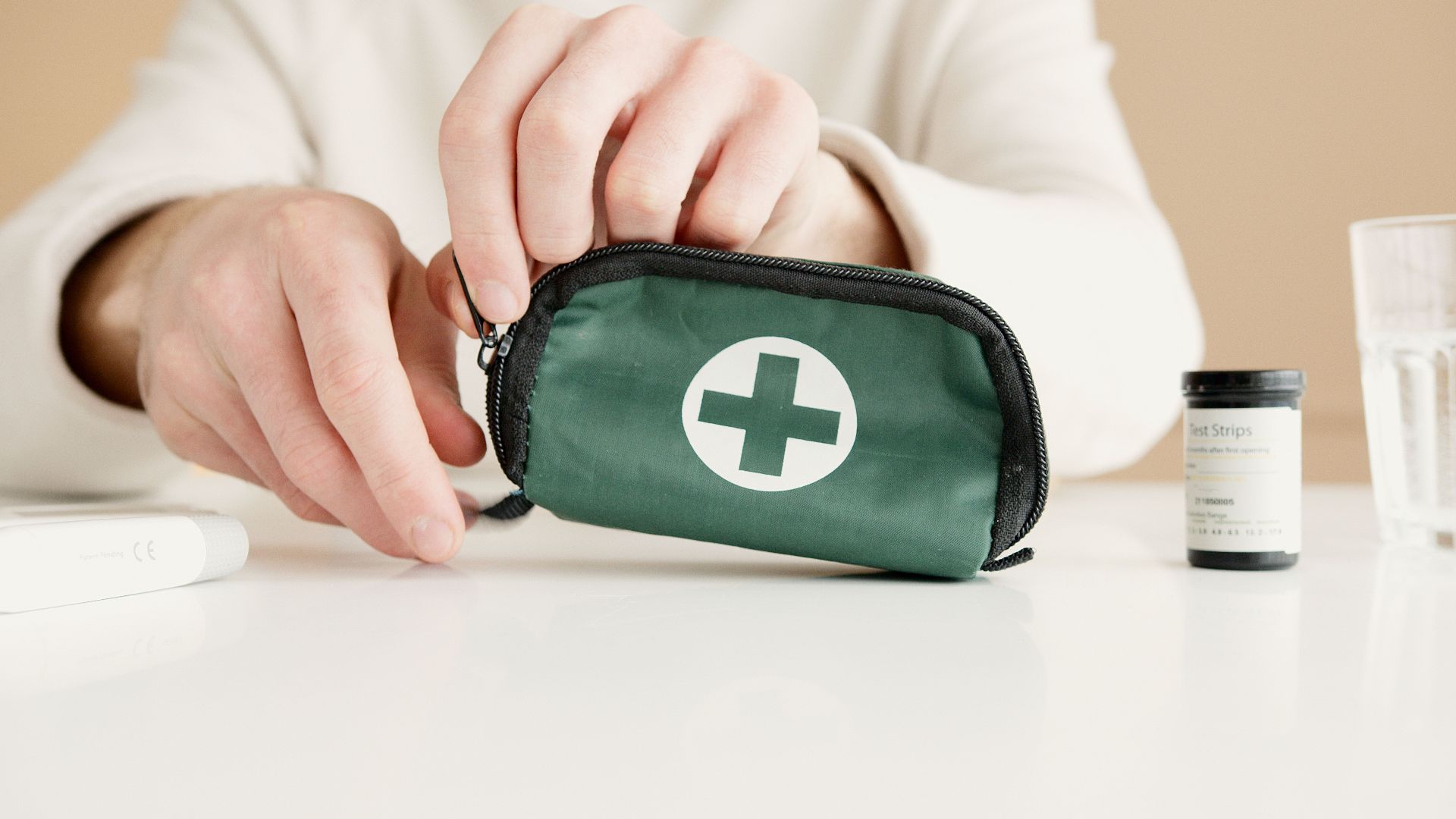
Most trips don't need one, which is exactly why it's easy to skip packing it, but a small kit covers everything from blisters at a hiking stop to a cut from setting up camp. A few bandages and some pain relievers take up almost no space in the trunk.
9. Registration and Insurance Documents
These papers matter most in the exact moment nobody wants to be dealing with them, whether it's a traffic stop or a minor accident far from home. Confirming they're actually in the glovebox and not expired takes thirty seconds and avoids a much bigger headache later.
10. A Trash Bag or Small Cooler
Wrappers and food containers pile up fast on a long drive, and a car with no trash bag turns into a mess within the first hour. A small cooler for drinks and snacks is just as easy to forget, and just as annoying to miss once the car starts heating up in the sun.