Sort The Science From The Gas Station Folklore
Everybody's got a fuel-saving trick they swear by, usually one they picked up from a coworker or a forwarded text from an uncle. Some of these tricks genuinely hold up under real testing, backed by actual engineering rather than gut feeling. Others have been repeated so many times they've basically become folklore, even though they don't do much of anything once you look closely. The tricky part is that both categories often sound equally plausible on the surface. Here's 10 fuel-saving tricks that actually work, and 10 that are mostly myths.

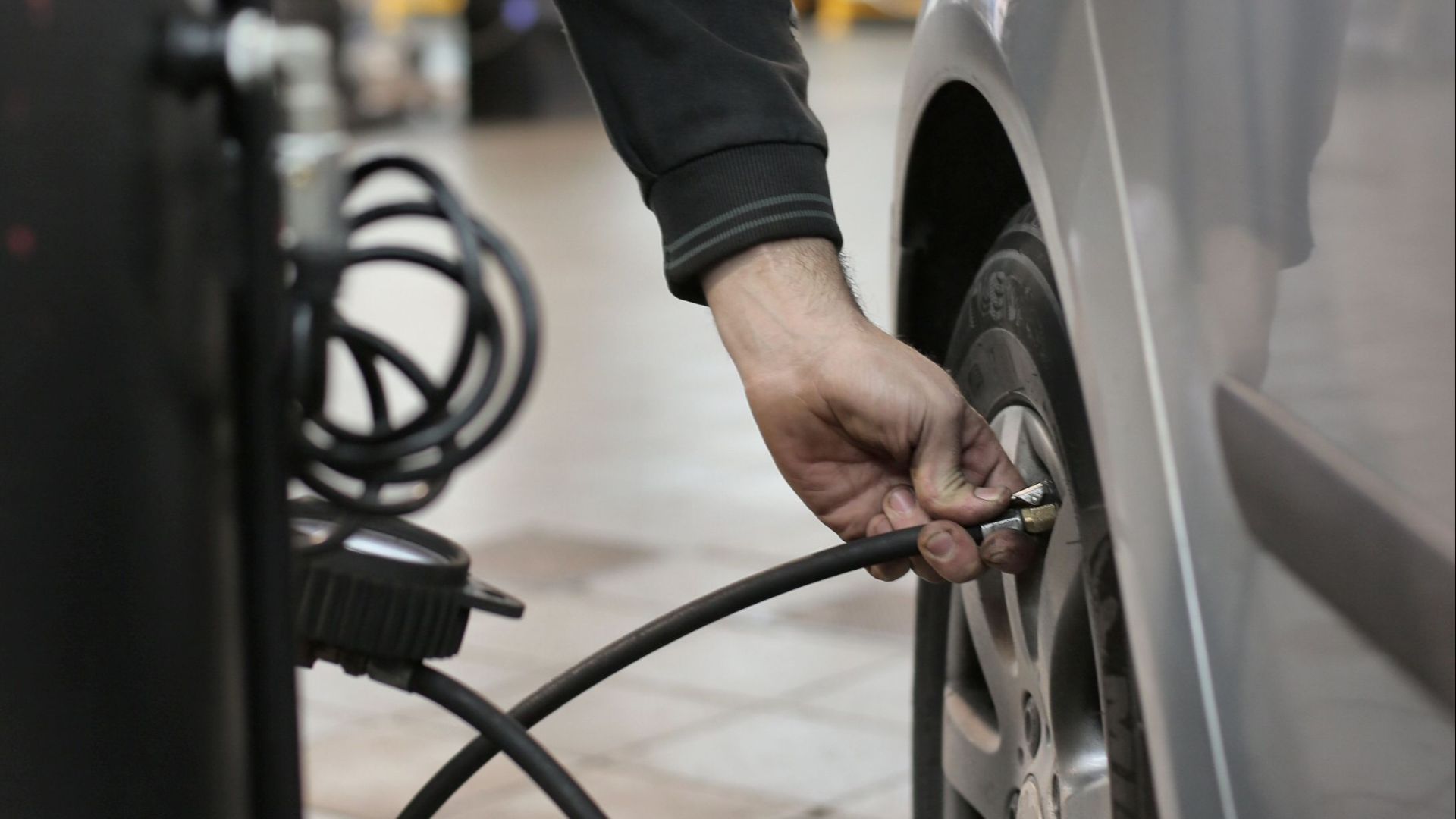
1. Keeping Tires Properly Inflated
Underinflated tires create more rolling resistance, which forces the engine to work harder just to maintain speed. Checking pressure monthly is one of the few habits with a directly measurable effect on mileage.
2. Removing Excess Weight
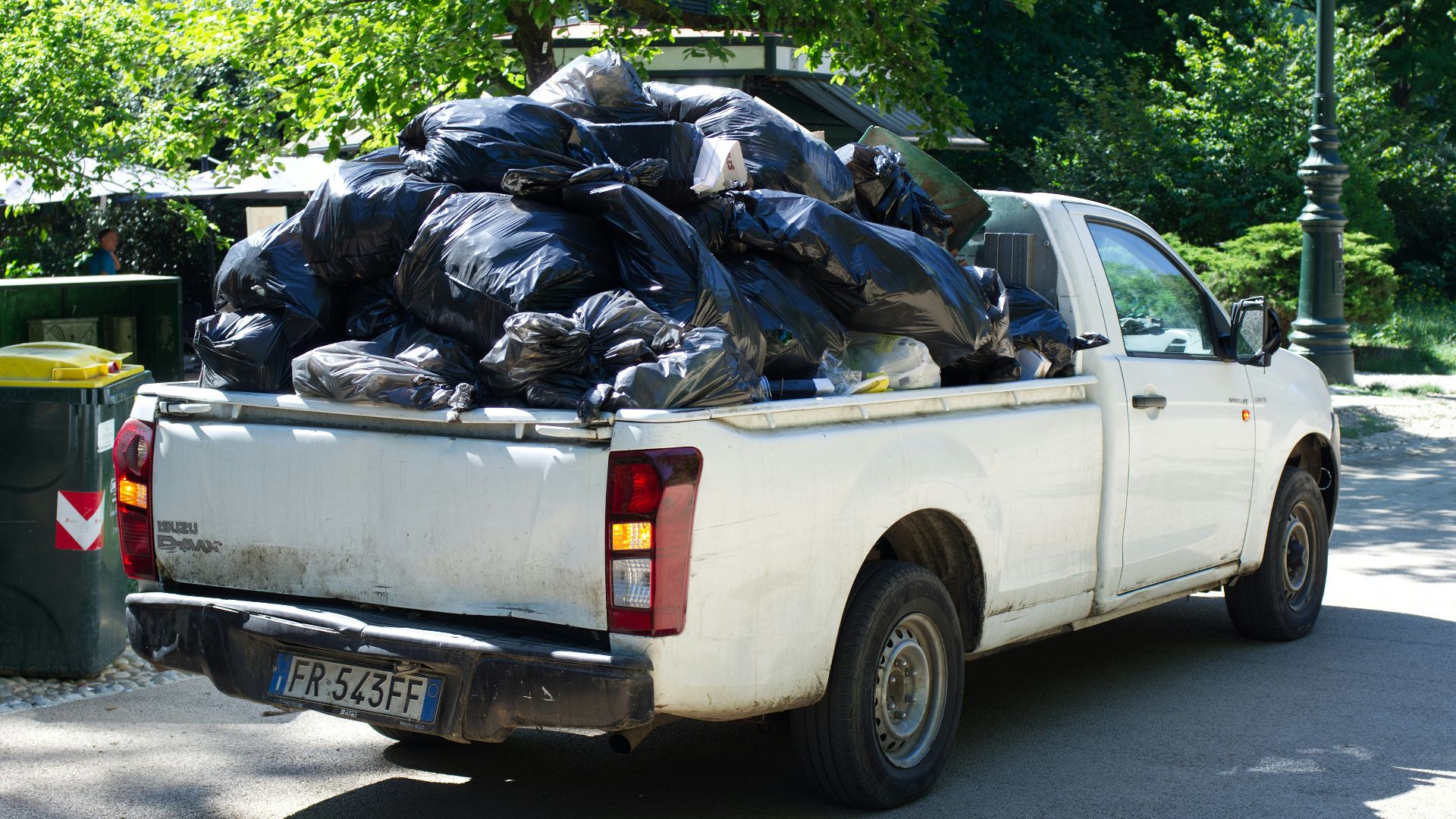
Extra cargo sitting in the trunk or back seat adds weight the engine has to haul around on every trip. Clearing out unnecessary gear, especially heavier items left in there out of habit, makes a real difference over time.
3. Using Cruise Control On Highways
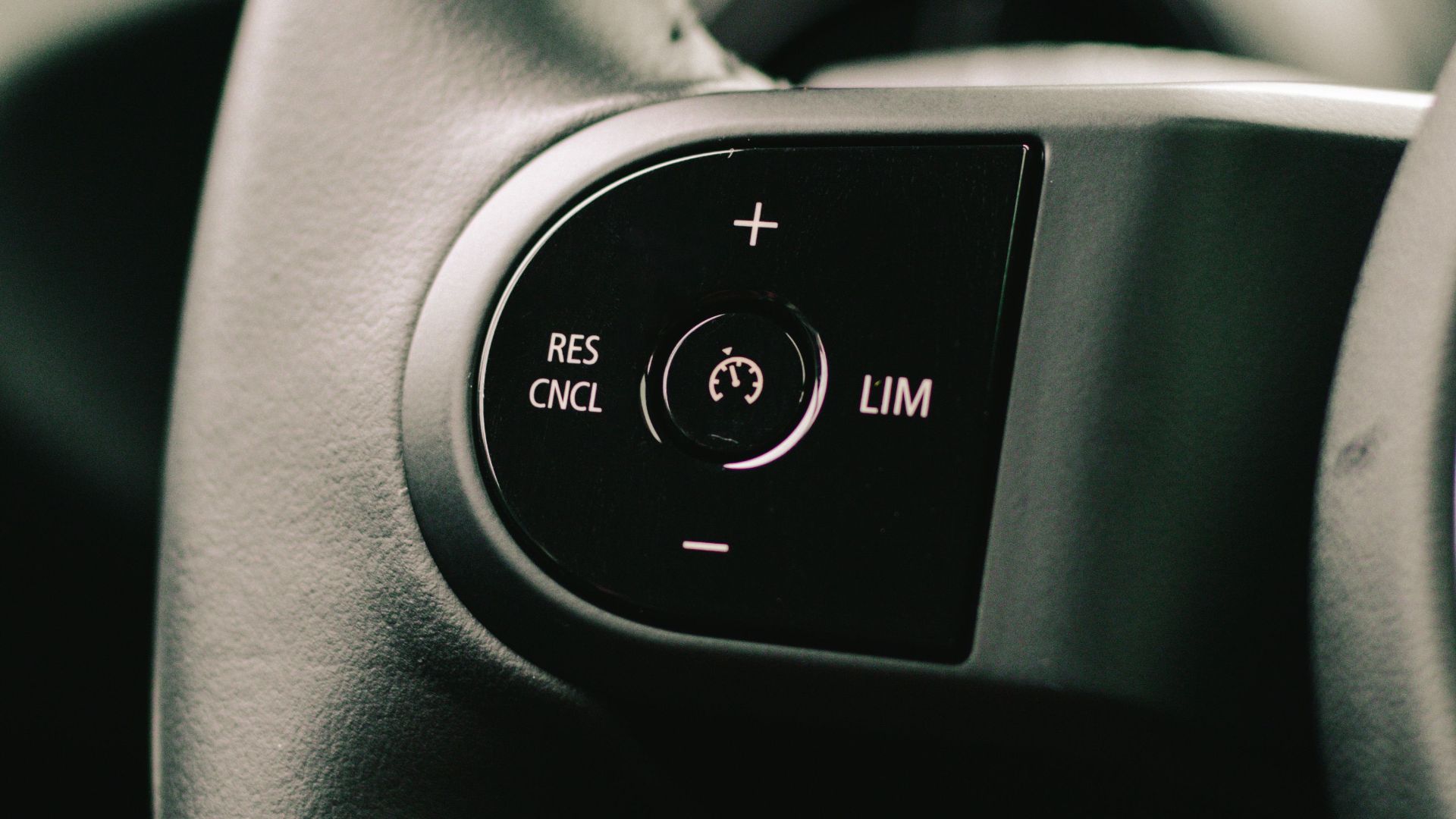
Cruise control holds a steady speed far more consistently than most people manage manually, cutting down on the small accelerations that waste fuel. On flat highway stretches, that consistency adds up to a noticeable improvement.
4. Combining Errands Into One Trip
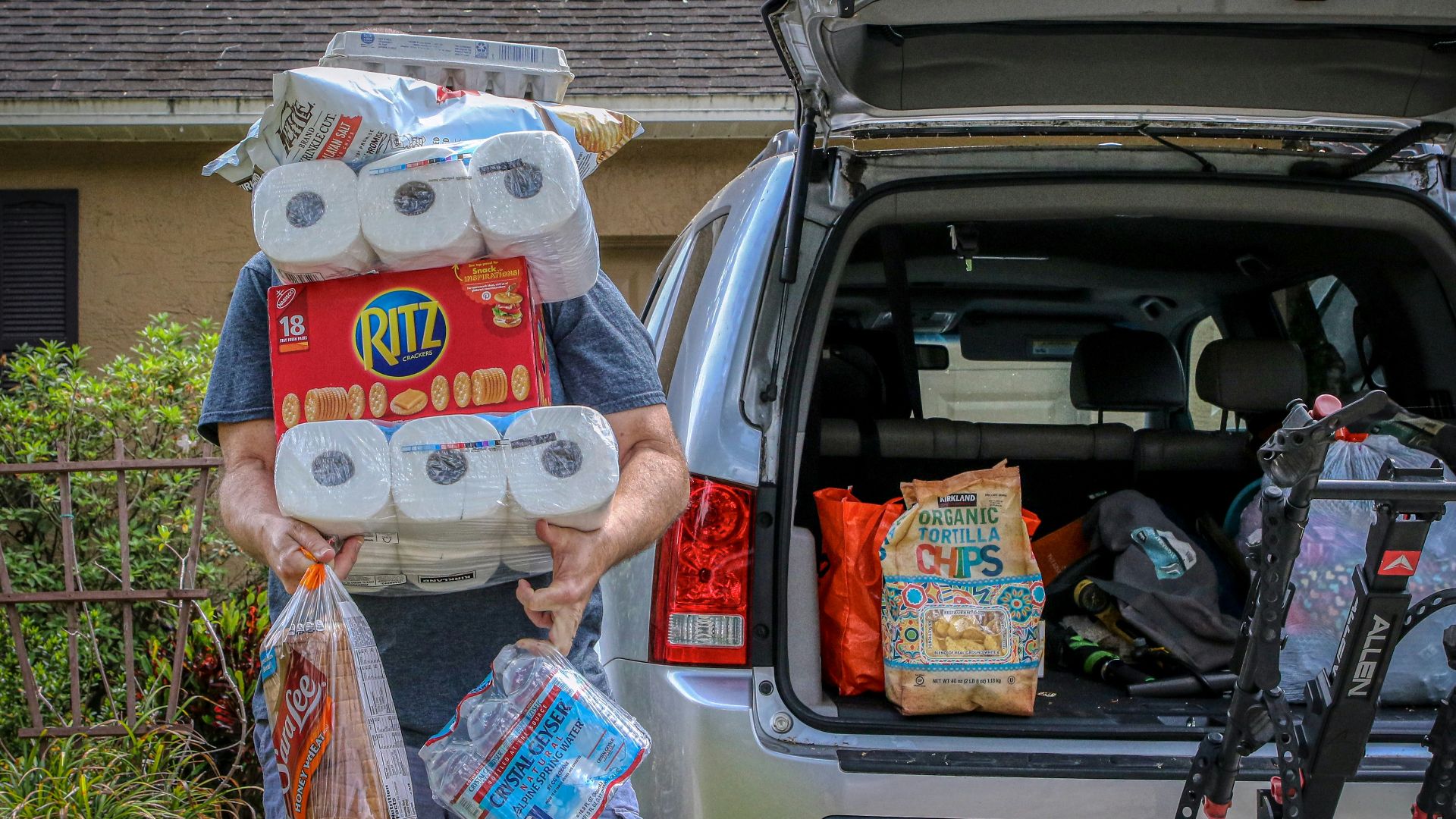
A cold engine burns more fuel during the first several minutes than it does once warmed up. Running multiple errands in one trip means fewer cold starts overall, which is where a lot of the savings actually come from.
5. Removing Roof Racks When Not In Use
An empty roof rack or cargo box still creates drag, even with nothing strapped to it. Taking it off between trips reduces wind resistance enough to show up in mileage over the course of a few weeks.
 SaiKrishna Saketh Yellapragada on Unsplash
6. Keeping Up With Basic Maintenance
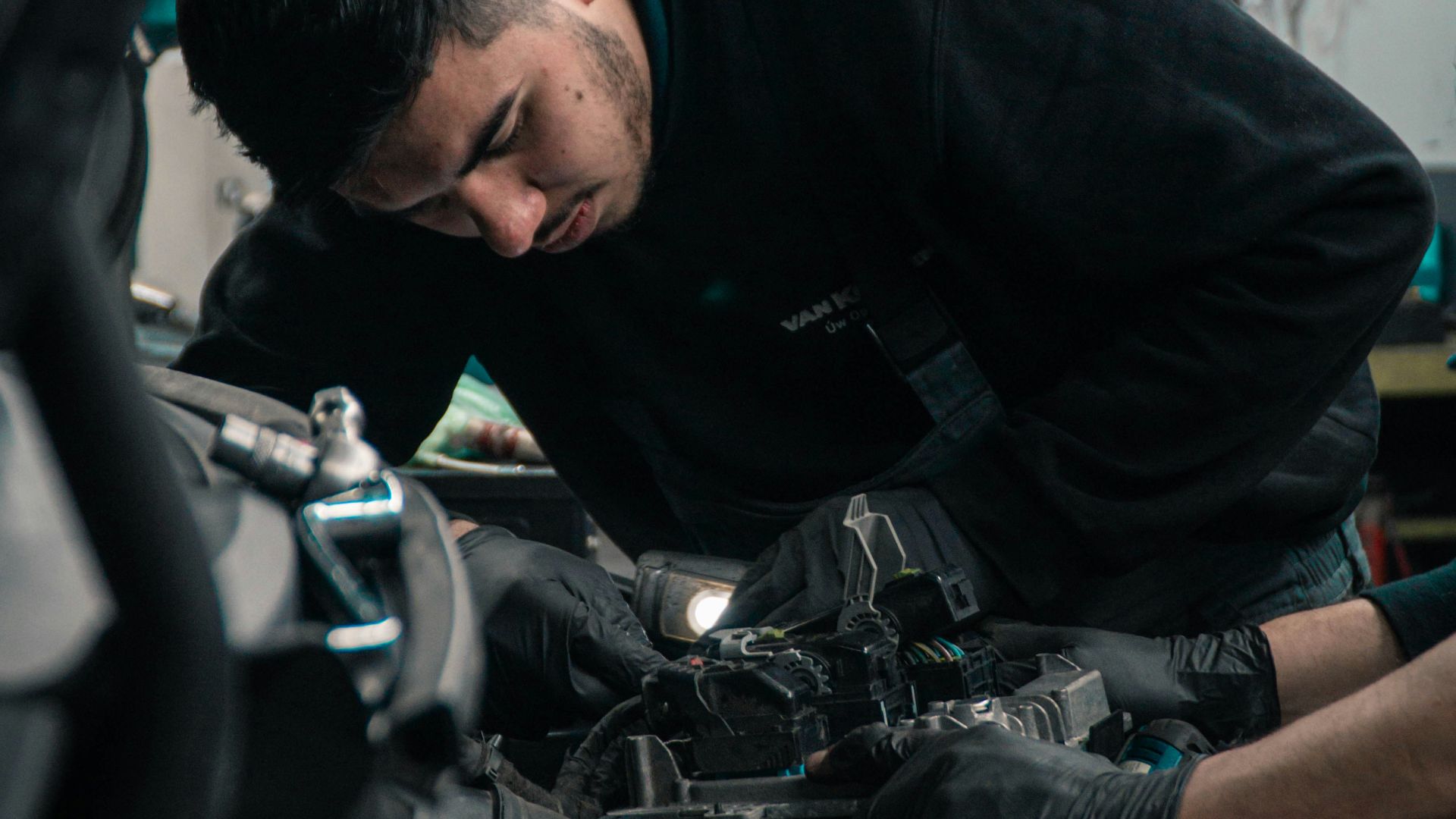
A clogged air filter or an engine overdue for service has to work harder to do the same job. Staying current on basic maintenance keeps the engine running the way it was designed to, without the extra strain.
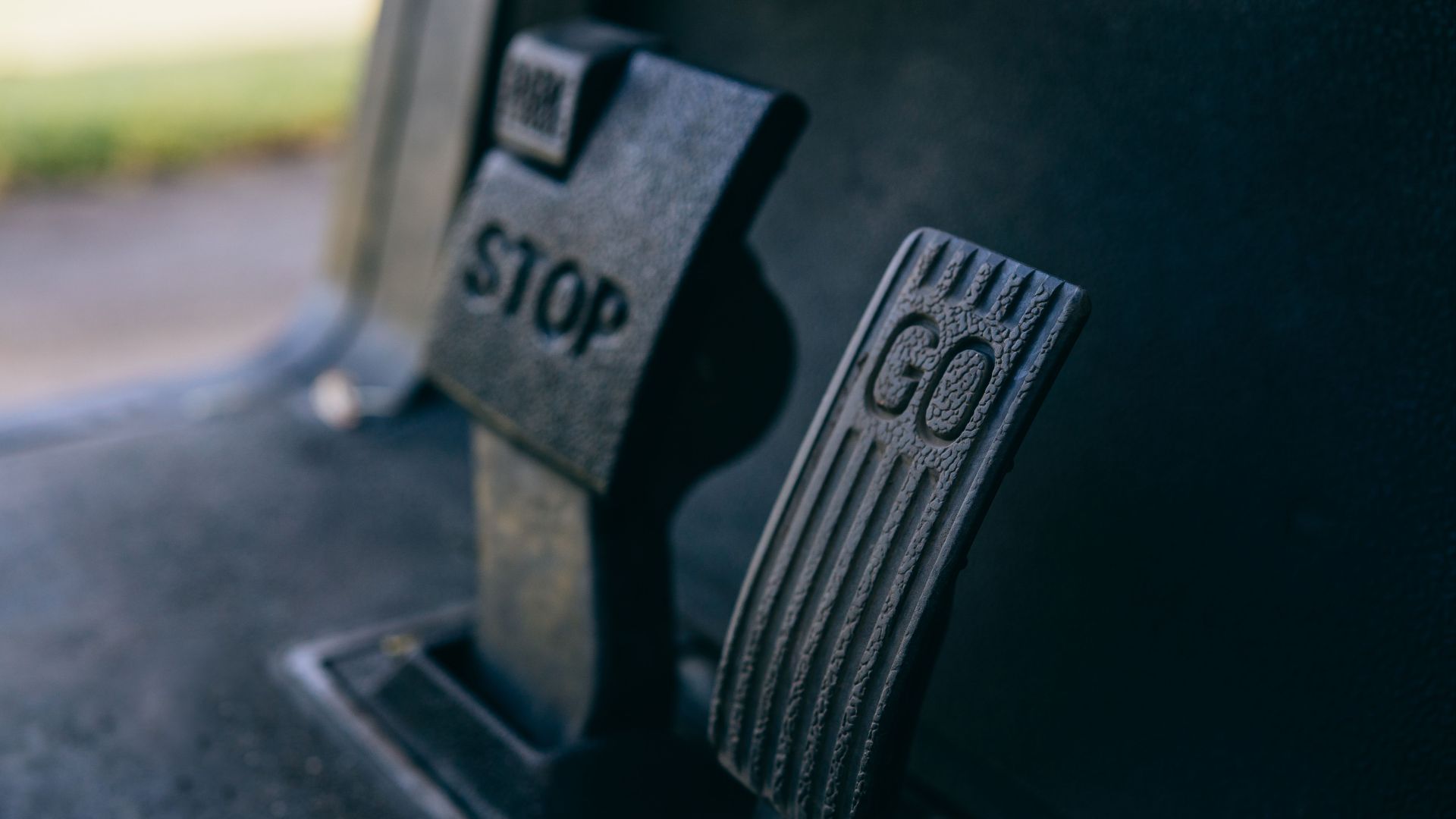
7. Easing Off The Gas Pedal
Aggressive acceleration burns noticeably more fuel than a gradual approach to speed. Easing into it, rather than flooring it from every stop, is one of the simplest habits with a real payoff.
8. Driving A Steady, Moderate Speed
Fuel efficiency tends to drop off sharply once speeds climb past a certain point, usually somewhere around the mid-sixties depending on the vehicle. Keeping speed steady and moderate, rather than pushing higher on the highway, actually saves more than people expect.

9. Coasting To Stops Instead Of Braking Late
Letting off the gas early and coasting toward a red light uses far less fuel than accelerating right up until the last second. Most modern engines cut fuel entirely while coasting in gear, which late braking wastes.

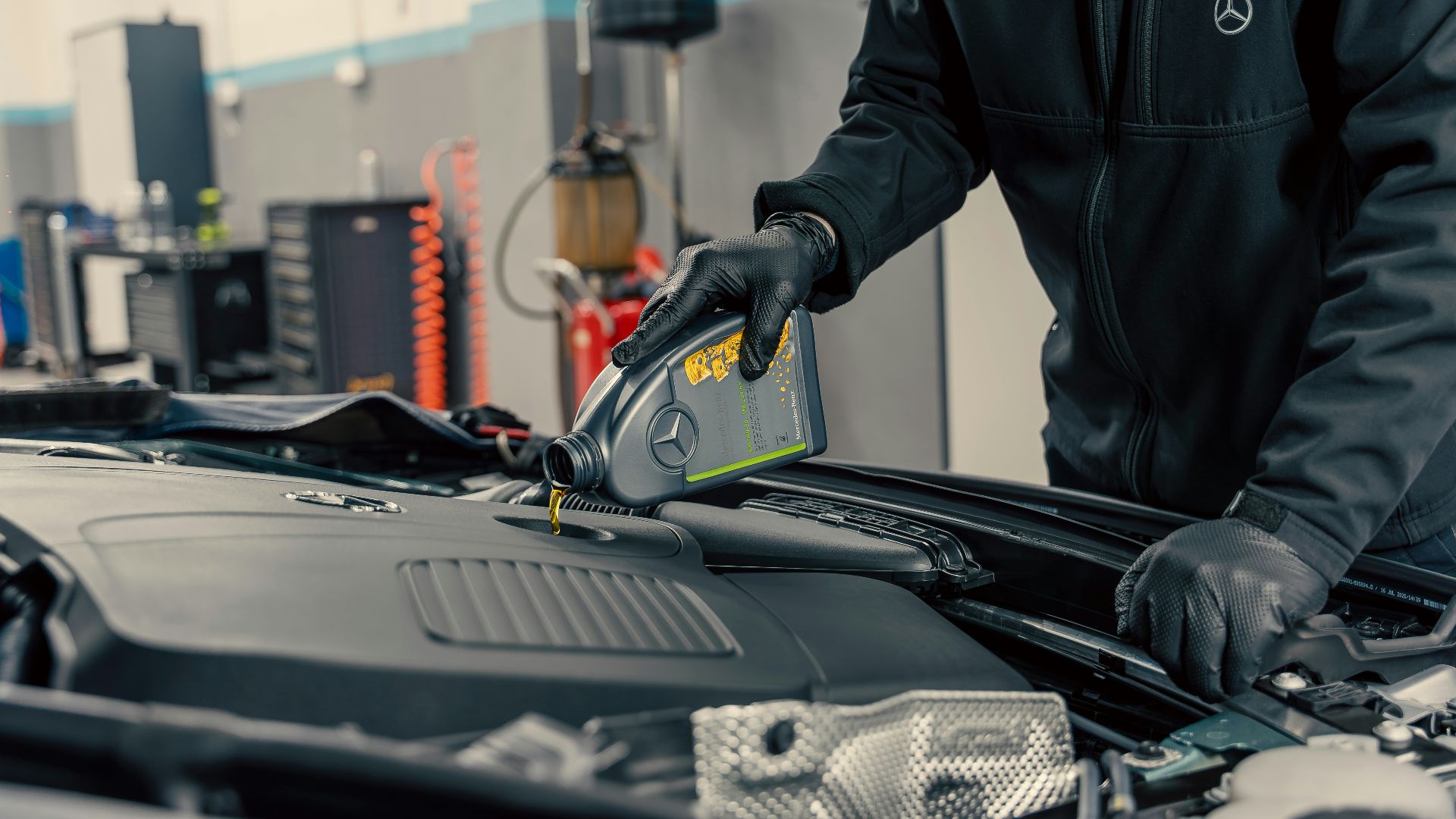
10. Using The Manufacturer's Recommended Oil
The wrong oil grade can increase internal friction just enough to reduce efficiency without being obvious day to day. Sticking with what the manufacturer actually recommends keeps the engine running the way it was tested to run.
Here's 10 more that get repeated constantly, even though they don't hold up nearly as well once you look closer.
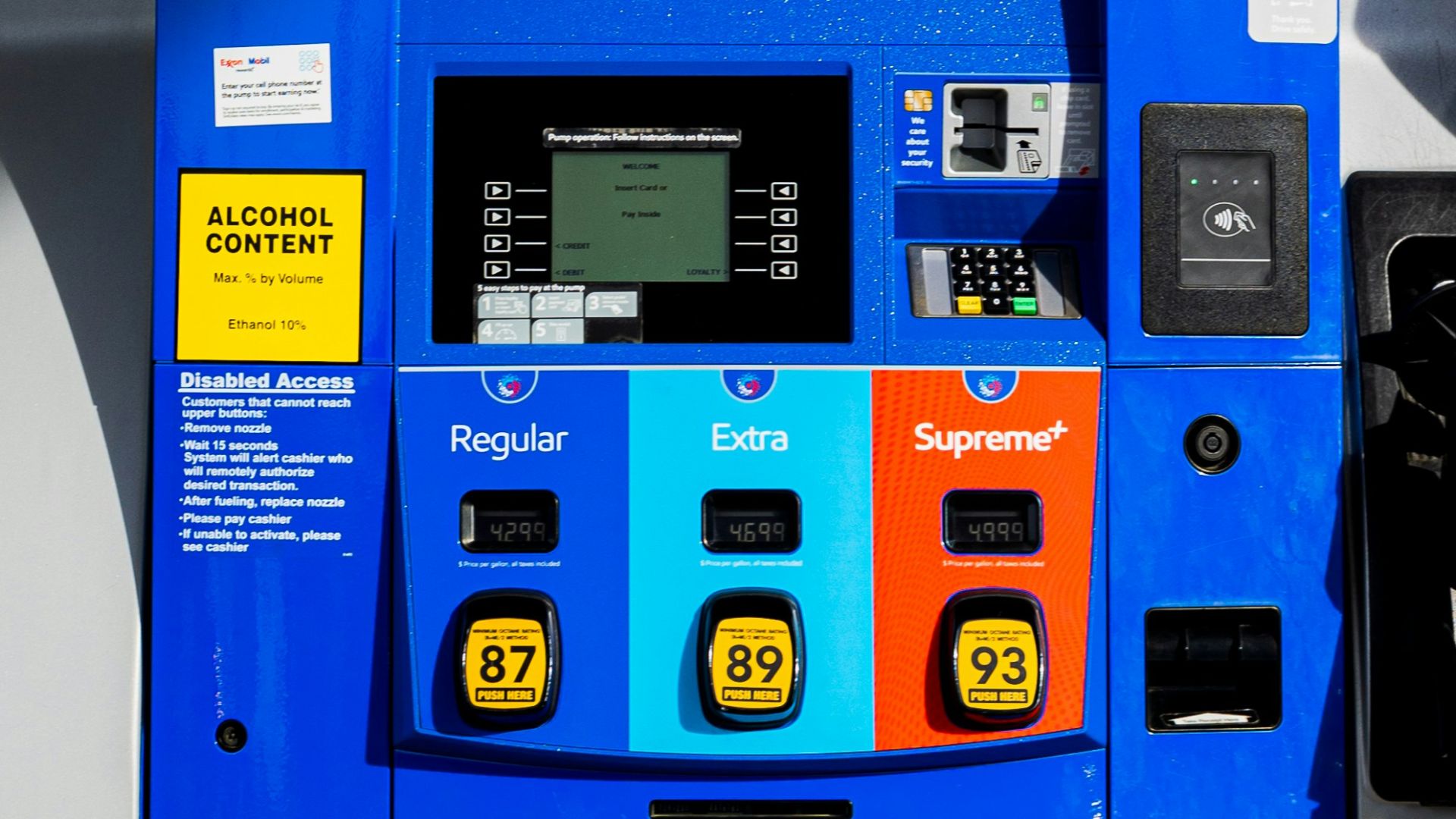
1. Premium Gas Boosts Regular-Car Mileage
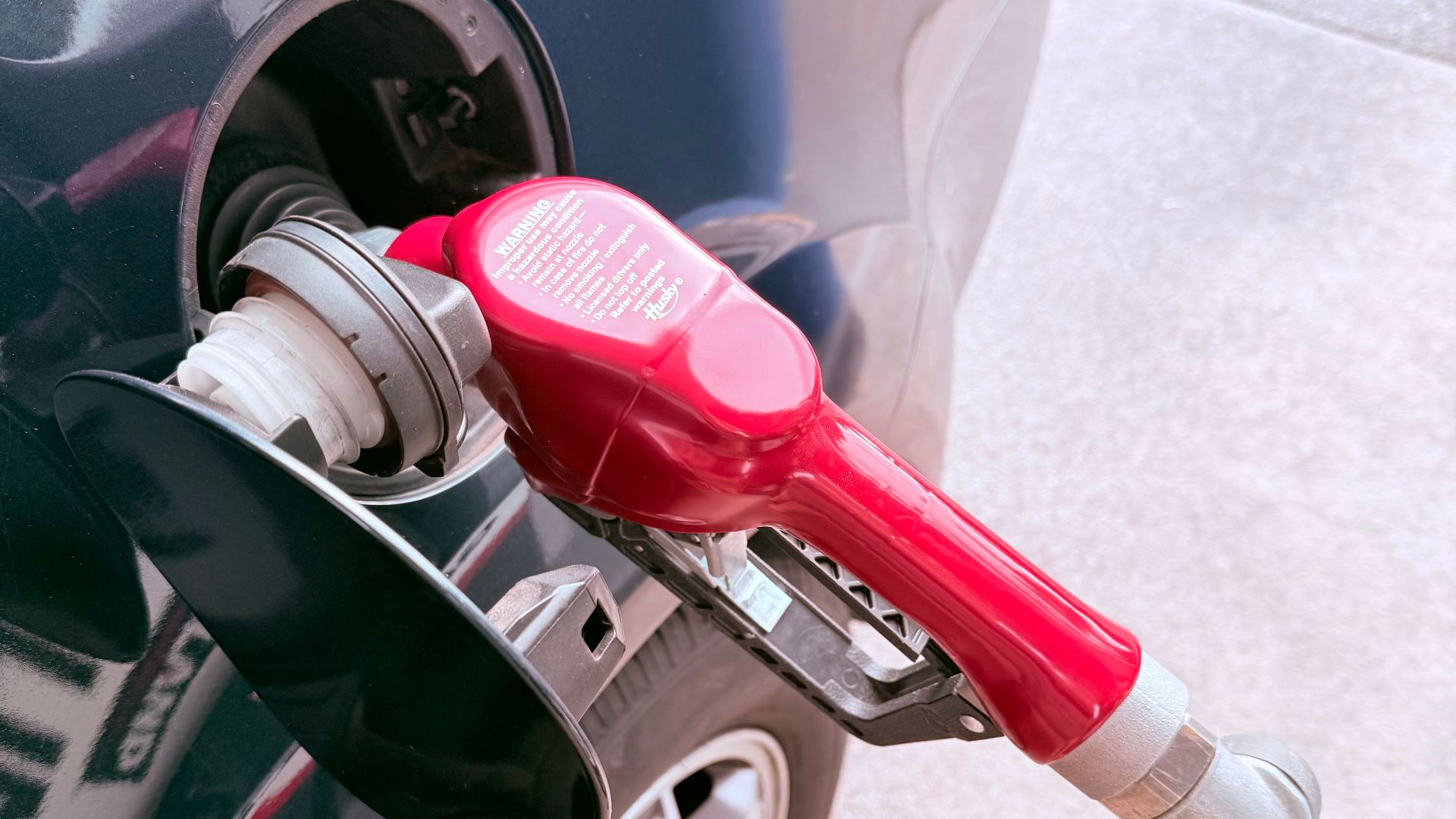
Unless a car specifically requires premium fuel, filling up with the higher-octane stuff doesn't improve mileage at all. It just costs more per gallon for an engine that was never built to use the extra octane in the first place.
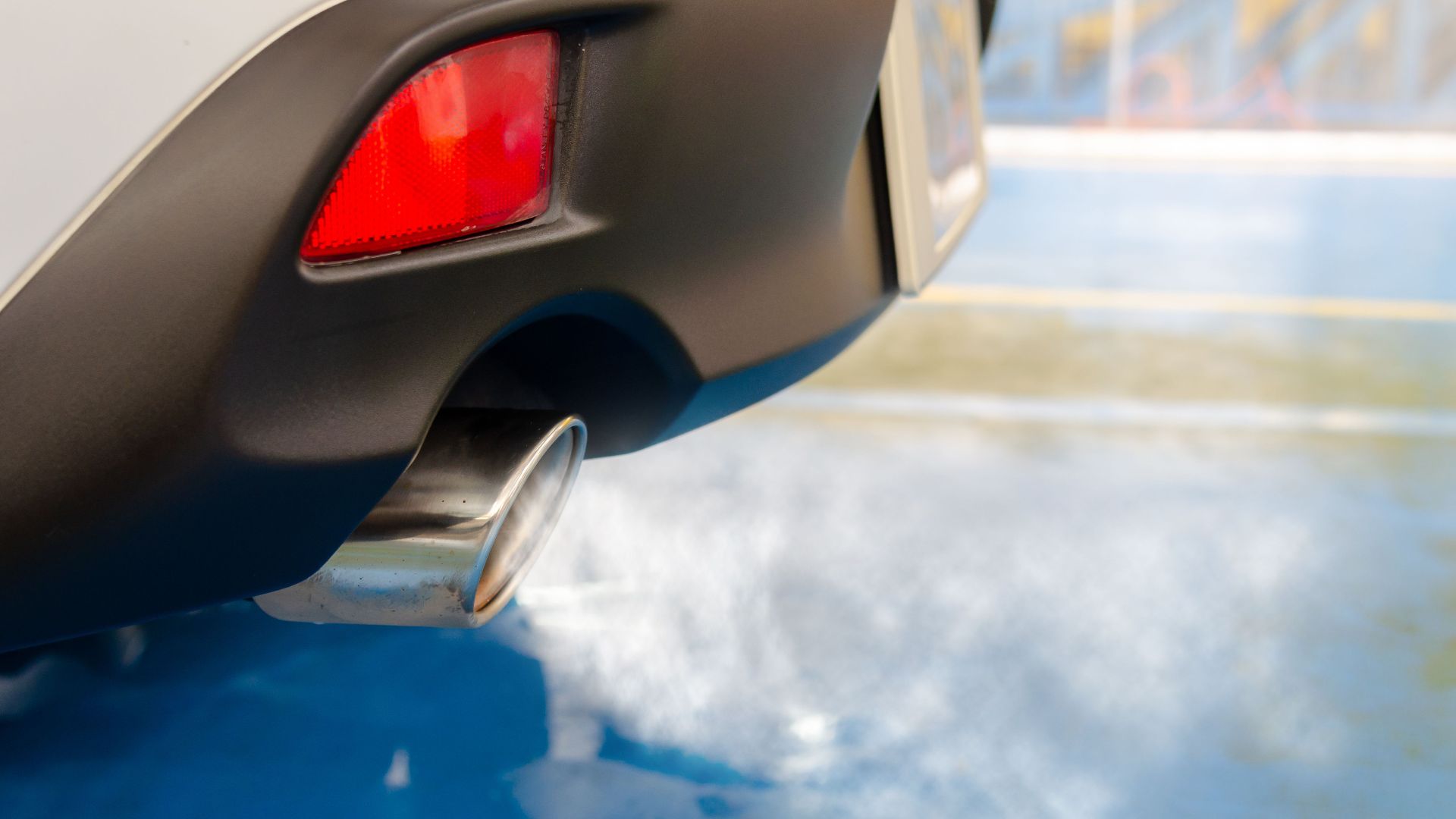
2. Idling To Warm Up The Engine
Modern engines actually warm up faster and more evenly by being driven gently than by idling in the driveway. Letting a car sit and idle just burns fuel for no real mechanical benefit.
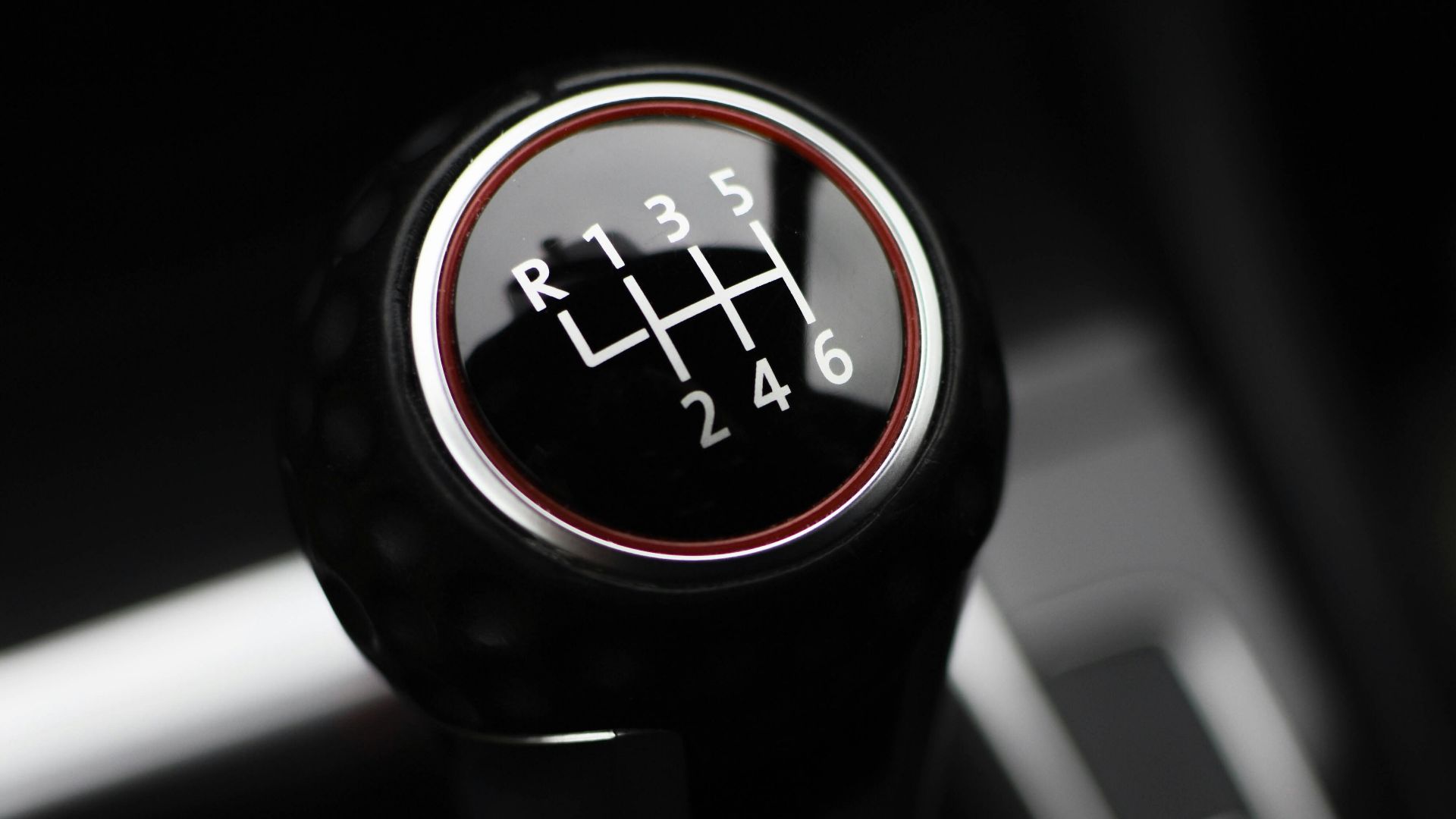
3. Manual Transmissions Always Win On Mileage
This used to be reliably true, but modern automatics and CVTs have largely closed the gap and often beat manuals outright. The manual mileage advantage is mostly a leftover assumption from decades-old cars.
4. Fuel-Saving Magnets And Additives
Magnets clipped to the fuel line and mystery additives poured into the tank have been tested repeatedly and consistently fail to show any real benefit. They tend to sell well precisely because the claims are hard to disprove at a glance.
5. Coasting In Neutral Downhill
Shifting into neutral to coast downhill actually burns more fuel than staying in gear with your foot off the pedal. Most modern engines cut fuel completely while coasting in gear, a trick neutral coasting throws away.
 Cristofer Maximilian on Unsplash
6. Keeping The Tank Always Full
The added weight of a full tank does technically cost a tiny bit of fuel, but the effect is small enough that most drivers wildly overestimate it. Letting the tank run lower doesn't meaningfully hurt mileage the way people assume.
7. Windows Down Always Beats The AC
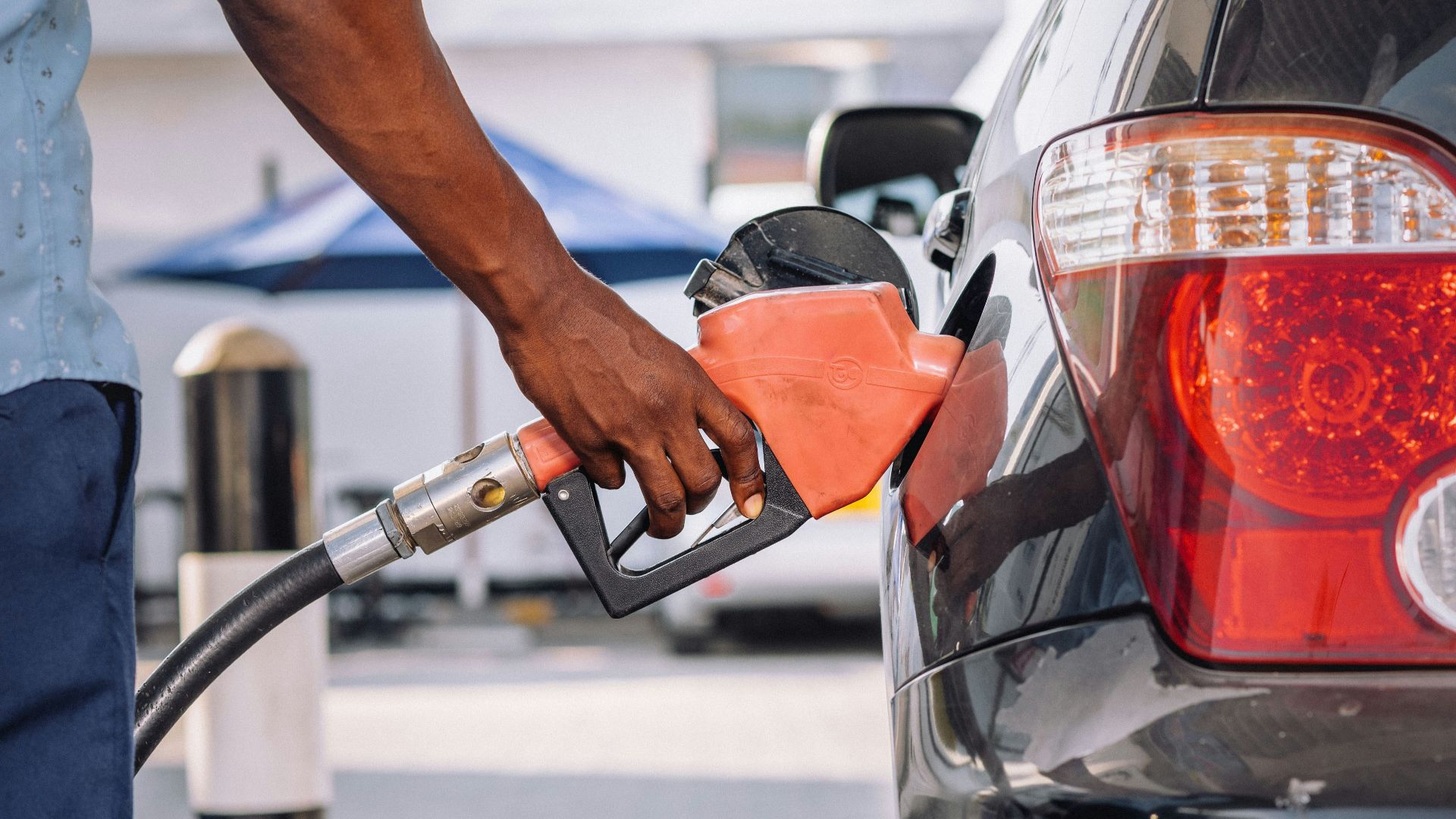
At low city speeds, this is often true, but at highway speed the added drag from open windows can cancel out or even exceed what the AC compressor costs. Which option actually saves fuel depends entirely on how fast you're going.

8. "Green" Branded Gas Stations
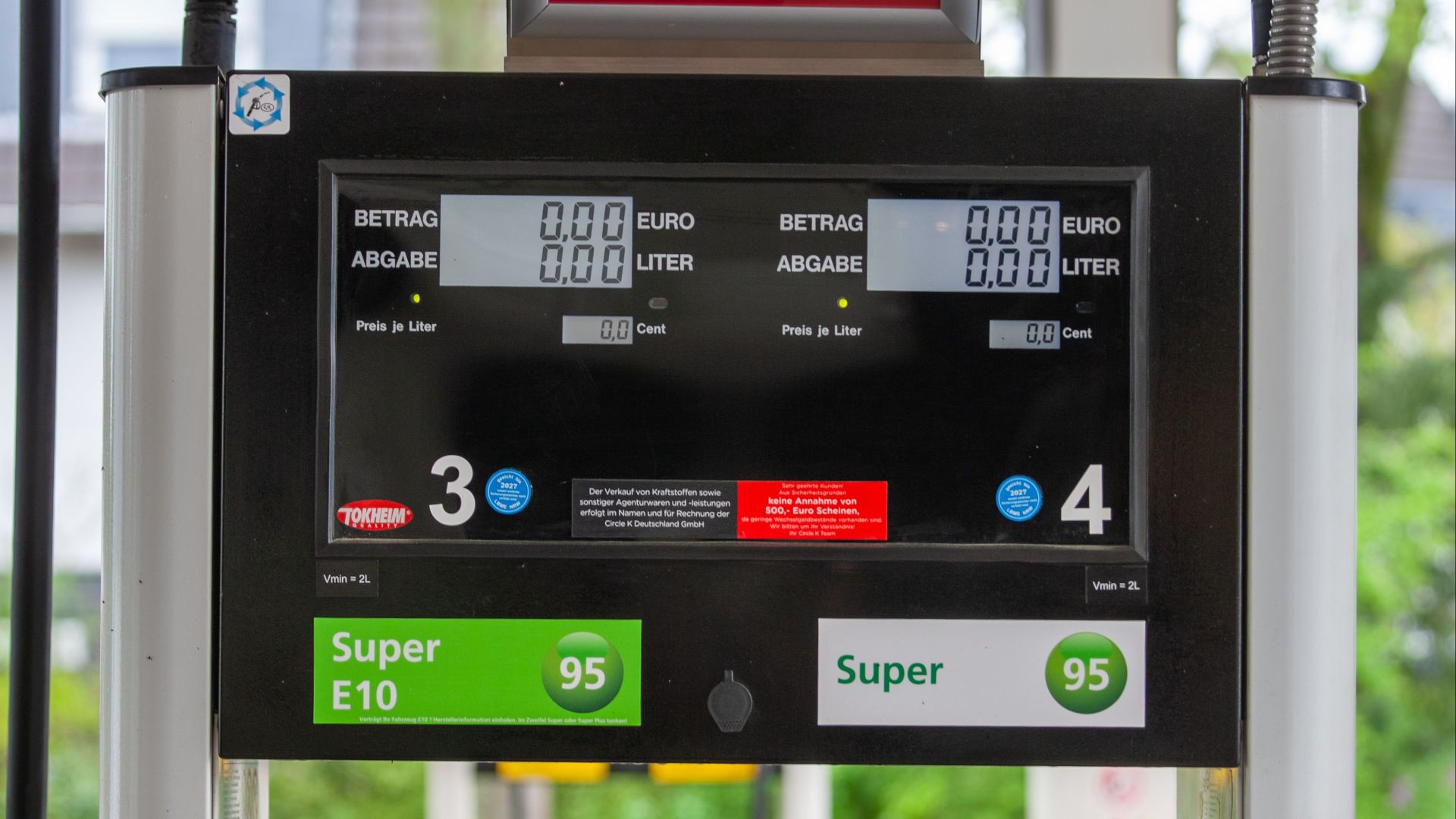
Gas marketed as extra clean or eco-friendly rarely differs enough from standard fuel to affect mileage in any measurable way. Most of what separates these brands comes down to marketing rather than chemistry.
9. Removing The Thermostat For Efficiency
Pulling the thermostat so the engine runs cooler sounds logical but actually hurts efficiency, since engines are tuned to run best at a specific temperature. Running colder than that just makes the engine work harder to compensate.
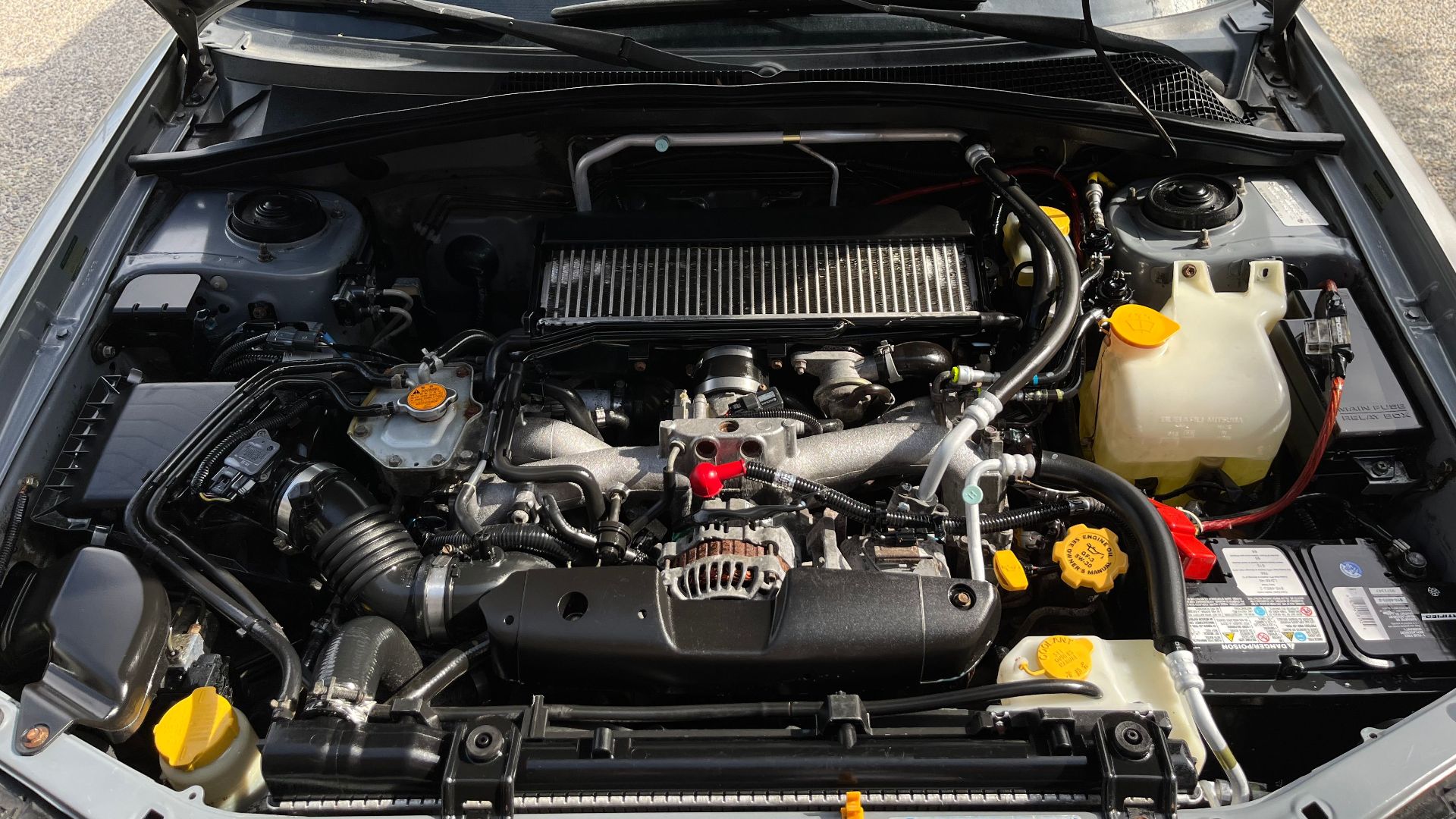
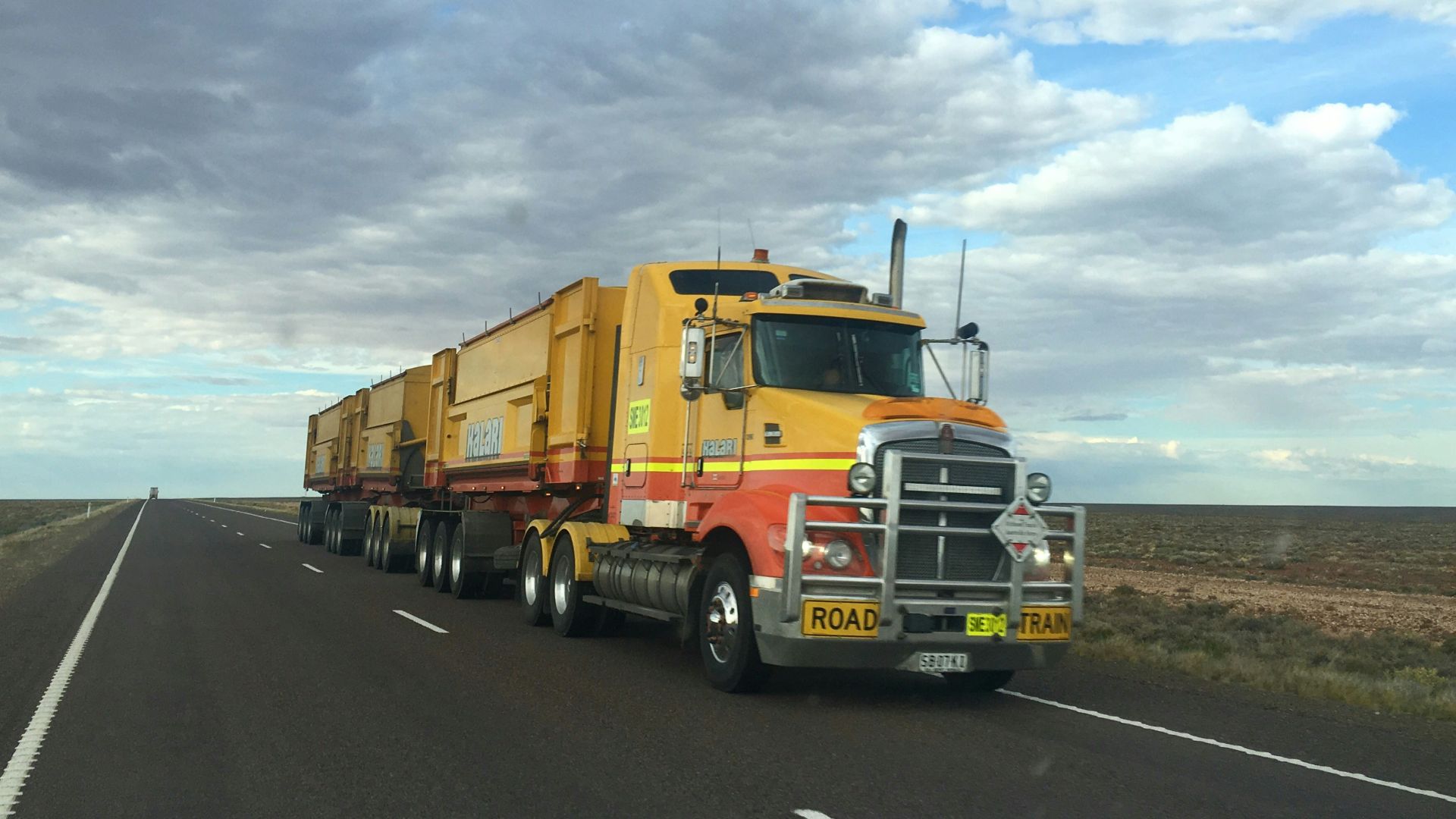
10. Drafting Behind Big Trucks
Riding closely behind a semi to catch its slipstream does reduce drag in theory, but the fuel savings are minor and the safety risk is significant. It's popular in forums, but not a trick worth the tradeoff in an ordinary car.