The "Man Cave" Garage Trap: Why You're Spending More on Tools Than Your Actual Car
 Point3D Commercial Imaging Ltd. on Unsplash
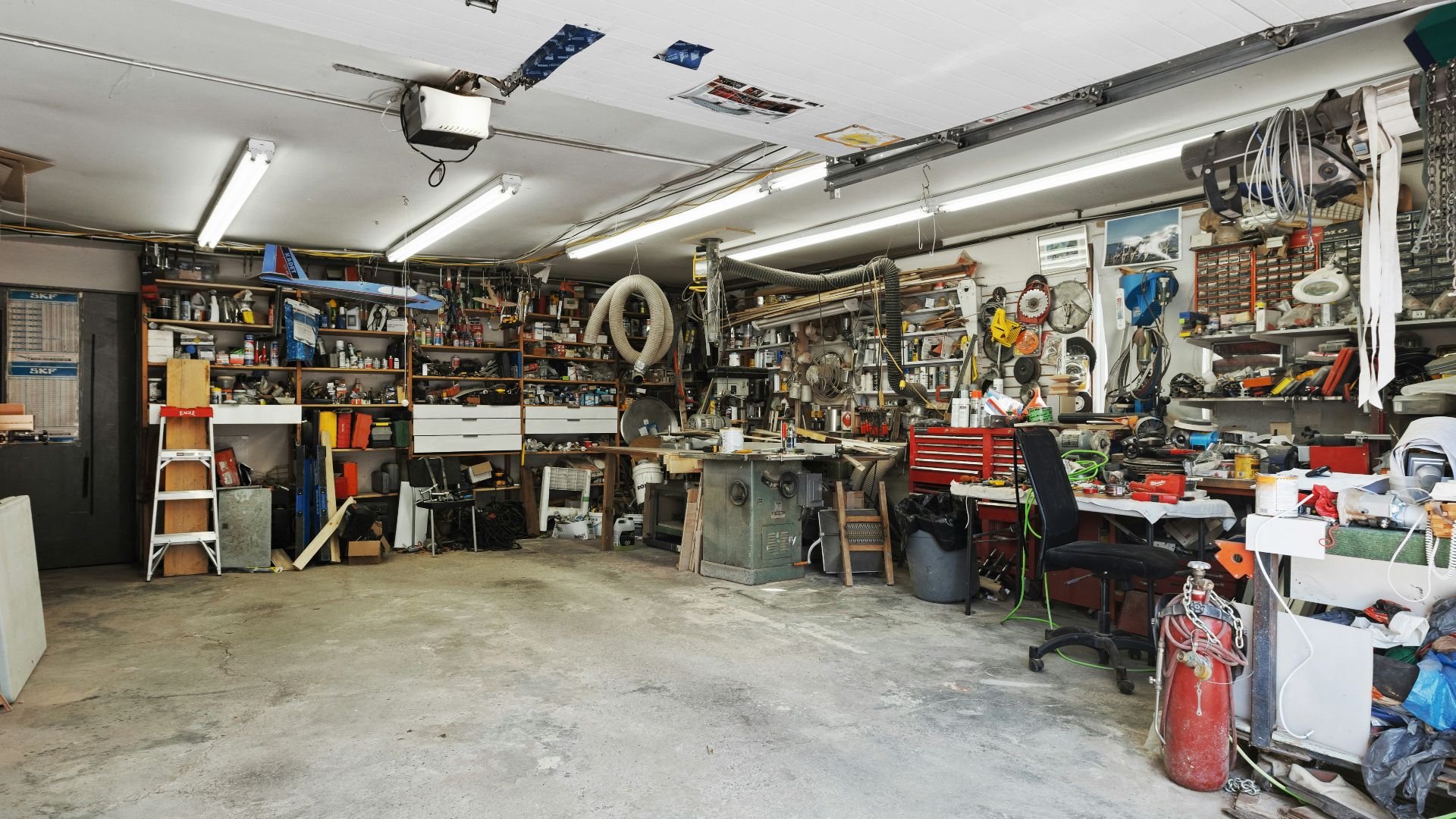
Walking into a modern suburban garage often feels less like visiting a parking spot and more like entering a professional racing team's headquarters. While the family sedan sits quietly in the driveway enduring the elements, the garage itself has been transformed into a pristine, climate-controlled sanctuary. You might start with the simple goal of changing your own oil to save a few bucks over the weekend. Somewhere along the way, that innocent desire for self-sufficiency morphs into an obsession with acquiring heavy-duty machinery. It is a slow, expensive slide into what enthusiasts call the garage trap, where the shelter becomes far more valuable than the machine inside.
It's more than just some hobbyists playing around on the weekends. It's become a wholesale transformation in the attitude of homeowners toward functional spaces. Smart marketers have recognized this trend and seized the opportunity to sell you expensive organizational products and industrial-grade test equipment directly. Suddenly your board is cluttered with single-function gizmos that you'll likely only use once every year. The absurdity of pouring thousands of dollars into tools to fix a car that only cost you a few thousand isn't lost when you're standing in the aisle. Let's take a look at this money pit and learn about some of the psychological levers and sales funnels that pry your wallet open.
The Psychological Allure of Premium Infrastructure
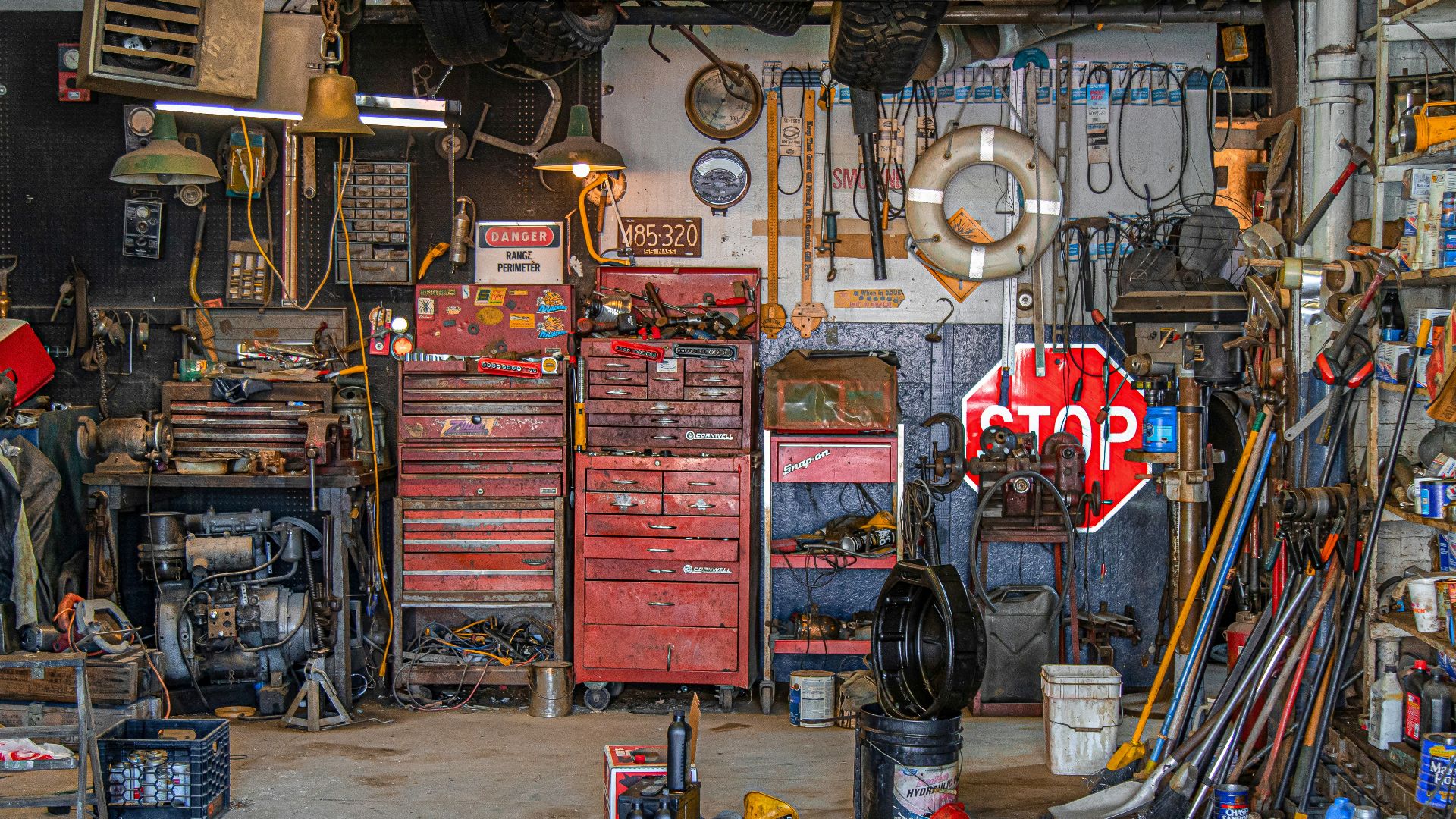
It starts with one benign organizational project. Your bin set isn't matching anymore, so you buy yourself a nice powder-coated steel cabinet system with modular attachments. They look amazing...right out of the box. But once they're installed, your old wrench set doesn't seem to belong stuffed in one of the fancy drawers. It's time for an upgrade. Now your tools need to match. Time to drop major coin on fluorescent polish- chrome wrenches.
Marketing departments excel at convincing amateur mechanics that high-end equipment automatically translates to professional-level skill. When you see a heavy-duty, multi-stage air compressor glowing under custom LED strip lighting, it promises a level of capability that is hard to resist. You buy into the fantasy of effortlessly rebuilding an engine block, even if your actual automotive experience stops at replacing windshield wipers. This aspirational buying behavior fills your shelves with pneumatic impact guns and digital torque wrenches that look spectacular but rarely see actual grease. The tools stop being simple instruments for repair and instead become status symbols celebrating a hobby you barely have time to practice.
Ultimately, this spending cycle feeds on a powerful desire for control and personal expression within the home environment. The garage is often the only room where you can dictate every single detail without compromising on household aesthetics. Investing in top-tier diagnostic scanners and hydraulic floor jacks creates a sense of ultimate readiness for any mechanical emergency. It feels empowering to know you can dismantle a transmission on a whim, even if you realistically intend to call a tow truck when things go wrong. Capital flows directly into this idealized version of yourself, leaving your actual vehicle investment lagging far behind.
The Hidden Costs of Specialized Automotive Machinery
After graduating to professional-level do-it-yourself projects, you start to learn that modern cars are going to require specialized tools. You can't just pop the hood and use your wrench and screwdriver to solve most problems anymore. Cars these days are glorified smartphones with aluminum bodies that need special ports just to read error codes. To reset a basic sensor or bleed your brakes, you might need a handheld computer that costs more than a set of new tires. This technical barrier forces you to choose between visiting an expensive dealership or purchasing specialized gear to do it yourself.
Choosing the DIY path inevitably unlocks a hidden tier of secondary expenses that quickly drains your checking account. For instance, buying a high-end welding machine to patch a tailpipe means you also need protective gear, gas cylinders, and specialized ventilation systems. Heavy machinery also places a massive demand on your home's electrical grid, frequently requiring expensive panel upgrades from a licensed electrician. What began as a quick forty-dollar fix easily balloons into a multi-hundred-dollar infrastructure project before you can even turn a single bolt. The true cost of ownership for these advanced gadgets extends far beyond the initial price tag displayed at the retail register.
Furthermore, the depreciation rate on high-end diagnostic electronics is notoriously brutal compared to traditional mechanical hand tools. Software updates can render an expensive scanning tool completely obsolete within just a few years as automotive manufacturers change their coding systems. Unlike a solid steel hammer that lasts a lifetime, your digital garage investments require continuous financial nurturing to remain useful. You end up trapped on a technological treadmill, constantly buying patches and new modules just to keep pace with your daily driver. It is an expensive cycle that ensures your tool budget consistently outpaces the actual market value of the car you are servicing.