The People Who Changed How Cars Look, Feel, Run, And Keep Us Safe
Cars don’t move forward because everyone agrees on the next big idea. Some people made driving cheaper, safer, and easier, while others stirred up serious fights about pollution, labor, business power, and what a car should be. A few names here are tied to harm that can’t be brushed aside or lumped in with ordinary car-world debates. Still, all 20 changed what happens when we get behind the wheel. Here are the people whose choices still shape driving today.
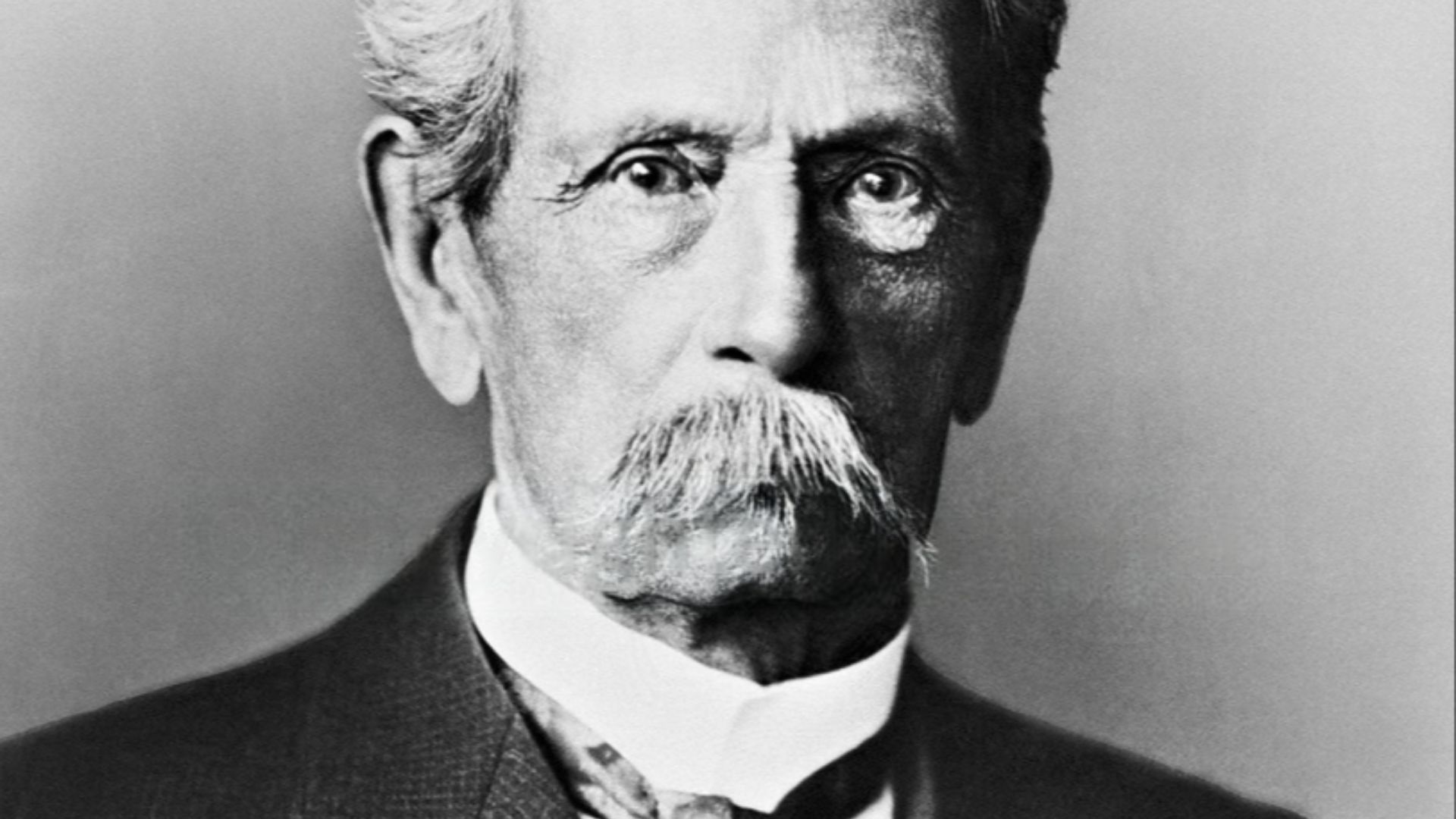
1. Karl Benz: The Car Becomes Real
Karl Benz’s 1886 Patent-Motorwagen is widely seen as the first practical automobile. It helped turn the gas-powered car from an interesting mechanical idea into something people could actually use for personal travel.
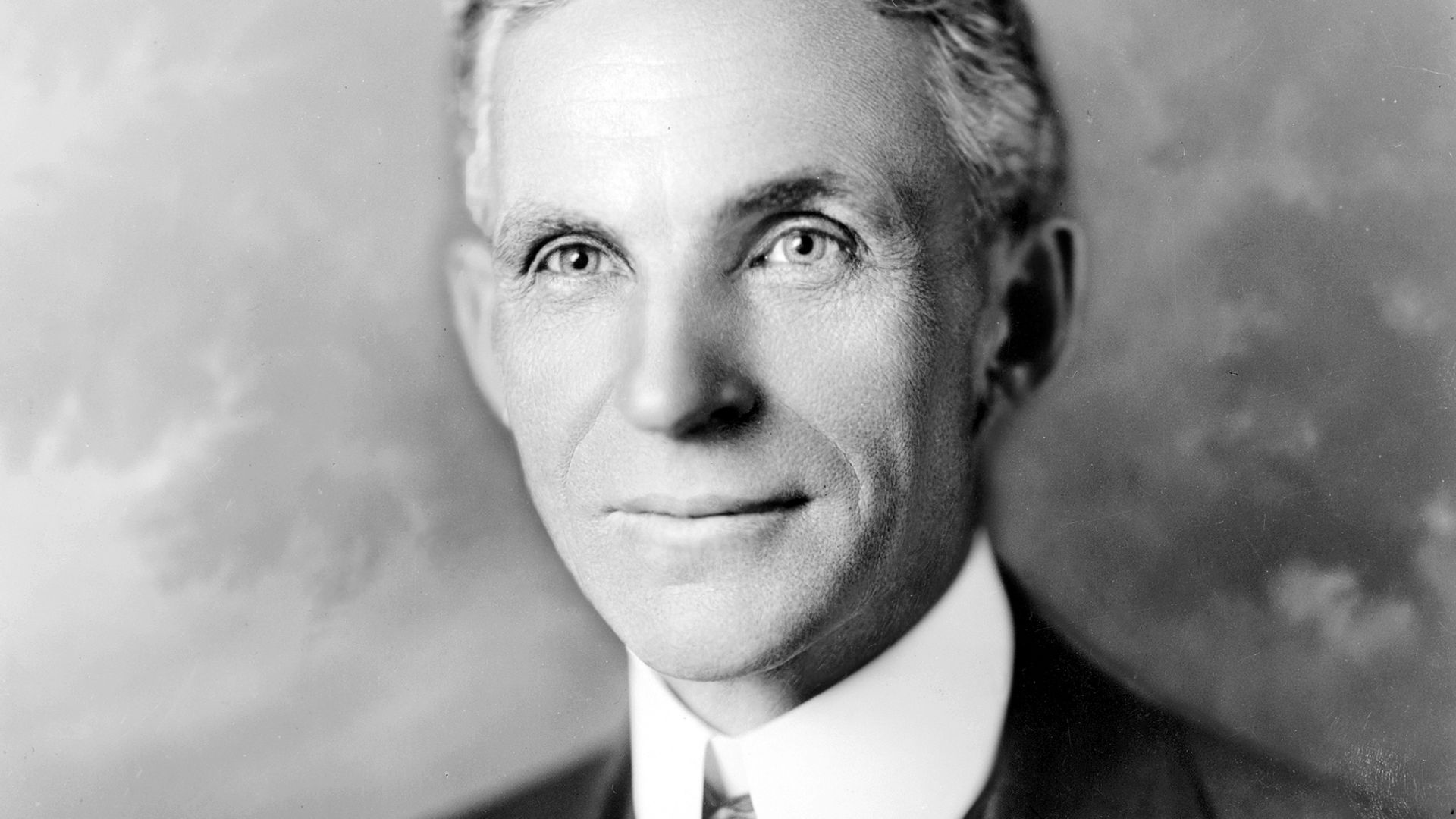
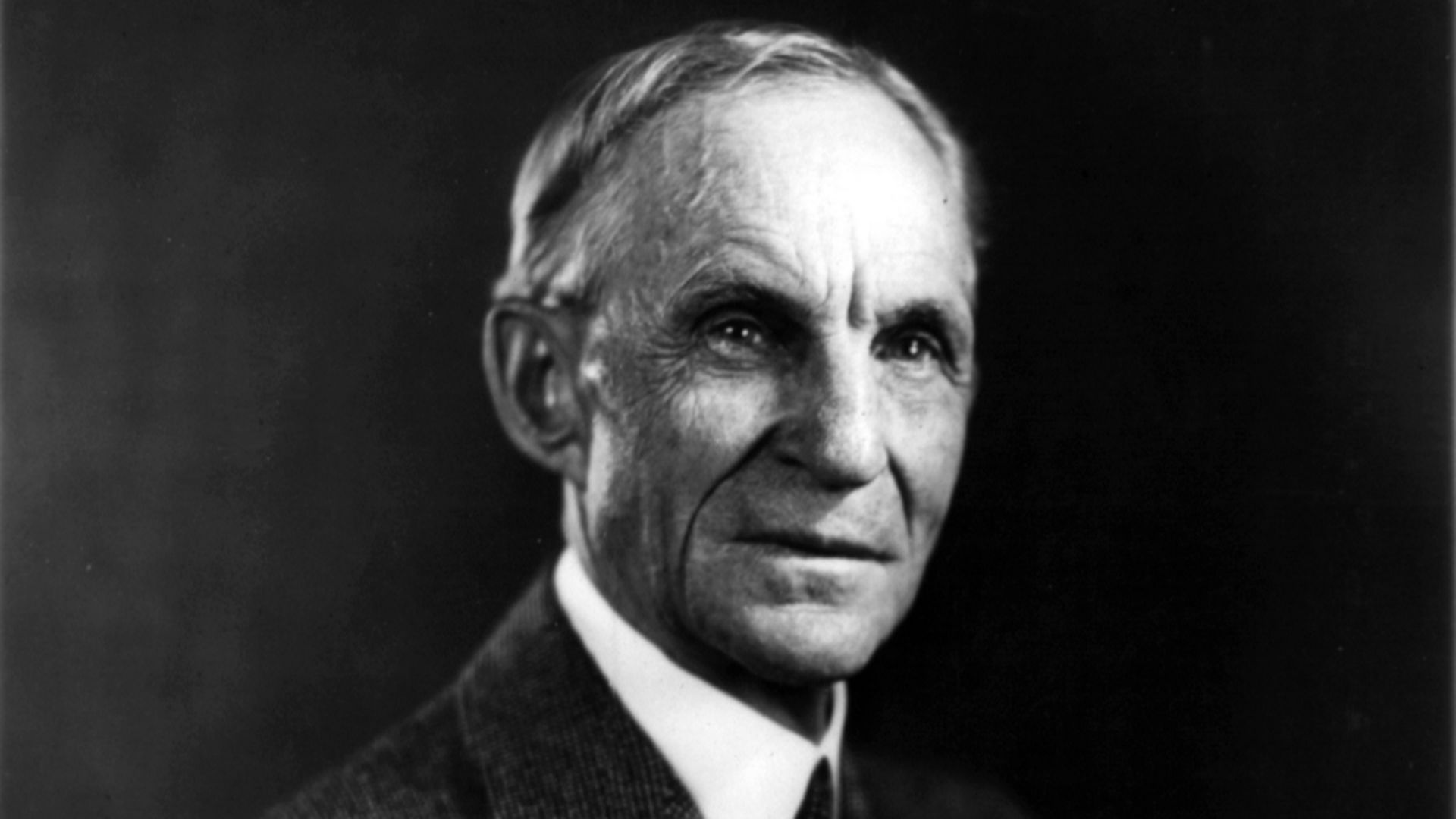
2. Henry Ford: Mobility For The Masses
Ford’s moving assembly line made cars quicker and cheaper to build, which helped more everyday people afford to drive. His impact on the car business can’t be denied, though his use of a newspaper to spread antisemitic conspiracy theories makes his legacy deeply troubling, too.
 Unknown authorUnknown author on Wikimedia
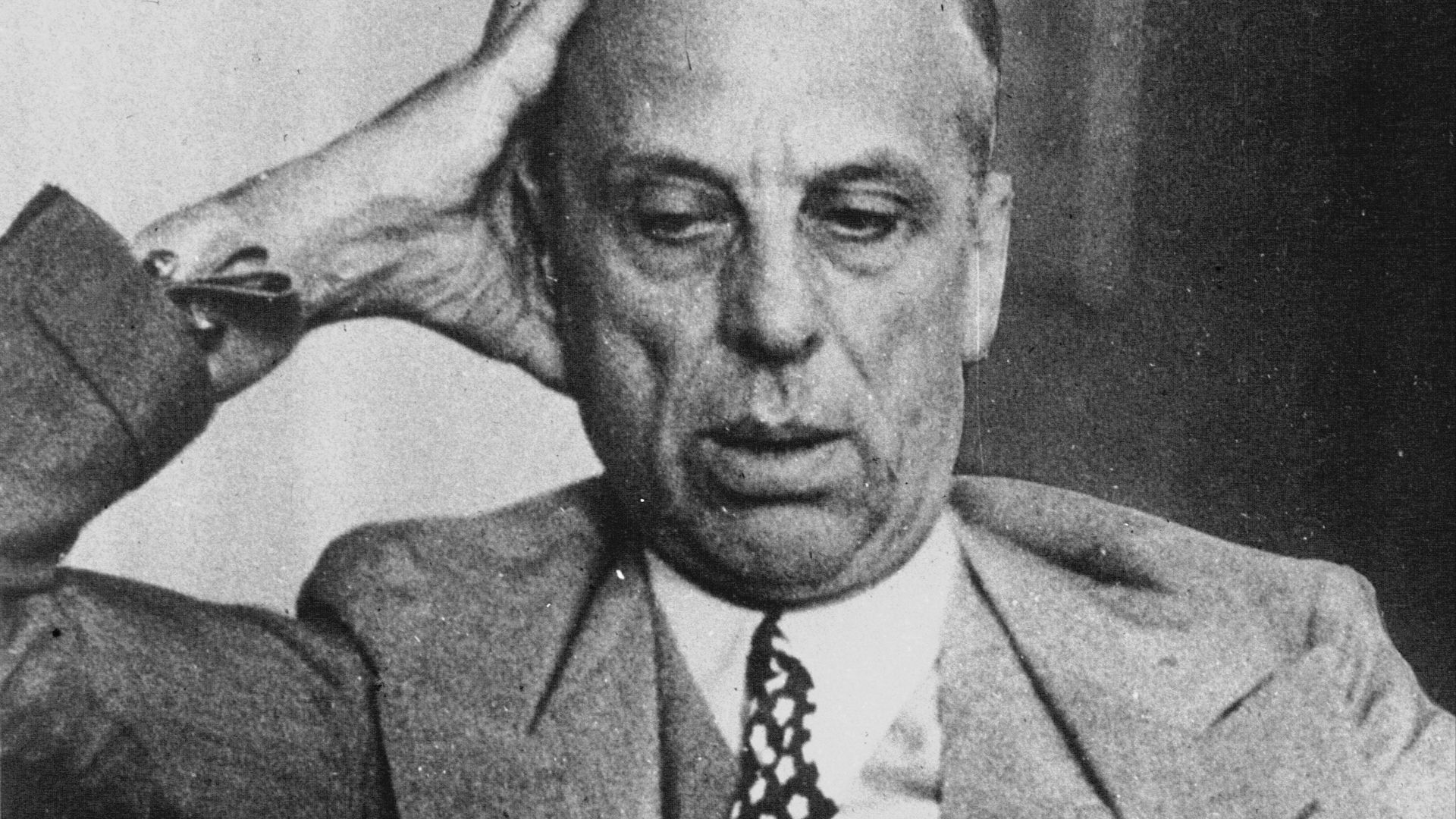
3. Alfred P. Sloan: The Art Of Trading Up
Sloan gave buyers a wider range of cars to choose from based on their budgets and social aspirations. His approach helped make model years, trim levels, and the pull of a newer or fancier car familiar parts of ownership.
 Agence de presse Meurisse on Wikimedia
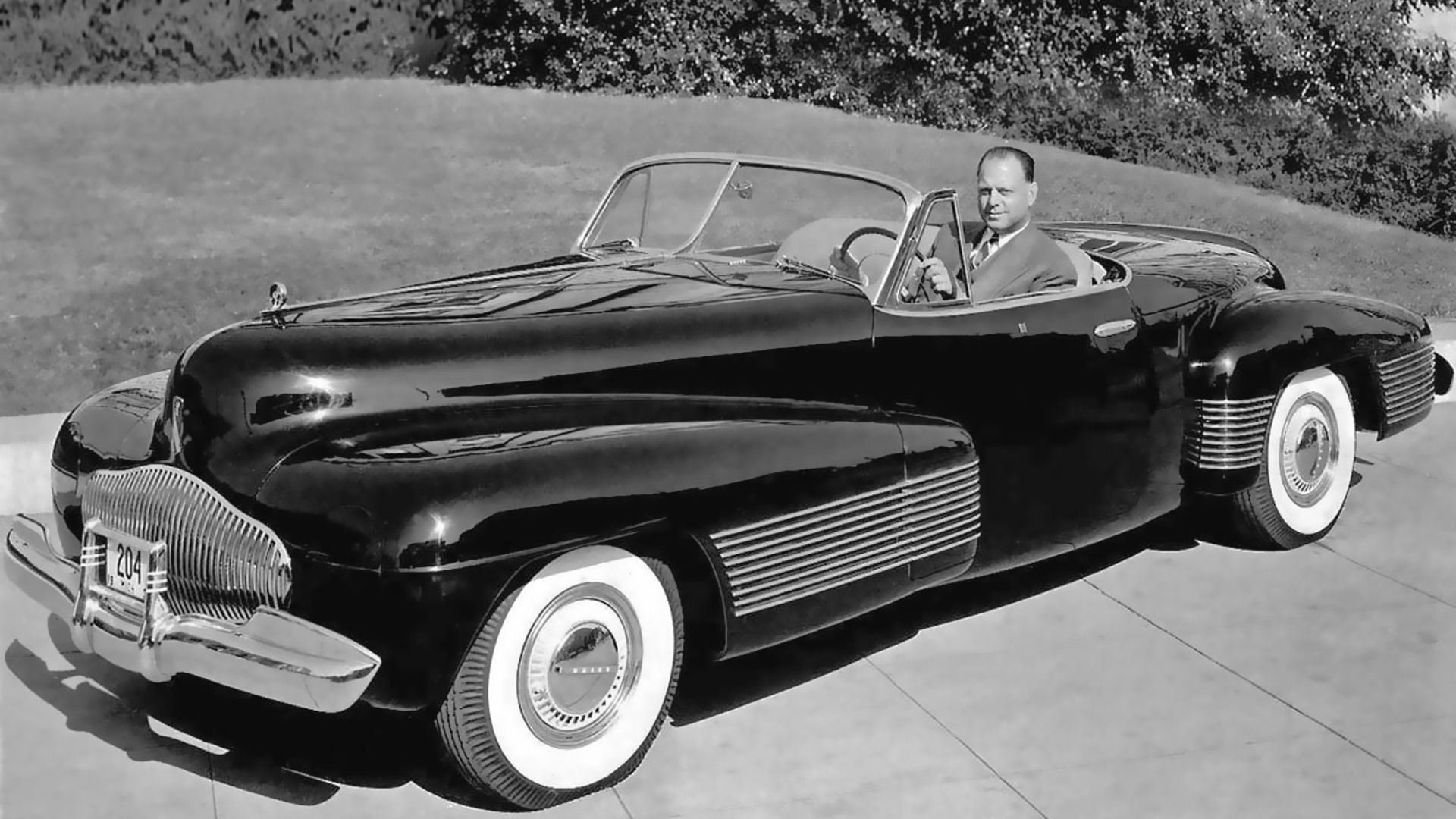
4. Harley Earl: When Cars Became Fashion
Harley Earl helped make car styling a major part of the business through design studios, clay models, concept cars, and regular visual changes. He helped buyers start seeing a car as something that needed to look current, even when the older model was still running just fine.
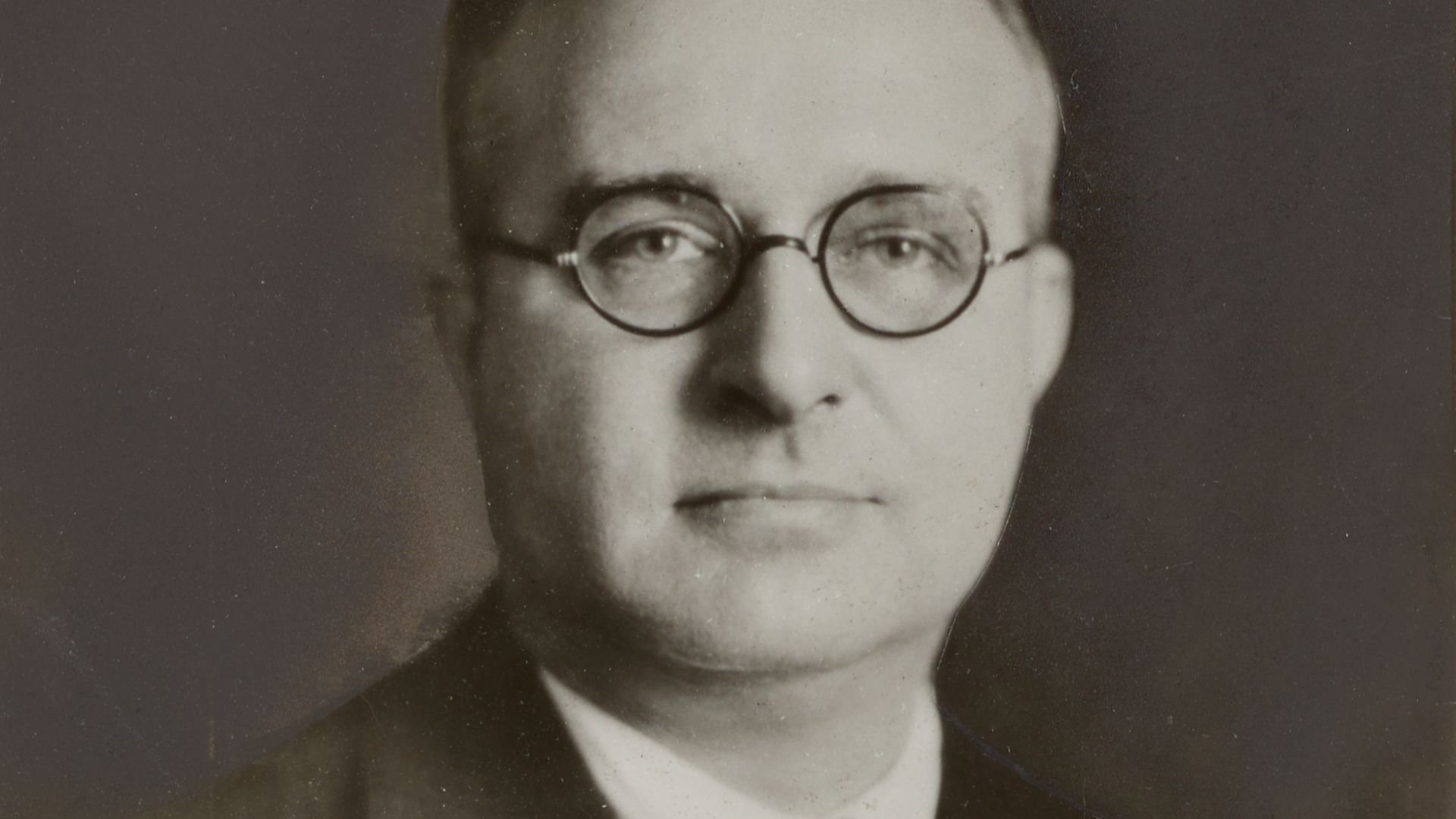
5. Thomas Midgley Jr.: Power With A Poisoned Price
Midgley helped develop tetraethyl lead as a gasoline additive that reduced engine knock and improved performance. The health and environmental damage linked to leaded gasoline later made it one of the auto industry’s most troubling stories.
 AnonymousUnknown author for Blank & Stoller N.Y. on Wikimedia
6. Ferdinand Porsche: Engineering And Its Shadow
Porsche was commissioned in 1934 to develop a German “people’s car,” a project that helped shape the Volkswagen Beetle. That work can’t be separated from the Nazi state’s role in the program or from the forced labor later used by the Volkswagen company.
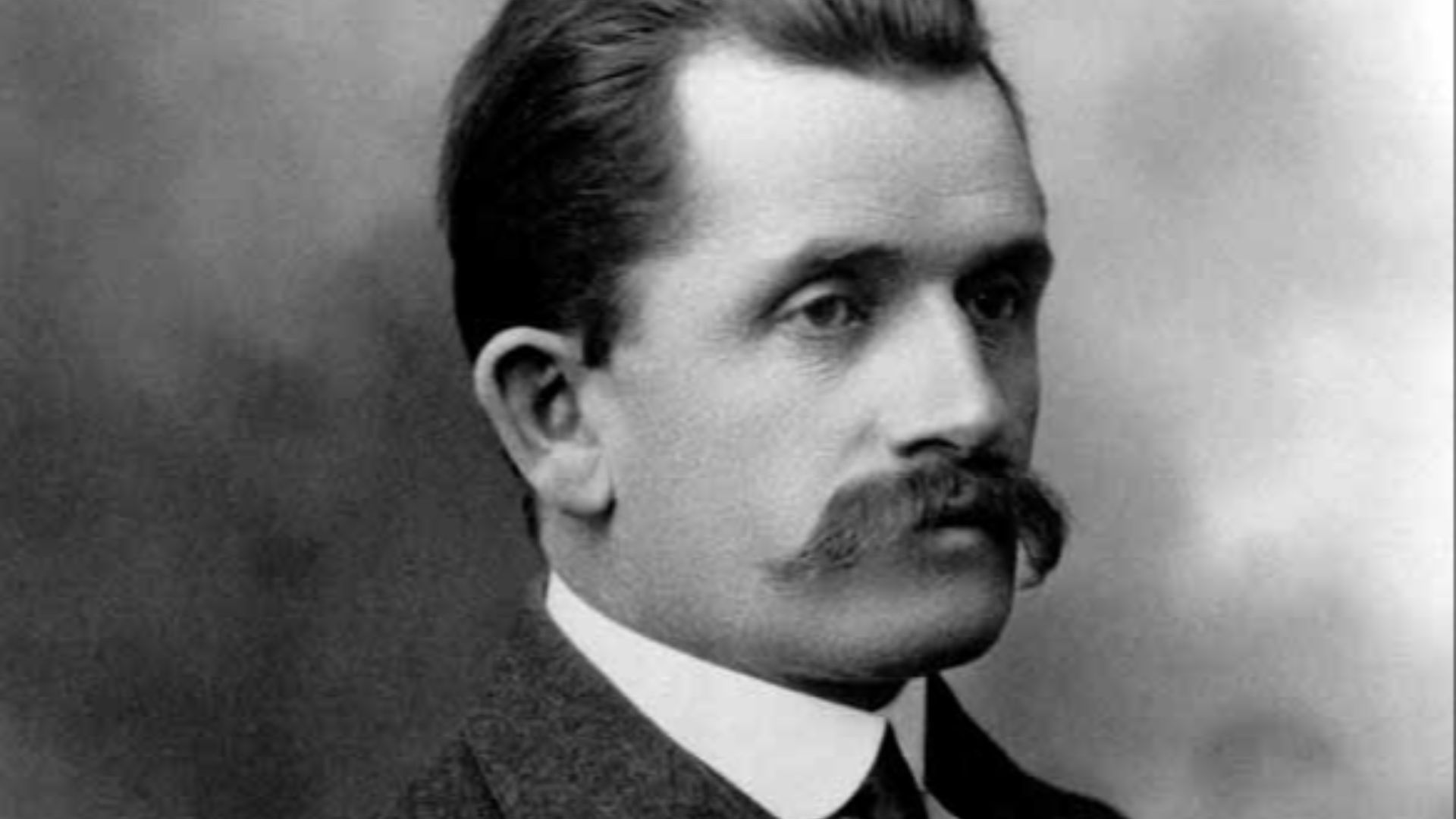
7. Soichiro Honda: Small Cars, Big Challenge
Honda’s CVCC engine and the Civic arrived as emissions rules and fuel concerns began changing the market. The compact car showed that a vehicle could offer low emissions, good fuel efficiency, reliability, and an enjoyable drive at the same time.
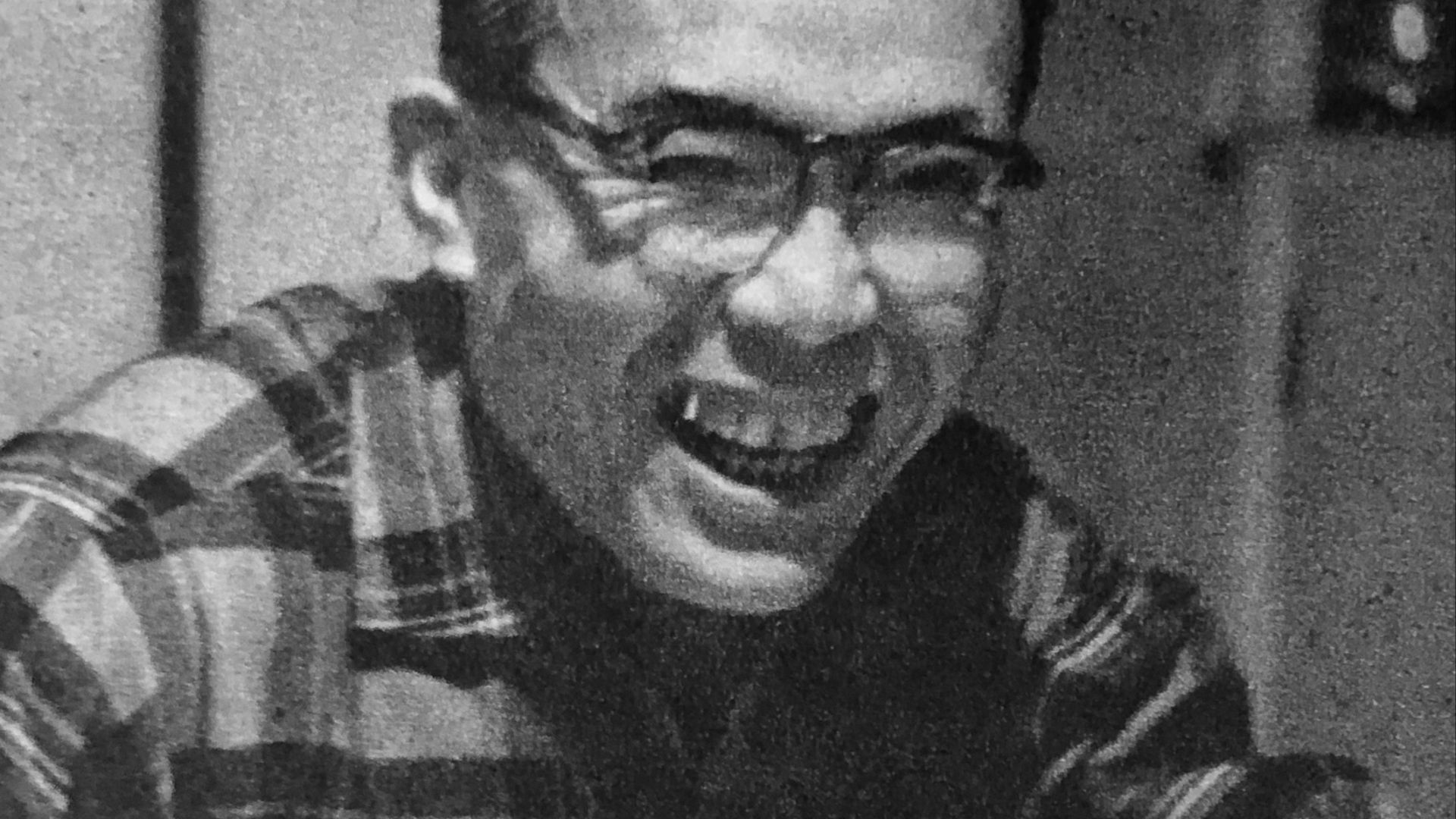
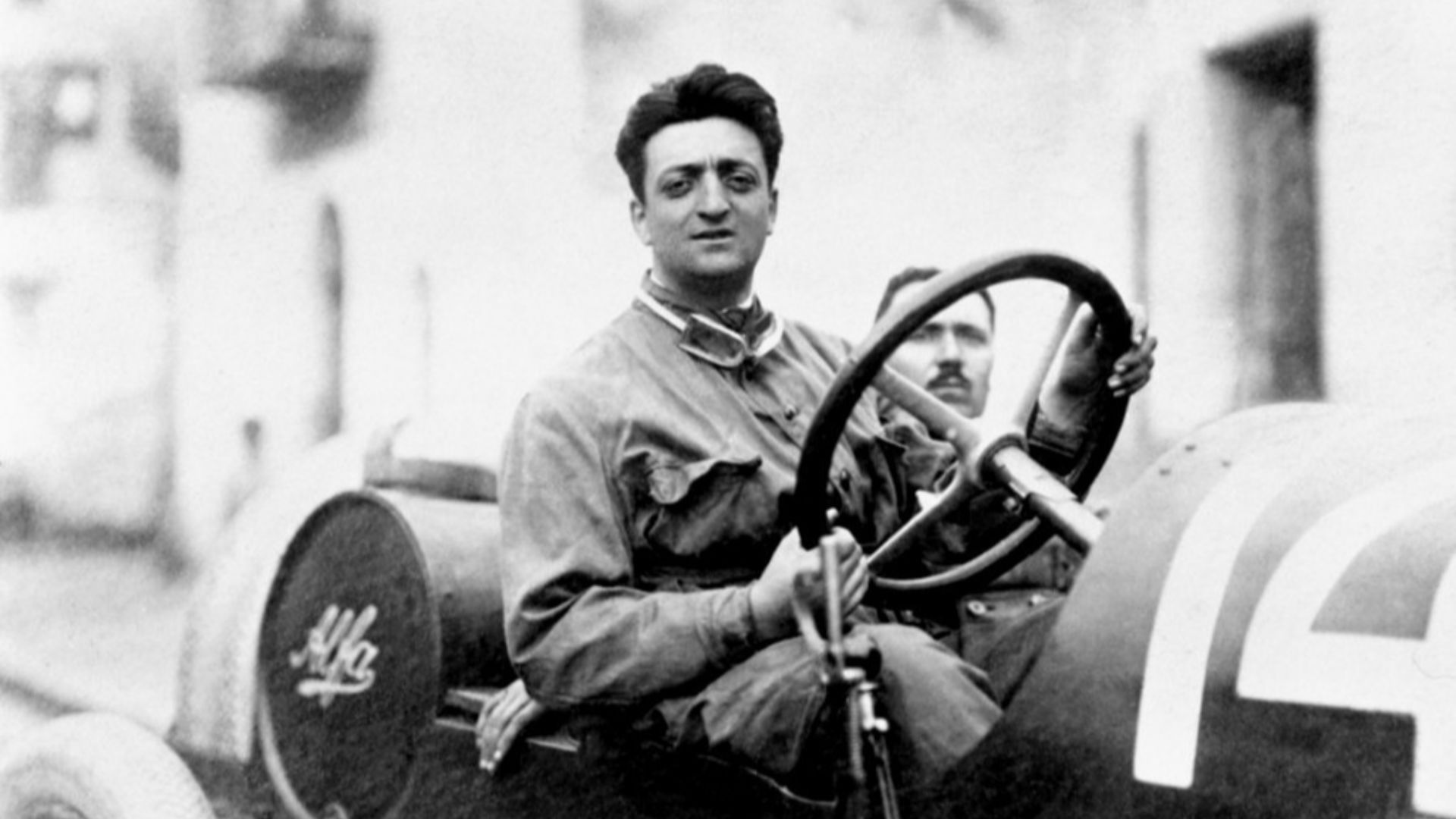
8. Enzo Ferrari: Speed As A Calling Card
Ferrari began making cars under Enzo Ferrari’s name in 1947, mixing road-car appeal with a racing-first identity. The company made performance feel personal and aspirational, which is why the badge still brings admiration from some drivers, and eye-rolls from others.
 Unknown authorUnknown author on Wikimedia
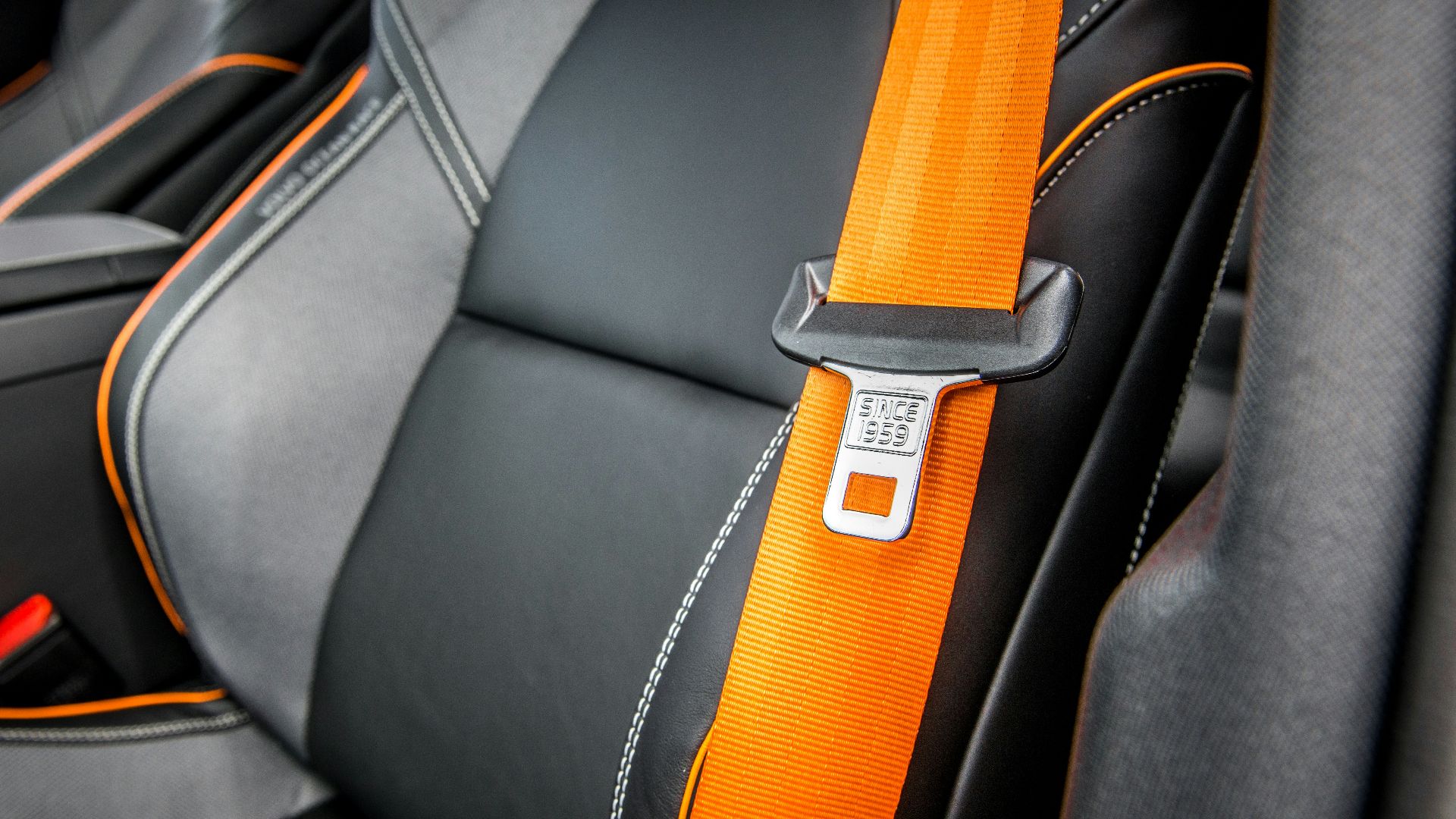
9. Nils Bohlin: The Safety Feature Everyone Uses
In 1959, Bohlin perfected the modern three-point seat belt, and the patent was made available for other carmakers to use. The shoulder-and-lap design became so common that it’s easy to forget how much it changed safety inside the car.
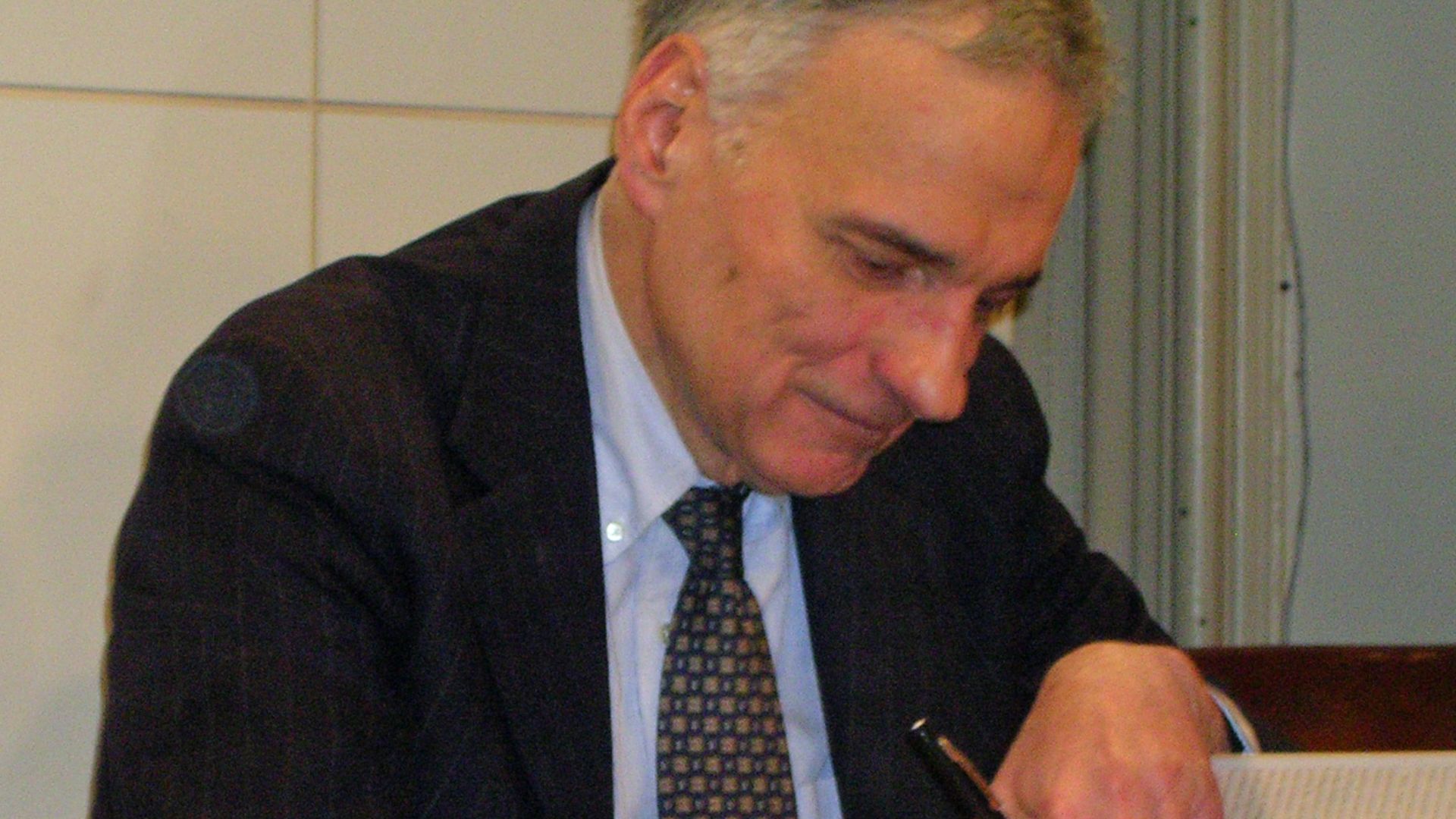
10. Ralph Nader: Safety Stops Being Optional
Nader’s Unsafe at Any Speed aimed at an industry he believed put style and cost ahead of protecting people inside the car. The book helped make automotive safety a national issue and added momentum to the push for federal safety rules.
11. Colin Chapman: Add Lightness, Lose Comfort
Chapman’s work at Lotus centered on low weight, aerodynamics, monocoque chassis design, and ground effects. His road cars gave drivers a strong sense of connection to the steering and road, even if that meant giving up some comfort along the way.
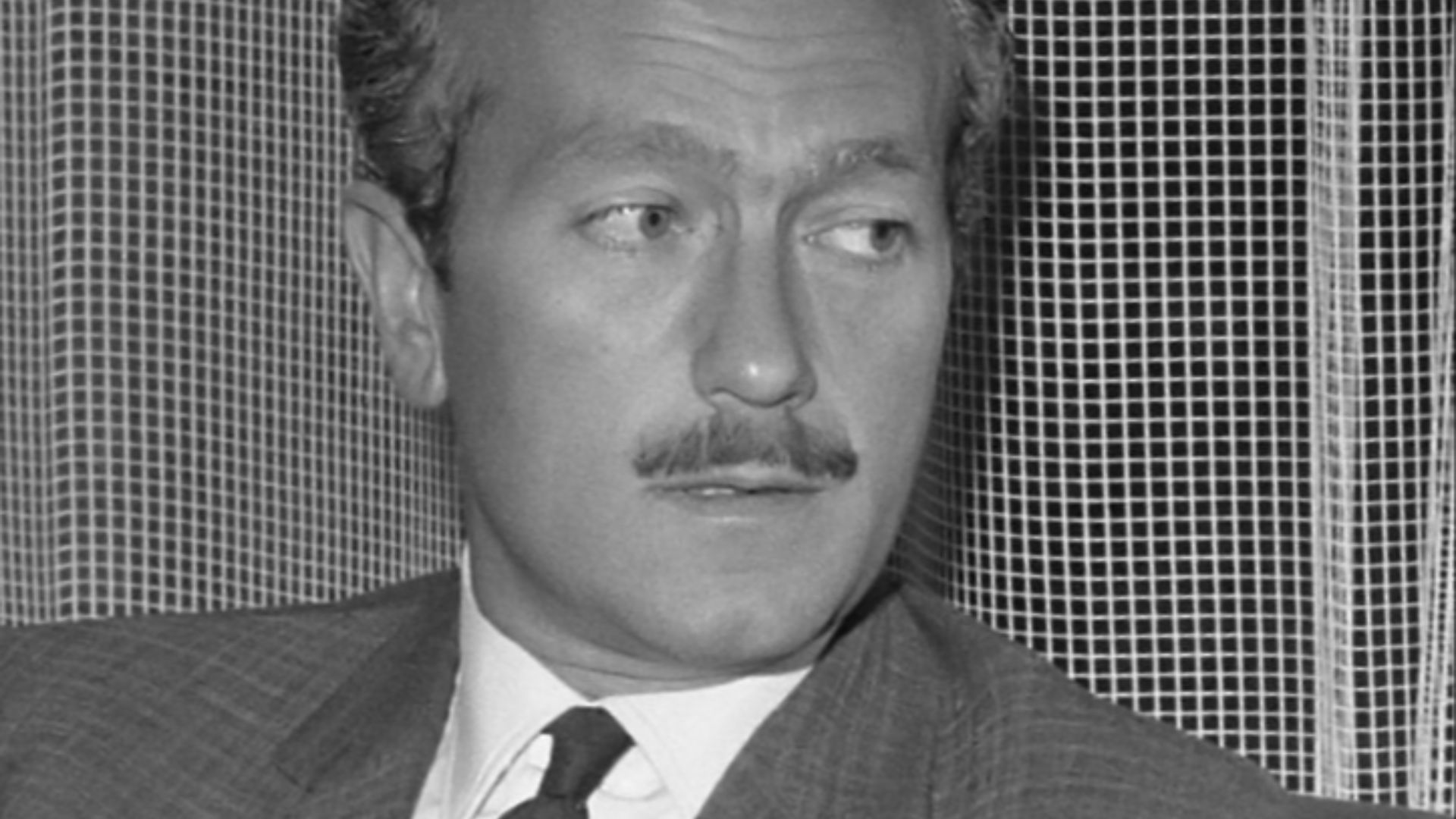 Joost Evers / Anefo; on Wikimedia
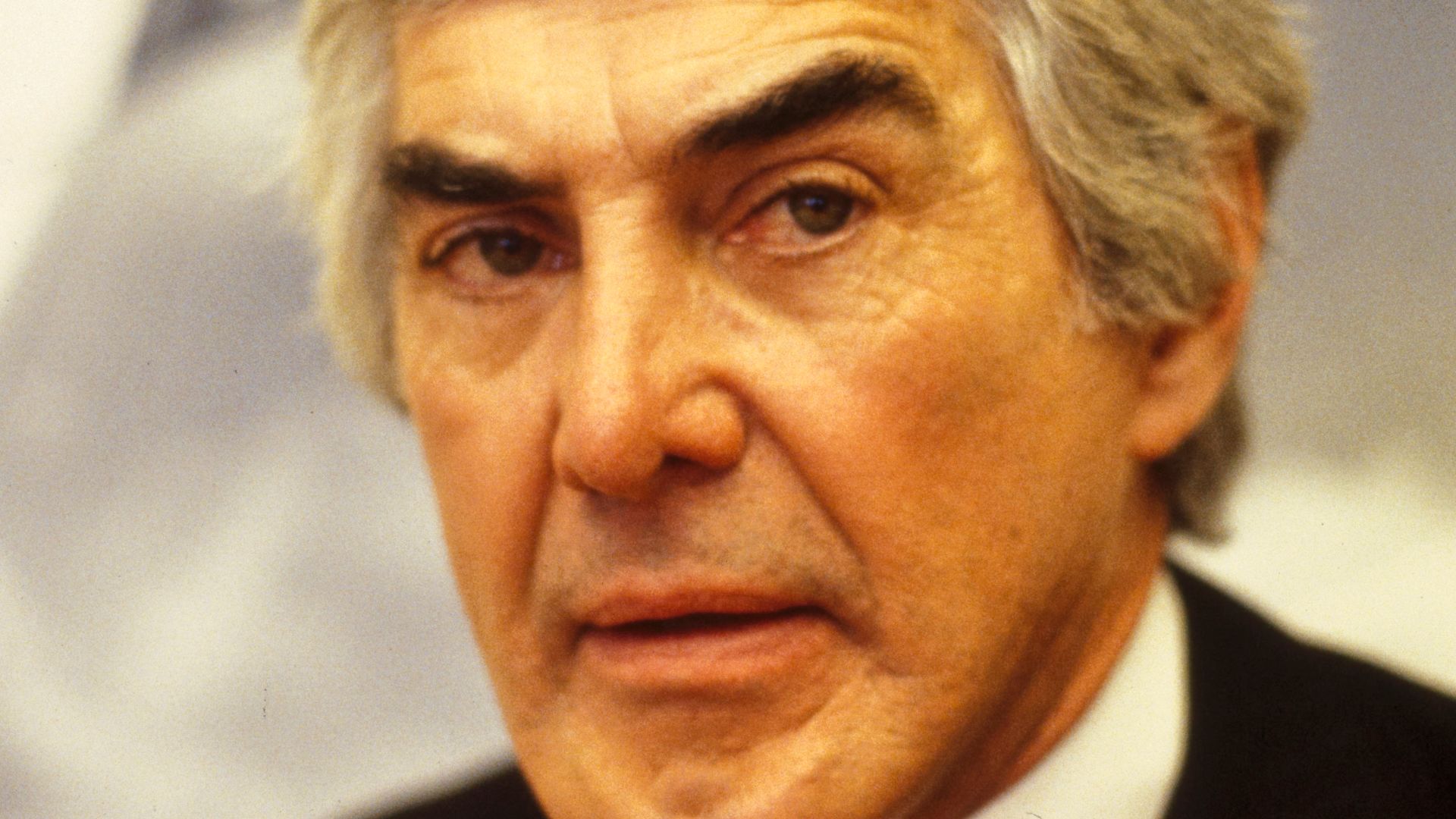
12. John Z. DeLorean: The Muscle-Car Maverick
DeLorean helped create the Pontiac GTO, a car widely treated as the original muscle car, and rival automakers soon made their own versions. His later business collapse and criminal case, which ended in an acquittal on entrapment grounds, added to his public image as a rebel.
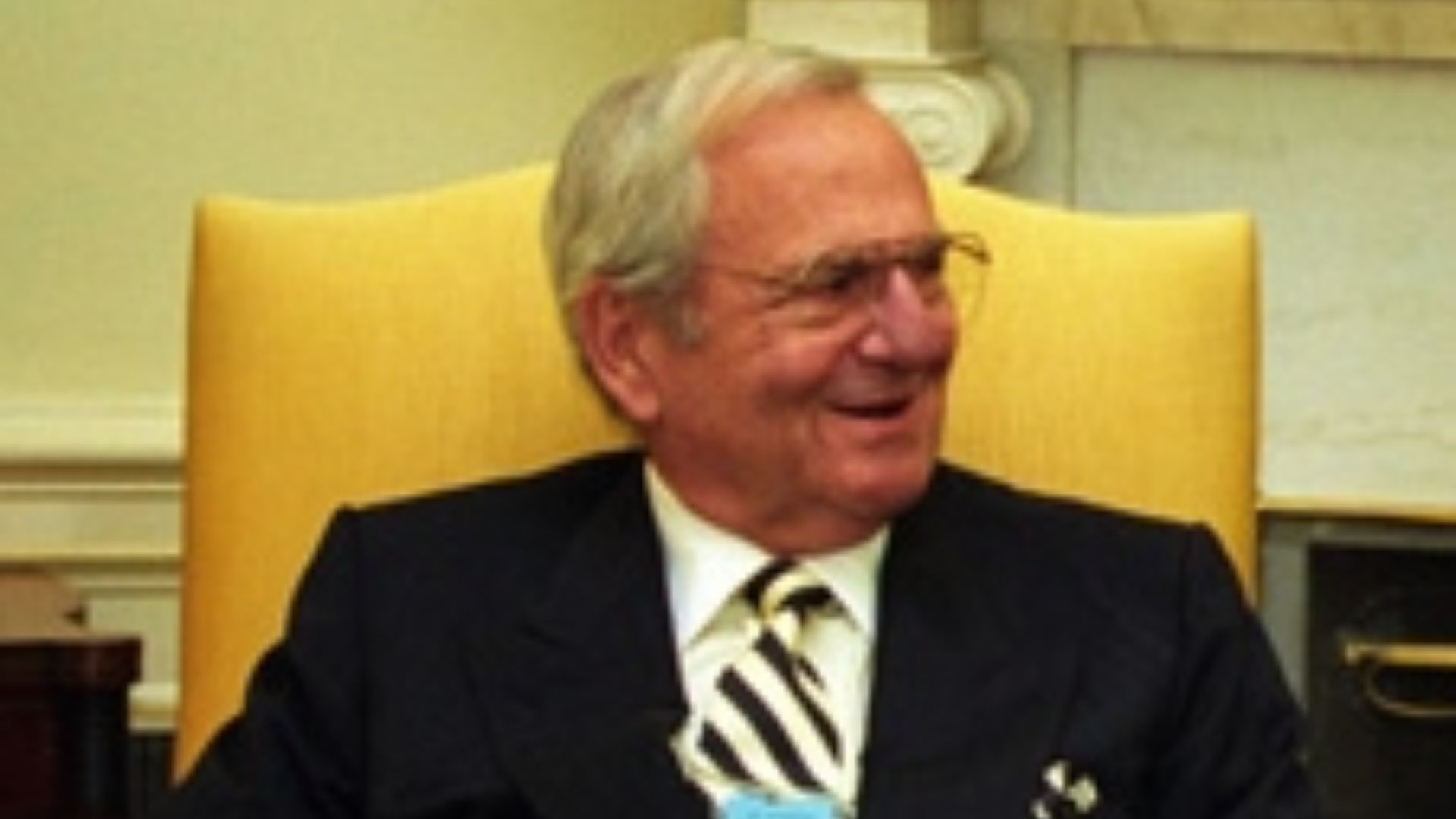
13. Lee Iacocca: The Minivan’s Big Moment
Iacocca helped Chrysler secure government-backed loan guarantees and guide the company through a major turnaround. The K-cars and Chrysler minivans changed what practical family transportation looked like for many Americans.
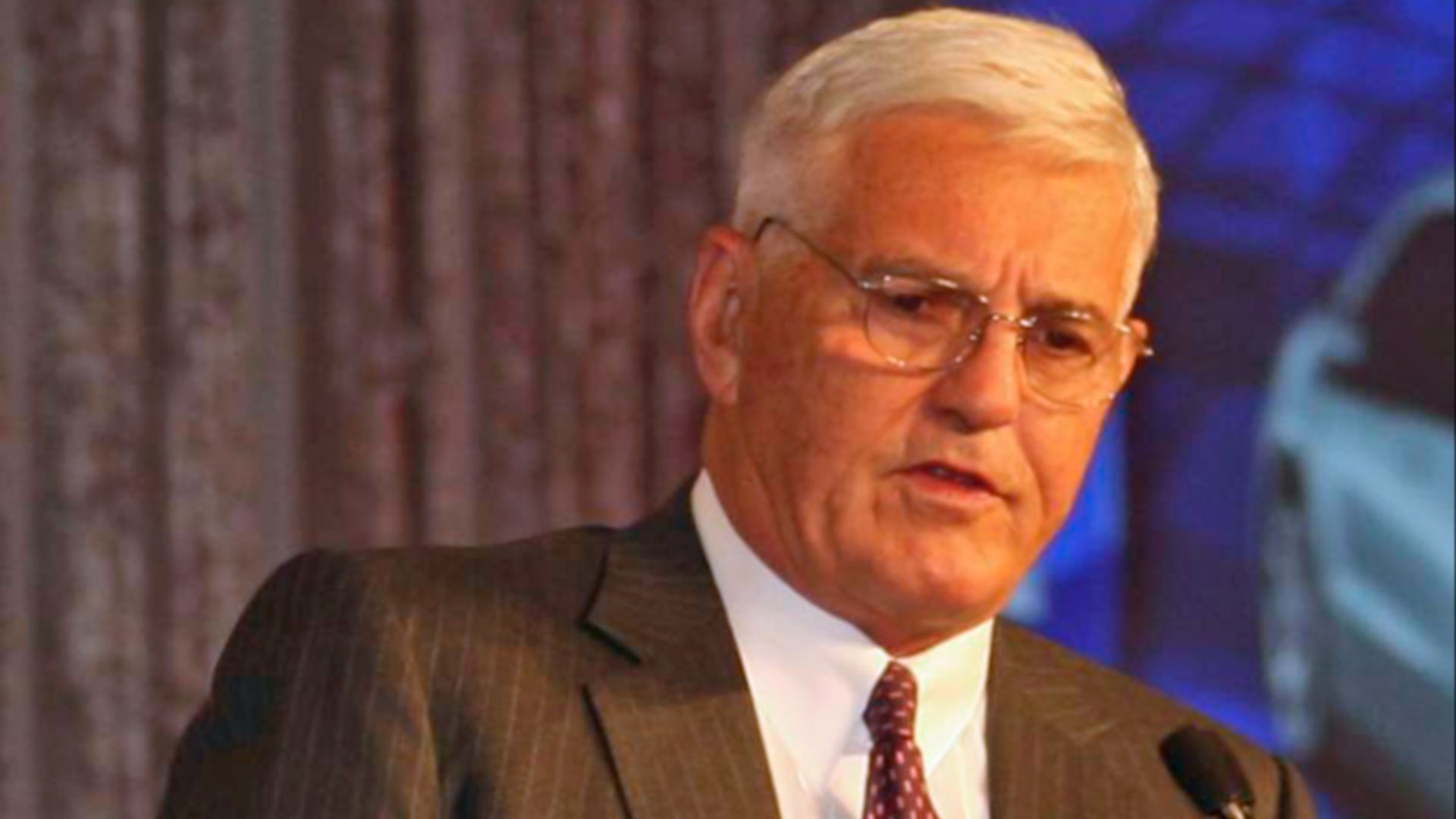
14. Bob Lutz: Performance Never Takes A Back Seat
Lutz played a role in the Ford Explorer, Dodge Viper, Cadillac CTS, Chevrolet Volt, and several other well-known vehicles. He liked bold products that got people talking, and that made him popular with plenty of enthusiasts.
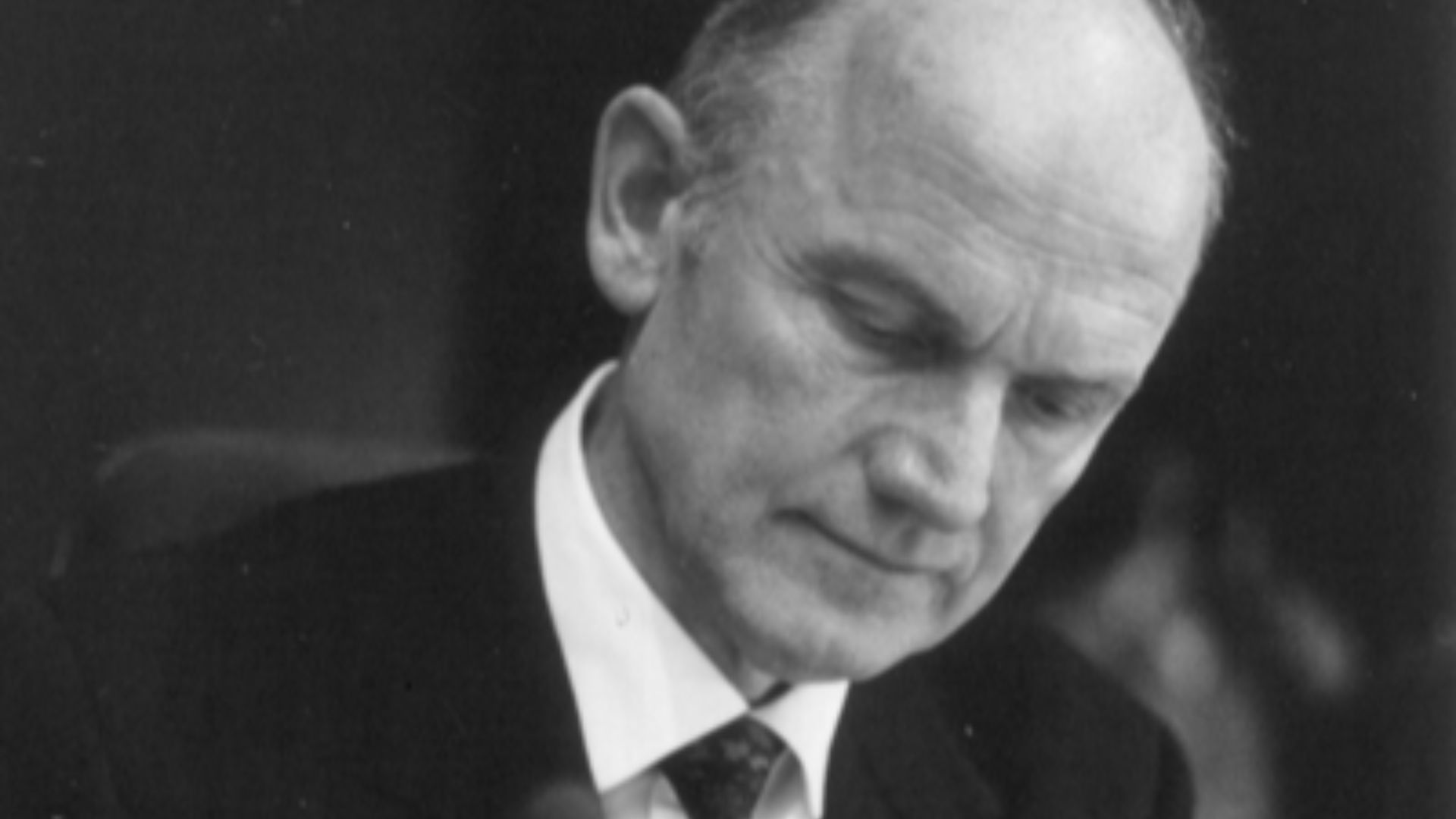
15. Ferdinand Piëch: Technology At Full Volume
Piëch helped turn Audi into a serious rival for established luxury brands, with the Quattro system becoming one of his best-known achievements. During his years leading Volkswagen, he backed ambitious engineering that could be brilliant, excessive, or both.
16. Carlos Ghosn: The Global Turnaround
Ghosn’s restructuring work helped move Nissan from deep debt to profitability, making the Renault-Nissan alliance a notable example of global automotive cooperation. His later downfall and flight from Japan made that success story far more complicated and controversial.
 Norsk Elbilforening from Oslo, Norway on Wikimedia
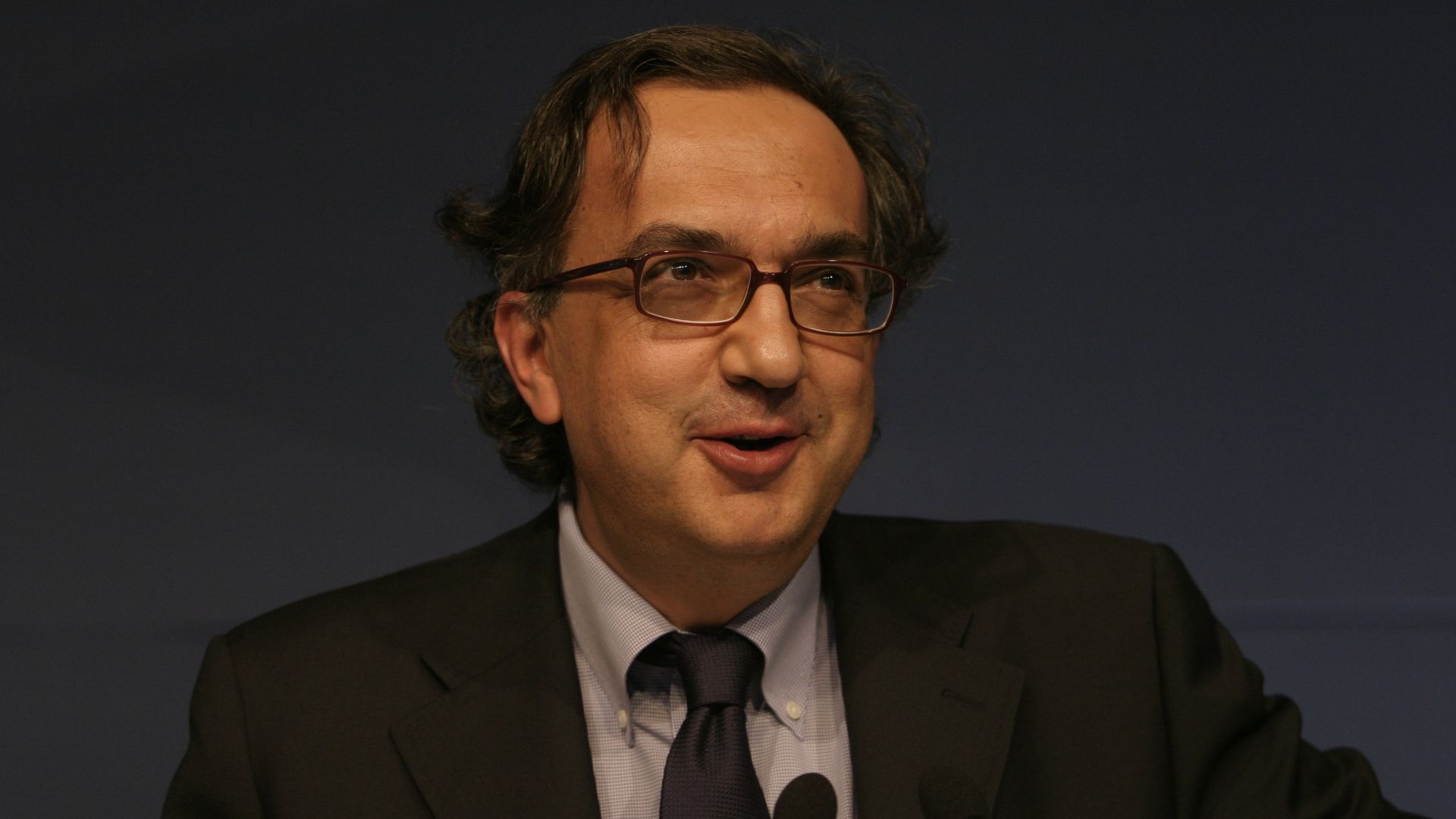
17. Sergio Marchionne: The Blunt Fixer
Marchionne reshaped Fiat and Chrysler through a hard-driving alliance that became Fiat Chrysler Automobiles. His style could feel ruthless, though it preserved brands and products that might otherwise have disappeared from the road.
 St. Gallen Symposium on Wikimedia
18. Mary Barra: Reckoning And Reinvention
Barra became GM’s chief executive in 2014, the same year the company’s ignition-switch crisis became public. The defect and disclosure failures began before her tenure, while her leadership has also moved the company toward electrification, software, and autonomous technology.

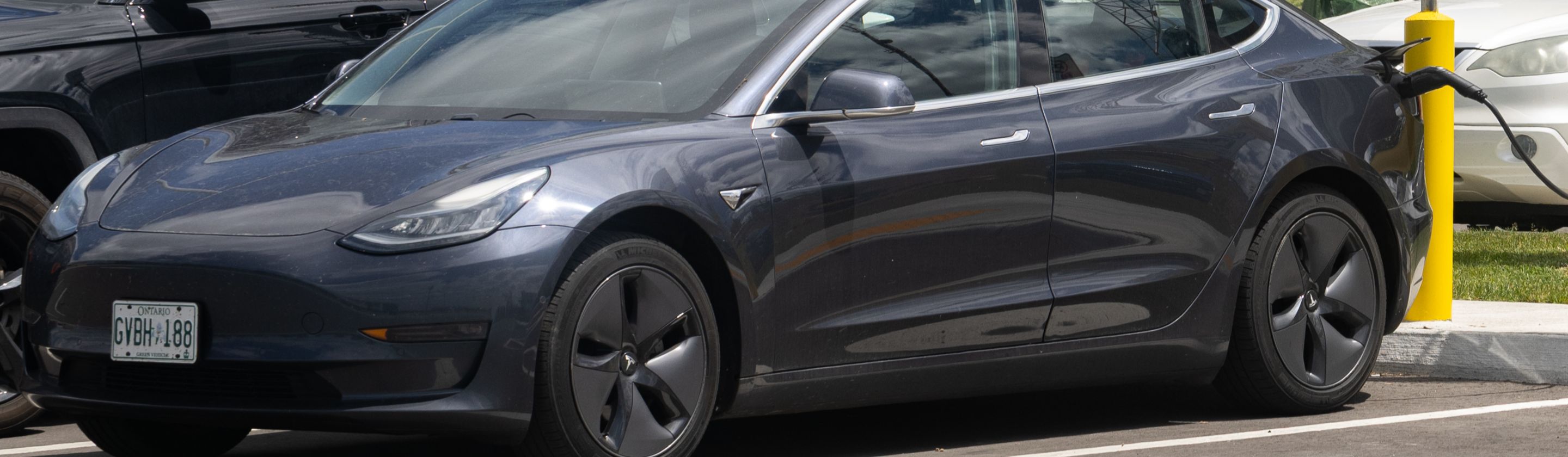
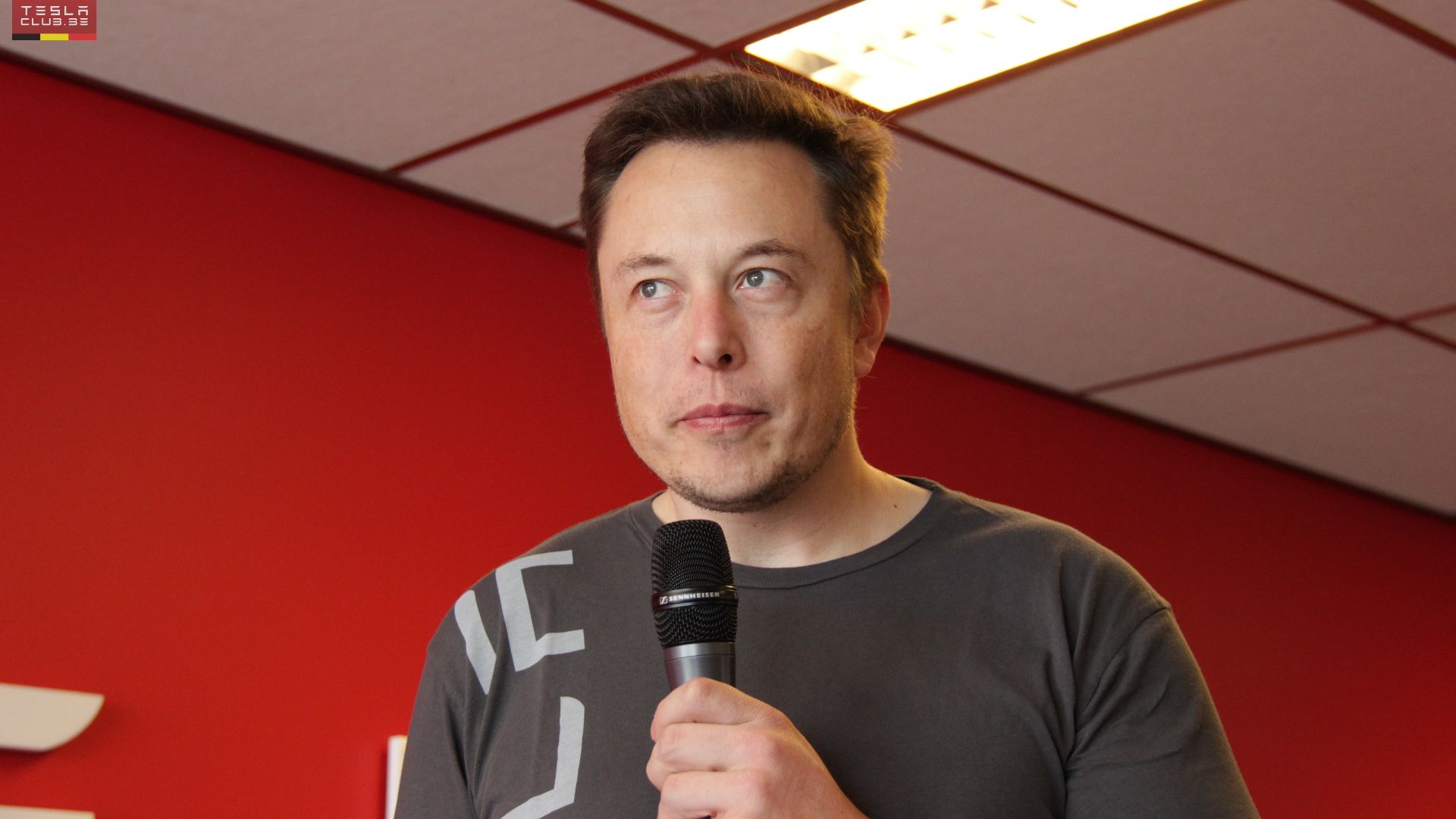
19. Elon Musk: The Electric Disruptor
Tesla didn’t invent the electric car, though its long-range, high-performance models helped change public expectations for what an EV could offer. Musk’s influence is closely tied to his headline-making behavior and his 2018 securities-fraud settlement, leaving his automotive legacy openly contested.
 Tesla Owners Club Belgium on Wikimedia
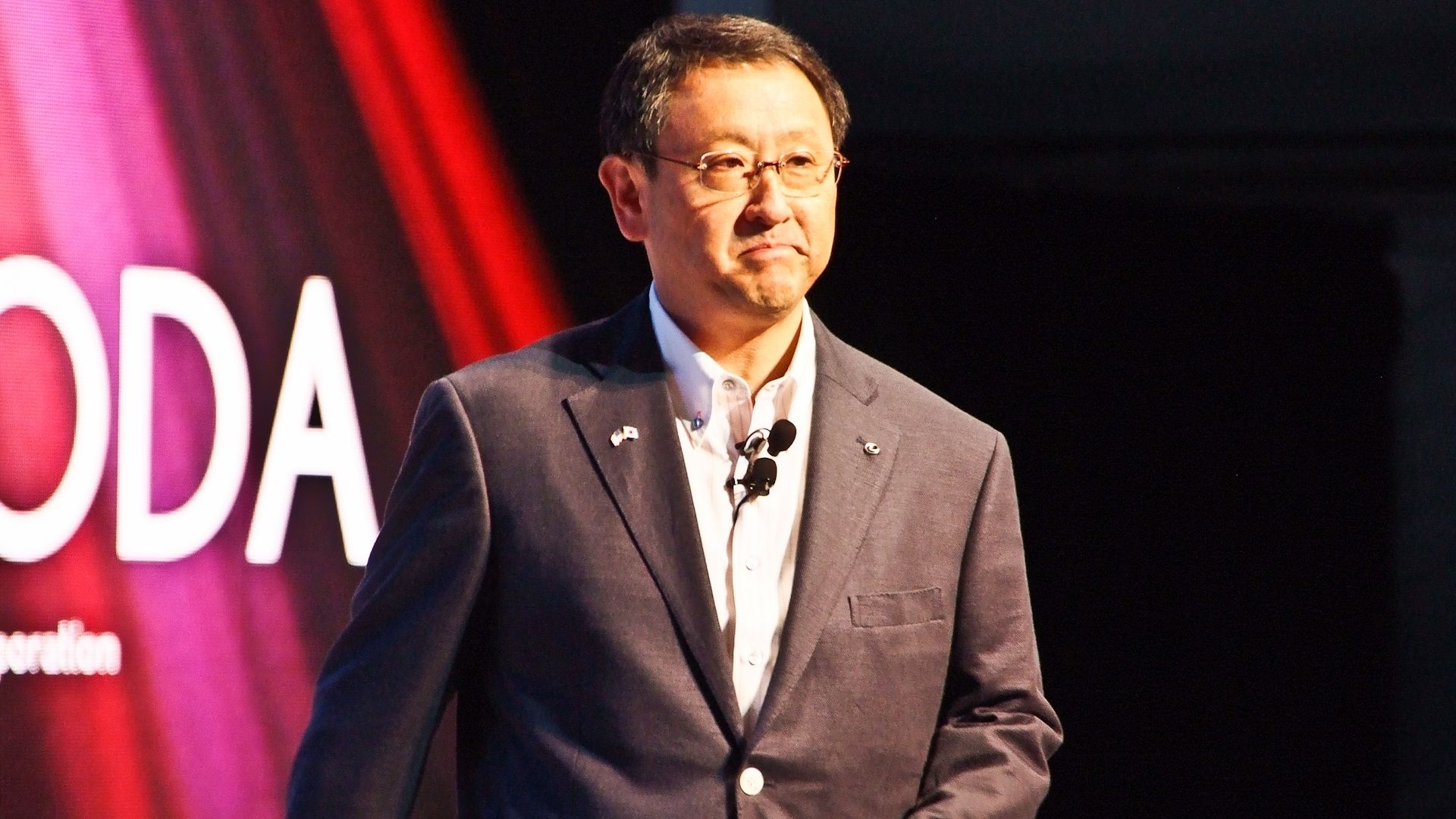
20. Akio Toyoda: The Case Against One Answer
Toyoda has argued that battery-electric vehicles shouldn’t be treated as the only path forward, backing hybrids, plug-in hybrids, battery EVs, hydrogen, and improved combustion engines. Supporters see that as realistic, while critics see it as too cautious, and the debate still shapes the cars buyers can choose.