Imagine sitting at a red light on a crisp morning, completely relaxed in your quiet, unassuming commuter vehicle. A sleek, loud sports car pulls up next to you, revving its engine with an arrogant posture that practically begs for a race. You smile to yourself because you know a secret that the other driver is about to learn the hard way. When the light turns green, your everyday driver will launch forward so quickly that the sports car will only see your fading taillights.
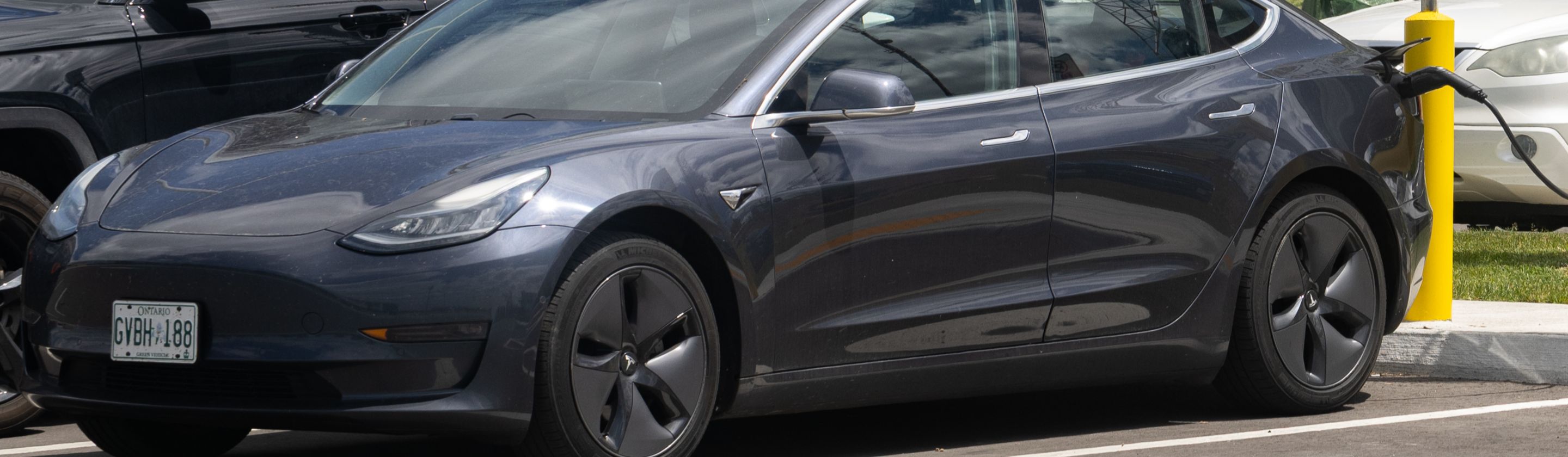
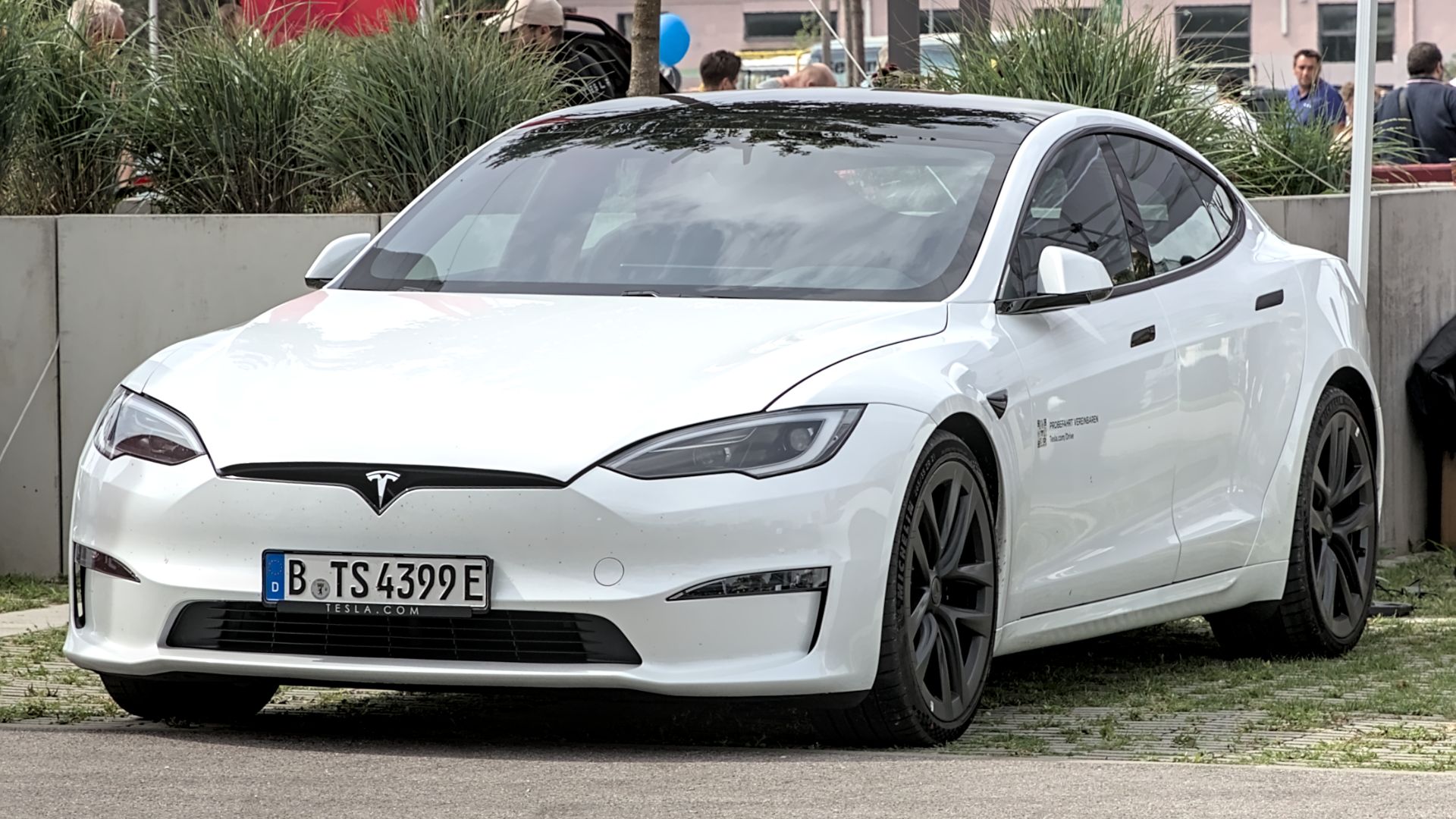
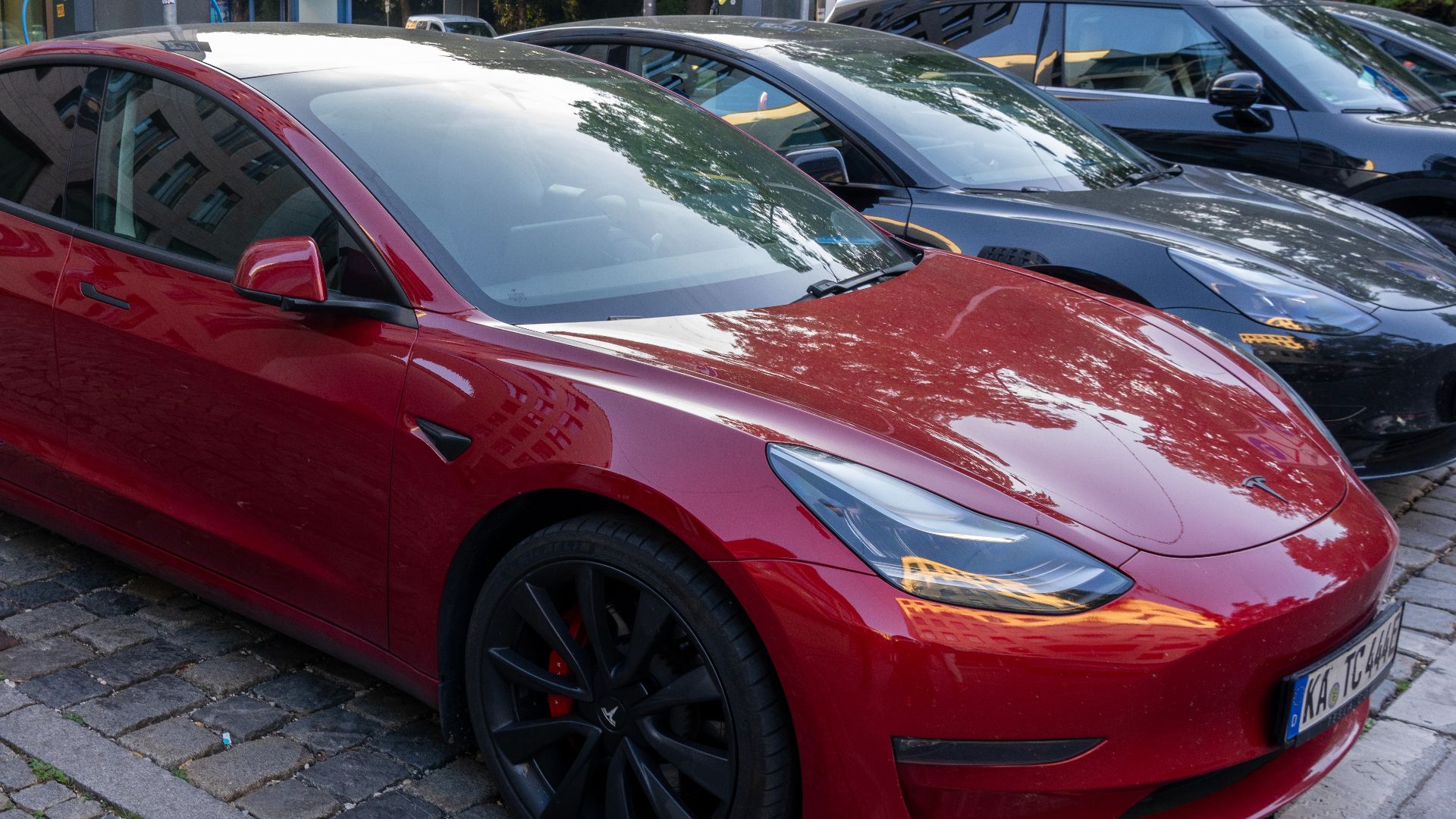
The vehicle pulled up next to you isn't an exotic supercar but rather a standard, battery-powered electric sedan. Modern electric commuter cars, like the dual-motor Tesla Model 3, have completely rewritten the rules of street acceleration. They've turned mundane daily commutes into thrilling experiences while maintaining their practical identity as family haulers. Let's look at how these quiet commuters manage to embarrass genuine performance cars without even breaking a sweat.
The Magic of Instant Electric Torque
When you step on the accelerator pedal of a traditional combustion engine, a complex series of mechanical actions must occur before you move. Pistons have to pump, gears need to shift, and the engine must build up to its optimal power band. This delay might only take a fraction of a second, but it creates a noticeable hesitation when you try to launch quickly. Electric vehicles eliminate this entire mechanical waiting period because they don't rely on pistons or multi-speed transmissions.
An electric motor delivers one hundred percent of its available torque the very instant electricity flows into it. You don't have to wait for the revs to climb to feel the full force of the acceleration. This instantaneous power delivery pins you back into your seat and launches the car forward with relentless urgency. It's a physical sensation that feels more like being thrown out of a slingshot than driving a traditional automobile.
Because there are no gears to shift, this acceleration remains completely smooth and uninterrupted all the way to highway speeds. Gas-powered sports cars must constantly interrupt their power flow to change gears, which costs them precious fractions of a second. Your unassuming commuter car simply rides a continuous, silent wave of forward momentum that leaves gear-shifting rivals scrambling to catch up. This seamless power delivery is the true secret weapon of the modern electric commuter.
Stealth Performance in a Sensible Package
You don't need to drive an aggressive, low-slung coupe with loud exhaust pipes to enjoy world-class speed anymore. A dual-motor Tesla Model 3 Long Range AWD can sprint from zero to sixty miles per hour in just about 4.2 seconds. That's a blistering pace that easily beats many legendary sports cars from previous generations, as well as several modern ones. Yet, to the casual observer, you're just driving a highly sensible four-door sedan that belongs in a grocery store parking lot.
This stealthy design allows you to fly completely under the radar while enjoying sports-car levels of performance on demand. There are no massive wings, flashy spoilers, or deafening engine notes to attract unwanted attention from local authorities or envious drivers. You get to enjoy a peaceful, insulated cabin featuring comfortable seats, advanced safety technology, and plenty of trunk space for your weekly errands. It's the ultimate wolf in sheep's clothing, blending top-tier speed with absolute daily practicality.
Even the entry-level rear-wheel-drive electric commuters offer enough low-end punch to surprise most unsuspecting drivers off the line. They make merging onto busy highways a completely stress-free task because you always have immediate power at your disposal. You don't have to plan your passes or wait for the transmission to downshift to make your move. This effortless capability makes your daily drive significantly safer and more relaxing than it would be in a high-strung, manual sports car.
Traditional high-performance cars often force you to sacrifice daily comfort in exchange for their impressive track times. They usually feature stiff suspensions that make every pothole feel like a minor earthquake, along with cramped cabins that lack headroom. On the other hand, an electric commuter car is designed from the ground up to keep you as comfortable as possible during long highway drives. You get the best of both worlds: a quiet, supple ride that can instantly transform into an absolute rocket ship.
The heavy battery pack of an electric vehicle is mounted low in the chassis, which gives the car a remarkably low center of gravity. This clever engineering layout helps the commuter stay planted and stable through tight corners, mimicking the handling characteristics of dedicated sports cars. It balances the vehicle beautifully, ensuring that all that instant power actually gets put down to the road instead of spinning the tires uselessly.