The Near Future Is Already Rolling
Car technology used to creep forward one model year at a time, a slightly better infotainment screen here, an extra airbag there. That pace has changed. Automakers are racing to ship software updates, AI assistants, and battery breakthroughs that were concept-car fantasies just a few years ago, and a lot of it is already showing up in showrooms. None of this requires a crystal ball, since most of these features exist in some form today and are simply scaling up. Here's 20 features likely to be standard, or at least common, in cars by 2030.
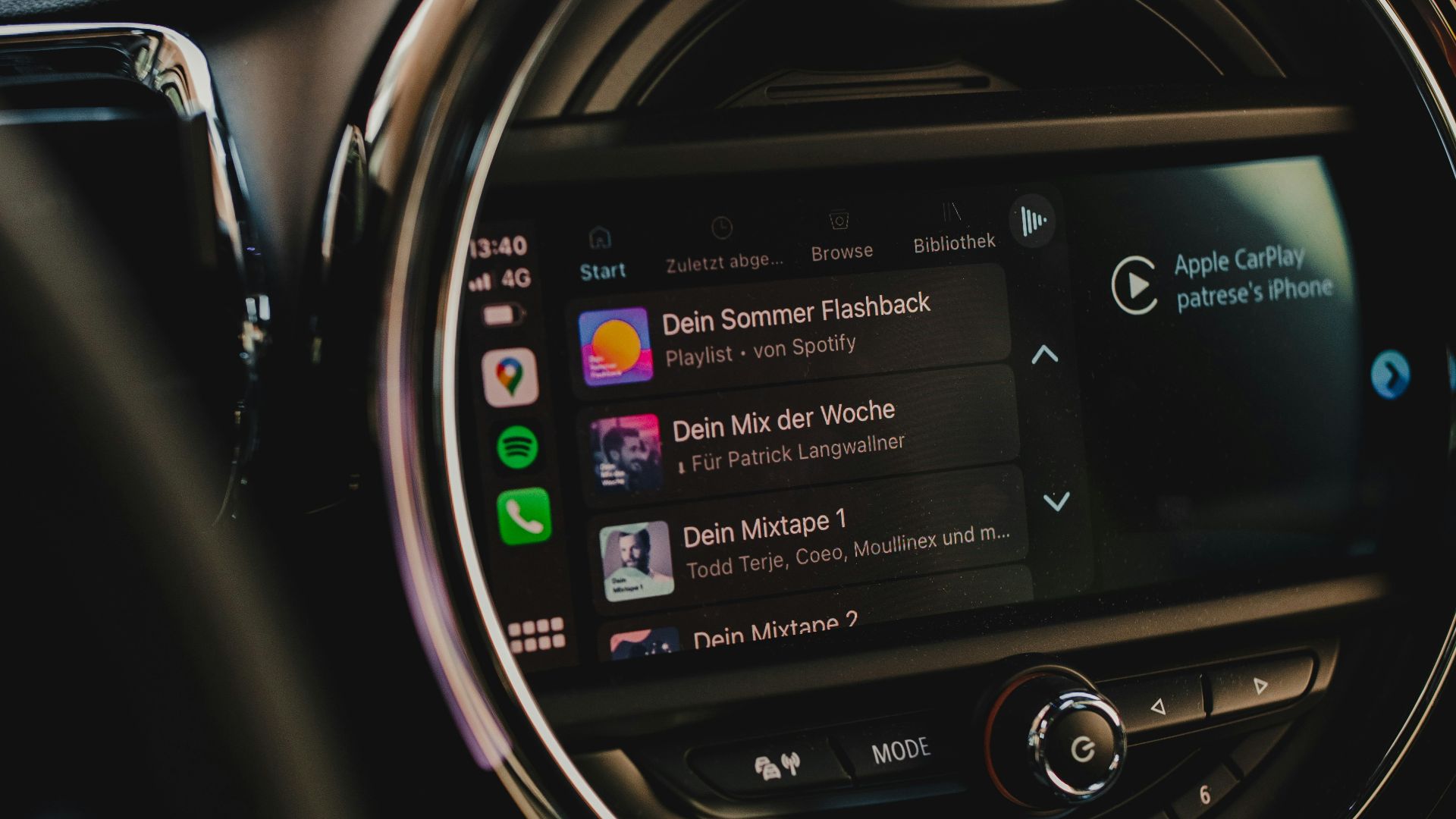
1. Conversational AI Assistants
Instead of barking rigid commands, drivers will talk to their cars the way they'd talk to a person, asking open-ended questions about traffic or nearby restaurants. Mercedes-Benz, GM, and Volkswagen have already built ChatGPT or Google Gemini into their infotainment systems, and that kind of natural conversation should be the default by 2030 rather than a novelty.

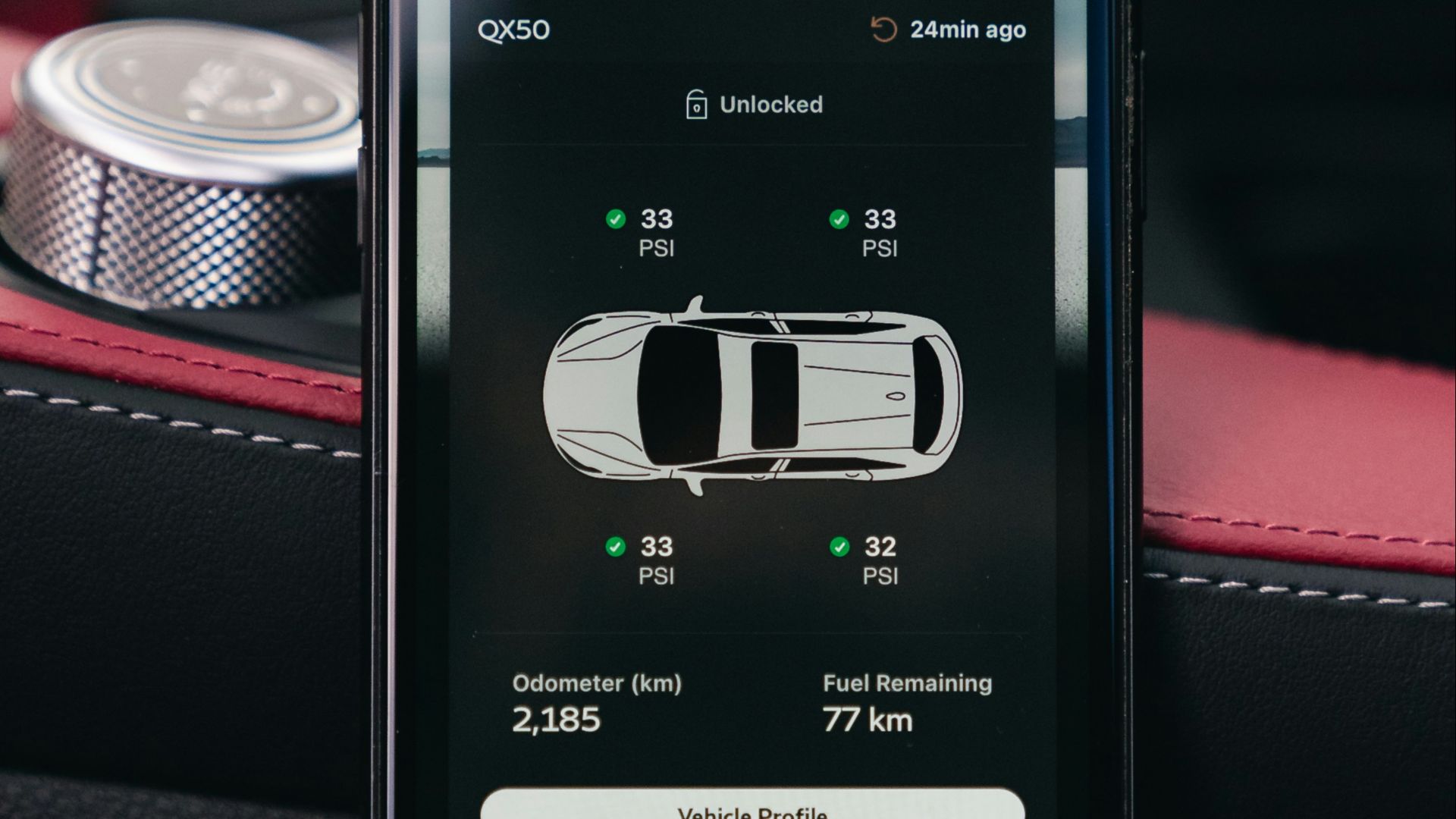
2. Phone-Based Digital Keys
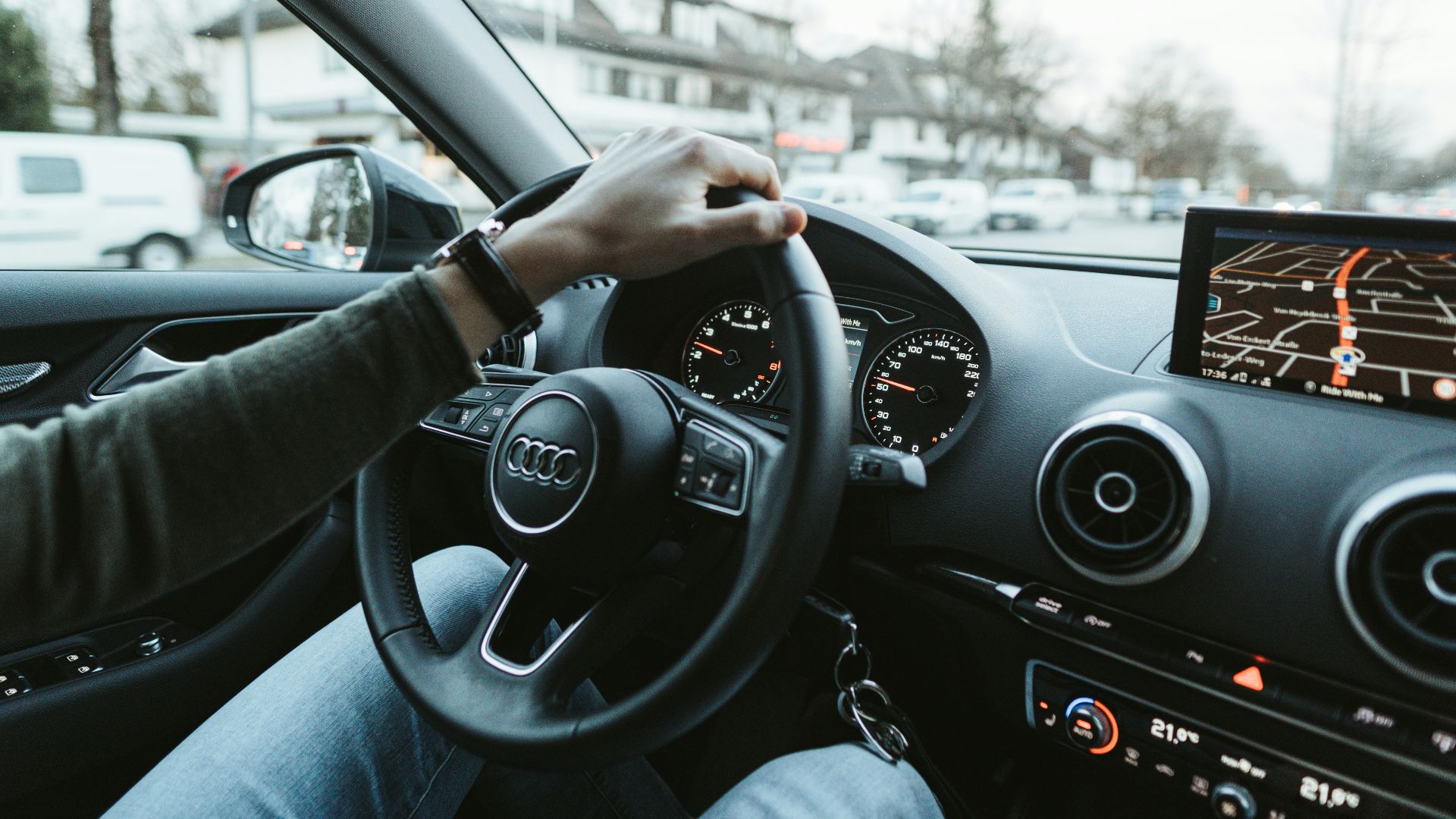
Physical key fobs are on their way out, replaced by smartphones and ultra-wideband technology that unlock and start the car automatically as the owner approaches. Several automakers already offer this, and it's likely to become the standard way most new cars get entered and started.

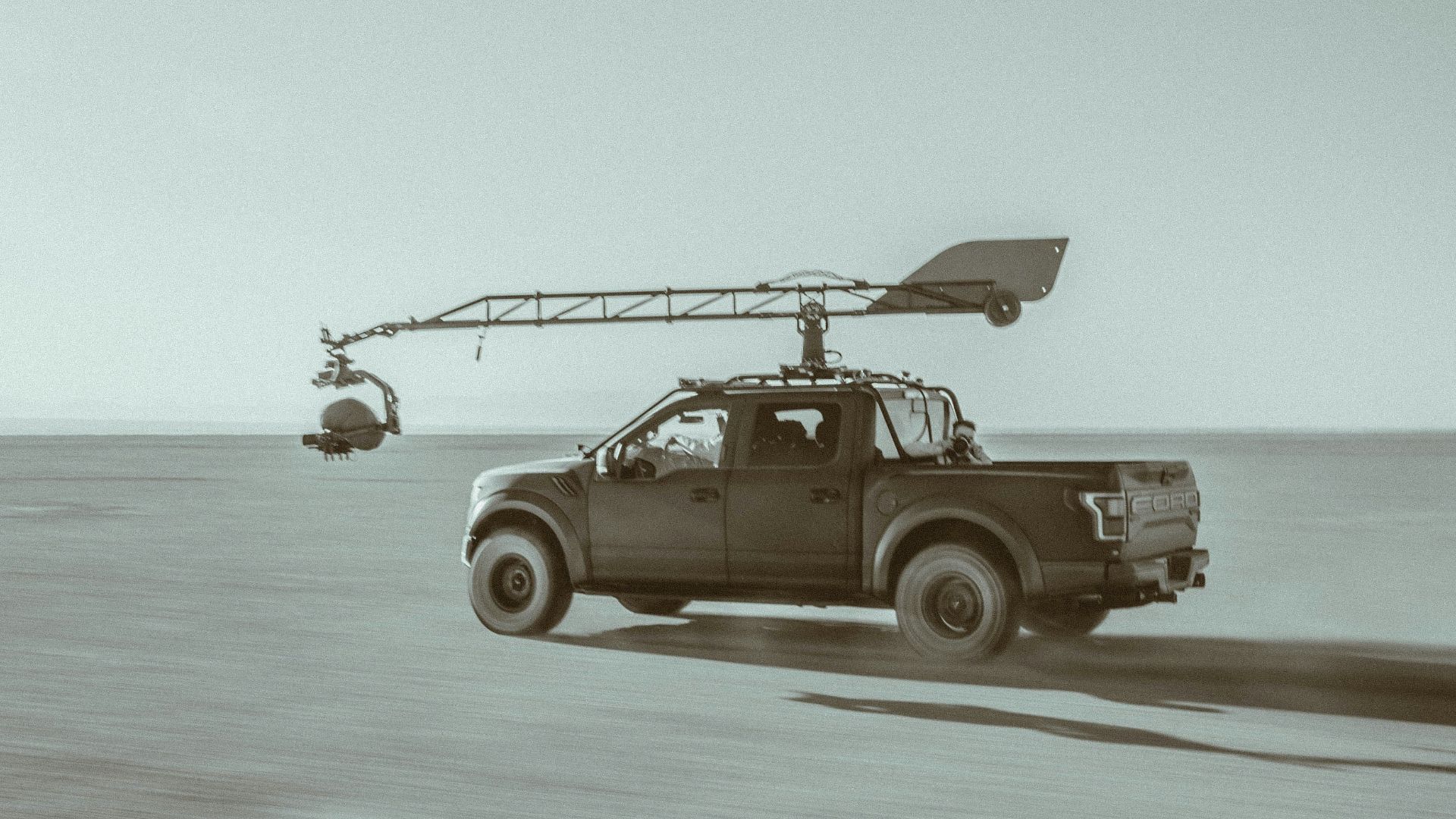
3. Hands-Free Highway Driving
Full self-driving everywhere is still a ways off, but conditional automation that lets drivers take their hands off the wheel on mapped highways is expanding fast, following systems like GM's Super Cruise and Mercedes' Drive Pilot. By 2030, hands-free cruising on major highways should be common on midrange vehicles, not just luxury flagships.
4. Bidirectional Charging
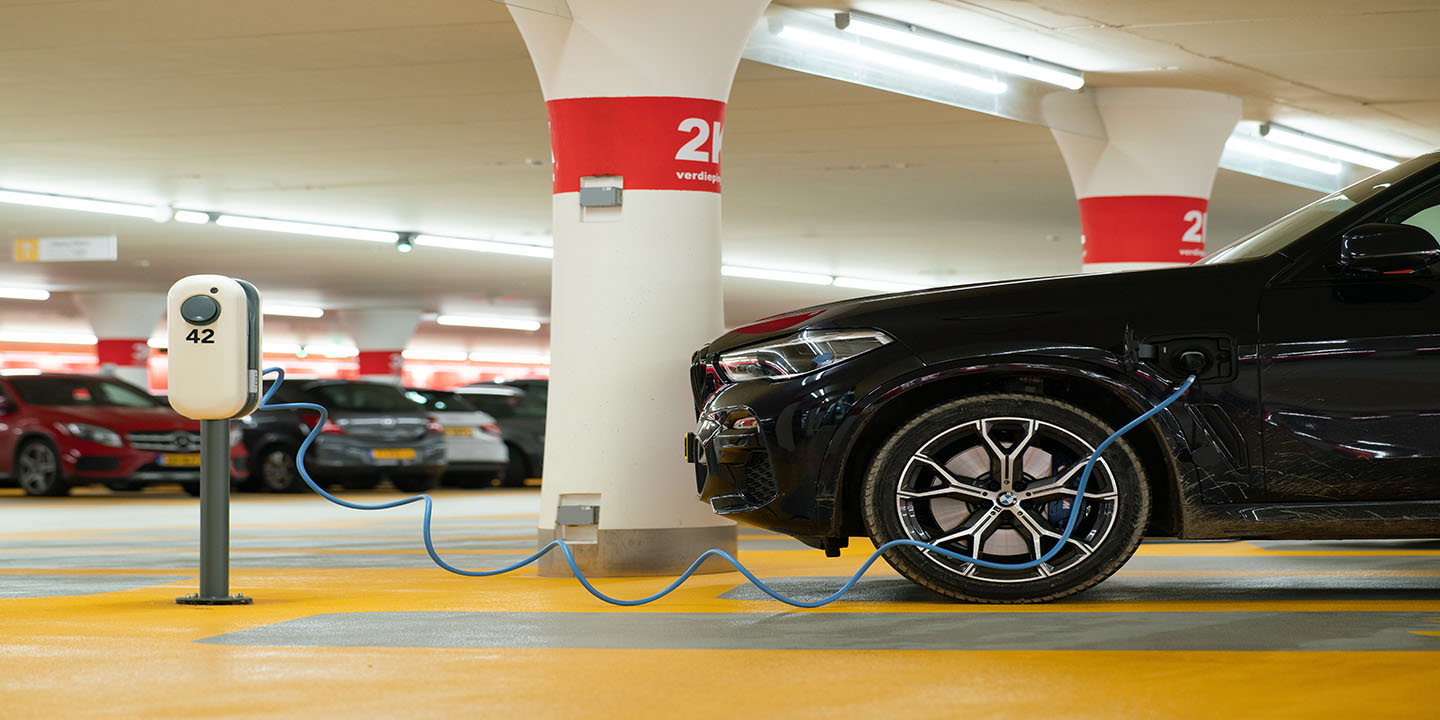
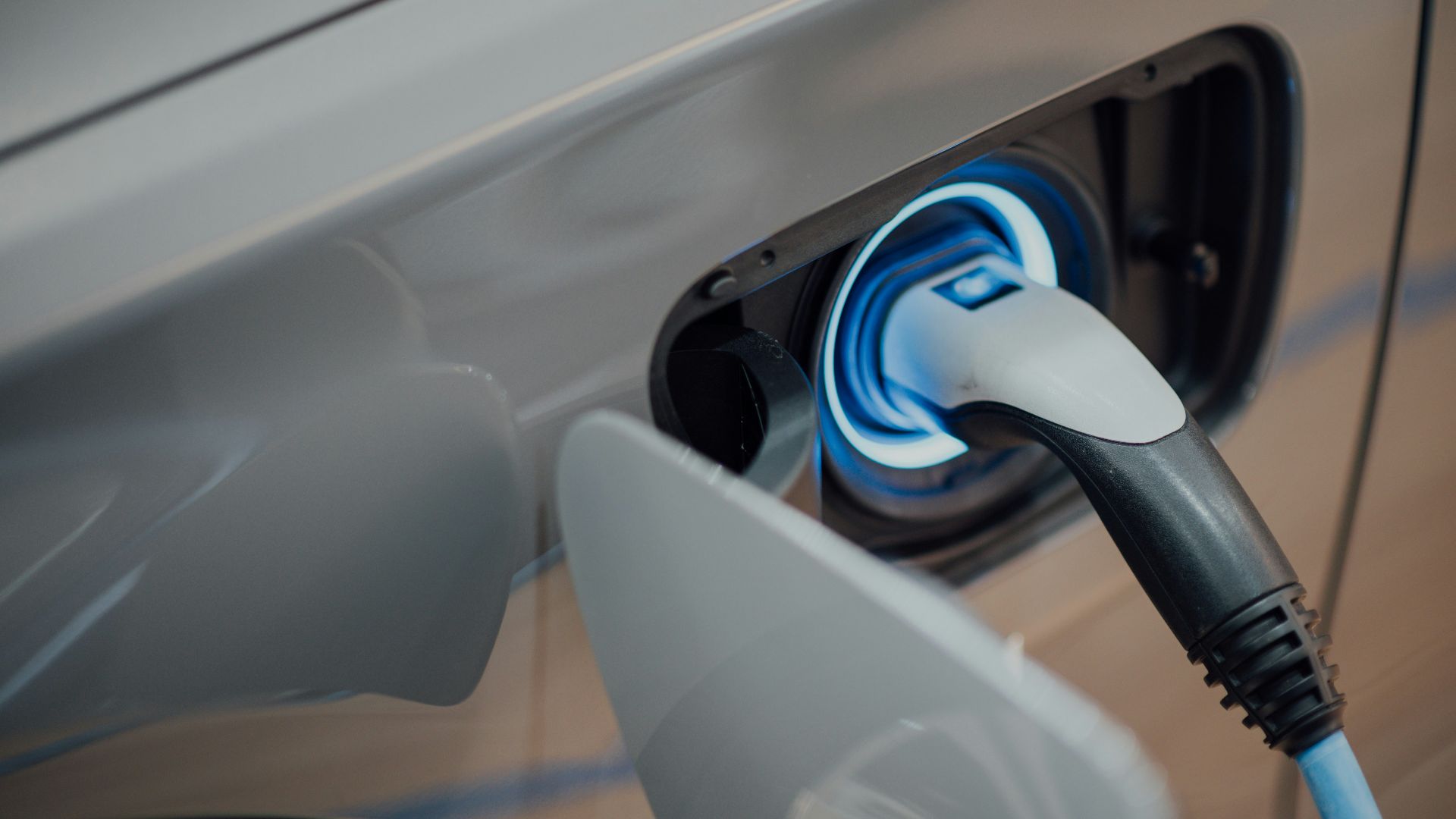
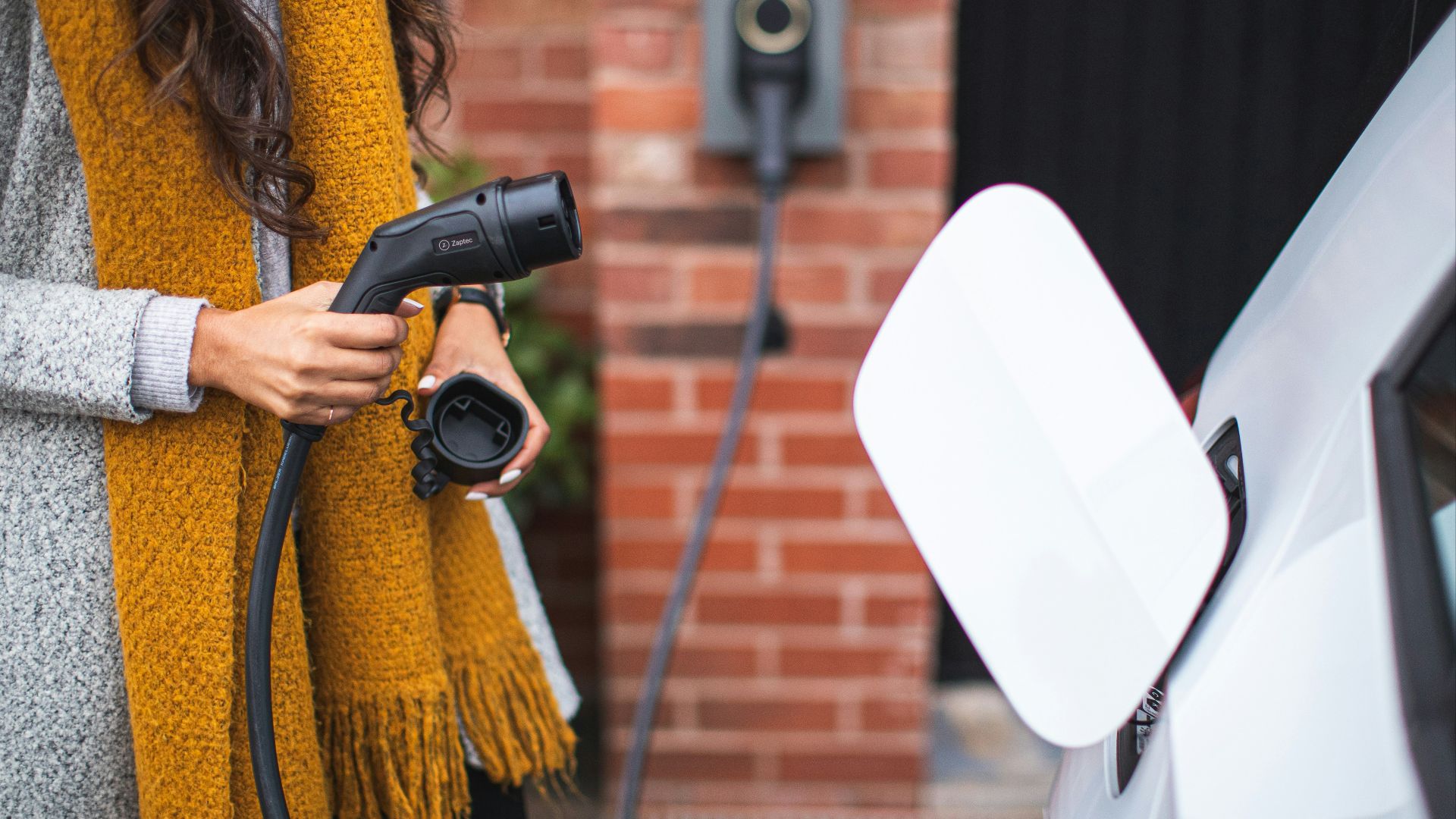
Electric vehicles are increasingly built to send power back out, not just take it in, meaning a parked EV can power a house during an outage or feed electricity back to the grid. As more automakers adopt this vehicle-to-home capability, it's likely to become standard on new EVs rather than a premium add-on.
5. Faster, Longer-Range Batteries
Solid-state and improved lithium iron phosphate batteries are moving from prototype to production, promising quicker charging times and less range anxiety. By 2030, the current tradeoffs between EV price, range, and charging speed should look considerably smaller than they do today.
6. Augmented Reality Head-Up Displays
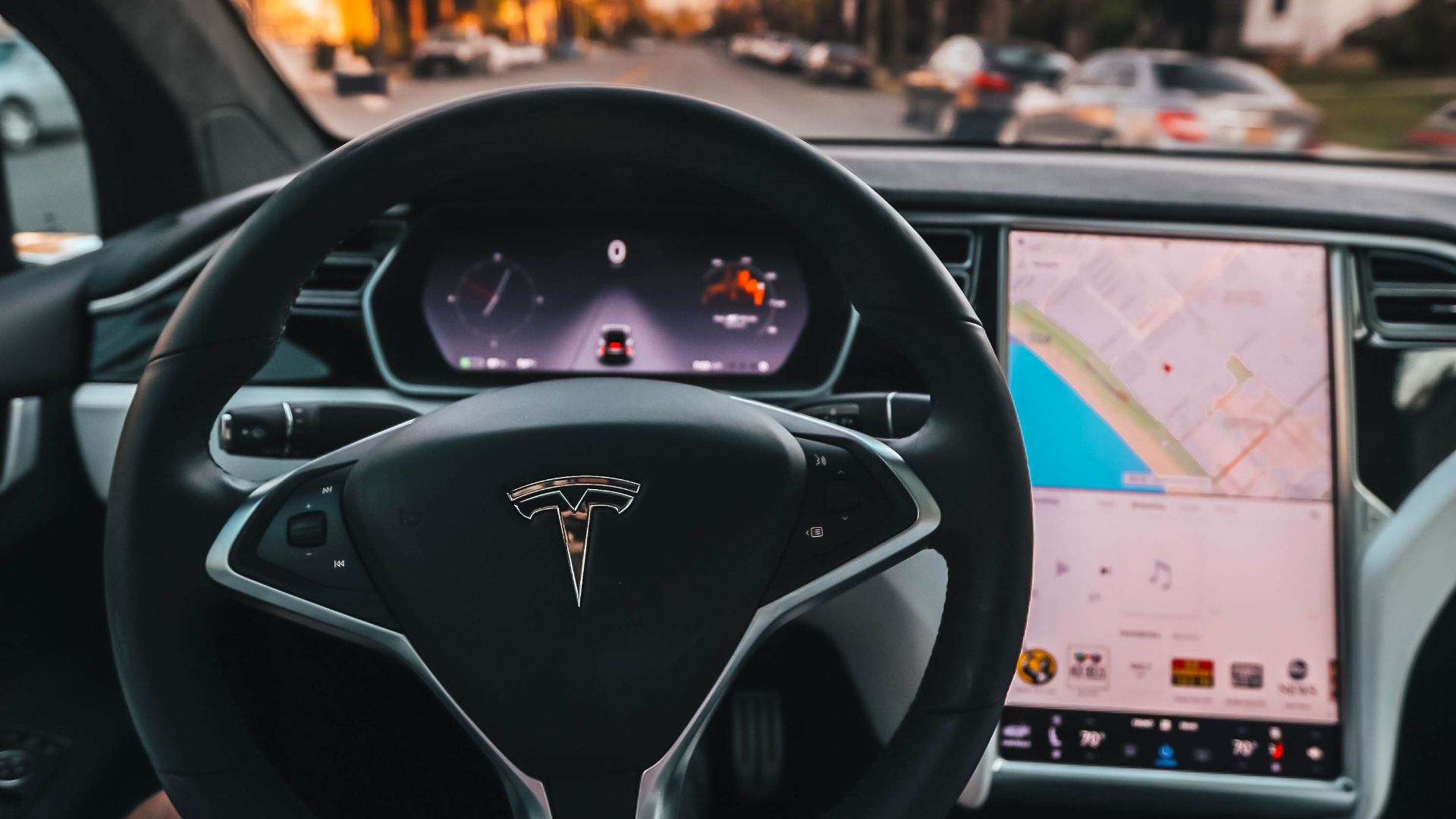
Instead of a small strip of information near the steering wheel, upcoming head-up displays project navigation arrows and hazard warnings across the full width of the windshield. BMW and Chrysler have both previewed versions of this, and it's expected to trickle down from concept cars to everyday models.
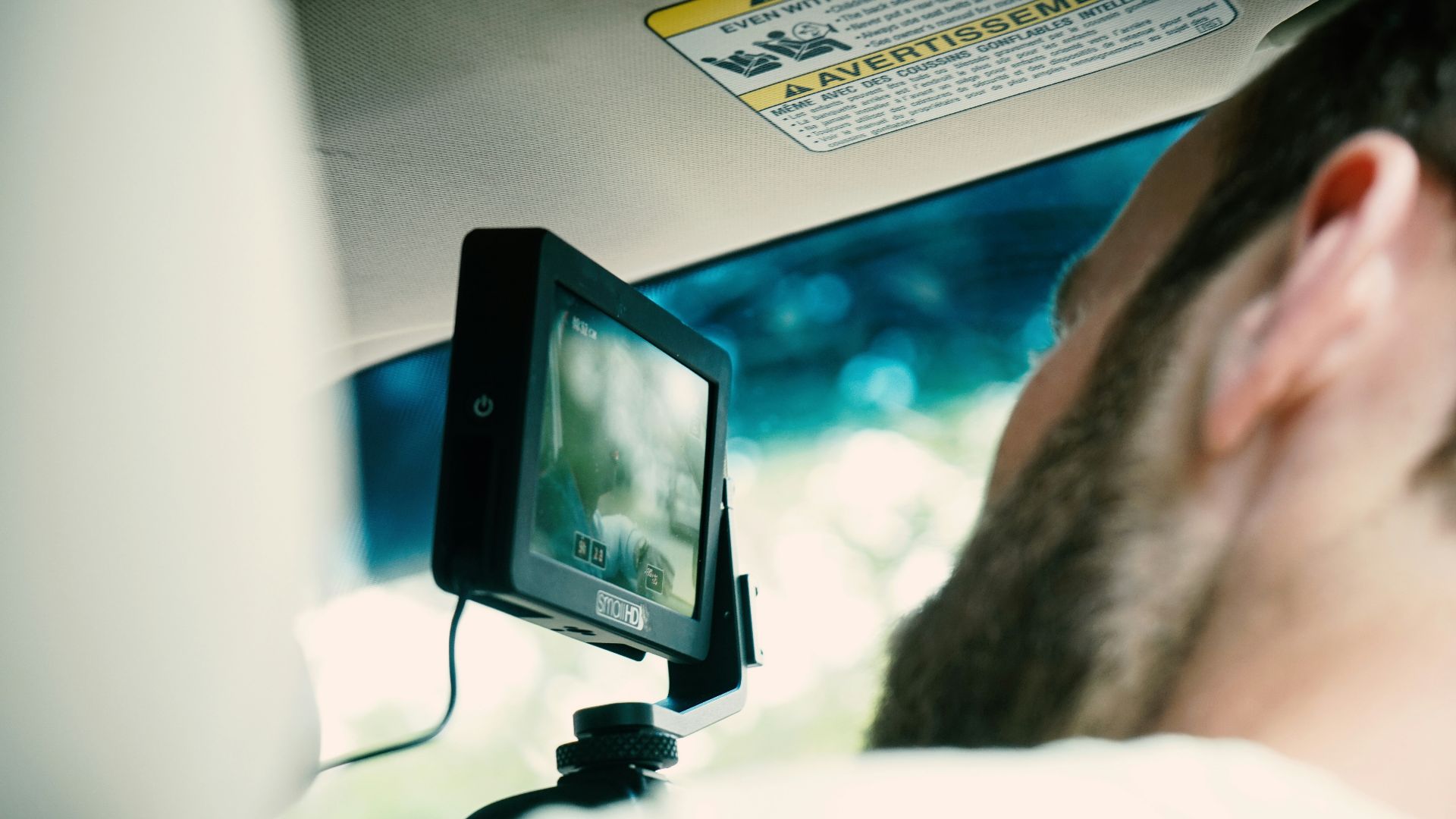
7. Biometric Stress and Drowsiness Monitoring
Cameras and sensors built into the cabin are starting to track a driver's eye movement, posture, and even heart rate to catch fatigue before it becomes dangerous. Some systems already respond by adjusting lighting or suggesting a break, and that kind of proactive monitoring is likely to become far more common by 2030.

8. Personalized Profiles That Travel With You
Seat position, mirror angles, favorite stations, and climate preferences are increasingly tied to a driver's profile rather than the car itself, syncing automatically through an app or account. The same setup could then follow someone from a personal vehicle to a rental car without any manual adjustment.

9. Over-the-Air Software Updates
New features, bug fixes, and performance upgrades are increasingly delivered the same way phone updates are, without a trip to the dealership. This is already standard on many EVs, and by 2030 it's expected to be routine across most new vehicles, gas-powered or electric.
 Patrick Langwallner on Unsplash
10. Subscription-Based Feature Unlocks
Some automakers have started charging monthly or annual fees for features like heated seats or extra horsepower that are physically already built into the car. It's an unpopular trend among drivers, but the software-defined vehicle model makes it easy to implement, and more brands are expected to try it by 2030.
11. Vehicle-to-Everything Communication
Cars are increasingly designed to talk not just to each other but to traffic lights and road infrastructure, sharing real-time data about hazards and signal timing. As more cities upgrade their infrastructure to support it, this kind of connected communication should help smooth out traffic flow.
12. Expanded Robotaxi Fleets
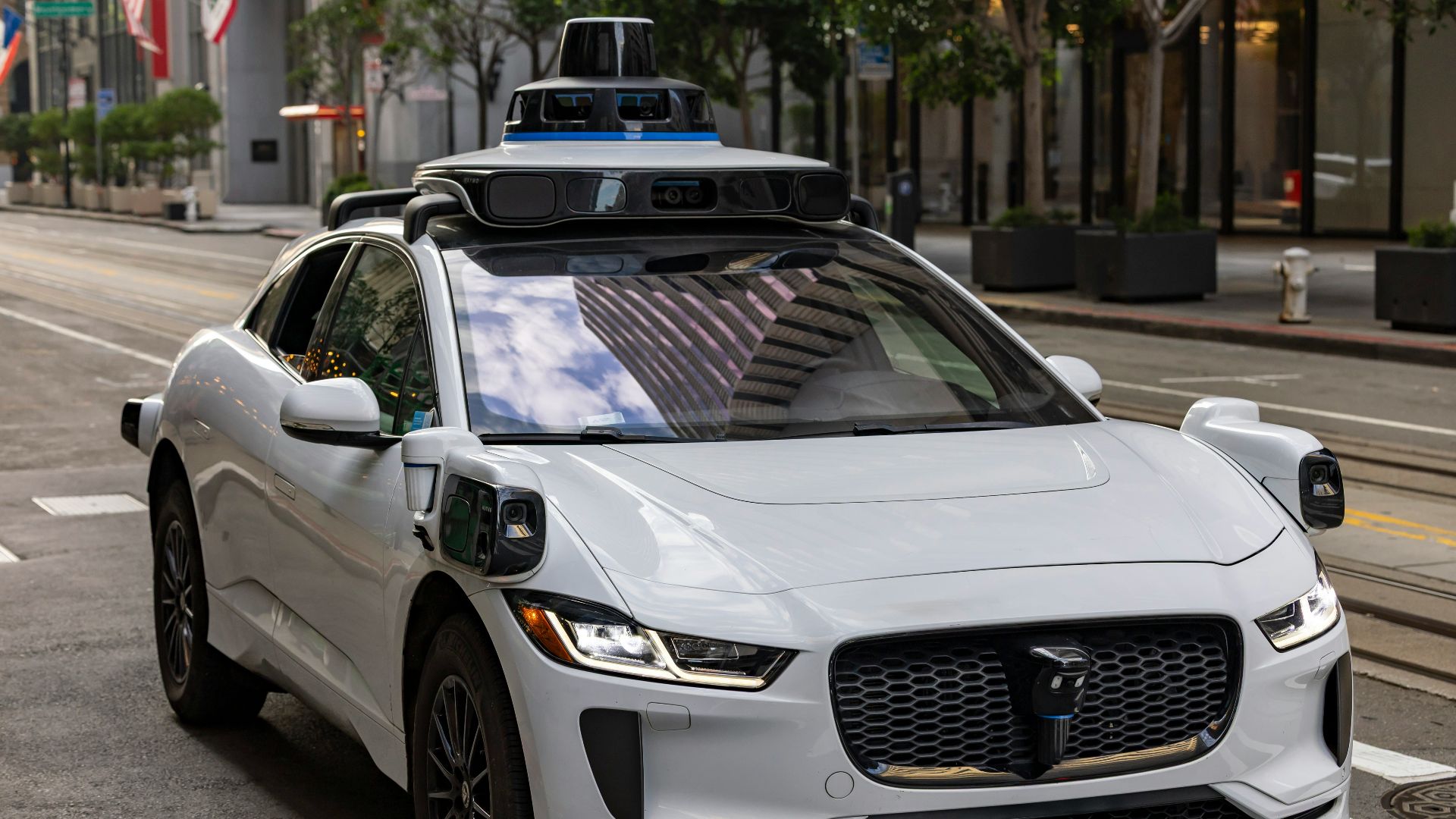
Autonomous ride-hailing has moved from pilot programs to a genuine, if limited, transportation option in places like Phoenix and San Francisco. Industry forecasts suggest Level 4 robotaxis could be viable at scale by 2030, meaning more cities are likely to have some form of driverless ride service available.
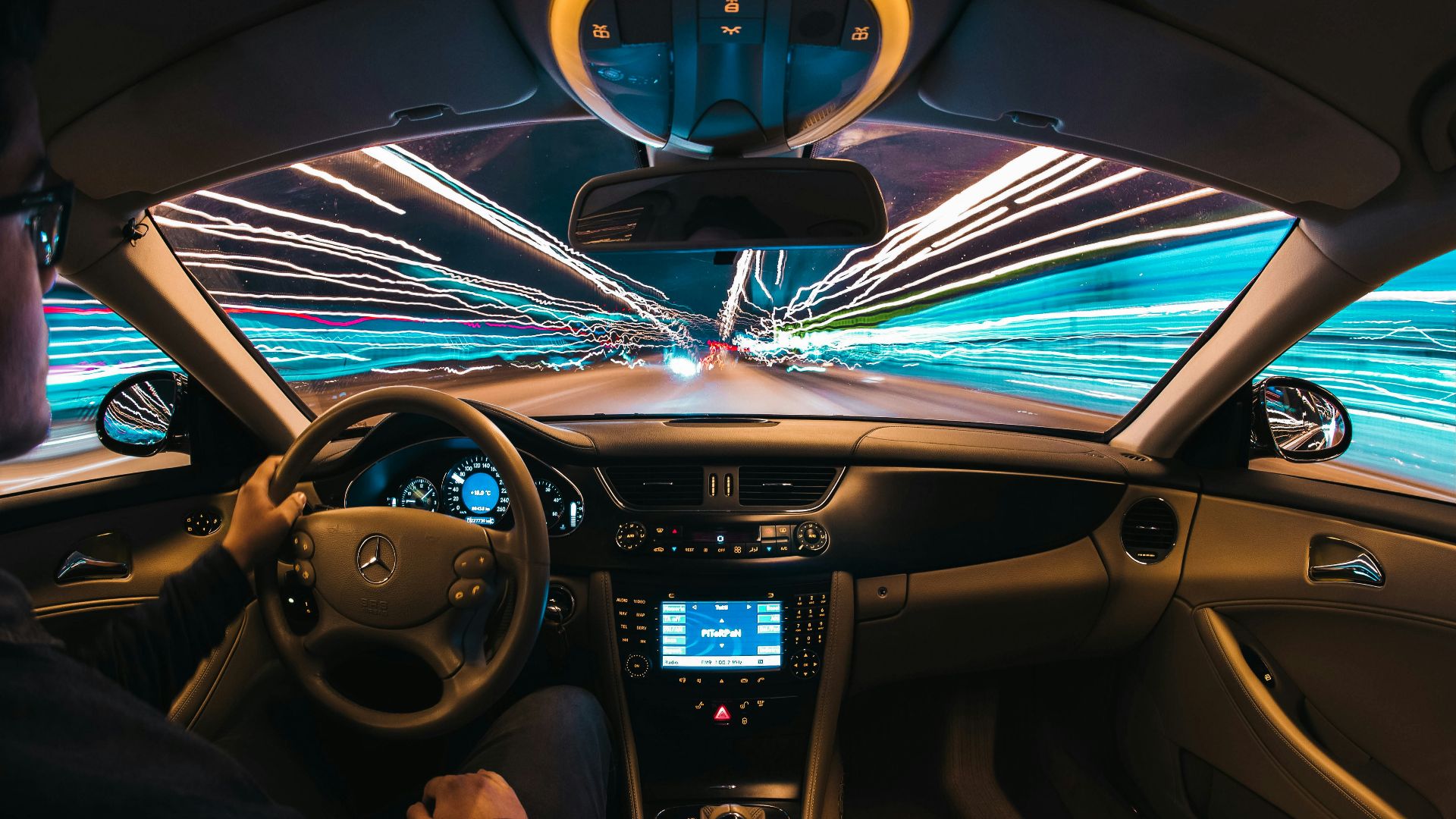
13. Gesture and Eye-Tracking Controls
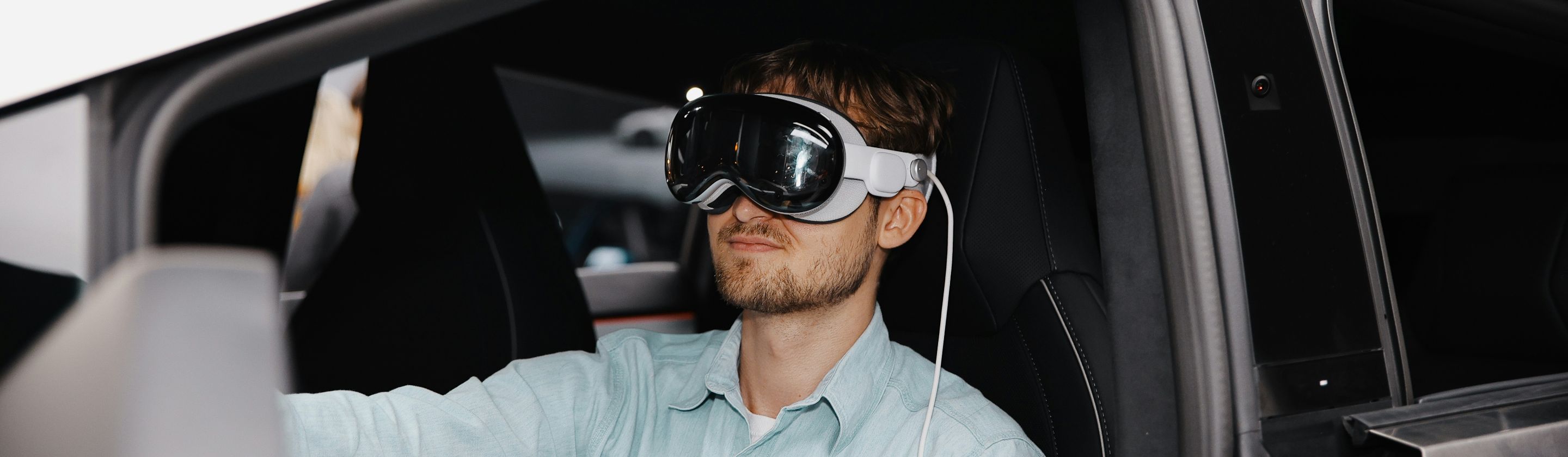
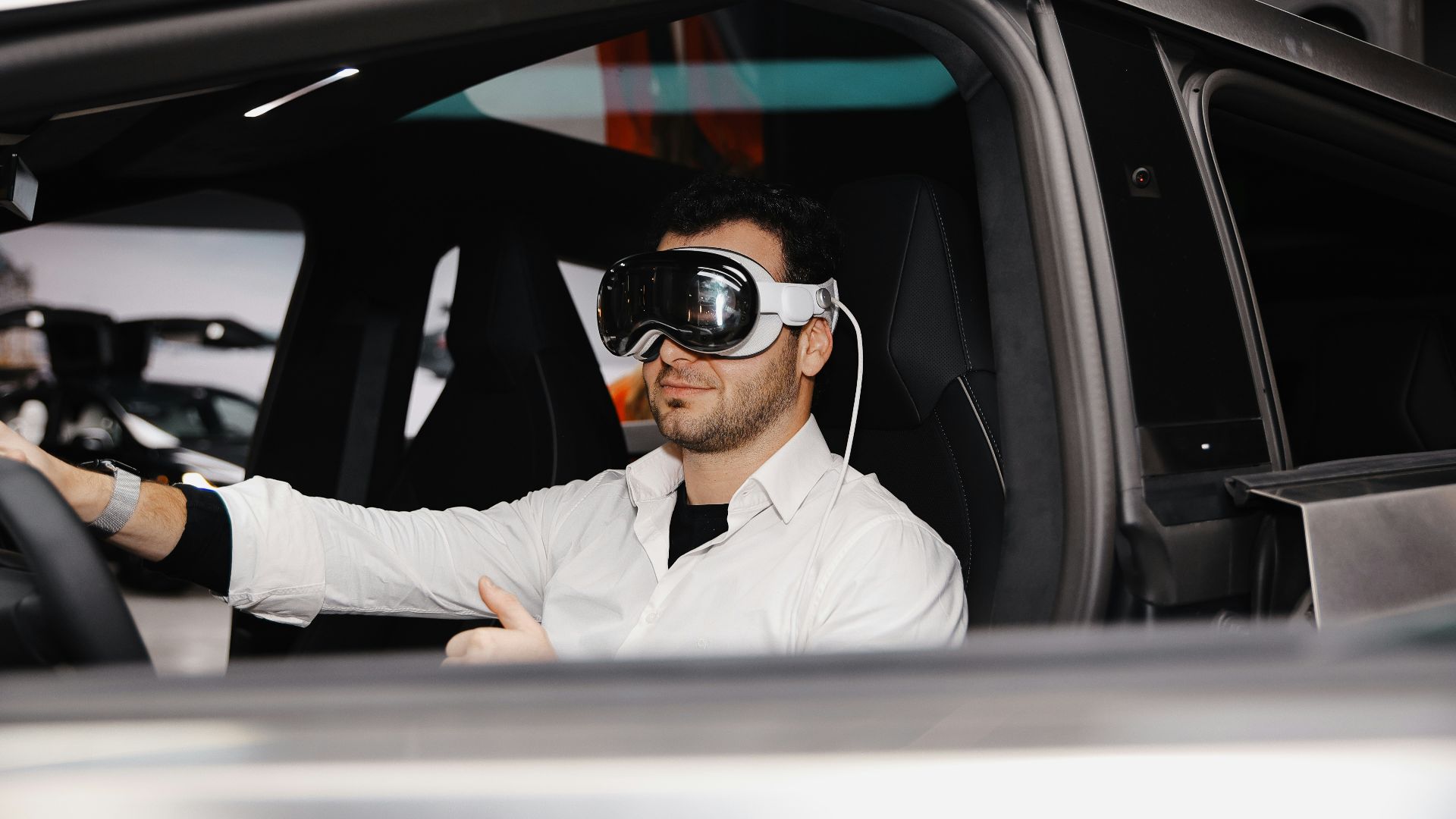
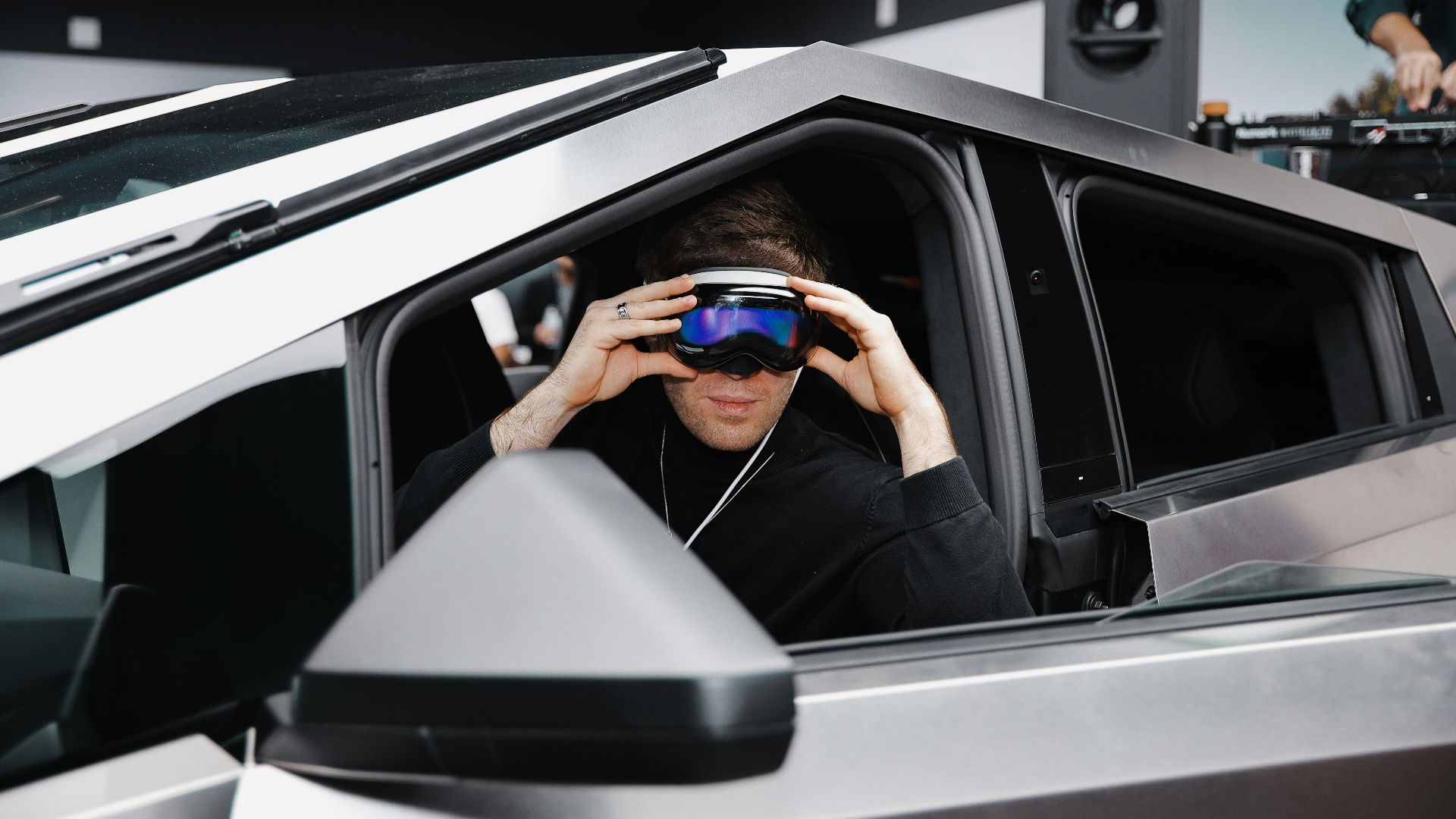
Physical buttons are giving way to touchscreens, and touchscreens are increasingly supplemented by hand gestures and eye-tracking that let drivers adjust volume without looking away from the road. Expect this kind of control to spread beyond luxury vehicles as the underlying sensors get cheaper.
 Samuele Errico Piccarini on Unsplash
14. Health Monitoring Built Into the Seat
Sensors embedded in seats and seatbelts are being developed to track heart rate and breathing patterns, flagging a medical emergency behind the wheel before it becomes a crash. Automakers see this as both a safety feature and a way to stand out, so expect early versions on more models by decade's end.
15. Predictive Maintenance Alerts
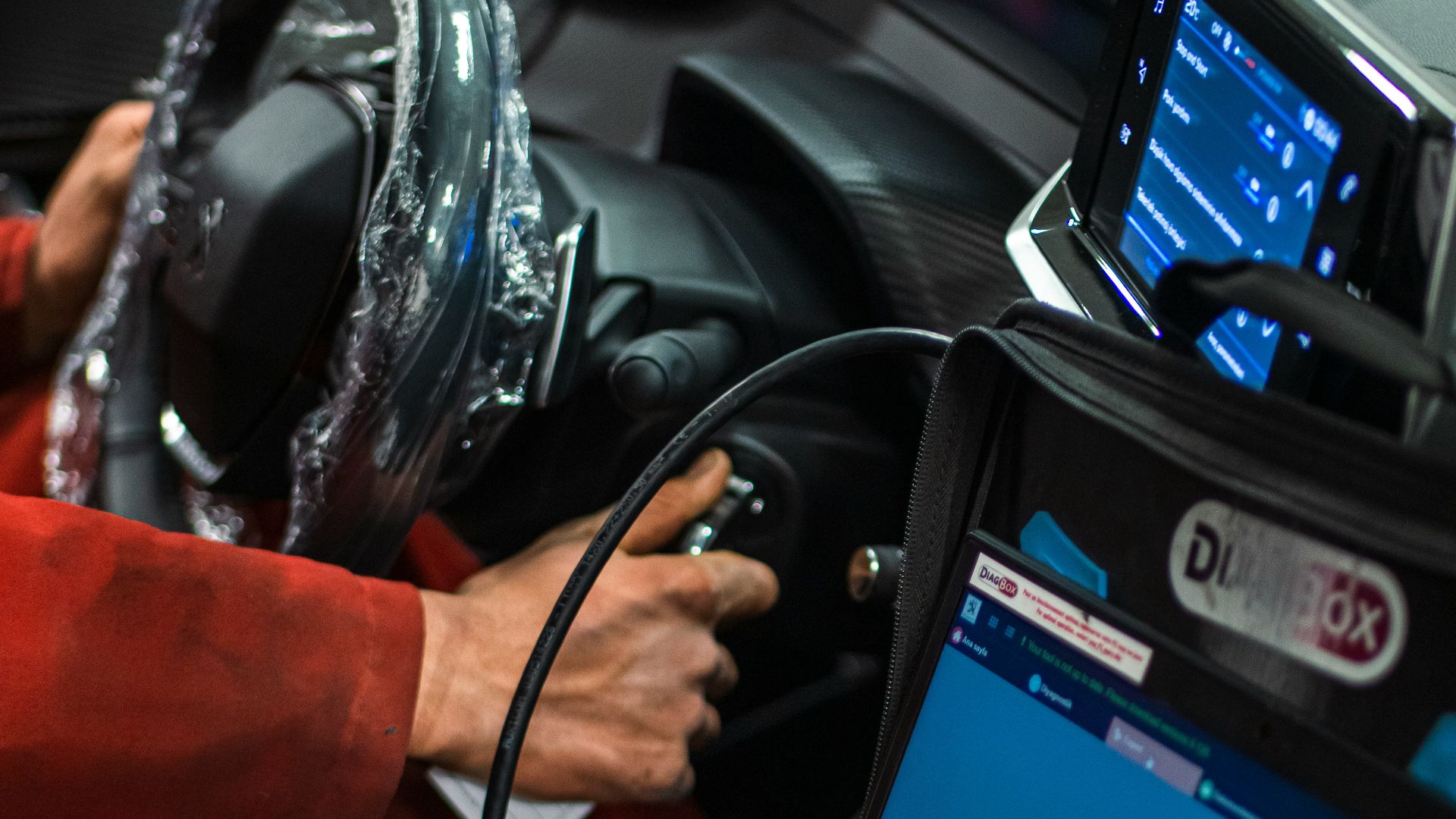
Rather than waiting for a warning light, cars are increasingly able to flag a failing part before it fails, using sensor data to predict issues and schedule service automatically. This kind of predictive diagnostics is already used in fleet vehicles and is expected to filter down to everyday consumer cars.
16. Panoramic, Multi-Screen Interiors
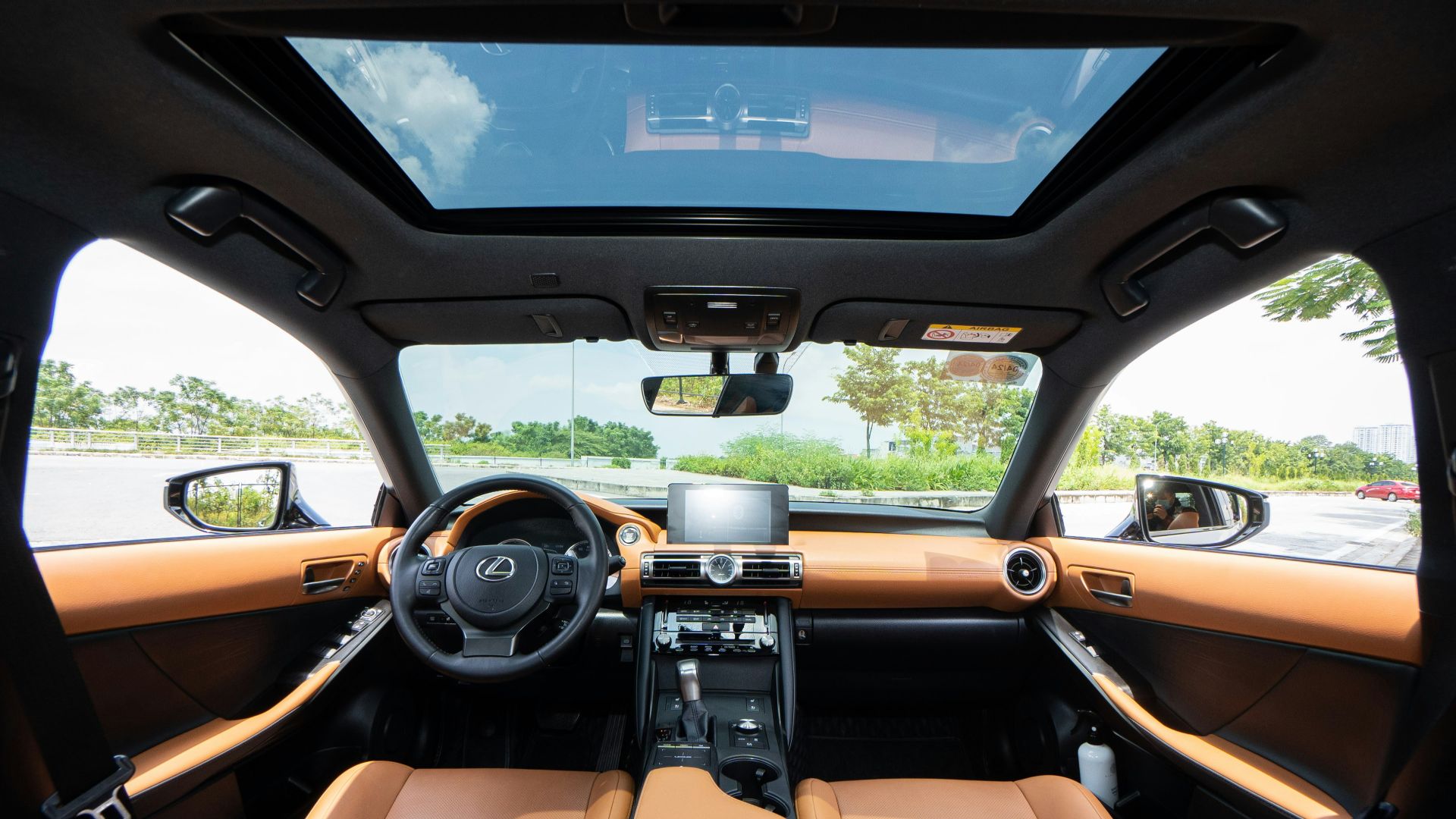
Traditional dashboards with a cluster and a center screen are giving way to wide, curved displays that stretch across the interior, sometimes spanning six or more connected screens. Concept vehicles from Mercedes and Garmin's automotive division both point toward this kind of immersive cabin becoming more common.
17. Per-Seat Private Audio Zones
New cabin audio technology lets passengers in different seats hear different things, from private phone calls to separate playlists, without headphones or raised voices. As this seat-aware audio rolls out in new platforms, it's likely to become a selling point on family-oriented vehicles especially.

18. Faster Charging Through Higher-Voltage Architecture
Newer electric platforms built on 800-volt architecture can add significant range in the time it takes to grab a coffee, cutting into one of the biggest complaints about EV ownership. As more automakers adopt these higher-voltage systems, charging stops should feel a lot less like a hassle.
19. Expanded Automatic Emergency Braking
Automatic emergency braking has already made new cars measurably safer, and regulators and automakers are pushing to expand what these systems can detect, including pedestrians and cross-traffic at intersections. By 2030, more advanced versions are expected to be standard equipment rather than an optional package.

20. Software-Defined Everything Under the Hood
Instead of dozens of separate computers controlling individual functions, more cars are being built around a handful of powerful central computers that run nearly everything through software. That shift is what makes most of the other features on this list possible, quietly sitting underneath almost every new car by 2030.