Naturally aspirated engines are becoming increasingly rare as automakers embrace turbocharging, hybrid technology, and fully electric powertrains. Smaller turbocharged engines now produce impressive horsepower while helping manufacturers improve fuel economy and meet stricter emissions regulations. From a business standpoint, the shift makes perfect sense.
Even so, naturally aspirated engines continue to hold a special place in the hearts of enthusiasts. They offer a driving experience that feels mechanical, predictable, and deeply engaging in ways many modern powertrains struggle to match. While technology has undoubtedly moved the industry forward, plenty of drivers still believe something valuable is being left behind.
Before diving into the reasons enthusiasts remain loyal to them, it's worth understanding what "naturally aspirated" actually means. A naturally aspirated engine draws air into its cylinders using normal atmospheric pressure rather than forcing it in with a turbocharger or supercharger. That means the engine relies entirely on its own internal design to produce power, without the added boost provided by forced induction. While this approach usually results in lower horsepower than a similarly sized turbocharged engine, many drivers appreciate the smoother power delivery and more direct connection between the accelerator and the engine's response.
Instant Response Creates a More Connected Drive
One of the biggest reasons enthusiasts remain loyal to naturally aspirated engines is their immediate throttle response. Because there's no turbocharger waiting to spool up, the engine reacts the instant you press the accelerator. That direct relationship between your right foot and the car makes every input feel more precise and intuitive.
The way these engines deliver power also contributes to their appeal. Instead of receiving a sudden rush of torque halfway through the rev range, acceleration builds smoothly and progressively. That predictable behavior allows drivers to better judge corner exits, passing maneuvers, and changing road conditions. It creates confidence behind the wheel because the engine always responds exactly as expected.
Naturally aspirated engines also encourage drivers to explore the entire rev range. Many produce their best performance closer to redline, rewarding smooth gear changes and careful throttle control. Rather than relying on low-end torque alone, they ask you to participate in the driving experience. For many enthusiasts, that added involvement is exactly what makes driving enjoyable.
The Sound and Personality Are Hard to Duplicate
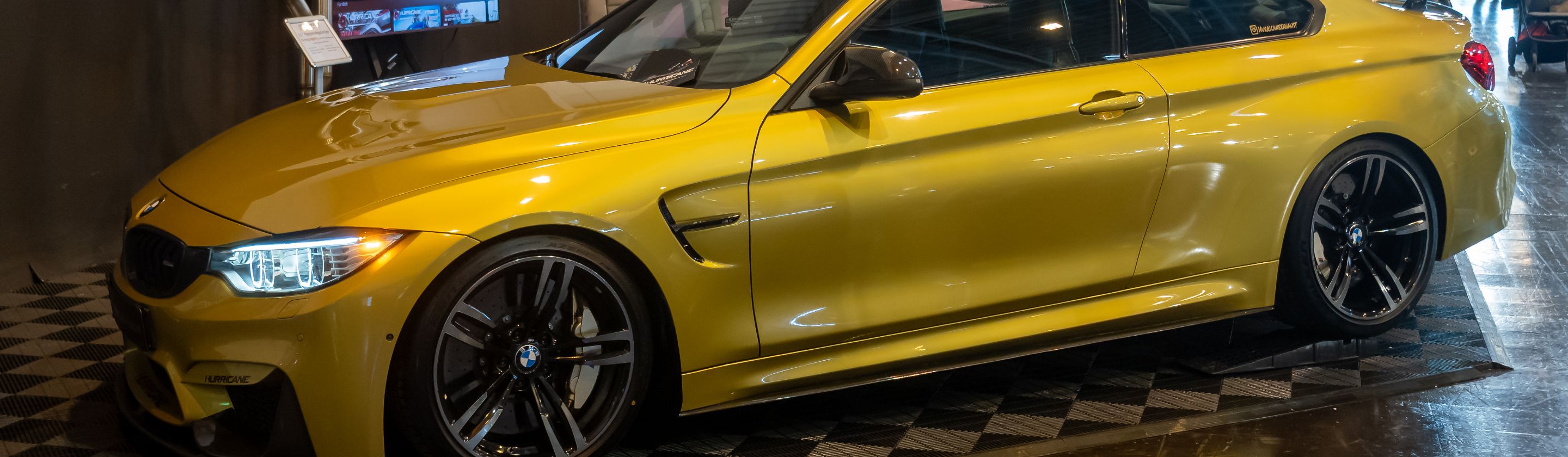
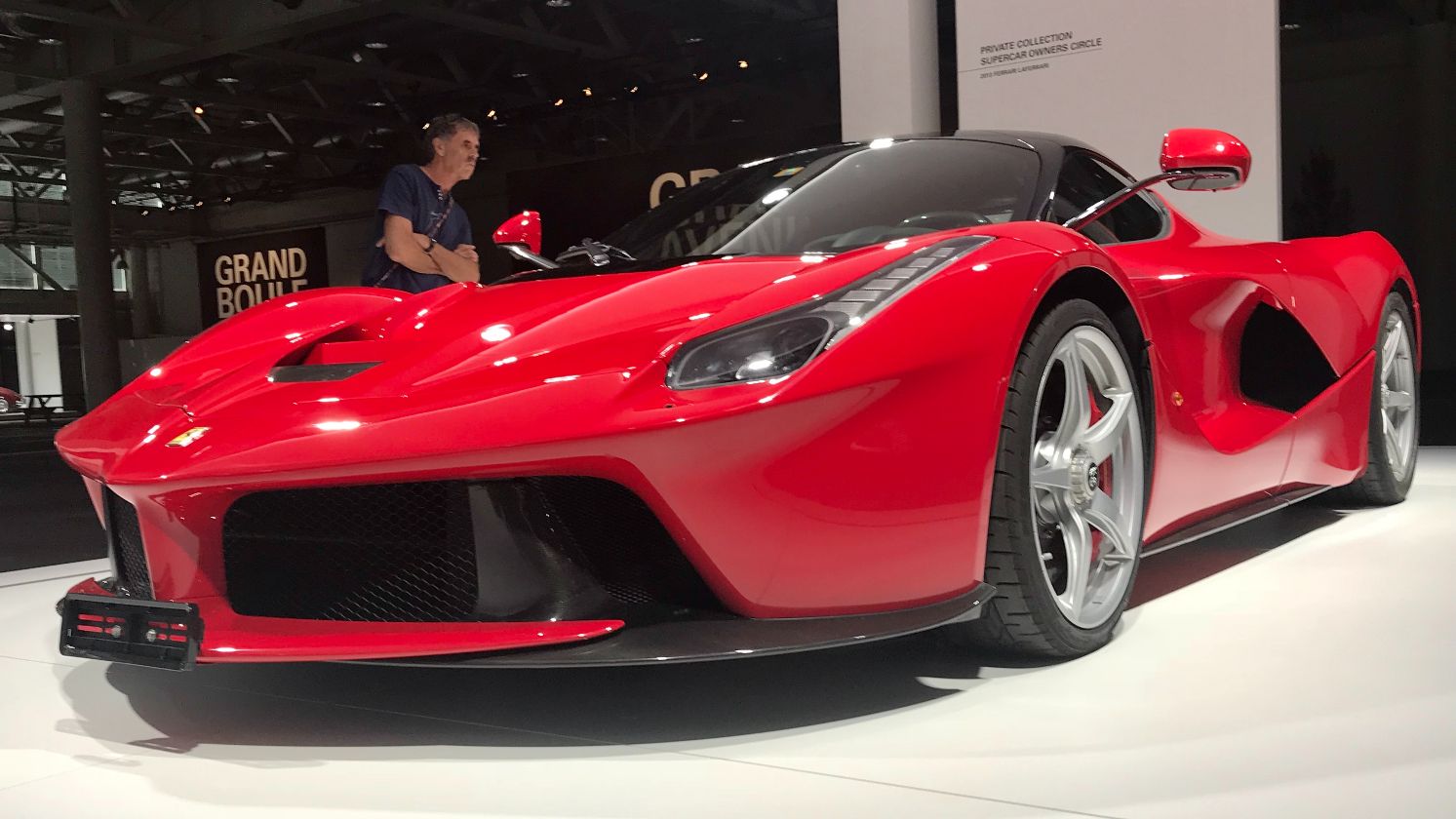
Engine sound is another reason naturally aspirated cars continue to attract passionate fans. Without turbochargers absorbing part of the exhaust note, these engines often produce sharper, cleaner, and more distinctive sounds. Legendary cars like the Ferrari 458 Italia, Porsche Carrera GT, Lexus LFA, and Honda S2000 have become famous not only for their performance but also for the unforgettable noises they make.
The soundtrack evolves as the revs climb, giving every drive its own sense of drama. A naturally aspirated engine often feels eager to rev higher, and the changing tone creates excitement that's difficult to replicate through speakers or artificial sound enhancement. Even drivers who aren't chasing maximum speed often enjoy hearing the engine come alive.
Every engine configuration also brings its own personality. A flat-six from Porsche feels completely different from a naturally aspirated American V8 or a high-revving inline-four from Honda. Those differences help give individual cars their own identity rather than making them feel mechanically similar. Enthusiasts often develop emotional attachments to those unique characteristics.
Simplicity & Longevity Still Matter
Naturally aspirated engines are generally less complex than many modern turbocharged alternatives. Without turbochargers, intercoolers, and additional plumbing, there are simply fewer major components that require maintenance or could eventually fail. While no engine is completely trouble-free, the simpler layout often appeals to owners who plan to keep their cars for many years. Reliability has long been one of the strengths of many naturally aspirated designs.
That simplicity also makes these engines especially attractive to people who enjoy working on their own vehicles. Routine maintenance is often more straightforward, and performance modifications can be easier to understand and install. Many enthusiasts appreciate being able to see and understand how everything works without navigating increasingly crowded engine bays. The hands-on ownership experience becomes part of the fun.
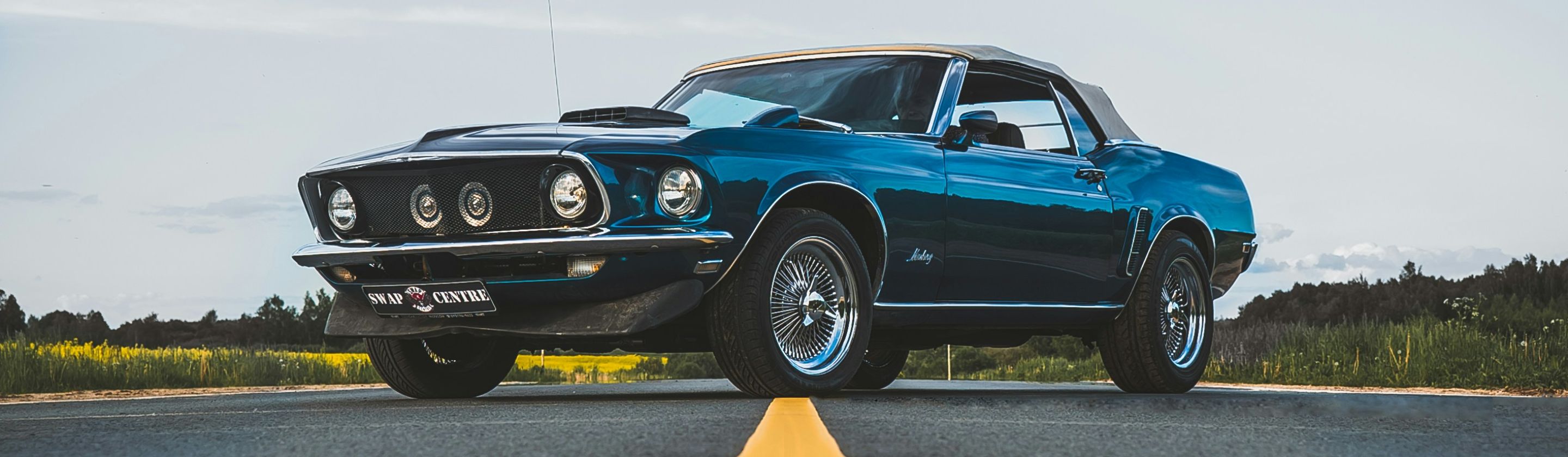
There's also an emotional reason naturally aspirated engines continue to matter. As governments tighten emissions regulations and manufacturers invest heavily in electrification, these engines represent a chapter of automotive history that's slowly coming to an end. Cars like the Porsche 911 GT3, Mazda MX-5 Miata, Ford Mustang GT, and several Lamborghini models have become celebrated partly because they continue preserving that traditional driving experience. Enthusiasts know opportunities to buy new naturally aspirated performance cars are becoming increasingly limited.
A Driving Experience That's Difficult to Replace
Naturally aspirated engines appeal to enthusiasts because they emphasize feel over numbers. Modern turbocharged and electric vehicles often outperform them in straight-line acceleration, but raw speed isn't the only thing that makes a car memorable.
That's why these engines continue to command respect long after many have disappeared from new-car showrooms. Whether you're driving a classic sports car or one of the few modern models that still avoids forced induction, the experience feels refreshingly honest. Naturally aspirated engines remind enthusiasts that sometimes the greatest driving pleasure comes not from having the most power, but from feeling completely connected to the machine beneath you.