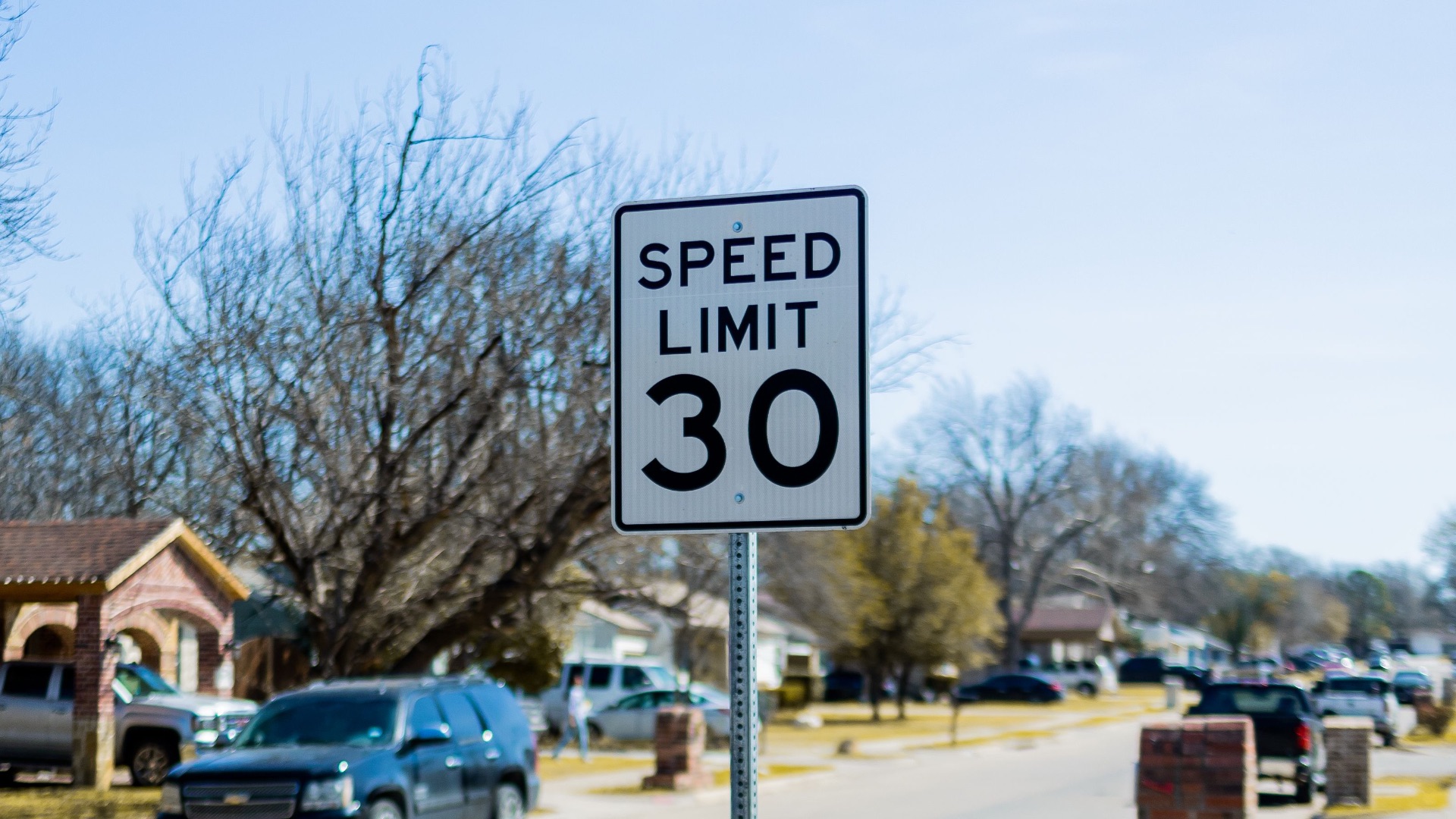
How fast do you drive on average? Funnily enough, while most drivers don't think of themselves as speeders, plenty of us push past the limit without giving it a second thought. Whether it's rushing to make a meeting or simply falling into the rhythm of traffic flow, speeding has become such a normalized behavior that many people don't register it as risky at all. The truth is that this habit carries real consequences, and breaking free from it takes more than just good intentions behind the wheel.
According to data by the National Highway Traffic Safety Administration (NHTSA), speeding contributed to 29% of fatal crashes in 2024, resulting in 11,288 deaths. Those numbers make it clear that speeding is a leading cause of preventable tragedy on American roads. If you've ever wanted to break the habit for good, these three tips will help you build safer driving patterns that stick.
Give Yourself More Time Than You Think You Need
One of the biggest reasons people speed comes down to poor time management rather than reckless intent. You leave the house a few minutes later than planned, and suddenly you're compensating by pushing the gas pedal a little harder than you should. But why should everyone on the road be put at risk just because you didn't wake up earlier? If you weren't able to build in extra buffer time before starting your car, which would've helped remove that pressure and take away the excuse to rush, other people shouldn't have to suffer for it.
To fix your time management skills, try setting your alarm 10 or 15 minutes earlier than you think you need to, especially for trips you make regularly, like your commute to work or school. You'll be surprised how much of your daily stress evaporates once you're not racing against the clock during every drive. This small adjustment also gives you room to handle unexpected slowdowns, like construction zones or an accident up ahead, without feeling like you have to make up for lost time.
It also helps to build a habit of checking traffic conditions before you leave, since apps like Google Maps can flag delays in real time. Knowing about a slowdown before you're stuck in it means you won't feel blindsided and tempted to speed once traffic clears up. Over time, this kind of preparation turns into a routine that naturally keeps your speed in check.
Consider, too, that arriving a few minutes early rarely causes problems (other than that you might have to dilly-dally on your phone until the clock strikes), while arriving late almost always does. That alone should be enough motivation to prioritize buffer time on a consistent basis. If there's virtually no harm in showing up early, why constantly make yourself late?
Does Speeding Really Save You That Much Time?
Many drivers think that going faster saves them a significant amount of time, but if you actually took the time to calculate it, the math rarely supports that assumption. Over a typical commute, driving 10 miles per hour above the speed limit usually shaves at most maybe six minutes off your total travel time. You read that right—six minutes. That's a small reward for a significant increase in risk. So, ask yourself: Is it worth it to put your and everyone else's life at risk just to save six minutes?
Next time you're tempted to speed, try calculating how much time you'd actually save on that particular trip. You'll likely find that the numbers don't add up in your favor, especially once you factor in traffic lights, stop signs, and other variables that limit how much speed really helps. Some drivers may also find it helpful to track their actual arrival times over a few weeks, comparing days when they sped to days when they didn't. Seeing the data laid out in front of you, rather than relying on a gut feeling, often reinforces just how minor the benefit really is. This kind of self-awareness can be more effective than any external reminder to slow down.
Use Technology and Environmental Cues
Modern vehicles and smartphones come equipped with tools that can help you stay accountable without requiring constant willpower. Many cars now include speed alert features that notify you when you've exceeded a preset limit, and enabling this setting can serve as an immediate, judgment-free nudge. If your vehicle doesn't have this built in, several navigation apps offer similar alerts that sync with posted speed limits along your route. Cruise control, too, is another underused tool that can help you maintain a consistent, legal speed, particularly on highways where speeds tend to creep up gradually.
But beyond technology, paying attention to your surroundings can reinforce safer habits as well. According to NHTSA, speeding remains dangerous even at the posted limit if conditions like bad weather, road construction, or poor lighting call for a slower pace. Training yourself to read these environmental cues, rather than relying solely on the speedometer, builds a more instinctive sense of appropriate speed that serves you well in situations no app can fully anticipate.
Of course, breaking an ingrained speeding habit doesn't happen overnight, but small, consistent changes can make a significant difference in how you drive every day. Giving yourself more time, recognizing how little speeding actually saves, and leaning on available technology all work together to create safer patterns behind the wheel. With speeding-related fatalities still numbering in the thousands each year despite recent declines, every driver has a role to play in reversing that trend. The road becomes safer for everyone once more of us commit to slowing down, and that starts with the choices you make every time you get behind the wheel.