China’s Automotive Leaders At A Glance
China’s automotive scene has become one of the most dynamic on earth, where long-established state enterprises share the stage with private pioneers and ambitious newcomers. Affordable compacts reshape urban mobility while premium ventures challenge legacy luxury brands the world over. Together, they represent a nation driving its way into the future with scale and confidence. Let's look at some of China's major players whose growth and innovation (along with the willingness to collaborate with ensure they remain central to the story of modern transportation.
 JustAnotherCarDesigner on Wikimedia
1. SAIC Motor
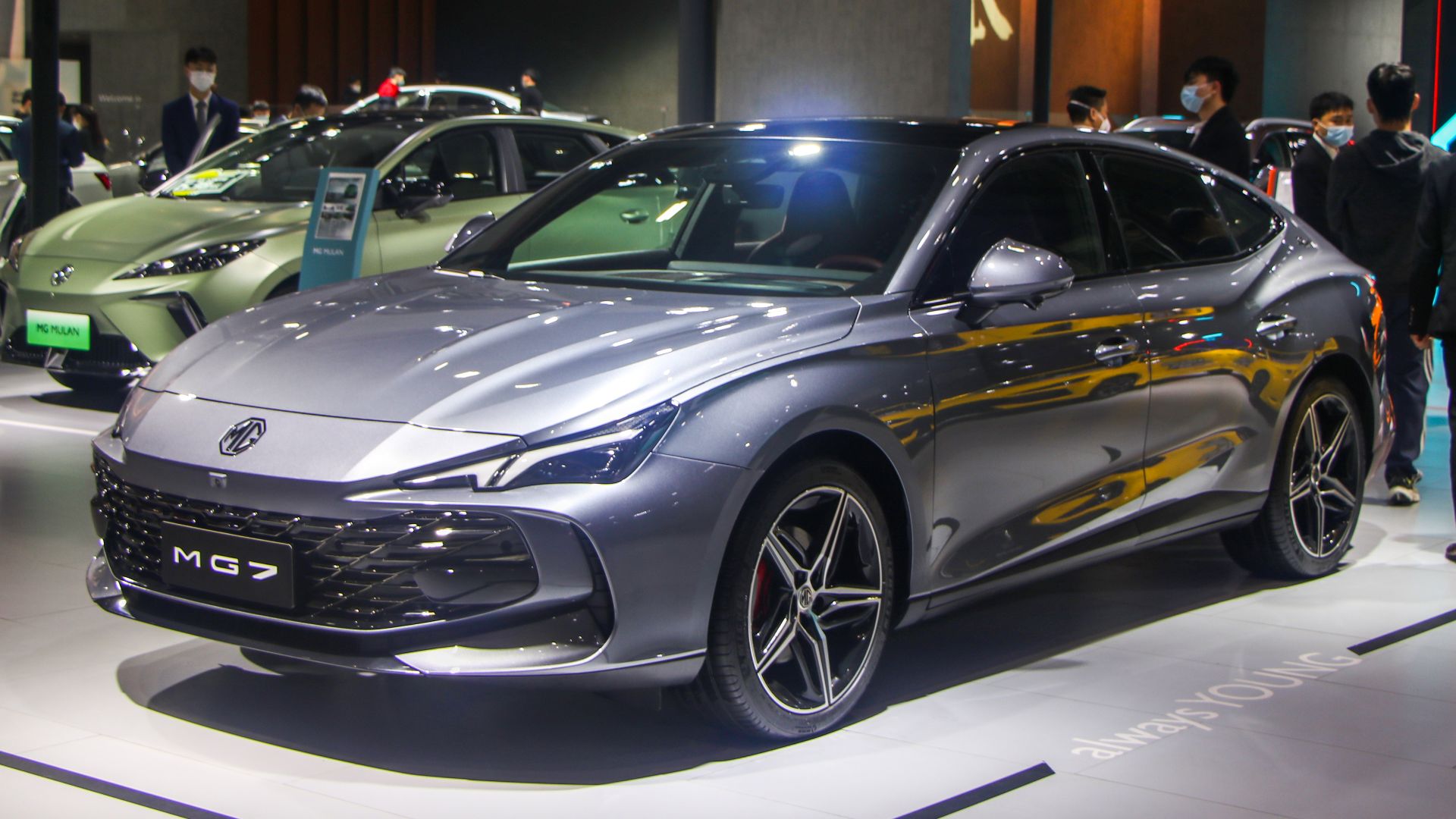
SAIC Motor roared past competitors in 2024, selling over 4.6 million vehicles and standing tall as China’s largest car company. It has joint ventures with General Motors and Volkswagen, and its MG brand thrives overseas. Unlike rivals, SAIC boldly champions hydrogen fuel cell vehicles.
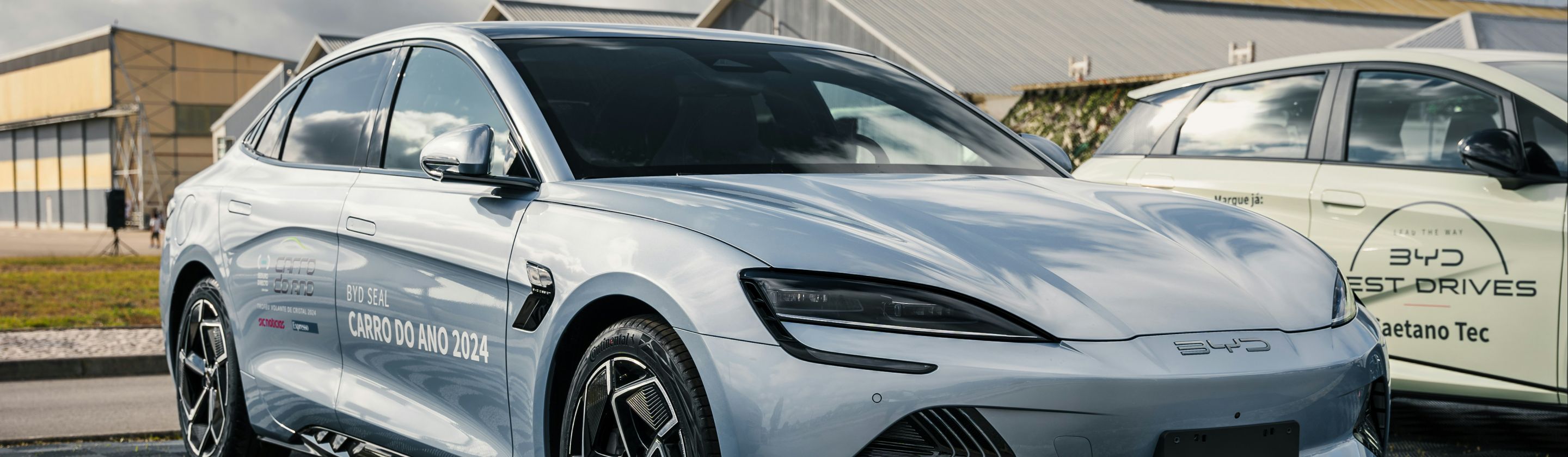
2. BYD Auto
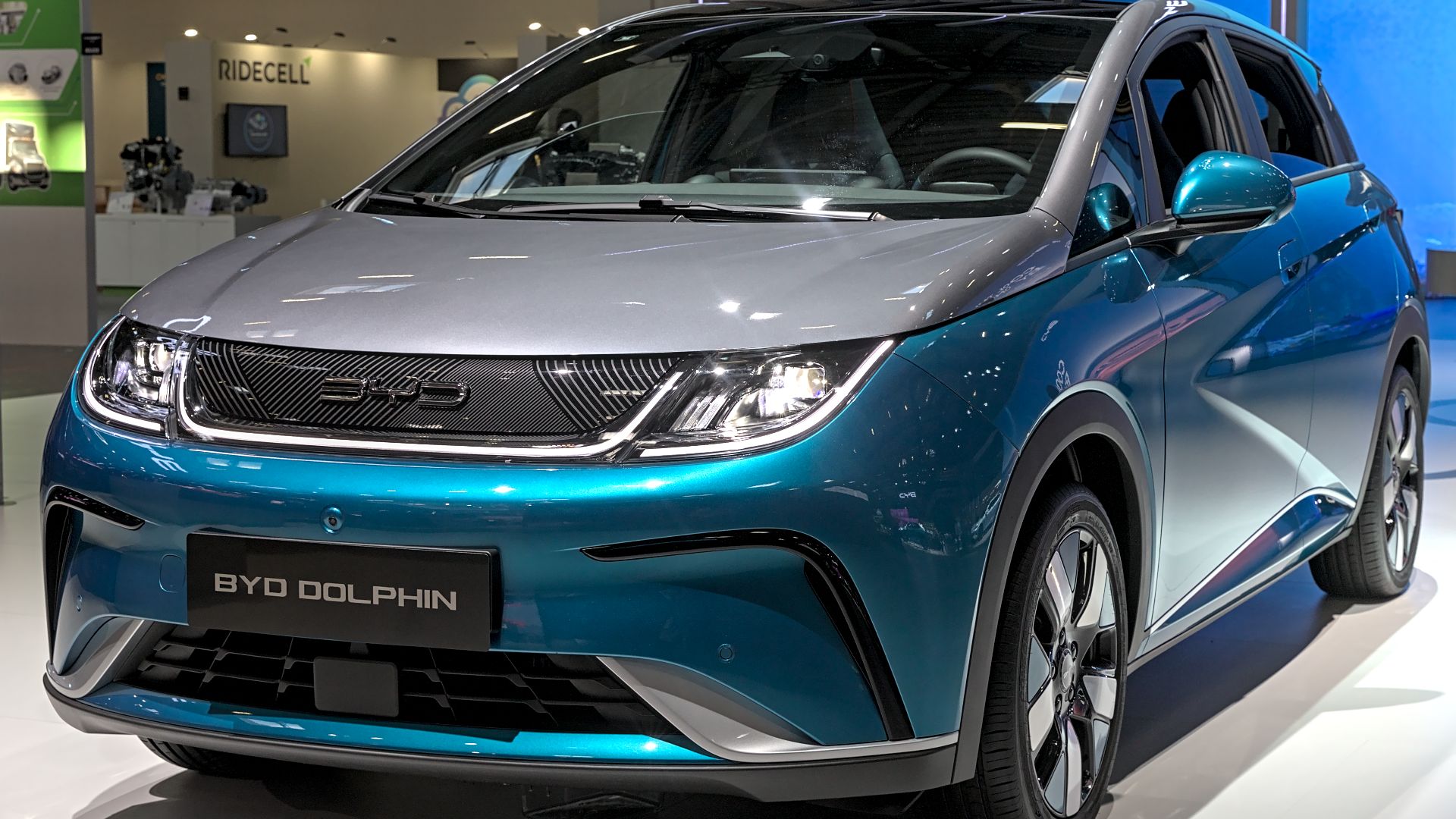
With 4.27 million vehicles sold, EVs and plug-in hybrids included, BYD shone in 2024. Once a battery maker, it pivoted into cars in 2003. Warren Buffett’s investment brought global attention to this Tesla fierce rival, and today, its Blade Battery earns praise for safety.
3. Chery Automobile
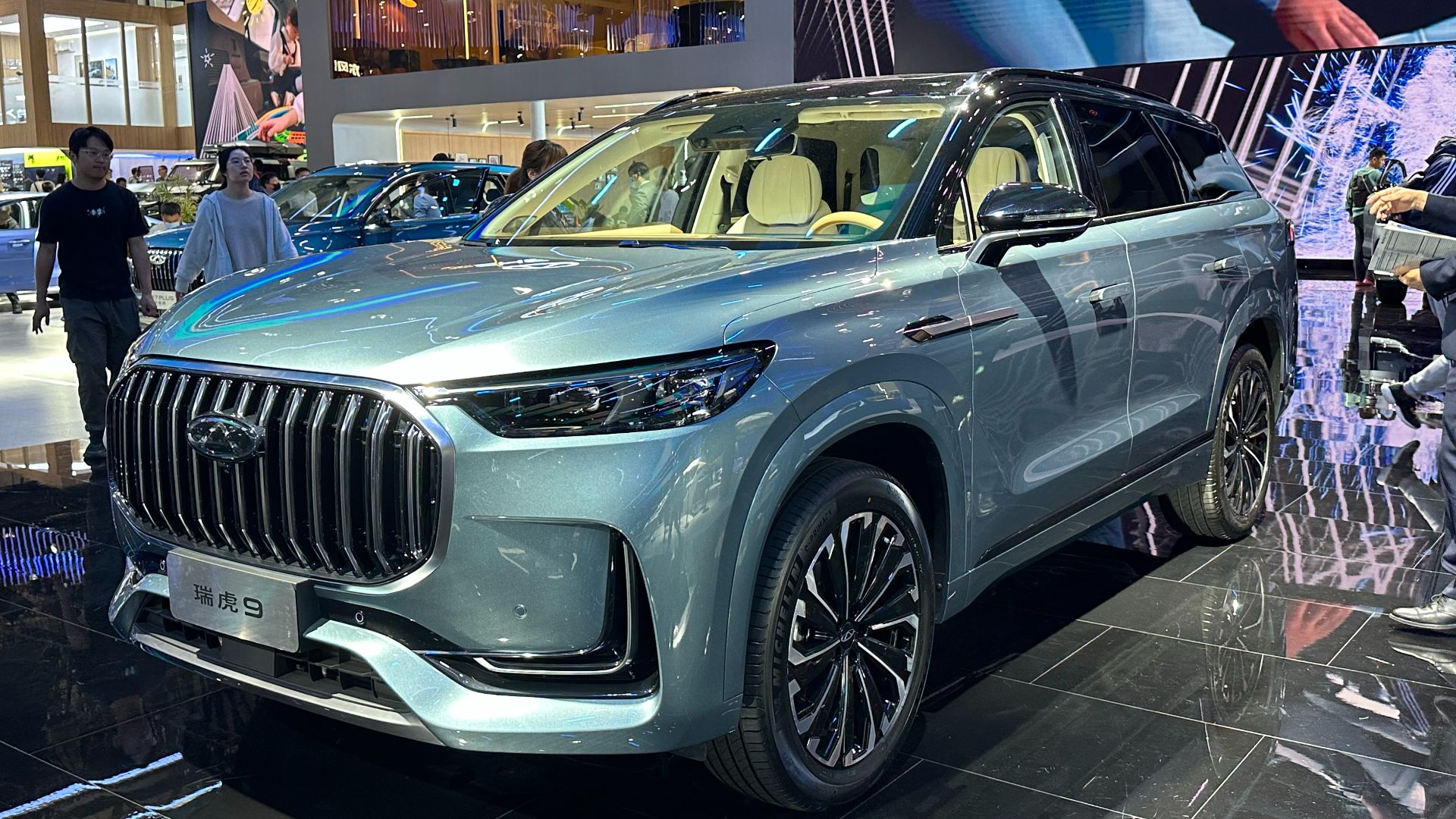
Across more than 80 countries, Chery has found buyers. Exports surpassed one million units in 2024. Altogether, Chery sold 2.6 million vehicles, with especially strong demand in South America and the Middle East. Its Exeed luxury line targets premium players like BMW and Lexus.
 JustAnotherCarDesigner on Wikimedia
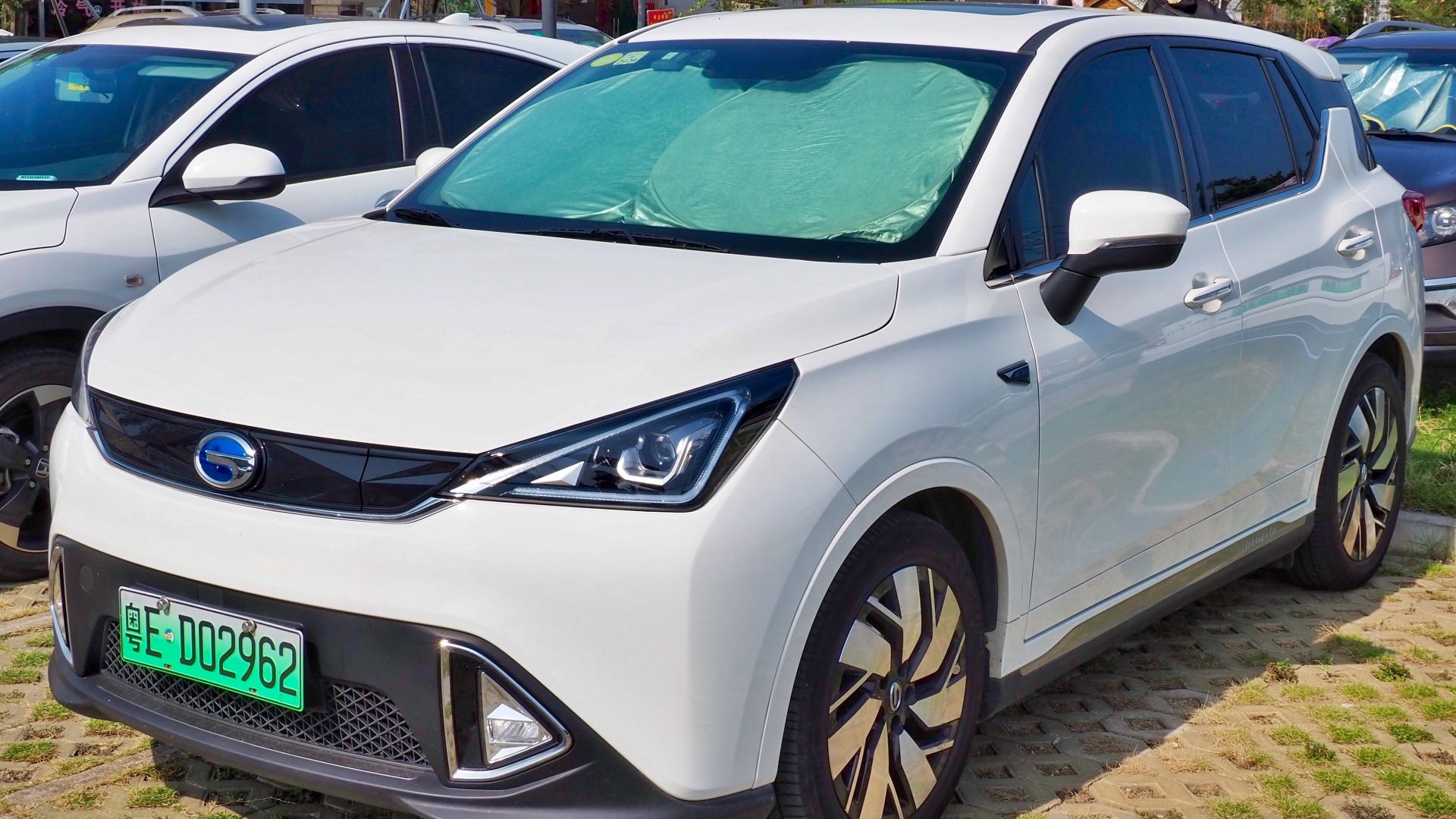
4. GAC Group
Guangzhou’s auto powerhouse, GAC Group, is also on top. With over 2 million vehicles produced in 2024, it ranked among China’s top five. Joint ventures with Toyota, Honda, and Mitsubishi fueled growth, while the Aion luxury EV brand rode the electric boom.
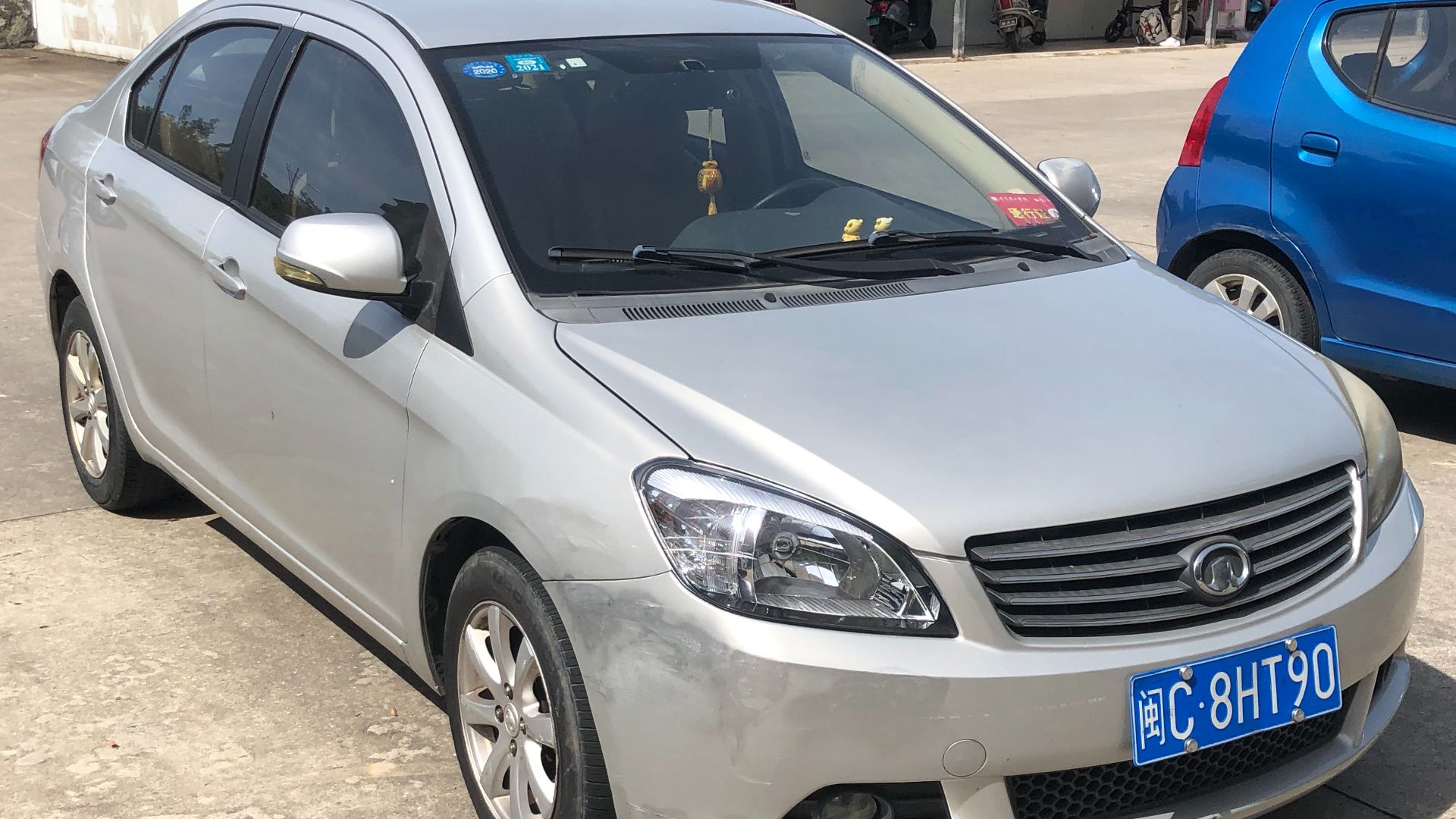
5. Great Wall Motor
SUVs and pickups define Great Wall’s identity. Leading China’s utility vehicle market, it sold 1.23 million vehicles in 2024. Its Haval SUVs dominate, and the Ora EV brand charms with retro flair. Global expansion saw it purchase a Mercedes-Benz plant in Brazil.
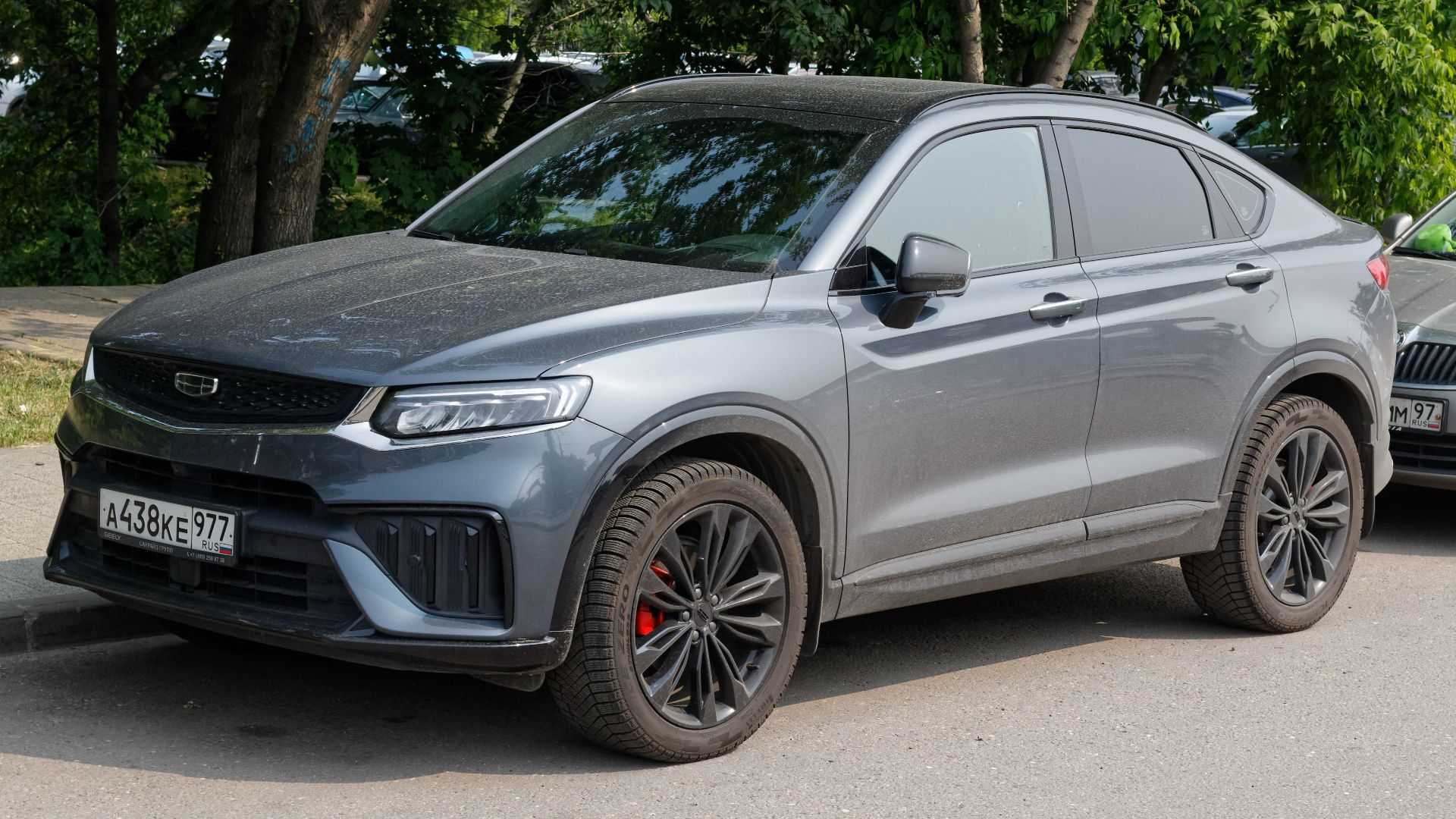
6. Geely Holding
Geely produced 3.33 million vehicles in 2024, with 2.17 million sold under its own name. One of China’s largest private automakers, it owns Volvo and holds a Daimler stake. Boldly innovative, Geely created Lynk & Co, which uses a subscription-based ownership model.
 Retired electrician on Wikimedia
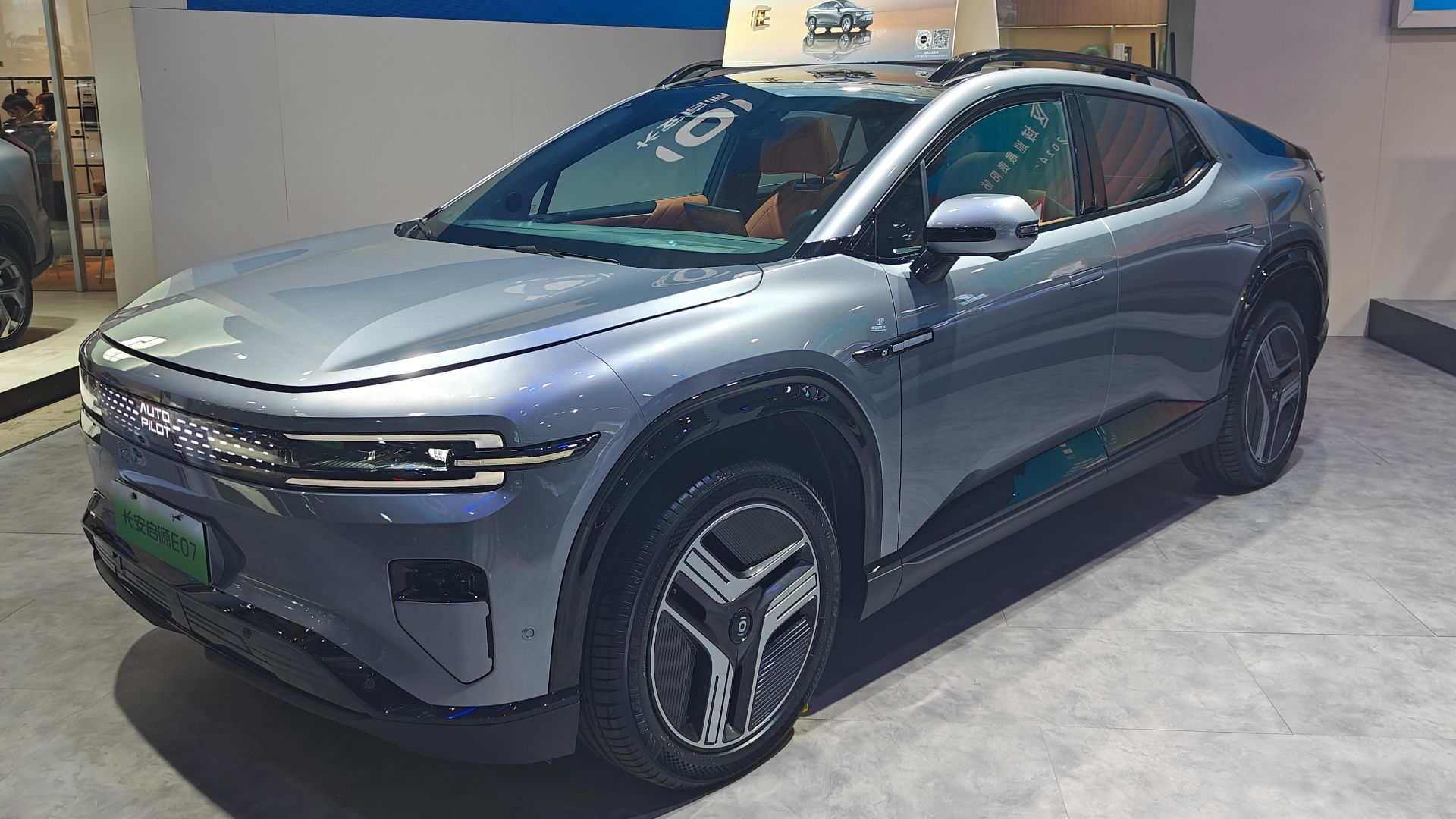
7. Changan Automobile
In the 19th century, Changan began as a weapons manufacturer before evolving into carmaking, and 2024 saw it sell 2.68 million vehicles. Strengthened by partnerships with Ford and Mazda and headquartered in Chongqing, the company pours resources into intelligent driving and autonomous systems.
8. Dongfeng Motor Corporation
Dongfeng, meaning “East Wind,” began in the 1960s, making military trucks before expanding to civilian vehicles. Headquartered in Wuhan, it positions the city as an auto hub and runs major JVs with Nissan, Honda, and Peugeot. In the first quarter of 2024, Dongfeng sold 660,000 vehicles.
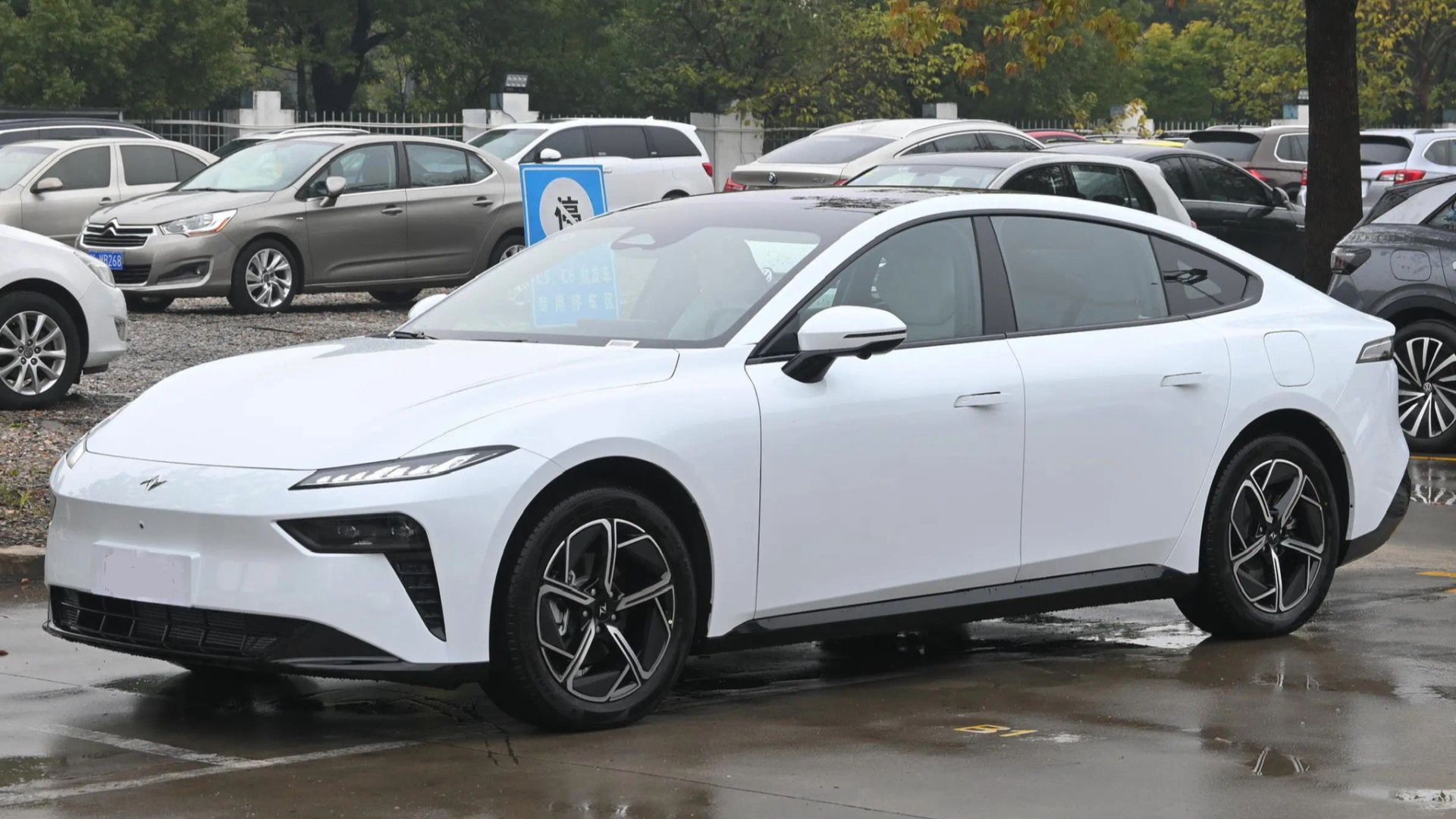
9. FAW Group
Founded in 1953, FAW Group built China’s very first passenger car and has grown into one of the “Big Four”. Producing over 3 million vehicles in 2024, it operates JVs with Volkswagen and Toyota. Its Hongqi brand now produces electric limousines used at national parades.
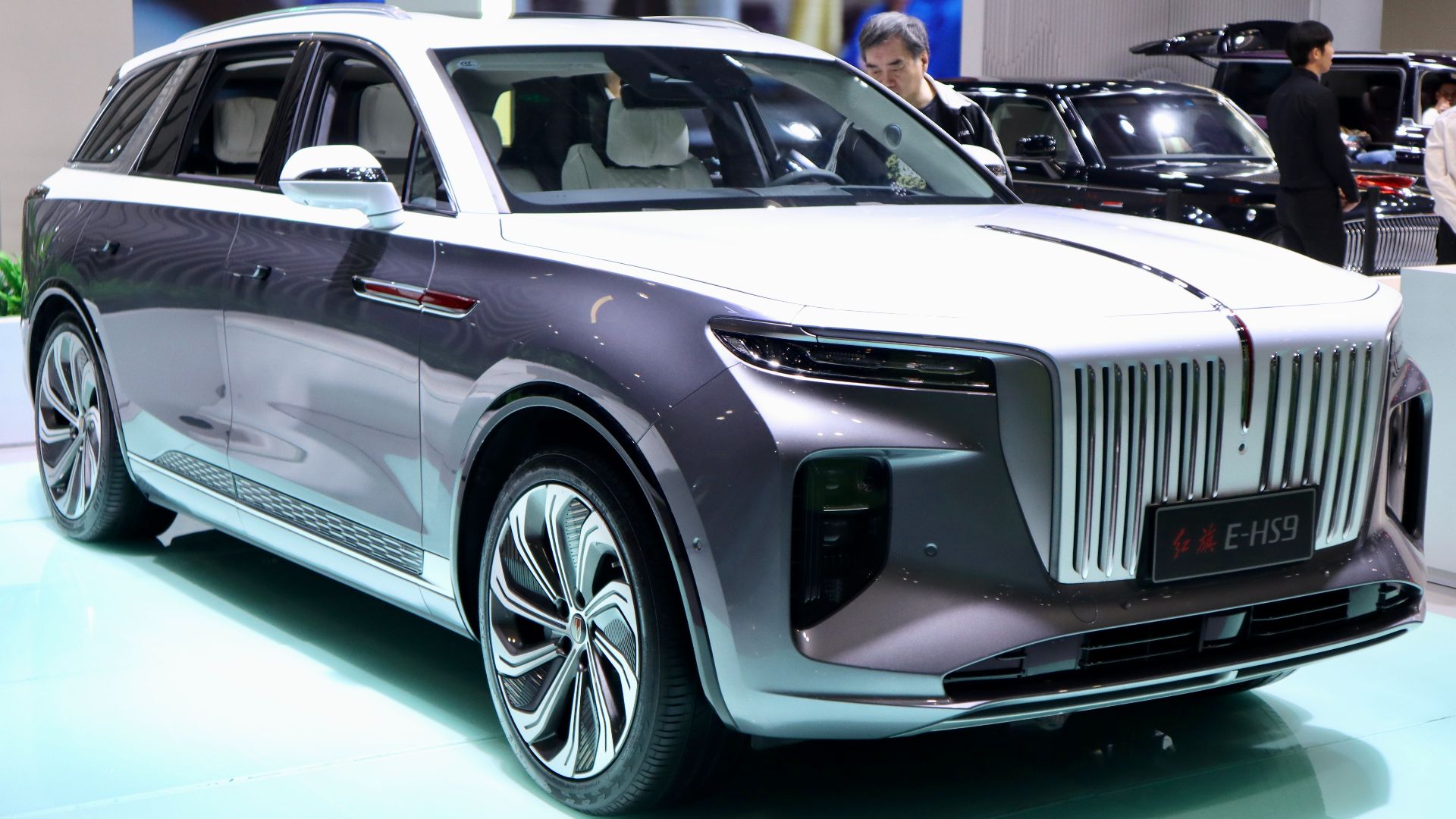
10. XPeng Motors
Deliveries of 190,068 vehicles in 2024 underscored XPeng’s 34% growth and momentum as one of China’s standout EV startups. Known for massive touchscreen dashboards and advanced driver-assistance features rivaling Tesla, XPeng gained a credibility boost when Volkswagen invested in 2023 to co-develop EVs.
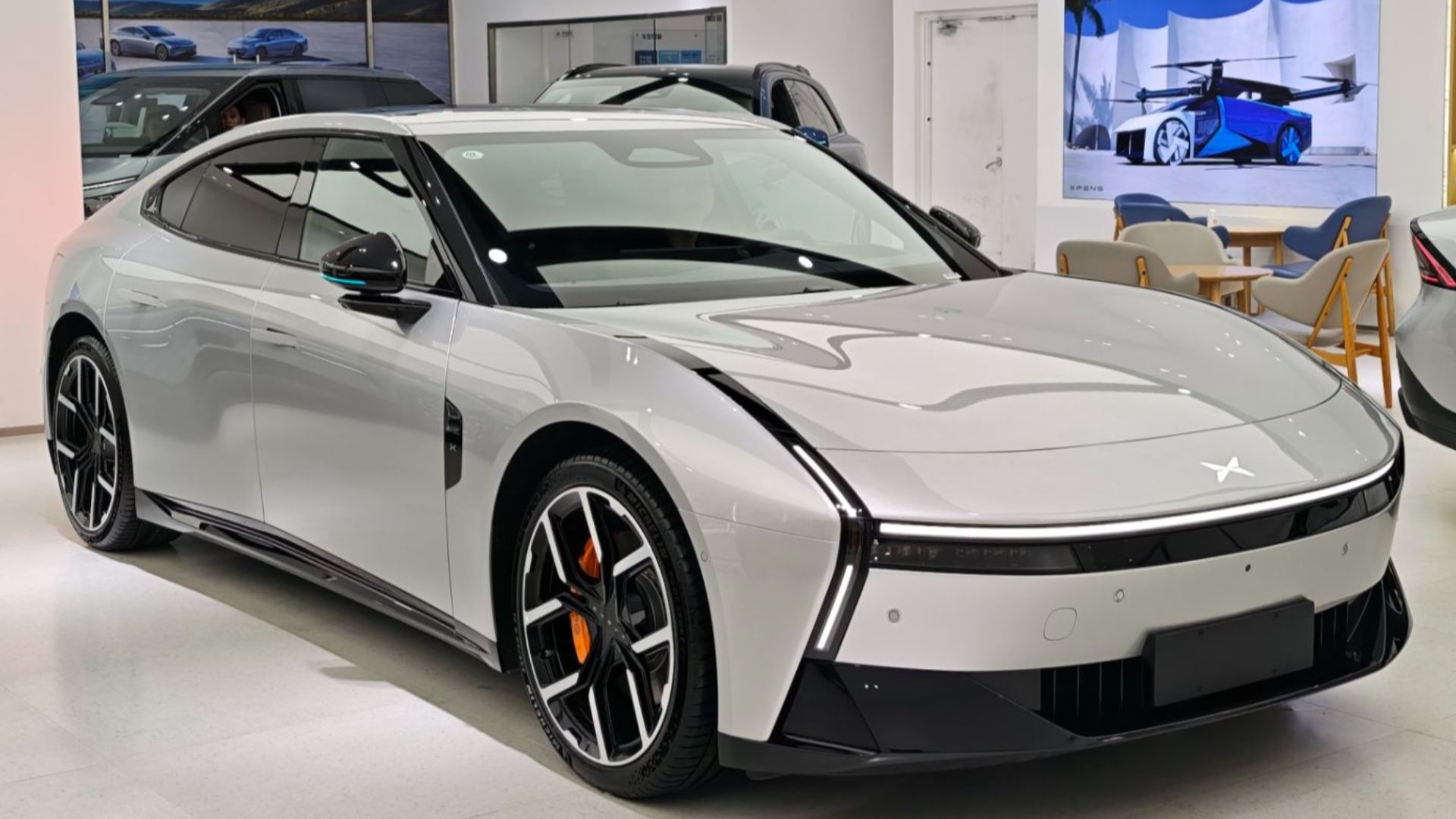
11. Hozon Auto (Neta)
Rising quickly, Hozon Auto has made its Neta brand a go-to choice for affordable EVs in China’s lower-tier cities. Over 150,000 vehicles were sold in 2022. With models named after Greek mythology, Neta pushes into Southeast Asia and the Middle East, and even announced plans for Europe.
 JustAnotherCarDesigner on Wikimedia
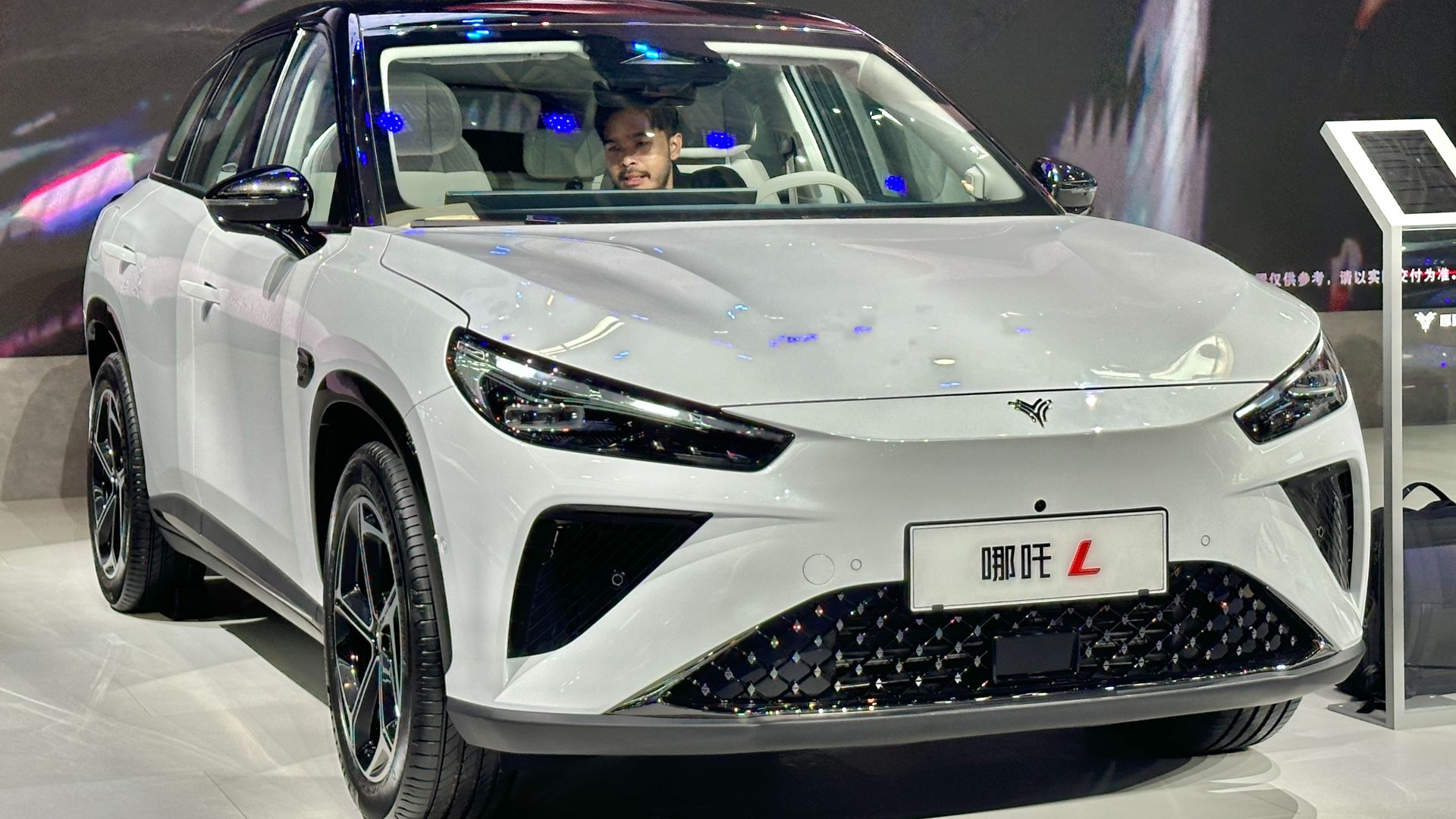
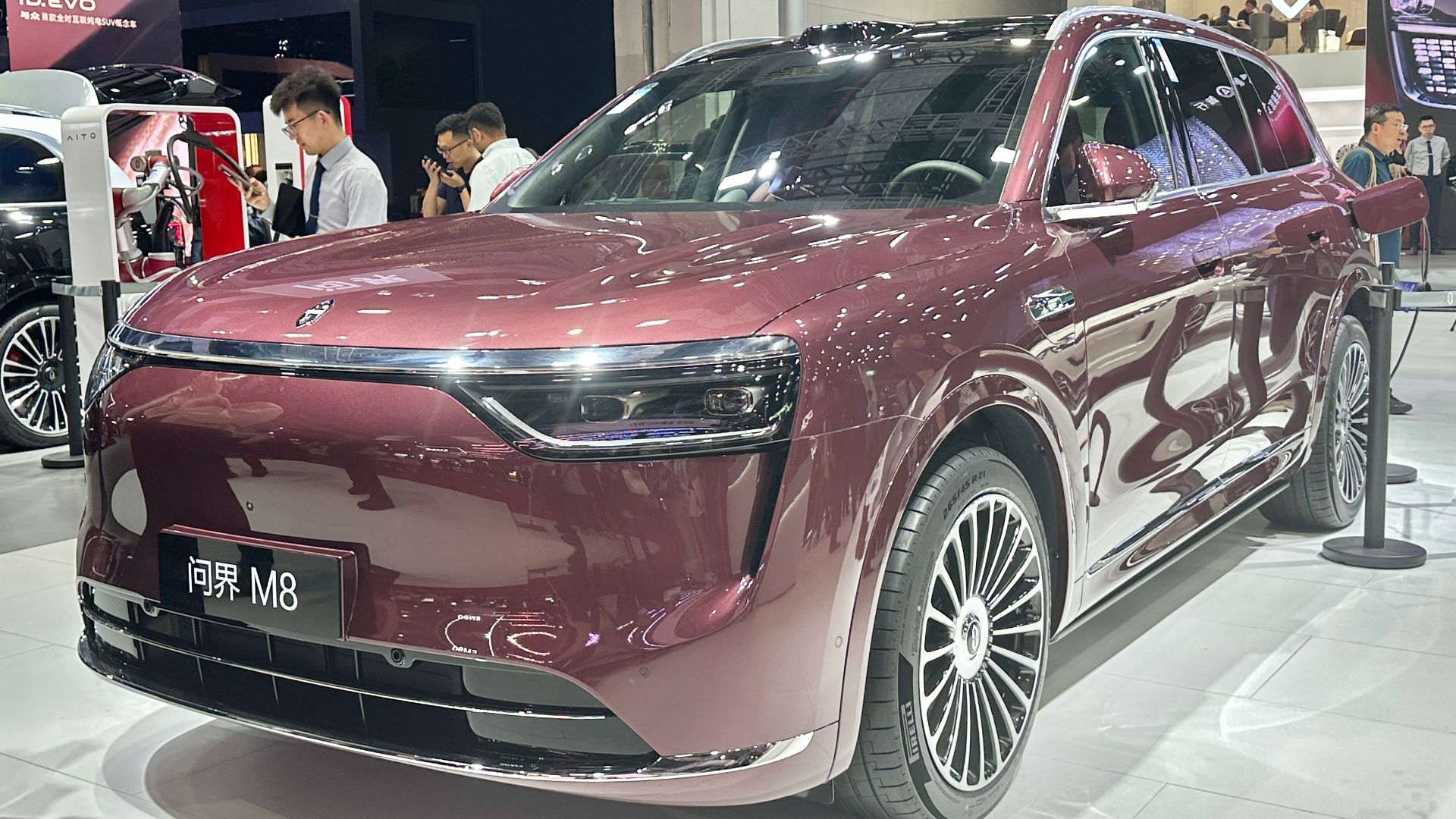
12. Seres Group (Sokon)
Car sales from this company reached 94,825 units in early 2024. Once known as Sokon, the company rebranded to project global ambitions and now exports to more than 70 countries. Its Huawei-backed Aito EVs, equipped with advanced smart cockpit technology, have boosted visibility.
 JustAnotherCarDesigner on Wikimedia
13. Brilliance Auto
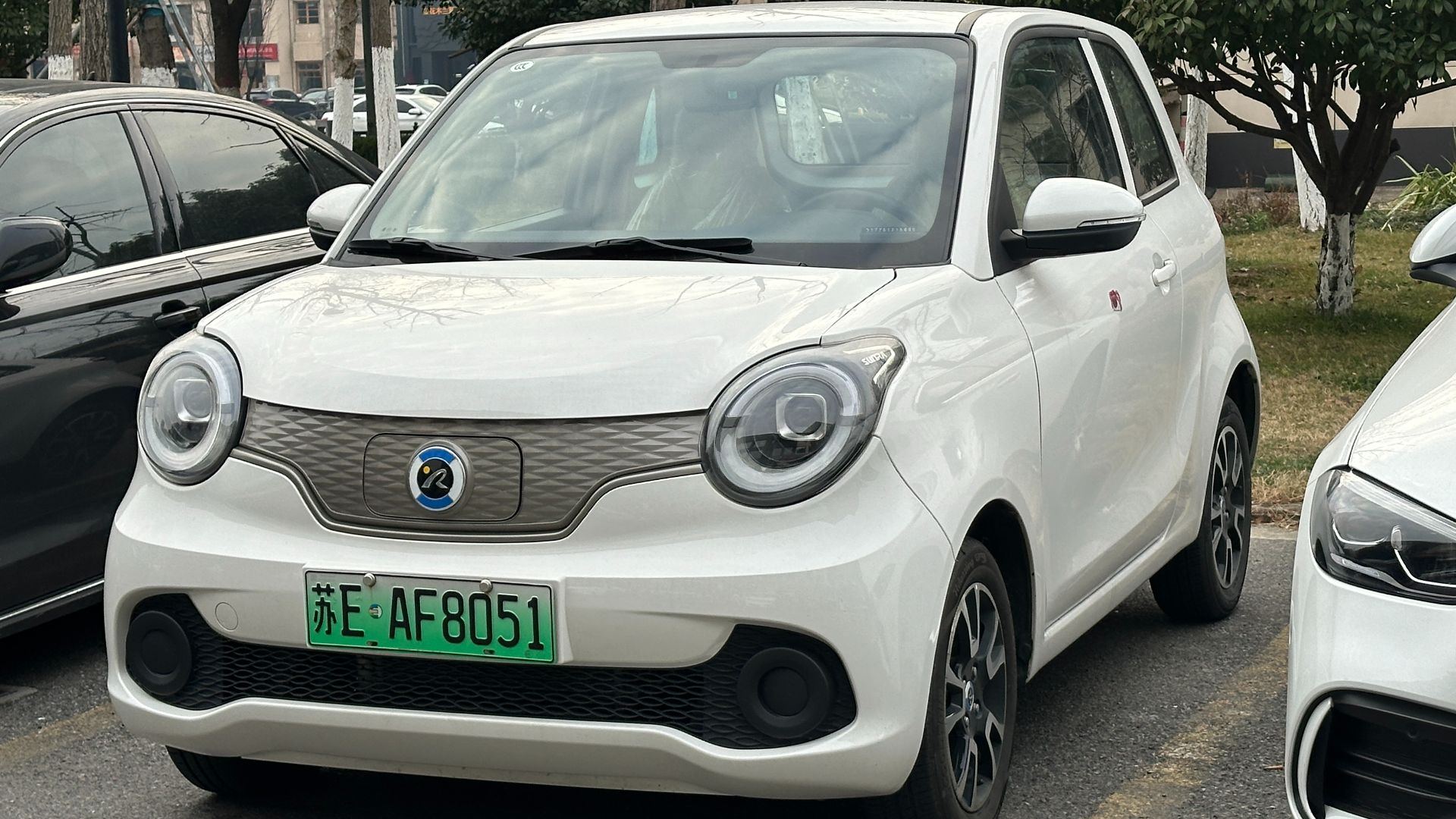
Brilliance Auto has long been tied to BMW. BMW, at some point, increased its stake to take control. A Shenyang-based joint venture, it produces BMW models locally. Brilliance sold 316,000 vehicles in early 2024.
 JustAnotherCarDesigner on Wikimedia
14. Leapmotor
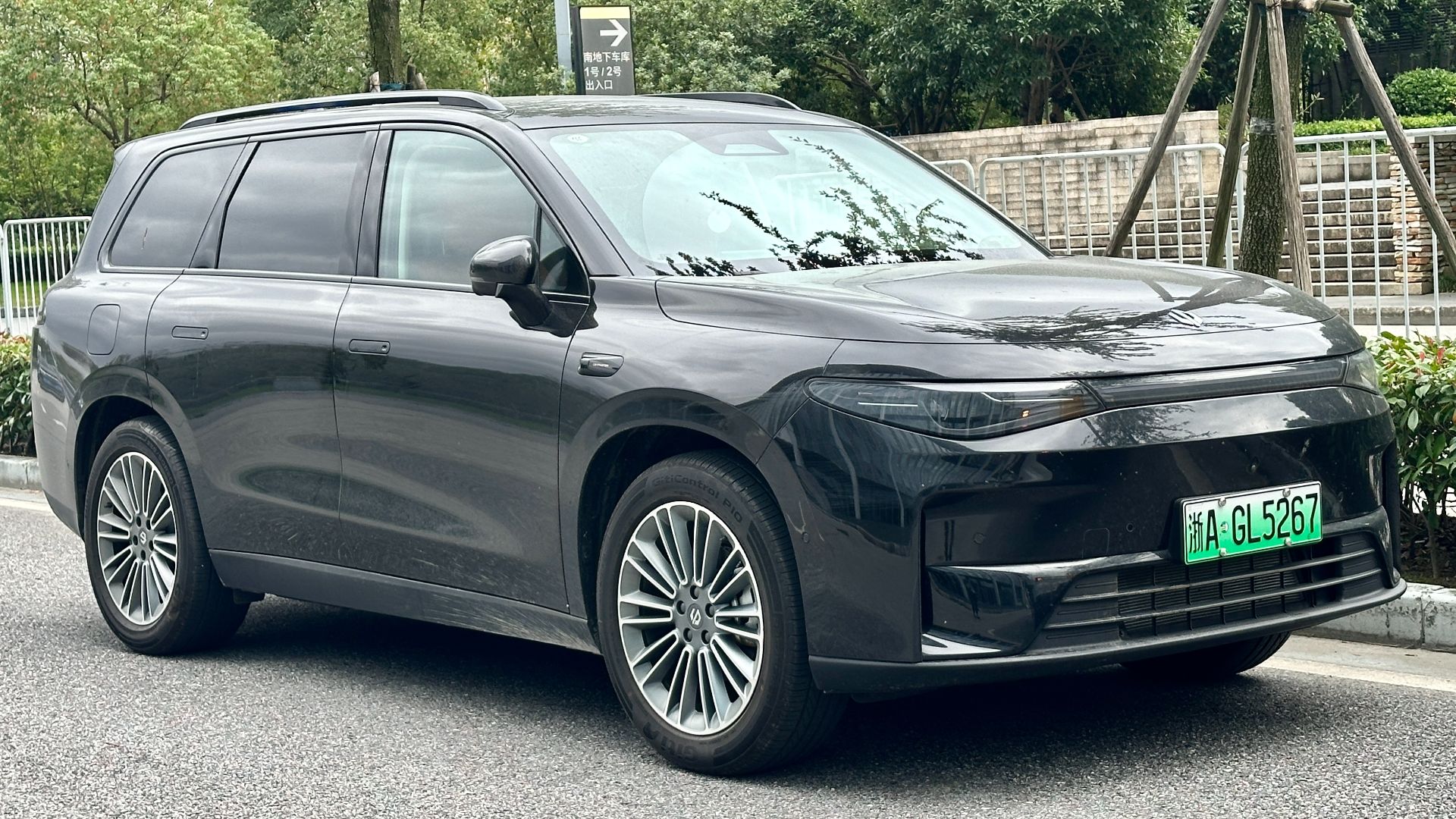
Exceeding targets, Leapmotor delivered 293,724 vehicles in 2024, establishing itself in China’s crowded EV sector. Its cars are marketed as “smart EVs” and backed by strong entertainment tech. Stellantis’s 2023 investment gave it a big boost, and now, this investor plans to push these EVs globally.
 JustAnotherCarDesigner on Wikimedia
15. Human Horizons (HiPhi)
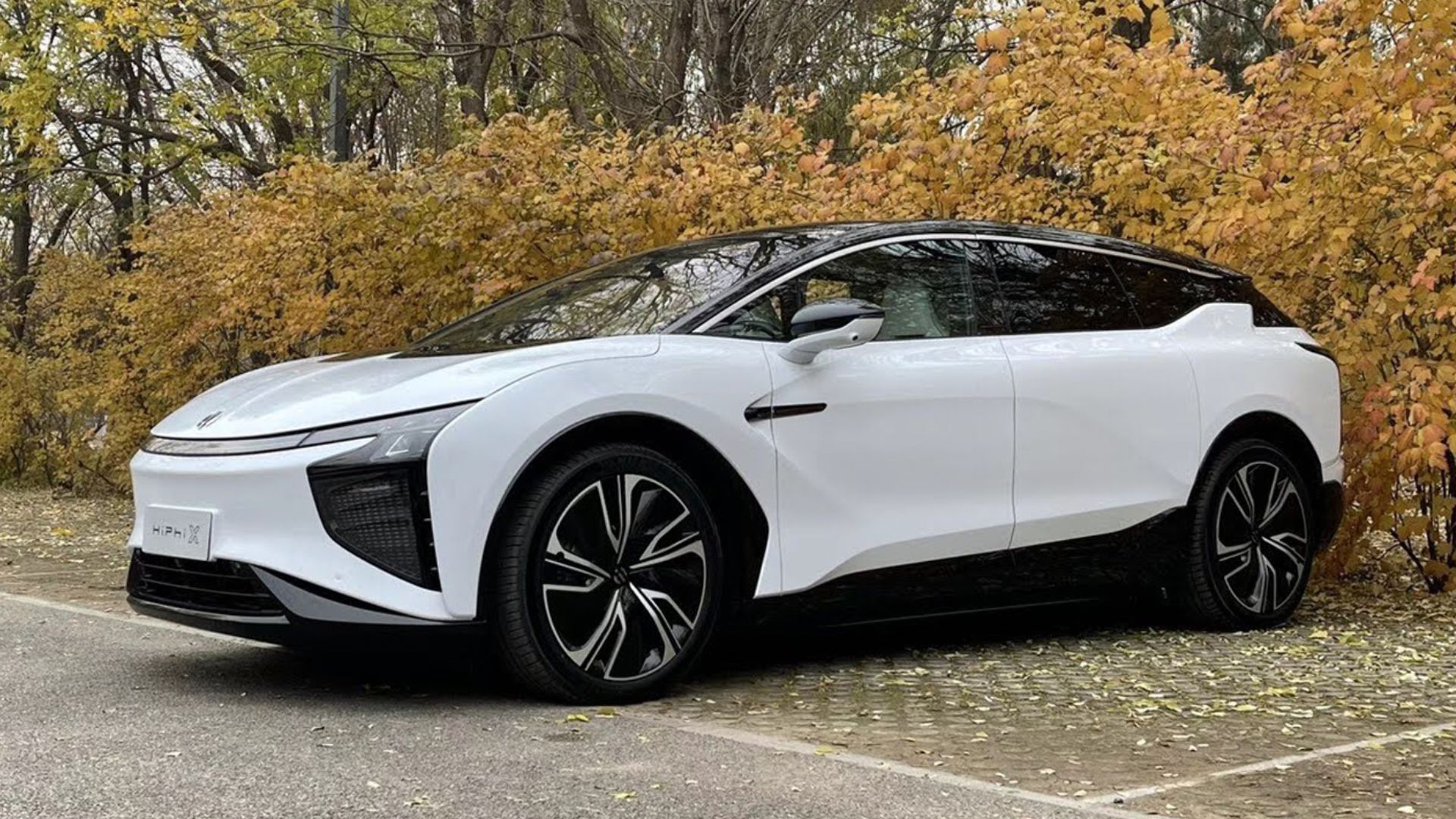
Futuristic luxury defines Human Horizons’ HiPhi brand, with cars that feature concept-style doors and advanced technology. The HiPhi X, launched to wealthy, tech-savvy buyers, became China’s top-selling luxury EV and surpassed 5,000 deliveries by January 2022.
16. BAIC Group
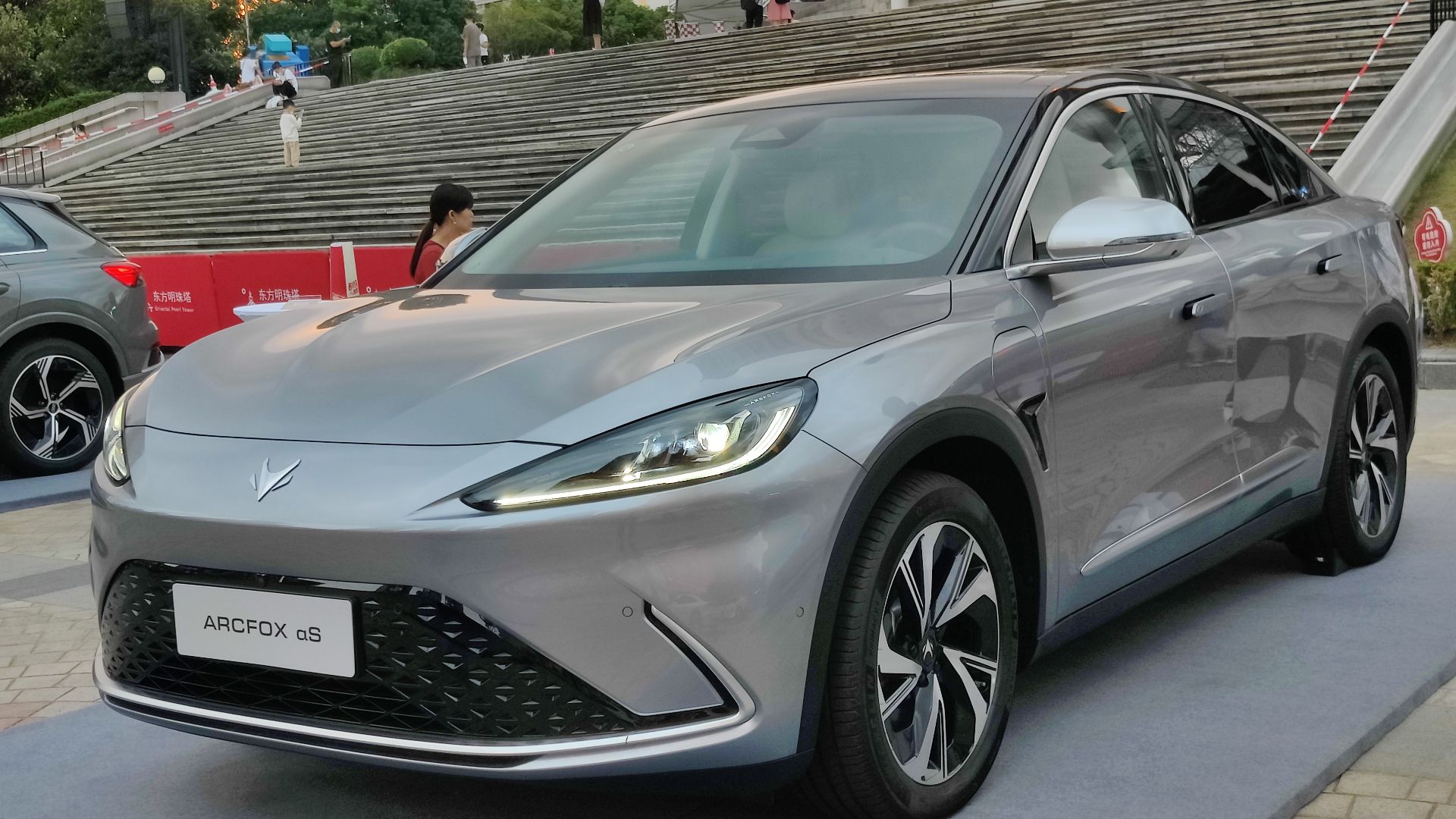
BAIC Group stands among China’s largest state-owned automakers and produces millions of vehicles annually. A powerful joint venture with Mercedes-Benz delivers luxury models, while the Arcfox brand drives its electric vehicle ambitions. BAIC’s portfolio extends to military vehicles, too.
 JustAnotherCarDesigner on Wikimedia
17. Guangxi Automobile Group
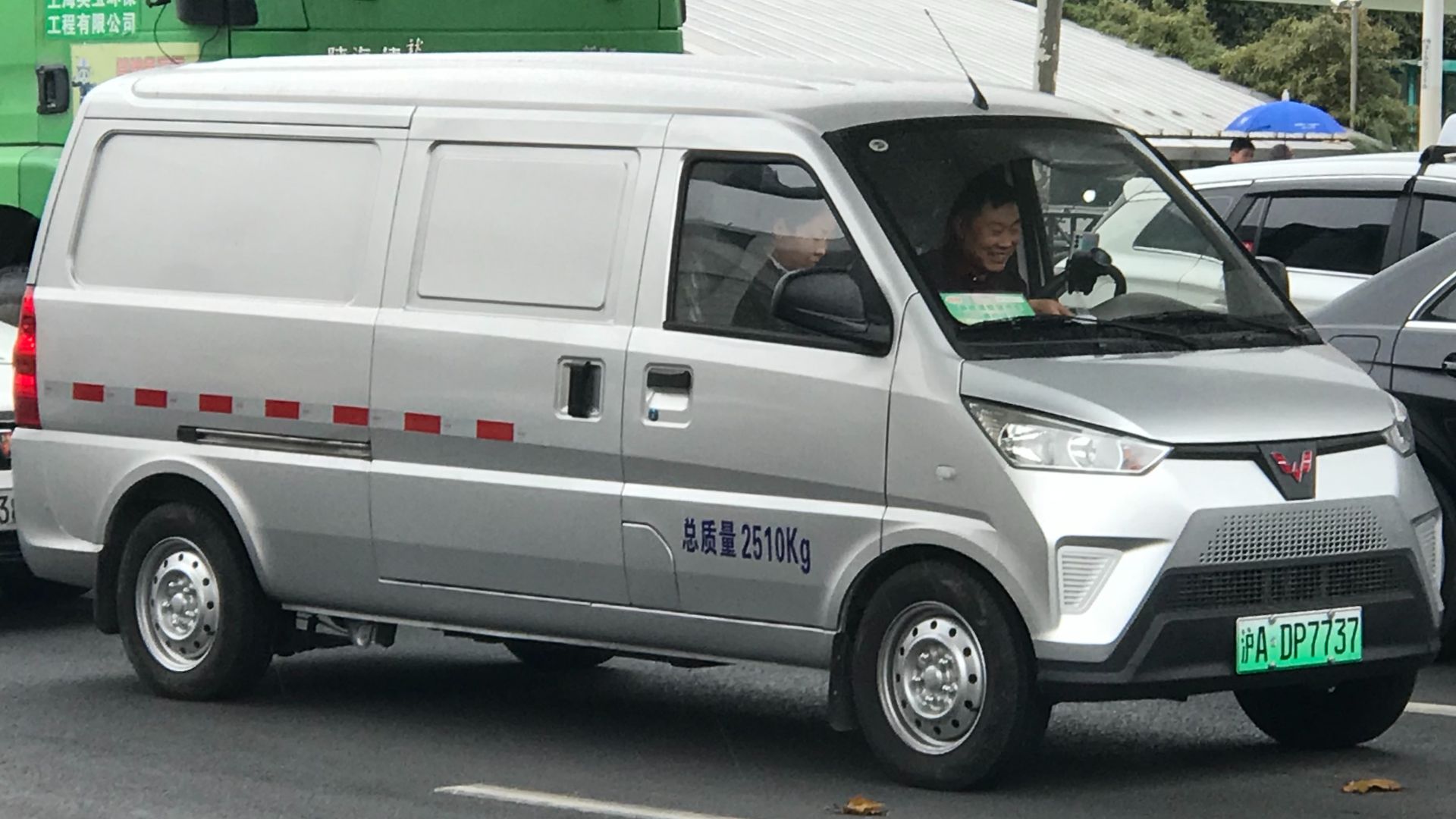
With humble roots in the 1950s as a small regional factory, Guangxi Automobile Group has grown into a key state-owned automaker. Known for commercial vehicles, its vehicles thrive in rural and smaller cities. The company also fuels SAIC-GM-Wuling’s passenger lineup.
18. Haima Automobile
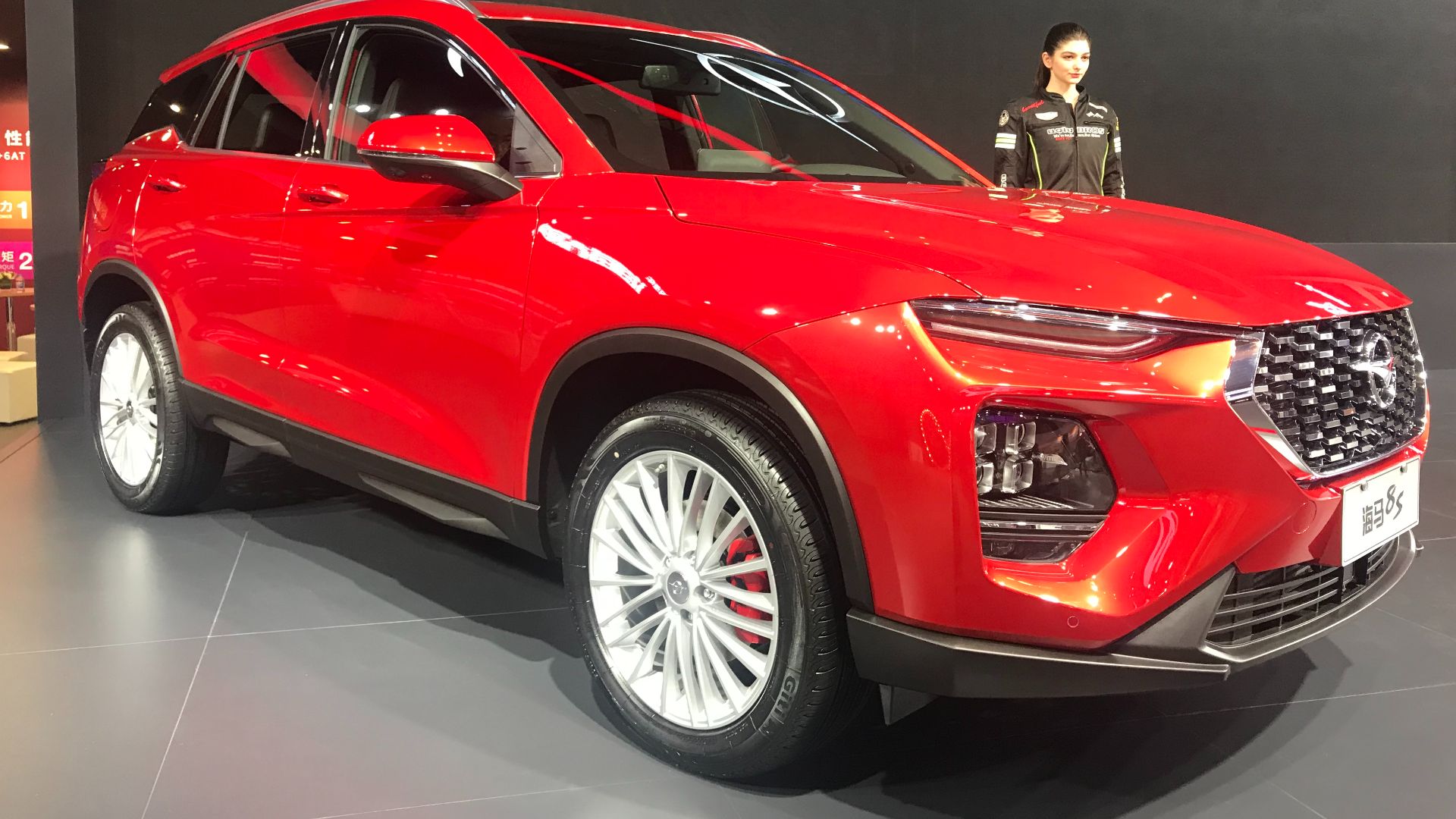
Rooted in its joint venture with Mazda, Haima once produced popular compact cars in China. The brand name itself fuses “Hainan” and “Mazda.” Haima still manufactures passenger vehicles and has experimented with electric delivery vans. It even found brief fame abroad when its sedans became well-known imports in Iran.
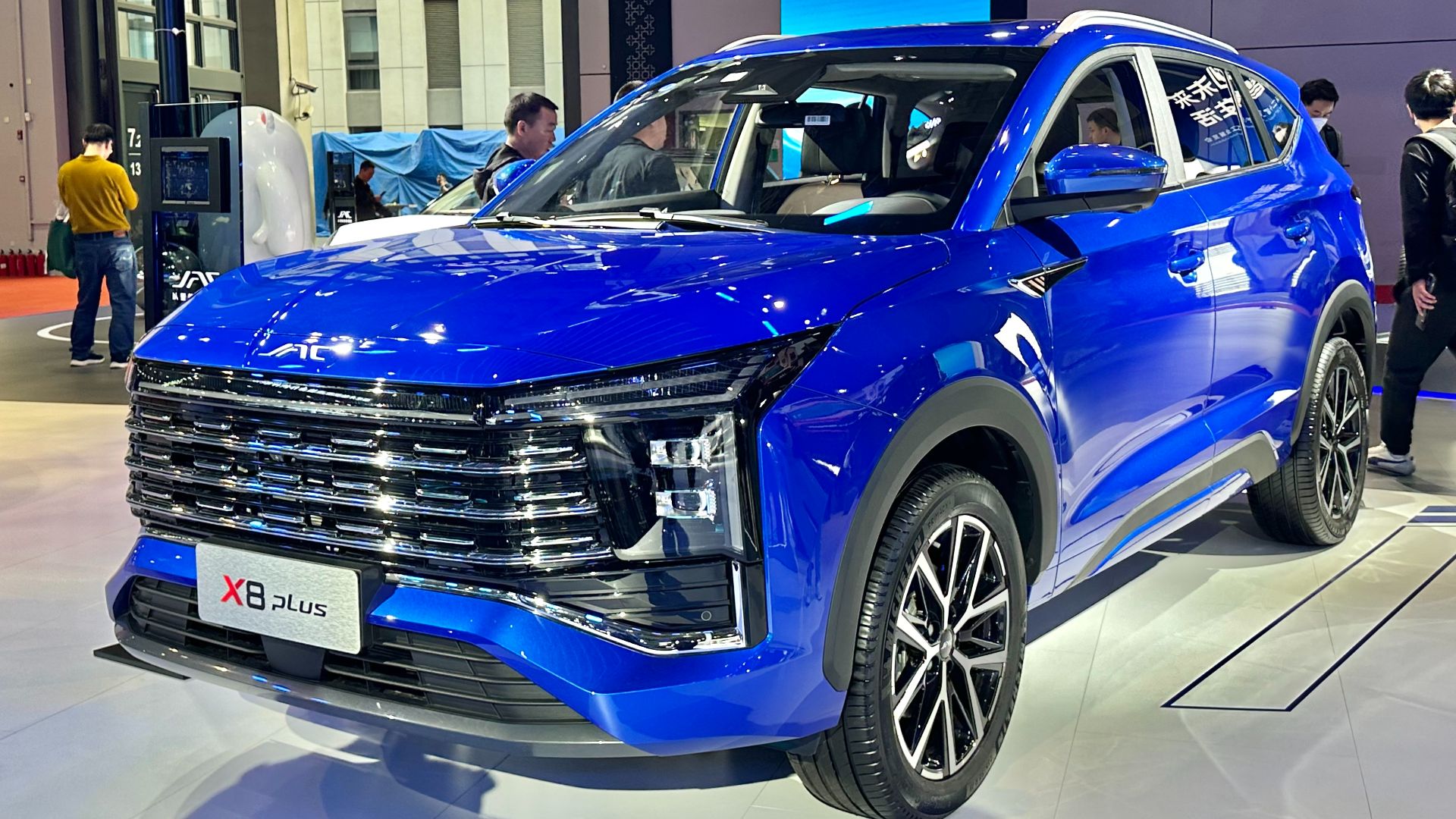
19. JAC Group
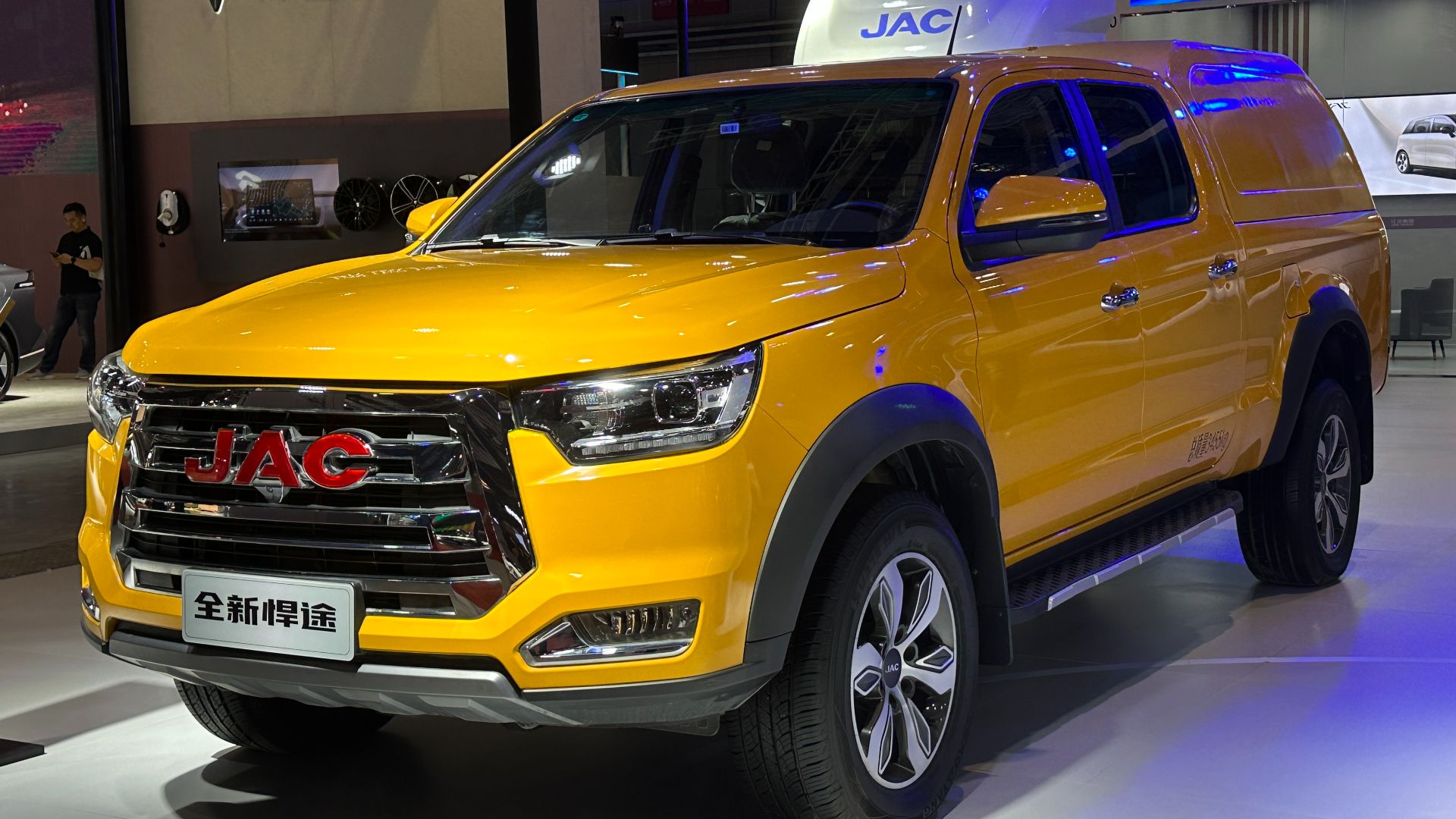
More than 400,000 vehicles were sold in 2024, many from its truck and bus lineup. Based in Anhui province, a less traditional auto hub, JAC co-developed the budget-friendly SOL EV brand with Volkswagen. Exports from the company reach Latin America, Africa, and the Middle East.
 JustAnotherCarDesigner on Wikimedia
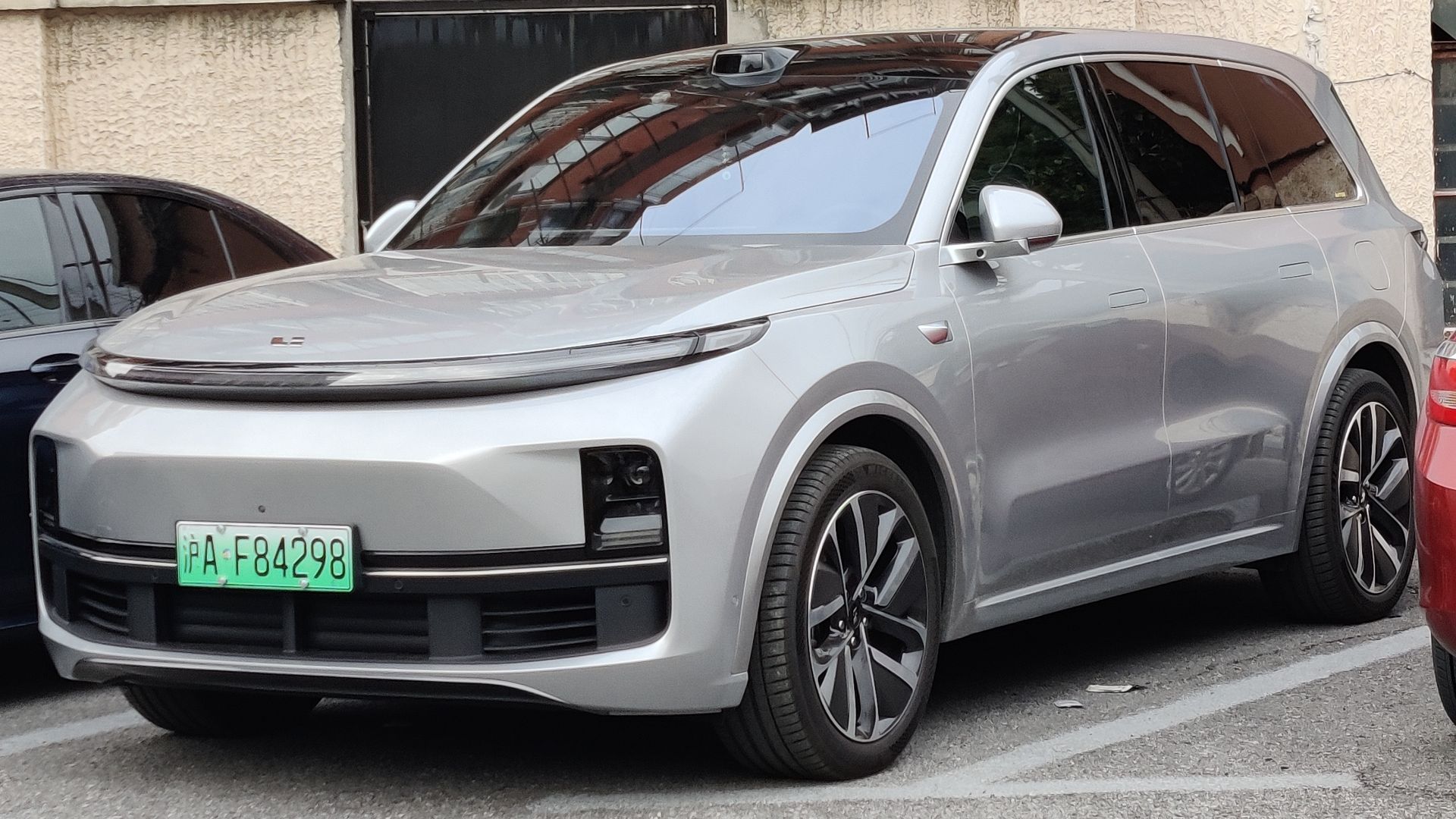
20. Li Auto
Emerging EV champion Li Auto stands apart. By July 31, 2024, it had delivered 873,345 vehicles, the most among China’s new energy startups. Its extended-range EVs mix electric drive with a small gasoline generator. The company has also unveiled the Li Mega, its first battery-only model.