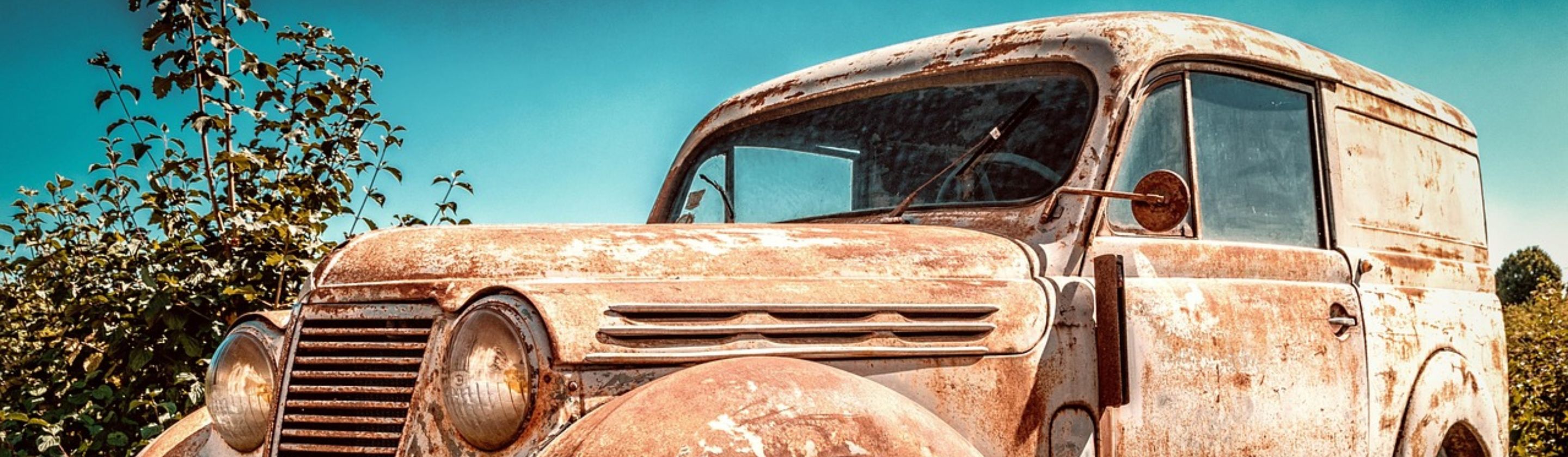
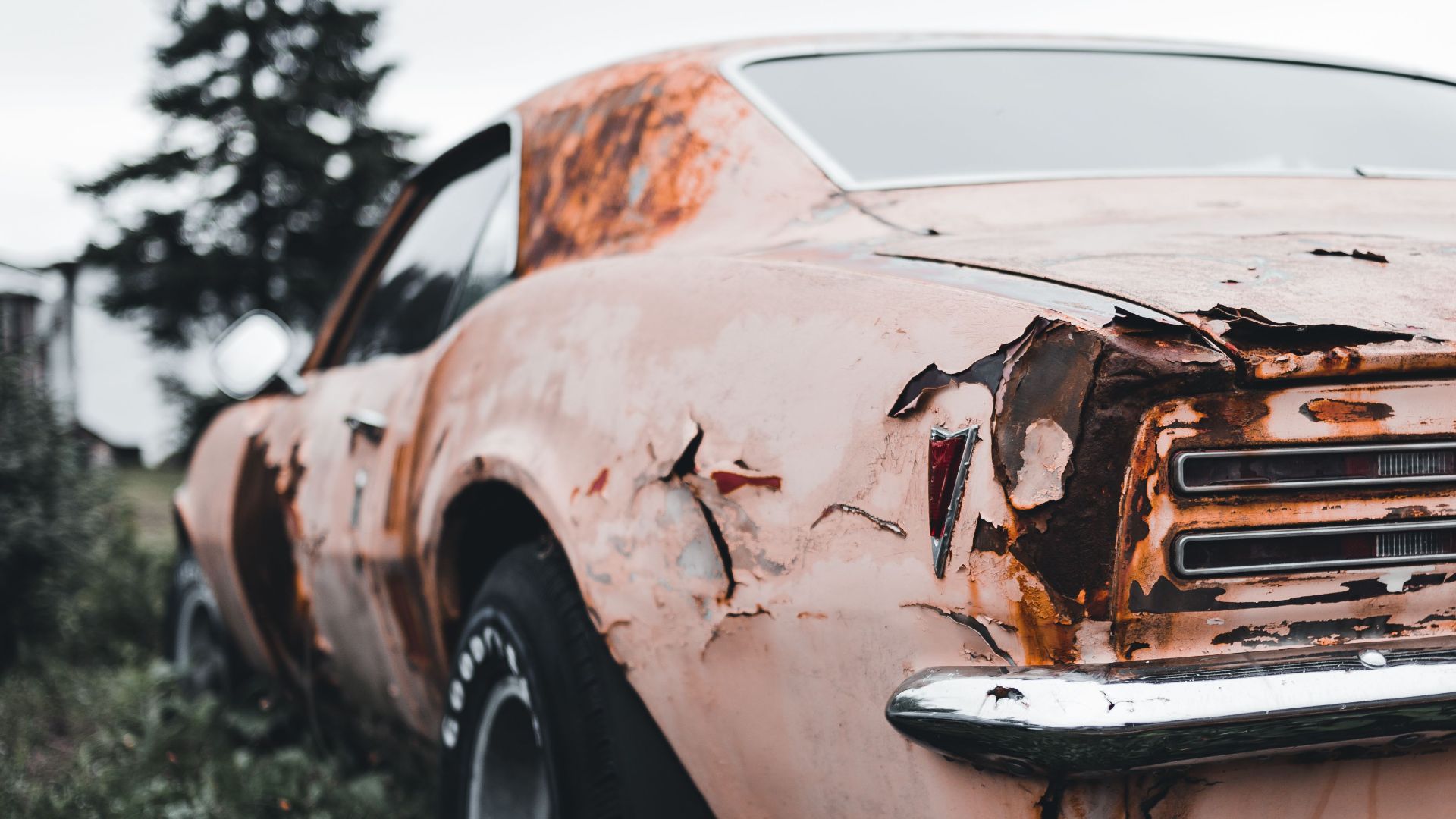
Classic cars are attractive investments because rarity, history, condition, and originality may all contribute to collector value. Yet beneath shiny paint and carefully maintained trim, corrosion can quietly change the financial reward. Rust does more than make an older vehicle look neglected. Once it reaches structural metal, repairing the damage can become complicated and expensive.
That risk matters because classic vehicles are often valued according to condition. A desirable model with serious corrosion may require extensive restoration before it reaches the standard buyers expect. Even apparently minor bubbling requires closer inspection because visible rust may not reveal everything happening underneath. Understanding how corrosion affects these cars helps explain why it can undermine an otherwise promising investment.
Rust Transforms Cosmetic Problems Into Structural Ones
Surface corrosion is often less serious than rust that has penetrated deeply into a vehicle’s metalwork. Automotive corrosion research distinguishes cosmetic corrosion from perforation, with the latter involving material loss that can compromise the affected component’s structural integrity. On older cars, vulnerable areas may include floor pans, rocker panels, suspension mounting points, and sections of the chassis.
Structural rust deserves particular attention because it can affect more than appearance. Corrosion damage to chassis or suspension components can progress far enough to create structural defects, which is why manufacturers and safety guidance sometimes specify detailed inspections for affected vehicles. Once metal has become heavily flaked, perforated, or weakened, merely covering the area with paint won’t restore its appearance or value. Proper repair often requires removing damaged sections and installing sound metal.
Older designs can make this process especially demanding because corrosion can develop in seams, cavities, and layered structures that aren’t immediately visible. A car may present well from above while hiding deterioration underneath carpets, trim, or previous body repairs. Discovering that damage after purchase can transform a manageable restoration into a far larger project. For an investor, surprises of that kind are never welcome.
Repair Costs Can Challenge A Car's Value
Rust repair is labor-intensive because deteriorated metal often needs to be cut away before replacement panels can be fitted and welded. Restoration specialists may also need to remove interior pieces, trim, suspension components, or other parts to reach the affected area. That additional corrosion discovered after disassembly can significantly increase the scope of a classic-car restoration, meaning the initial estimate therefore isn't always where the final bill ends.
Parts availability adds another financial complication. Popular classics may benefit from reproduction floor pans, rocker panels, fenders, and other body sections, while rarer cars can require custom fabrication instead. Producing a panel by hand demands specialized skills and considerable working time. If several structural sections need attention, the cost of saving an otherwise valuable car can climb surprisingly quickly.
A restoration also has to be considered against the finished vehicle’s realistic market value. Spending heavily doesn't automatically mean that every dollar will be recovered when the car is sold. Collector values depend on numerous factors, including condition, originality, history, documentation, and market demand. An investor who buys a severely rusted car too enthusiastically can therefore finish with an excellent car but disappointing financial returns.
Corrosion Can Erode Buyer Confidence
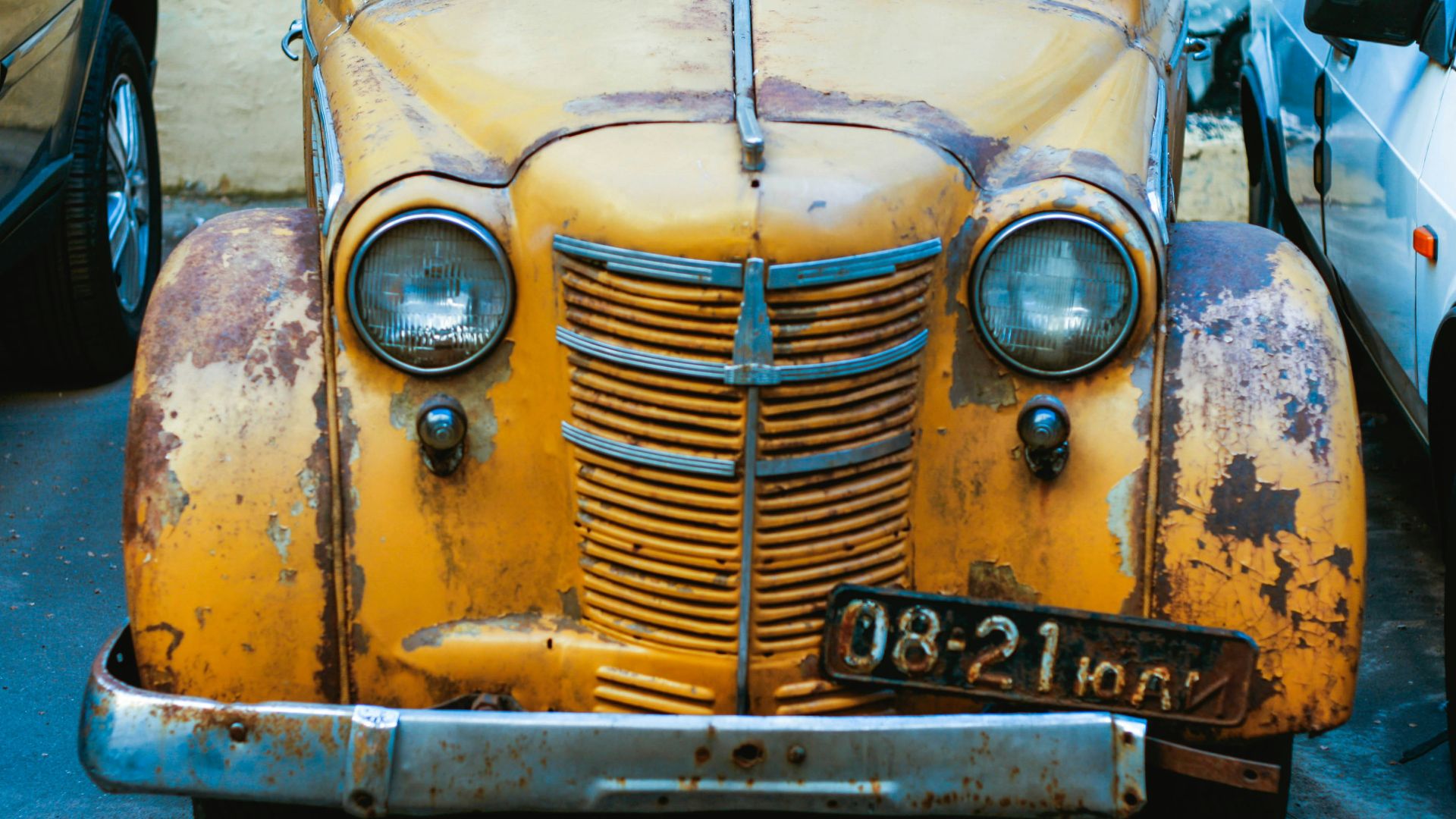
Collectors usually want to know exactly what has happened underneath an older vehicle, particularly when rust repairs are involved. Clear photographs, invoices, restoration records, and details about replacement metal can help demonstrate that work was carried out properly. Poorly documented repairs create more uncertainty because a potential buyer can't easily determine what was removed or how thoroughly the underlying corrosion was treated.
Previous cosmetic repairs can cause similar problems if they're hiding rather than correcting deterioration. Fresh paint, filler, or undercoating may improve a car’s surface appearance while leaving corrosion active underneath. Experienced buyers often inspect the underside, trunk, floors, seams, and known model-specific trouble areas before committing serious money. A glossy exterior can certainly attract attention, but knowledgeable collectors tend to look well beyond the shine.
Where the car has spent its life matters too. Moisture encourages corrosion, while road salt can make exposed steel vulnerable, which helps explain why cars from harsher environments often receive scrutiny. Storage conditions can also influence how well an older vehicle survives over decades.
Rust doesn’t automatically make a classic car a poor purchase, especially if the model is rare enough or the price properly reflects the work ahead. What matters is knowing whether you’re dealing with manageable surface corrosion or deterioration that has spread into expensive structural territory. A thorough inspection before buying can expose problems that photographs and fresh paint may miss, while good restoration documentation can provide reassurance later. With classic investments, understanding the metal underneath the finish is just as important as admiring what you can see.