
The Future Of Driving
The future of cars is moving faster than ever, and some predictions feel straight out of science fiction. Innovations in technology and sustainability are changing the way we think about driving. Some ideas seem far-fetched, others more plausible than you think. To spark your imagination, here’s a look at twenty predictions on how cars could continue to evolve, shaping the vehicles of tomorrow in ways we can only begin to imagine.
1. Flying Passenger Cars
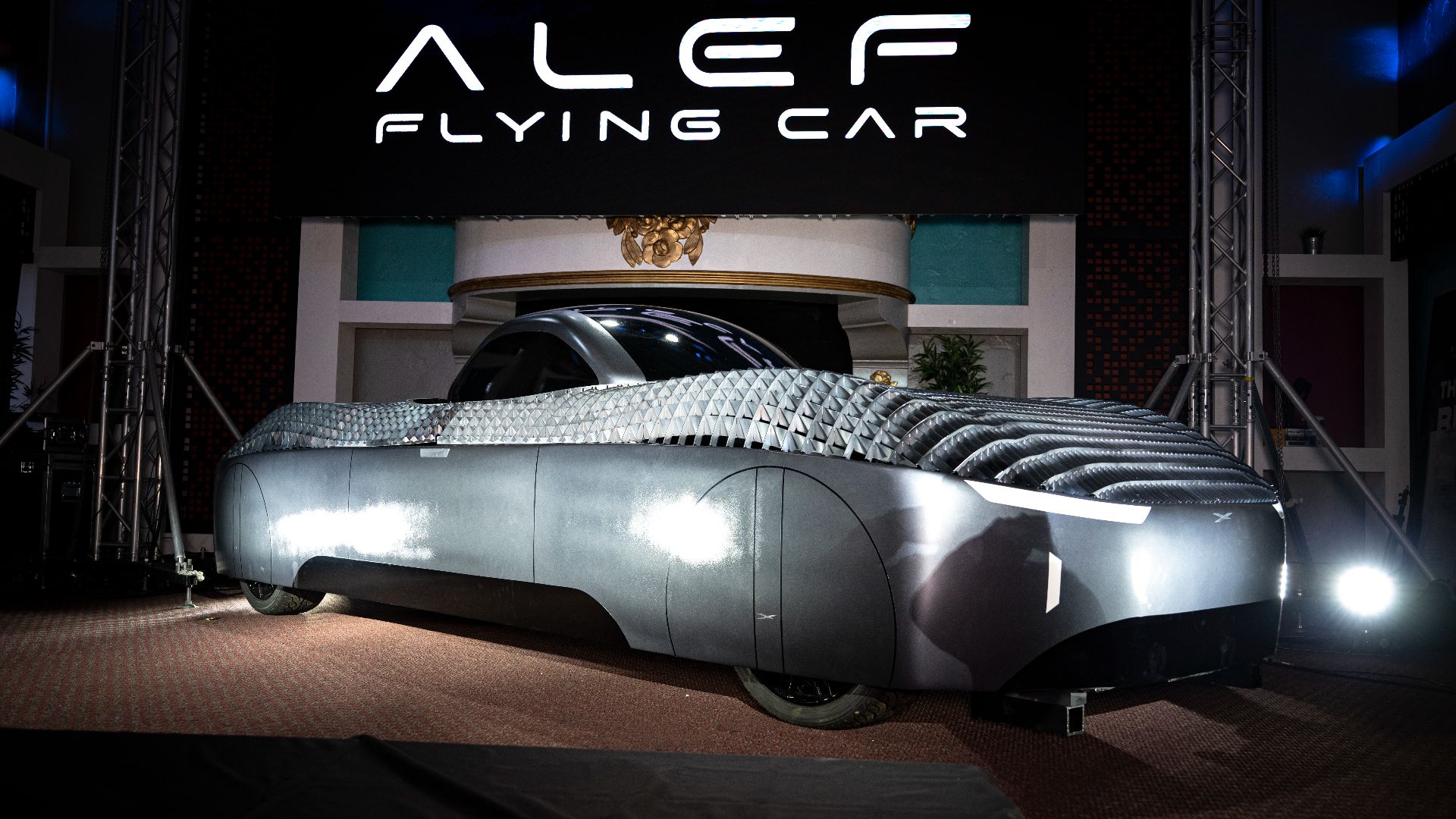
Traffic jams will become ancient history when your Honda learns to take flight in 2040. Vertical takeoff capabilities could transform suburban driveways into personal airports, letting rush hour commuters soar above gridlock while ground drivers watch enviously.
2. Shape-Shifting Car Bodies
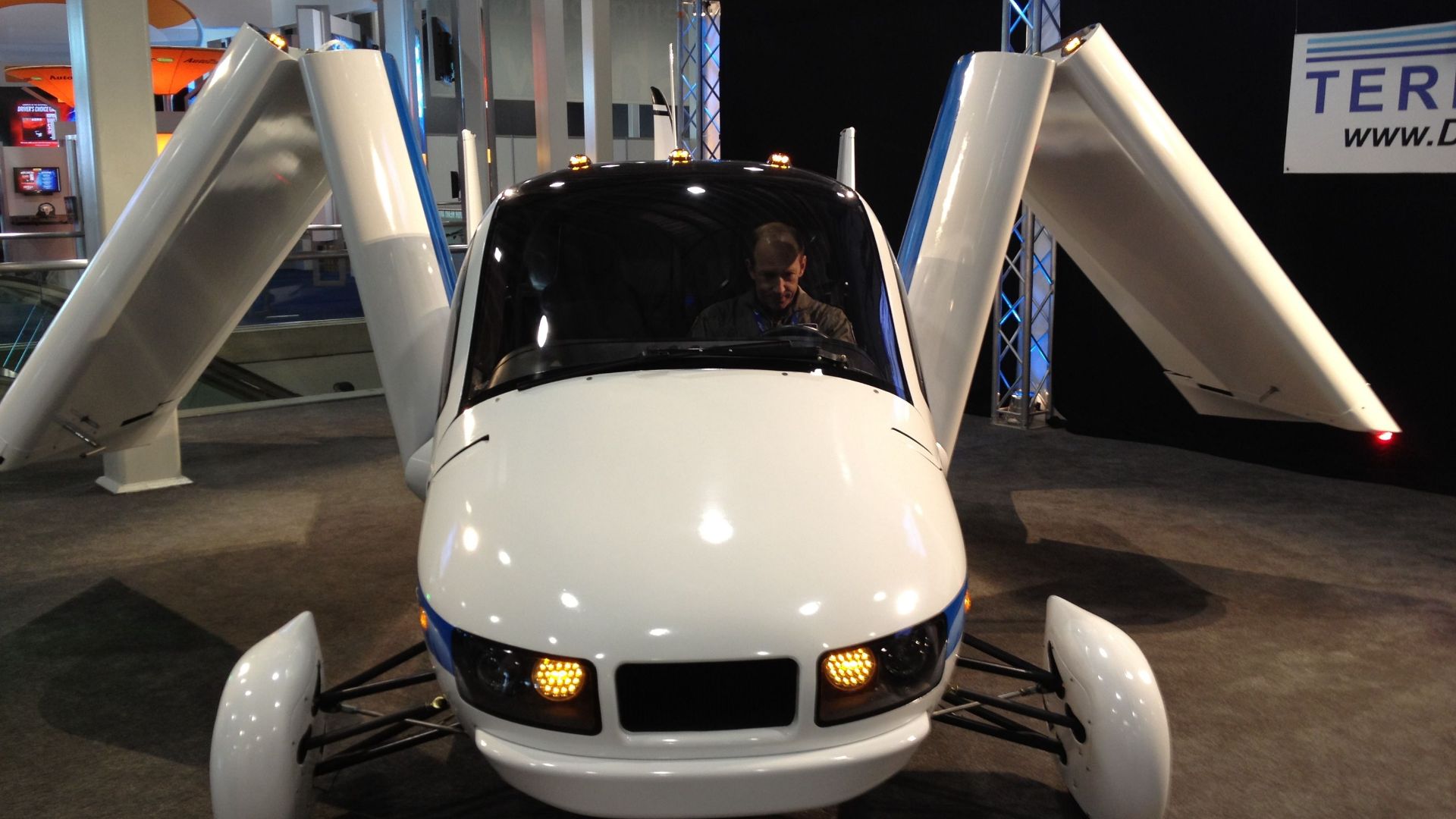
Why buy multiple vehicles when one car might morph into anything you need? Expandable panels may stretch from compact city cruiser to spacious family hauler by adapting instantly to match lifestyle demands with sculptural metal flowing like liquid.
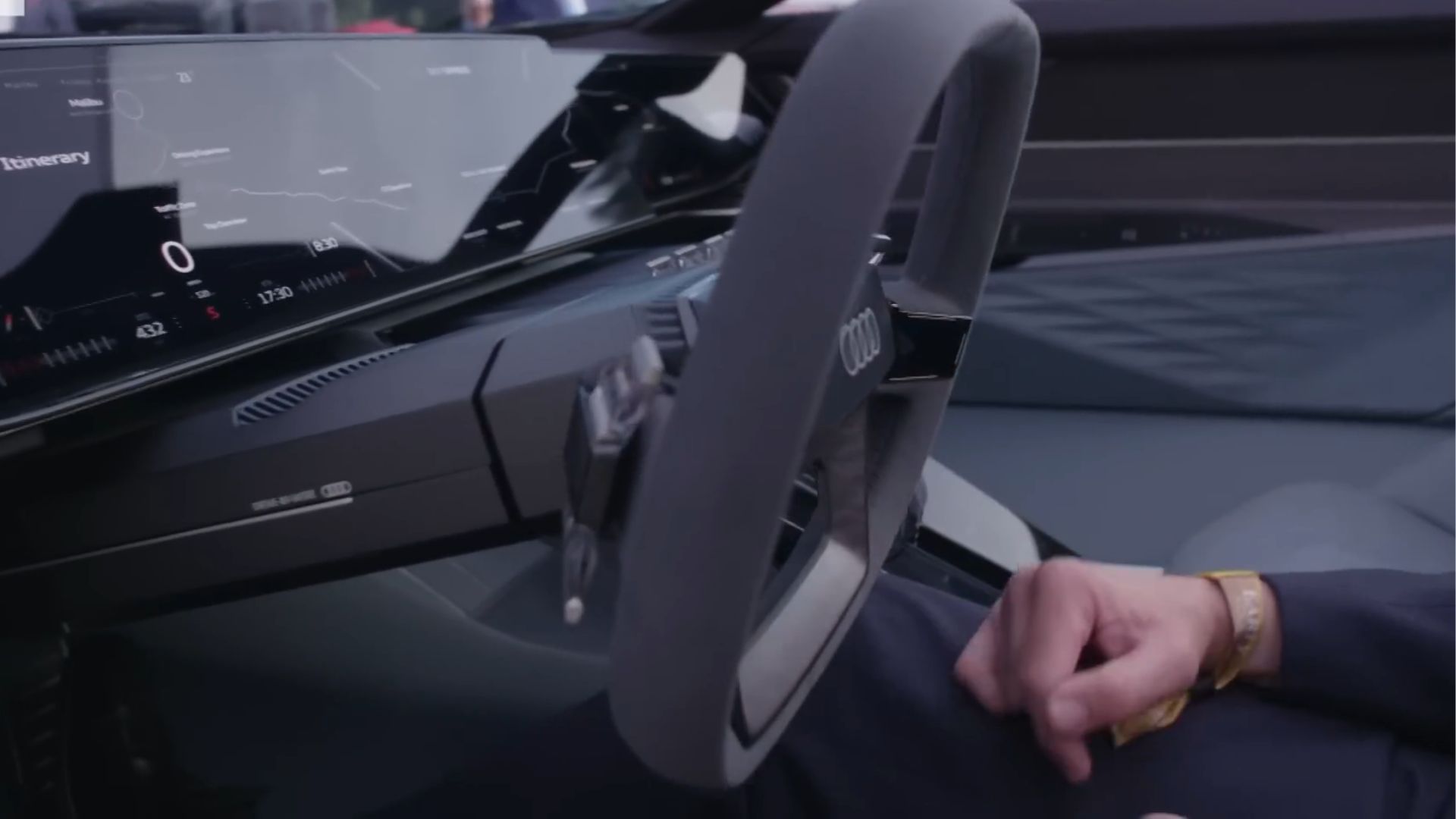 See how Audi's shape-shifting concept car works by CNN
3. Hovering Magnetic Vehicles
Electromagnetic highways will lift cars off asphalt entirely and create frictionless travel that whispers through future cities. Road maintenance could become irrelevant when vehicles float inches above surfaces and glide silently like automotive ghosts.
4. Amphibious Cars For Urban And Water Travel
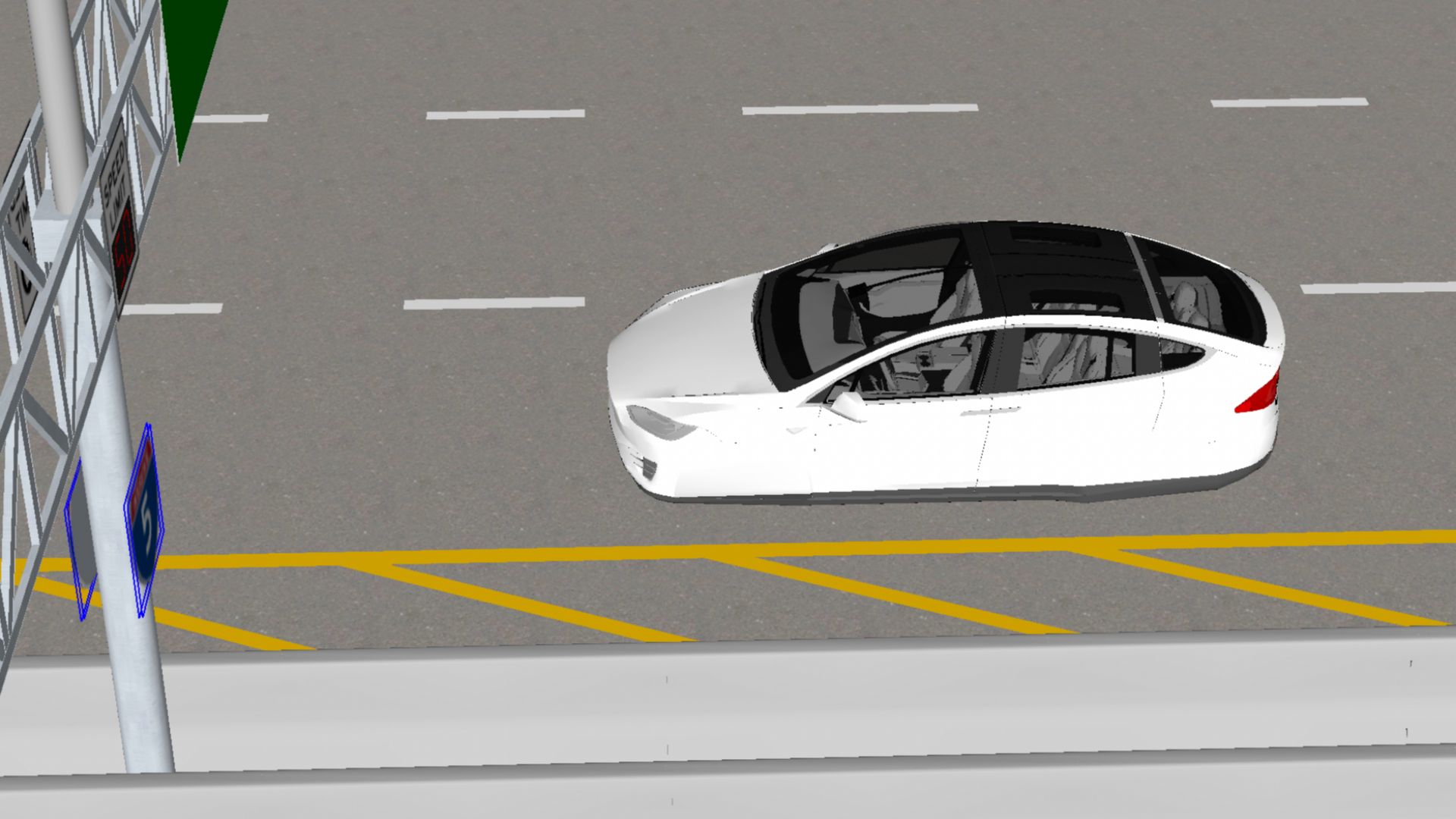
Coastal and canal-heavy cities are expected to embrace dual-mode commuters. Wheels might retract, and sealed hulls might engage as cars roll into waterways. Journeys will continue seamlessly from downtown streets to riverside districts without pausing to switch transport.

5. Self-Healing Exteriors
Future body panels are projected to use micro-reactive materials. A scrape or dent might trigger a chemical process that restores shape and color overnight. Owners could wake to a car that looks freshly detailed, with minor accidents no longer draining budgets.
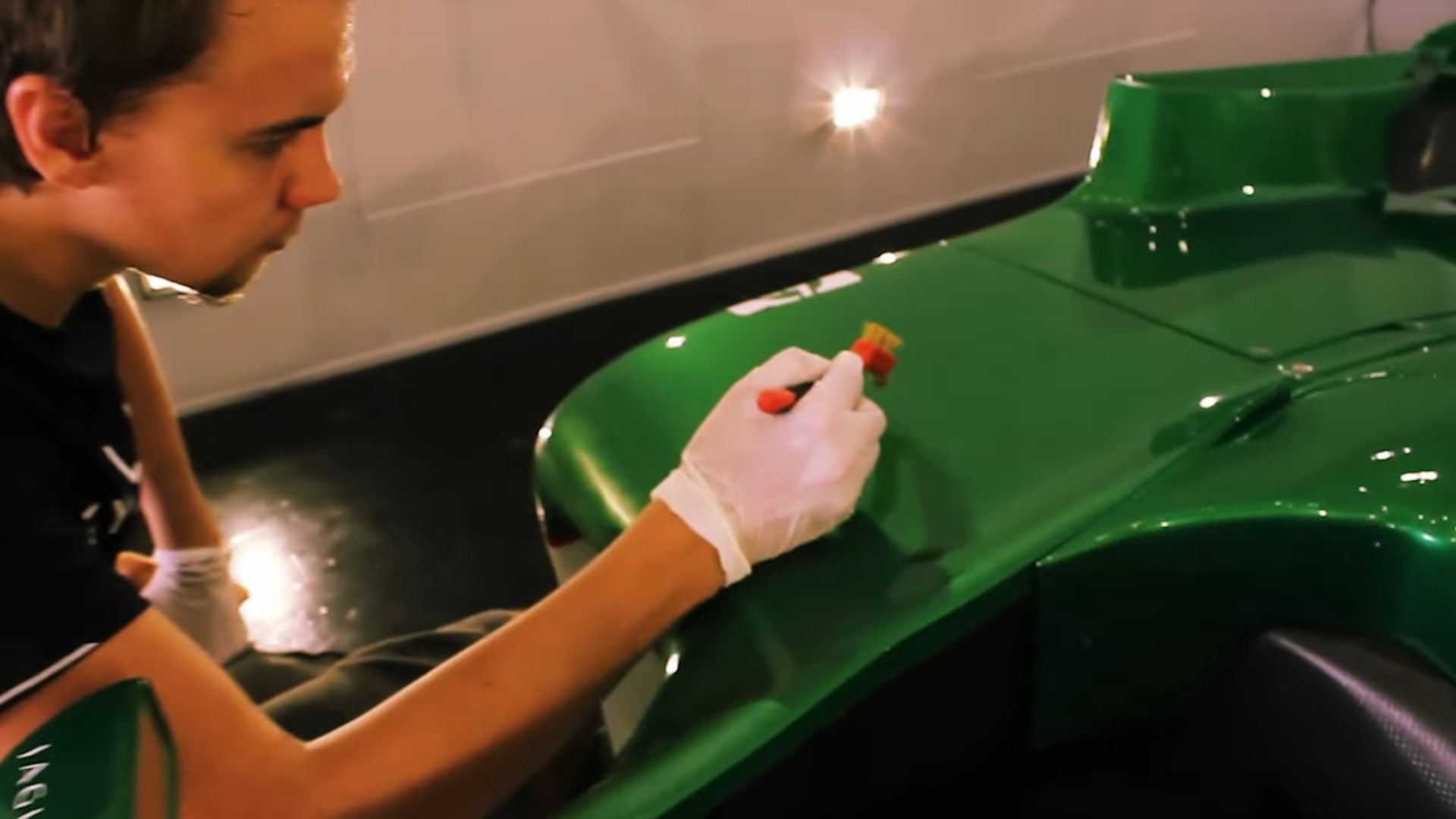 Self Healing Coating - The ultimate paint protection - FEYNLAB™ by FEYNLAB
6. Solar-Powered Body Panels
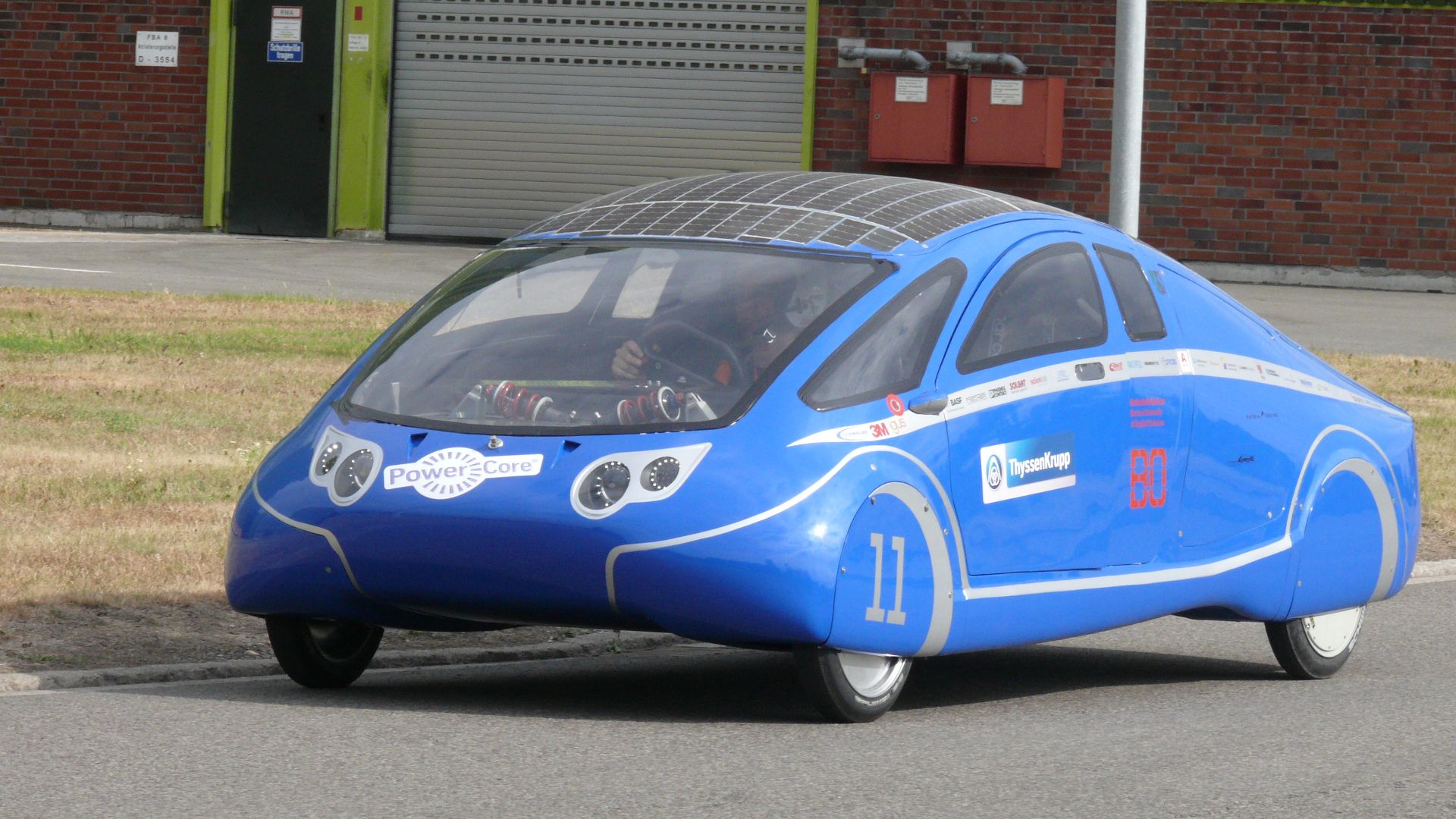
A skin of thin solar film is expected to become standard. Whether parked or moving, the body would capture sunlight and channel it into onboard batteries. Extended range, fewer charging stops, and greener operation are all on the horizon.
7. Interconnected City-Wide Vehicle Ecosystems
The ultimate stage of evolution is set to connect every car and road sensor into one responsive grid. Routes, speed, and energy use may adjust dynamically for the collective good, turning cities into living transport systems rather than loose traffic networks.
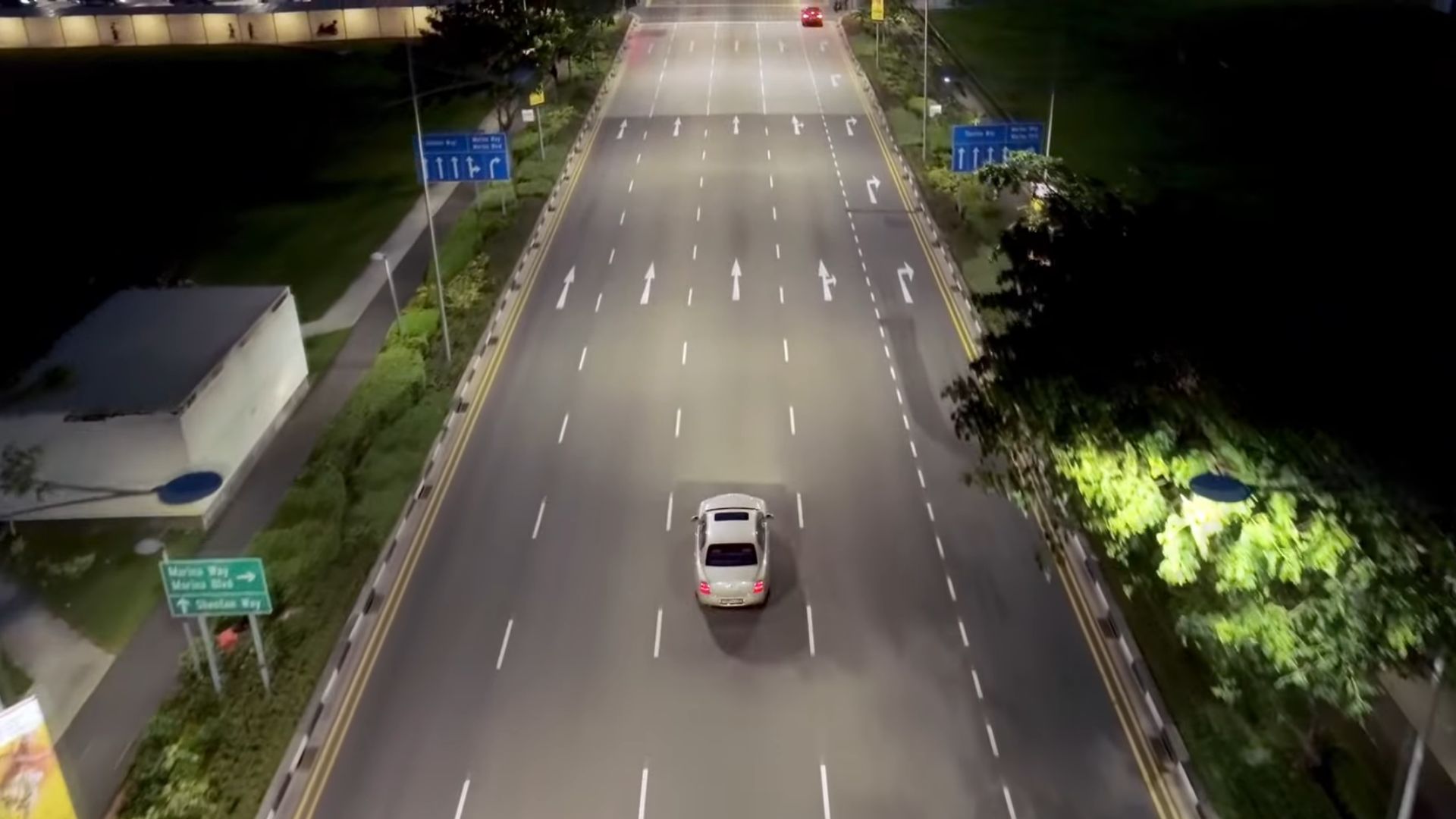 15 SMART HIGHWAYS and Intelligent Roads by Top Fives
8. Personalized Mood Lighting And Therapy Systems
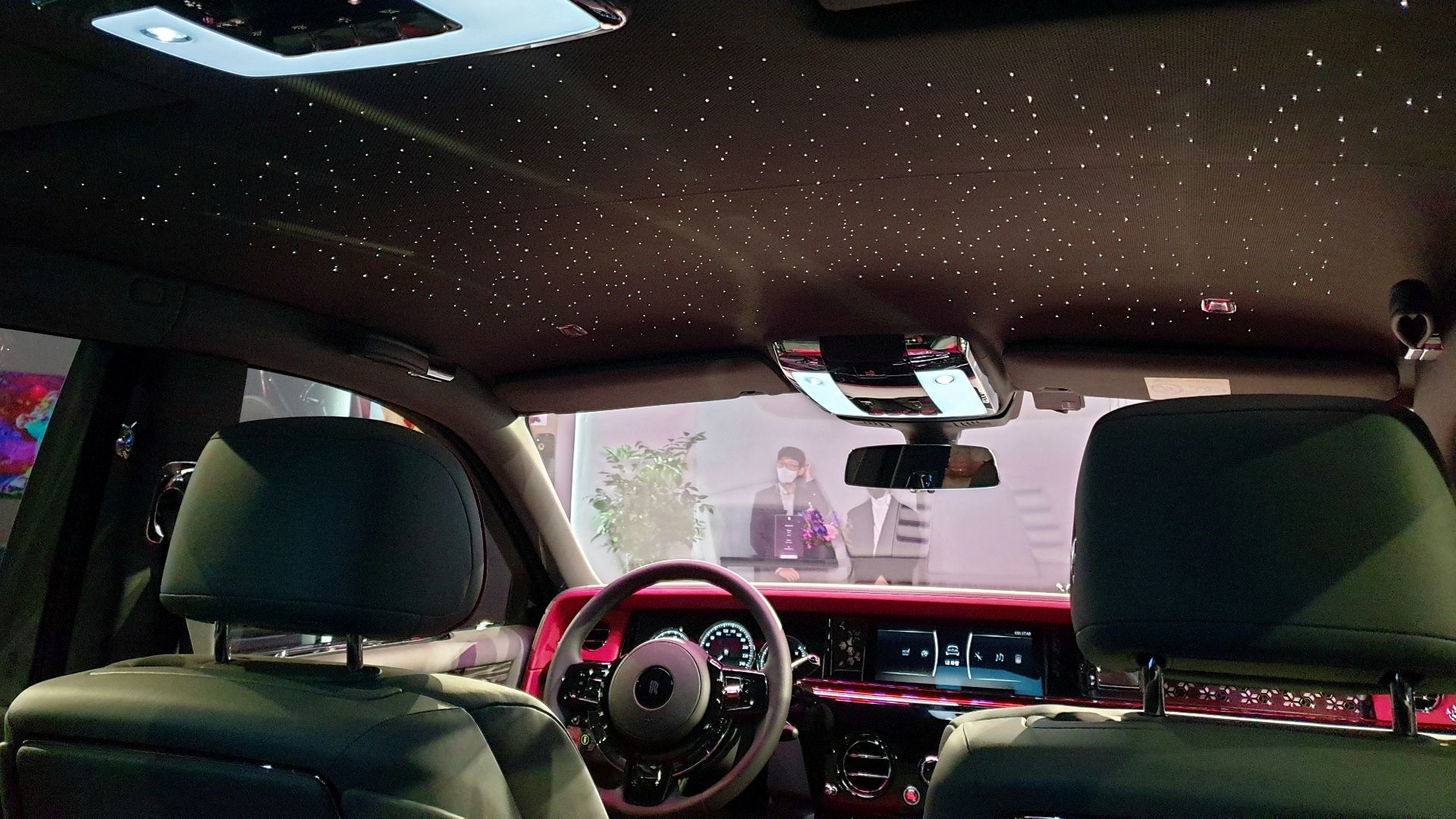
Cabins could soon respond directly to human emotion. Sensors might track stress and shift lighting tones and soundscapes to balance energy levels. Daily travel is likely to evolve into a form of guided recovery instead of a draining routine.
9. Vehicle-Integrated Drones
Upcoming models may feature drones stored inside the vehicle itself. Drivers will be able to send one flying to check congestion or locate a free spot. By feeding real-time visuals back to the car, they could give drivers an instant view of what lies ahead.
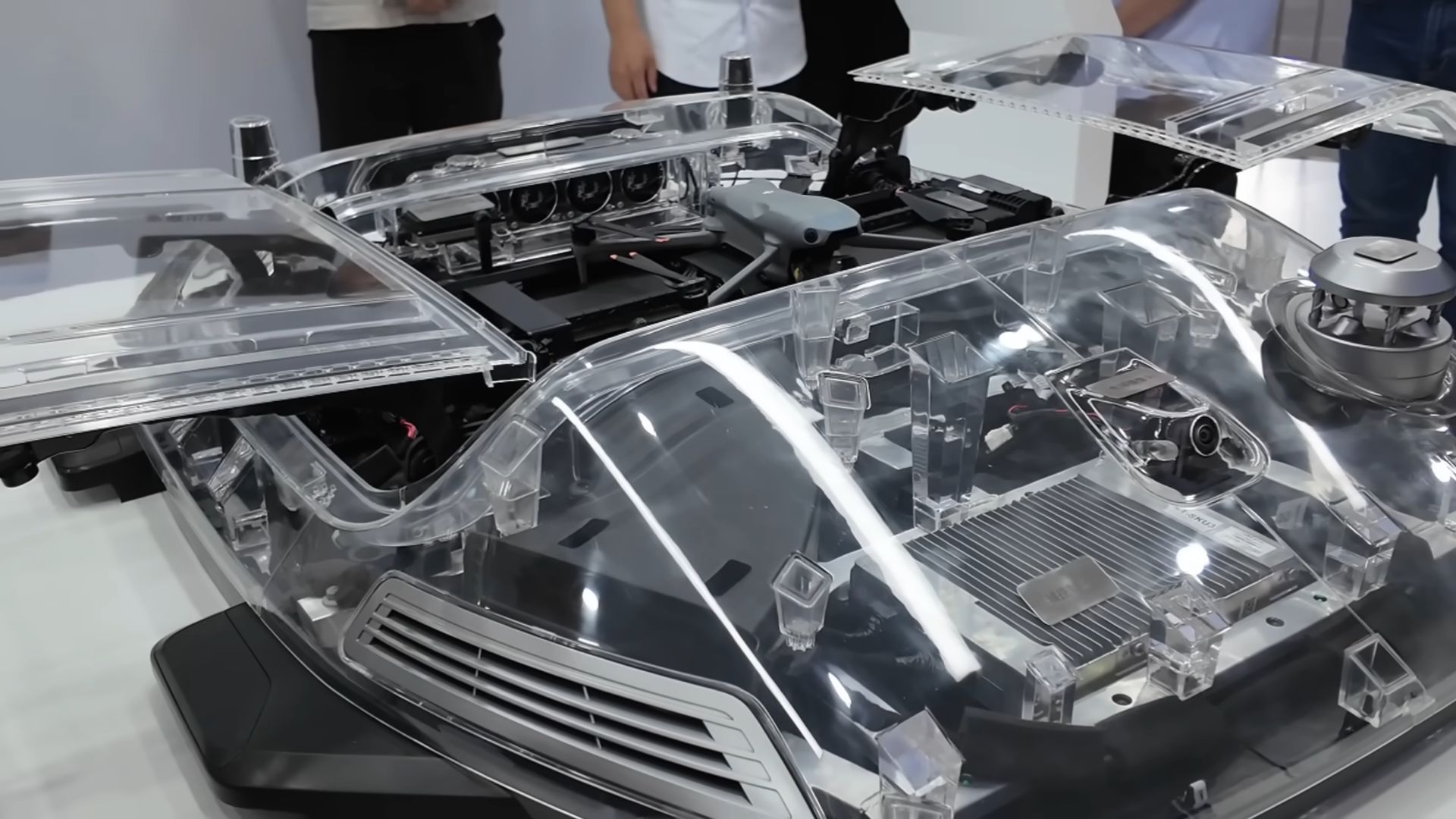 This Car has a Built-In Drone —The Future Is Here! by Barrett
10. Energy-Generating Tires
Tires with built-in generators could transform how cars handle energy. Their rotation might convert movement into electricity to power batteries or in-car electronics. Each kilometer may provide a chance to replenish energy and improve overall efficiency.
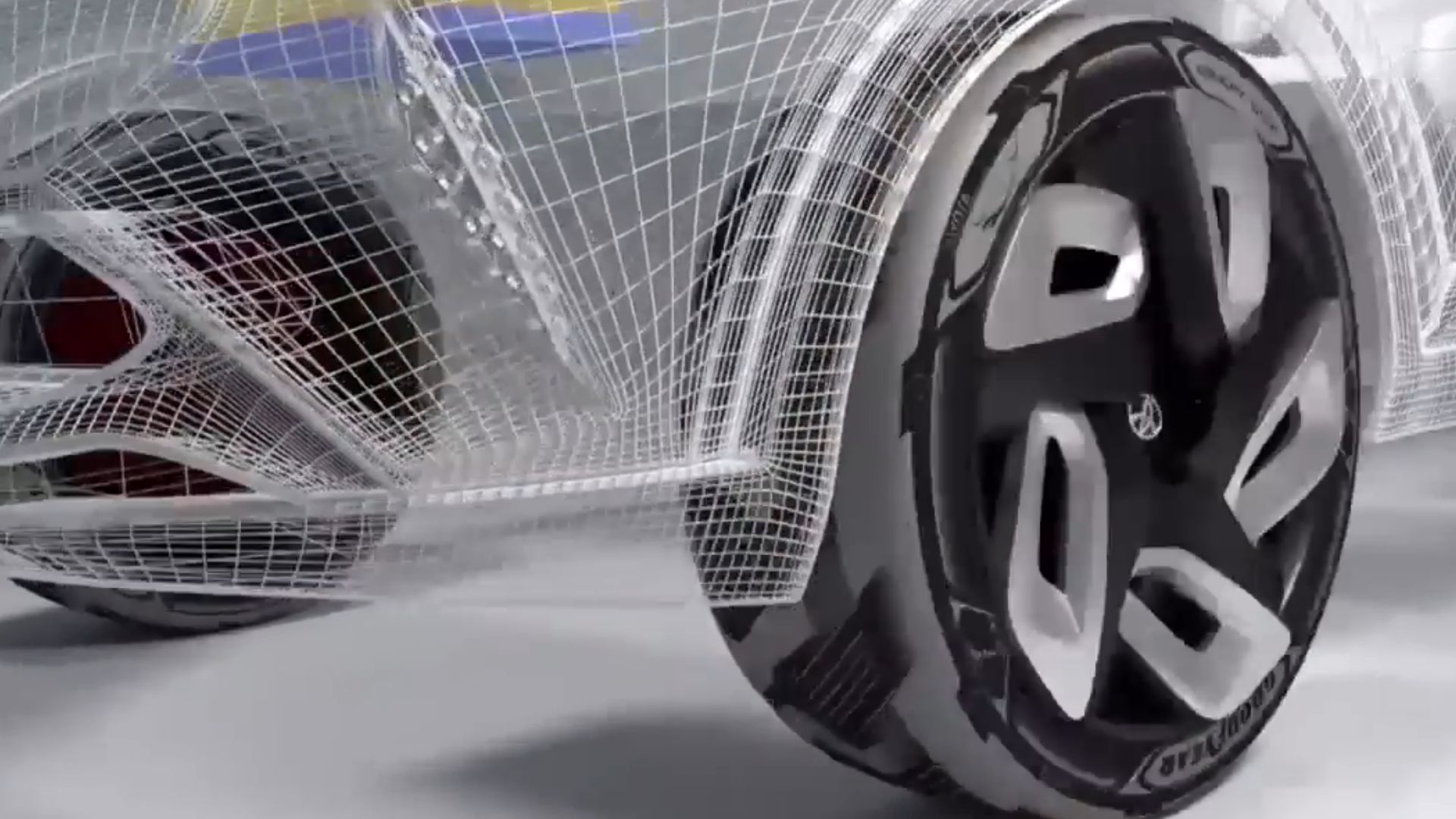 These tires could charge your car by CNN
11. Automated Window Transparency
Glass is expected to become dynamic. Windows may shift from clear to opaque at a touch to ensure privacy or block glare. This technology is also predicted to enhance displays by turning any pane into an interactive information screen or entertainment hub.
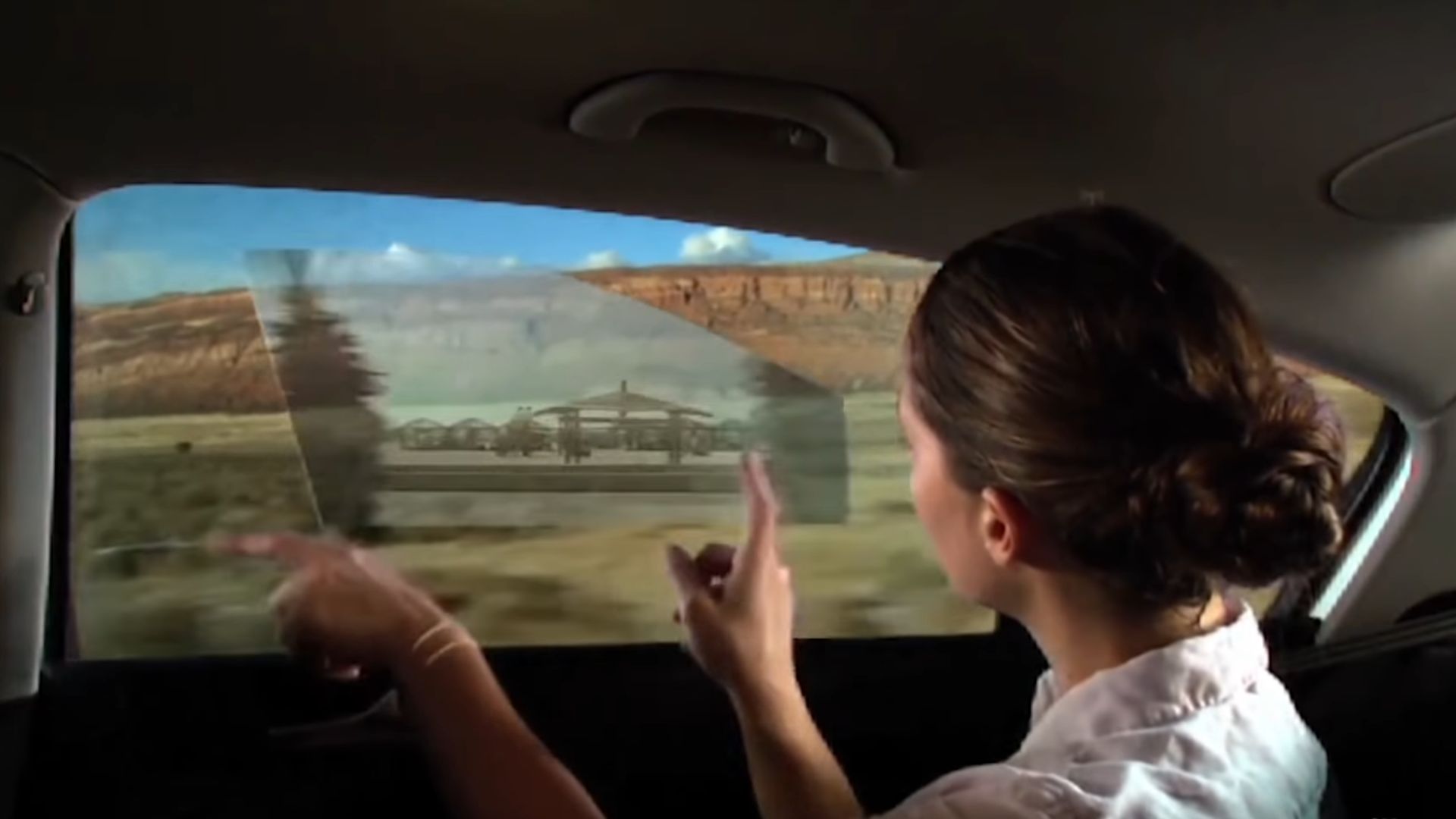 Car Tech 101: Making car windows smart and interactive by CNET Cars
12. Air-Purifying Vehicles
Vehicles may evolve into rolling air scrubbers. Special filters and catalytic layers are projected to clean incoming and outgoing airflow, removing pollutants during travel. Over time, entire fleets could noticeably improve urban air quality while still transporting people and goods.
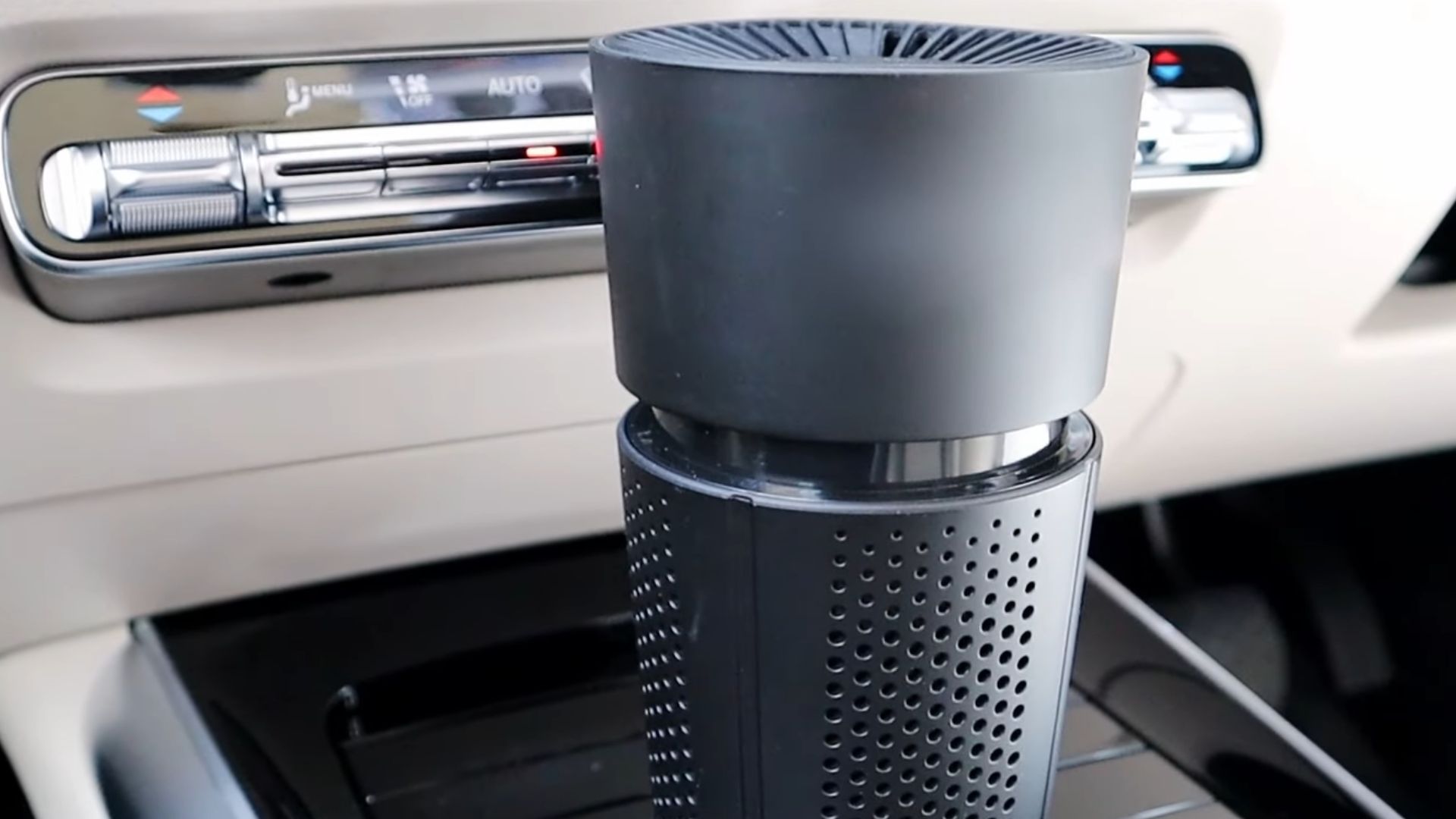 Best Car Air Purifiers 2024 by The Grapevine
13. Personal Health-Monitoring Vehicles
Car seats are anticipated to double as wellness scanners. Heart rate, posture, and oxygen levels may be checked automatically. If readings drift, the system could suggest breaks or adjust cabin settings to make commuting time an ally for health.
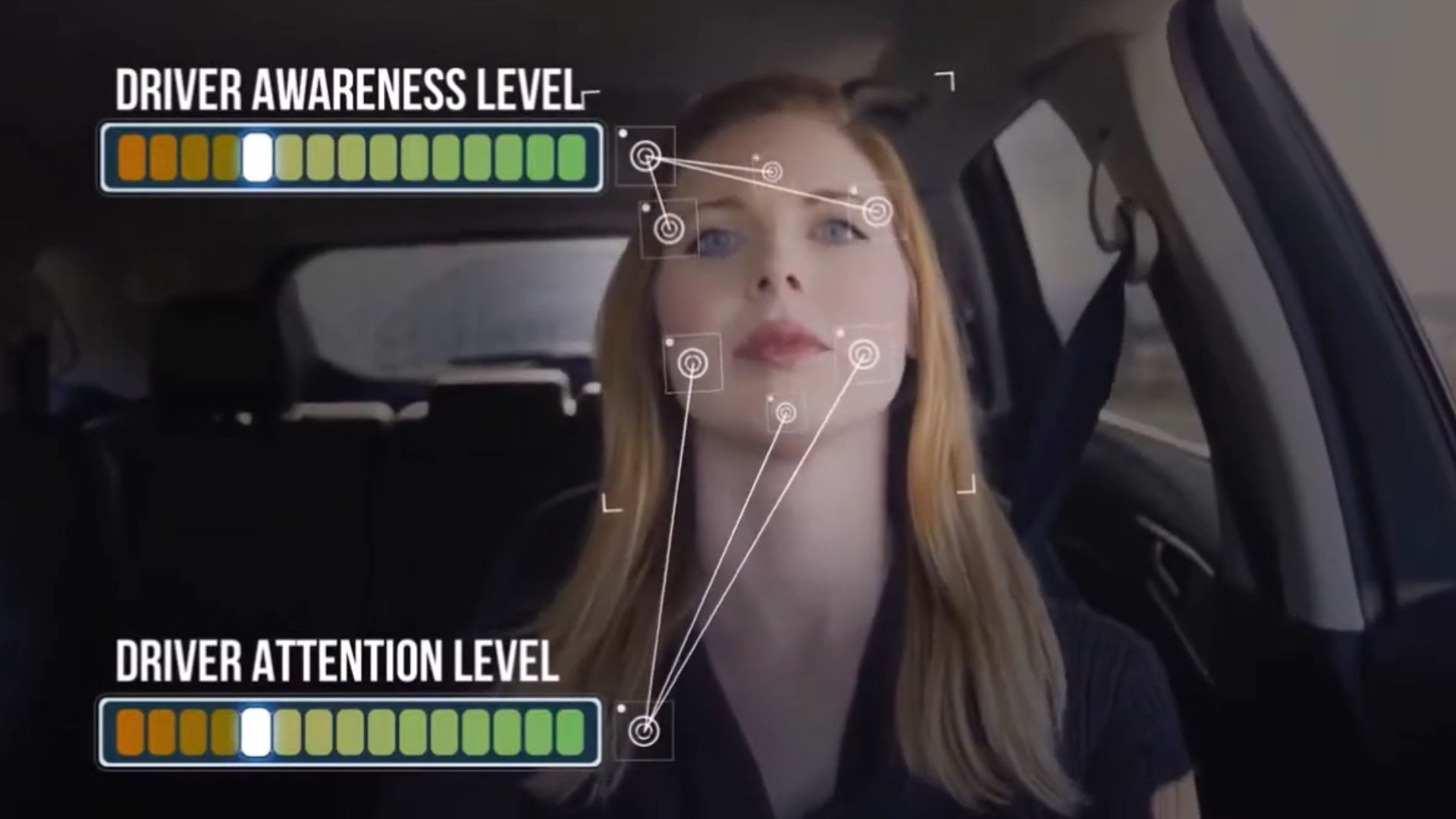 2020 cars with health monitoring, gesture control Technologies by Auto Accelerate
14. Modular Expandable Cars
Automotive startups are likely to pioneer chassis with plug-on modules. A commuter unit might gain a cargo shell or passenger pod in minutes. Owners could tailor one base vehicle to multiple tasks rather than purchase several models.
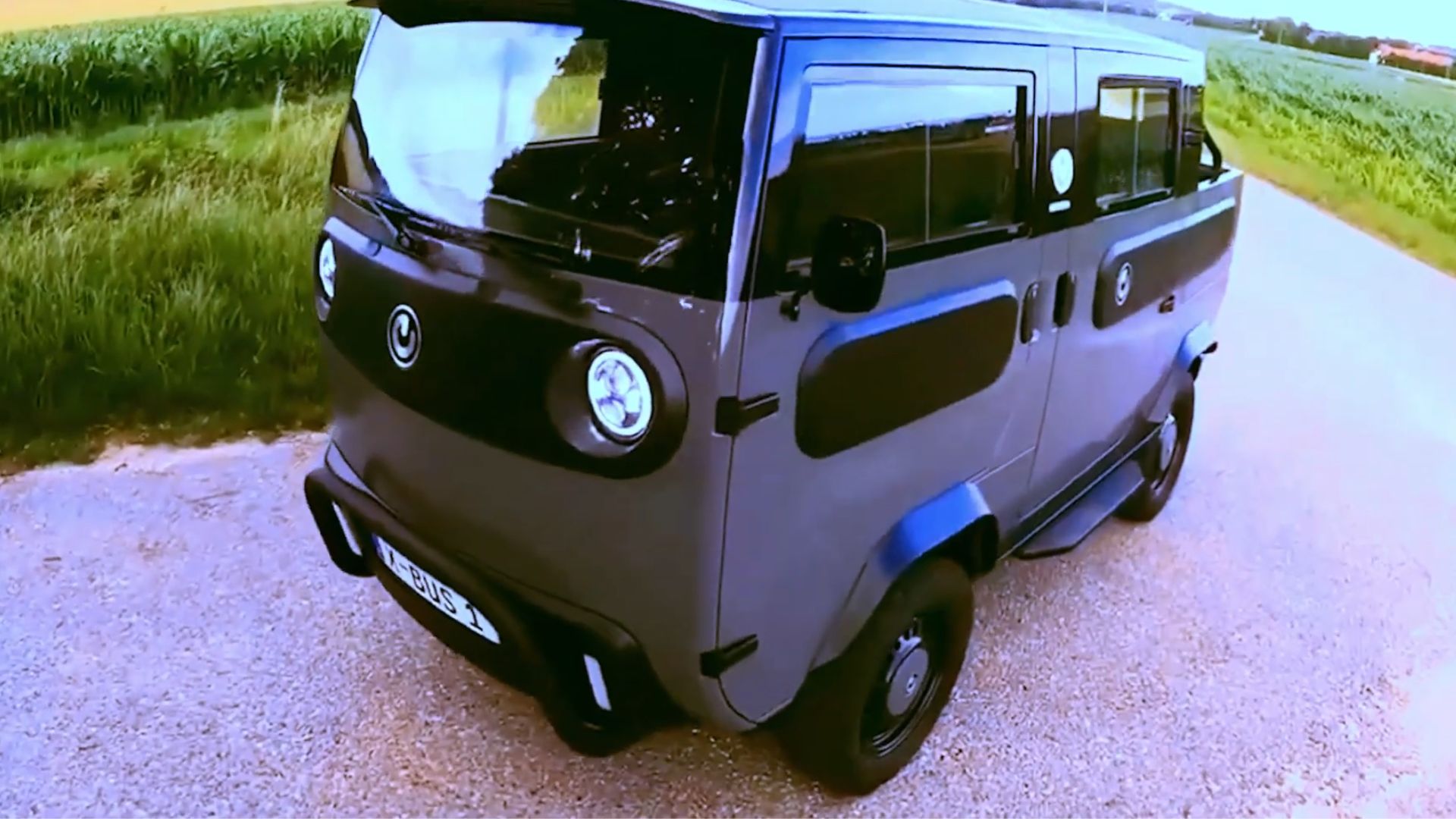
15. Crash-Free Predictive Networks
Roadway data sharing is likely to progress until collisions become rare. Cars are expected to communicate in real-time, mapping potential risks and rerouting automatically to safer paths, thereby building an invisible safety net before trouble develops.
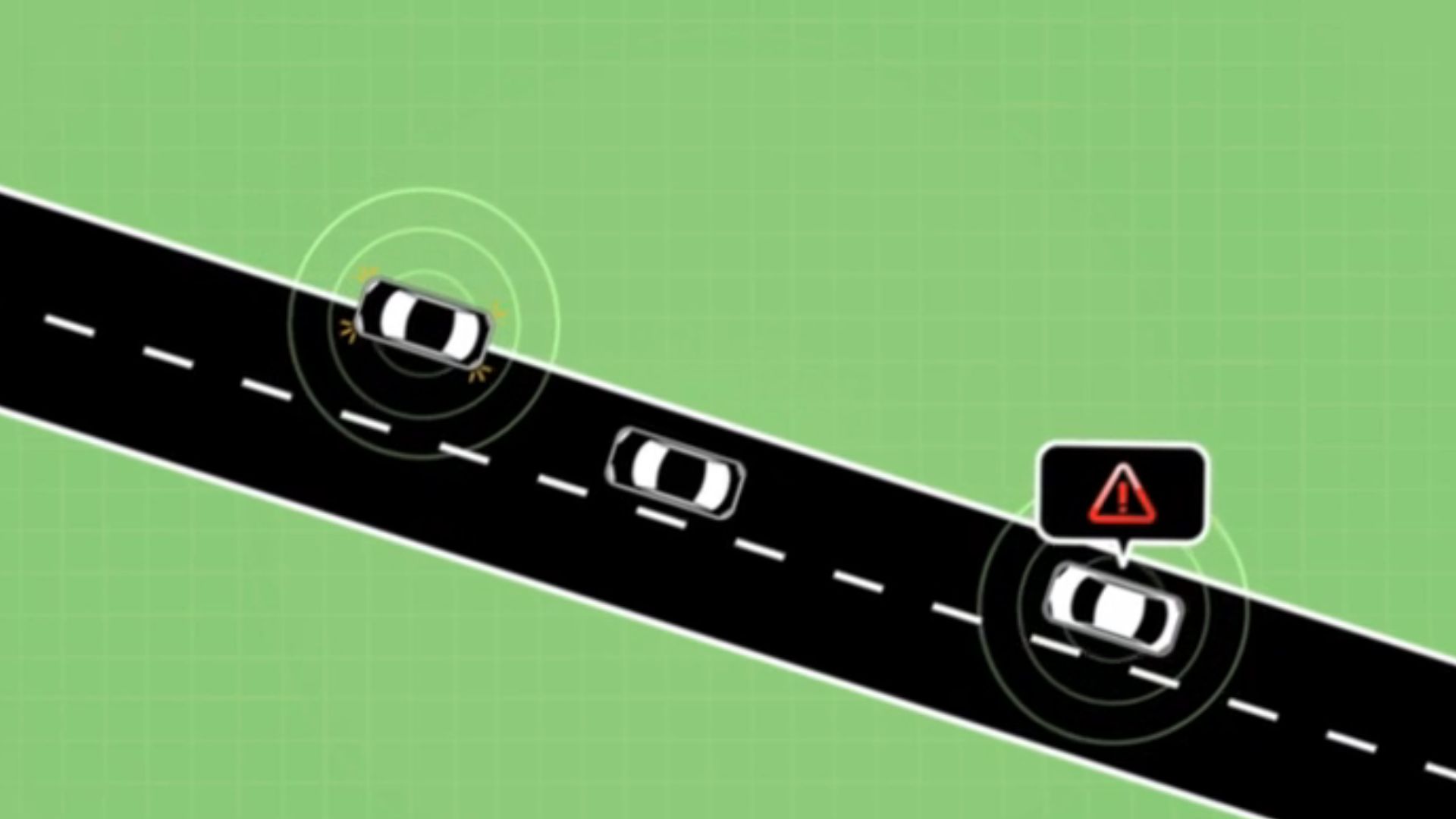 U.S.DOT - Vehicle To Vehicle Communication by ITS JPO
16. Vehicles With Onboard Climate Pods
Designs are likely to introduce microclimate bubbles inside cabins. Each seat could regulate its own temperature and humidity to keep travelers comfortable regardless of outside weather. These climate pods are set to turn every drive into a tailored experience.
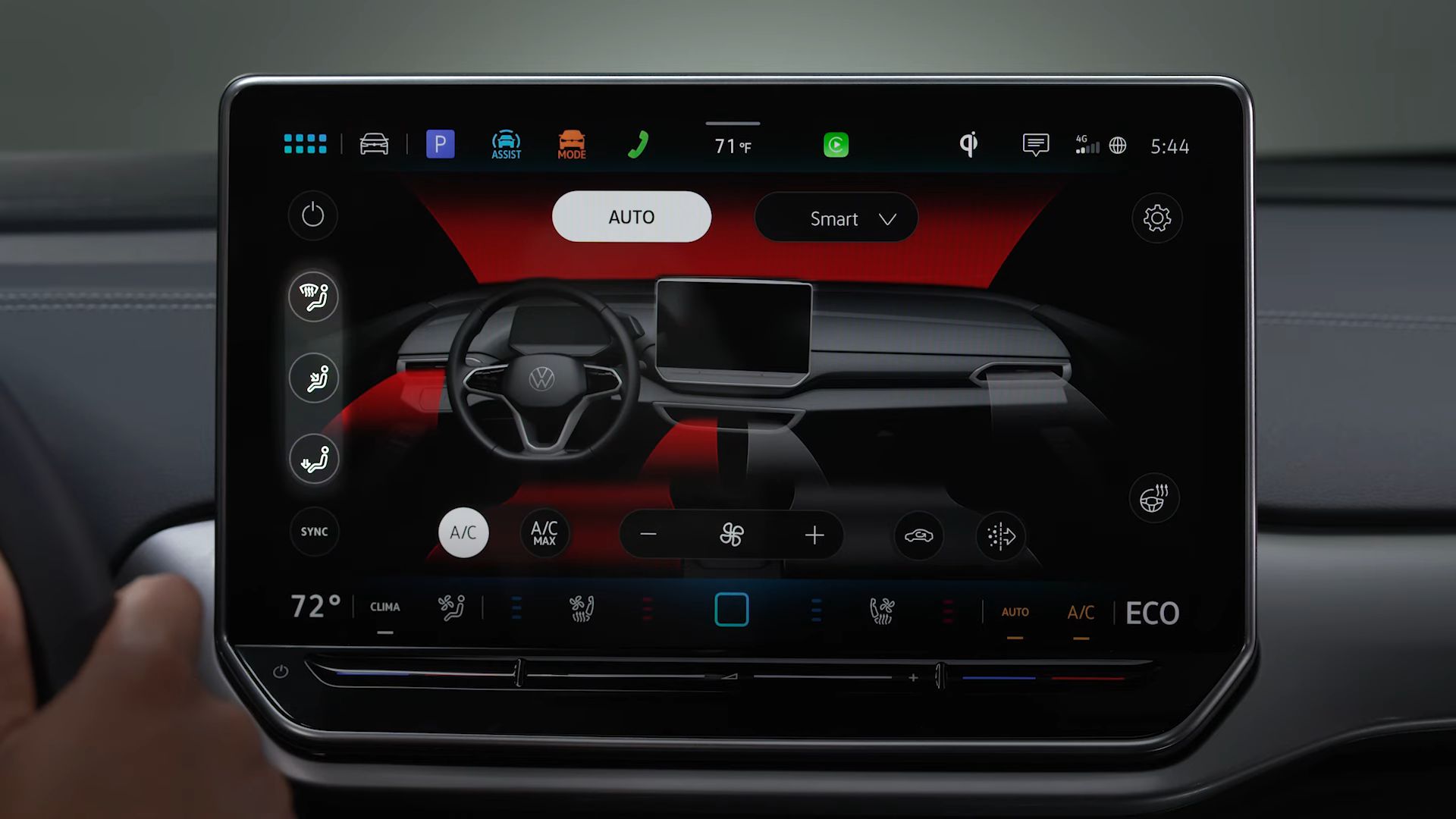 Climate Controls Overview by Volkswagen USA
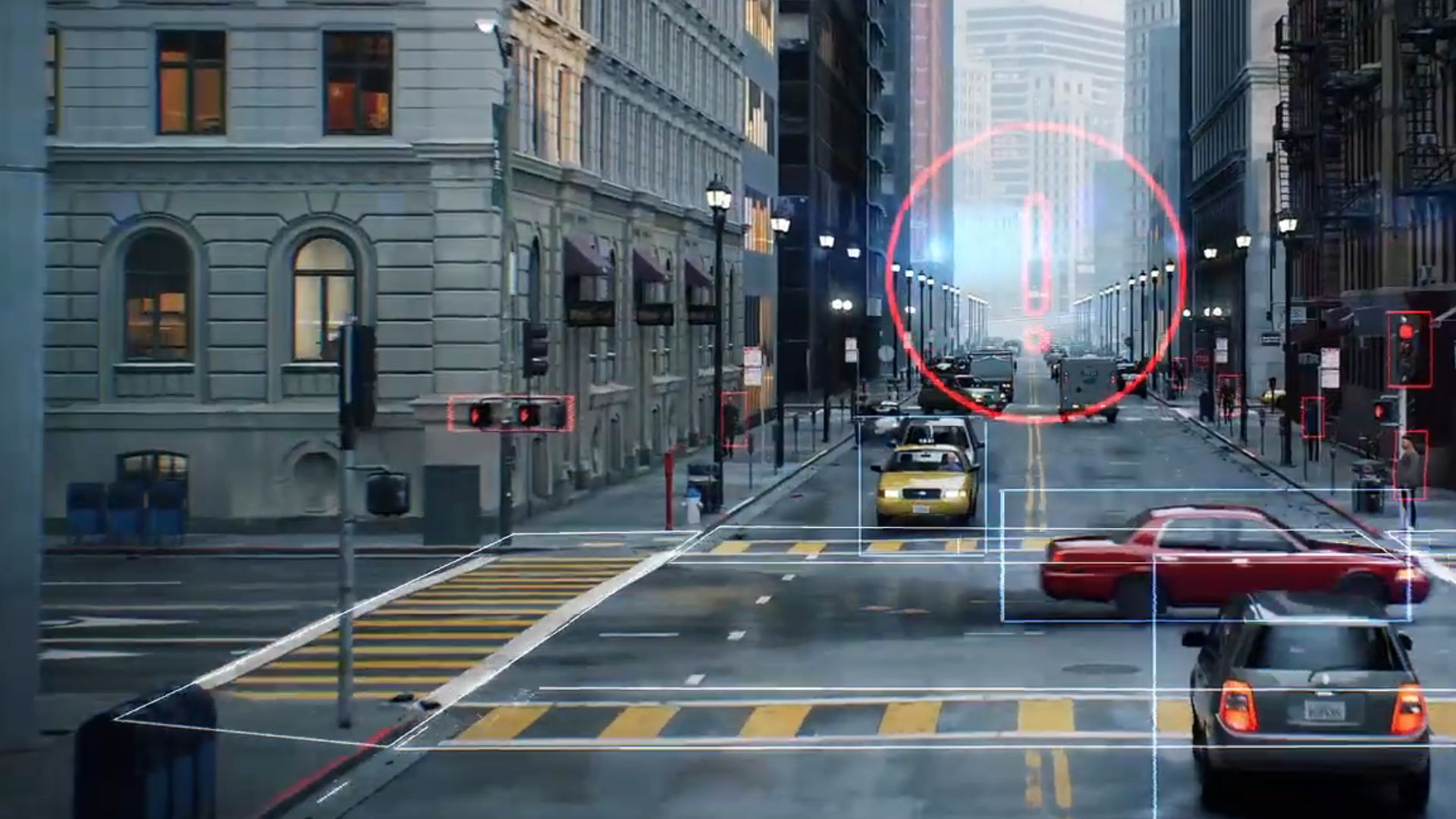
17. Traffic-Predicting AI Systems
Artificial intelligence is poised to forecast jams hours ahead. By analyzing sensor feeds and event schedules, it may suggest alternative routes before delays form. Predictive guidance can also help shorten commutes and smooth city-wide traffic.
18. Vehicles Capable Of Short-Distance Flight Delivery
Some cars might use detachable lift modules to hop across rooftops or drop off parcels. Businesses are expected to benefit from rapid, localized shipping, while owners could explore new ways of moving goods across dense urban areas.
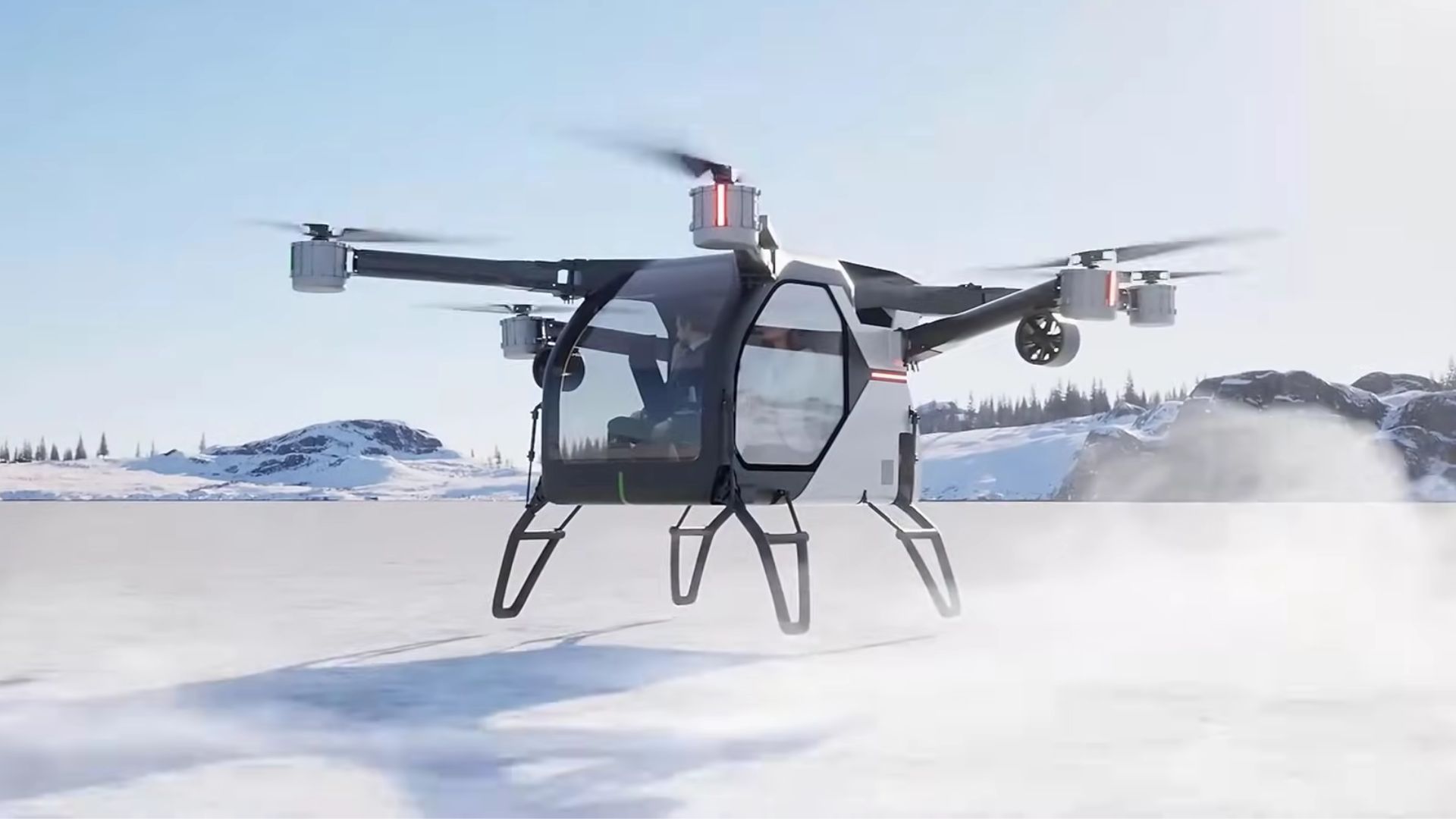 World's first modular Flying Vehicle | Witnessing Historic Vehicle by Future Lab
19. Shape-Memory Safety Shields
Safety systems are projected to use metals and polymers that snap into protective form when a crash looms. Instead of fixed crumple zones, these shields could adjust in milliseconds, absorbing impact more effectively and keeping occupants safer.
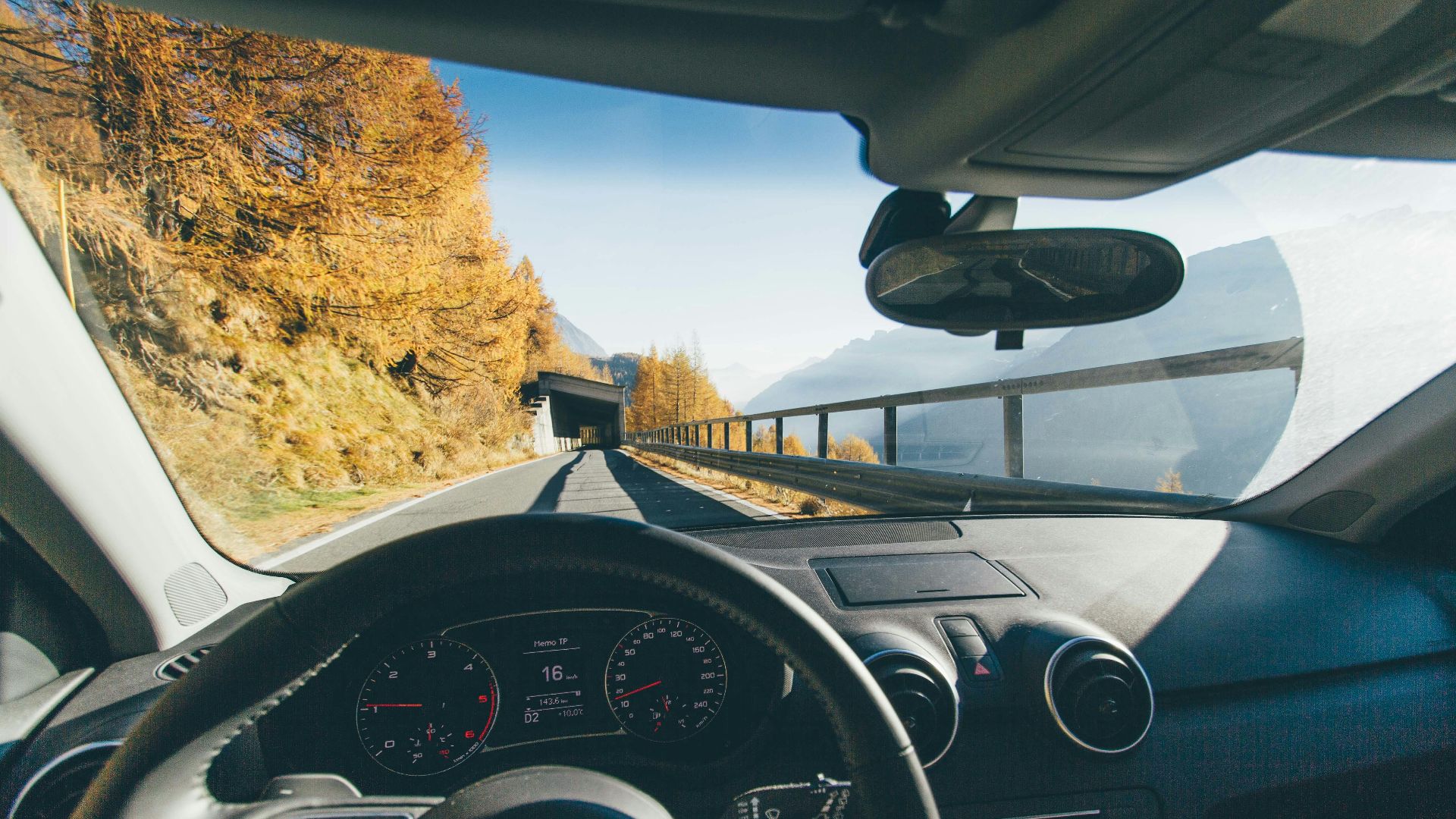
20. Road-Charging Vehicles
Charging pads built into pavement could transfer power directly into moving cars. Owners will never have to stop to plug in, as energy flows continuously during travel. Such roads would transform electric driving from range management into effortless operation.
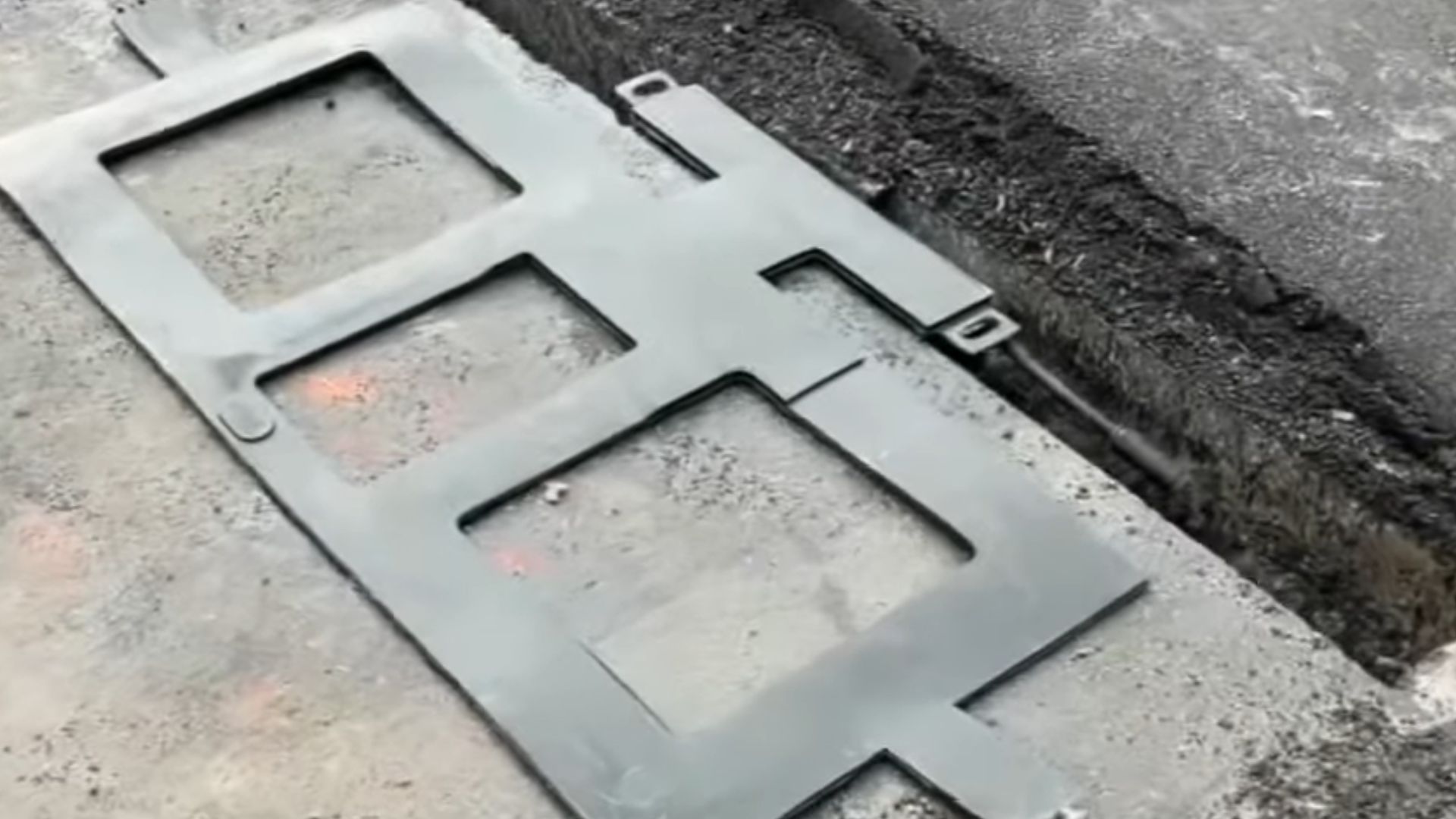 Electric vehicle tech: The rise of wireless charging roads by 6abc Philadelphia