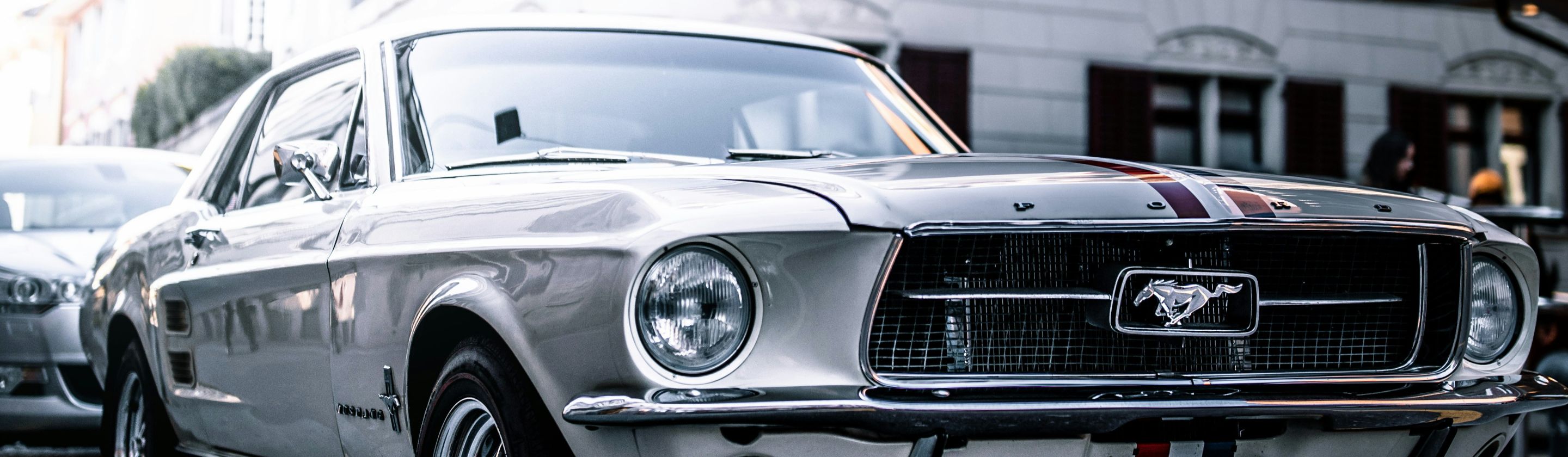
Luxury cars have a certain pull, even if you’re the type who claims you “just need something reliable.” Even if the performance is more or less the same as something cheaper, it's the specific way the doors close with a satisfying thump, the prestigious logo, and the cabin that feels like a lounge. Still, that higher sticker price can be hard to justify.
Whether luxury is “worth it” depends less on the badge and more on what you value day to day. Some people genuinely benefit from the comfort, safety tech, and refined driving feel, while others end up paying for features they don't really notice or care about. If you’re considering the leap, it helps to look past the glamour and focus on what you truly value.
What you’re really paying for
Luxury isn’t just leather seats and a flashy logo, even though those are the parts you see first. You’re often paying for quieter cabins, better materials, and more careful attention to the small details that make a car feel solid. The ride can be smoother, the seats comfier, the steering more precise, and the technology more polished. If you spend a lot of time driving, those upgrades can feel less like fluff and more like quality-of-life improvements.
Safety and driver assistance features are another area where luxury brands frequently stack the deck. Many upscale models offer advanced systems earlier than mainstream brands, or they bundle more features into higher trims that people actually buy. That can mean better headlights, stronger braking feel, and more confidence on long highway drives. If you like the idea of your car working in the background to reduce stress, luxury can deliver real value.
Then there’s performance. Luxury brands tend to offer stronger engines, better transmissions, and more refined handling, which can make driving feel easier and more composed. The point isn’t always speed, but effortlessness, like merging without planning three moves. If you care about the way a car responds, it's hard to go back.
The hidden costs that can sneak up on you
The first cost is the obvious one: luxury cars usually depreciate quickly, especially if you buy new. Some models hold value well, but many take a steep drop in the first few years, and that’s money you don’t get back. If you’re the kind of person who trades cars frequently, depreciation can be the most expensive part of ownership. This is why used or certified pre-owned options can look so tempting, even for people who like shiny things.
Maintenance is where the “worth it” question becomes very personal. Luxury cars often require pricier parts, specialized labor, and more expensive tires and brakes than a typical car. Even routine service can cost more simply because the car is engineered with different standards and components. If you’re not prepared for that ongoing cost, the car can go from “nice treat” to “why is my wallet sweating?”
Insurance and repairs also tend to run higher than you’d guess from the monthly payment alone. Premium vehicles can cost more to insure because replacement parts and repair times can be higher, especially with modern sensors and cameras tucked into bumpers and windshields. A minor fender bender can become a surprisingly detailed repair job once the tech gets involved. It’s worth getting insurance quotes up front so you’re not surprised after you’ve already fallen in love with the interior lighting.
Who luxury makes sense for, and who should skip it
Luxury cars are often worth it if you’ll actually use the benefits regularly. If you drive long distances, commute daily, or spend hours in your vehicle for work, comfort and reduced fatigue can feel like real returns on investment. The quiet cabin, better seats, and smoother ride aren’t just “nice,” they can change how you arrive at places. For someone who treats driving as a major part of their routine, upgrading the experience can be rational, not indulgent.
They also make sense for buyers who plan strategically and keep the car long enough to dilute the upfront cost. A well-chosen certified pre-owned luxury car can deliver the premium feel at a much more reasonable entry point. If you maintain it properly and avoid constant upgrades, you can get years of enjoyment without paying the steepest part of the depreciation curve. In that scenario, luxury becomes less about showing off and more about buying the car you actually want.
On the other hand, luxury may not be worth it if you mainly want dependable transportation with low drama. Many mainstream brands now offer impressive comfort, strong safety ratings, and modern tech without the premium maintenance bill. If you’re stretching your budget to make the monthly payment work, you might end up resenting the car the first time it needs tires or a repair. The best luxury car is the one that fits your life comfortably, not the one that makes you feel financially cornered.
Luxury cars are worth the extra cost when you’re paying for benefits you’ll feel every week, not just a feeling you’ll enjoy for the first month. If you want a vehicle that’s calmer, nicer to drive, and built with extra refinement, the premium can be justified. If your priorities are low operating costs and simple ownership, a high-quality mainstream car might be the smarter choice. Either way, the right answer is less about status and more about lifestyle.