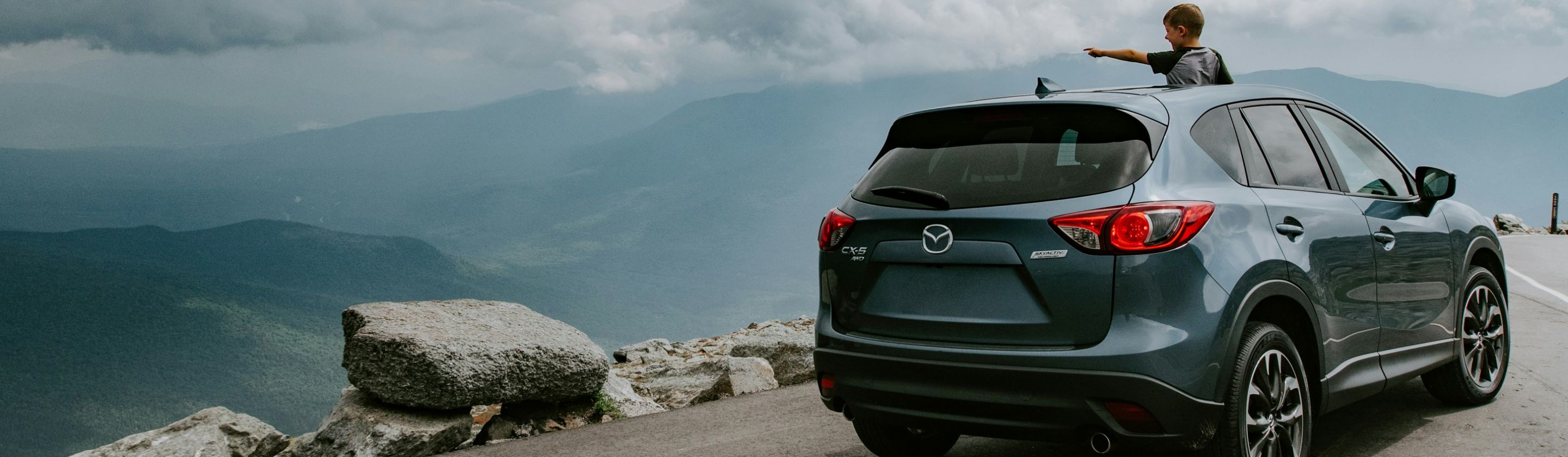
A Brief History of the SUV & Why it Took Over American Roads
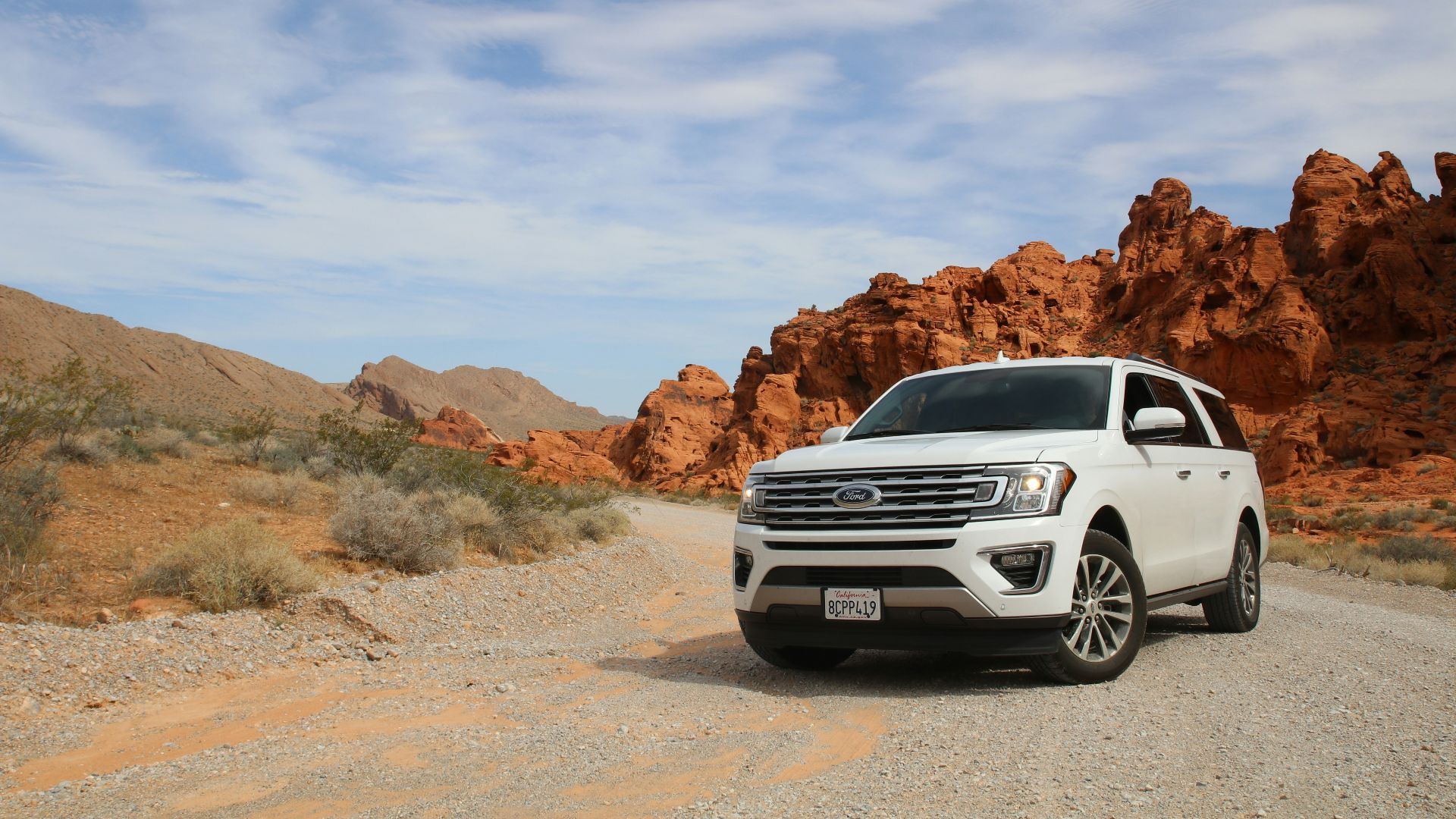
The SUV feels so normal on American roads now that it’s easy to forget it used to be a more specialized machine. Once, vehicles with serious ride height and four-wheel drive were mainly for farms, trails, work sites, and war zones. They were useful, rugged, and not especially concerned with cupholders.
Then something changed. SUVs moved from the edges of the market into the center of American family life, replacing station wagons, threatening minivans, and eventually reshaping what automakers built. By 2024, SUVs reportedly made up 58% of new vehicle purchases in the U.S. from January through October, while smaller cars fell to 19%. That’s not just a trend; that’s a road takeover.
From Military Utility to Family Driveways
The SUV’s roots are practical rather than glamorous. Vehicles like the wartime Jeep proved that a small, rugged, go-anywhere machine could be incredibly useful when roads were rough or nonexistent. After World War II, civilian Jeeps and other utility vehicles carried that spirit into farms, rural communities, and outdoor recreation. They weren’t lifestyle accessories yet; they were tools that happened to have wheels.
The Chevrolet Suburban also deserves a place in the early story. It dates back to the 1930s and helped establish the idea of a vehicle that could carry people and cargo with truck-like toughness. Long before “SUV” became the everyday label, Americans were already warming to vehicles that could do more than a sedan. The basic appeal was simple: space, strength, and the feeling that nothing could harm it.
By the 1960s and '70s, models like the Ford Bronco, Jeep Wagoneer, Chevrolet Blazer, and International Harvester Scout helped make the format more familiar. These vehicles were still rougher than modern crossovers, but they blended workability with weekend fun. The Jeep Wagoneer, especially, pushed the idea that a 4x4 could have comfort and style too.
The SUV Becomes a Suburban Status Symbol
The modern SUV boom really gathered force in the 1980s and 1990s. The 1984 Jeep Cherokee helped set a new template by combining a family-friendly body, usable size, four-wheel-drive credibility, and everyday practicality. Then the Ford Explorer arrived in 1990 and became one of the defining vehicles of the decade. Suddenly, the SUV wasn’t just for outdoorsy people; it was for families who wanted to look a little more adventurous on the way to the mall.
Part of the appeal was emotional. SUVs gave drivers a higher seating position, a sense of control, and a feeling of safety, even if the real safety picture was more complicated. Sitting above traffic changed the driving experience in a way many people liked immediately.
The SUV also arrived at the perfect cultural moment. Station wagons had started to feel old-fashioned, and minivans, despite being extremely practical, were quickly branded as deeply uncool. SUVs offered family space without the same parental surrender energy. They let people carry kids, groceries, sports gear, and camping equipment while still pretending they might turn onto a mountain trail at any second.
Automakers loved SUVs too, and not just because they looked rugged in commercials. Trucks and truck-based SUVs could be profitable, and U.S. fuel economy rules treated light trucks differently from passenger cars for years. That gave manufacturers an incentive to build and market bigger vehicles. Consumers wanted them, automakers wanted to sell them, and sedans began quietly packing their bags.
Crossovers Made the Takeover Complete
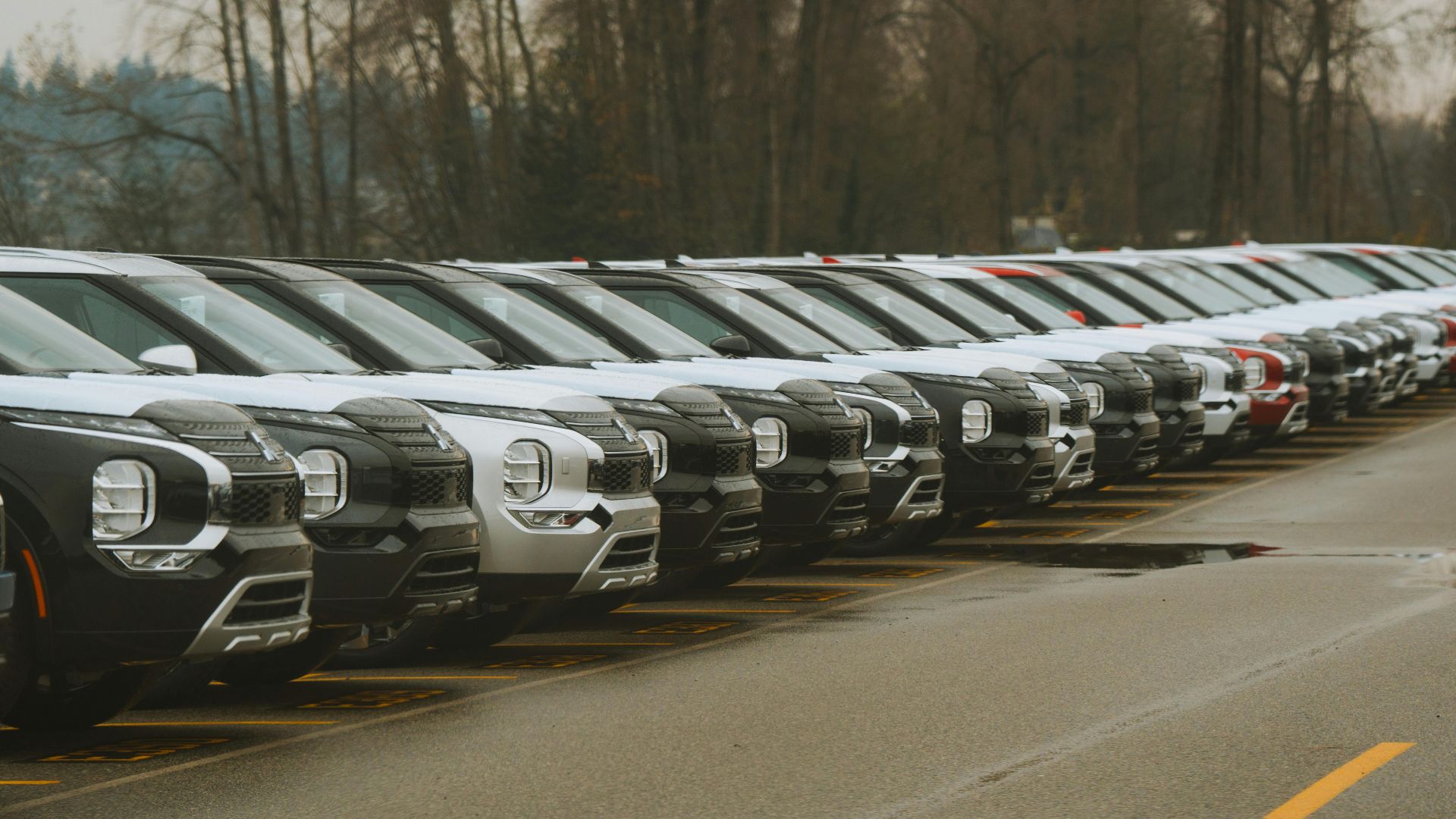
The real masterstroke was the crossover. Traditional SUVs were often truck-based, but crossovers used car-like unibody construction, making them easier to drive, more comfortable, and often more fuel-efficient. Vehicles like the Toyota RAV4 and Honda CR-V proved that buyers didn’t necessarily need heavy-duty off-road ability. They just wanted the height, space, and image of an SUV with fewer compromises.
Crossovers became the answer to almost every shopping question. Need a family car? Buy a crossover. Want all-wheel drive for winter? Buy a crossover. Don’t want to look like you’ve given up? Definitely buy a crossover, preferably in gray. The category spread because it offered a little of everything.
As crossovers got better, sedans lost ground fast. Automakers began dropping small cars and traditional family sedans from their U.S. lineups because buyers kept choosing SUVs instead. The EPA’s Automotive Trends Report now tracks new light-duty vehicles across categories including cars, minivans, pickups, car SUVs, and truck SUVs, which says a lot about how central SUVs have become to the market. ThnicheV is no longer a side category; it’s one of the main languages of American transportation.
The shift also changed vehicle design. Today’s SUVs come in tiny, compact, midsize, luxury, electric, hybrid, off-road, three-row, coupe-like, and wildly expensive forms. Some are rugged in a real way, while others would faint at the sight of a gravel driveway. Still, the shape keeps winning because it promises flexibility, and modern buyers love feeling prepared for lives they may or may not actually live.
Why Americans Still Can’t Quit Them
The SUV takeover happened because these vehicles solved practical problems while flattering people’s self-image. They made drivers feel safer, more capable, more comfortable, and better equipped for family life. They also fit American roads, suburbs, big parking lots, long commutes, and a culture that has rarely been shy about liking more space.
There are downsides, of course. Larger vehicles can cost more, use more resources, create visibility issues, and pose greater risks to pedestrians and smaller cars. Still, the appeal remains powerful because SUVs have become the default answer to modern driving anxiety. The category took over because it made people feel ready, no matter what.
The history of the SUV is really the history of Americans wanting one vehicle to do nearly everything. It began with rugged utility, moved through suburban aspiration, and became dominant once crossovers made the formula comfortable and easy. You can criticize the SUV, love it, or be trapped behind one in a parking lot, but you can’t ignore it. At this point, the SUV hasn’t just taken over American roads; it's become idea of what a normal car is.