When “Good Enough” Gets Pushed Too Far
Keeping a car for longer than you should is often seen as a time-saving and short-term financial convenience, but there’s a point where “making it work” ends up stressing you out more than just getting a new set of wheels. The reliability issues alone are often cause for concern, and changing needs of your ol’ girl can slowly add up until you’re spending more time managing your vehicle than enjoying it. If you’ve been wondering whether you should replace your current ride, these signs can help you make the call with a little more confidence.
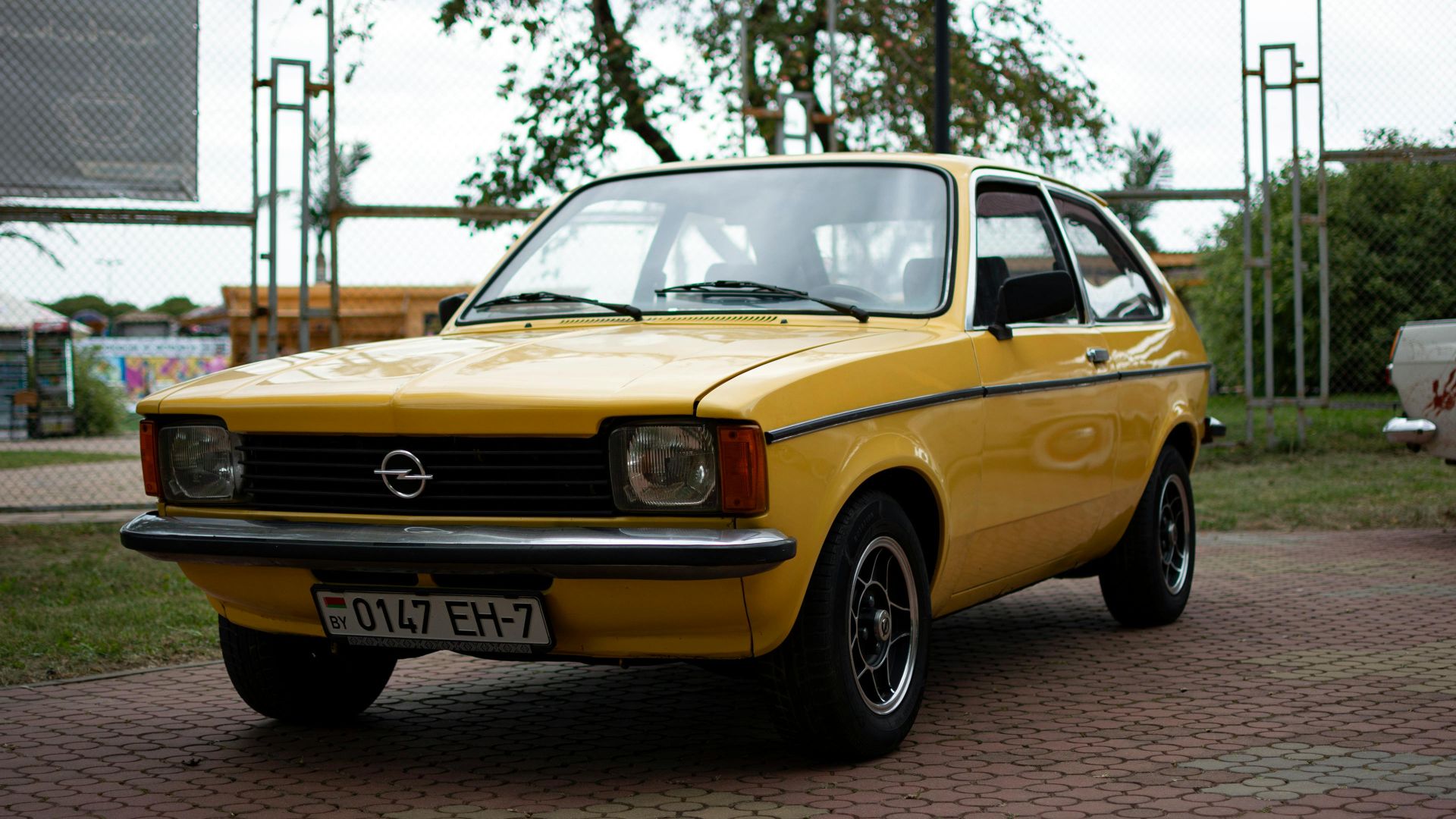
1. Repairs Keep Stacking
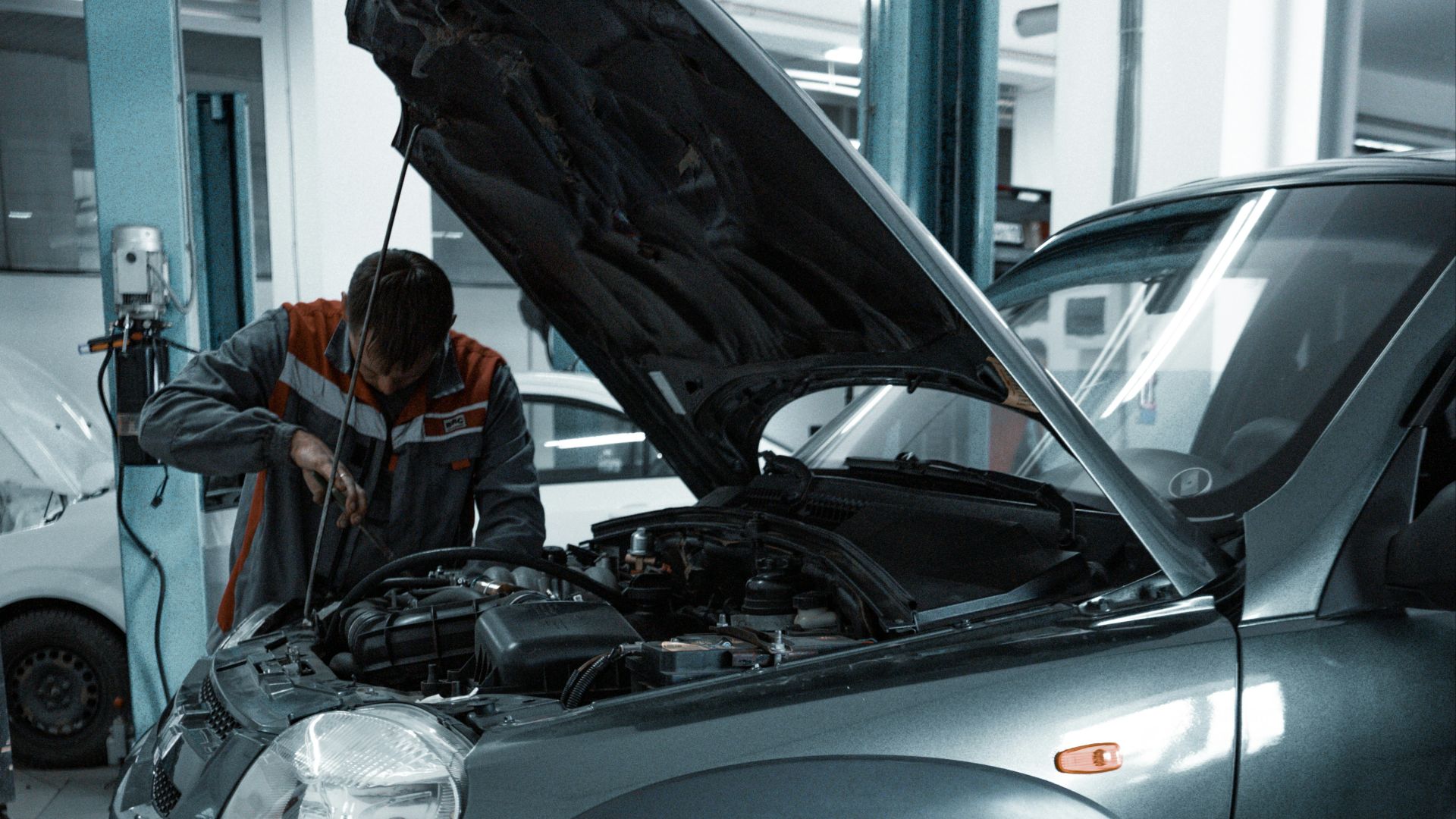
If you end up taking your car to the mechanic every month, it’s probably time to consider a new car. Sure, small repairs aren’t unusual, but regular visits to the shop can become a steady drain on time and money. When maintenance starts feeling constant, a newer vehicle may be the simpler option.
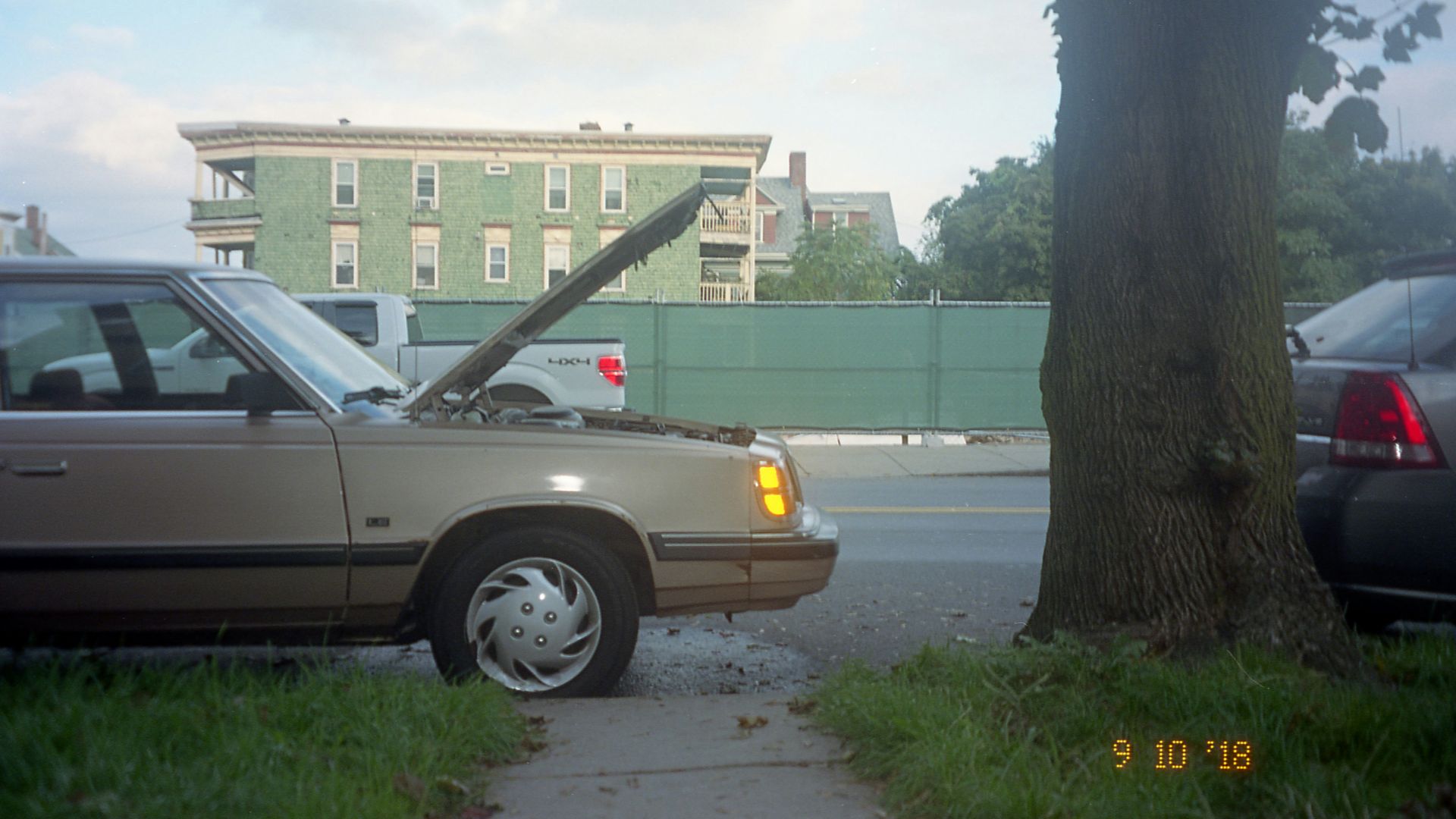
2. One Breakdown Away
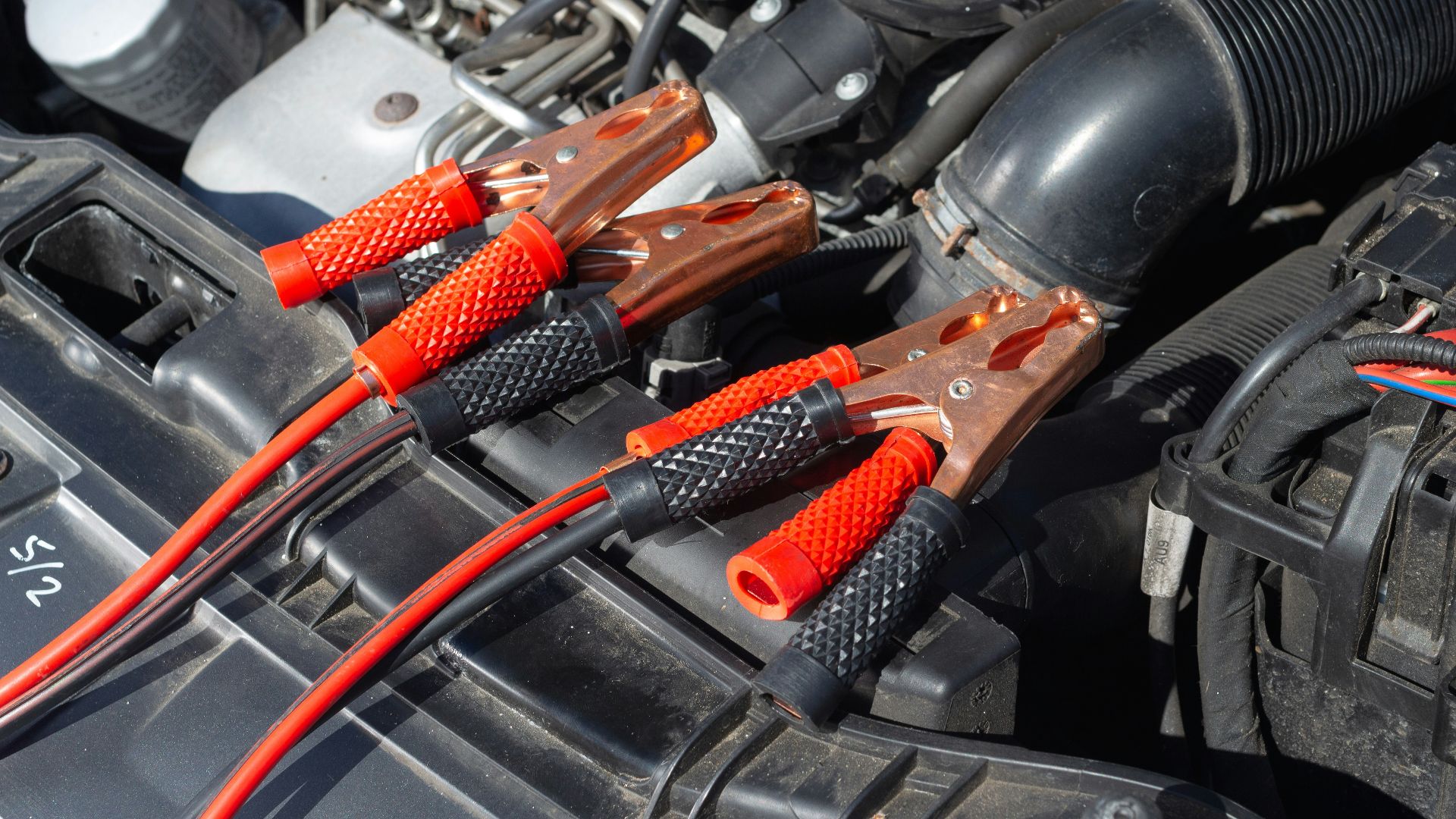
A car that makes you nervous for the entire drive might signal it's time for something new. If you worry it might not start, overheat, or stall, that stress will follow you on every trip. Unreliable vehicles also make scheduling harder, especially for work or appointments. At some point, peace of mind is a practical reason to upgrade.
3. Warning Lights Won’t Quit
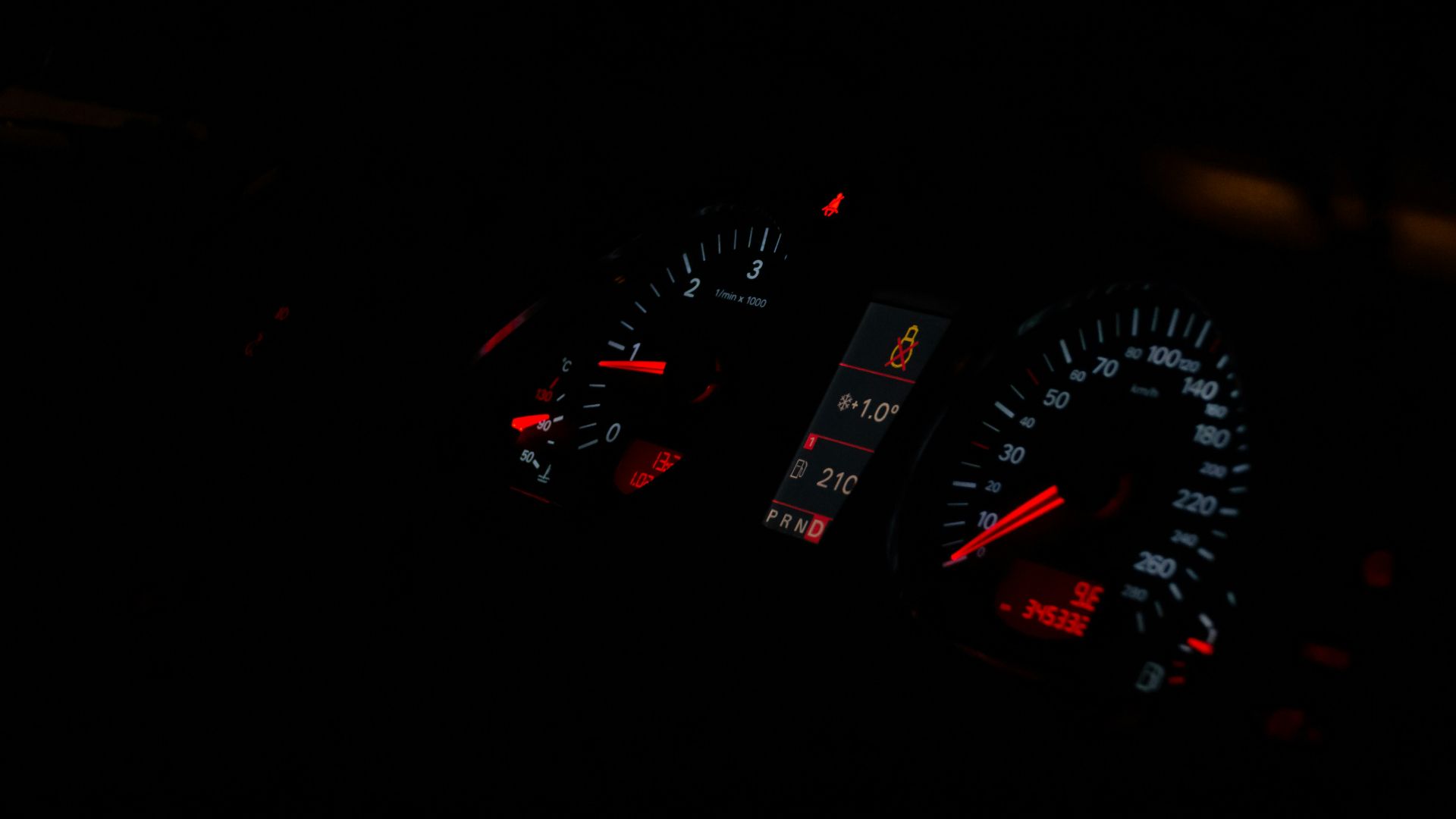
One check-engine light is annoying, but a dashboard that’s always lit is a different story. If the lights come back after repairs or multiple warnings appear at once, there's probably a more intense problem going on.
4. Missing Safety Tech
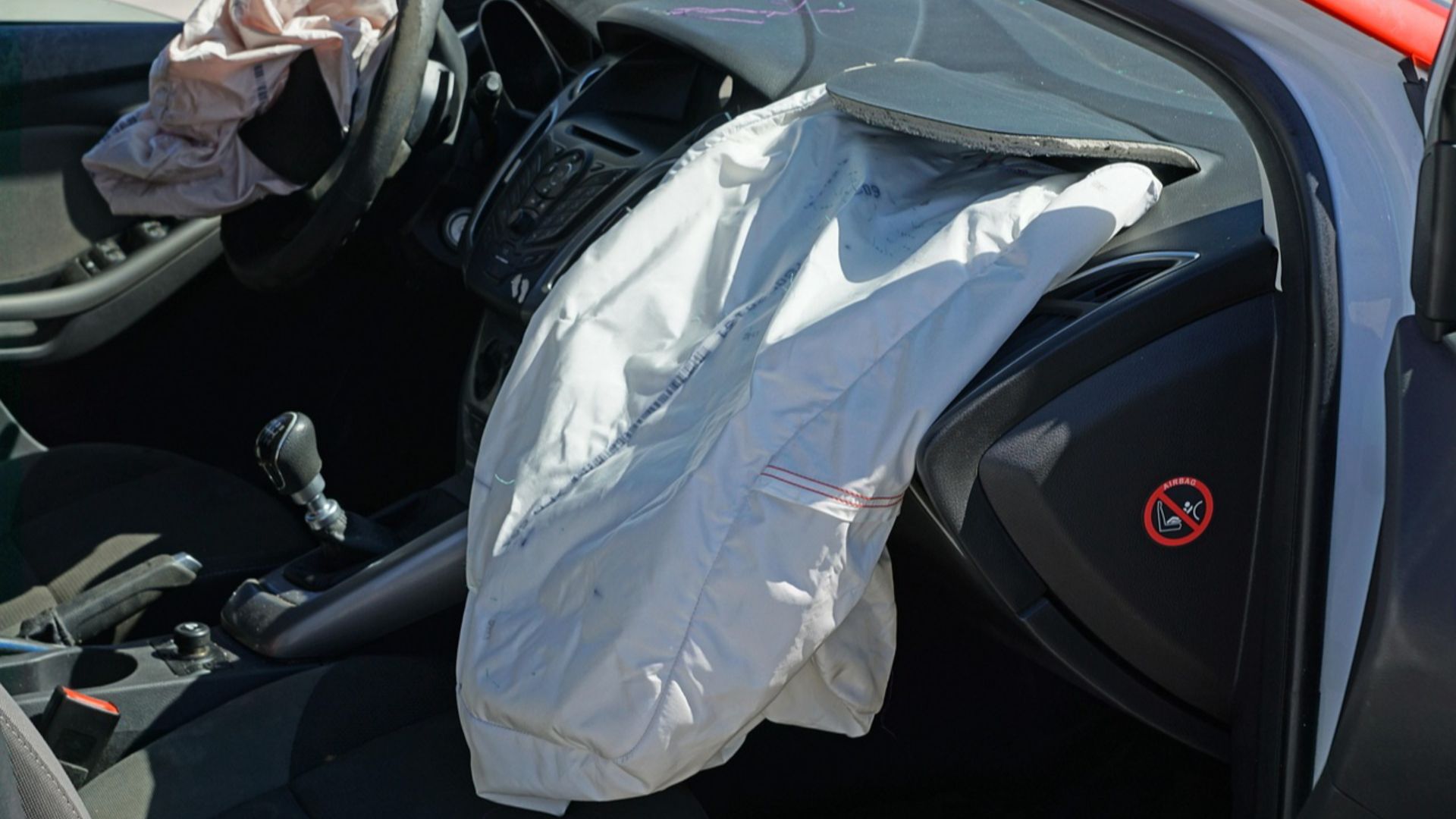
If your vehicle lacks modern safety features, it might be time to upgrade. Features like automatic emergency braking, blind-spot monitoring, and newer airbag designs can add protection. You can drive carefully and still benefit from systems that help in unexpected situations.
5. Rust Is Spreading
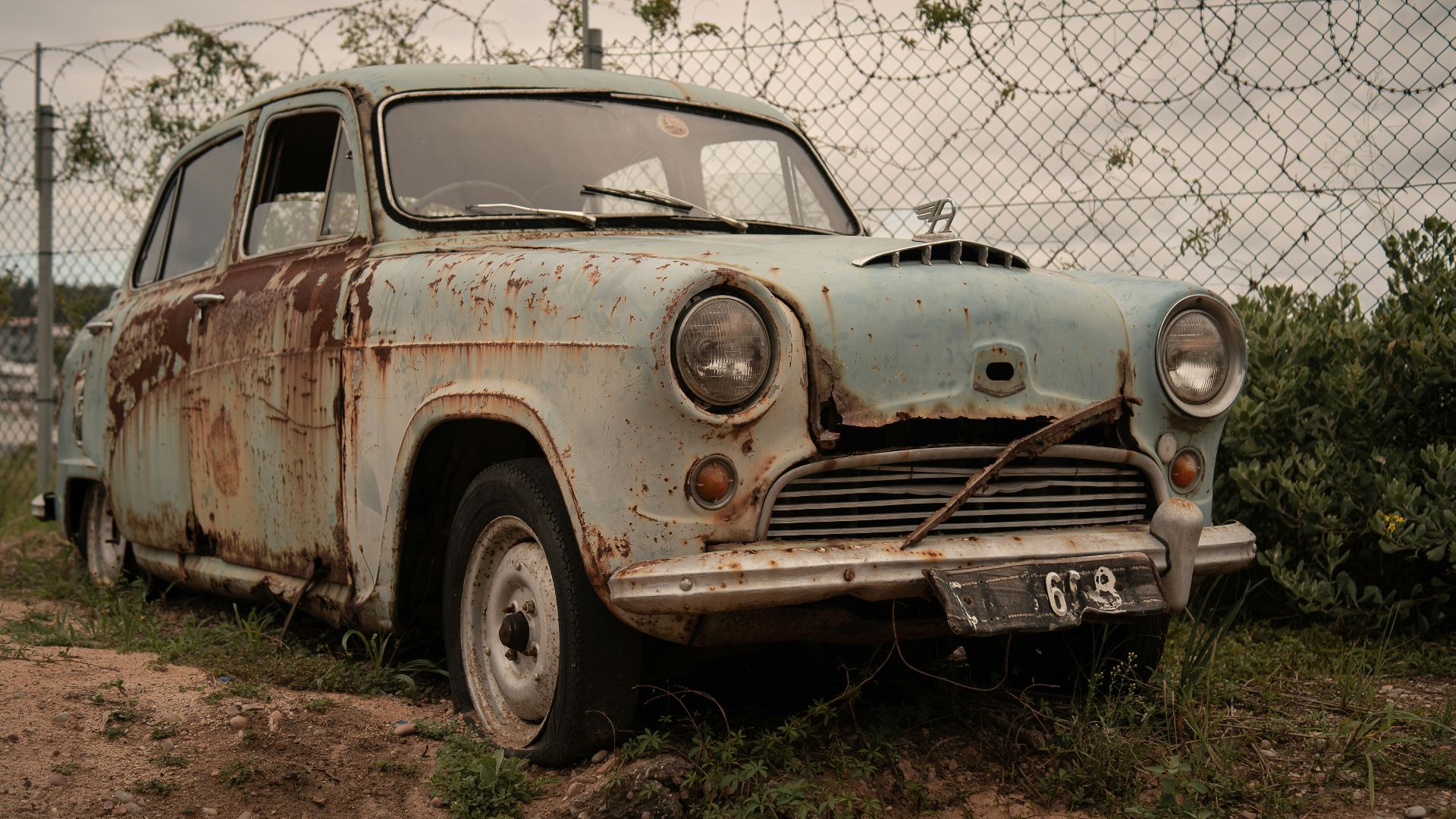
Surface rust is common, but structural rust can become a serious problem. If rust is showing up on critical areas, it can weaken parts and lead to more costly repairs. It can also affect inspection results depending on where you live. Once rust spreads, it usually doesn’t slow down on its own.
6. Major Engine Problems
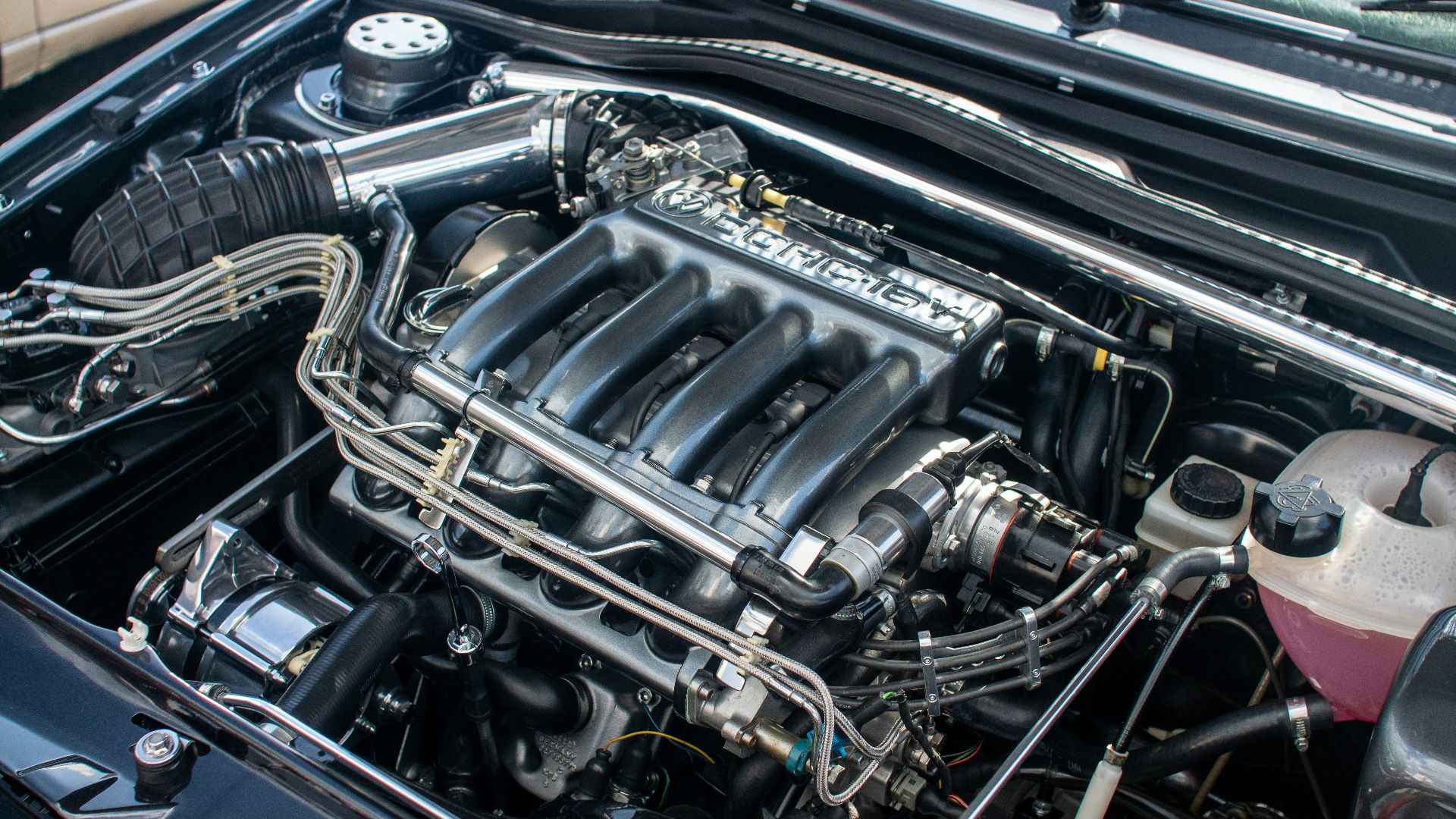
If the engine has low compression, burns oil heavily, or starts making knocking sounds, you’re likely looking at an expensive trip to the mechanic. Even after a big fix, older cars will still develop new problems.
7. Transmission Acts Up
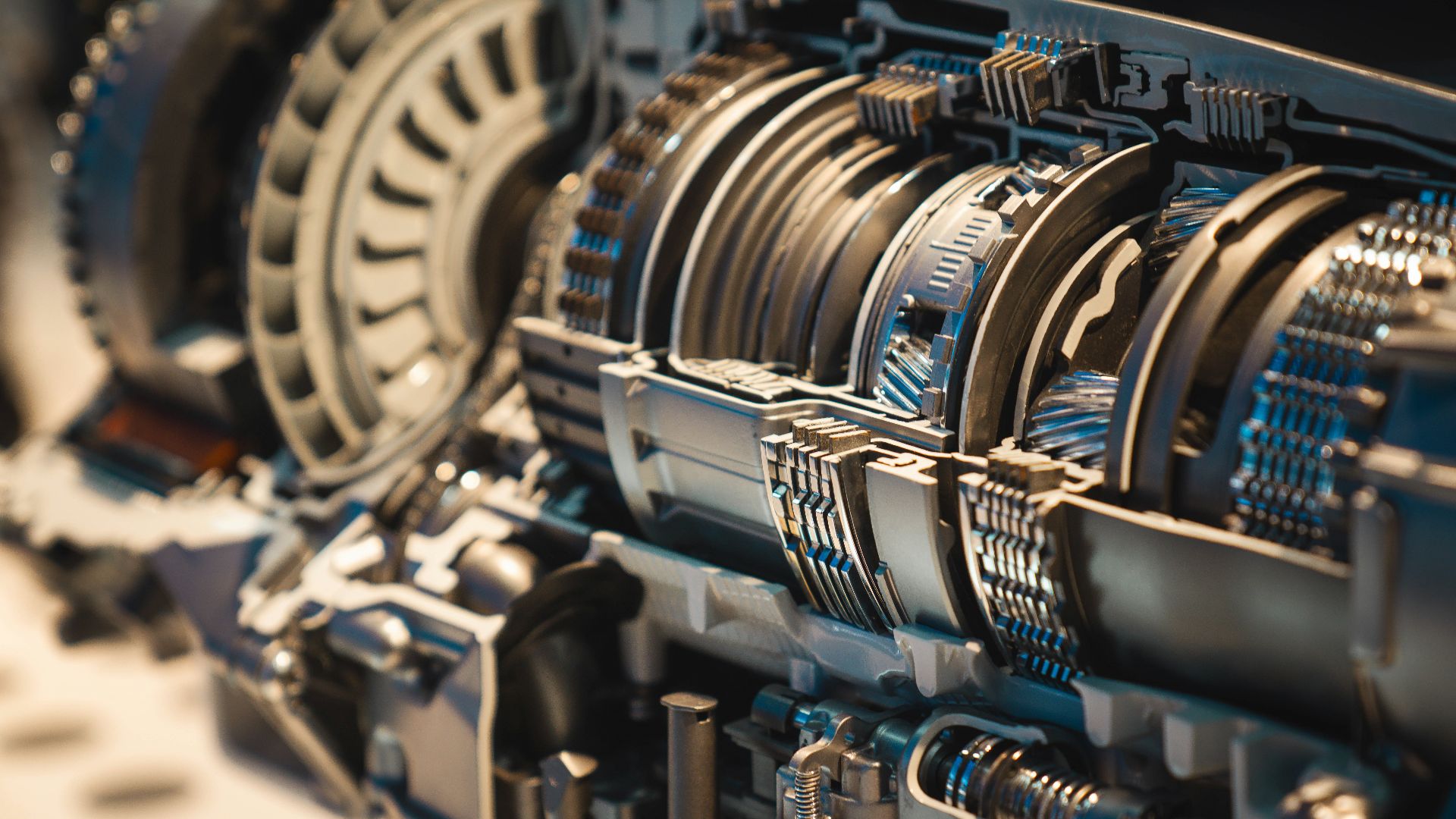
Transmission slipping, rough gear shifts, or delayed engagement are important warning signs you shouldn’t ignore. Transmission repairs can be among the priciest jobs on a vehicle. If the symptoms are getting worse, it’s probably in your best interest to get a new car instead of spending money on a big repair.
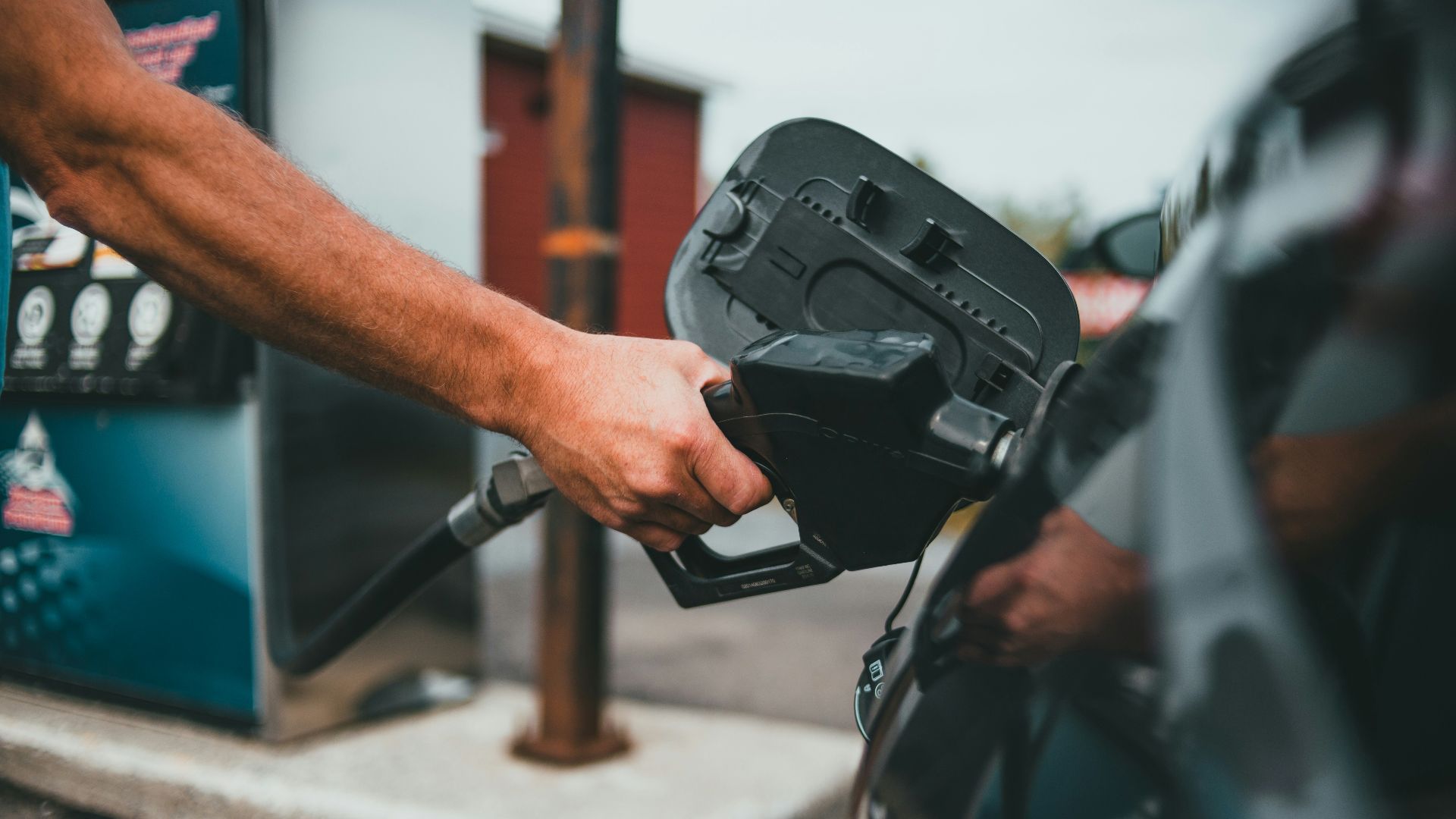
8. Fuel Costs Jump
You may notice that your fuel economy has gotten noticeably worse. Older engines and drivetrains can lose efficiency over time, especially with high mileage. If you drive a lot, rising fuel costs can quietly become a big monthly expense. Moving to a more efficient vehicle can help balance your budget in the long run.
9. It Fails Emissions
If you live somewhere with emissions testing, repeated failures can turn into a cycle of repairs and retests. When the same issue keeps returning, you might be better off upgrading.

10. AC/Heat Struggles
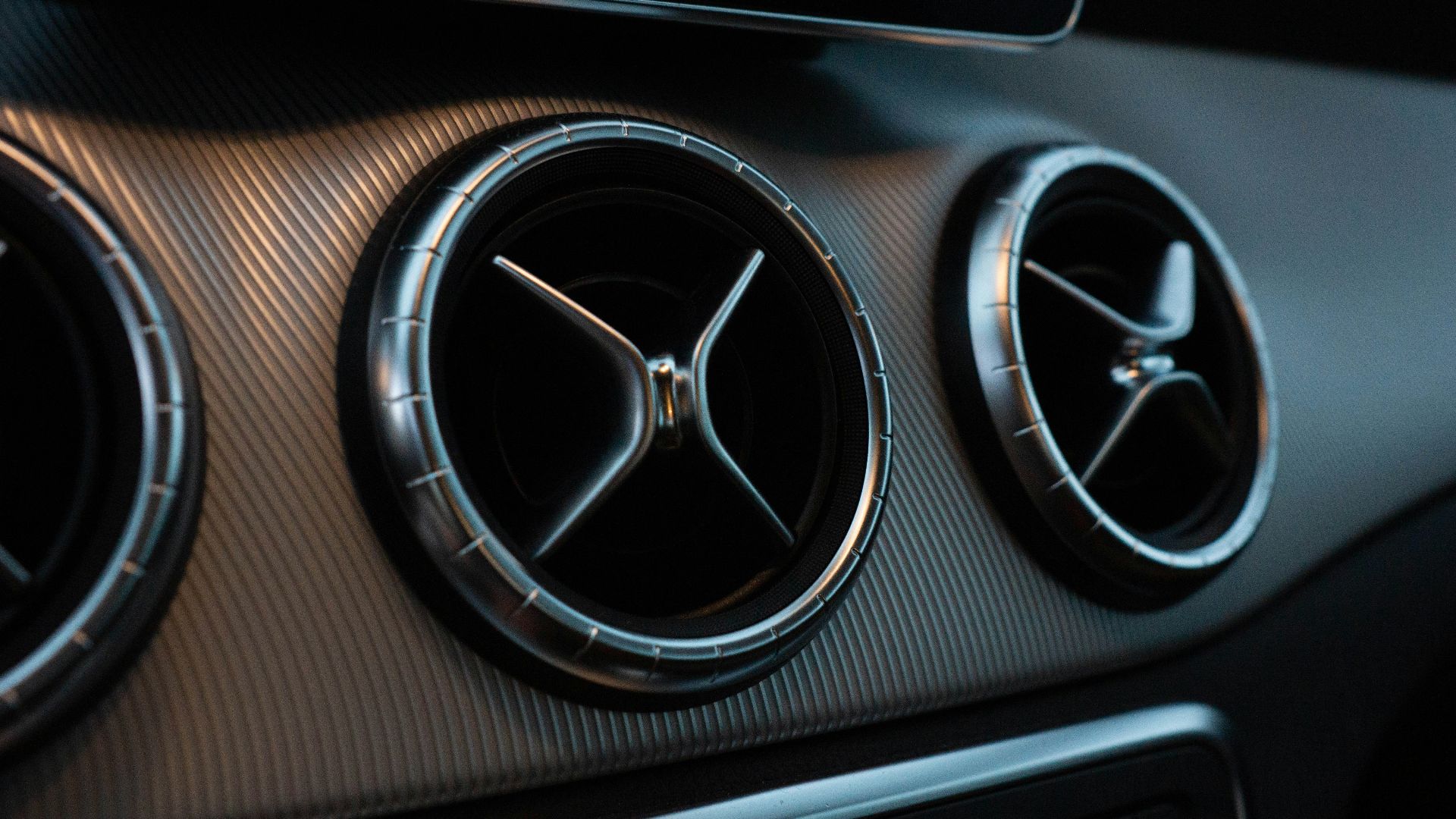
Climate control matters, especially in extreme temperatures. If your AC barely cools or your heat is unreliable, the vehicle becomes uncomfortable for daily driving. Comfort issues can be the final push when other problems already exist.
 Philipp Katzenberger on Unsplash
11. Electrical Issues
Random power issues, flickering lights, or strange sensor problems can be hard to diagnose. Electrical troubleshooting often takes time, and that time quickly turns into money spent. If problems keep appearing in different systems, it can feel like a guessing game.
 Daniel @ bestjumpstarterreview.com on Unsplash
12. You’ve Outgrown It
Sometimes the vehicle still runs fine, but it no longer fits your life. Maybe you need more cargo space, easier car-seat access, or simply desire some updated hardware. It’s okay to feel like it's time to move on.
 Antoni Shkraba Studio on Pexels
13. It No Longer Feels Safe
If the brakes feel inconsistent, the steering wanders, or the suspension feels unstable, it’s worth taking seriously. You should feel confident driving your car on the highway and in bad weather, and if you don’t, it may be time for something newer.
14. Costly Repairs
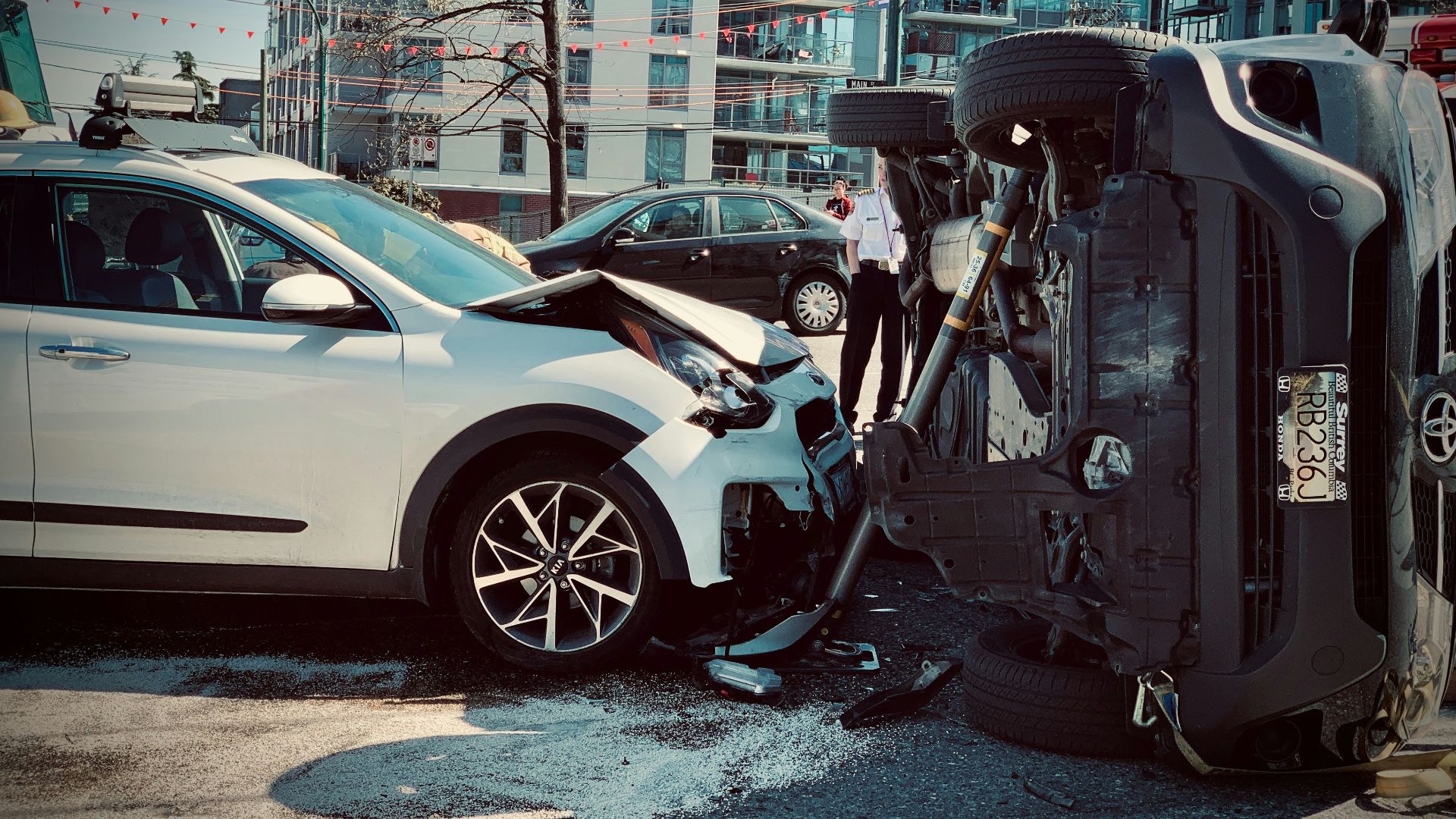
A good rule is to compare repair costs to the vehicle’s value and expected remaining life. If a single repair is a big chunk of what the car is worth, it can be hard to justify. Even if you can afford the fix, you might not want to keep funding an aging vehicle. At a certain point, your money is better spent on a new car.
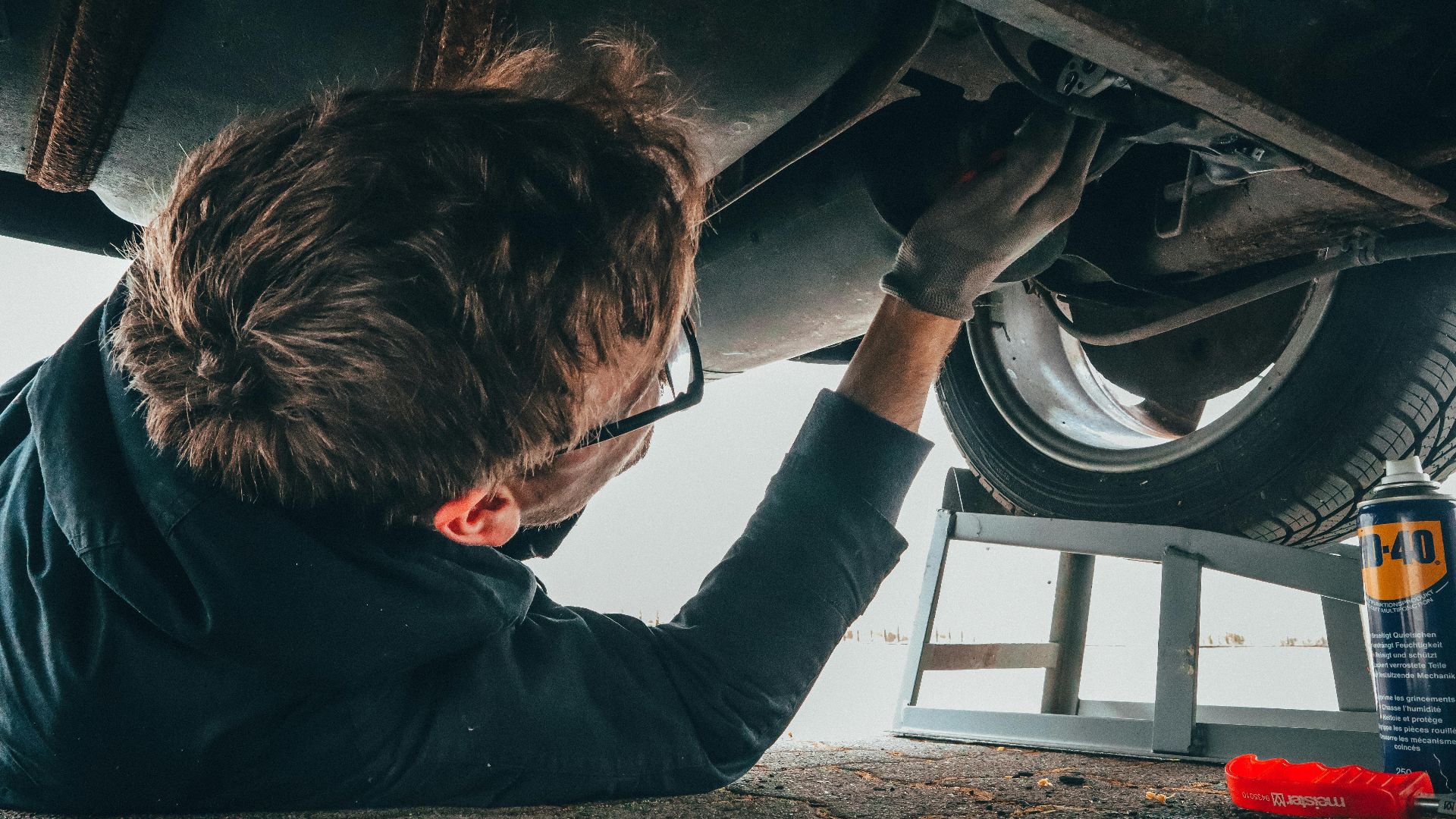
15. You’re Always Borrowing Cars
If you keep borrowing a friend’s vehicle, or renting from a company, for trips, hauling, or weather days, your current car may not meet your needs. The stress of scheduling is enough to make the switch. It’s okay to upgrade for practicality, not just because something broke.
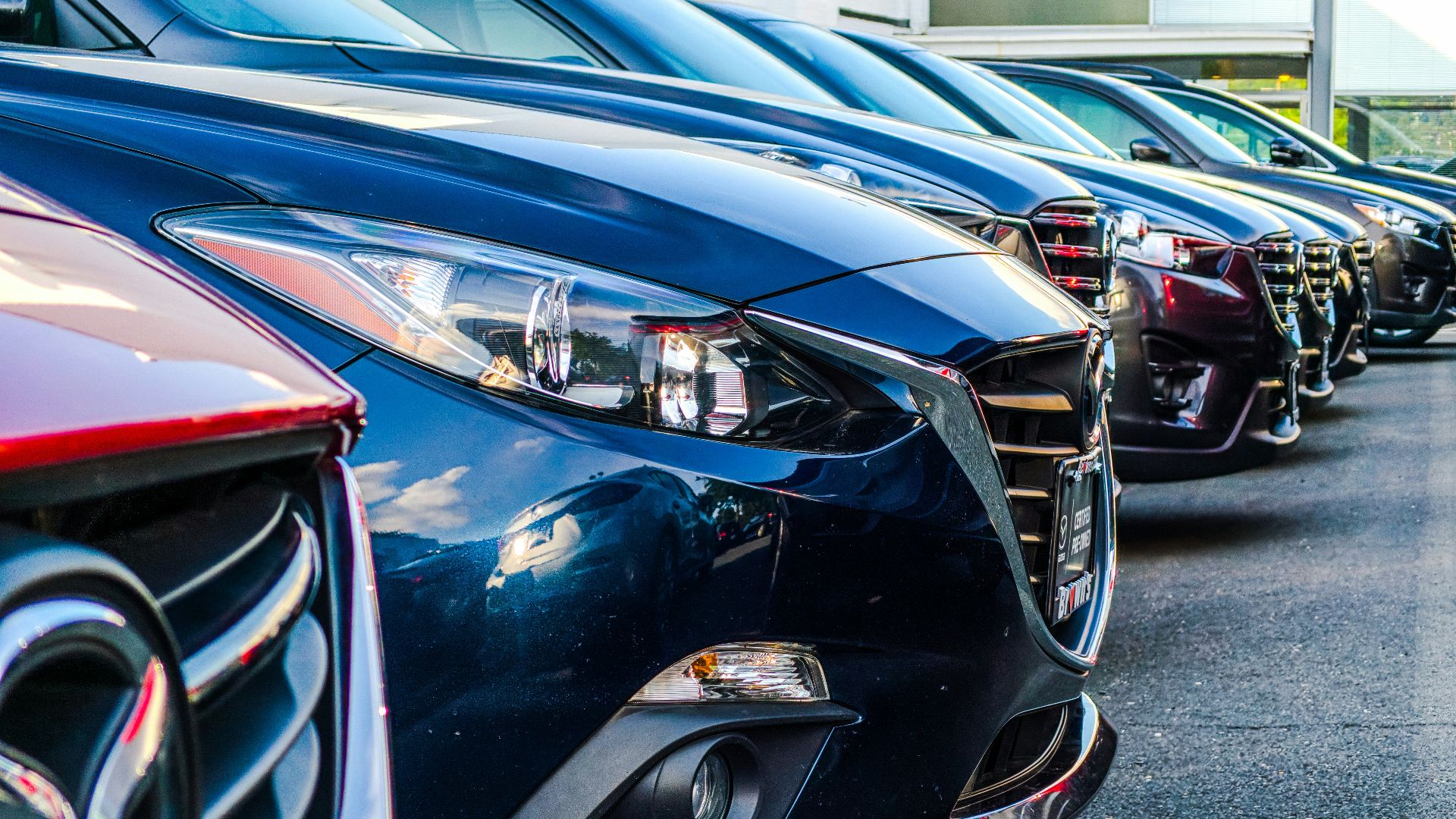
16. Newer Cars Save Time
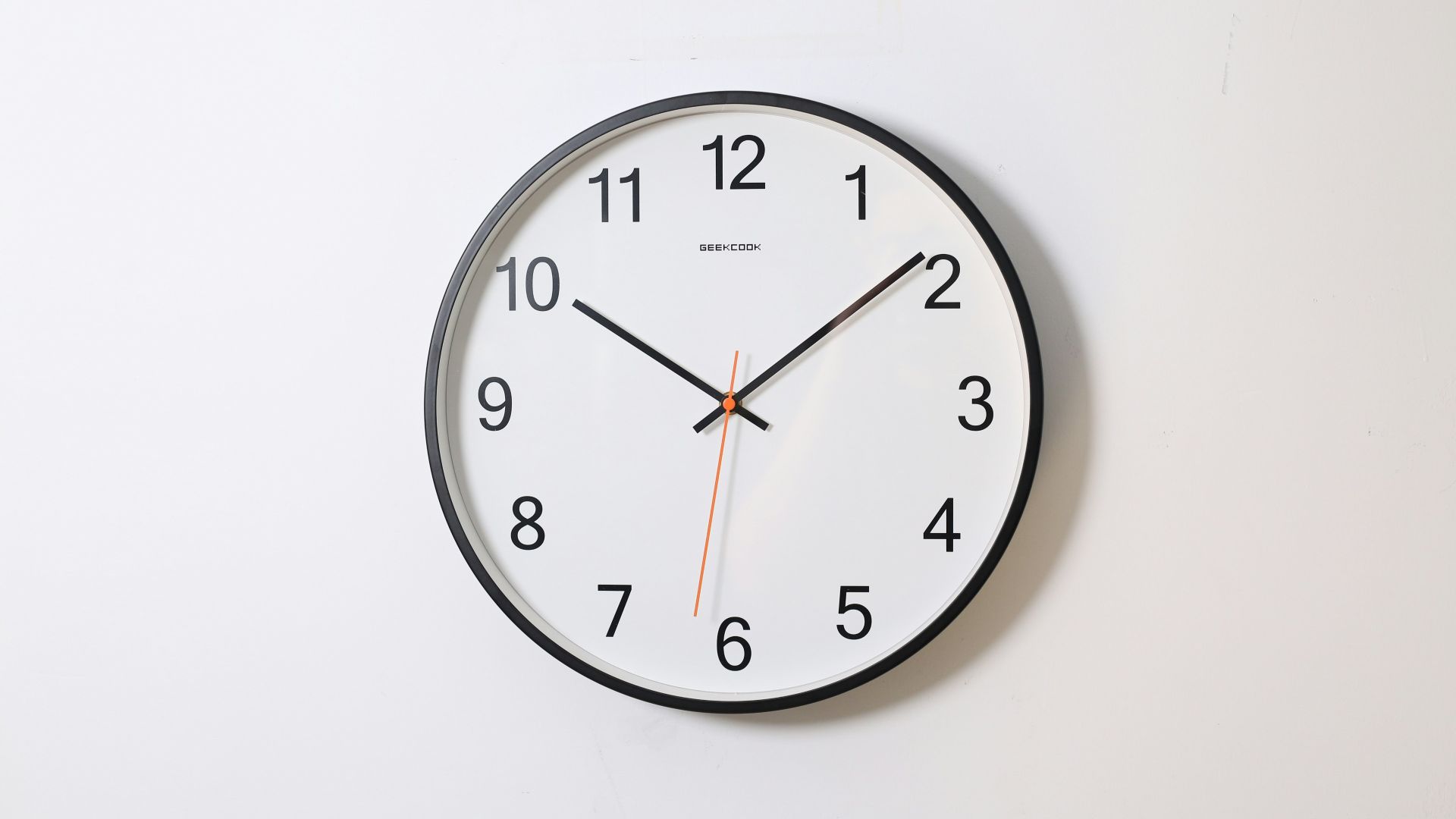
Time matters, and older cars can demand a lot of it. through repairs, shop visits, and unexpected issues. Even if the costs feel manageable, the time spent in the shop may not. If you rely on your vehicle daily, minimizing your trips to the mechanic is worthwhile.
17. Insurance Changes Don’t Help
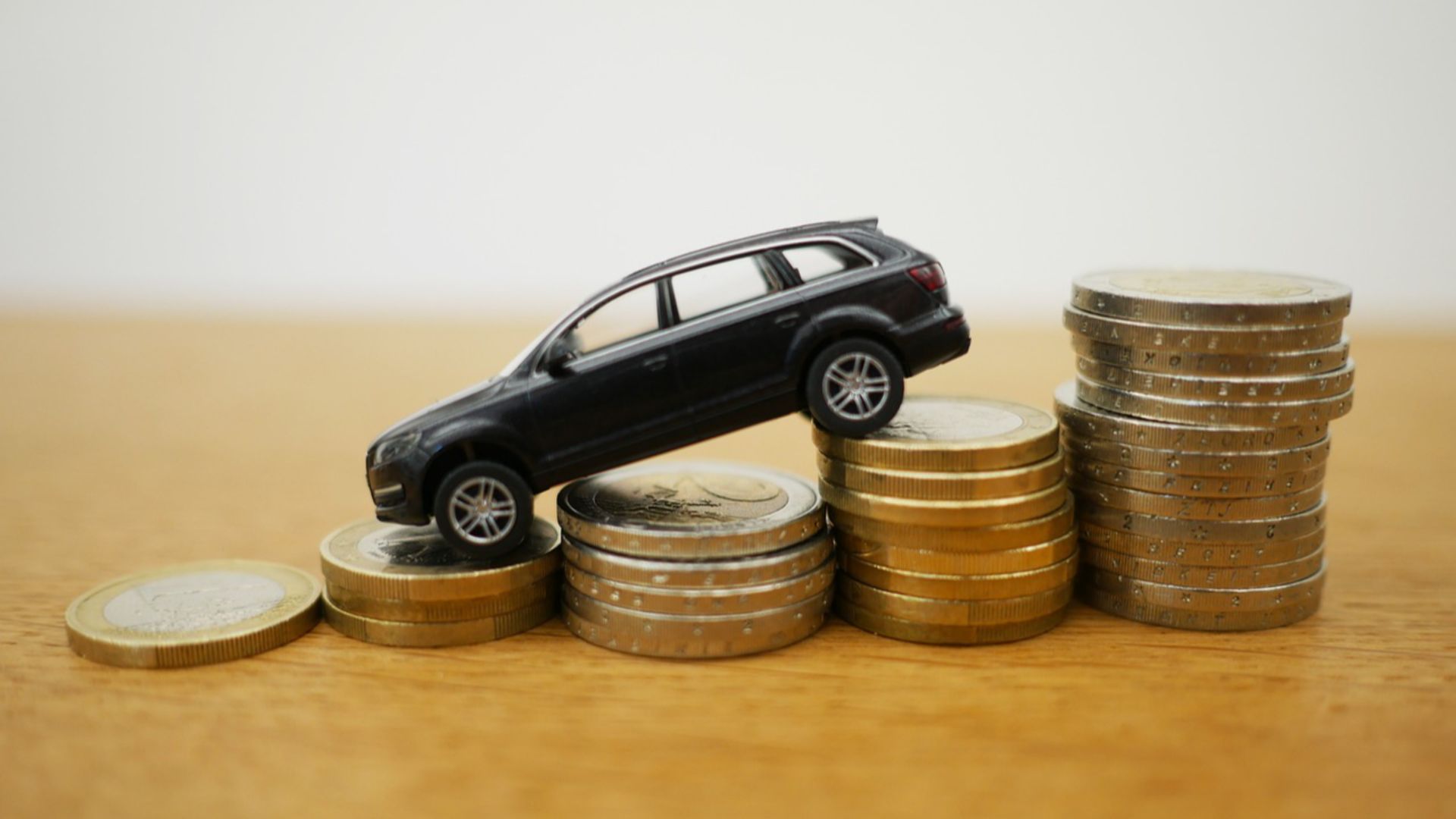
Sometimes an older vehicle is cheap to insure, but that’s not always true if it lacks safety features or is costly to repair. Premiums can also rise if you’ve had incidents or if rates shift in your area. If insurance costs are climbing while reliability is dropping, it might be worth shopping for something new.

18. It’s Loud and Unpleasant
Excessive road noise, rattles, or vibration can make driving tiring. Older cars often develop multiple sources of noise over time. If you dread long drives because the cabin feels rough, that alone is reason enough to make the switch.

19. Resale Value Is Falling
As vehicles age, there’s often a point where their resale value drops quickly. If you’re thinking about upgrading soon anyway, selling earlier can sometimes help you get more money back. Waiting too long can leave you with a car that’s hard to sell. Sometimes you’ll end up paying somebody to just take it off your hands.
20. You Just Don’t Trust It
This is the most straightforward sign, and it’s also the hardest to ignore. If you can’t trust the car to do basic things reliably, you’ll constantly adjust your life around it. Even after repairs, that lack of confidence doesn’t always go away. When trust is gone, replacing the vehicle is often the right move.