Wild Ideas Born on the Auto Show Floor
Concept cars are usually designed to shock, not to survive through production budgets, safety regulations, or reality. They exist to test ideas, gauge public reaction, and signal where a brand might go someday if everything lines up perfectly. Most are quietly shelved once the auto show lights turn off. But a surprising number made the jump from fantasy to factory with their core ideas intact. Here are 20 concept cars that actually became reality.
1. Audi TT
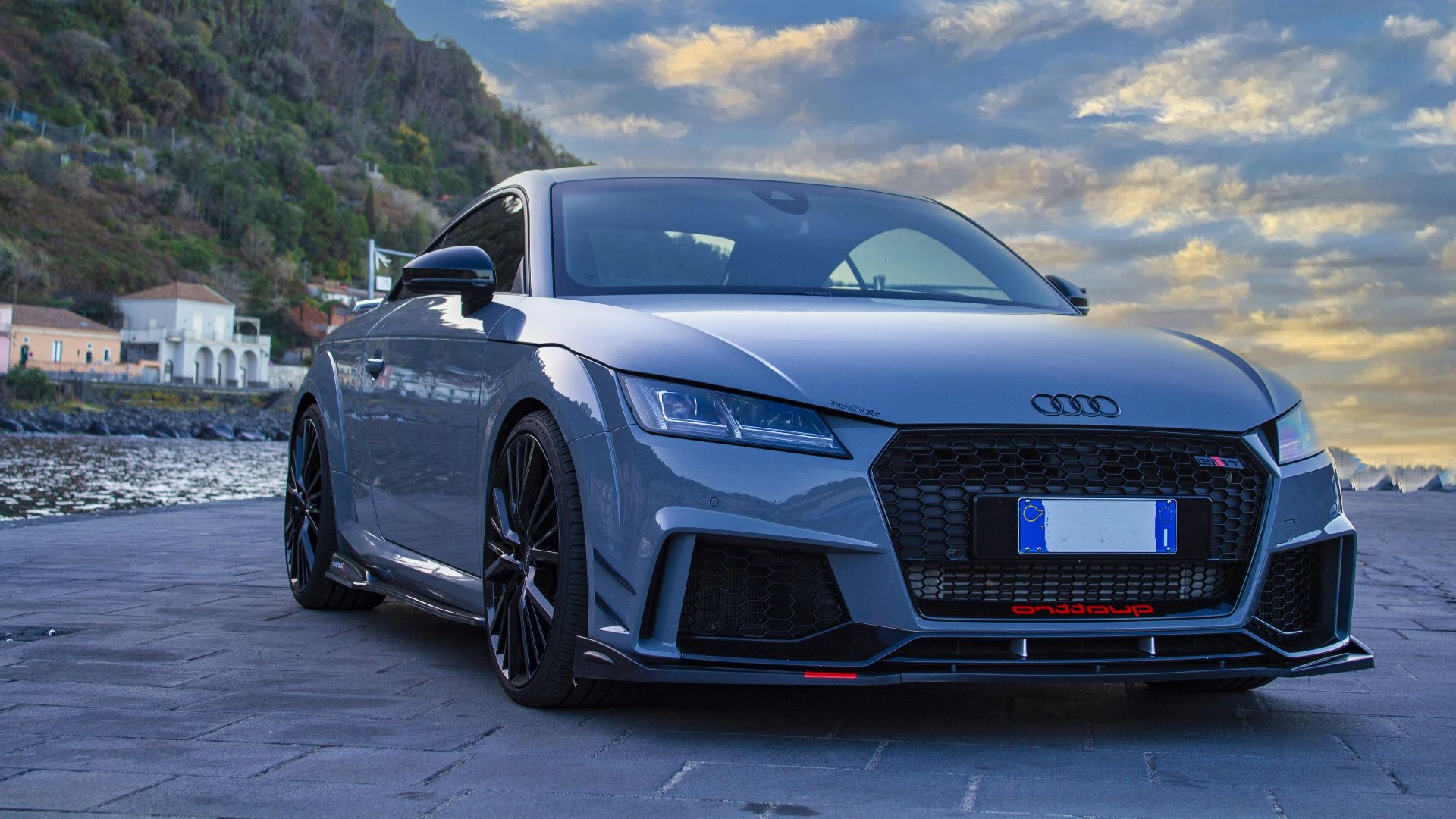
The original Audi TT concept stunned audiences in the late 1990s with its clean geometry and almost Bauhaus-like restraint. Its design felt too pure and too symmetrical to survive production compromises. Audi made only minimal changes when it launched the road car.
2. Chrysler PT Cruiser
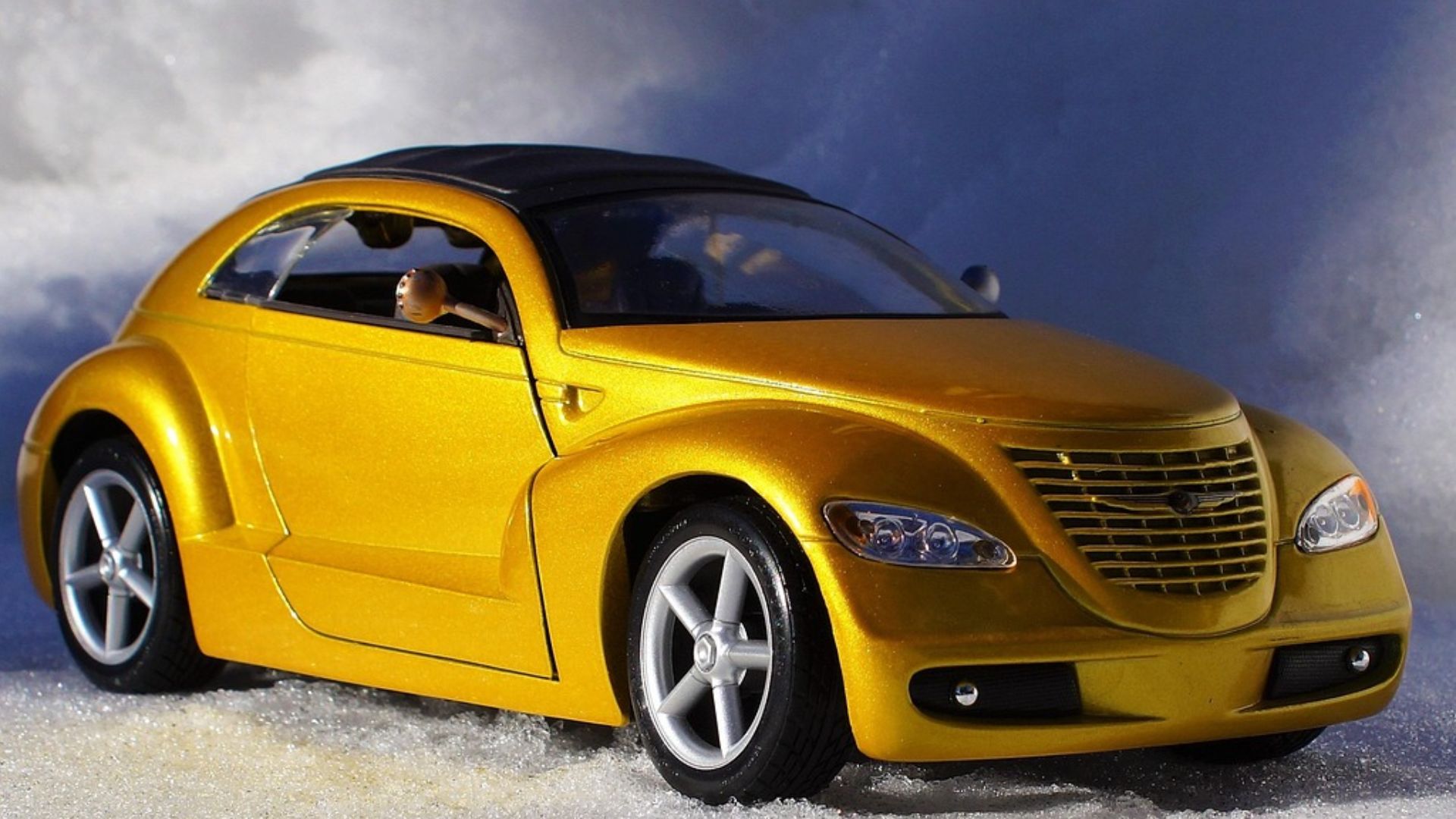
The PT Cruiser began life as a retro-styled concept inspired by prewar delivery vehicles. Chrysler didn’t expect the level of enthusiasm it generated. Instead of watering it down, the brand leaned in. The production model kept the high roofline, rounded fenders, and unmistakable silhouette.
3. Ford GT
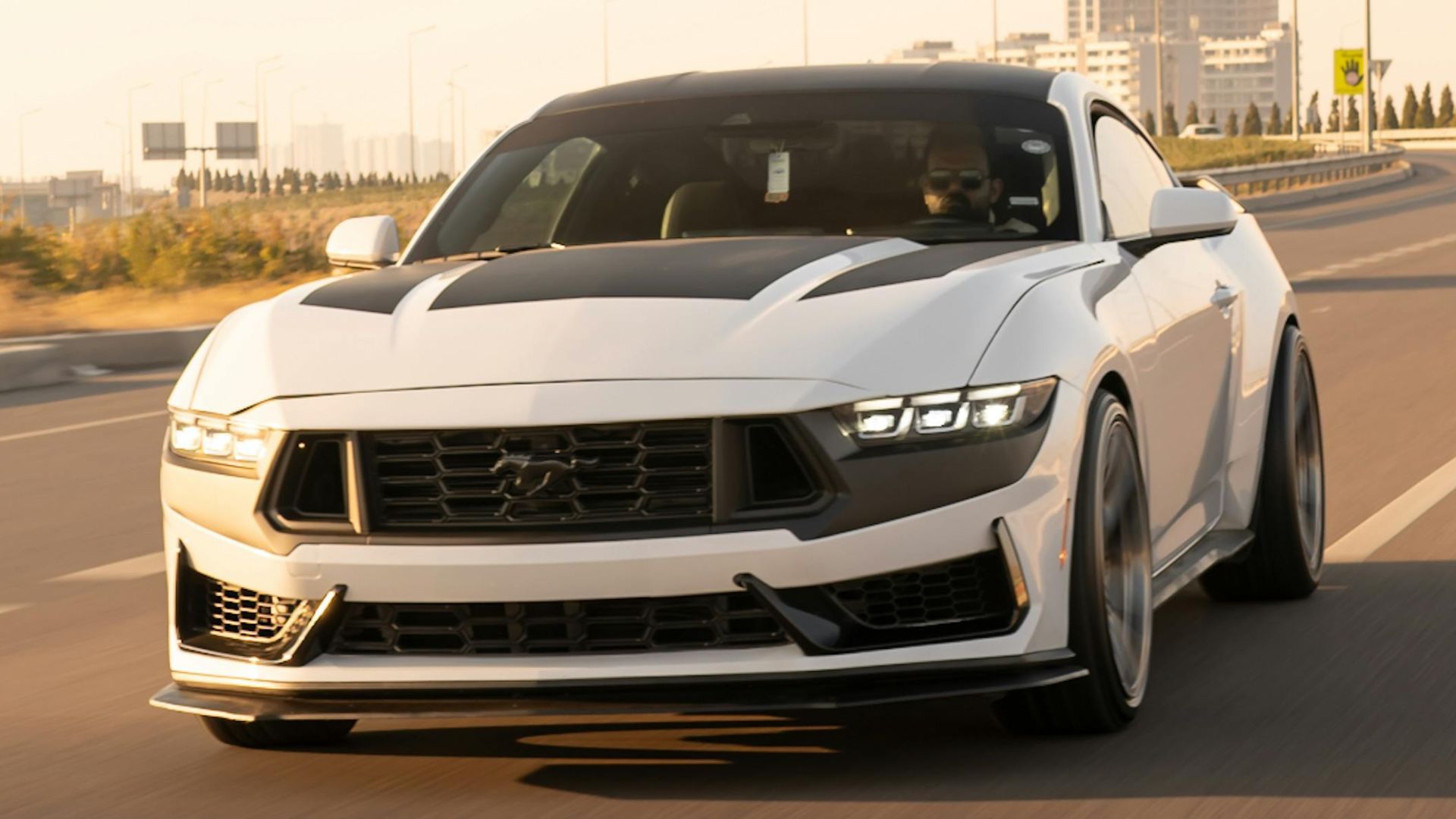
Ford’s GT concept was a modern tribute to the legendary GT40 race car. Many assumed it was purely symbolic, meant to celebrate history rather than restart it. Ford surprised everyone by approving it for production. The final car looked nearly identical to the concept, right down to its proportions.
4. Tesla Model S
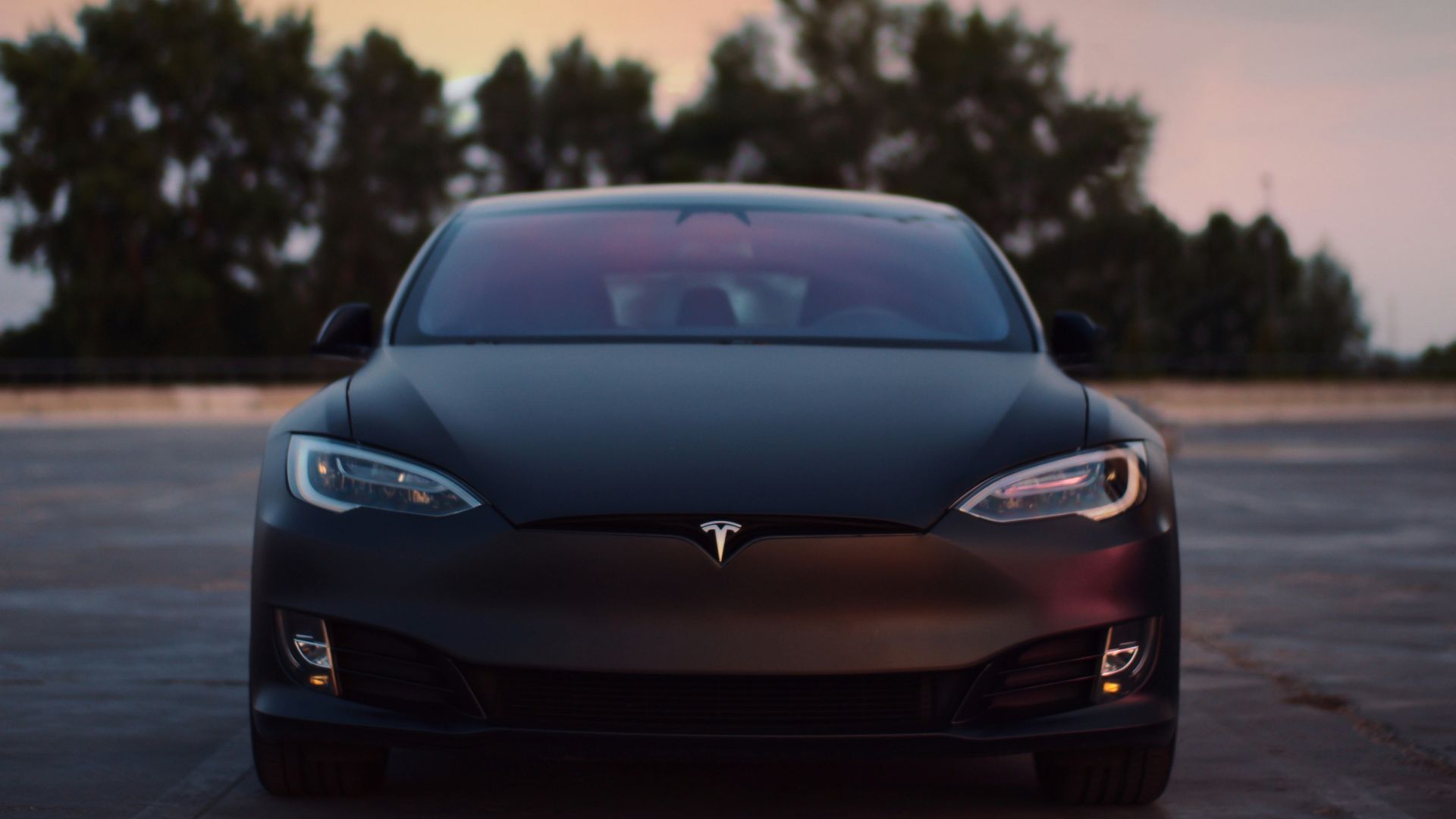
Early Tesla concepts promised an electric sedan that didn’t look like a compromise. At the time, that ambition felt unrealistic. The production Model S retained the sleek profile and minimalist interior. It delivered real range and performance, not just good intentions.
5. Dodge Viper
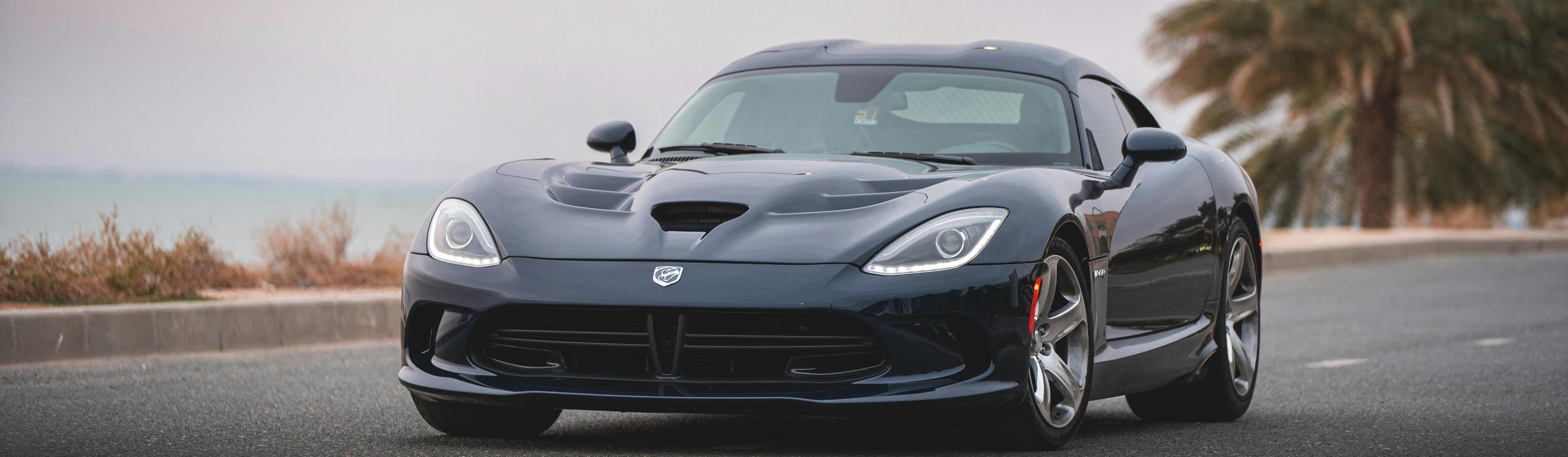
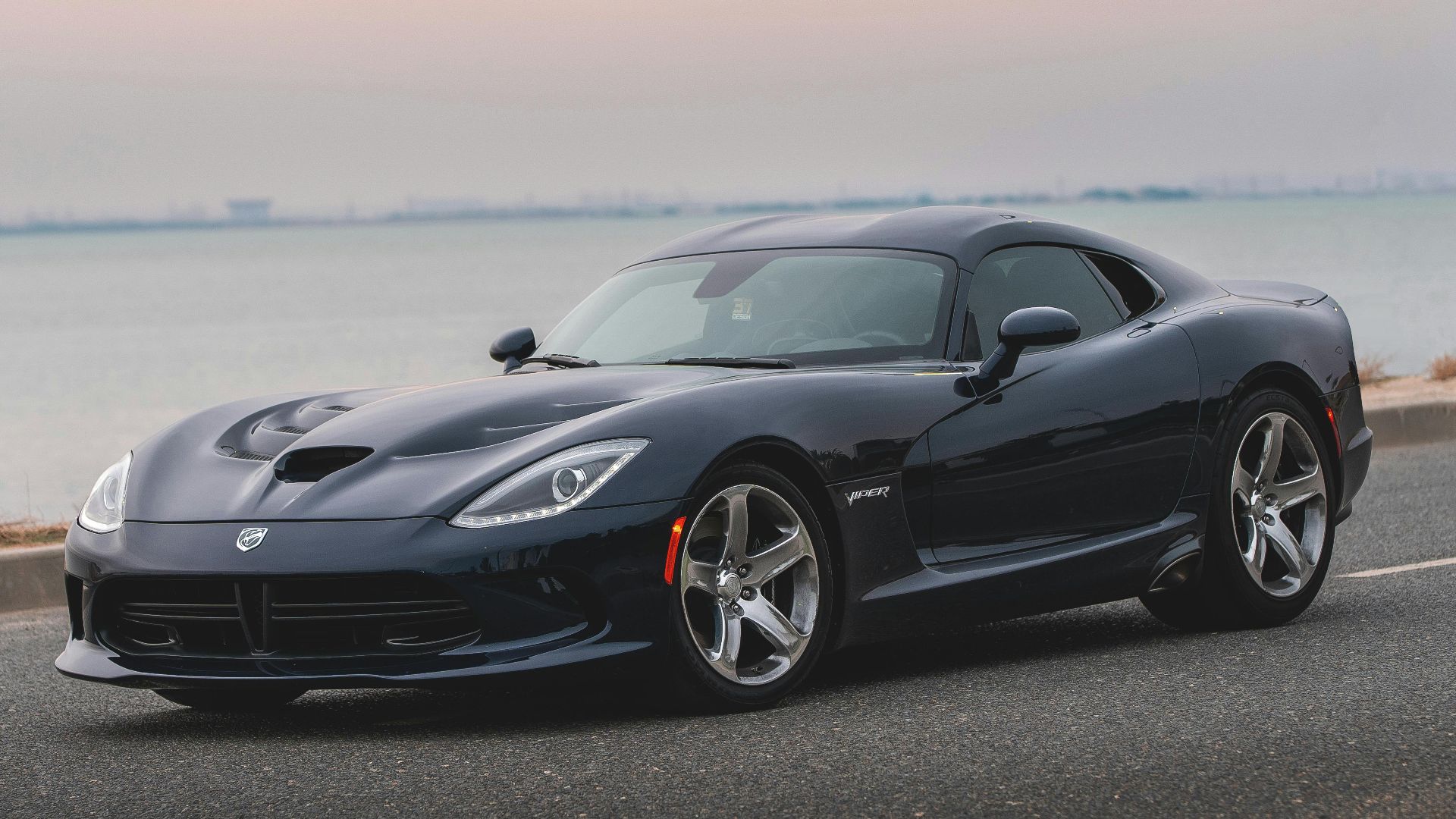
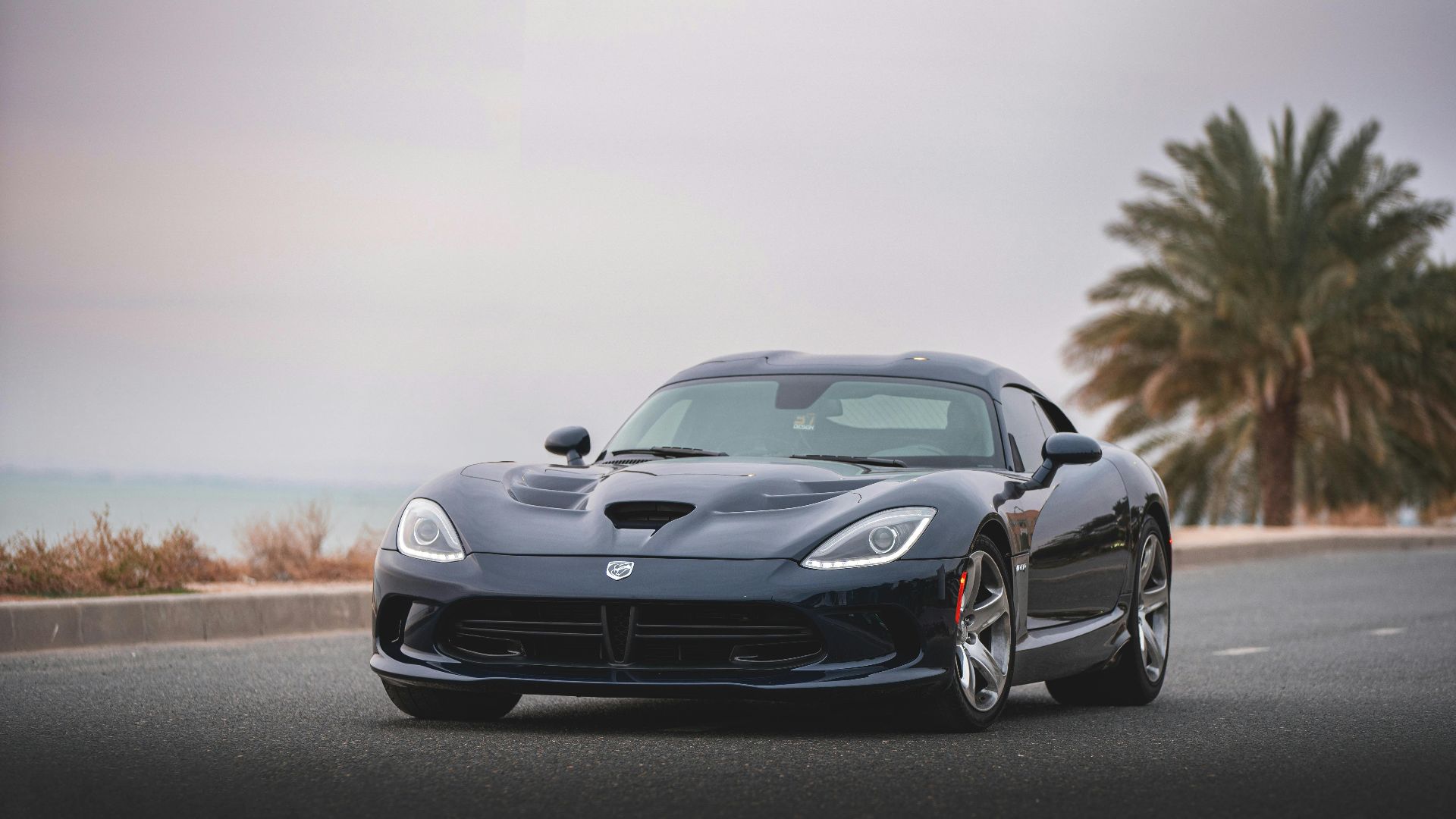
The Dodge Viper concept was intentionally outrageous. Long hood, massive engine, and no apologies. Executives initially expected internal resistance and limited appeal. Public reaction flipped that script almost instantly.
6. BMW i8
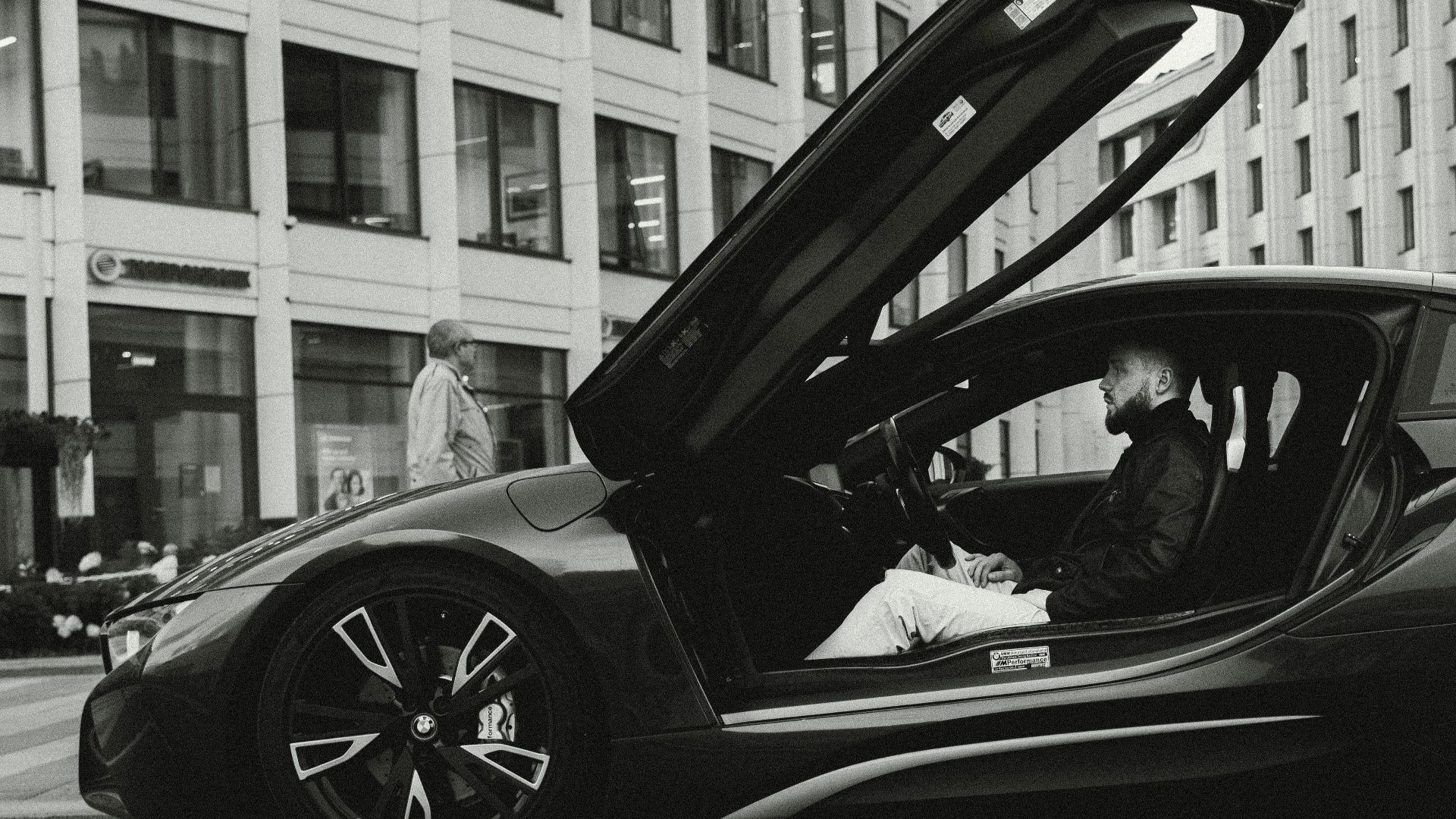
The BMW i8 concept looked like something pulled from a science fiction film. Its flowing lines and butterfly doors seemed impractical for real-world use. BMW committed anyway, despite the risks. The production version kept the futuristic design nearly intact.
7. Toyota Prius
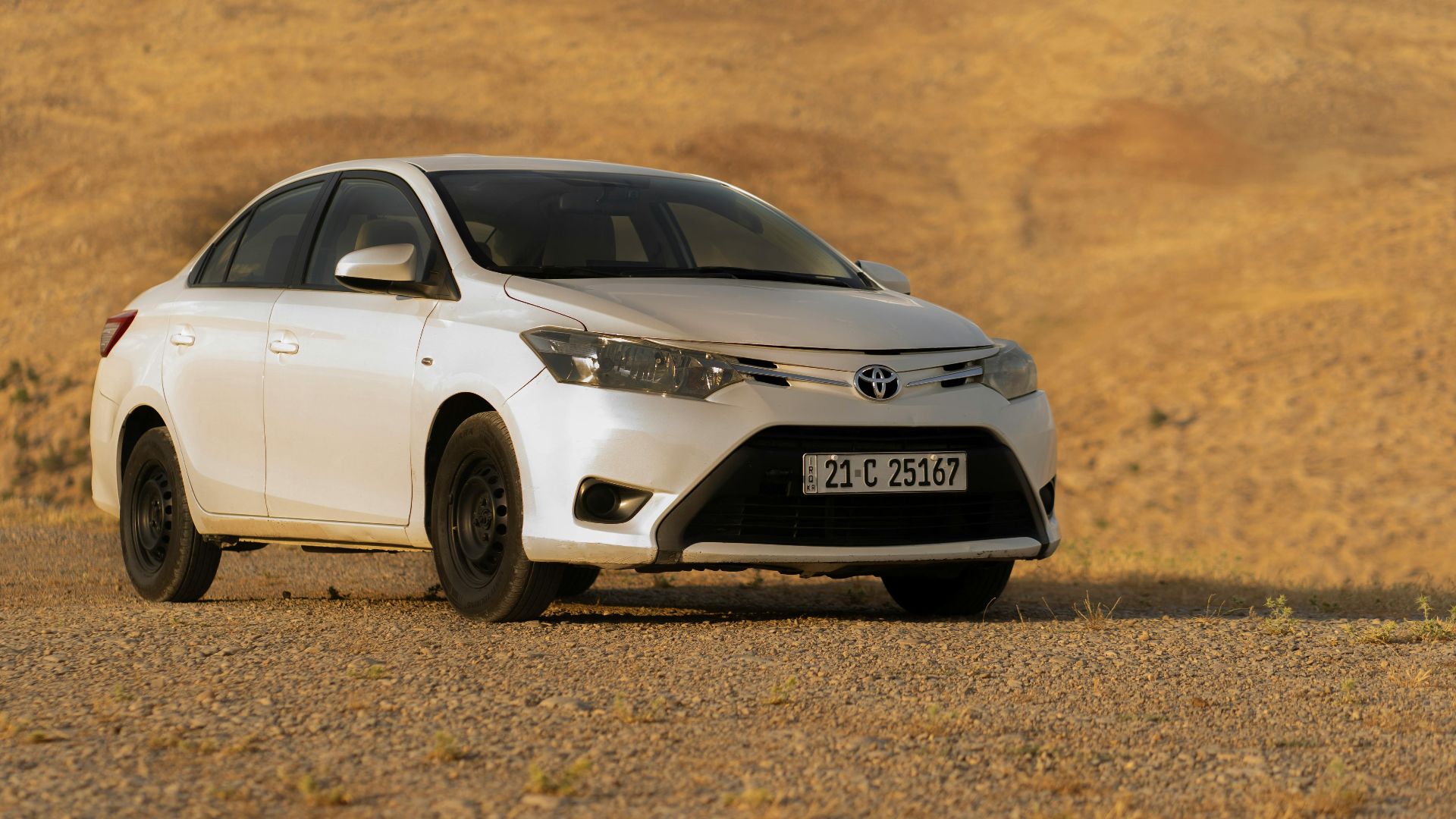
The Prius started as a concept focused on efficiency, not excitement. Toyota believed hybrid technology needed mass adoption to matter. The production car stayed true to that original mission and didn’t chase performance or luxury.
8. Chevrolet Camaro (Fifth Generation)
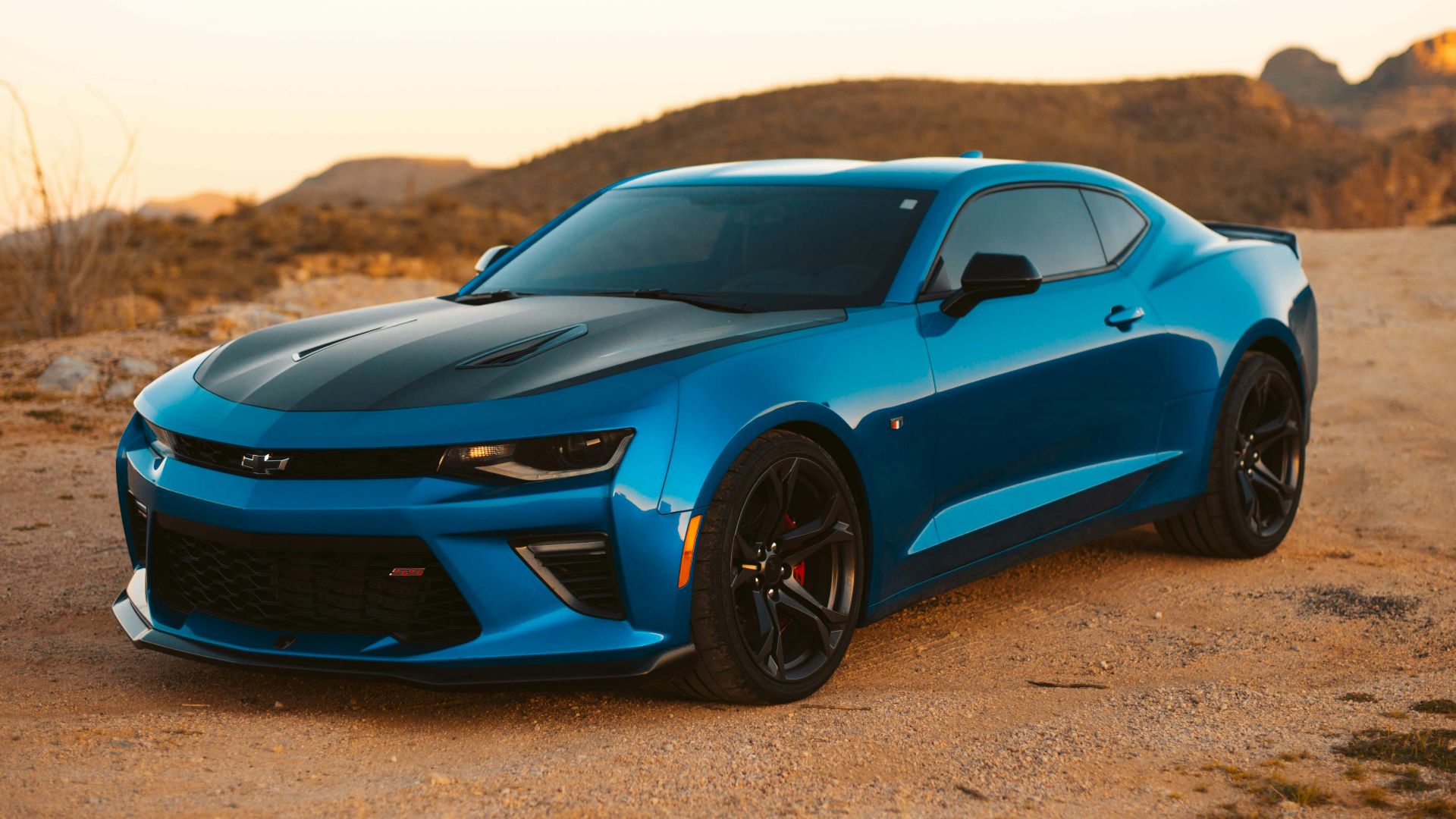
Chevy’s retro Camaro concept revived a nameplate many thought was gone for good. The response was immediate and loud. Rather than smoothing out the design, Chevy preserved its aggressive stance. The production car carried over the muscular proportions fans loved.
9. Volkswagen New Beetle
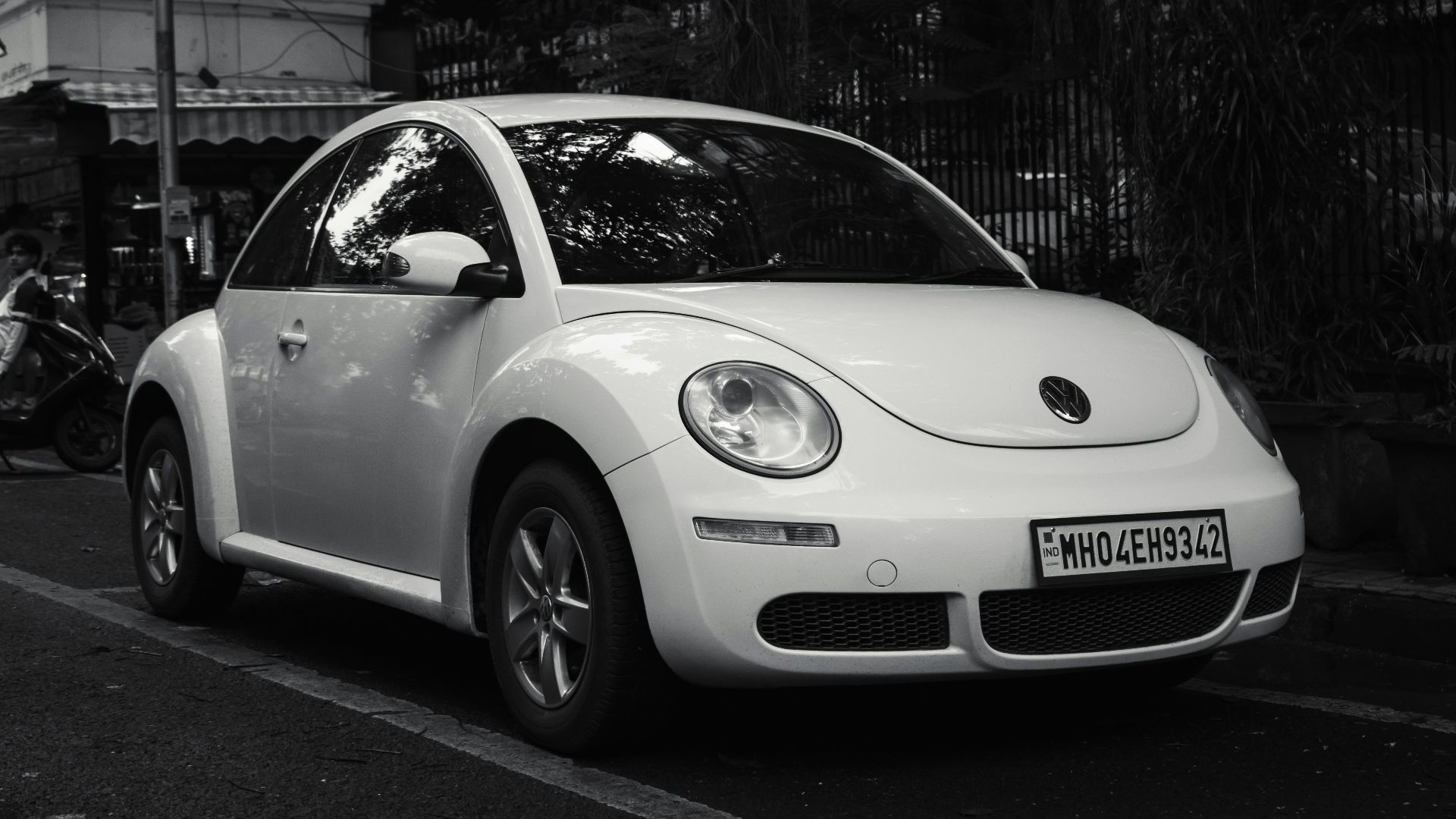
The New Beetle concept leaned heavily into emotional design. VW worried the playful shape might feel gimmicky. Public enthusiasm erased those concerns quickly. The production version kept its rounded lines and friendly personality, and it wasn’t trying to be sporty or serious.
10. Lexus LFA
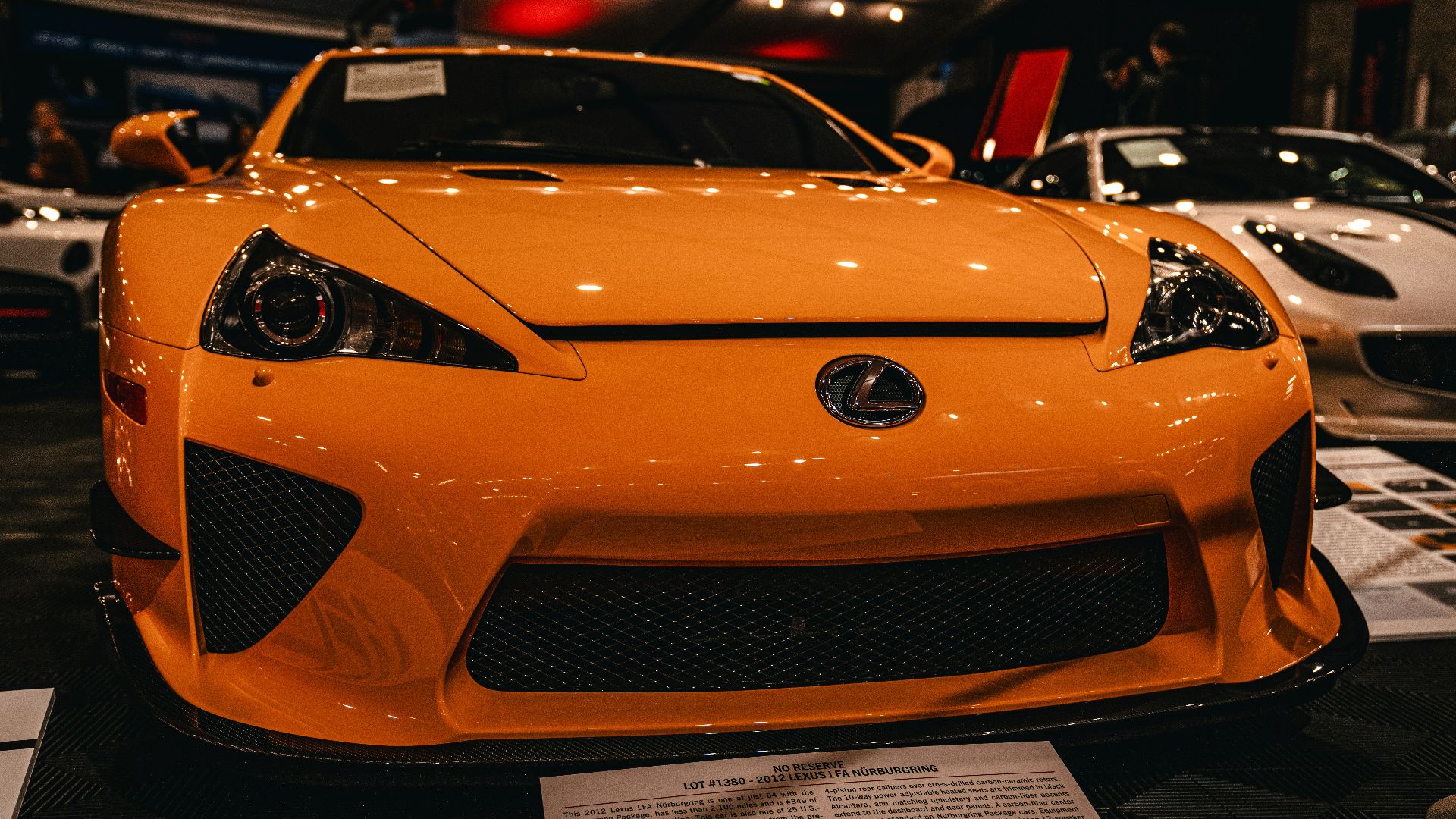
The Lexus LFA concept hinted at something entirely new for the brand. Lexus was known for refinement, not exotic performance. Development stretched on for years, testing patience and budgets. However, Lexus resisted the urge to simplify the design.
11. Mazda MX-5 Miata
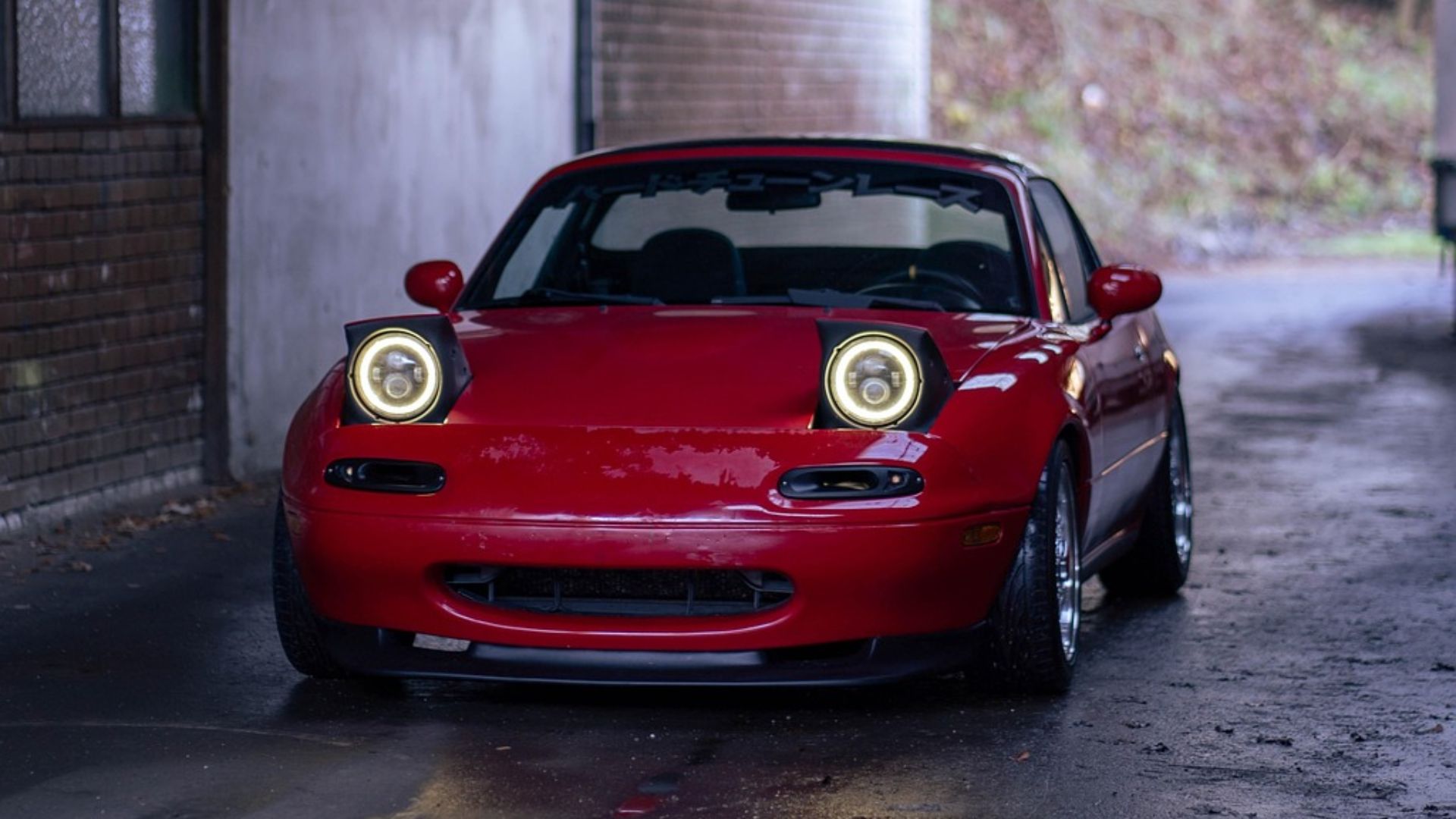
The Miata was born from a simple roadster concept focused on driving joy. Lightweight construction and balance were non-negotiable priorities. Mazda stayed disciplined during production, delivering a car exactly as the concept promised. It didn’t chase trends or excess power. Decades later, that clarity still defines the model.
12. Mini Cooper (Modern Revival)
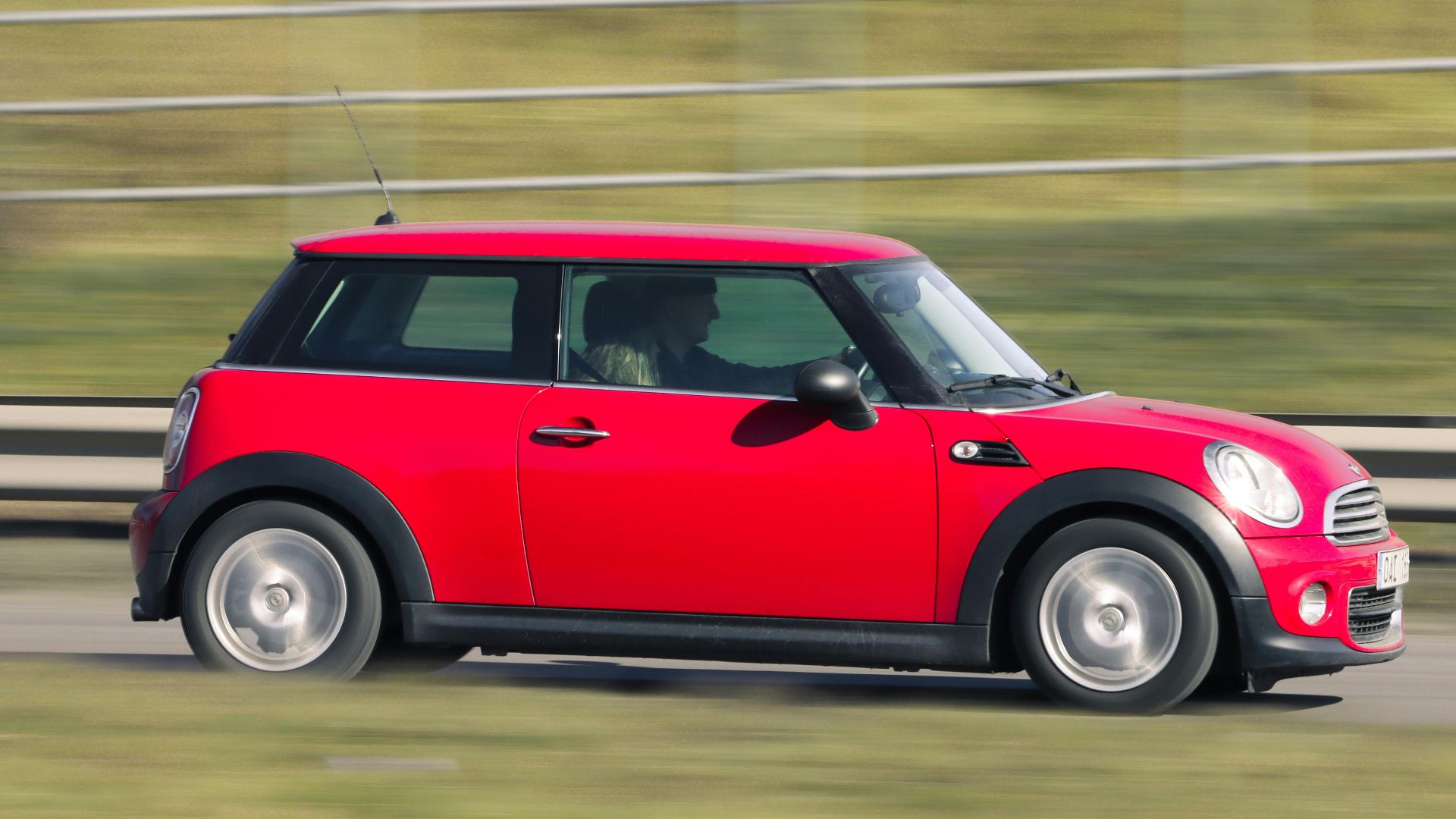
BMW’s Mini concept reimagined a cultural icon rather than reinventing it. Purists feared it would lose its charm, but the production version retained its playful proportions and character. It balanced nostalgia with modern safety and comfort. The result felt authentic rather than forced. Few revivals have landed so cleanly.
13. Porsche 918 Spyder
The 918 Spyder concept blended extreme performance with hybrid technology. Many believed it was purely experimental, but Porsche followed through with minimal compromise. The production car retained the core design and advanced drivetrain.
14. Nissan GT-R
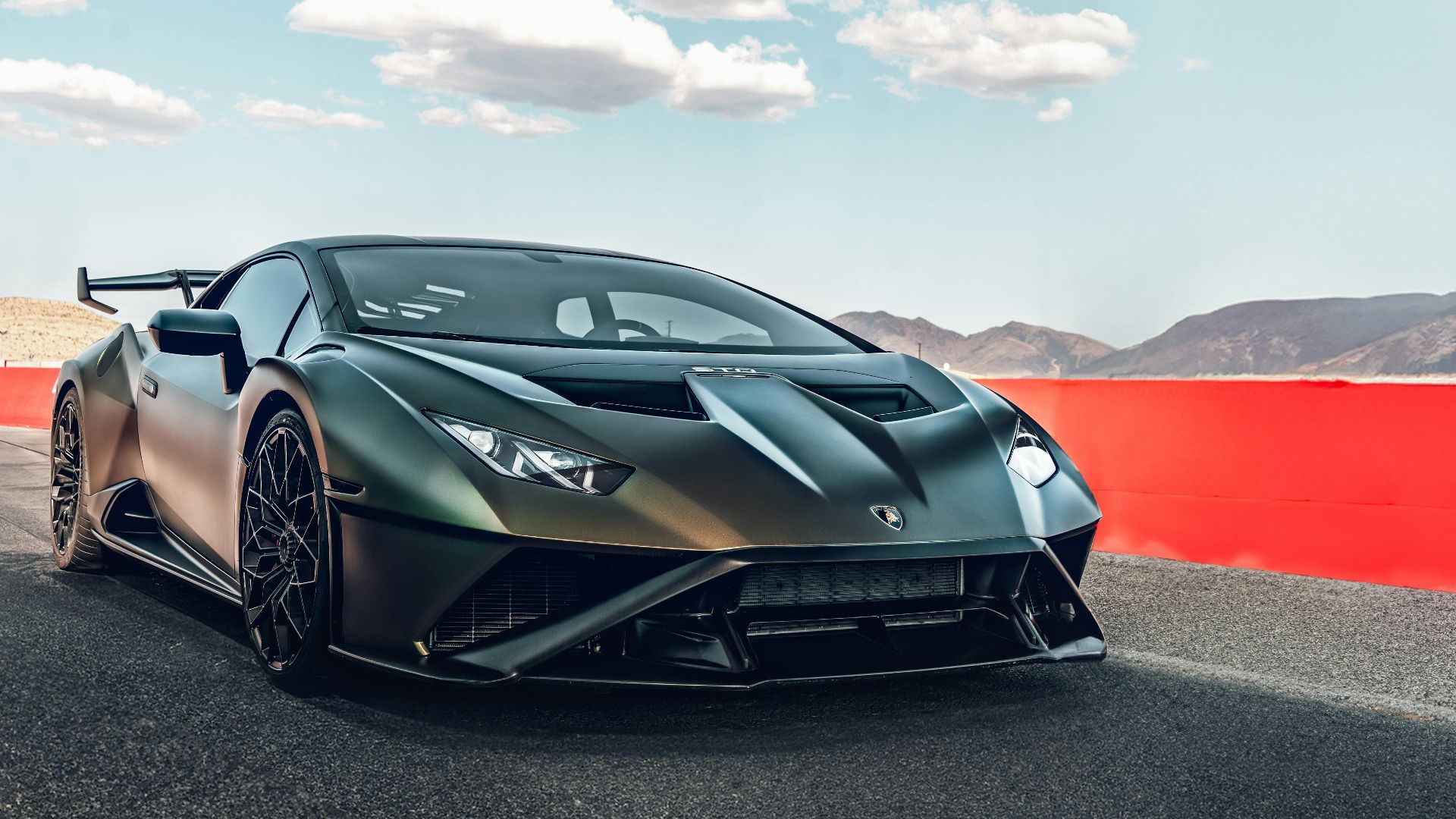
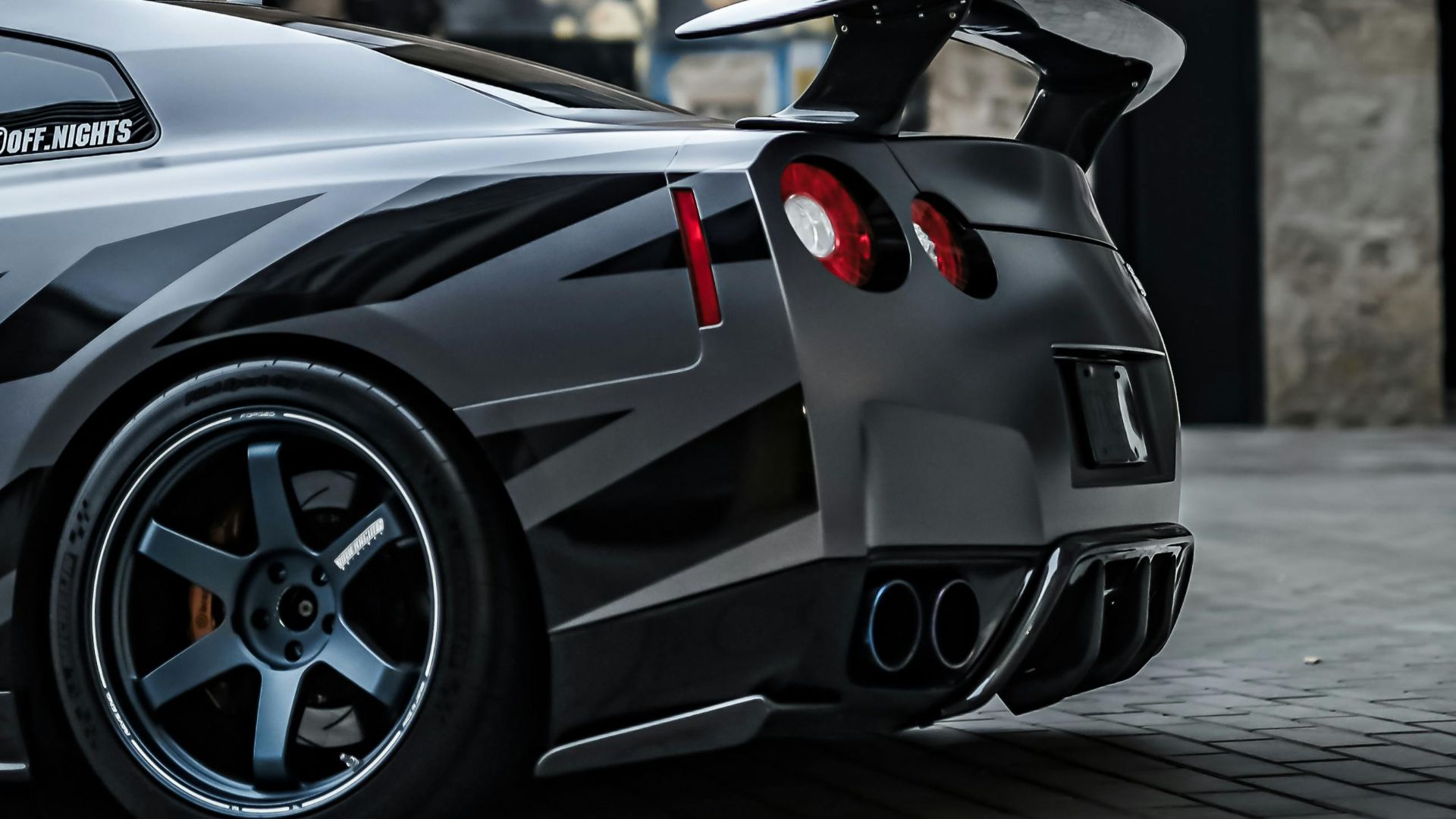
Early GT-R concepts promised a technological powerhouse. Nissan aimed to challenge established supercar brands, meaning the production version stayed aggressive in both design and performance.
15. Jeep Gladiator
The Gladiator concept reignited interest in a Jeep pickup. Fans pushed hard for its release. Jeep listened, but moved cautiously. When production finally came, the design stayed rugged and recognizable, and didn’t try to reinvent the truck segment. Instead, it leaned into Jeep’s identity.

16. Chevrolet Volt
The Volt concept introduced a new way to think about electrification. It wasn’t fully electric, but it wasn’t traditional either. Chevy preserved that core idea in production. The final car focused on flexibility rather than extremes. It helped ease consumers into electrified driving.
17. Lamborghini Countach (Original)
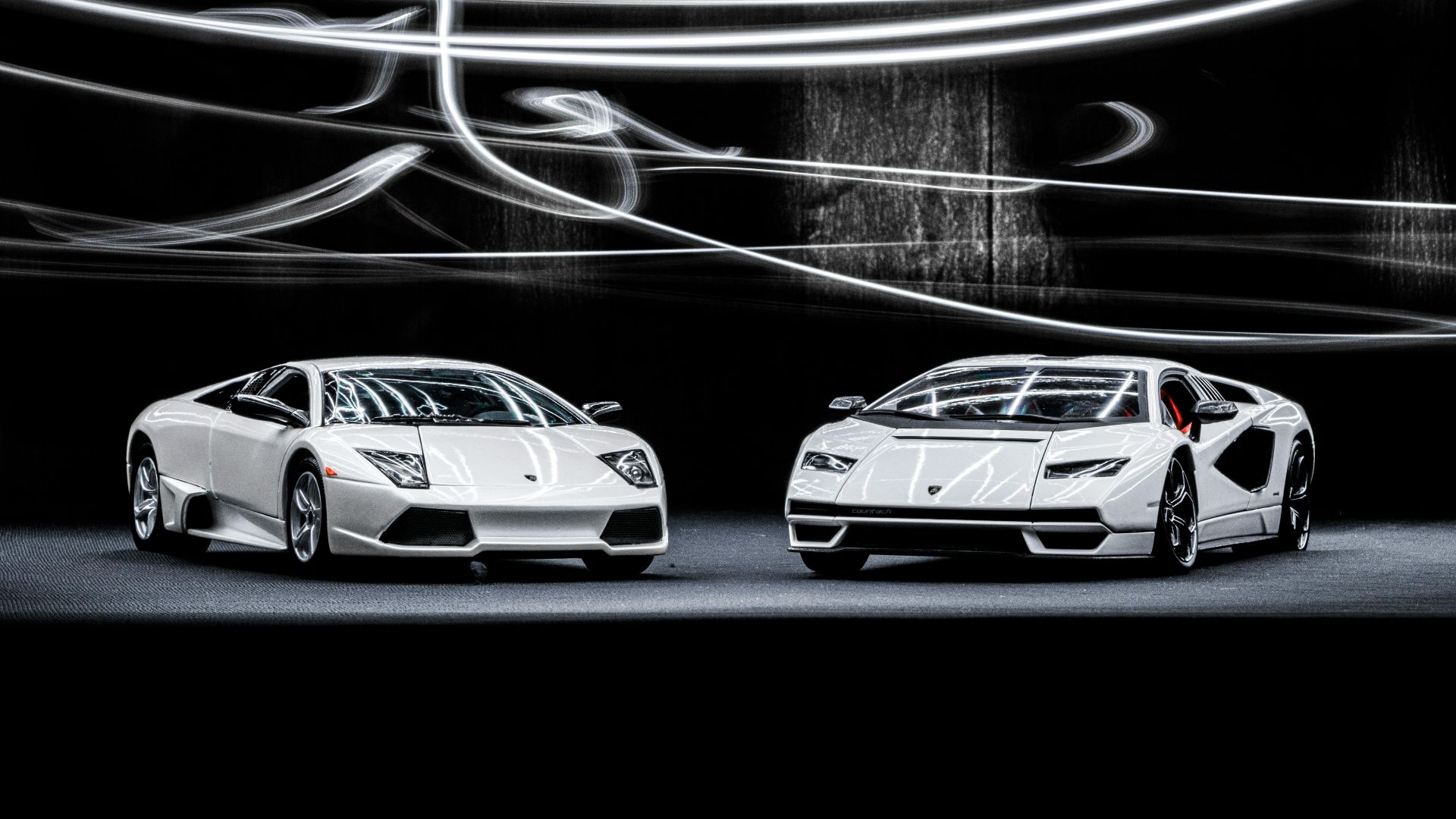
The Countach concept looked impossible when it debuted. Sharp angles and wedge proportions broke every rule at the time. Lamborghini barely softened the production design. The car became instantly iconic, influencing decades of supercar design. Few concepts have reshaped an entire segment so dramatically.
18. BMW Z8
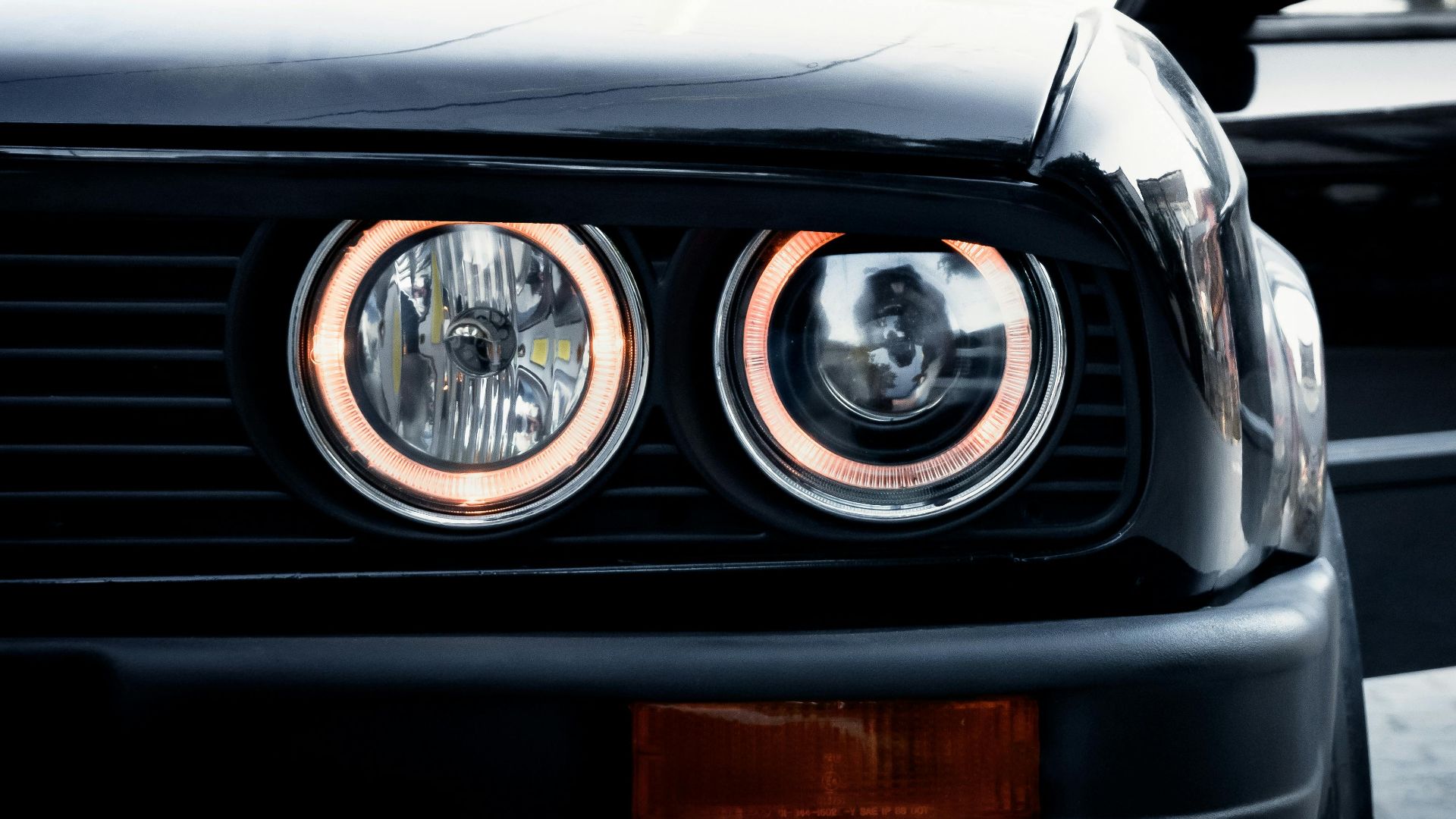
The Z8 concept paid tribute to BMW’s own design history. Its reception was overwhelmingly positive from the start. BMW kept changes to a minimum for production, and the final car looked sculptural rather than aggressive.
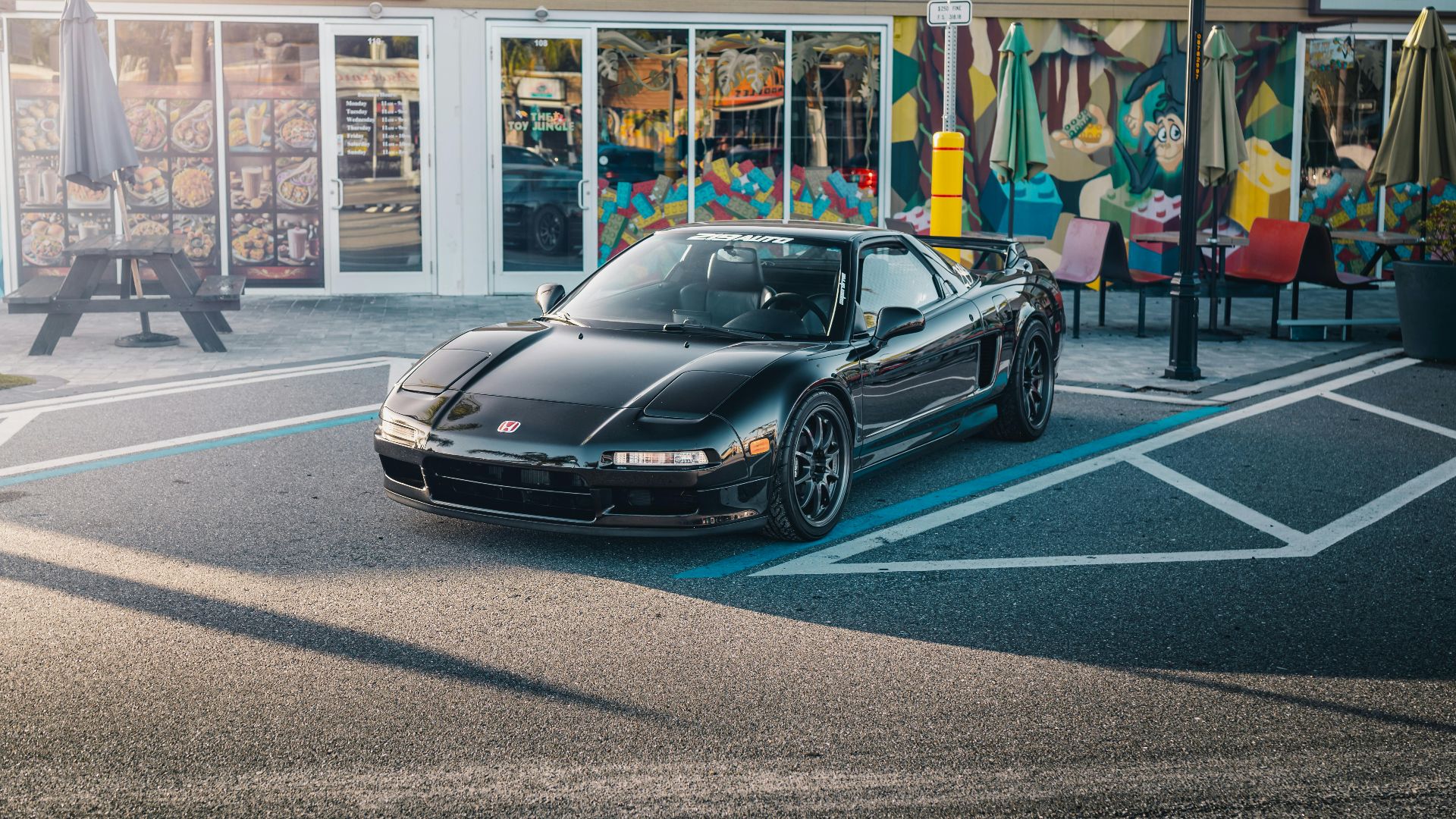
19. Honda NSX (Original)
Honda’s NSX concept promised supercar performance without supercar fragility. That balance sounded unrealistic on paper. The production car, however, delivered reliability alongside speed. Engineers prioritized usability as much as numbers, and this concept redefined the supercar.
20. Tesla Cybertruck
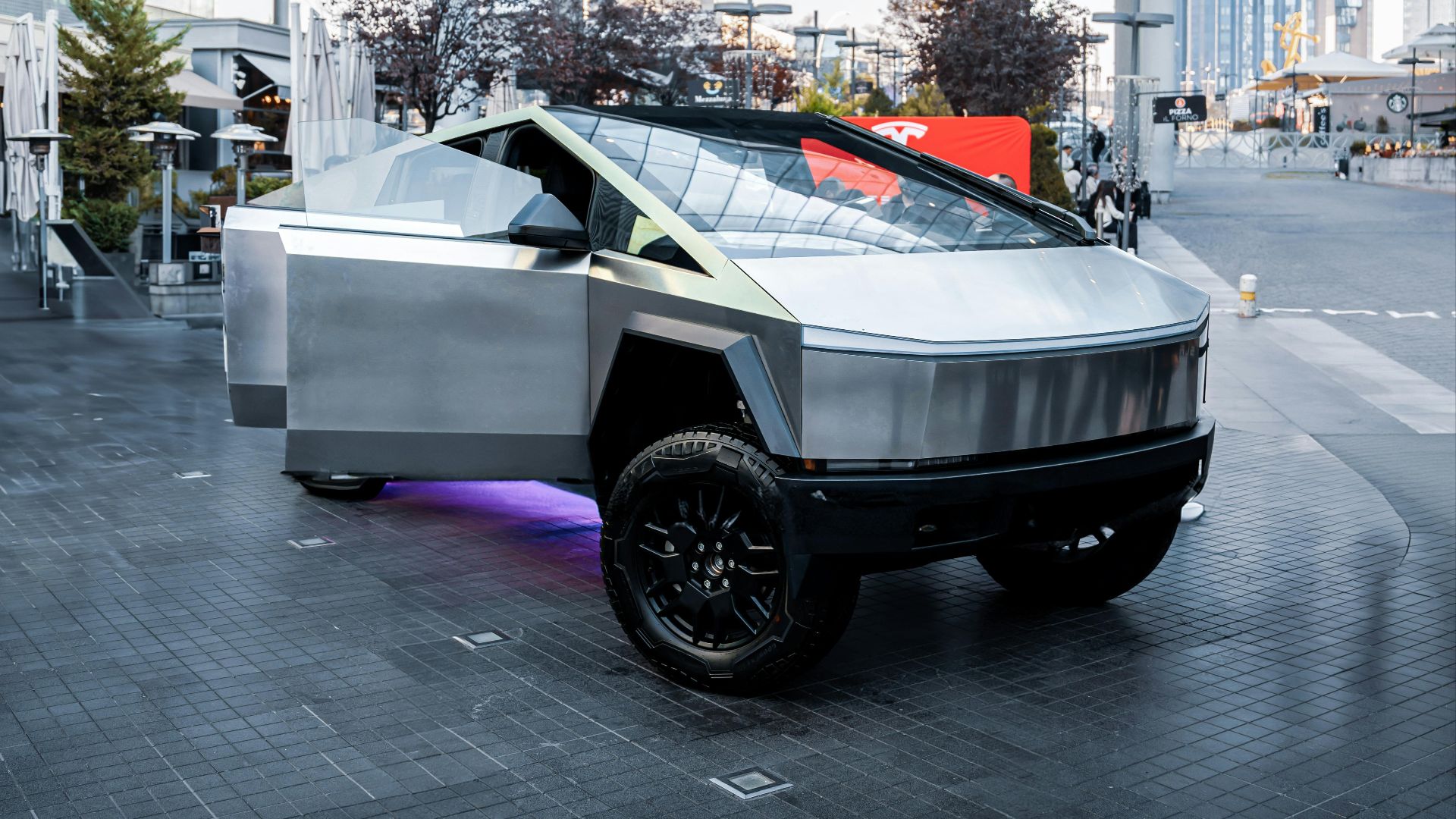
The Cybertruck concept looked intentionally confrontational. Many assumed it was a publicity stunt. Tesla moved forward anyway, largely unchanged. The production version remains polarizing by design and refuses to conform to industry norms.