Nostalgia Done Right
Retro design is a dangerous game because it asks a car to do two jobs at once: trigger a memory and still feel good to live with on a random Tuesday. The winners usually understand the original’s vibe, then translate it into modern proportions, modern safety, and modern expectations, without turning the whole thing into a theme-park prop. The losers tend to confuse recognizable with lovable, piling on cues that photograph well but don’t add up to a car people actually want to own after the first month. Nostalgia can sell an introduction, yet only coherence sells a second look. Here are ten retro-inspired cars that genuinely got the assignment, followed by ten that borrowed the wardrobe and forgot the character.
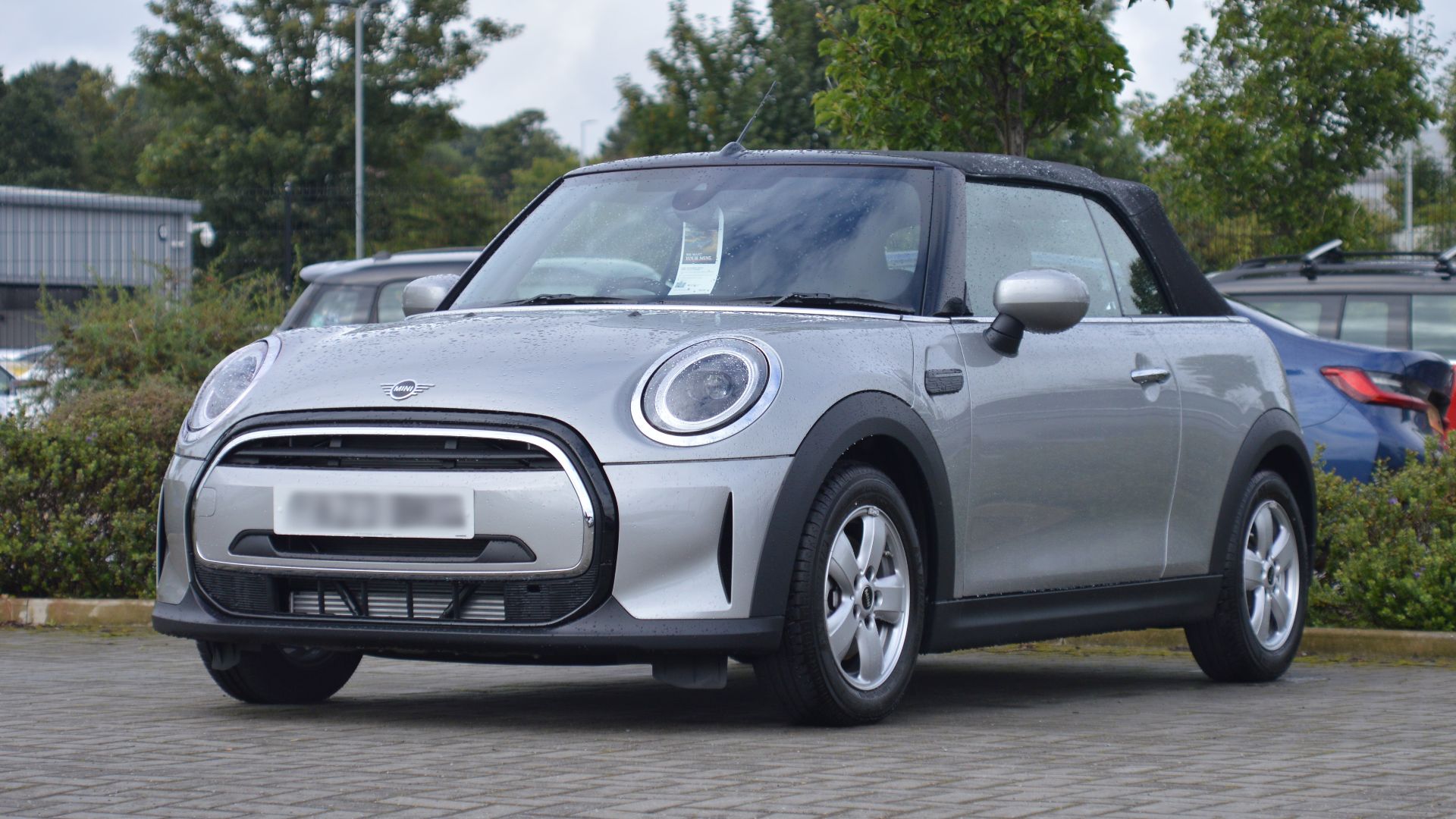
1. BMW MINI (2001-Present)
The modern MINI kept the cheeky stance and the city-car swagger, yet it also accepted that nobody wants a tiny penalty box in modern traffic. It feels like the classic Mini’s personality got promoted into a safer, faster world, with just enough cartoon in the proportions to make it instantly recognizable without becoming a parody.
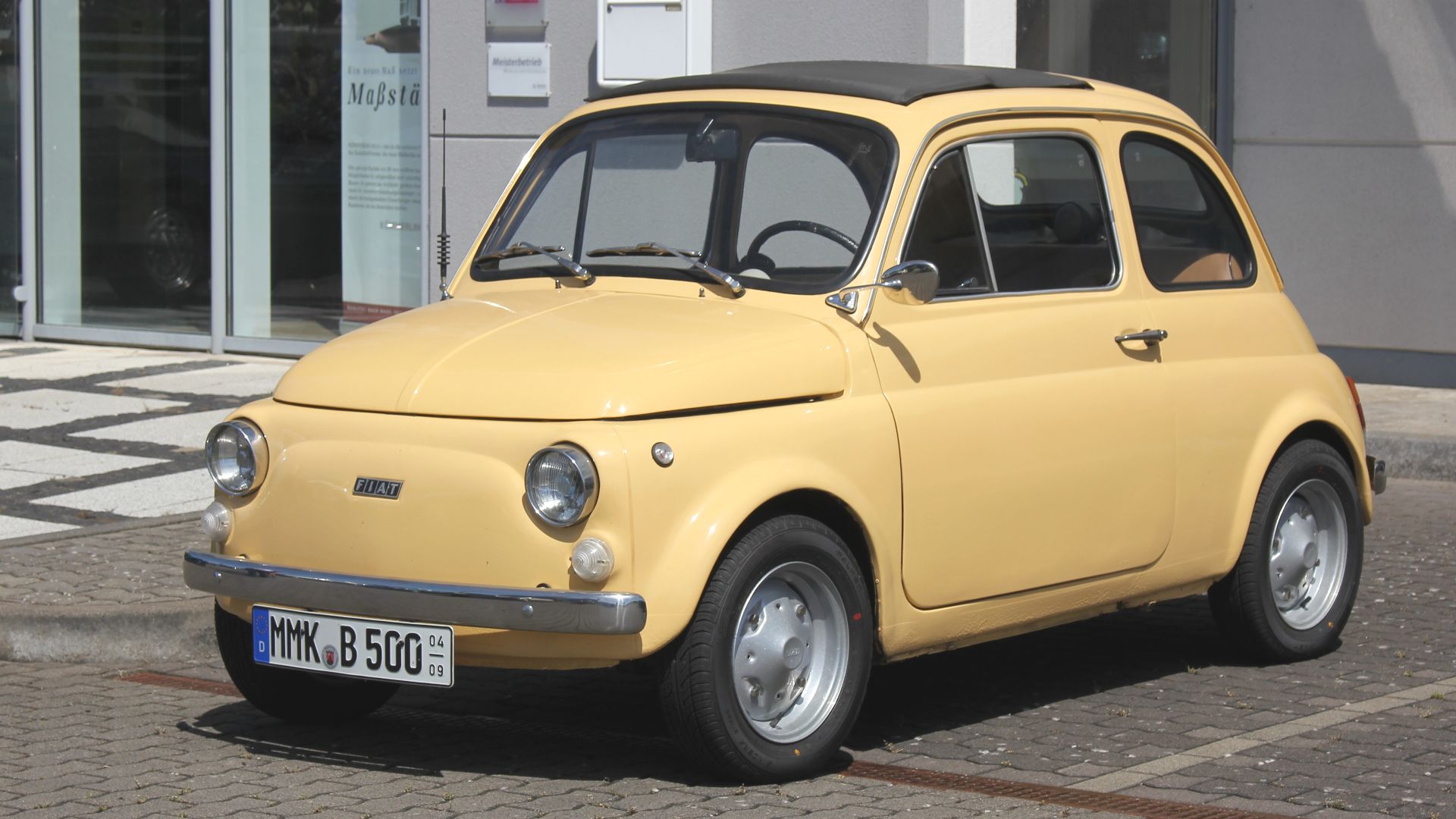
2. Fiat 500 (2007-)
The reborn 500 is small in a way that still feels deliberate, like a compact espresso cup that refuses to be upsized. Fiat leaned hard into the original’s friendly face and tidy footprint, and the result reads as charming rather than gimmicky, especially in bright colors where the curves make sense.
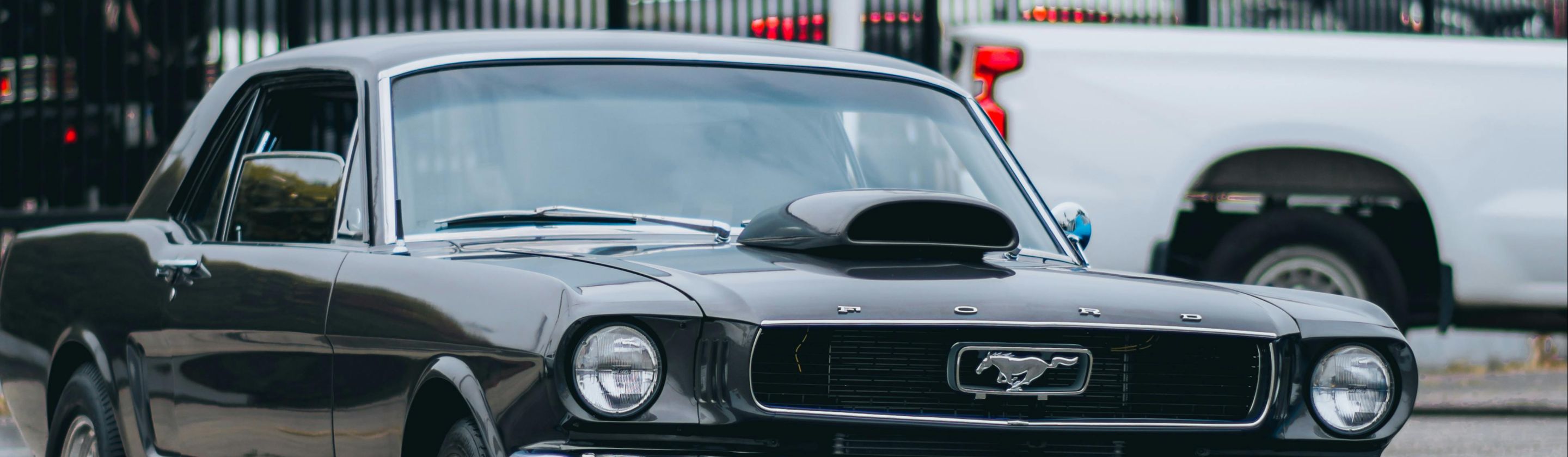
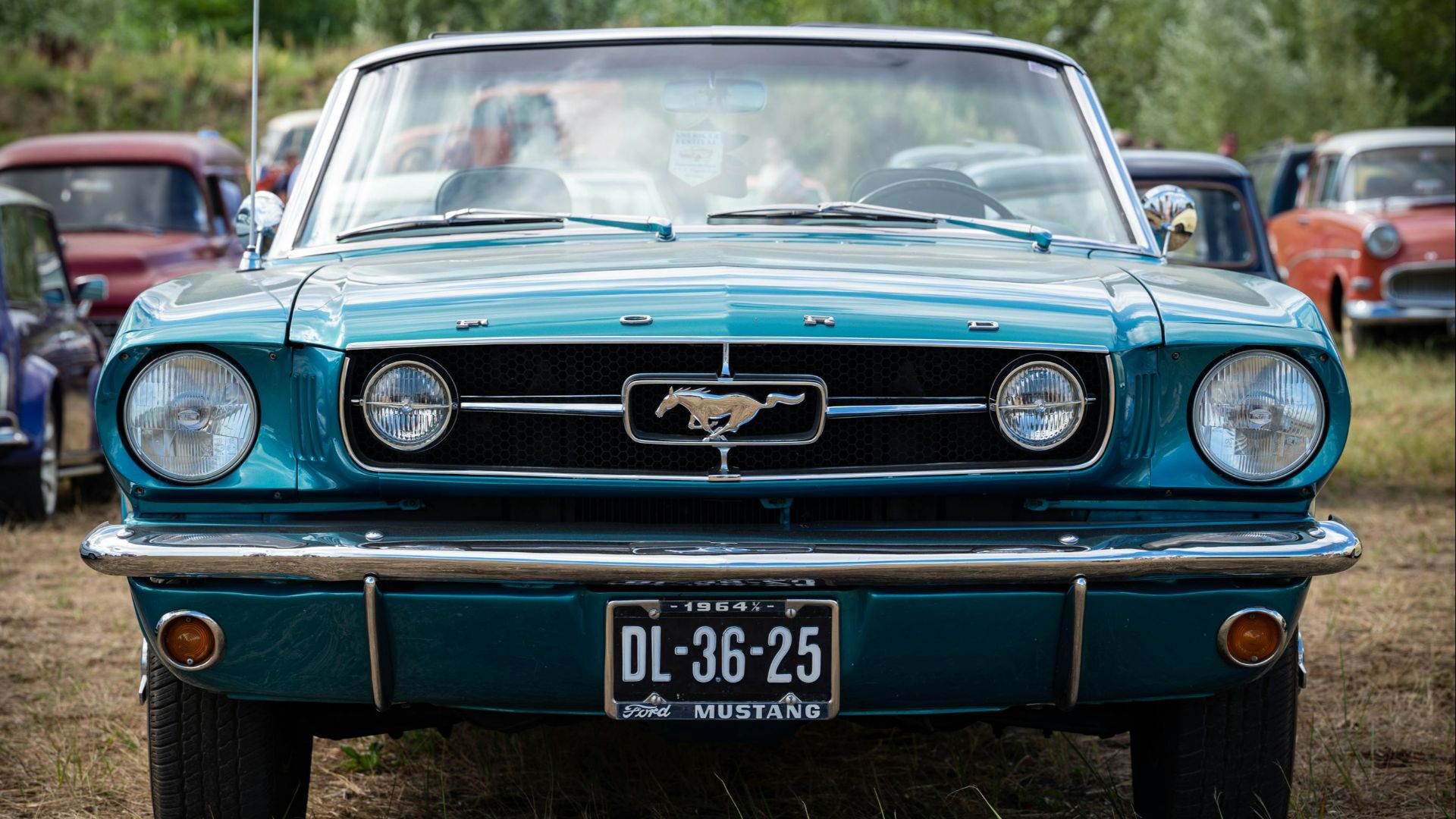
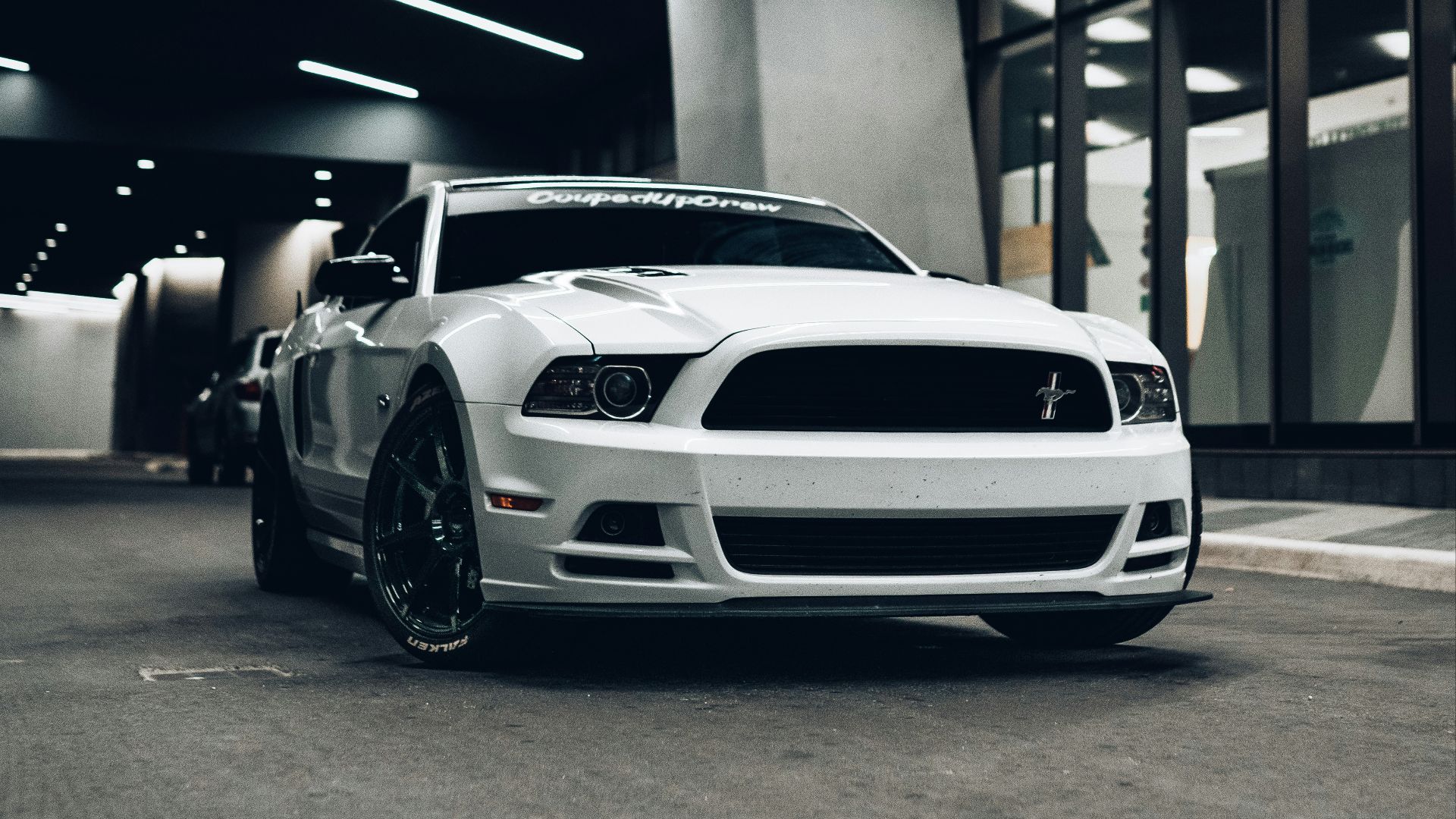
3. Ford Mustang S197 (2005-2014)
Ford didn’t merely slap retro badges on a generic coupe; the S197 brought back the long-hood, short-deck silhouette that people actually picture when they hear “Mustang.” It also landed at a moment when the brand needed a reset, so the look felt like confidence returning, not a museum exhibit reopening.
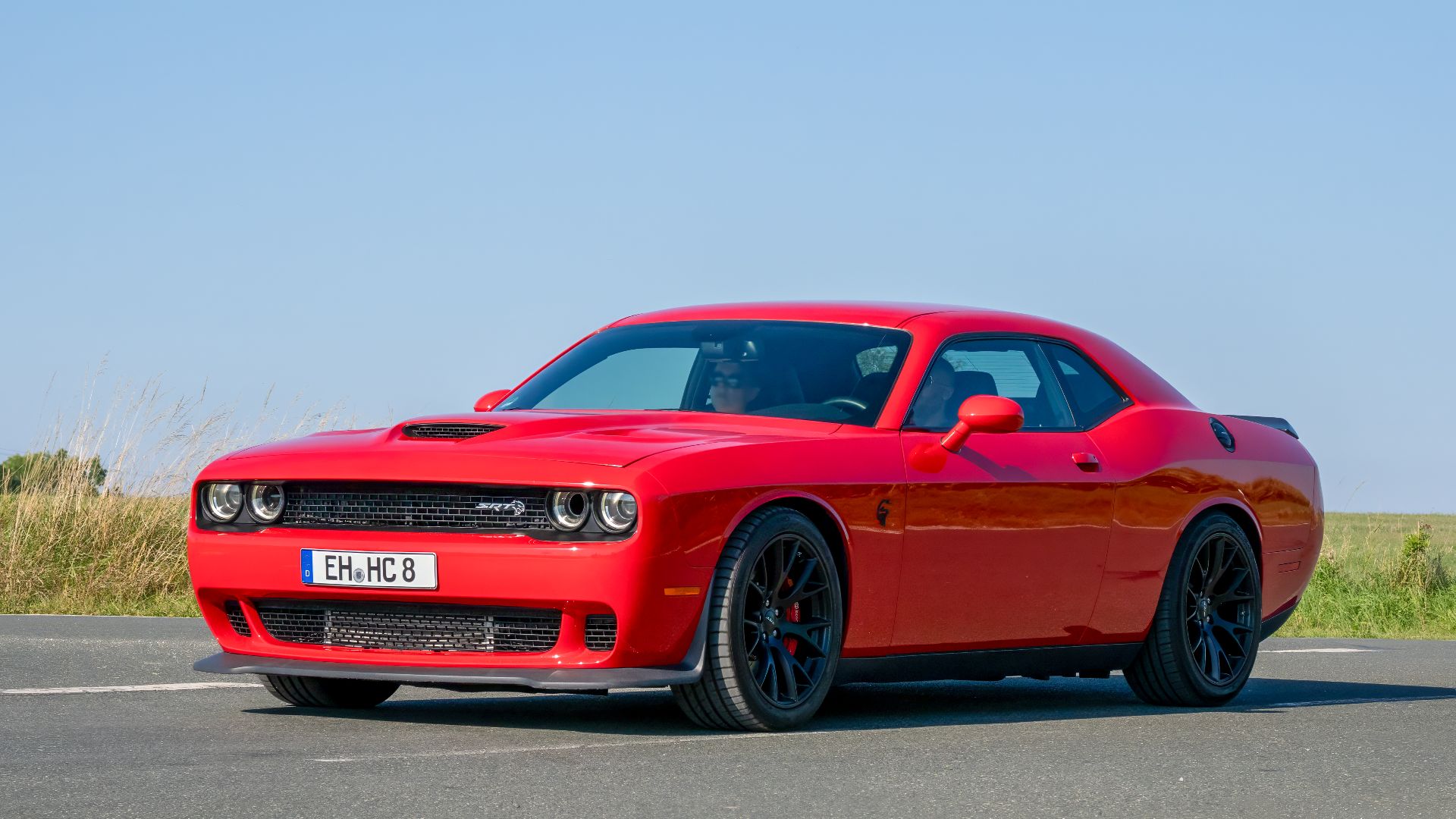
4. Dodge Challenger (2008-)
The modern Challenger is big, unapologetic, and a little ridiculous in a way that matches the name on the trunk. Dodge understood that the classic Challenger’s appeal wasn’t delicacy, it was presence, and the reboot leaned into that with a shape that looks like it was carved out of a single block of nostalgia.
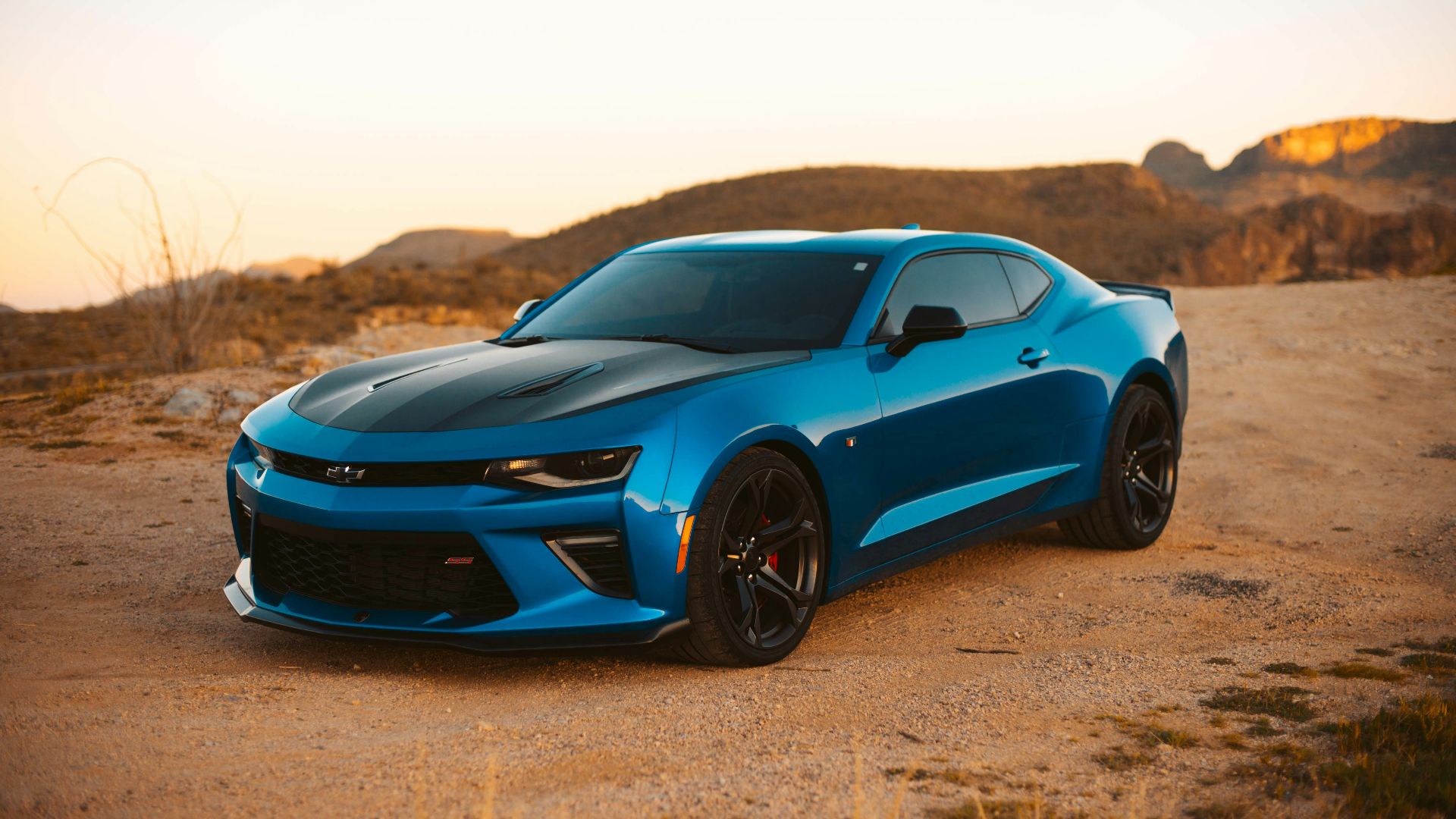
5. Chevrolet Camaro (2010-2015)
The fifth-gen Camaro arrived with enough drama to feel like a proper comeback story, and it looked like it meant it. Even people who didn’t love the visibility usually admitted the design had a clear point of view, which is half the battle when a car is trying to be both modern and familiar.
6. Toyota FJ Cruiser (2007-2014 In North America)
Toyota made an SUV that looked like a childhood memory of an old Land Cruiser, all upright glass and purposeful angles, yet it still behaved like a modern vehicle in traffic. It also didn’t try to be precious about it, which helped: the styling felt like gear, not jewelry.

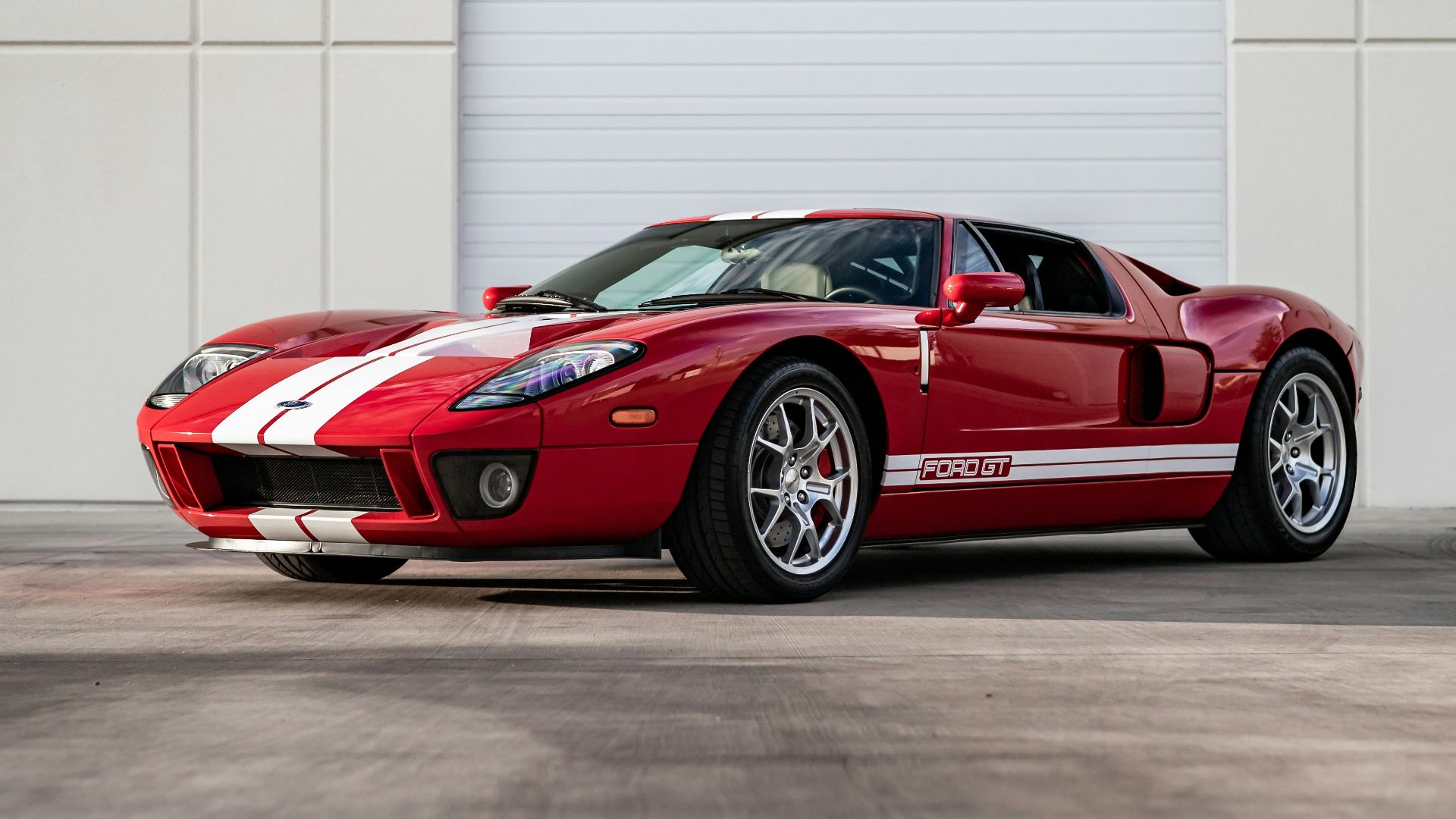
7. Ford GT (2005-2006)
This one pulled off the emotional trick: modern supercar performance wrapped in a shape that clearly nods to Ford’s GT40 era. Even if most people never saw one outside of glossy photos, the design communicated exactly what it wanted to be the second it rolled into view.
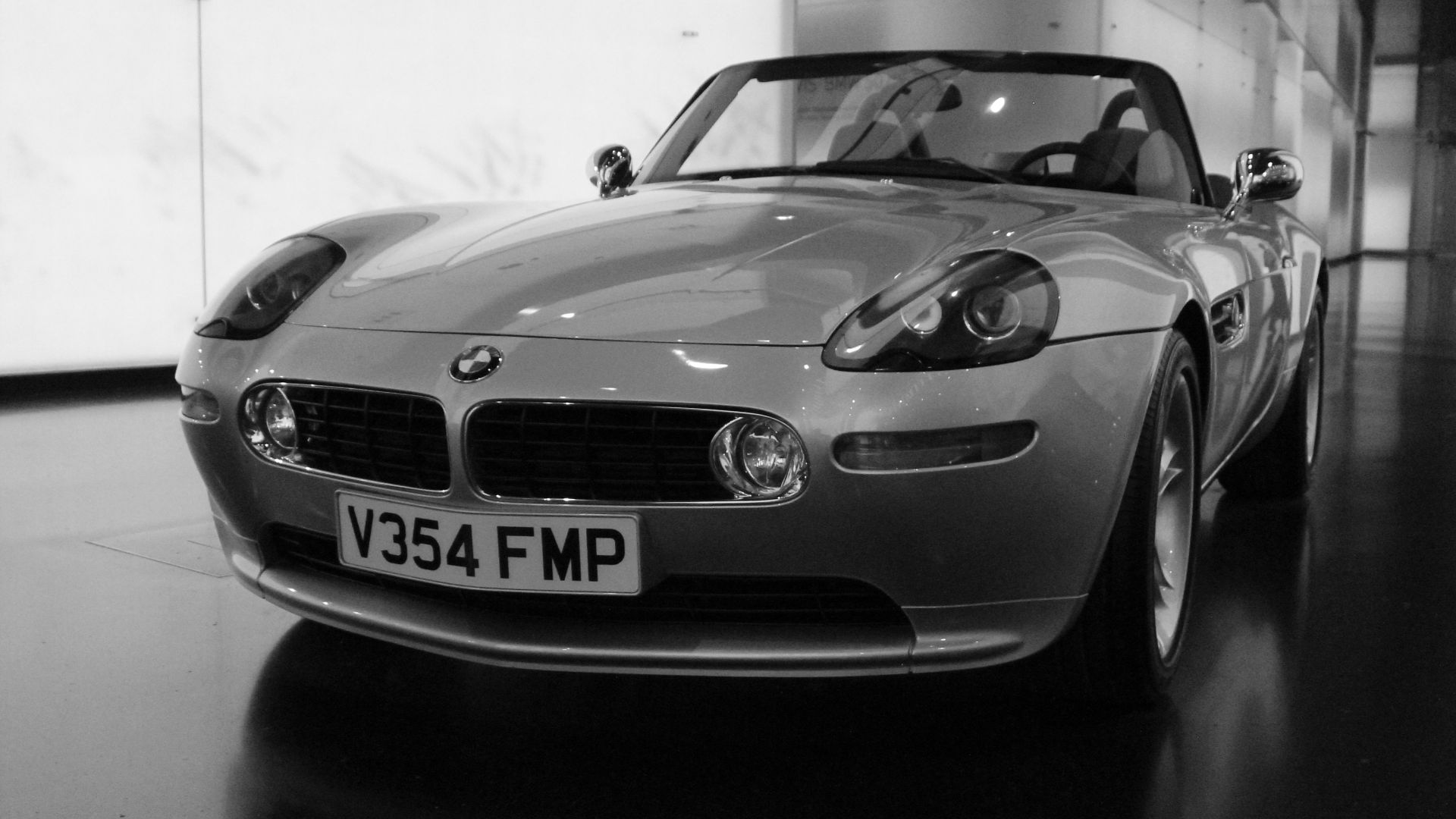
8. BMW Z8 (2000-2003)
The Z8 wasn’t subtle about its inspiration, and that was the charm. It set out to evoke the BMW 507, then delivered a roadster that felt like a glamorous time capsule with modern muscle under the hood, which is basically the dream version of retro.
 Amir Arsalan Shamsabadi on Unsplash
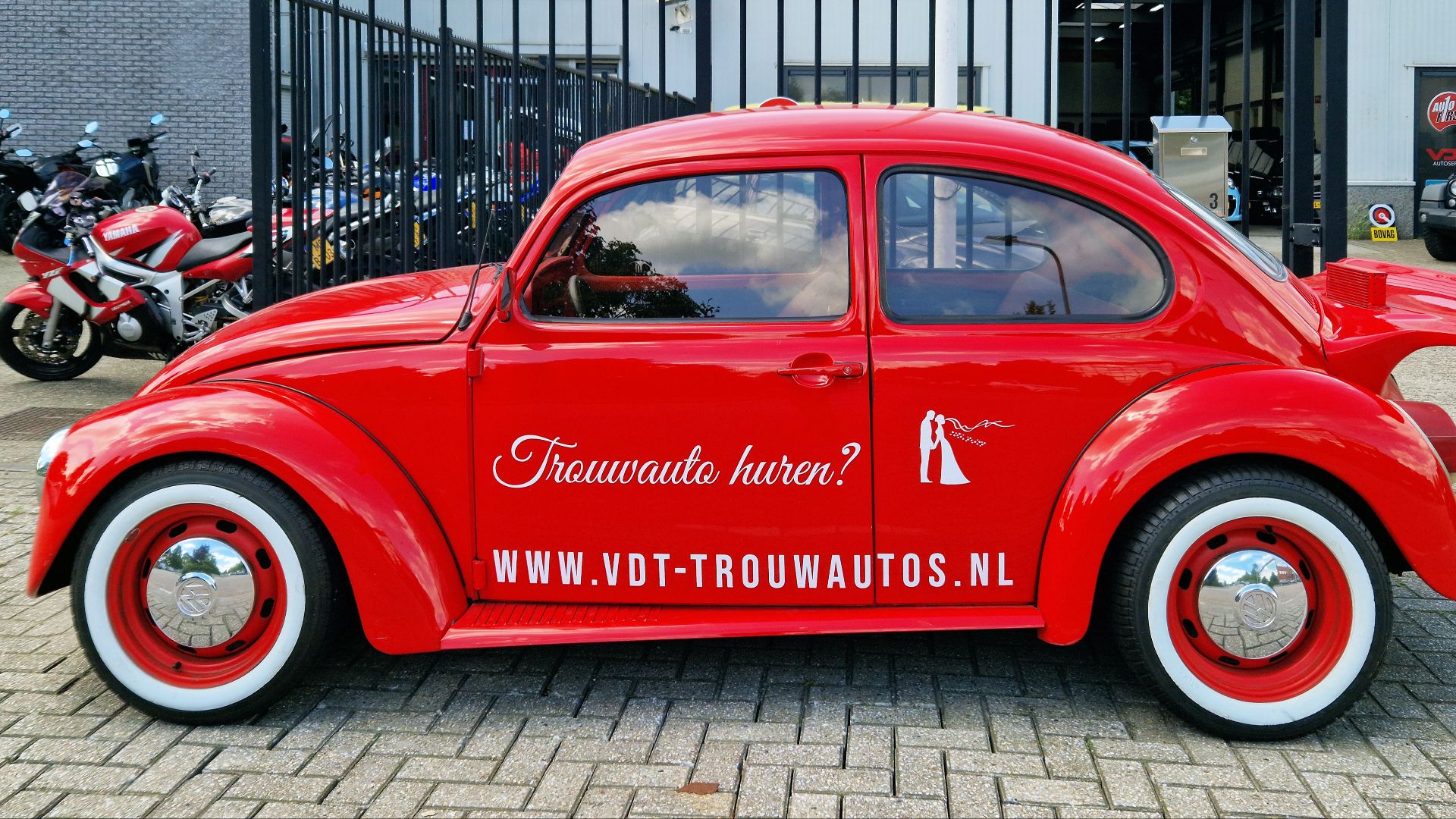
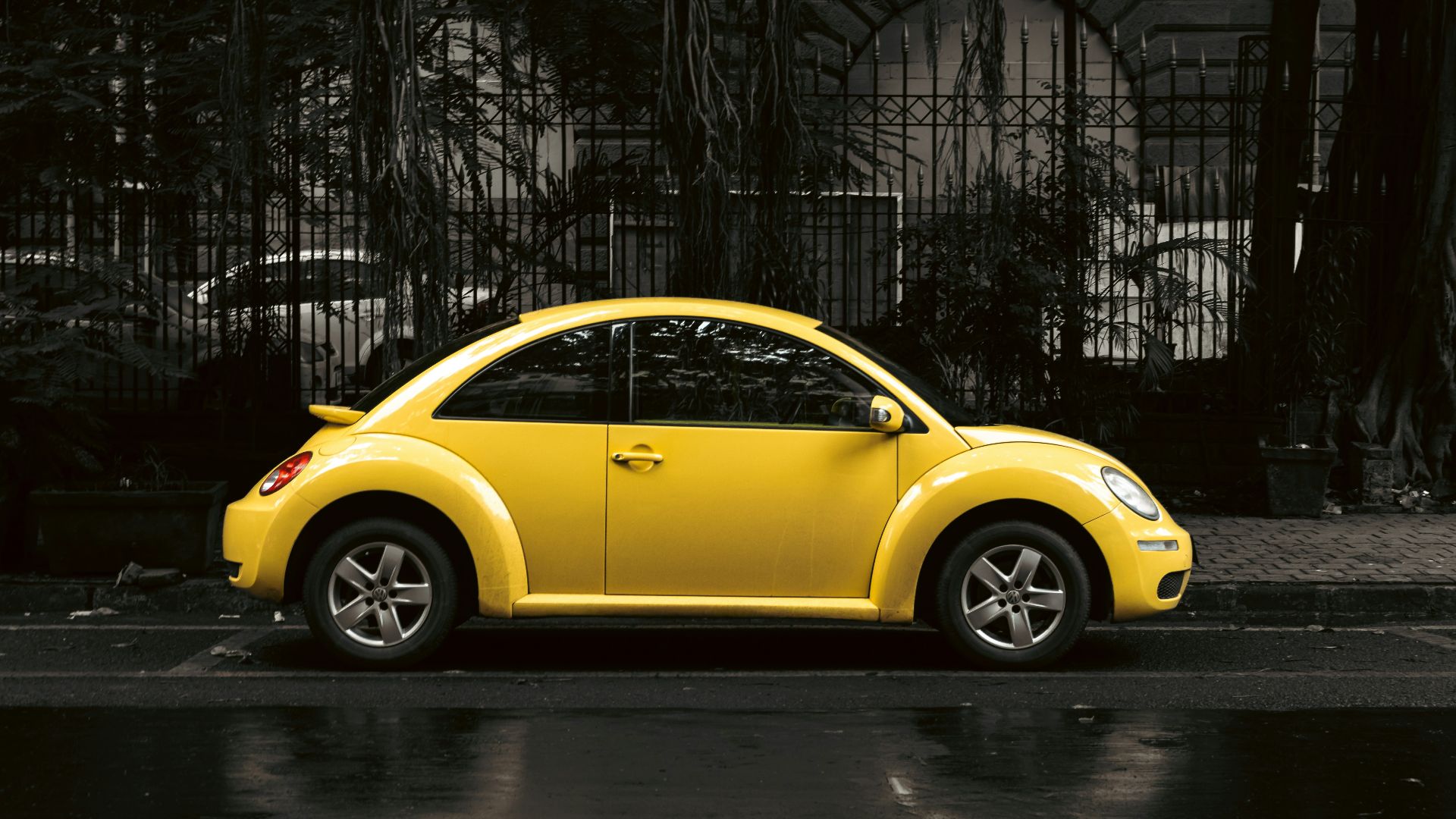
9. Volkswagen New Beetle (1998-2010)
The New Beetle worked because it didn’t pretend to be the original Beetle reborn; it aimed for a friendly, rounded echo that people could actually live with in the modern world. It became a real cultural object, the kind of car you’d spot in a big-box parking lot and instantly understand who bought it.
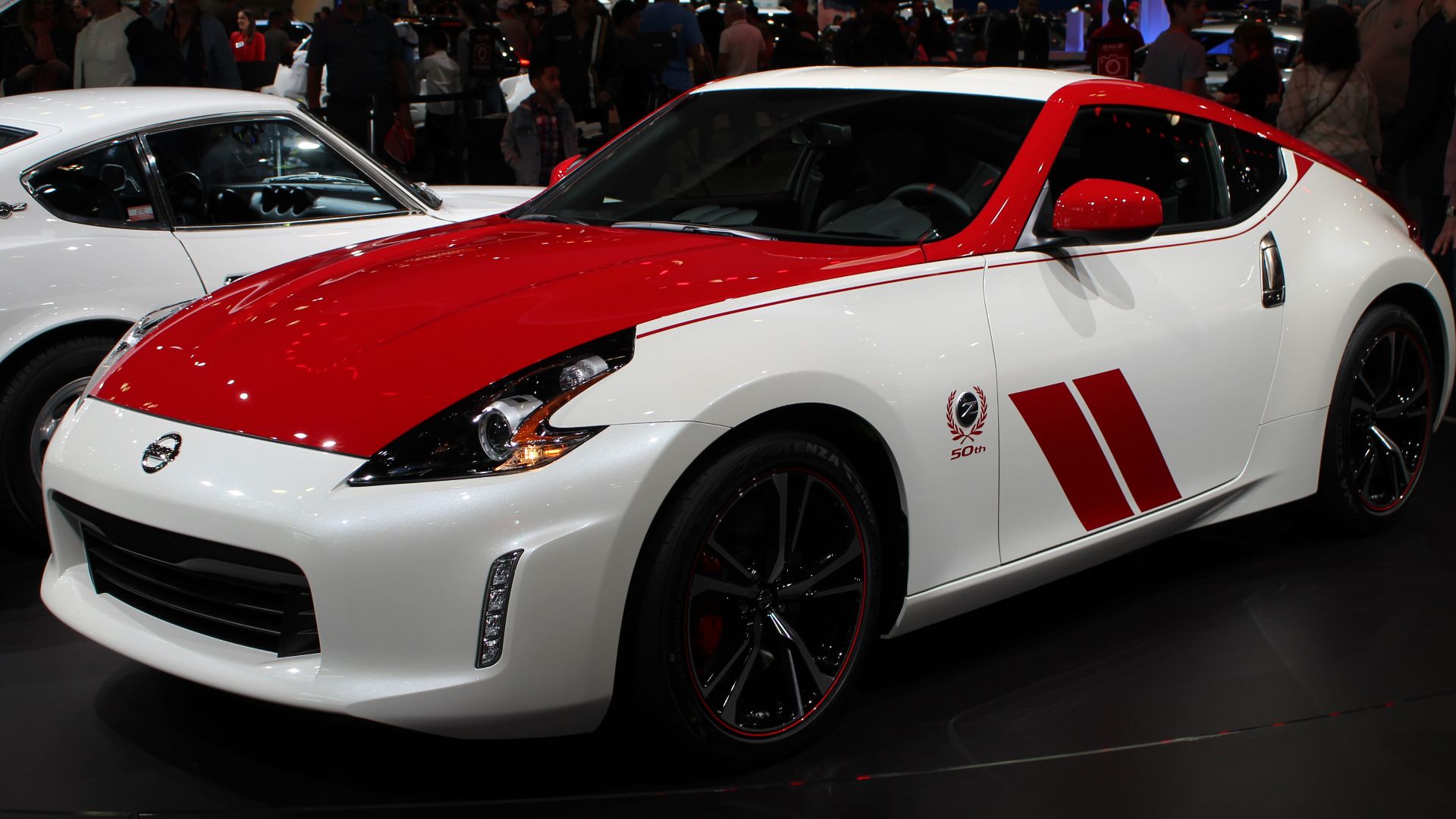
10. Nissan 370Z 50th Anniversary Edition (2019)
Even as a special edition, it’s a clean example of retro done with restraint: history referenced through livery and attitude rather than a full costume change. The appeal is that it remembers where the Z story began, yet it still feels like a contemporary sports car first, nostalgia second.
A harsher truth is that retro doesn’t fail quietly; it fails loudly, and sometimes expensively. Here are ten flops.
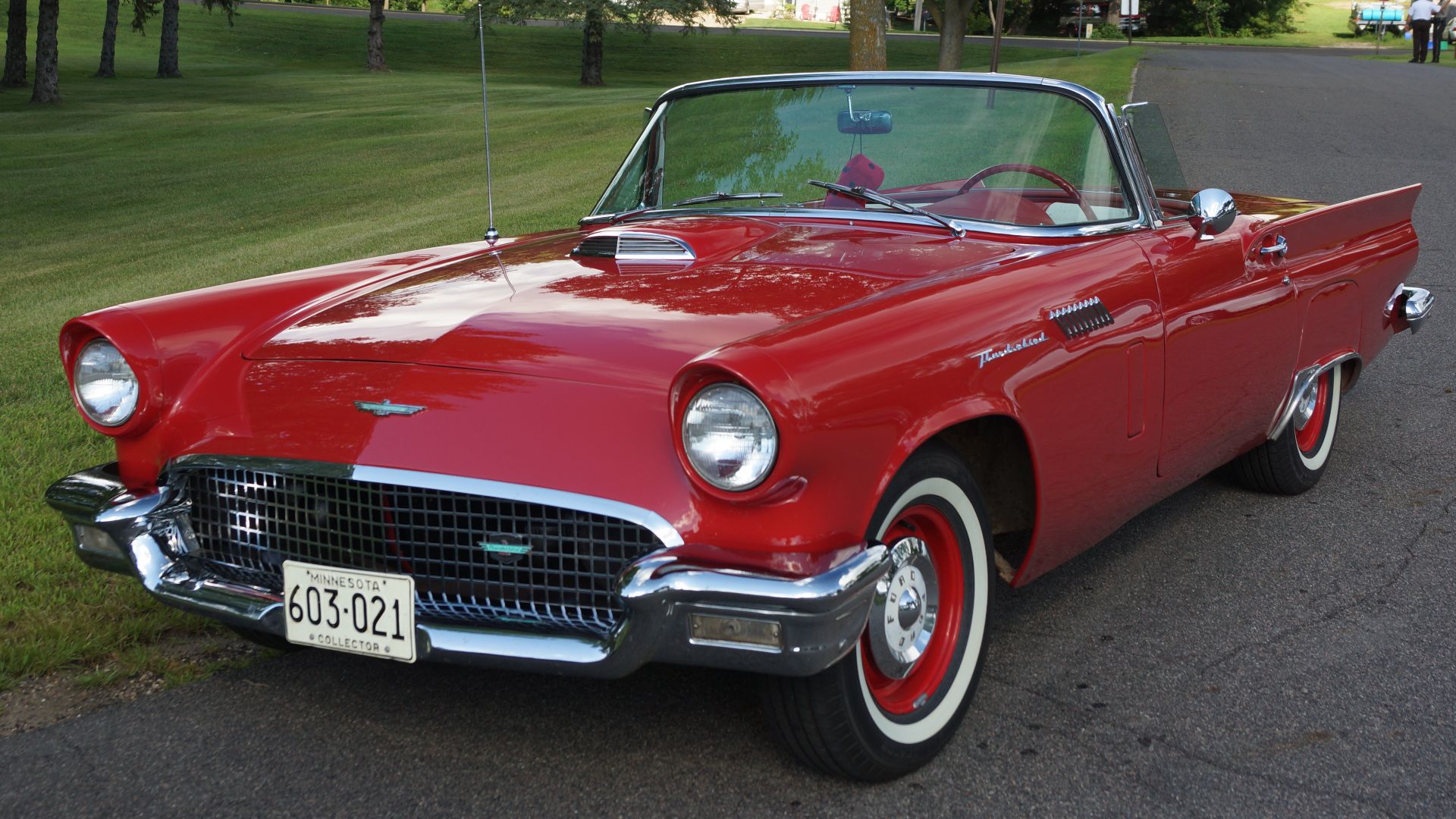
1. Ford Thunderbird (2002-2005)
The design hit the obvious cues, yet the car struggled to justify itself as a modern two-seat cruiser at its price, and the market cooled fast after the initial burst. When nostalgia is the headline feature, the daily experience has to be great, not merely acceptable.
 Greg Gjerdingen from Willmar, USA on Wikimedia
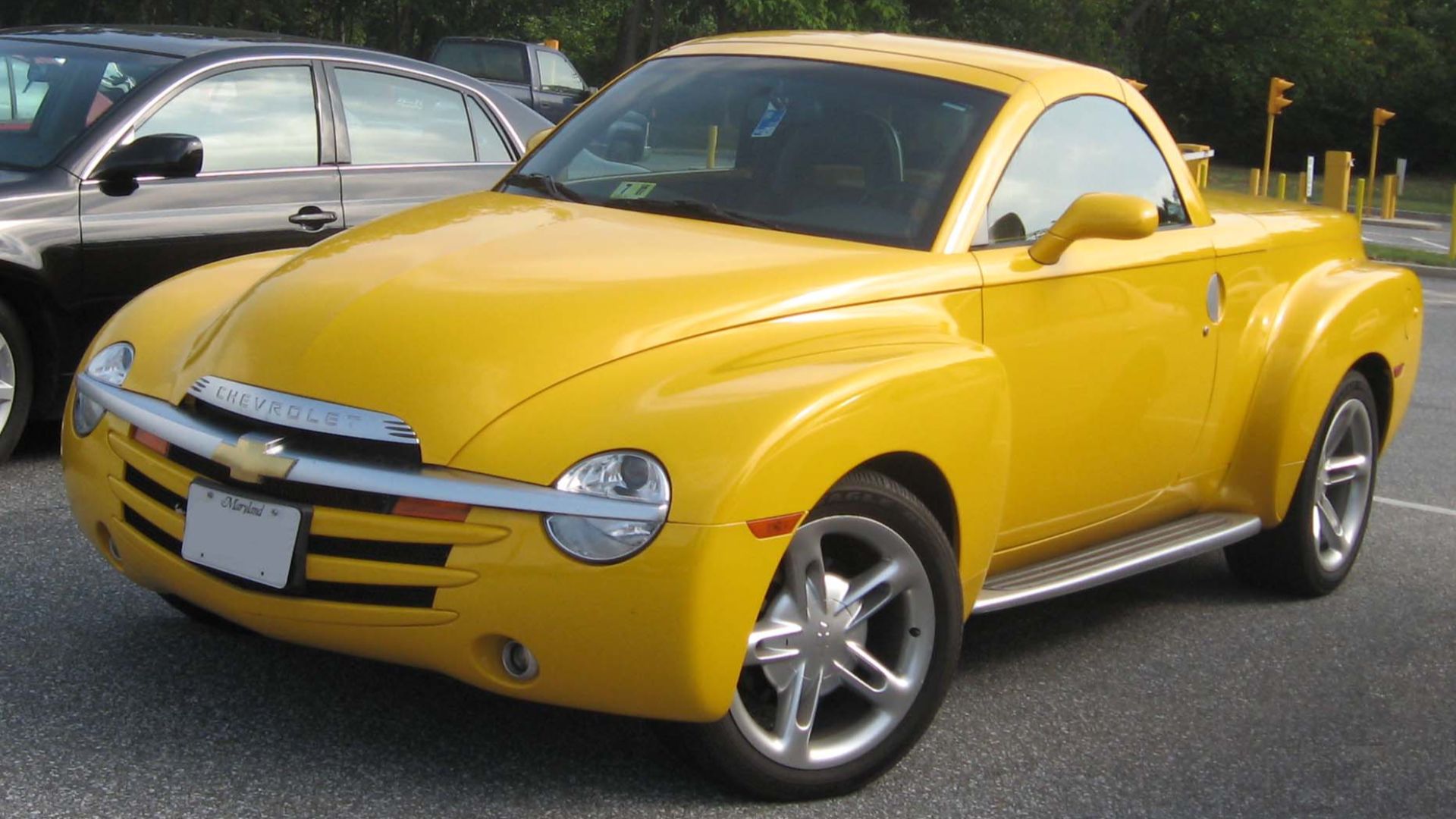
2. Chevrolet SSR (2003-2006)
On paper it’s lovable: a retro-styled pickup with a retractable hardtop, like a concept car that escaped. In practice it landed in a strange no-man’s-land between cruiser, truck, and sports car, and that identity fuzziness made the styling feel like the main feature instead of the wrapper.
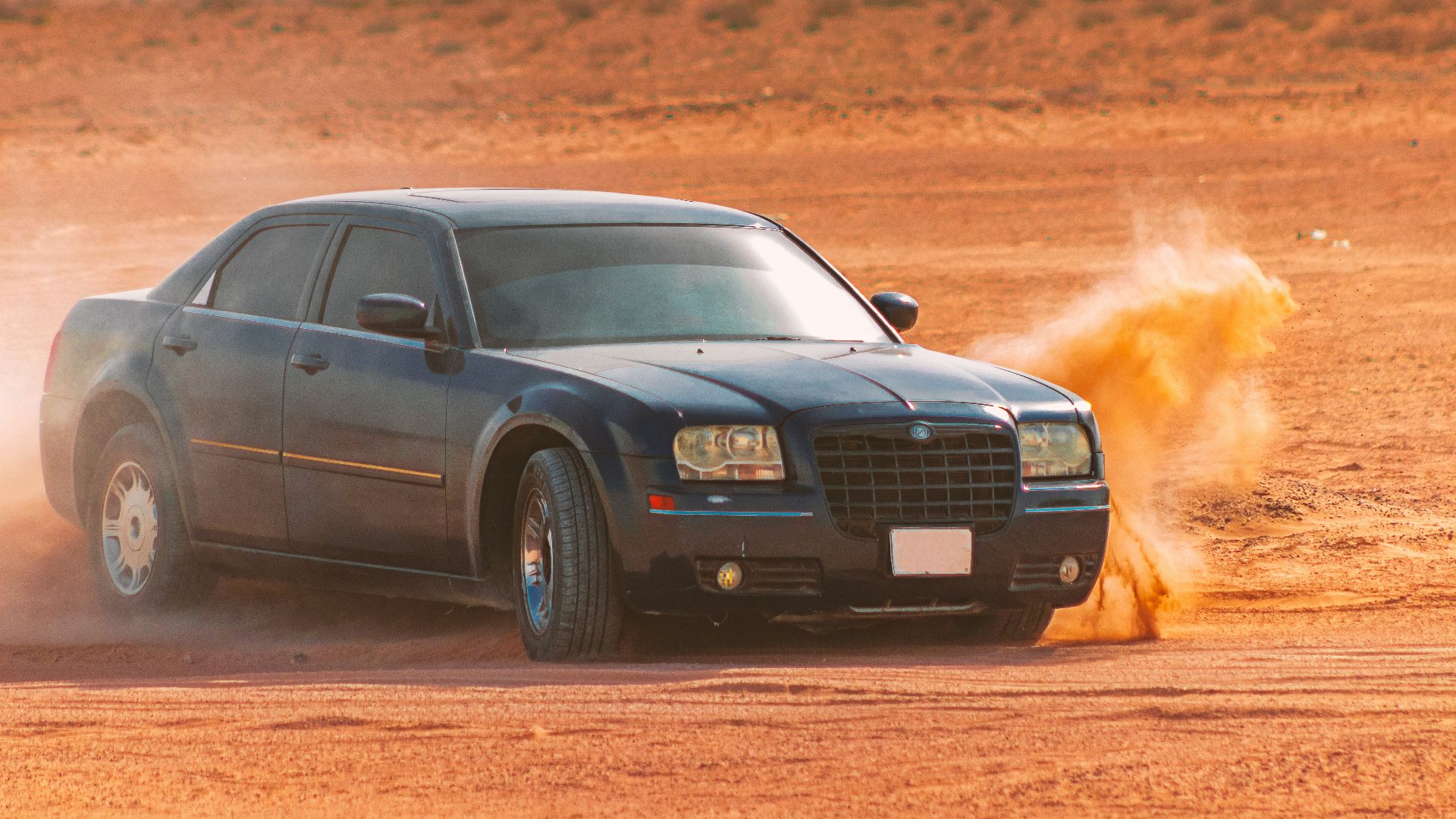
3. Chrysler PT Cruiser (2001-2010)
The PT Cruiser understood the broad strokes, aiming for a 1930s-inspired vibe, and early on it rode a real wave. Then the novelty wore off, and the car’s everyday compromises started to feel louder than its personality, which is the moment retro turns from cute into dated.
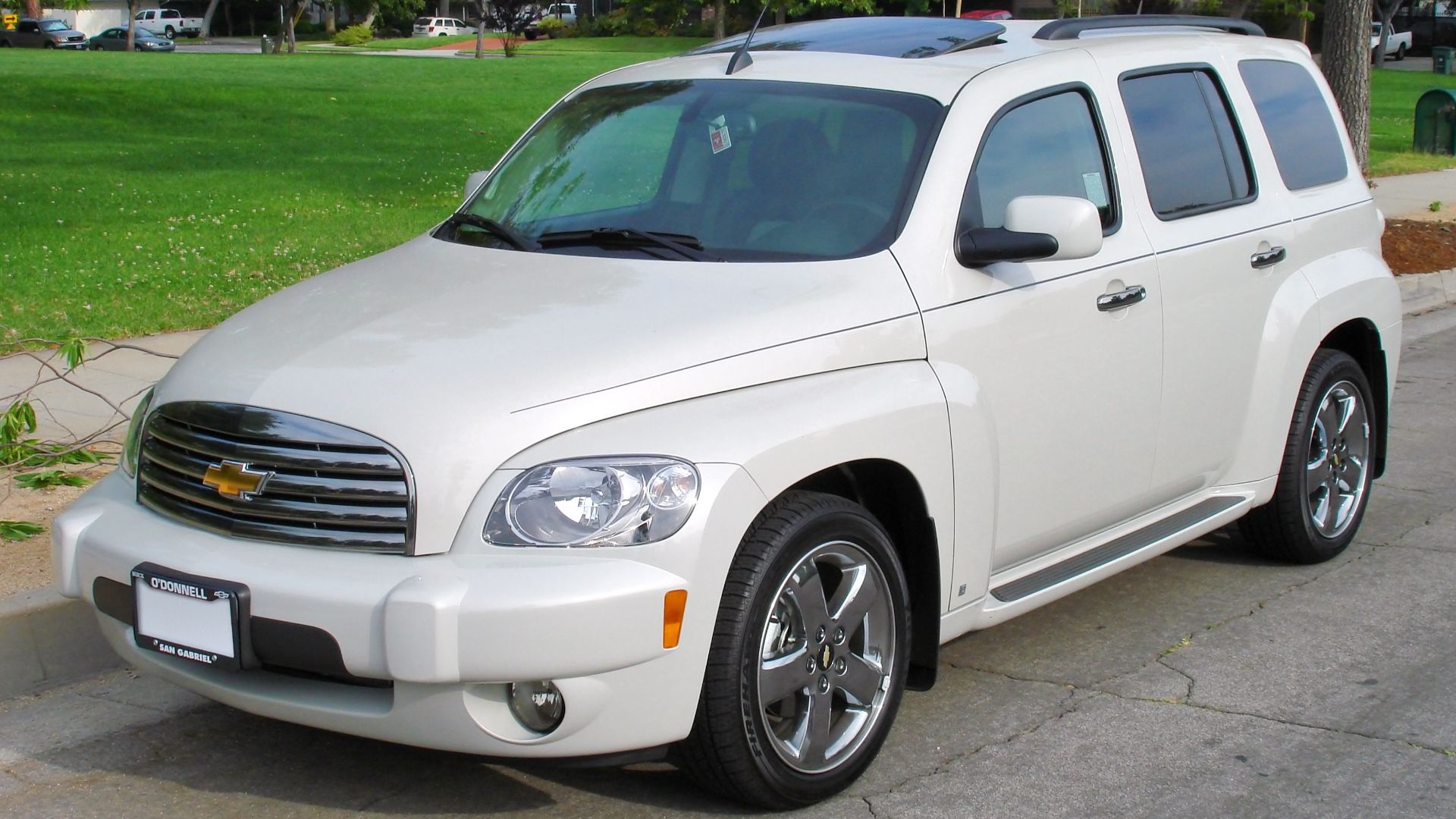
4. Chevrolet HHR (2006-2011)
The HHR always felt like it wanted the PT Cruiser’s attention without finding its own reason to exist. The proportions read more like an impression than an interpretation, and once a car feels like it’s wearing someone else’s joke, it’s tough to fall in love with it.
 Rich Niewiroski Jr. on Wikimedia
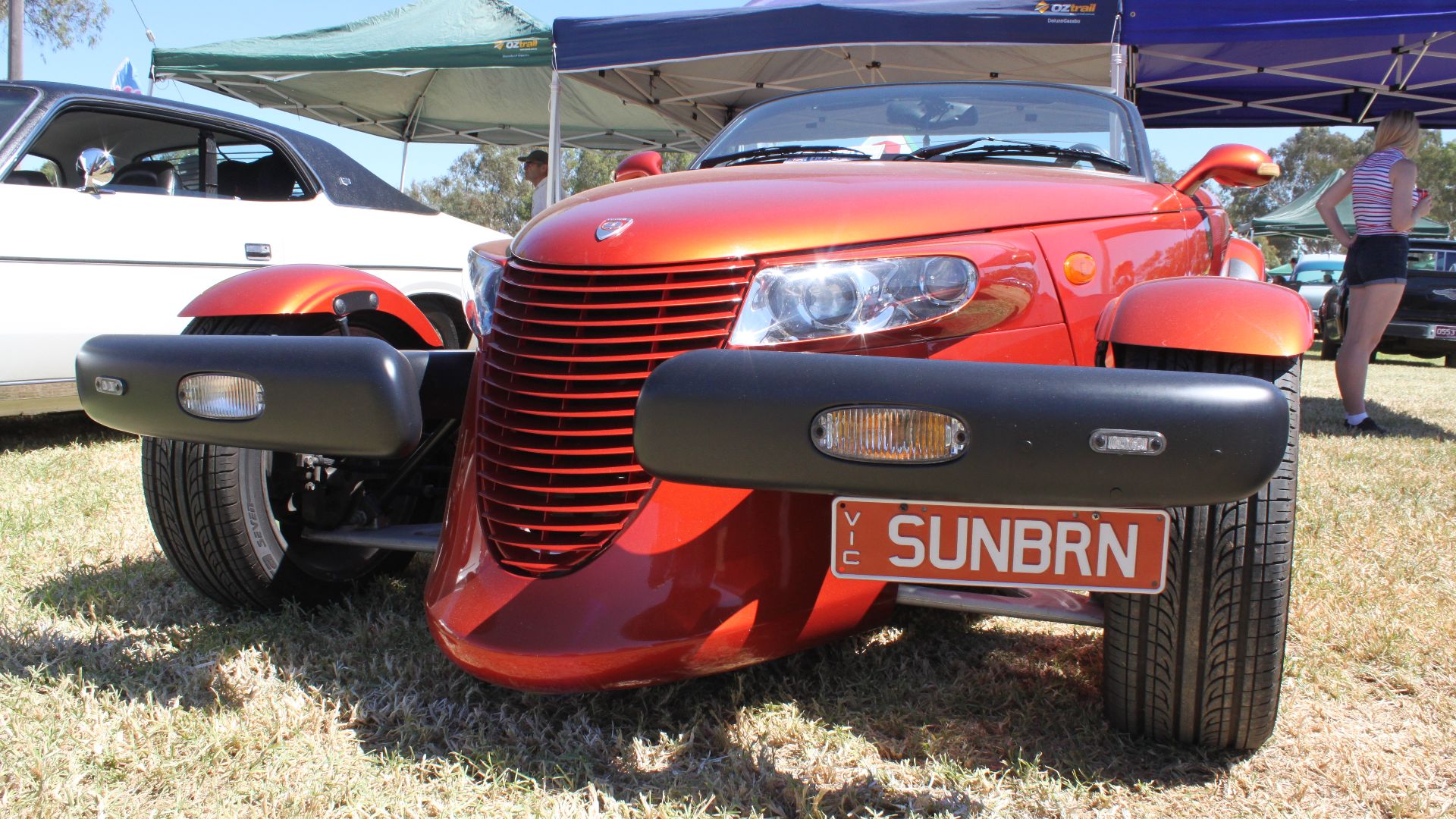
5. Plymouth Prowler (1997-2002)
Visually, the Prowler is a home run: a factory hot-rod shape with open front wheels and instant curb appeal. The problem is that the experience didn’t fully match the fantasy for a lot of enthusiasts, and that mismatch is retro’s most common trap.
 Jeremy from Sydney, Australia on Wikimedia
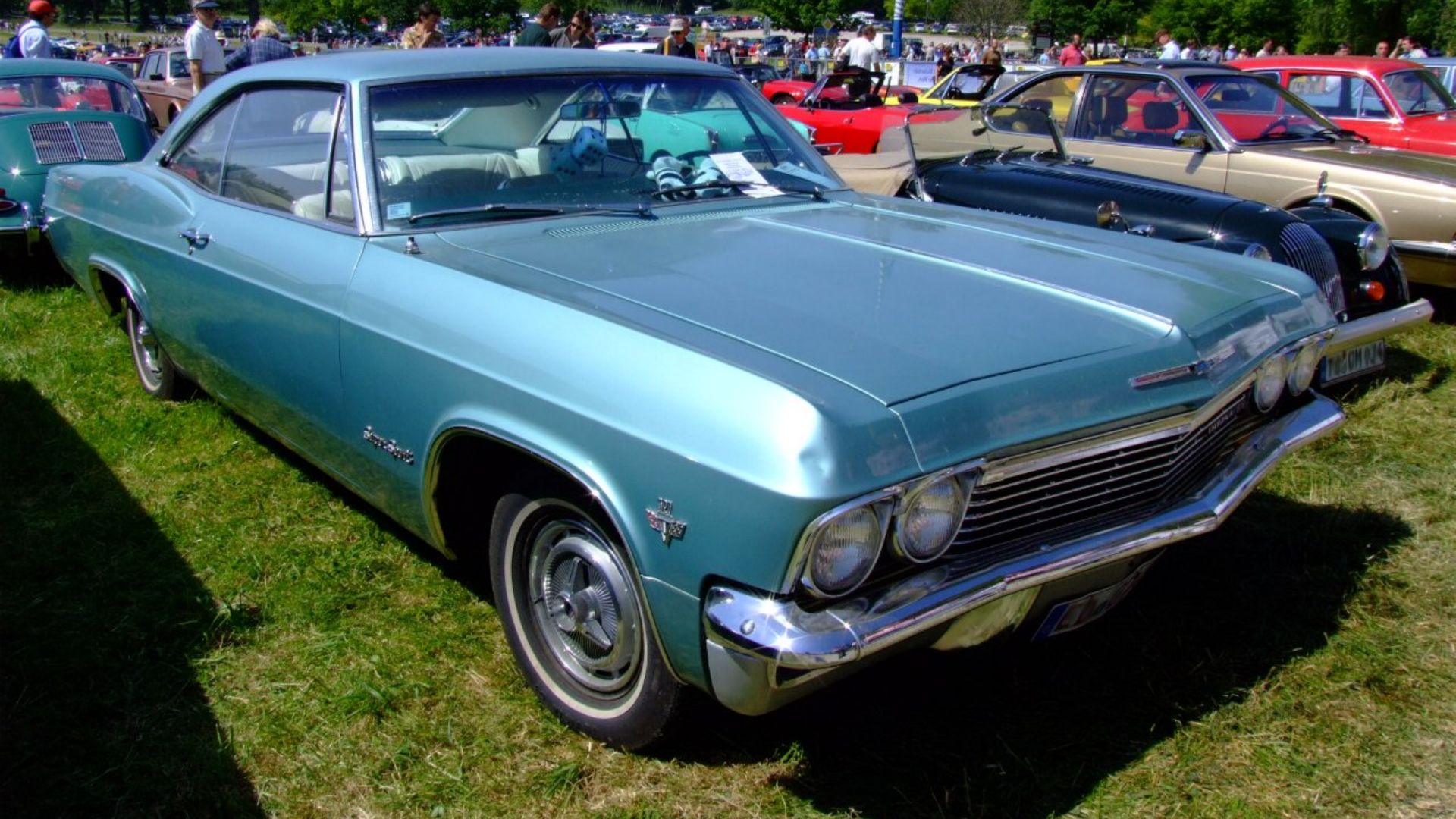
6. Chevrolet Impala SS (2014-2017)
Bringing back a legendary badge is its own kind of retro, and this one felt more like a marketing decision than a coherent throwback. The name promised a certain cultural weight, and plenty of people felt the car didn’t deliver that specific kind of legend in modern form.
 User ChiemseeMan on de.wikipedia on Wikimedia
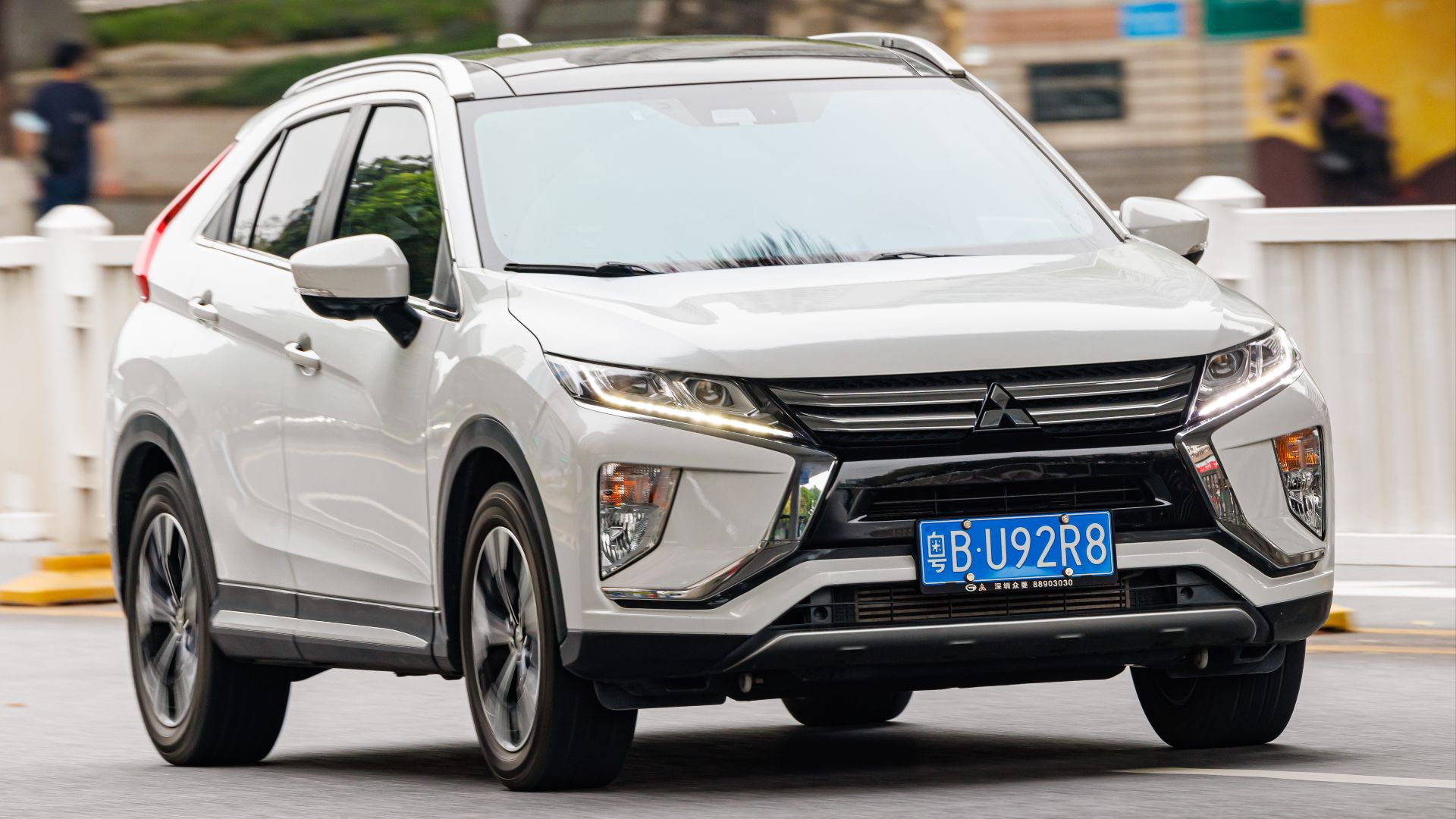
7. Mitsubishi Eclipse Cross (2018-)
Using “Eclipse” again created instant expectations, because the original name is welded to a very particular sporty-coupe memory. The Cross might be fine as a small SUV, yet tying it to a performance-leaning heritage made the whole thing feel like the wrong costume on the right night.
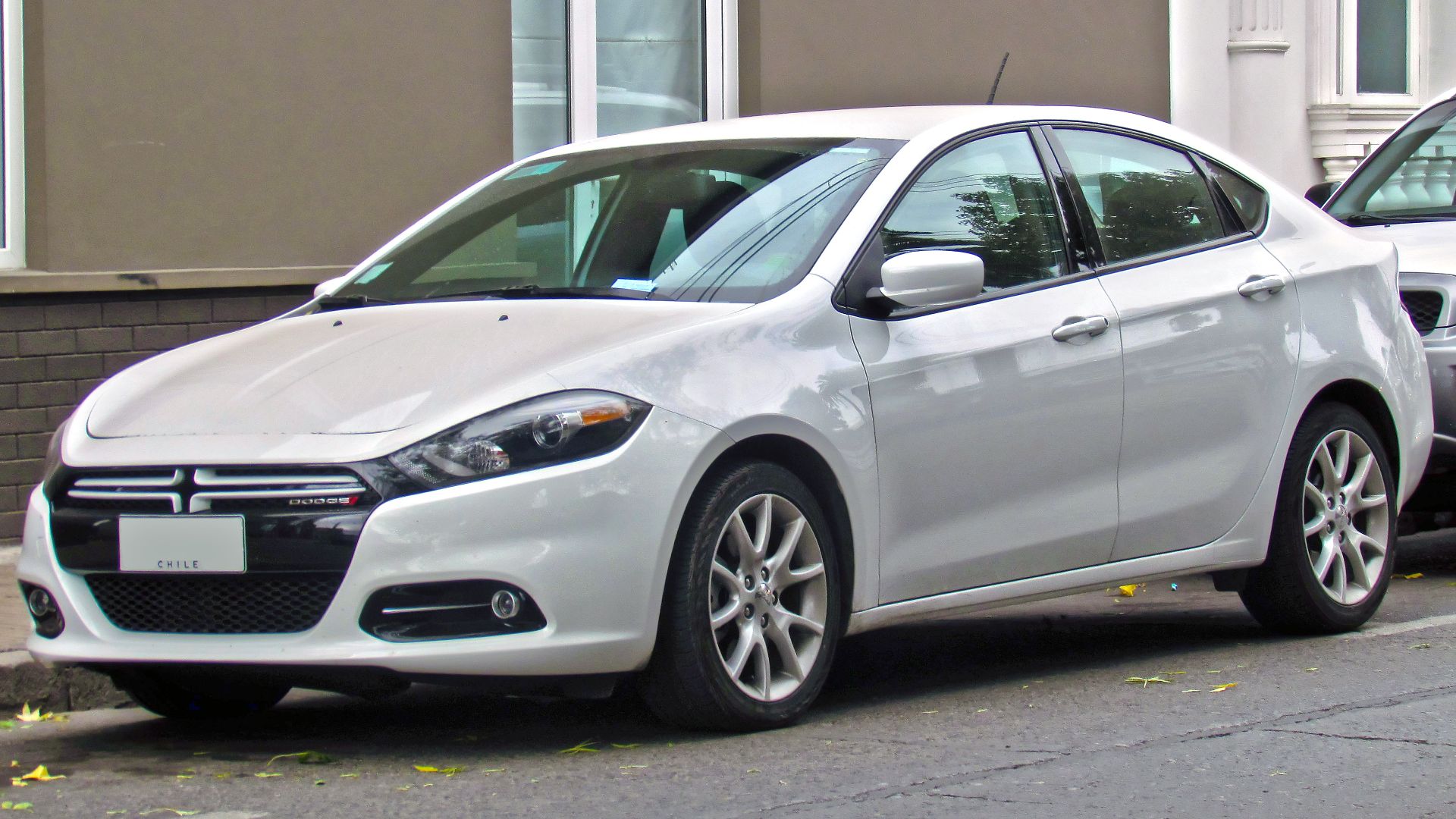
8. Dodge Dart (2013-2016)
The Dart name carries old-school compact cred, and the reboot tried to turn that into a modern small sedan story. The issue is that it never developed a clear identity strong enough to make the nostalgia feel earned, so the heritage angle came off as thin rather than meaningful.
 order_242 from Chile on Wikimedia
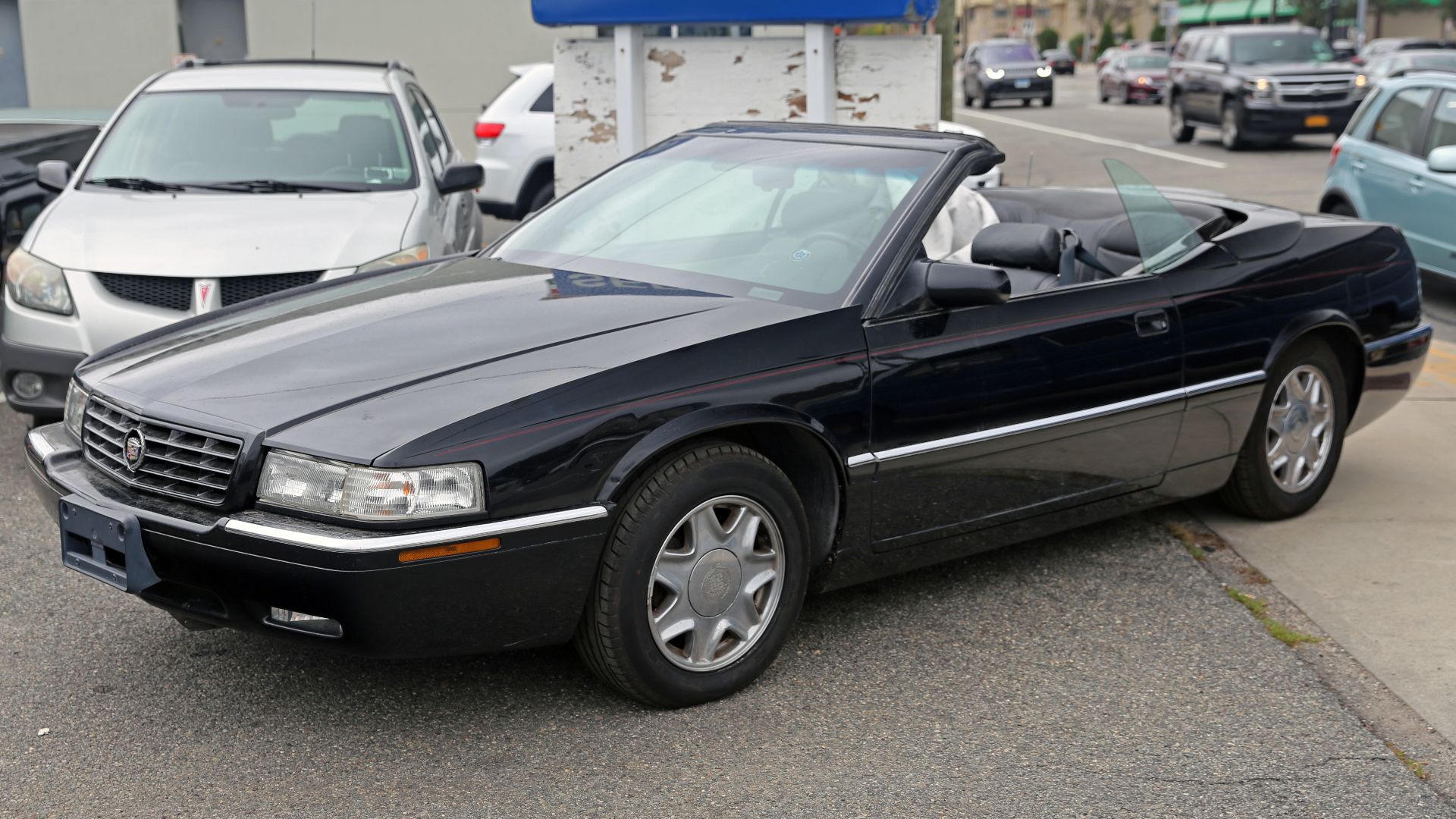
9. Cadillac Eldorado ETC (Late 1990s)
Cadillac’s older grand-coupe image was hard to revive in an era when luxury started tilting toward performance sedans and SUVs. When retro is more about vibe than visible cues, a car can end up feeling like it’s gesturing at an identity that the market has already moved past.
10. Volkswagen Beetle (2011-2019)
The later Beetle tried to toughen the silhouette and chase a more “serious” look, which pleased some buyers and alienated others. When a retro icon gets redesigned to outrun its own cuteness, the result can feel like a compromise between two audiences, and compromises rarely become classics.