
Planning For Life Without the Keys
Giving up driving is a major adjustment. If there’s one life hurdle that older people struggle with, it’s passing the torch and acknowledging that driving has gotten too dicey for them to safely continue. But what happens when you decide to throw in the towel? Before you officially retire from the driver's seat, here are 20 things worth getting organized so you can continue enjoying your independence!
 Helena Jankovičová Kováčová on Pexels
1. Figure Out How You'll Get to Appointments
Regular doctor visits become much more complicated when you can't drive yourself to the clinic. You need a plan in place! Before giving up your keys, investigate whether your healthcare provider offers transportation assistance or whether local senior services provide rides to appointments. You’ll also want someone locked in for those appointments you can’t schedule weeks in advance.
 National Cancer Institute on Unsplash
2. Decide What to Do With Your Vehicle
Keeping a car you don’t drive means more of a daily headache. You’re then on the hook for registration, maintenance, and potentially insurance expenses. There’s no shame in selling it or transferring ownership to a family member. Either could free up some money for other retirement needs.

3. Test Public Transportation
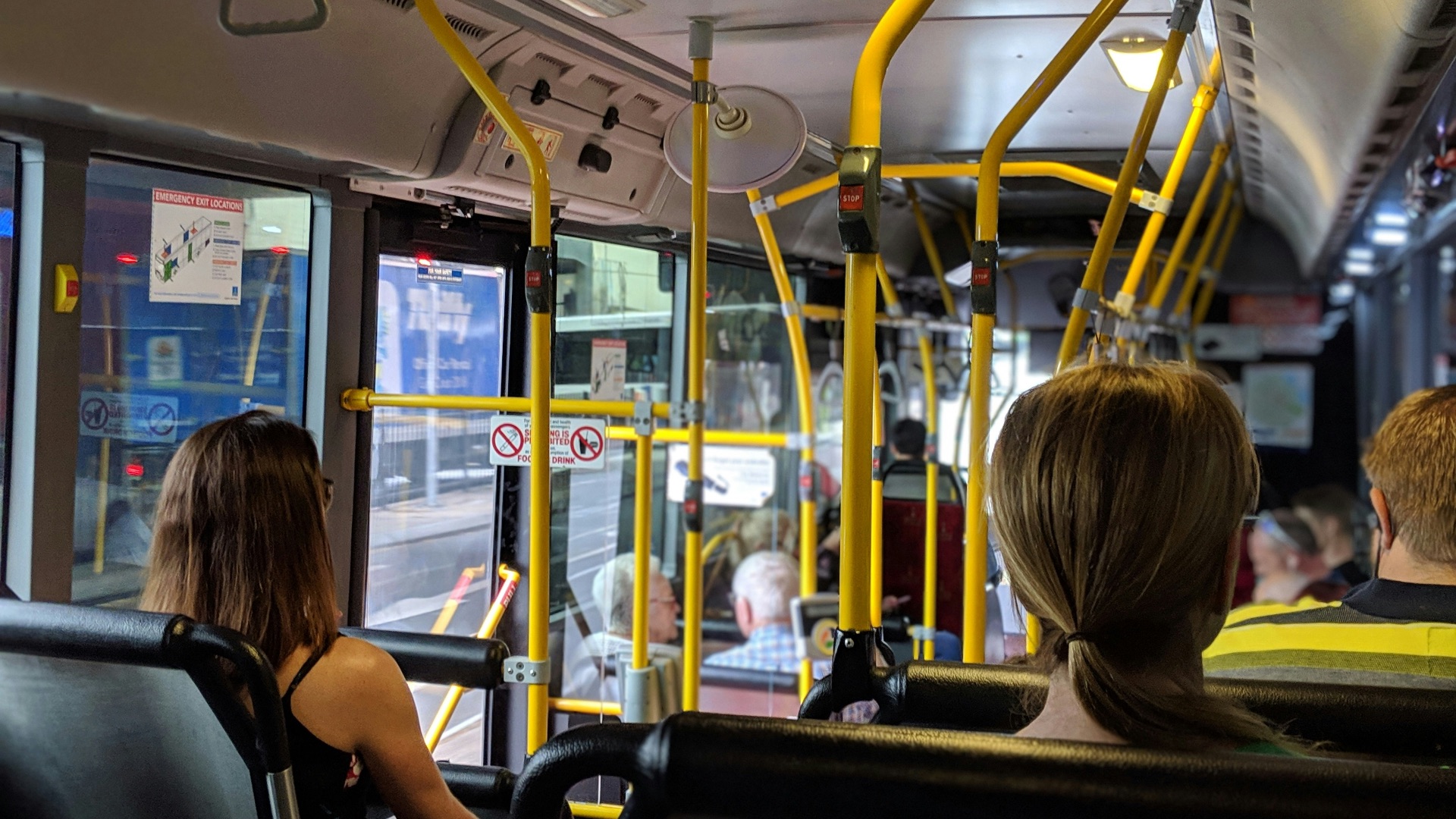
Someone who's driven everywhere for 40 years might find their local bus system surprisingly unfamiliar—and way more complicated than they expected. Taking a few trips to familiar destinations is always a smarter move than just diving in for everything. Learning the routes while you're still comfortable driving makes the eventual transition considerably less stressful.
4. Review Your Insurance Policy
There's little reason to continue paying for the same coverage when you're no longer operating a vehicle. When you hang up your keys for good, contact your insurer to discuss canceling your policy or changing your coverage if another household member will keep the car. Make sure any ownership transfers are properly completed before making adjustments that could leave the vehicle uninsured.
 Evgeny Tchebotarev on Unsplash
5. Work Out a New Routine
A weekly supermarket trip is a whole new world when you can't fill your trunk with several bags of groceries. Are you prepared to walk home with them? Do you plan on making the trek via public transport? Will you have groceries delivered? These are all things to ask yourself!

6. Have an Honest Conversation With Your Family
Relatives will likely assume you'll lean on them for help getting around, but that doesn’t mean you should just expect it. It's worth discussing everyone's availability beforehand, particularly if your children work full-time or live across town. Establishing reasonable expectations early can prevent arguments about last-minute rides, too.

7. Calculate Your New Budget
Giving up a vehicle eliminates certain expenses, but that doesn't automatically mean getting around will be free. Don’t forget that everything costs money: taxi fares, rideshare trips, grocery deliveries, and public transportation passes can quickly accumulate throughout the month.

8. Learn How to Use Rideshare Apps
If you’re planning to grab an Uber for important destinations, you’ll need to learn the apps. They’re not complicated, but they can be a big step if you’ve never seen them before; understanding pickup locations, payment methods, and driver identification takes a little practice. Consider arranging a few short rides with a trusted companion before relying on the service yourself.

9. Research Senior Transportation Programs
Many communities actually have specialized transportation services for older adults, so they’re worth looking into! Bear in mind that eligibility requirements and service areas vary, though. Some also require advance reservations, so knowing the rules beforehand is essential.

10. Make Plans For Visiting Friends
Even if you can’t drive anymore, that doesn’t mean your social life needs to dwindle. You can always work out a plan to meet at halfway points, accessible cafes, or even share rides to see each other. Trust us: maintaining those connections is important when you’re retired!

11. Reconsider Where You're Living
A beautiful retirement property becomes a lot less convenient when the nearest pharmacy is miles away. If you're already considering downsizing, consider what will make life easier. Investigate neighborhoods with sidewalks, nearby stores, medical facilities, and dependable transportation services.

12. Know What Happens to Your License
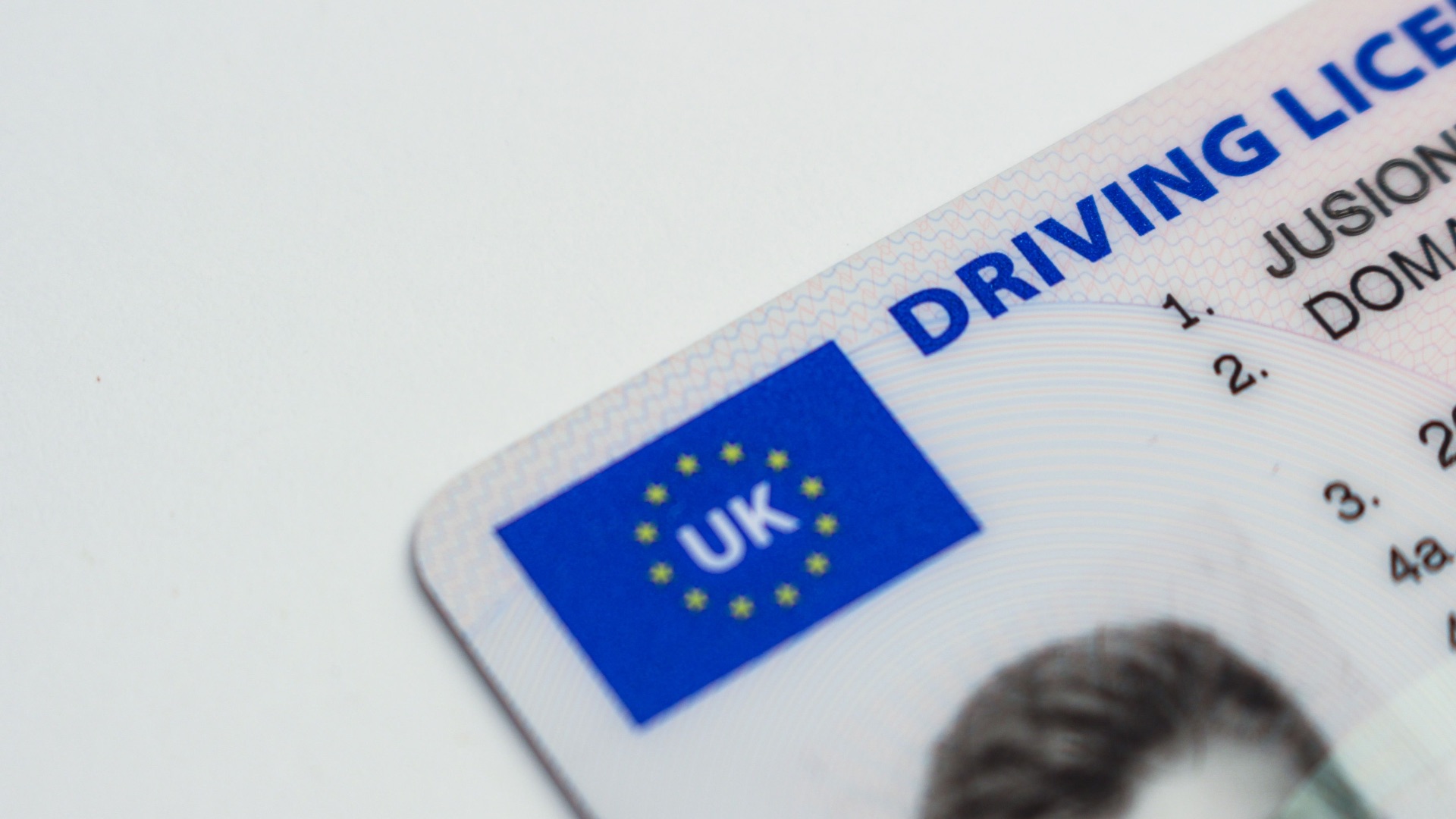
Surrendering driving privileges doesn't necessarily mean you should leave yourself without ID. Many states offer non-driver identification cards through their DMV, which can be used for banking and domestic air travel. It’s always smart to check your state's procedures before just handing over your license.
13. Arrange Transportation For Your Hobbies
We’ve covered friends, and we’ve covered errands—but what about hobbies? Don’t forget that retirement should provide more opportunities to enjoy activities! Unfortunately, those commitments can be tough to maintain when they're too far out of the way. Ask fellow participants about carpooling or research whether similar activities are available closer to home.

14. Make Sure You Can Get Prescriptions Delivered
Regular trips to the pharmacy might not be in the cards if you sacrifice your car. If that’s the case, there’s no shame in leaning on available programs! Major pharmacies, including CVS and Walgreens, offer delivery options for eligible prescriptions, with restrictions and fees depending on the medication and location.

15. Prepare For Unexpected Problems
If you’ve ever taken public transportation, you know how unreliable it can be! Even the most reliable bus route can experience cancellations, and rideshare drivers aren't guaranteed to be available everywhere. Do yourself a favor: keep the telephone numbers of a local taxi company and nearby family members around.

16. Decide Who'll Handle Household Responsibilities
In houses where one person usually drives, giving up that responsibility can change everyone’s day-to-day. It’s time to sit down and talk about who'll handle grocery trips, family visits, vehicle maintenance appointments, and other journeys you may have taken for granted. Sharing these responsibilities thoughtfully can prevent one person from becoming responsible for every outing.
17. Get Comfortable Ordering Online
Groceries aren’t the only essential you can have brought right to your door—so long as you know what you’re doing! Learning to order household necessities through Target or Amazon can reduce the number of trips you'll need to make. Just be sure you read the nitty-gritty, too. Take the time to understand delivery charges, return policies, and online payment security.

18. Check Whether Your Community Is Walkable
Living within a mile of several businesses doesn't necessarily mean they’re easy to walk to. Without a car, you’ll need to examine the condition of nearby sidewalks, pedestrian crossings, hills, and intersections before assuming you can just hoof it everywhere. A route that seems perfectly reasonable on a map might be uncomfortable when you're carrying groceries or navigating heavy traffic.

19. Update Your Emergency Contacts
If you've always been the person who drives during family emergencies, that will need to change. Make sure emergency contacts know you no longer drive! For emergencies on your end, calling 911 remains the best choice rather than depending on someone to provide a ride.

20. Plan a Routine That Doesn't Depend on Driving
One of the biggest adjustments involves discovering how much of your schedule once revolved around the car. The silver lining is that you can make a new routine! Organize regular walks, nearby social activities, home-based hobbies, and planned outings that don't require spontaneous transportation. The goal isn't to make your world smaller—it’s to ensure that giving up driving doesn't mean giving up your way of life.