Hype Vs Hauling Reality
If you’ve assumed every SUV can pull a trailer, reality hits hard at the hitch. Some are built to work, others look the part. This article breaks down what truly separates genuine muscle from marketing promises, exploring how design choices with powertrain decisions shape capability. By the end, the contrast becomes unmistakable. So, dive into the full lineup ahead to see which vehicles earn trust, starting with the SUVs with towing capacity.
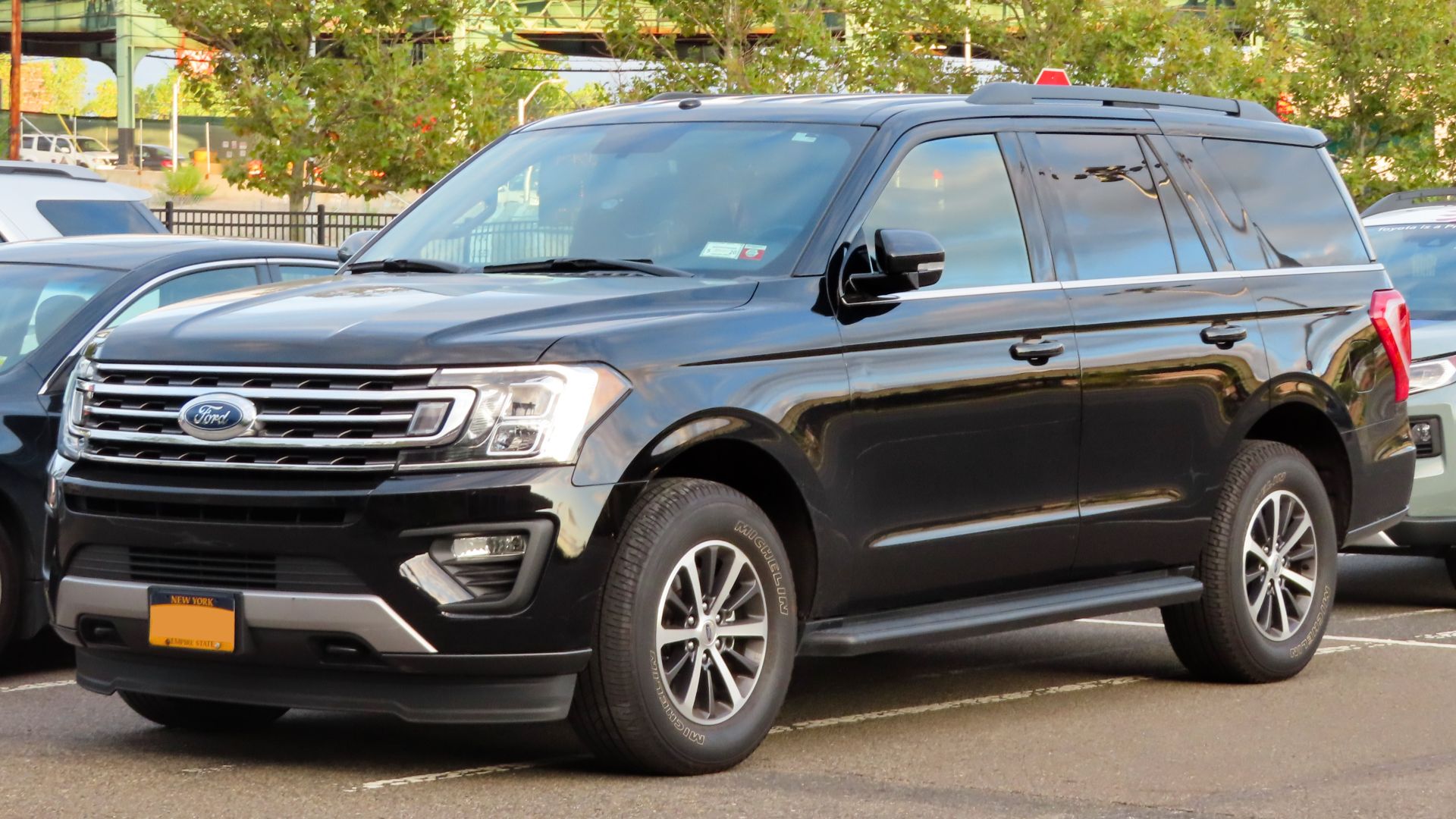
1. Ford Expedition
With a best-in-class mindset, the Ford Expedition can haul up to 9,600 pounds when properly equipped. Its twin-turbo 3.5L EcoBoost V6 and features like Pro Trailer Backup Assist make large trailers far easier to manage.
2. Chevrolet Tahoe
The Chevrolet Tahoe relies on body-on-frame strength and multiple V8 or diesel choices to do real work. When configured with the Max Trailering Package, that capability translates into an 8,400-pound towing ceiling without drama.
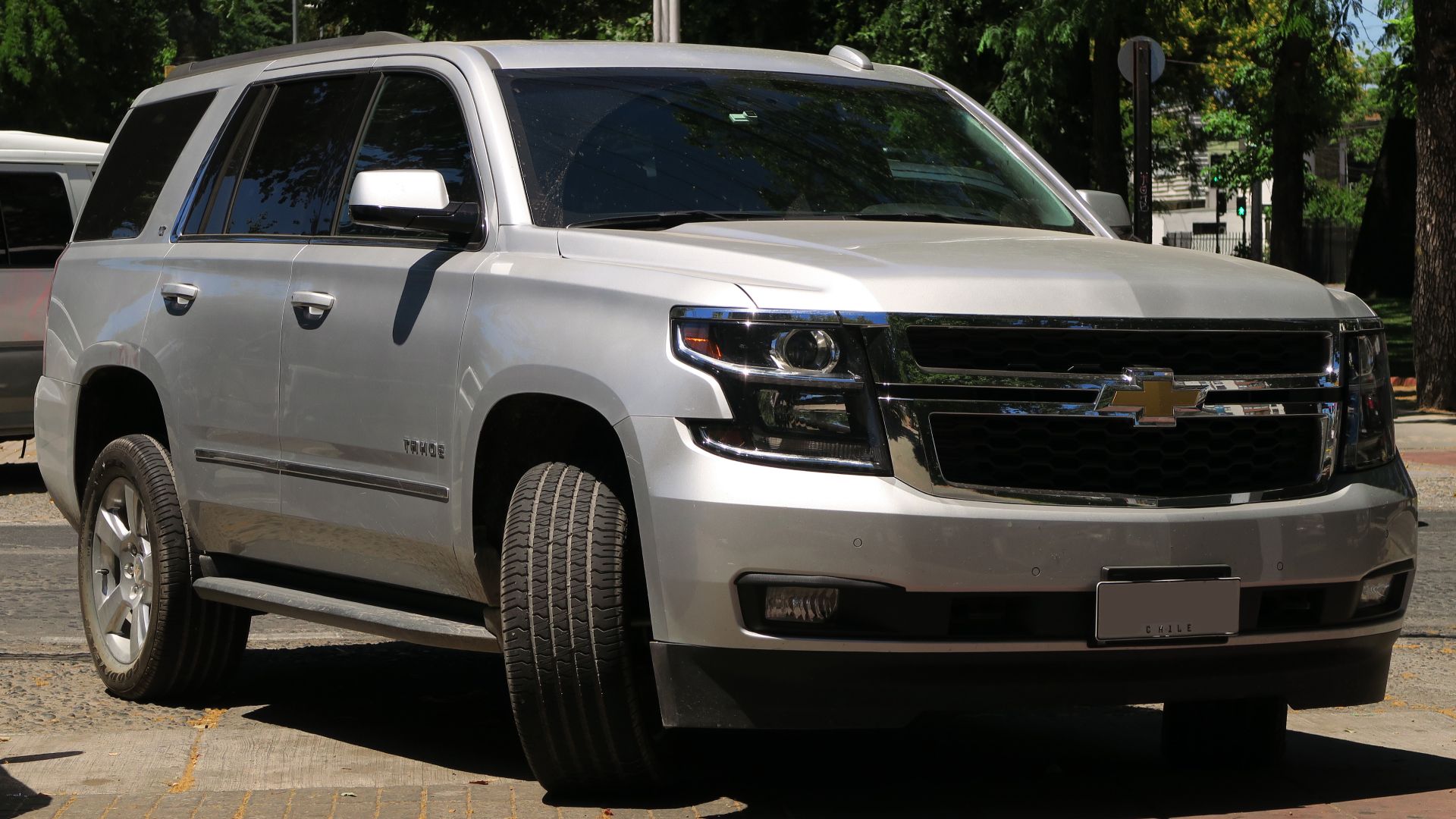 RL GNZLZ from Chile on Wikimedia
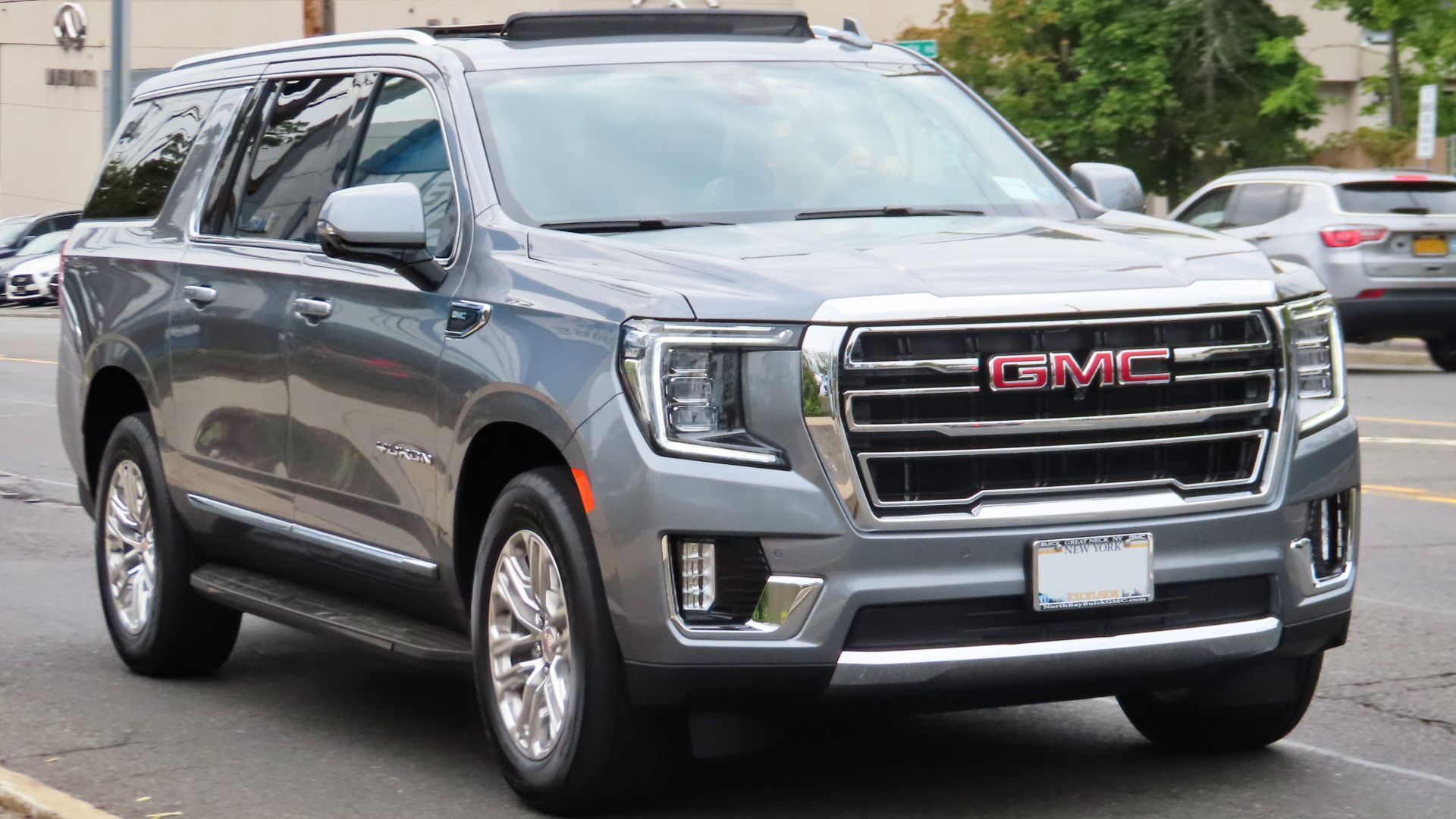
3. GMC Yukon
Luxury trims may define the GMC Yukon’s image, but underneath, it matches the Tahoe mechanically. Engine options remain identical, and towing capacity stays locked at 8,400 pounds when properly equipped to prove that comfort doesn’t cancel capability.
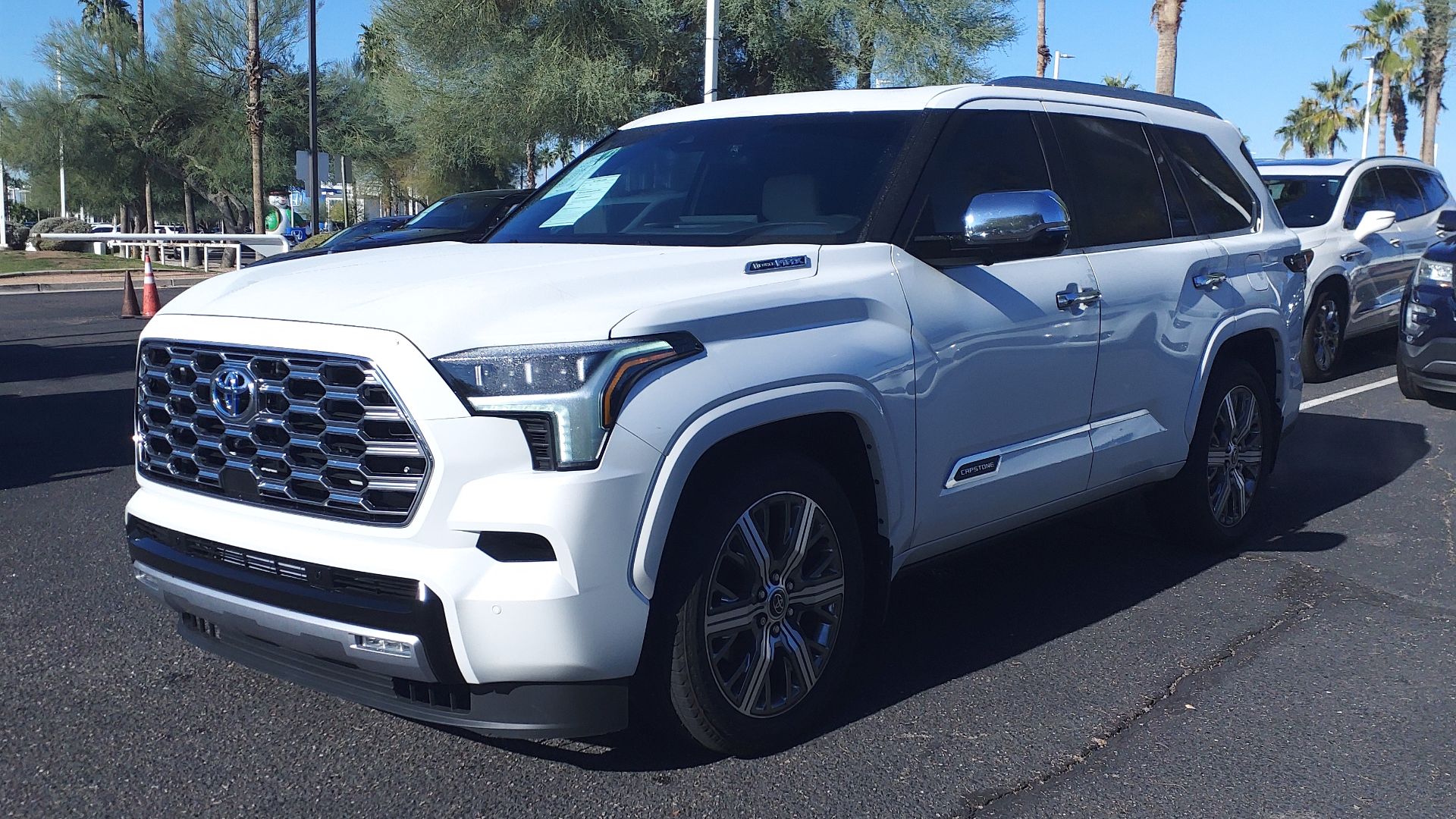
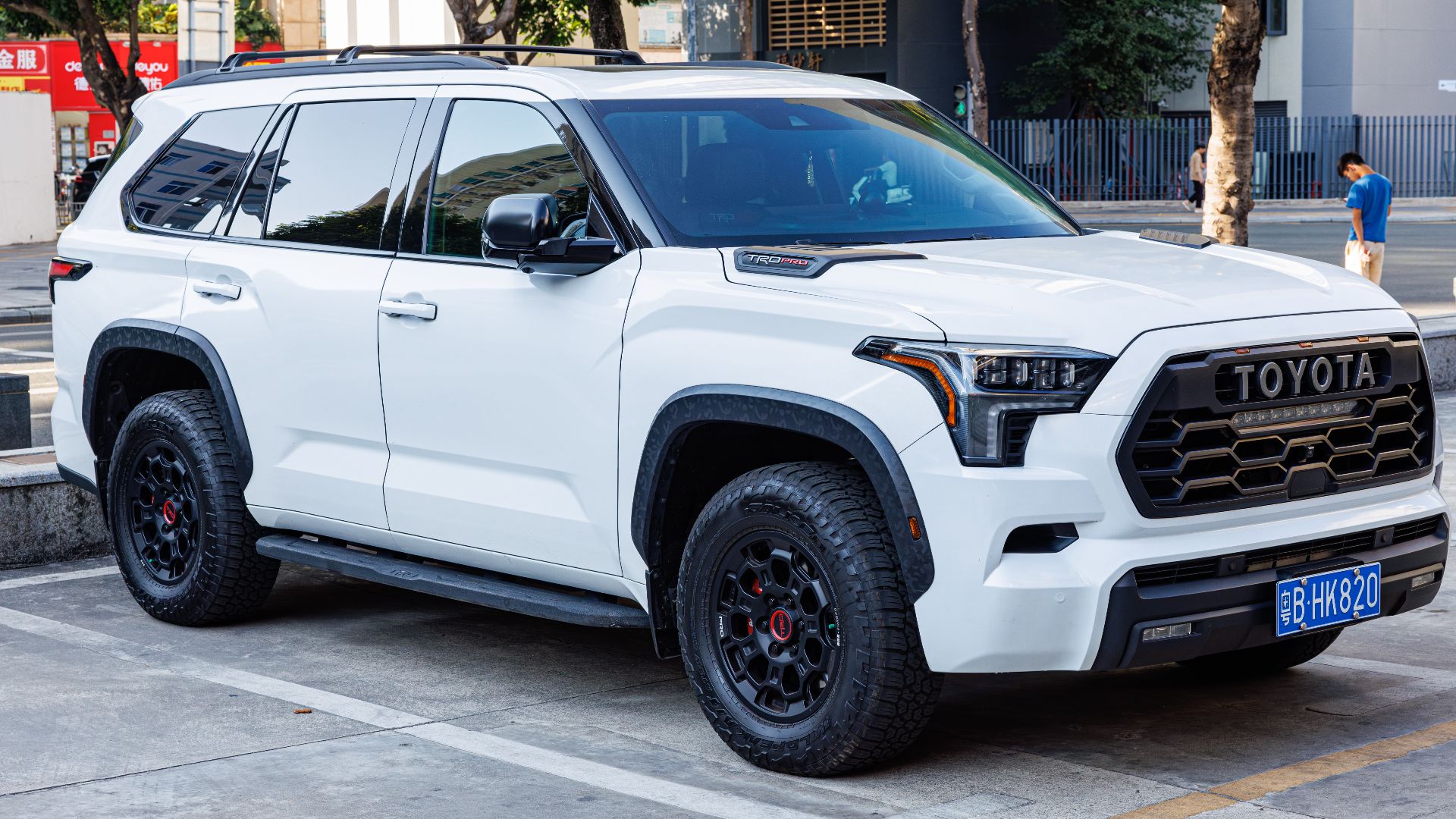
4. Toyota Sequoia
Toyota took a different approach by making every Sequoia a hybrid. The twin-turbo i-Force MAX system delivers instant torque, integrated brake control, and enough muscle to tow as much as 9,520 pounds with surprising efficiency.
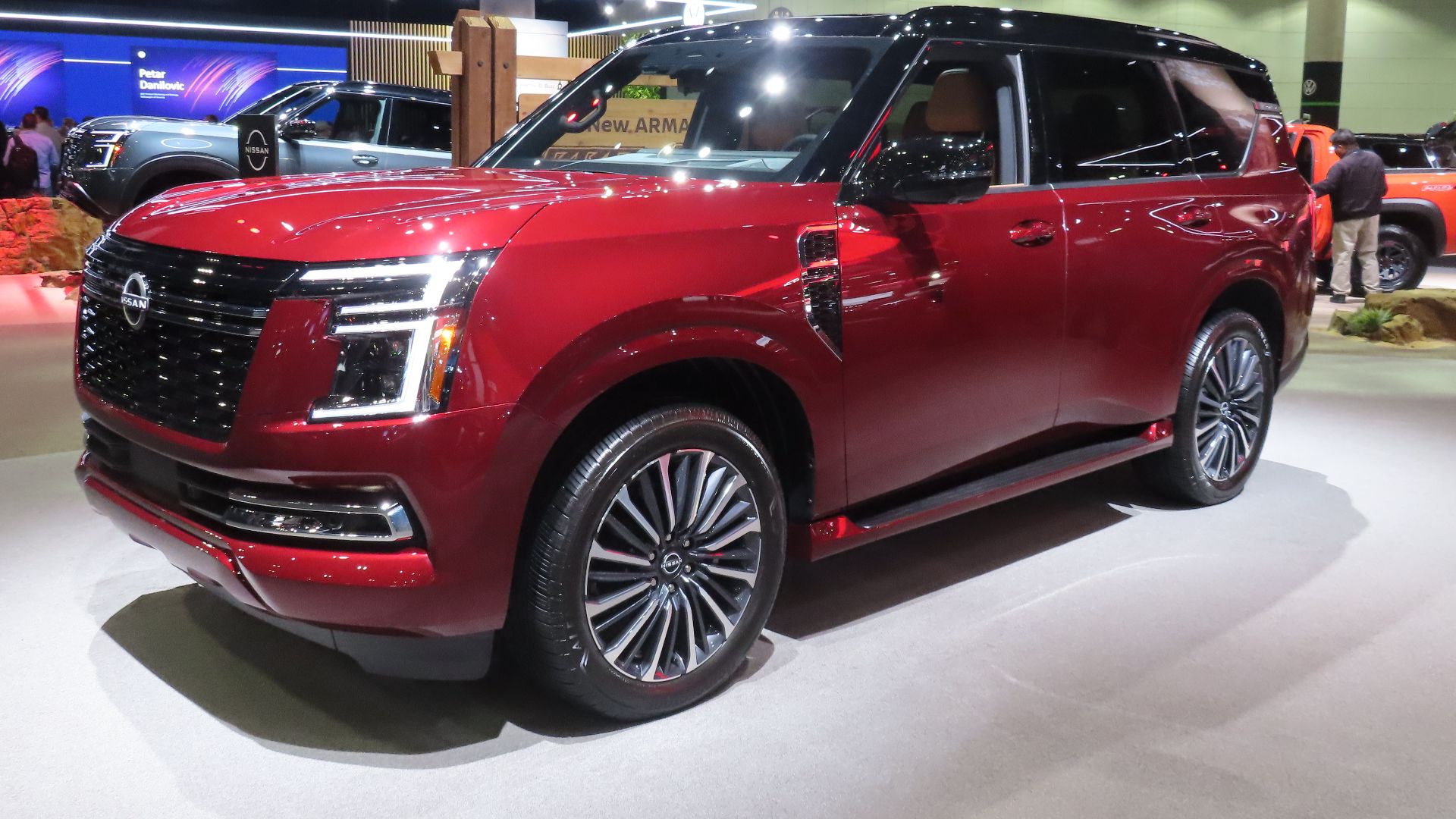
5. Nissan Armada
Redesigned for 2025 and aligned closely with the global Patrol, the Nissan Armada emphasizes durability first. Standard hitch equipment and trailer sway control support serious hauling. This allows it to confidently manage up to 8,500 pounds.
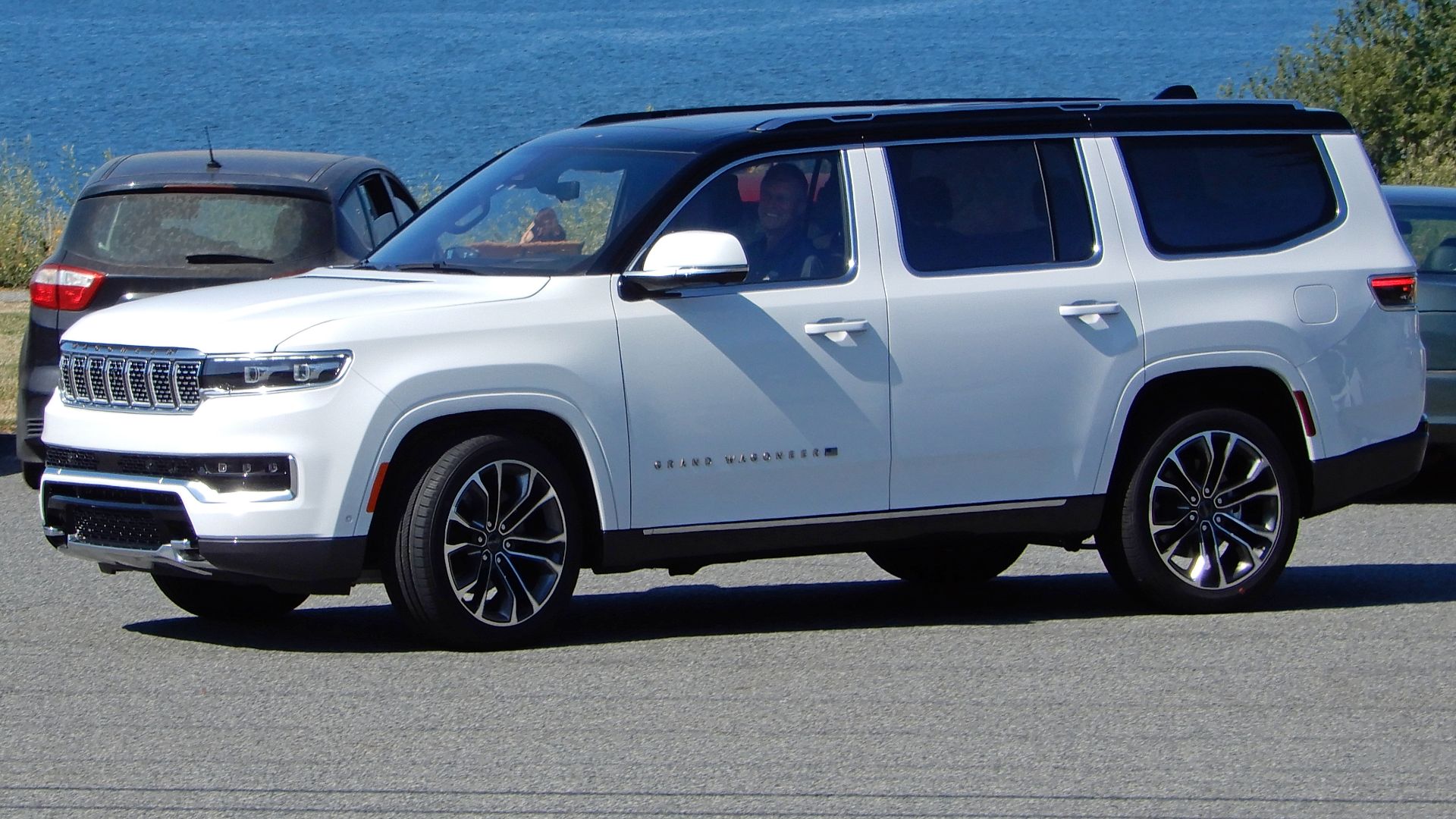
6. Jeep Grand Wagoneer
Up to 9,800 pounds of towing capacity puts the Jeep Grand Wagoneer squarely among serious haulers. Its Hurricane twin-turbo inline-six and adaptive air suspension maintain stability under load. It is a rival to ultra-luxury competitors without sacrificing real-world towing confidence.
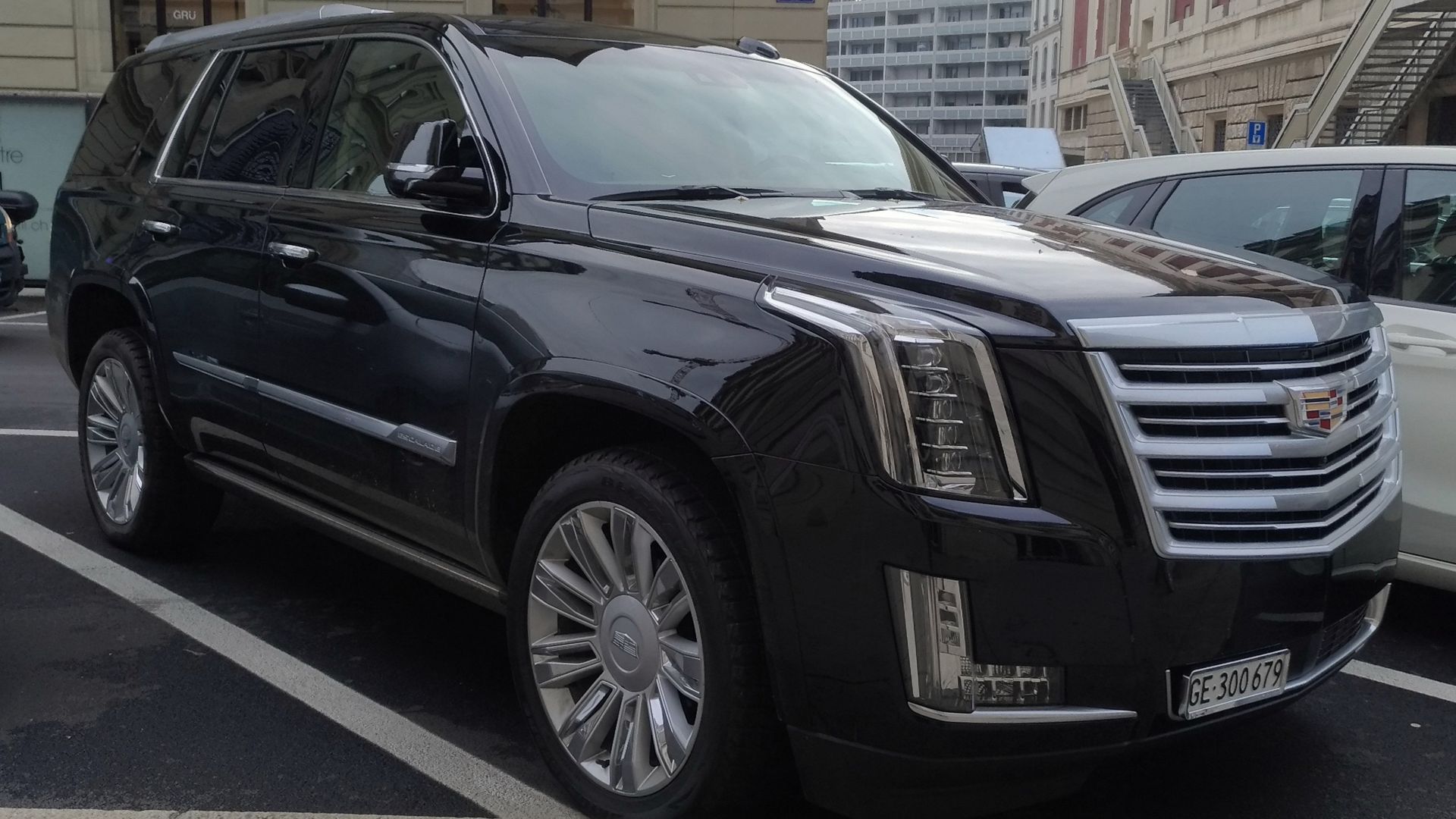
7. Cadillac Escalade
Sharing GM’s full-size platform but tuned for refinement, the Cadillac Escalade relies solely on a 6.2L V8. The car can support an 8,200-pound towing limit, slightly lower than its siblings, which reflects its emphasis on ride quality and upscale comfort.
 Guillaume Vachey from Chalon sur Saone, France on Wikimedia
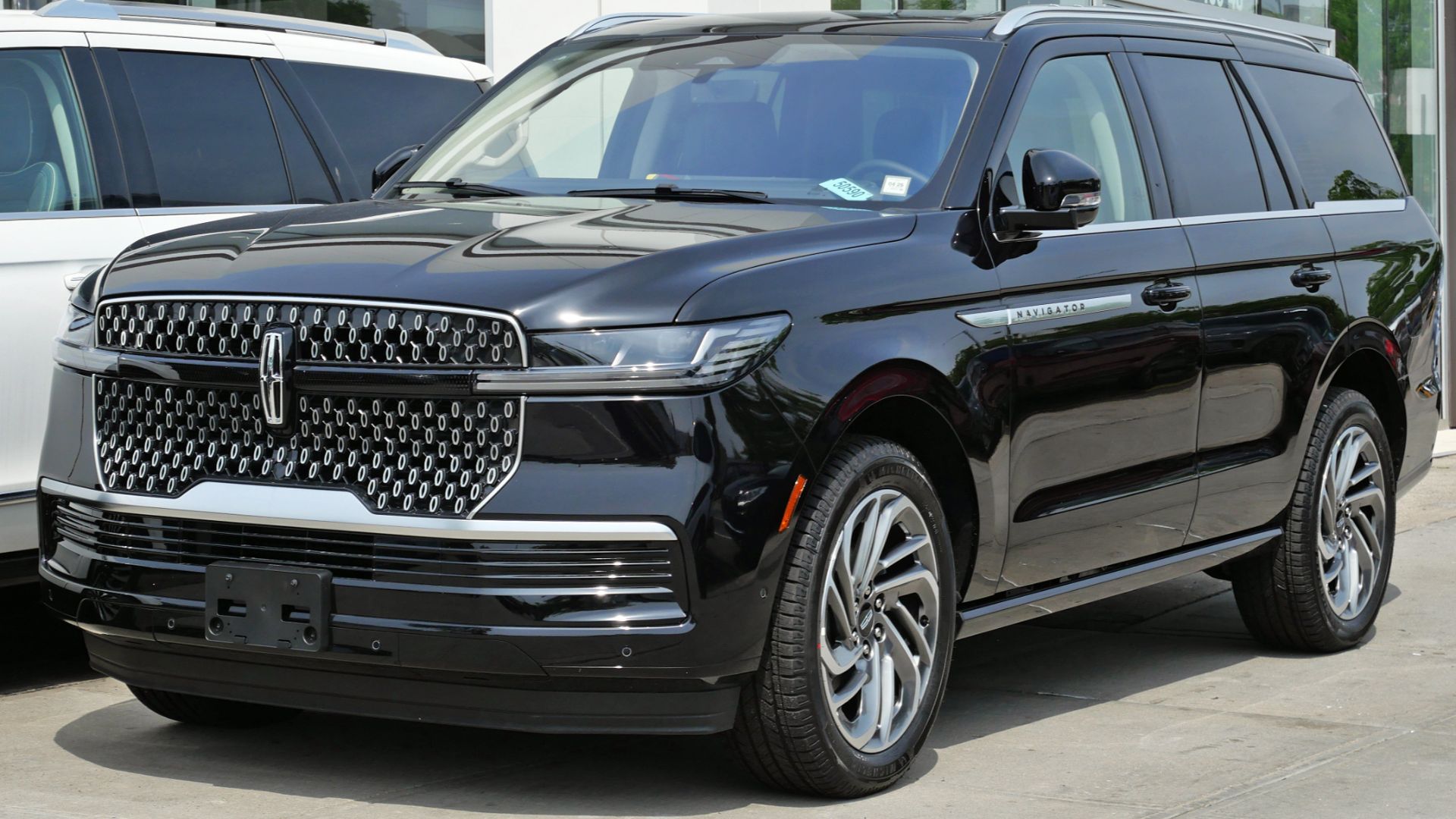
8. Lincoln Navigator
A twin-turbo 3.5L V6 powers the Navigator, paired with advanced trailer backup assistance for controlled hauling. Lincoln delivers up to 8,700 pounds with a smoother ride than many rivals in the segment.
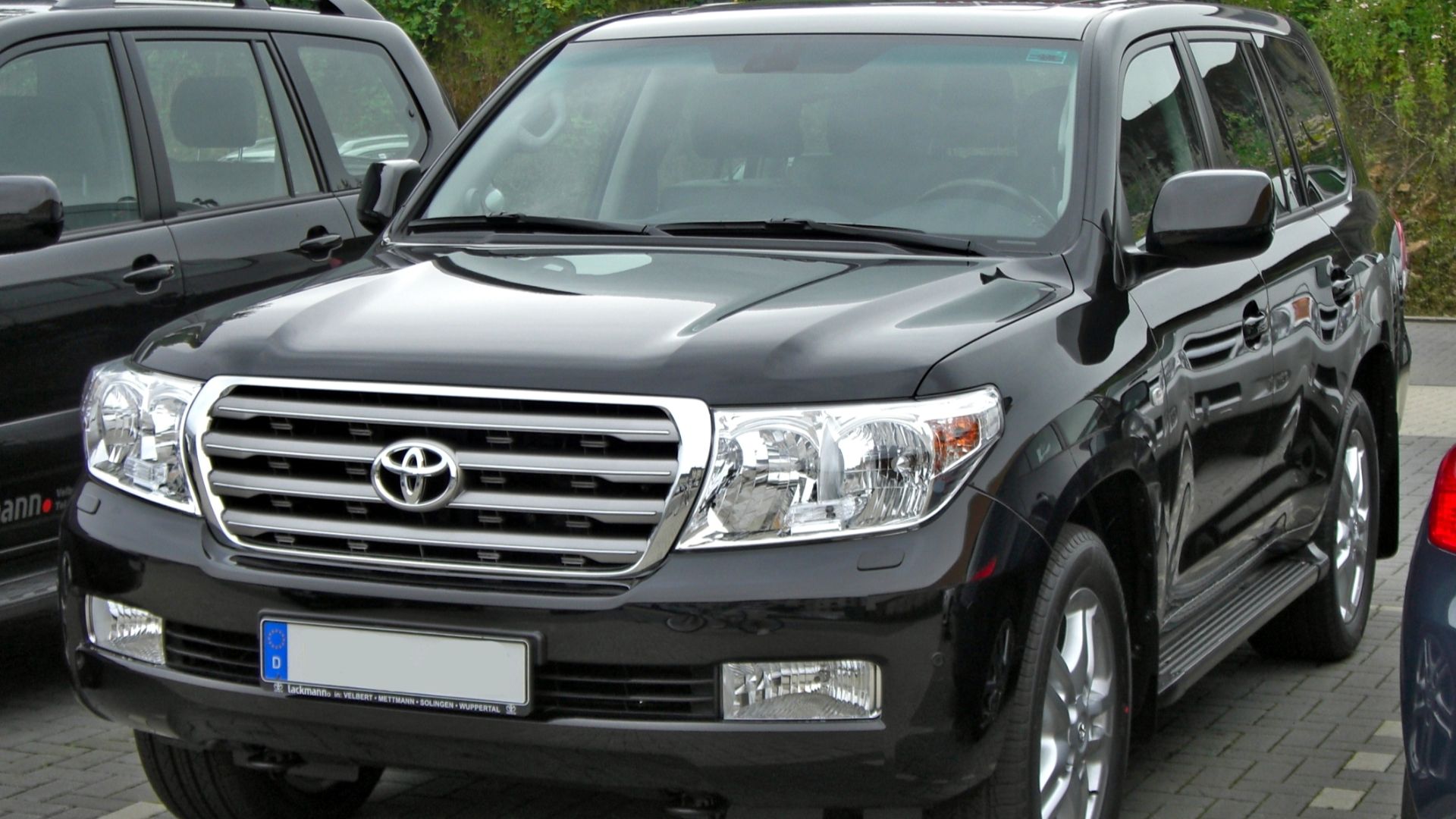
9. Toyota Land Cruiser
The Toyota Land Cruiser pairs full-time 4WD with twin-turbo or hybrid powertrains. Depending on configuration and market, towing typically ranges between 6,000 and 8,000 pounds, backed by legendary long-term reliability.
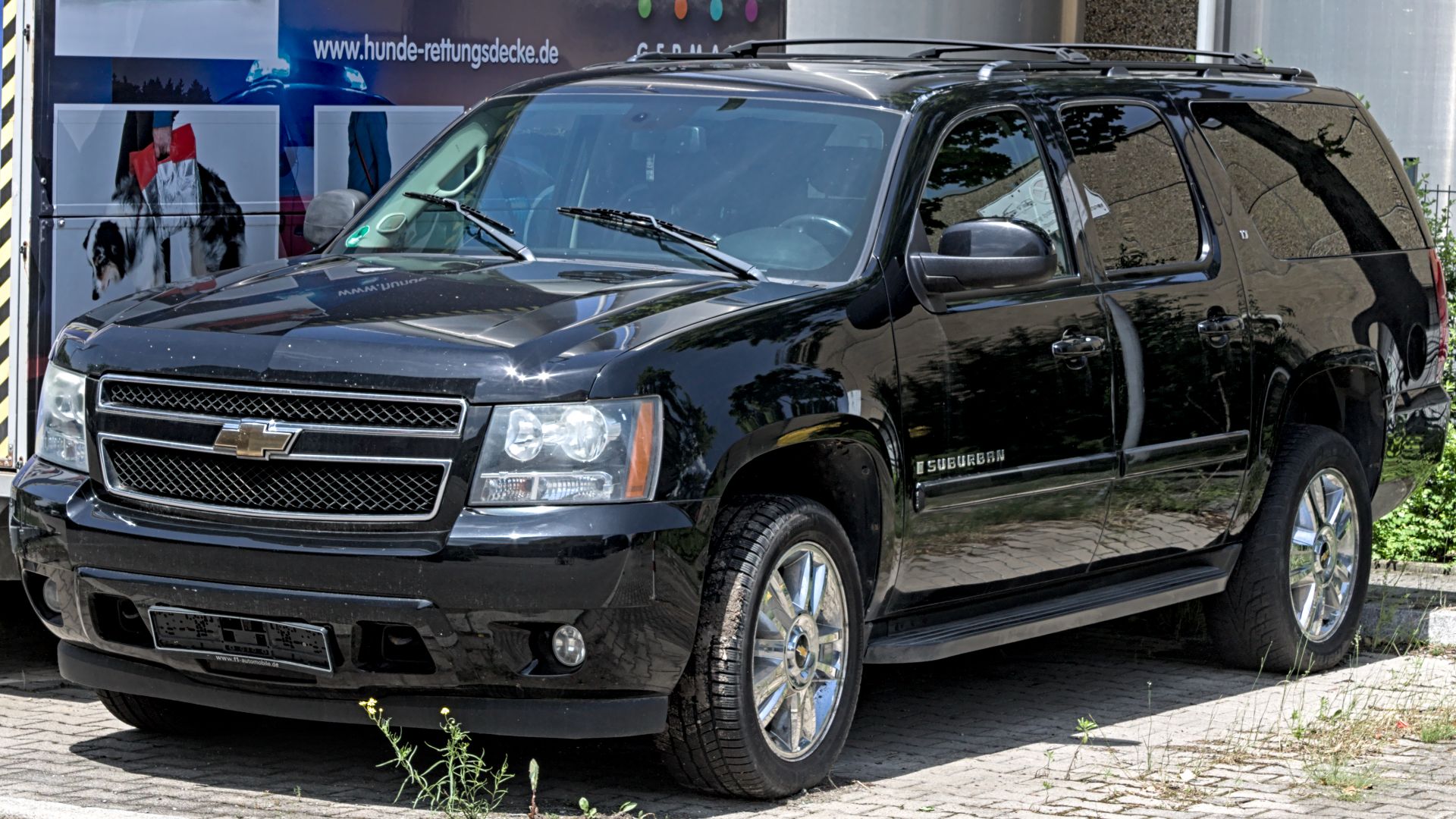
10. Chevrolet Suburban
As the extended-wheelbase sibling to the Tahoe, it combines familiar V8 or diesel power with added stability. When equipped with the Max Trailering Package, Suburban’s long frame helps manage trailers rated up to 8,300 pounds comfortably.
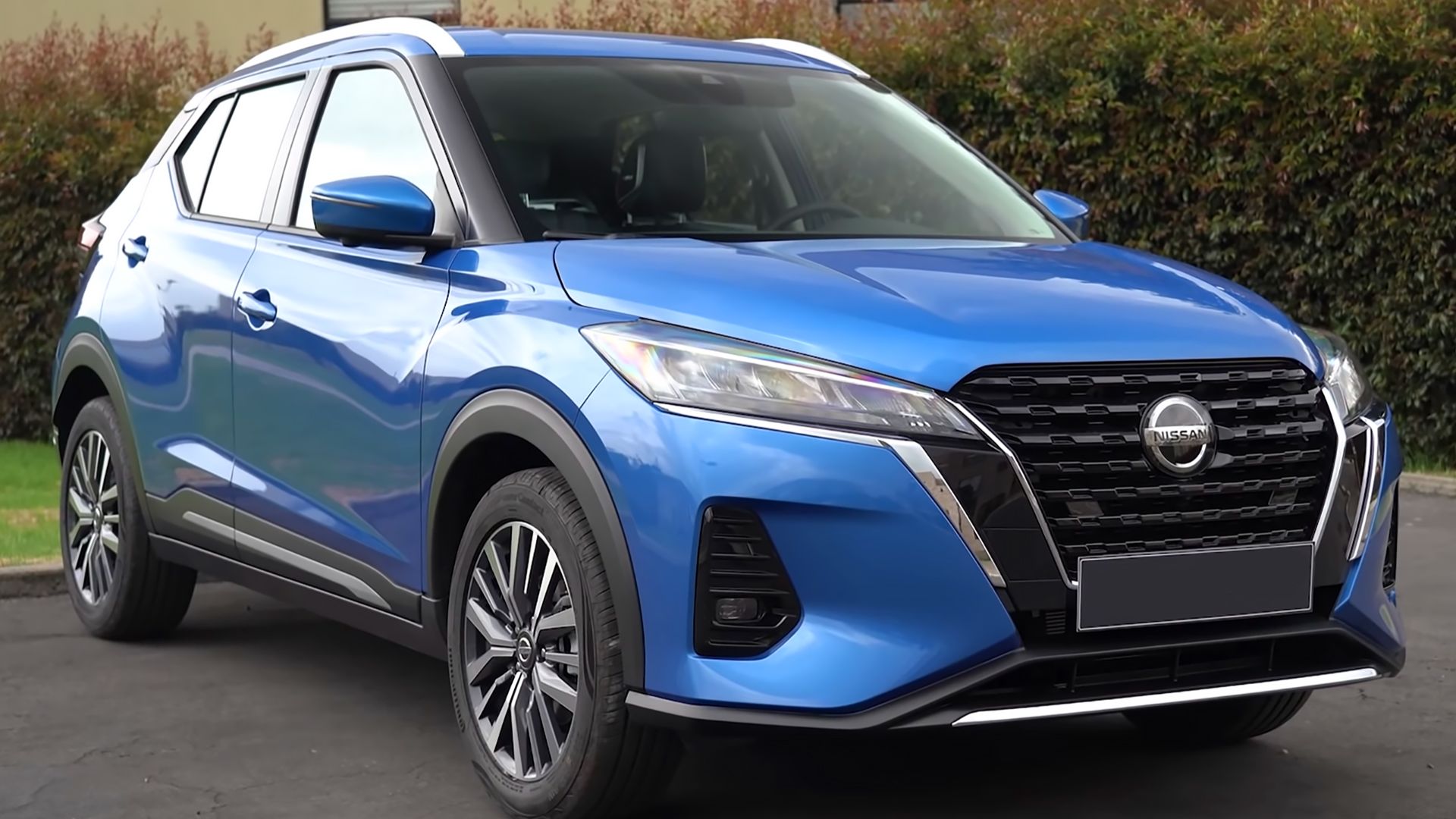
1. Nissan Kicks
Nissan makes its position clear with the Kicks, which isn’t engineered for towing in the U.S. market. A 1.6L engine, CVT tuning, and lack of factory hitch support underline its role as a fuel-efficient city crossover.
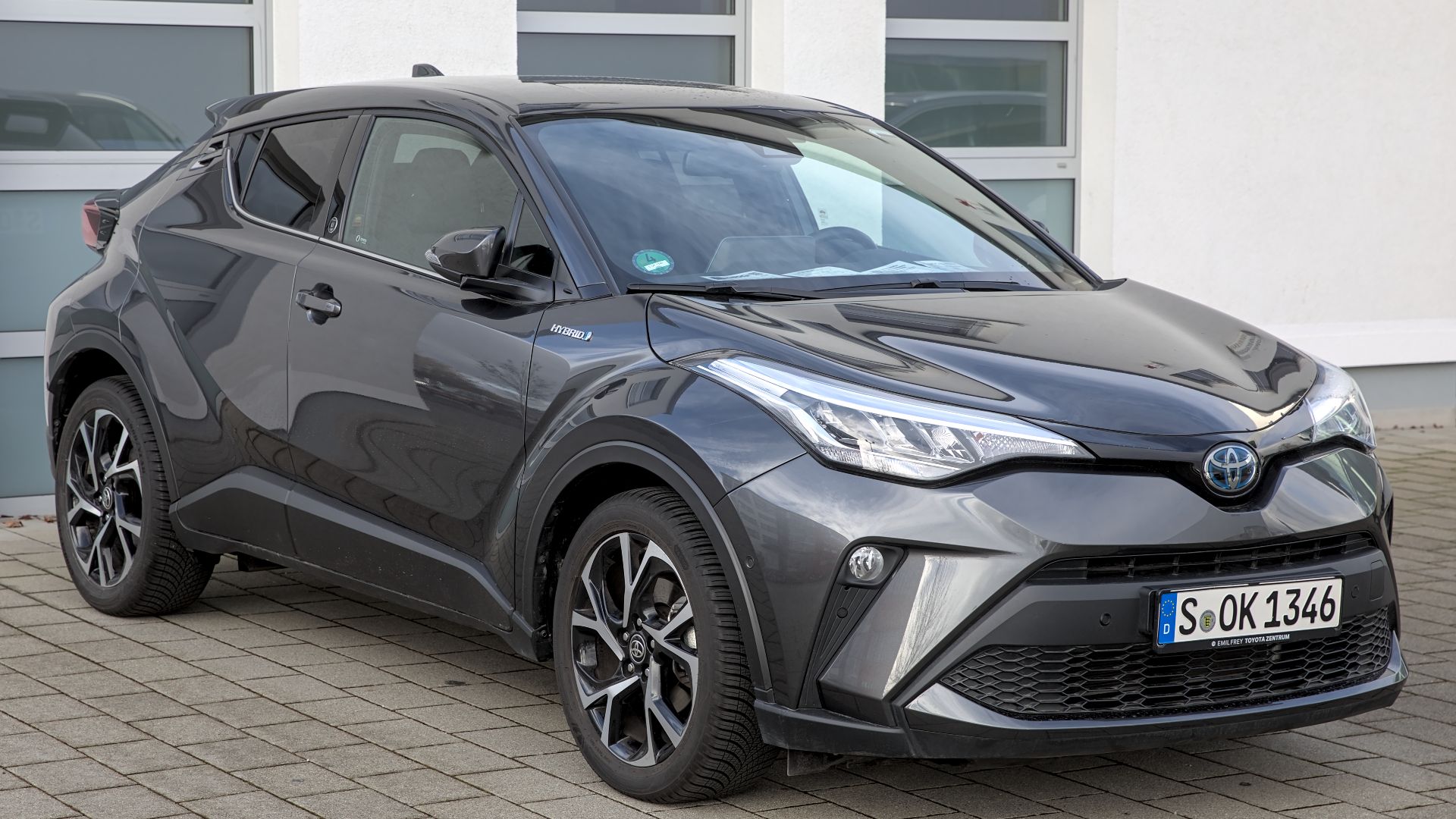
2. Toyota C-HR
Agile handling and efficiency define the Toyota C-HR’s mission. Its powertrain and chassis prioritize daily drivability, while the absence of integrated trailer tech reinforces that this crossover was never meant to manage sustained external loads.
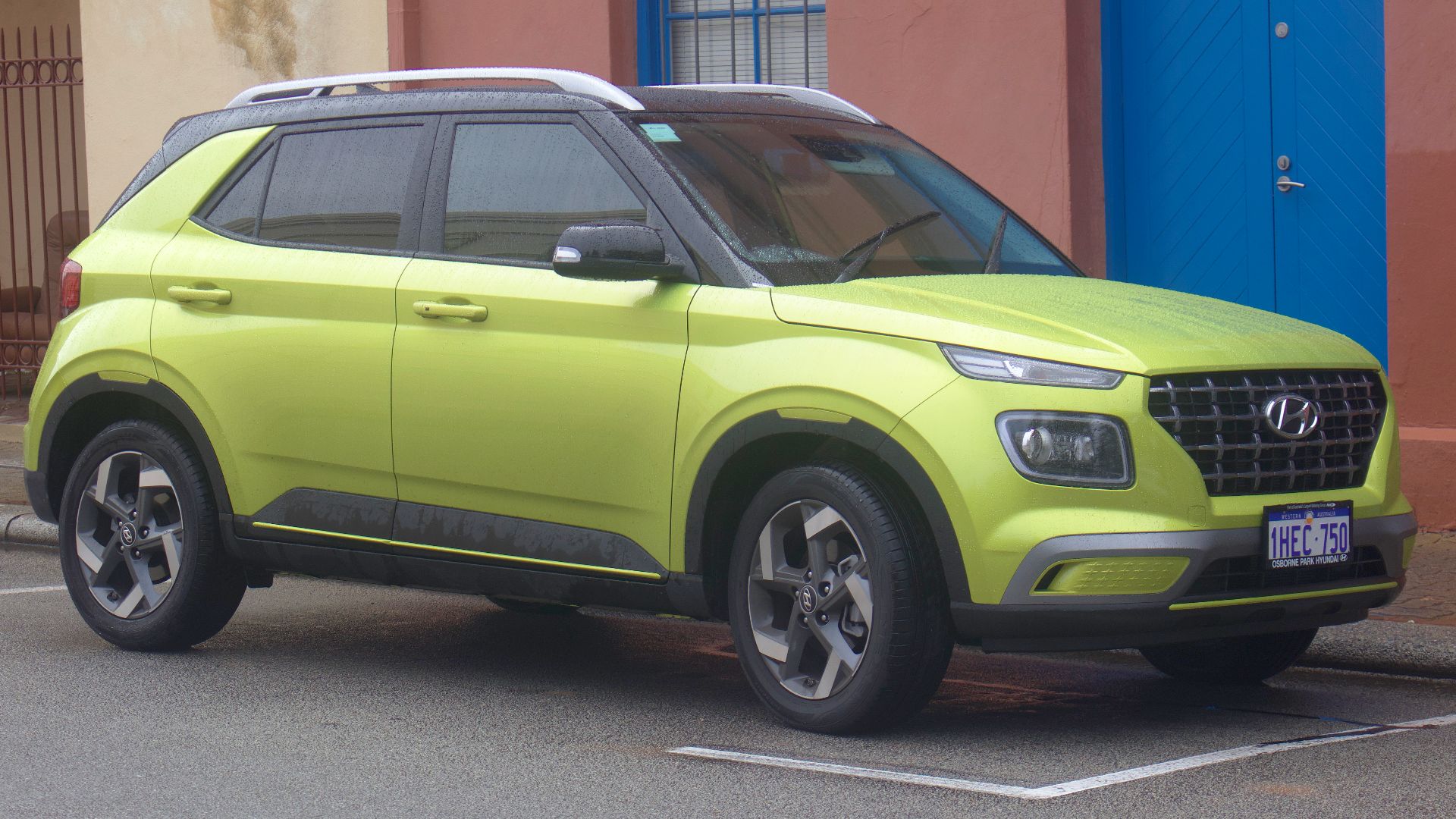
3. Hyundai Venue
Small proportions shape the Hyundai Venue’s purpose. Lightweight construction with warranty-sensitive aftermarket hardware keeps its strengths centered on urban mobility. Its structure does not support any external attachments, even if it is for emergencies.
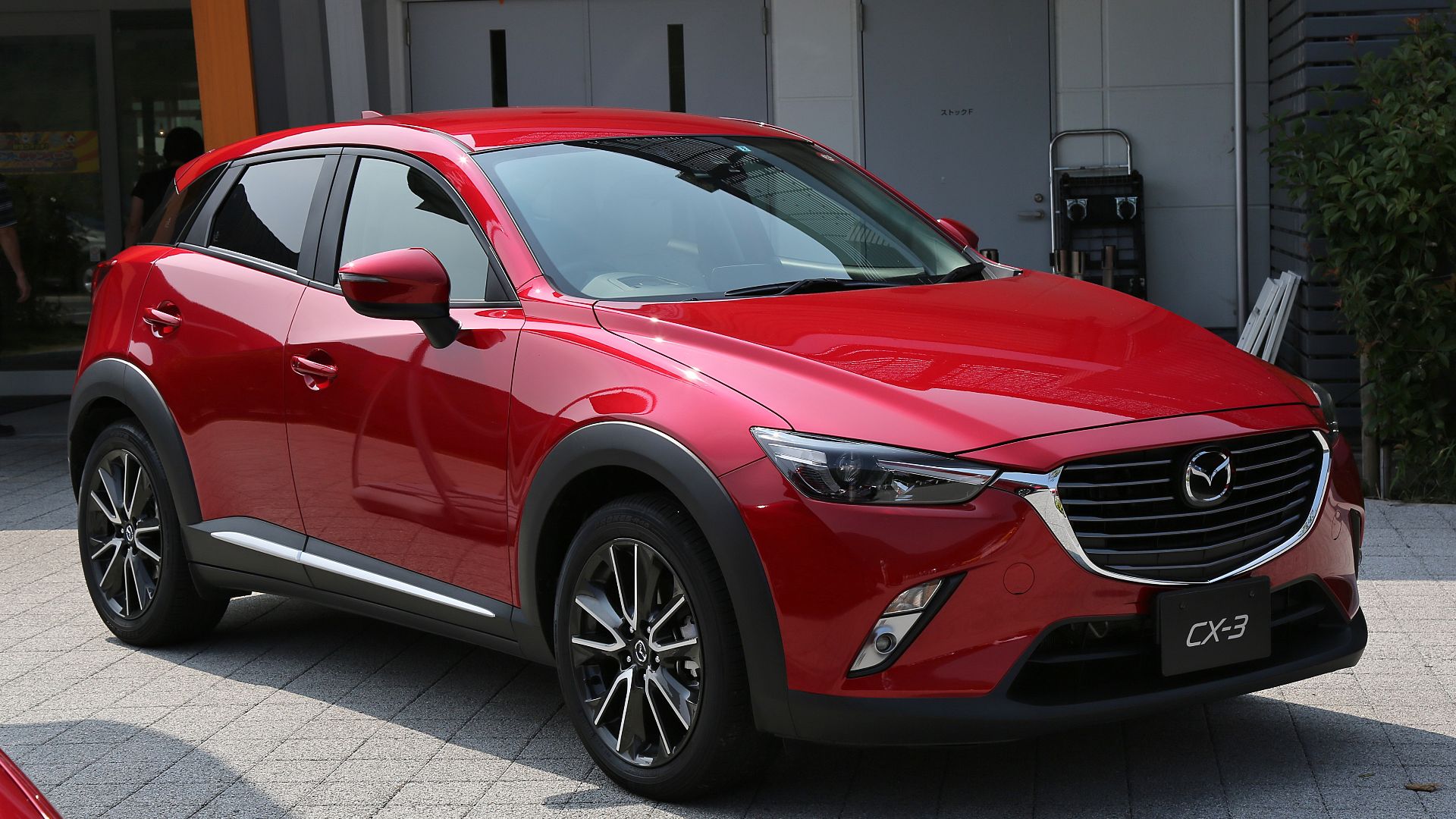
4. Mazda CX-3
The car does not position the CX-3 as a tow-capable vehicle in the U.S. Its 2.0L Skyactiv-G engine favors responsive handling, and the lack of factory towing hardware reflects a design centered on driving enjoyment.
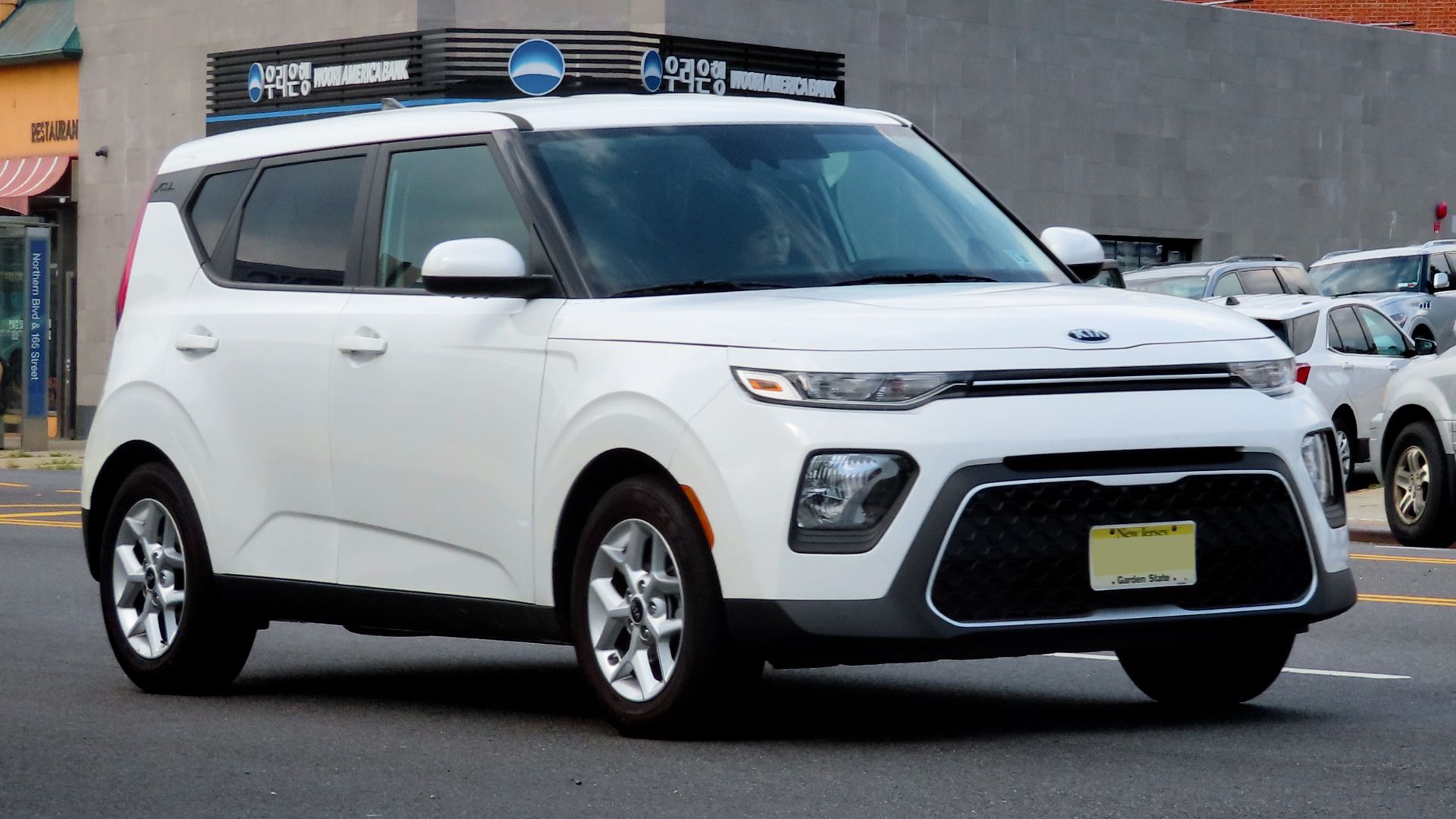
5. Kia Soul
Character and interior space define the Kia Soul more than mechanical reinforcement. While aftermarket hitches exist, cooling and chassis components were never upgraded for sustained trailer stress. Its purpose is squarely daily usability.
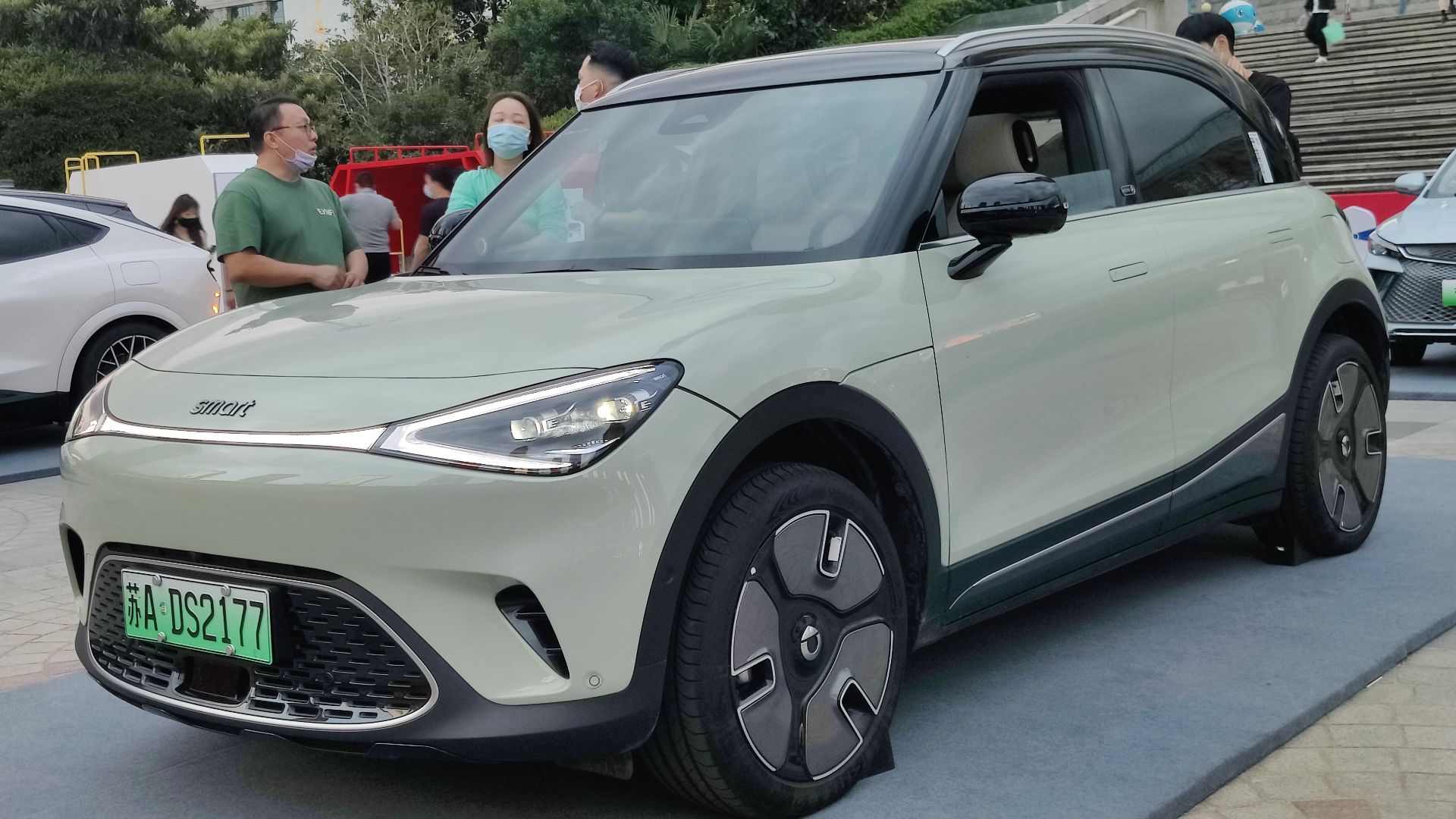
6. Smart #1
Instant electric torque gives the Smart #1 lively urban performance, but energy priorities quickly surface under added resistance. Manufacturer cautions make sustained pulling secondary to its role as a compact, city-focused electric crossover.
 JustAnotherCarDesigner on Wikimedia
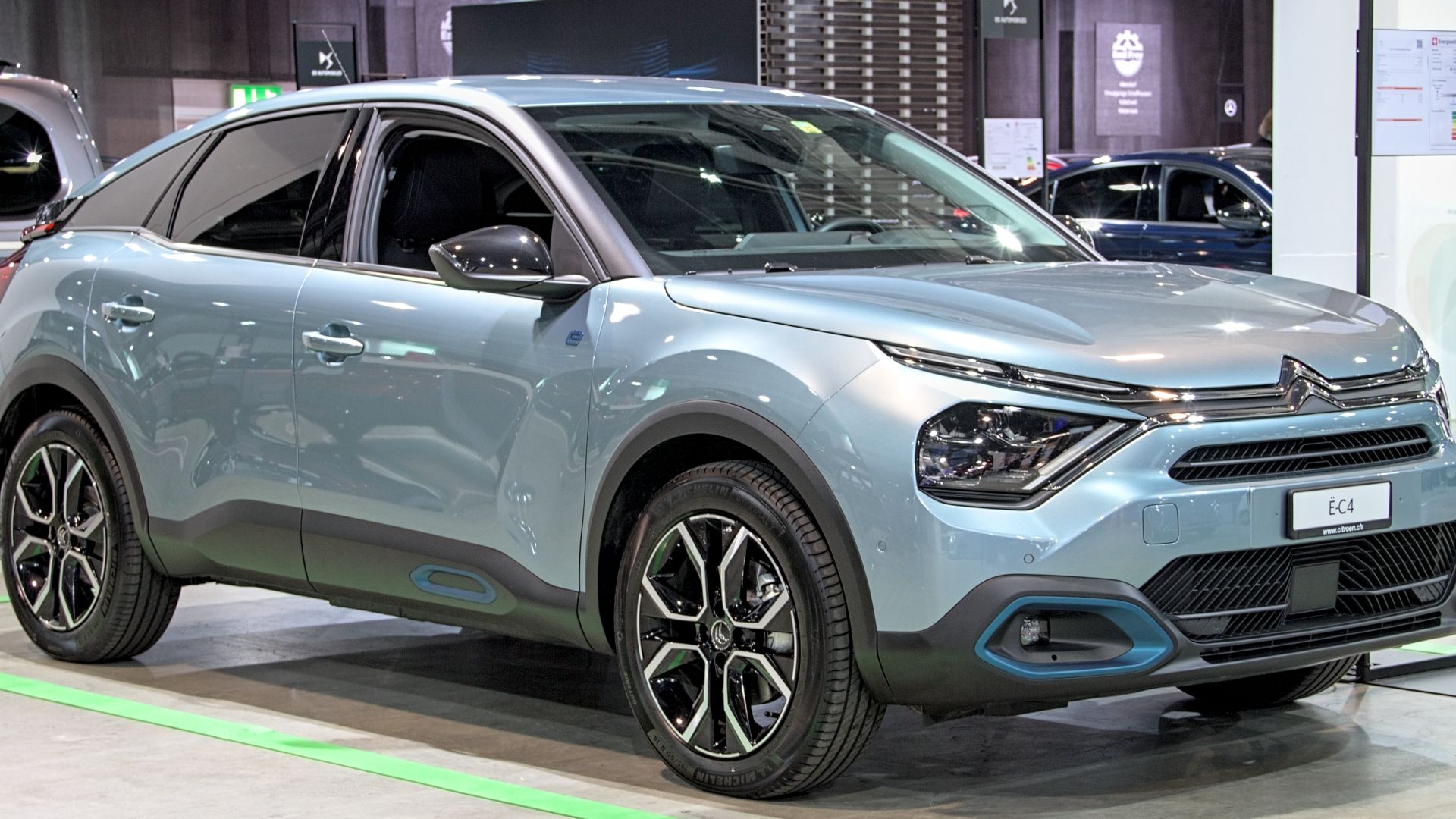
7. Citroën ë-C4
Citroën does not rate the ë-C4 for towing, which reflects EV priorities over load work. Its electric drivetrain favors smooth, and the absence of factory hitch support underscores how range loss and battery strain outweigh any hauling intent.
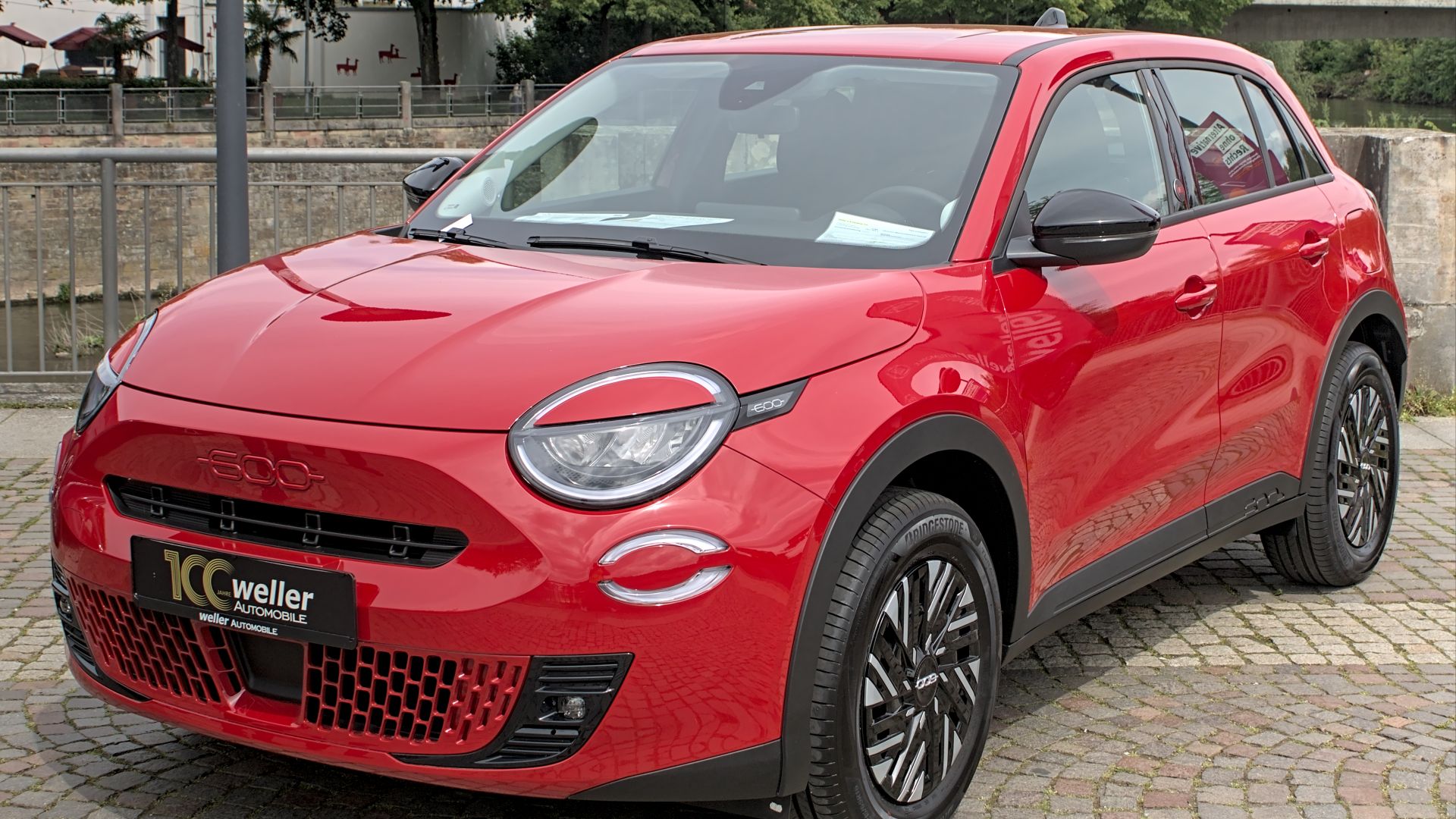
8. Fiat 600e
Retro-inspired styling and compact proportions shape the Fiat 600e’s mission. Electric efficiency and tight packaging take precedence. The lack of reinforced cooling or trailer aids keeps its focus firmly on city mobility.
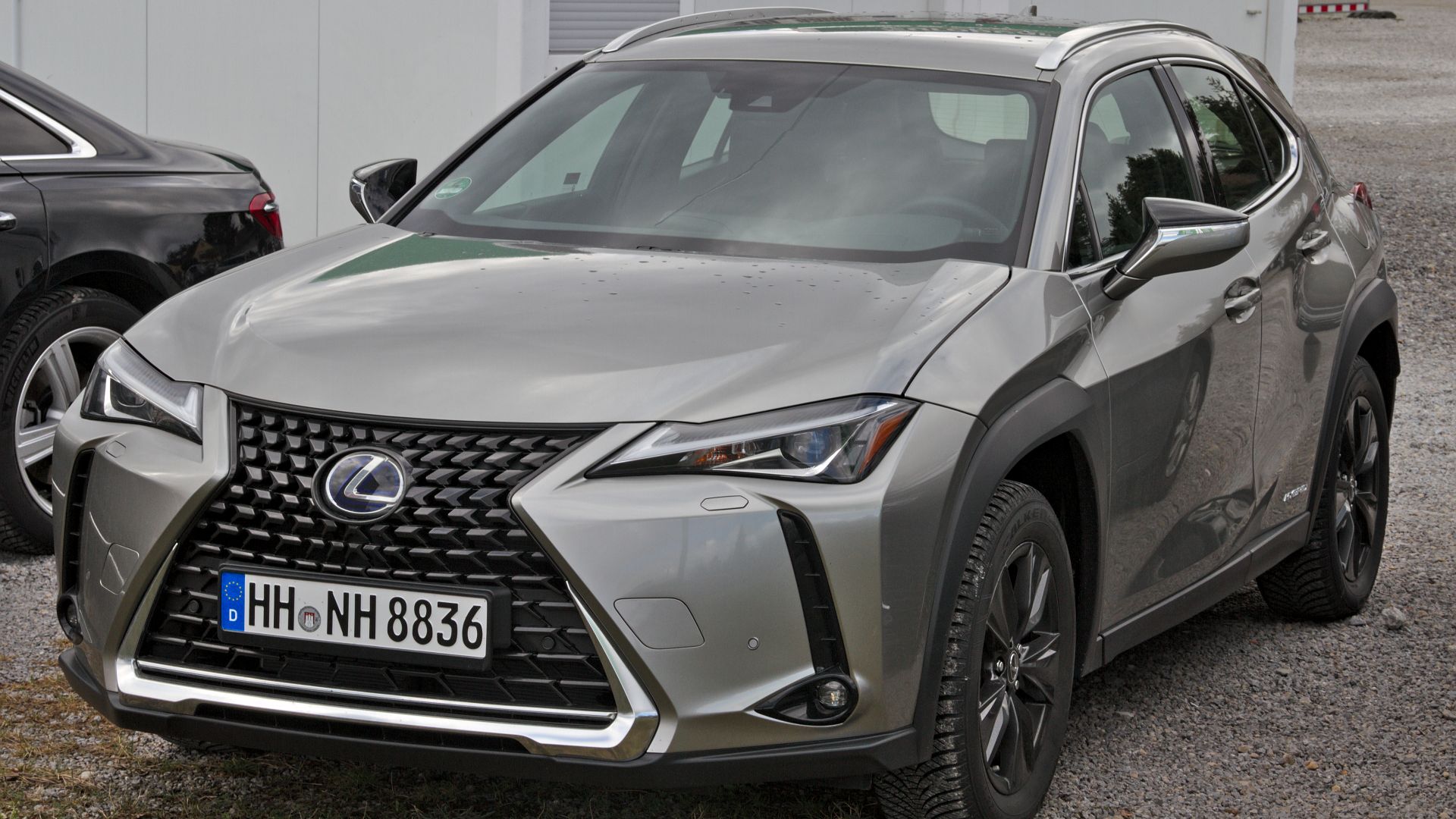
9. Lexus UX 250h
Refinement leads the Lexus UX 250h’s engineering choices. Its hybrid system with unibody construction emphasizes quiet efficiency and a premium feel. This leaves little mechanical margin for the sustained stresses associated with trailer use.
10. Chevrolet Bolt EUV
The car draws a firm line with the Bolt EUV, which isn’t engineered for towing. Its 200-horsepower electric motor prioritizes range and thermal efficiency, and the lack of factory hitch support reinforces an inside-the-cabin cargo focus over external loads.