When The Badge Actually Meant Something
Lexus built its reputation on a promise that luxury could come backed by the kind of engineering obsession Toyota poured into its earliest flagships. That promise held up beautifully in some models and fell apart in others, sometimes within the same decade. A few cars earned the three-letter badge through ambition and genuine engineering effort. Others leaned on the logo to sell what was, underneath the leather, a fairly ordinary car. Here are 10 Lexus models that lived up to the name, followed by 10 that leaned on it instead.
 Jay jay Redelinghuys on Pexels
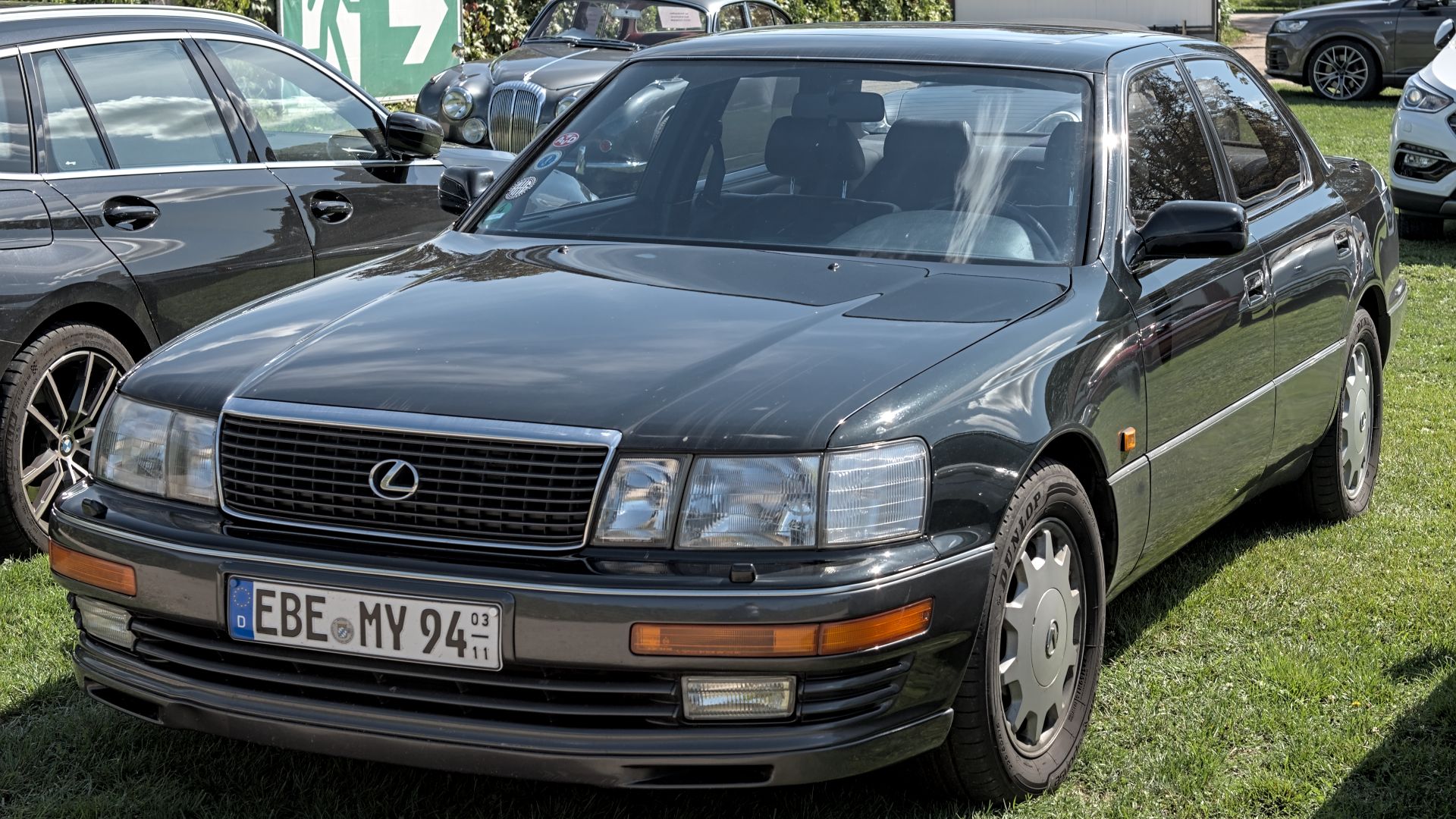
1. LS 400
The car that started it all arrived with a level of quiet and precision that actually startled the German competition it was built to beat. Toyota reportedly tested prototypes on a specially built track just to perfect the cabin silence. Three decades later, the original LS400 is still cited as the moment Lexus proved luxury didn't require a German nameplate.
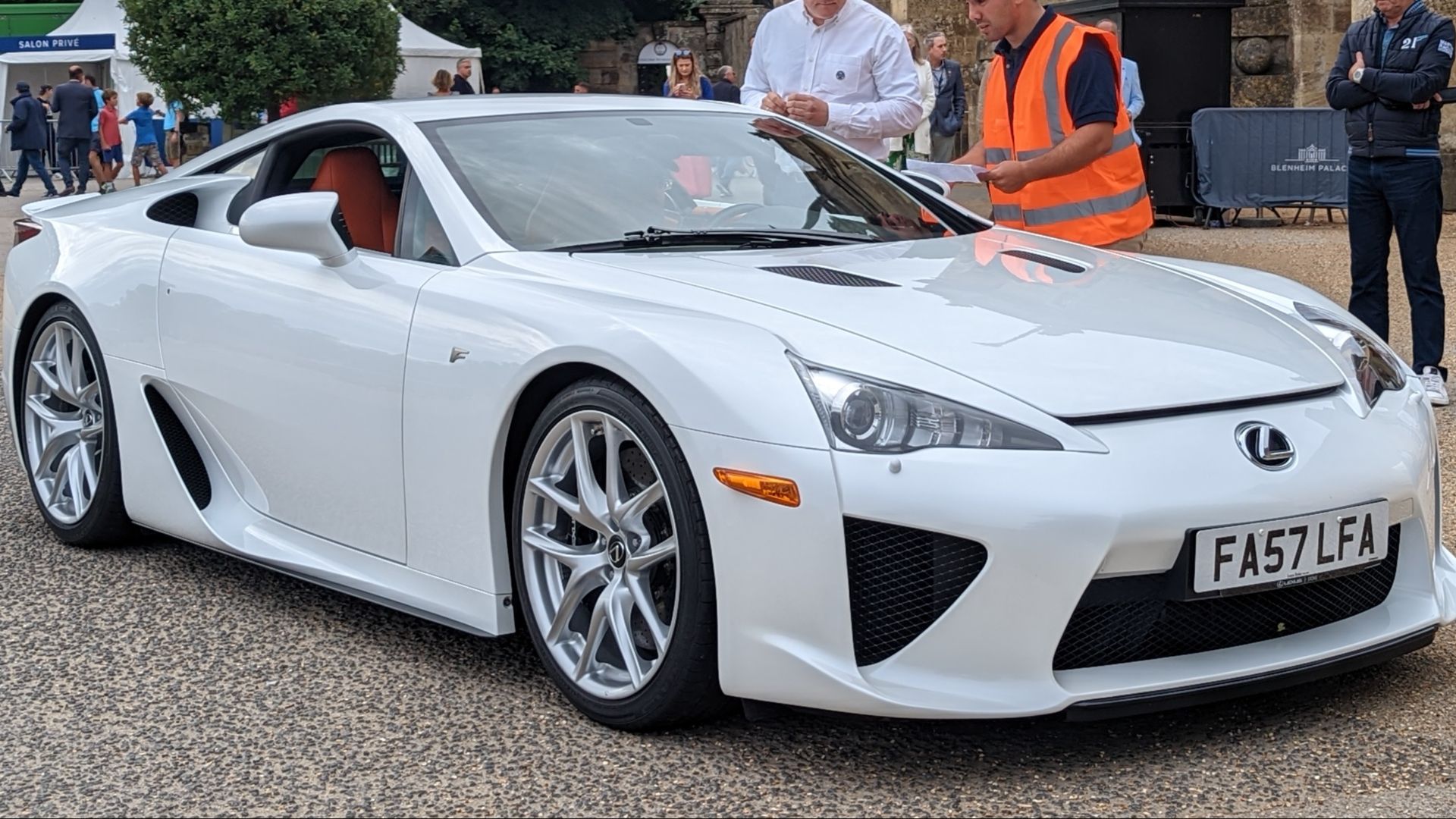
2. LFA
A supercar built almost entirely by hand, the LFA paired a screaming naturally aspirated V10 with an exhaust note tuned by Yamaha until it sounded less like a car and more like an instrument. Only about 500 were ever made, and prices have only climbed since production ended. Nobody who drives one comes away doubting the badge belongs on something this serious.
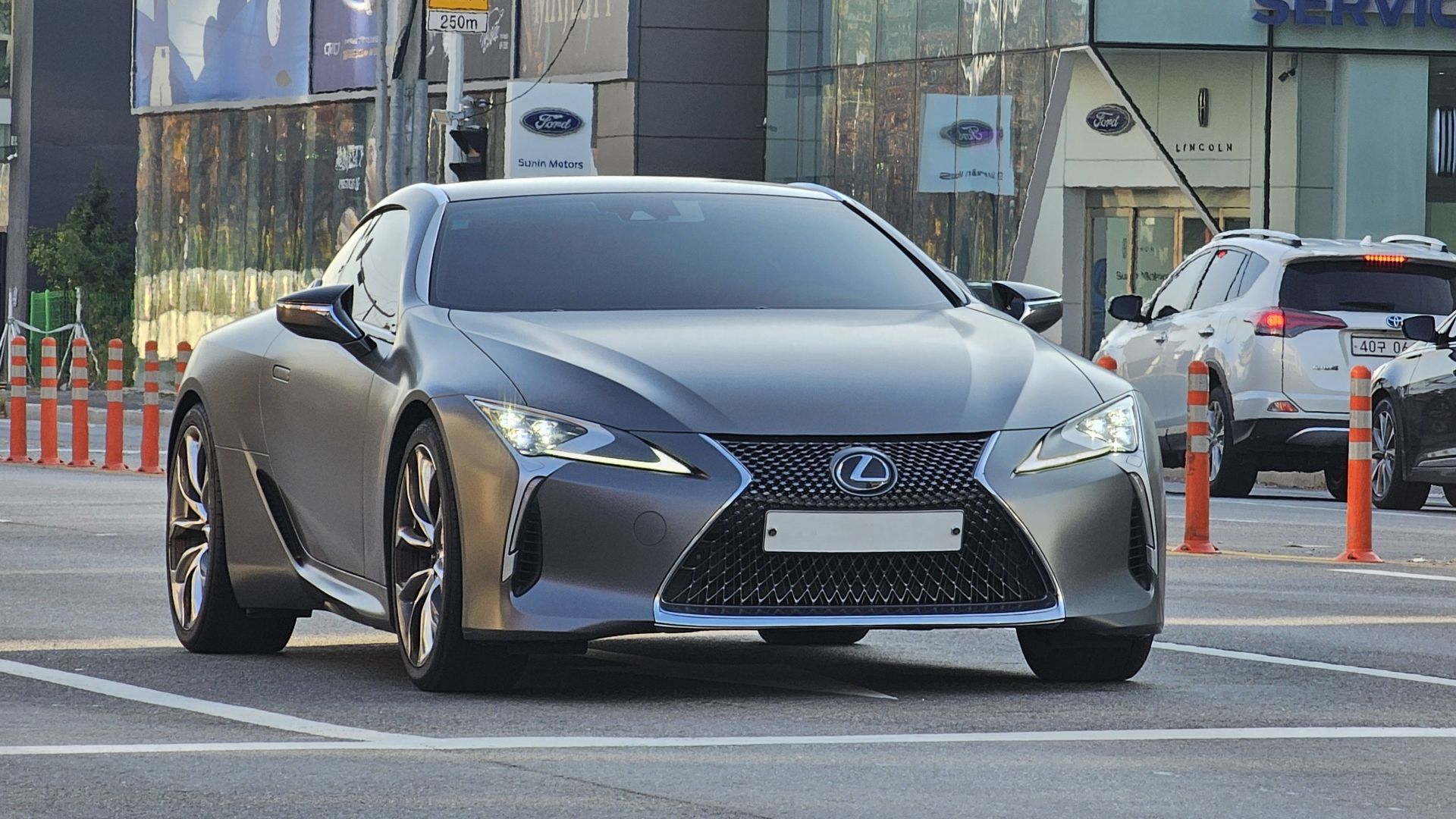
3. LC 500
Every angle of the LC's spindle grille and sculpted body panels was designed to prove Lexus could build something as visually dramatic as it was comfortable. The naturally aspirated V8 sounds better than anything else the brand has ever put in a production car. Critics who walked in skeptical mostly walked out impressed.
4. GX 460
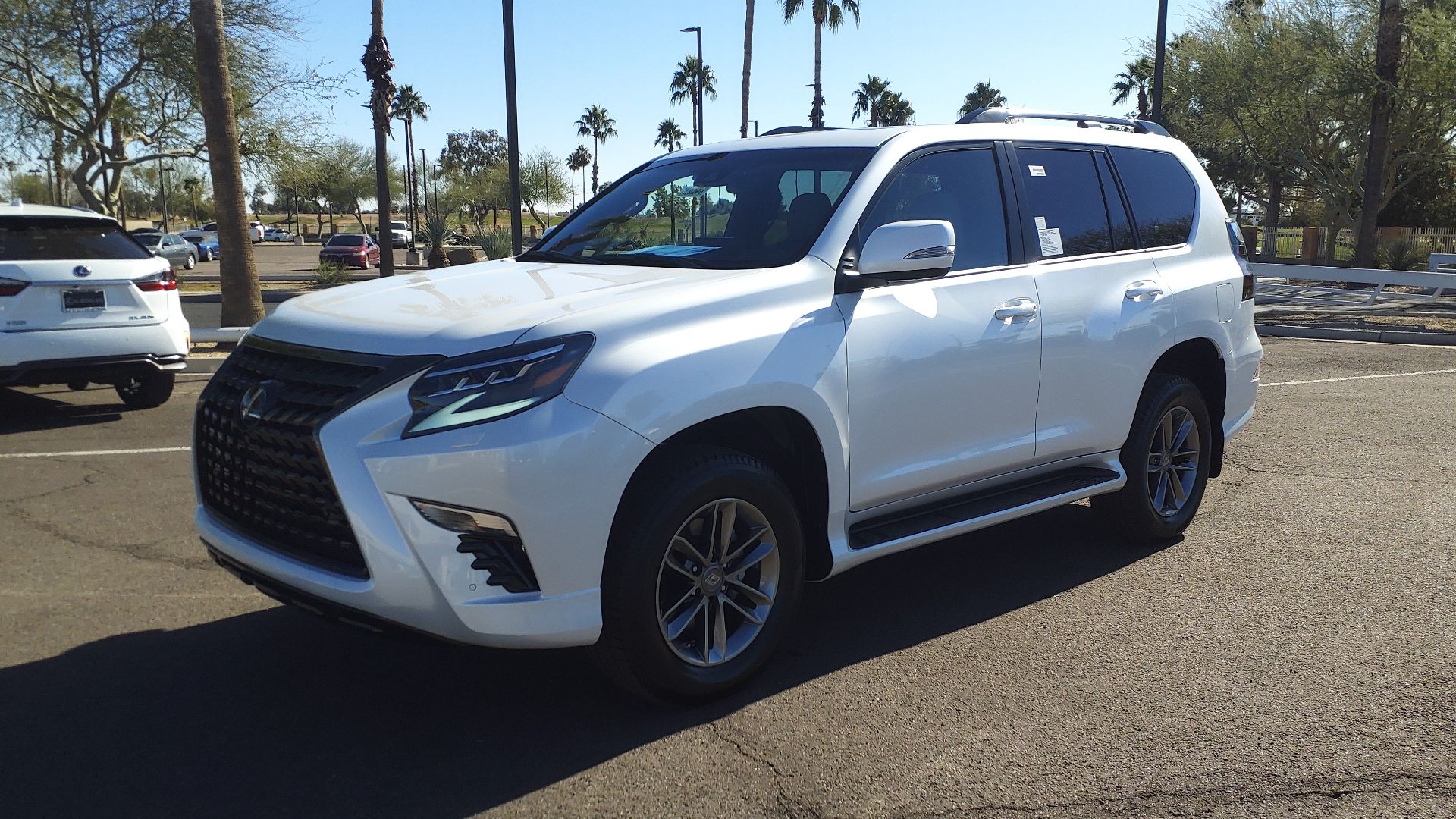
Body-on-frame construction and genuine off-road hardware set the GX apart from every crossover wearing a luxury badge for show. Owners who actually take it off pavement report the kind of durability that outlasts lease cycles by a decade or more. It built a cult following precisely because Lexus refused to soften it into another soft-road crossover.
5. RX 300
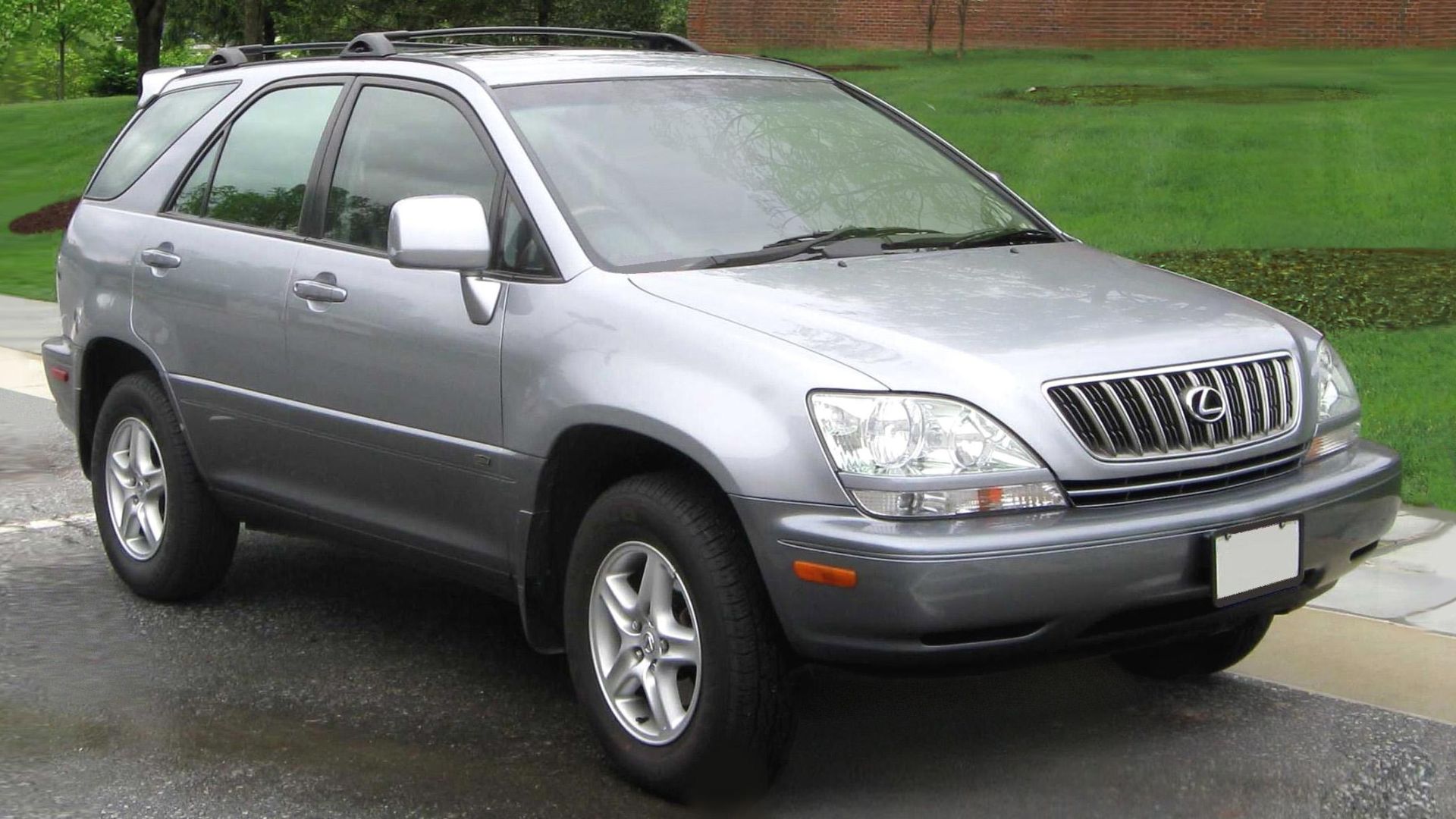
Before the RX arrived, nobody had really proven that a luxury crossover could sell in serious numbers, and this one singlehandedly created the category. It combined car-like handling with SUV practicality at a moment when almost nobody else had figured out how to do both. Every luxury brand chasing crossover sales today is chasing what the RX built first.
 commons.wikimedia.org on Google
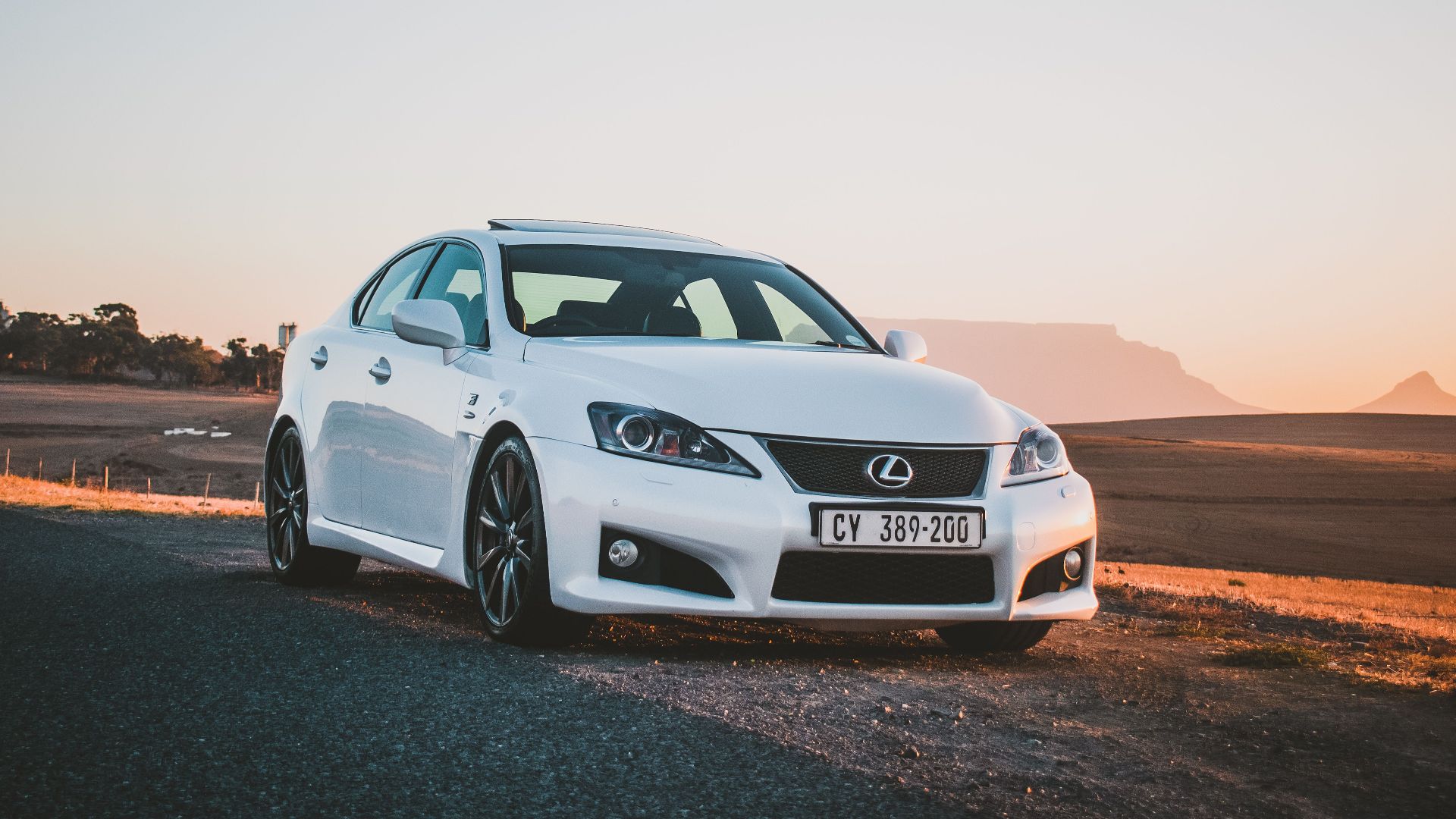
6. IS F
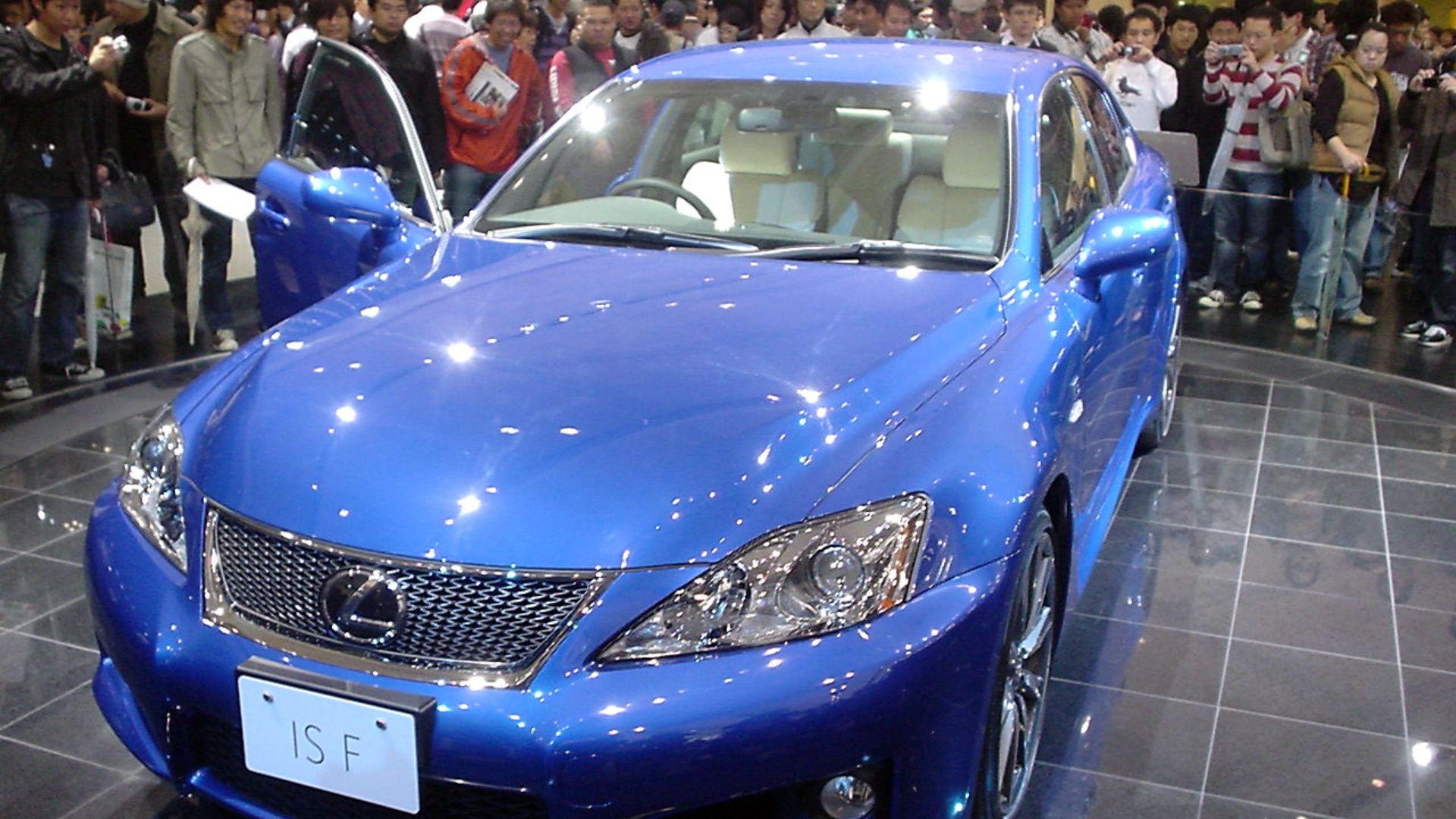
Lexus finally built a proper performance sedan with the IS F, dropping a naturally aspirated V8 into a chassis sharp enough to embarrass cars with better racing pedigrees. The exhaust note alone converted plenty of skeptics who assumed Lexus only knew how to build quiet cars. It proved the brand could do aggressive without losing the build quality that made it famous in the first place.
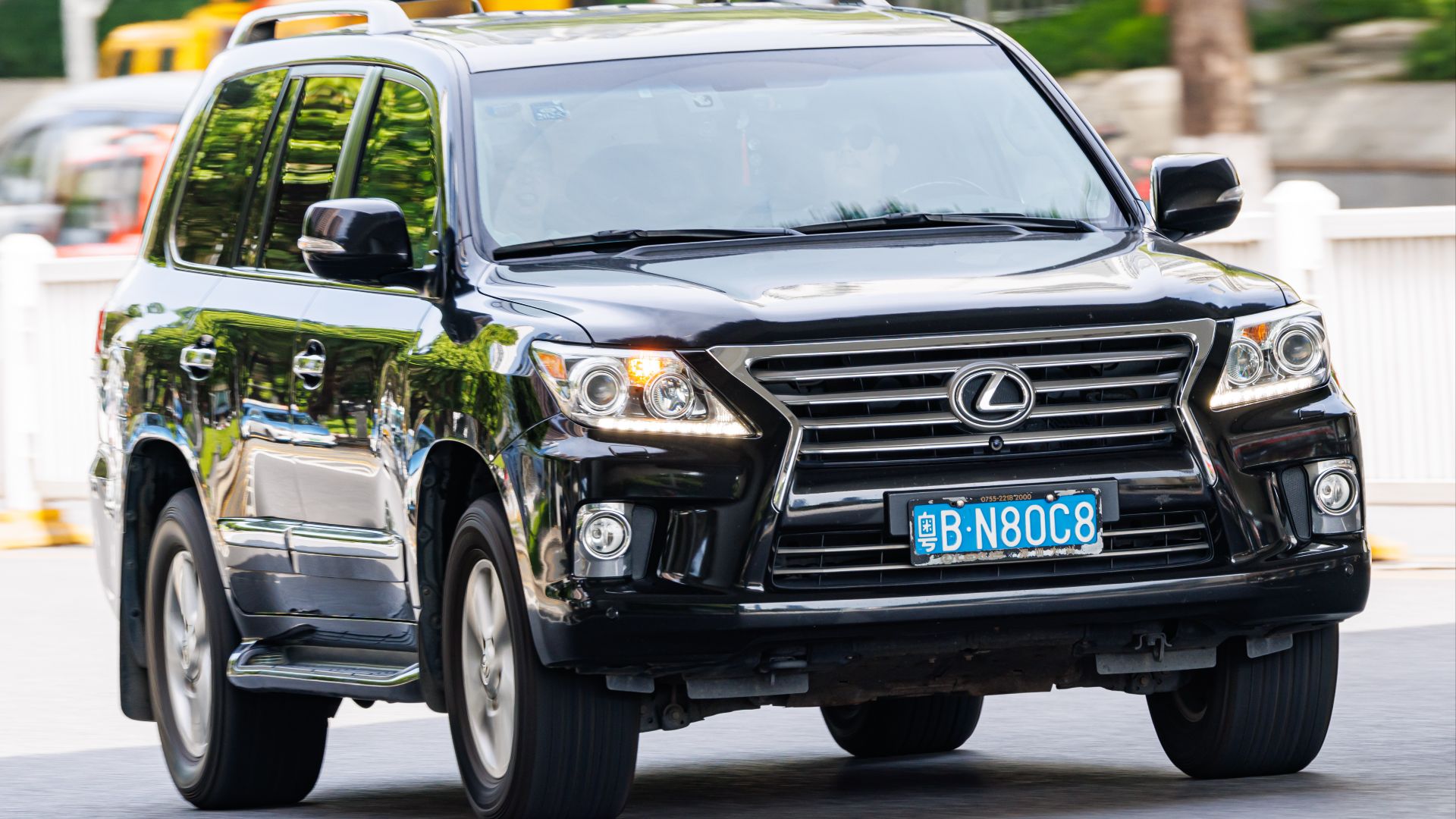
7. LX 570
Land Cruiser bones wrapped in genuine luxury trim gave the LX a reputation for reliability that owners in remote parts of the world still depend on. It never chased trends, and that consistency is exactly why resale values stayed so strong for so long. Some owners have put well past 300,000 miles on one without a major mechanical failure.
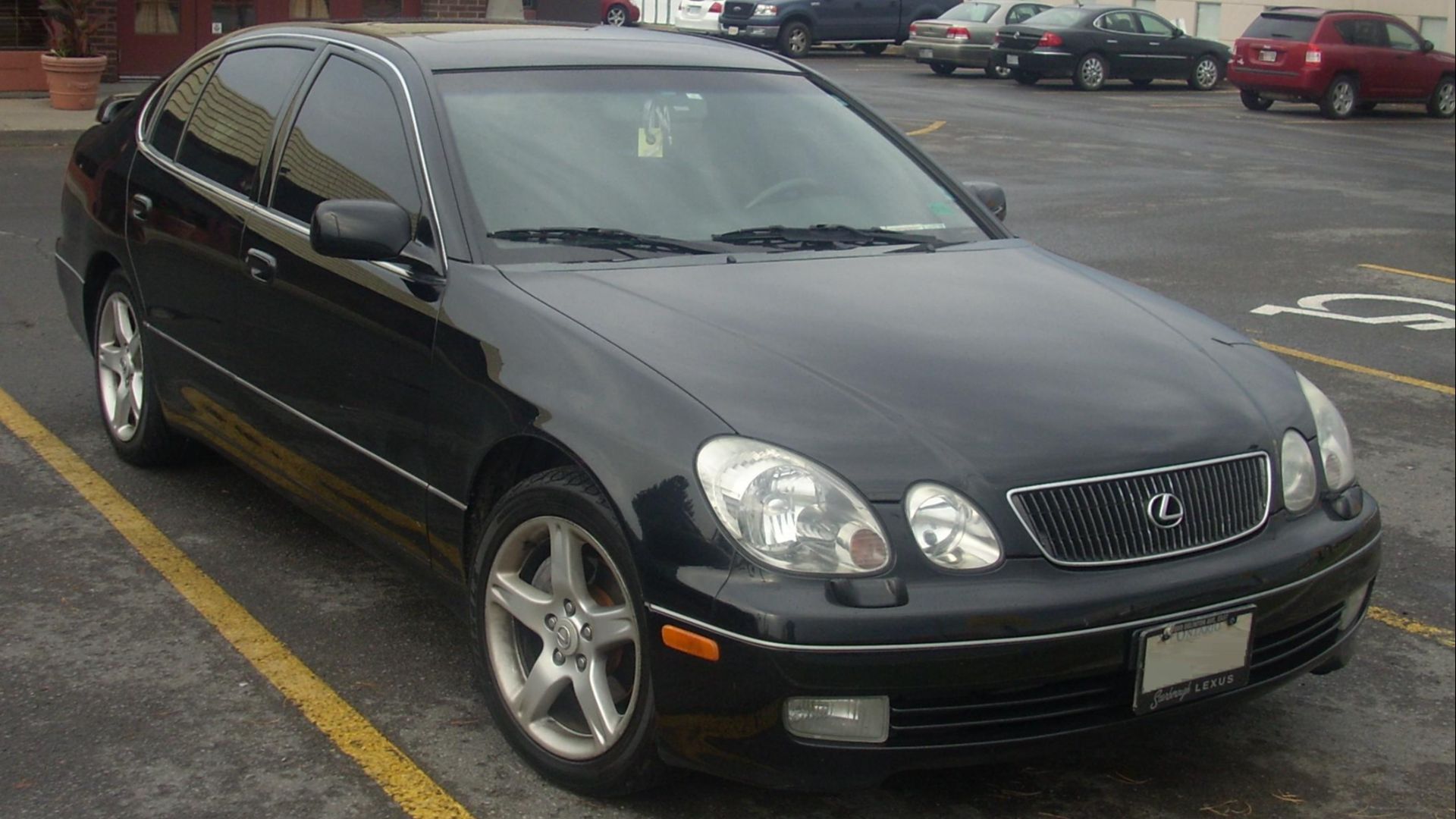
8. GS 400
The second-generation GS gave Lexus an actually sharp-handling sport sedan at a time when the brand still had something to prove against BMW. Its V8 power and surprisingly composed chassis won over reviewers who expected another soft, numb Lexus sedan. For a few years, it held its own against cars that cost considerably more.
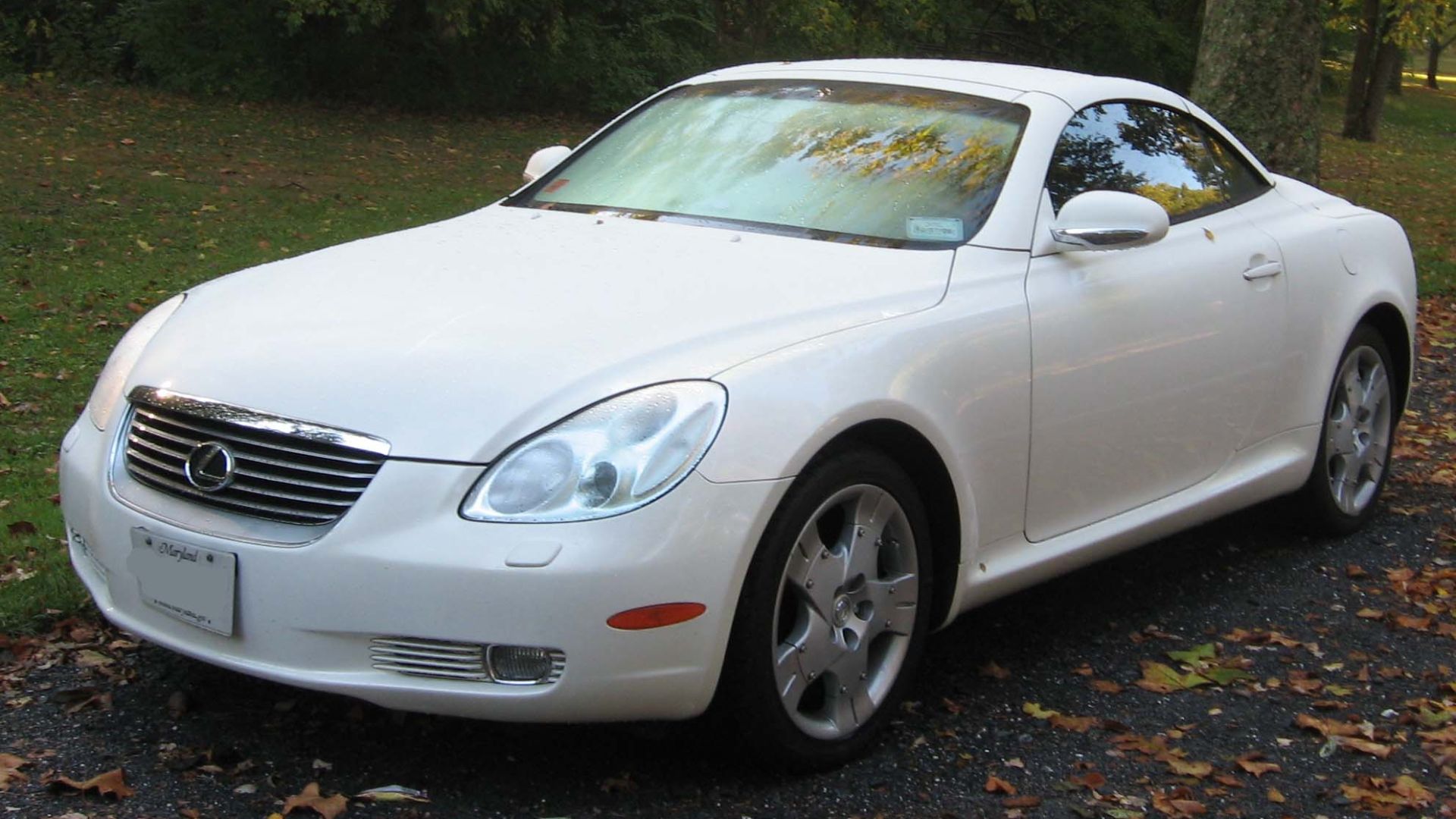
9. SC 300/400
The first-generation SC coupe paired sharp, timeless styling with the kind of mechanical polish that made it feel like a genuine alternative to a Mercedes coupe. It aged well enough that examples are now becoming minor collector favorites decades later. Nothing about the design feels dated, which says a lot about how right Lexus got it the first time.
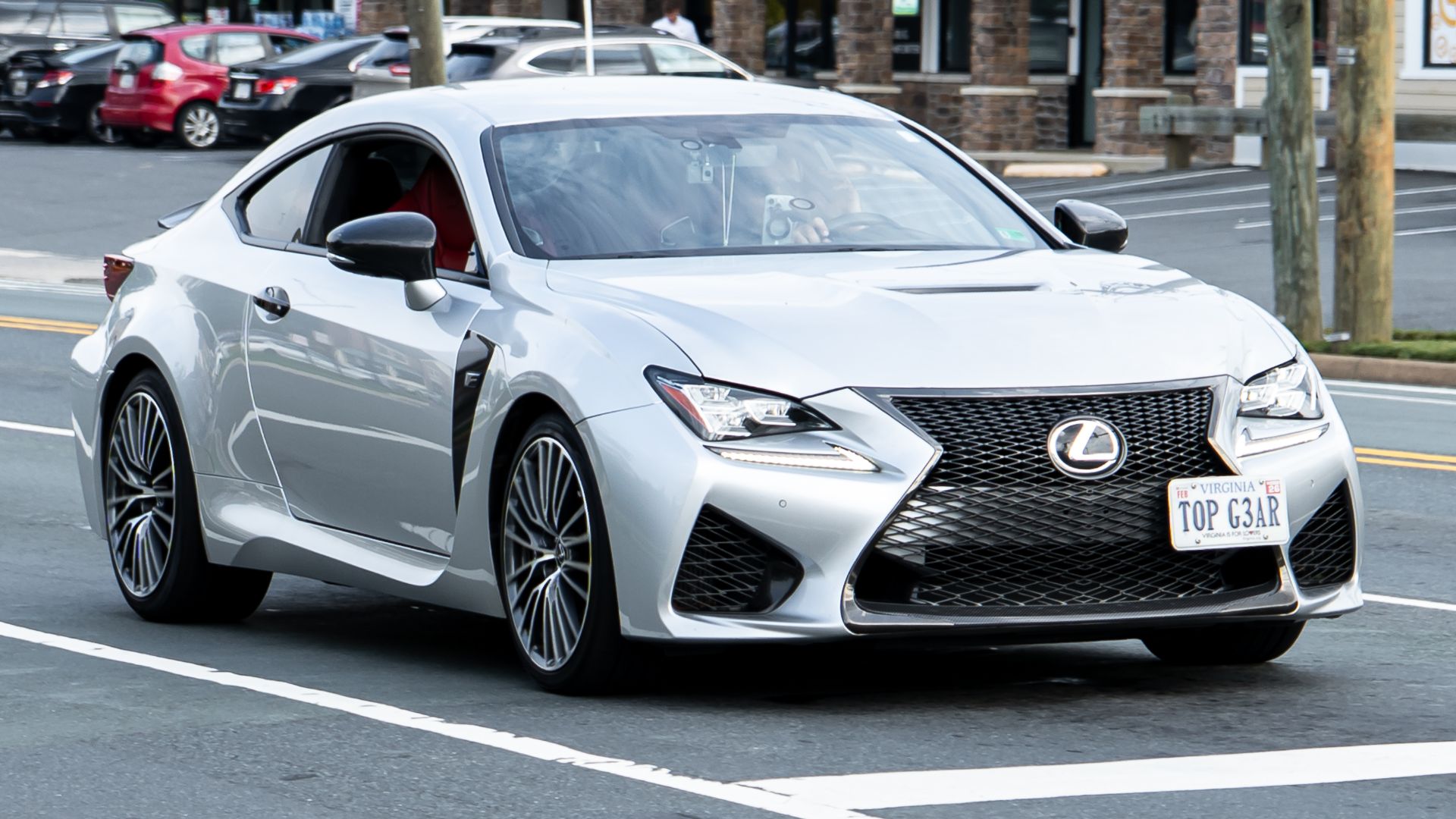
10. RC F
The RC F gave Lexus a proper V8 coupe rival to the M4 and C63, built around a naturally aspirated engine at a time when most competitors were already downsizing to turbos. It never outsold its German rivals, but it earned real respect from people who actually drove it back to back with them. The badge finally meant something on a coupe built purely for enthusiasts.
Now, here's 10 models that wore the badge without quite living up to what it's supposed to promise.
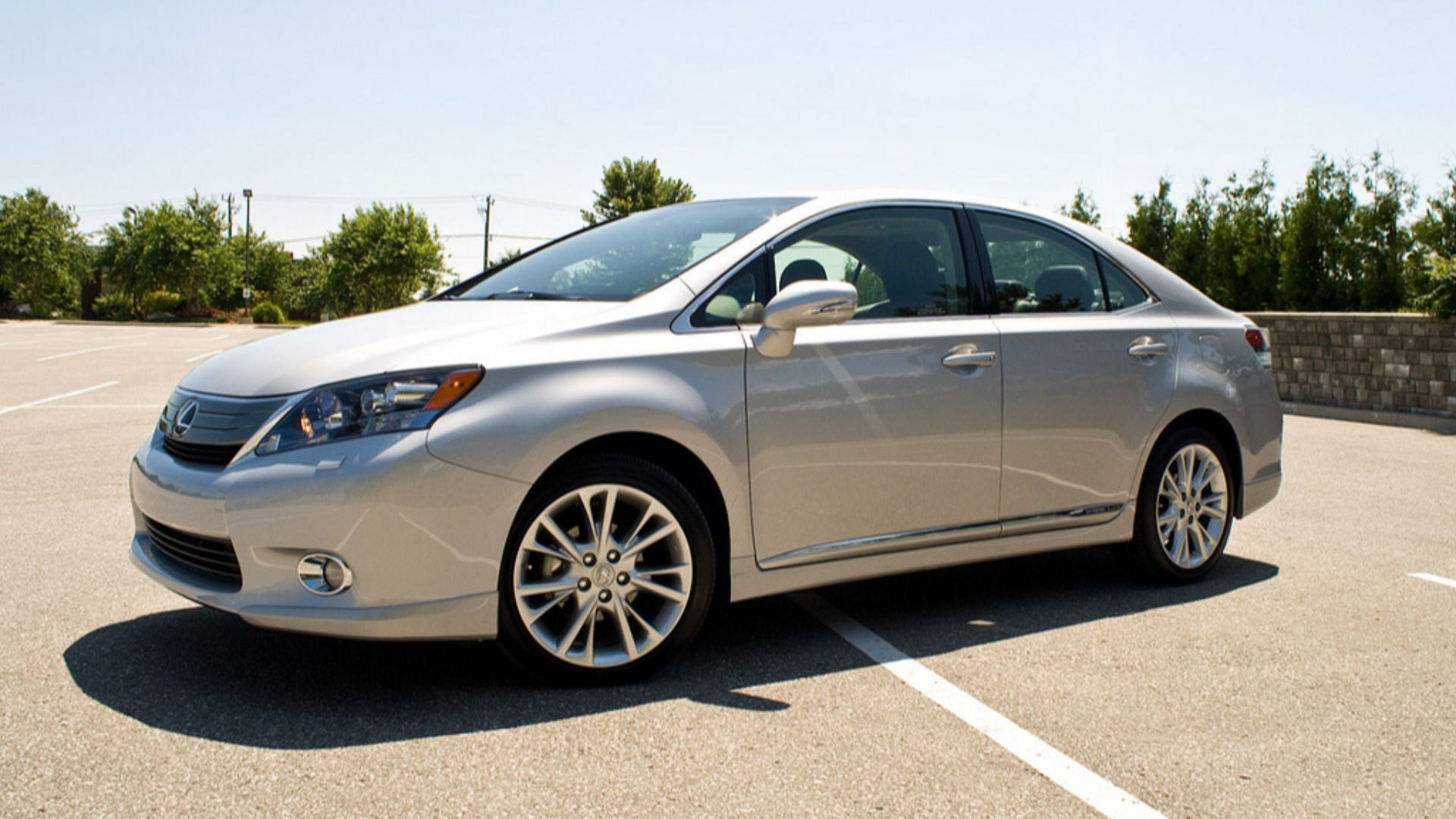
1. HS 250h
Built as a hybrid-only sedan with no gas engine option, the HS never found an audience and disappeared from the lineup within a few years. It looked like a stretched Prius wearing a Lexus grille, and drove about the same. Even loyal Lexus buyers mostly ignored it.
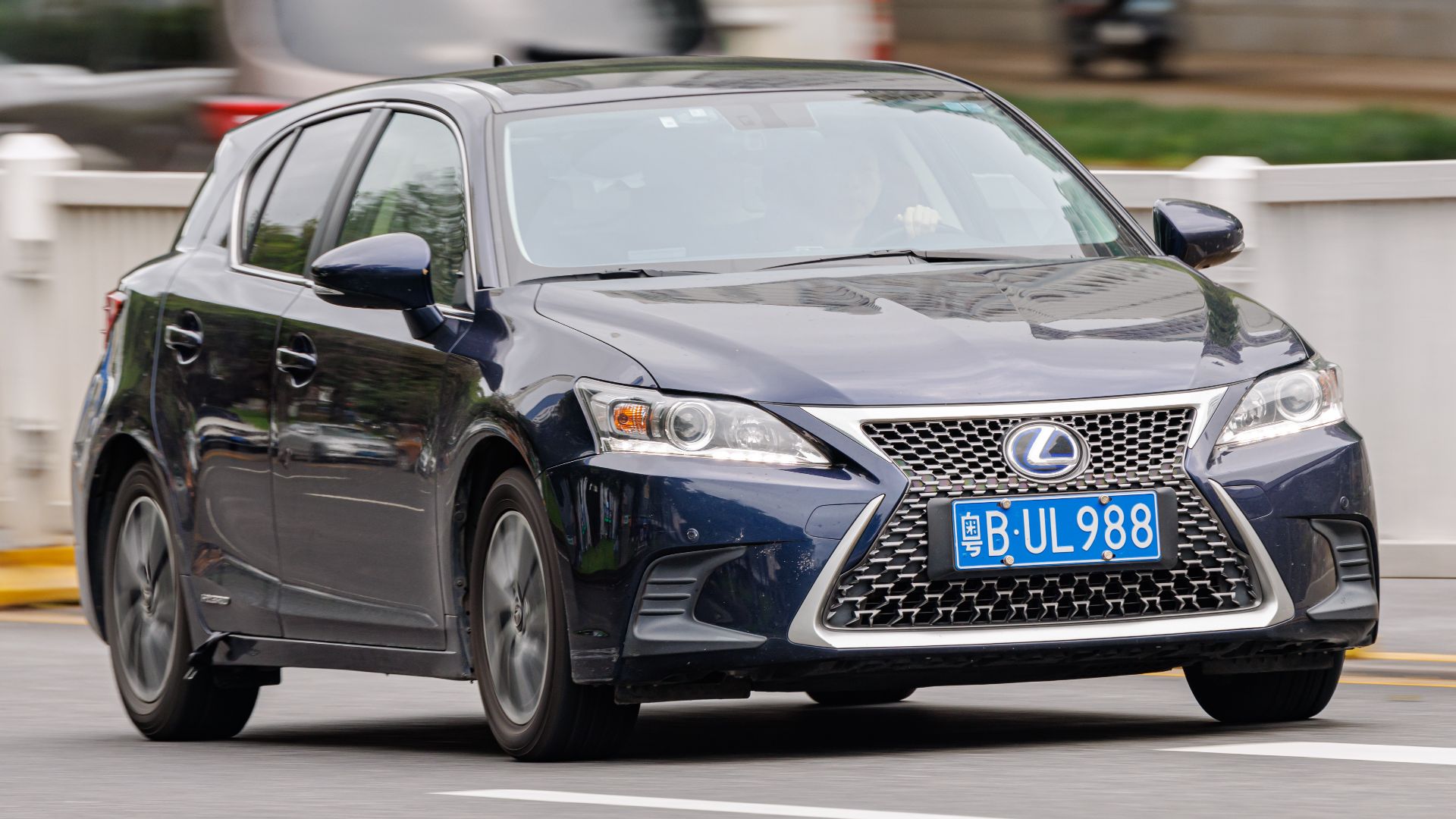
2. CT 200h
Sharing a platform with the Prius meant the CT inherited underwhelming performance and a cabin that felt more compact economy car than premium hatchback. The badge promised something the driving experience never delivered. It sold reasonably well on efficiency alone, not on anything resembling luxury.
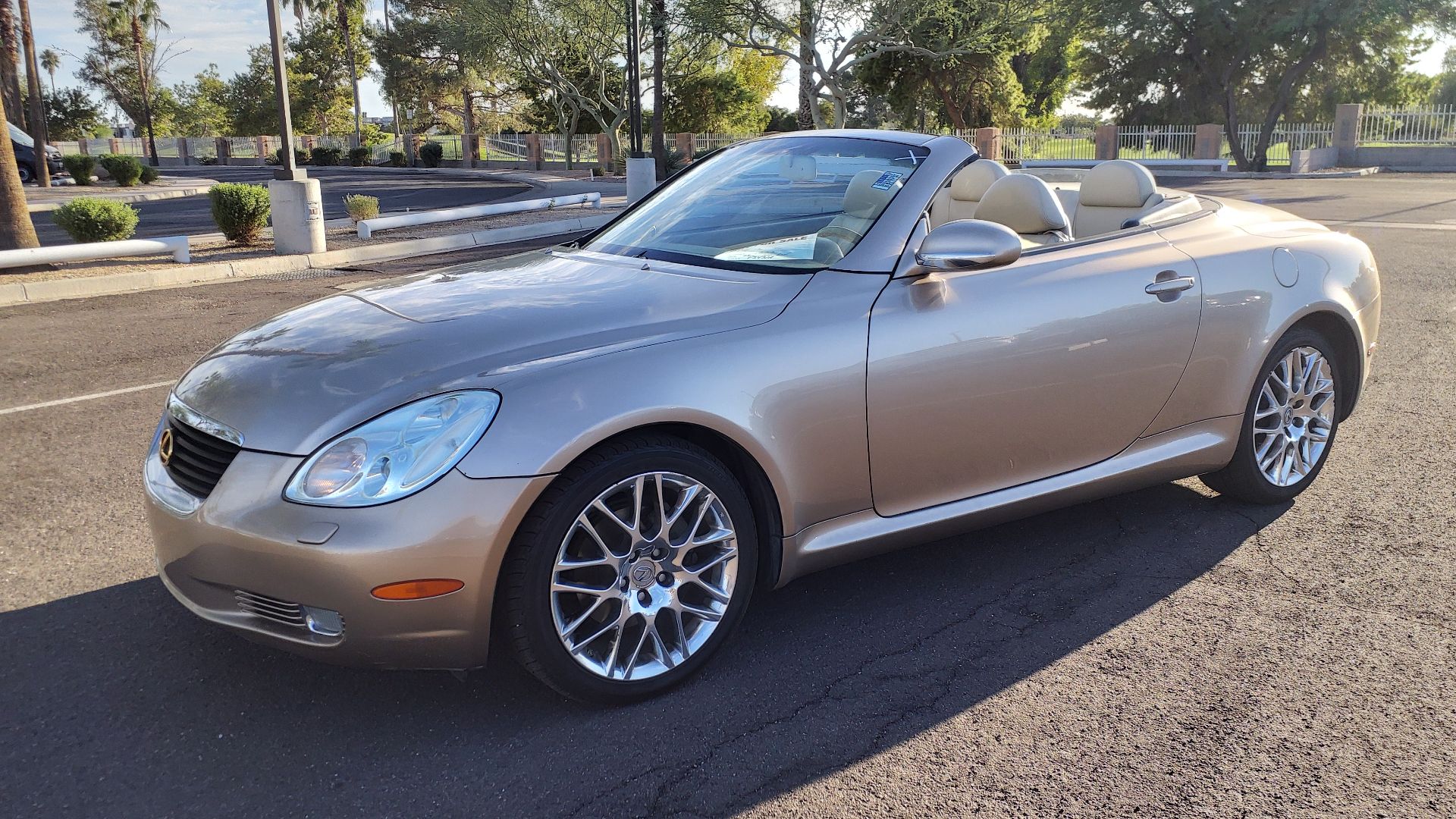
3. SC 430
A retractable hardtop convertible that critics compared to a bathtub on wheels, the SC430 prioritized a party trick roof over actual driving dynamics. Underpowered for its price bracket and heavier than a convertible should be, it struggled to justify itself against sharper rivals. Depreciation hit it hard, and resale values never recovered.
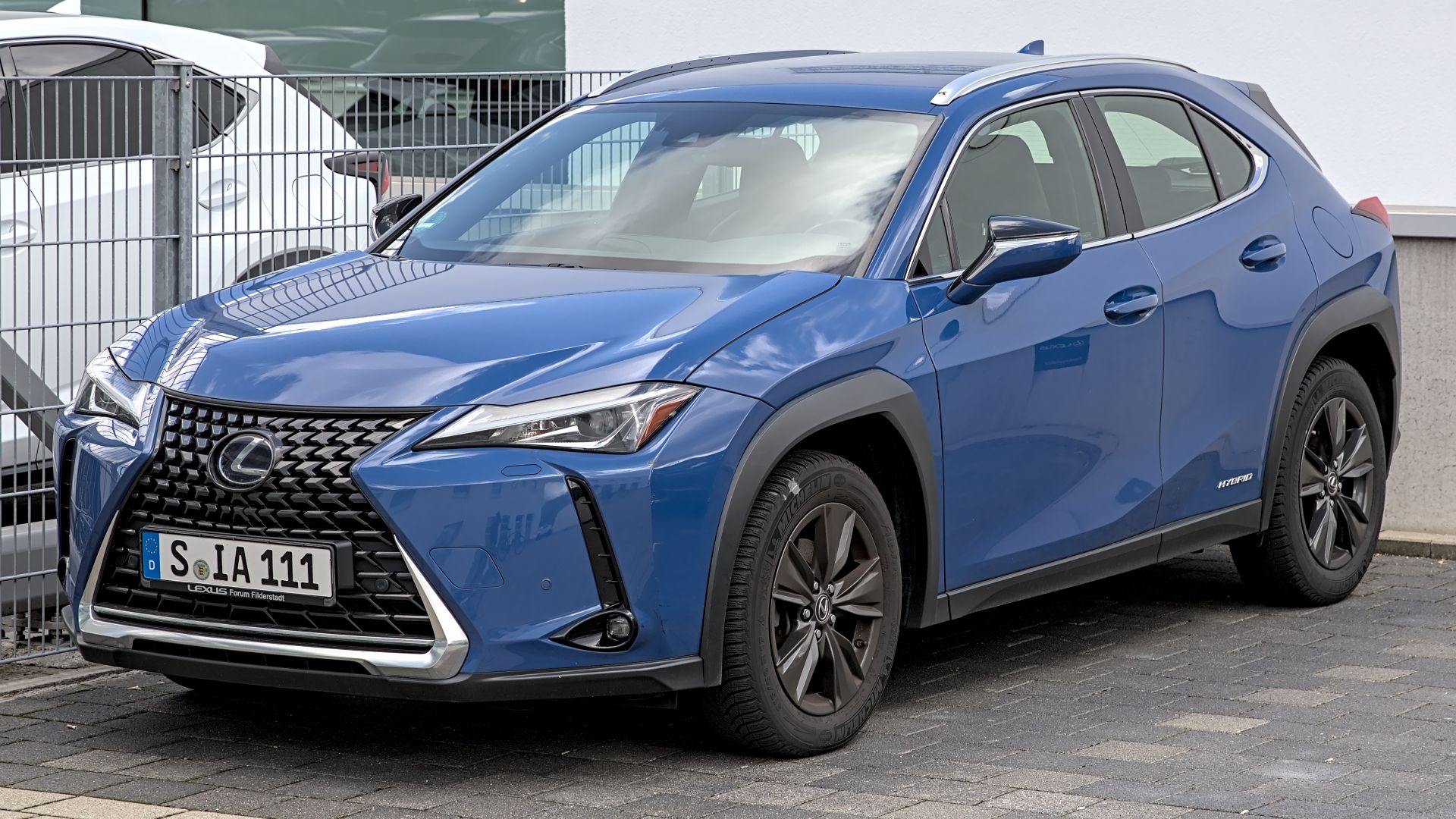
4. UX 200
The smallest crossover in the lineup crammed a cramped rear seat and a tiny cargo area into a package that still carried a Lexus price tag. Reviewers consistently pointed out that a well-equipped Toyota offered more usable space for less money. It read as a badge exercise more than an actually new vehicle.
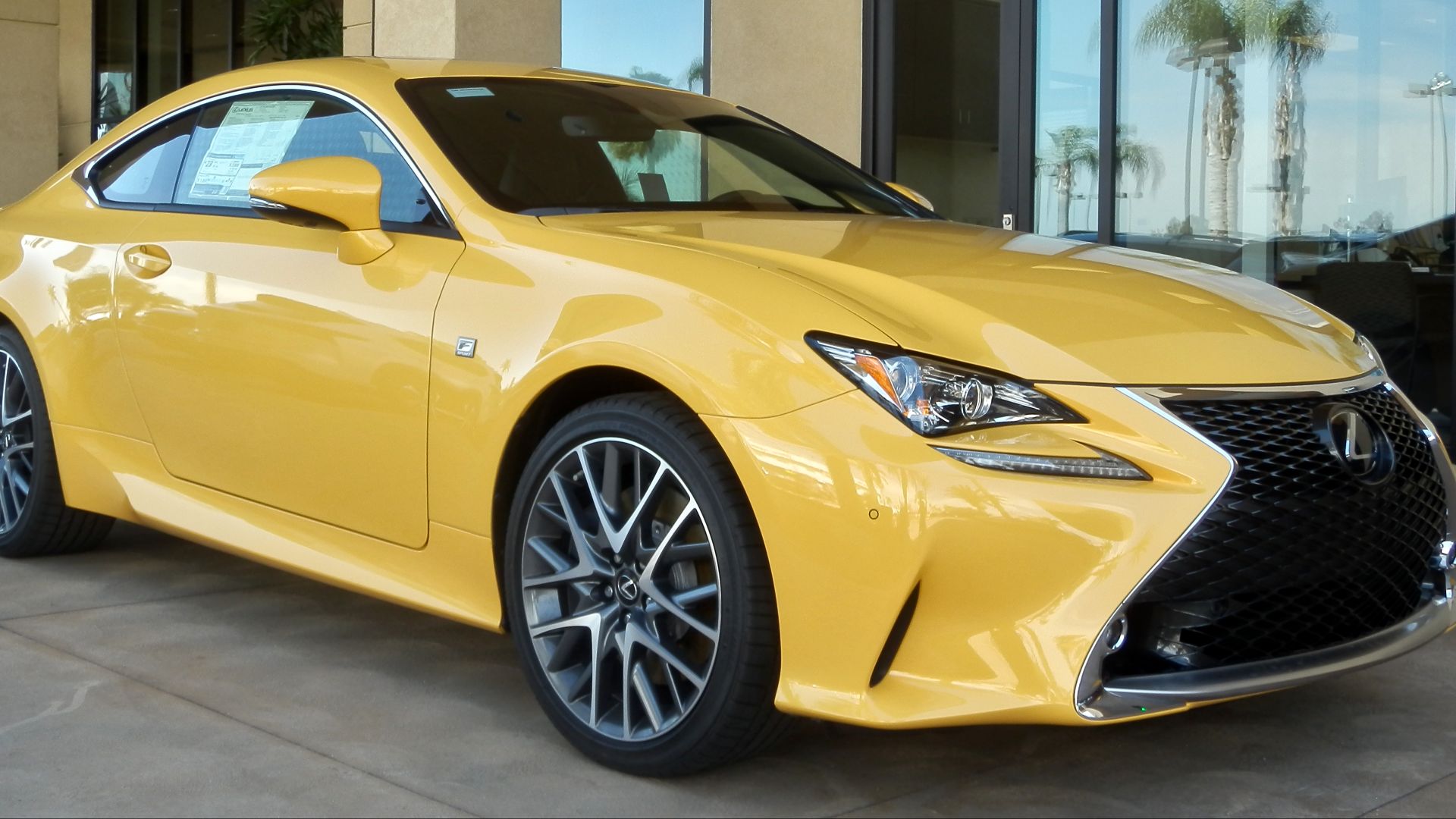
5. RC 350
Without the F-badged engine, the standard RC coupe never quite delivered the driving experience its aggressive styling promised. Sales lagged behind rivals for most of its run, and Lexus eventually let the whole RC lineup fade out. Looking fast and actually being fast turned out to be two different things.
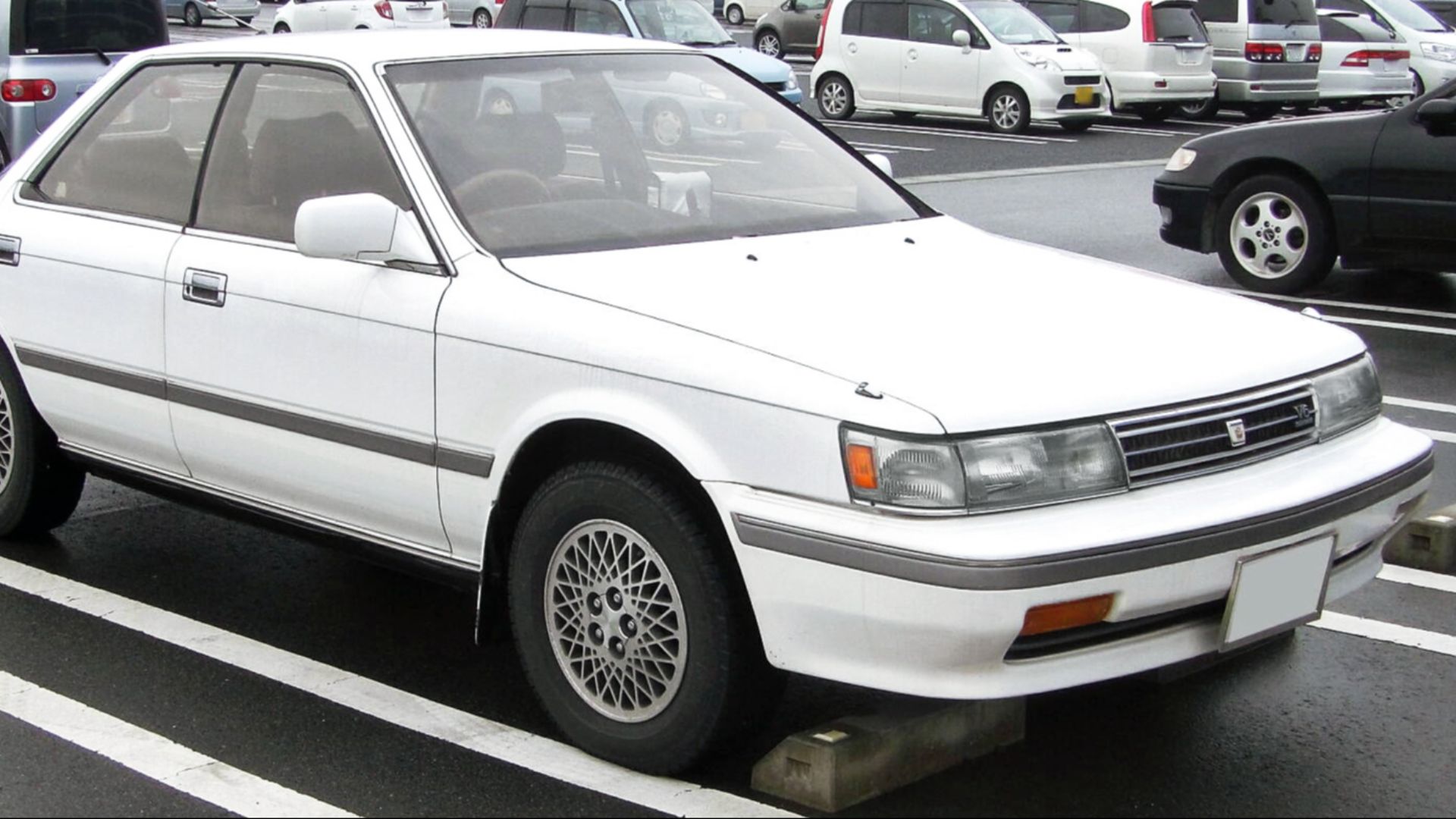
6. Early ES, Camry-Based Generations
Built on the same platform as the Camry, early ES sedans offered a smoother ride and a nicer cabin, but drivers who wanted anything resembling engagement came away disappointed. Critics routinely called it a dressed-up Camry, and the comparison wasn't entirely unfair. Comfort was never in question, but the badge implied more than a plusher version of an ordinary sedan.
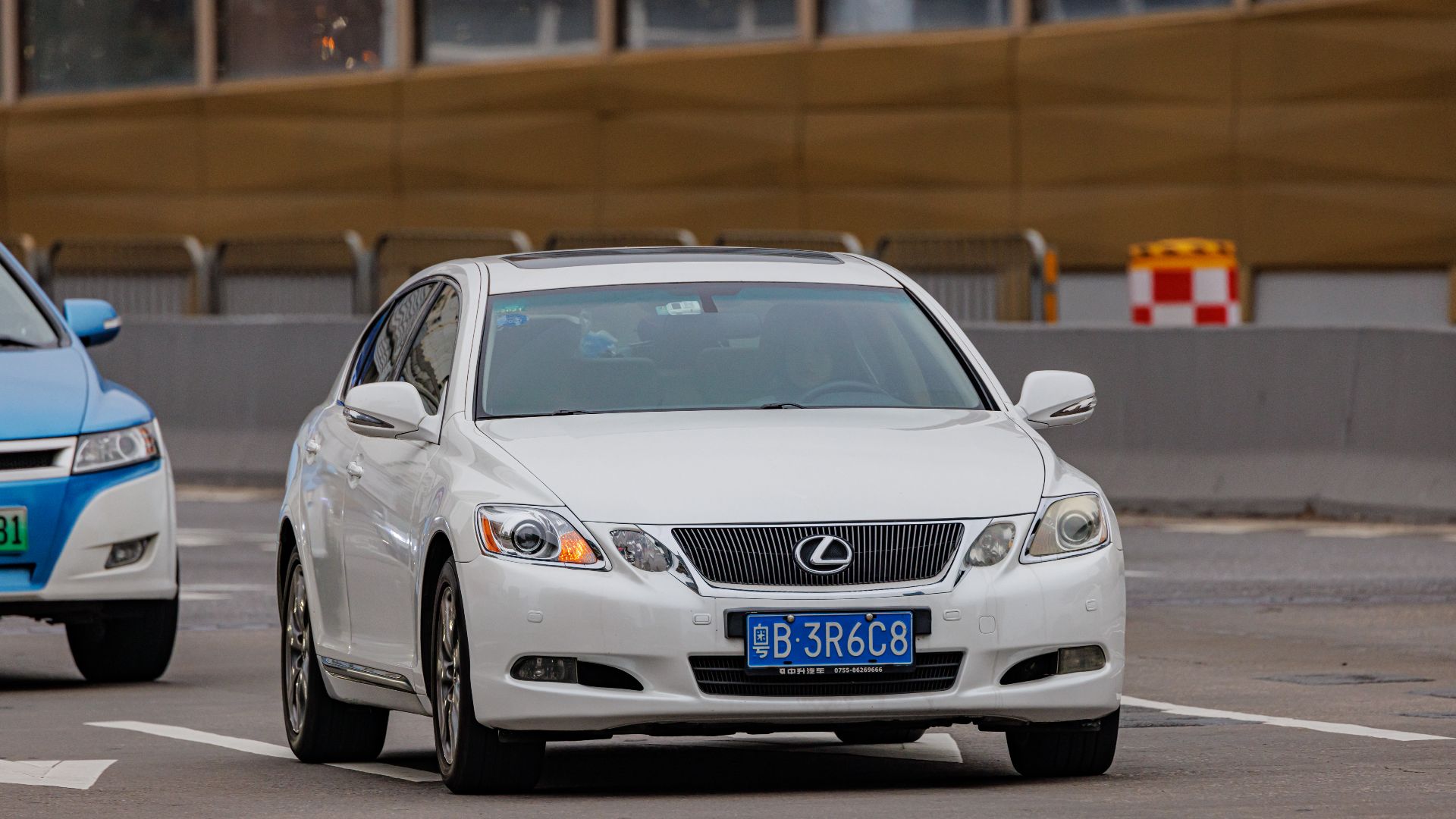
7. GS, Final Generation
By its last few years on sale, the GS had been squeezed out by a growing ES and a sharper IS, leaving unclear who it was actually built for. Sales dropped steadily until Lexus discontinued it in 2020. A once-respected sport sedan ended its run without much of a send-off.
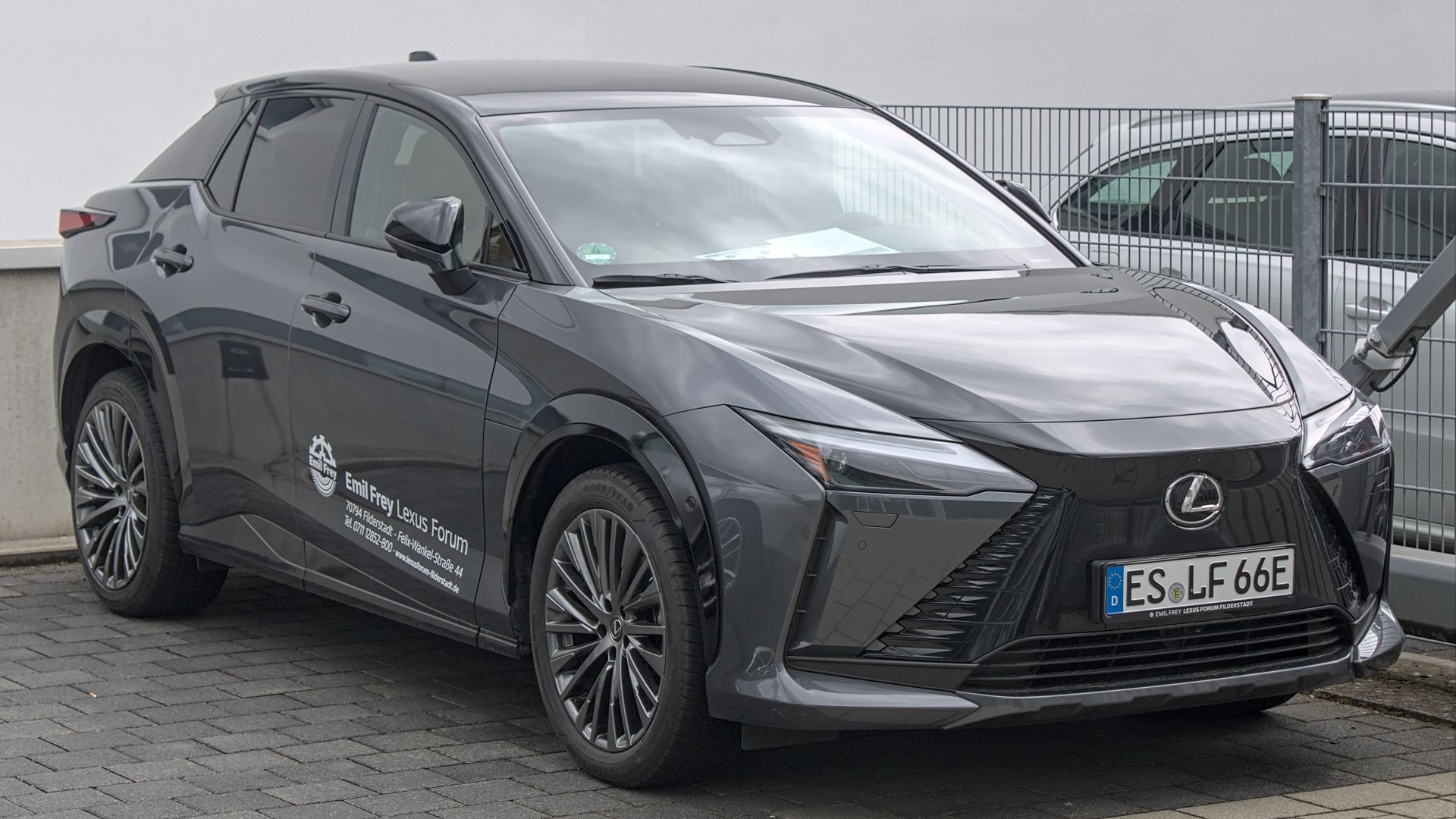
8. RZ 450e
Lexus entered the electric SUV race late, and the RZ's real-world range fell noticeably short of rivals that had been refining EV technology for years. The unconventional steering yoke on higher trims drew more criticism than praise from reviewers who found it awkward in daily use. For a brand built on getting details right, this one felt rushed.
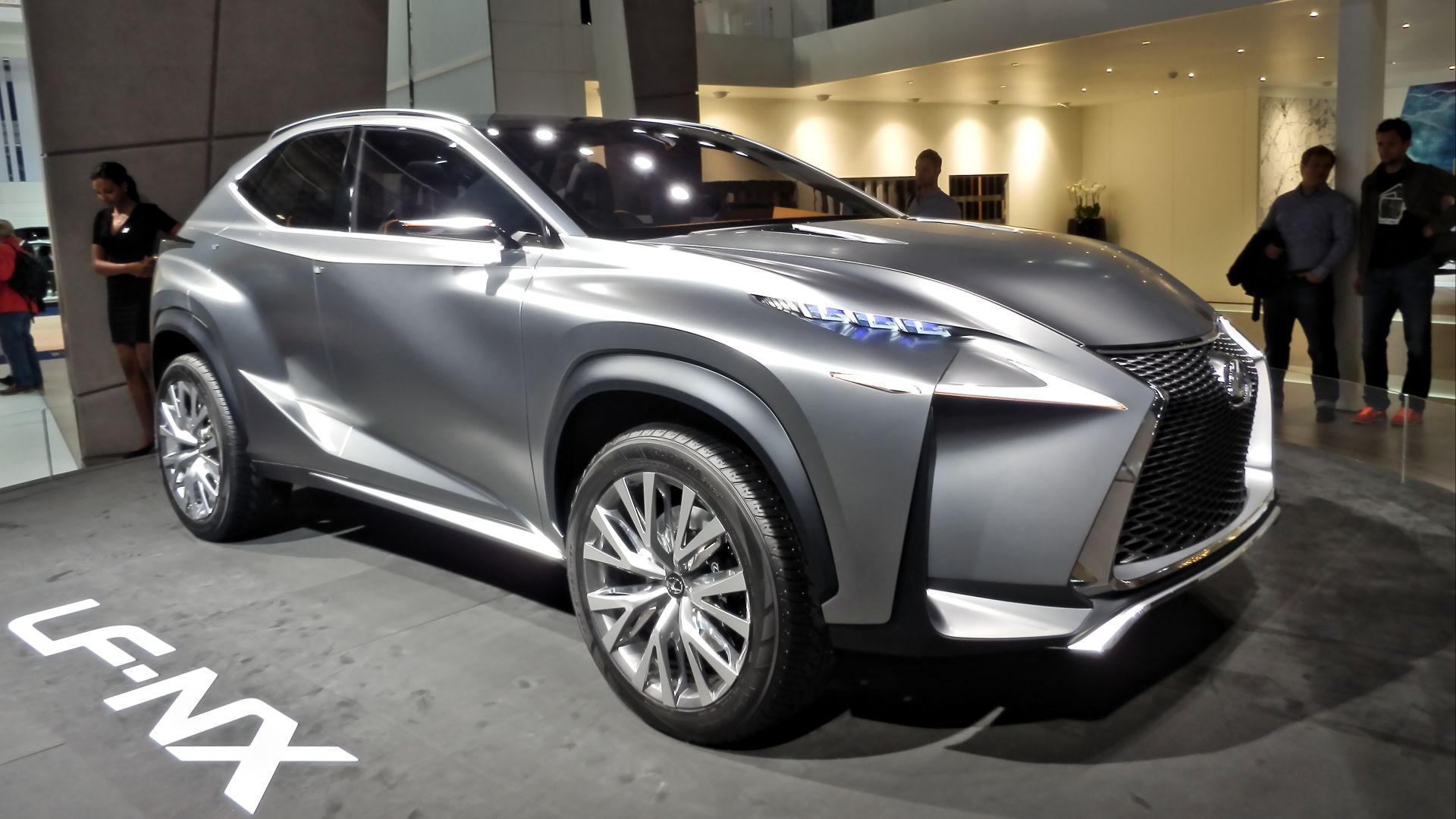
9. First-Generation NX
Sales numbers were strong, but reviewers consistently criticized the cramped rear seats and a CVT that hesitated under normal acceleration. It looked sharp in photos and felt less convincing in person, especially next to rivals in the same price range. Popularity and quality turned out to be two very different scorecards here.
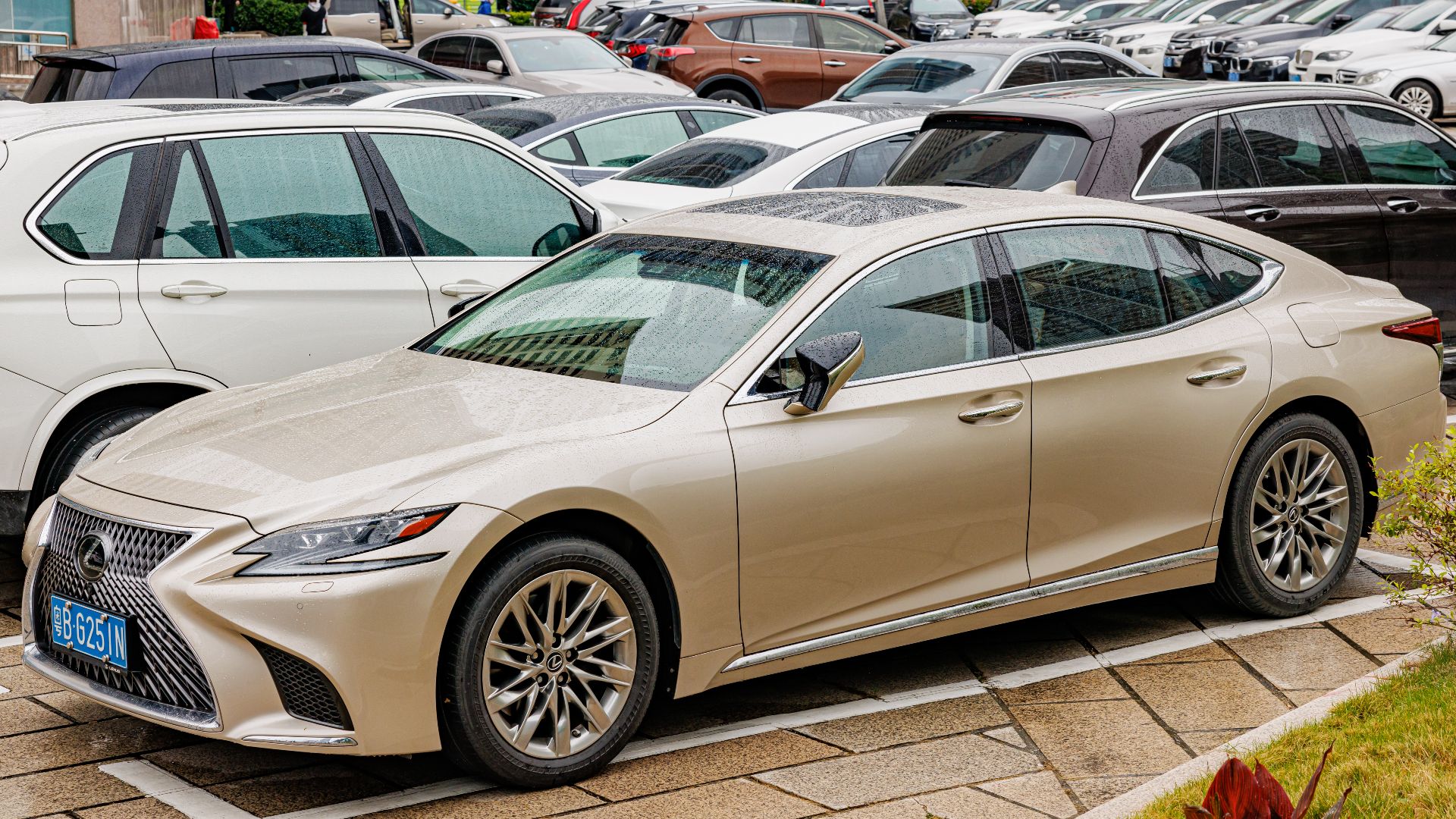
10. Fourth-Generation LS
By the end of its production run, the LS had fallen behind German rivals in cabin technology and driving refinement, even as its price crept upward. Reviewers who once considered it a genuine alternative to an S-Class started recommending the competition instead. The badge that once defined effortless luxury started to feel like it was coasting on reputation instead of earning it.