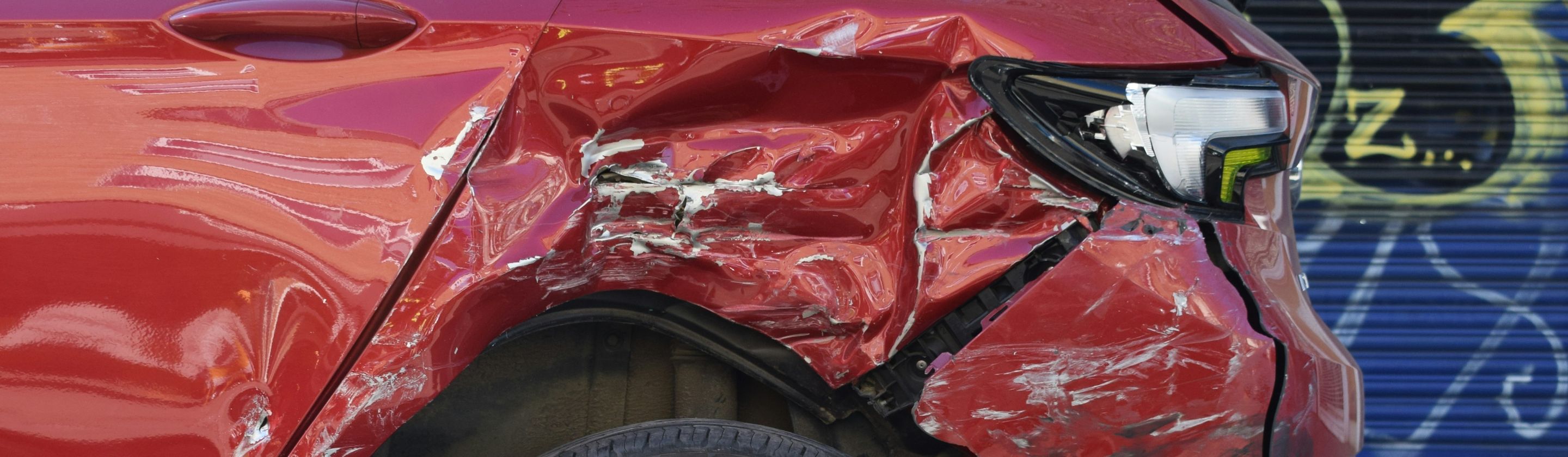
When thinking about the most enduring mysteries of the twentieth century, the mind might wander toward secret societies or missing aviators, but one of the strangest puzzles actually took place on a lonely stretch of New Hampshire road. On the evening of February 9, 2004, a young nursing student named Maura Murray packed her car and left her university campus for reasons that still remain a total mystery today. Her journey ended abruptly when her Saturn sedan spun out and struck a snowbank along Route 112, leaving behind a scene that looked like a routine accident but quickly turned into something much more chilling.
Witnesses saw a woman at the vehicle and even offered to call for help, but she insisted she had already contacted roadside assistance, which turned out to be untrue. Within a span of less than ten minutes between the last witness sighting and the arrival of local police, Maura vanished into the frigid winter night without leaving a single footprint in the fresh snow. This isn't just a story about a fender bender; it's a deep dive into a disappearance that has baffled amateur sleuths and professional investigators for over two decades. Every piece of evidence in this case seems to point in a different direction, making it one of the ultimate cold cases of the digital age.
The Scene Of The Vanishing
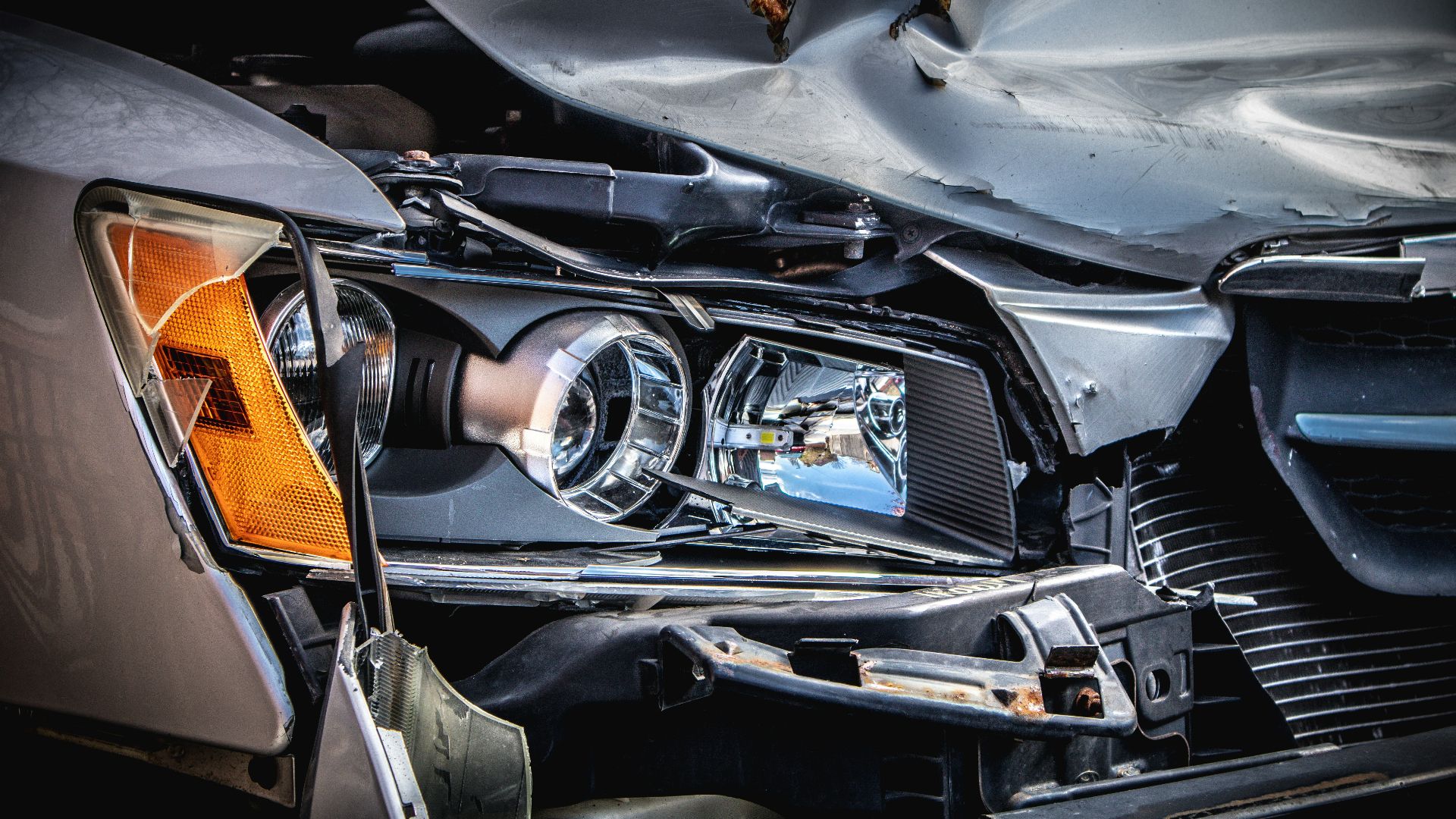 Clark Van Der Beken on Unsplash
The actual crash site near Woodsville, New Hampshire, provides the first set of clues that simply don't seem to add up for anyone reviewing the files. When the responding officer arrived at the scene, he found the car locked and the driver gone, but he discovered a strange detail involving a rag stuffed into the tailpipe. Investigators have spent years debating whether this was a trick Maura learned from her father to hide engine smoke or if someone else had tampered with the vehicle to force a stall. The presence of the rag suggests a level of premeditation or outside interference that makes a simple "lost in the woods" theory much harder to accept.
The trunk also revealed an opened but still-sealed box of wine, along with remnants of spilled wine on both the ceiling of her car and the upholstery from the impact of the crash. She may have been intoxicated, but it raises the question of why there were no clear explanations for such a bizarre collection of items that resemble… school supplies. It seems unusual for someone running away to pack in such a disorganized way. After the crash, Maura closed the car door on the world.
What truly strengthens this theory are the brief moments surrounding her disappearance. A man who spoke with Maura hours before she vanished described her as shaky but seemingly okay and unharmed. Police arrived seven minutes later, and she was gone. There were no footprints heading into the nearby woods, and the road was not busy. How could someone be pulled into a vehicle that quickly, or how could she simply vanish without a trace?
A Trail Of Digital And Paper Crumbs
Maura left clues before she ever arrived at that curve in New Hampshire. Months before she moved out of her dorm room in Massachusetts, she boxed up all of her belongings and emailed her teachers to say she would be out of town for the week due to a family funeral. The family funeral did not exist. These details have led many to believe she may have been planning her disappearance. Whether the intent was permanent remains a point of ongoing debate. Her room was packed with military precision, not typical of someone taking a weekend trip to the mountains to clear their head.
Her computer search history showed that she looked up directions to the Berkshires and Burlington that afternoon. However, she never made it near either of those locations in the White Mountains. Did she take a wrong turn, change her mind at the last second, or deliberately mislead others? Did she know exactly where she was going, or was she driving until she ran out of gas or road? The uncertainty remains. What is known is that she appeared to be running from something. These clues create a mystery within a mystery.
Cell phone records from the days leading up to the crash also show a series of emotional phone calls that left her noticeably upset at her workplace. One specific call was so distressing that she had to be escorted back to her room, yet the identity of the caller and the content of the conversation remain one of the case's most closely guarded secrets. If her emotional state played a role in her actions, these calls are the closest thing available to a "why" for the entire ordeal. However, without knowing who was on the other end of the line, the digital trail ends at a brick wall that has not moved in over twenty years.