

When you pull up to the pump, the choice between regular and premium fuel can feel like a small but important decision. Premium gas usually costs more, and many drivers assume it automatically improves performance or protects the engine. In reality, the benefits depend heavily on the type of vehicle you drive and how its engine is designed. Without that context, it’s easy to misunderstand what premium fuel actually does. Many drivers end up paying more without fully understanding why. Taking a closer look at how fuel works can help clear up that confusion.
The key difference comes down to octane rating, which measures a fuel’s ability to resist premature combustion inside the engine. Higher octane fuel doesn’t contain more energy, but it burns more predictably under pressure. This distinction is often overlooked, leading to confusion about when premium fuel is necessary. Understanding how it works can help you make smarter and more cost-effective choices. It also helps prevent unnecessary spending over time. Knowing the basics can make fueling decisions much more straightforward.
How Octane Affects Engine Performance
Premium fuel has a higher octane rating, which helps prevent a condition known as engine knocking. Knocking occurs when fuel ignites too early in the combustion cycle, creating uneven pressure inside the engine. This can reduce efficiency and, over time, potentially cause damage. Higher octane fuel resists this early ignition, allowing the engine to run more smoothly. This smoother operation can be especially noticeable in performance-focused vehicles. It also helps maintain consistent engine behavior under load.
In engines that are specifically designed for high compression, this resistance is essential. These engines rely on precise timing and pressure to deliver optimal performance. Using lower-octane fuel in such systems can lead to reduced power and efficiency. In some cases, the vehicle’s computer will adjust performance to compensate, which can limit output. This adjustment is meant to protect the engine from damage. However, it often results in a less responsive driving experience.
However, if your car is built for regular fuel, it is already designed to handle lower octane without knocking. In those cases, switching to premium won’t improve horsepower or fuel economy. The engine simply won’t take advantage of the higher octane level. This means the extra cost doesn’t translate into meaningful benefits for most everyday vehicles. Many drivers are surprised to learn there is no added performance. In most cases, sticking with regular fuel is the more practical choice.
When Premium Fuel Is Actually Necessary
Some vehicles are specifically engineered to require or strongly recommend premium fuel. These are often high-performance or luxury models with turbocharged or high-compression engines. In these cases, using premium fuel helps maintain the intended performance and efficiency. Ignoring this recommendation can result in reduced power or long-term wear. It may also affect how smoothly the engine operates over time. Following recommendations helps preserve the intended driving experience.
Manufacturers typically indicate fuel requirements in the owner’s manual or near the fuel cap. If premium is listed as “required,” it’s important to follow that guidance. If it is listed as “recommended,” the vehicle can usually run on regular fuel, but may not perform at its best.
Modern engines often include sensors that adjust timing to prevent damage when lower-octane fuel is used. While this protects the engine, it can lead to decreased acceleration and efficiency. Over time, consistently using lower-grade fuel in a premium-required engine may contribute to buildup or reduced performance.
Why Premium Fuel Doesn’t Clean or Boost Every Engine
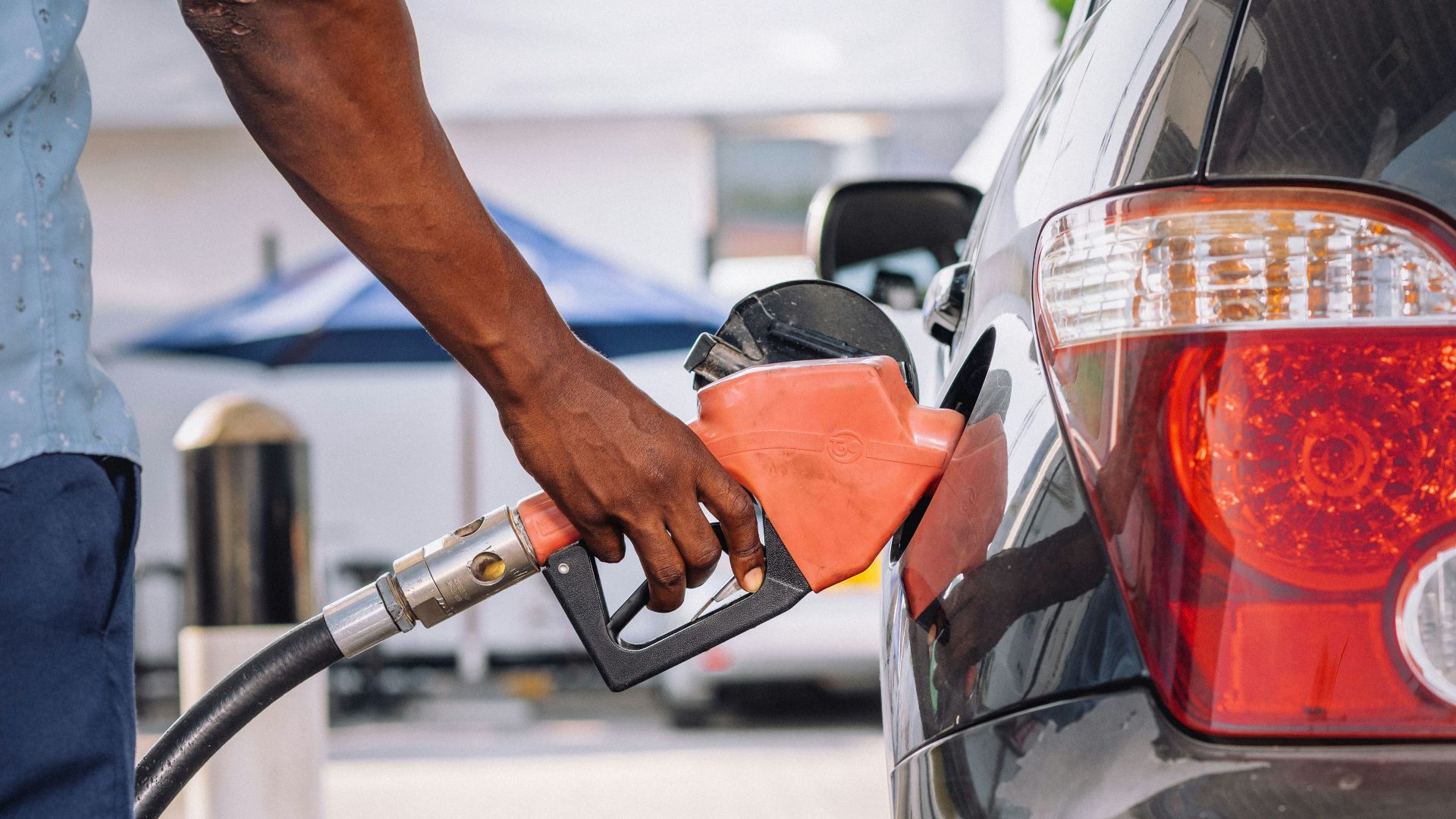
A common belief is that premium fuel cleans your engine better than regular gas. In reality, both regular and premium fuels in many regions contain similar detergent additives required by regulations. These additives help prevent deposits and keep fuel systems functioning properly. The difference between fuel grades is not primarily about cleanliness.
Another misconception is that premium fuel automatically improves fuel economy. Since premium does not contain more energy than regular gasoline, it does not inherently increase mileage. Any improvement would only occur in engines designed to take advantage of higher octane. For most vehicles, the difference is negligible or nonexistent.
It’s also important to understand that using premium fuel won’t fix underlying engine issues. Problems like rough idling or reduced performance are usually tied to maintenance or mechanical concerns. Relying on higher-octane fuel as a solution can delay proper diagnosis. Regular servicing remains the most effective way to keep your vehicle running well.
Premium fuel serves a specific purpose, but it isn’t a universal upgrade for every car. When used in the right engine, it helps maintain performance and efficiency under demanding conditions. In other cases, it simply adds cost without delivering measurable benefits. Knowing what your vehicle actually needs allows you to make practical decisions at the pump.