There is a specific kind of helplessness that arrives the moment someone else takes the wheel. You can see the road perfectly well. You understand what a following distance is. You know the car in the adjacent lane is drifting, roughly half a second before anything happens, and there is nothing you can do. The passenger seat strips away every mechanism you normally use to manage risk and replaces them with one option: trust the person next to you, or spend the journey quietly gripping the door handle and pretending you are not.
This is not irrational. It is one of the more honest situations modern life creates, because it maps almost exactly onto what trust requires everywhere else: the surrender of control to another person who may or may not have earned it.
The Control Problem Nobody Talks About
Psychologists use the term locus of control to describe how people understand agency over outcomes in their lives. The concept, developed by Julian B. Rotter in 1954, distinguishes between people who believe they shape their own outcomes and those who believe external forces largely determine what happens to them. People with a strong internal locus of control consistently struggle with situations where that agency is removed. The passenger seat is the most efficient machine ever built for temporarily erasing it. You have opinions. You have zero authority.
A 2022 survey of 2,000 American adults found that 63% of people in relationships felt nervous when their partner was driving, and 60% kept their eye on the speedometer when someone else was behind the wheel. Half said they frequently wished the driver would slow down. This is not purely a safety calculation, though safety is genuinely at stake: research in the Chinese Journal of Traumatology found that front passenger mortality was higher than driver mortality among hospitalized crash victims. The anxiety has a rational substrate.
What makes it genuinely interesting is that the anxiety persists even when the driver is obviously competent and the road is clear. The physical danger is not the point. The point is the dependency itself, and the way it surfaces feelings most people spend significant energy avoiding.
What the Passenger Reveals About You
How you handle the passenger seat tells you something about how you handle trust more broadly. People who white-knuckle every interchange may not be bad at assessing risk. They may be perfectly accurate and simply unwilling to let another person be responsible for managing it. There is a difference between knowing someone is capable and being comfortable with the vulnerability that comes from depending on that capability. Research on trust and personality finds that neurotic individuals and those with a strong internal locus of control trust others less specifically to avoid vulnerability. The car makes that trade explicit.
The inverse is equally revealing. Some people are completely relaxed in the passenger seat regardless of the driver, which can look like trust but is sometimes closer to dissociation from danger. Studies on passenger comfort and anxiety show that physiological stress markers, including skin conductance and heart rate variability, rise significantly when passengers perceive a threat the driver doesn't appear to be addressing. The calm passenger who never flinches may simply have a higher threshold for the signal that something is wrong.
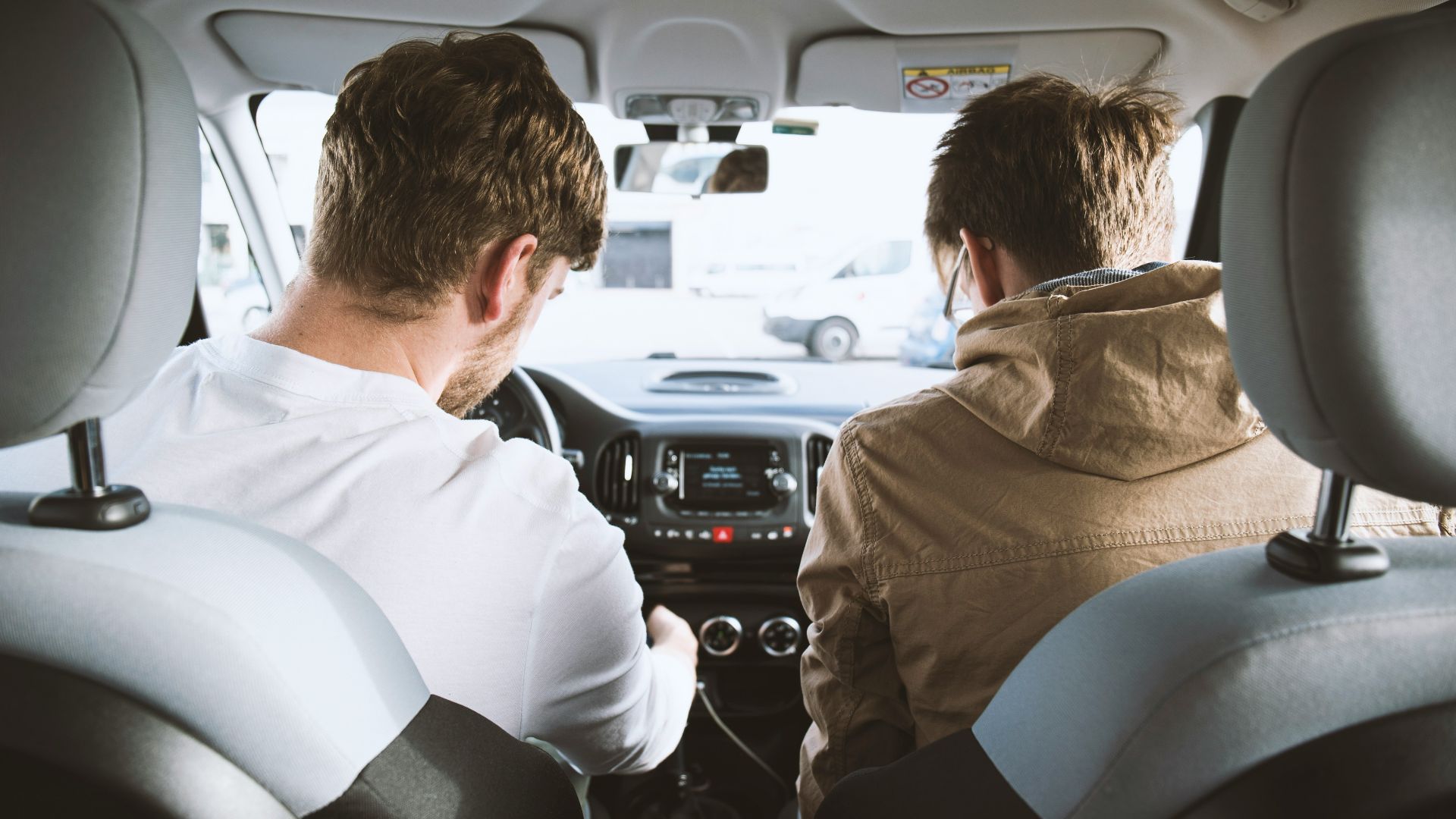
Relationships clarify this quickly. The first time you get in a car with someone new, you are running a calibration process. You clock their following distance, their phone use, their threshold for an acceptable gap in traffic, and how much they respond to your discomfort. A driver who slows down when you tense up is giving you information. So is a driver who tells you to relax.
Why This Particular Vulnerability Is Hard To Fake
Most social trust is gradual. You extend it carefully, in increasing increments, with frequent opportunities to reassess. The passenger seat collapses that process. From the moment the car moves, you are already fully committed to an ongoing bet on another person's judgment, with no graceful exit until the destination. This structural coercion is what makes it such a clean test.
Brené Brown, whose research on vulnerability at the University of Houston has reached a wide audience, has described trust as built in small moments rather than grand gestures. The passenger seat demands the opposite: a large, immediate act of trust while your body is generating real physiological stress. Research into passenger discomfort models has found that a lack of information about what the driver intends significantly increases anxiety, which mirrors what happens in any close relationship where one person withholds their reasoning. It is not the speed that is distressing. It is not knowing why.
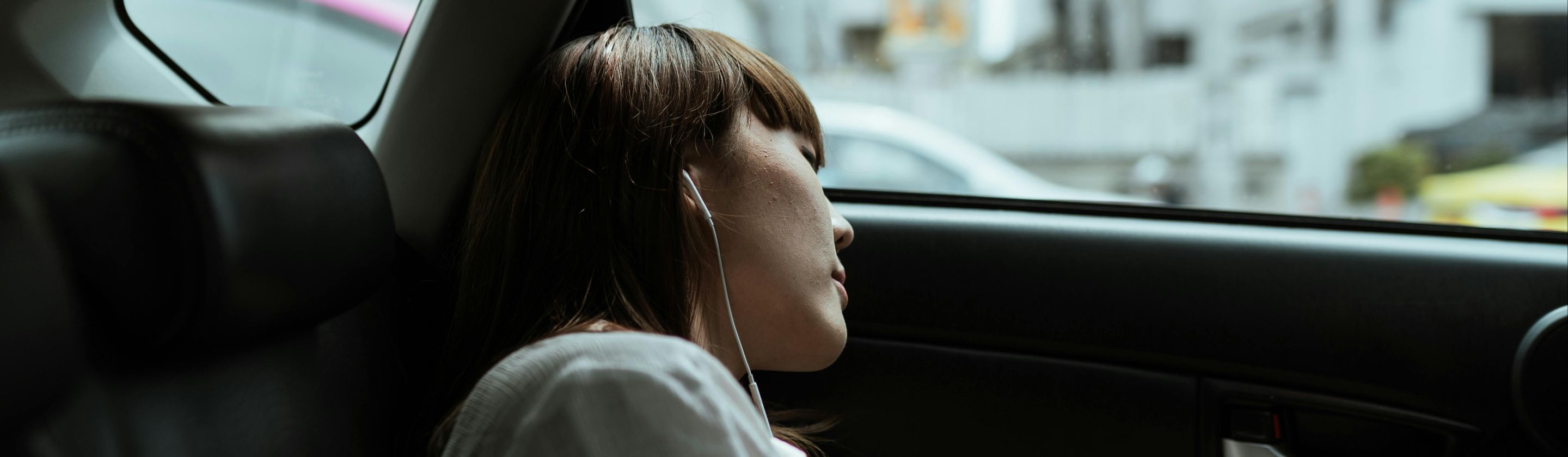
The philosopher Annette Baier described trust as making yourself vulnerable to another person in the expectation that they will not exploit that vulnerability. She was writing about relationships, but she could have been describing the moment you fold yourself into the passenger seat, click the belt, and decide to look out the window instead of at the road. You are betting that the person at the wheel is paying attention, will make good decisions, and will not be somewhere else when it counts. Most of the time they are fine, which is exactly what makes it trust and not certainty.