A Smaller Car Can Be The More Convenient Option
Large vehicles offer extra passenger room, cargo capacity, ground clearance, and crash protection, but those advantages aren't useful in every driving situation. Sometimes, a smaller car can be easier to drive, park, maneuver, and operate efficiently, especially in crowded environments. If most of your driving takes place in cities or tight garages or involves short errands or narrow roads, there are plenty of occasions where compact dimensions make everyday life simpler. Here are 20 driving situations where smaller cars win.
1. Parallel Parking on Busy Streets
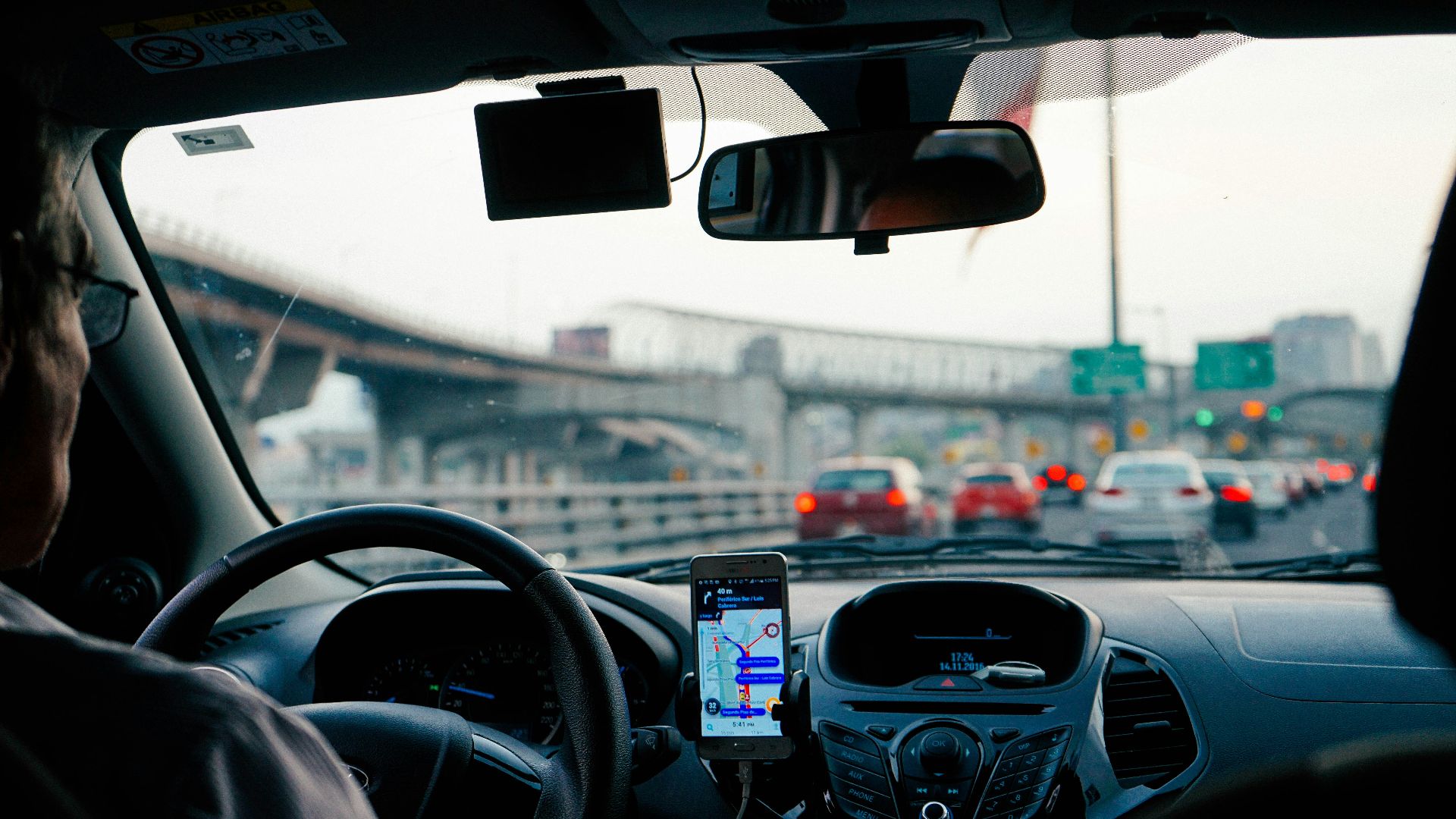
Parallel parking becomes less demanding when your car doesn't occupy the entire available space. A shorter vehicle provides more room to adjust your angle, straighten the wheels, and avoid bumpers. You'll also have a better chance of fitting into street spaces that drivers of longer sedans, pickups, and SUVs have to reject.
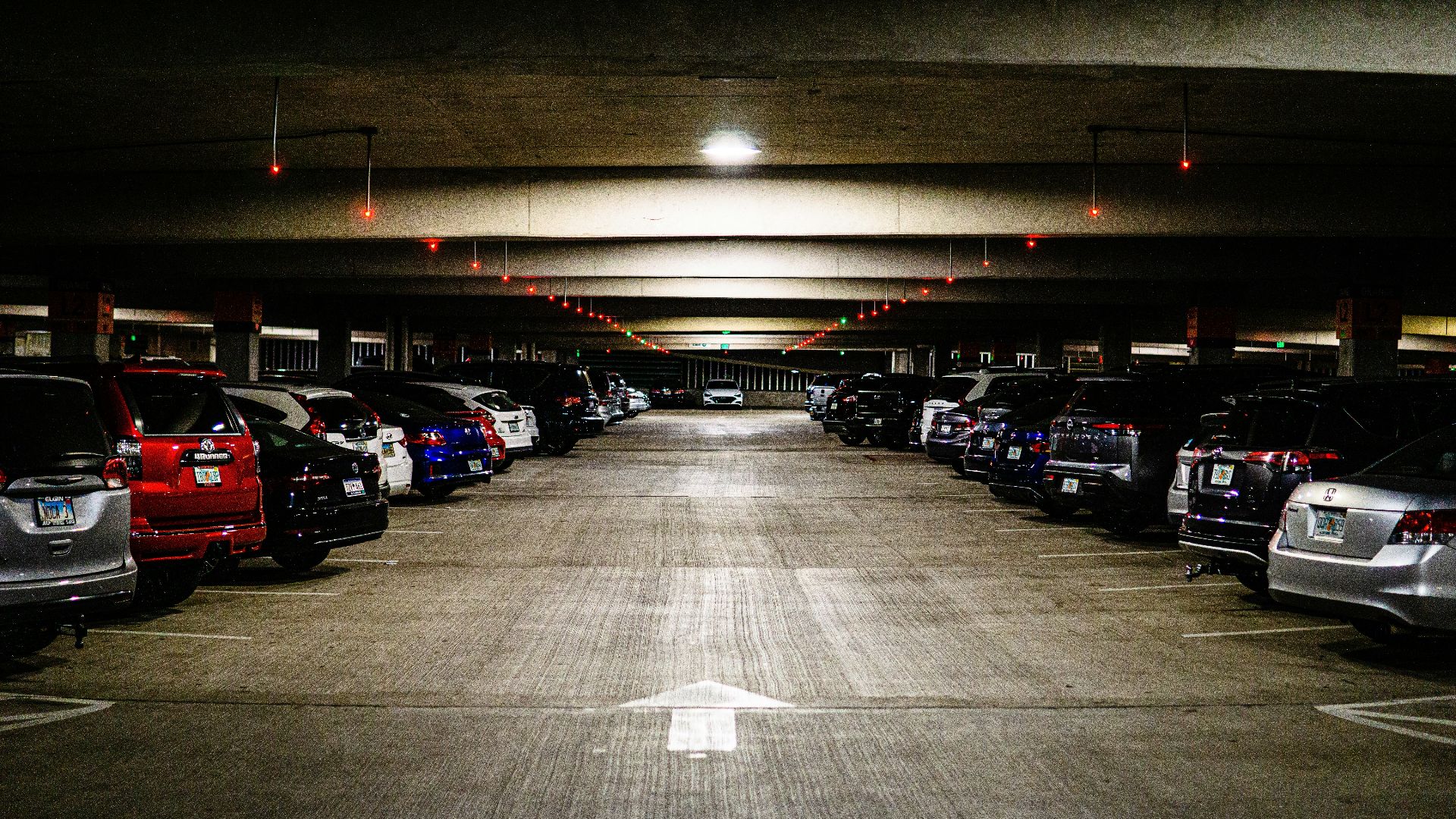
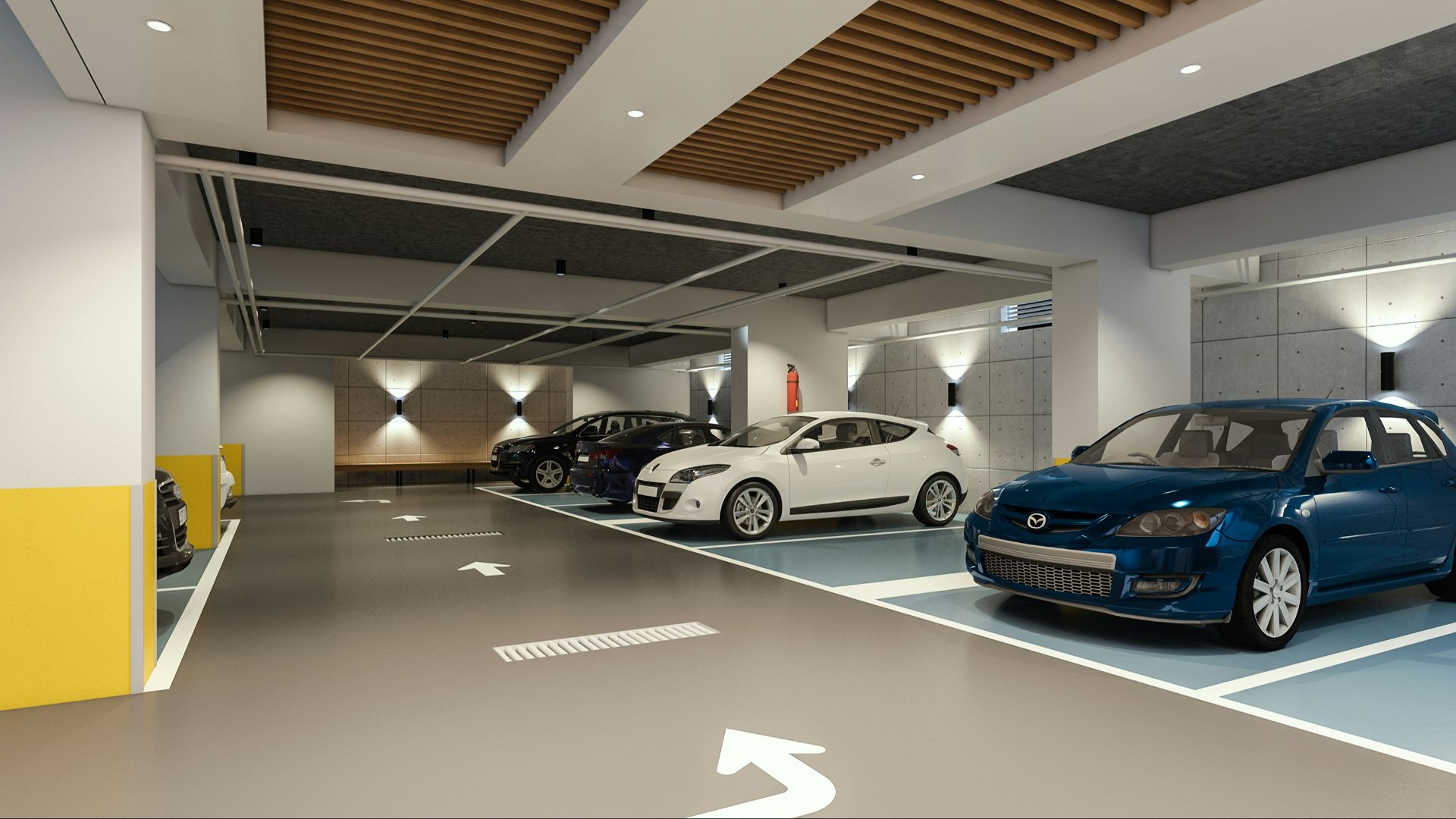
2. Navigating Tight Parking Garages
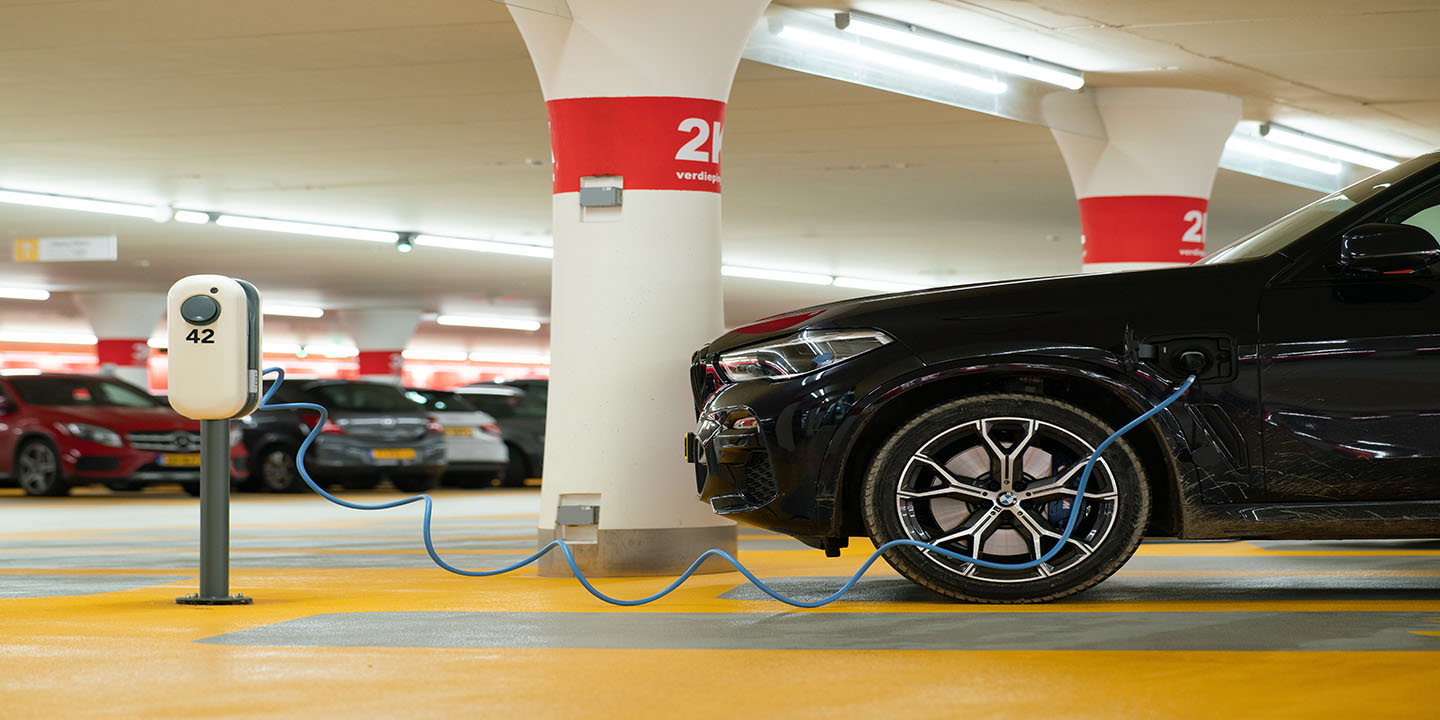
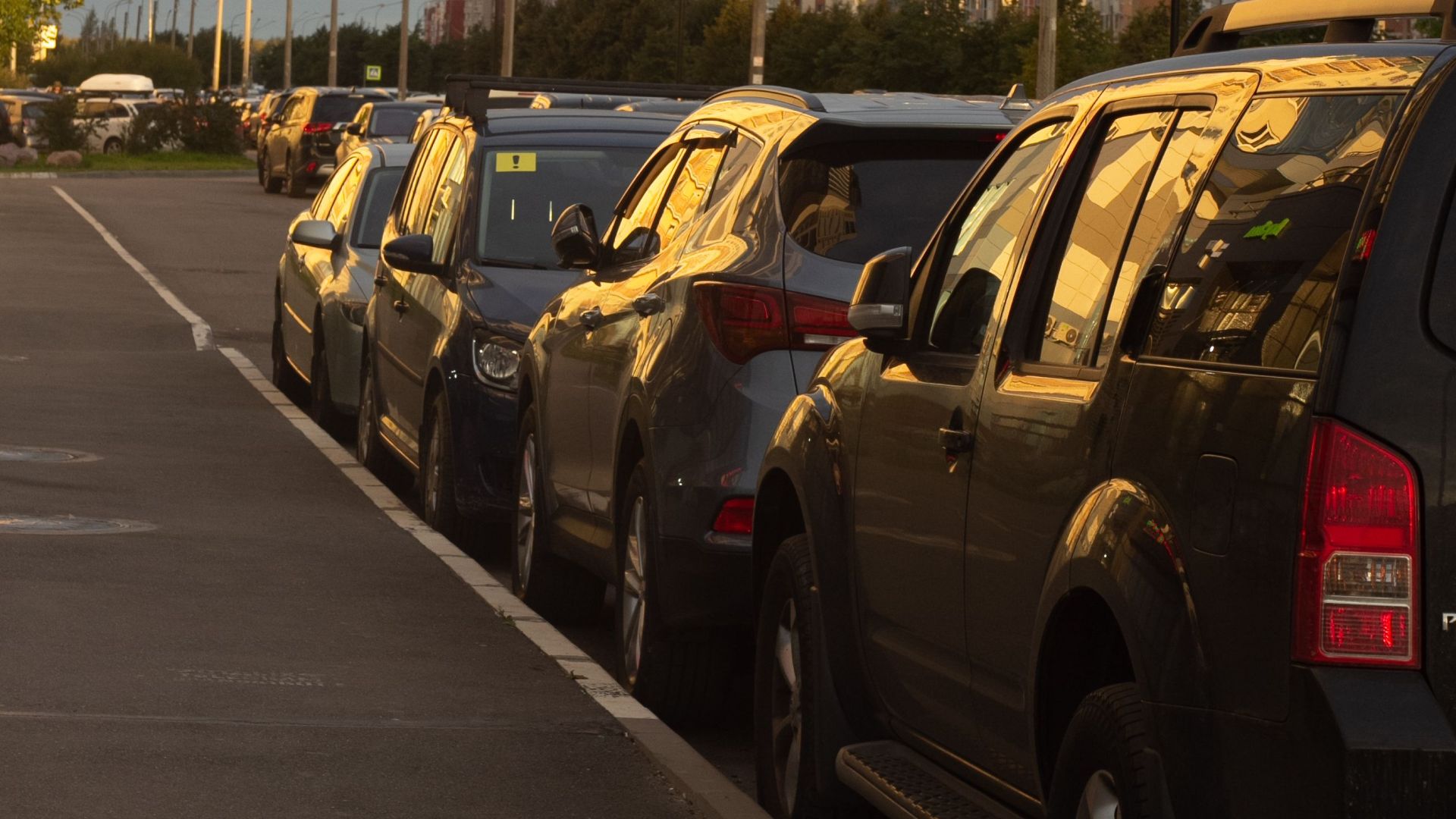
Older parking structures frequently contain narrow lanes, compact spaces, low ceilings, and concrete pillars positioned surprisingly close to traffic. Smaller cars require less room while turning through those confined areas and generally fit more comfortably between painted lines.
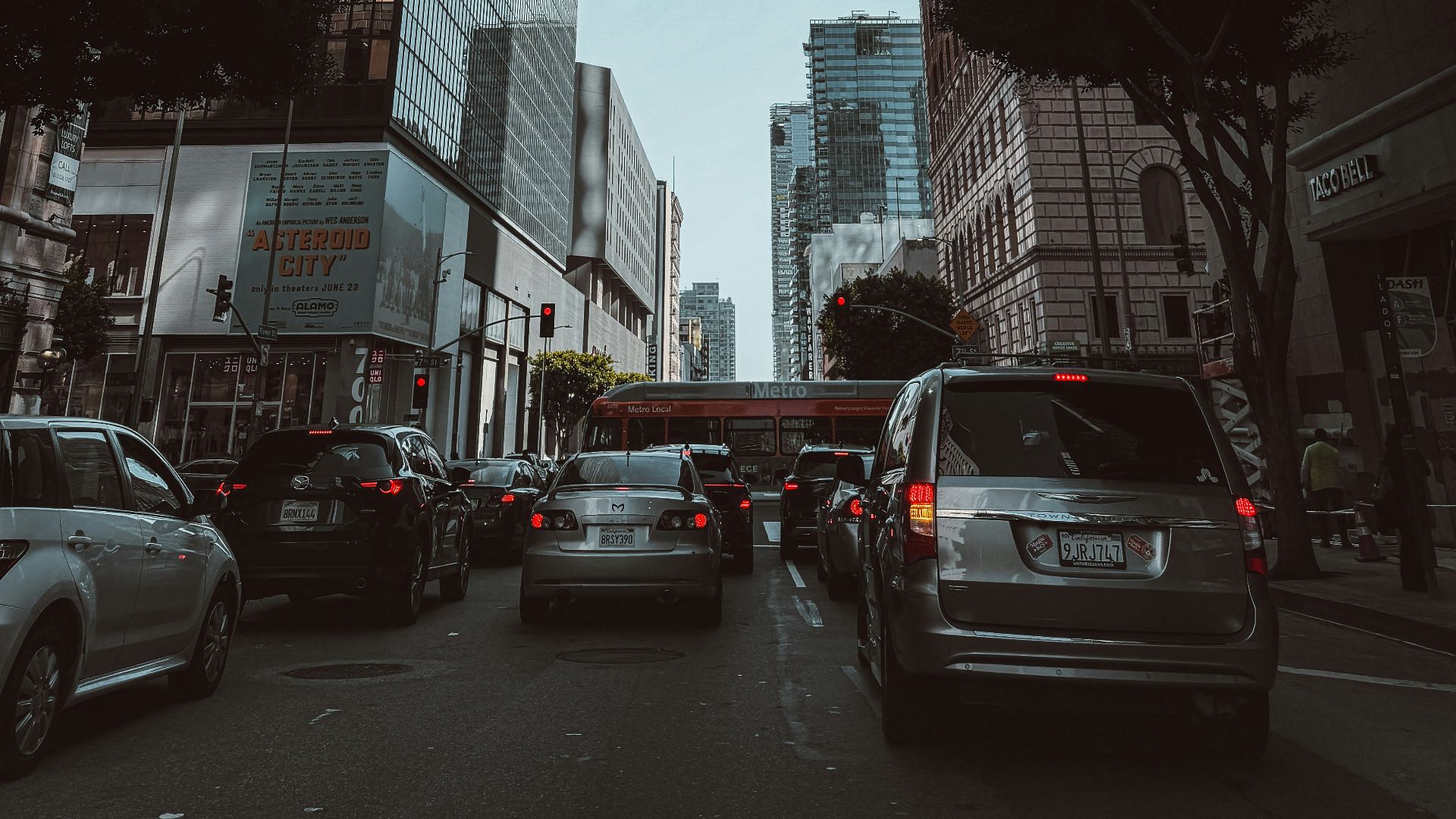
3. Driving Through Crowded Downtown Streets
Cities often combine narrow lanes with buses, cyclists, delivery vehicles, construction zones, and cars stopping along the curb. A compact vehicle takes up less roadway width, which can make staying comfortably inside your lane easier.
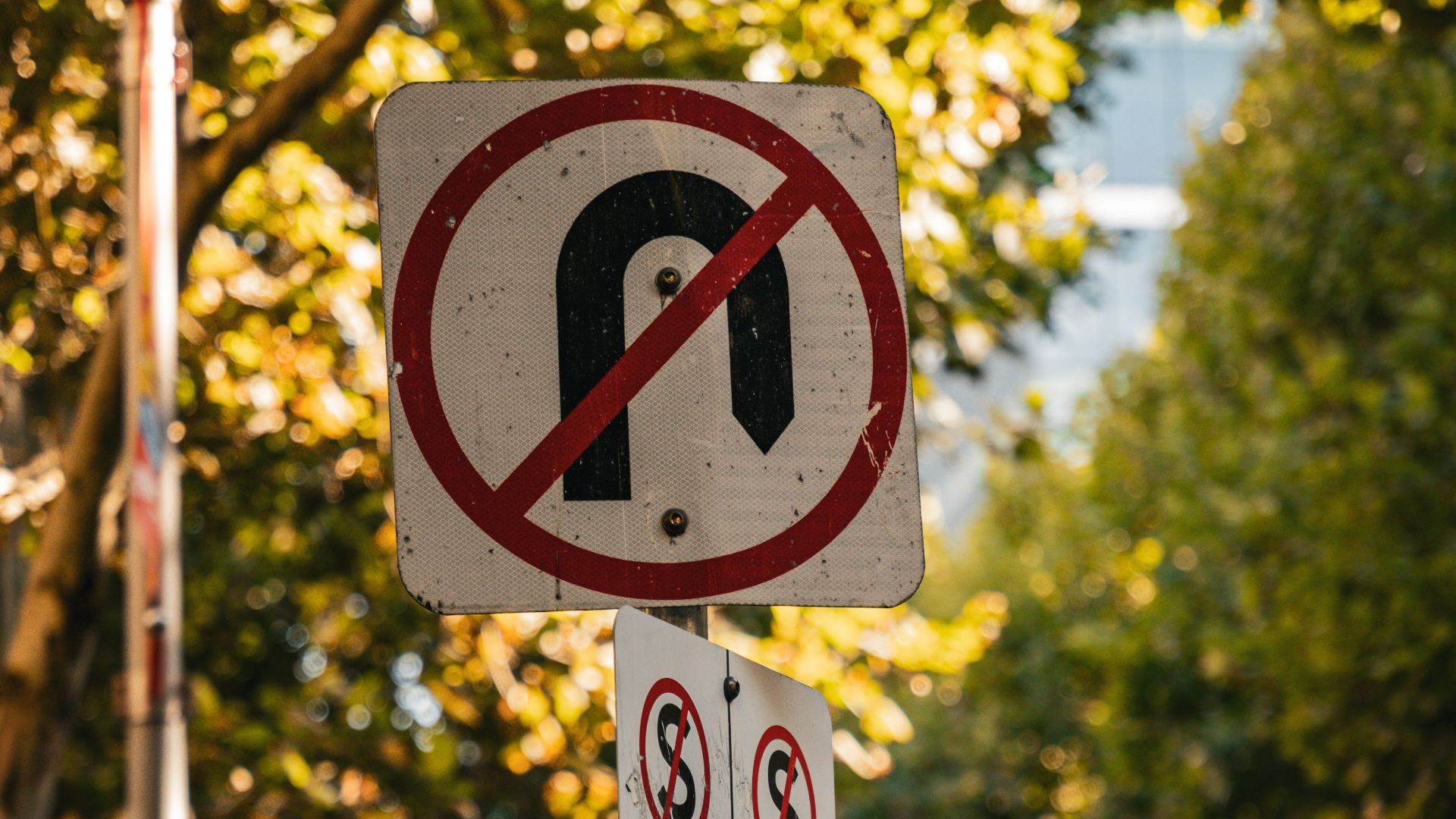
4. Making U-Turns in Limited Space
Vehicle turning abilities vary considerably by model, so size alone doesn't determine how sharply a car can turn. Still, many compact models combine shorter overall dimensions with maneuverability that works particularly well in confined spaces.
5. Using Older Residential Garages
Homes built decades ago weren't necessarily designed around today's wide SUVs and full-size pickups. A small hatchback or sedan can leave noticeably more space between the doors, walls, shelving, and garage entrance.
6. Squeezing Into Compact Parking Spaces
Some parking lots designate spaces specifically for compact vehicles because those spaces are shorter or narrower than standard ones. A genuinely small car can use them without tires touching the lines or bumpers extending dangerously into the aisle.
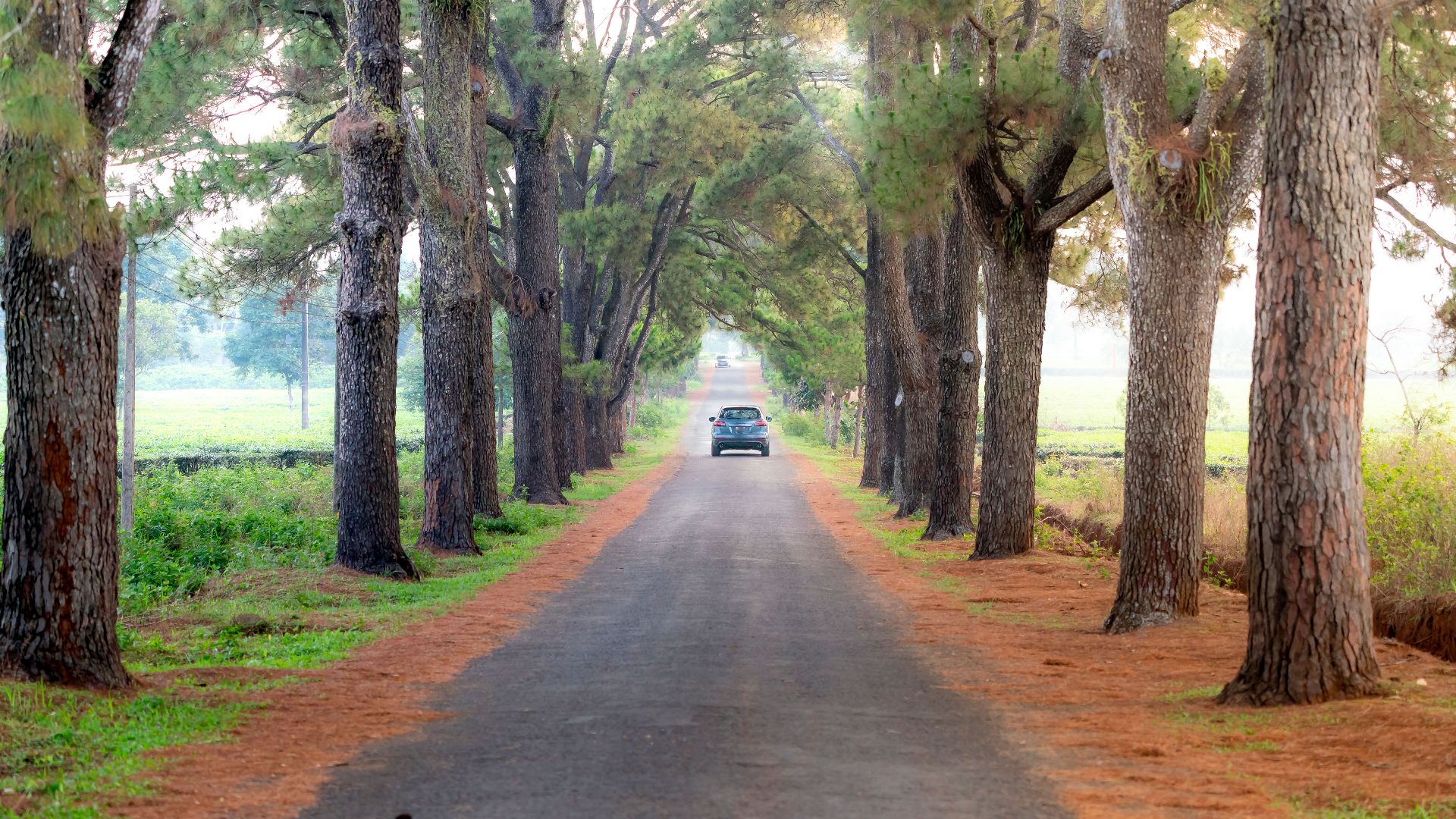
7. Driving on Narrow Country Roads
Two-way rural roads can become uncomfortable when lanes are narrow, and there isn't much shoulder available. A smaller vehicle leaves more lateral room between you and oncoming traffic, roadside barriers, or the edge of the pavement.
8. Handling One-Lane Urban Streets
Residential neighborhoods sometimes have legal parking along curbs, effectively turning an ordinary street into a narrow passage that's tough to navigate. Compact cars can move through these areas with more clearance from parked mirrors and approaching vehicles.

9. Paying Less Attention to Fuel Stops
Vehicle design, engine technology, driving style, and powertrain all affect fuel consumption, so a smaller car isn't automatically more efficient than a larger one. In general, however, reducing vehicle weight and size can contribute to better fuel economy.
 Jean-christophe Gougeon on Unsplash
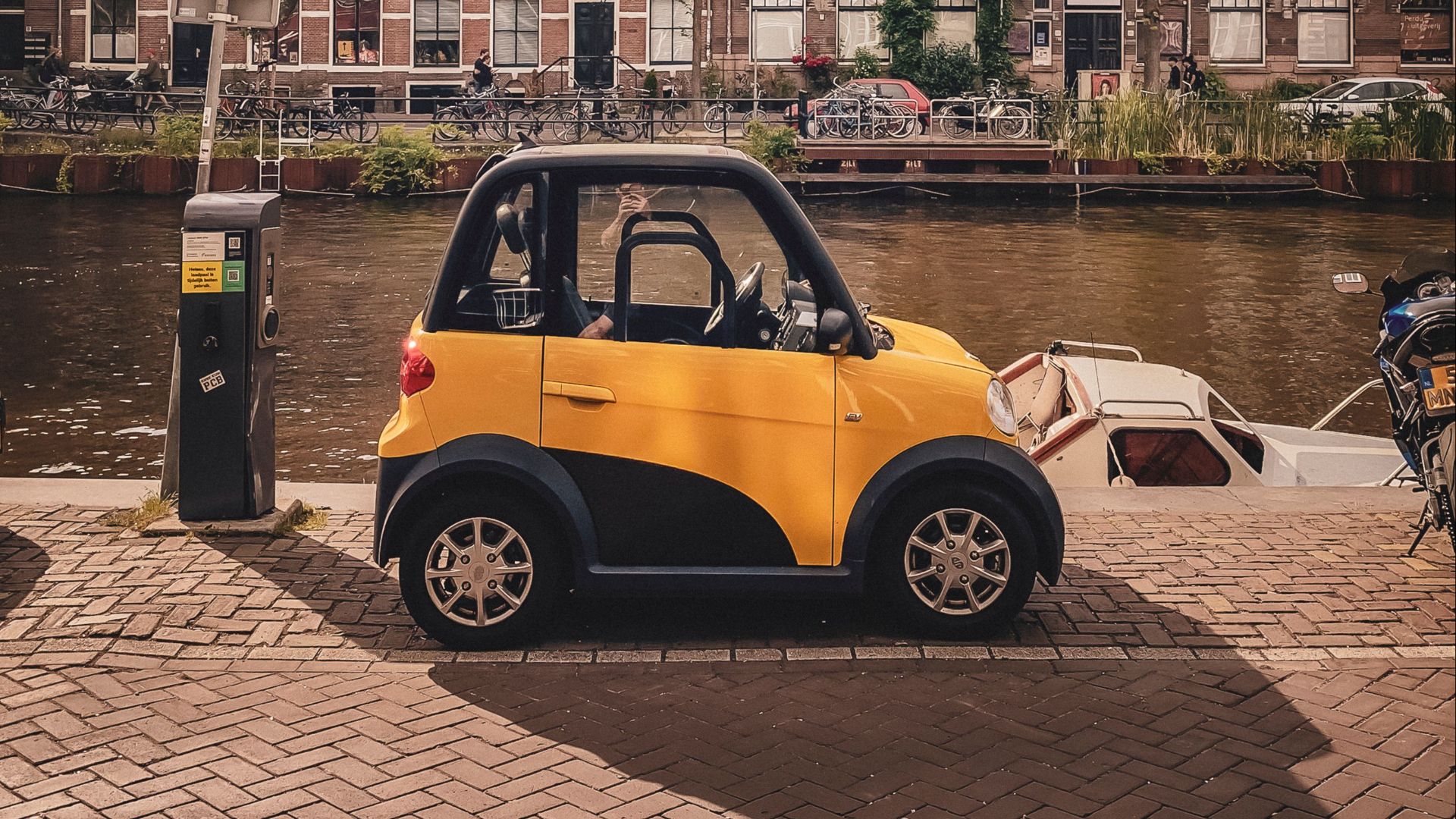
10. Running Short Urban Errands
If you're driving alone to pick up groceries, visit the pharmacy, or pick up takeout, three rows of seating probably aren't providing much benefit. A small car carries the essentials while remaining easy to maneuver through busy neighborhood streets.
 Vinicius A. Nascimento on Pexels
11. Parking Near Schools for Pickup
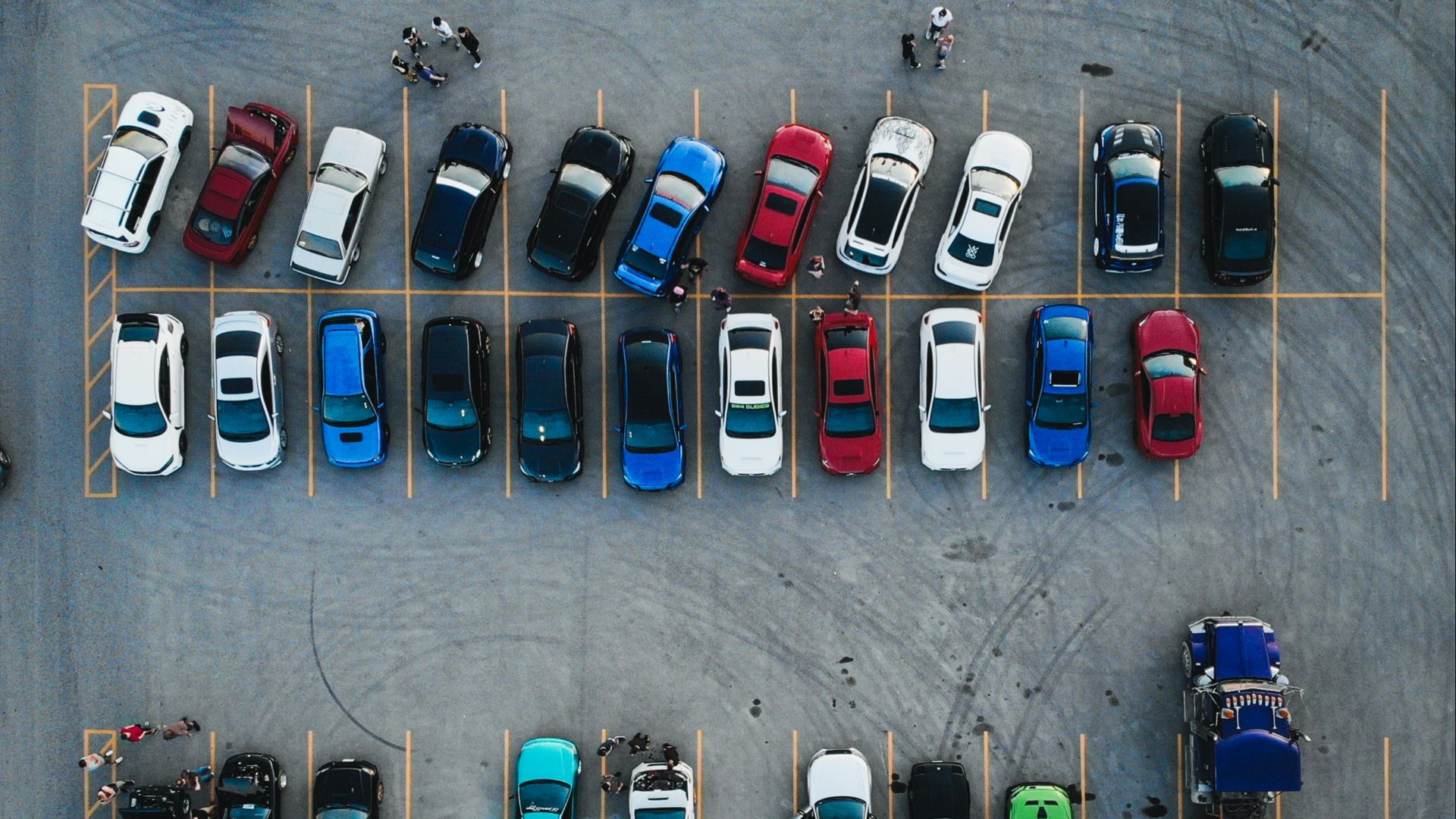
School streets can become exceptionally crowded when buses, parents, pedestrians, and cyclists all arrive within the same period. Compact dimensions make it easier to fit in parking spaces without double parking or circling the block.

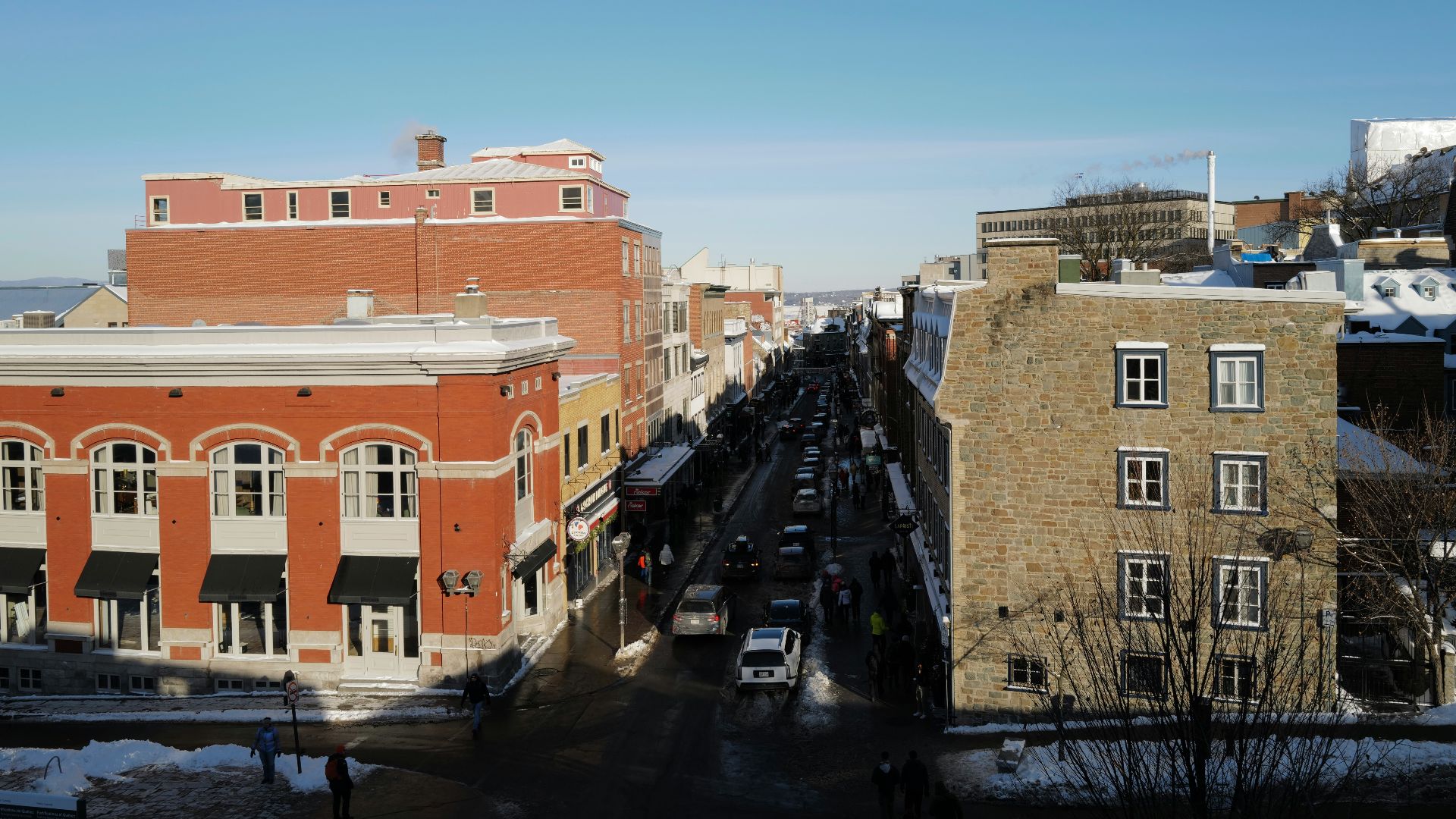
12. Traveling Through Historic Districts
Many historic streets were constructed long before anyone expected them to accommodate modern cars. Narrow lanes, close-set buildings, unusual intersections, and limited parking can therefore favor vehicles with modest dimensions.
13. Using Drive-Through Lanes
Fast-food restaurants, banks, pharmacies, and parking facilities sometimes route drivers through narrow lanes bounded by curbs or barriers. Long or wide vehicles can require careful positioning around sharper corners.

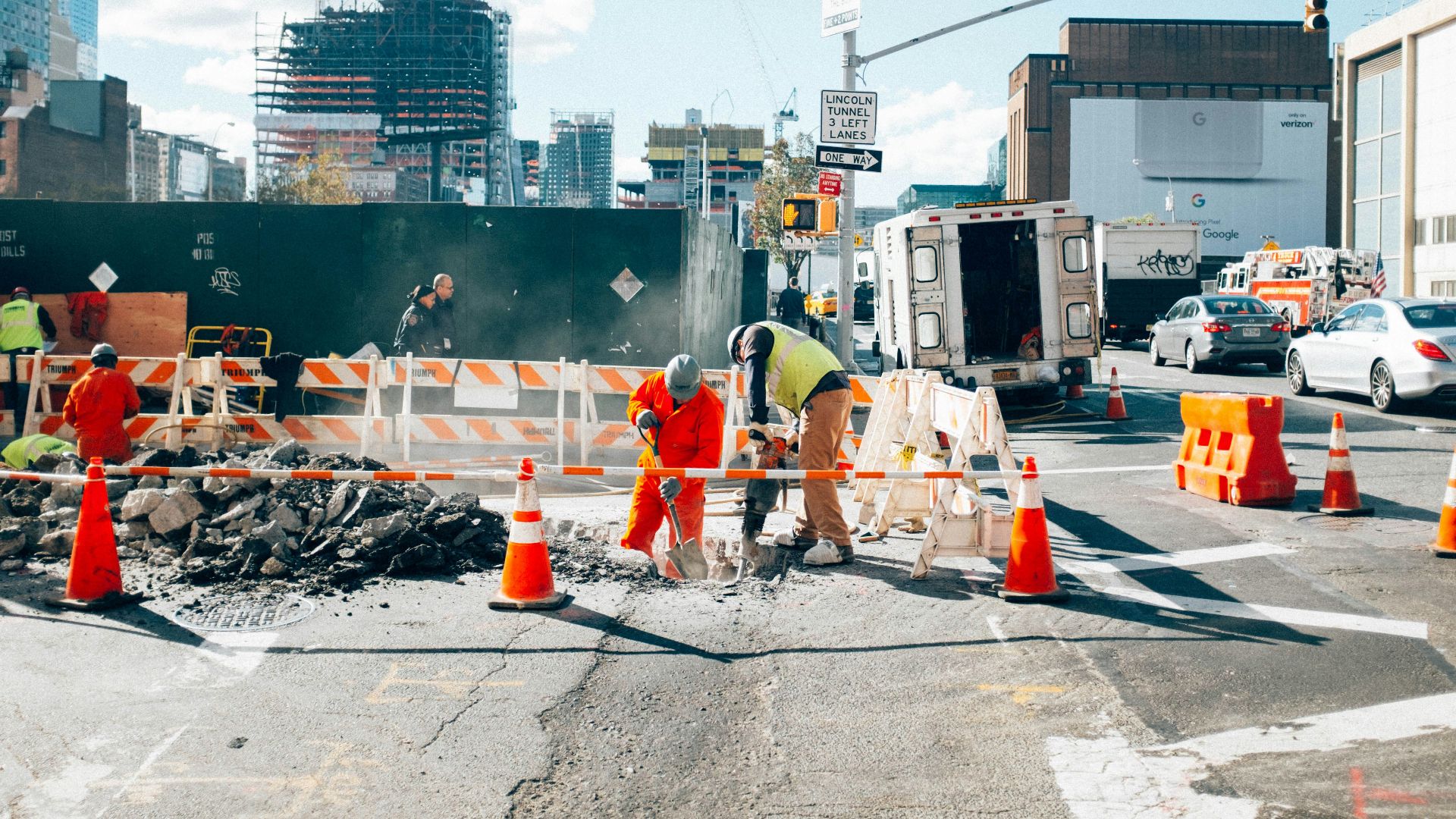
14. Maneuvering Around Road Construction
Construction zones can narrow lanes, shift traffic unexpectedly, and place barriers directly beside moving vehicles. A narrower car provides additional space within those constrained lanes, making it easier to maintain comfortable clearance.
 Nicolas J Leclercq on Unsplash
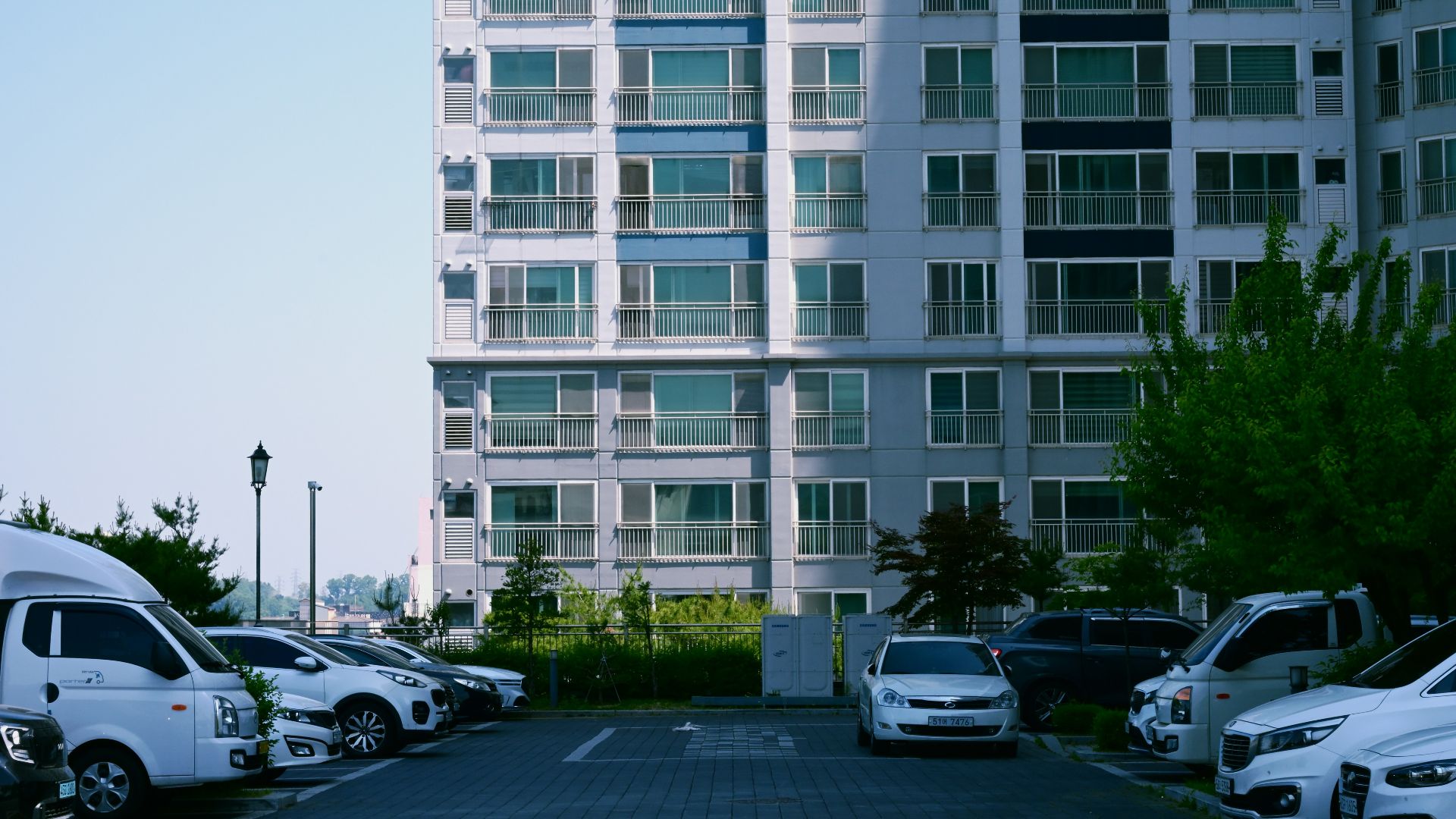
15. Parking in Apartment Complexes
Apartment parking lots often prioritize fitting as many spaces as possible into limited property, and individual spots may feel tight as a result. Smaller cars leave additional room for opening doors and walking between neighboring vehicles. That advantage becomes especially noticeable if the spaces beside yours are often occupied by large trucks or SUVs.
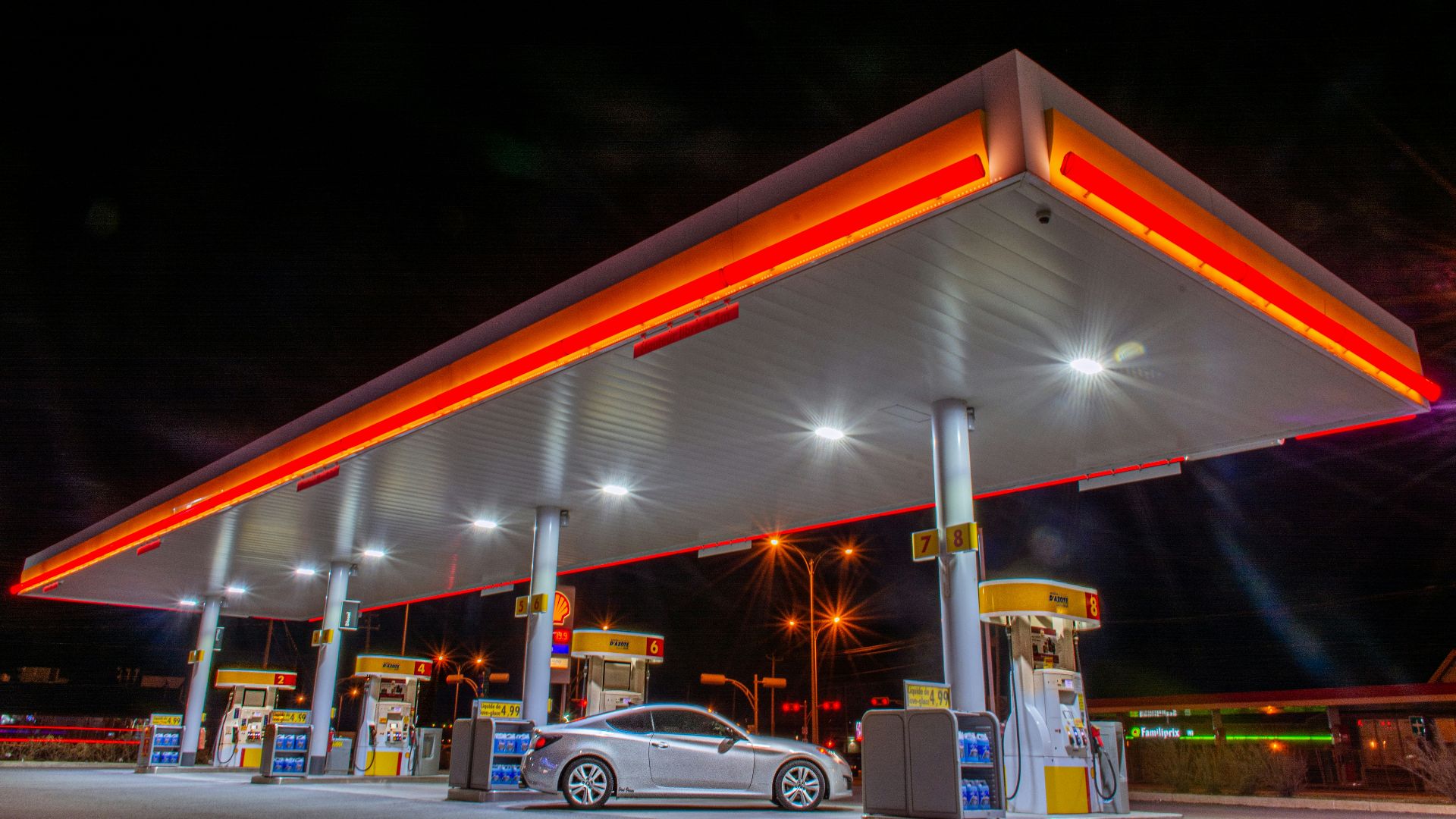
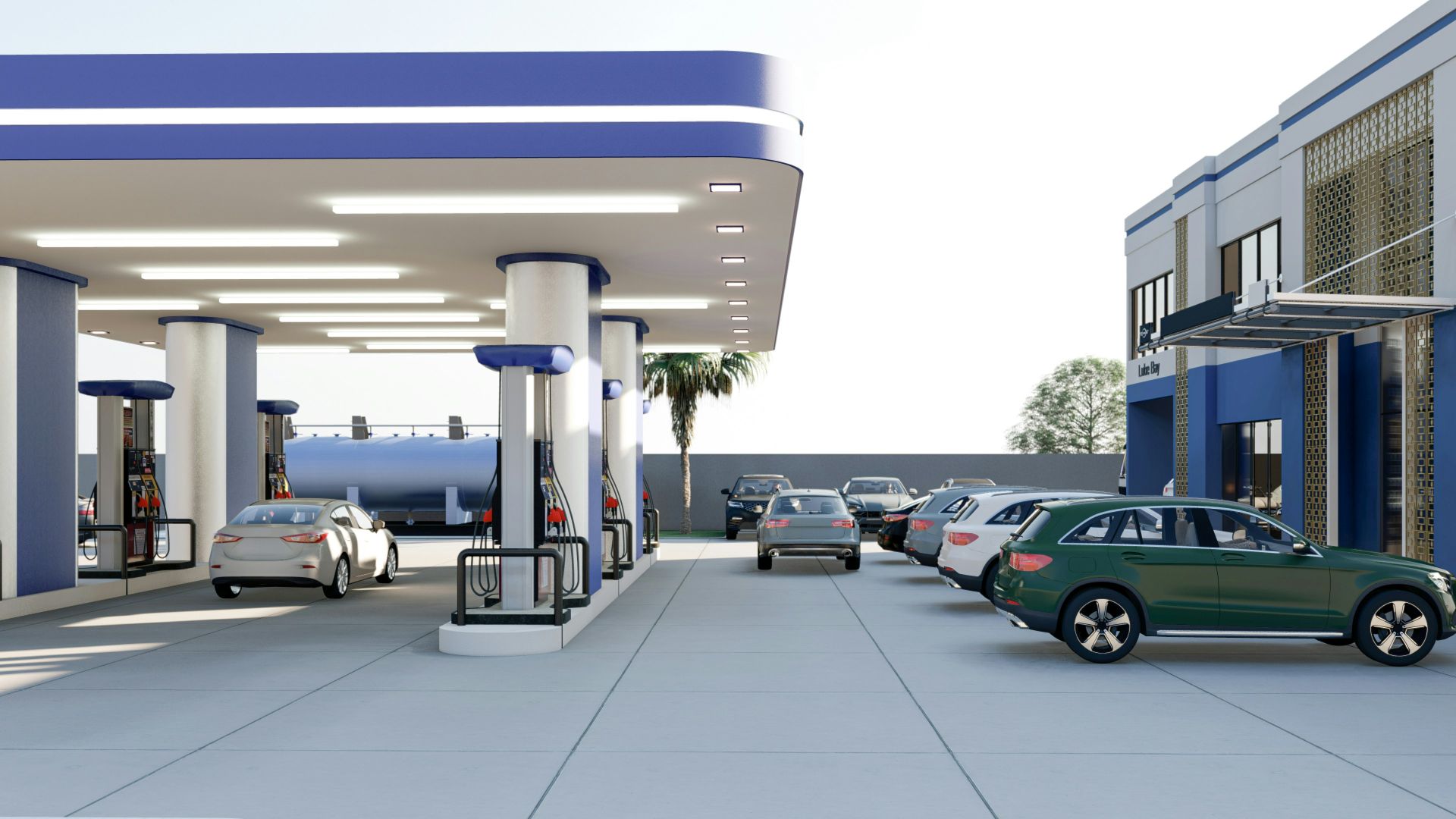
16. Dealing With Crowded Gas Stations
Busy fueling areas can become complicated when cars are approaching pumps from several directions and queues form behind occupied lanes. A smaller vehicle can be easier to position beside the pump without blocking another driver's route through the station.
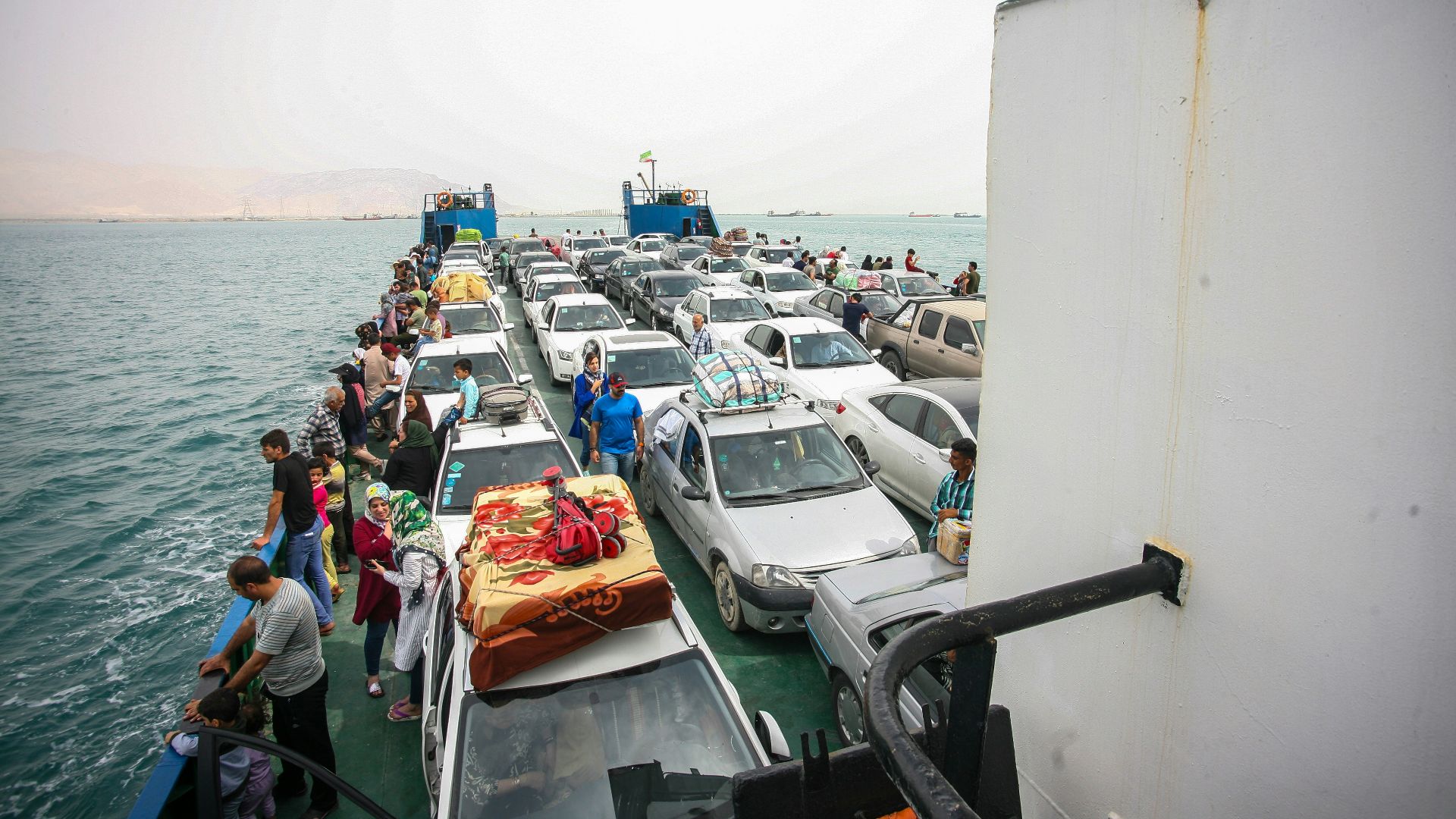
17. Taking Ferry or Vehicle Transport Trips
Some vehicle ferries, trains, and other transport services organize cars closely to use deck or loading space efficiently. Compact vehicles are simpler to position where lanes and gaps are limited, although actual fares and categories depend on the operator.
 Amirreza Tavassoli on Unsplash
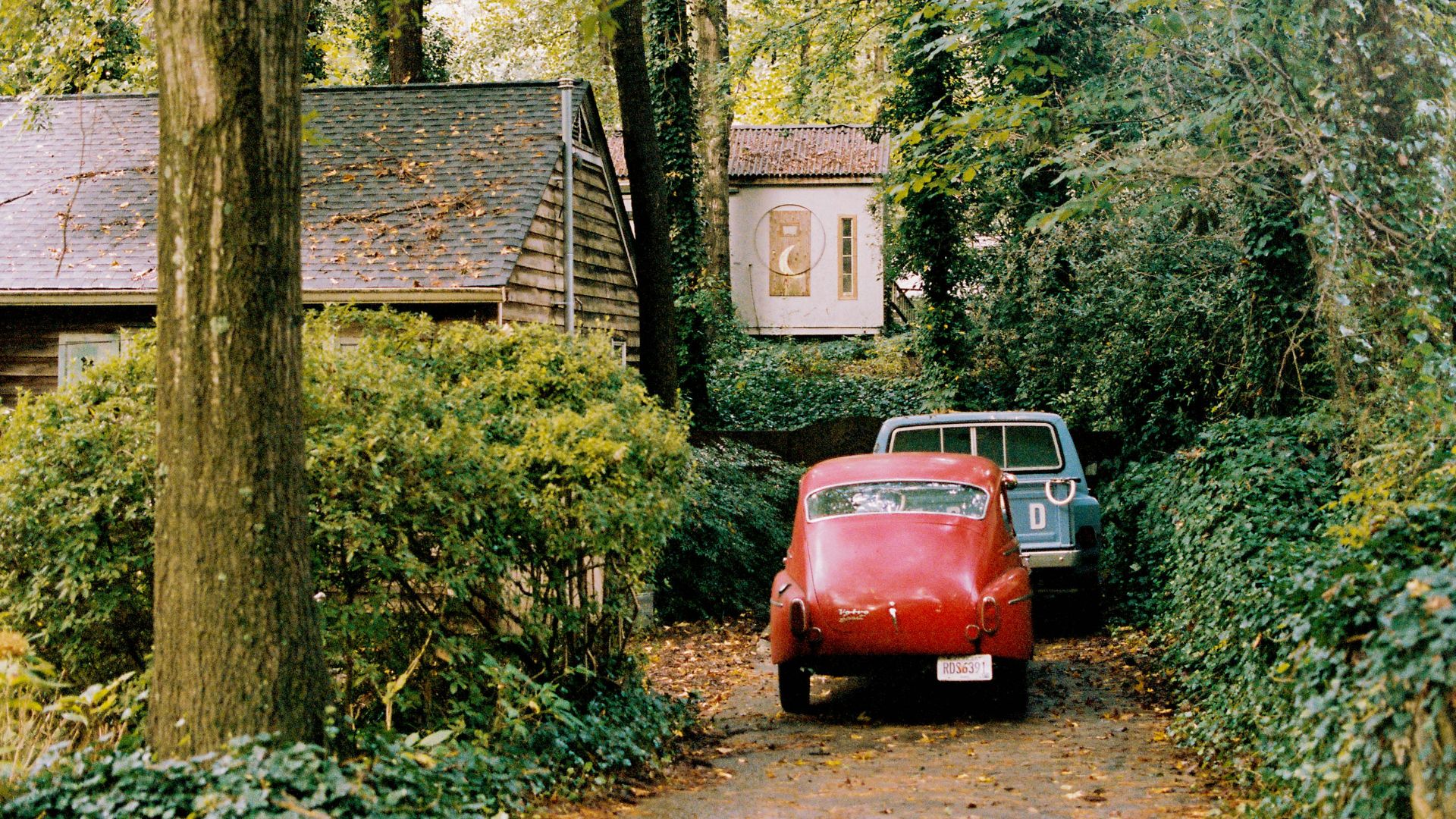
18. Sharing a Small Driveway
Households with more than one vehicle sometimes have to arrange them carefully so everyone can enter and leave without constant reshuffling. A compact car occupies less driveway space and can make those arrangements more flexible.
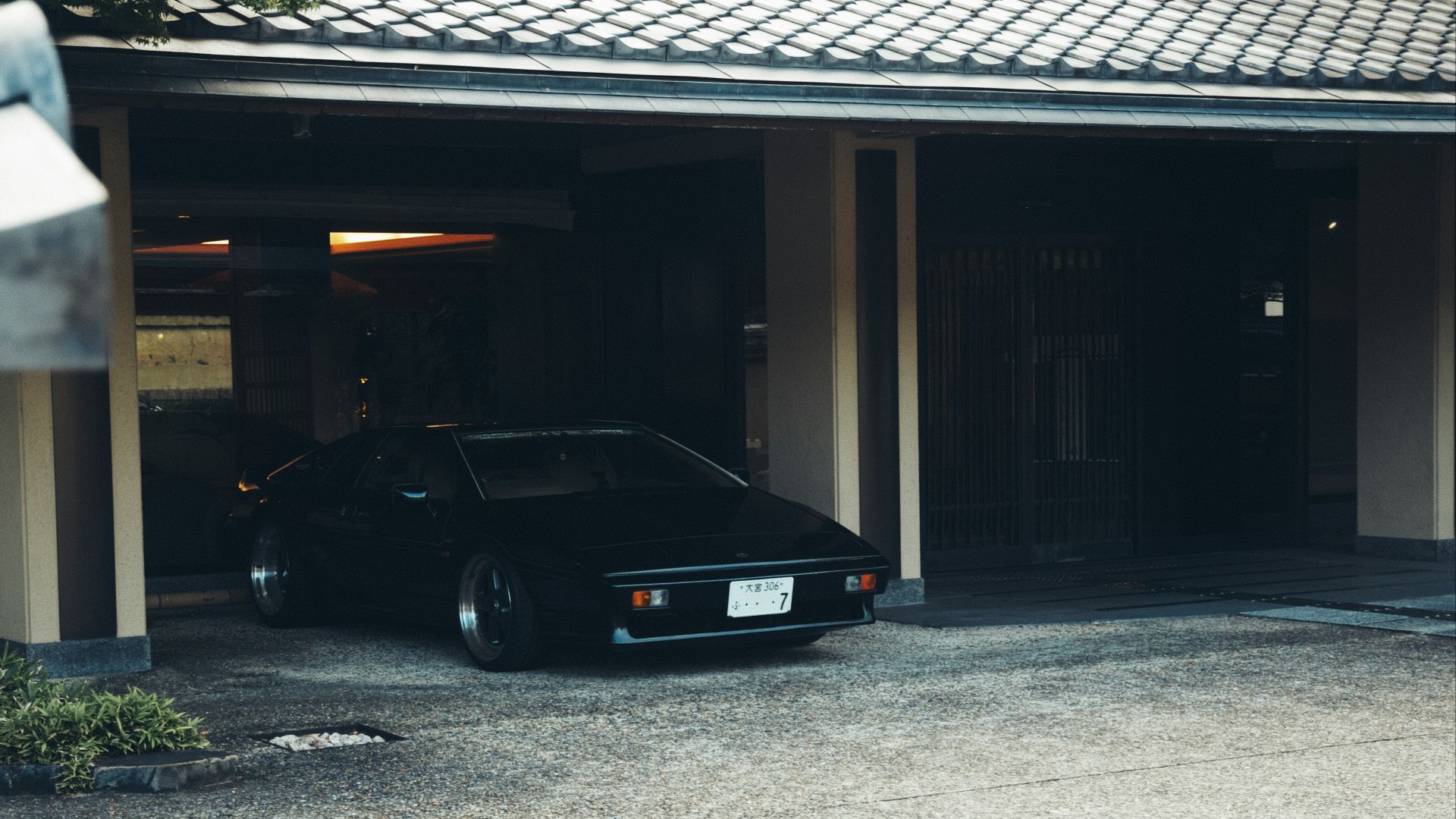
19. Driving Through Tight Hotel Entrances
Hotels in dense cities frequently have narrow entrances, underground garages, compact drop-off zones, or ramps designed around limited space. Maneuvering a large car, SUV, or truck through these areas can require considerable attention to pillars and tight corners.

20. Finding Parking During Major Events
Concerts, festivals, sporting events, and busy downtown weekends can leave drivers competing for limited parking. Smaller cars have an advantage because some usable spaces aren't long enough for bigger vehicles.