Small Company, Big Swings
American Motors Corporation never had the budget of Ford, GM, or Chrysler, and that shortage forced some genuinely strange decisions over the decades. Sometimes that meant real innovation, since a company with less to lose could take chances the Big Three wouldn't touch. Other times it meant slapping a new grille on an old platform and hoping nobody noticed. AMC's whole history is basically a tug-of-war between clever engineering and financial panic. Here's 10 AMCs that were ahead of their time, and 10 that were pure, undisguised desperation.
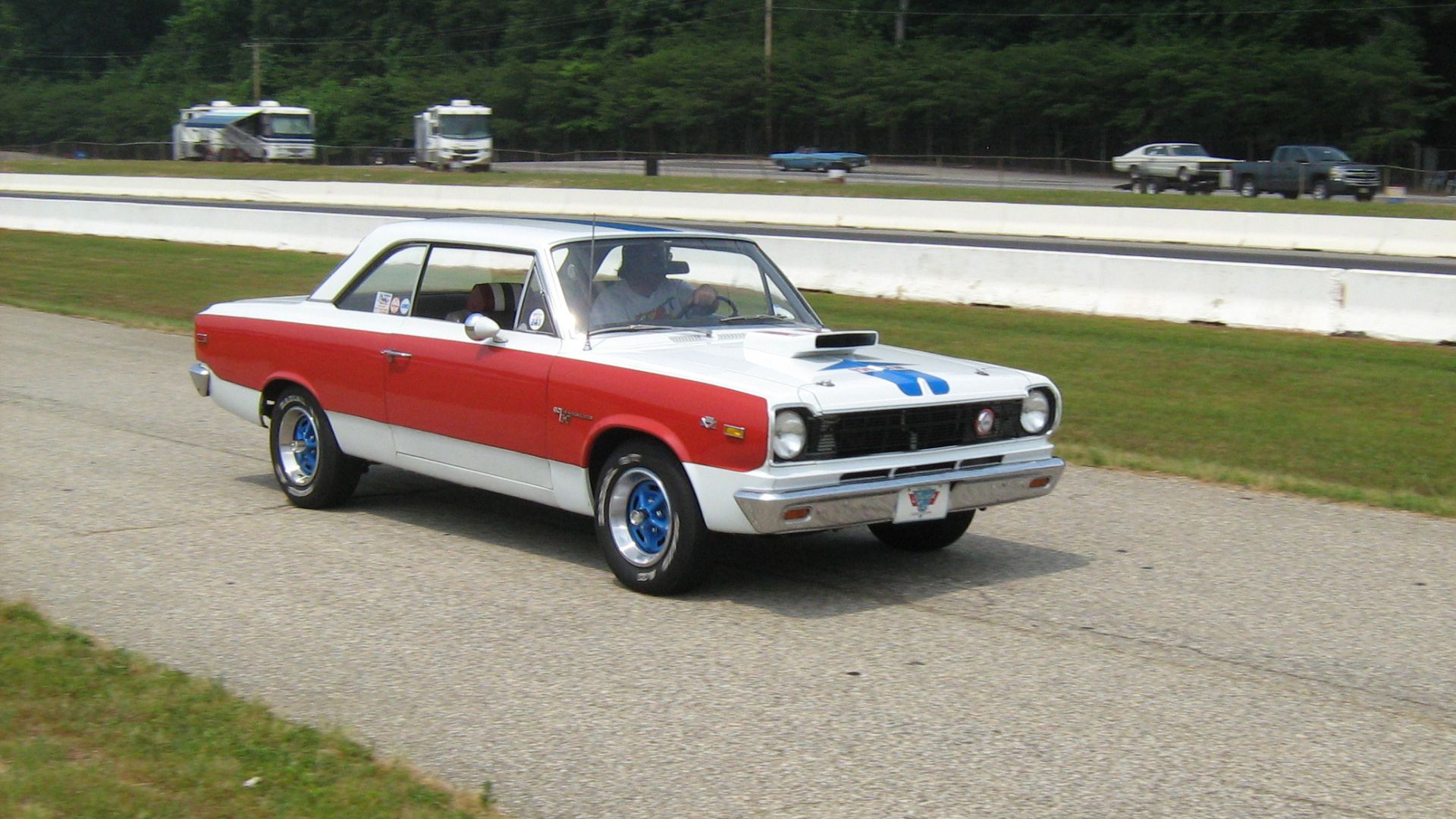
1. Rambler American
While Detroit chased tailfins and chrome in the late 1950s, AMC bet on the smaller, cheaper Rambler American instead. Rising gas prices and growing demand for practical cars proved that bet right, and the Big Three didn't field real compacts of their own until years later.
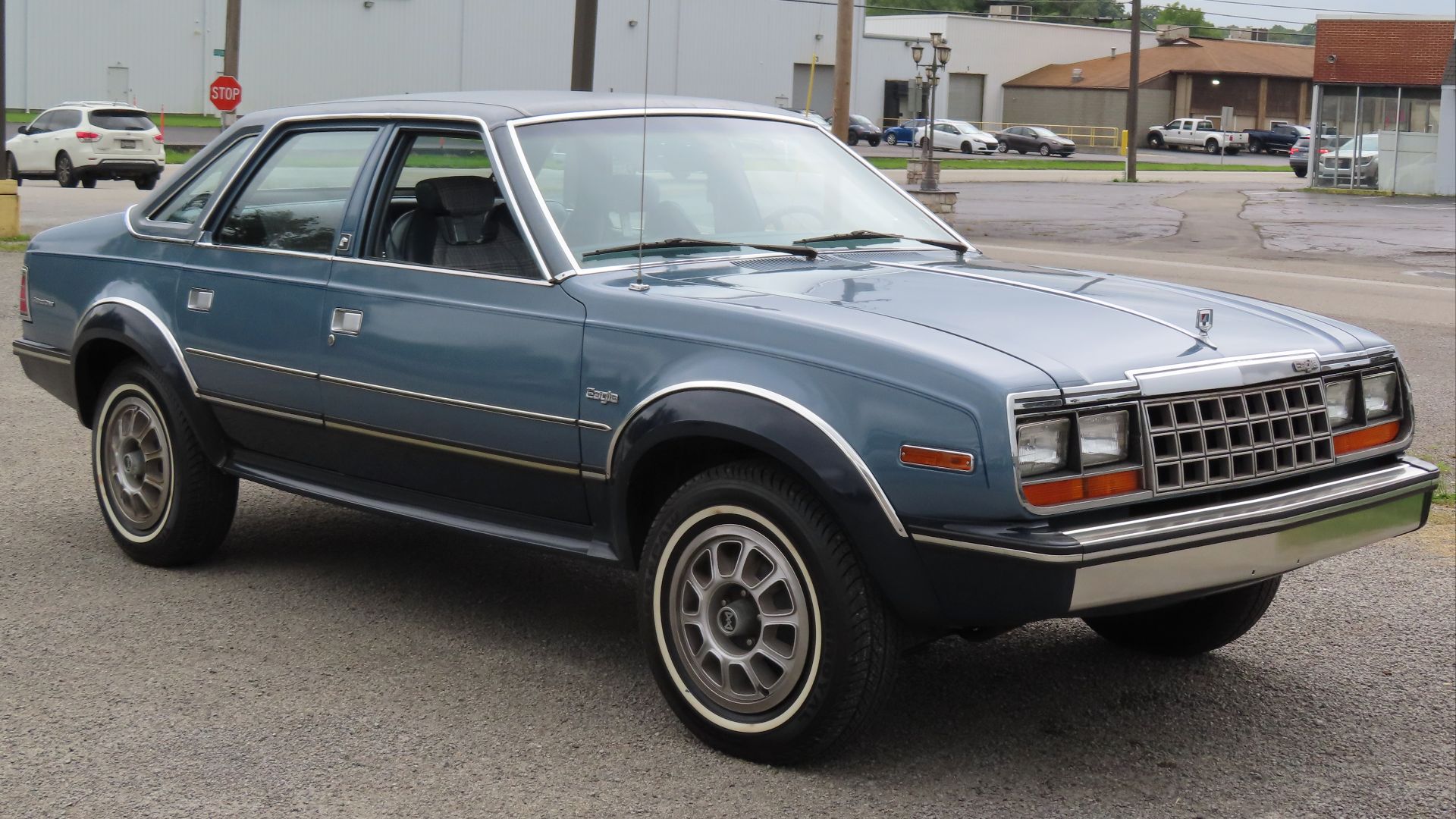
2. AMC Eagle
Released in 1980, the Eagle paired a raised suspension with permanent four-wheel drive in a car that otherwise drove like an ordinary sedan or wagon. It essentially previewed the crossover SUV formula, an idea the rest of the industry didn't catch up to until the 1990s.
3. AMC Gremlin
AMC beat Ford and Chevrolet to market with an American-built subcompact when the Gremlin launched in 1970, months ahead of the Pinto and Vega. Its chopped-off rear end got mocked, but the idea behind it looked a lot smarter once the oil crisis hit later that decade.
 Evgeni Adutskevich on Unsplash
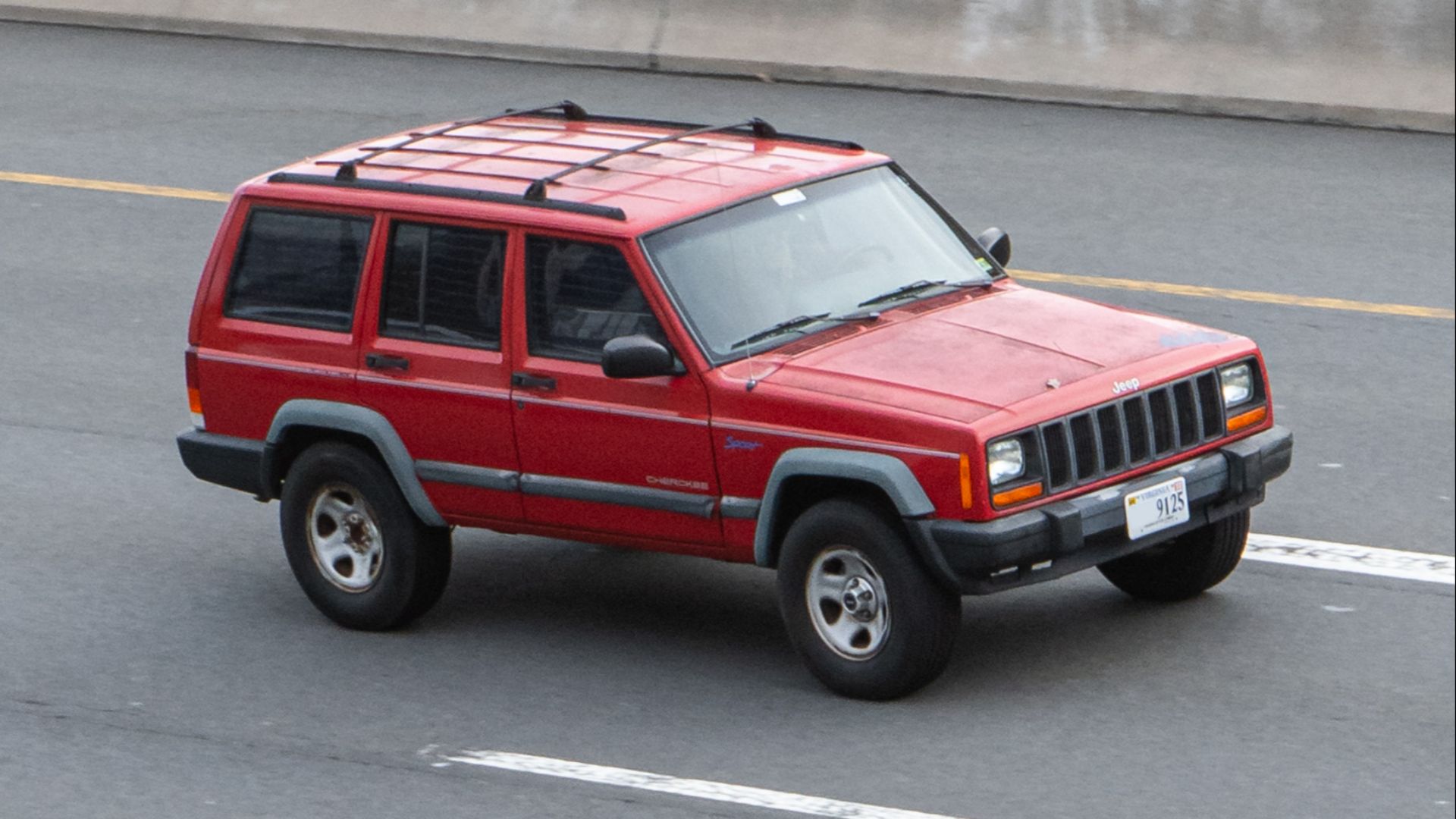
4. Jeep Cherokee XJ
Developed under AMC and launched in 1984, the Cherokee XJ used unibody construction while most SUVs still relied on heavy body-on-frame design. That lighter structure gave it better handling and fuel economy without sacrificing real off-road capability, a shift the rest of the industry eventually followed.
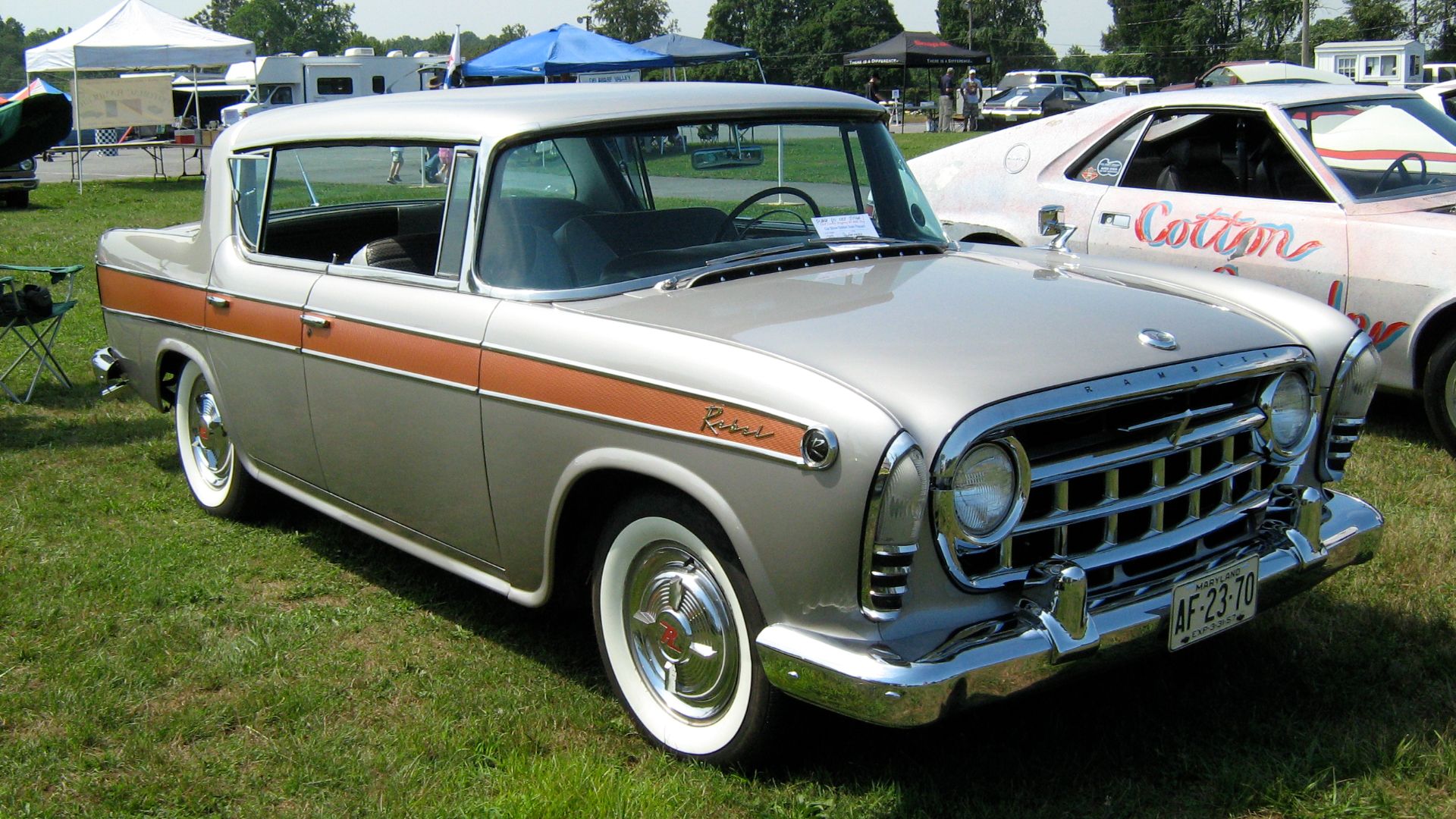
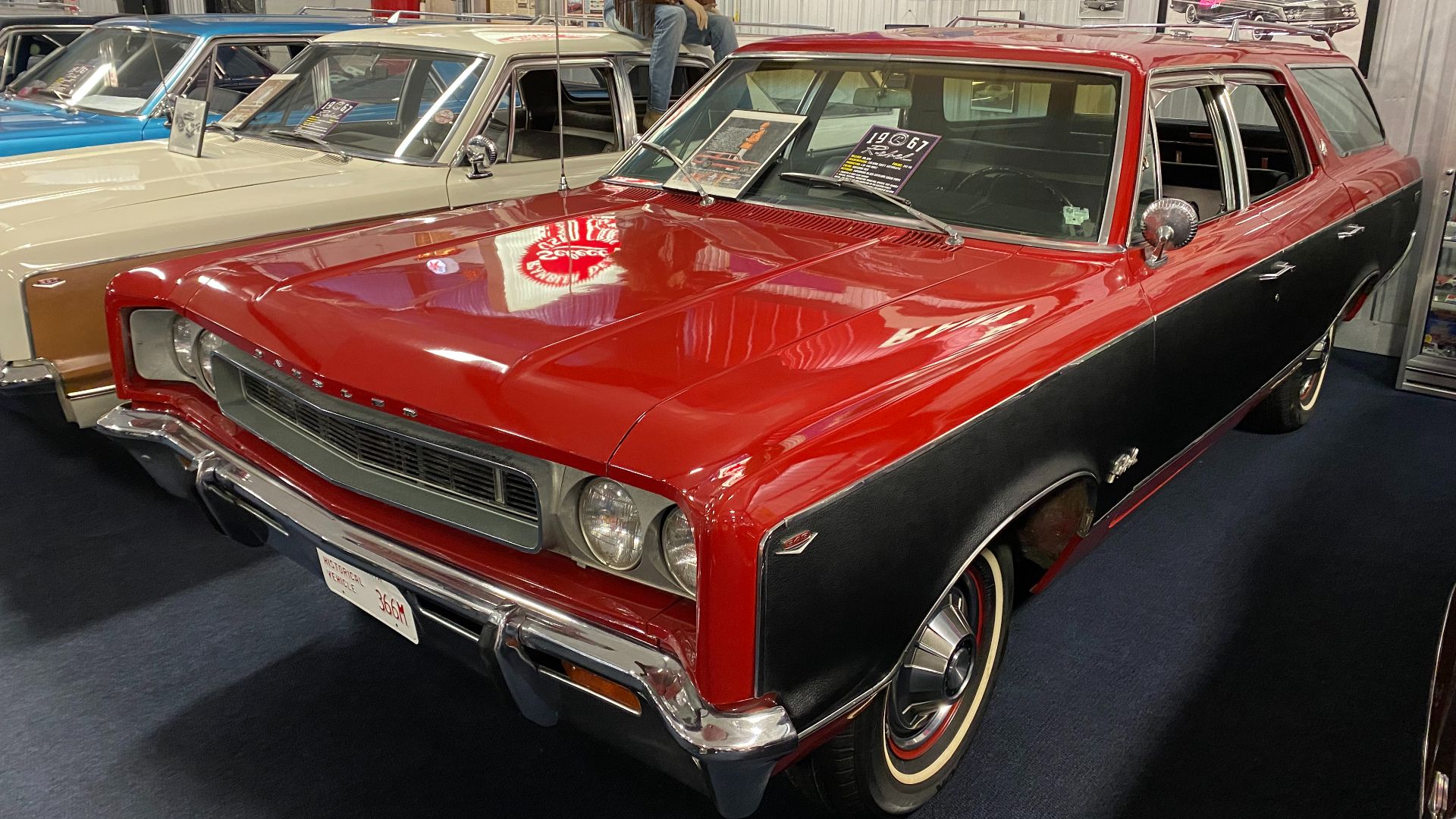
5. Rambler Rebel
In 1957, AMC quietly offered the Rambler Rebel with an optional Bendix Electrojector system, making it one of the first American cars available with factory fuel injection. Dealerships couldn't really service it, so AMC pulled most orders, but the technology itself was two decades ahead of the market.
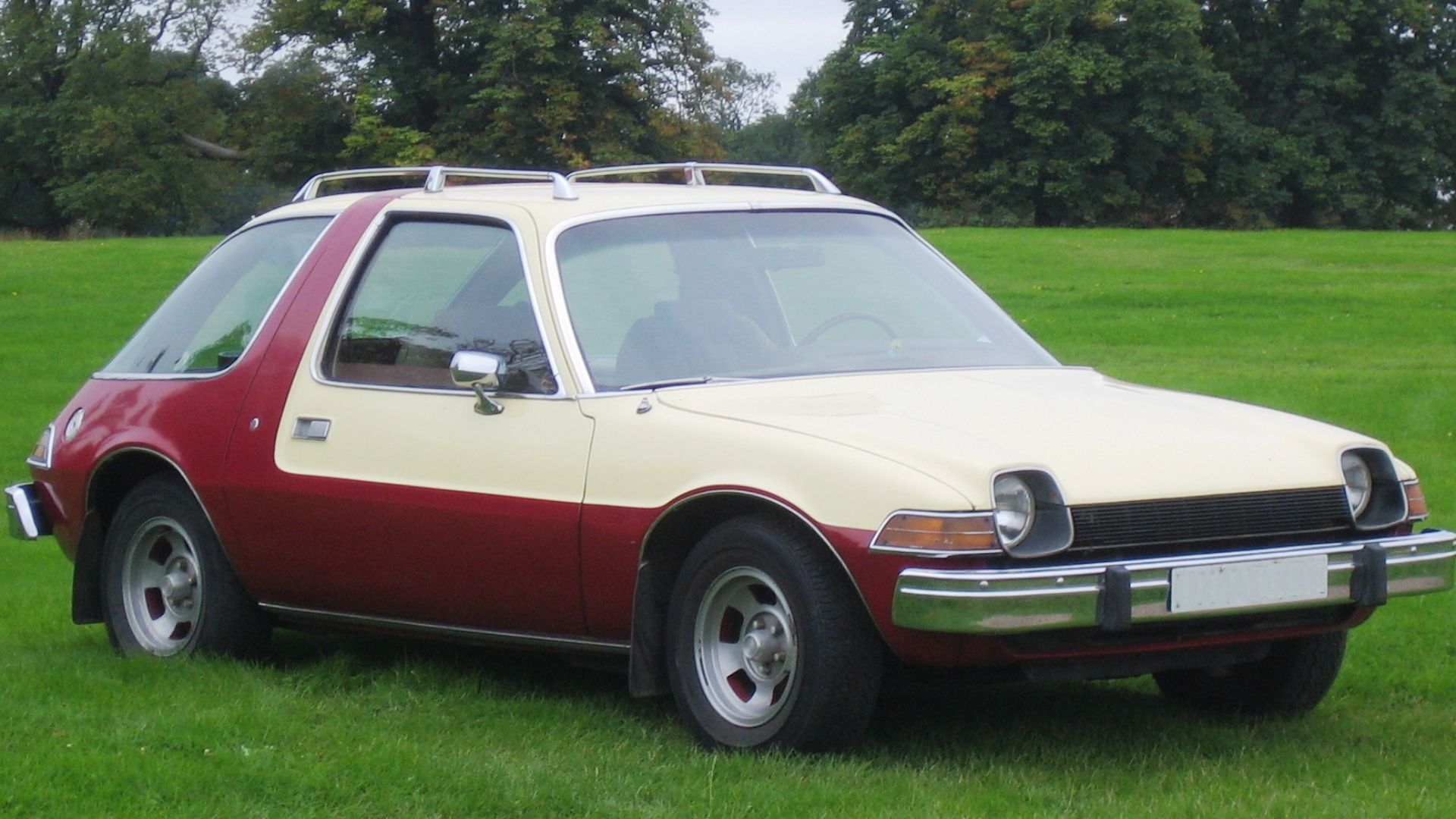
6. AMC Pacer
The 1975 Pacer got mocked for its bubble shape, but it was built around a genuinely forward-thinking idea: compact footprint, full-size interior width and glass. It even used an asymmetrical door setup, with a longer passenger-side door for easier rear access, years before that kind of detail became common.
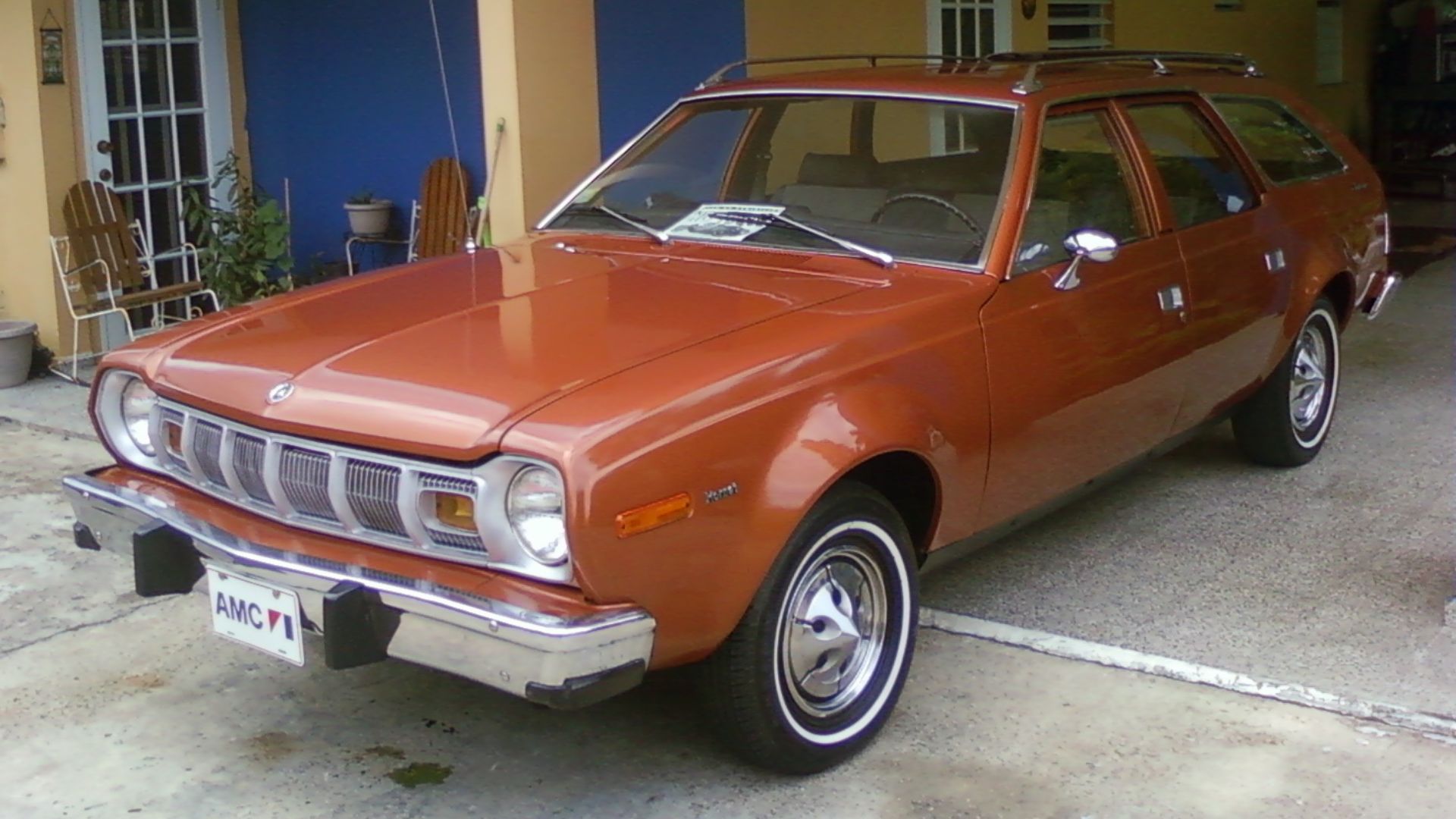
7. AMC Hornet Sportabout
Launched in 1971, the Sportabout combined compact-car efficiency with a genuine hatchback-wagon body, a format American buyers hadn't really seen from a domestic automaker. It offered wagon-like cargo space without the bulk of a full-size wagon, a shape the rest of the industry eventually caught up to.
8. AMC AMX
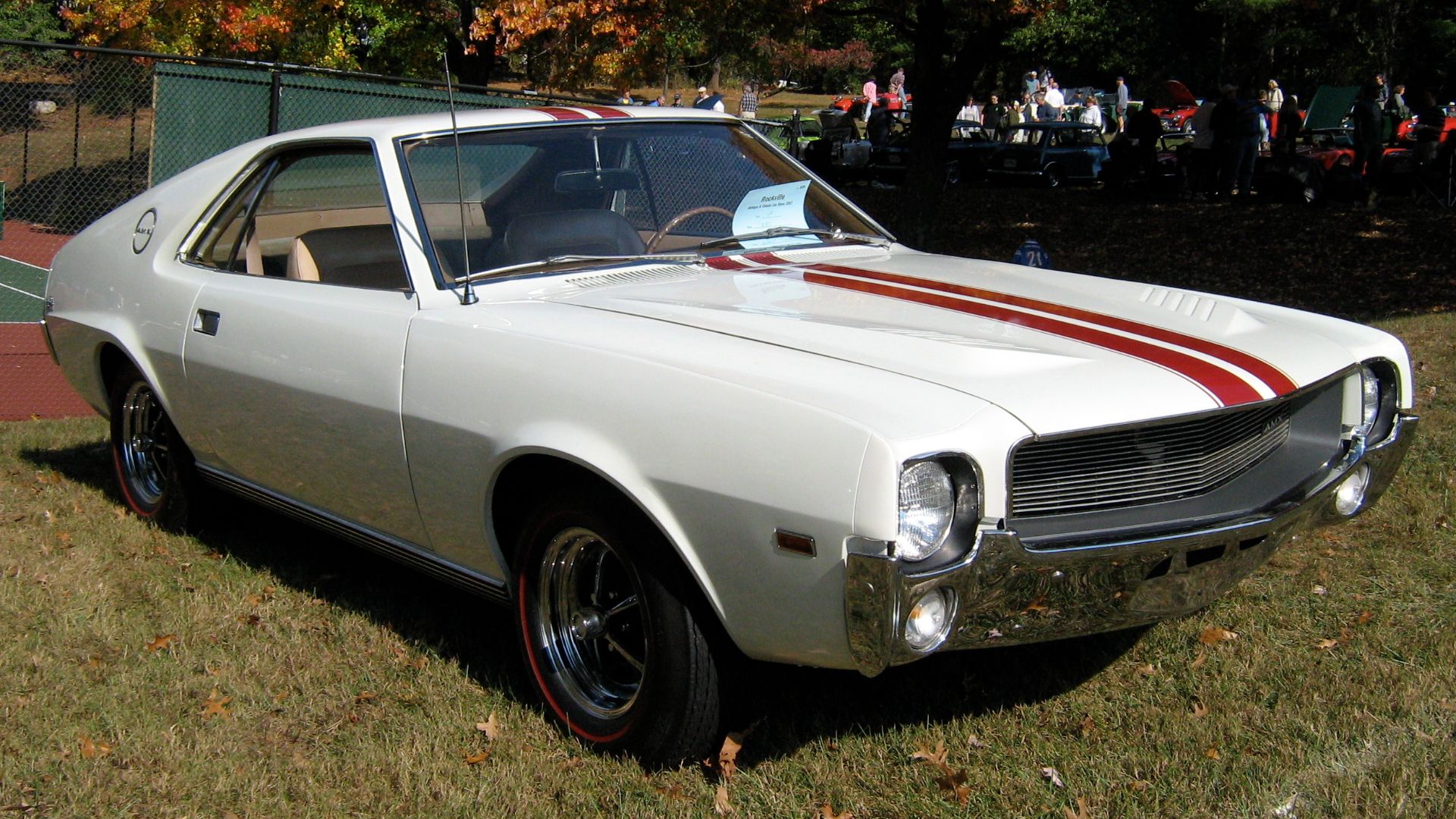
The two-seat AMX arrived in 1968 as AMC's answer to the Corvette, an audacious move for a company with a fraction of GM's resources. Its shorter wheelbase gave it sharper handling than its size suggested, letting a scrappy independent automaker genuinely compete on the track.
9. Rambler Ambassador Unibody
AMC adopted unibody construction across its lineup by the mid-1950s, well before Ford and GM committed to the approach on most of their own models. The Ambassador gained a lighter, stiffer structure that improved handling and manufacturing efficiency, a decision that quietly kept AMC ahead for years.
 commons.wikimedia.org on Google
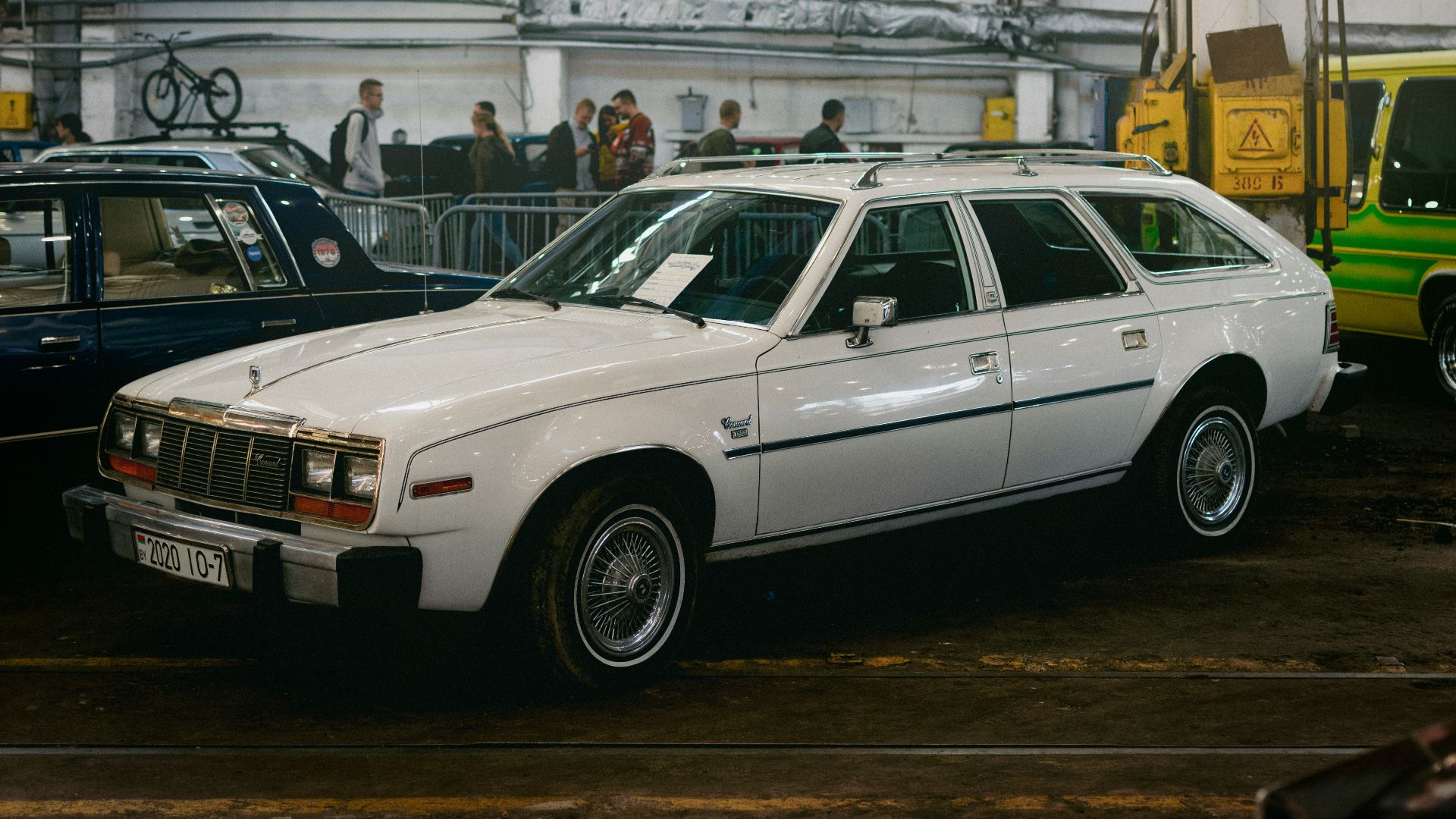
10. AMC Concord
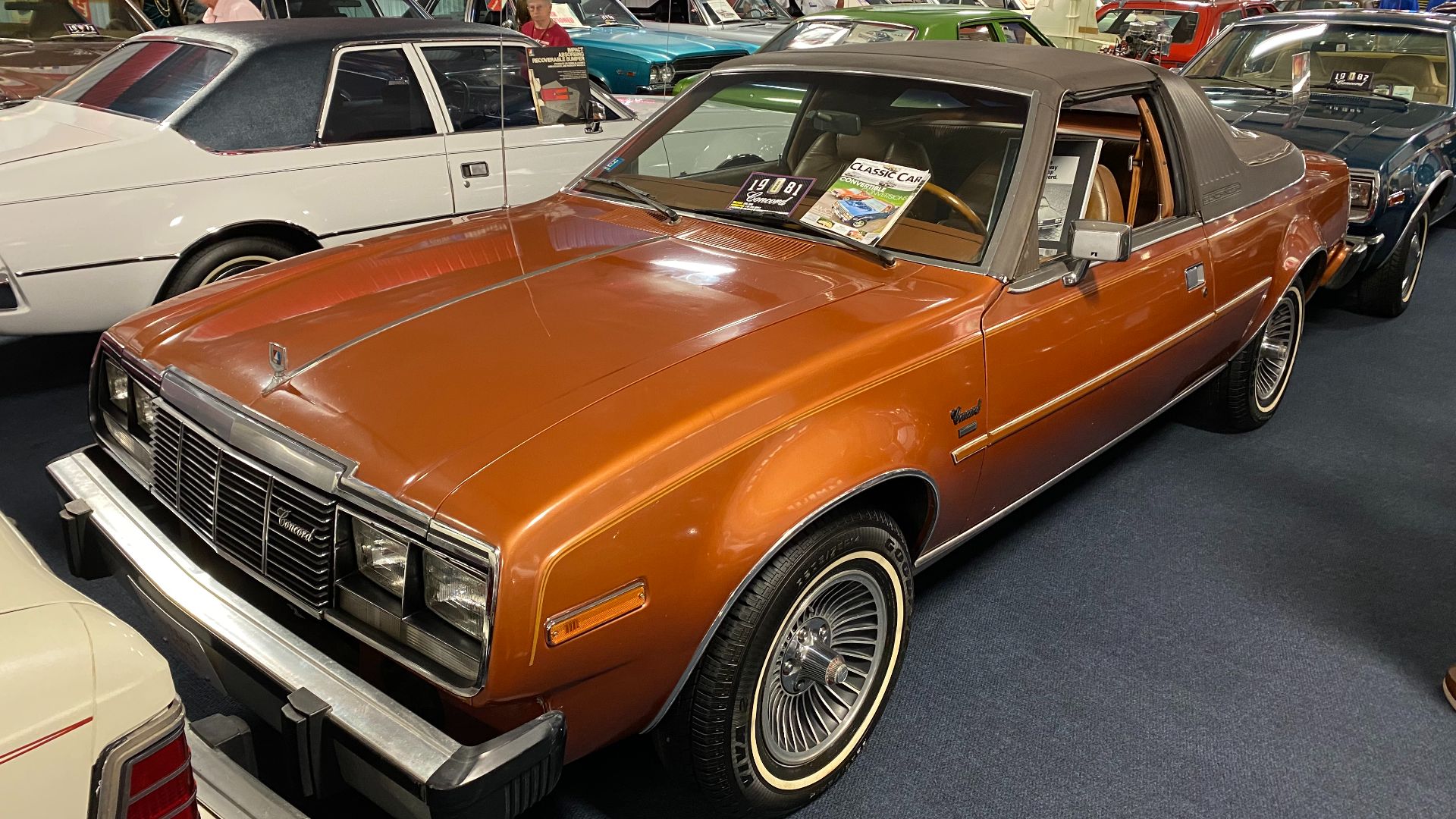
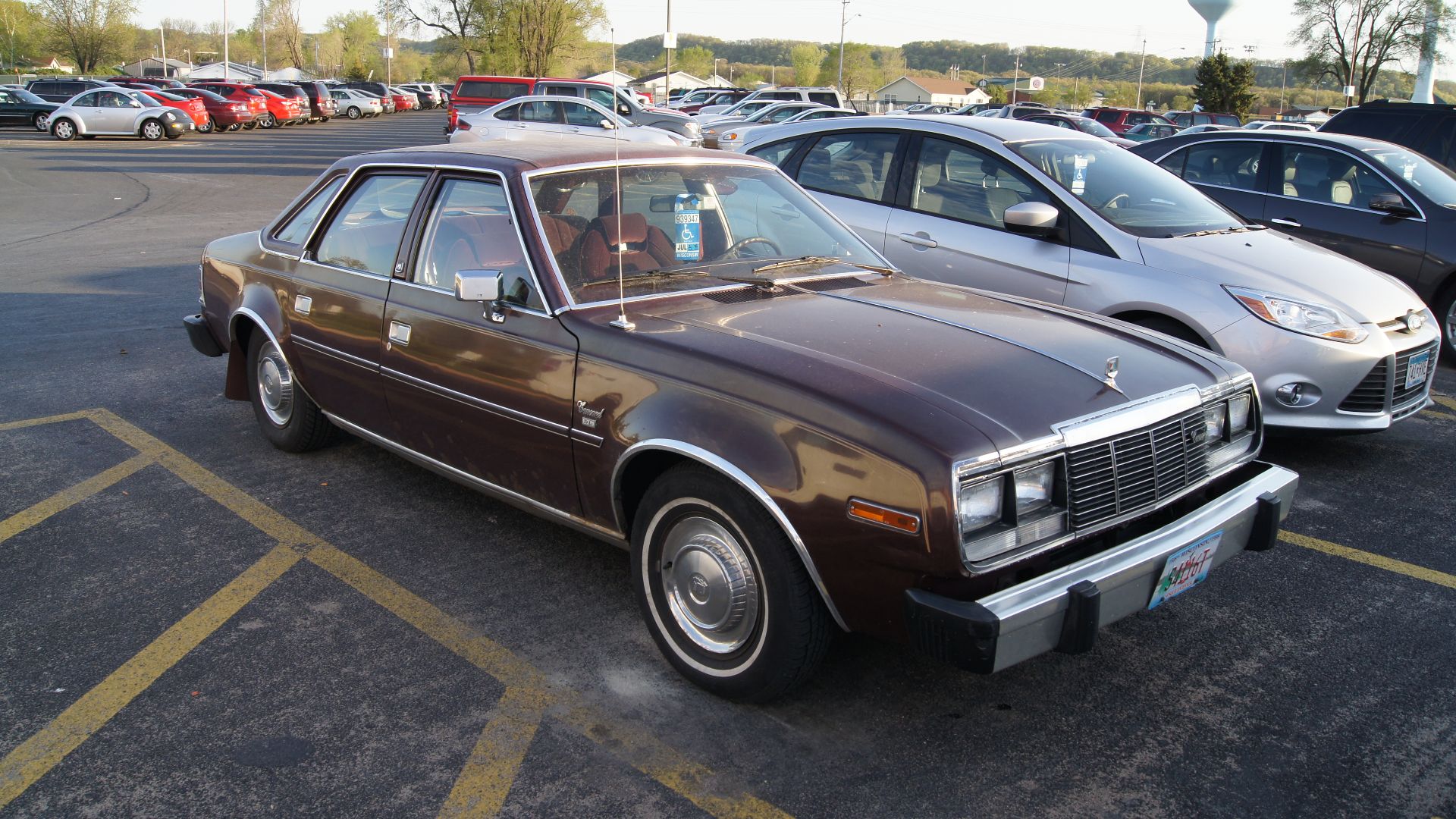
Launched in 1978 as fuel economy became a national obsession, the Concord repackaged the aging Hornet platform around efficiency and value. The timing lined up almost perfectly with tightening federal fuel standards, giving AMC a real sales boost when buyers wanted exactly that.
And now, here are 10 AMC moves that were pure desperation.
 Greg Gjerdingen from Willmar, USA on Wikimedia
1. The Kaiser Jeep Acquisition
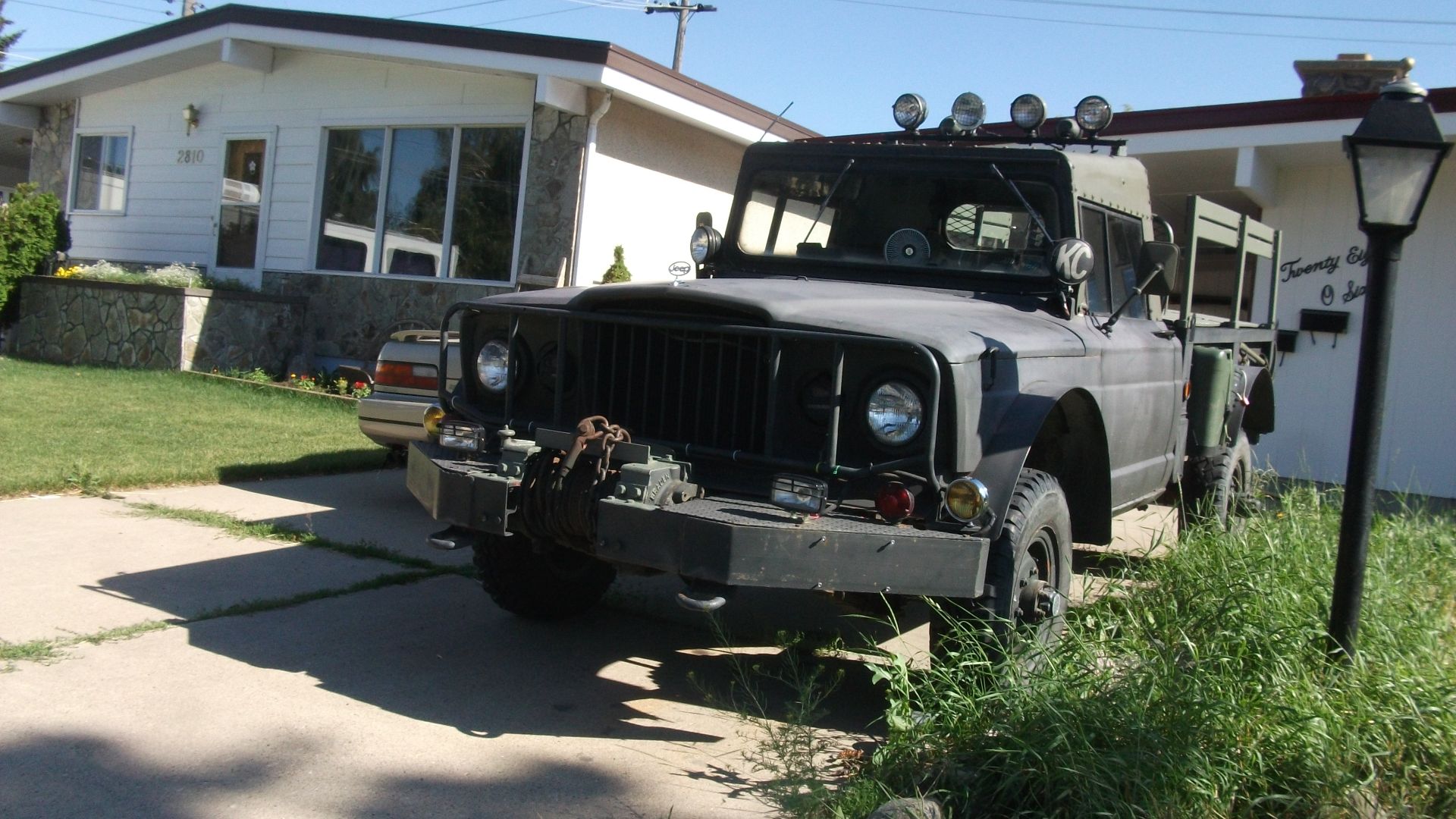
In 1970, a cash-strapped AMC bought Kaiser Jeep largely for its profitable military and government contracts. It was less strategic vision than a scramble for stable revenue, and Jeep ended up keeping the rest of the company alive for years afterward.
 dave_7 from Lethbridge, Canada on Wikimedia
2. AMC Marlin
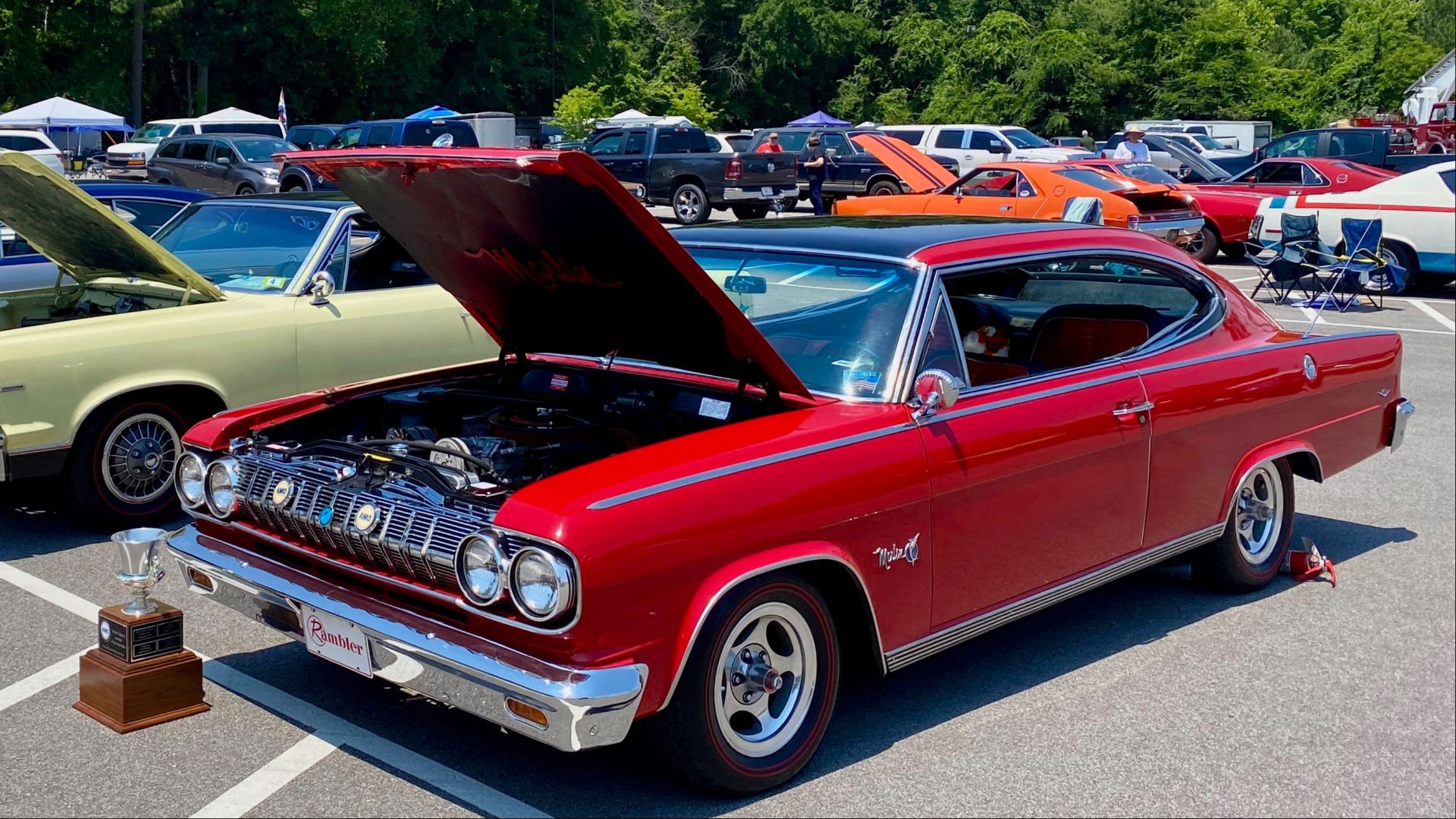
Rushed into production in 1965, the Marlin grafted a fastback roofline onto the existing Classic sedan body to compete with the Mustang and Barracuda. The proportions never quite worked, since the roofline was designed for a smaller car AMC didn't have time to build, and sales stayed weak.
3. AMC Matador Coupe Restyle
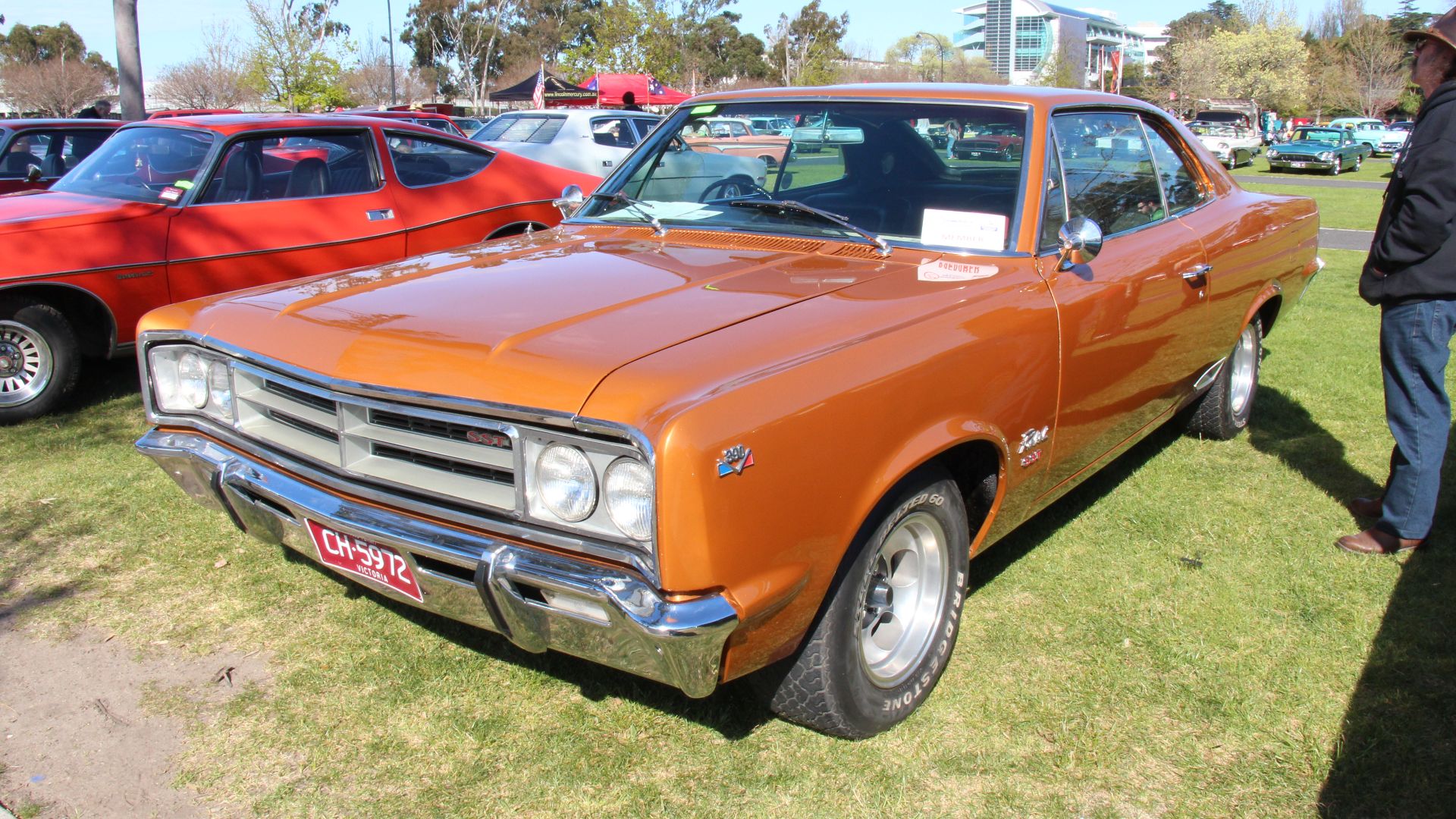
Facing sagging sales in 1974, AMC had designer Dick Teague reinvent the Matador's image fast, grafting a dramatic fastback coupe onto an otherwise unremarkable midsize platform. It looked striking and even found success in NASCAR, but it couldn't disguise how little had actually changed underneath.
4. Pacer's V8 Swap
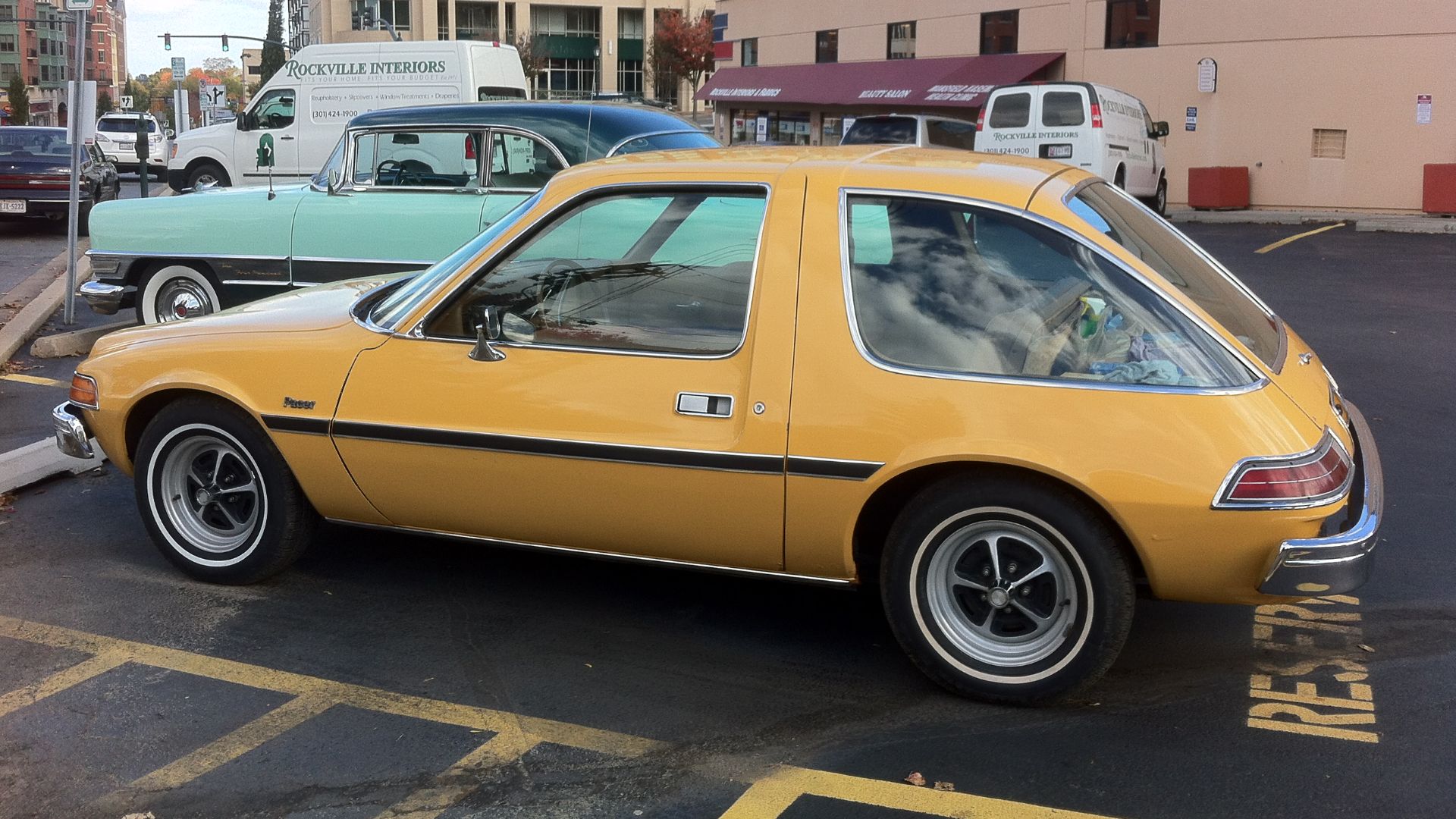
The Pacer was engineered around a compact GM-supplied rotary engine that never materialized after GM canceled the program. AMC hastily stuffed in a heavier inline-six and eventually a V8, hurting the car's weight distribution and undercutting the efficient image it was supposed to sell.
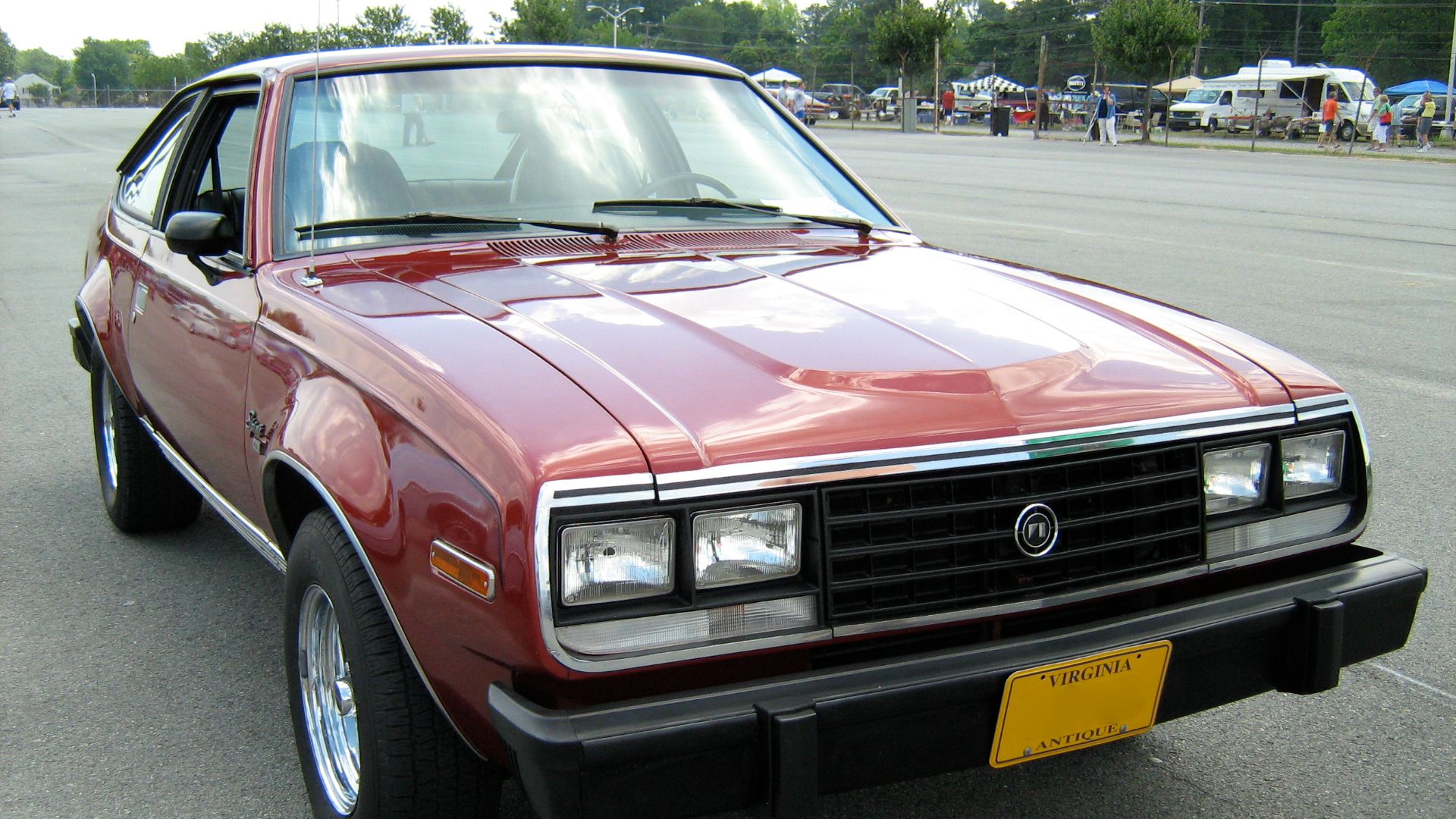
5. AMC Spirit
Introduced in 1979, the Spirit was largely a rebadged continuation of the aging Gremlin and Hornet platforms, dressed up just enough to pass as new. AMC simply didn't have the capital for a real replacement, so it kept showroom traffic moving with patchwork instead.
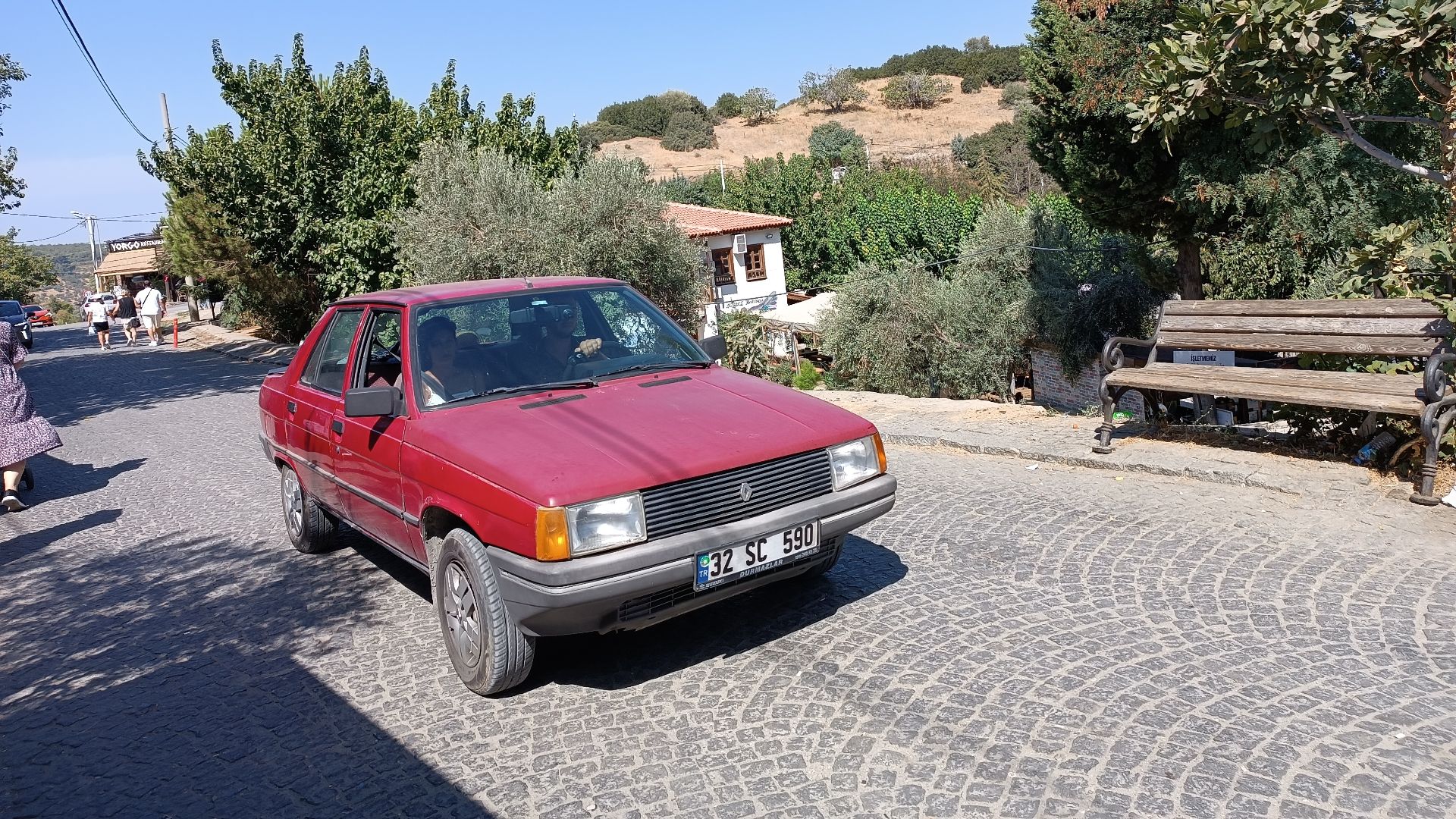
6. Renault Alliance
By 1983, AMC was leaning hard on its financial partnership with Renault, and the Alliance, built on a modified Renault 9 platform, showed just how dependent the company had become. It sold well enough, but it also marked the point where AMC's own engineering identity started fading into someone else's platform.
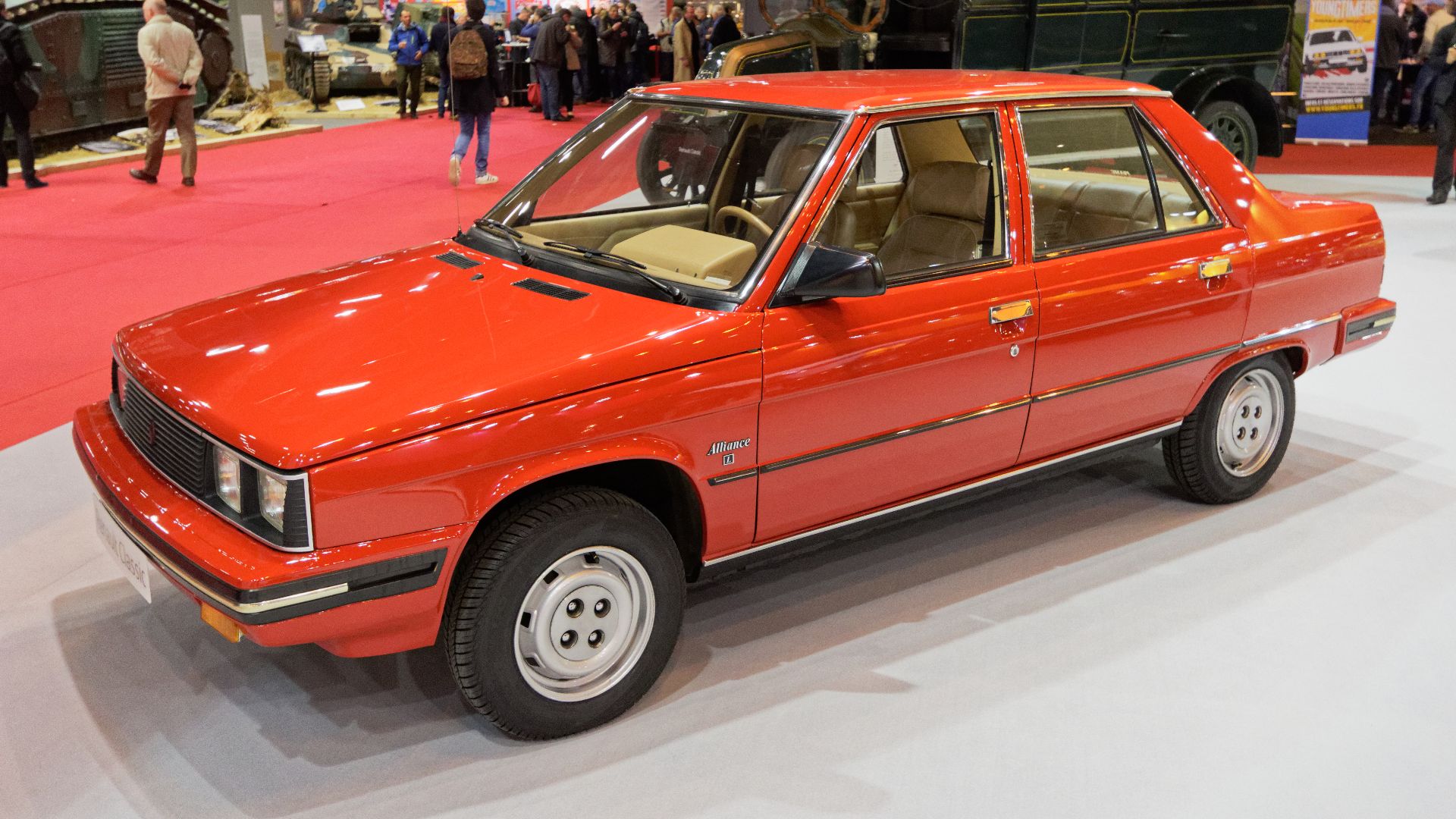
7. Renault Encore
The Encore arrived in 1984 as a hatchback companion to the Alliance, rushed out as Renault's equity stake gave it growing control over what AMC actually built. It was a serviceable car, but it reflected a company reacting to survival pressure rather than steering its own direction.
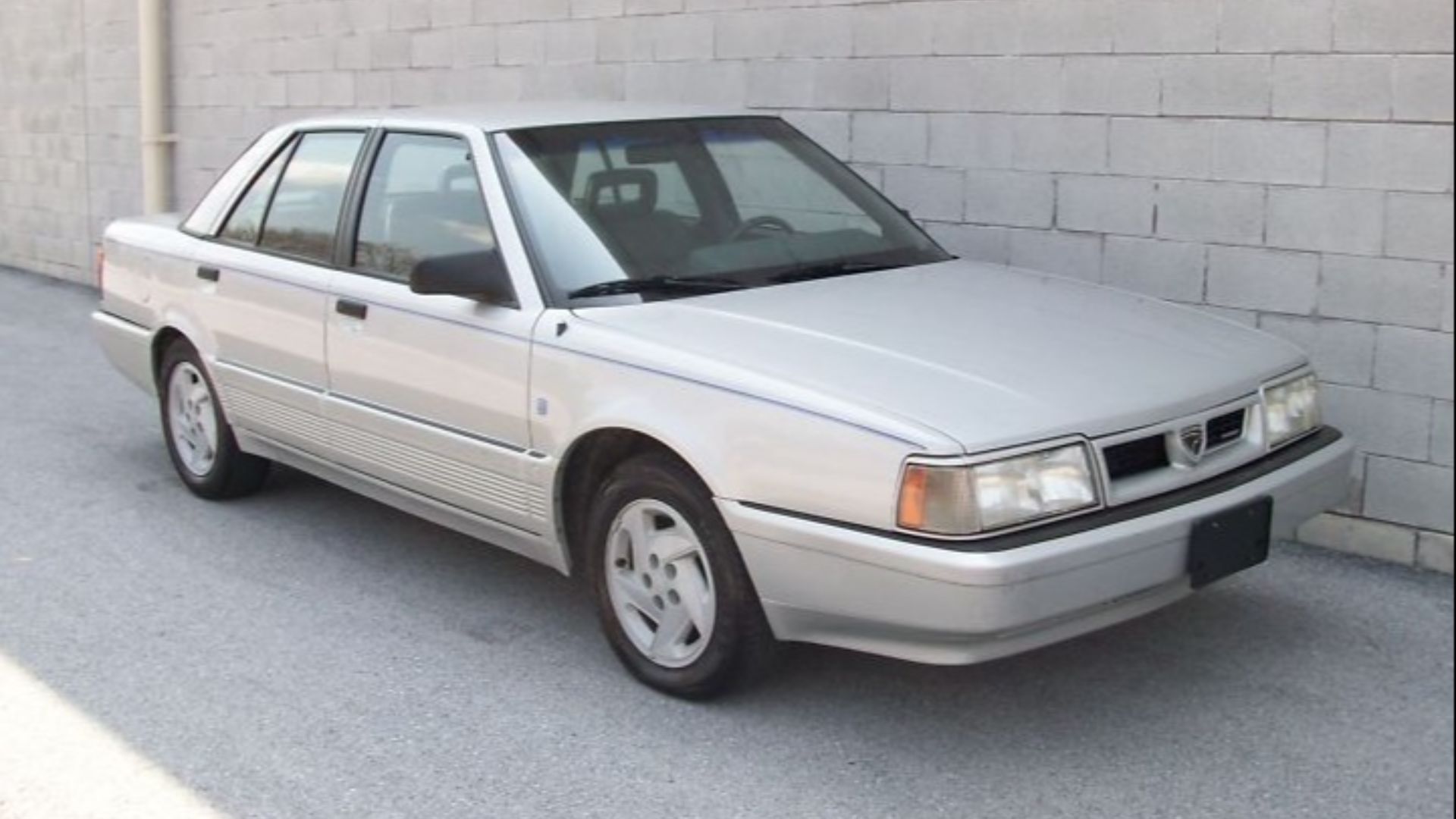
8. Eagle Premier
Developed under Renault's direction before Chrysler absorbed AMC's assets in 1987, the Premier ended up launching under Chrysler's newly invented Eagle brand instead of AMC's own name. Few products better illustrate how thoroughly AMC's independence had eroded by the end.
9. Late Ambassador Cost-Cutting
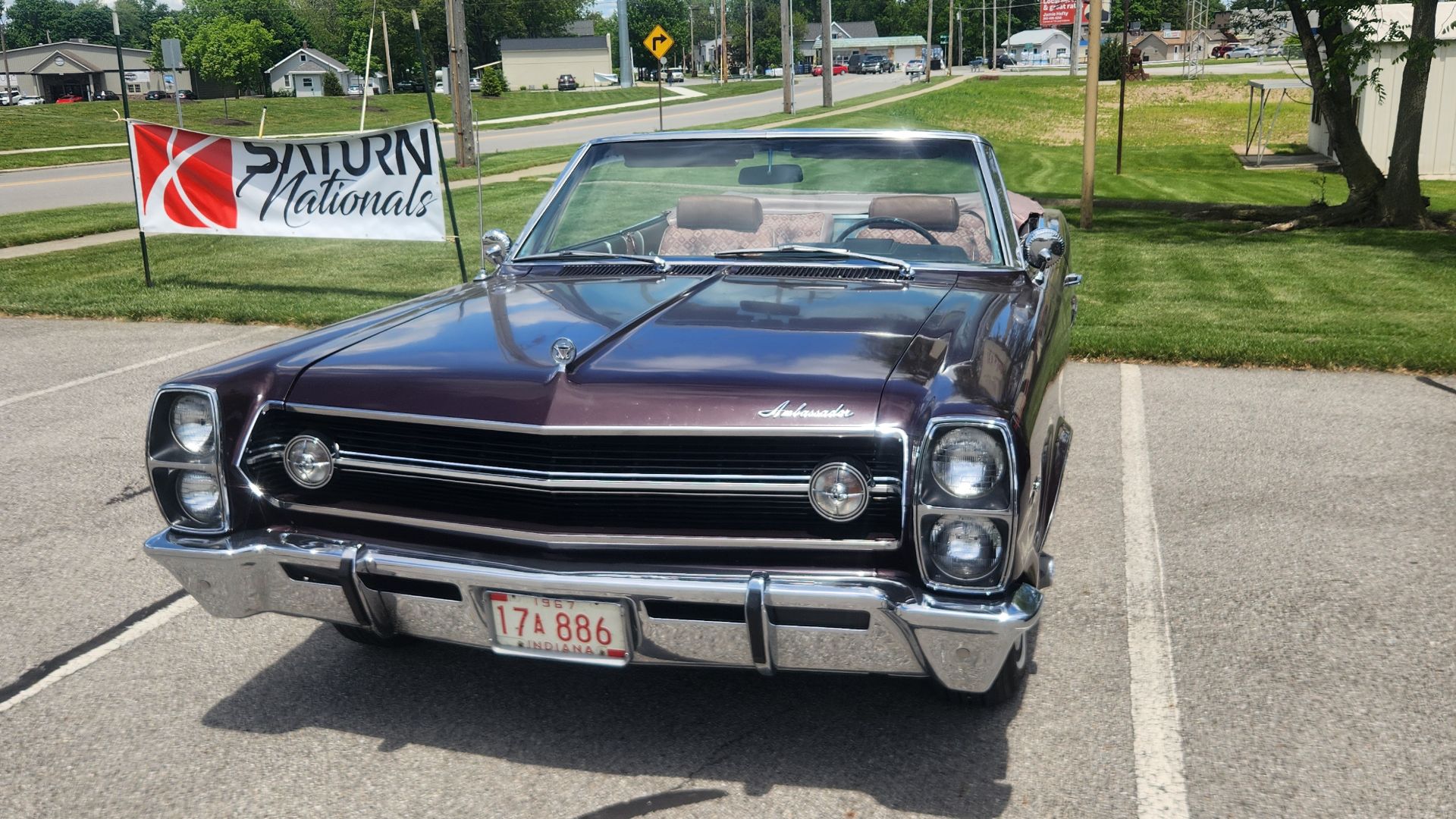
By its final years in the early 1970s, the Ambassador leaned on added chrome trim and vinyl padding to fake a luxury AMC no longer had the budget to engineer properly. Buyers noticed, and the model's sales decline tracked closely with how thin that dressing had become.
10. The Chrysler Buyout
By 1987, decades of financial strain caught up with AMC entirely, and Chrysler bought the company largely to get its hands on Jeep, the one division reliably making money. It was the final outcome of a company that had spent nearly forty years stretching a small budget as far as it could go.