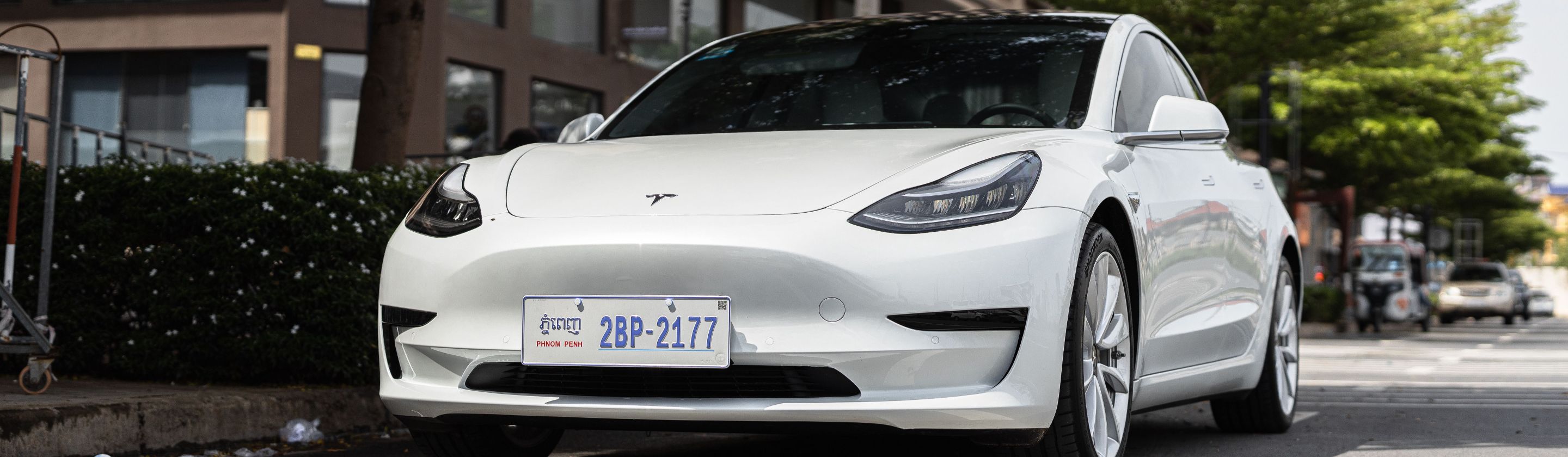
Cars were already becoming more digital before Tesla arrived, but the company pushed several technologies into the foreground with unusual speed and visibility. Large touchscreens, frequent software updates, app-based controls, advanced driver-assistance features, integrated route planning, and a closely connected charging network became central parts of the ownership experience rather than optional extras. Tesla’s approach helped make buyers think about a vehicle as both transportation and a continually evolving technology product.
That influence now extends well beyond Tesla itself. Competing automakers have expanded software-based features, invested heavily in connected services, and even adopted Tesla’s charging connector design across much of the North American EV industry. Drivers consequently expect more from the technology surrounding their cars, showing how Tesla changed what people consider normal in a modern vehicle.
Cars Became Products That Could Keep Changing
One of Tesla’s most important changes was making over-the-air software updates a routine part of vehicle ownership. Tesla says its vehicles regularly receive updates that can introduce features and improve existing functions without requiring a dealership visit. That experience encouraged the idea that buying a car didn’t necessarily mean its features would remain exactly as they were on delivery day.
For drivers accustomed to updating phones, computers, and televisions, that approach felt familiar even though automobiles had traditionally operated differently. Software increasingly became something owners noticed and discussed rather than an invisible system working behind the dashboard. Updates could alter interfaces or add functionality, which made the digital side of ownership feel much more active.
The downside is that software-driven vehicles can also create new expectations about how quickly problems should be corrected. If a feature is controlled by code, owners may naturally wonder why an inconvenience can’t simply be fixed through an update. Automakers are therefore judged not only on the condition of a vehicle at purchase, but also on how effectively they support its digital experience afterward.
The Screen Became the Center of the Cabin
Tesla also challenged familiar ideas about what a dashboard should contain. The Model S placed many functions traditionally controlled by separate physical switches into a central touchscreen, including climate and vehicle settings. That minimalist approach attracted considerable attention and helped make large displays an increasingly recognizable feature of contemporary vehicle interiors.
Drivers now routinely compare infotainment systems by screen responsiveness, menu design, navigation quality, smartphone integration, and the usefulness of connected features. A premium cabin can no longer rely entirely on leather, attractive trim, and comfortable seats because frustrating software can noticeably affect everyday ownership. The technology has effectively become part of how people judge a car’s overall quality.
Touchscreen-heavy design hasn’t been universally welcomed, however, and Tesla’s own manual warns drivers to avoid adjusting settings on the screen while driving when doing so could cause distraction. That concern has kept the debate over physical controls very much alive. Tesla didn’t prove that every function belongs on a screen, but it certainly helped make interface design a major automotive conversation.
Charging and Driver Assistance Raised Expectations
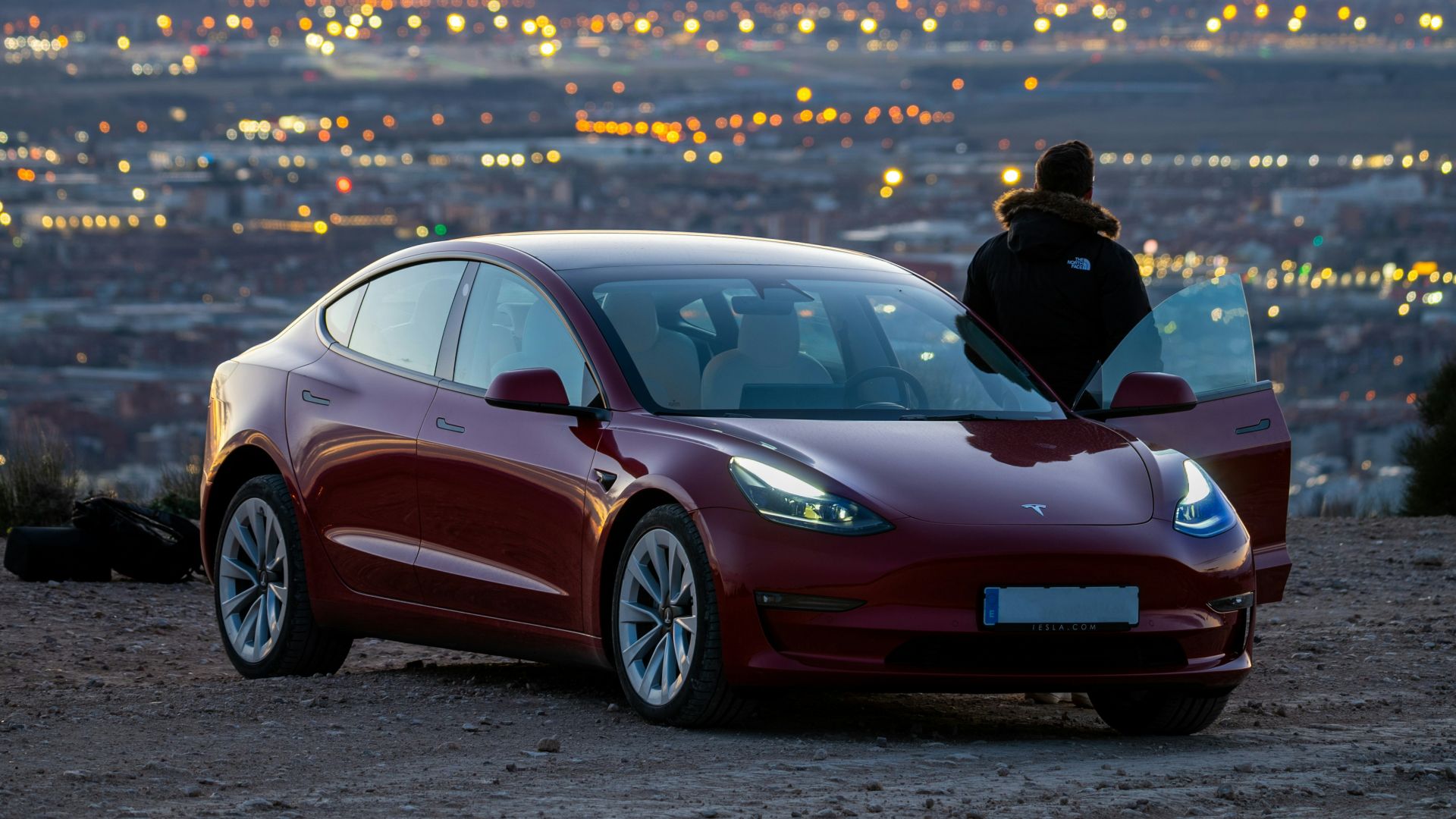
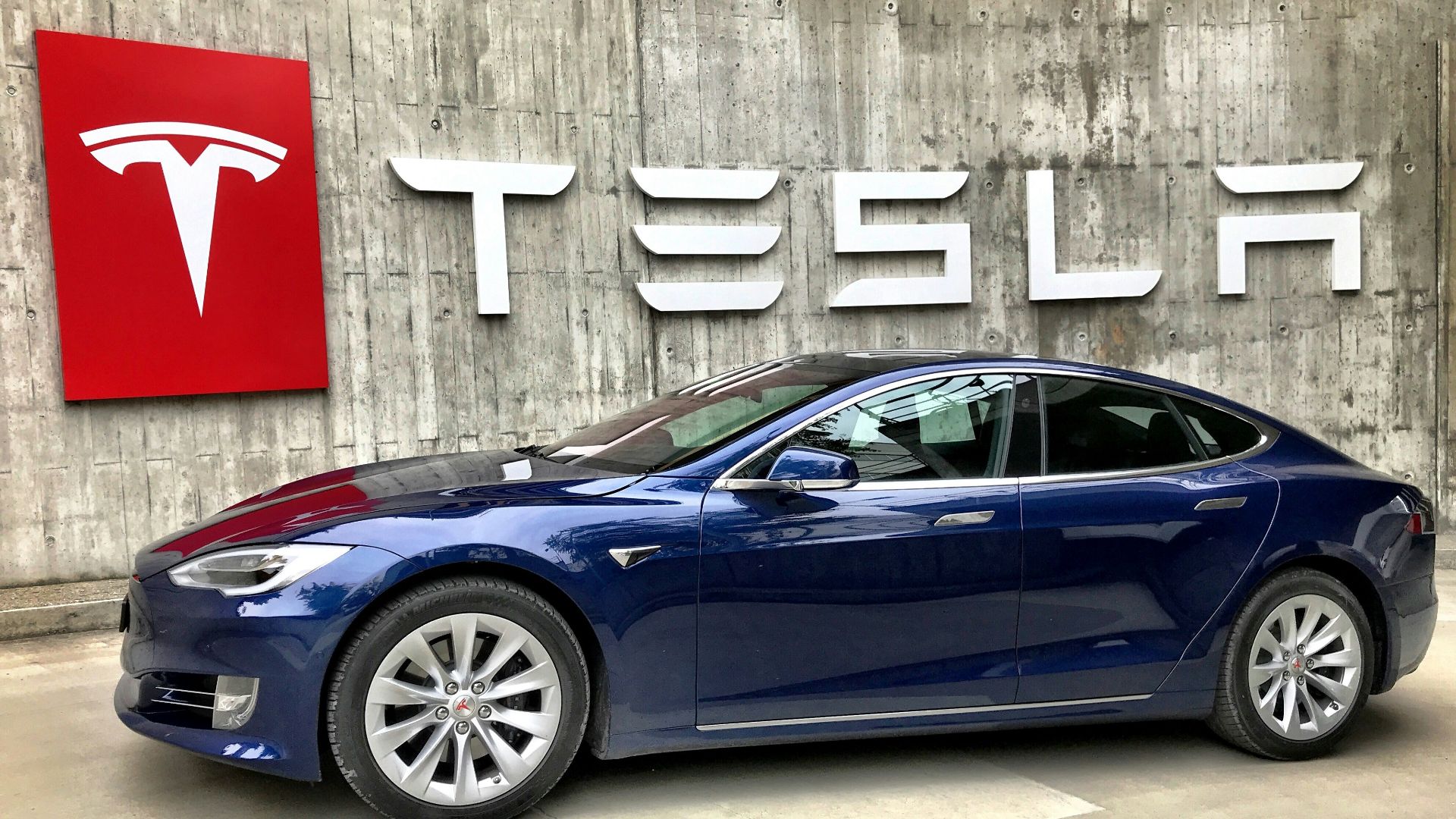 Tesla Fans Schweiz on Unsplash
Tesla’s influence became especially visible in electric-vehicle charging. The company built its Supercharger network around an integrated experience, and its North American Charging System connector eventually gained support from major competing manufacturers. Ford and General Motors were among the automakers that announced plans to adopt the connector and provide customers with access to compatible Tesla Superchargers.
The connector has since been formalized through SAE International’s J3400 standard, demonstrating just how far Tesla’s charging approach traveled beyond the company’s own vehicles. For buyers, charging convenience now involves more than maximum charging speed because network coverage, reliability, route integration, and payment simplicity all shape the experience. A strong EV increasingly needs a convincing charging ecosystem surrounding it.
Driver-assistance technology has created a more complicated legacy. Tesla’s Autopilot and Full Self-Driving (Supervised) features helped make automated steering and driving assistance highly visible to mainstream consumers, but Tesla states that currently enabled features require active supervision and don’t make the vehicle autonomous. NHTSA has also examined safety concerns involving driver engagement and misuse, reinforcing the importance of distinguishing advanced assistance from fully autonomous driving.
Tesla’s broader impact isn’t that it invented every technology now found in connected vehicles, because many automotive and technology companies contributed to those developments. Its significance lies partly in combining software, screens, mobile connectivity, charging, and driver assistance into a highly visible ownership experience that encouraged customers to expect rapid technological progress. Today, shoppers increasingly evaluate software alongside horsepower, comfort, safety, and efficiency, and automakers have had to respond to a market where the digital experience is no longer a secondary consideration.