A Brand Built On Extremes
Suzuki has spent decades making some of the most stubbornly reliable vehicles on the planet, the kind that outlive their own marketing budgets. It has also produced a genuinely strange run of flops that vanished from showrooms within a couple of years. Both sides say something about the company, since Suzuki tends to succeed when it keeps things small and simple, and struggles the moment it tries to compete somewhere it doesn't belong. The survivors kept going through emissions crackdowns and entire market exits, while the failures barely made it past their second model year. Here's 10 Suzukis that refused to die, and 10 that never found an audience.
1. Suzuki Jimny
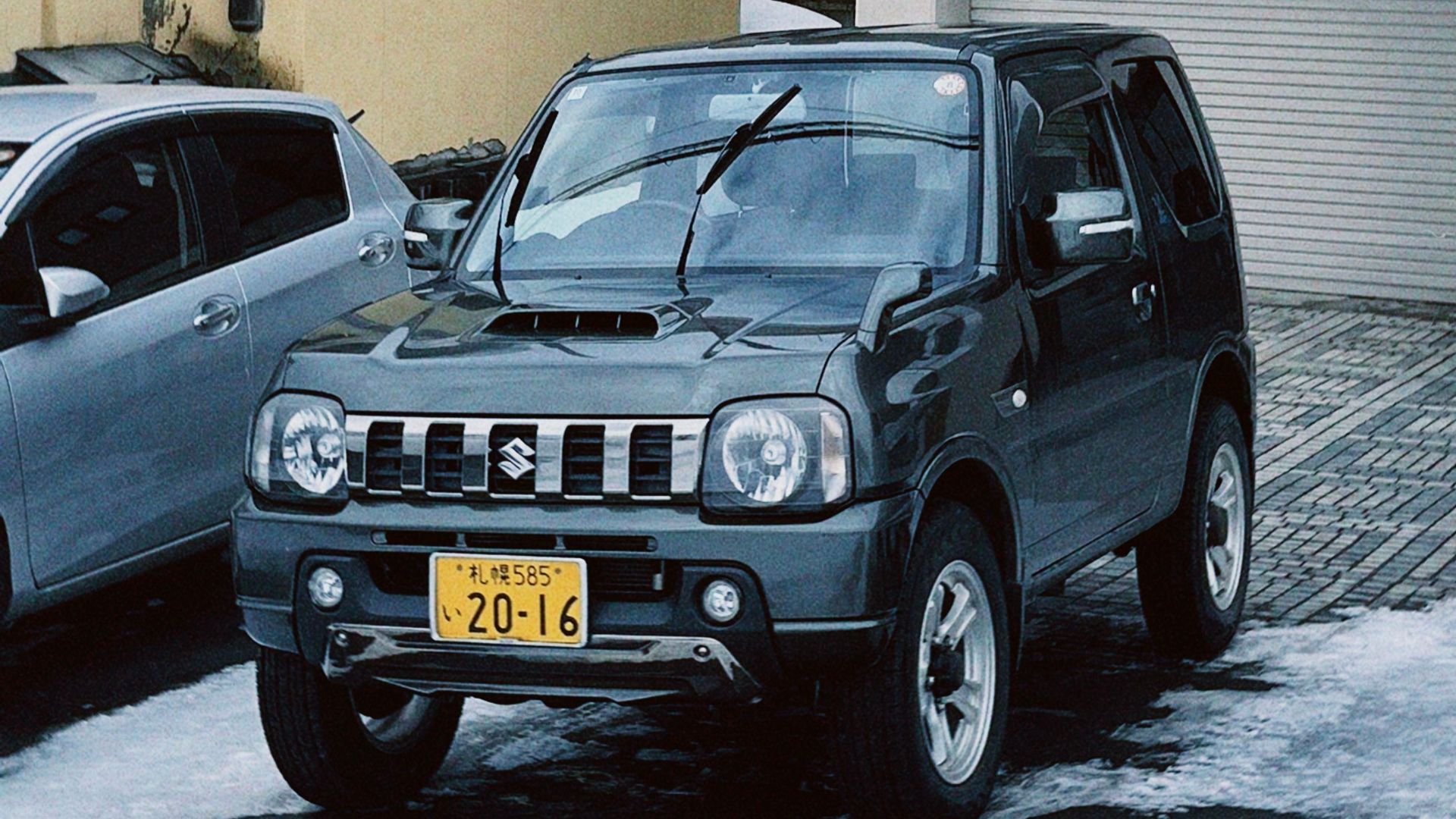
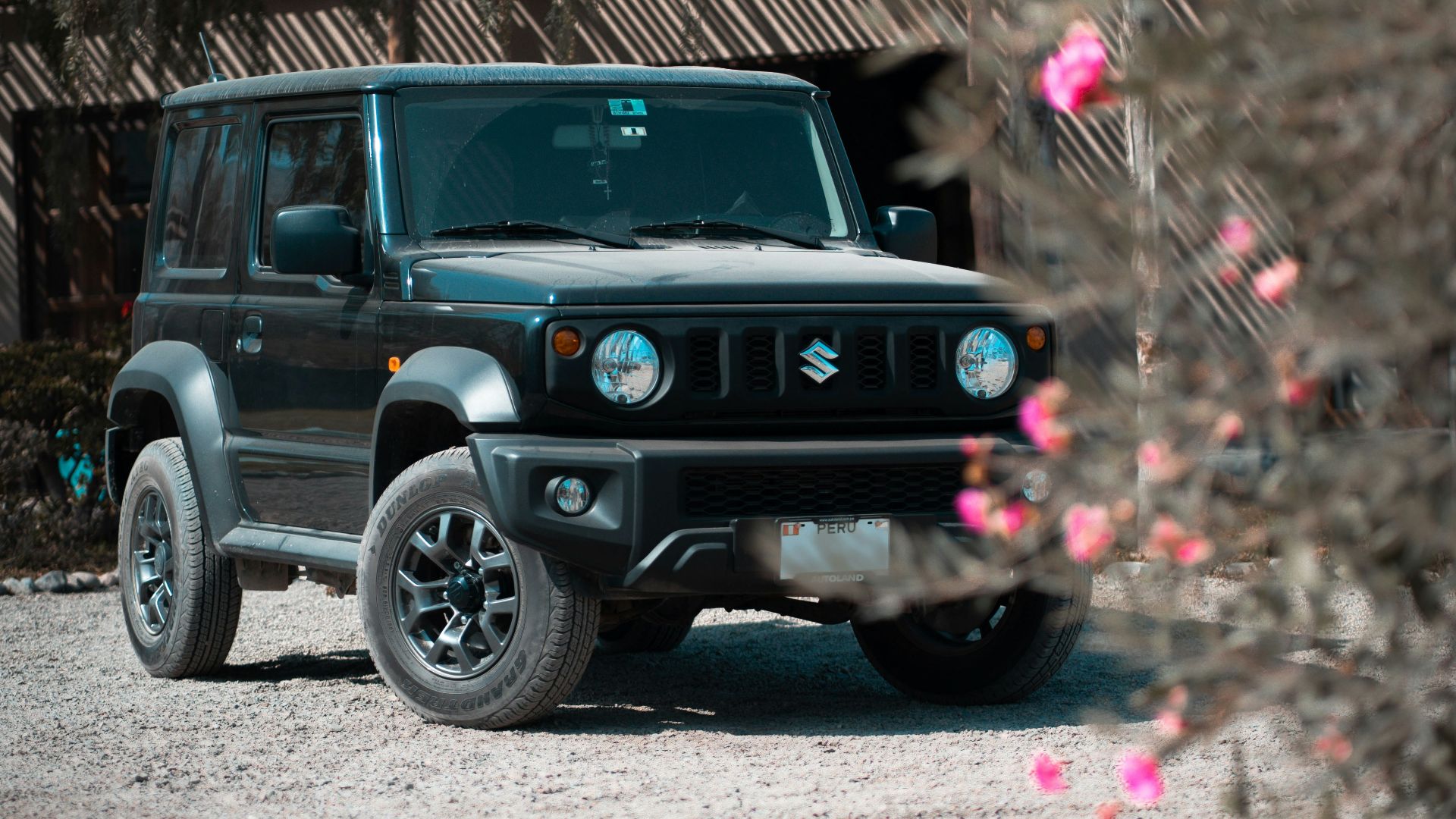
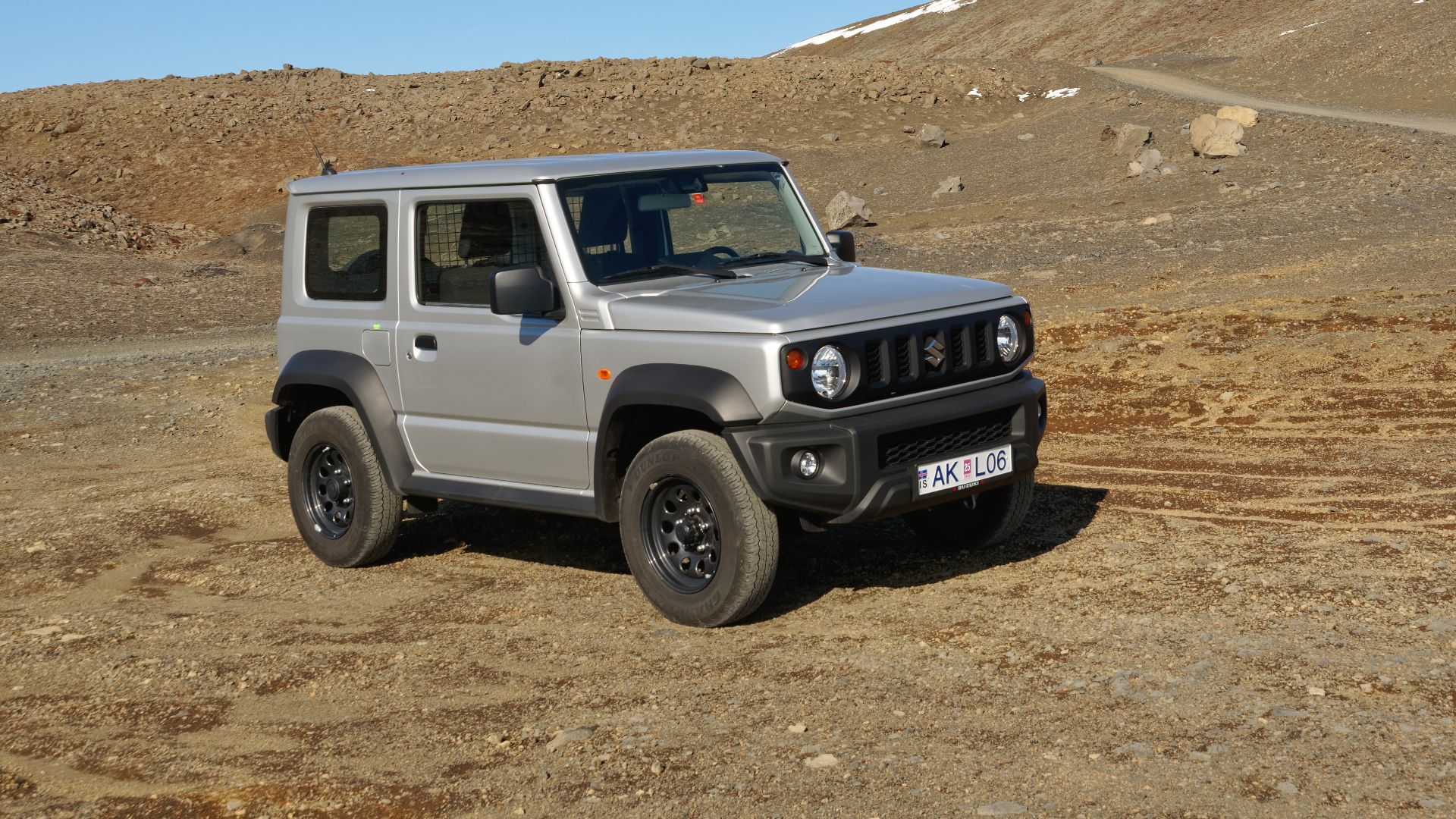
The Jimny has had a waiting list somewhere in the world for basically its entire existence, with buyers today still facing year-long delays in some markets. Suzuki has sold nearly three million since 1970 across more than a hundred countries, built around the same tiny, boxy 4x4 formula the whole time.
2. Suzuki Alto
The Alto has been in continuous production since 1979, one of only two kei car nameplates that have never had a gap since Japan rewrote its kei rules that year. Now in its tenth generation, it's still sold as a genuinely cheap, no-frills city car almost fifty years later.
3. Suzuki Carry
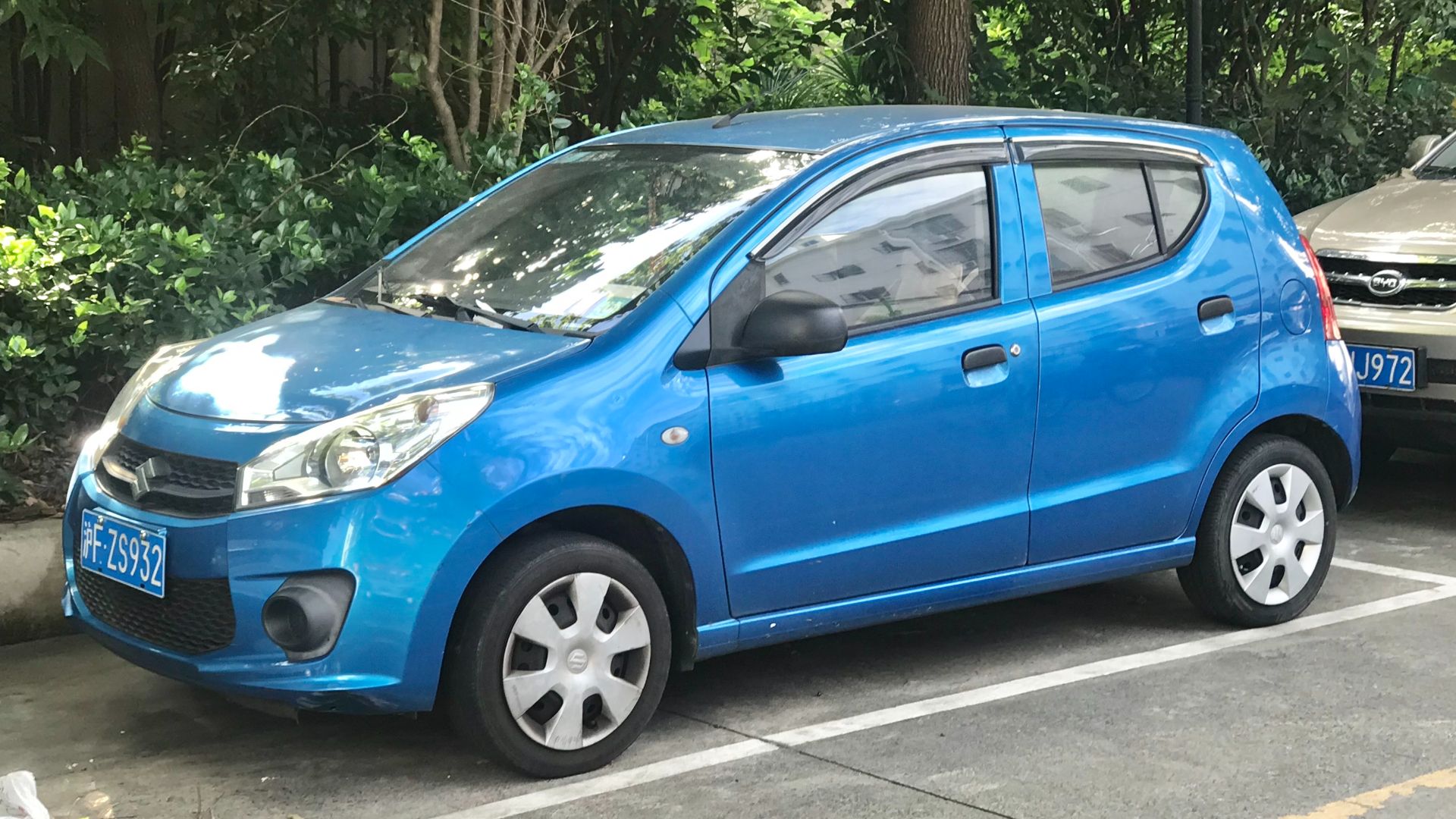
First introduced in 1961, the Carry is one of the oldest vehicle nameplates still sold new anywhere in the world. It's changed shape across eleven generations, but the basic idea, a tiny cab-over kei truck for narrow streets and light hauling, never went out of style in Japan.
4. Suzuki Wagon R
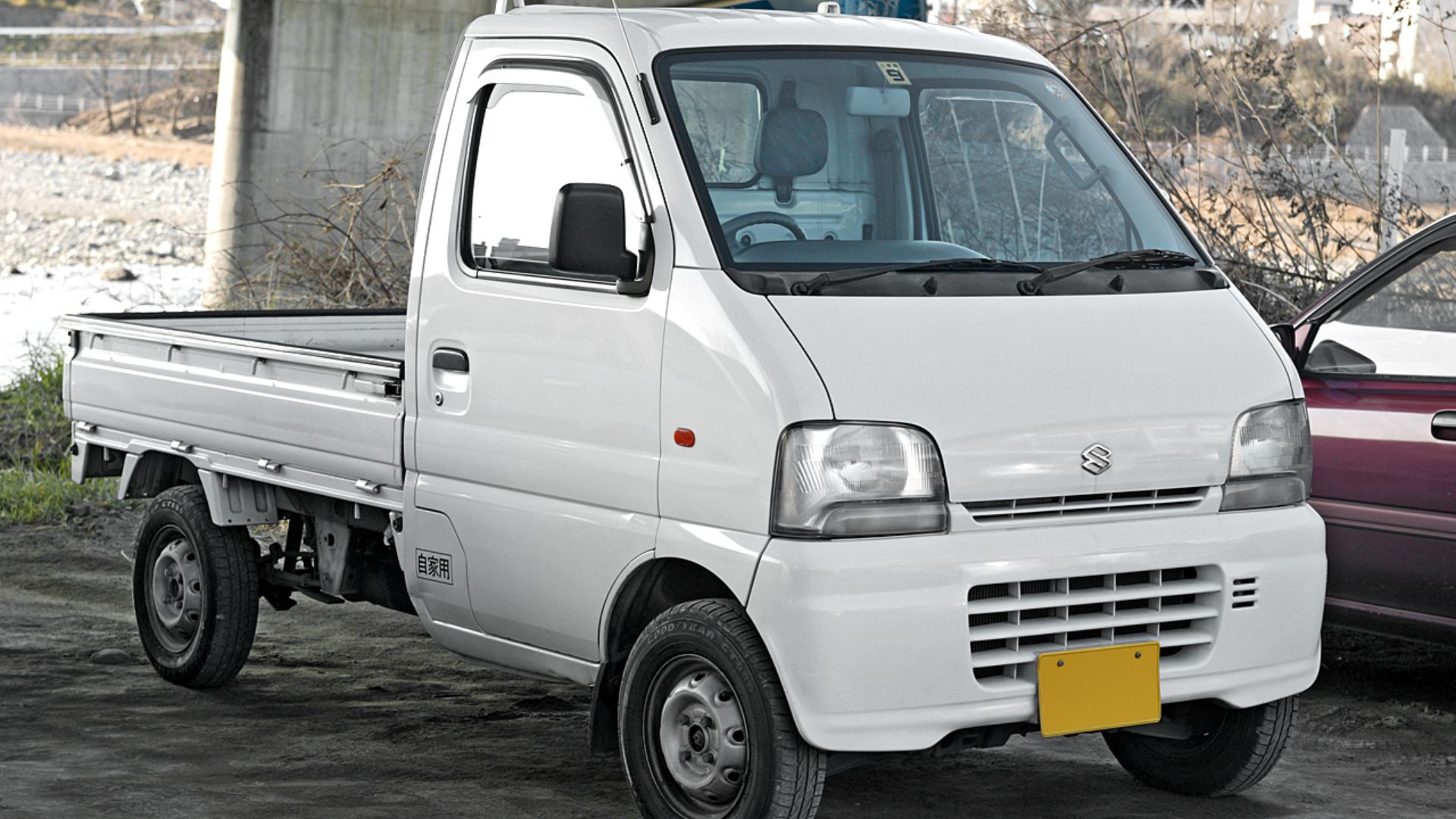
The Wagon R has been in production since 1993 and passed 10 million cumulative sales in 2025, one of the best-selling nameplates Suzuki has ever built. Its tall, boxy shape looked odd next to conventional kei cars at launch, but it's been Japan's best-selling kei car since 2003.
5. Suzuki Samurai
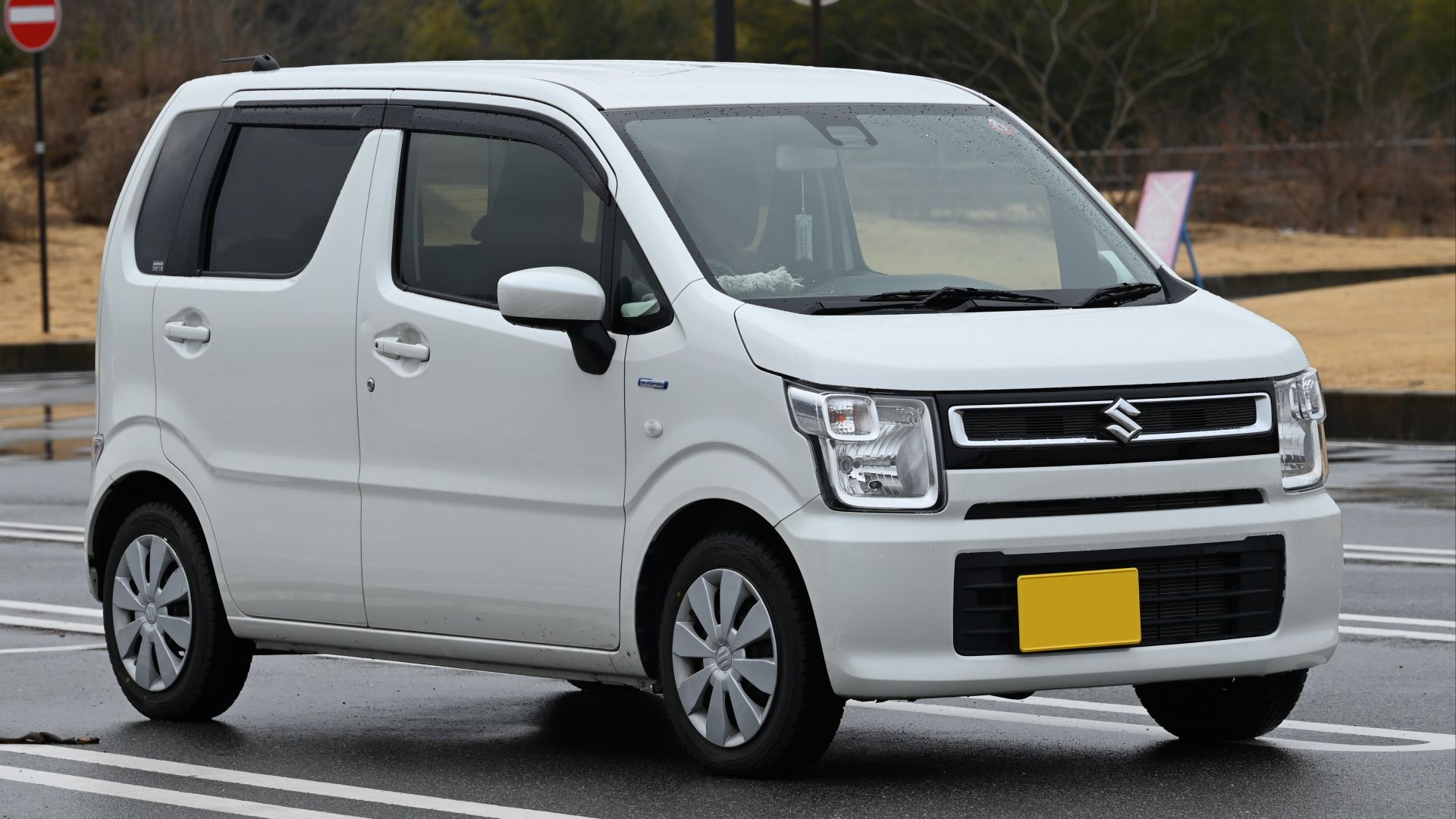
The Samurai's reputation took a serious hit in 1988 after a magazine testing group flagged it for rollover risk, a finding Suzuki disputed and eventually took to court. Sales in the US never recovered, but the Samurai kept selling elsewhere and built a loyal off-road following that pays more for one today than it cost new.
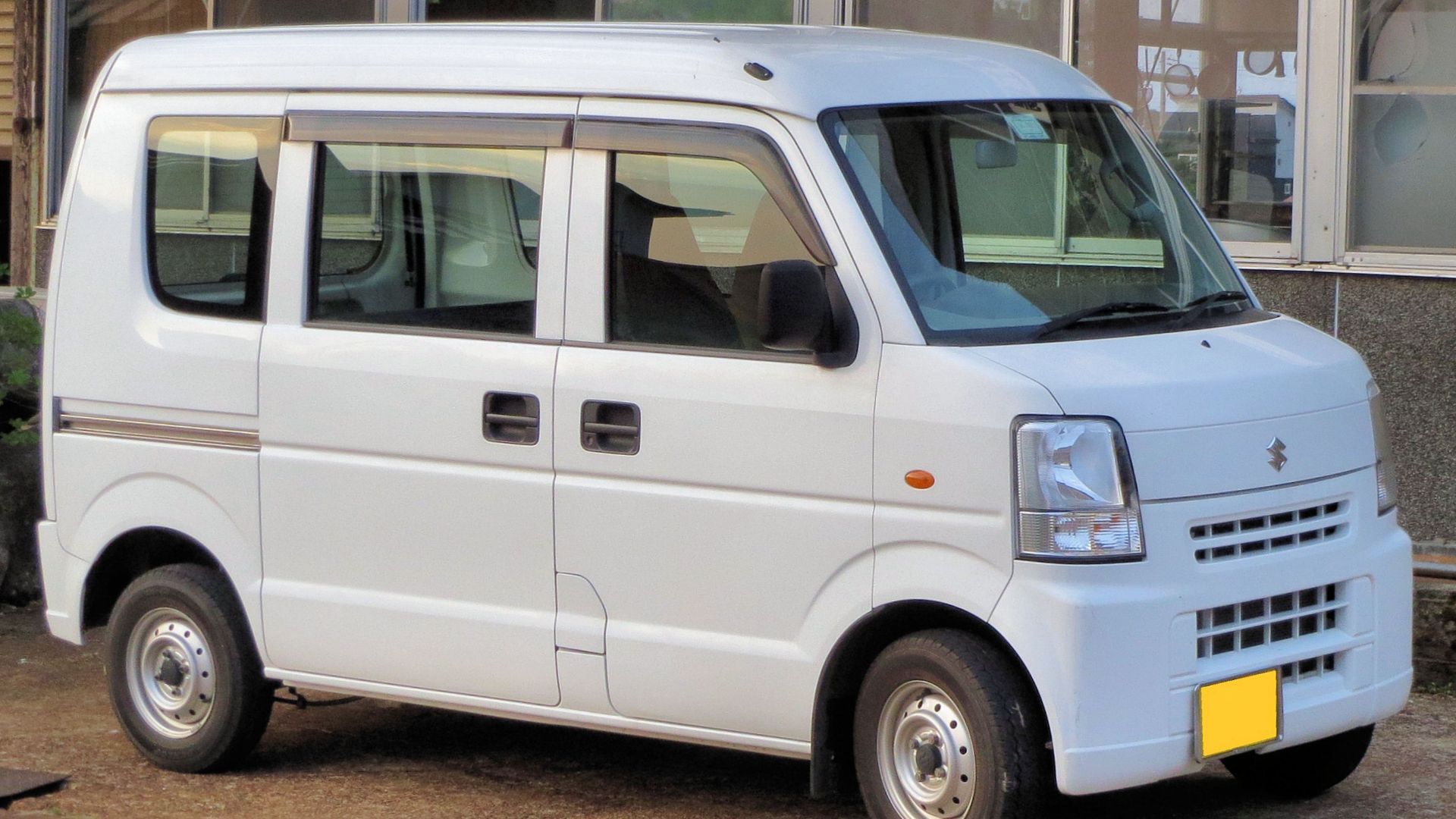
6. Suzuki Every
The Every has been Suzuki's kei van since 1982, sharing its mechanical guts with the Carry truck but wrapped in a fully enclosed body. It's still in production today, used across Japan as a delivery van and daily driver in cities where a full-size van simply doesn't fit.
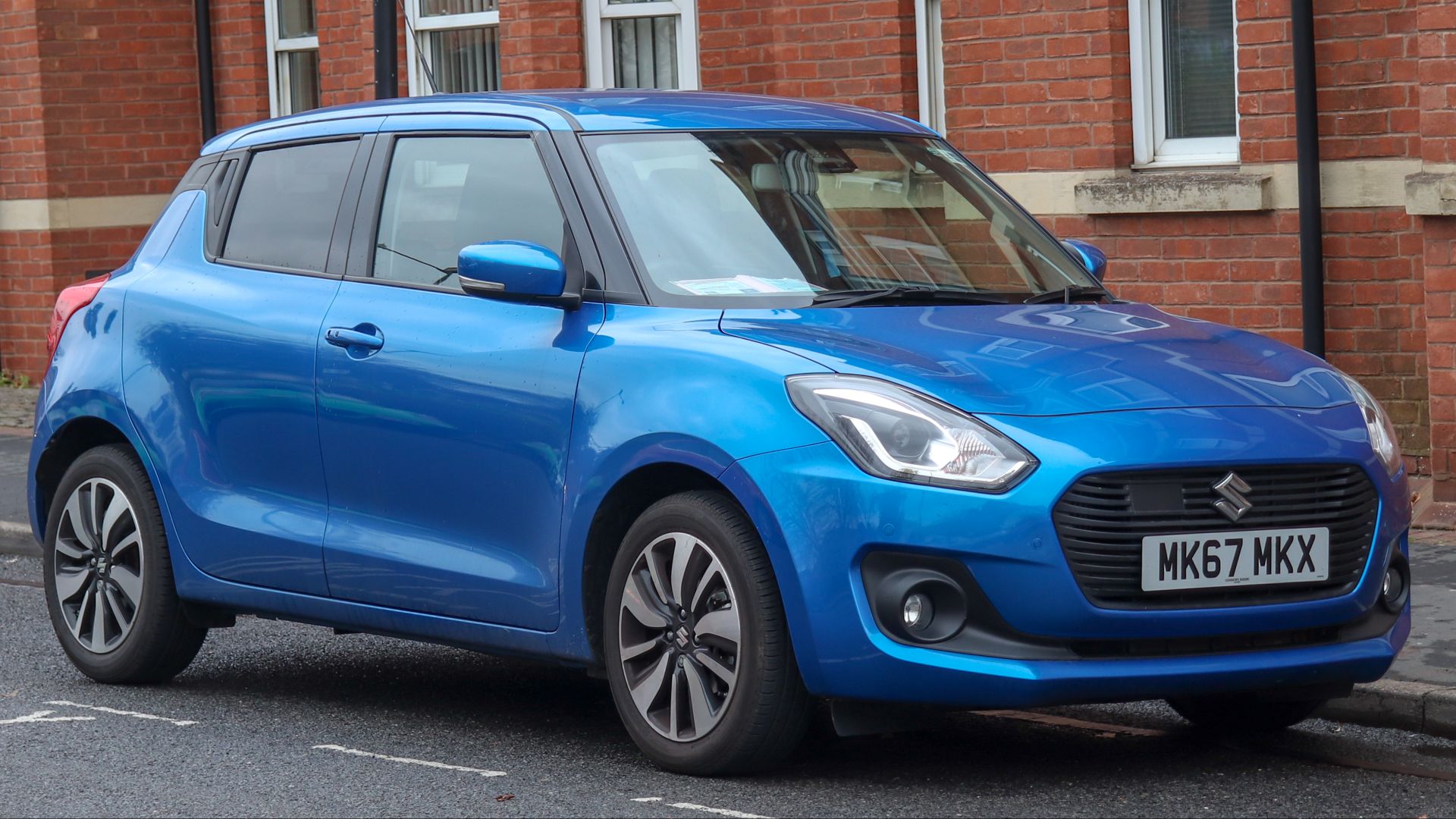
7. Suzuki Swift
The Swift name has been attached to a small Suzuki hatchback since the early 1980s, surviving multiple full redesigns and market pullouts elsewhere in Suzuki's lineup. It never became a huge seller in the US, but globally it's stayed one of Suzuki's best-known names.
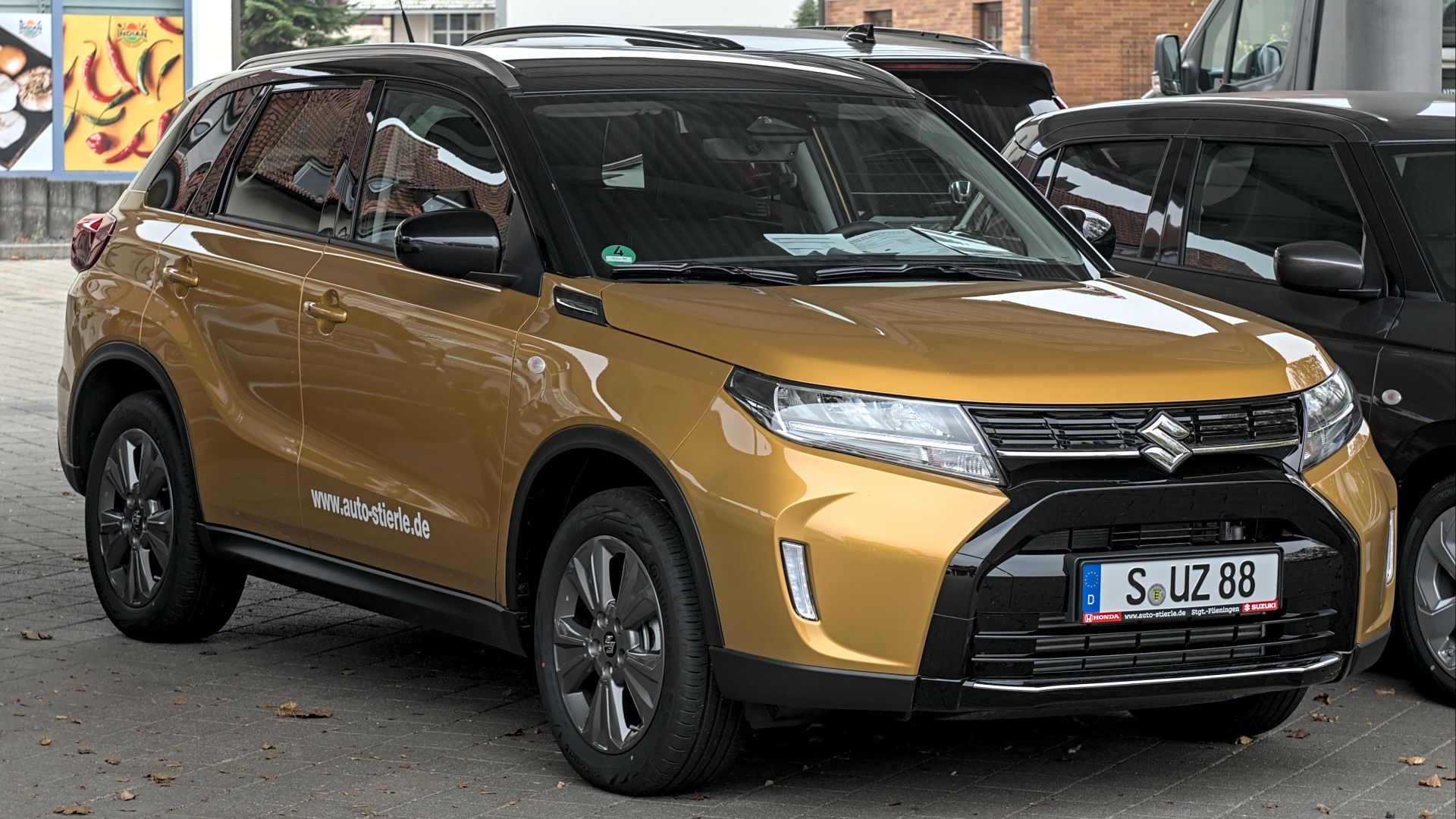
8. Suzuki Vitara
The Vitara, sold at various points as the Grand Vitara or Sidekick, has gone through multiple full redesigns since debuting in the late 1980s and is still in Suzuki's lineup today. It carved out a spot as a genuinely capable small off-roader in a segment that eventually filled up with soft crossovers.
9. Suzuki Maruti 800
Built in India from 1983 to 2014 off the bones of the original Alto, the Maruti 800 stuck around for 31 years and sold close to 2.9 million units, making it one of the most influential cars in Indian history. It only left production because emissions rules finally caught up with it, not because buyers stopped wanting one.
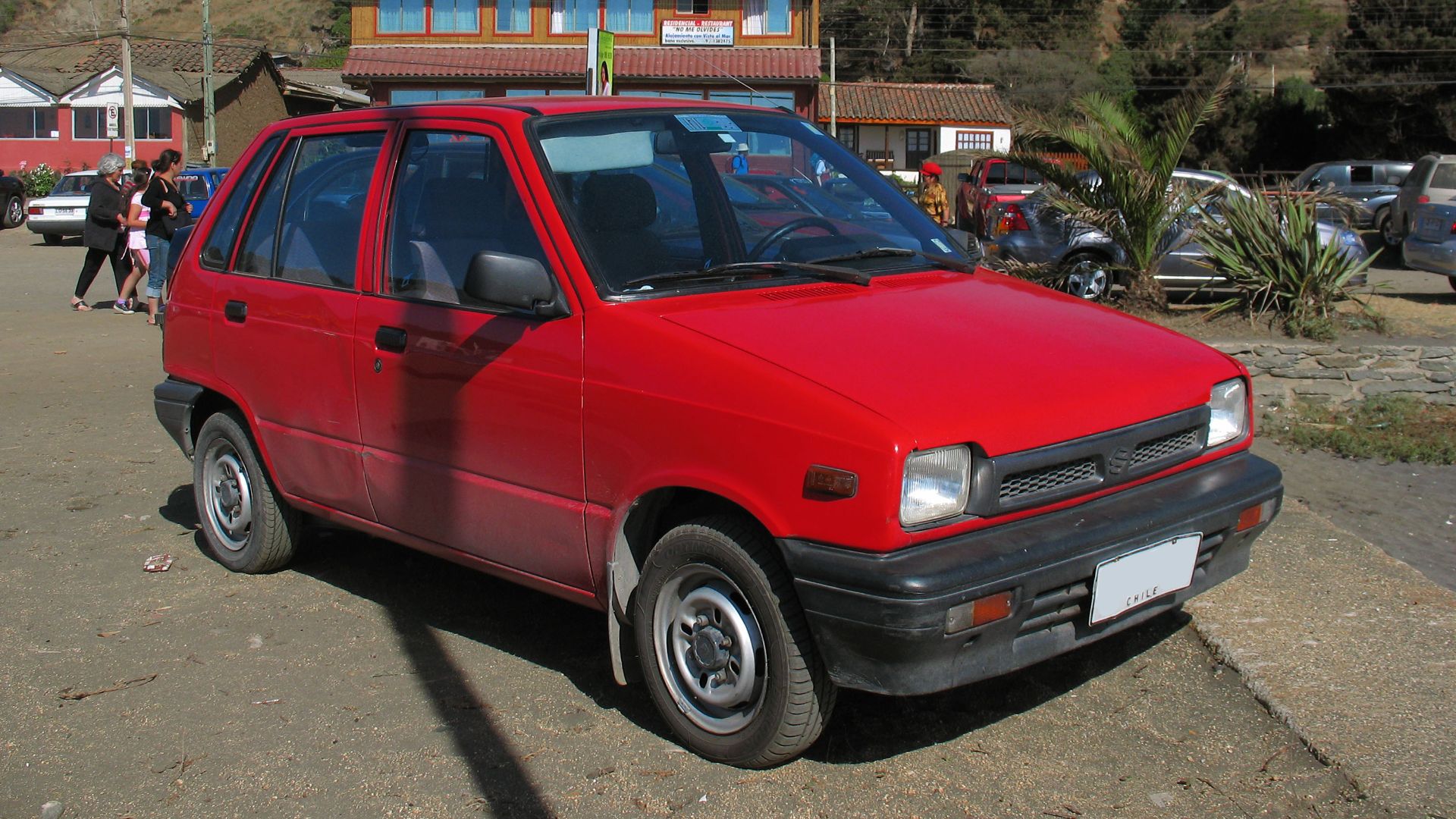 order_242 from Chile on Wikimedia
10. Suzuki Cultus
The Cultus name was fading out globally by the early 2000s, kept alive almost entirely by demand in Pakistan. Suzuki retired the original in 2016, then revived the name a year later on a rebadged Celerio, still sold under that name in Pakistan today.
Not every Suzuki got that kind of staying power, and the next 10 show how quickly a showroom flop can disappear.
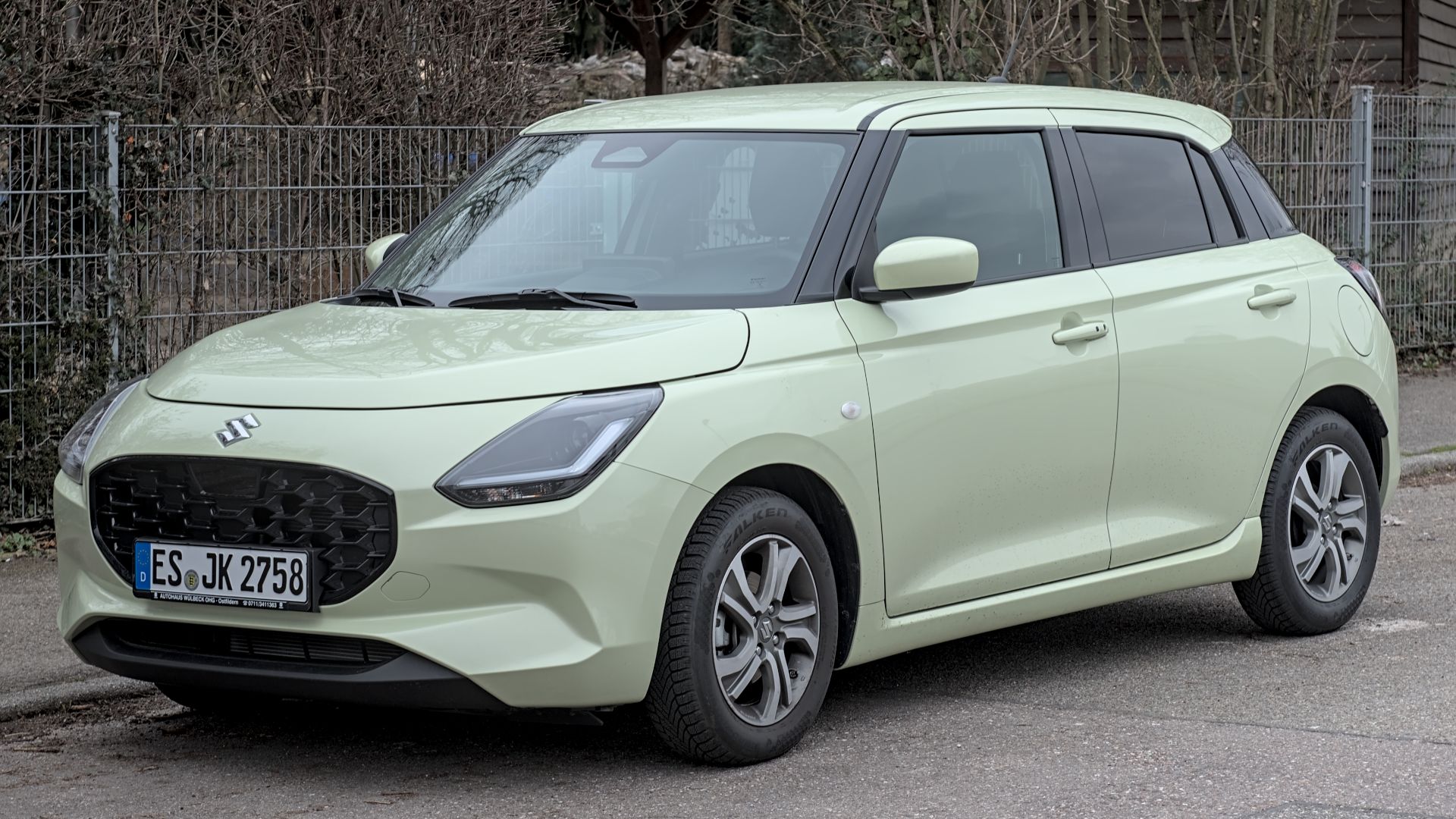
1. Suzuki X-90
The X-90 tried to combine a two-seat sports car with a lifted SUV body and a T-top roof, a combination nobody had asked for when it arrived in 1996. Suzuki hoped to sell around 2,000 a month in the US and ended up moving just over 7,000 total across its entire two-year run.
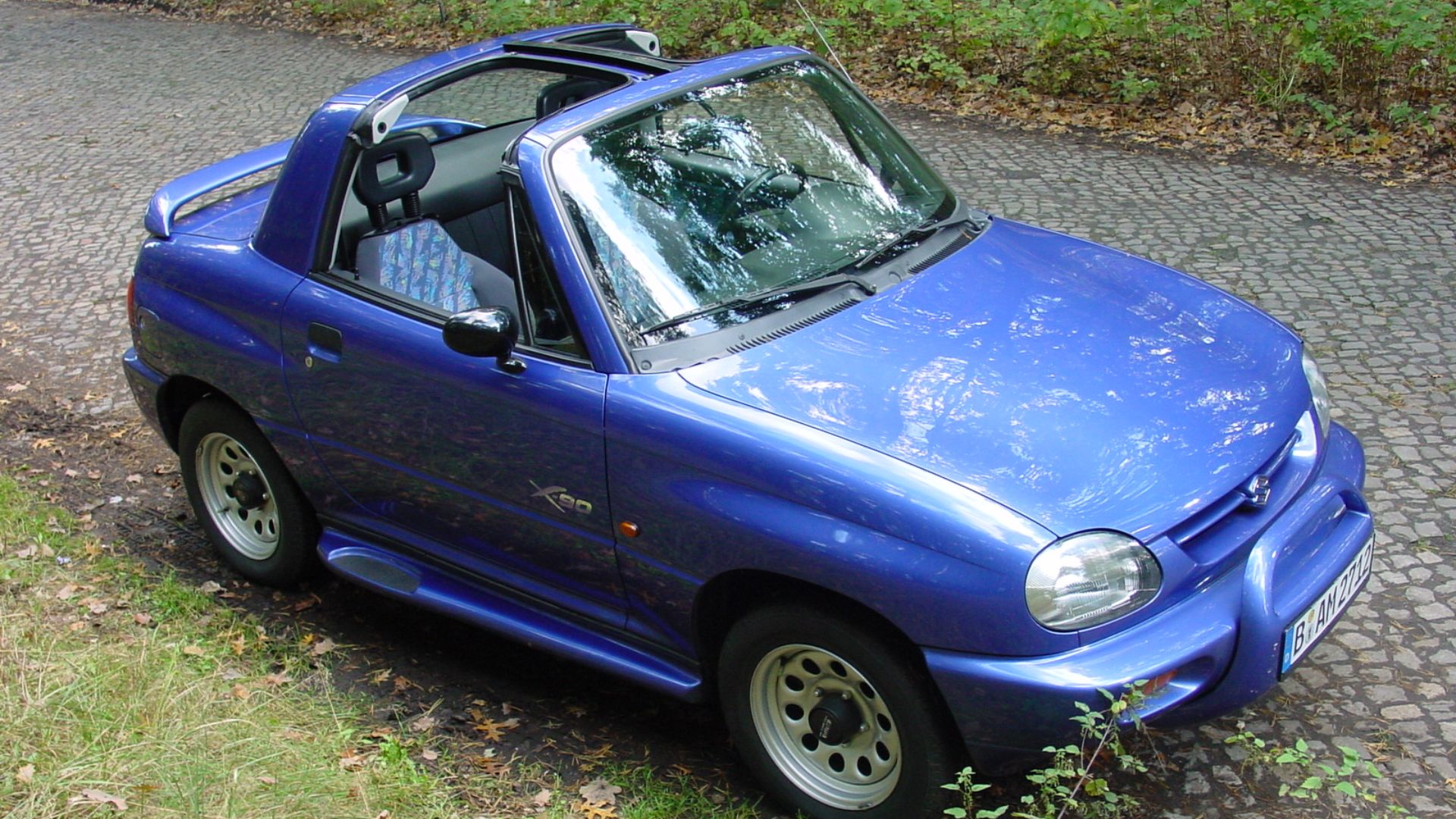
2. Suzuki Kizashi
Reviewers genuinely liked the Kizashi, praising its handling and safety enough that some called it the best car nobody was buying. It launched in 2009, right as the financial crisis gutted demand for a new midsize sedan, and global sales were pulled in 2015 without a replacement ever planned.
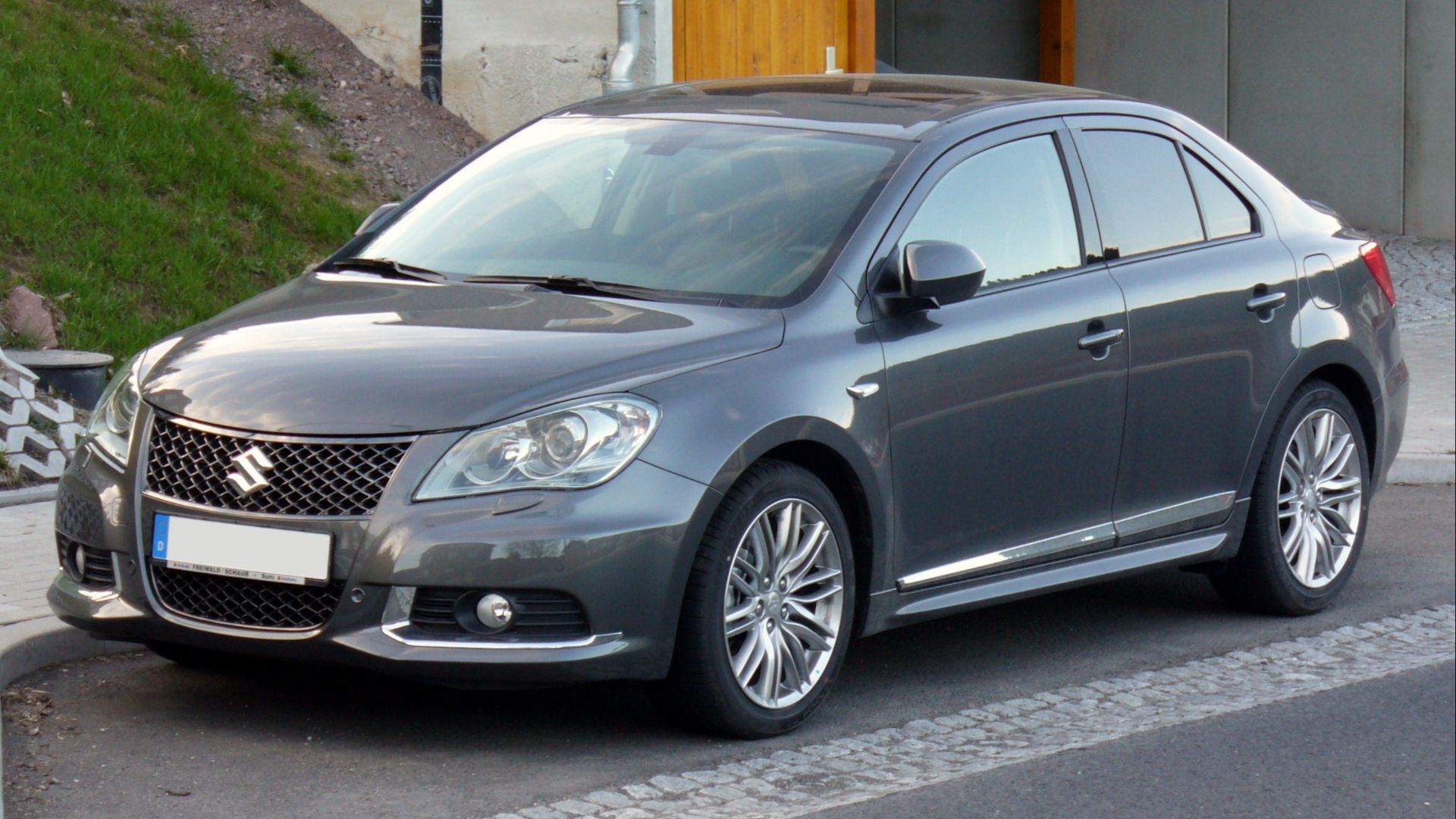
3. Suzuki Equator
The Equator was, almost part for part, a Nissan Frontier wearing Suzuki badges, built at the same Tennessee plant. Buyers who wanted that truck mostly just bought the Frontier instead, and Suzuki discontinued it in 2012 along with the rest of its American lineup.
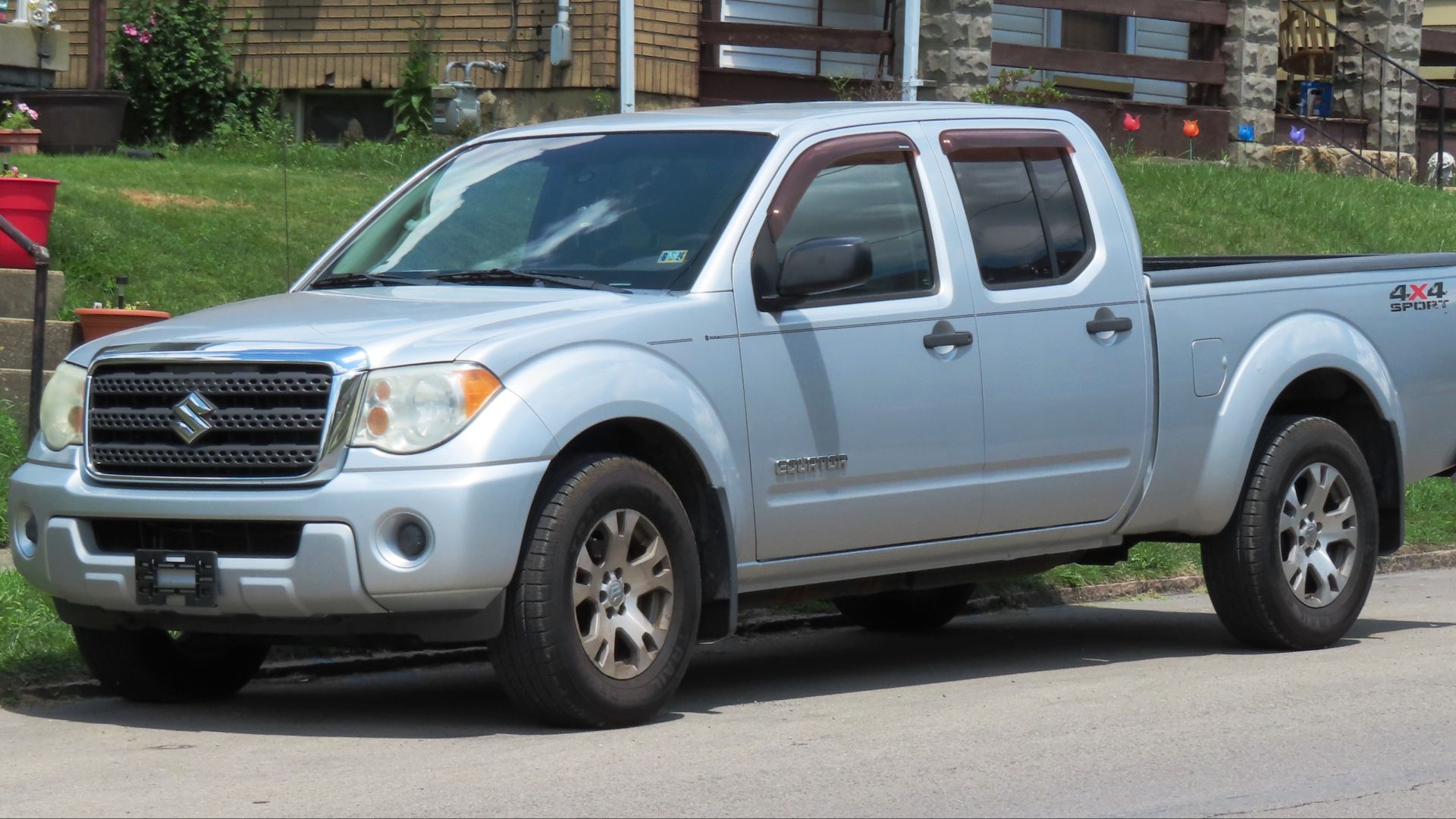
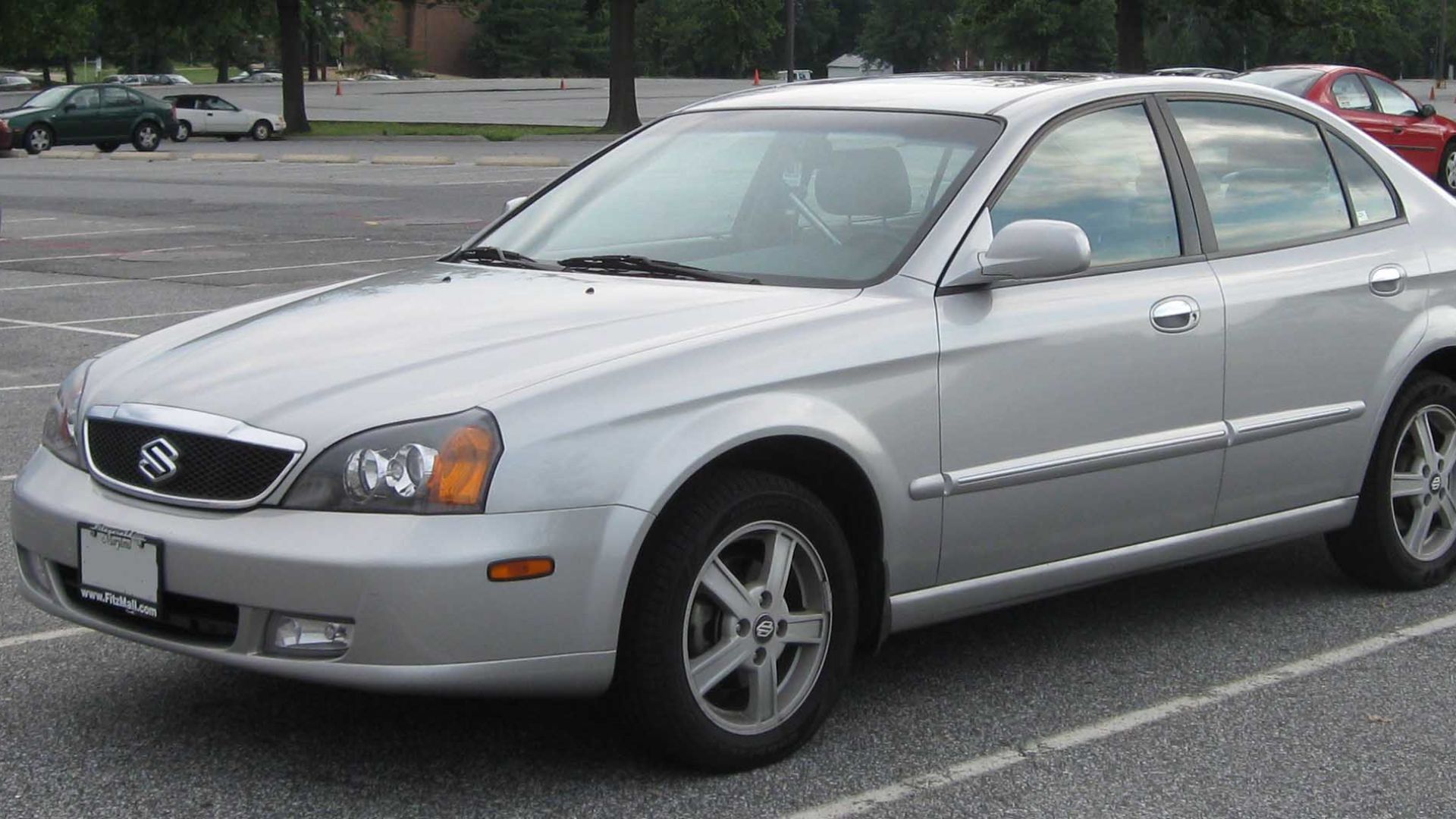
4. Suzuki Verona
The Verona was a rebadged Daewoo sedan brought in to round out Suzuki's US lineup, and it struggled from the start against far more established midsize competitors. Fewer than 26,000 were sold before Suzuki pulled it after just three model years.
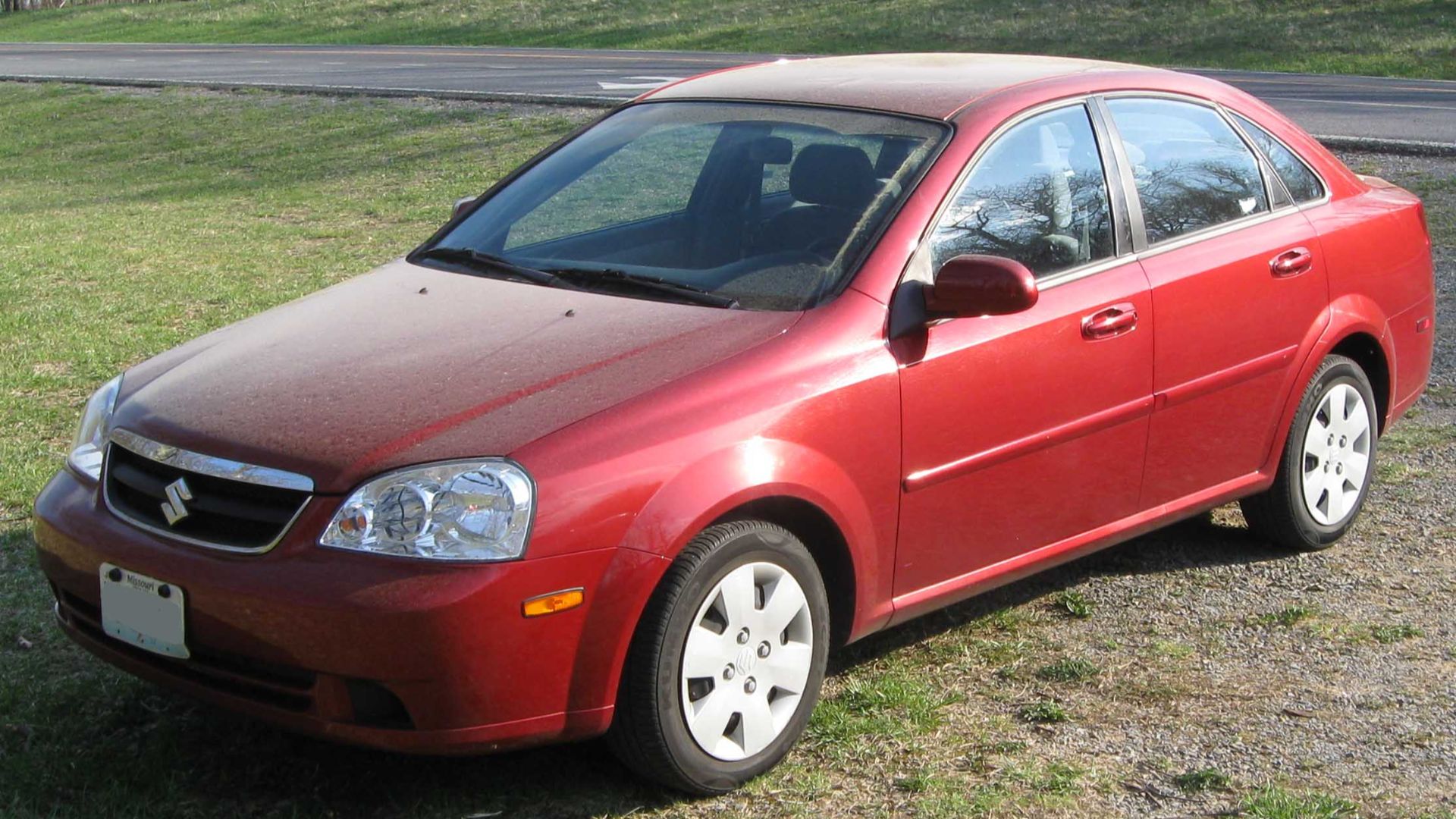
5. Suzuki Reno and Forenza
The Reno hatchback and Forenza sedan were also rebadged Daewoo products sold to help Suzuki compete on the cheap. They sold reasonably well for a few years, but a widescale recall and lukewarm reliability caught up with both before Suzuki discontinued them in 2008.
 commons.wikimedia.org on Google
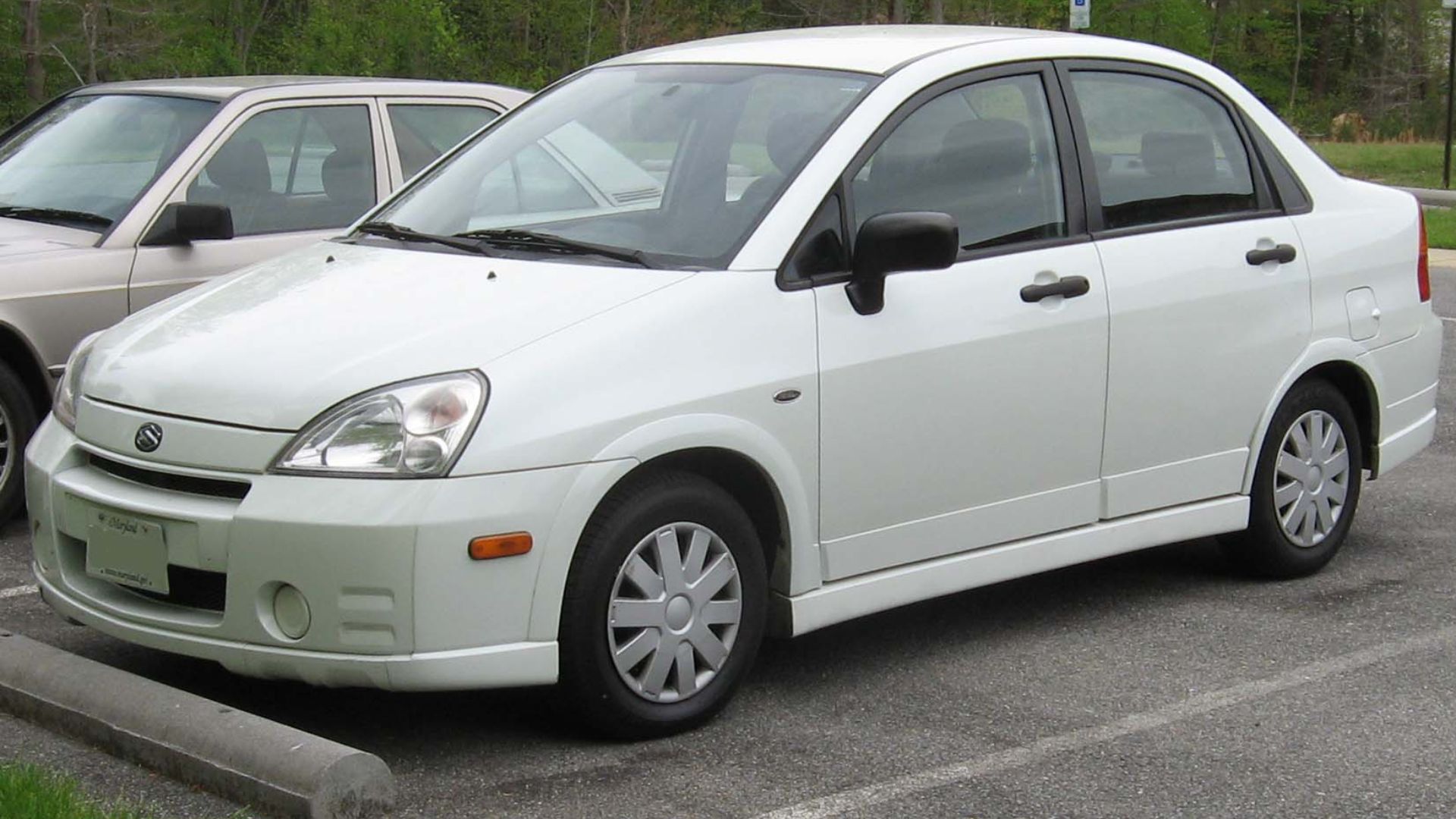
6. Suzuki Aerio
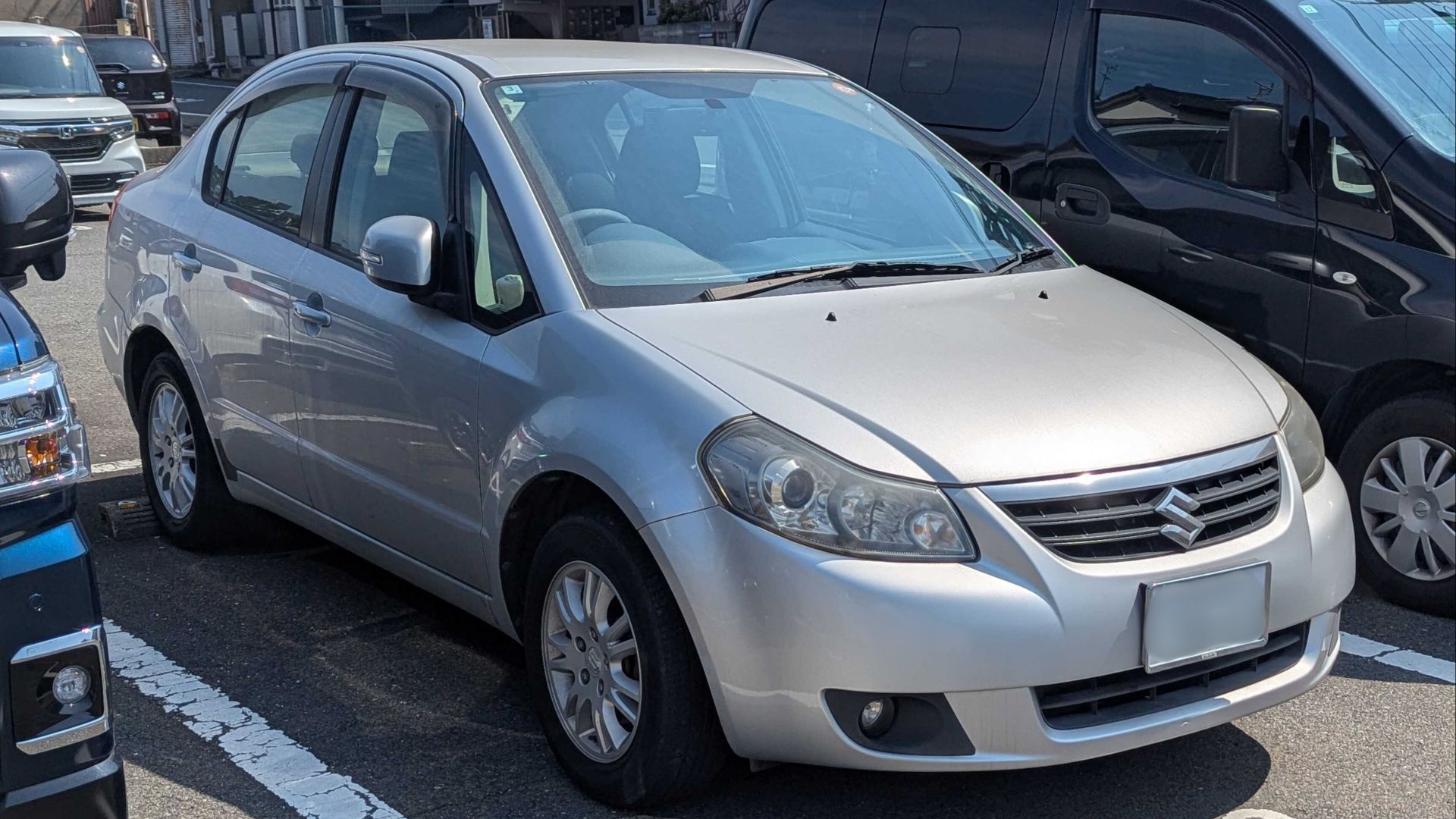
The Aerio arrived as a tall, oddly proportioned hatchback and sedan combo that didn't fit neatly into a category buyers understood. It sold in modest numbers before Suzuki replaced it with the SX4, and most drivers today would struggle to picture what one even looked like.
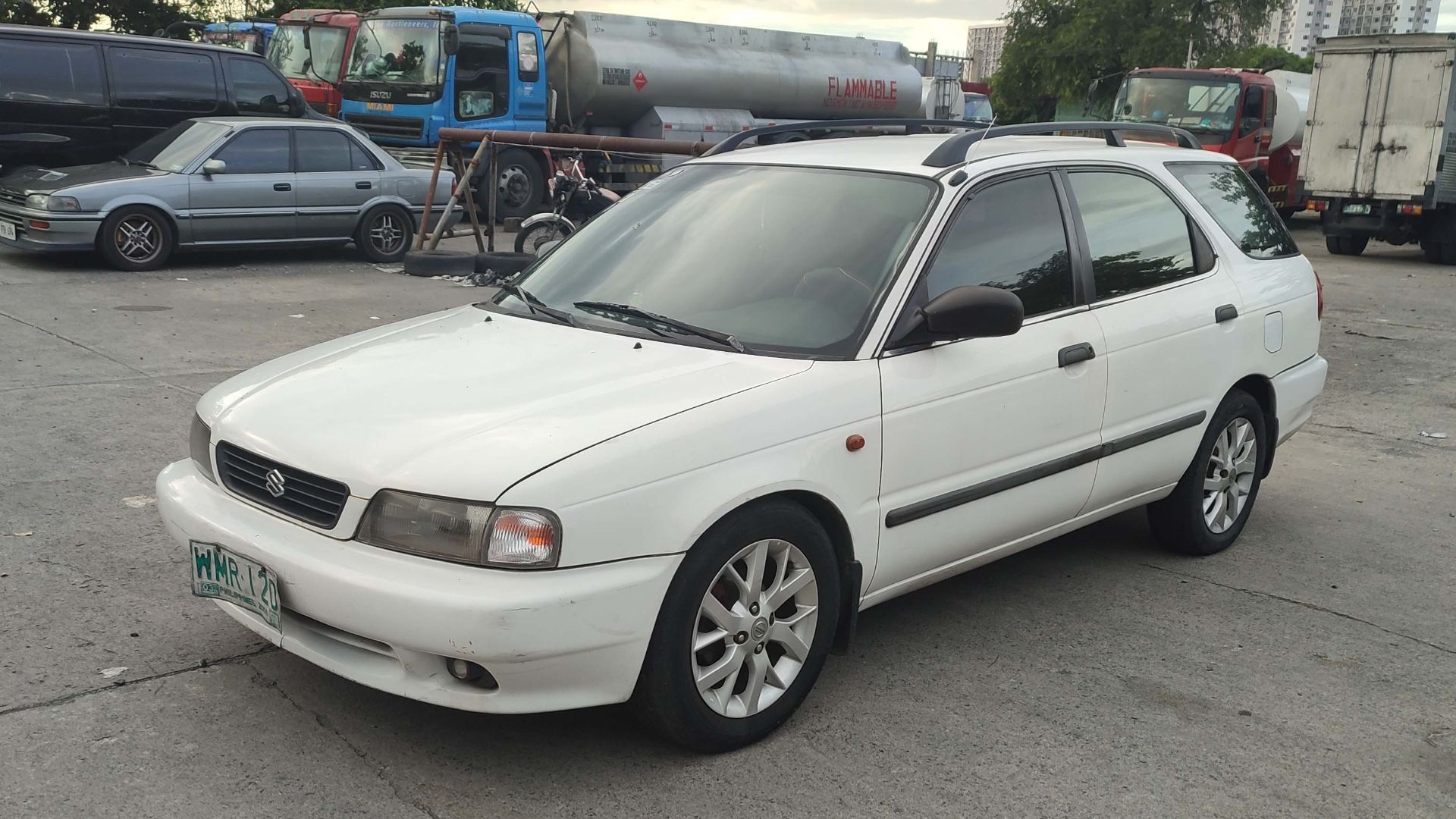
7. Suzuki Esteem
The Esteem was Suzuki's attempt at a mainstream compact sedan in the 1990s, competing directly against the Civic and Corolla with no real brand recognition to lean on. It came and went with barely a ripple, remembered mostly by owners rather than the broader car-buying public.
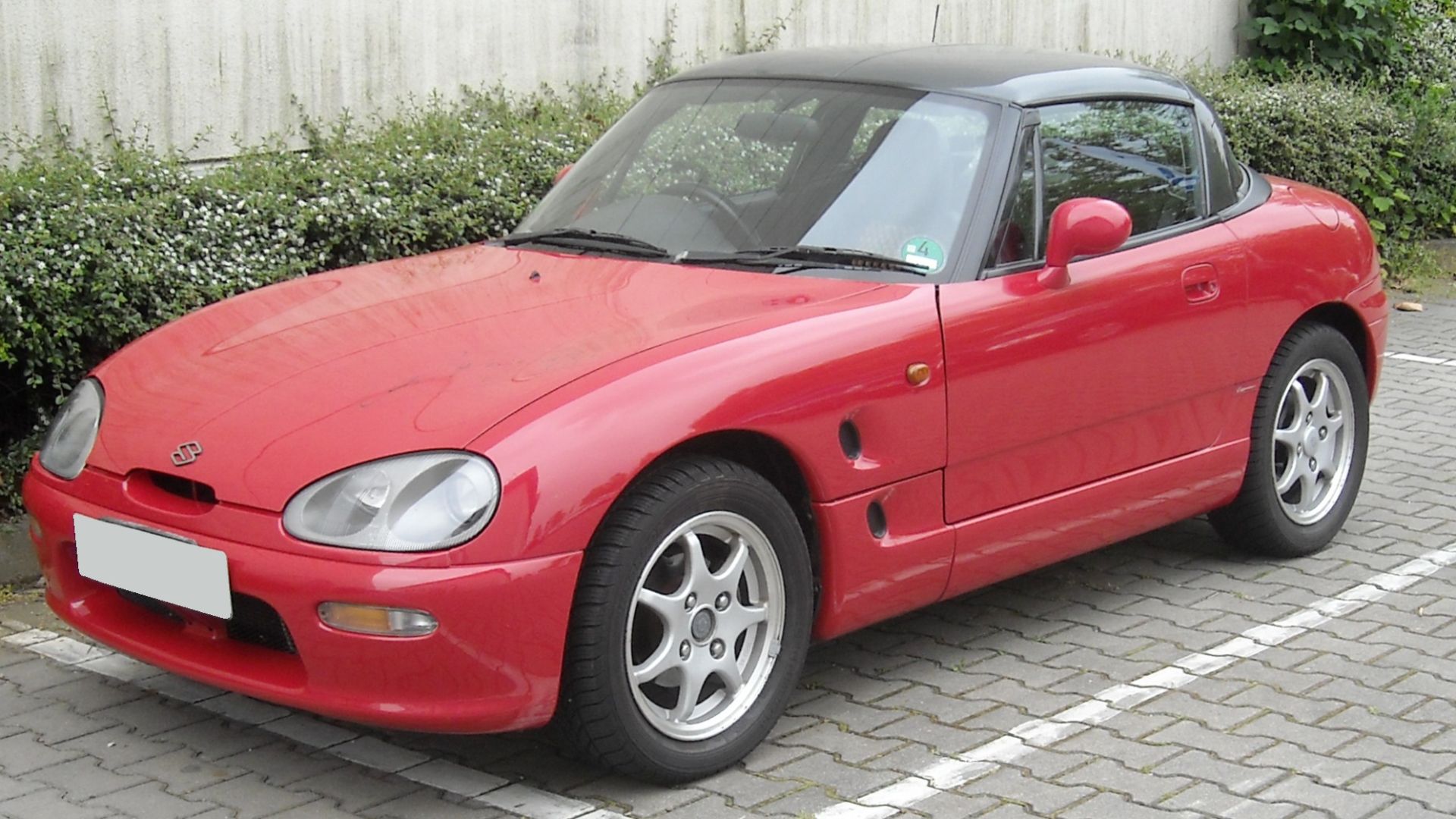
8. Suzuki Cappuccino
The Cappuccino was a tiny, rear-wheel-drive kei sports car sold only in Japan, built around a featherweight body and a turbocharged three-cylinder engine. It never got an official audience outside Japan, staying a niche pick for enthusiasts rather than a mainstream seller.
9. Suzuki XL7
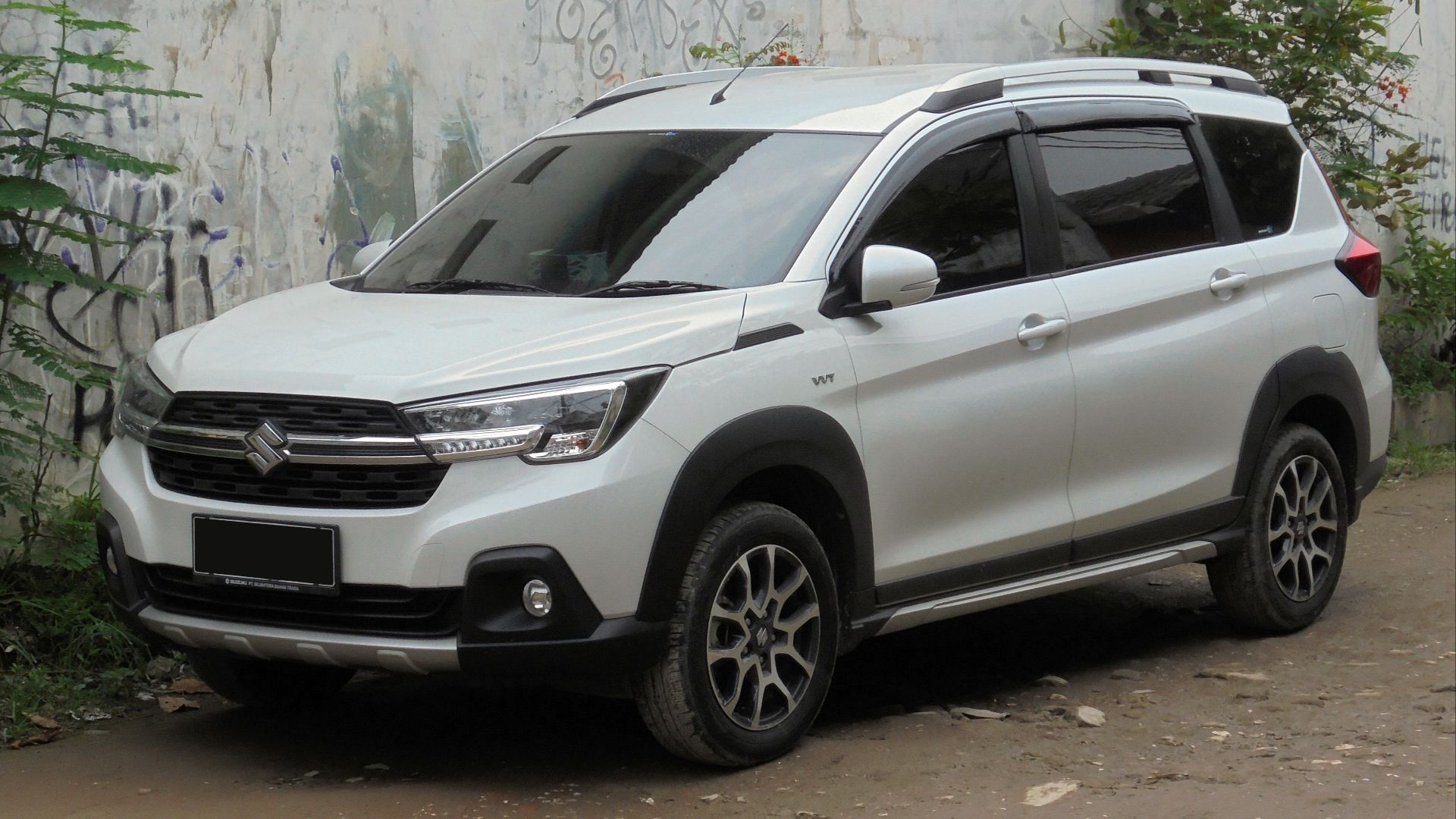
The XL7 tried to stretch Suzuki's small SUV formula into a seven-seat family hauler, going up against far more established names with better resale value and dealer networks. It didn't build much of a following, and Suzuki discontinued it along with the rest of its US lineup in 2012.
10. Suzuki SX4
The SX4 was a reasonably competent hatchback and crossover with decent all-wheel-drive capability for its price, but it never shook a reputation as the car people settled for rather than sought out. It disappeared along with the rest of Suzuki's American lineup at the end of 2012.