
The Brand America Barely Remembers Existed
Isuzu built some genuinely great vehicles, then somehow became the automaker most people only remember from a used-car lot or an old ad campaign. Part of that comes down to timing: Isuzu quietly exited the U.S. passenger market in 2009, leaving a lineup that had drifted into badge-engineered GM leftovers. But buried in that history are cars that won rallies and reshaped Japanese sports-coupe design, right alongside a pile of models nobody talks about anymore. Here's 10 that built the legend, and 10 that quietly slipped away.
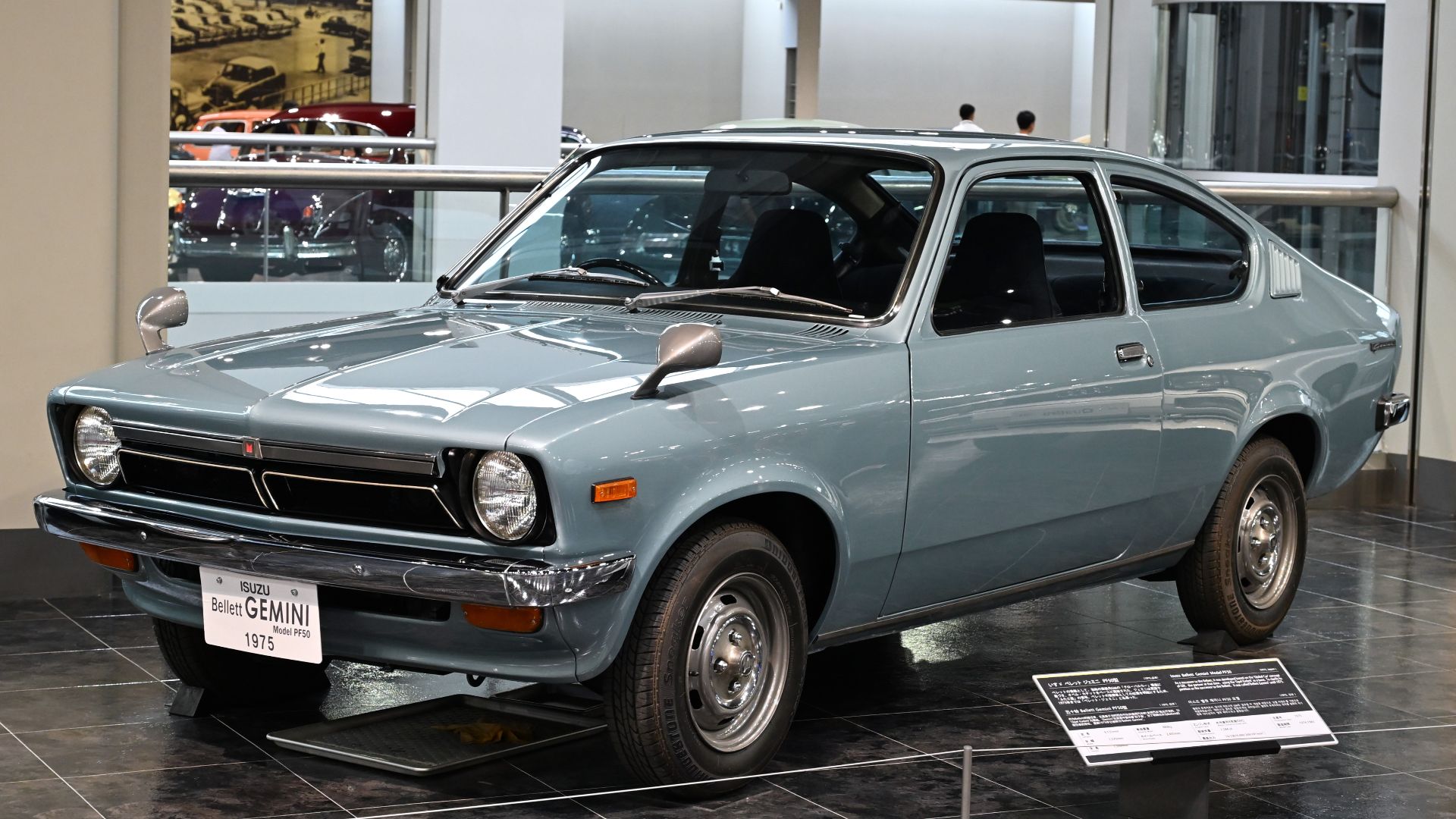
1. Isuzu Bellett GT-R
The Bellett wore Japan's first-ever "GT" badge back in 1964 and paired it with the country's first front disc brakes. Its racing version, the Bellett GT-R, borrowed its twin-cam engine from the 117 Coupe and reportedly won its debut race outright at the 1969 Suzuka 12 Hours. Prepared examples even got raced overseas by names like Bruce McLaren, a strange footnote for a car most Americans never saw.
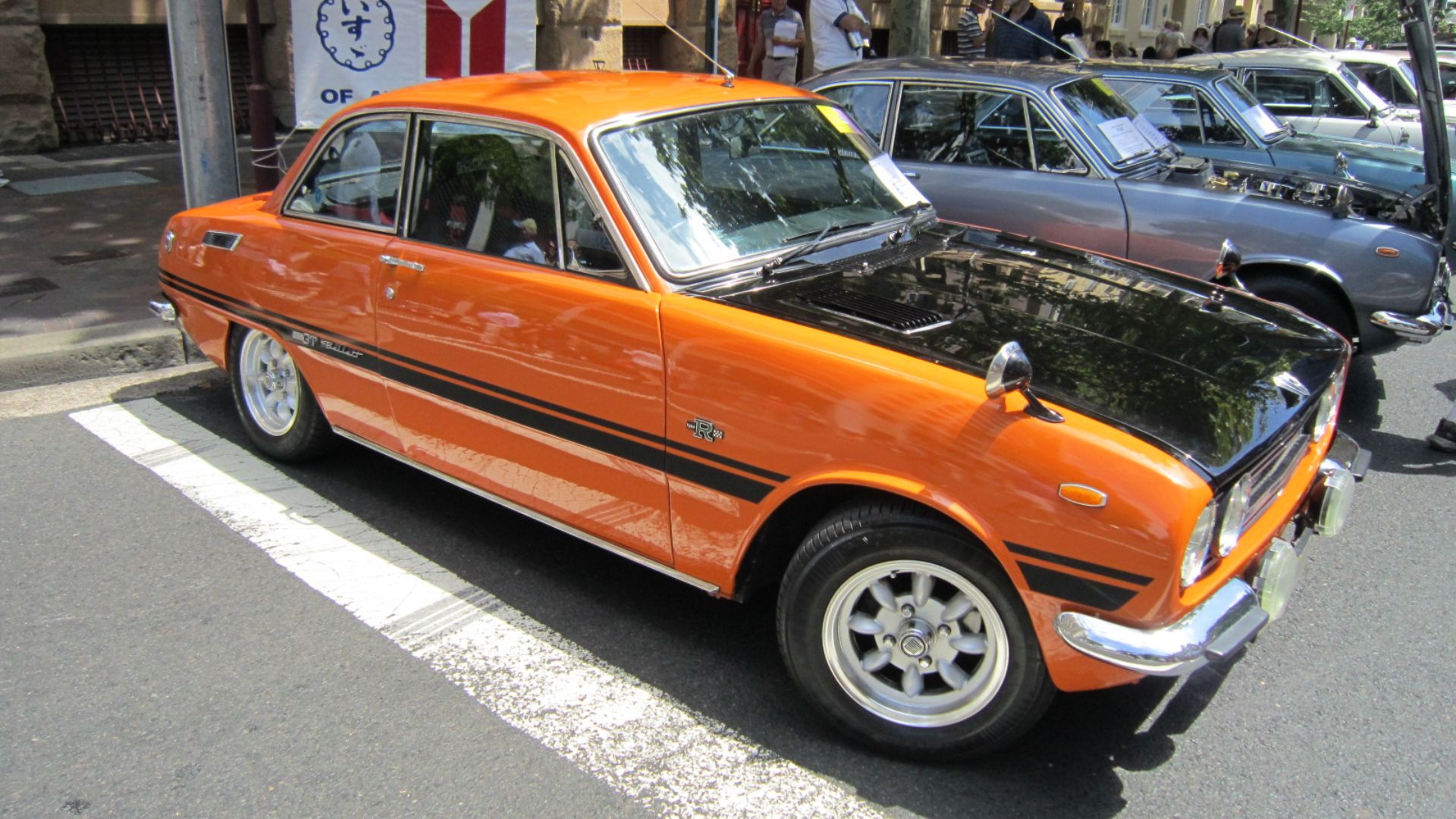 Jeremy from Sydney, Australia on Wikimedia
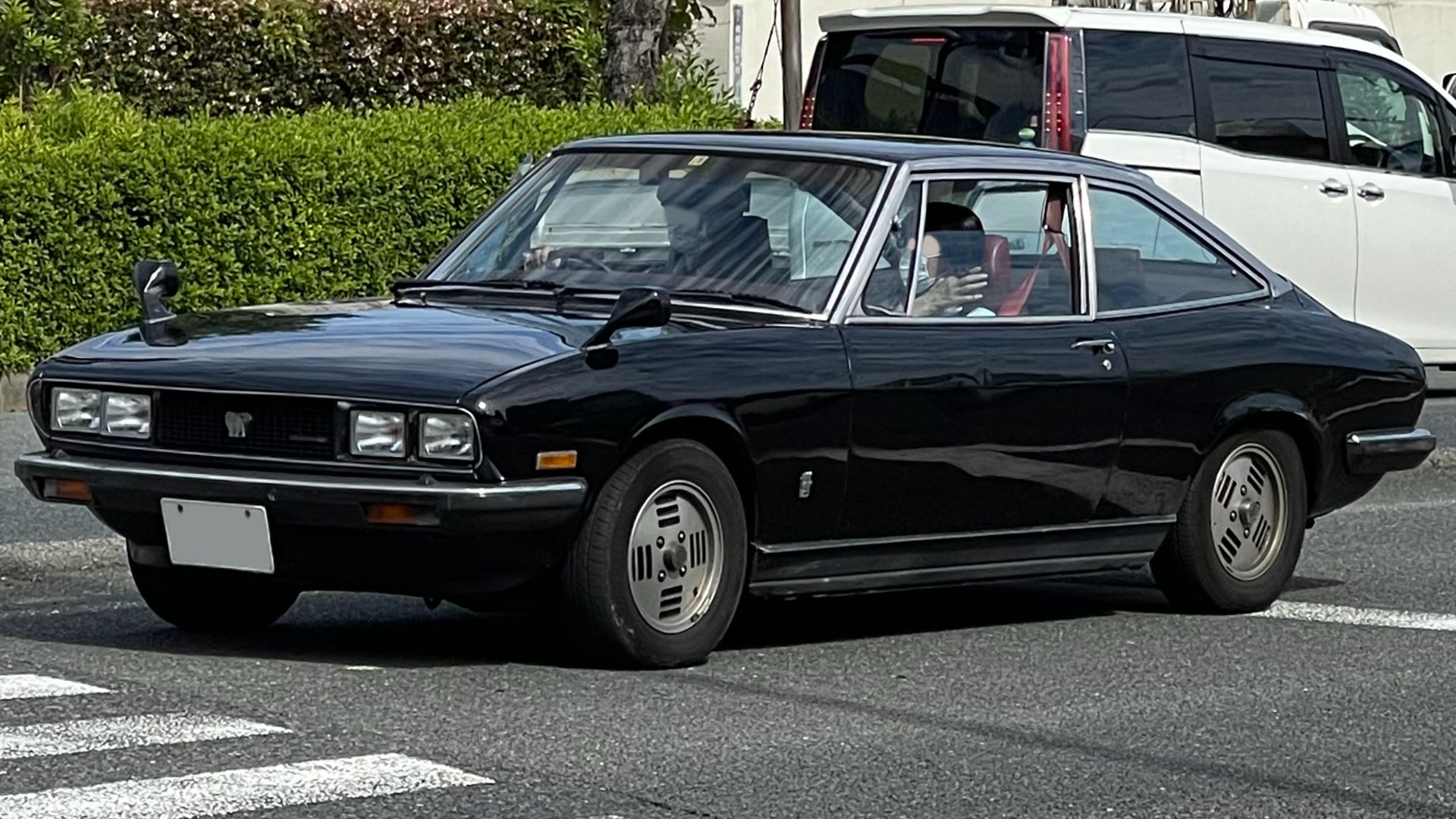
2. Isuzu 117 Coupe
Designed by Giorgetto Giugiaro and hand-assembled in tiny numbers when it launched in 1968, the 117 Coupe is still considered one of the most elegant Japanese cars of its era. Its styling influence stretched well beyond Isuzu, and its twin-cam engine ended up powering the sportier Bellett variants. It's a serious collector's item in Japan today.
 Tokumeigakarinoaoshima on Wikimedia
3. Isuzu Piazza, "Handling by Lotus"
Another Giugiaro design, the Piazza arrived in the U.S. as the Isuzu Impulse and struggled with criticized wet-weather handling until Lotus, then a GM subsidiary, redesigned its suspension and brakes for 1988. The resulting "Handling by Lotus" badge wasn't just marketing; Lotus genuinely reworked the dampers, tires, and chassis. It's a certified cult classic now, with barely a couple thousand examples left registered in North America.
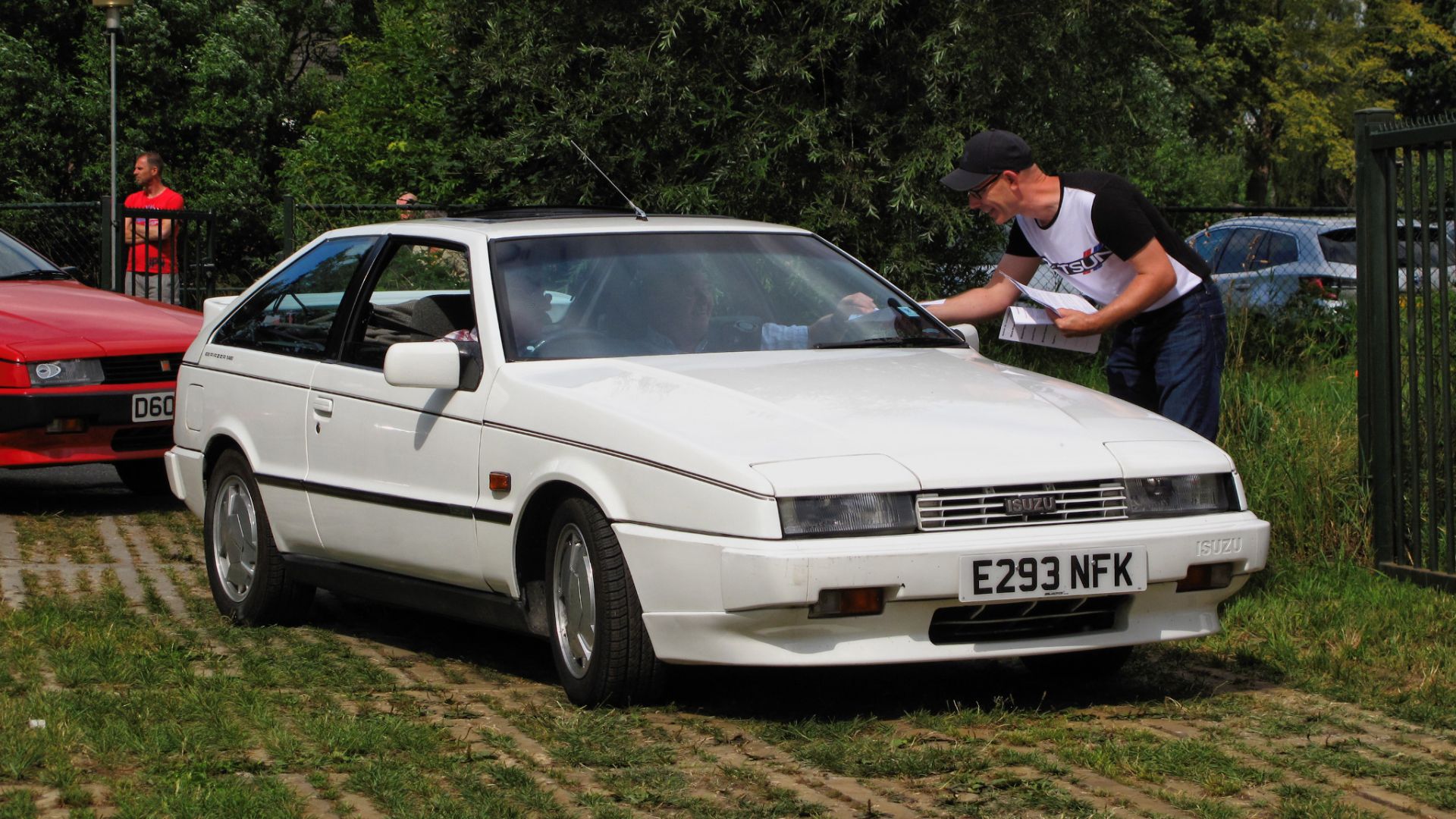 Rutger van der Maar from Leiden, The Netherlands on Wikimedia
4. Isuzu Trooper
Sold worldwide under names like the Bighorn, Trooper, and Acura SLX, this boxy SUV built its reputation the hard way, winning the Marathon Class of the 1994 Paris-Dakar Rally and taking class wins at the Australian Safari two years running. Isuzu leaned into that success with a Super Bowl ad the following year. Its reputation for going anywhere and rarely breaking down outlived the vehicle itself.
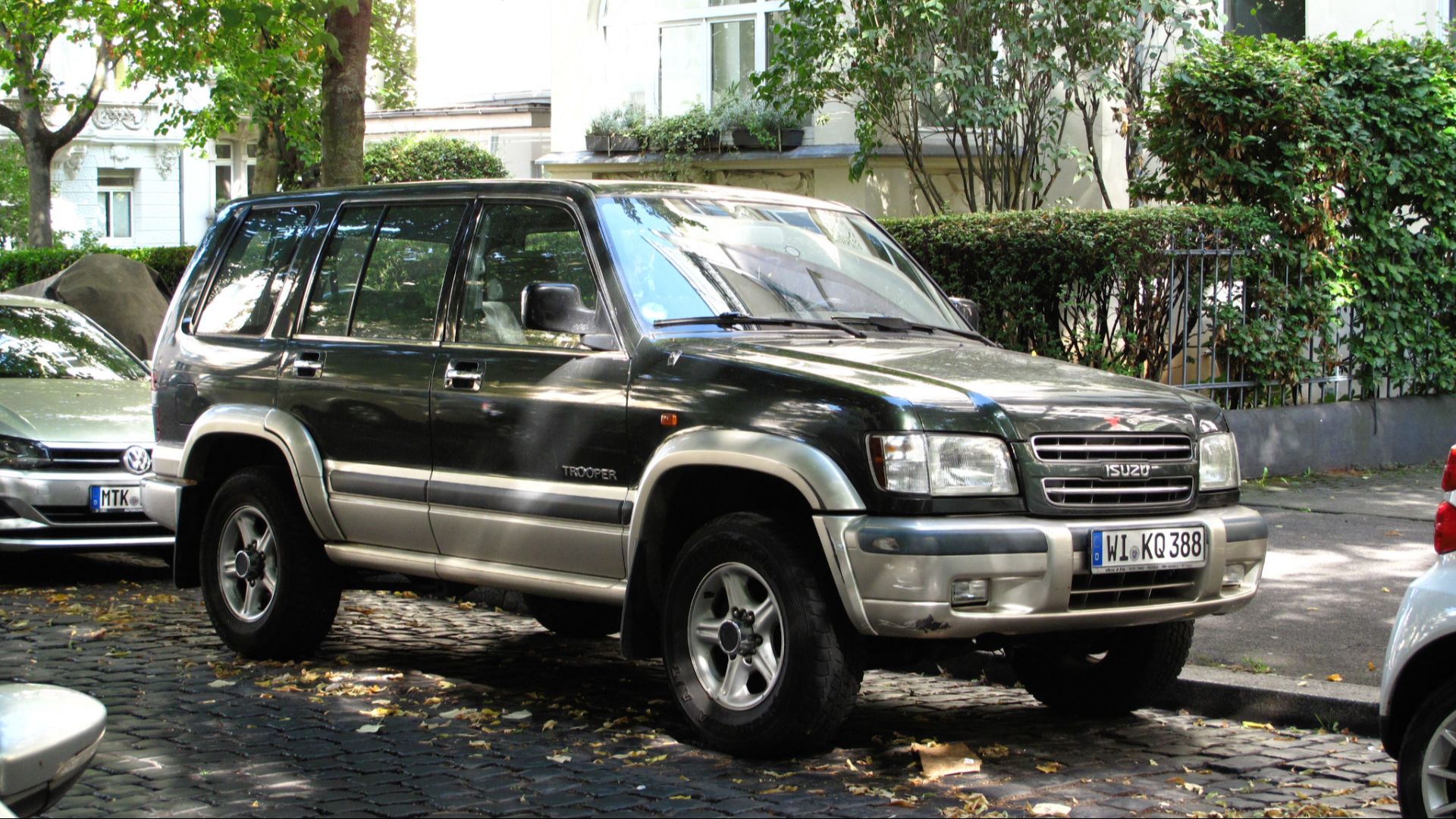 Rutger van der Maar on Wikimedia
5. Isuzu VehiCROSS
Launched in Japan in 1997 and the U.S. two years later, the VehiCROSS looked like nothing else on the road, with body-colored composite panels and an aggressive, almost sci-fi stance. It sold in tiny numbers and never made Isuzu much money, but two decades later it's one of the most sought-after Japanese SUVs among collectors. Few vehicles this strange ever made it to production at all.
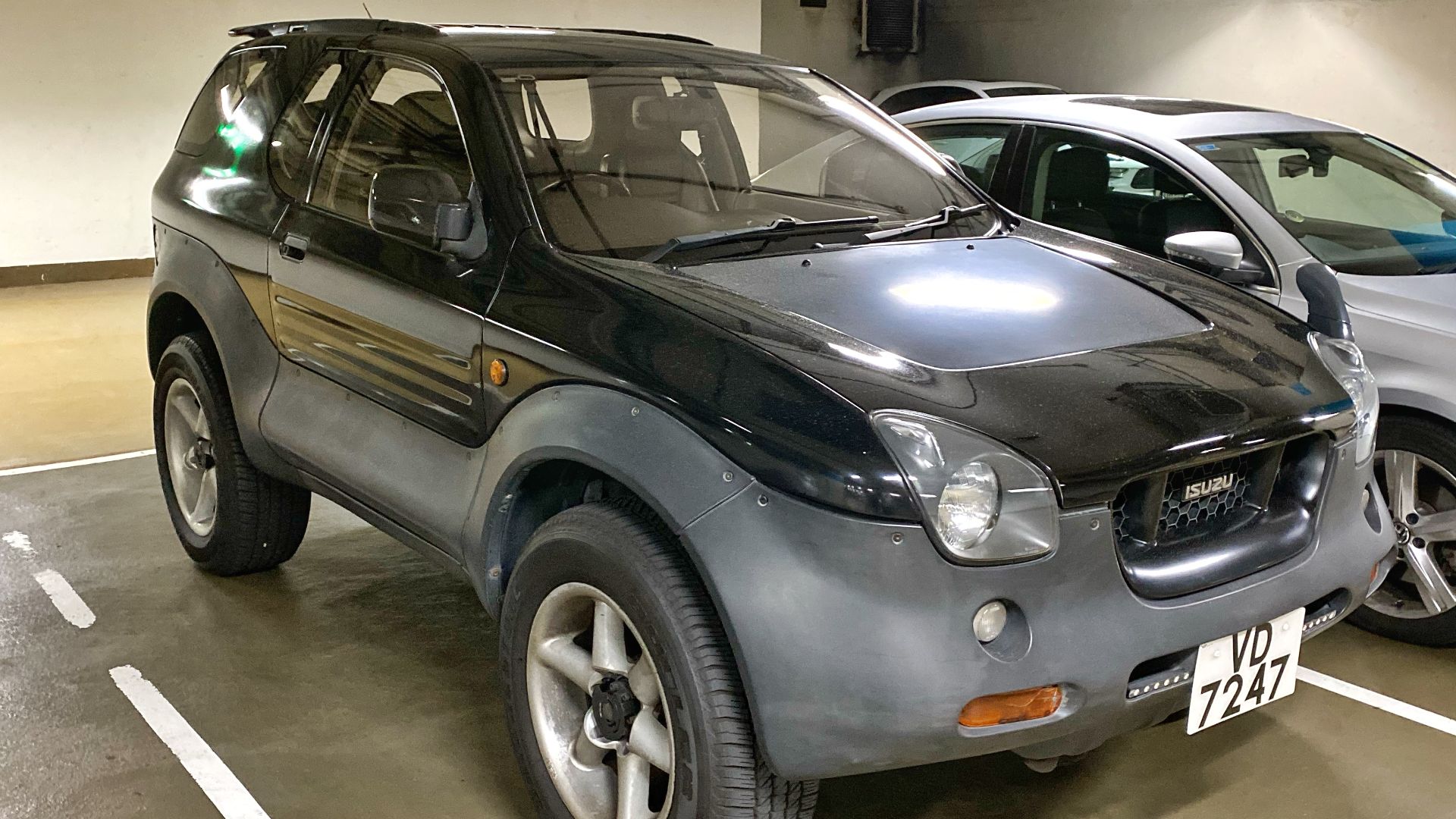 Jones028 from Hong Kong on Wikimedia
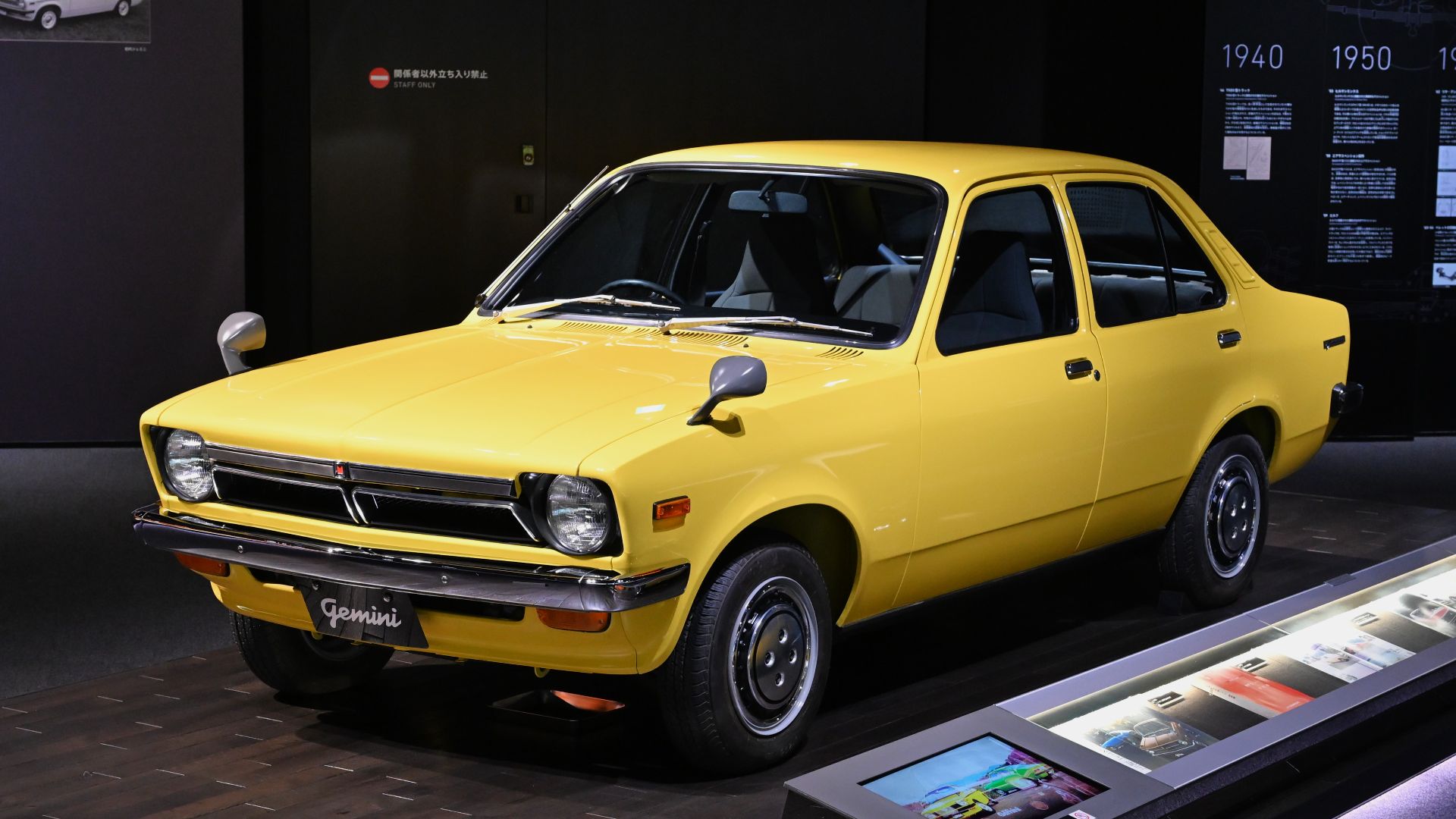
6. Isuzu Gemini
Born out of Isuzu's partnership with General Motors, the Gemini sold across the world under a rotating cast of GM badges and helped Isuzu establish itself as a serious small-car engineer beyond Japan. It formed the technical basis for later Isuzu coupes, including the Piazza. For a car most people have never heard of, its fingerprints are all over Isuzu's later lineup.
7. Isuzu Elf
The Elf light-duty truck has been a fixture on job sites and city streets across Japan and much of Asia for decades, prized for being nearly indestructible. It rarely gets discussed the way passenger cars do, but it's sold in massive numbers and built Isuzu's reputation as a commercial-truck powerhouse. In much of the world, "Isuzu" still means this truck first.
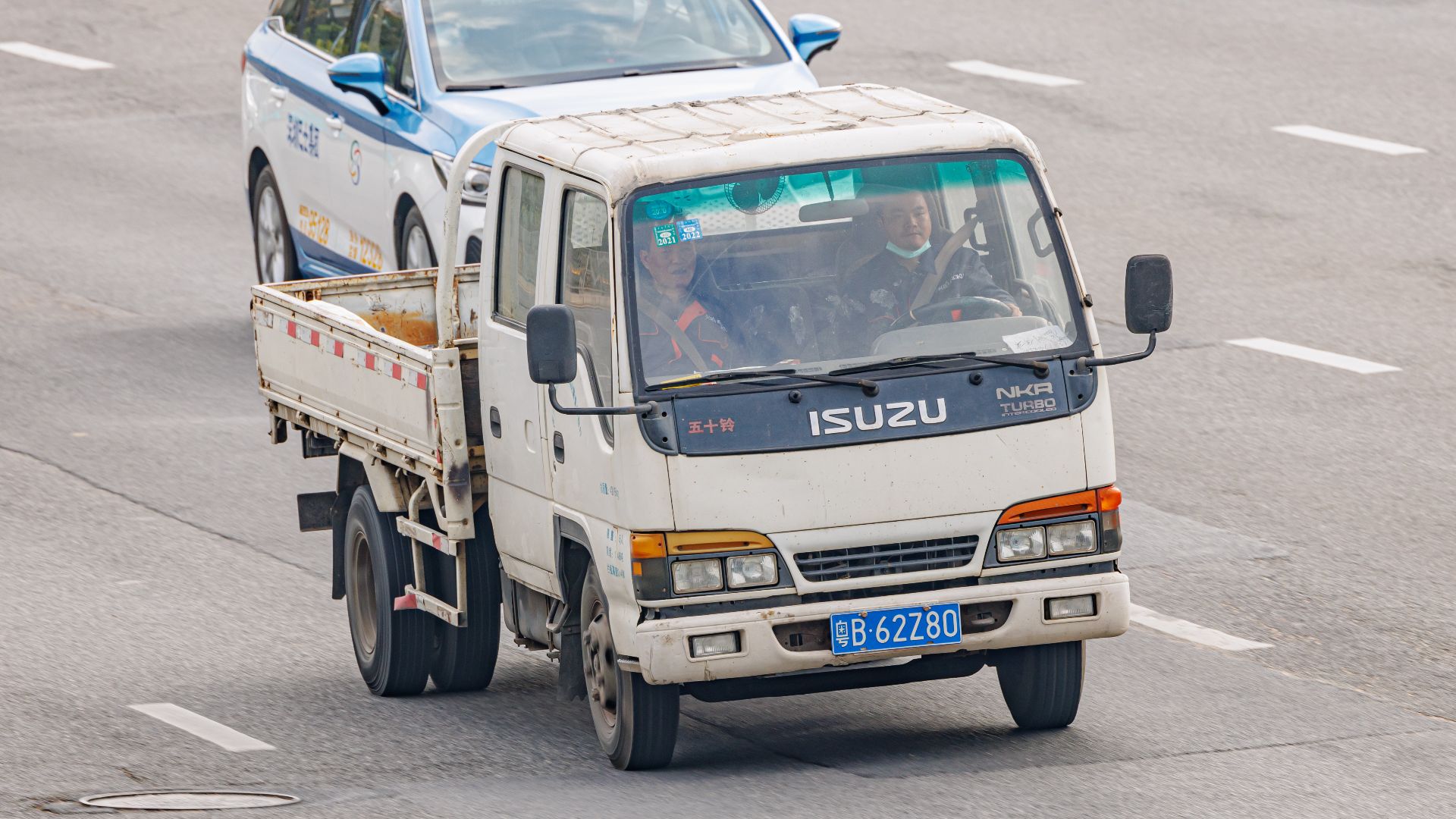
8. Isuzu Faster
Exported to the U.S. under Chevrolet's LUV badge starting in the early 1970s, the Faster was a small, simple pickup that introduced many American buyers to compact trucks. It later sold under Isuzu's own name once the brand entered the U.S. market directly, and the formula proved durable enough to stick around for decades.
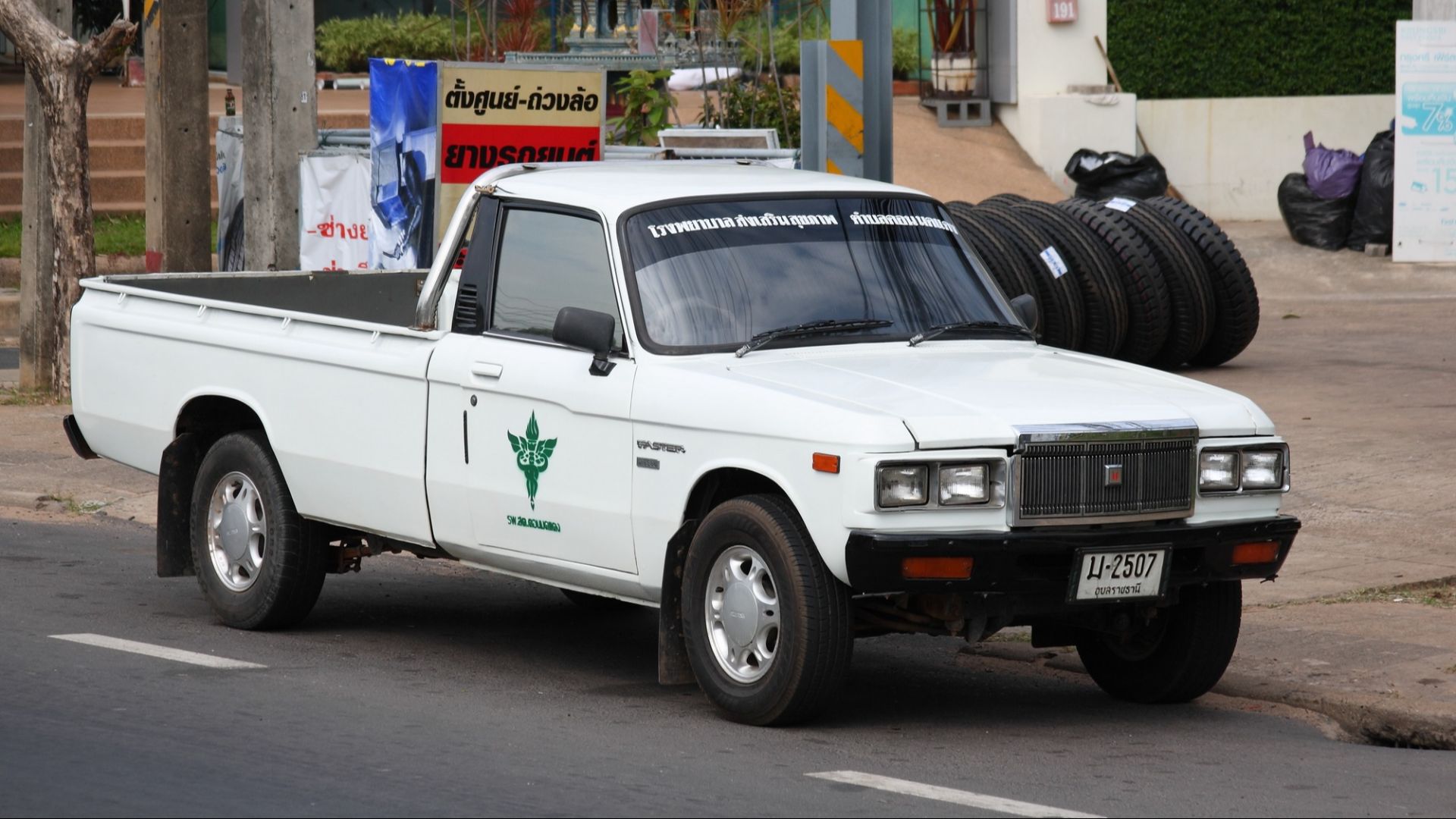
9. Isuzu Rodeo
Sold in the U.S. as both the Isuzu Rodeo and, after 1993, the badge-engineered Honda Passport, this compact SUV became one of Isuzu's best sellers stateside. It offered genuine off-road chops in a package that felt less crude than some rivals. Even after Isuzu faded from view, plenty of these are still running today.
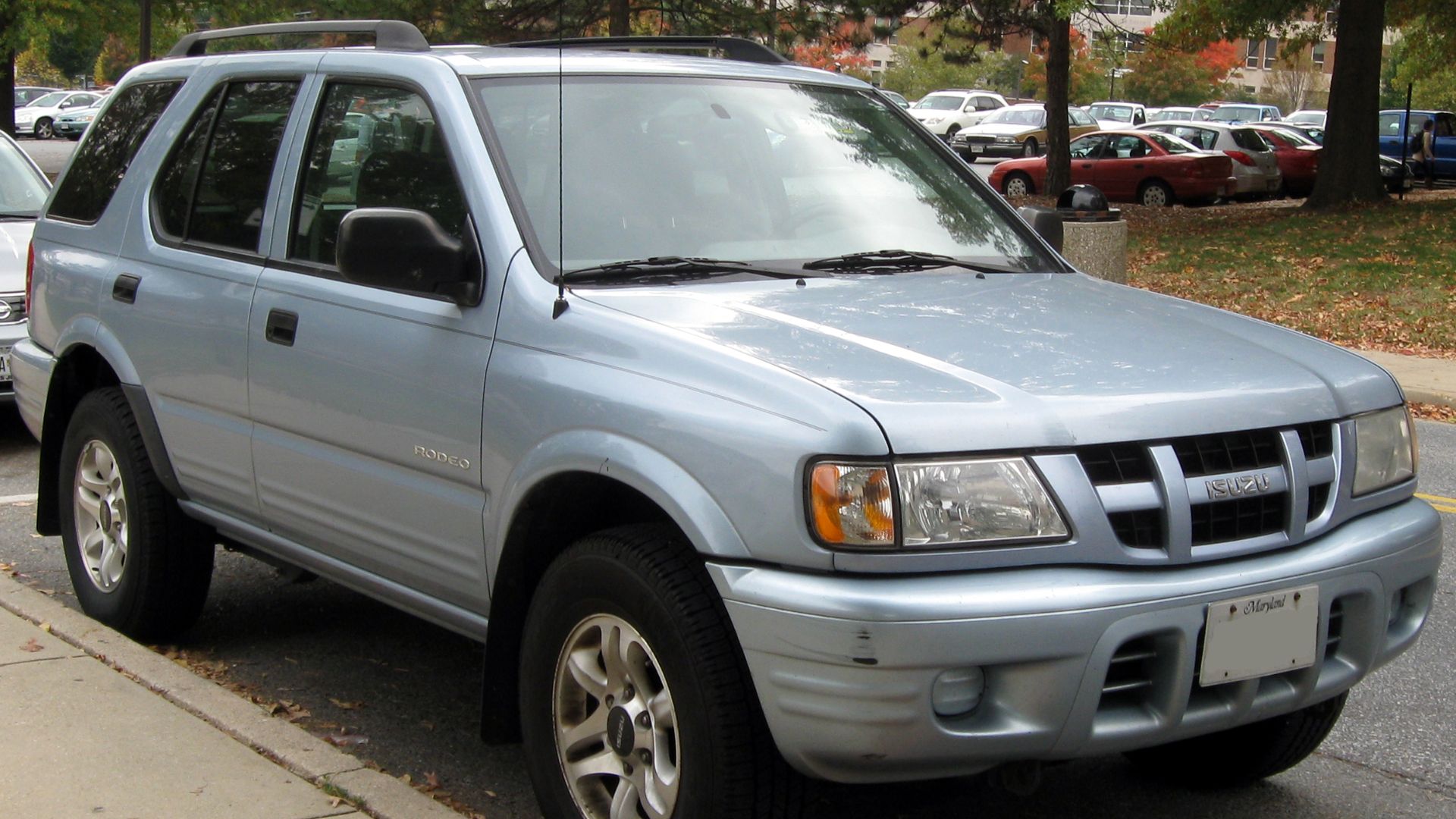
10. Isuzu D-Max
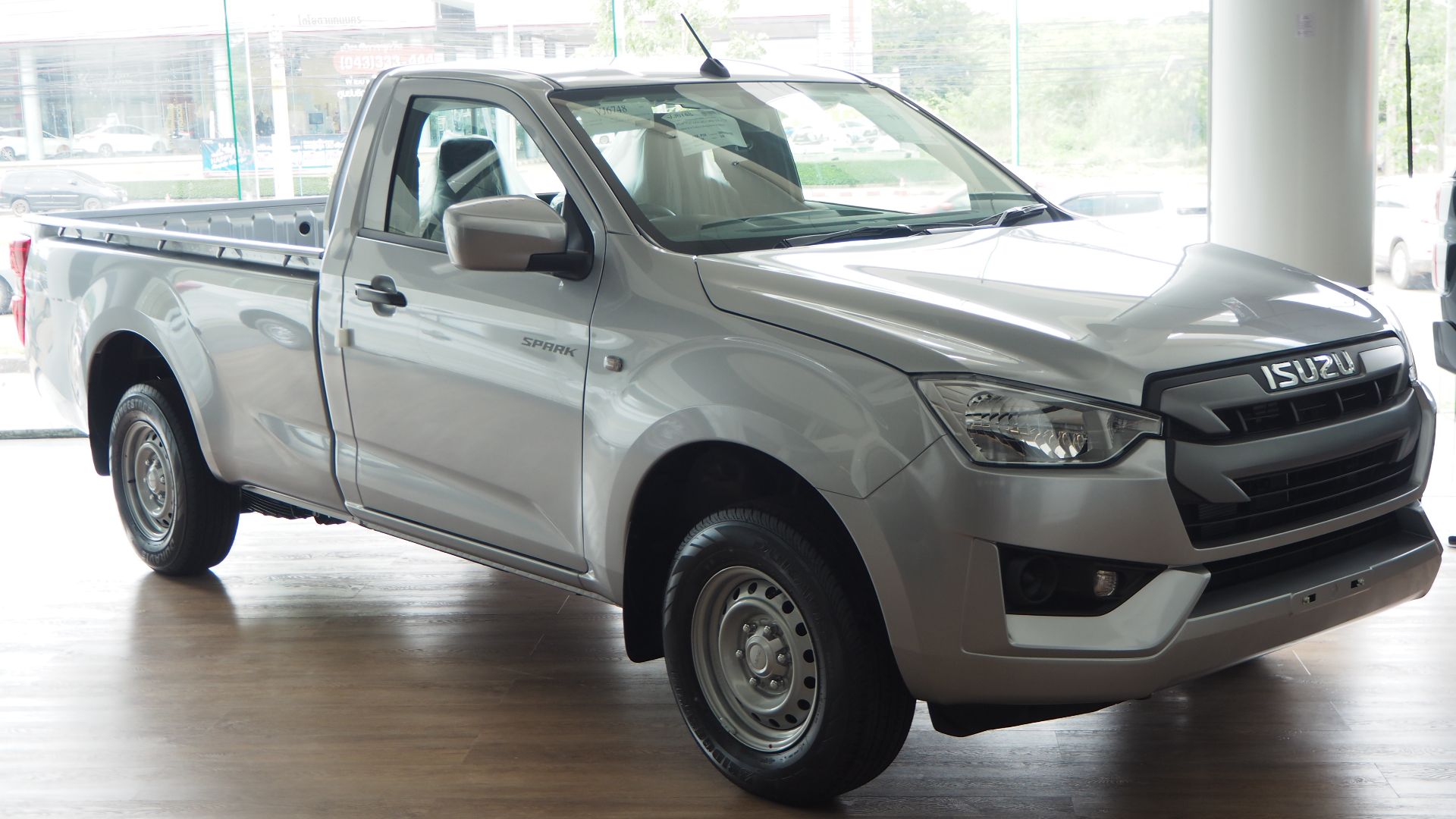
Never sold in the U.S., the D-Max became Isuzu's flagship pickup across Asia, Australia, Africa, and Europe, built via a joint venture with General Motors starting in the early 2000s. It's routinely one of the best-selling vehicles, period, in markets like Thailand, despite most Americans having no idea it exists.
Now here's 10 that vanished almost without a trace.
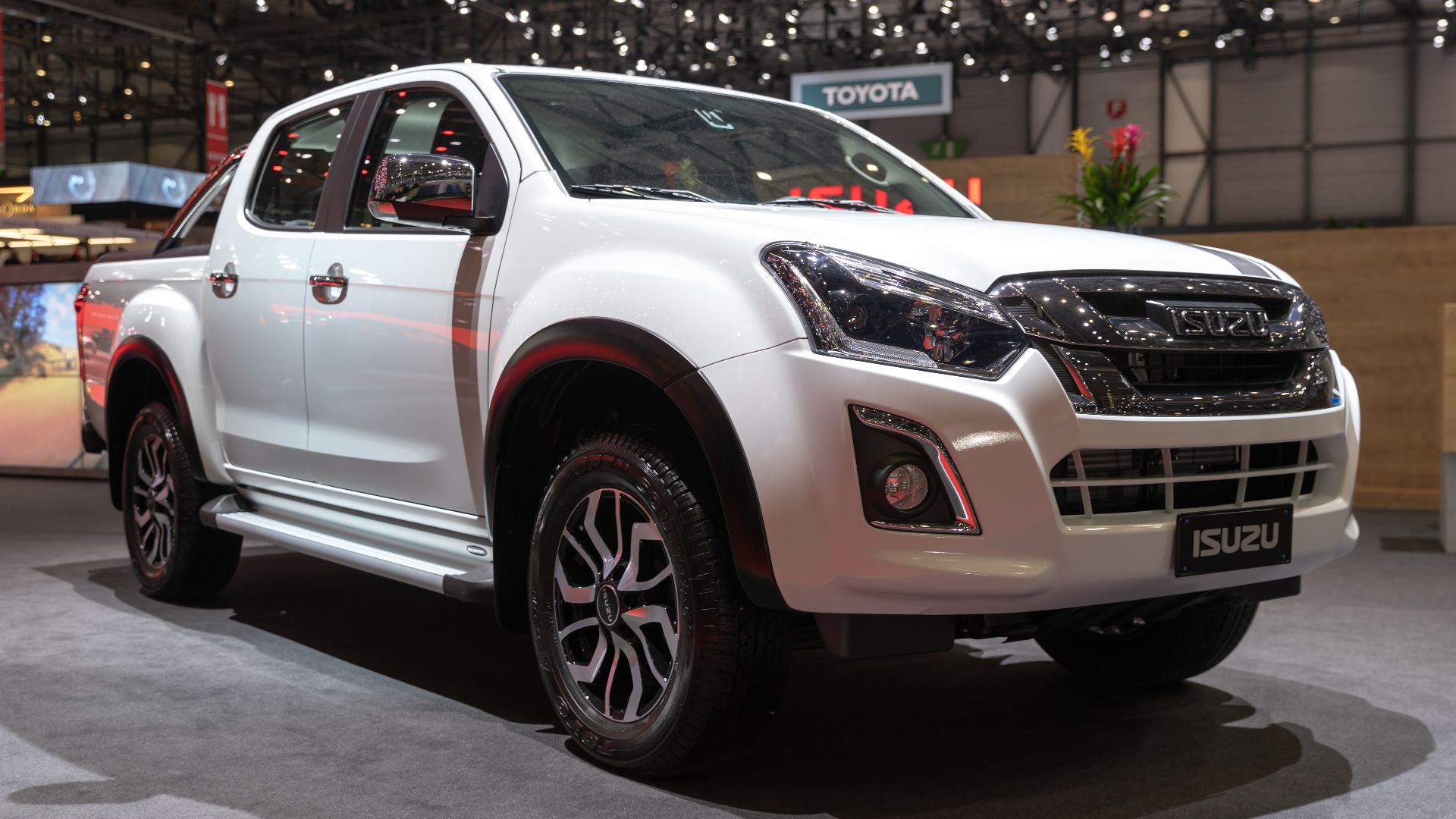
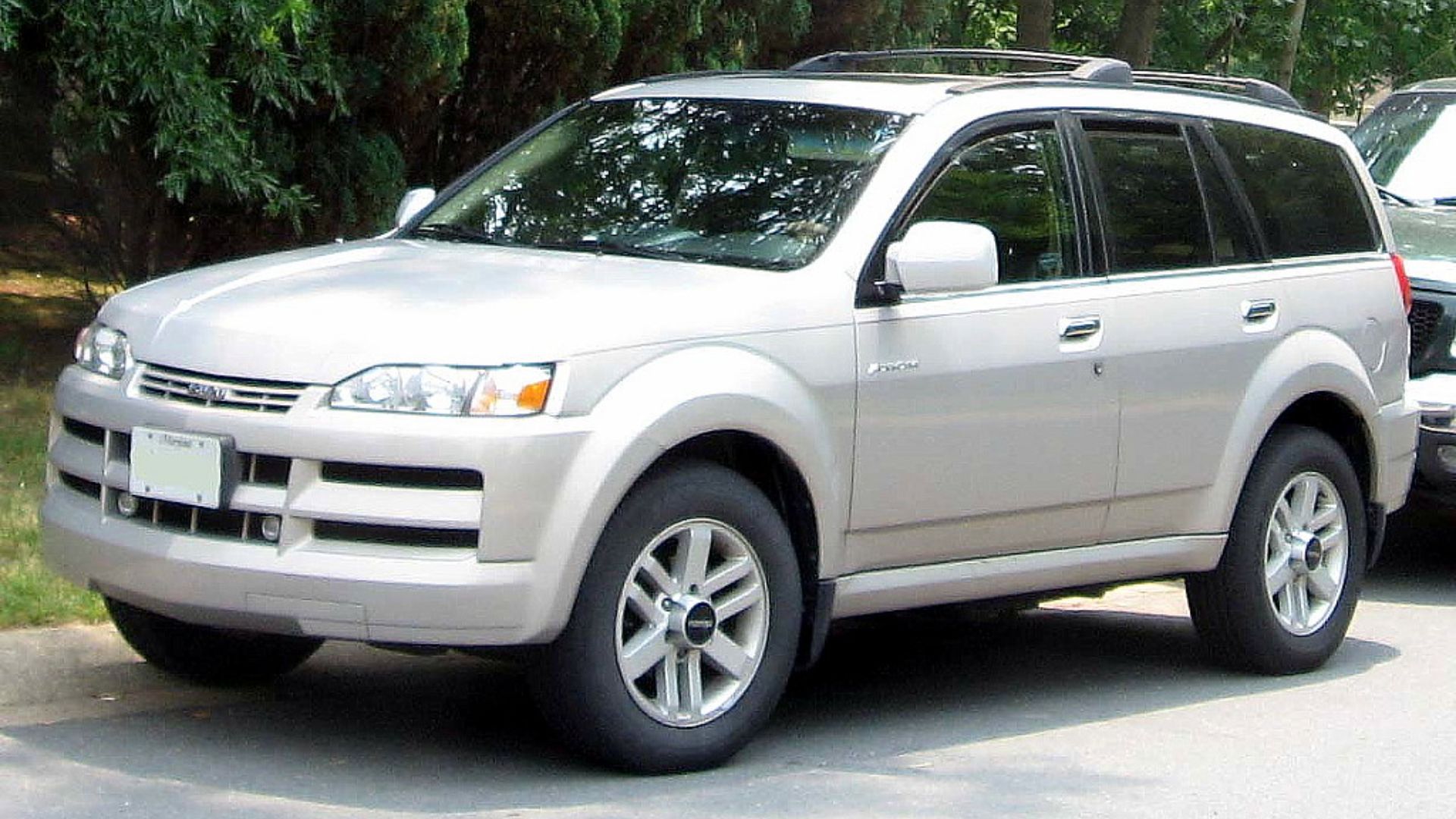
1. Isuzu Axiom
Launched for 2002 with sharp, "knife blade" styling, the Axiom sat on the same chassis as the Rodeo underneath its radical body. It was pitched as Isuzu's flagship and even appeared in the Spy Kids movies, but weak sales ended production after just three years.
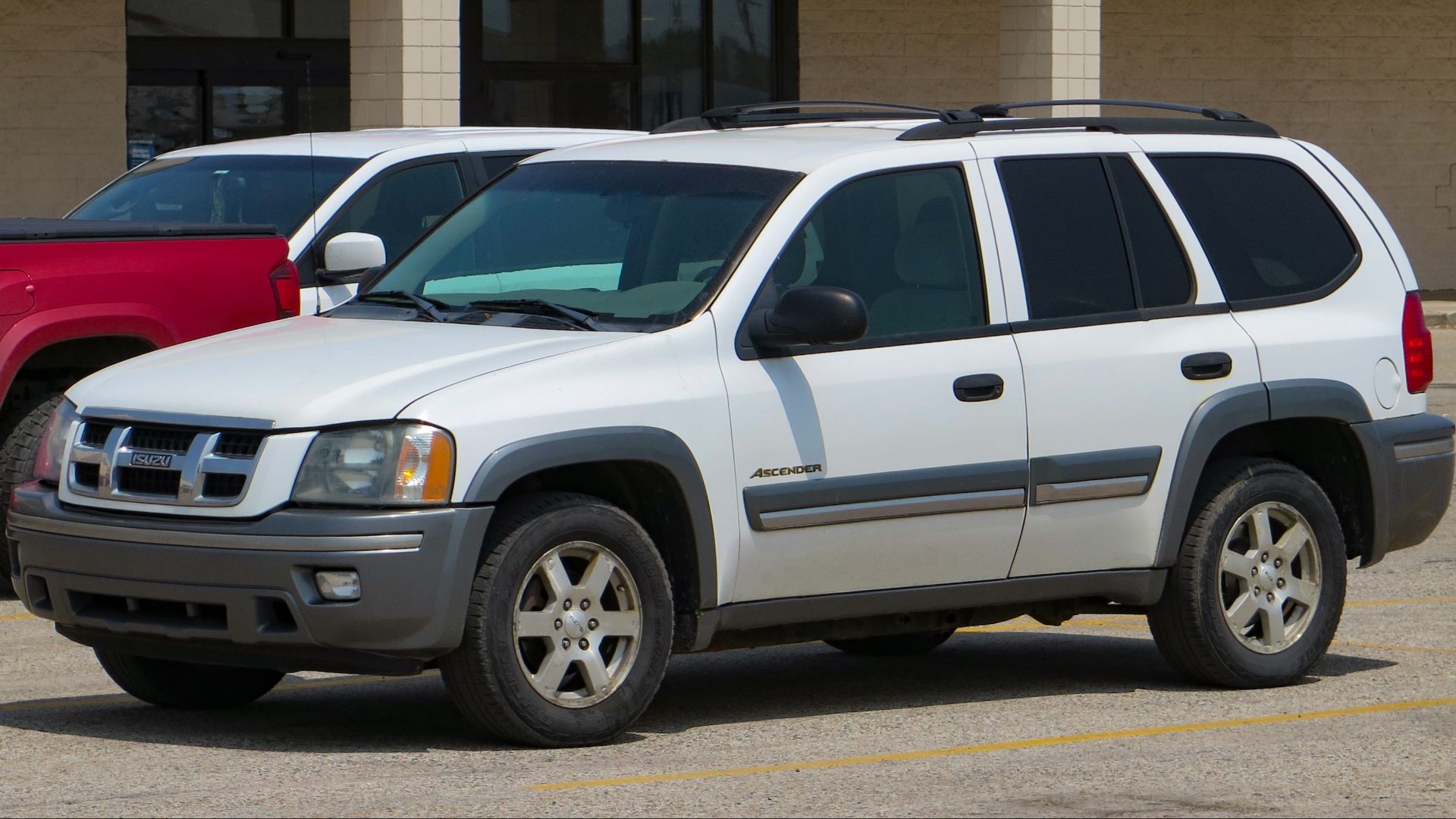
2. Isuzu Ascender
A rebadged version of GM's mid-size SUV platform shared with the Chevrolet TrailBlazer and GMC Envoy, the Ascender replaced both the Trooper and Axiom for 2003. It sold reasonably at first, then collapsed to under 2,000 units by 2008. Isuzu discontinued its whole U.S. passenger lineup the following year, and the Ascender was the last one standing.
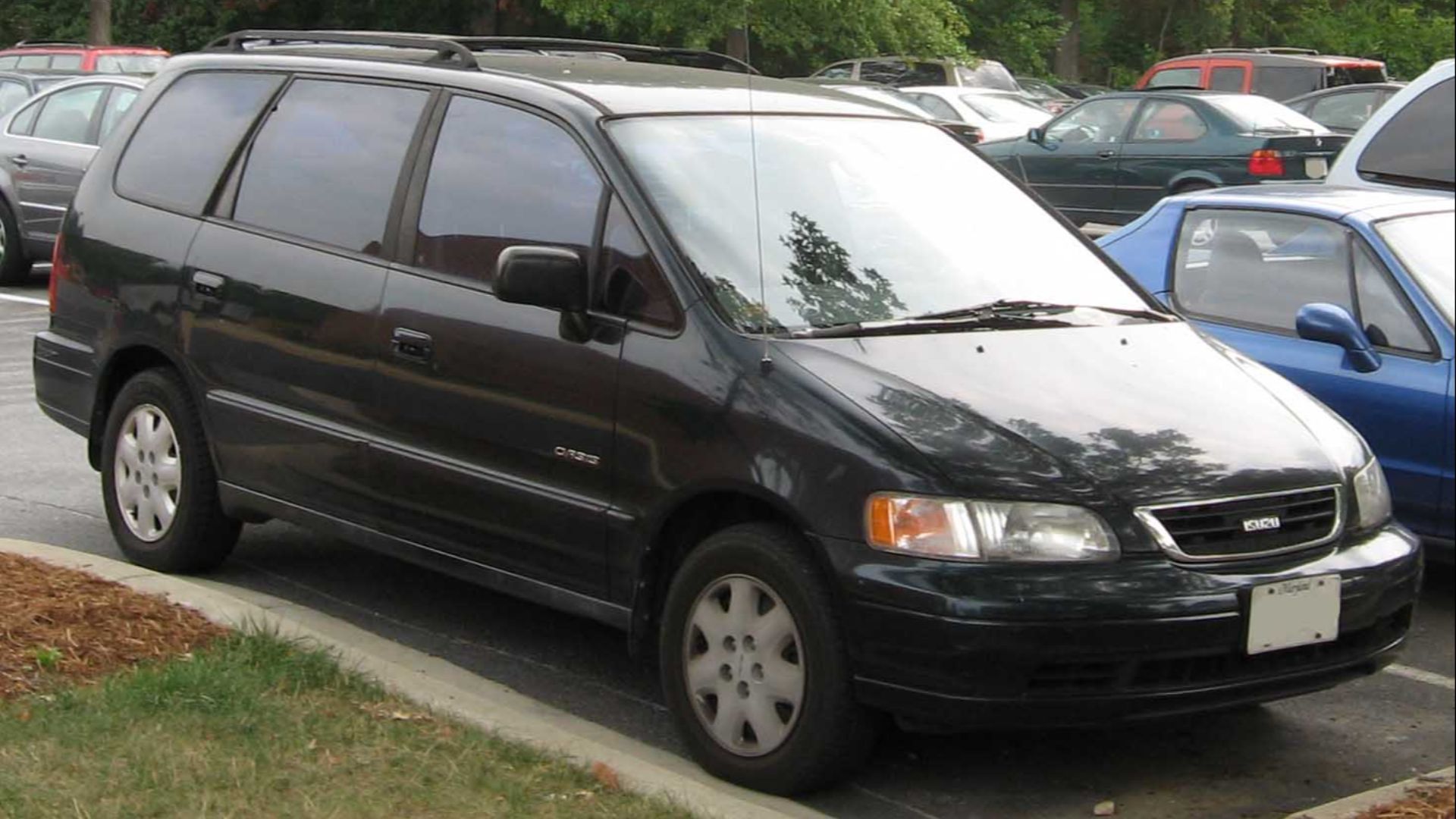
3. Isuzu Oasis
When Isuzu partnered with Honda in the 1990s, the arrangement briefly produced a rebadged Honda Odyssey sold as the Isuzu Oasis. It's one of the rarest vehicles Isuzu ever sold in America, and most minivan owners from that decade never knew the badge existed. Surviving examples are genuinely hard to find today.
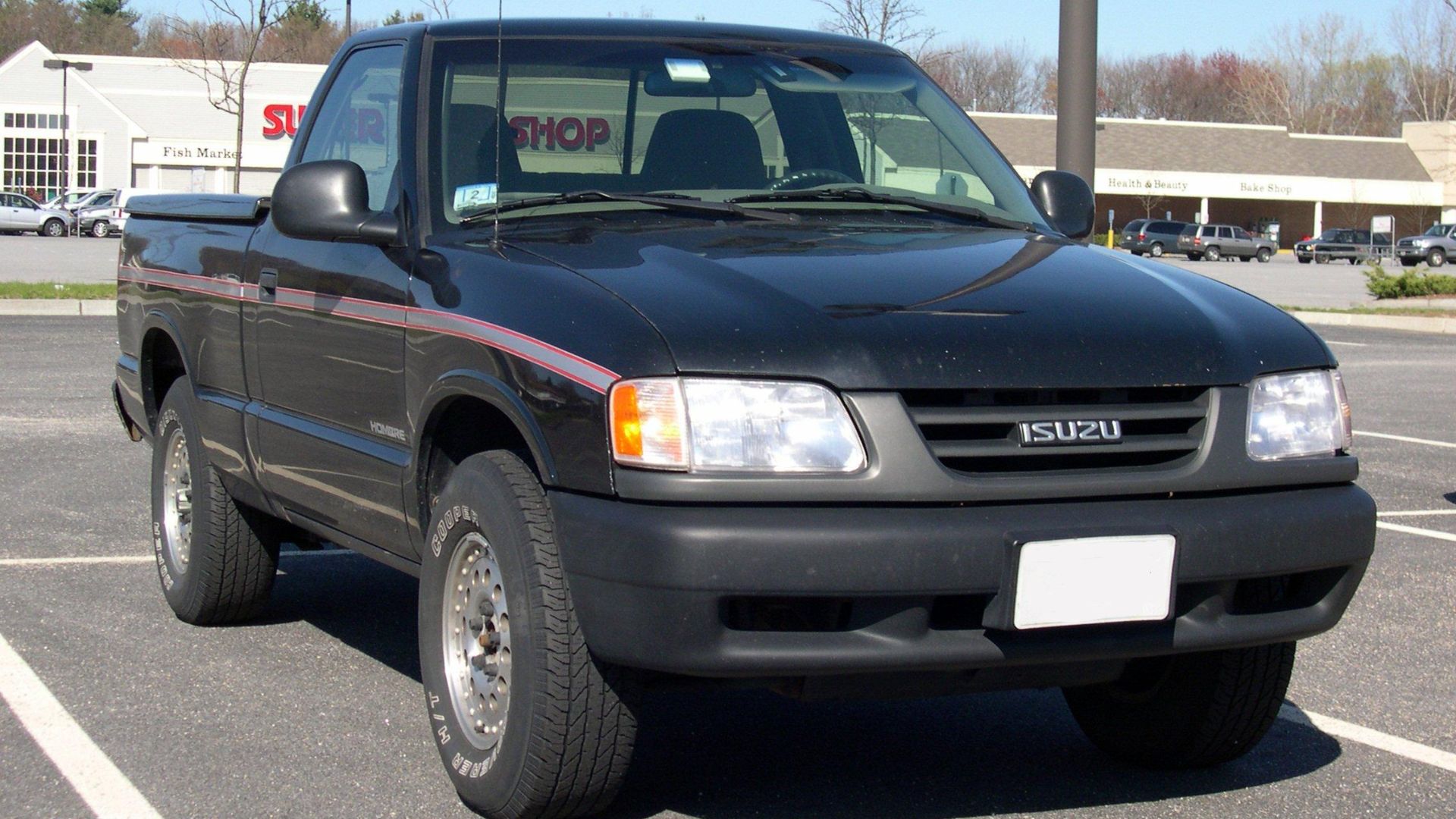
4. Isuzu Hombre
Essentially a Chevrolet S-10 wearing Isuzu badges, the Hombre arrived in 1996 to fill out Isuzu's U.S. lineup without developing a truck from scratch. It sold modestly at best and never developed any identity separate from its Chevrolet twin, and it shows up in old classifieds surprising people who forgot Isuzu made pickups at all.
5. Isuzu Amigo
A small convertible SUV with a removable soft top, the Amigo filled a niche few competitors bothered with. A prototype of its related MU model actually won its class at the Paris-Dakar Rally in the early 1990s, an impressive feat for such an overlooked model, yet it never built a mainstream following in the U.S.
6. Isuzu i-Series Pickups
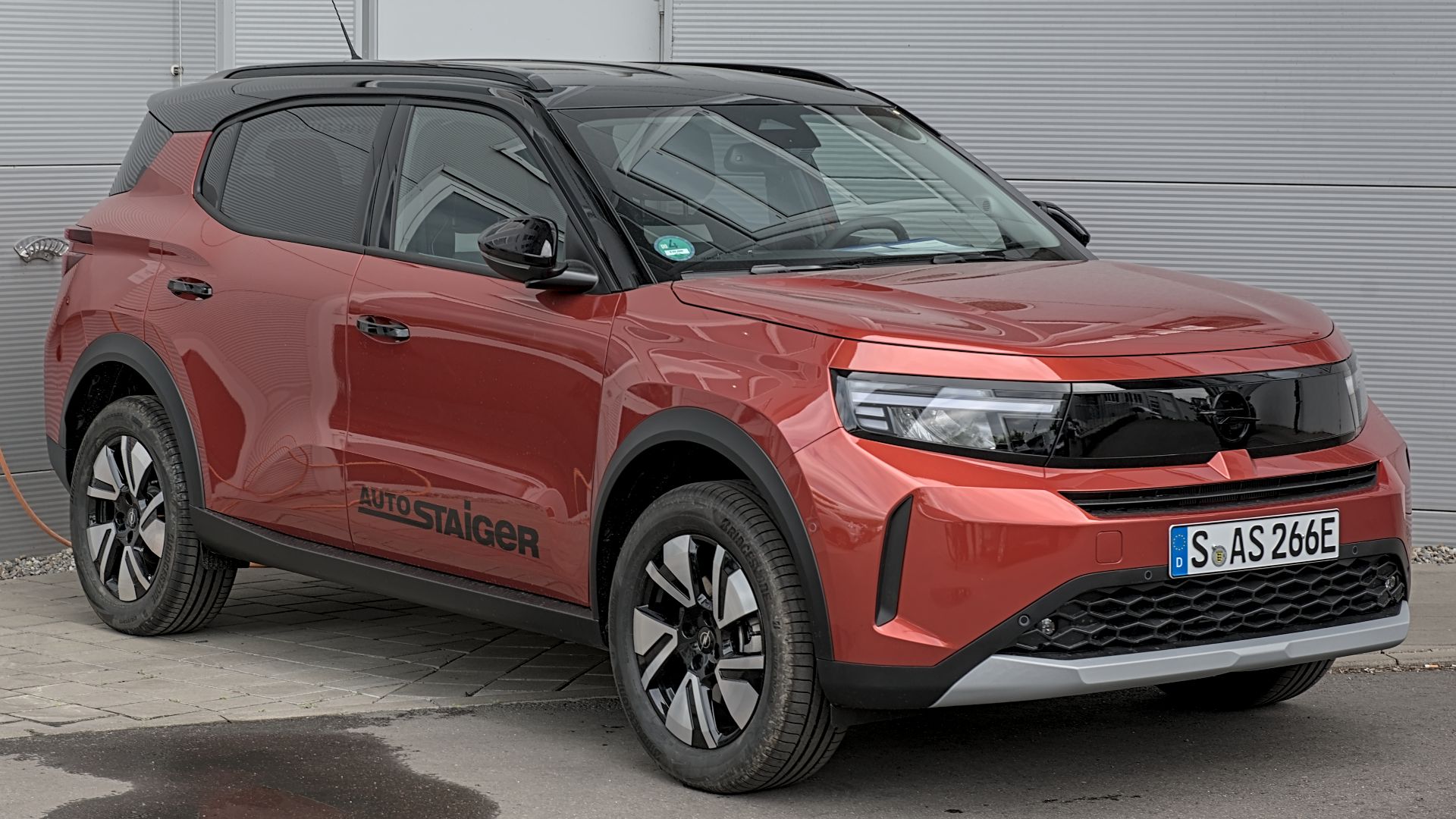
Rebadged versions of the Chevrolet Colorado and GMC Canyon, the i-Series trucks arrived in the mid-2000s as Isuzu's last real attempt at the American truck market. They offered nothing the GM originals didn't, a tough sell at Isuzu prices, and quietly disappeared when Isuzu left the U.S. in 2009.
7. Isuzu Stylus
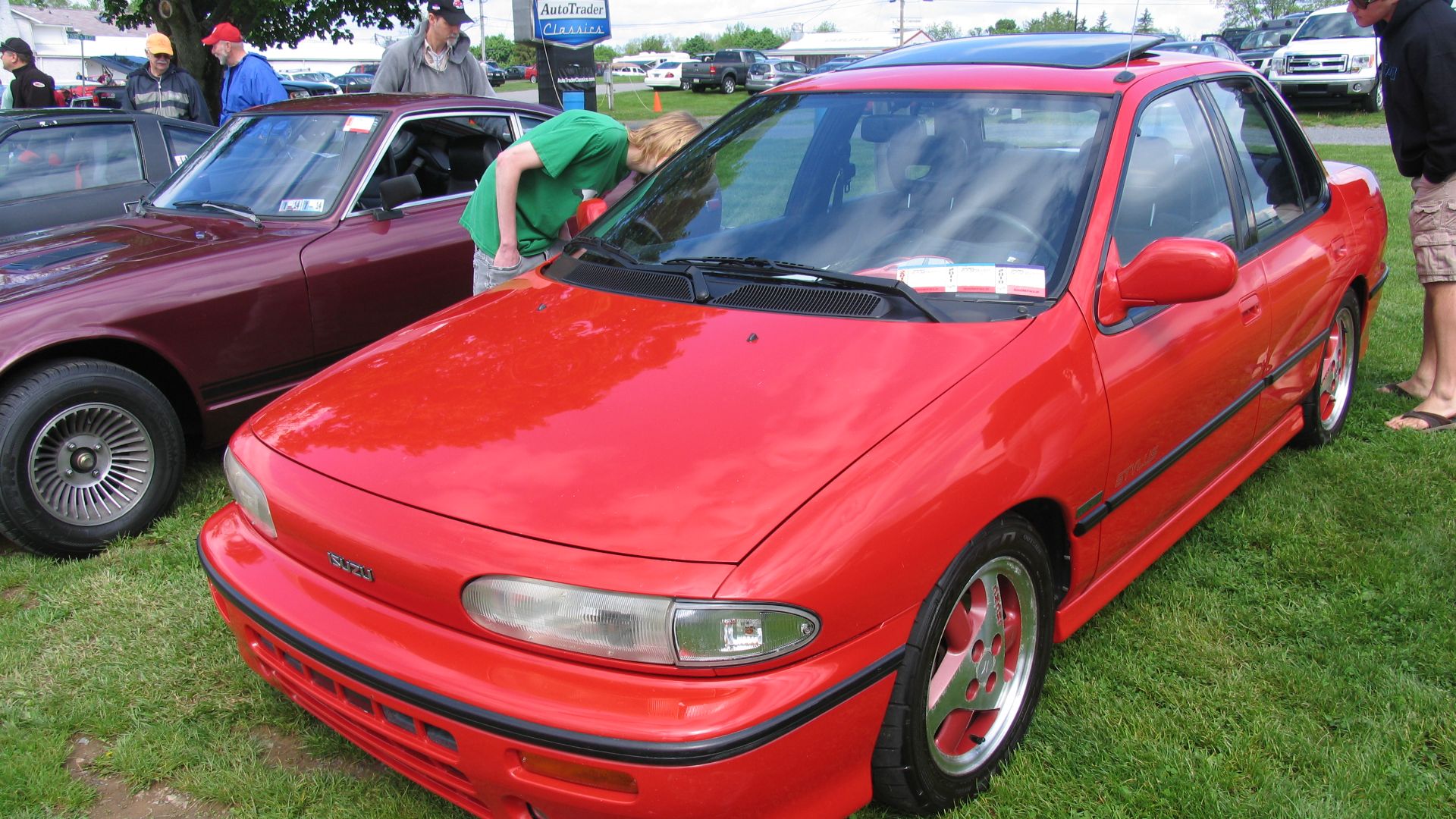
A compact sedan sold briefly in the early 1990s, the Stylus never carved out a clear identity among established Japanese sedans. It came and went from Isuzu's lineup with barely a ripple, and even dedicated enthusiasts often draw a blank at the name.
8. Isuzu Wizard
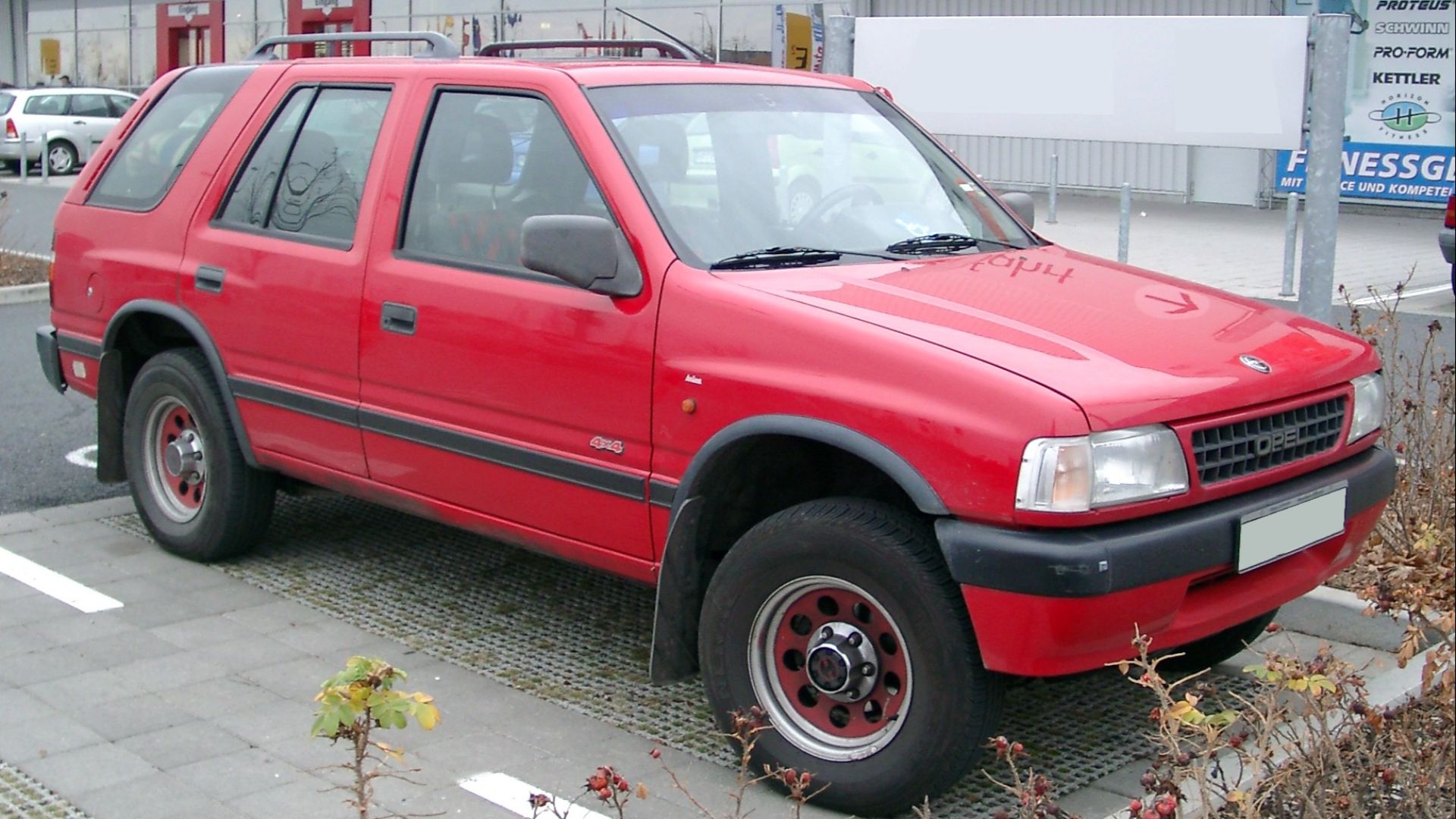
Sold mainly across Asian markets, the Wizard filled a similar SUV niche to the Trooper without ever building the same reputation. It went through several redesigns without becoming a standout in Isuzu's own lineup, and outside the regions where it sold, almost nobody has heard of it.
9. Isuzu Florian
A boxy sedan produced from the late 1960s through the early 1980s, the Florian served as one of Isuzu's mainstream passenger cars before the company leaned harder into trucks and SUVs. It sold reasonably in Japan but left almost no lasting impression abroad, and today it's a footnote even among Isuzu enthusiasts.
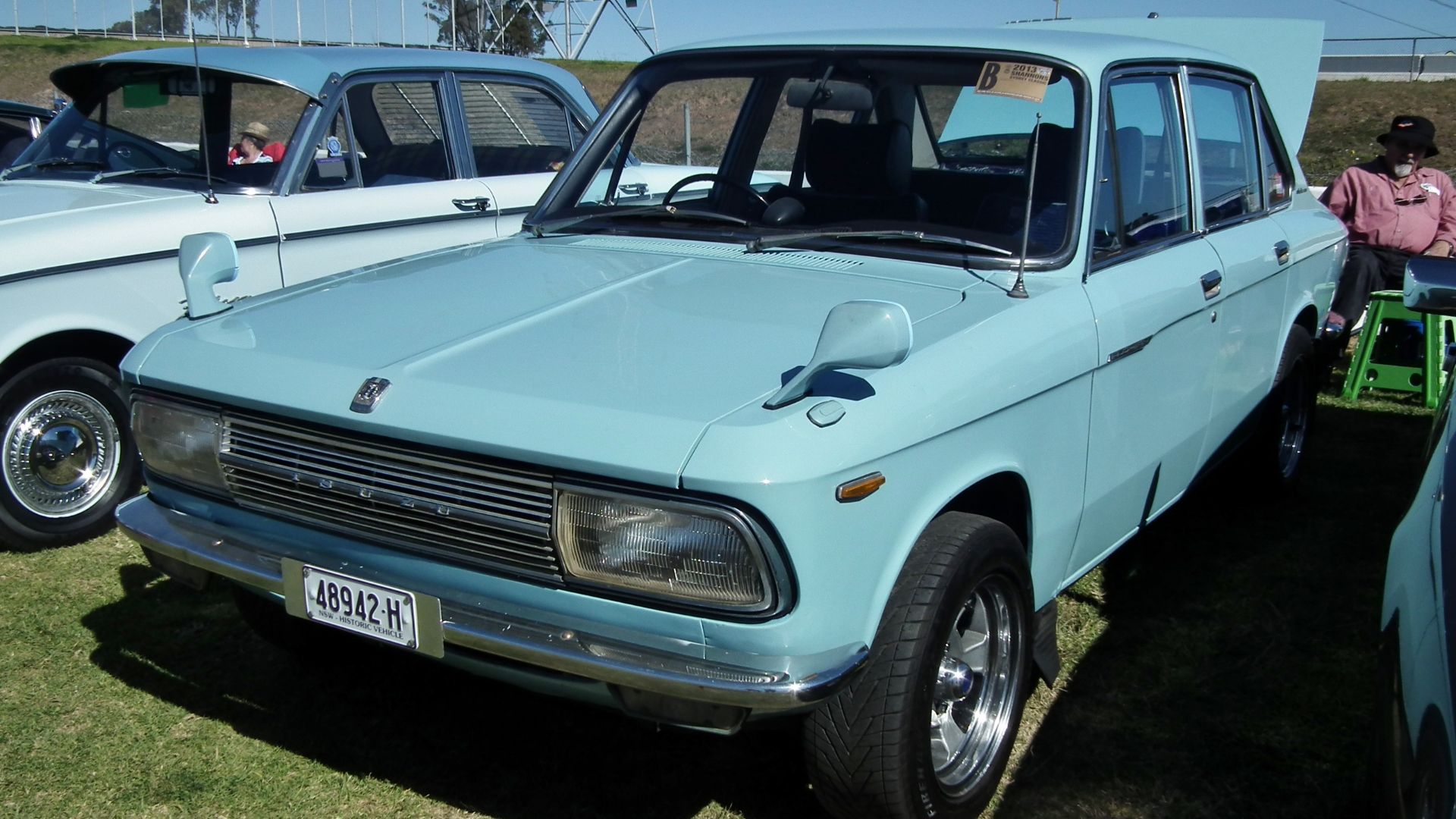 commons.wikimedia.org on Google
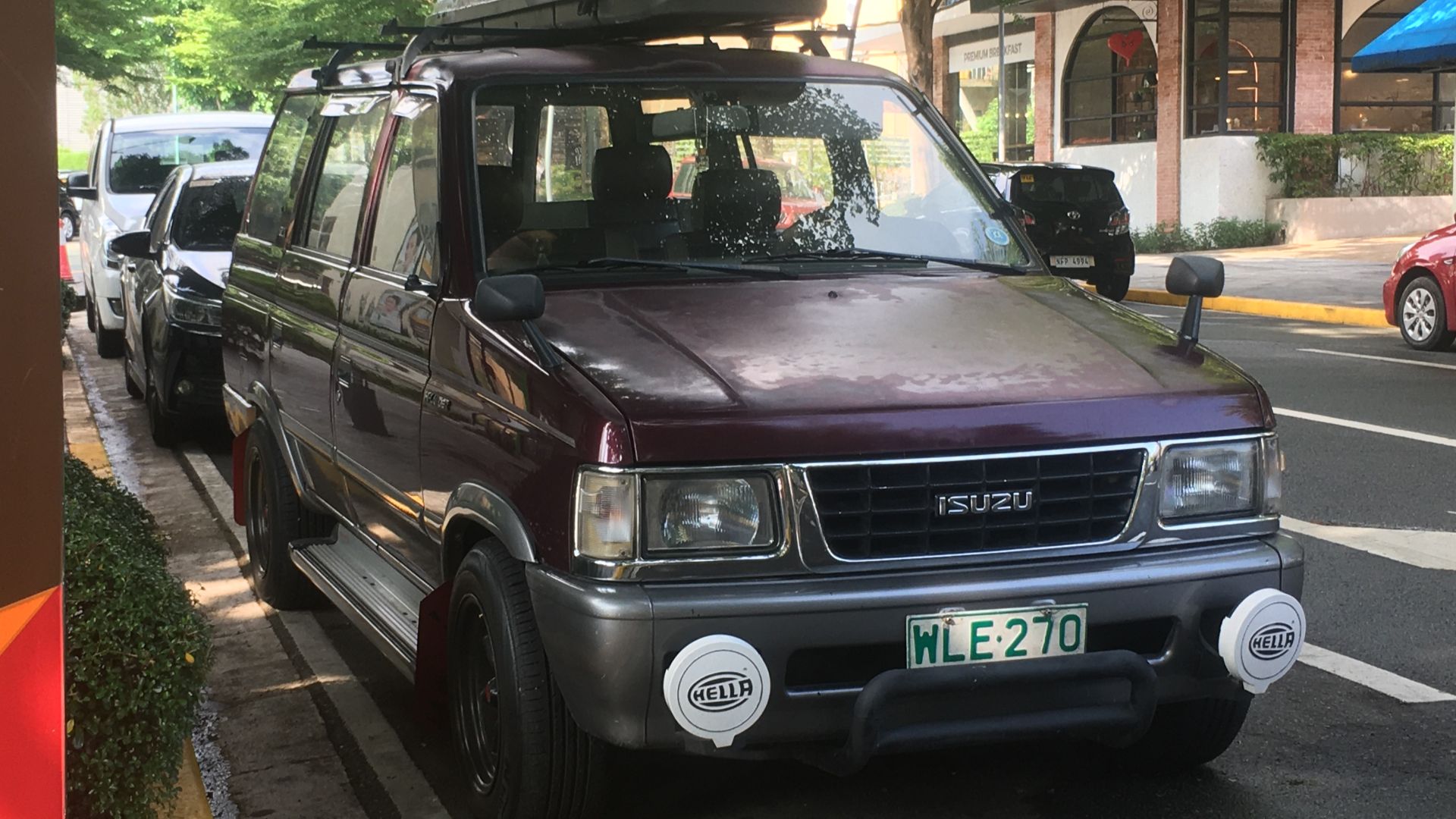
10. Isuzu Panther
Built primarily for Indonesia and neighboring markets, the Panther was a rugged diesel MPV that sold in serious numbers for decades without showing up on most enthusiasts' radar outside Southeast Asia. It quietly outlasted flashier Isuzu models by sticking to a formula regional buyers actually wanted, a reminder that plenty of Isuzu's real success happened far from the markets car writers pay attention to.


.jpg)