One Car, One Last Shot
Every automaker eventually hits a point where the balance sheet stops leaving room for error, and the only way out is one specific car doing everything right. Sometimes that car actually pulls it off, buying the company another decade or two of relevance. Other times it comes agonizingly close, wins over critics and buyers alike, and still isn't enough to stop the bleeding. What connects all of these vehicles is the pressure behind them: engineers and executives betting the whole operation on a single design reaching showrooms in time. Here's 20 cars that carried the weight of their entire company on their shoulders.
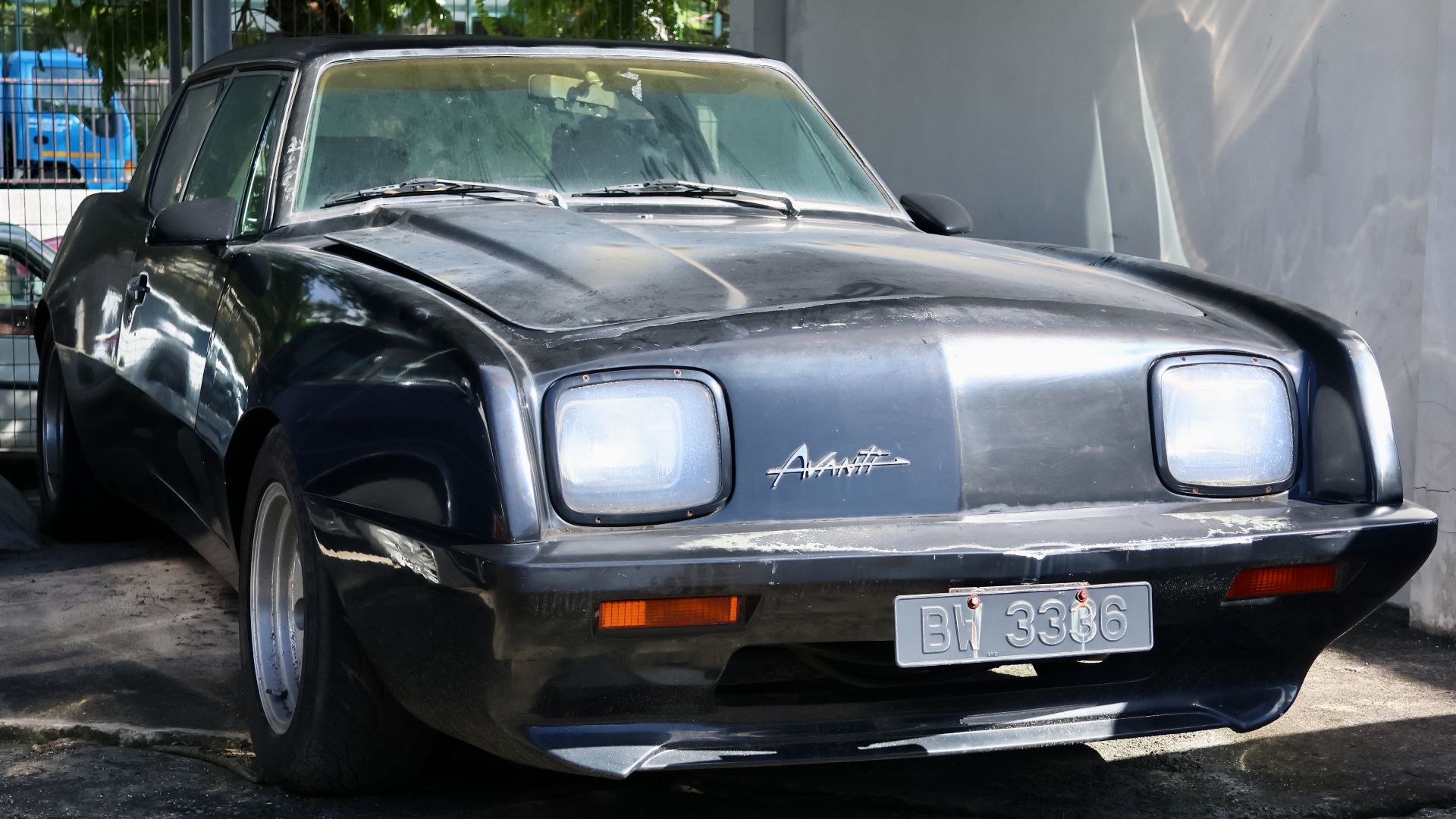
1. Chrysler K-Cars
Lee Iacocca inherited a company on the edge of bankruptcy in 1979, and the boxy, front-wheel-drive K-Cars became the vehicle that convinced the federal government to back a loan guarantee. They weren't glamorous, but they were cheap to build and easy to sell, and that was exactly what Chrysler needed. The platform ended up spawning minivans and a dozen other models that kept the company solvent for years afterward.
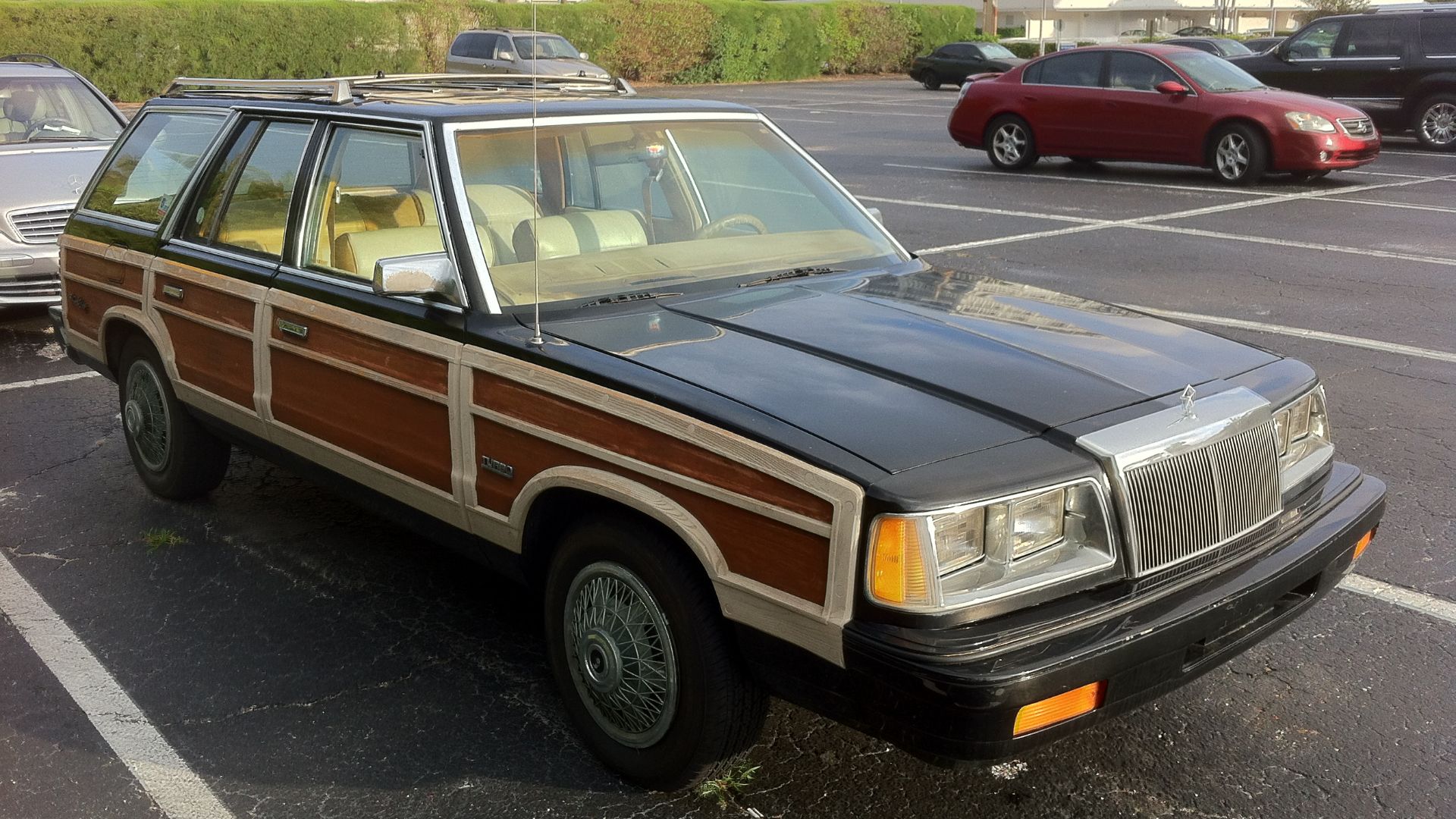
2. Volkswagen Beetle
In the aftermath of World War II, a British officer named Ivan Hirst took control of a bombed-out factory and pushed production of a car most experts had already written off. The Beetle's simplicity made it cheap to repair and easy to export, and it became the backbone of Volkswagen's recovery through the 1950s. Without that decision, the Wolfsburg plant might have been dismantled entirely.
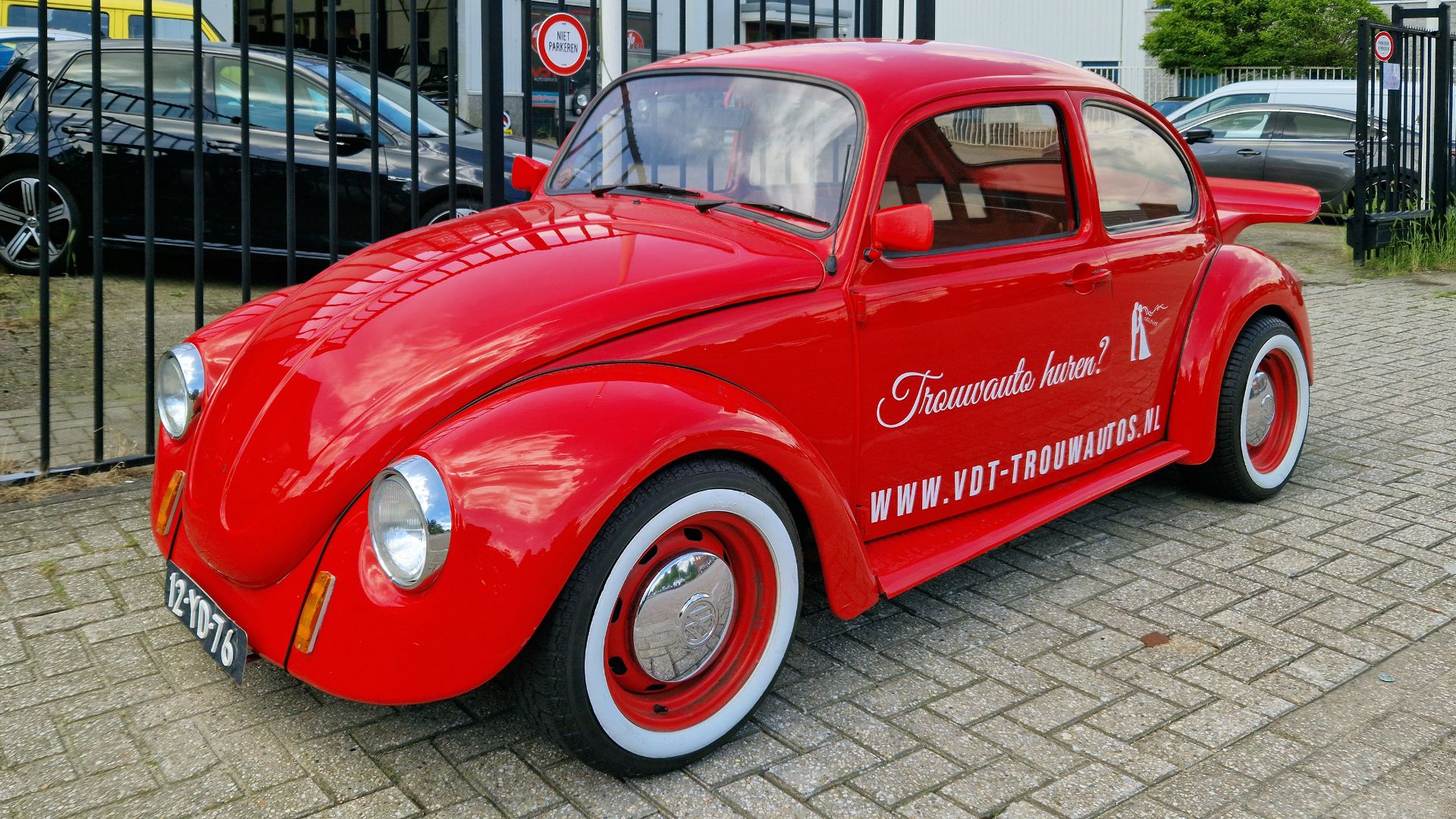
3. Ford Taurus
Ford was hemorrhaging money through the early 1980s when it bet heavily on an aerodynamic, jellybean-shaped sedan that broke sharply from anything the company had built before. The Taurus arrived in 1986 to strong reviews and even stronger sales, effectively resetting how American buyers thought about mainstream sedans. It didn't just stabilize Ford, it outsold the Honda Accord for years running.
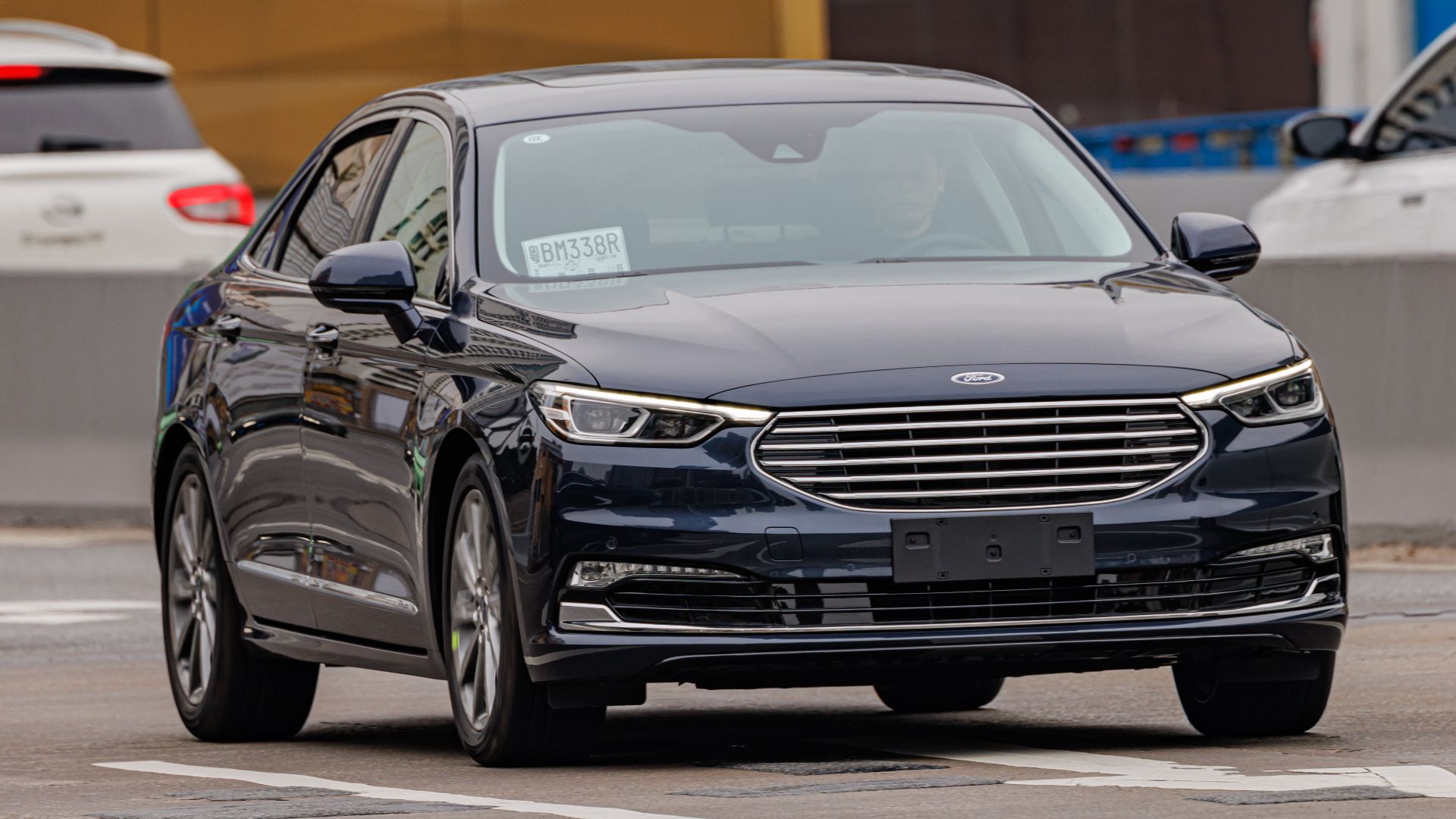
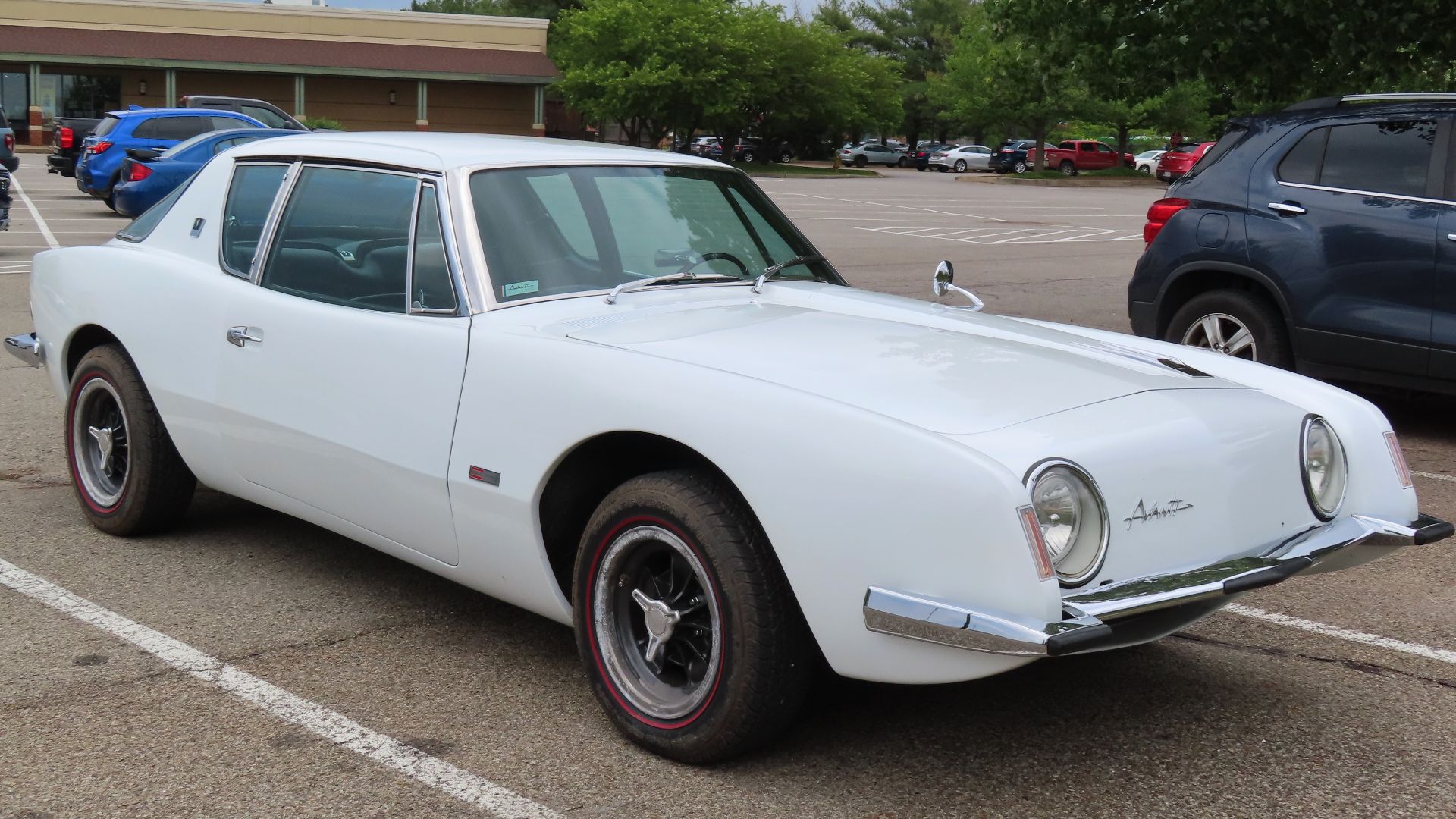
4. Studebaker Avanti
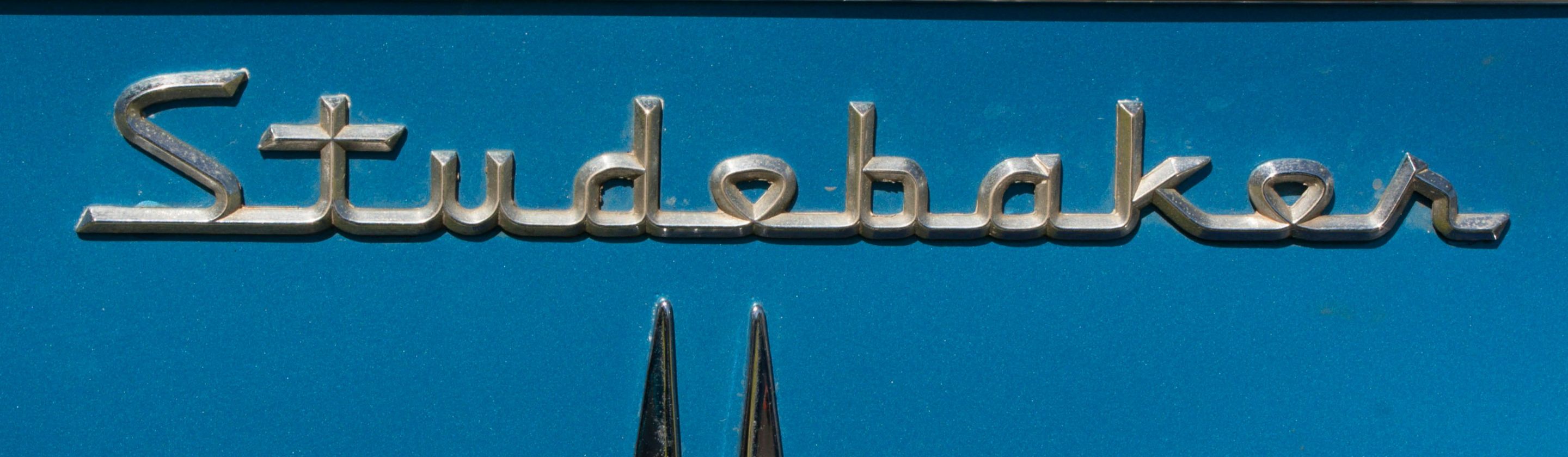
By the early 1960s, Studebaker's sales had collapsed to the point where executives commissioned a low-volume fiberglass sports car in a desperate bid to reignite interest in the brand. The Avanti drew genuine praise for its styling and performance, and orders came in faster than the factory could fill them. Production delays and lingering financial trouble caught up with the company anyway, and Studebaker closed its American operations within a few years.
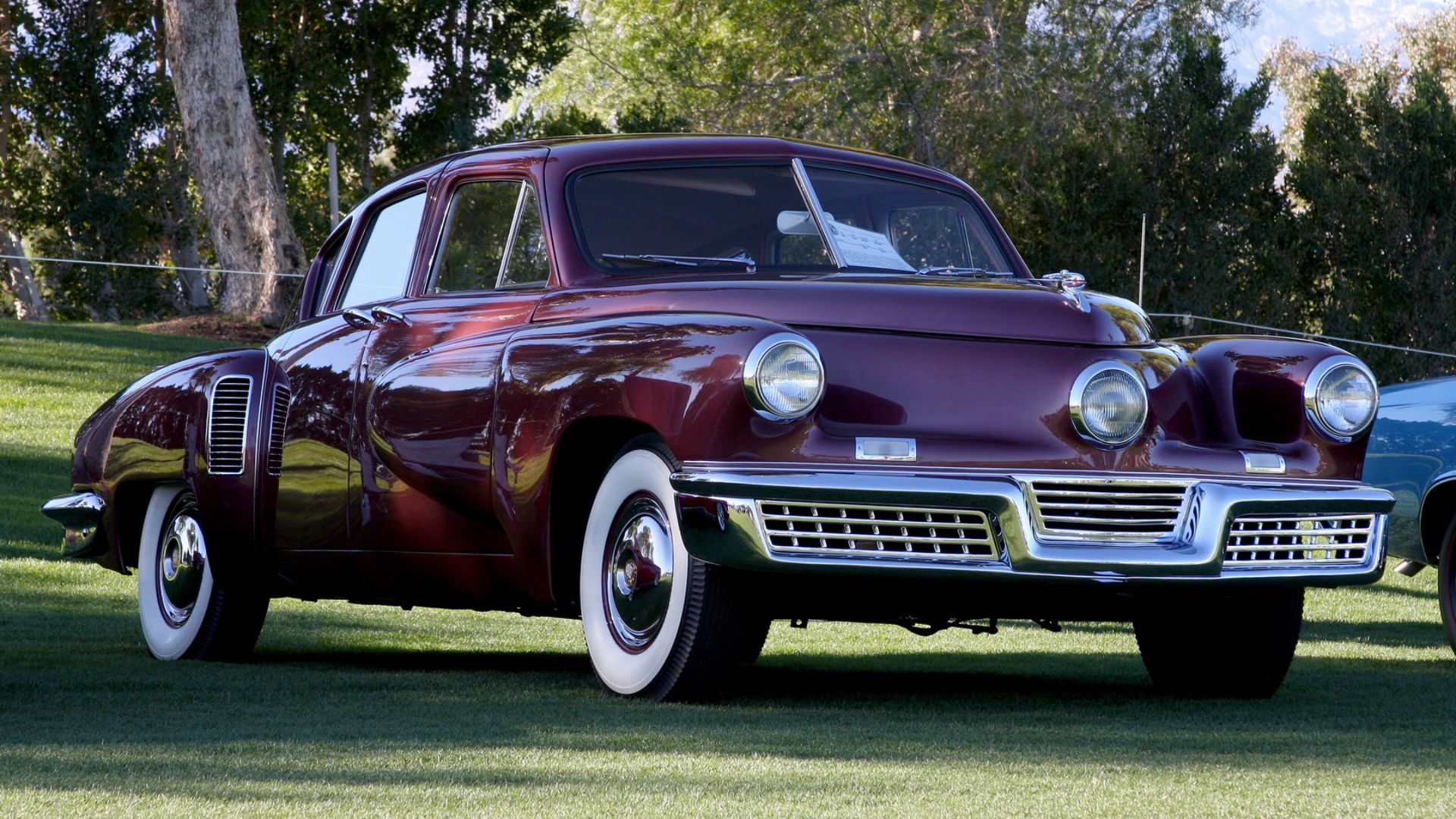
5. Tucker 48
Preston Tucker built a car ahead of its time, with safety features and engineering choices that wouldn't become industry standard for decades. Investor lawsuits and a federal fraud investigation, later shown to be largely baseless, drained the company before it ever reached meaningful production. Only 51 Tuckers were built, and the company folded in 1949.
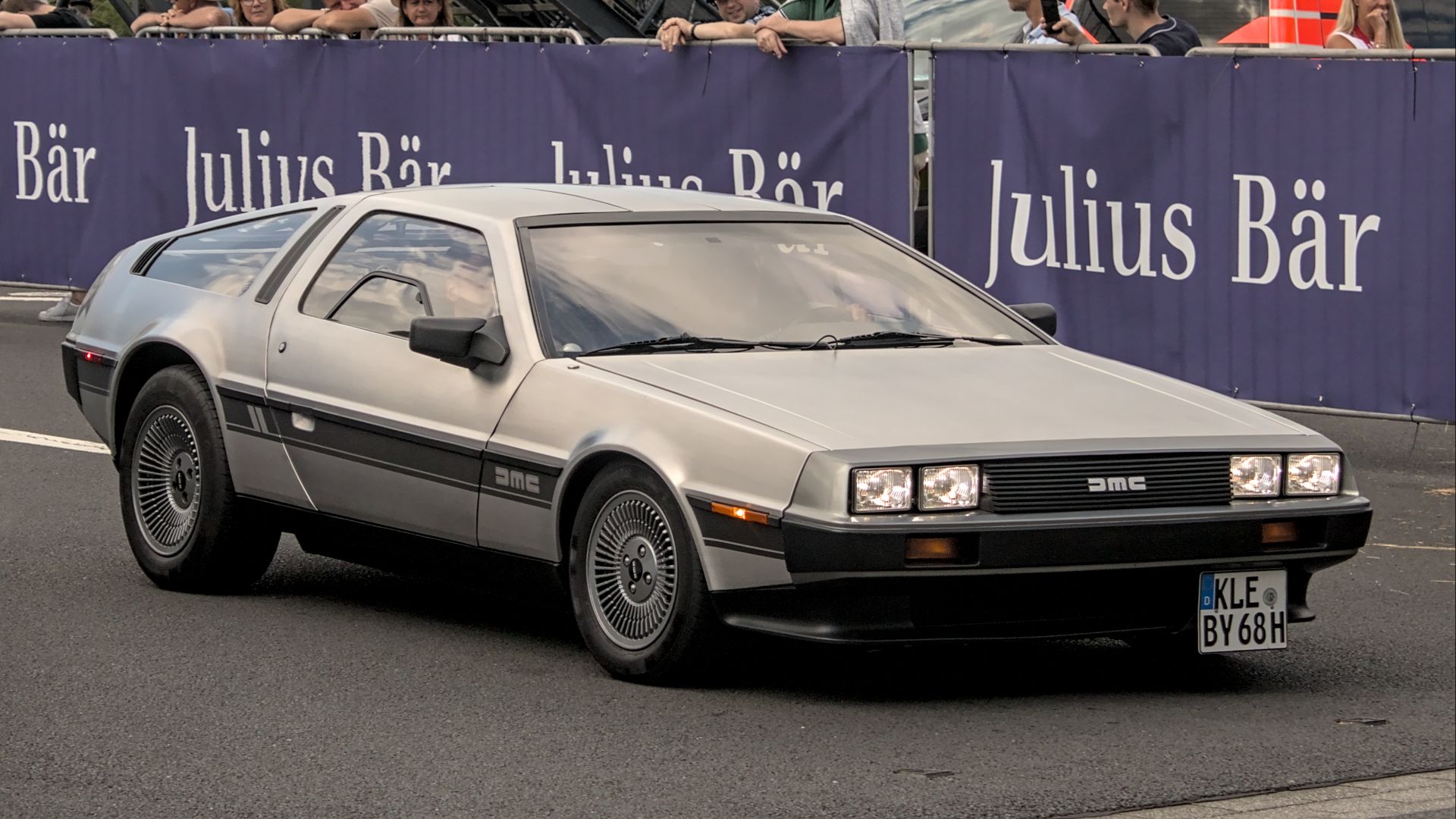
6. DeLorean DMC-12
John DeLorean built a factory in Northern Ireland and staked his reputation on a stainless-steel sports car with gull-wing doors, hoping the novelty alone would carry sales. Build quality problems and a shaky economy slowed momentum almost immediately, and a highly publicized drug arrest sealed the company's fate in 1982. The car outlived the company by decades, mostly thanks to a certain movie franchise.
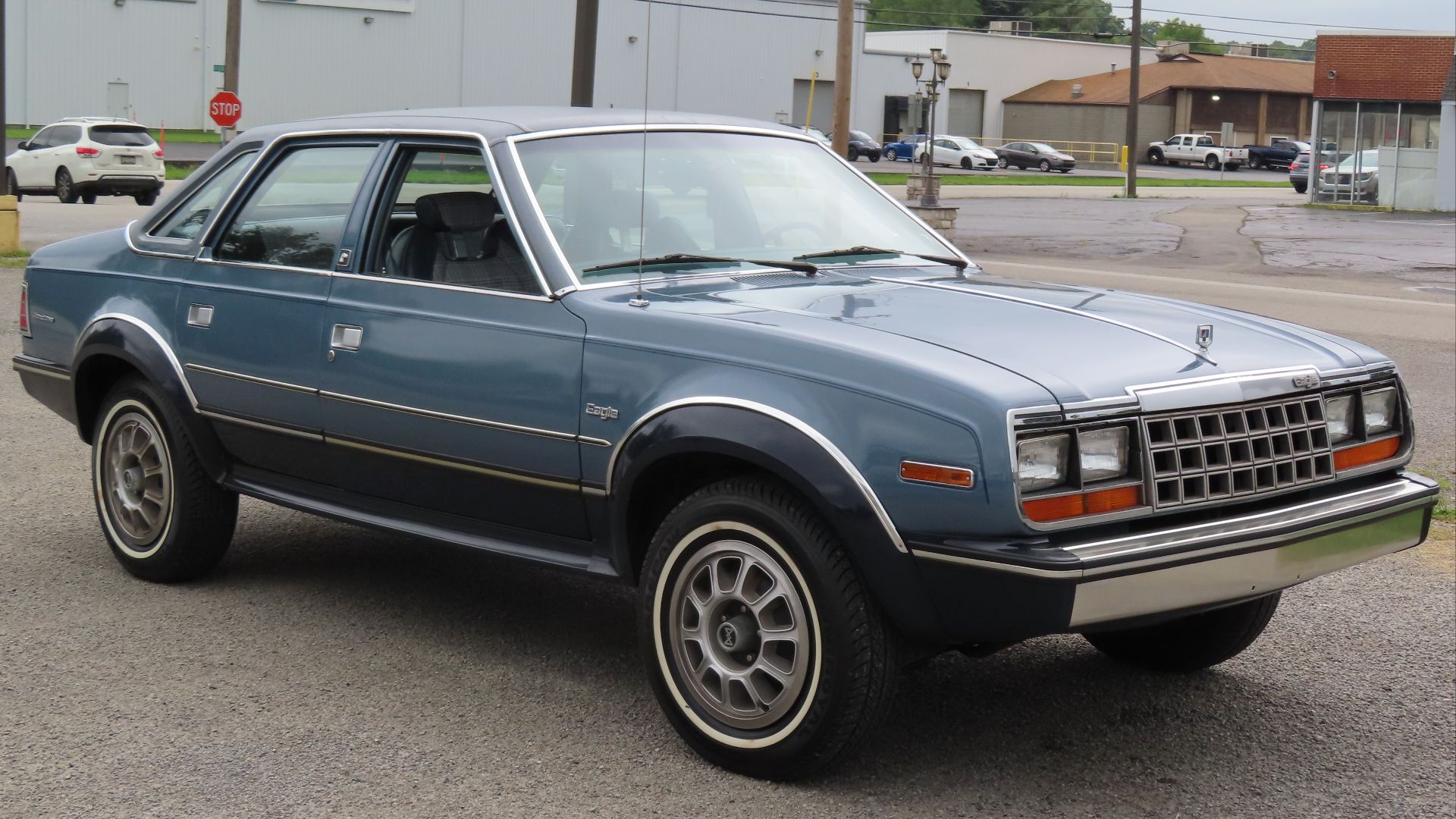
7. AMC Eagle
American Motors was running out of options by 1980, competing against much larger rivals with a fraction of their budget. The Eagle, essentially a raised sedan with four-wheel drive bolted underneath, carved out a niche nobody else was filling and kept AMC afloat for several more years. It couldn't hold off the inevitable forever, and Chrysler absorbed the company in 1987.
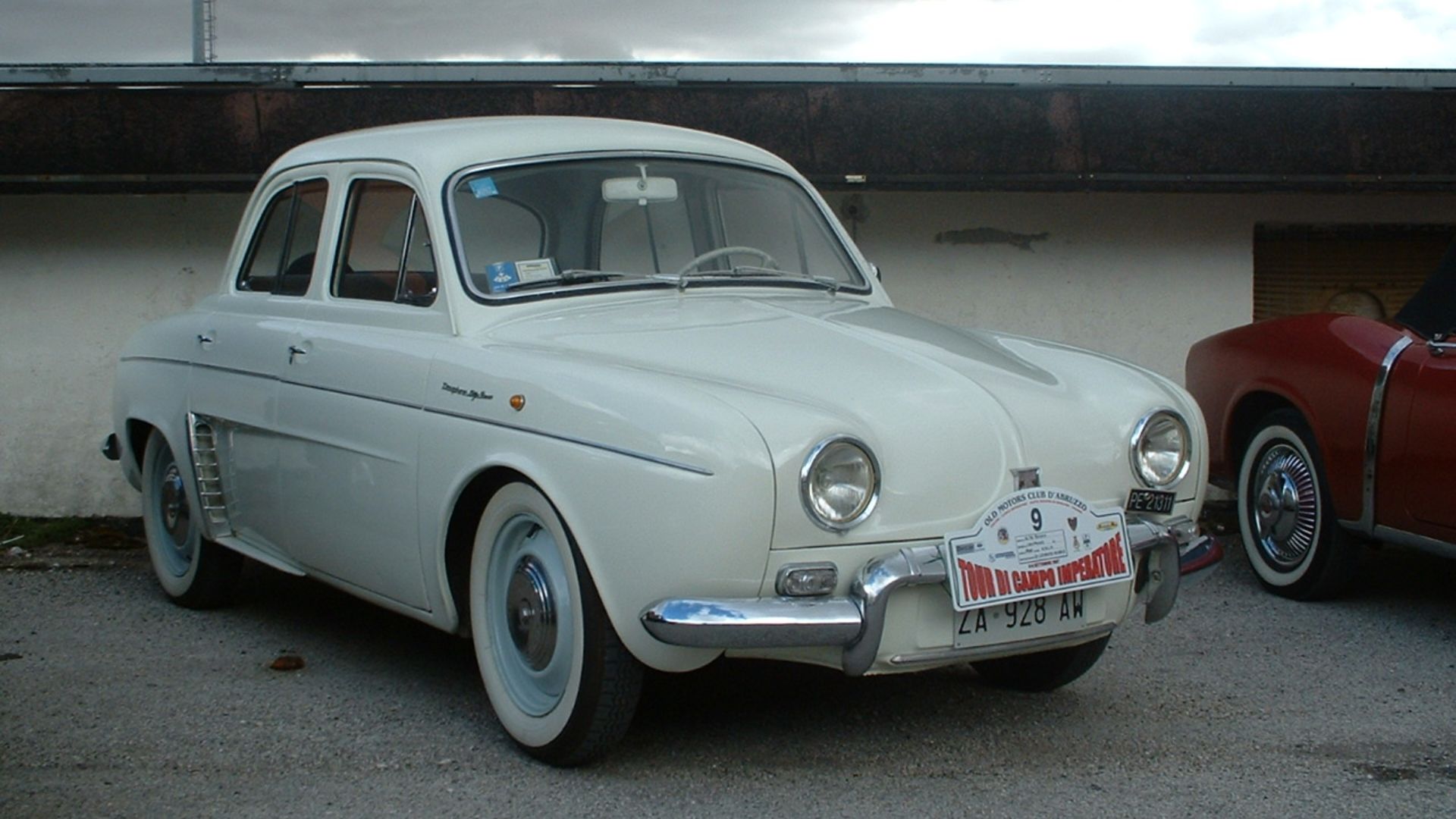
8. Renault Dauphine
Postwar France needed cheap, reliable transportation, and Renault's Dauphine delivered exactly that, becoming one of the best-selling cars in the country during the mid-1950s. Its success abroad, particularly in the United States, gave Renault the capital to expand well beyond its prewar footprint. Reliability issues eventually caught up with its export reputation, but the car had already done its job at home.
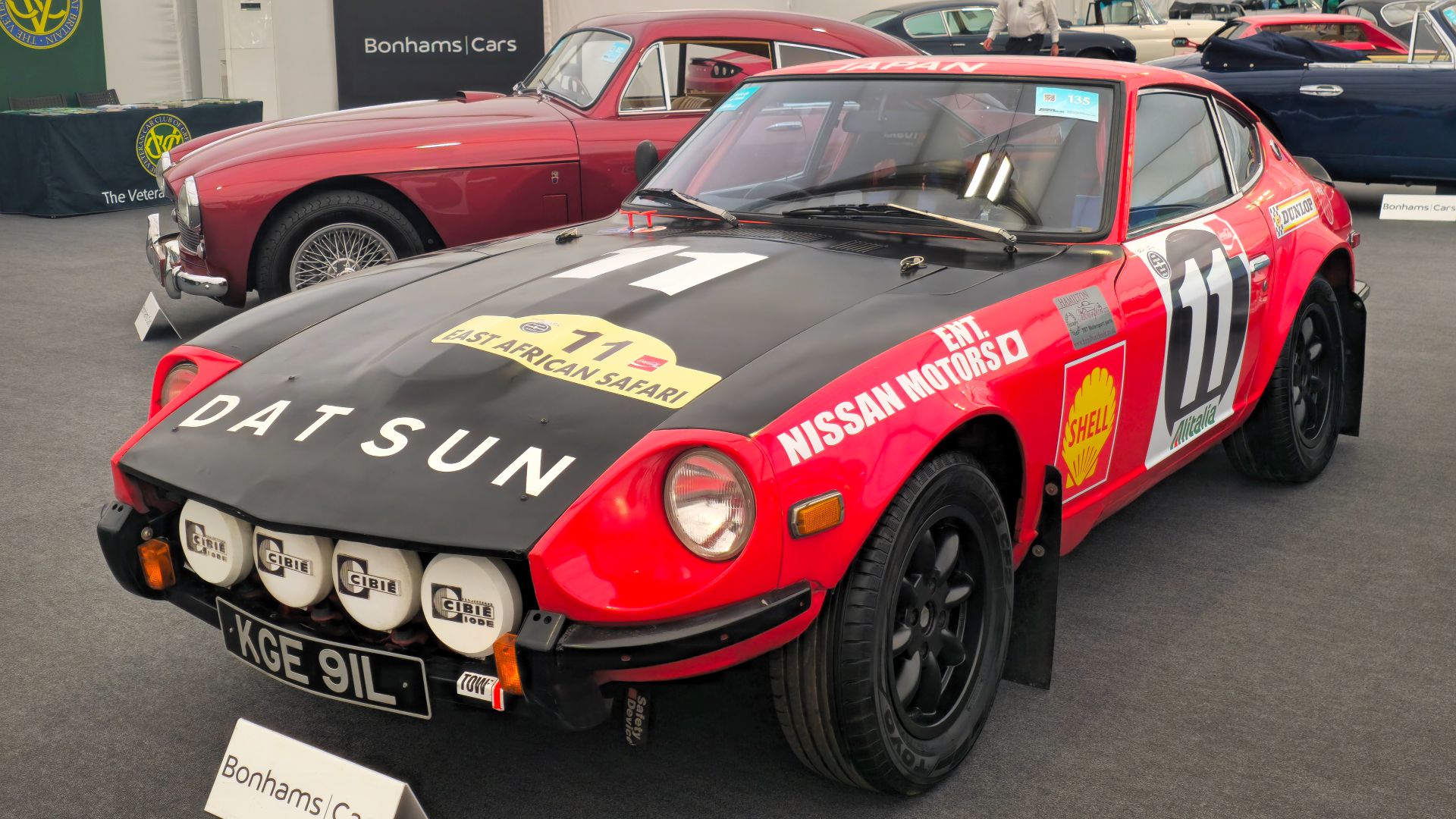
9. Datsun 240Z
Nissan's American arm was struggling to be taken seriously against European sports cars until the 240Z landed in 1969 with genuine performance at a fraction of the price. It sold far beyond what anyone at Datsun projected, and it changed how American buyers viewed Japanese engineering almost overnight. The Z car line became a cornerstone of the brand for the next several decades.
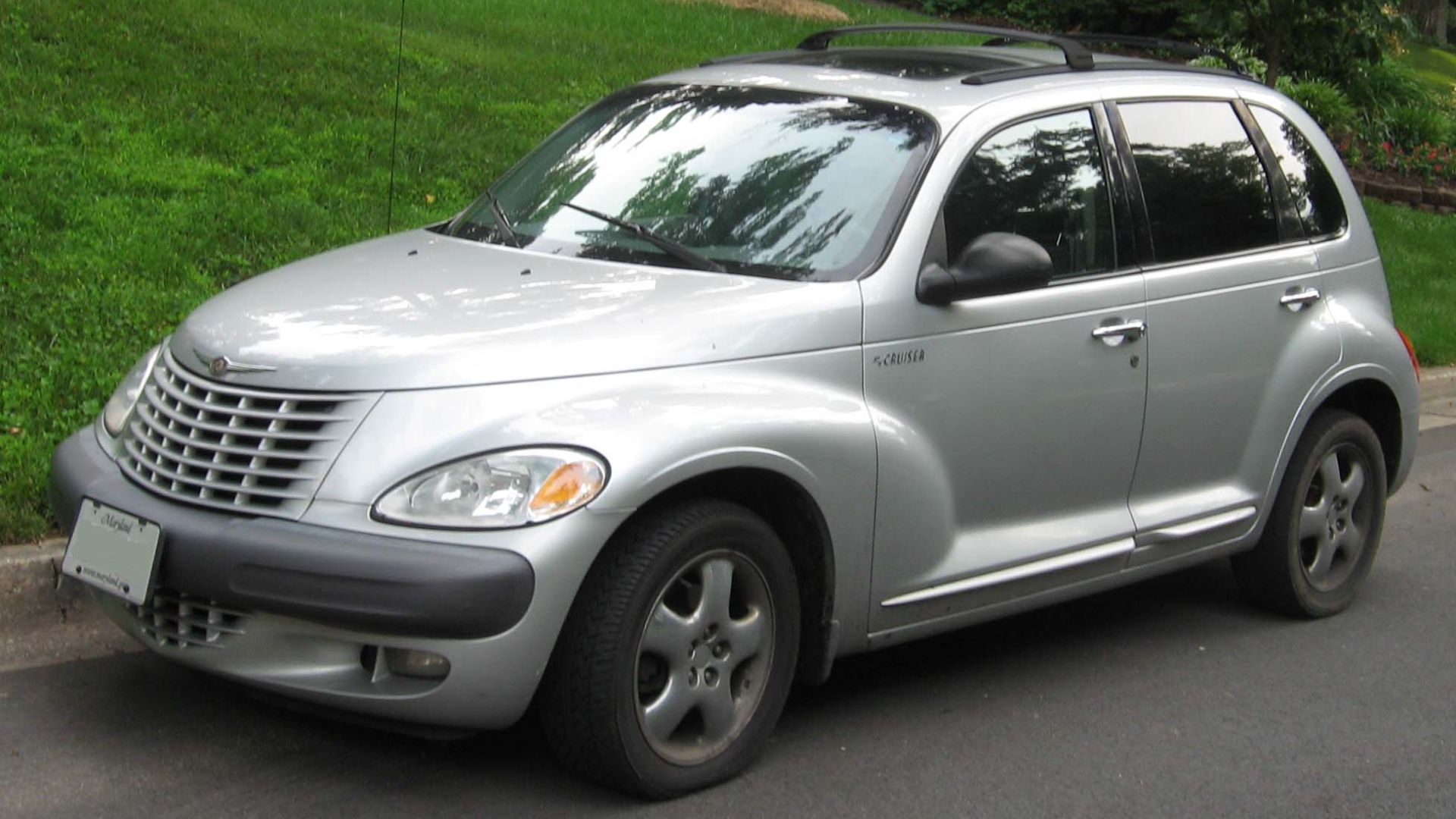
10. Chrysler PT Cruiser
Chrysler was hunting for a hit again by the late 1990s, and the retro-styled PT Cruiser, part hot rod and part hatchback, became an unlikely sensation the moment it launched in 2000. Dealers couldn't keep them in stock during the first year, and the car briefly made Chrysler look like the most interesting brand in Detroit. The novelty faded within a few years, but it bought the company real breathing room.
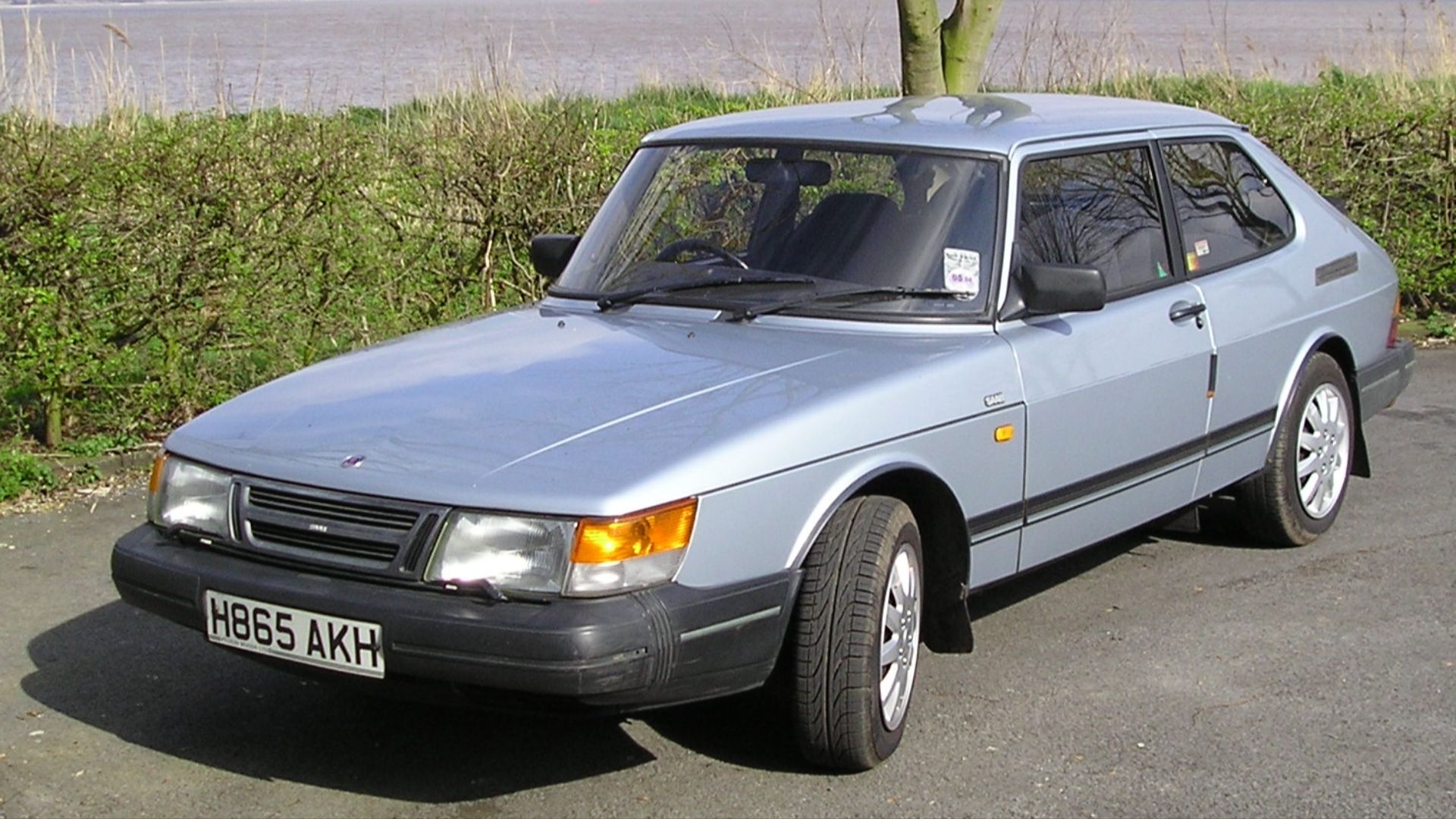
11. Saab 900
Saab's aerospace-influenced engineering had never quite translated into sales volume until the 900 arrived in 1978 and found a loyal, if modest, following among buyers who wanted something distinct from German competitors. It became Saab's best-selling model ever and kept the small Swedish automaker independent for years longer than its size probably should have allowed. Ownership changes and shrinking market share eventually caught up with the brand regardless.
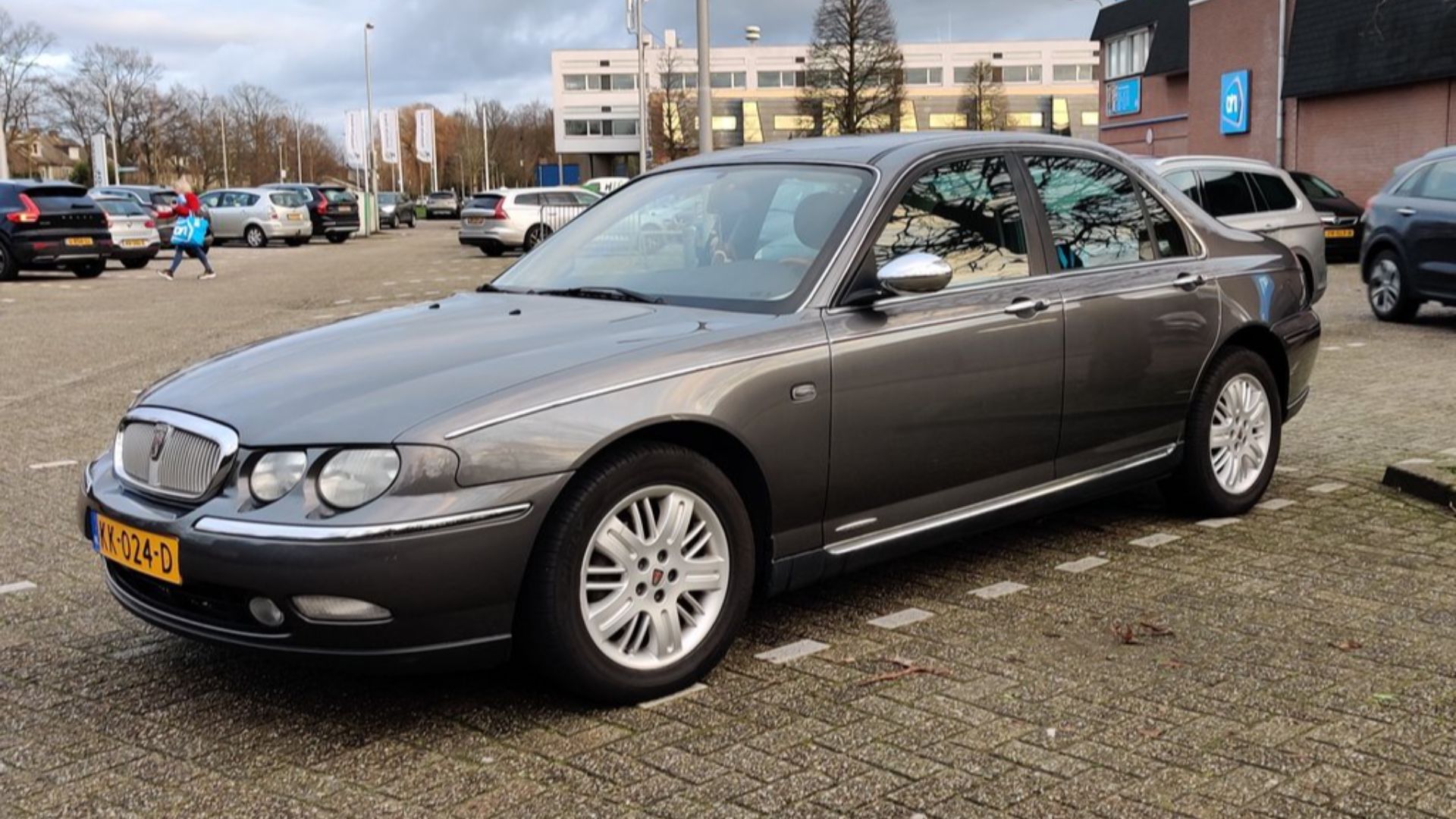
12. Rover 75
MG Rover launched the 75 in 1999 as a genuine attempt to reposition itself as a serious luxury alternative to BMW and Mercedes. Reviewers respected the engineering, but the launch came right as parent company BMW decided to offload Rover entirely, and the timing never recovered. The company collapsed in 2005, taking one of Britain's oldest automotive names down with it.
 Merijn Buick LeSabre on Wikimedia
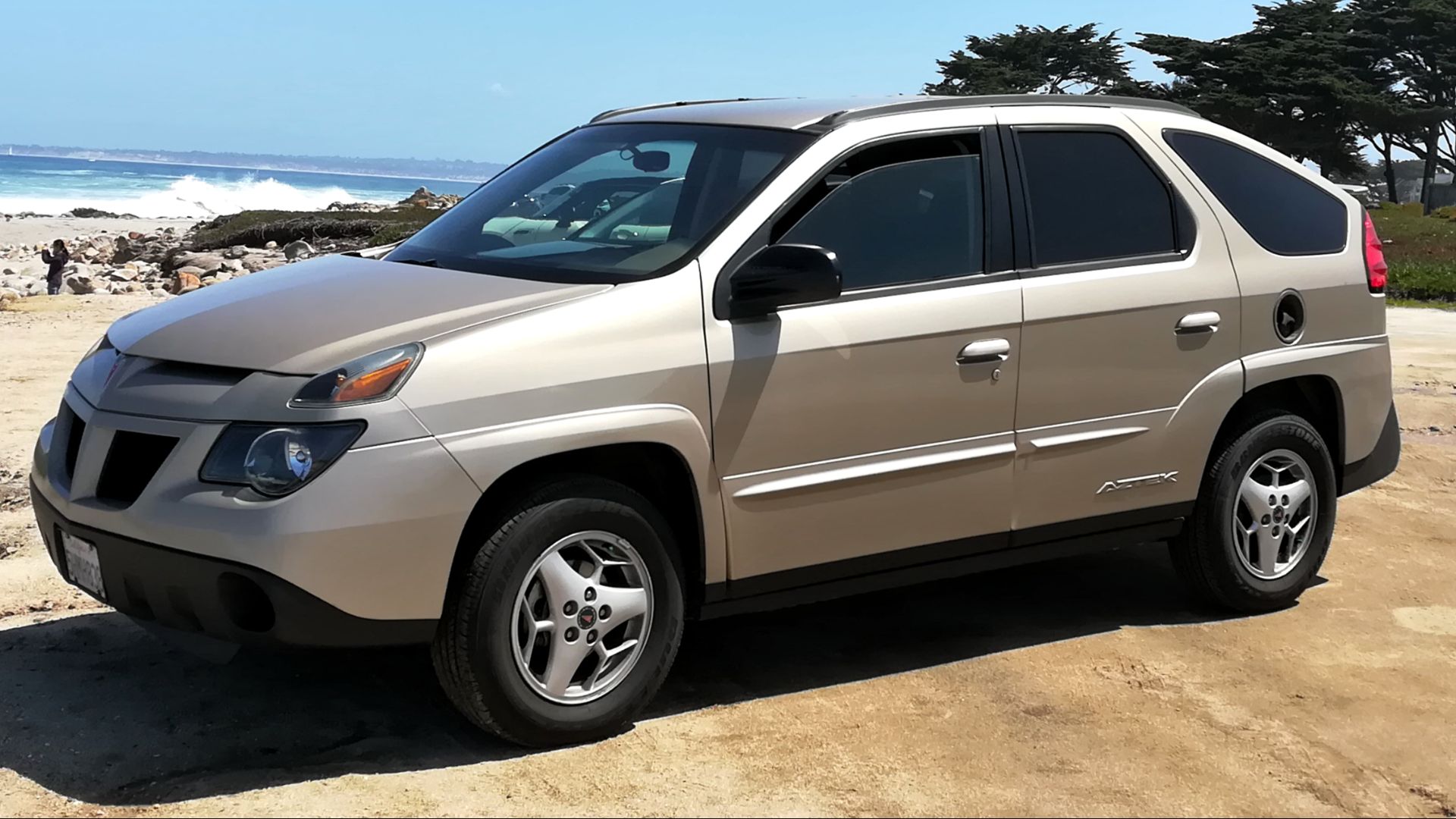
13. Pontiac Aztek
General Motors needed a crossover to test new manufacturing platforms and consumer appetite for SUV-hatchback hybrids, and the Aztek became the awkward result in 2000. Critics mocked its styling relentlessly, and sales never came close to justifying the investment behind it. Pontiac limped along for another decade before GM shut the brand down entirely during its 2009 restructuring.
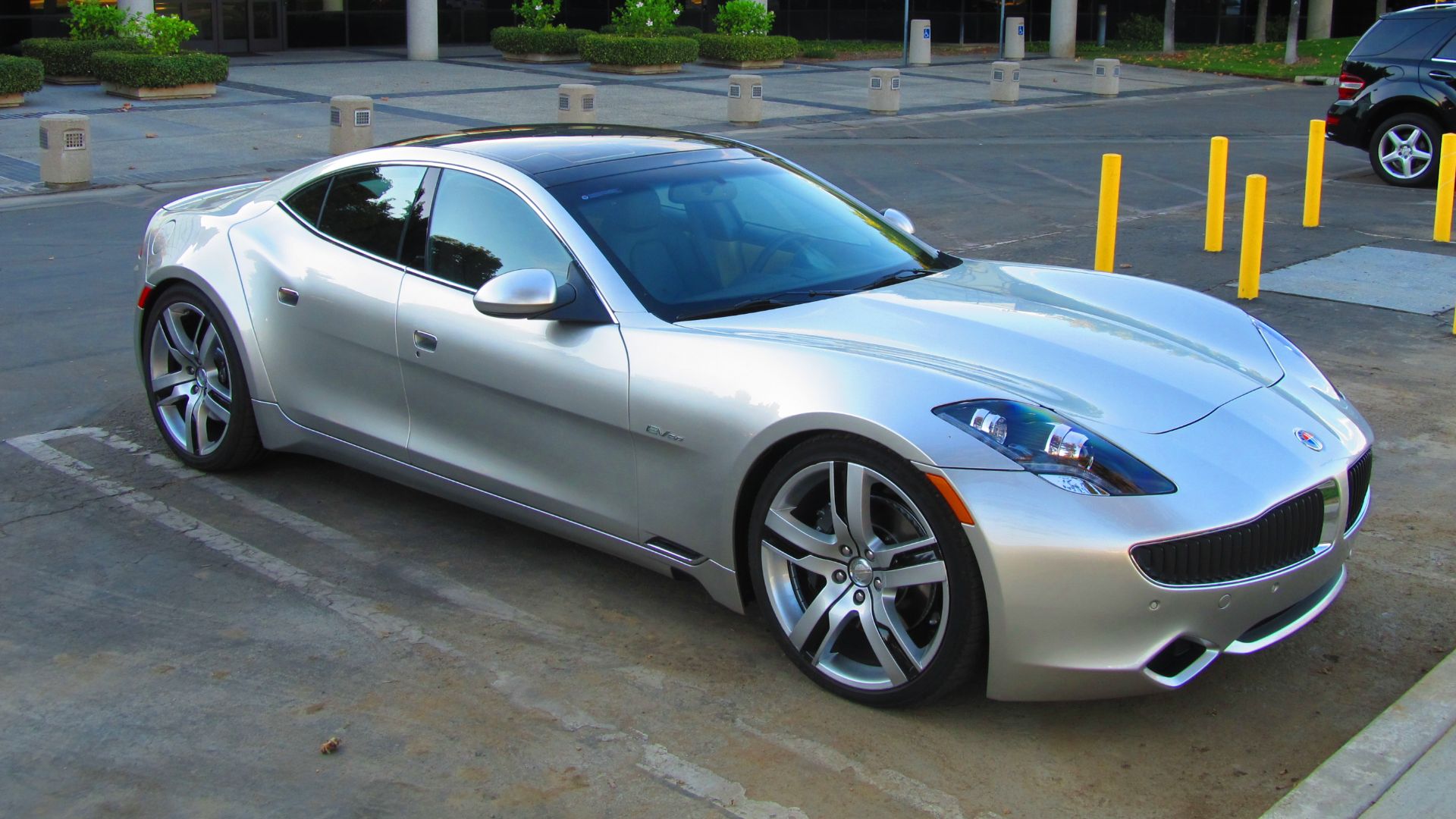
14. Fisker Karma
Henrik Fisker set out to prove a luxury plug-in hybrid could compete directly with Tesla, and the Karma's styling won plenty of admirers when it debuted in 2011. Battery supplier problems, a factory fire, and mounting production delays drained the company's cash faster than sales could replace it. Fisker Automotive filed for bankruptcy in 2013, just two years after the car's launch.
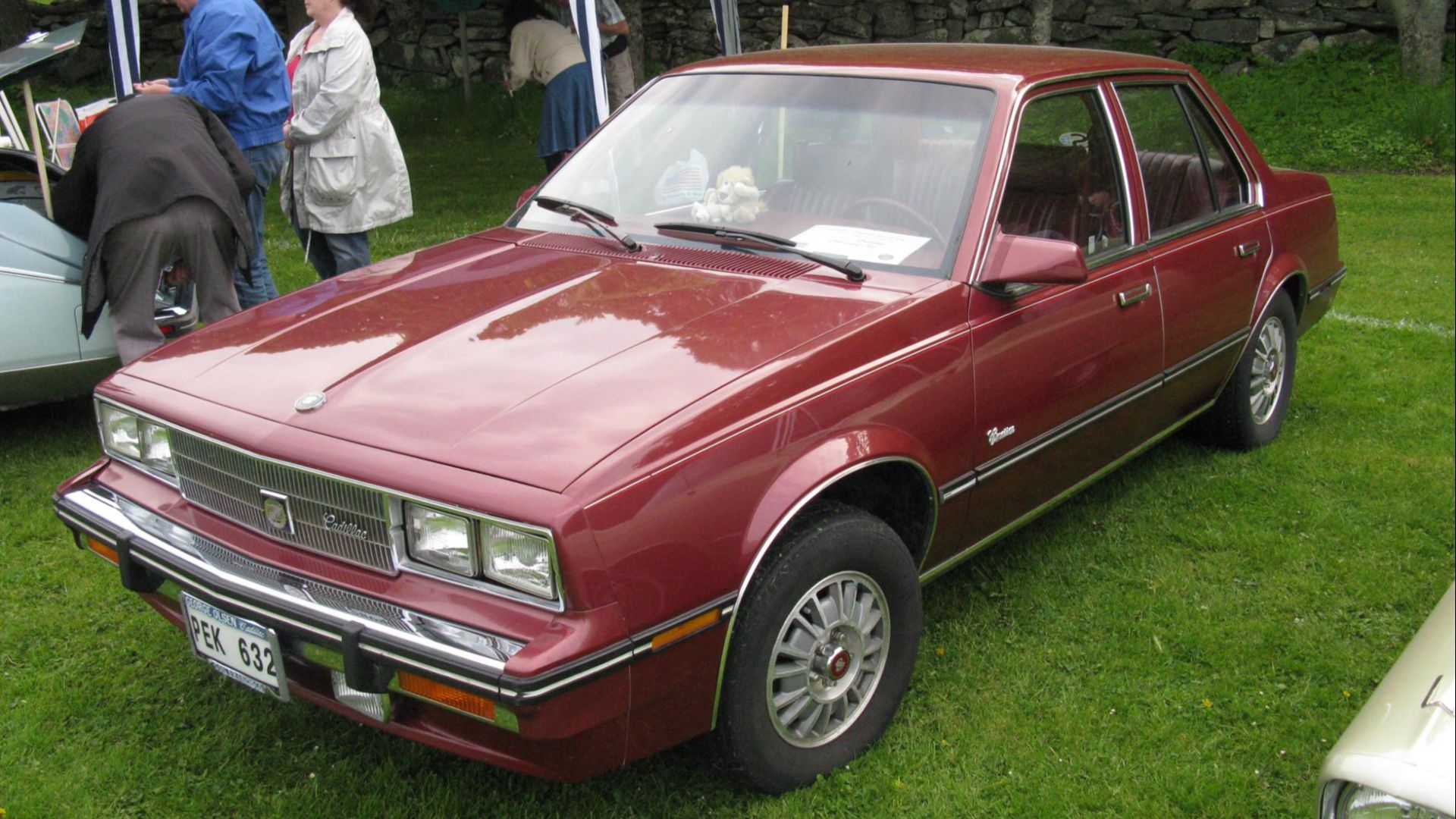
15. Cadillac Cimarron
Facing pressure to compete with smaller European luxury sedans, Cadillac rushed a badge-engineered version of the compact Chevrolet Cavalier onto the market in 1982. Buyers and critics saw through it almost instantly, and the backlash damaged Cadillac's reputation for years afterward. It remains one of the more frequently cited cautionary tales in the industry about cutting corners under financial pressure.
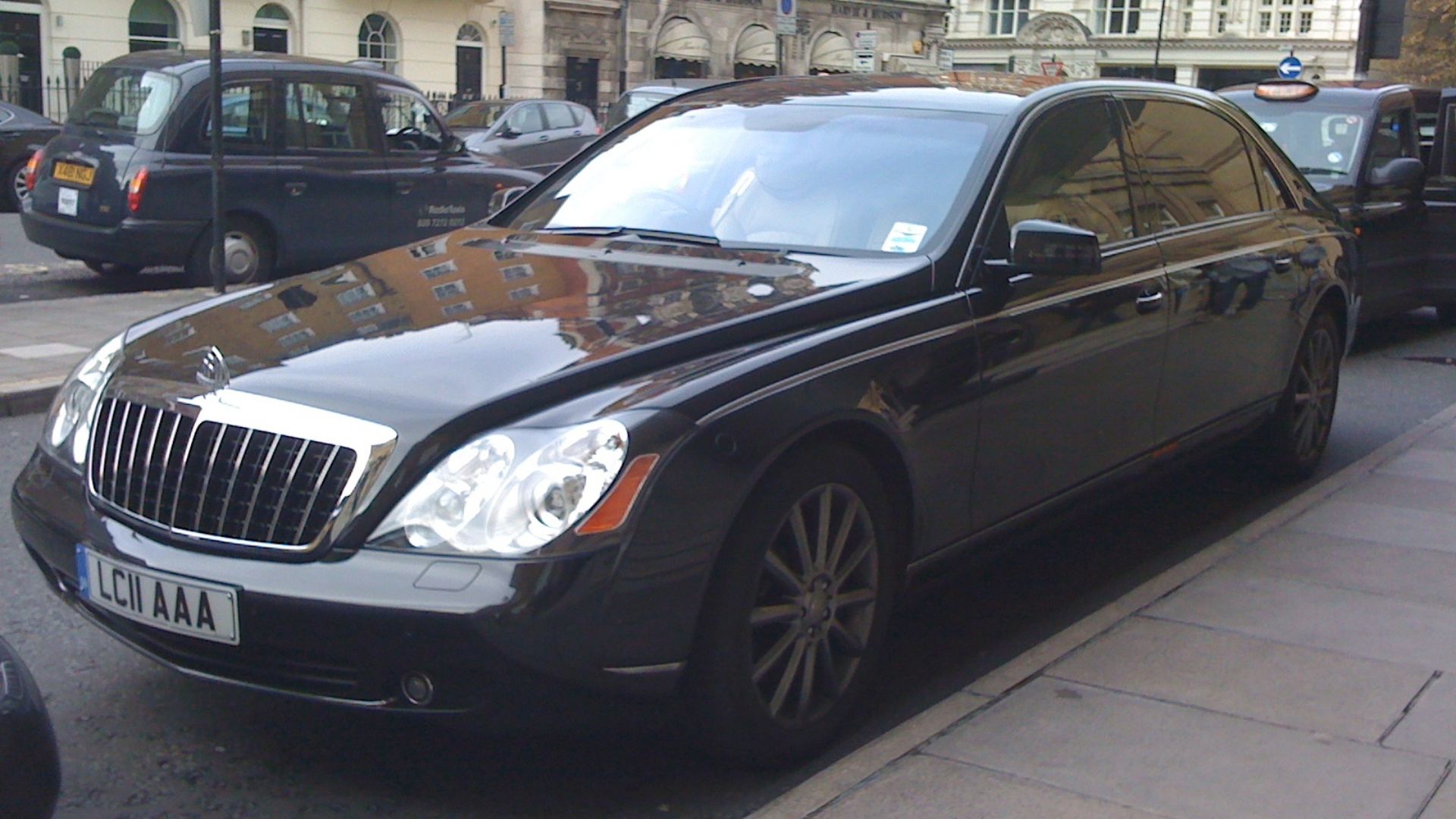
16. Maybach 57/62
Mercedes-Benz revived the Maybach name in 2002, hoping to build an ultra-luxury flagship that could compete with Rolls-Royce and Bentley on their own turf. The engineering was impressive, but sales never approached the volume needed to justify the investment, and most years saw only a few hundred units sold worldwide. Mercedes quietly folded the brand back into its own lineup in 2013.
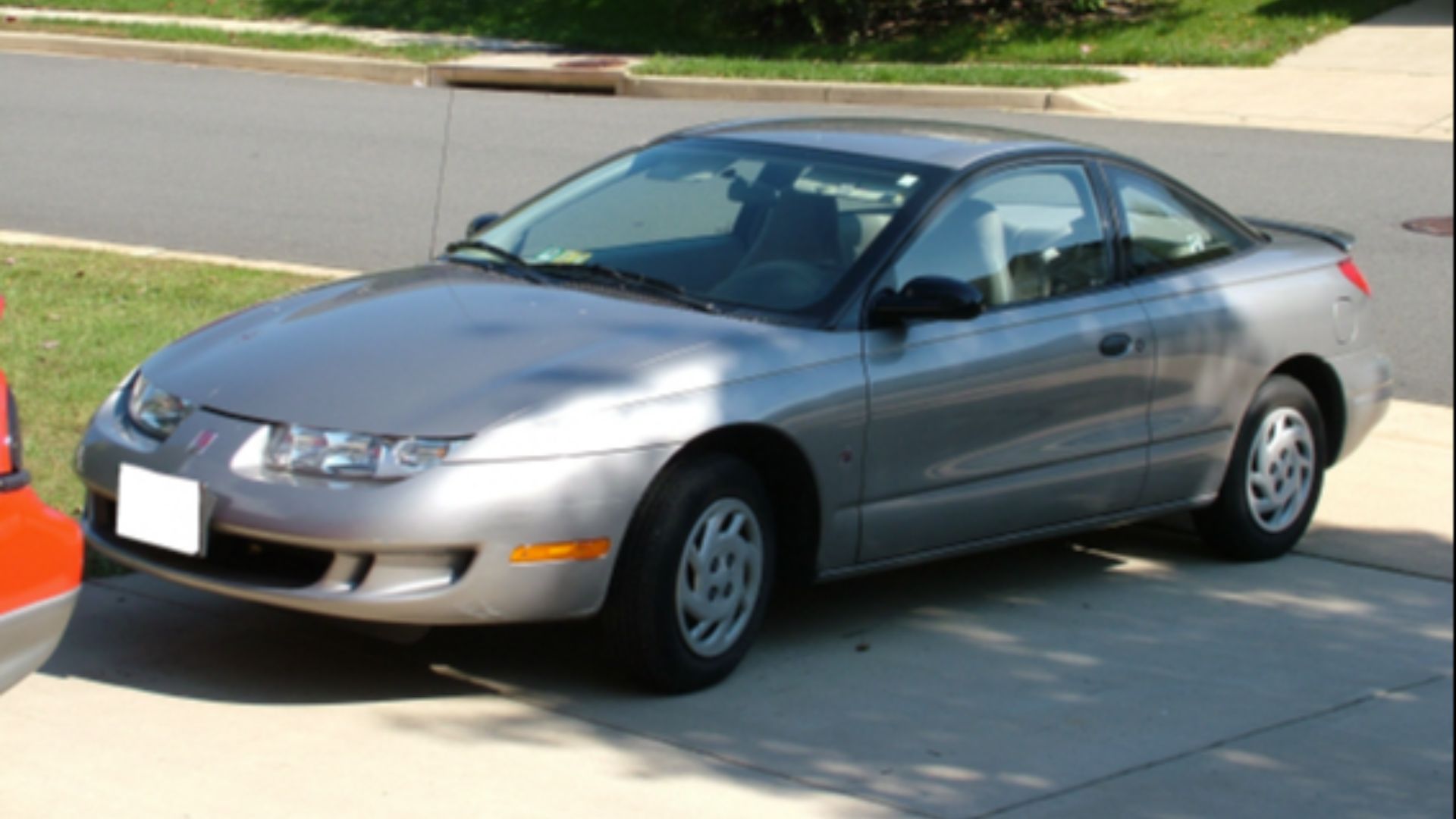
17. Saturn S-Series
GM launched Saturn in 1990 as an entirely separate company within the company, betting that a no-haggle sales approach and dent-resistant plastic panels could win back buyers who'd defected to Japanese brands. The S-Series sedans sold reasonably well through the 1990s and built real customer loyalty for a while. Underinvestment from GM corporate eventually starved the brand of new products, and Saturn shut down in 2010.
 The original uploader was Christoph.kueberl at German Wikipedia. on Wikimedia
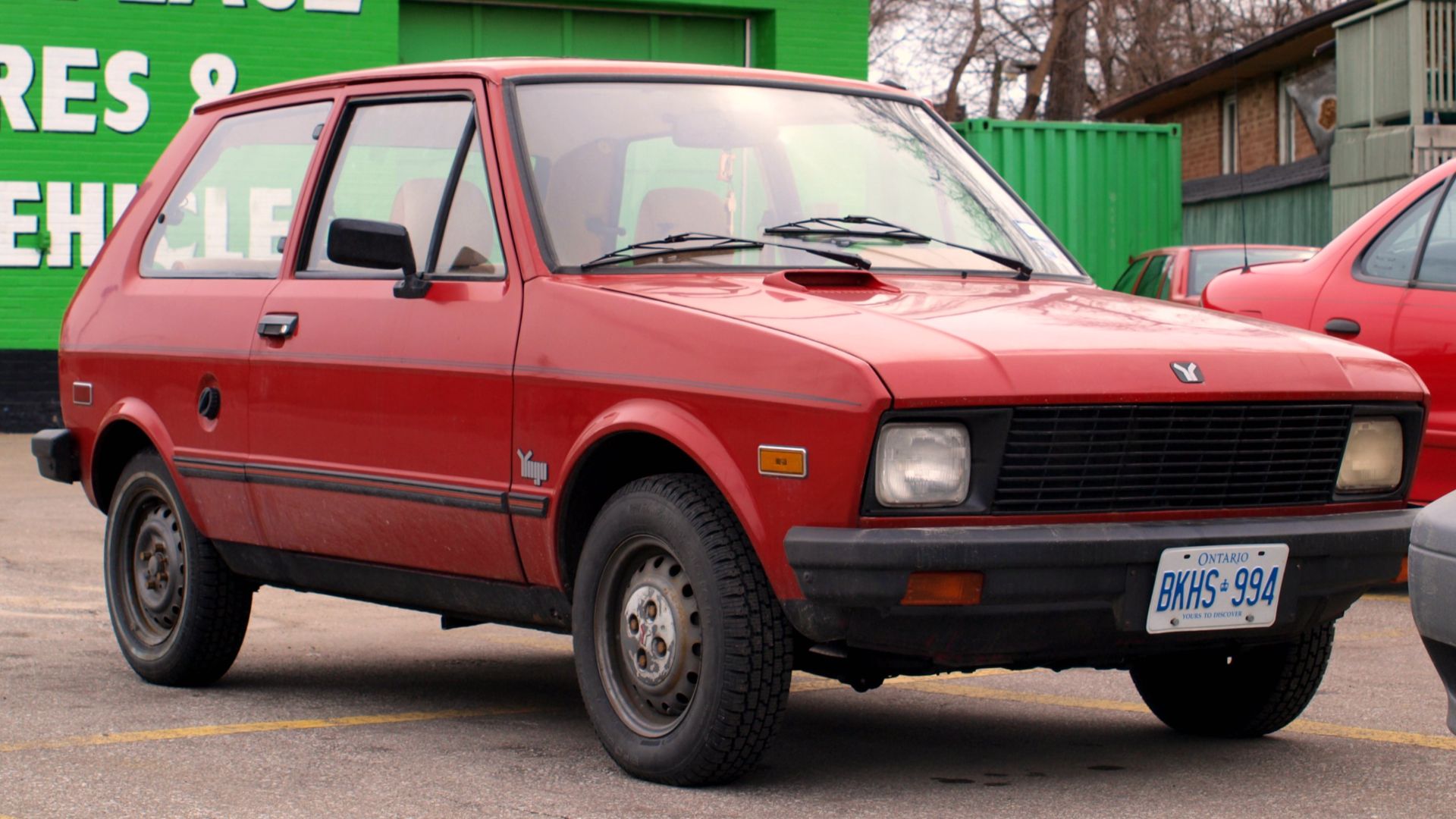
18. Yugo GV
Yugoslavia's state-owned automaker partnered with an American importer to bring the tiny Yugo GV to the United States in 1985, betting that rock-bottom pricing alone would move units. It did, briefly, becoming something of a cultural punchline almost as fast as it sold. Reliability problems and the collapse of Yugoslavia itself ended the experiment by the early 1990s.
 Michael Gil from Toronto, ON, Canada on Wikimedia
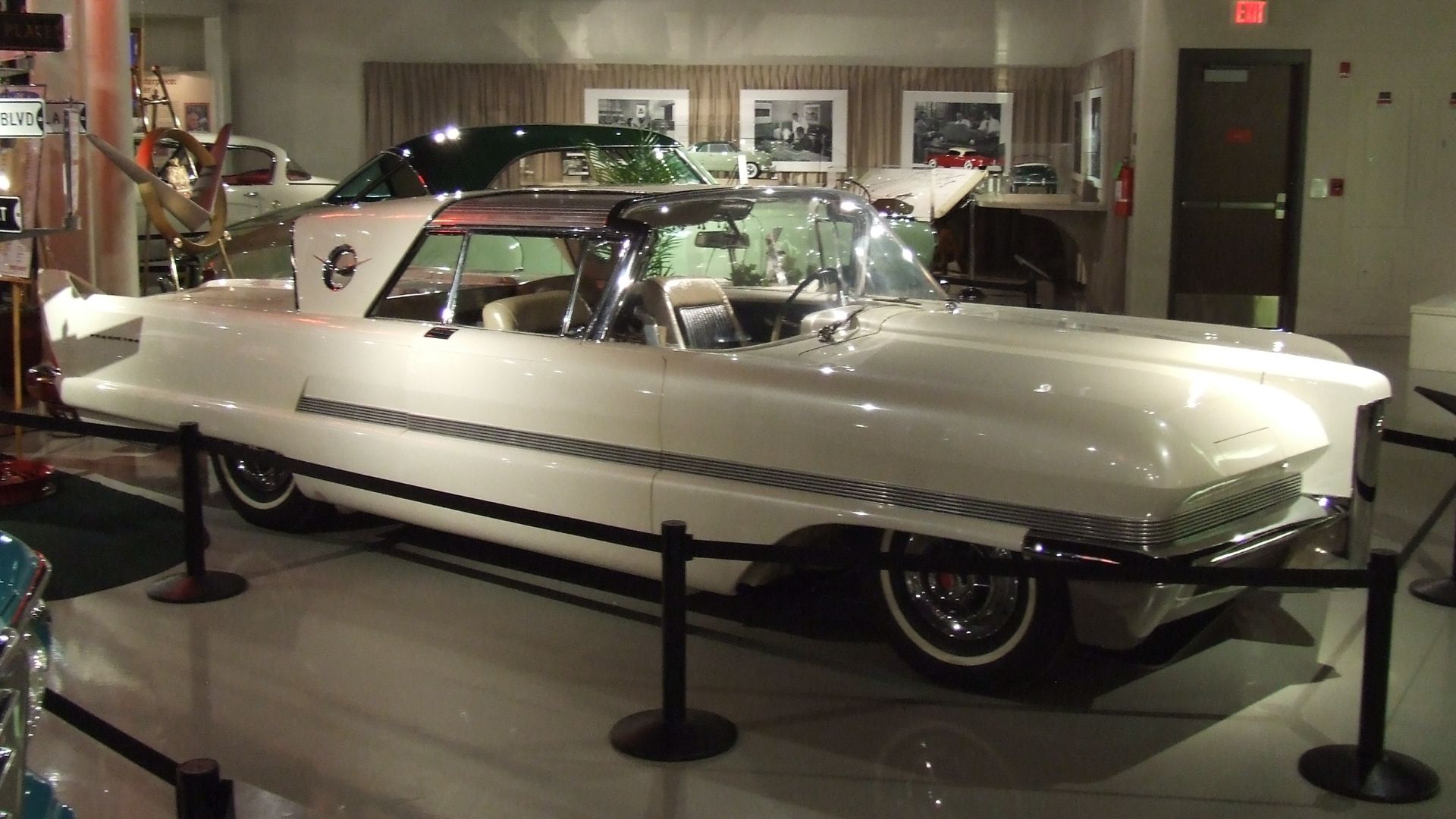
19. Packard Predictor
Struggling to differentiate itself after merging with Studebaker, Packard unveiled the Predictor concept in 1956 to signal it still had design ambition left. The concept toured auto shows to considerable praise, but Packard lacked the capital to bring anything like it to production. The brand disappeared entirely within two years of the concept's debut.
20. Chrysler Airflow
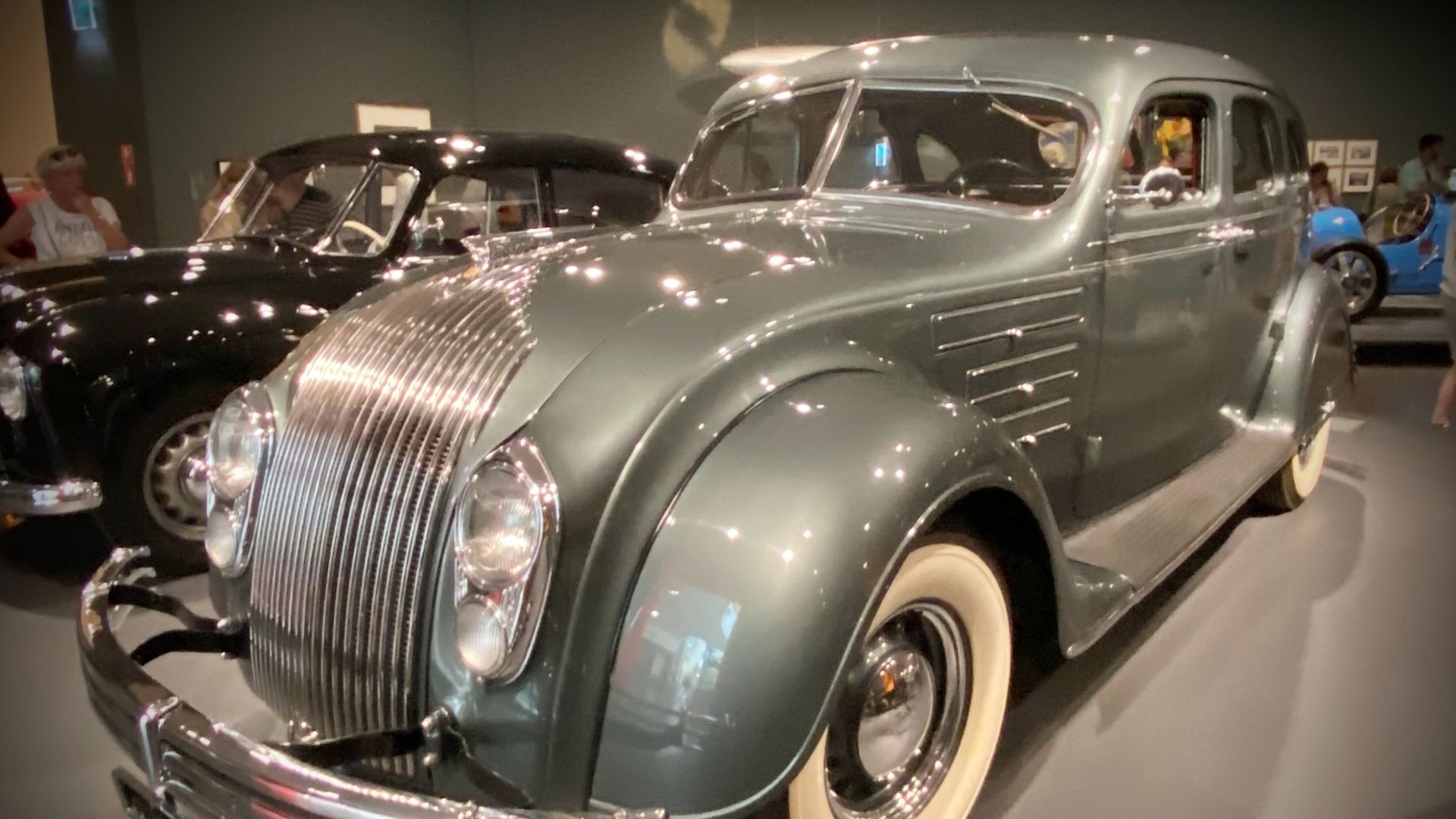
Chrysler bet heavily on aerodynamic engineering in 1934, building the Airflow around wind-tunnel testing decades before that became standard practice. The styling struck contemporary buyers as too strange, and sales fell well short of expectations despite genuine engineering advances underneath. The financial hit from the Airflow's failure pushed Chrysler toward far more conservative design for the next twenty years.