Innovation That Didn't Get The Chance To Stick
Automotive history is full of cars that showed up with a real idea and then vanished before it could take hold. Sometimes the technology outran what the market wanted, and sometimes the company ran out of money first. A few got buried by scandal, and a few just launched at the wrong moment. Each one hinted at a different direction the industry could have gone. Here's 20 cars that came close to reshaping how vehicles get built, sold, or powered.
 ApteraMotorsMedia on Wikimedia
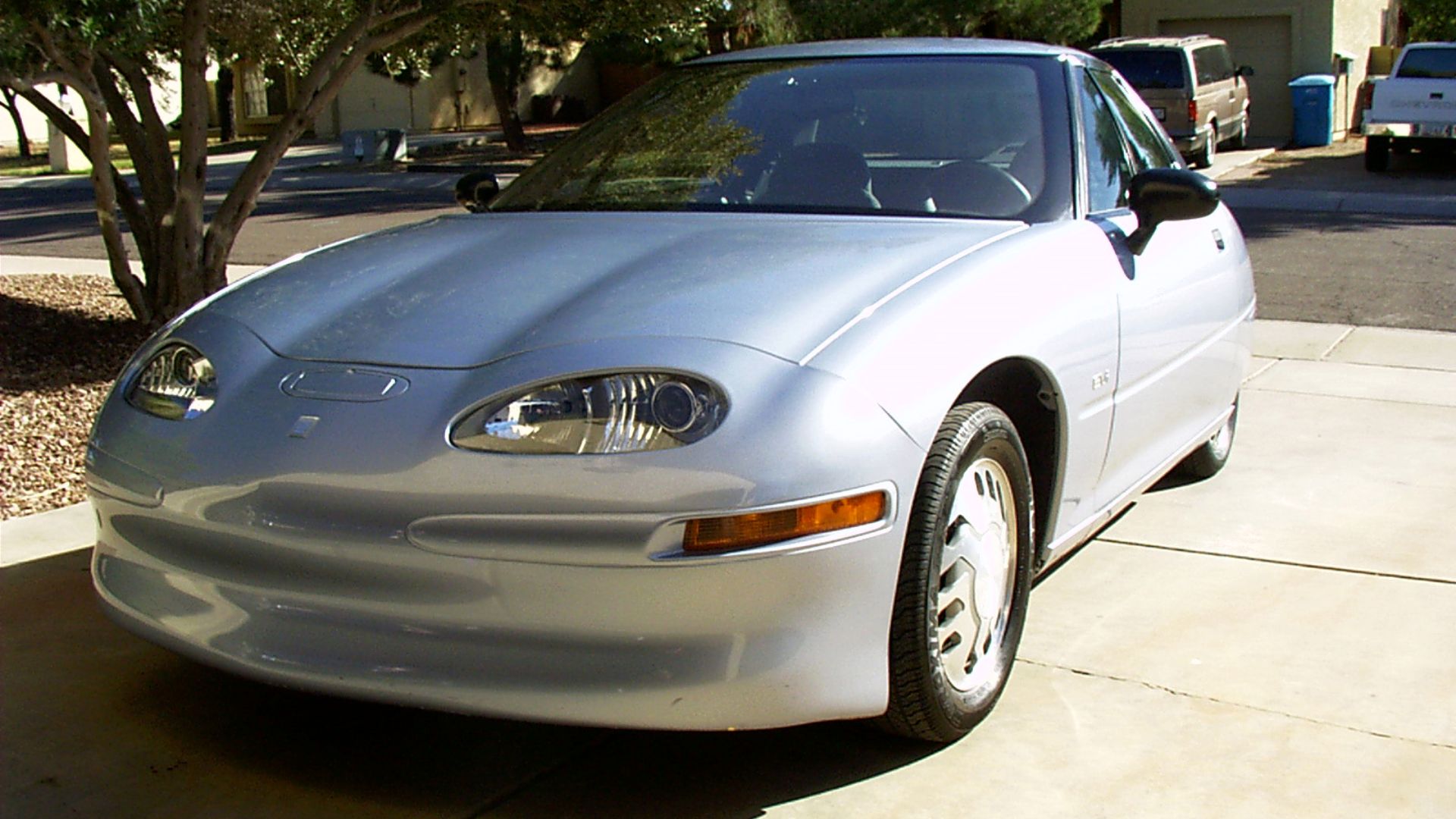
1. GM EV1
Only available on lease, never for sale, the EV1 was GM's first real stab at a mass-produced electric car in the late 1990s. Drivers loved it, but GM pulled the program and crushed most of the units it reclaimed. It took another decade before an electric car from a major automaker felt like a real option again.
 RightBrainPhotography (Rick Rowen) on Wikimedia
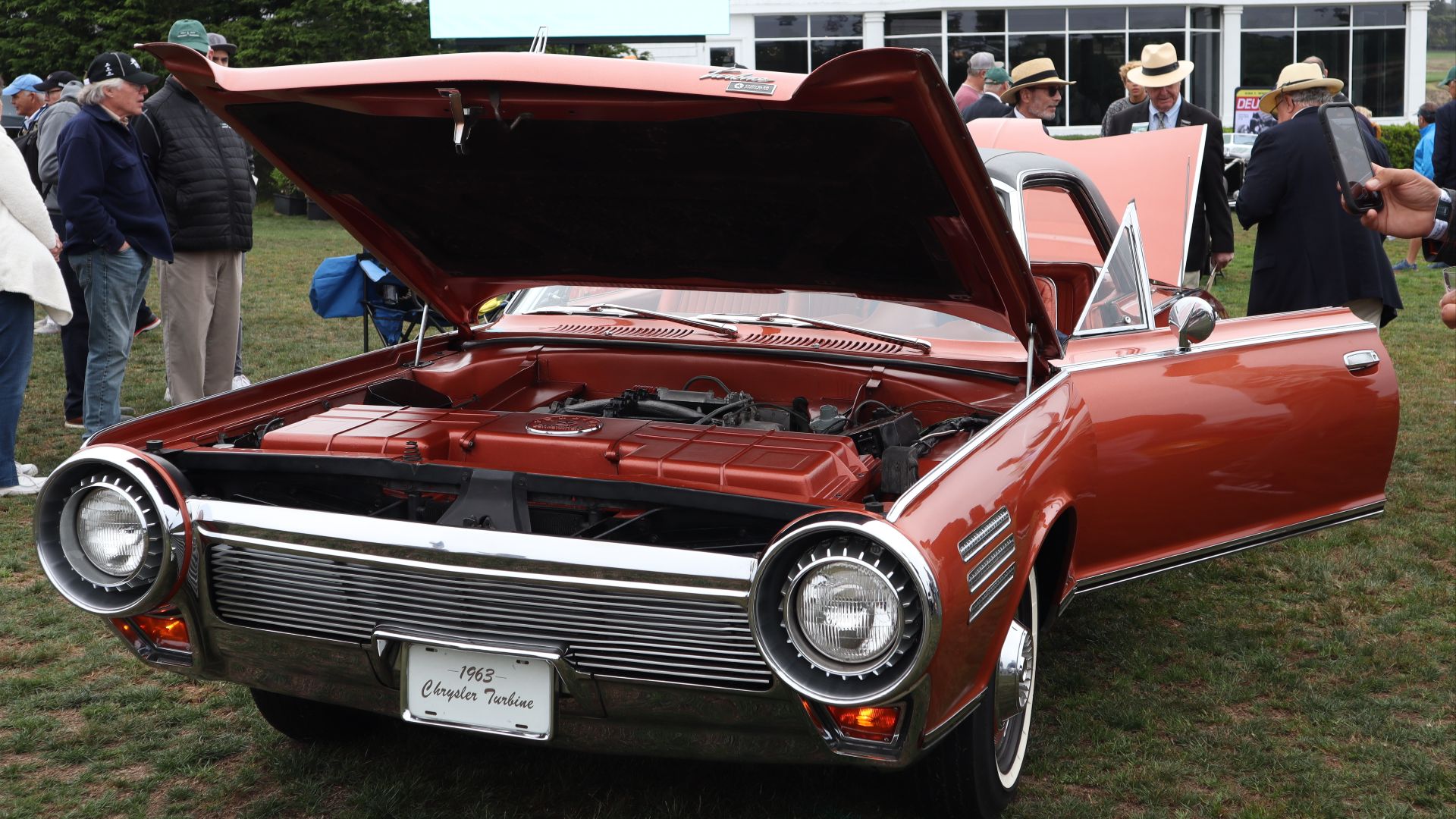
2. Chrysler Turbine Car
In the early 1960s, Chrysler built a small fleet of cars powered by a jet turbine engine and loaned them to regular families to drive daily. The engine could run on nearly anything flammable, tequila included, according to more than one owner's story. Emissions concerns and cost ended the program, and most cars were destroyed.
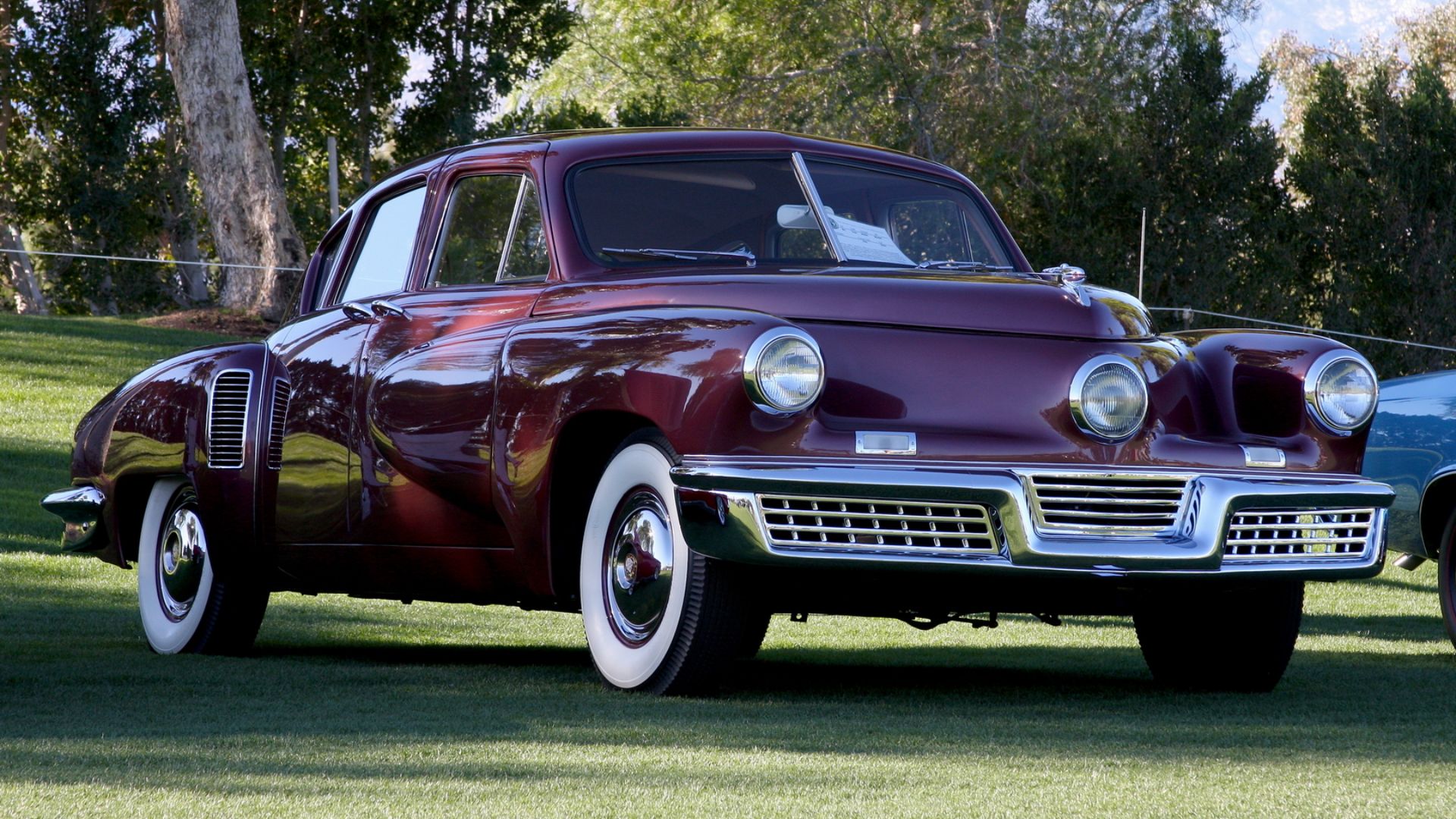
3. Tucker 48
Preston Tucker built a car in 1948 loaded with safety features nobody else offered, including a padded dashboard and a center headlight that turned with the wheel. Fraud allegations and an SEC probe sank the company before it reached real scale, and only 51 were built. Several of those ideas became industry standard decades later, just not under Tucker's name.
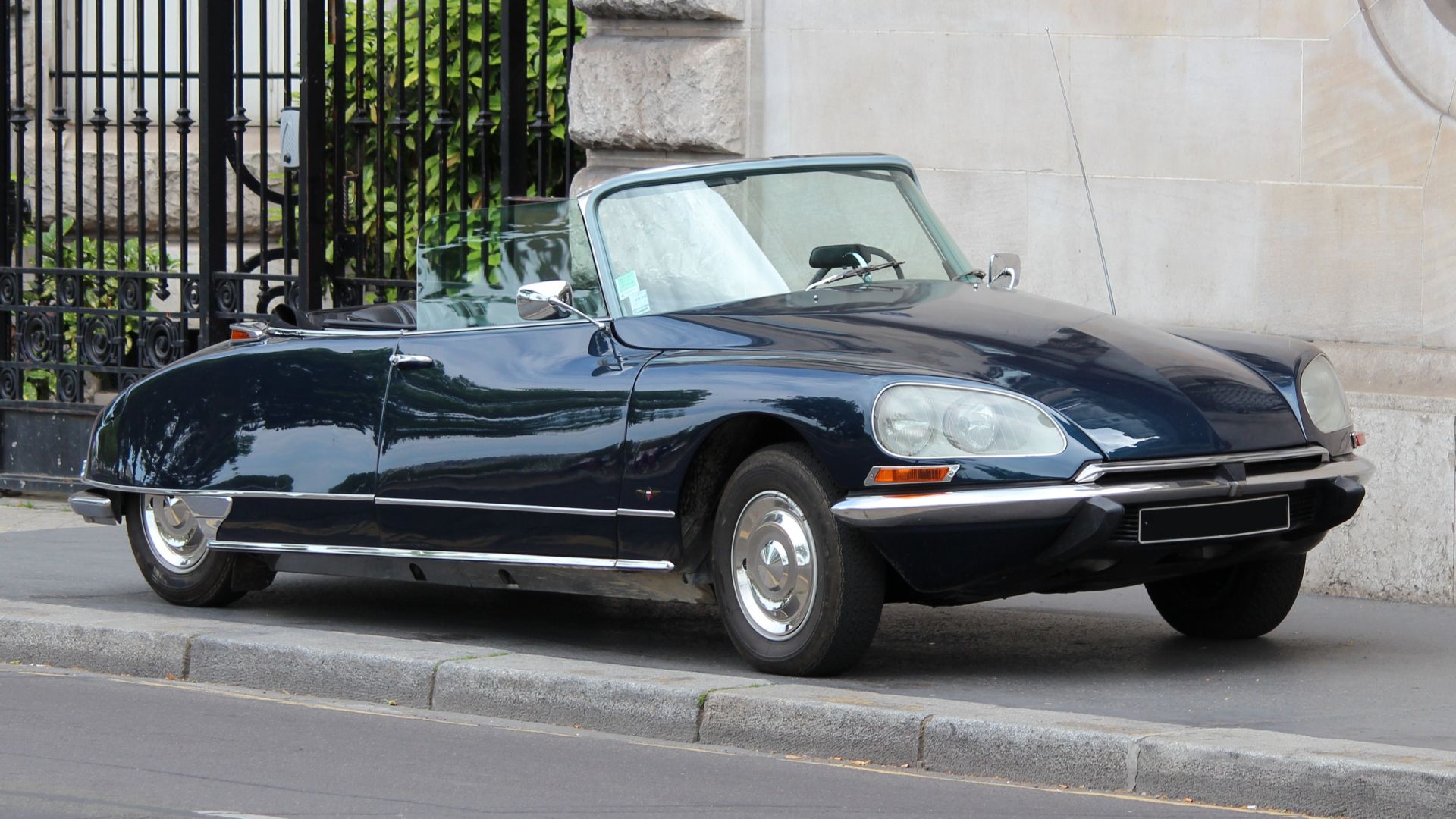
4. Citroën DS
Citroën's hydropneumatic suspension let the DS glide over rough roads and level itself automatically, a feat that felt closer to science fiction in 1955. The styling alone looked like it had arrived from twenty years in the future. Despite selling well in France for years, that suspension tech never became the industry norm Citroën hoped for.
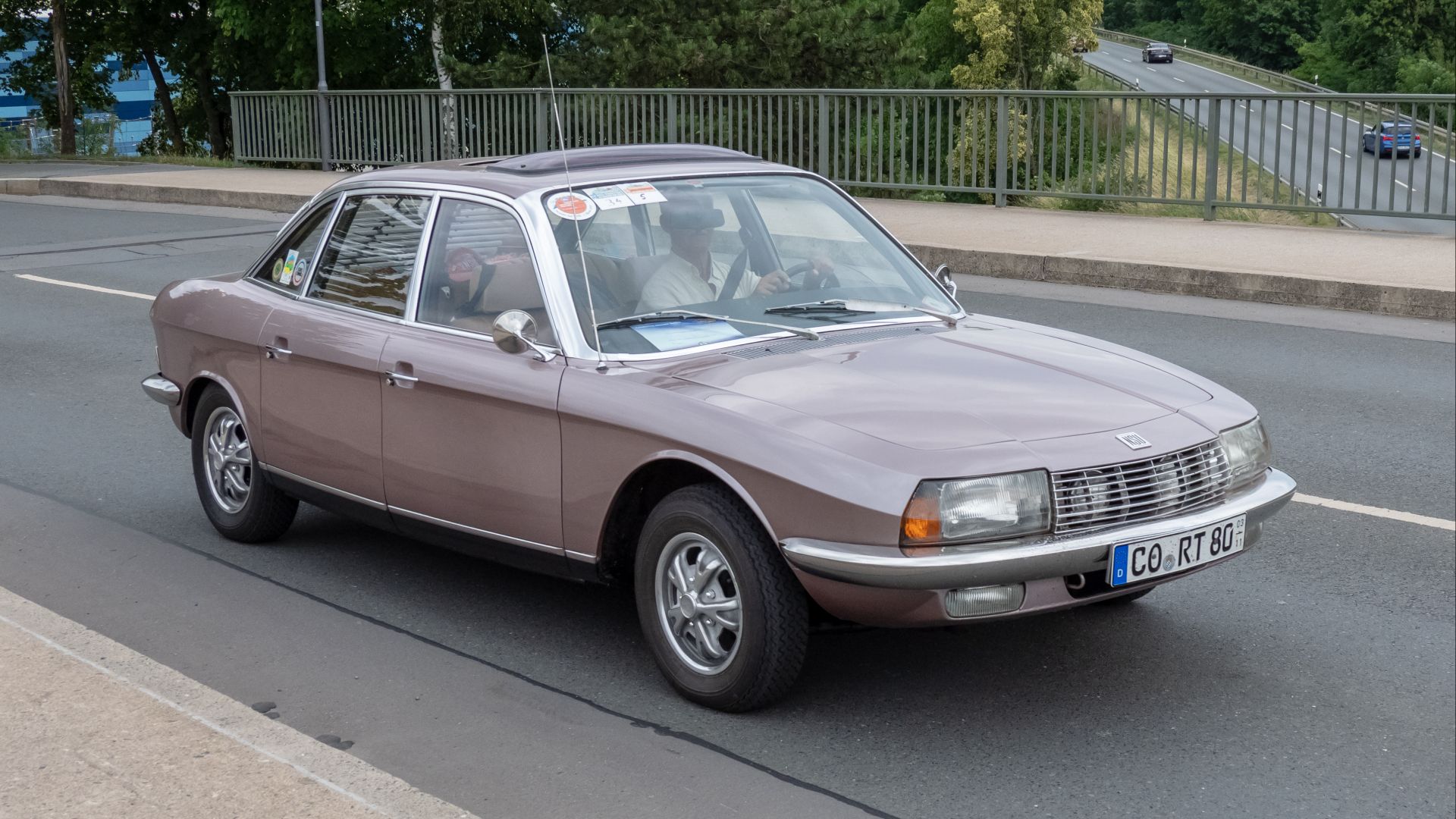
5. NSU Ro80
The Ro80 paired a Wankel rotary engine with strikingly advanced aerodynamics in 1967, years before most manufacturers cared about drag coefficients. The rotary's apex seals wore out fast, and warranty claims piled up until they buried the company. NSU folded into Audi, and the rotary engine never became the mainstream alternative it briefly promised to be.
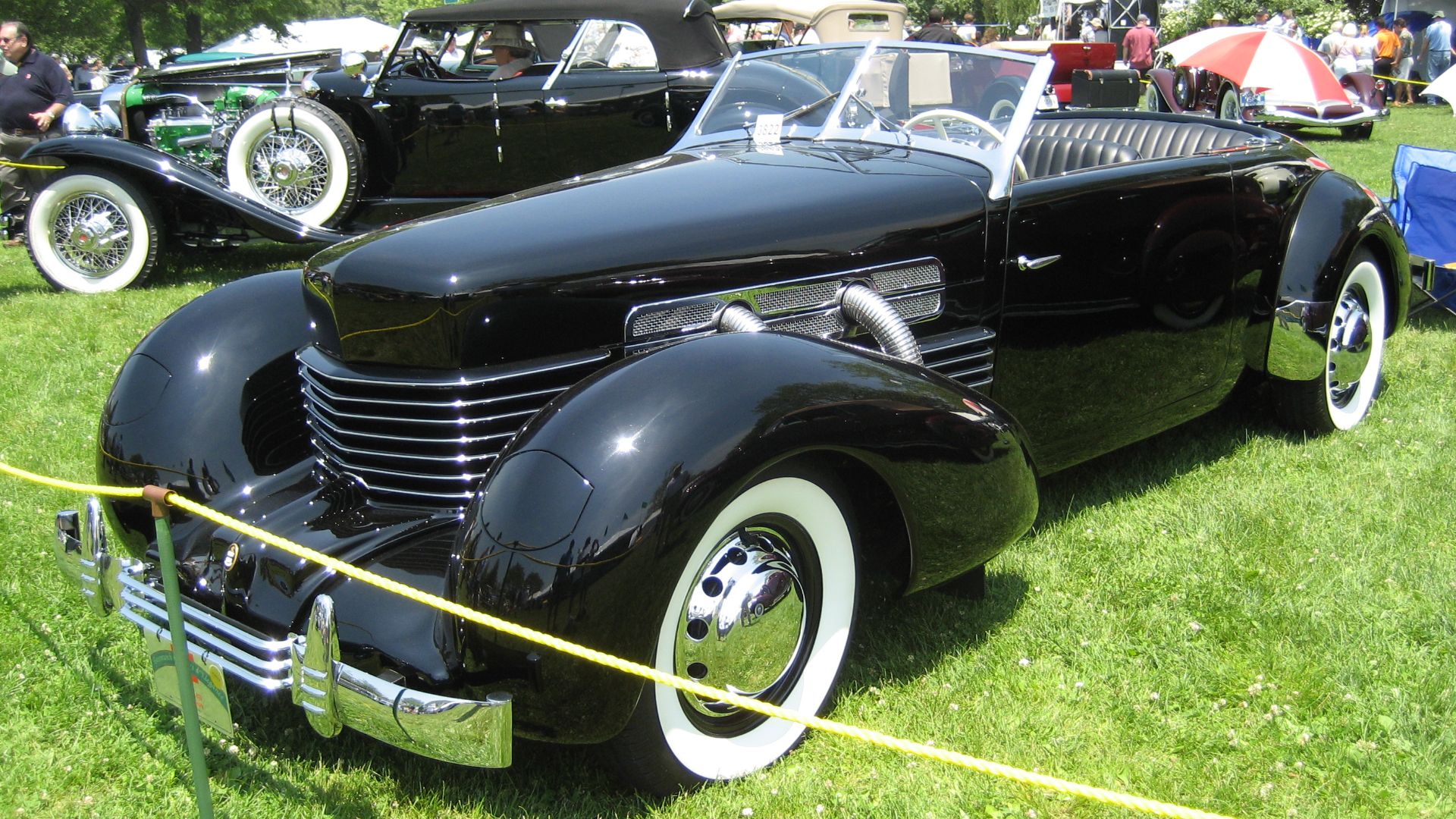
6. Cord 810
The Cord 810 arrived in 1936 with front-wheel drive, hidden headlights, and no running boards, all shockingly modern next to everything else on the road. It was ahead of its time, mechanically and visually. Production problems shut the company down within a year, long before the industry caught up to what Cord had figured out.
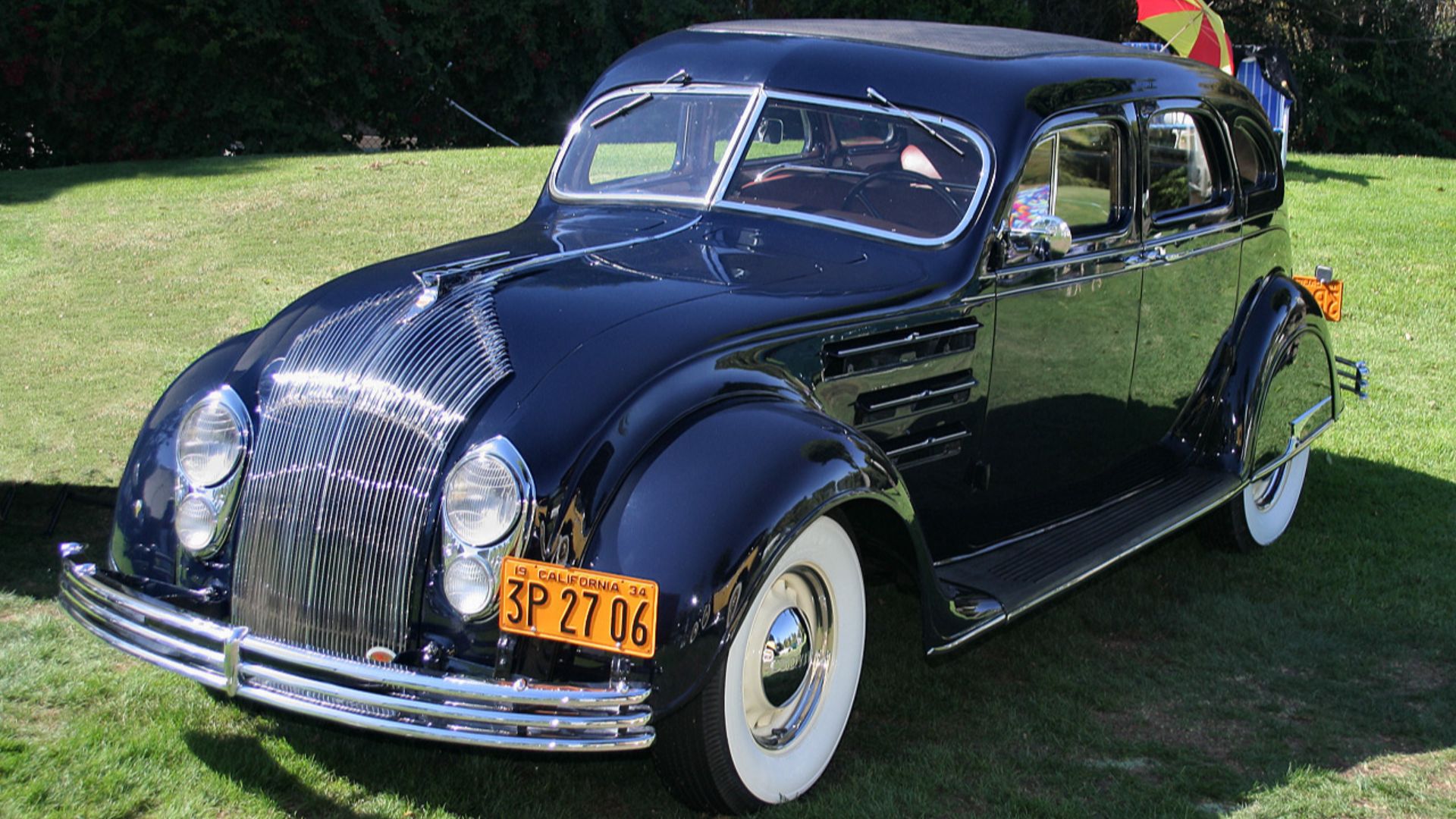
7. Chrysler Airflow
Chrysler bet heavily on aerodynamics with the Airflow in 1934, shaping it in a wind tunnel while most cars were still styled by eye. Buyers weren't ready for how unusual it looked, and sales never recovered. Its streamlining ideas became standard practice industry-wide, just not soon enough to save the car itself.
 commons.wikimedia.org on Google
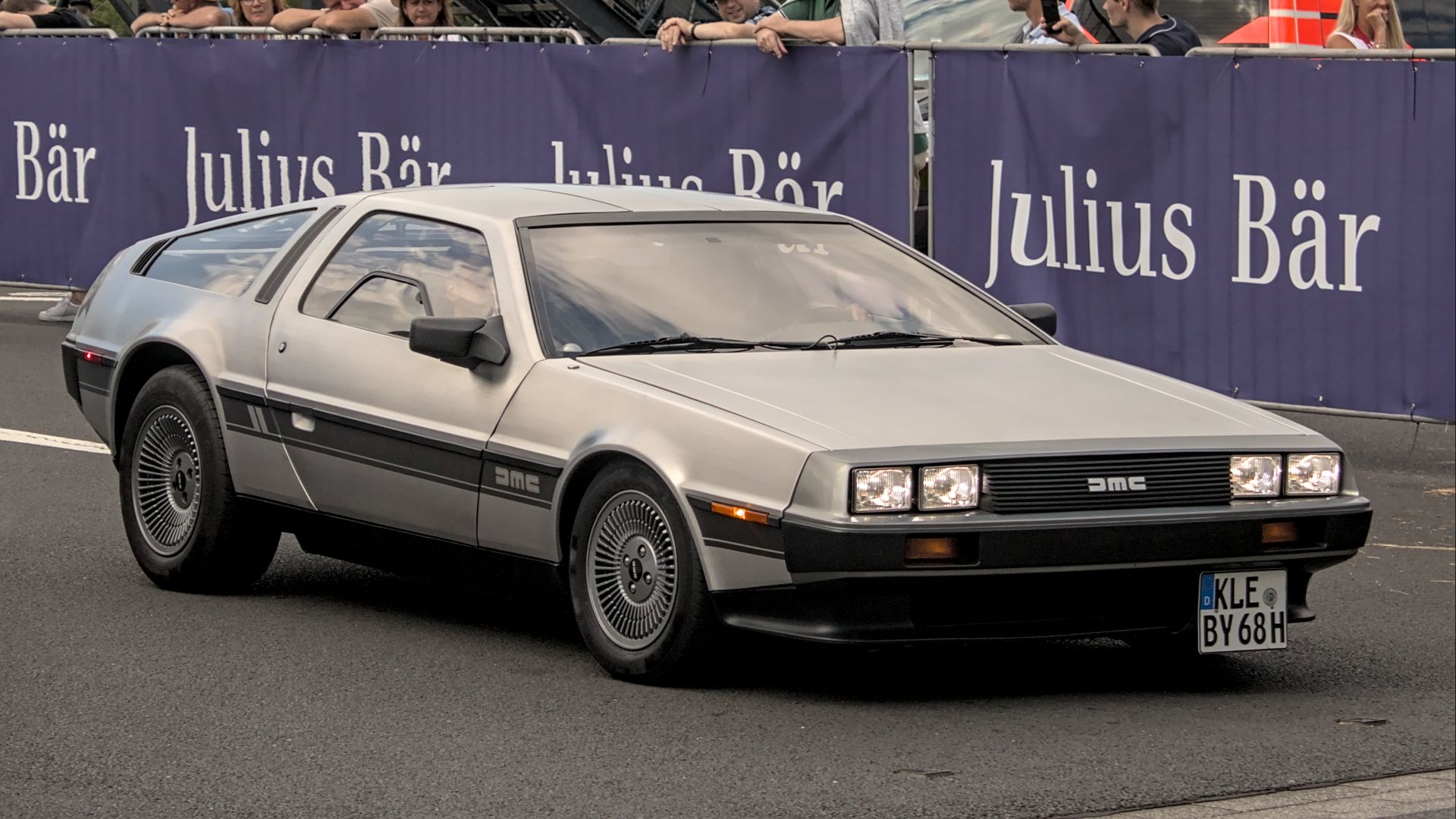
8. DeLorean DMC-12
Gull-wing doors and an unpainted stainless steel body made the DMC-12 look like nothing else on a dealer lot in 1981. John DeLorean's company collapsed amid a cocaine trafficking scandal not long after production started, and fewer than 9,000 cars were ever built. Its cultural afterlife turned out far bigger than its sales numbers were.
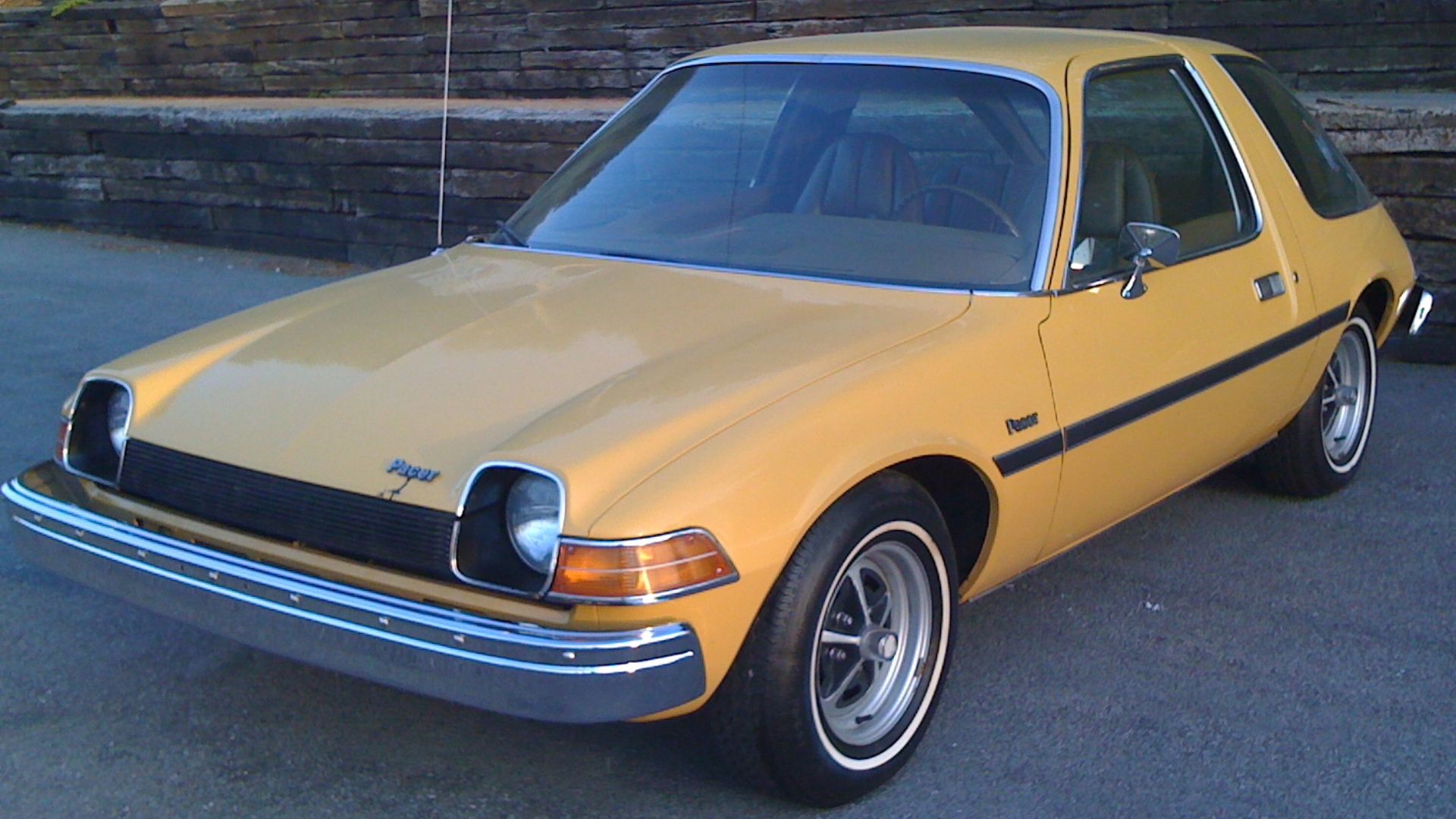
9. AMC Pacer
The Pacer's wide, cab-forward design rethought what a compact car could offer inside, prioritizing cabin space over the narrow boxes competitors were building. Early sales were strong, but the novelty faded fast and AMC's finances never recovered. Automakers eventually did chase wider, space-efficient small cars, just not for another couple of decades.
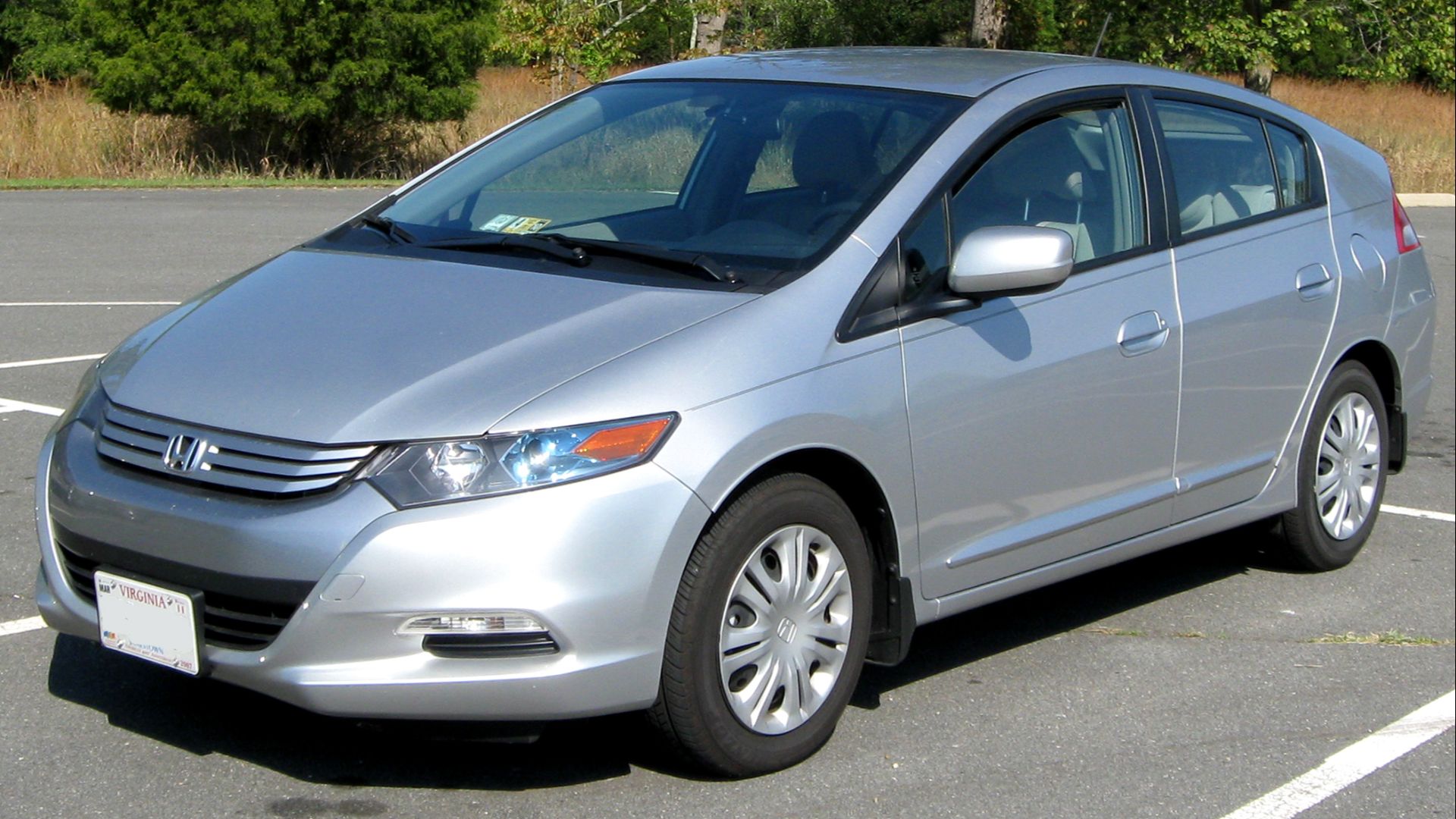
10. Honda Insight
Honda beat Toyota's Prius to American dealerships by a few months in 1999 with the Insight, a tiny, aerodynamic two-seater built around fuel efficiency. It never sold in real volume, partly because most buyers wanted a hybrid that looked like a normal car. Hybrid technology went mainstream anyway, just through other models that came right behind it.
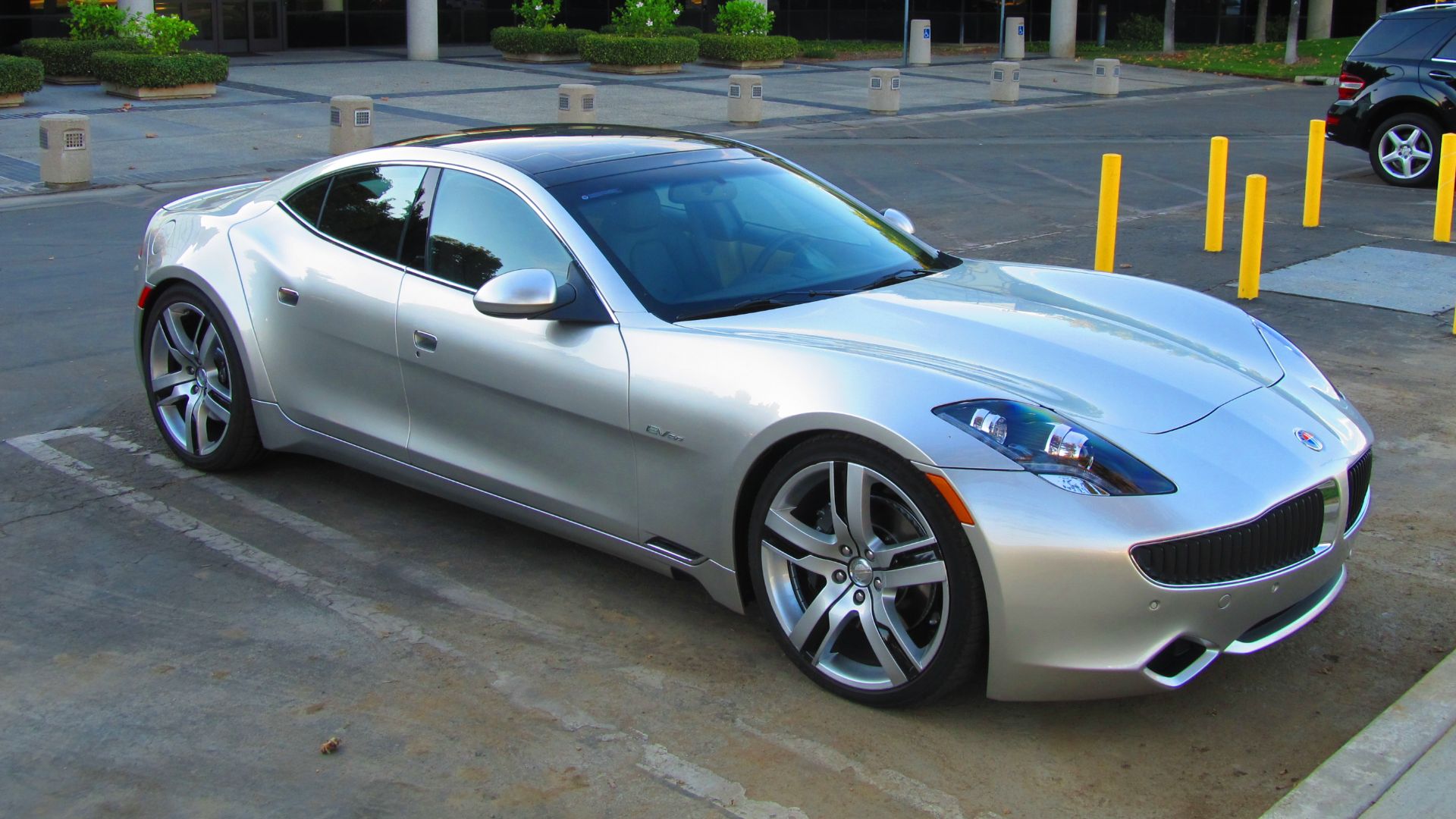
11. Fisker Karma
The Karma paired striking design with a plug-in hybrid drivetrain, aiming at luxury buyers who wanted something greener without sacrificing style. Battery supplier issues and mounting quality problems dragged the company into bankruptcy by 2013. The brand resurfaced under new ownership, but the original never got the runway it needed.
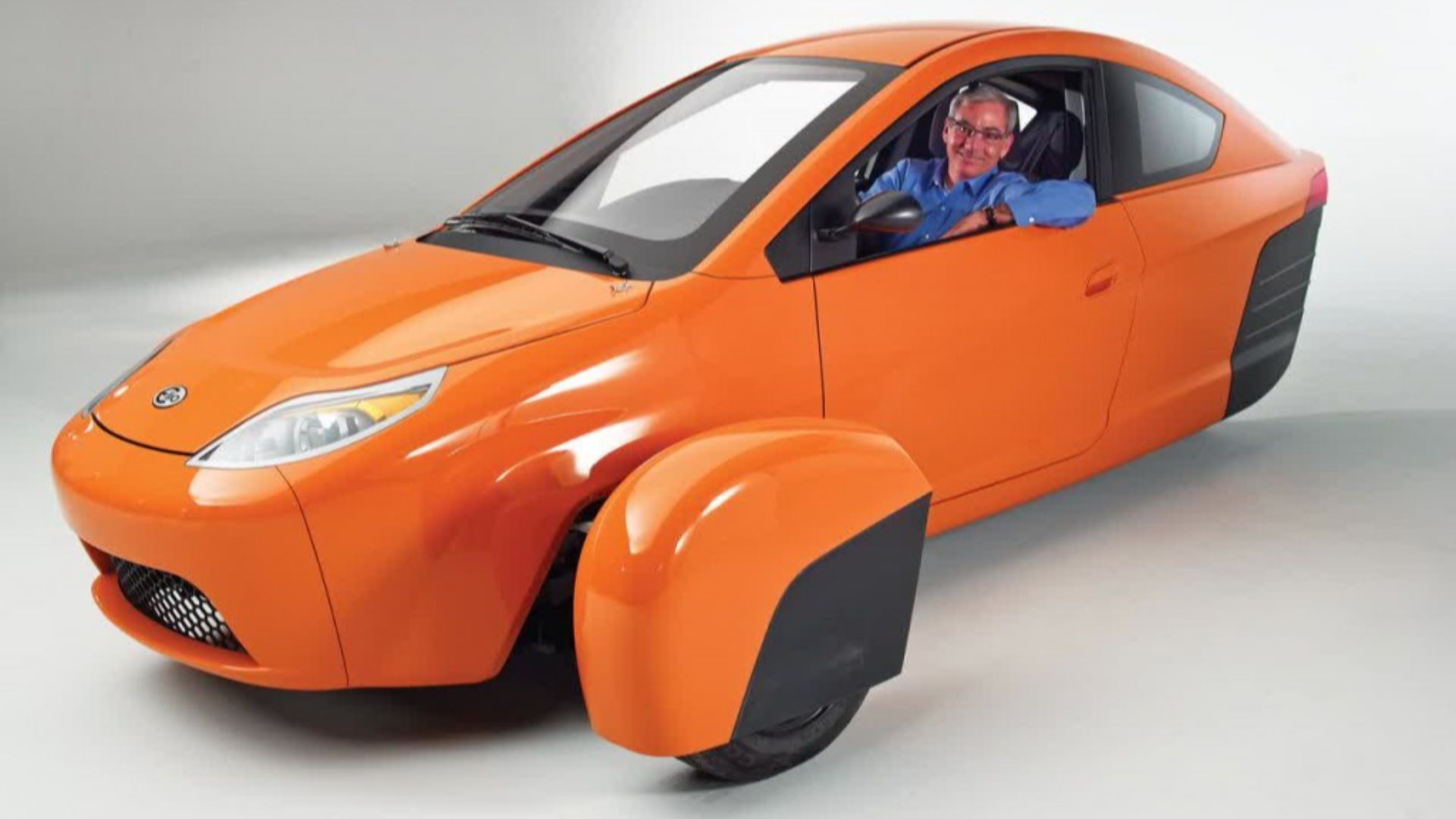
12. Elio Motors P4
Elio promised a three-wheeled, enclosed commuter vehicle getting around 84 miles per gallon for about seven thousand dollars. Tens of thousands put down reservations over the years the company spent chasing production. It never built a single customer car, making it one of the more elaborate almost-stories in recent automotive memory.
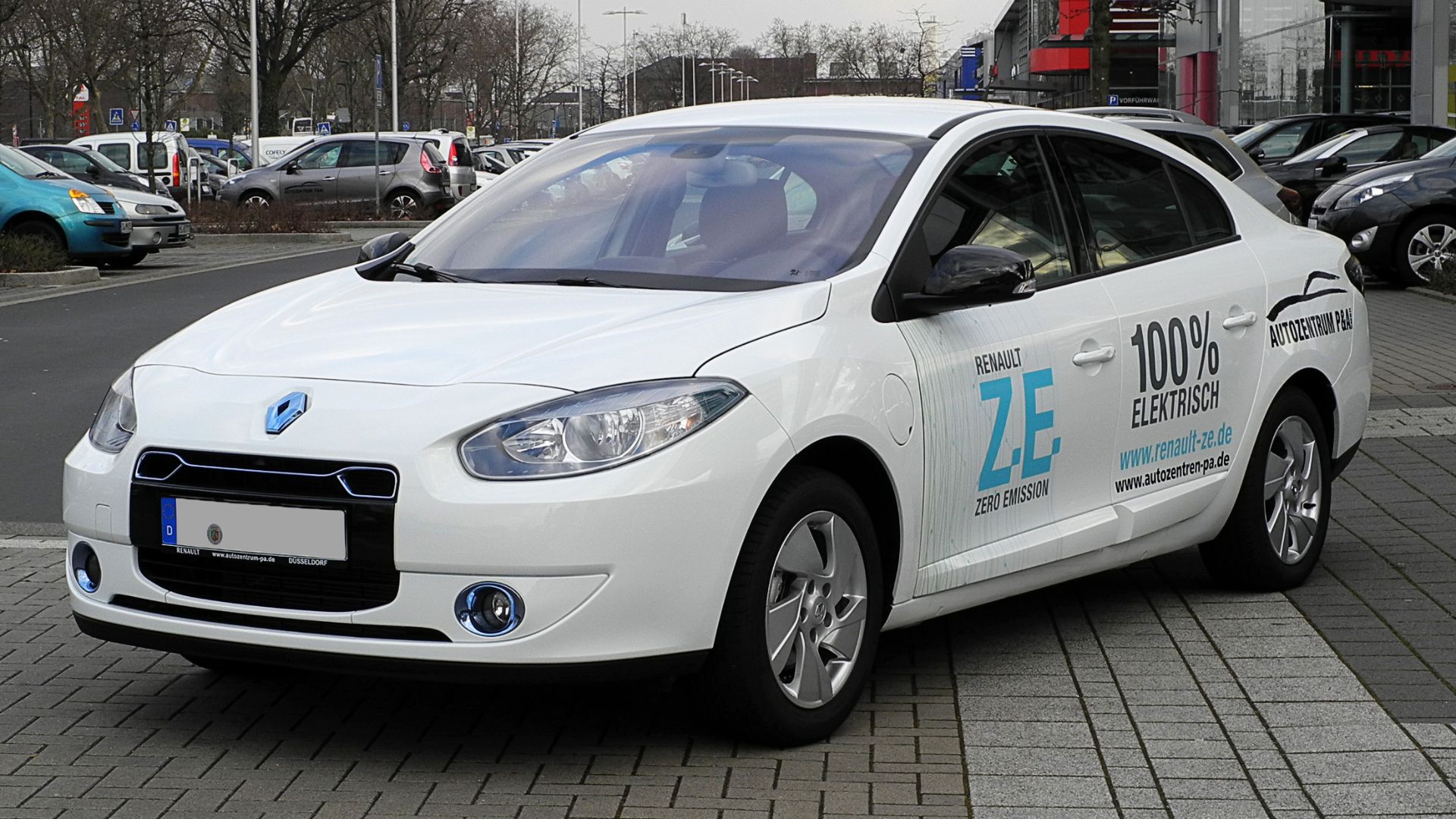
13. Renault Fluence Z.E.
Built around a company called Better Place, the Fluence Z.E. used swappable battery packs instead of charging, letting drivers pull in and get a full battery in minutes. The infrastructure needed was enormous, and Better Place burned through hundreds of millions before going bankrupt in 2013. Battery swapping never caught on industry-wide, though a few companies still chase a version of it today.
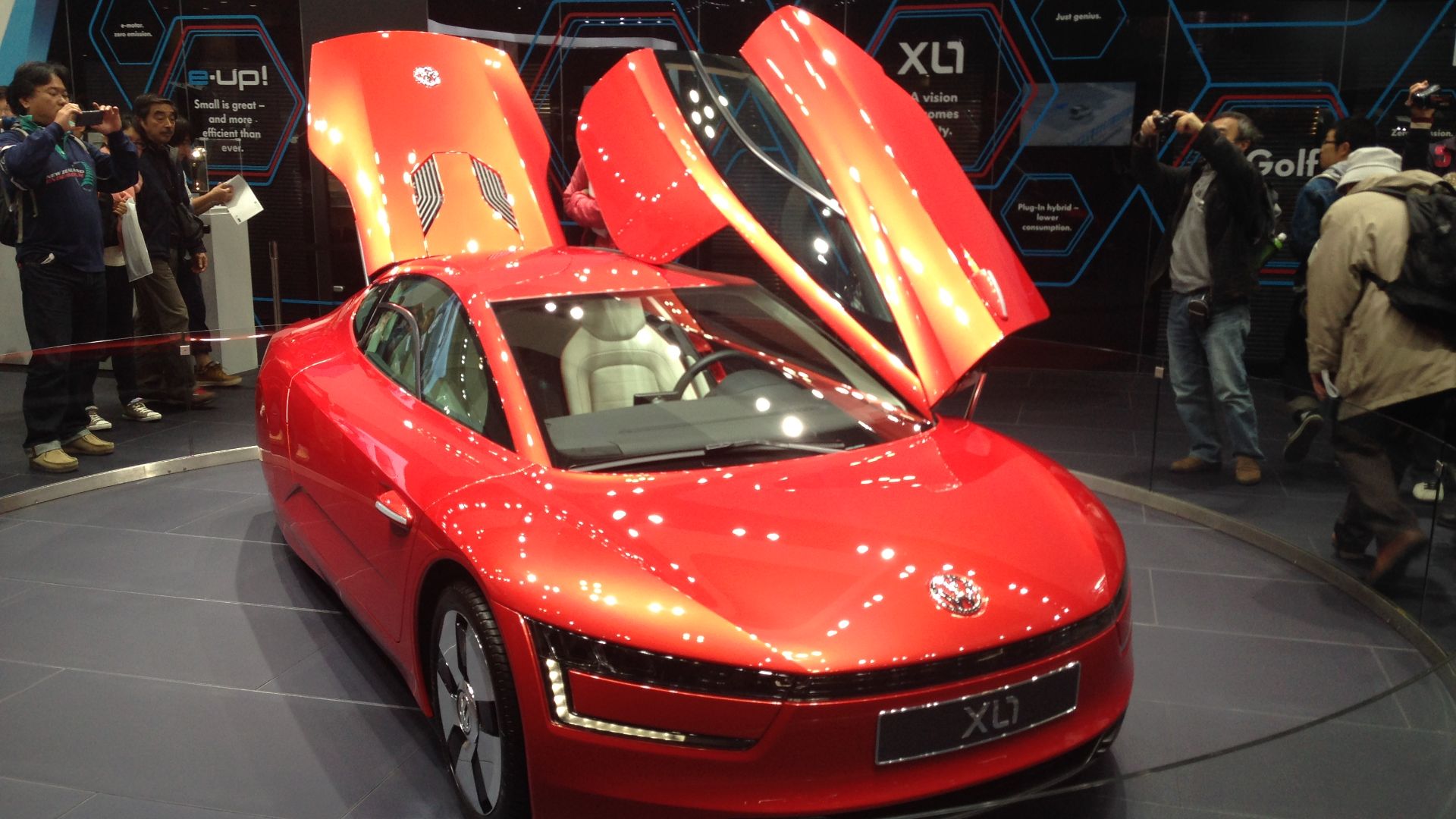
14. Volkswagen XL1
Volkswagen engineered the XL1 to be absurdly efficient, with a drag coefficient around 0.19 and a diesel-electric hybrid claiming over 260 miles per gallon. Only about 200 were built, each one a rolling engineering showcase rather than a production car. Most of what VW learned building it ended up scattered across other models instead.
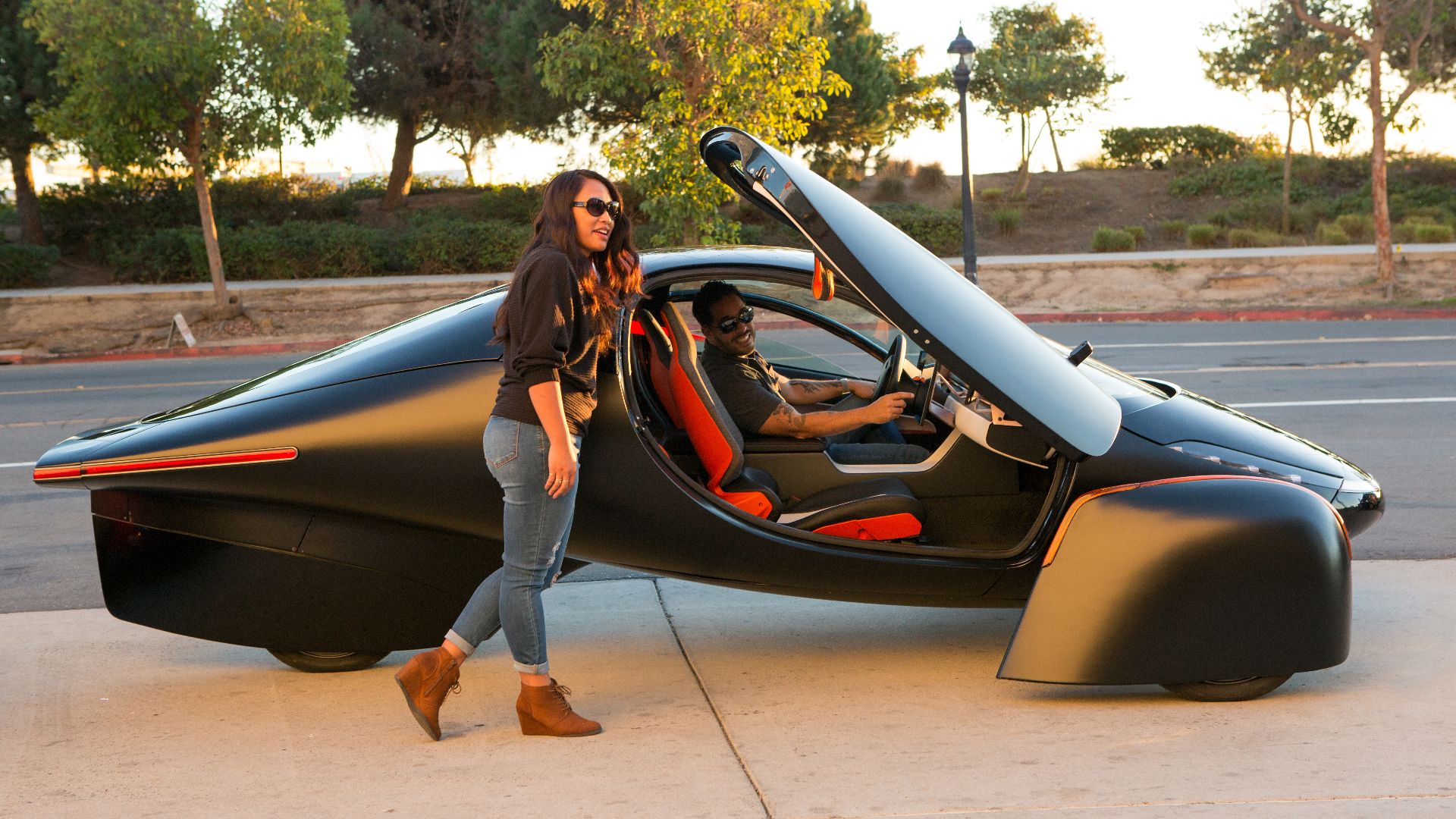
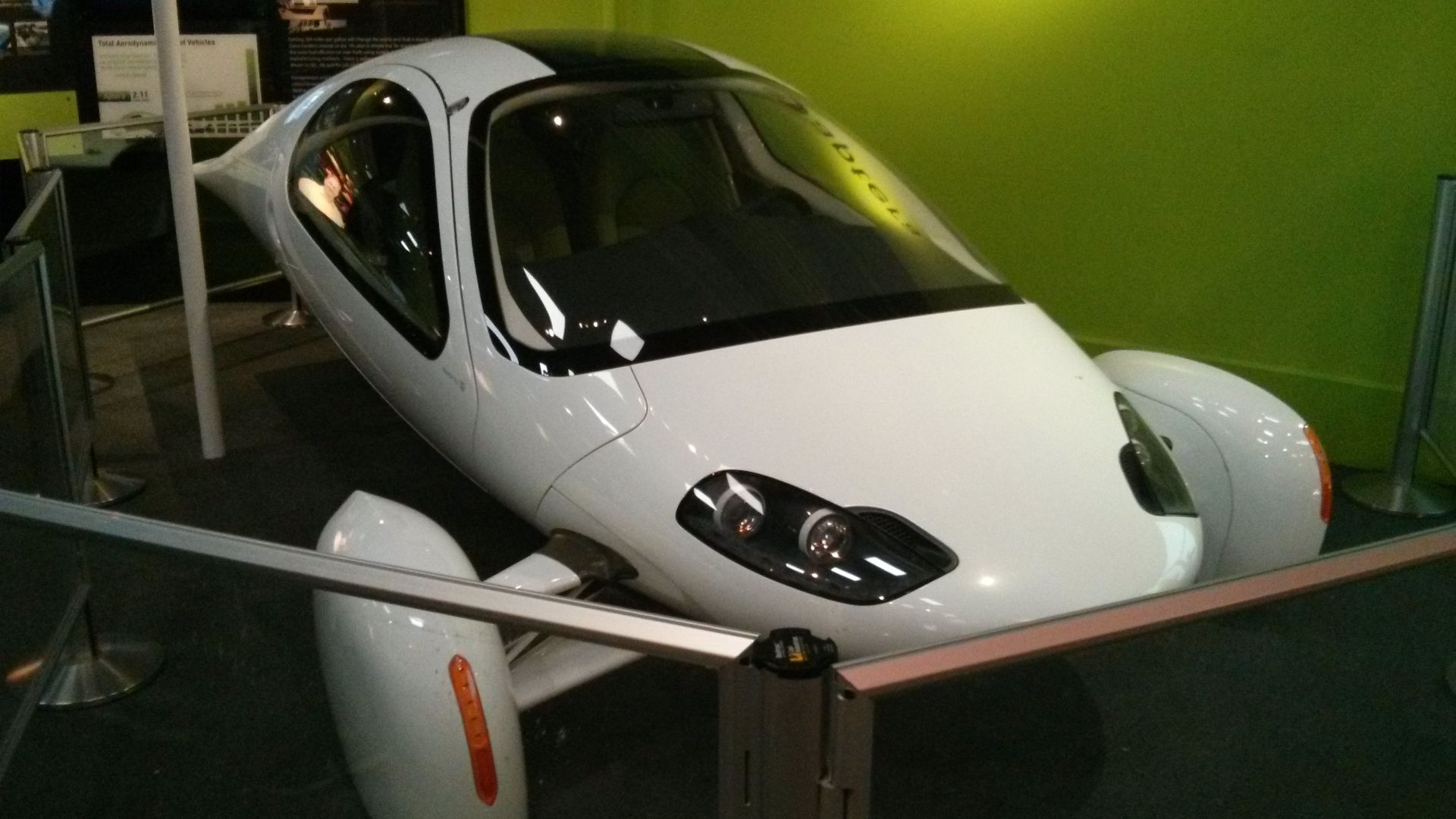
15. Aptera 2e
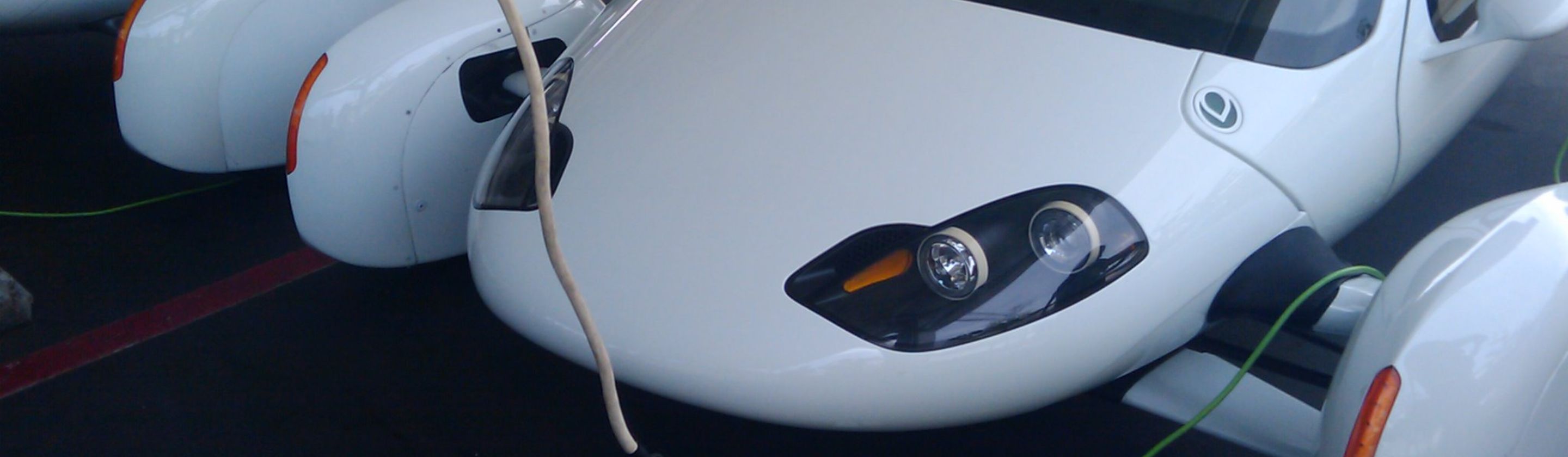
The Aptera 2e looked like nothing else on the road, a three-wheeled teardrop shape built around aerodynamic efficiency and solar assistance. The original company ran out of funding in 2011 before full production started. It has since been revived more than once, chasing the same idea with newer technology.
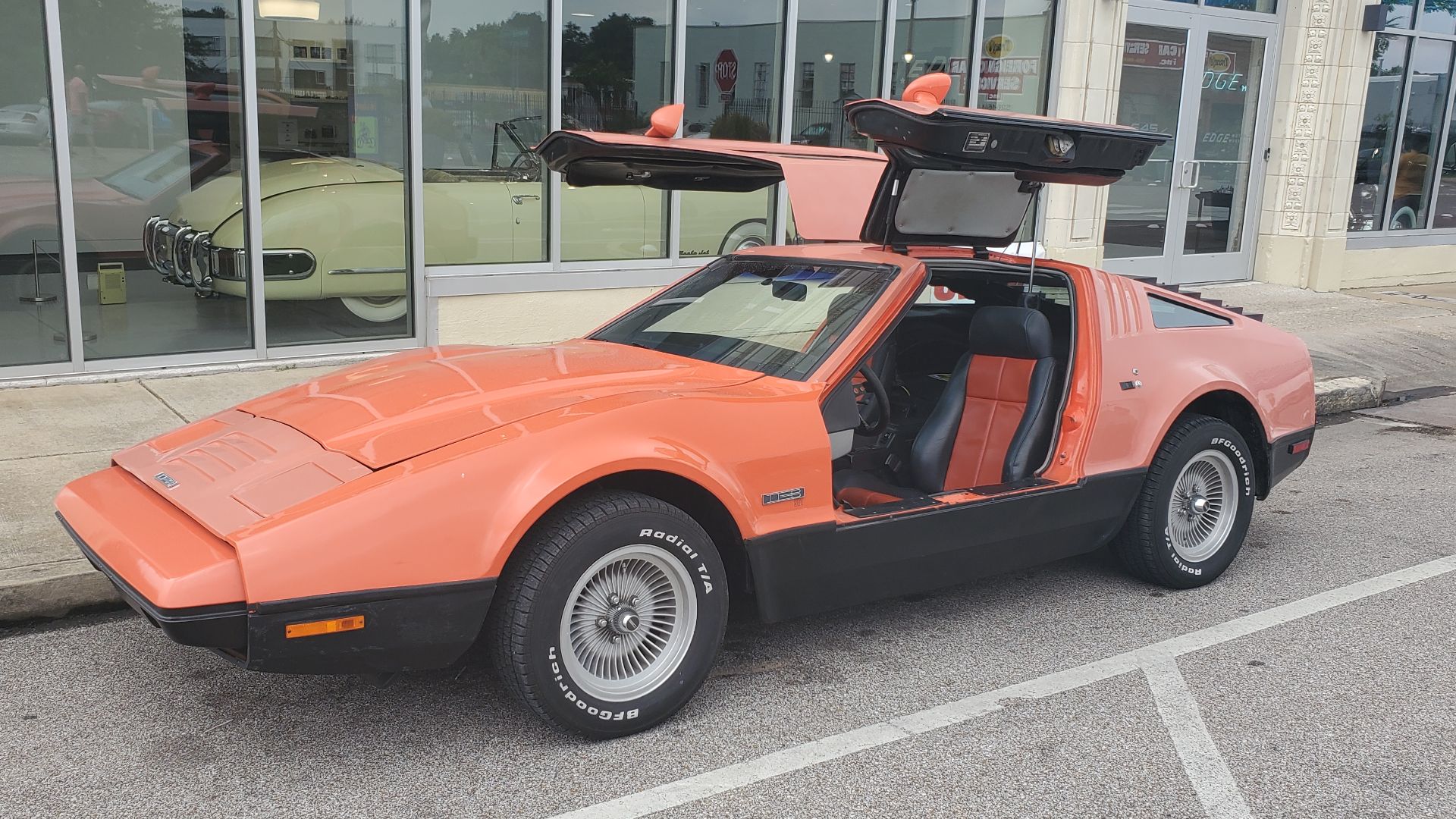
16. Bricklin SV-1
Malcolm Bricklin built the SV-1 in the mid-1970s around safety, with gull-wing doors, an integrated roll cage, and a body meant to resist crash damage. Financial trouble caught up with the small Canadian operation fast, and the company folded in 1975 after fewer than 3,000 cars. Safety-focused design eventually became a real selling point, long after Bricklin's factory had closed.
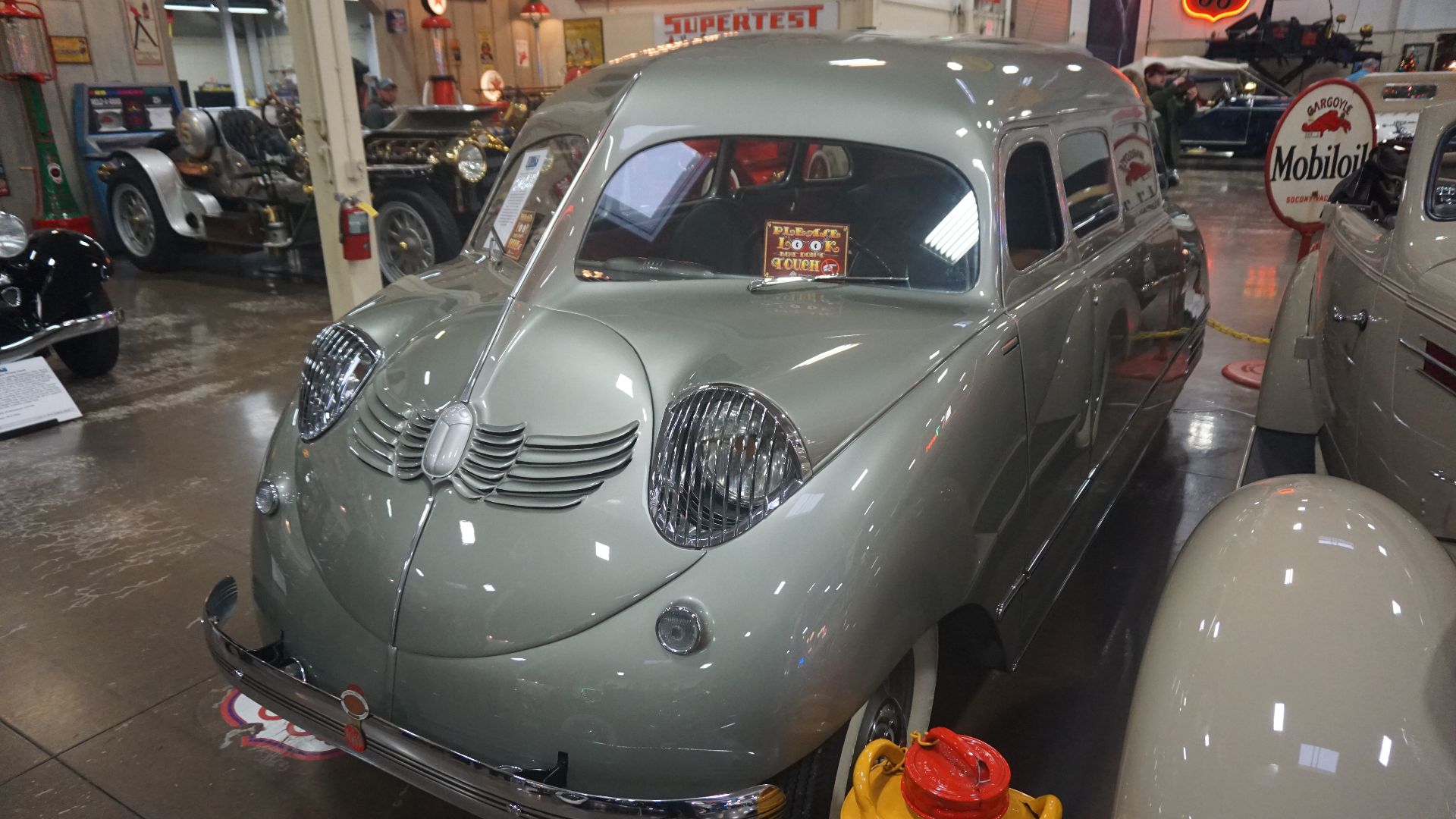
17. Stout Scarab
Built in small numbers through the 1930s, the Stout Scarab used an aluminum unibody and a rear engine to free up a spacious, reconfigurable cabin closer to a modern minivan than anything from its era. Only around nine were ever built, mostly by hand. It took the industry roughly five decades to reach a similar idea with the minivan boom of the 1980s.
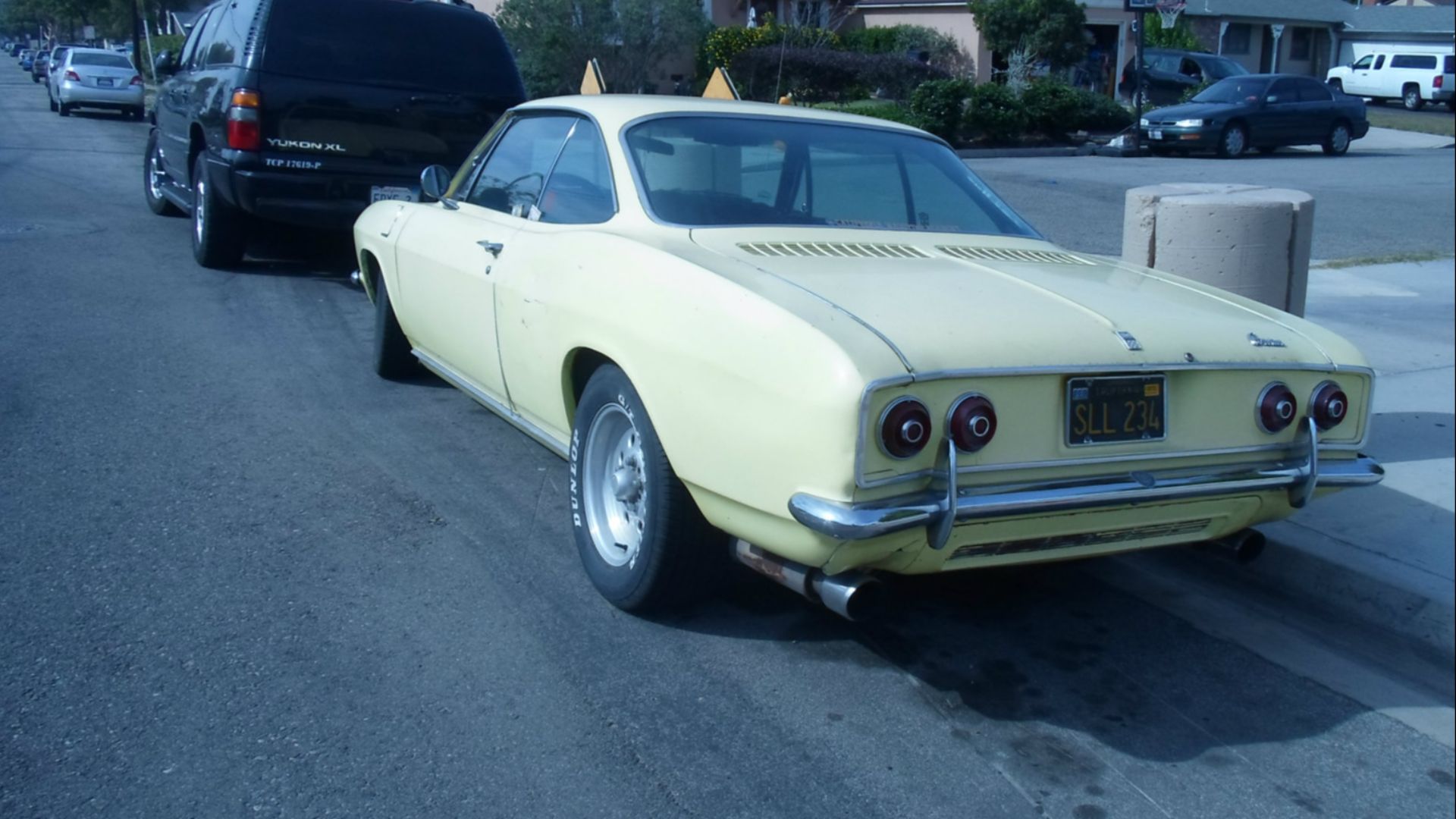
18. Chevrolet Corvair
The Corvair's rear-engine, air-cooled layout made it one of the more mechanically unusual cars sold by a major American automaker. Ralph Nader's book "Unsafe at Any Speed" targeted its handling, and the resulting controversy reshaped public expectations around auto safety. Sales never recovered, but the fallout pushed the industry toward safety standards still in place today.
 dave_7 from Lethbridge, Canada on Wikimedia
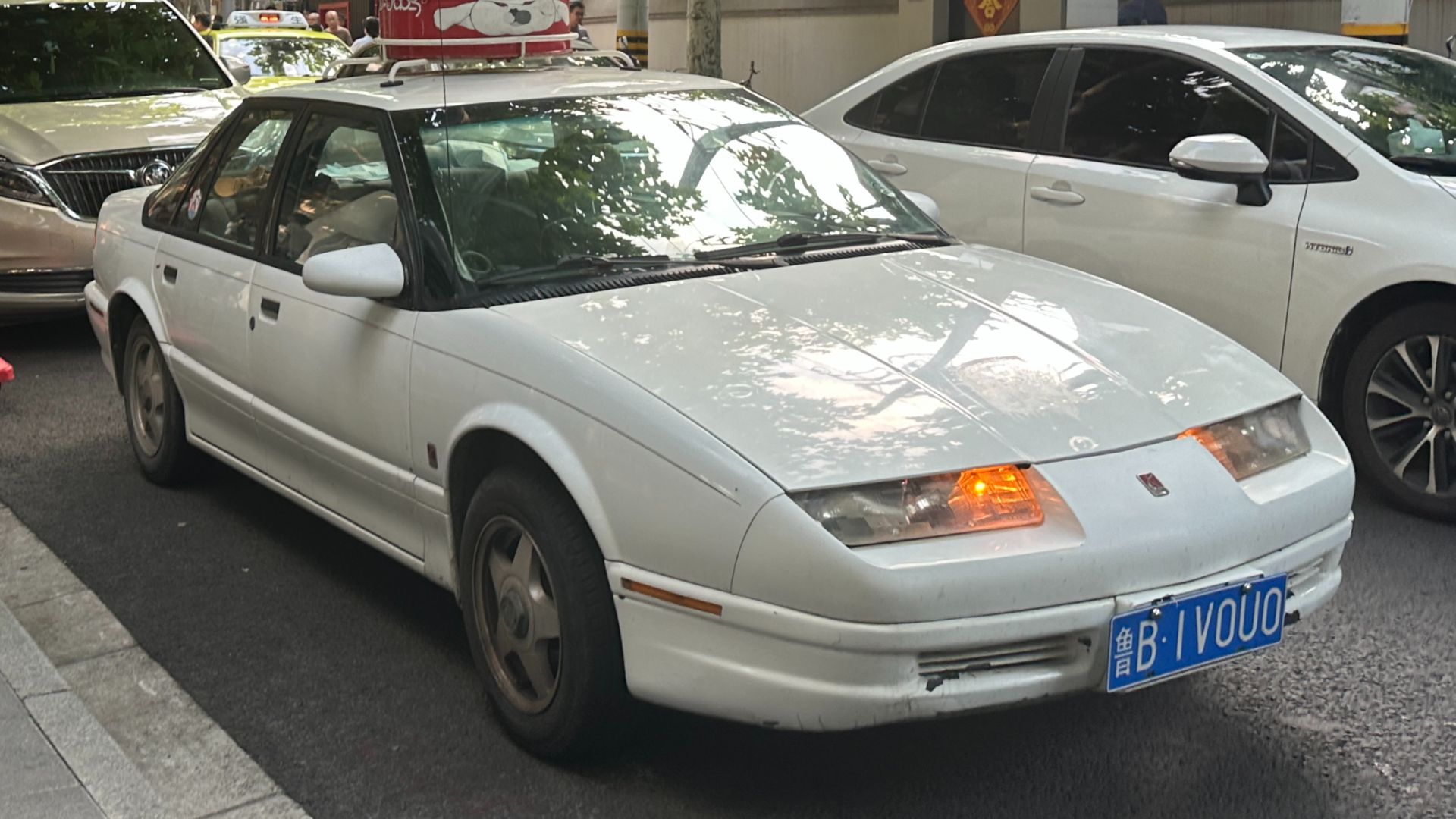
19. Saturn
GM launched Saturn in the late 1980s as an experiment in building cars, and a whole company culture, differently, with no-haggle pricing and dent-resistant plastic body panels. For a while it worked, building brand loyalty GM's other divisions struggled to match. Restructuring eventually folded Saturn back into the standard GM playbook, and the brand was discontinued in 2010.
 JustAnotherCarDesigner on Wikimedia
20. Studebaker Avanti
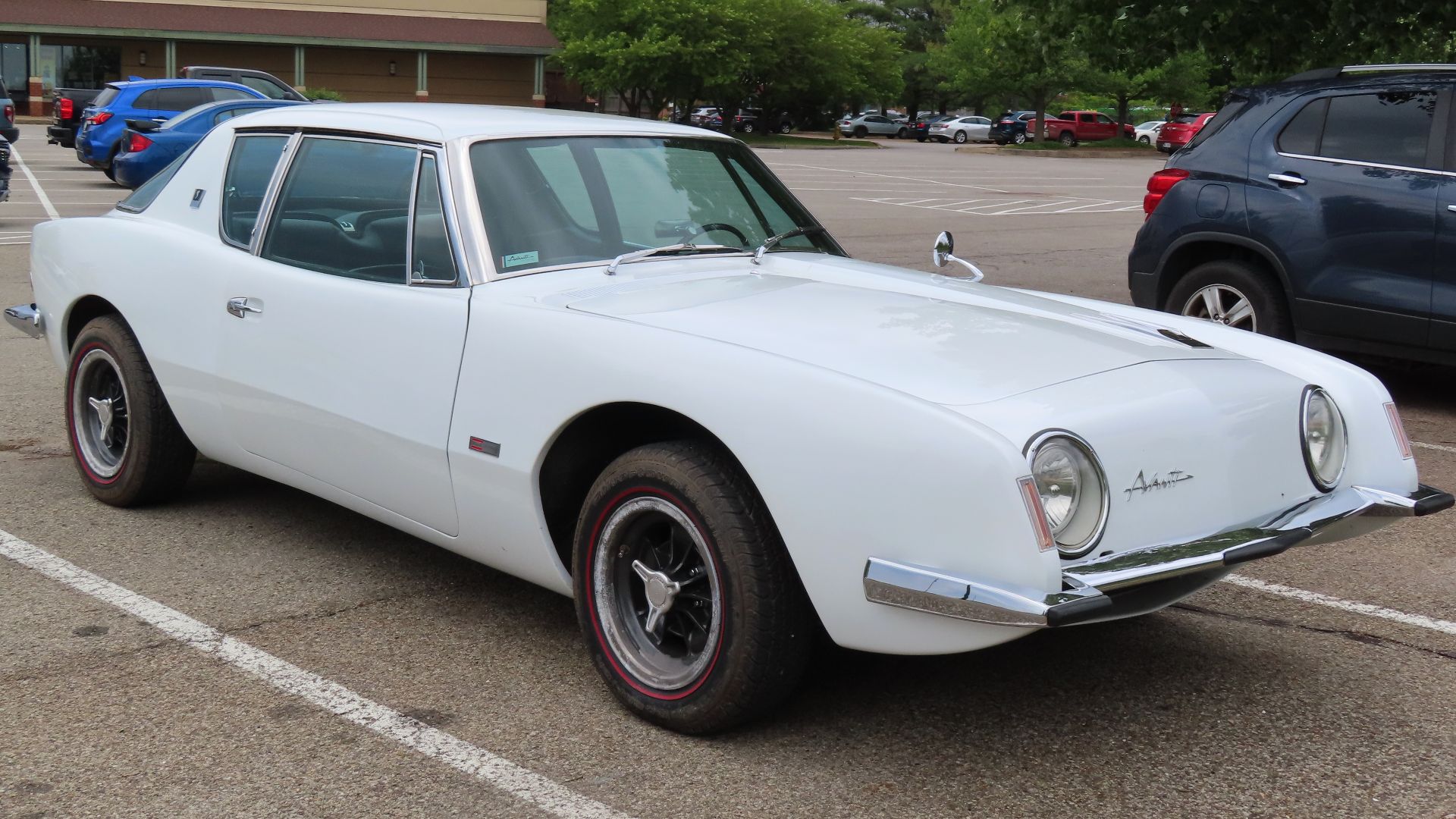
Styled by Raymond Loewy and built with a fiberglass body, the Avanti arrived in 1962 with standard disc brakes at a time when most American cars still relied on drums. It was a forward-thinking design from a company already running out of time. Studebaker shut down car production a few years later, though the Avanti's choices influenced plenty of cars that followed.