You’re Not Crazy: Car Repairs Really Have Become Harder to Price
If you’ve looked at a repair estimate lately and thought the numbers seemed strangely slippery, you’re not imagining things. Modern vehicles are more complicated than they used to be, and even fairly ordinary damage can now involve software checks, sensor work, calibration, and pricier replacement parts. That makes the old mental math a lot less reliable than it once was.
The frustrating part is that the final bill can feel unclear even when a shop is being perfectly honest. A repair may start with visible damage, then expand once the car is scanned, disassembled, or checked for related issues. Add in tighter parts supply, changing labor rates, and an industry that still needs more technicians, and pricing starts looking like a wild card.
Cars Have Expensive Things Hiding Behind Ordinary Parts
A lot of modern repair pricing trouble starts with the fact that cars are packed with technology in places that used to be simple. A bumper is no longer just a painted shell, and a windshield is no longer just glass. Many cars now hide cameras, radar units, and other advanced driver assistance systems in areas that look ordinary until something gets bumped.
That matters because these systems often need more than a replacement part. AAA found that Advanced Driver Assistance Systems (ADAS) parts, labor, aiming, and calibration made up almost 40 percent of the average costs in the repair scenarios it studied, which is a huge chunk of the bill.
Even minor impacts can now trigger work that sounds invisible but costs real money. CCC says late-model vehicles increasingly require scans and calibrations as part of normal repair procedures, and that even a simple fender bender can mean repositioning, reprogramming, or recalibrating systems. So when a shop says the car needs more than the dent you can see, that's not funny business—it's modern repair reality.
Estimates Are Harder Because the Real Damage Often Shows Up Later
One reason pricing feels less straightforward is that the first estimate is sometimes just the opening chapter. A vehicle may arrive with one obvious problem, but additional damage can show up after teardown, scanning, or calibration checks. That means the number you hear on day one may be based on what is visible before the car starts revealing its more expensive opinions.
Calibrations are a perfect example of why this process gets messy. CCC describes calibration as the precise resetting of cameras, sensors, and other ADAS components, and notes that diagnostics have become a critical part of repair rather than a rare add-on. That kind of work is not always obvious to the customer standing at the service desk, but it can still be necessary.
There's also the awkward truth that repair outcomes aren't always simple, even after the work is done. IIHS reports that owners whose crash-avoidance features were repaired because of vehicle damage were more likely to report post-repair issues, especially when calibration was performed, and they also faced higher out-of-pocket costs in many cases. In other words, the growing complexity does not just affect pricing; it also adds another layer of uncertainty that older repairs often didn't have.
Labor, Parts, & Skill Shortages Make the Math Even Worse
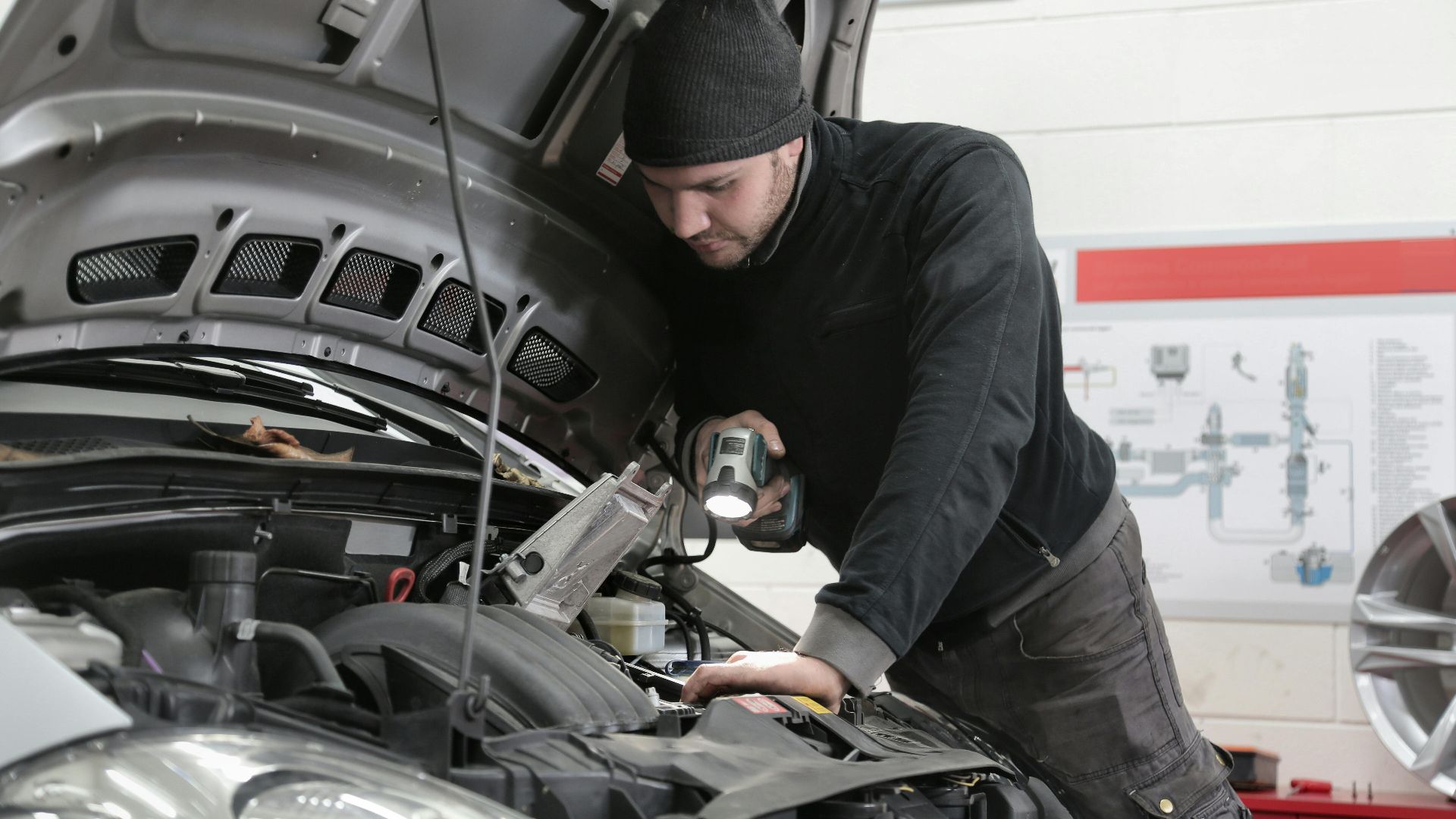
The other major problem is that the industry itself is under pressure. The Bureau of Labor Statistics projects about 70,000 openings for automotive service technicians and mechanics each year on average over the decade, while TechForce says the transportation technician industry needs to fill an estimated 1 million jobs over the next five years. When skilled labor is in demand, that pressure has a way of finding its way into repair timelines and pricing.
Parts pricing has not exactly been calming anyone down either. CBS, citing Kelley Blue Book, reported in 2025 that the average vehicle repair bill had risen to $838 and that parts prices alone had jumped 25 percent because of recent tariffs.
It may not change the total on your repair bill or make it hurt less, but all of this helps explain why quotes can feel wider, more conditional, and harder to compare than they used to. Shops are pricing work on vehicles that need more specialized procedures, more diagnostic steps, and technicians who are increasingly hard to find. So if you’ve had the feeling that car repairs now come with extra uncertainty baked in, you're not wrong. You're just living in the age of software, sensors, supply strain, and invoices that somehow get more sophisticated than the dent ever looked.