
Most drivers don't get surprised by a speed ticket because they were tearing through a school zone with cartoon-villain energy. More often, they get caught in the boring places, the small transition points where the road changes character faster than their brain does. That's part of why speed enforcement can feel sneaky even when it really is tied to known risk areas.
The trick is that these locations don't always look dramatic. A road can feel open, easy, and familiar while the speed context around it has already changed. That's why drivers miss the same kinds of spots over and over, especially when they're coasting, following traffic, or assuming the road still feels like a higher-speed stretch. Once you start noticing the patterns, the common traps are a lot less mysterious.
Transition Zones
One of the biggest trouble spots is the transition from a faster road to a slower one. GHSA’s policy guidance emphasizes that speed limits should take into account road design, operations, conditions, and changes at state or municipal borders, which means the same road trip can move through very different speed environments quickly. Drivers frequently keep their highway mindset for a little too long, especially when the road still looks wide and forgiving, making them prime targets for tickets.
The same thing happens on the edge of small towns. You come in from a rural highway, the road still feels open, and your foot doesn't immediately adjust to the lower limit. From an enforcement perspective, those spots make sense because towns often want lower speeds where pedestrians, local traffic, driveways, and side streets start appearing more often. From a driver’s perspective, it can feel like the road changed the rules before the scenery changed enough to warn you.
Interchanges and off-ramps create another version of the same problem. Speed management is highly dependent on roadway design and local risk, and interchange areas are exactly where geometry, merging, and conflict points become more complicated. Drivers, meanwhile, are often thinking about navigation, lane choice, and whether they missed their exit. Adding speed awareness to the mix can feel like a lot for the brain to juggle. You can see why those areas invite both enforcement and driver mistakes.
School & Work Zones
School zones are the classic example of a place everyone knows about and still misjudges, but these aren't just symbolic low-speed areas—they're active safety priorities. The reason is simple enough: when children, crossings, buses, and drop-off traffic enter the picture, even small speed increases matter more. Drivers tend to think the danger is only during the most crowded moments, but the enforcement mindset is usually broader than that.
Work zones are another location people recognize in theory and underestimate in reality. FHWA has built entire training and guidance packages around law enforcement in work zones because these areas are consistently dangerous for both workers and drivers. The problem is that many drivers judge the zone by whether they personally see active construction at that exact second.
The really tricky version is the long work zone that feels inactive or over-marked. Drivers see cones, narrowed lanes, or changed alignments and decide the warning has outlived the work, so they mentally downgrade the risk. However, these zones can involve changing traffic control, shifting lanes, equipment, and hazards that aren't always obvious from a moving car. That mismatch between what drivers think they see and what the road is actually asking for is a reliable recipe for enforcement.
The Sneakiest Spots Are the Ones That Encourage Coasting
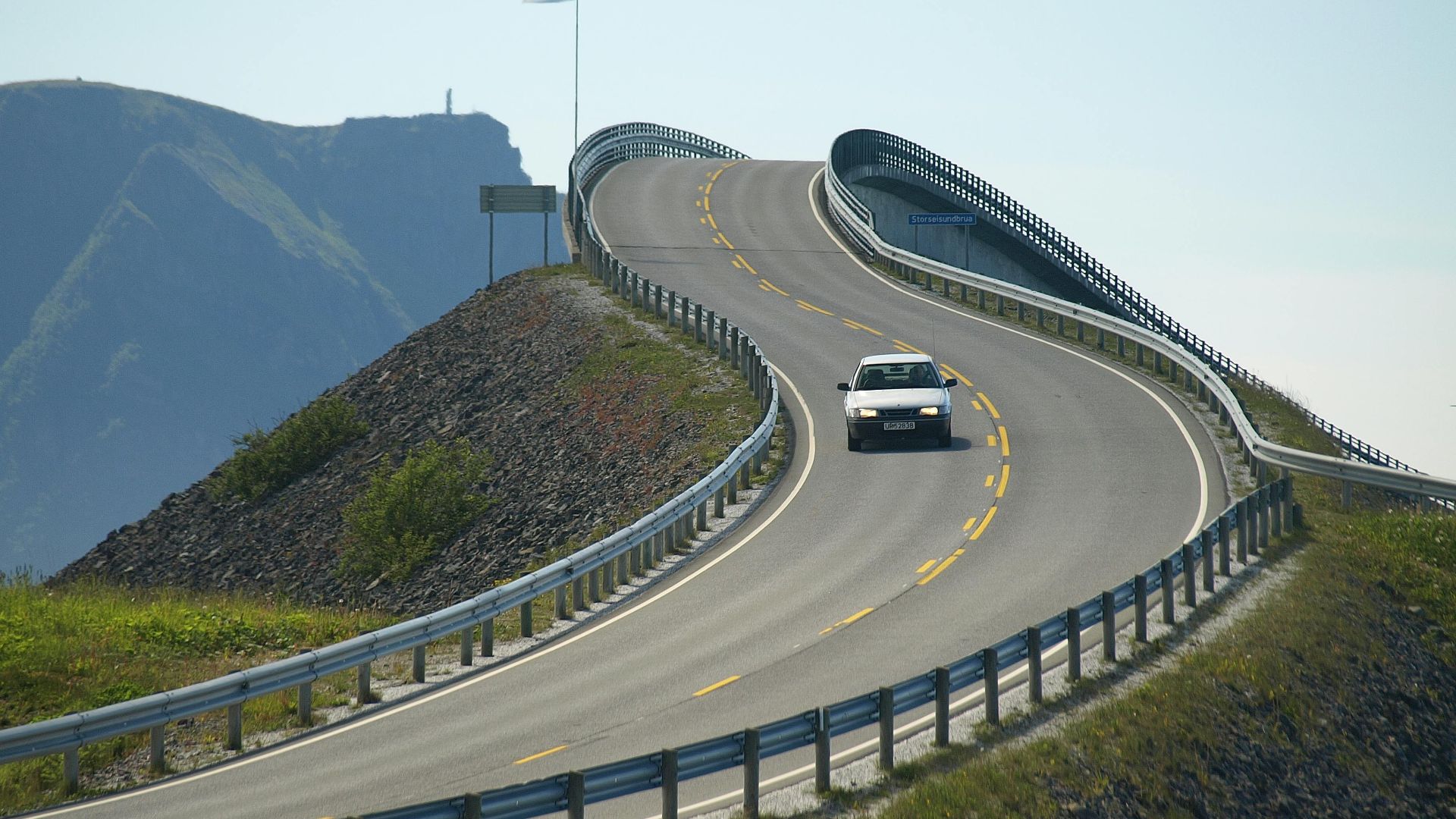
A lot of missed speed traps happen where drivers are not actively accelerating at all. Downhill sections are a classic example, because speed creeps up while the car feels smooth and easy. A road can invite more speed than the signed limit or the surrounding risk really justifies. If you're letting gravity play too big a part, you can easily drift into ticket territory without feeling like you changed anything.
Wide, straight roads can create the same illusion. A roadway that feels forgiving often encourages speeds that exceed what the posted limit is trying to manage, especially near developed areas, intersections, or places with side access. Road design and special conditions influence safe speed, which helps explain why drivers often get tripped up on roads that feel easier than they actually are. Comfort behind the wheel isn't always a reliable guide to what enforcement or safety engineering is expecting.
Then there's the simple problem of following traffic. Many drivers assume that if everyone around them is moving at roughly the same pace, enforcement must be unlikely or unfair. Speed management guidance doesn't really work that way, and neither do speed cameras or targeted patrols in known risk corridors. The common missed locations are usually not mysterious once you think like the road instead of like the driver: places where conditions change, where vulnerable users may appear, and where your speed drifts before your attention catches up.