For a lot of people, the gas-versus-EV question sounds simple at first. Gas cars seem cheaper because you can still find more low-priced models on dealer lots, while EVs often look more expensive before you even start thinking about charging equipment. The trouble is that sticker price only tells part of the story, and ownership costs start shifting once you look at fuel, maintenance, insurance, depreciation, and how you actually use the vehicle.
That is why the “real” cost difference isn't one flat answer for everybody. A driver who charges at home, keeps the car for years, and values lower maintenance may come away with a very different result than someone who relies on public charging and shops mainly by monthly payment. 2025 data from AAA showed that EVs had notably lower fuel and maintenance costs in several categories, but they were often hit harder by depreciation, insurance, and other ownership costs that can narrow or erase the savings.
Up Front, Gas Cars Still Usually Feel Easier on the Wallet
The first thing many shoppers notice is that EVs can still be harder to swallow at the point of purchase. AAA’s 2025 ownership comparison showed that in the medium sedan category, the electric models in its sample had much higher annual depreciation, insurance, registration-related costs, and finance charges than the gas versions, even though the EVs were cheaper to fuel and maintain. That doesn't mean every EV is overpriced, but it does mean the up-front and early-ownership math still tends to favor gas cars for many buyers.
That pattern becomes even more obvious when you remember how people actually shop. Many households aren't comparing philosophical ideas about transportation, but monthly payments, insurance quotes, and whether a lender will smile or quietly ruin their afternoon. If an EV saves money slowly but costs more to buy and insure now, some drivers will never reach the point where the operating savings feel dramatic enough to matter.
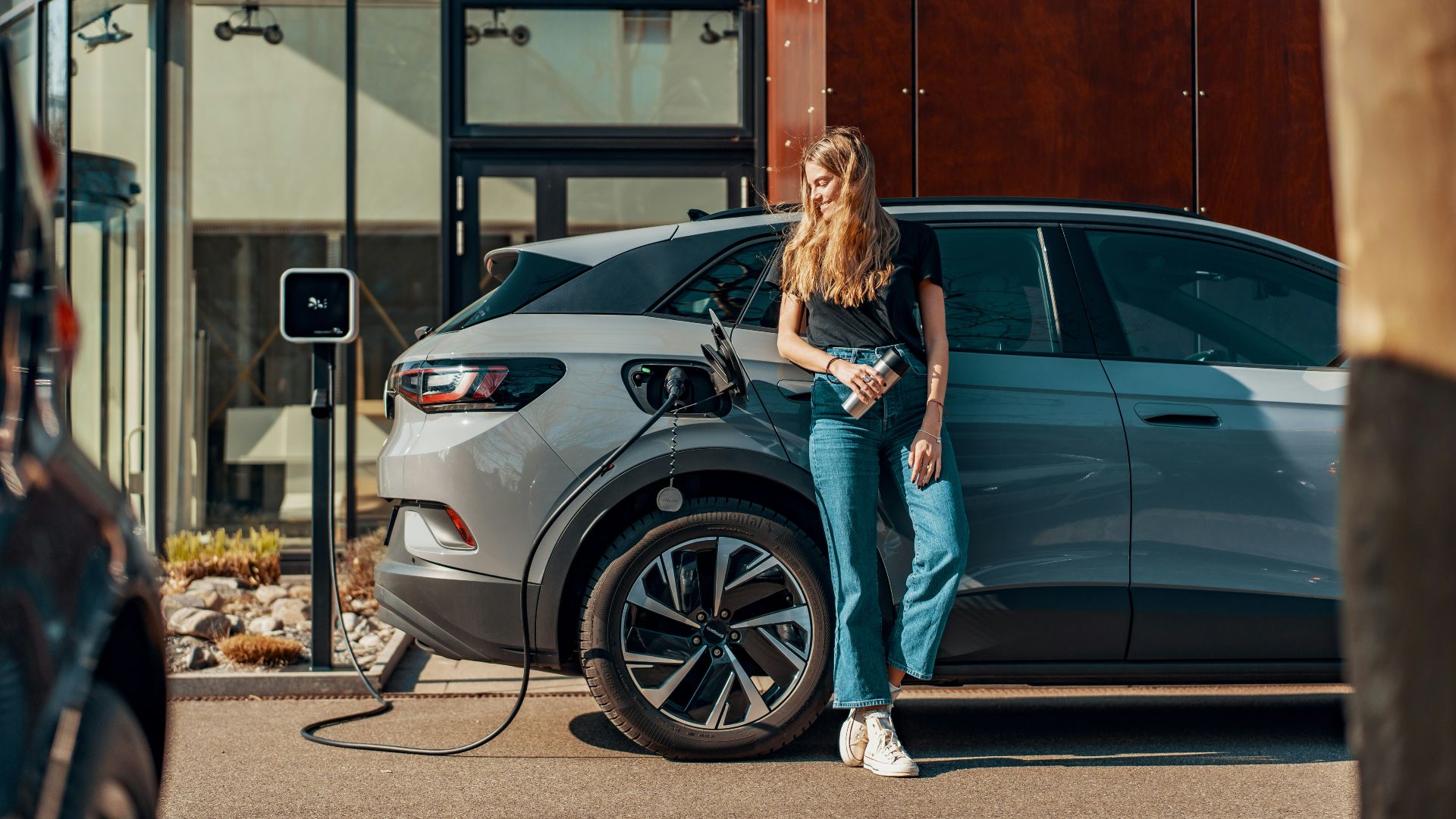
Home charging can also bring an extra layer of cost that gas-car buyers don't face in the same way. JD Power’s 2025 home charging study found that home charging remains a major convenience advantage for EV owners, but it also noted frustration around charging speeds and charging costs, which suggests that the home setup is a big part of the ownership equation. If you have a garage and a simple electrical setup, that's one thing, but if you don't, the ownership experience starts looking less tidy.
Fuel & Maintenance Are Where EVs Usually Start Fighting Back
Once you move beyond the purchase price, EVs often become much more competitive. The 2025 federal Fuel Economy Guide assumes gasoline at $3.99 per gallon and electricity at $0.15 per kilowatt-hour for its annual fuel-cost estimates, and those assumptions help show why EV running costs can fall so quickly in normal driving. In AAA’s 2025 comparison, medium electric sedans averaged about $729 a year in fuel versus $1,669 for gas sedans, which is a huge difference.
Maintenance is another area where EVs usually have a pretty clear advantage. The Department of Energy’s Alternative Fuels Data Center says all-electric vehicles require less maintenance because they have fewer moving parts, fewer fluids that need service, and significantly reduced brake wear thanks to regenerative braking. AAA’s 2025 sample also showed lower maintenance costs for EVs than gas vehicles in categories such as medium sedans and compact SUVs.
There's a bigger efficiency point behind those savings, too. EVs convert more than 77% of electrical energy from the grid into power at the wheels, while conventional gasoline vehicles convert only about 12% to 30% of the energy stored in gasoline. That doesn't automatically make every EV cheaper in every situation, but it explains why they can feel much more economical once you're actually driving them instead of staring at financing offers under dealership lighting.
The Real Winner Depends on How & Where You Drive
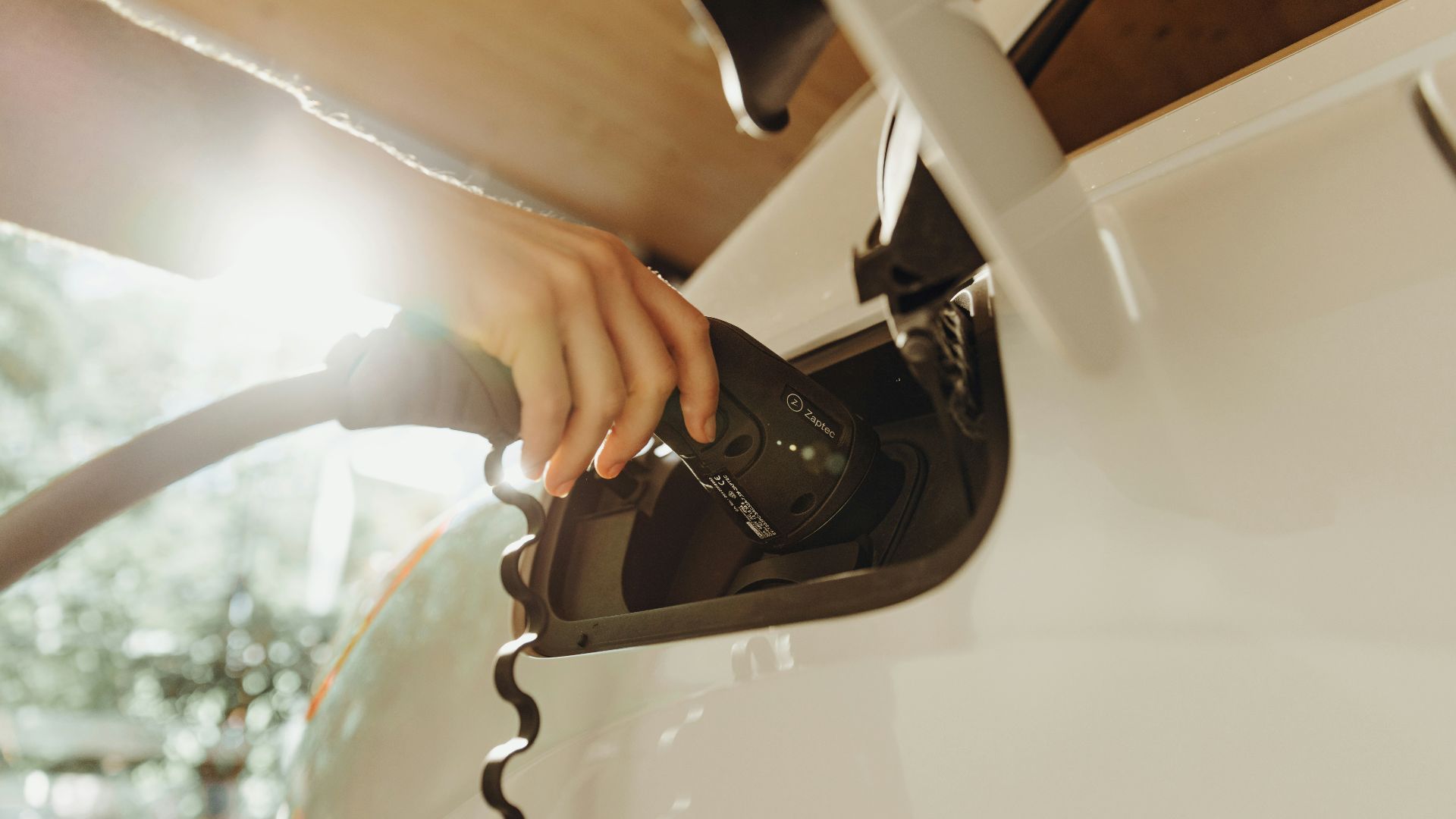
EV savings are strongest when your lifestyle matches the technology. If you have a garage or similar setup where you can install a home charger, it will make the cost case feels a lot sweeter. If you can plug in overnight and wake up with a mostly full battery, the economics tend to be friendlier than if you're chasing chargers across town while pretending that was always your idea of a relaxing evening.
Public charging is where the comparison gets messier. JD Power reported in early 2025 that one in five EV drivers who visited public charging stations in the fourth quarter of 2024 were unable to charge because of outages, waits, payment problems, or damaged equipment, and it also found that public charging remains a top barrier to EV adoption. So while EV energy can be cheaper in principle, the real-world value drops if your routine depends too heavily on a public charging network that still does not behave the way drivers want it to.
Battery concerns also belong in the honest version of this conversation, though they are often overstated. While many manufacturers offer generous battery warranties, and EV batteries may last 12 to 15 years in moderate climates, replacement can still be costly outside warranty. This is one major reason some buyers remain cautious even while enjoying the lower day-to-day running costs.
The real cost difference between gas cars and EVs isn't just about whether electricity is cheaper than gasoline. It's about when you pay, where you charge, how long you keep the vehicle, and whether higher depreciation or insurance eats into the savings you thought would feel more dramatic.