Getting noticed by police on the road isn't always about driving wildly or doing something dramatic. Sometimes it’s a small habit that stands out because it looks unsafe, unpredictable, or different from the flow of traffic around you. A burned-out brake light, a sloppy lane change, or a phone in your hand can draw attention faster than you expect. Most officers are watching for behavior that suggests risk, impairment, distraction, or a vehicle that shouldn’t be on the road.
That doesn’t mean every traffic stop is avoidable, and it doesn’t mean every driver gets treated the same way. Laws, enforcement priorities, and road conditions vary depending on where you are. Still, certain habits are more likely to put your car on someone’s radar. If you want to stay boring in the best possible way, predictable driving is usually your friend.
Speed & Aggression Make You Stand Out Quickly
Speeding is one of the most obvious ways to attract attention. You may think you’re only going a little faster than everyone else, but a car passing traffic quickly is easy to spot. The faster you go, the less time you have to react, and the more serious a crash can become. Police don’t need much mystery when your speed is doing the introduction.
Aggressive lane changes are another habit that can make an officer look twice. Cutting between cars, weaving through traffic, or jumping lanes without enough space suggests impatience and poor judgment. Even if you think you’re being efficient, everyone around you has to react to your choices. That kind of movement makes your vehicle look risky before anyone knows where you’re headed.
Tailgating also sends a clear message, and it’s not a flattering one. Following too closely gives you less room to stop if the car ahead brakes suddenly. It can also look intimidating, especially when paired with flashing headlights or quick lane changes. If your front bumper seems emotionally attached to someone else’s rear bumper, police may decide you deserve a closer look.
Distraction & Impairment Leave Clues
Phone use is one of the easiest habits to spot because distracted drivers often drift, brake late, slow down oddly, or miss traffic signals, even when you think you’re glancing down for just a second. Police watching traffic can often notice the pattern before they see the phone itself. A vehicle that can’t hold a steady lane tends to advertise that something is competing for the driver’s attention.
Impaired driving can show up through a cluster of behaviors. Swerving, inconsistent speed, wide turns, delayed reactions, and stopping awkwardly can all raise concern. Those signs don’t always mean alcohol or drugs are involved, since fatigue and distraction can look similar from a distance. Either way, the behavior can make an officer want to find out what’s going on.
Driving too slowly can also draw attention in the wrong setting. A car crawling well below the speed limit, especially at night or in the wrong lane, may suggest confusion, impairment, mechanical trouble, or a lost driver. Slowness isn't automatically safer if it disrupts traffic around you. Police often notice vehicles that don’t match the normal rhythm of the road.
Vehicle Problems Can Invite a Stop
A broken taillight, expired registration sticker, missing plate, or dark window tint can make your car stand out before your driving does. These issues are visible and easy for police to identify from behind or beside you. Even if you’re obeying every rule, equipment problems can still lead to a stop. Your car’s condition can speak up when you’d rather it stay quiet.
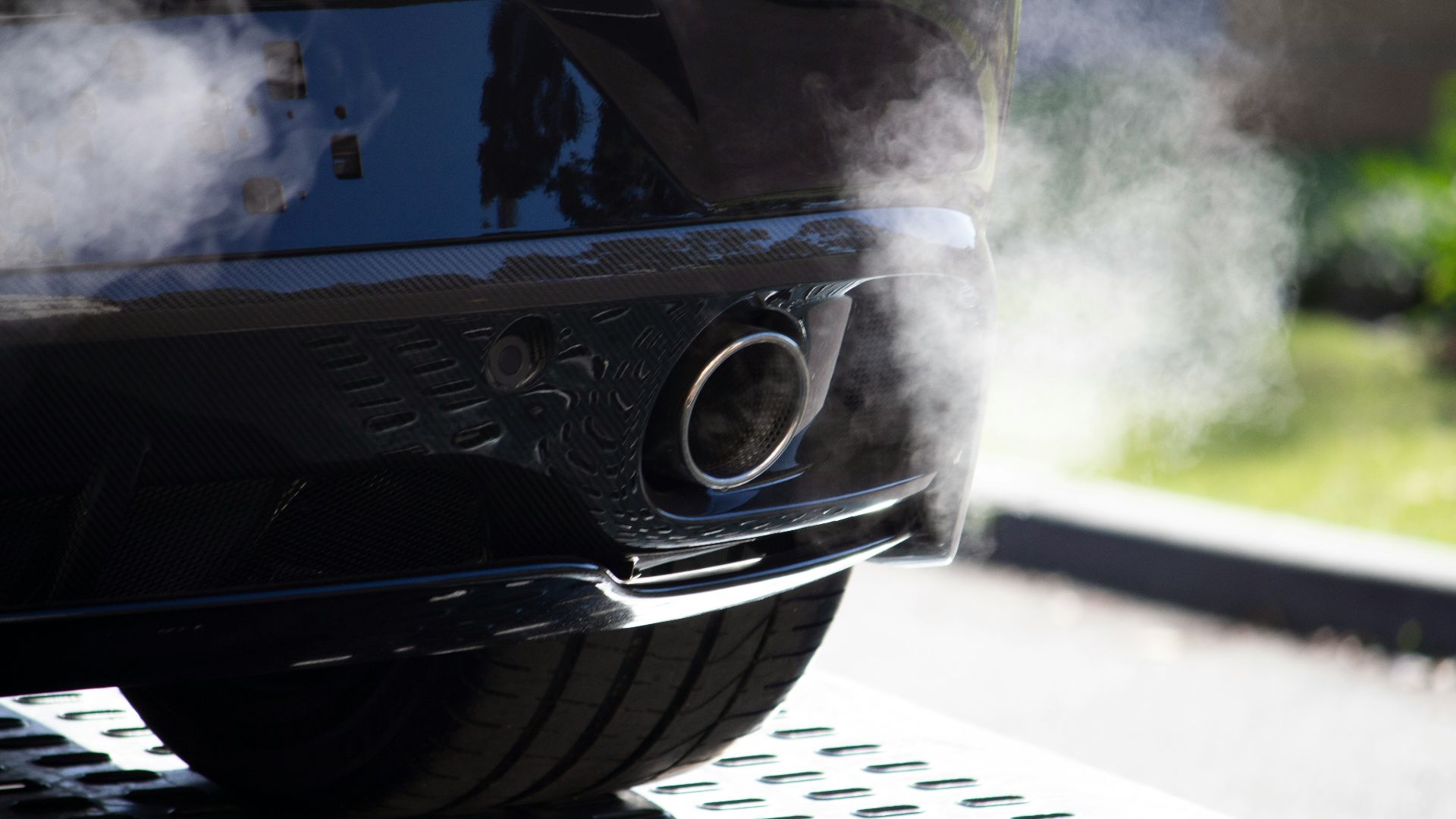
Loud exhaust systems can also attract attention, especially in neighborhoods, downtown areas, or late at night. A noisy car may not always be illegal, but it can make officers notice you faster than a quieter vehicle doing the same speed. If the sound is paired with quick acceleration, the impression becomes even stronger. Sometimes the car announces itself before the driver makes a mistake.
Obstructed windows, dangling objects, cracked windshields, or covered plates can create another reason for interest. Police need to see license plates clearly, and drivers need an unobstructed view of the road. Small visual issues can become bigger if they suggest a safety problem or a violation. A clean, legal, easy-to-read vehicle is usually less memorable, which is exactly the goal.
Predictable Driving Keeps You Less Interesting
Running yellow lights late, rolling through stop signs, and accelerating hard from intersections can draw attention because they look deliberate. These habits may feel minor when you’re in a hurry, but they stand out to anyone watching traffic. Intersections are already high-risk spaces, so risky behavior there gets noticed quickly. The safest driver is often the one who gives everyone else fewer surprises.
Forgetting to signal is another small habit that can create a big impression. Turn signals help other drivers, pedestrians, cyclists, and police understand what you’re about to do. When you change lanes or turn without signaling, your driving looks less predictable and more careless. It’s a tiny movement of your hand that can save you a lot of unwanted attention.
The best way to avoid standing out isn't glamorous. Drive at a reasonable speed, leave space, signal clearly, keep your car legal, and put your phone away. You don’t need to drive nervously; you just need to avoid giving anyone a reason to wonder what you’re doing. On the road, boring is often the most underrated form of freedom.