For Years, Drivers Everywhere Thought Bigger Vehicles Were Safer. Now They’re Realizing Just How Dangerous Some Advice Actually Is
For Years, Drivers Everywhere Thought Bigger Vehicles Were Safer. Now They’re Realizing Just How Dangerous Some Advice Actually Is
Stop Listening to Old Wives' Tales About Your Safety
Ask any driver: there’s a lot to remember about cars. Between acing your driving test and memorizing all the jargon from your mechanic, driving can quickly go from a fun day on the road to a constant pressure cooker. However, when things get overwhelming and you juggle a thousand responsibilities, plenty of dangerous myths poke their ugly heads around the corner. That's why we’re here to put the biggest ones to rest!
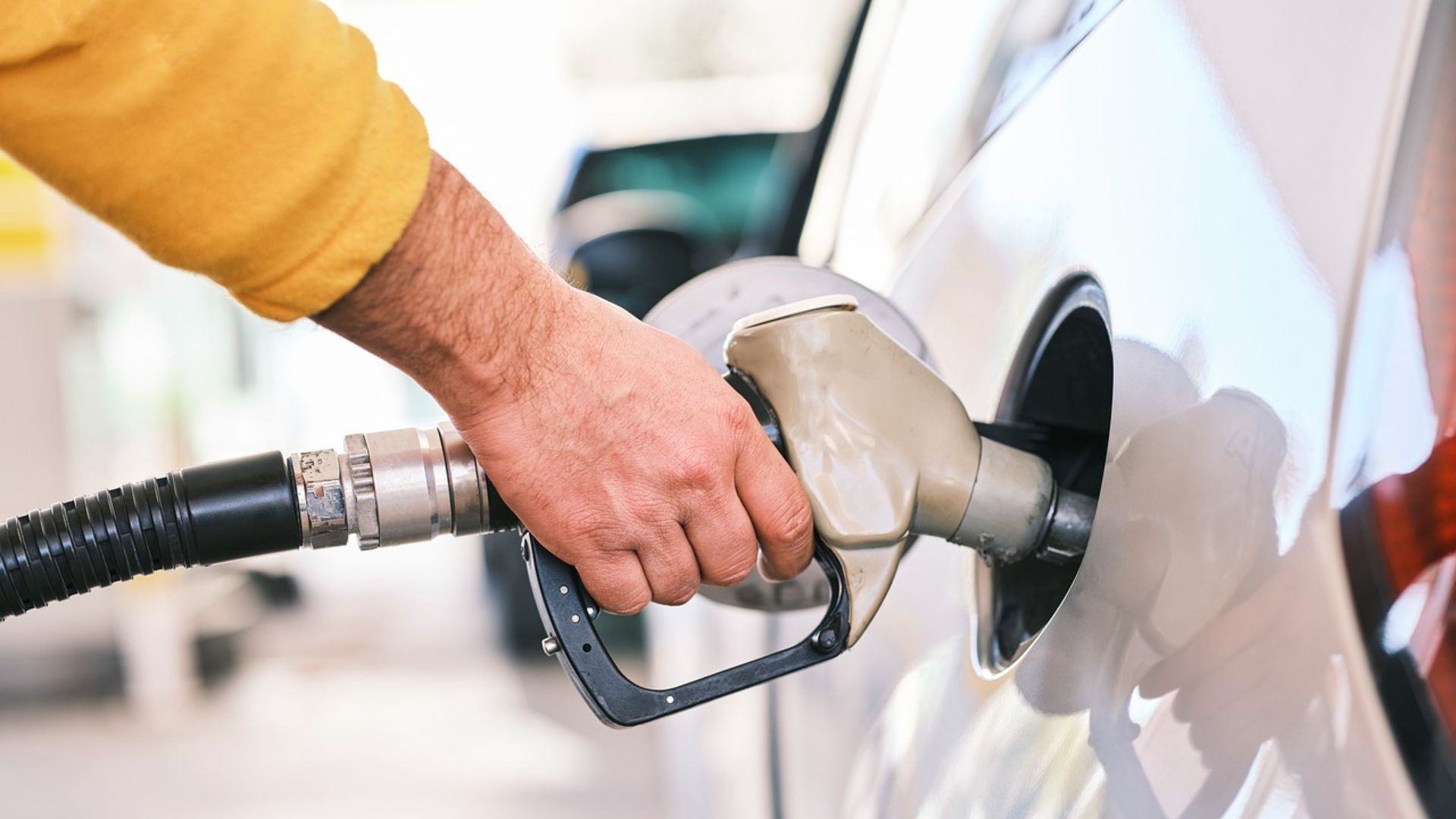
1. Premium Fuel Means Premium Performance
It’d be nice if the answer to better vehicle performance was “better” gas. The thing is, filling a regular tank with premium fuel won’t improve anything. Best case scenario, you won’t notice a difference. Worst case scenario is you’ll damage your vehicle and get stuck with a hefty bill to fix it.
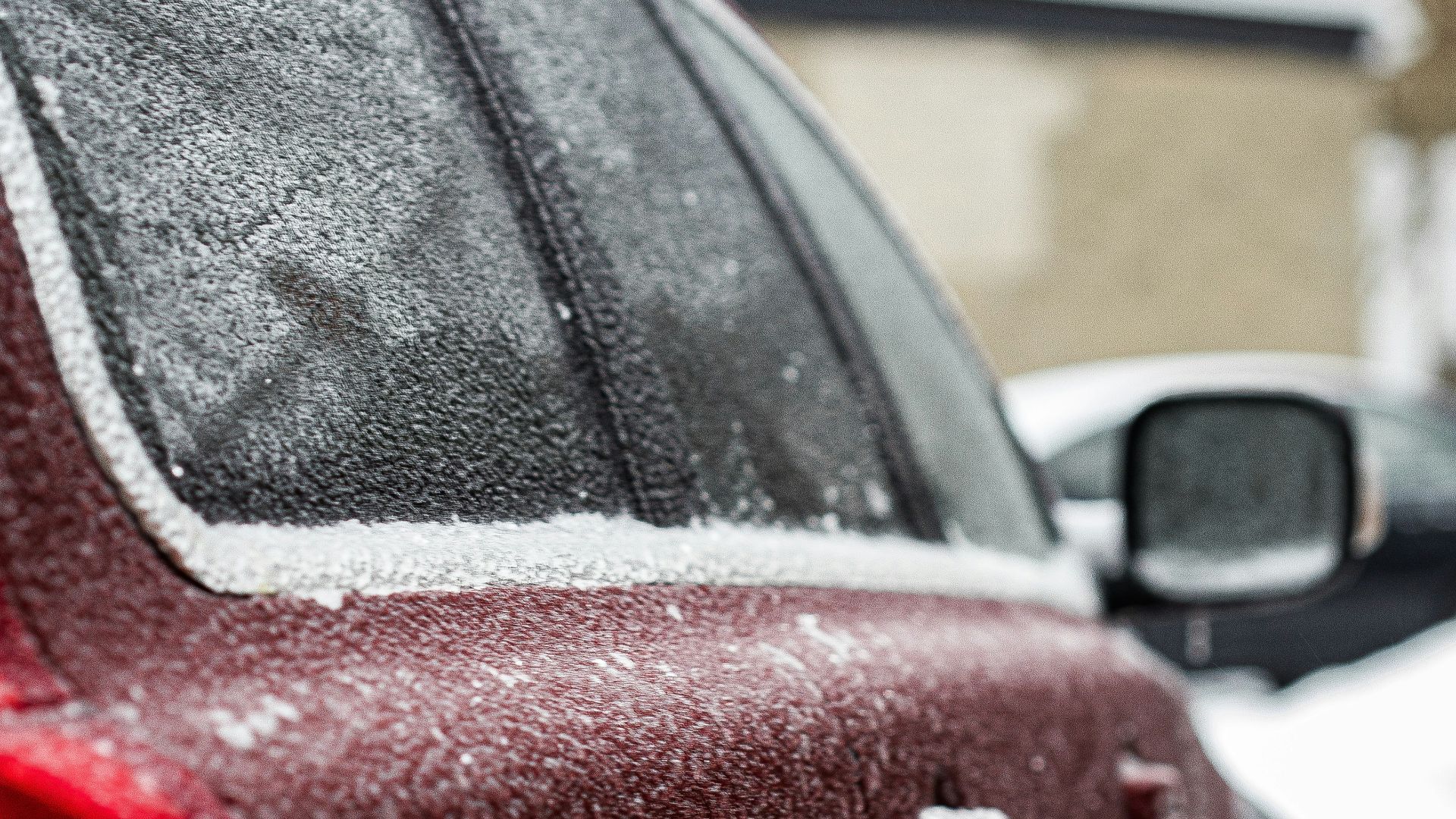
2. Warming the Engine for Several Minutes
We all want our cars toasty warm before hitting the road, but you don’t need to leave it idle for several minutes. In fact, doing so could cause serious problems, like stripping oil from the cylinders. Most engines only need about 30 to 60 seconds before they’re good to go.
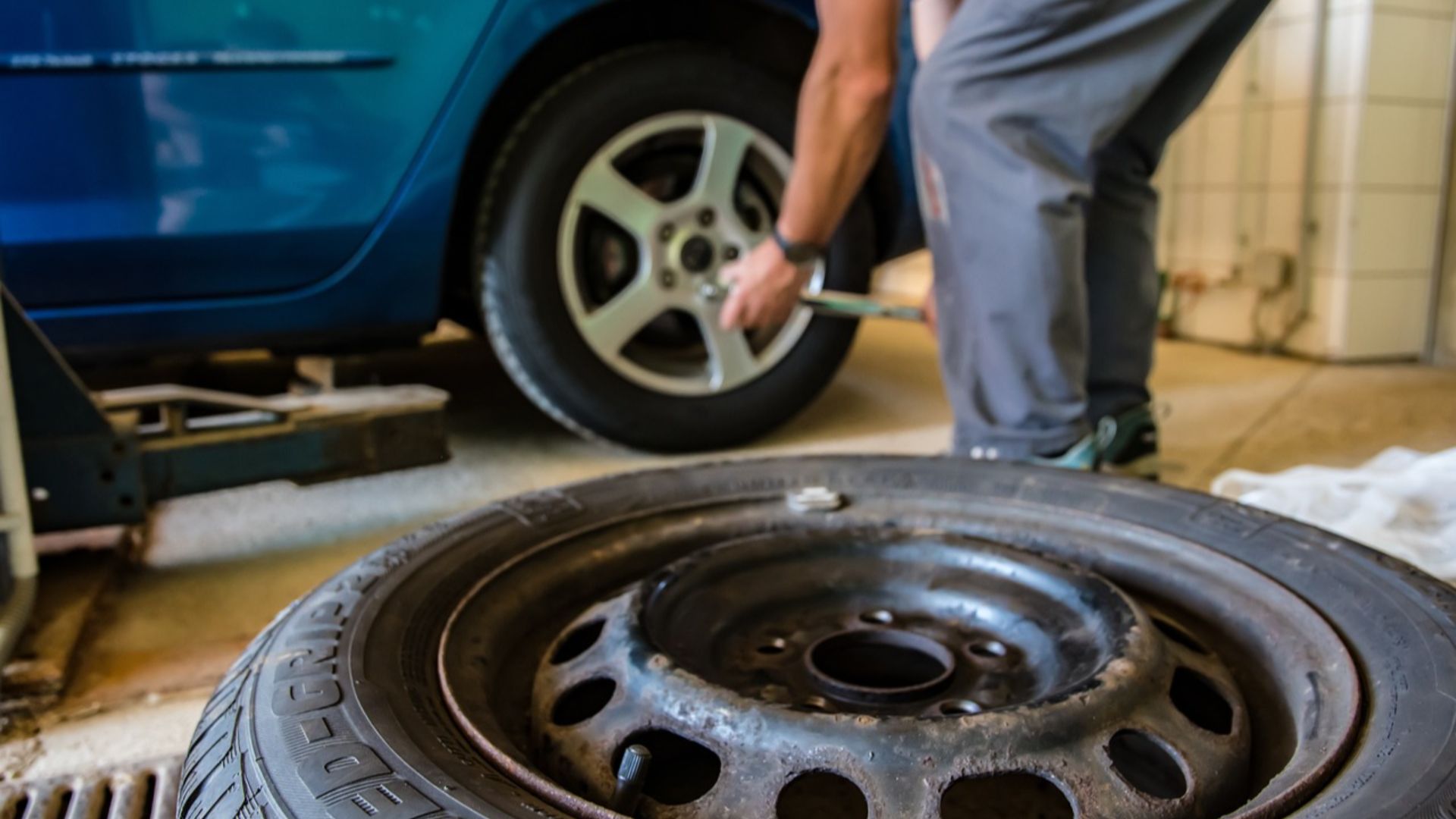
3. Replacing Tires at the Same Time
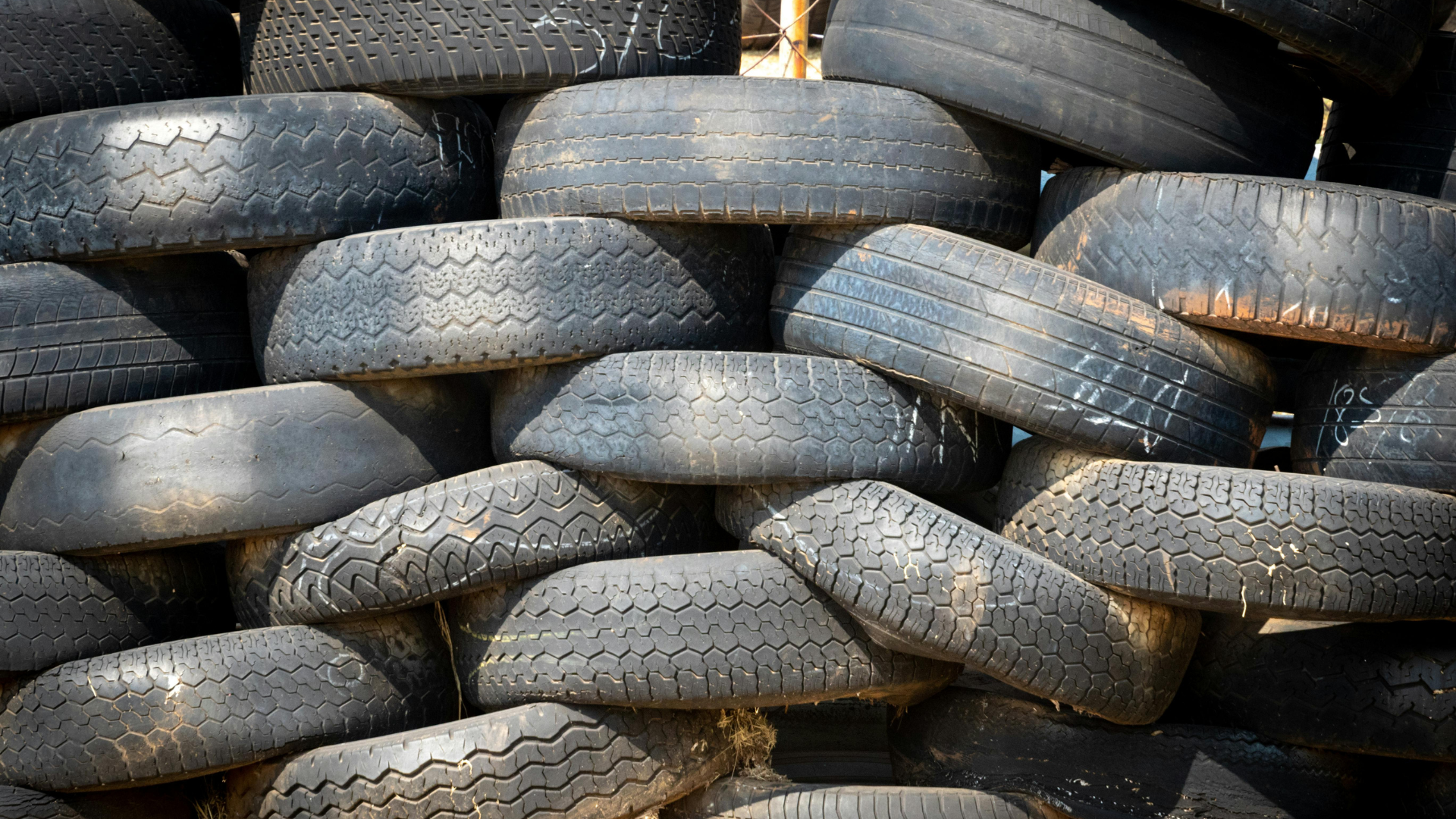
Hey, you’re already there—might as well swap all the tires at once. Right? Well, not exactly. Though it’s recommended for AWD, you don’t actually need to replace all four in other vehicles. So long as you have the same size and type, you can rotate them in pairs.
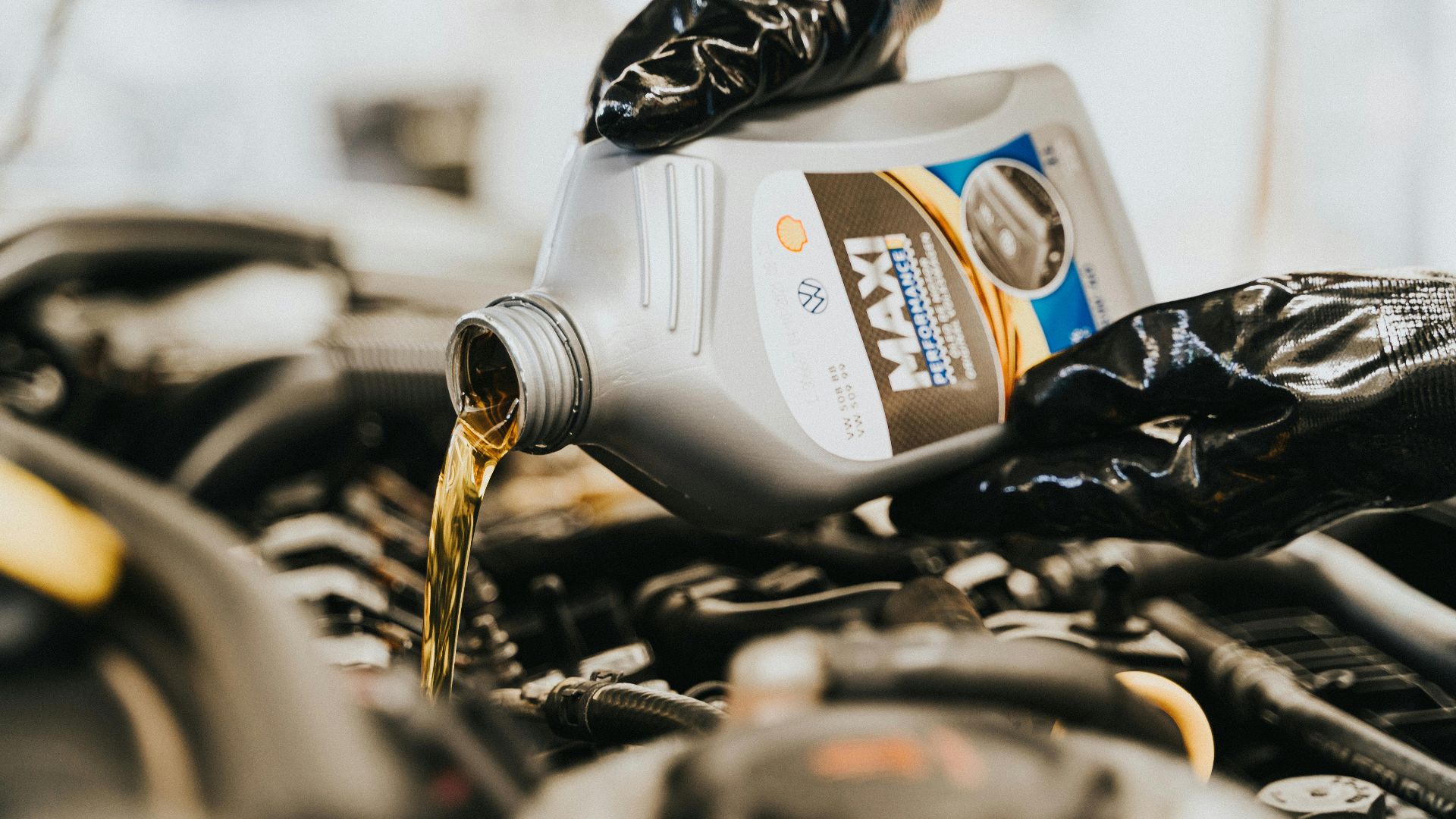
4. Changing Oil Every 3,000 Miles
You’ve undoubtedly heard this advice before, and while it’s not inherently dangerous to your vehicle, it’s also not required. Most new models can last about 10,000 miles before they need a top-up.
5. Big Batteries Mean Big Performance
You know what they say about big batteries. That’s right, they don’t actually improve performance! Much like how drivers fell for the premium gas myth, bigger batteries fall into the same category. If your car doesn’t need it, you won’t experience any sweeping enhancements.
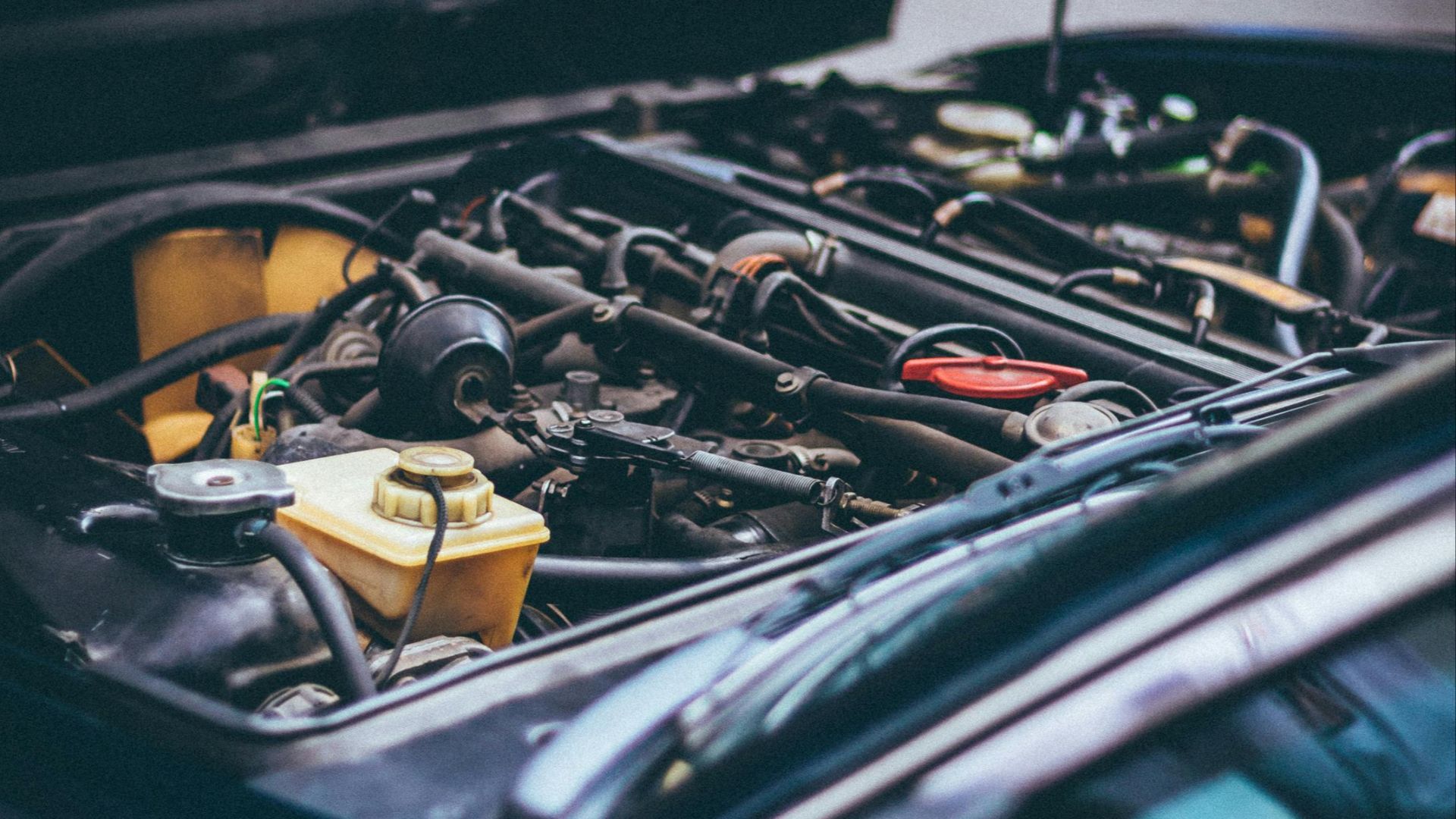
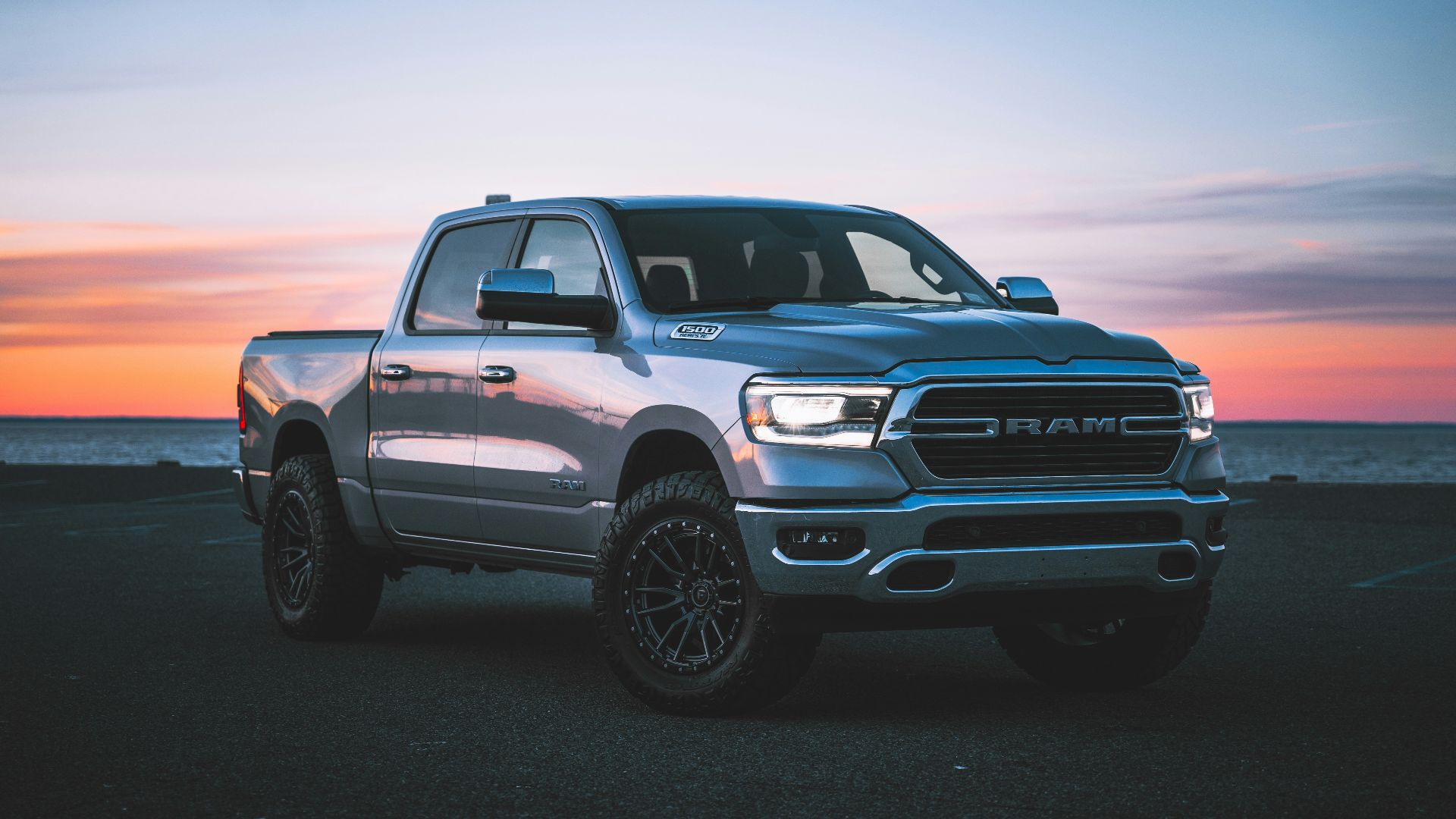
6. Larger Cars are Safer Cars
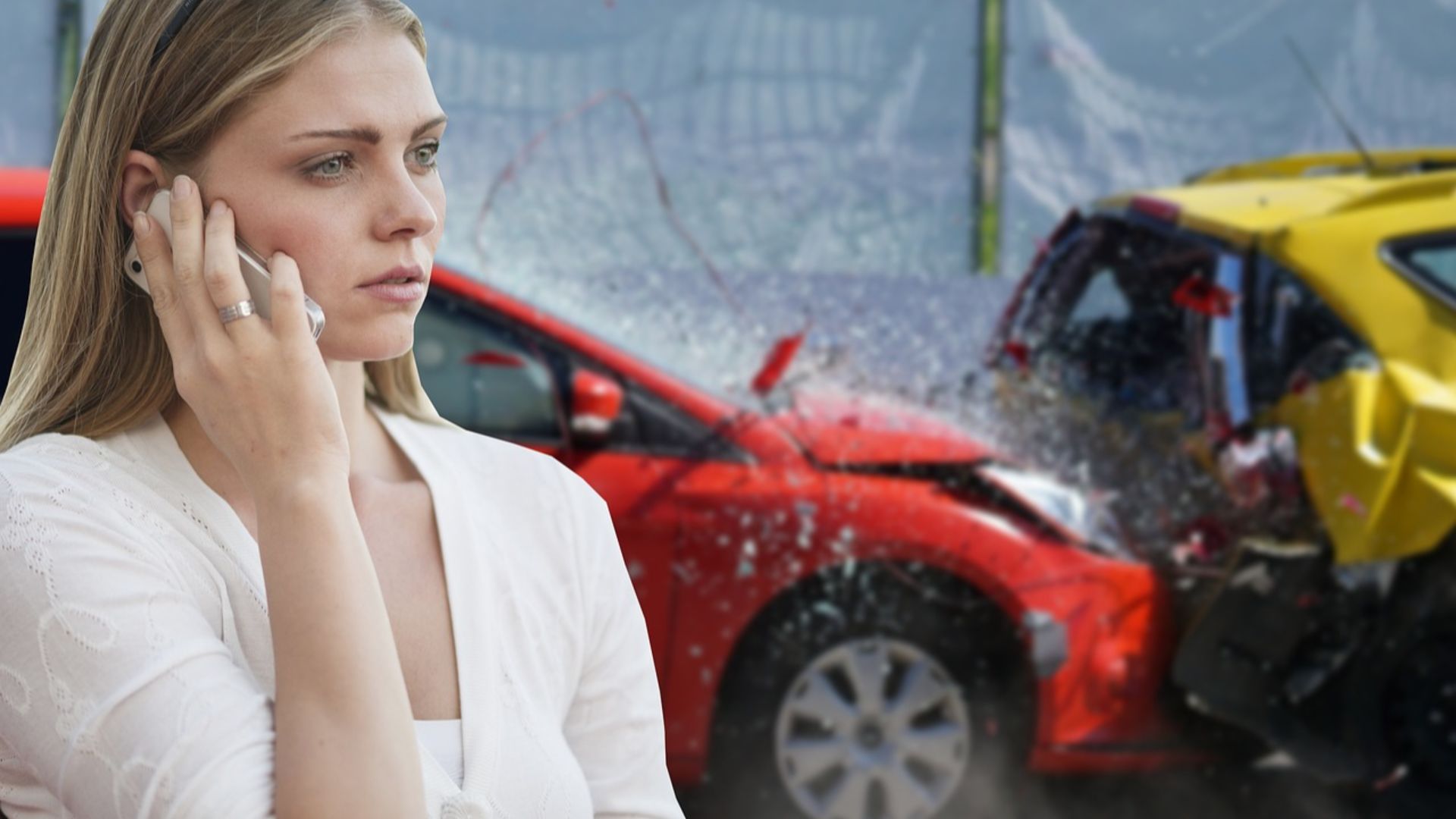
It’s easy to see why pickup trucks look safer than smart cars. They eat up the road, they're higher off the ground, and they're built for rougher terrain. However, larger cars don’t always mean more protection. Overall safety in a crash depends on a lot of factors, like impact, safety features, and design.
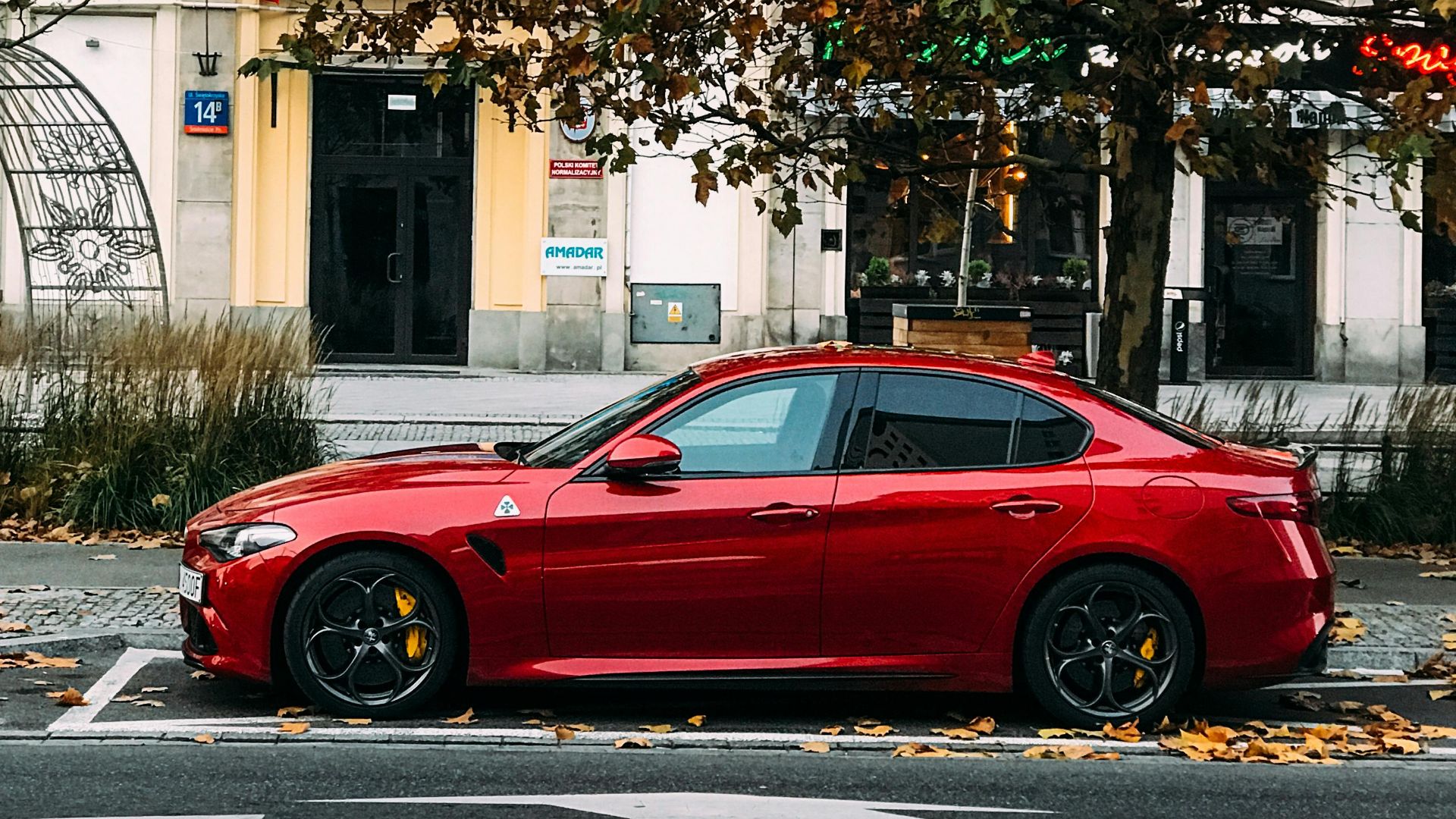
7. Red Cars Get Stopped More Often
That red dress might turn heads but red cars don’t garner the same attention. Funnily enough, white takes home first prize given its popularity. That said, regardless of your paint job, driving impacts how often you’re pulled over more than anything else.
8. You Only Need Airbags for Safety
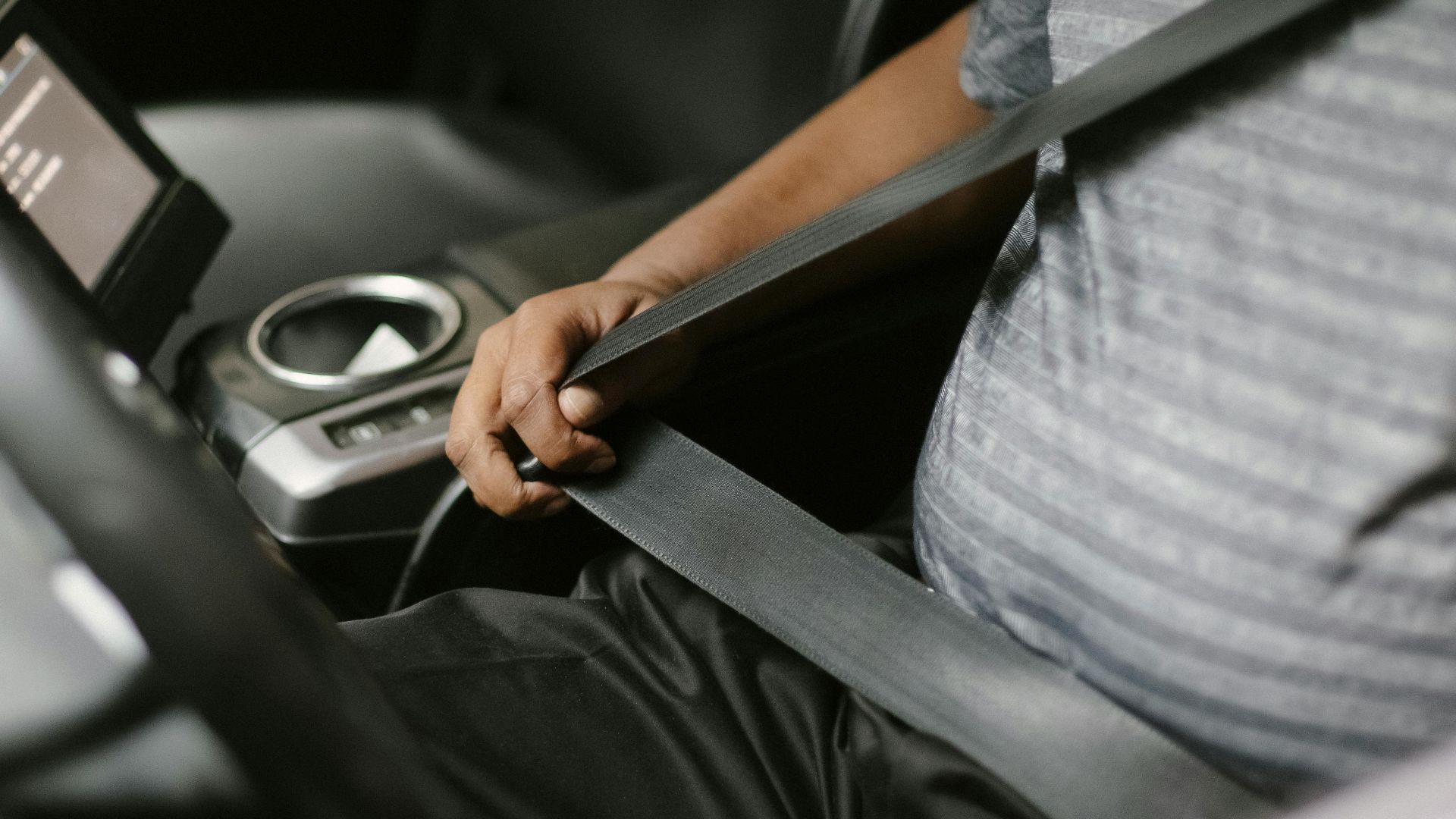
Airbags save lives, but they’re hardly the only important safety feature. There’s no wiggle room on seatbelts; they’re crucial for keeping you and passengers safe. Without them, airbags can't even work as effectively and can even cause serious injury.
9. Backup Cameras Replace Checking
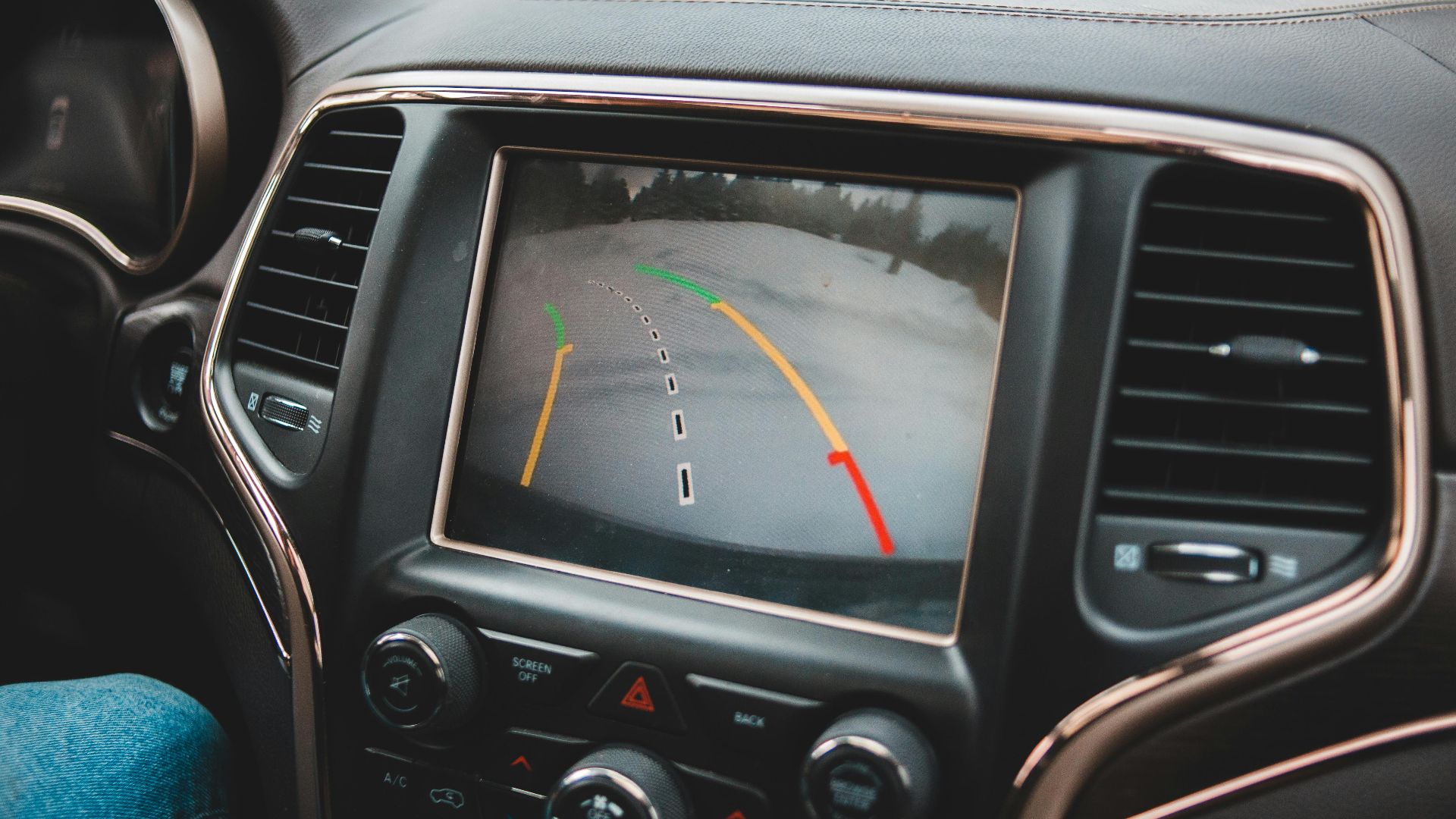
Today’s enhanced safety features make driving less stressful, and under the right circumstances, that's a good thing. But those features don't replace humans. Good motorists can't solely rely on cameras or sensors to warn them of incoming danger. They’re meant to guide you, not replace you, and there’s no better judge than yourself.
10. Drivers Should Always Be Polite
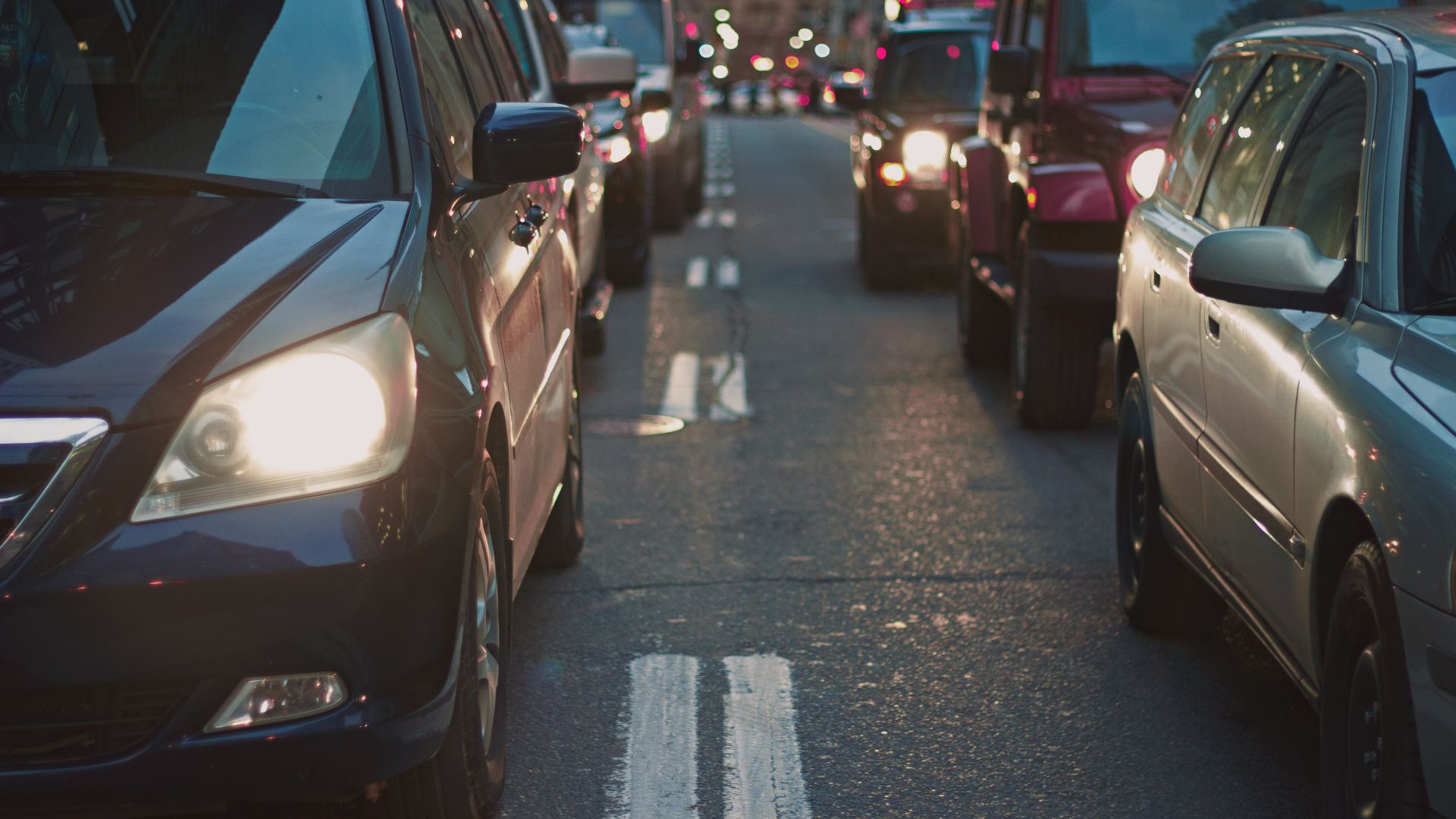
Drivers shouldn’t be polite, drivers should be predictable. That's not harsh, either. That's just the reality that keeps everyone safe! While it’s perfectly fine to shoot a courtesy wave, you don’t need to break rules for politeness’ sake, especially since that actually causes larger problems on the road.
11. Drive at 10:00 and 2:00
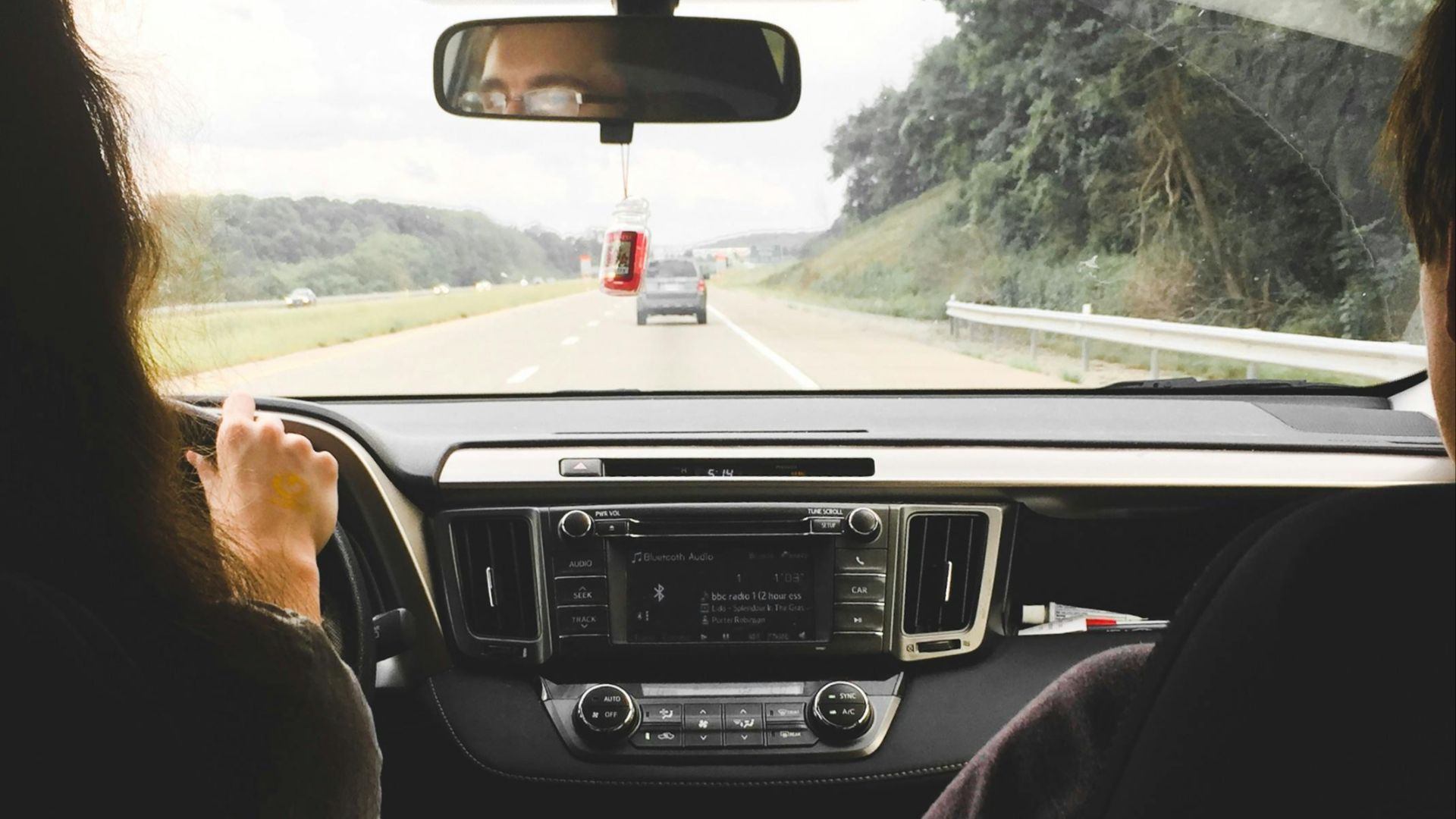
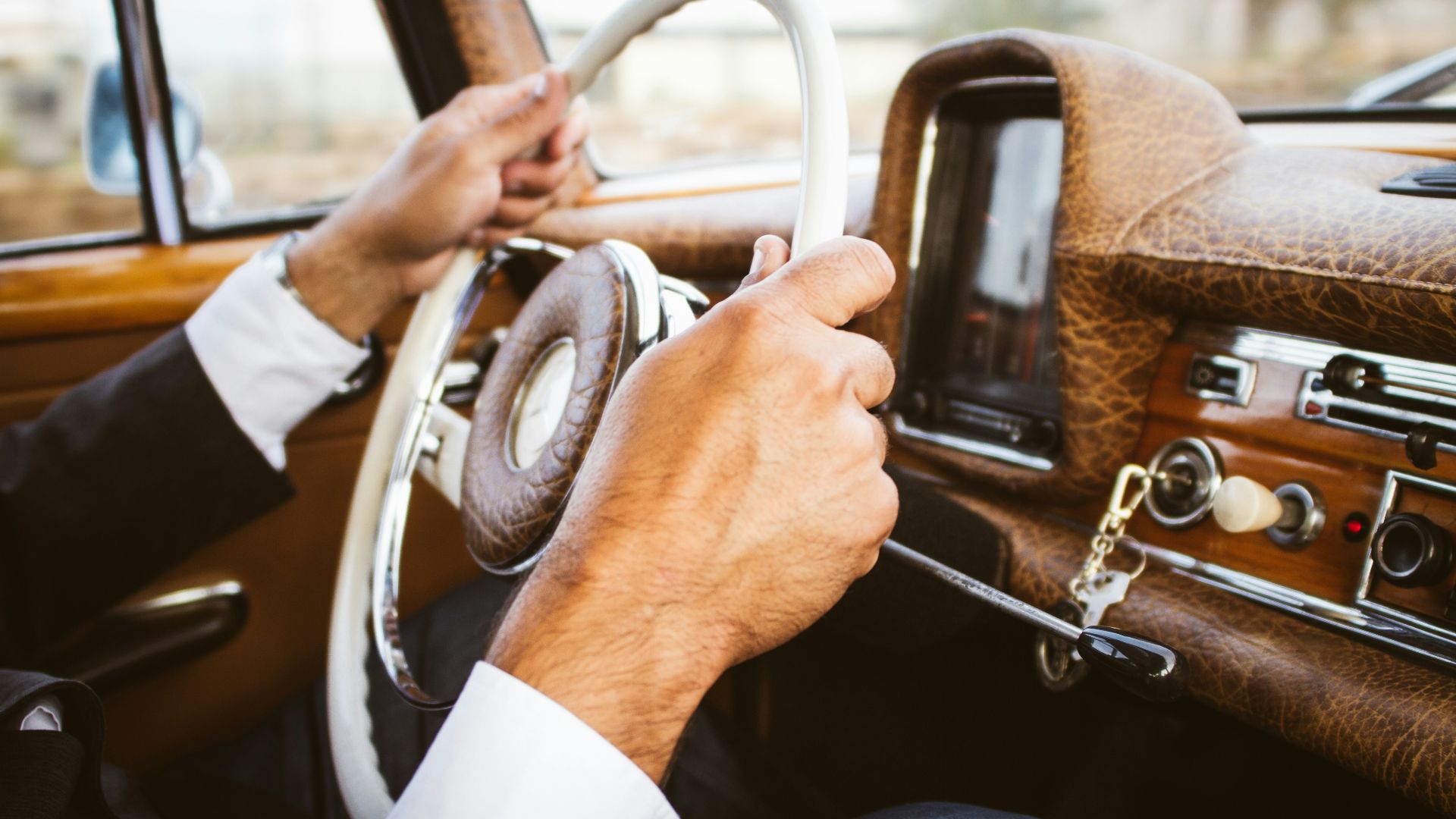
You probably heard 10:00 and 2:00 in your driving lessons, but things have since changed. The new recommended steering wheel position is 9:00 and 3:00. That small adjustment is best to ensure proper airbag deployment.
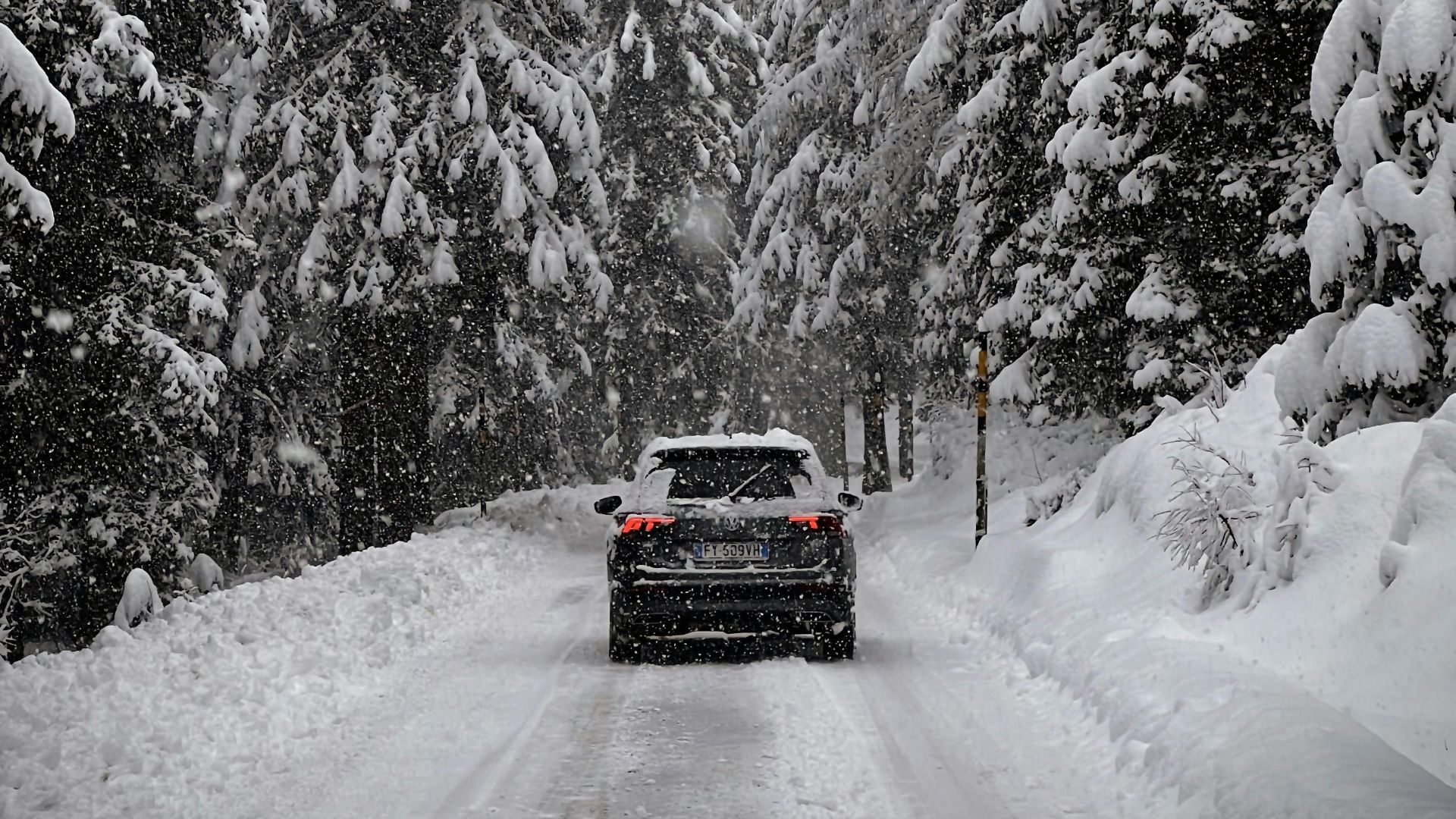
12. There’s Nothing to Do About Black Ice
There’s nothing scarier than skidding on black ice, but you don't need to let the "inevitable" happen. Though it feels like an accident in waiting, drivers can take precautions to better avoid dangerous patches. Look out for any dark or glossy spots on the road, don’t tailgate, and de-accelerate should you hit the ice—don’t break or swerve otherwise you'll lose control.
13. Car Color Impacts Insurance Rates
We talked about getting stopped, but we didn't mention anything about getting dinged. The good news is that your car’s color won’t impact rates. The bad news is that, depending on how you drive, you might still see hefty rates. Driving history, your vehicle’s make, and its safety features play a bigger part in companies’ quotes.

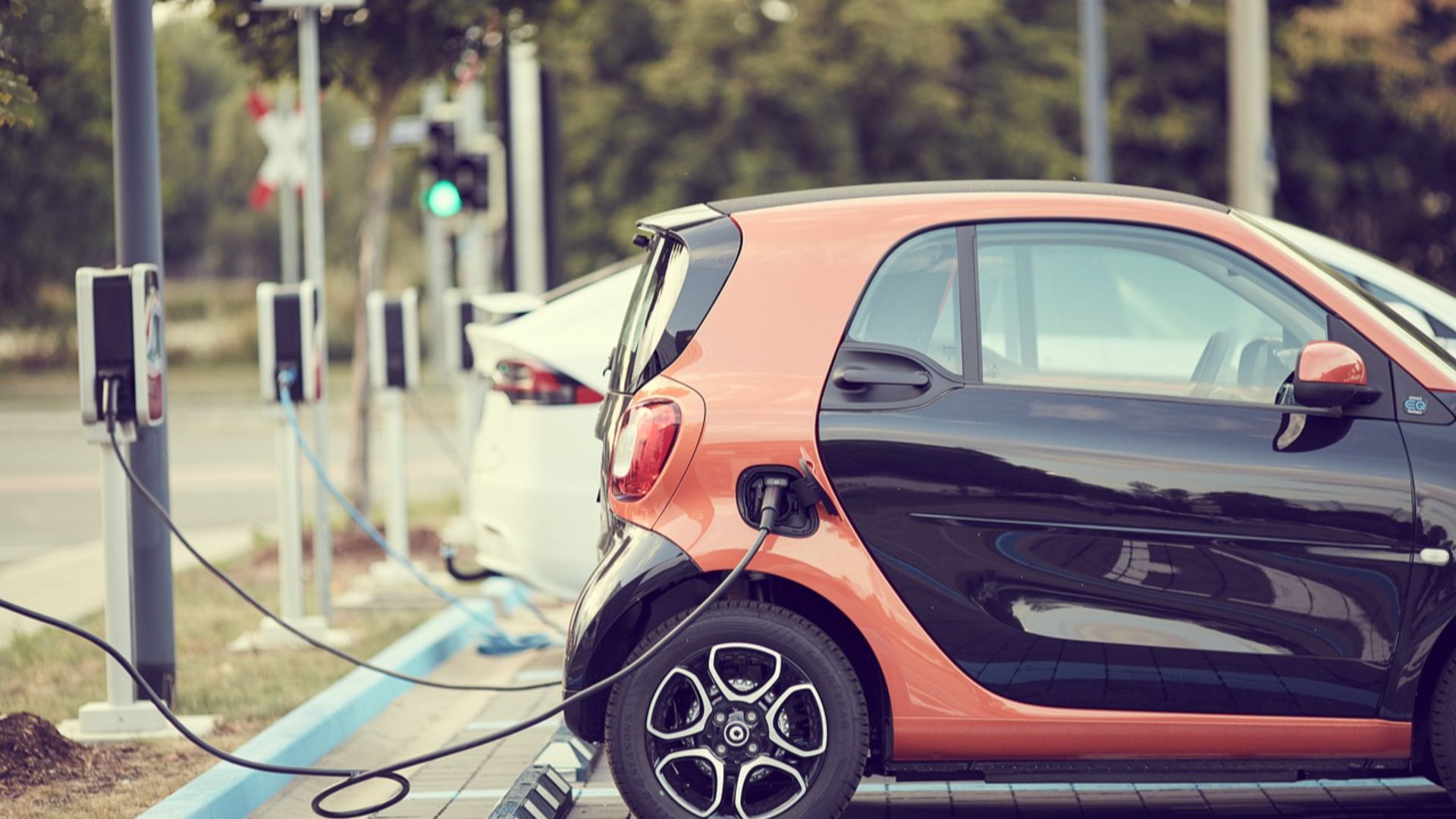
14. Electric Vehicles Catch Fire
For some reason, people spread the rumor that electric cars catch fire more often than gas-powered ones. That isn’t the case. In fact, the NHTSA (National Highway Traffic Safety Administration) debunked the belief over ten years ago.
15. Overinflation Betters Fuel Economy
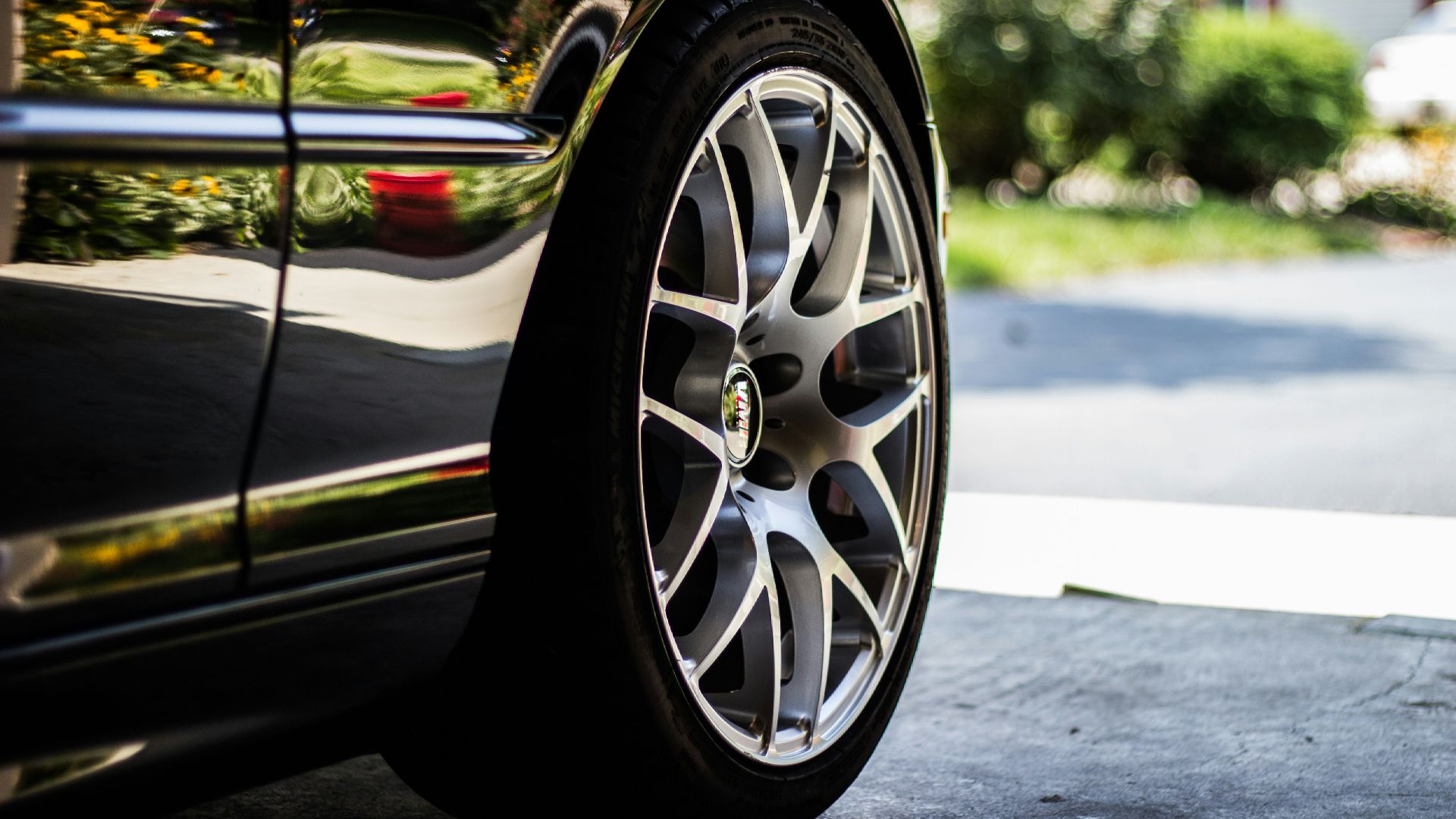
We all know the dangers of a popped tire, but overinflated wheels pose just as big a threat to your vehicle’s health. Overinflating won’t help fuel economy, and it certainly won’t help performance. If anything, doing so often leads to uneven wear and traction loss.
16. Cruise Control Allows Distractions
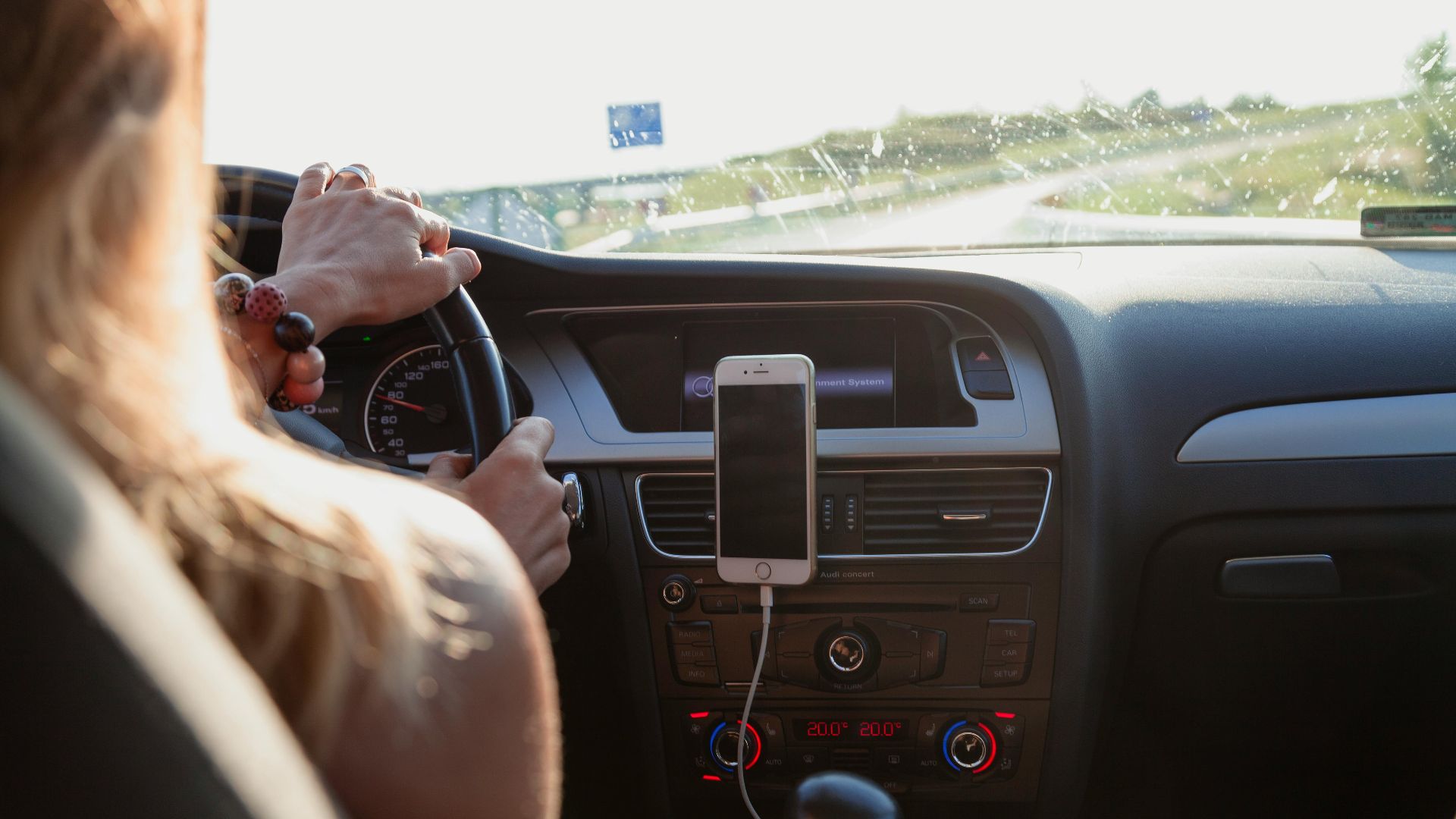
Remember how we talked about relying on your eyes, not the sensors? Well, the same goes for cruise control. Cruise control is meant to reduce driver’s fatigue—it isn’t an invitation to text or distract yourself from the road.
17. Jet Fuel is a Good Idea
Believe it or not, jet fuel can actually be used in diesel engines! However, it’s only viable in emergencies and isn’t a suitable replacement for legitimate fuel. Without getting into the nitty gritty, jet fuel damages your vehicle with prolonged use. Oh, and no, it won’t make your car faster.
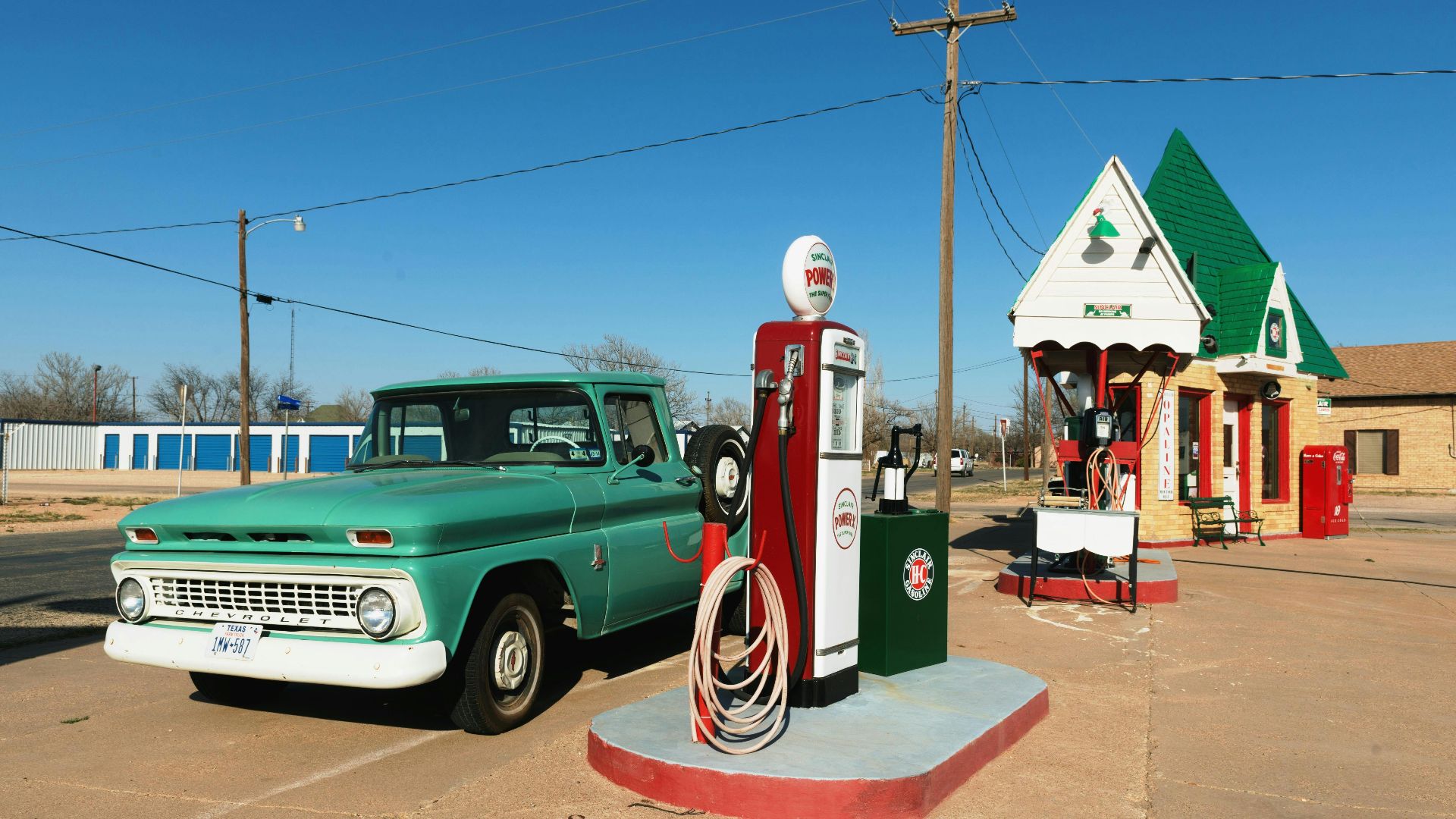
18. Morning Gas Fills Last Longer
As nice as this would be, topping the tank before sunrise won’t yield better fuel efficiency. This theory stemmed from the belief that cooler temperatures lead to denser gas. In reality, time of day makes no difference.
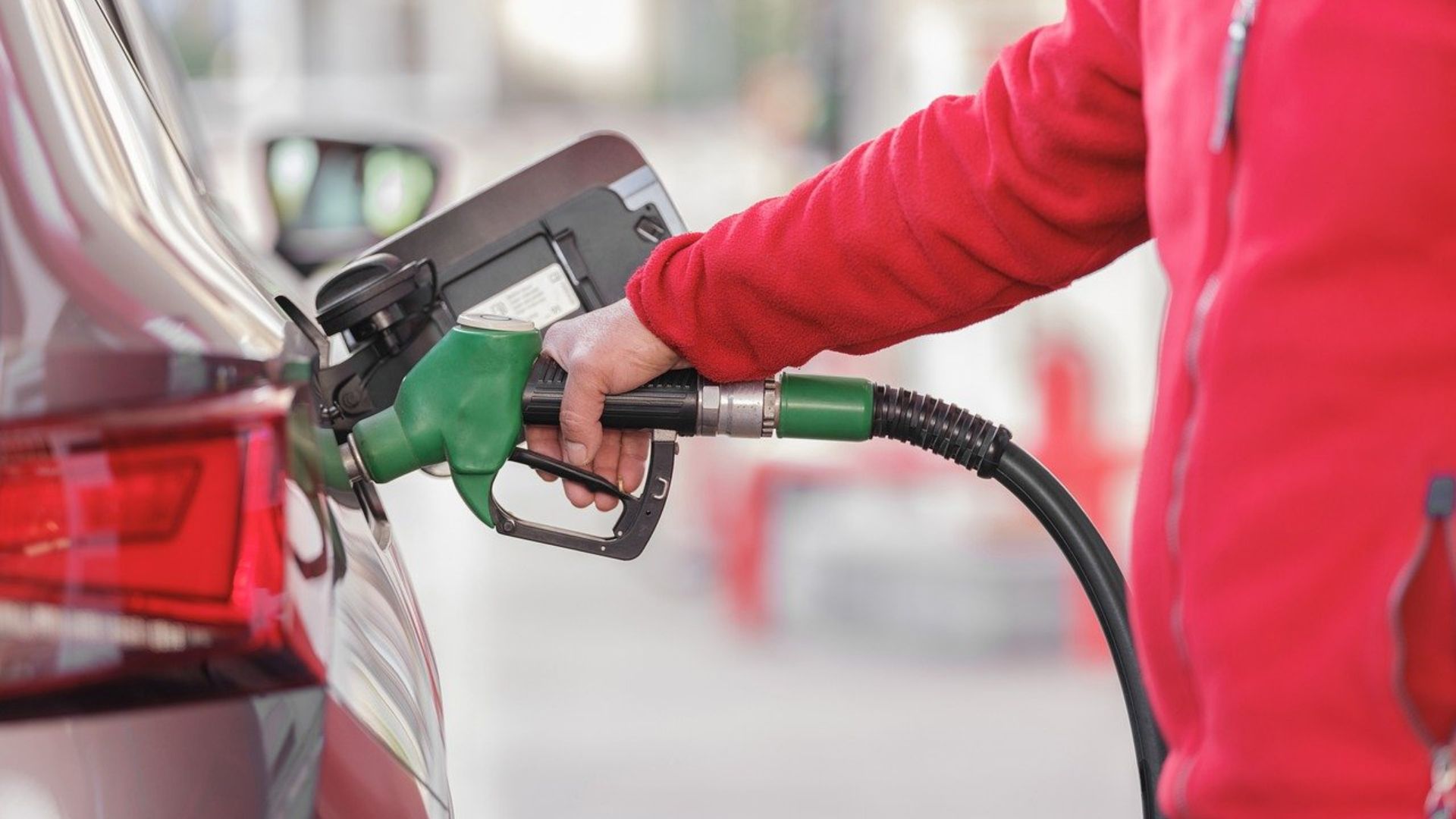
19. Headrests Are for Comfort
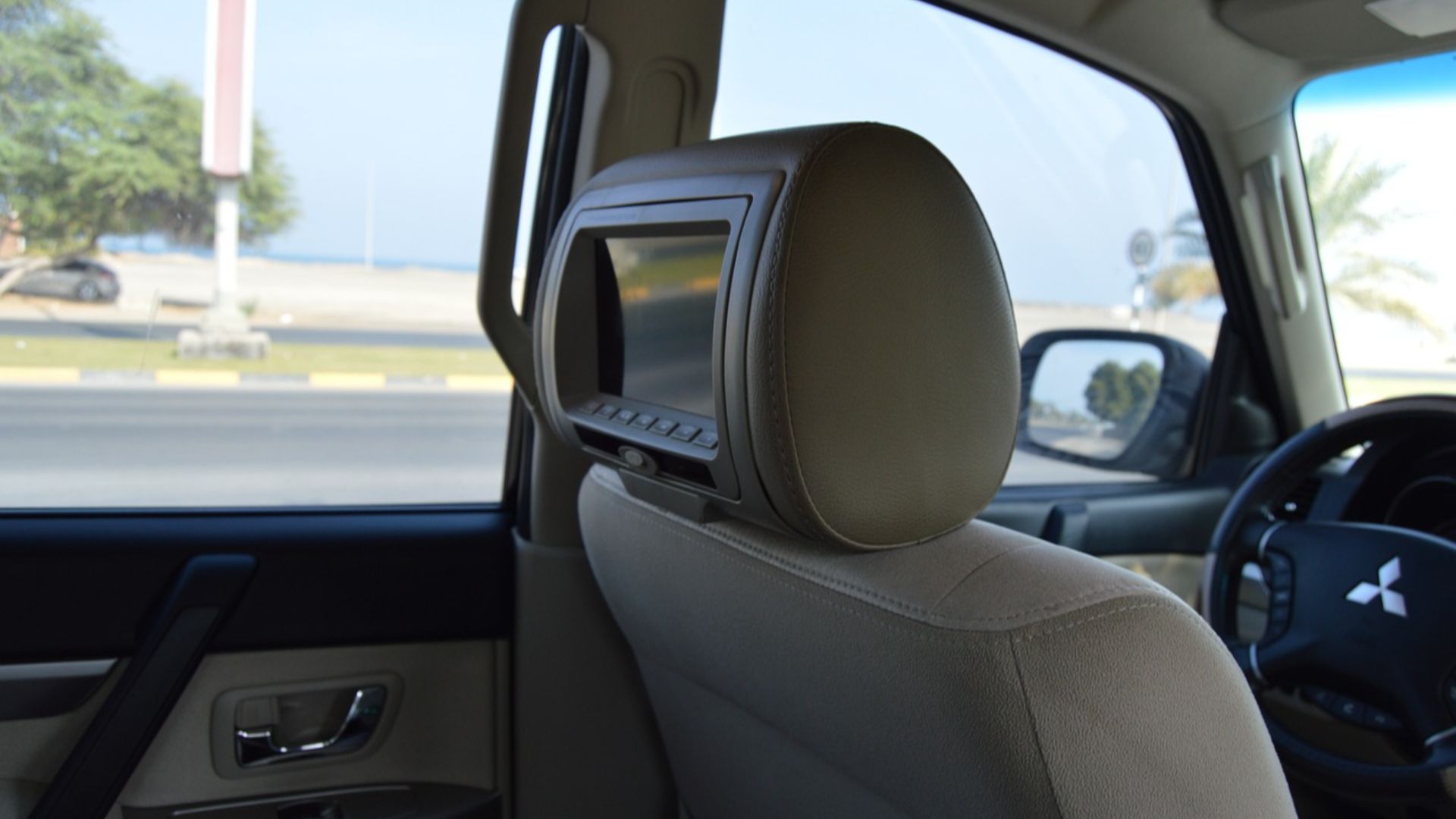
Don’t get us wrong—headrests are indeed comfortable. However, that’s not their only job. Their crucial purpose is to support your neck in the event of a crash, which means staying diligent about how they're situated behind your head. The right placement avoids whiplash or any other serious injuries.
20. You Can’t Get Ticketed for Slow Driving
Everyone knows the penalty for speeding, but did you know the penalty for slow driving? Yes, it’s also a ticket! Slow driving impedes traffic and can cause big problems on the road, so when you coast below the limit, you endanger other motorists.