

There are a lot of people interested in the concept of van life these days. People who are adventurous and people who are minimalists. Thrill seekers and wanderers. Backpackers and nomads. If you’re considering trading in your bed for a cot and your permanent address for “the road,” you might find yourself swimming in questions.
From dozing in the morning sun as it rises over the side of a mountain to cursing the day you thought you could squeeze your converted van into that tiny parking spot, there are going to be highs, there are going to be lows, and more than anything, there are going to be questions. The first step in deciding whether van life is going to be a wild ride or a battle royale of frustration is to pick the right van for you.
The Mixed Reactions

Those who live the lifestyle, or who’ve traveled enough to have run into it somewhere down the road, are the ones you get to talk shop with: convert vlogging statistics, the best campgrounds to boondock at, great recipes to make while living on the road, and park pulls you can’t miss.
Then there are those who are dying to find out. They’re the envious ones, the wannabe van-dwellers and tiny-house enthusiasts. They’re the ones who have direct-messaged you on Instagram and asked a million questions about storage space, hacks, and the best ways to make money on the road.
But then there’s the rest. The ones that look at you as if you’re crazy. They furrow their brows and ask things like, “What do you do when your boyfriend is in the bathroom?” or “But how do you shower?”
Mercedes-Benz Sprinter
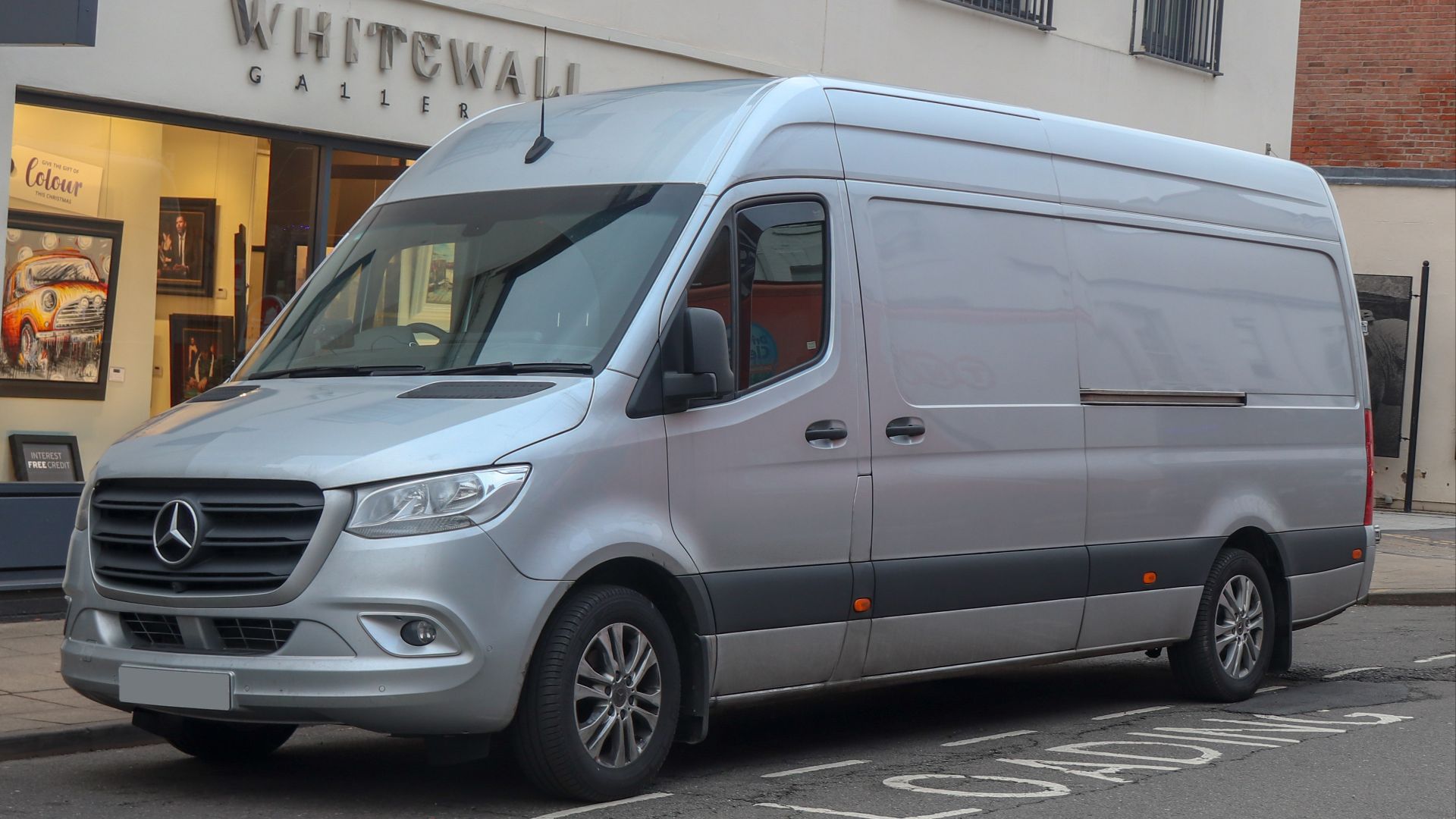
In terms of vans made specifically for van life, the Mercedes-Benz Sprinter reigns supreme. Costing anywhere between $34,985–$57,985+, Sprinters offer a great amount of flexibility and reliability to full-time travelers. They are available in three different lengths, have a high-top roof as standard, and are even offered in 4×4 trim.
Pros: Ubiquity in the van life community, hundreds of online conversion guides, multiple length options available.
Cons: Higher purchase price, maintenance and repairs are typically more costly, limited to Mercedes dealerships for servicing (lengthening repair/replacement time).
Overall, the positives heavily outweigh the negatives in most cases, provided you’re looking to put a significant investment into a long-term home on wheels.
Ford Transit Van
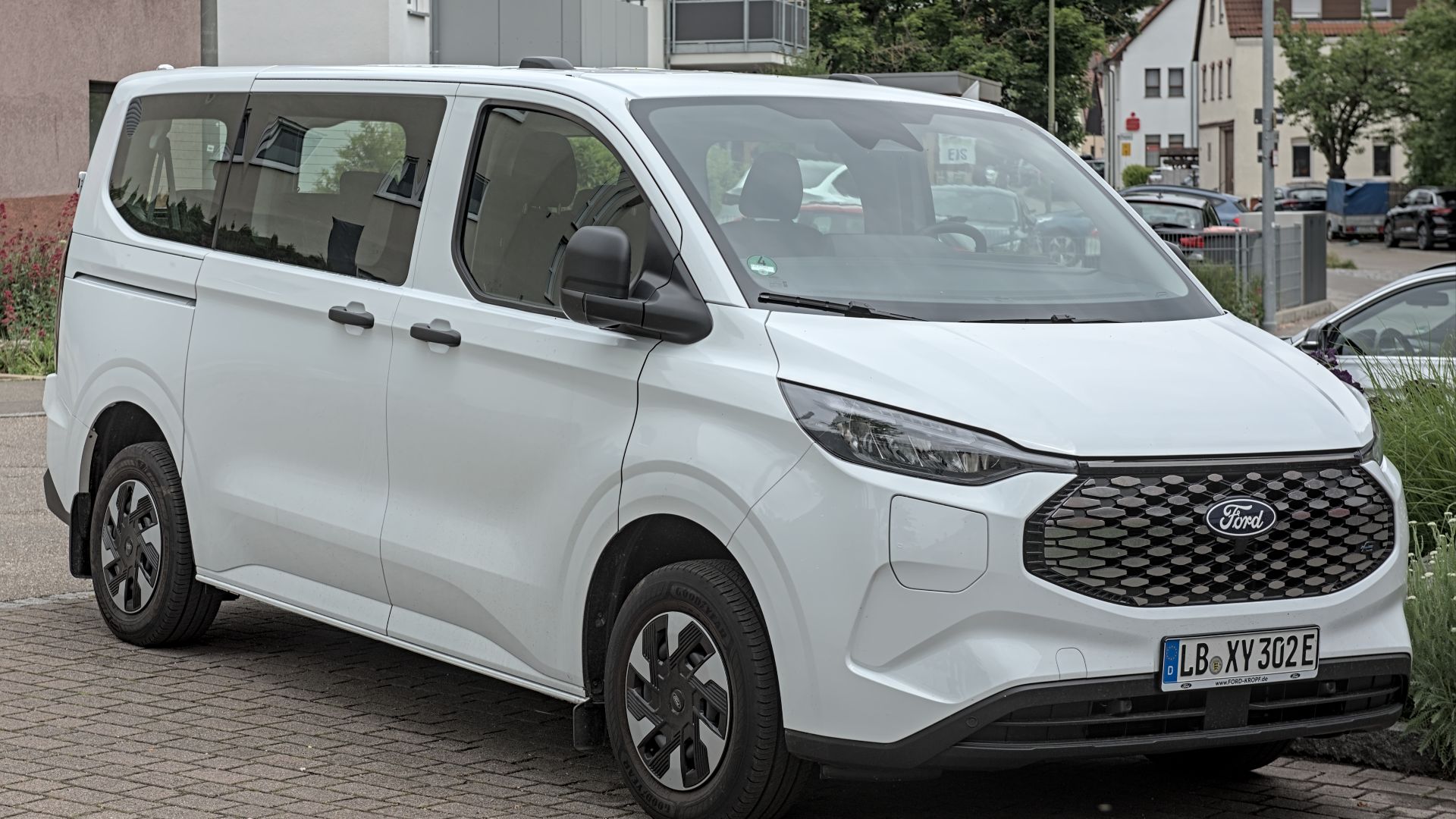
The Ford Transit, starting at $34,500, is another great option. Released in 2014, the Transit has become increasingly popular with road trippers and has a variety of length and height options as well. There are tons of used Transits available with finished conversions, which is helpful for those who want to get into van life without going the full DIY route.
Advantages of the Transit include being cheaper than the Sprinter, easier to service at a local mechanic, and easier to maneuver. Disadvantages include older models (2019 and before) only being available in rear-wheel drive, with all-wheel drive options only available in 2020 and up. The Transit is also a narrower vehicle, which can make custom conversions a little more challenging. The Transit is an accessible option and a great starting point for first-time van lifers or a simpler build.