
Do You Know These Terms?
Racing is quite a technical sport, and with it comes a whole glossary of terms you may or may not know. This list helps to improve your understanding by explaining the most commonly used words, phrases, and acronyms in the sport. Do you know all of these terms?

1. Apex
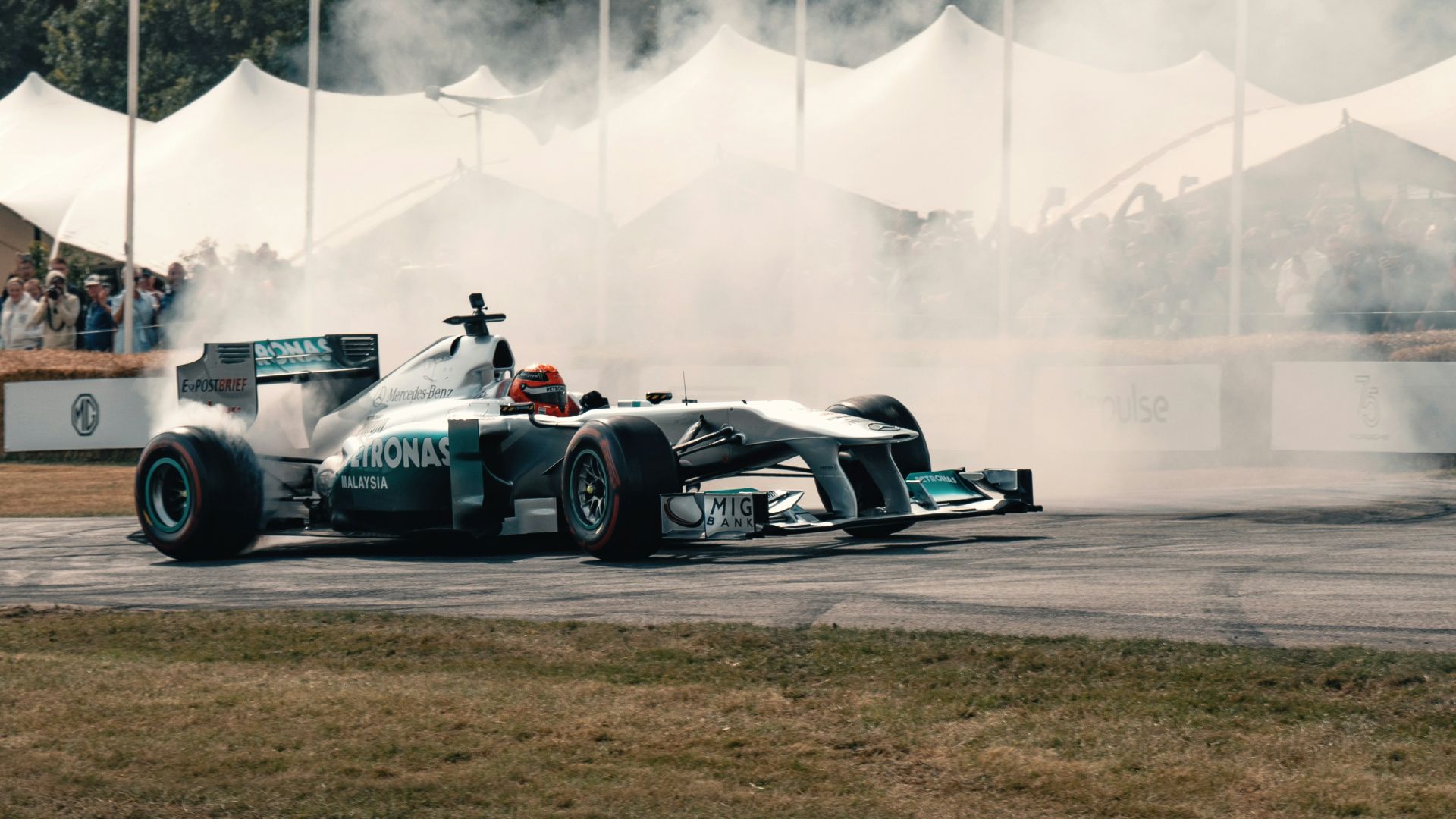
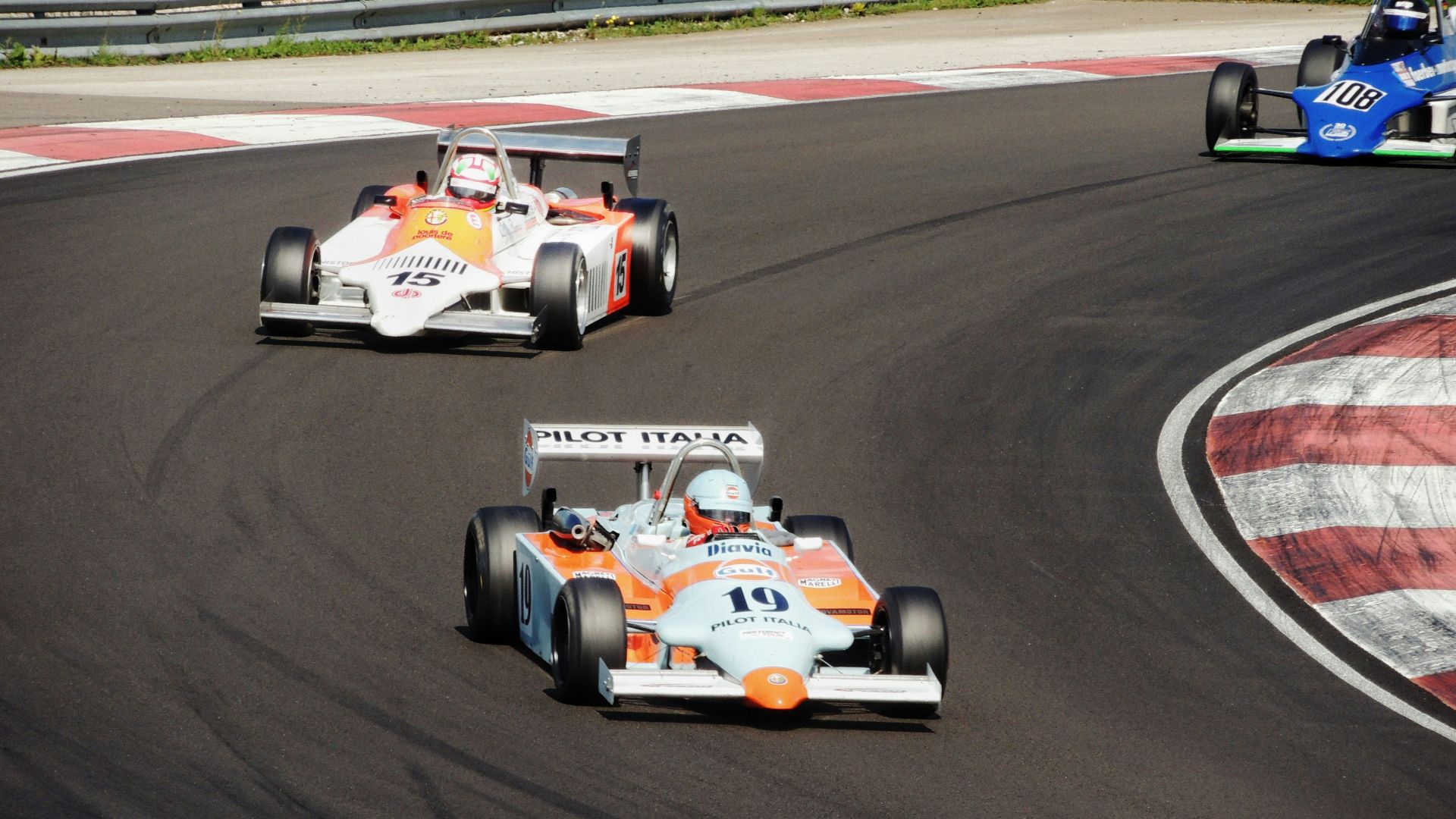
In casual language, apex may refer to a top predator in any given area, someone who’s simply superior. However, in the world of F1, apex is the innermost point of the driving line taken through a corner. So, when someone says they’re “hitting the apex,” it means they’re about to take on a tough corner.
 Abhinand Venugopal on Unsplash
2. Black Flag
There are a variety of different flags used in F1, and this list will go over them all. First up is the black flag, and it’s one a driver definitely doesn’t want to see. When a marshal waves this color, it means the driver has been disqualified from the race and must return to the pits.

3. Cockpit
The cockpit is a common term that most people are familiar with. In the world of F1, these cockpits involve lying down on a seat that is practically moulded for the driver’s body shape. F1 cockpits also take advantage of advanced steering wheels that have button controls for gear changing and paddles.
4. Backmarkers
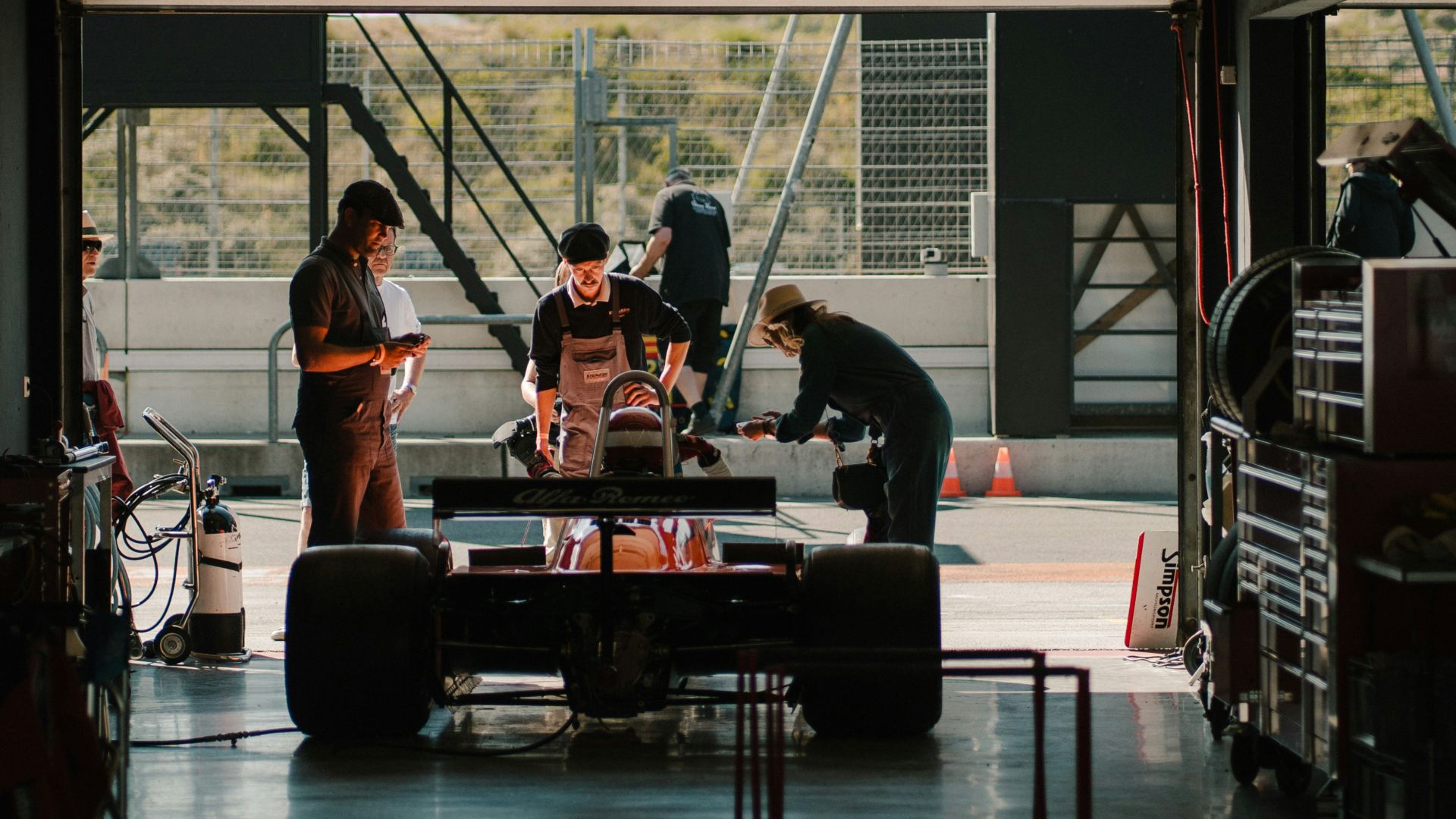
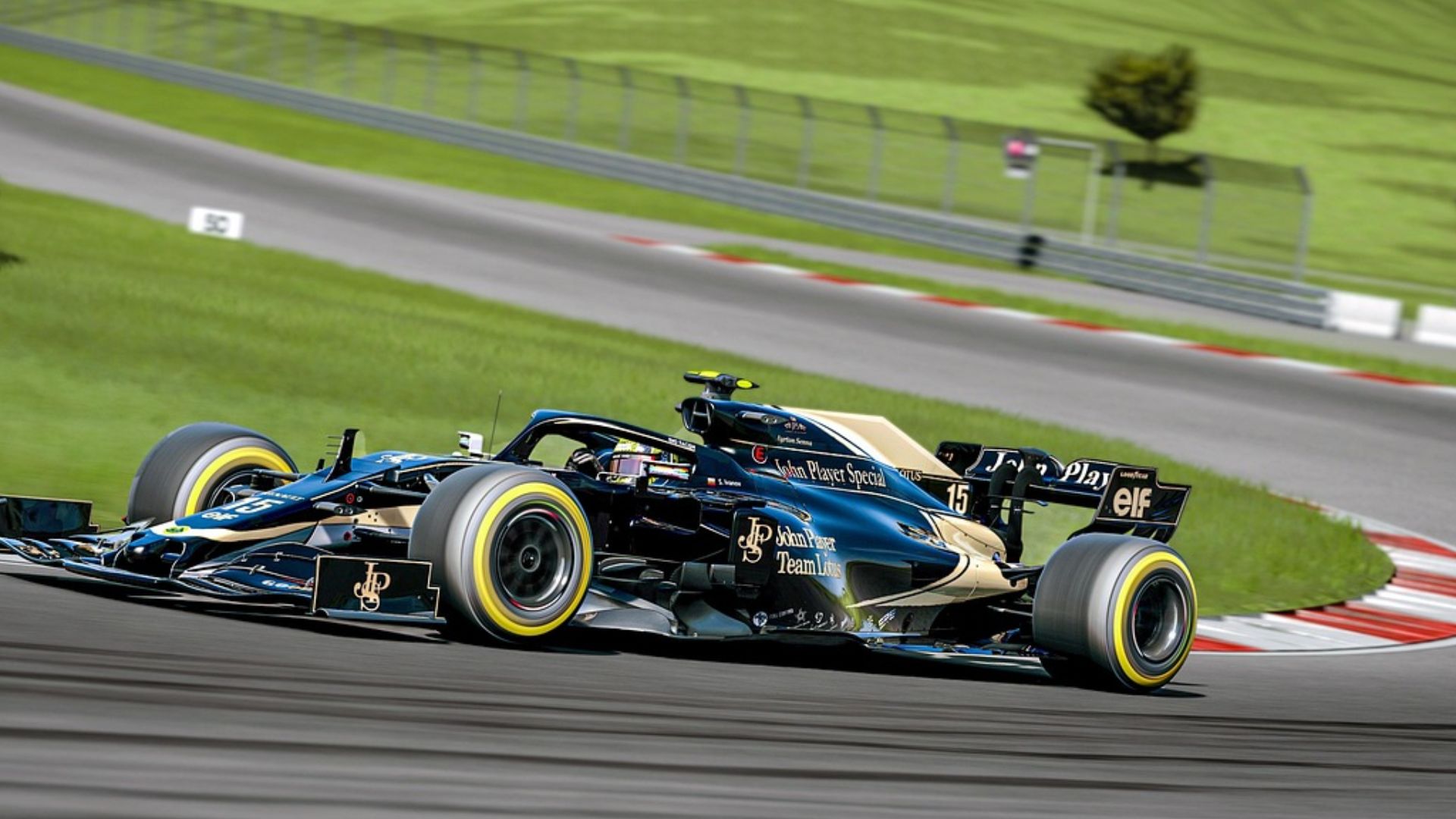
Backmarkers are what you call the slower cars on the track. These cars are often lapped multiple times in any given race. In fact, marshals will even signal the backmarkers with blue flags to warn them that a faster car is approaching, and they should move.
5. Blue Flag
Returning to the world of flags, there is the blue flag to consider. This color serves as a warning to slower drivers, letting them know that a faster car is approaching and they should get out of the way. These flags help prevent slower cars from hindering the race.

6. Downforce
Downforce is a technical aerodynamic term. It refers to the forces that push a car as it barrels downward. The force usually makes them stick to the ground, and front and rear wings are often used to create downforce.
 Luuk Van Der Naalt on Unsplash
7. Chassis
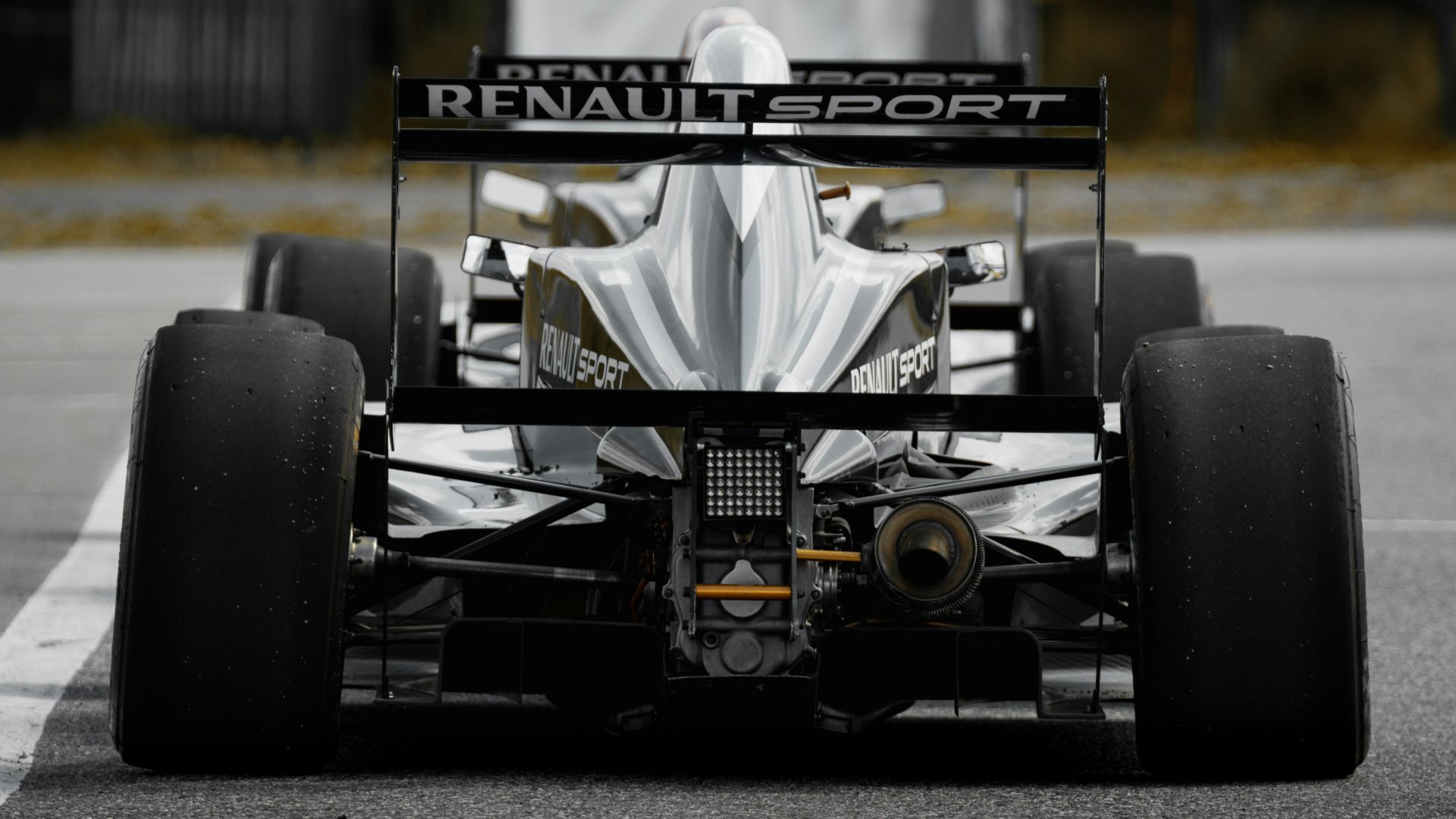
Chassis is a mechanical term that refers to the supporting structure in an F1 car. This structure helps hold up items like the suspension system and the engine, making it a crucial part of the vehicle. Some chassis also take advantage of a strong carbon fiber body shell to further protect the driver.
8. Checkered Flag
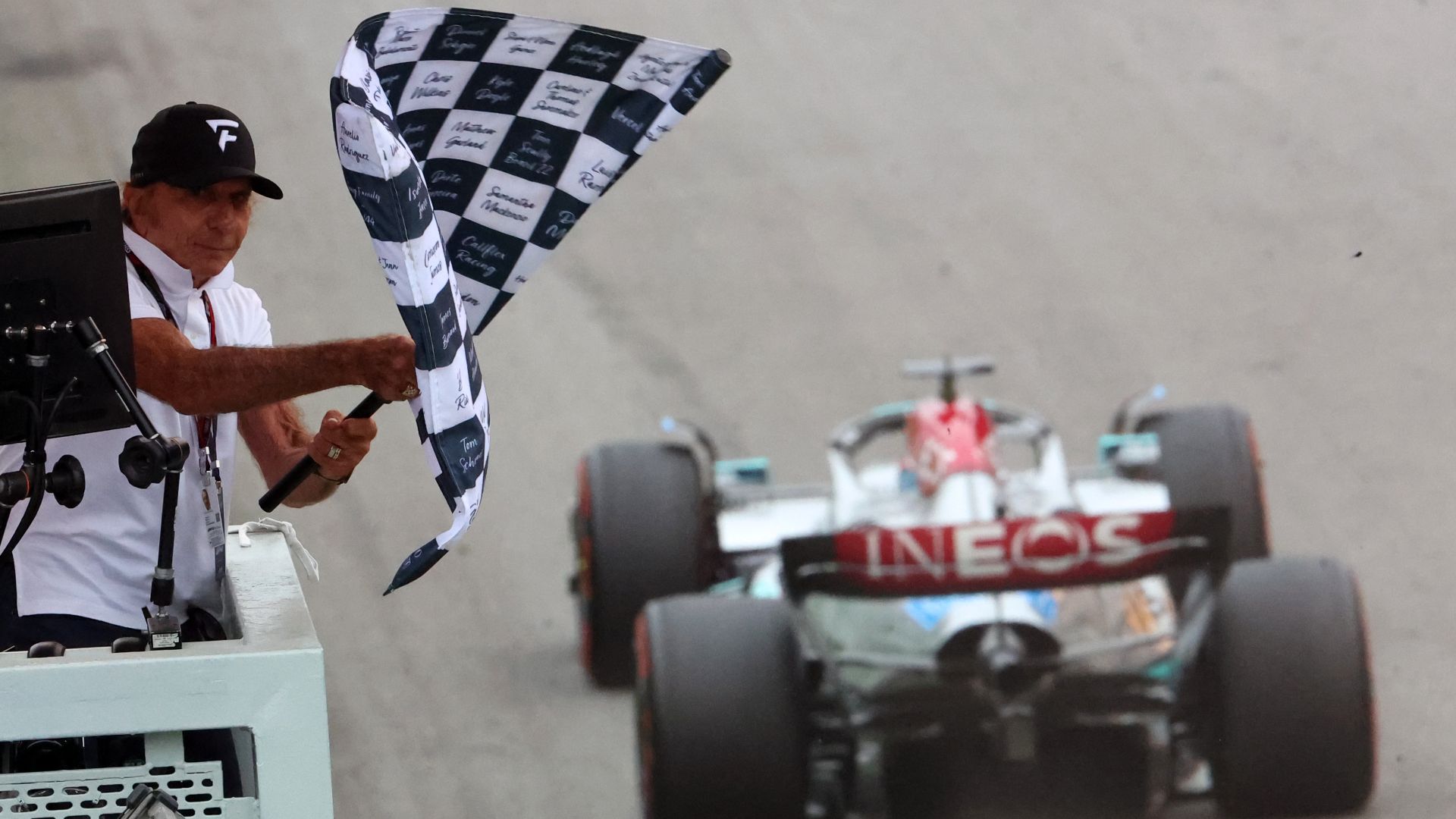
Then there are checkered flags, which are a blend of both black and white. This is waved at the start and finish line to indicate the end of a race. Apparently, the use of this checkered flag has been around since the 1906 Vanderbilt Cup Race in New York.
 Governo do Estado de São Paulo on Wikimedia
9. FIA
The FIA stands for the Fédération Internationale de l’Automobile. It is the governing body for numerous international racing series, and most relevantly, F1. Currently, the FIA’s president is Jean Todt, who worked with Ferrari during Michael Schumacher’s successful season.
10. Chicane
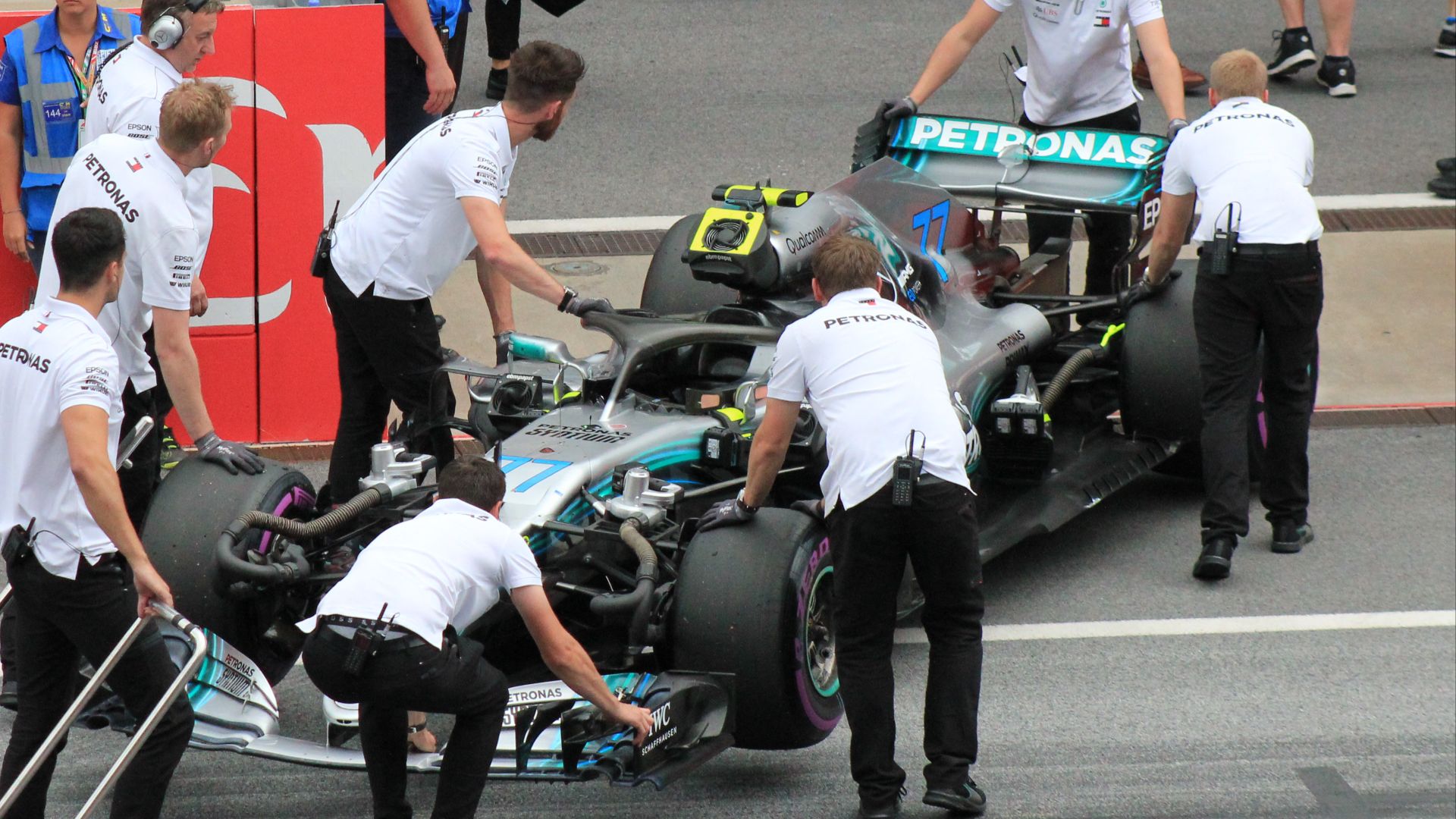
The chicane refers to a series of corners on a circuit. When approaching these chicanes, it’s wise for the driver to take a lower speed, which is why these sections are often added to high-speed circuit sections. Overall, they’re known to improve safety and make overtaking easier.
11. Red Flag
Even racing has its red flags, and in this case, the color means that a race has been stopped. This usually only happens when there’s a threat from the weather or a serious accident has occurred. To help achieve a smooth stop, all vehicles must end the race and return to the pit when they see this flag.

12. Overcut/Undercut
This is the name of a popular strategy in which a driver will attempt to pass a car during a pit stop window. To succeed an overcut, the driver pits after the car in front to set faster lap times after taking their own pit stop shortly after. Similarly, an undercut involves using the fresher tires to gain track position when another driver makes their stop.
13. Grand Chelem
This occurs when a driver takes the pole position and achieves the fastest lead every lap before achieving victory. Essentially, they stay at the front of the entire race. It’s quite a rare feat, and to this day, only 25 drivers have successfully achieved it.
14. Pole Position
The pole position is the technical name given to the first position on the grid at the start of the race. To achieve the pole position, a driver will have to record the fastest time in the third and final period of qualifying. As such, it’s an ideal position to be in.
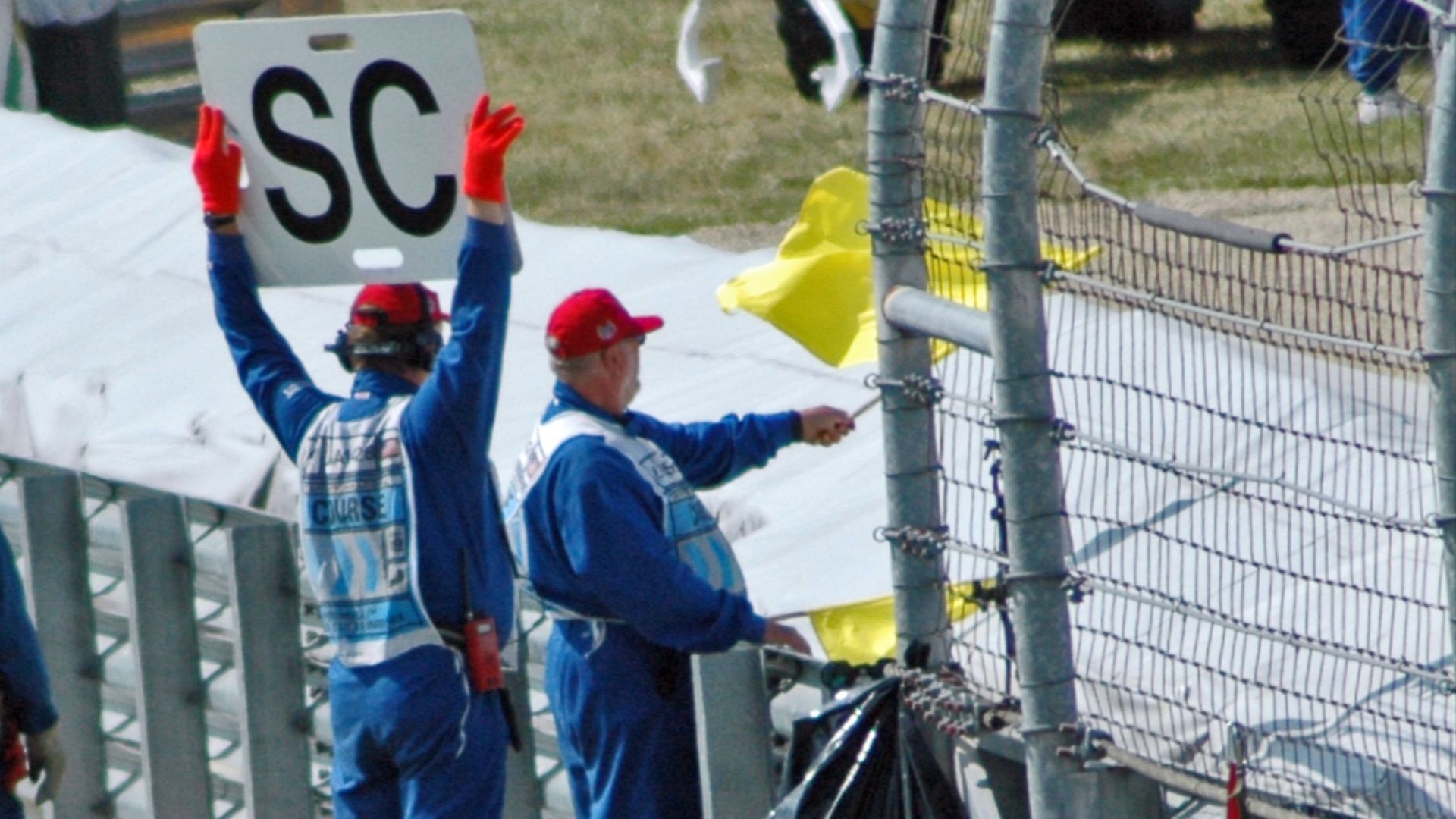
15. Yellow Flag
One final flag every F1 fan should know is the yellow one. This color serves as a warning sign and tells the drivers that there is danger nearby. When they see this flag, the drivers must slow down and stop overtaking, and the severity of the danger is indicated by whether the flag is stationary, waving, or double-waved.
16. Drive-Through Penalty
There are a variety of penalties that a driver can get during the race, one of them being the drive-through. This penalty is pretty severe, and when a driver receives it, they must drive through the pit lane without exceeding the speed limit. Only after this 80km/h journey can they rejoin the race.
17. Formation Lap
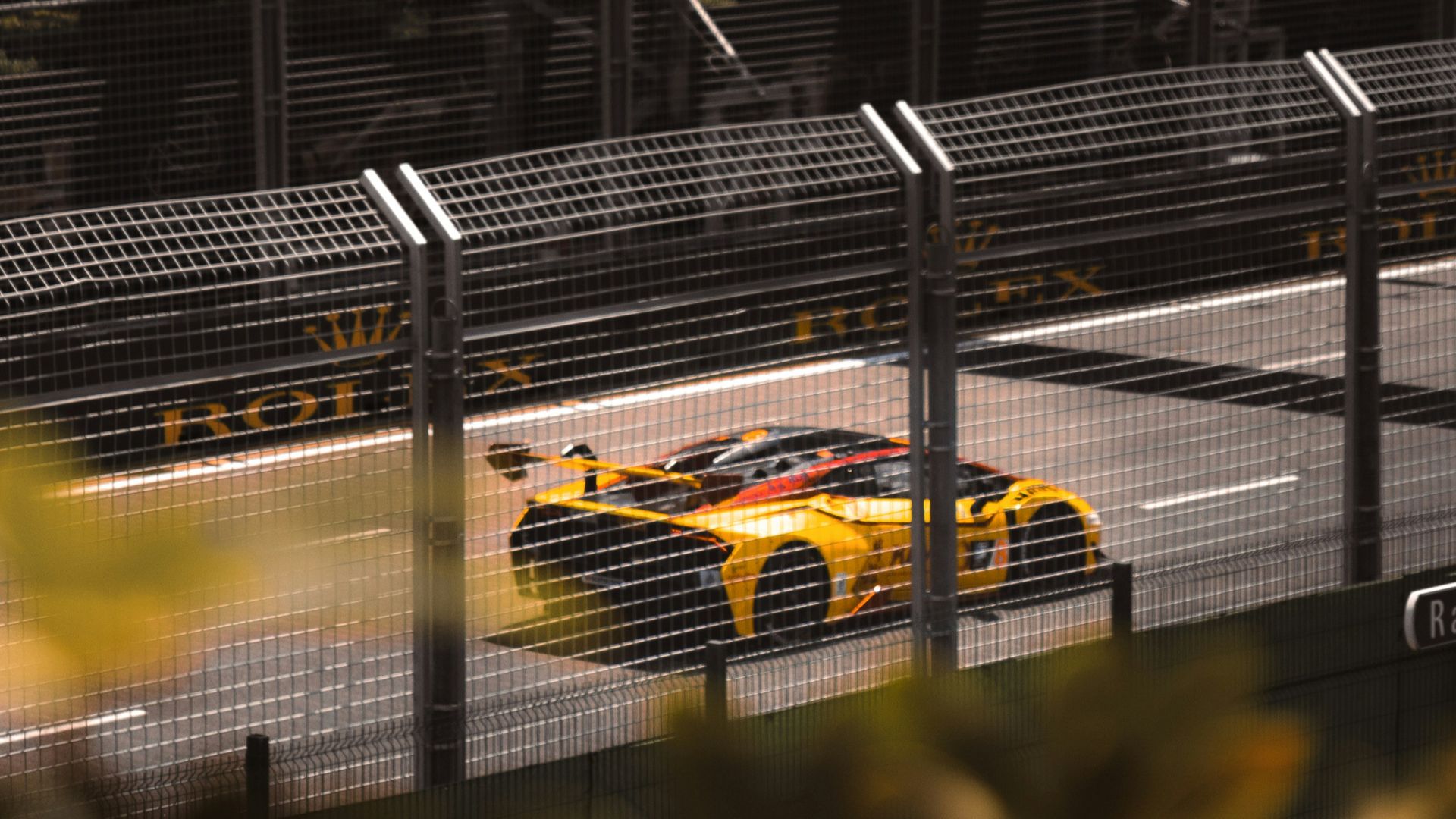
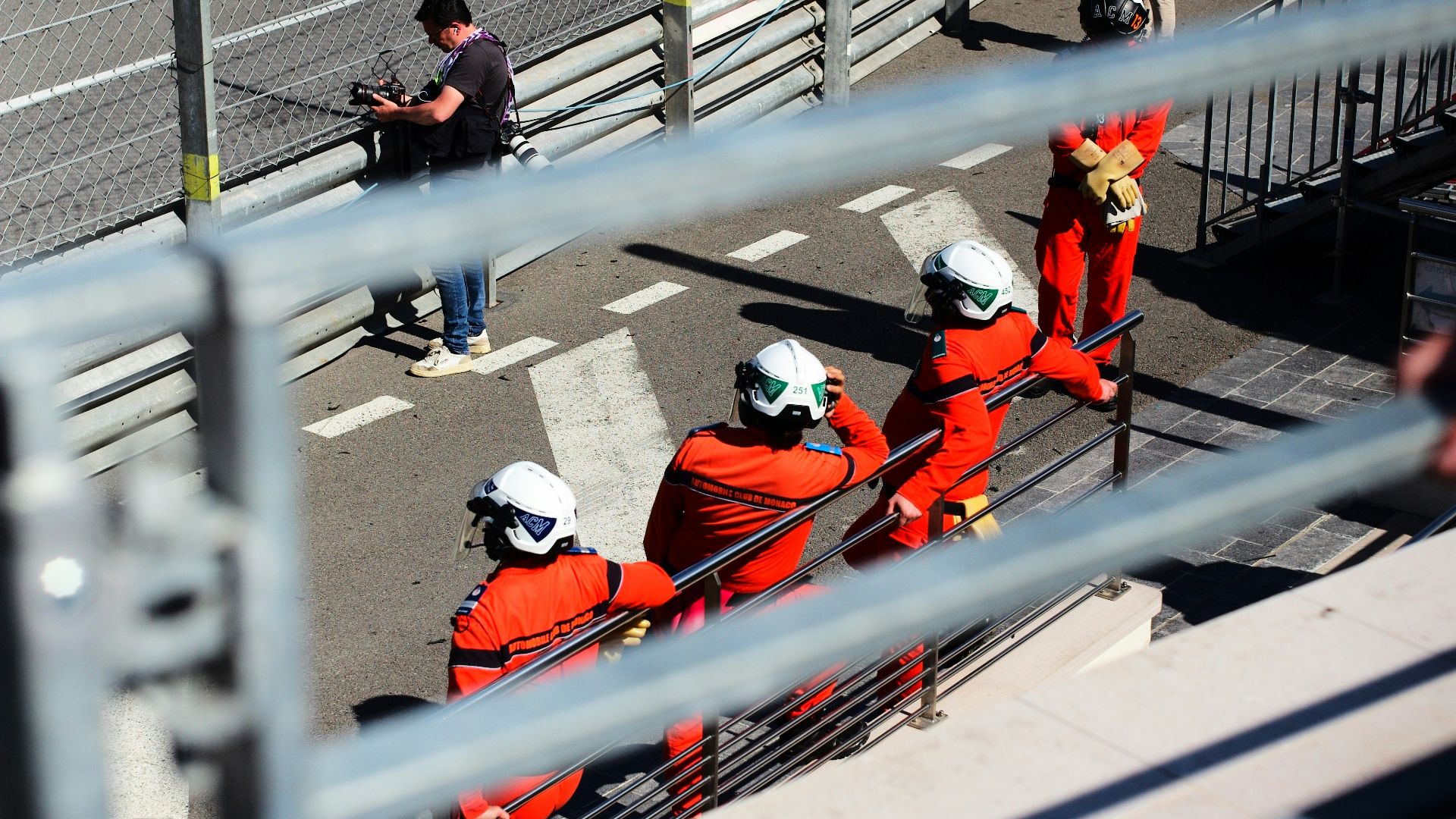
The formation lap usually occurs at the beginning of the race. When the lap is slow, mechanics and team members will clear the grid. Then they will prepare for the cars to line up once again before the race begins. The formation lap is also often called the warm-up lap or parade lap.
18. Halo
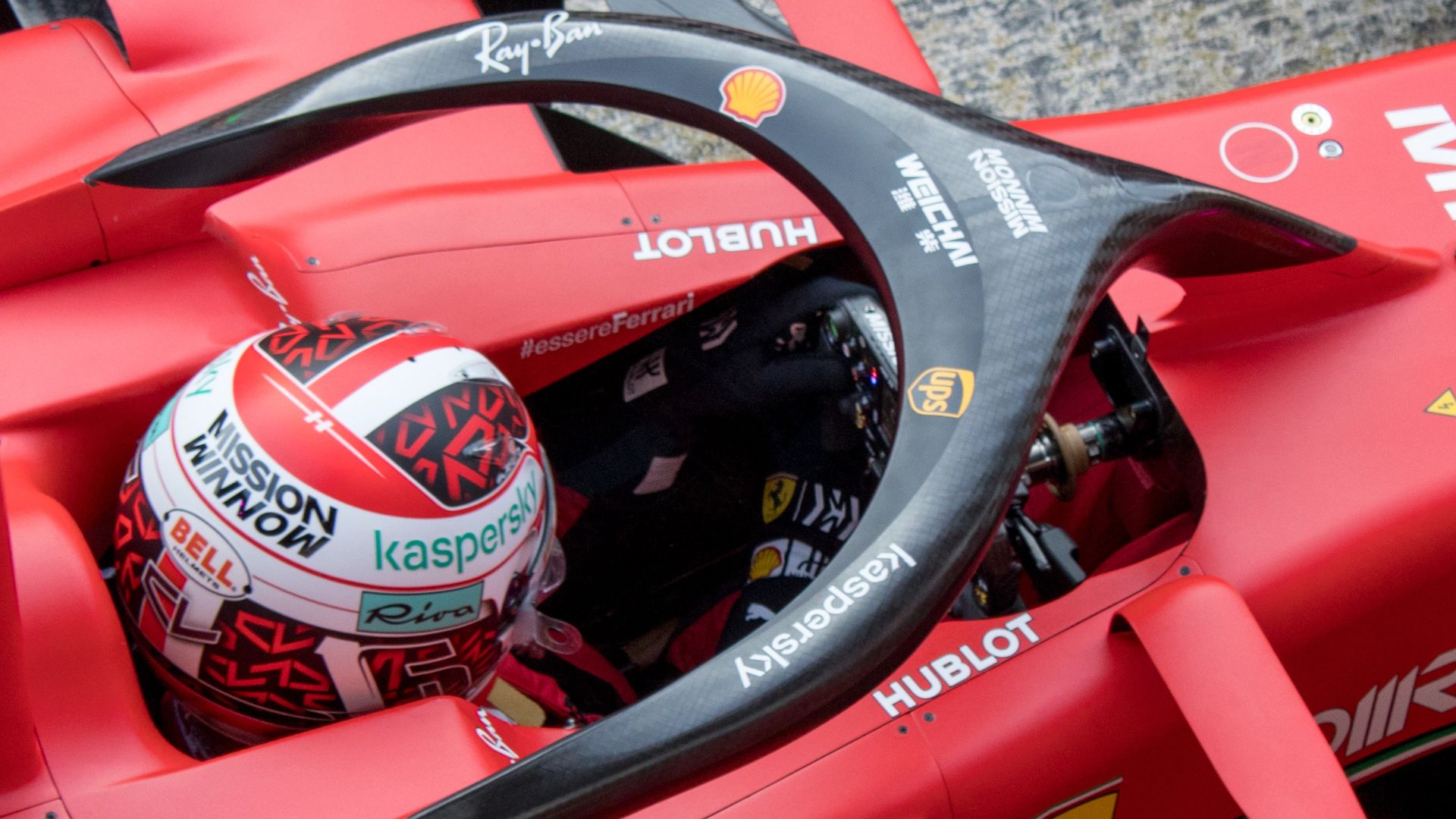
1Halo has been known to save countless lives when it comes to F1 racing. It was a cockpit safety structure that was introduced in 2018 and has been critical in protecting their heads. It’s made up of a bar that actually surrounds their head like a halo to prevent impact injury.
19. Slipstream
The slipstream is the word used for cars traveling closely behind another car on a straight section of a circuit. The leading car creates a draft or slipstream that the car behind will take advantage of to achieve better speed. However, in corners, this effect can take on a negative quality and can slow down pursuing cars.
20. Sectors
When watching a race, it’s easier to keep track of things when you understand the relevant sectors. In modern times, F1 timing systems split lap times into three sectors. Each sector is relatively one-third of the lap distance, which helps keep track of performance overall.