What Really Keeps Riders Safe
Every winter, preventable accidents claim lives and end seasons before they start, often because riders trust outdated advice or dismiss critical warnings as overblown caution. Some "rules" passed down through generations are dangerously wrong, only to be categorized as myth. Other warnings dismissed as paranoia could actually save your life. Let’s discover which popular beliefs are not worth your attention while you are riding a snowmobile, and which are.
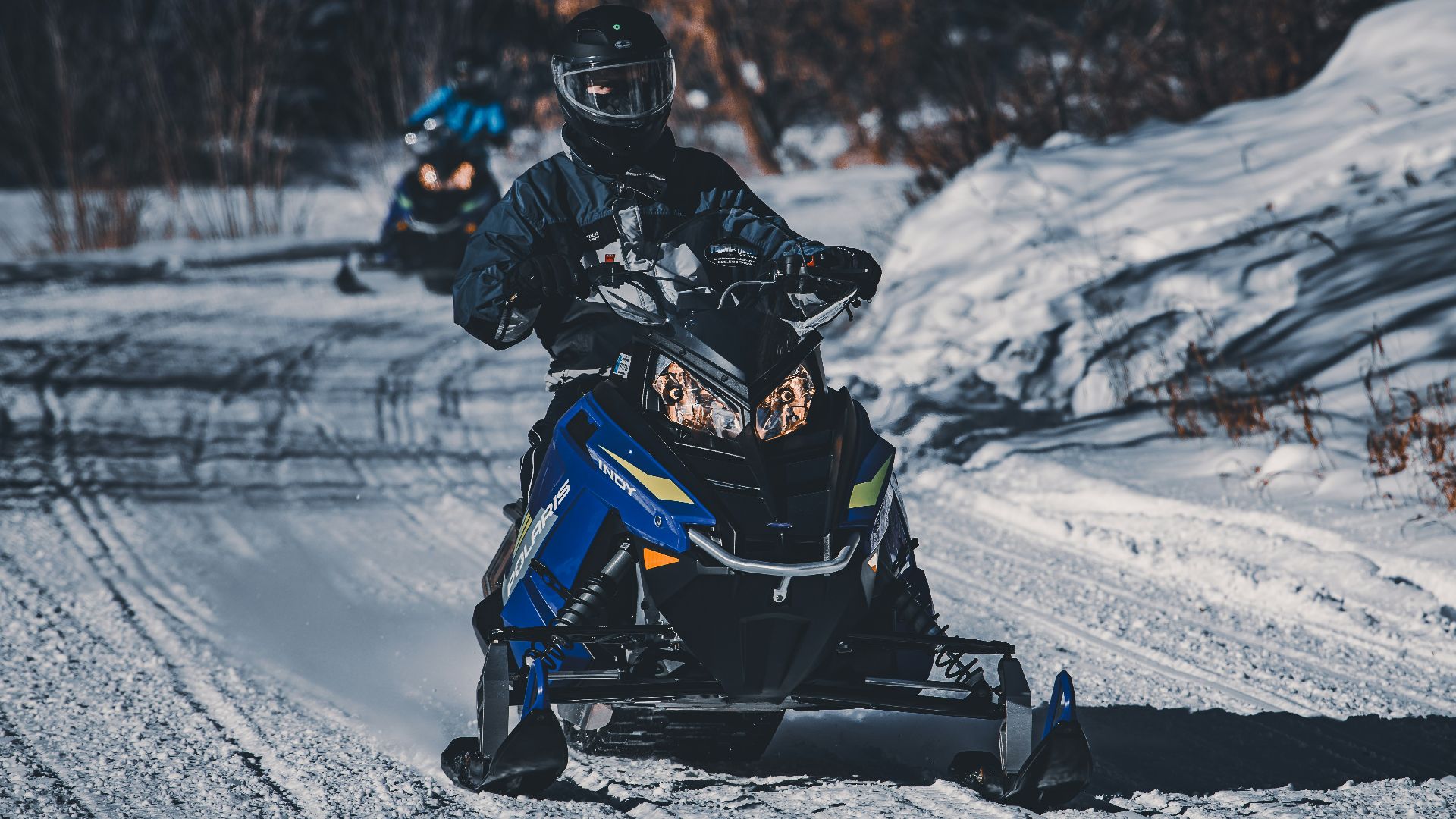
1. Solid Ice Means Safe Riding
Visual checks are misleading. Ice thickness varies with currents and temperature swings, and even clear ice can fail under a snowmobile. Safety agencies note that many fatalities occur on apparently stable lakes. Hence, it is best to avoid unknown waterways.
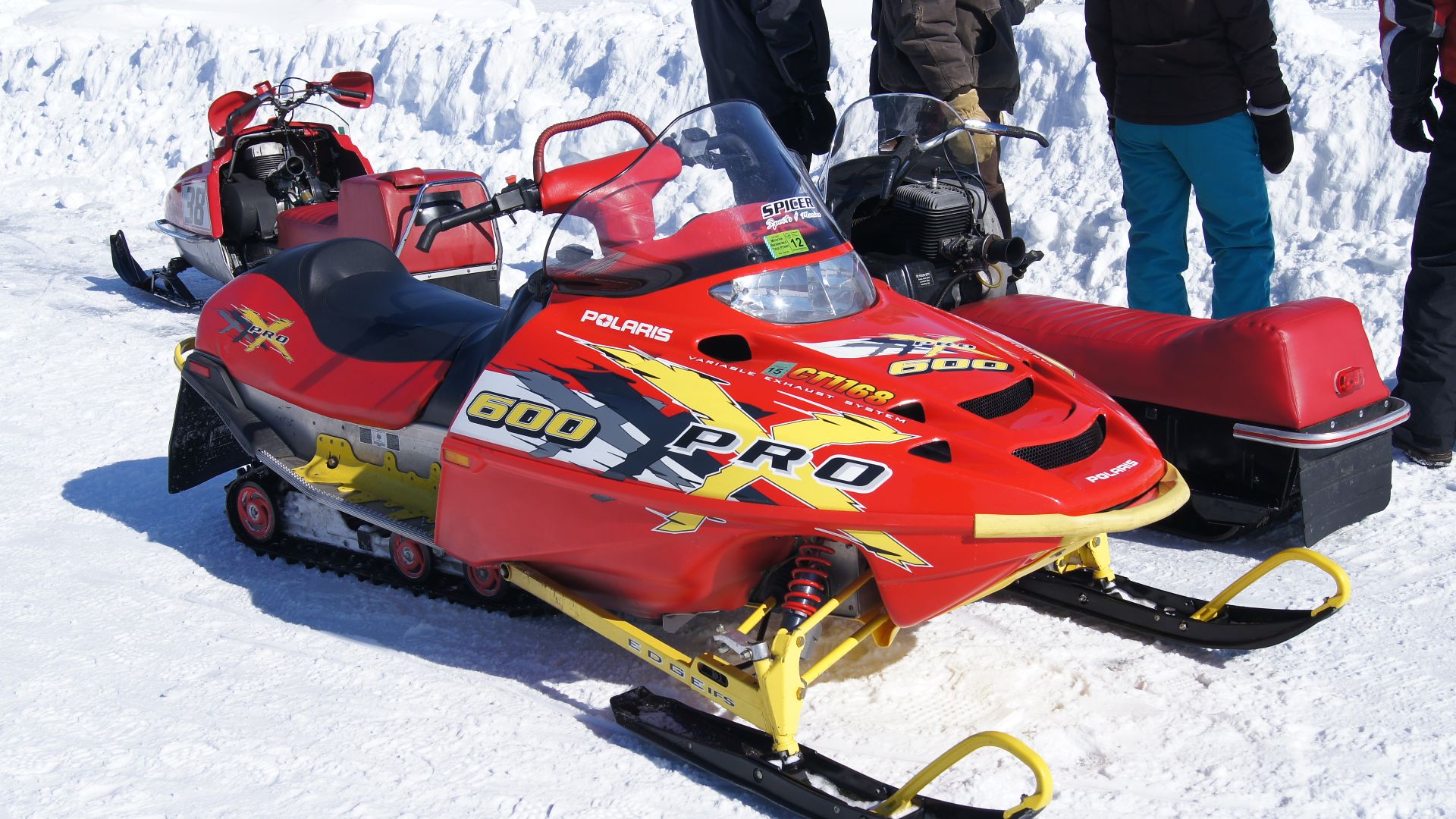
2. Experience Makes Solo Riding Safe
Experience does not prevent mechanical failure or injury. Solo riders face a higher risk of fatality due to hypothermia. If you have at least one partner, it significantly improves your experience and is helpful in case of an accident.
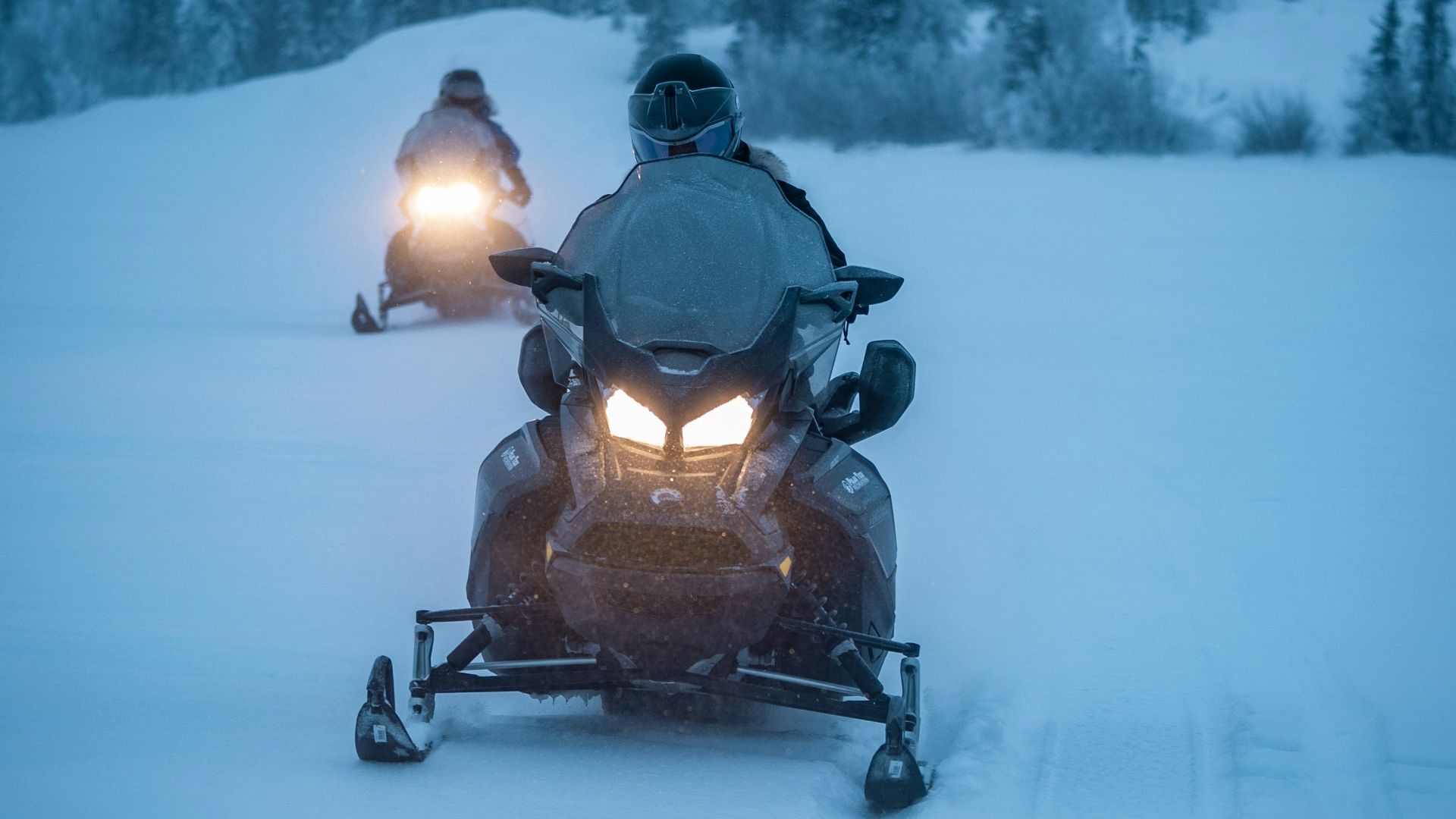
3. Familiar Trails Are Safe At Night
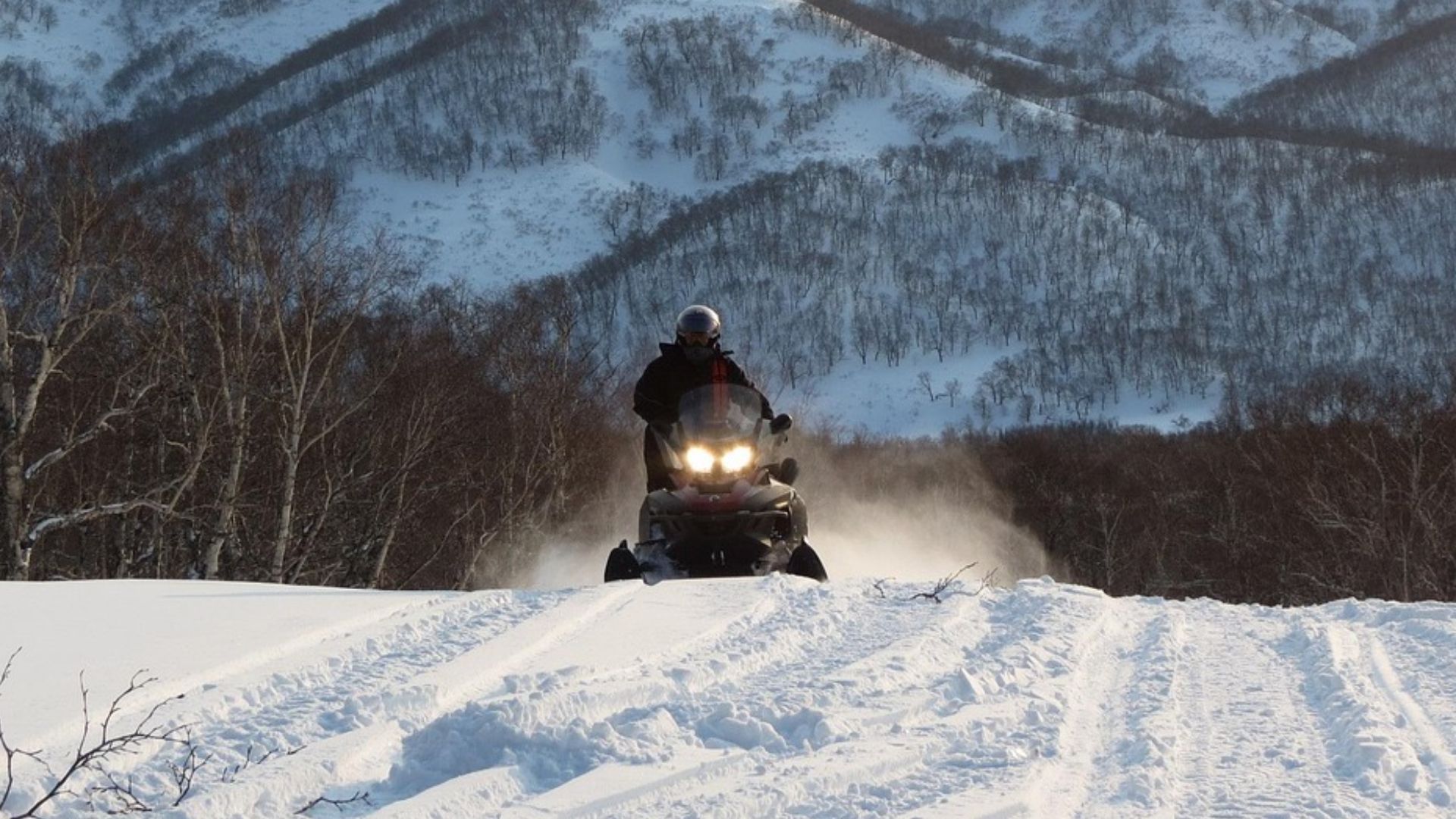
Darkness sharply reduces reaction time, and familiar trails change constantly as snow hides stumps and drifts. At high speeds, headlights can’t reveal hazards in time. Slowing down gives you space to react in case of a bump ahead.
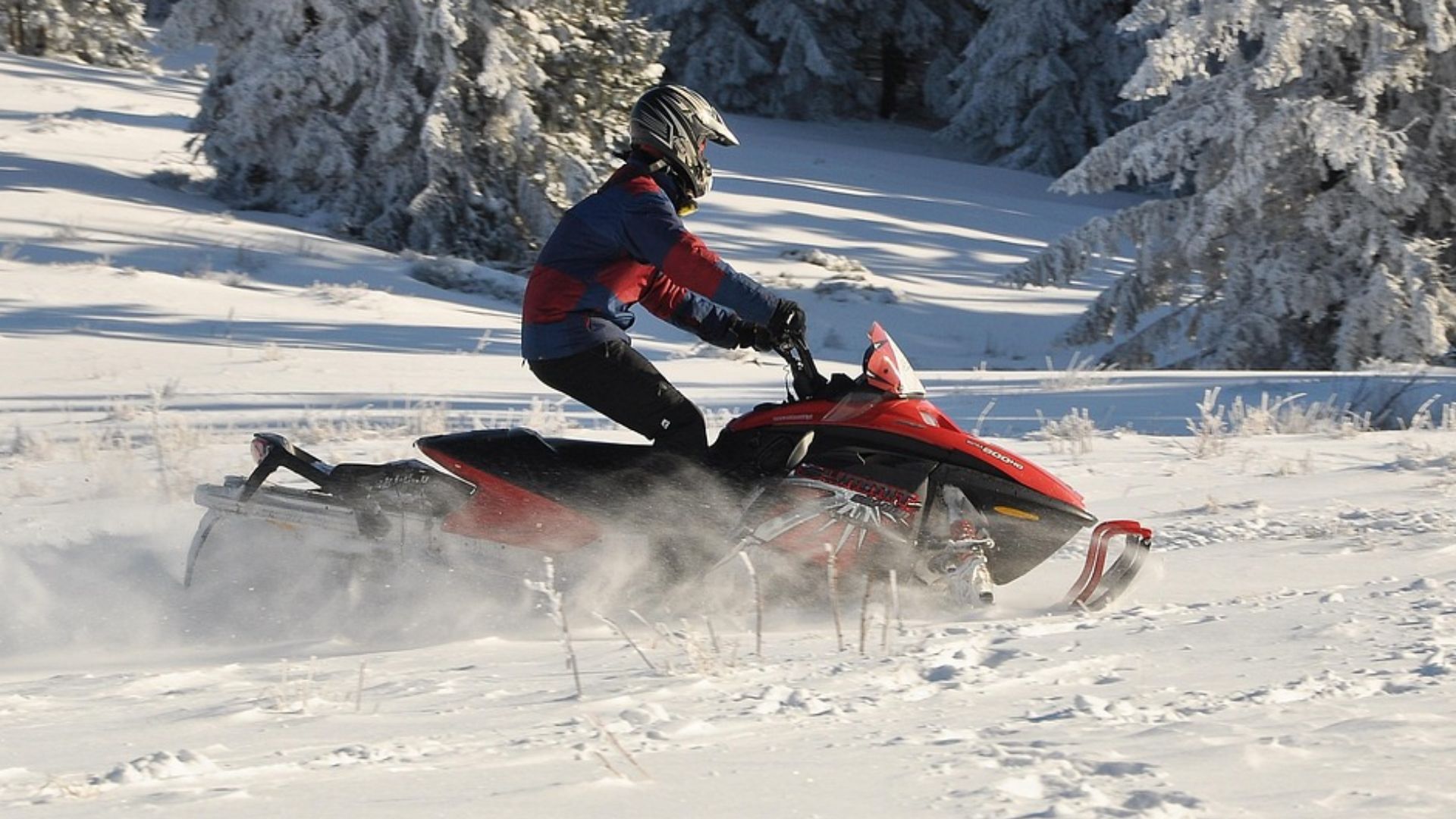
4. Helmets Aren’t Needed At Low Speeds
We have all seen or heard about accidents where people had irreversible head injuries from fast-moving vehicles. A snowmobile is no different. Helmets can protect your head against unknown trails with low-hanging branches or tip-overs that may happen at slow speeds as well.
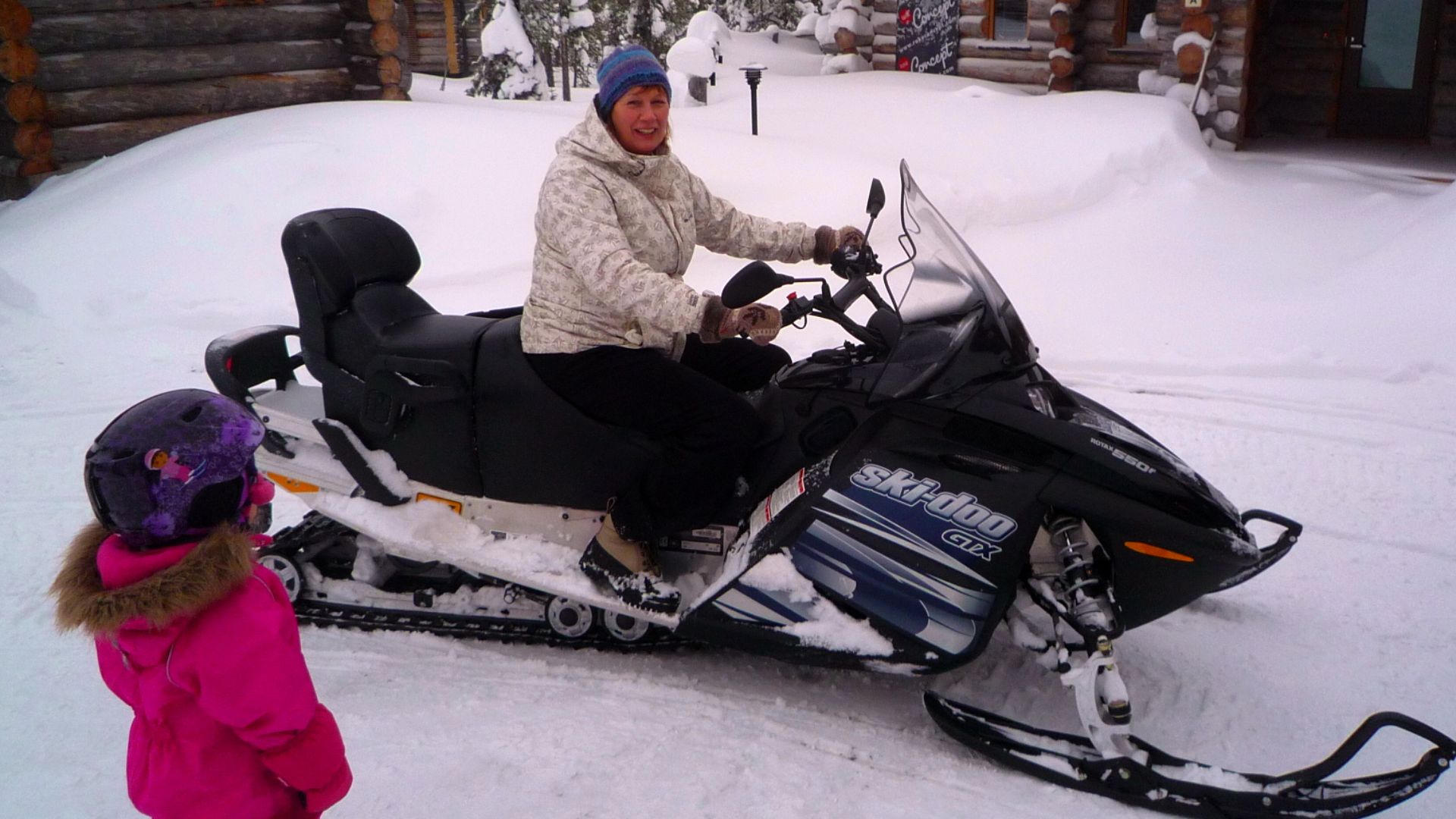 Timo Newton-Syms from Helsinki, Finland and Chalfont St Giles, Bucks, UK on Wikimedia
5. Snowmobiles Cause Long-Term Wildlife Harm
Wildlife adjusts quickly to predictable trail activity. Brief startle responses are mistaken for lasting damage, but animals usually return to normal behavior once the machines pass. When you stay on the designated trail, it helps limit disruption and keeps natural patterns largely intact.
6. Off-Trail Riding Is Just As Safe
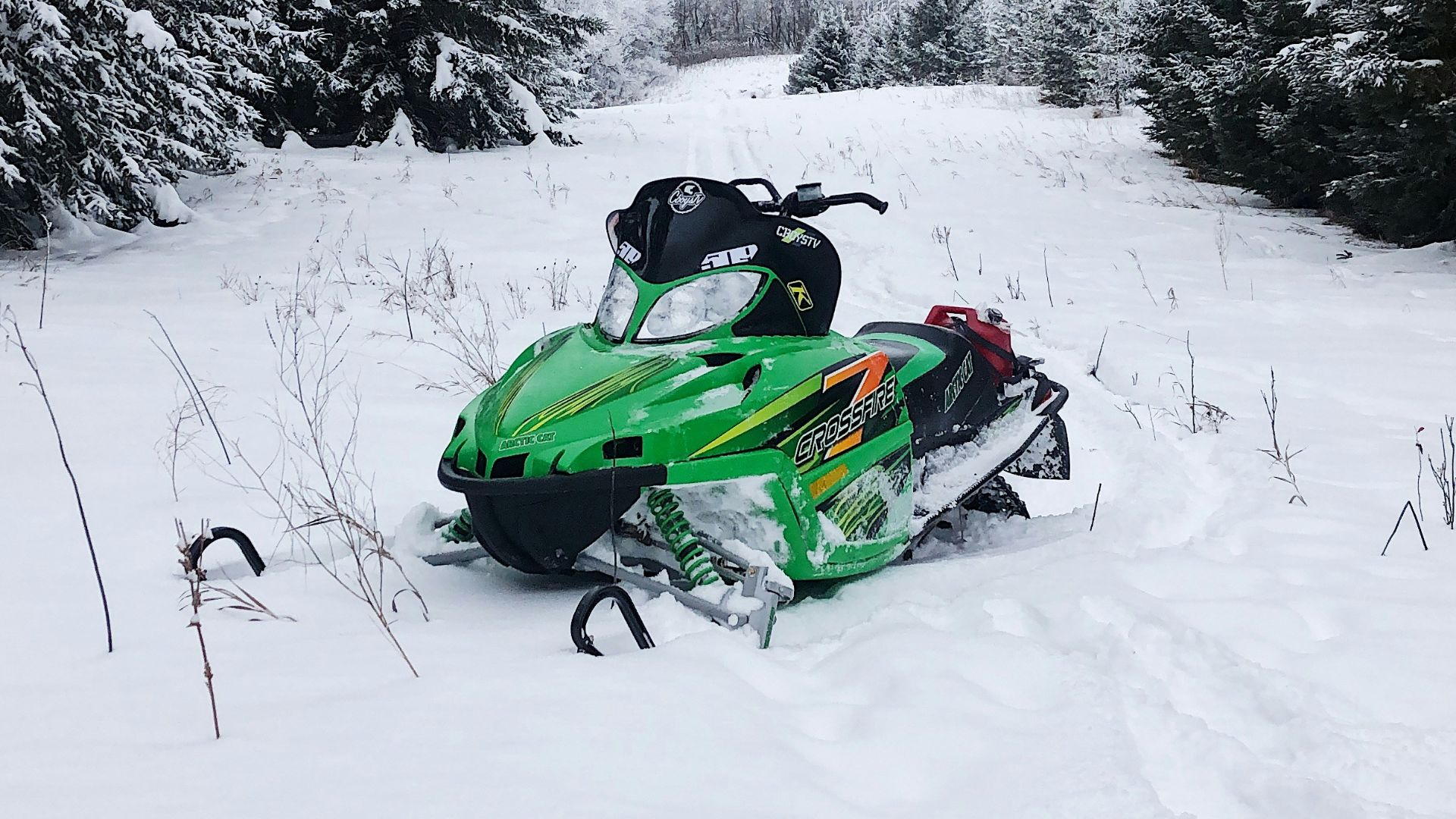
Ungroomed terrain hides rocks, along with unstable snow that cannot always be predicted. Groomed trails exist to reduce risk. To venture off-trail, there is a high demand for specialized skills combined with local knowledge of rapidly changing conditions.
7. Adults Don’t Need Safety Training
Structured learning of using a snowmobile is important regardless of your age. These courses teach hazard recognition and risk management that casual riding overlooks. Even longtime riders pick up safer habits through training.
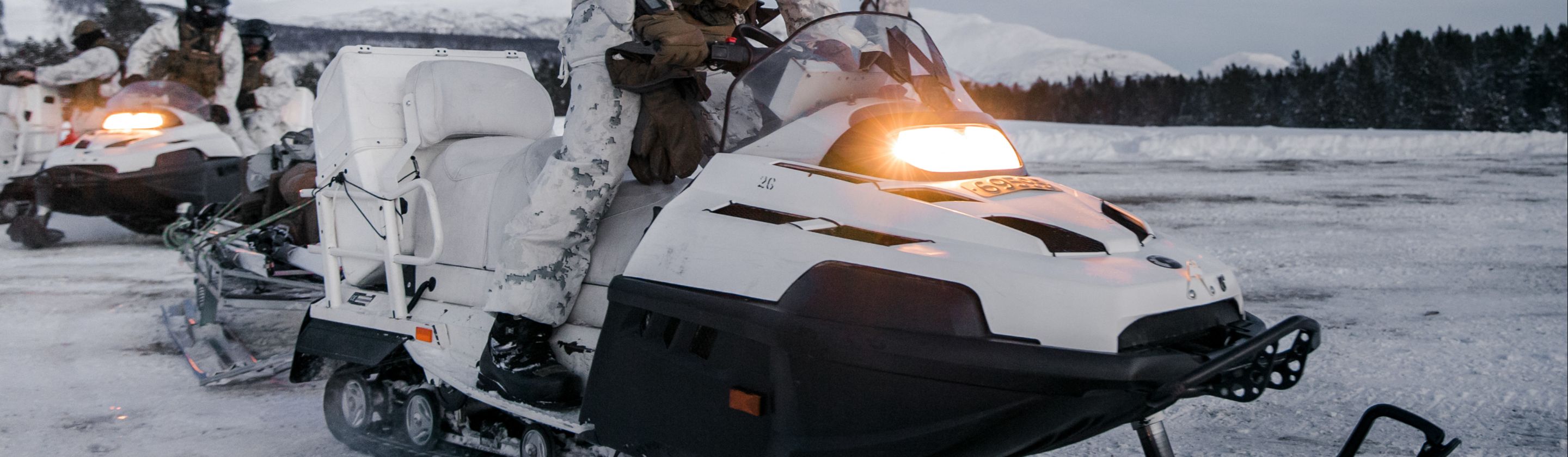
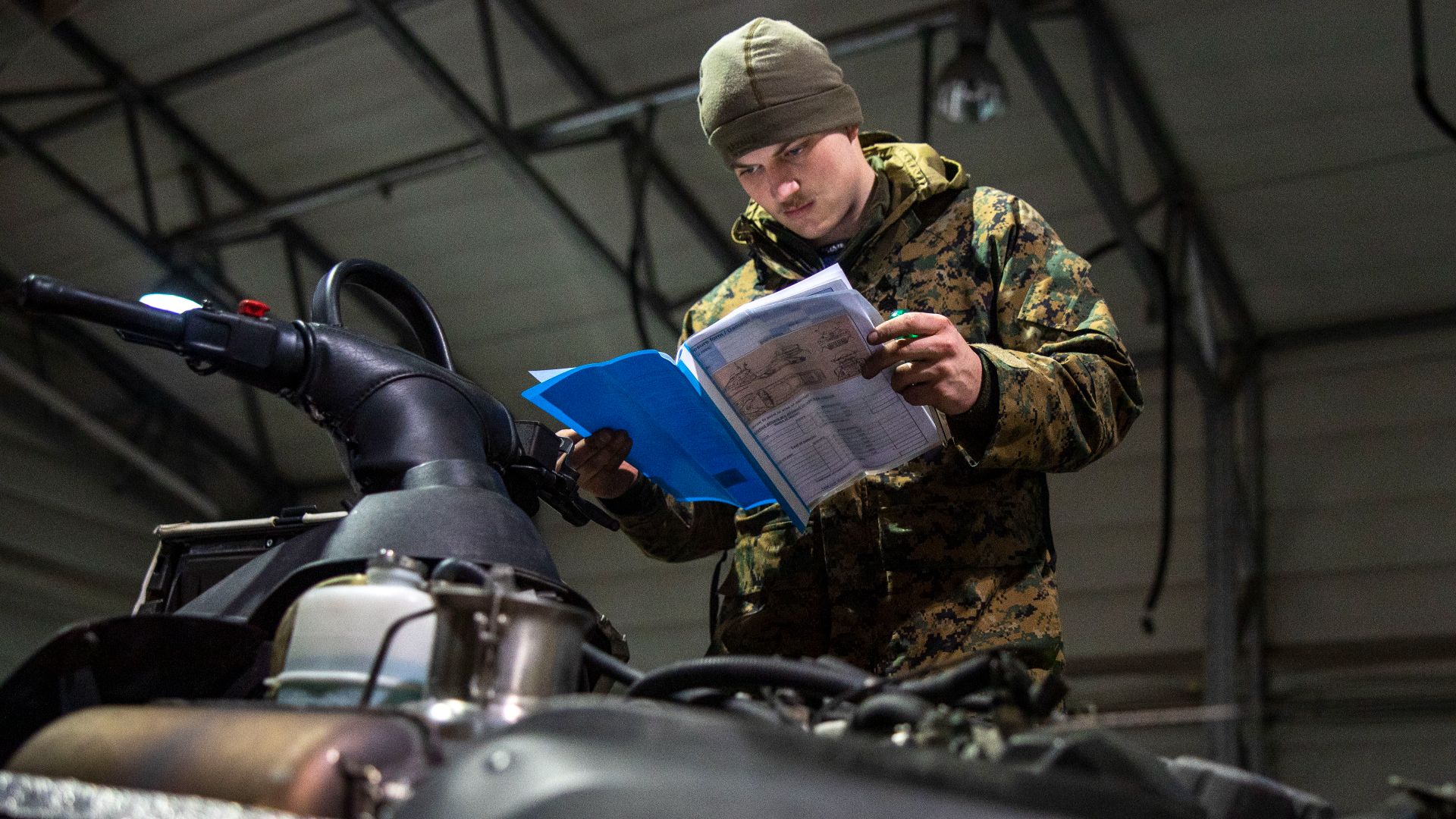 U.S. Marine Corps photo by Lance Cpl. Jacquilyn Davis on Wikimedia
8. Modified Exhausts Improve Safety
Louder exhausts may sound powerful, but they don’t make riding safer. They can throw you off balance with a change in the center of gravity. Moreover, the loud noise may distract other riders nearby. Factory systems are designed for control and reliability.
9. Modern Snowmobiles Don’t Need Regular Maintenance
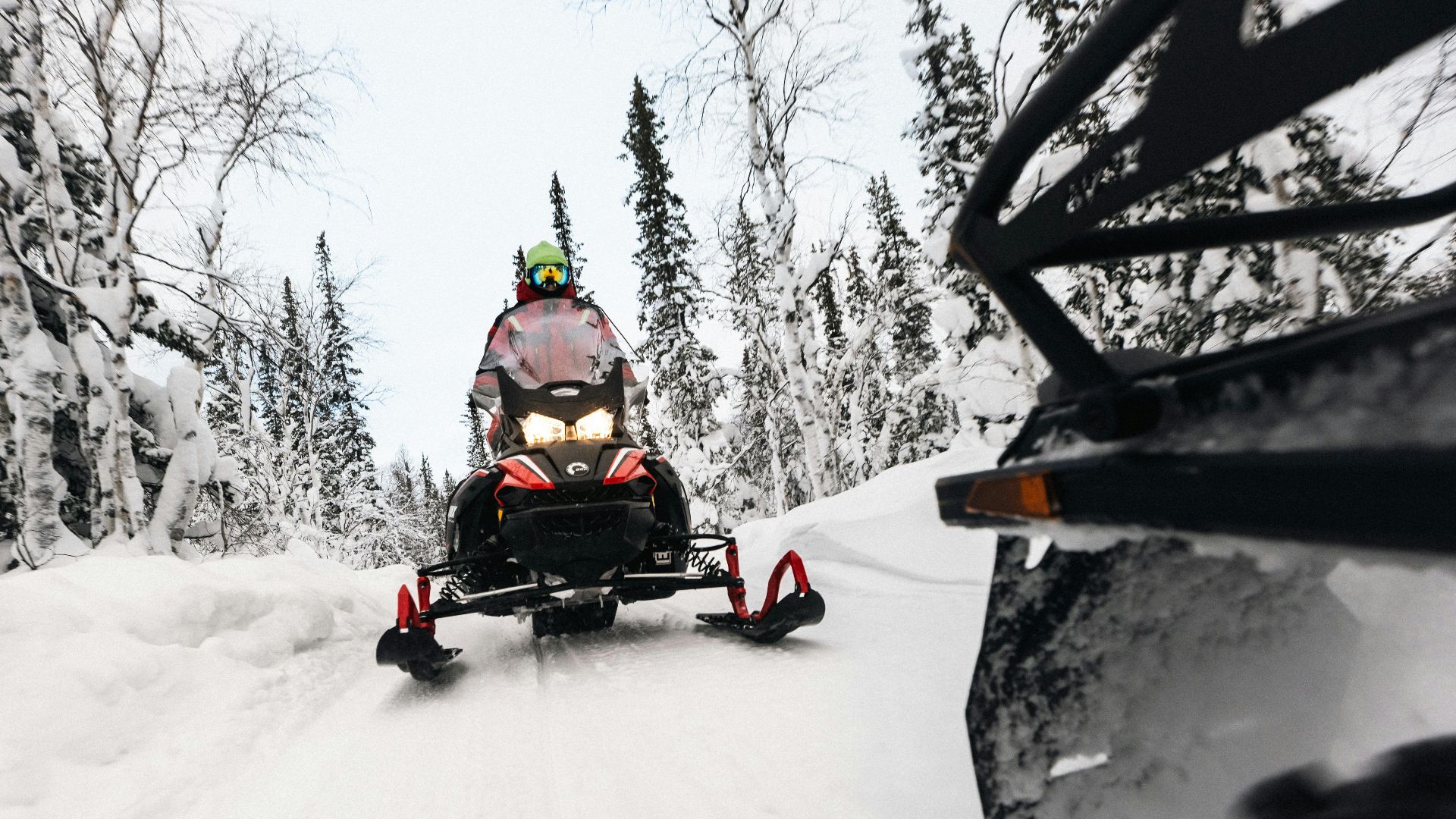
Modern snowmobiles still rely on routine maintenance. Belts wear out when the fluids degrade, and parts loosen over time. Skipping checks invites breakdowns far from help, where small issues quickly escalate into safety problems during cold, remote rides.
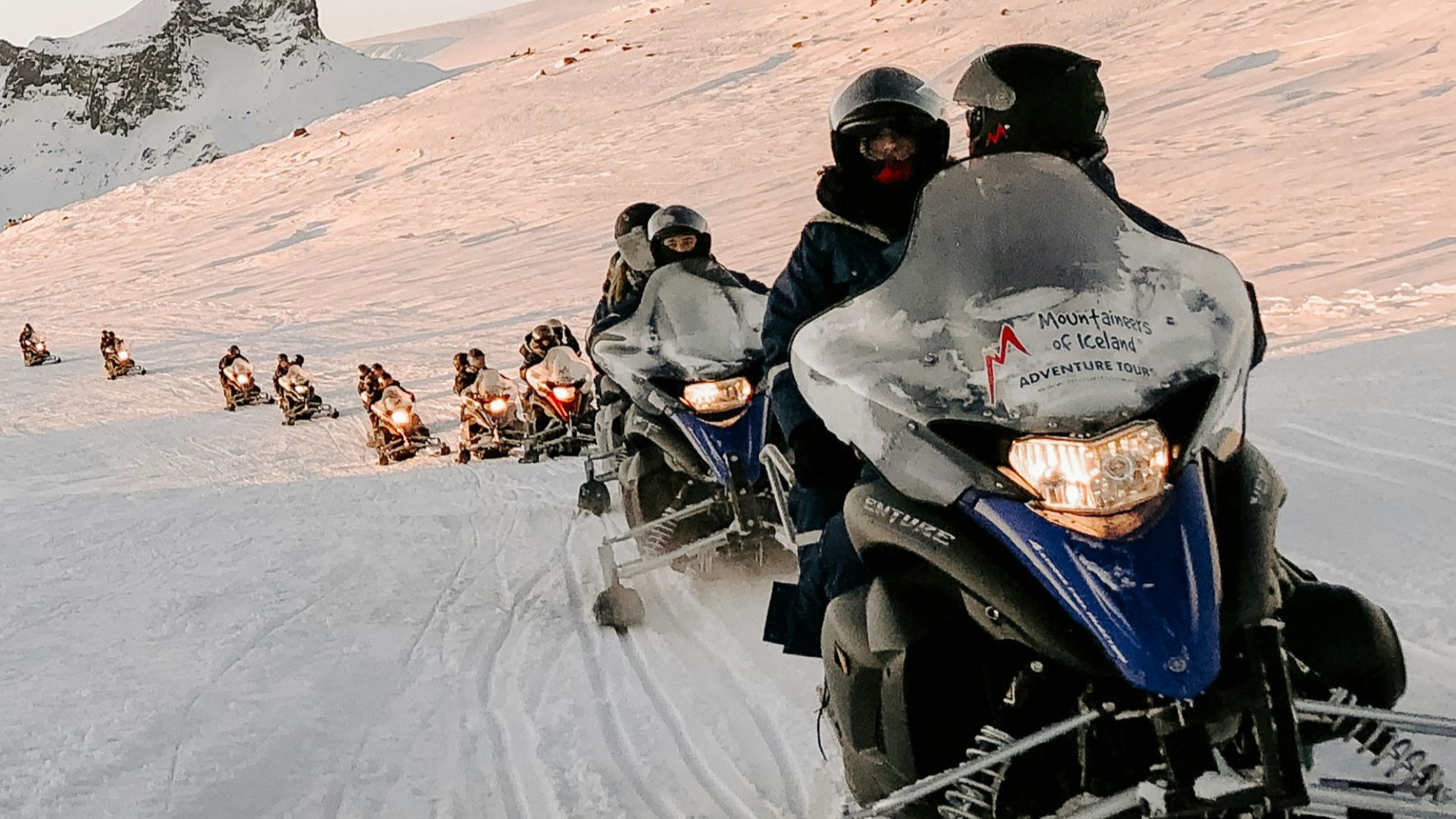
10. You Can Outrun An Avalanche
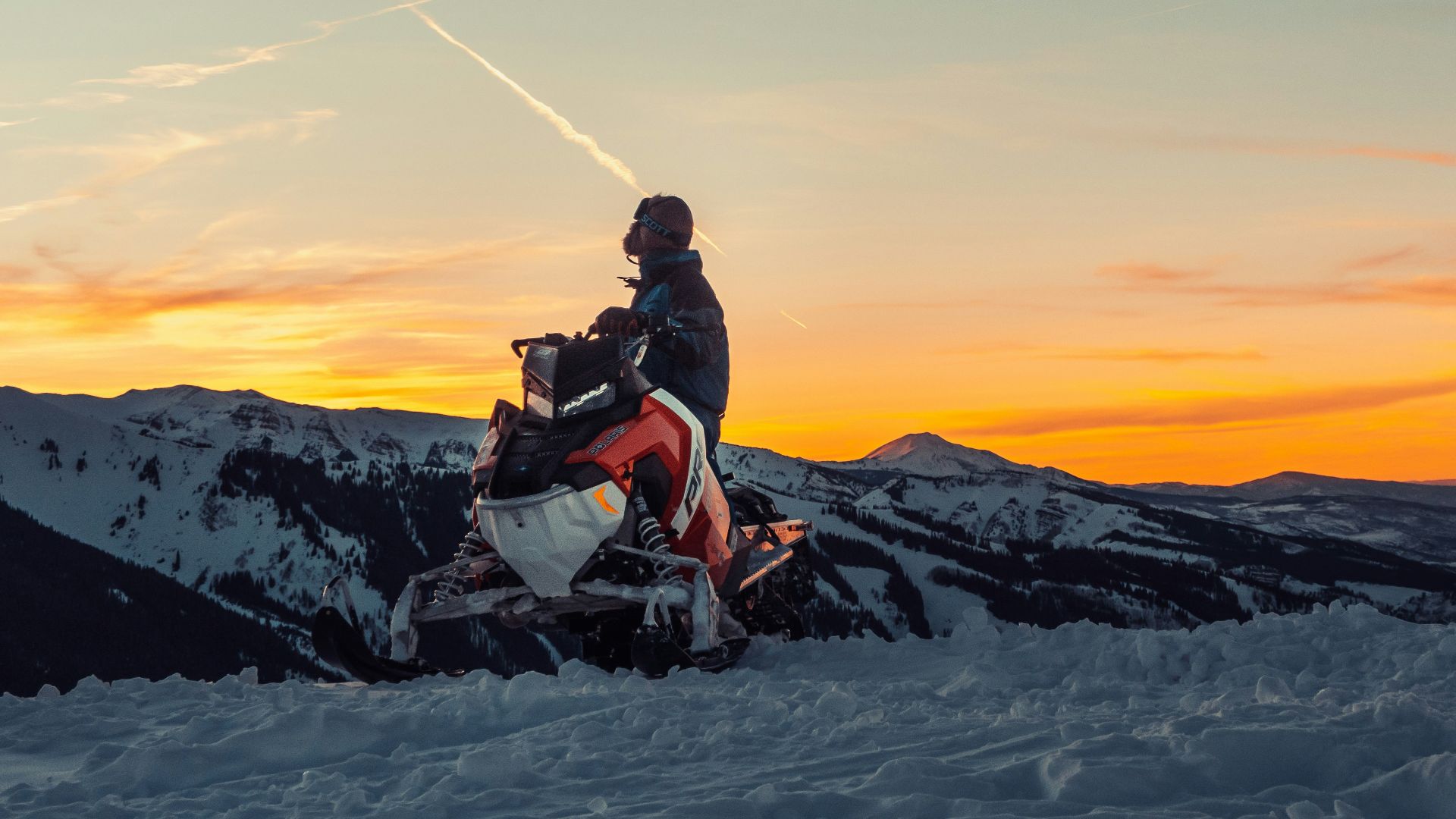
Avalanches move faster than most riders expect, and trying to outrun one often puts you in worse danger. Speed encourages risky slope choices and straight-line escapes. Smart riders focus on avoiding a day when bad weather conditions are expected.
1. Speed Causes Most Serious Accidents
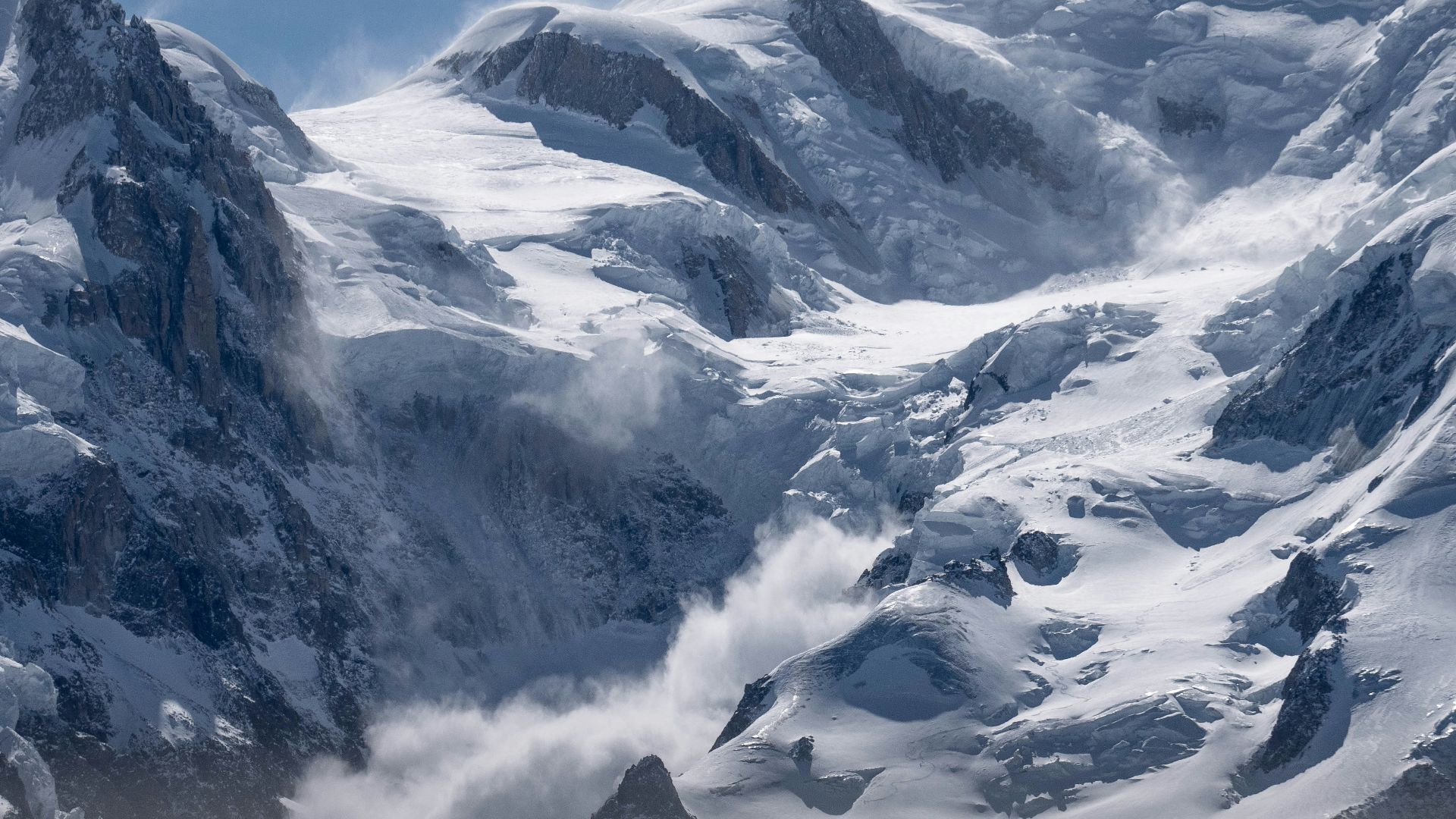
Going fast feels exciting, but it steals your reaction time. When trails shift, or surprises appear, there’s no buffer left. Keep speed in check as it lets you read the terrain while responding before a fun ride turns serious.
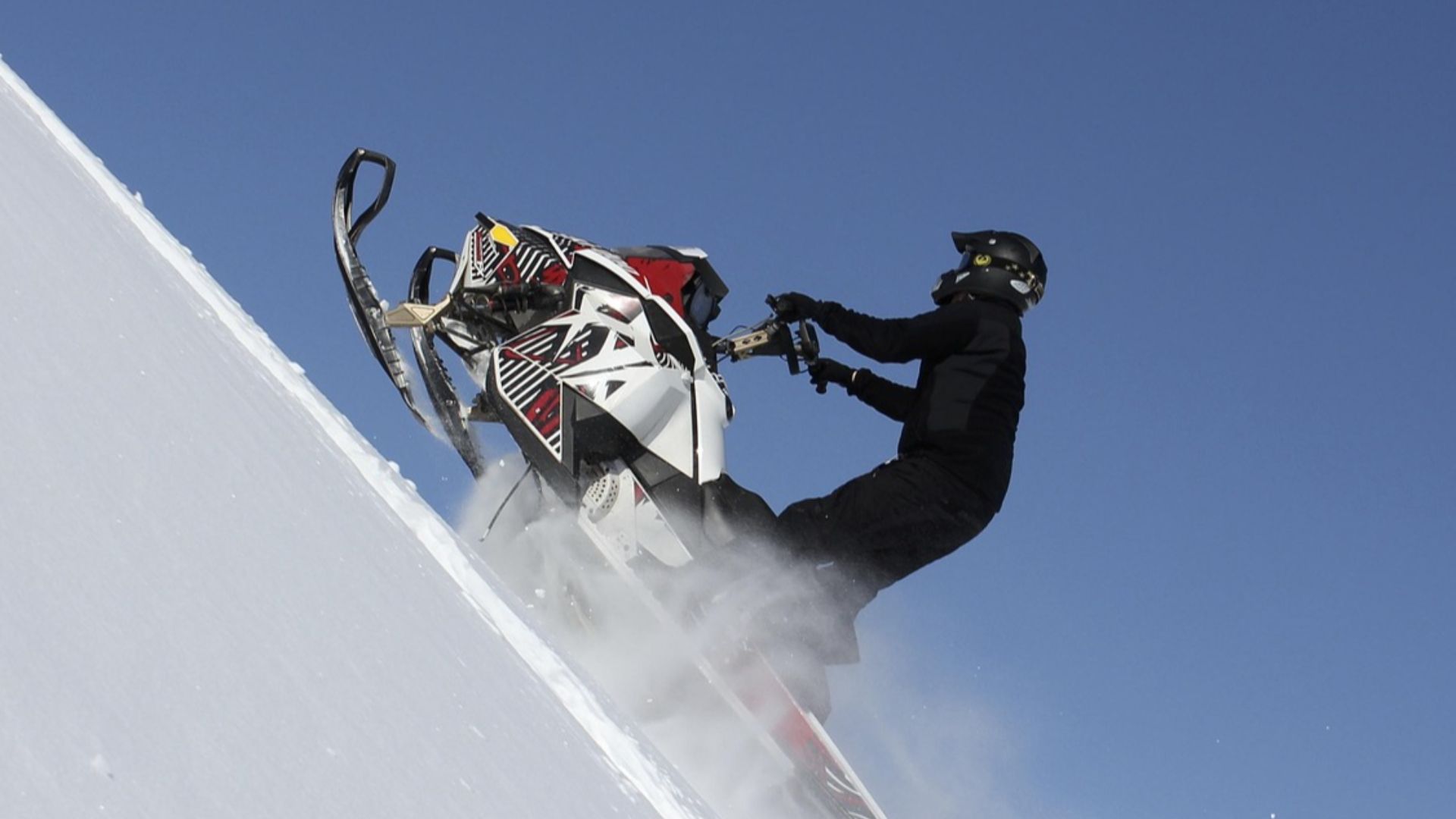
2. Highmarking Is Extremely Dangerous
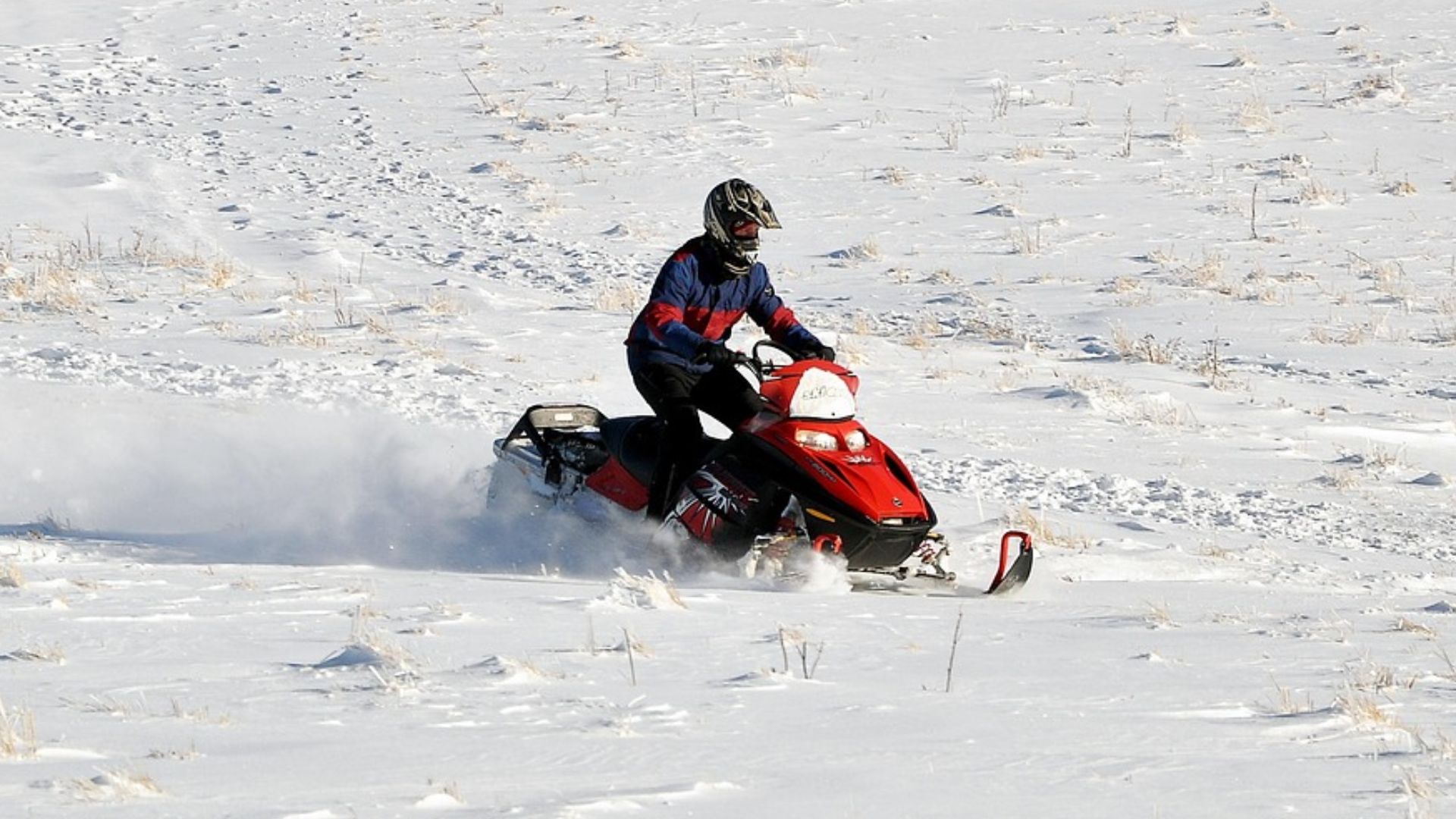
This activity is a backcountry practice where a snowmobiler accelerates straight up a steep slope. They try to climb higher than their previous attempts. Highmarking pushes riders onto unstable slopes where mistakes trigger serious consequences.
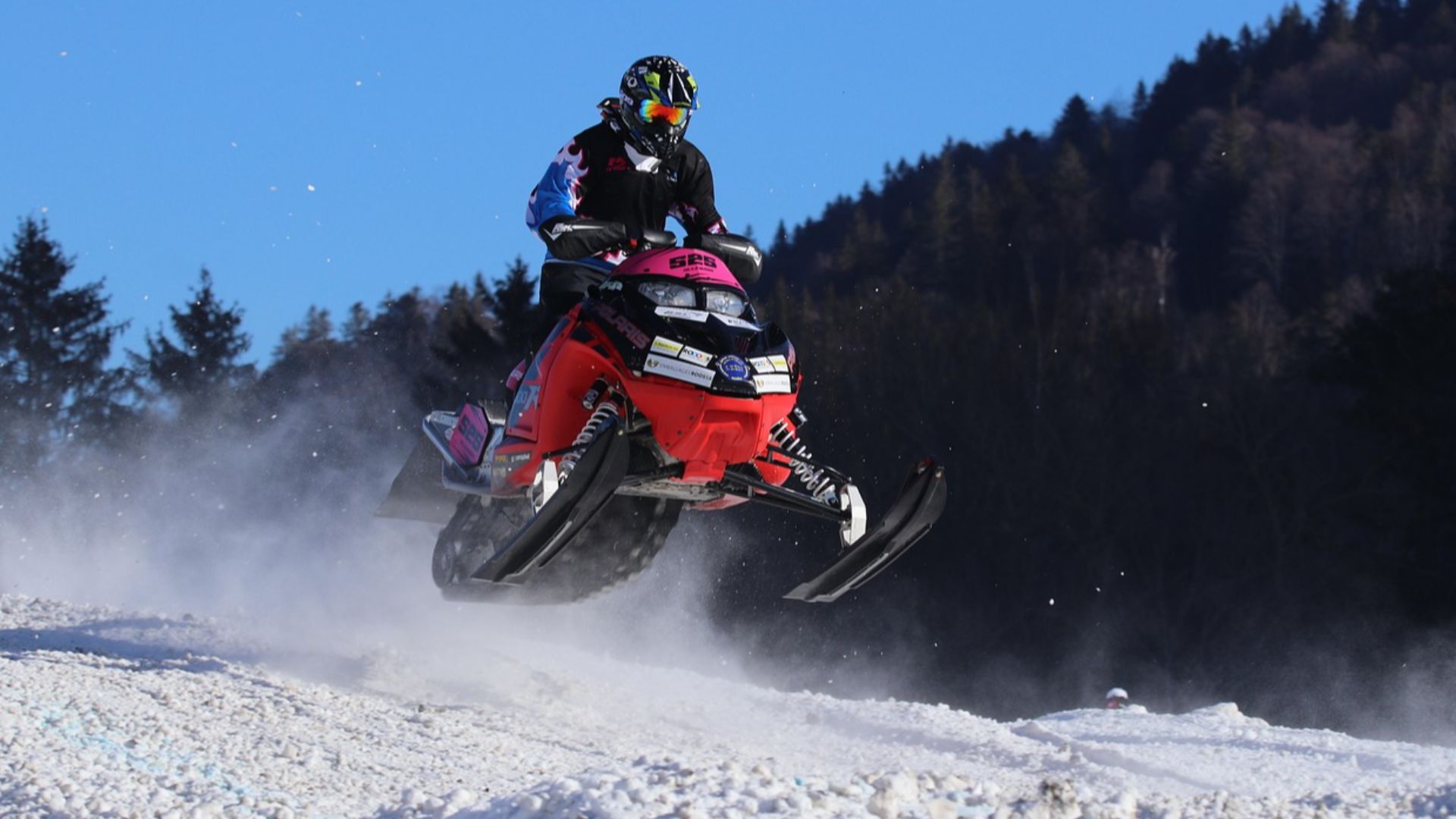
3. Never Ride Up To Help A Stuck Rider
It is unsafe to charge uphill to help your peer. Extra weight, along with increased movement, increases the chance of a slide that traps everyone involved. The safest choice is to stay in a secure area while letting the stuck rider work free on their own.
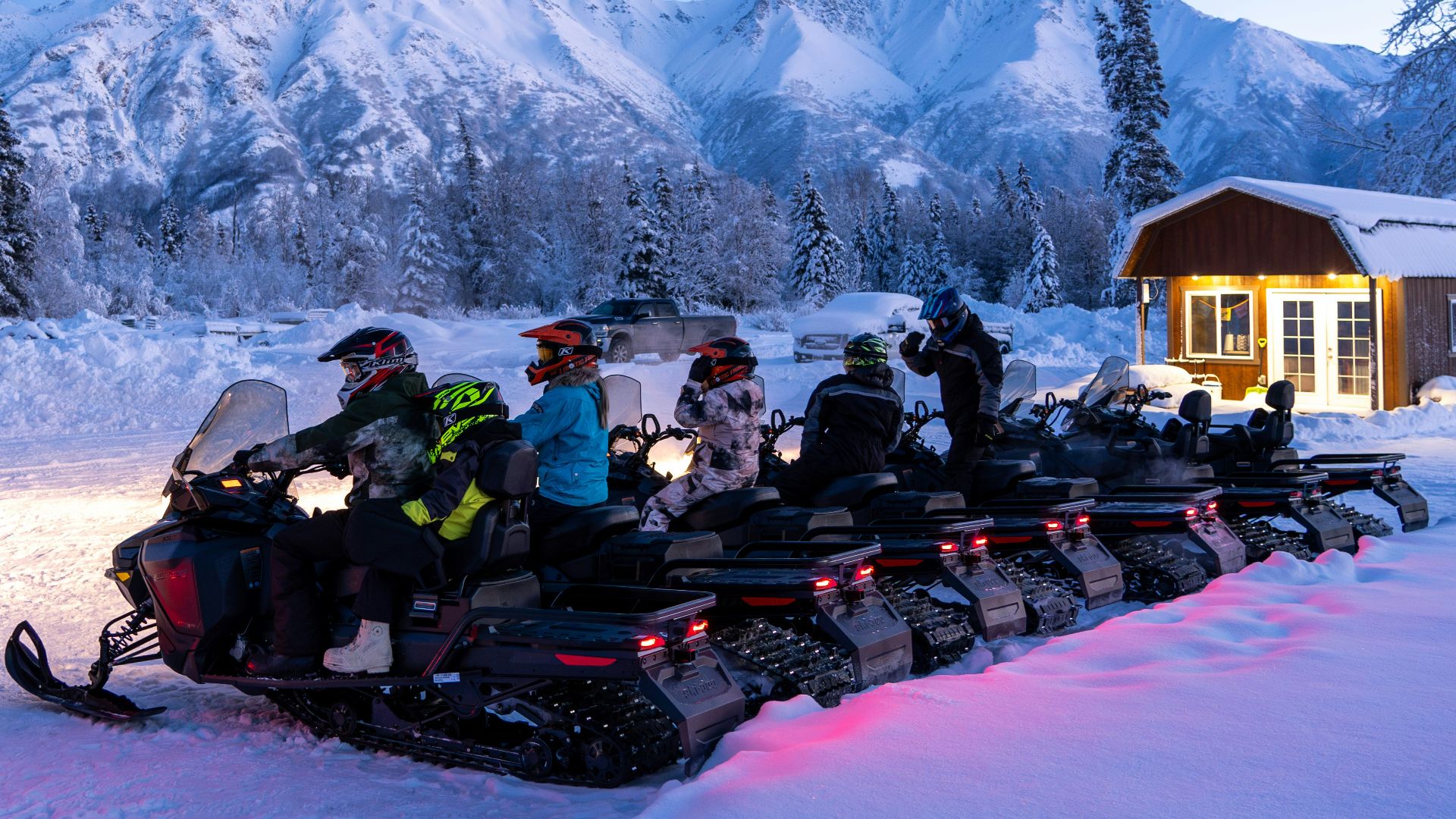
4. Beacons Are Useless Without Training
Wearing a beacon doesn’t mean you’re prepared. In an emergency, unfamiliar equipment causes confusion and delay. Practice teaches quick searches with teamwork, which matter far more than simply owning the device.
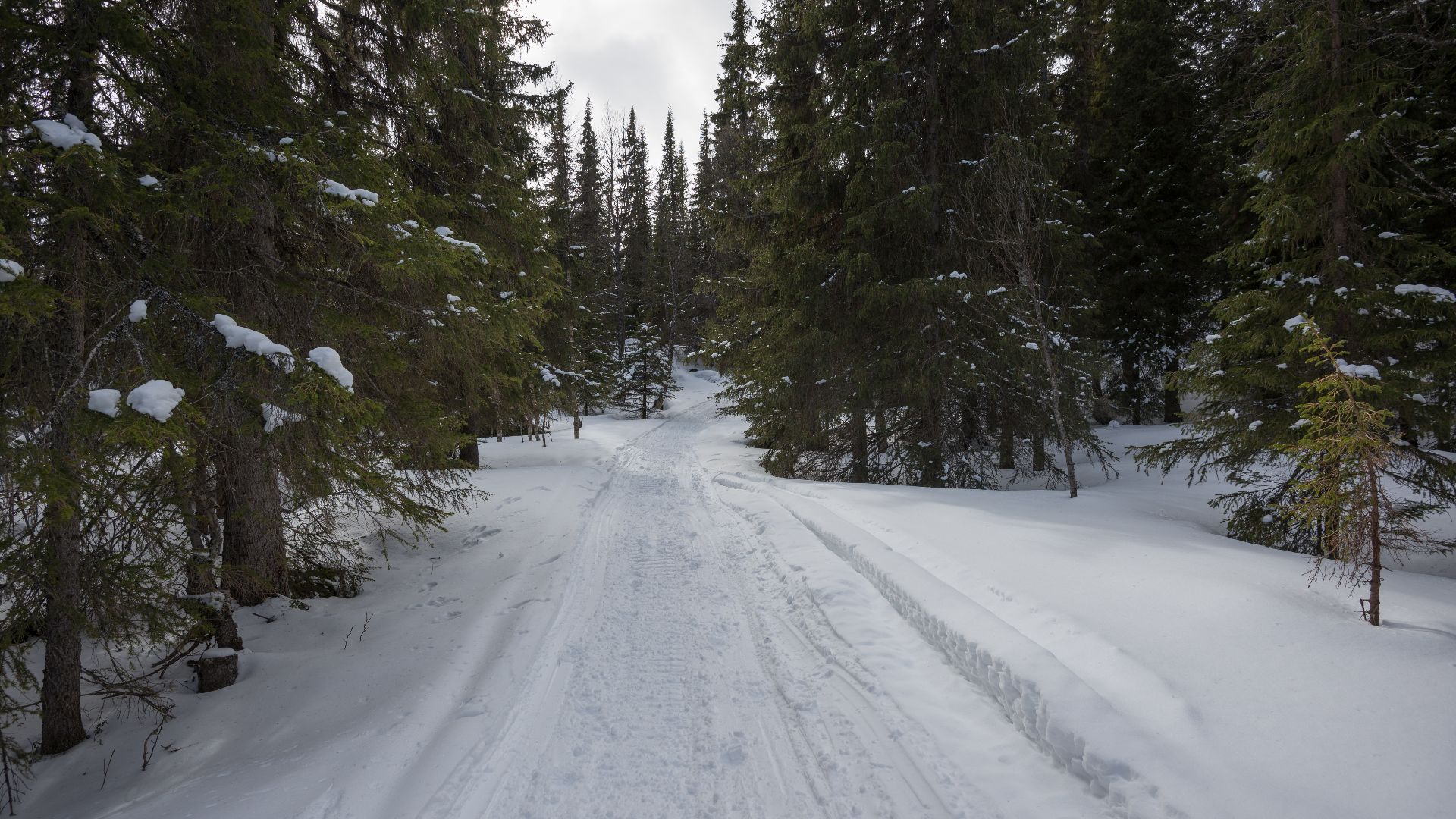
5. Tracks Don’t Mean A Slope Is Safe
Tracks only show someone passed through earlier, not what the slope is doing now. Snow conditions change quickly, and fresh loading can turn a tracked slope dangerous. Always reassess terrain yourself instead of trusting marks left behind.
6. Alcohol Consumption Heightens Hypothermia Risk While Riding
Alcohol gives a false feeling of warmth while actually pulling heat away from the core. It weakens the body’s ability to stay warm even with sufficient layering. In cold riding conditions, drinking raises exposure risks for the riders.

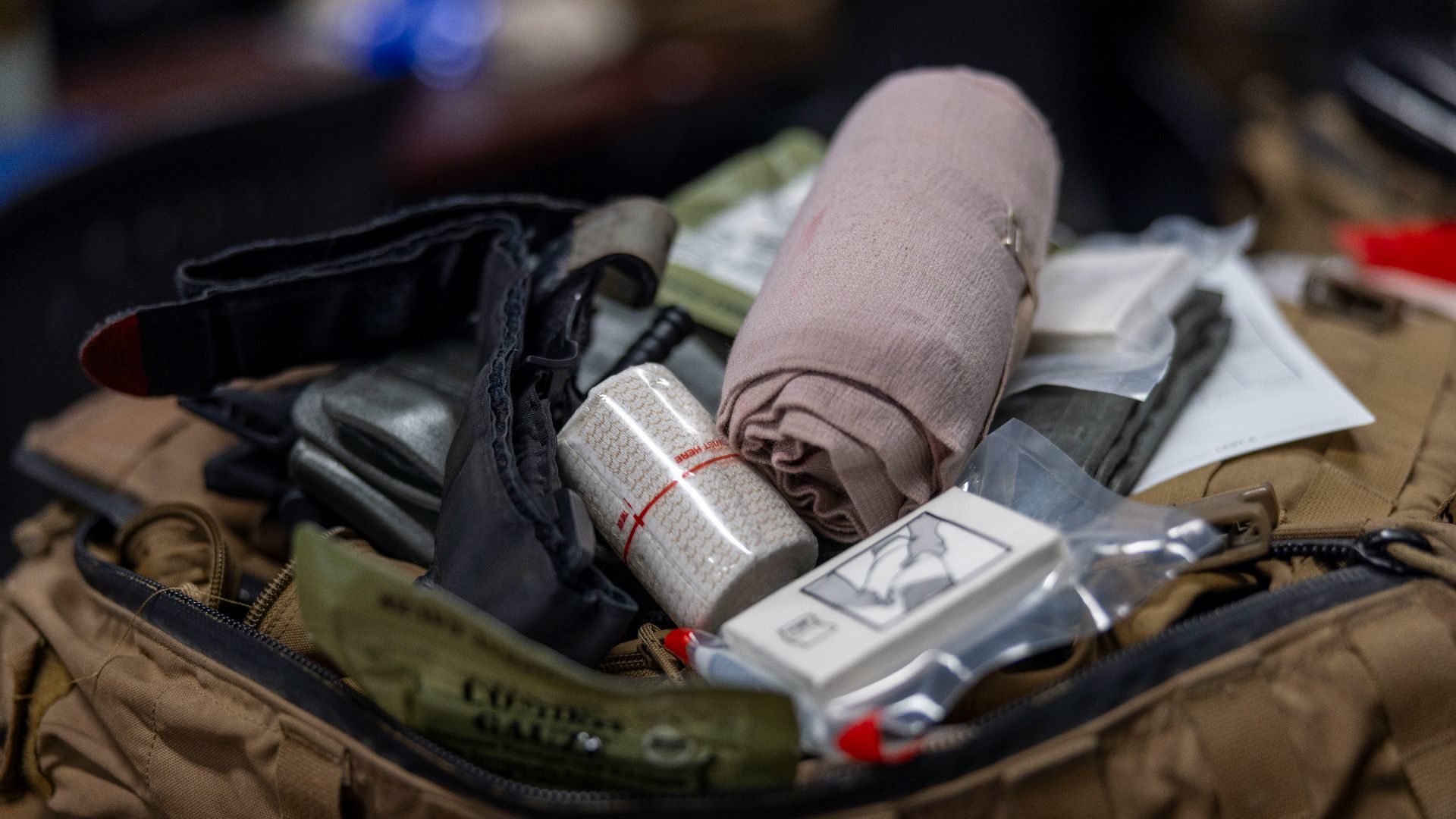
7. A Safety Kit Is Essential Backcountry Gear
In remote areas, small problems quickly become big ones. A basic safety kit helps you handle breakdowns for self-rescue in case of an emergency. It is best to rely on simple tools that keep situations manageable.
8. Slowing Down At Intersections Saves Lives
Intersections hide oncoming riders from the other trail. If you slow down at these intersections, it gives you time to yield when needed. Many serious crashes happen where trails meet. Hence, it makes sense to be cautious at curves.
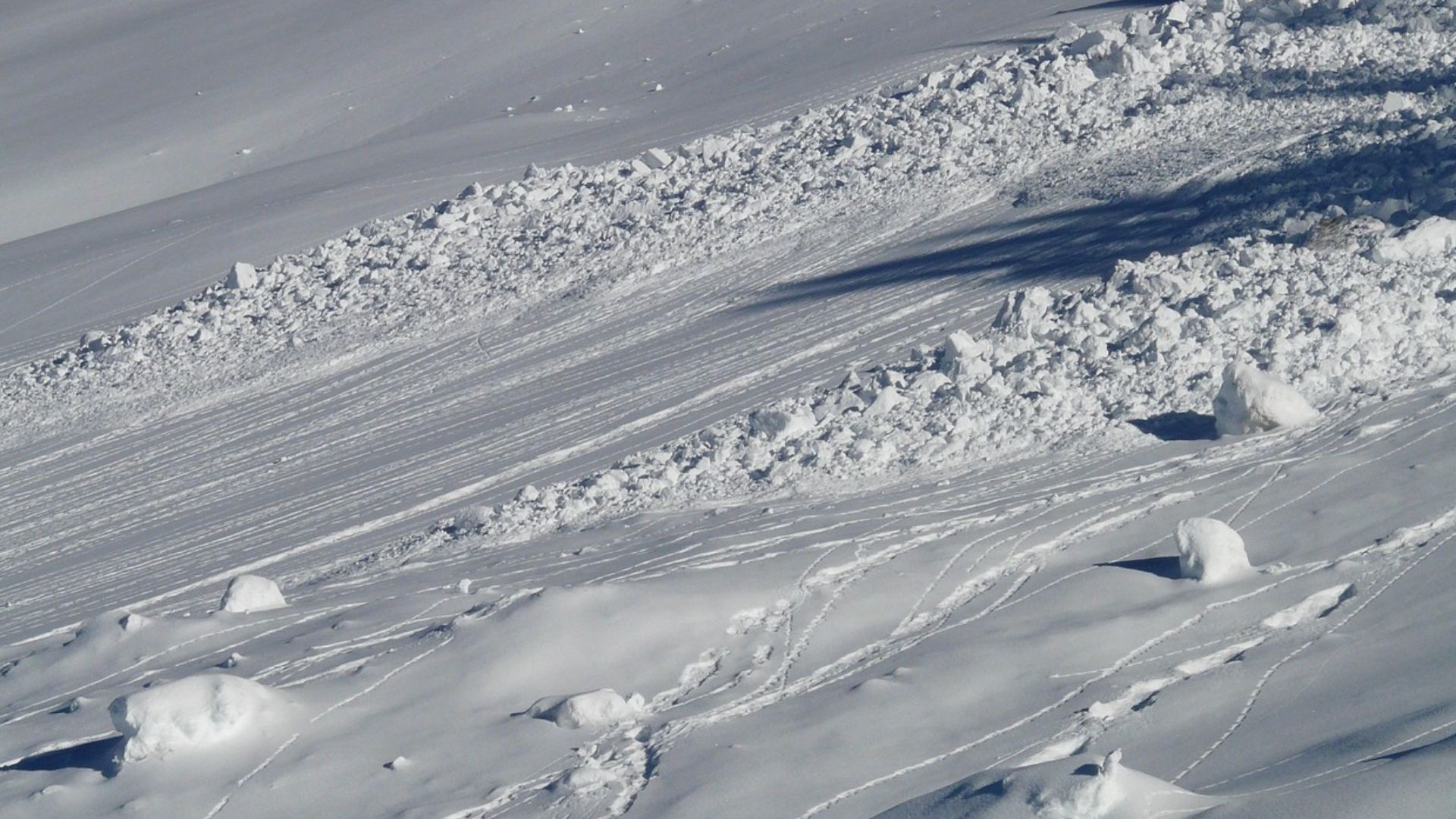
9. Most Avalanches Occur On 30–45° Slopes
This terrain feels like the sweet spot for riding, which is why so many riders get caught off guard. It’s steep enough to slide, smooth enough to encourage attempts. Angle awareness turns excitement into informed decision-making.
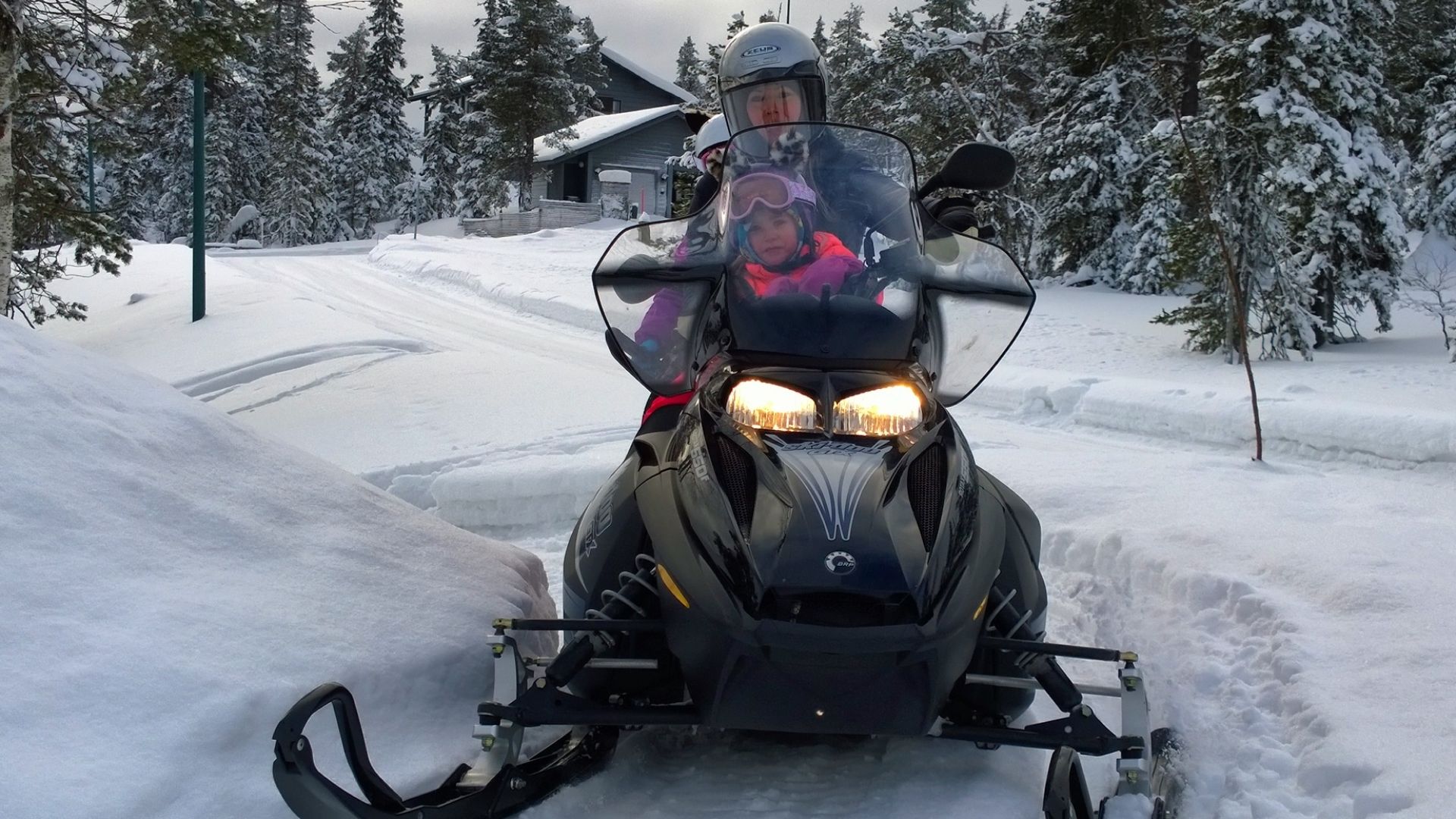
10. Youth Riders Need Proper Supervision
Boys and girls under 16 are three times more likely to be injured, often copying adult risk-taking behaviors. Most youth crashes involve falls or rollovers, not speed. The CPSC and CPS stress that age limits are critical for safety.
 Timo Newton-Syms from Helsinki, Finland & Maidenhead, Berkshire, UK on Wikimedia