Courtesy Feels Good But Predictability Keeps People Safe
Most crashes do not begin with someone deciding to be reckless. They begin with someone trying to be decent in a fast-moving environment where decency is supposed to look like consistency, not creativity. On the road, kindness often gets translated into sudden stops, vague gestures, and little private agreements that only make sense to the two people making them, while everyone else is stuck guessing. Driver handbooks and safety agencies spend so much time talking about right of way, following distance, and signaling early for a reason, because predictable behavior gives other people time to react without panic. Here are twenty moments that feel considerate but can create the exact kind of confusion that turns into a collision.
1. Stopping For Left Turns
Creating a gap feels generous when a driver has been waiting to turn across your lane. The danger is that the turning driver often cannot see the next lane, so your kindness can push them into a car that never slowed. Drivers behind you may also brake late because a full stop in a travel lane is rarely expected.
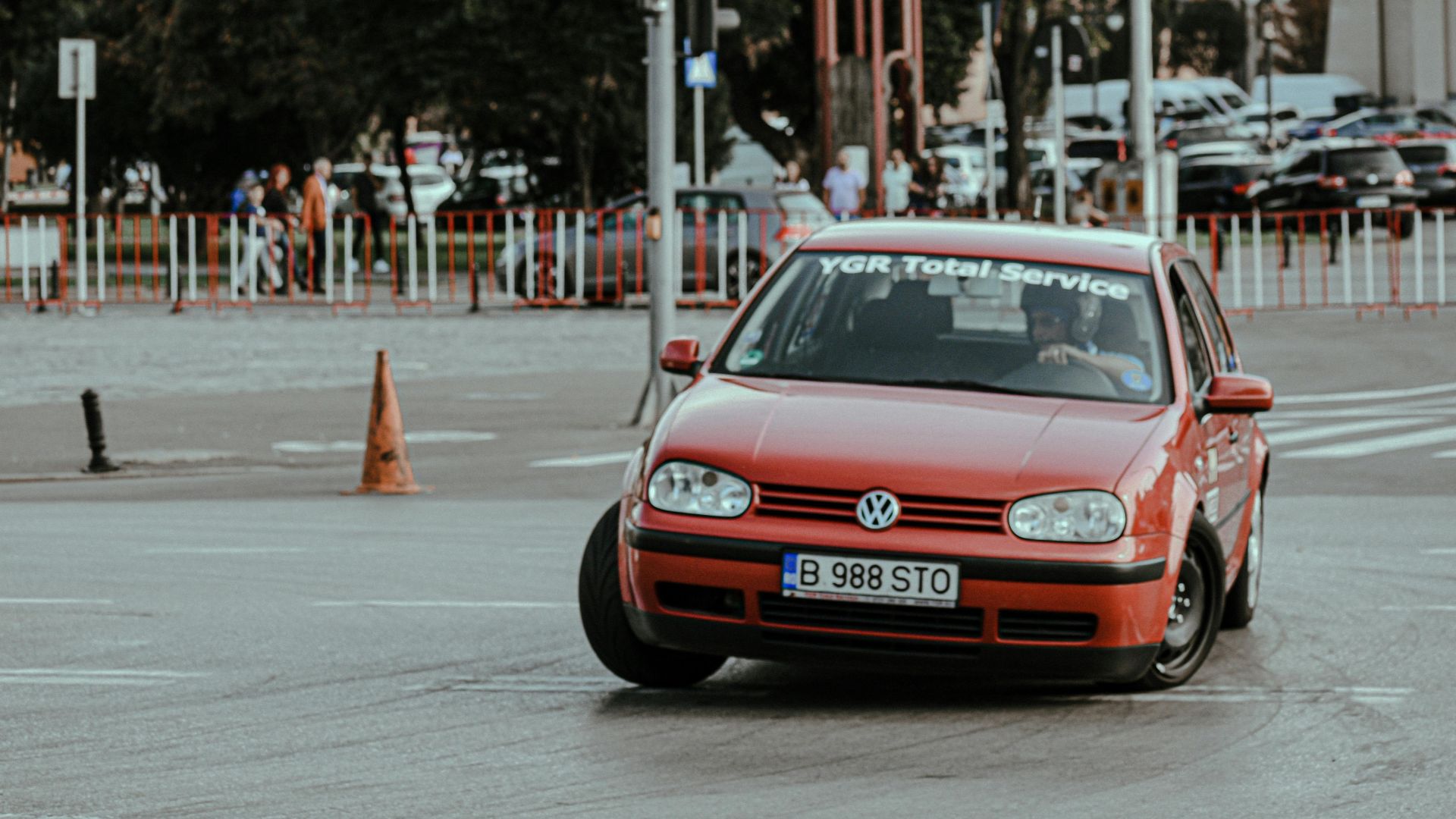
2. Waving Someone Through
A wave seems clear between two drivers, yet everyone else only sees hesitation and movement that does not match the rules. When right of way becomes a handoff, the other driver may go at the same time you change your mind. The safest courtesy is usually holding your line and letting the rules do the talking.
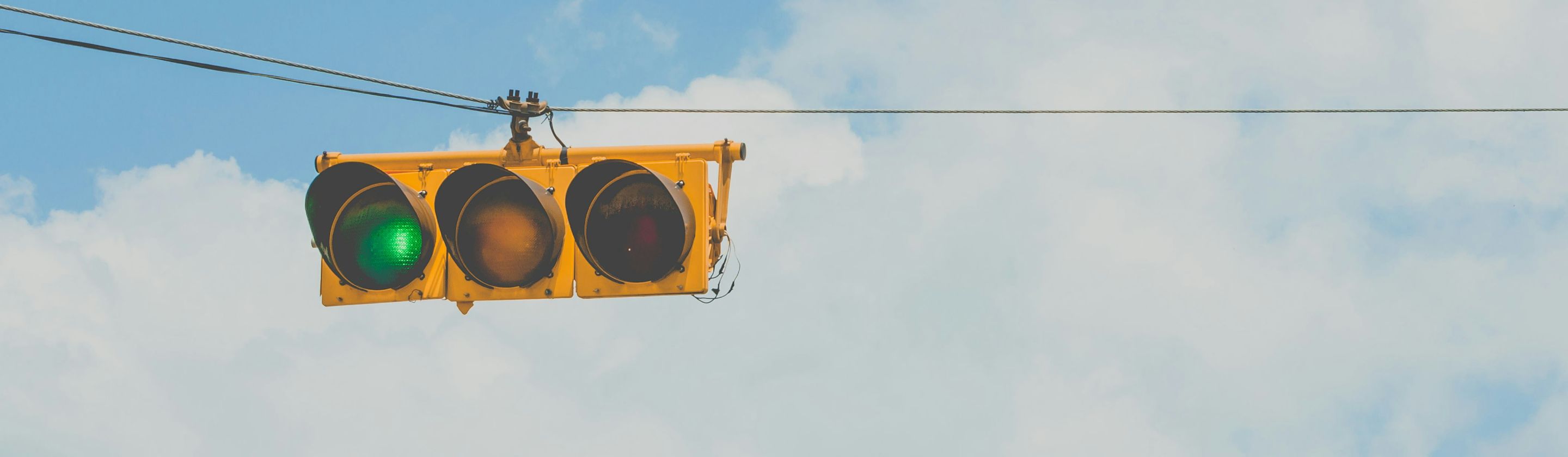
3. Yielding On Green
Green lights are designed around predictable flow, and the cars behind you commit to that rhythm. Pausing to let someone turn can trigger hard braking, followed by a swerve into another lane. Inside an intersection, a split-second misread is enough to create a high-impact side collision.

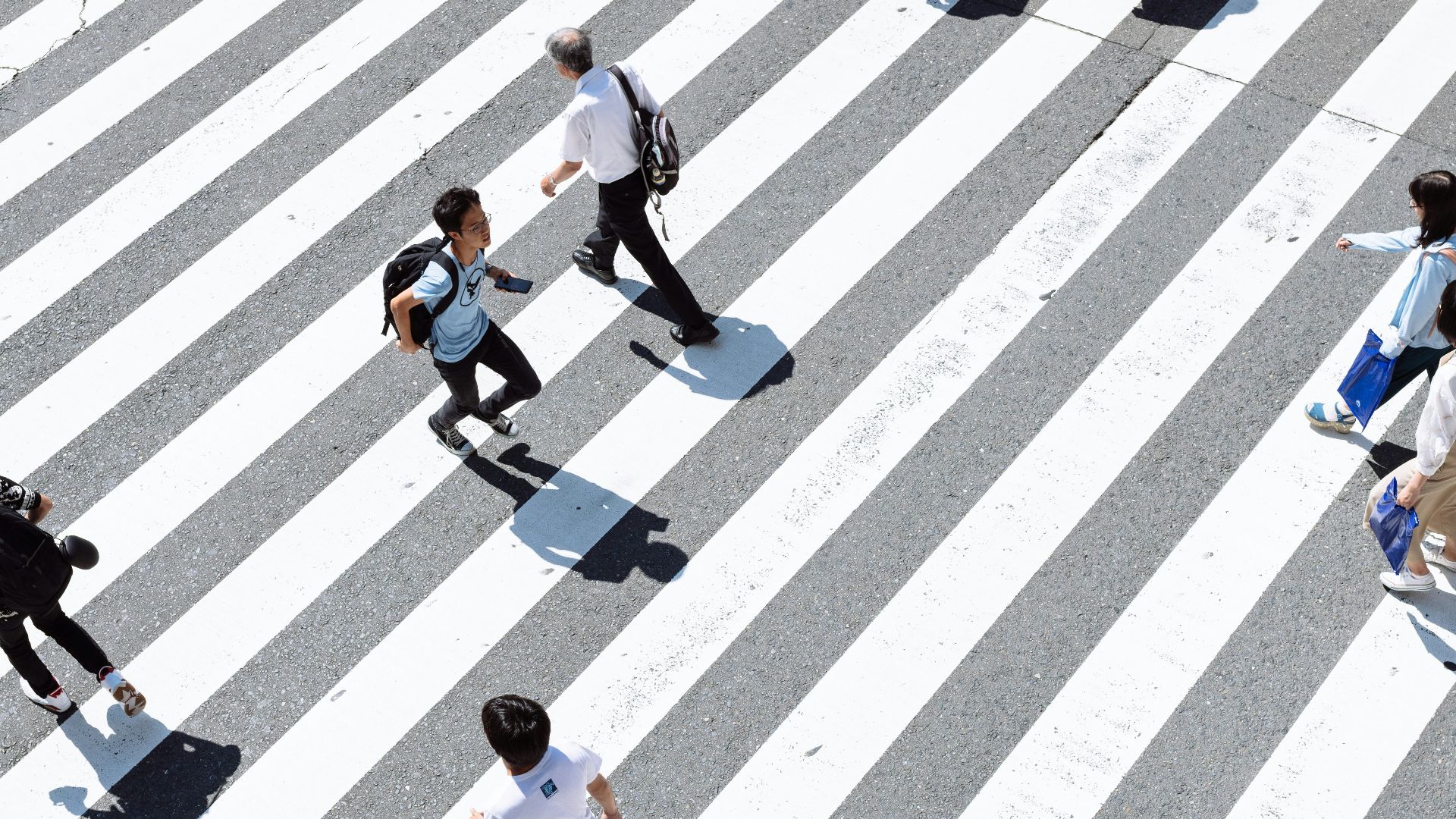
4. Stopping For Mid-Block Crossers
Stopping for someone crossing mid-block can feel humane, especially on a wide street where they look stranded. The risk is that the person may step into the next lane assuming the same courtesy, while that driver keeps moving. You can also block the pedestrian from view, so the next driver sees them late.
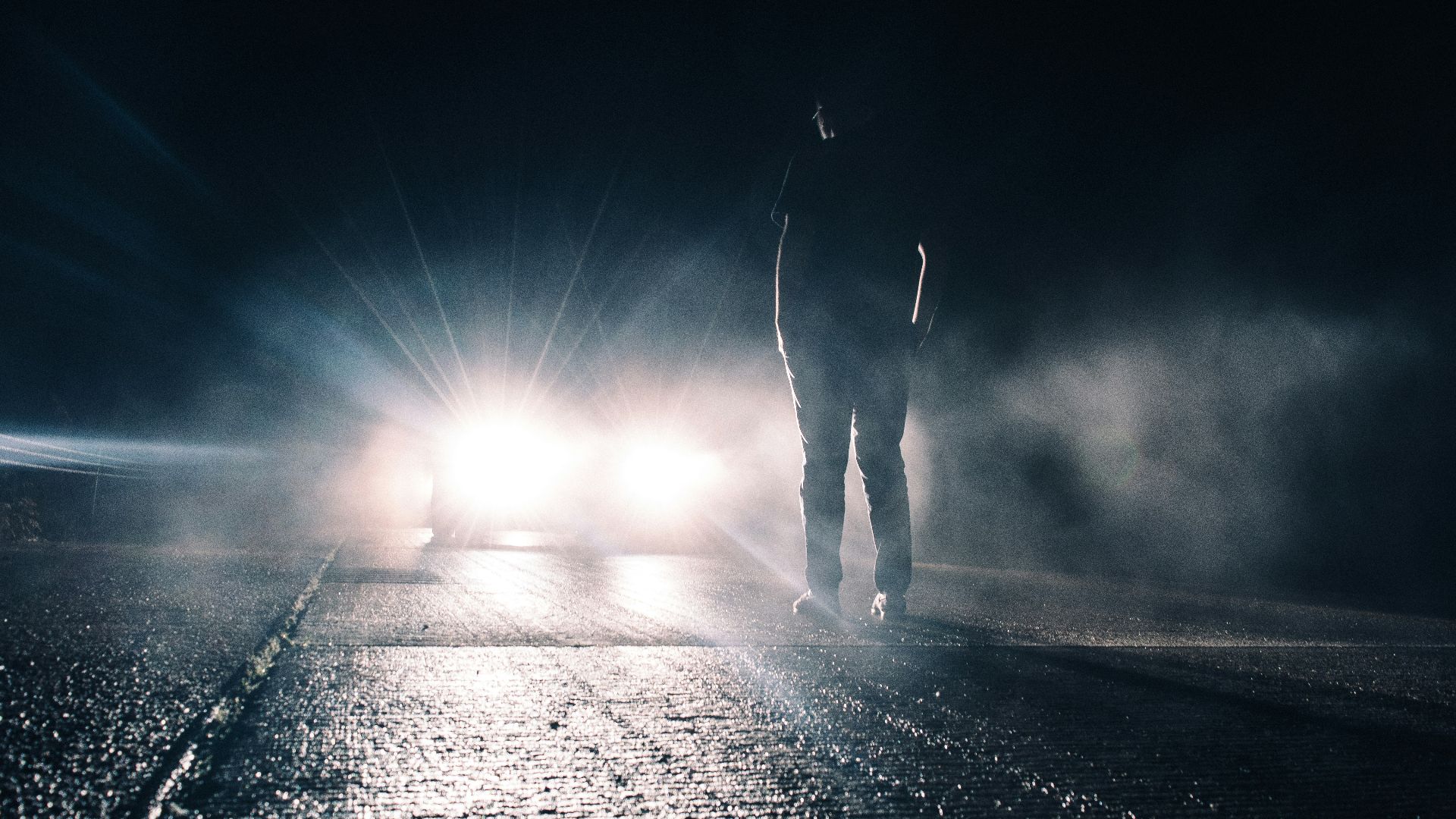
5. Flashing Headlights As Permission
Headlight flashes get interpreted differently depending on region, habit, and stress level. Some drivers read it as go ahead, others read it as a warning, and that mismatch is where trouble begins. Informal signals also cannot override the fact that right of way still follows the rules.
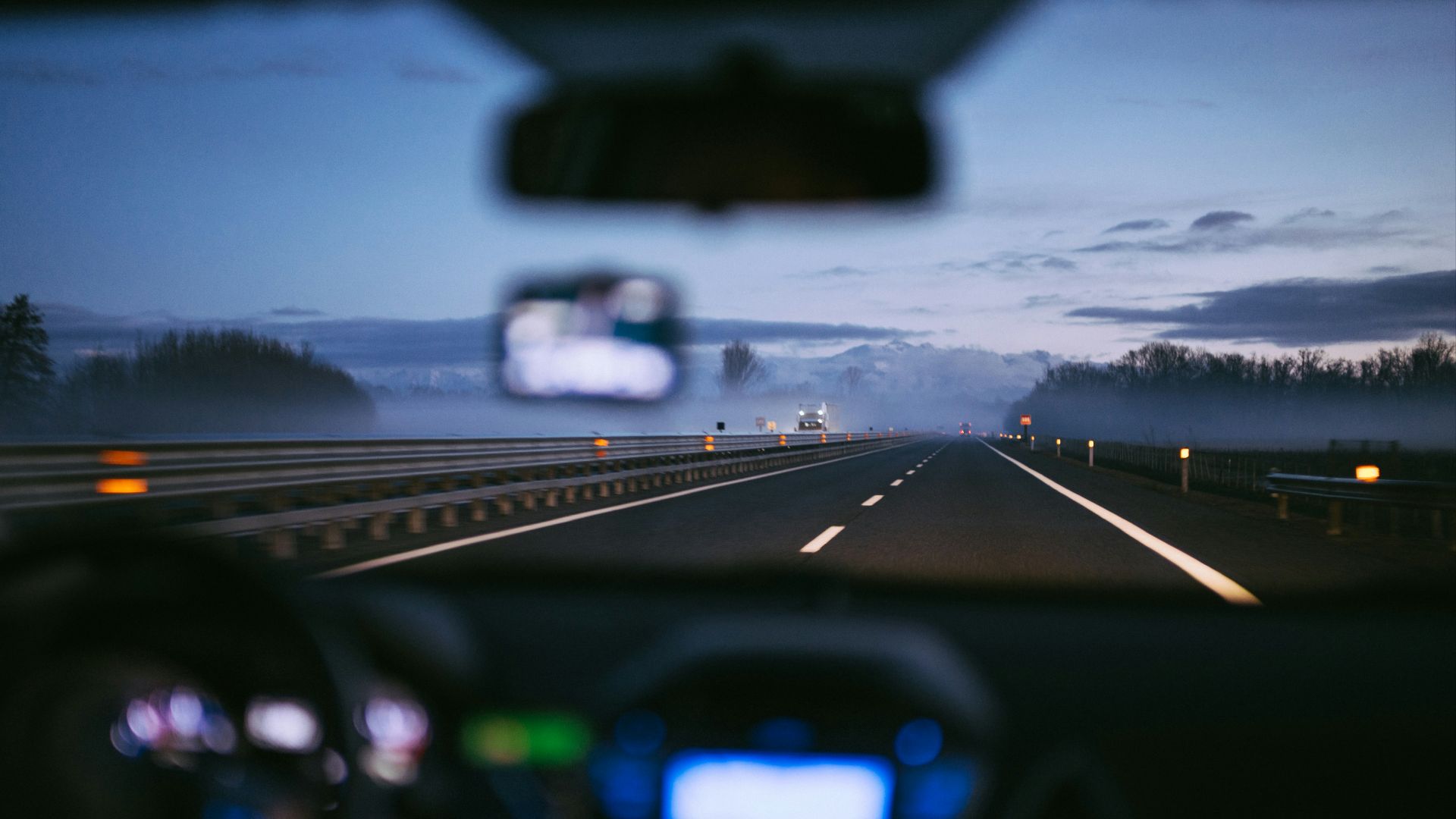
6. Leaving Huge Gaps
A small gap at a light is smart because it gives you space to maneuver if something goes wrong. A huge gap invites cut-ins and last-second lane changes, which often happen without adequate signaling. It also confuses the flow behind you, because people start wondering if you are distracted or stopped for a reason.
 Samuele Errico Piccarini on Unsplash
7. Braking To Help Merges
Making room for a merge is good driving, yet sharp braking creates a ripple that spreads backward through traffic. The driver behind you may not notice quickly enough, especially at highway speed, and rear-end crashes are common in these chain reactions. A steadier approach is holding speed with a clear following distance, or changing lanes early when it is safe.
8. Holding Traffic For Parking
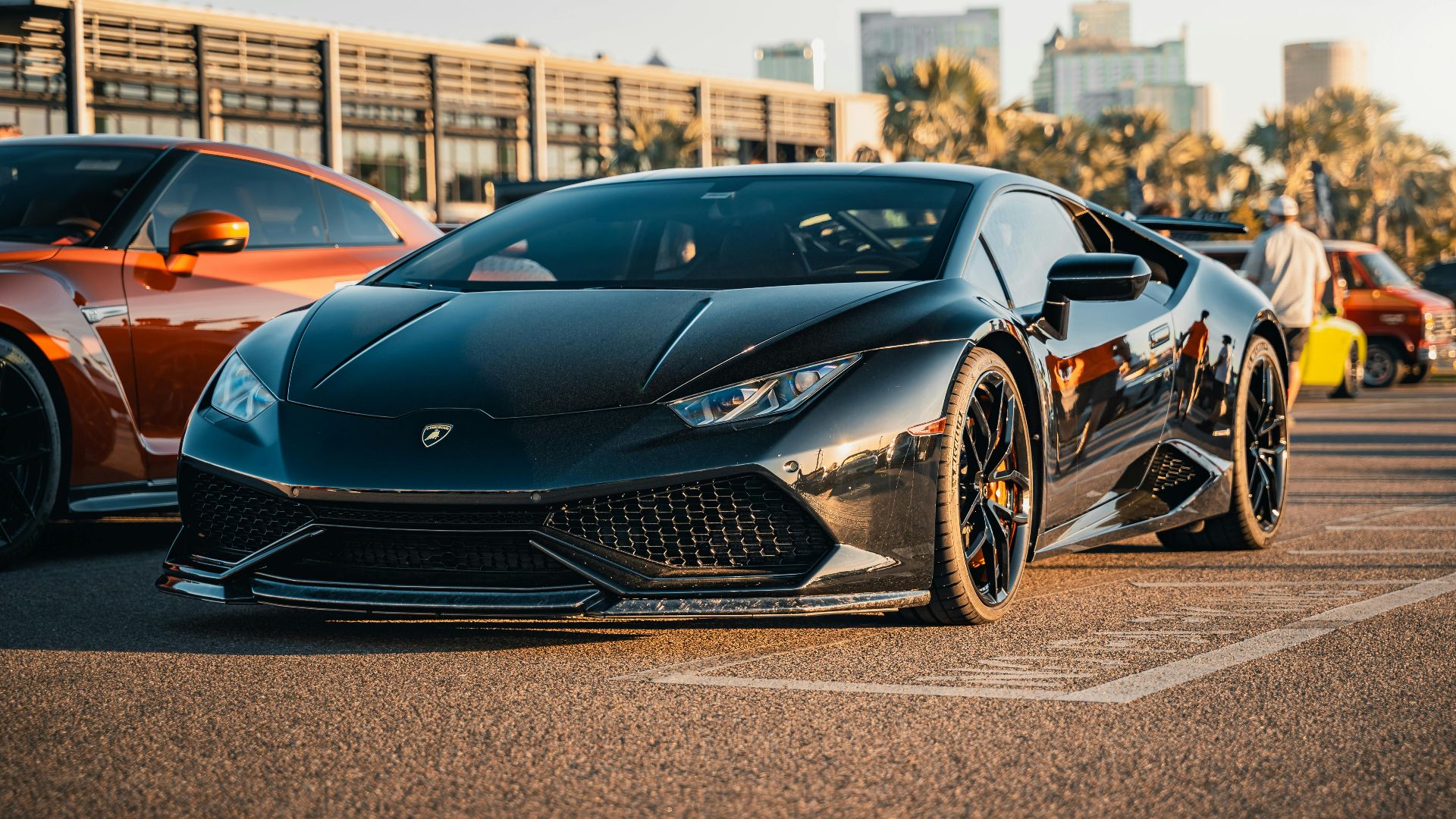
Waiting briefly for someone to park is normal in a calm lot, and patience matters. In a busy aisle or on a street, holding traffic for a long backing maneuver encourages risky passes and impatient squeezing. Pedestrians also tend to slip behind cars in these moments, and a reversing driver has limited sightlines.
9. Donating Your Turn
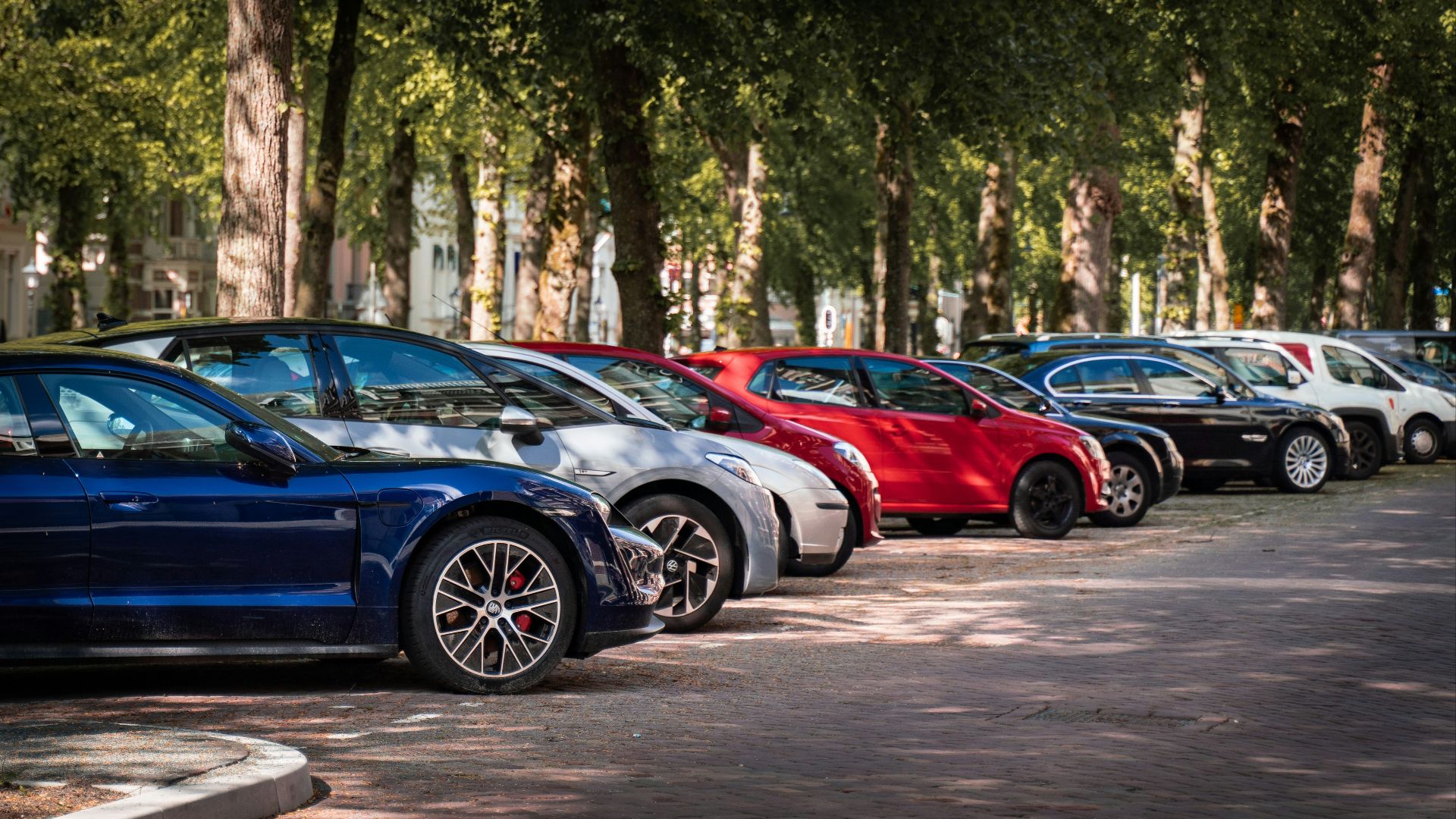
Letting a stopped car pull out feels like a small kindness that costs you a few seconds. It breaks the expected order, so the driver you let in may accelerate without fully checking other lanes that never agreed to stop. Drivers behind you can also interpret your slowdown as an opening to pass, which creates a sudden three-way problem.
10. Softening Lane Lines
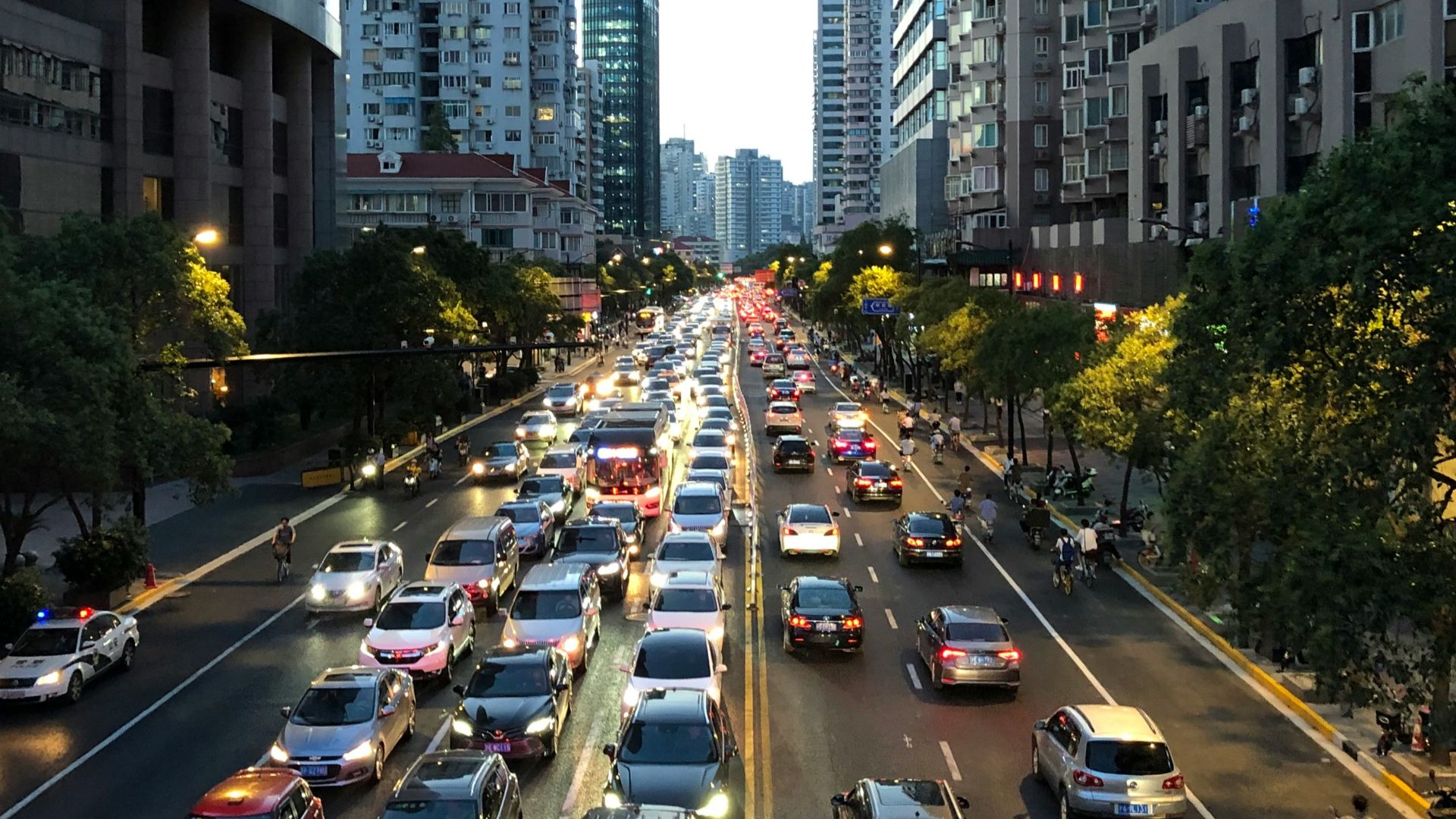
Making space for a late lane change can feel cooperative, especially when someone is about to miss an exit. Drifting over markings turns a predictable roadway into a guessing game and invites sideswipes. Late changes are safer when the late driver continues to the next exit, and everyone else keeps steady.
11. Blocking The Merge Lane
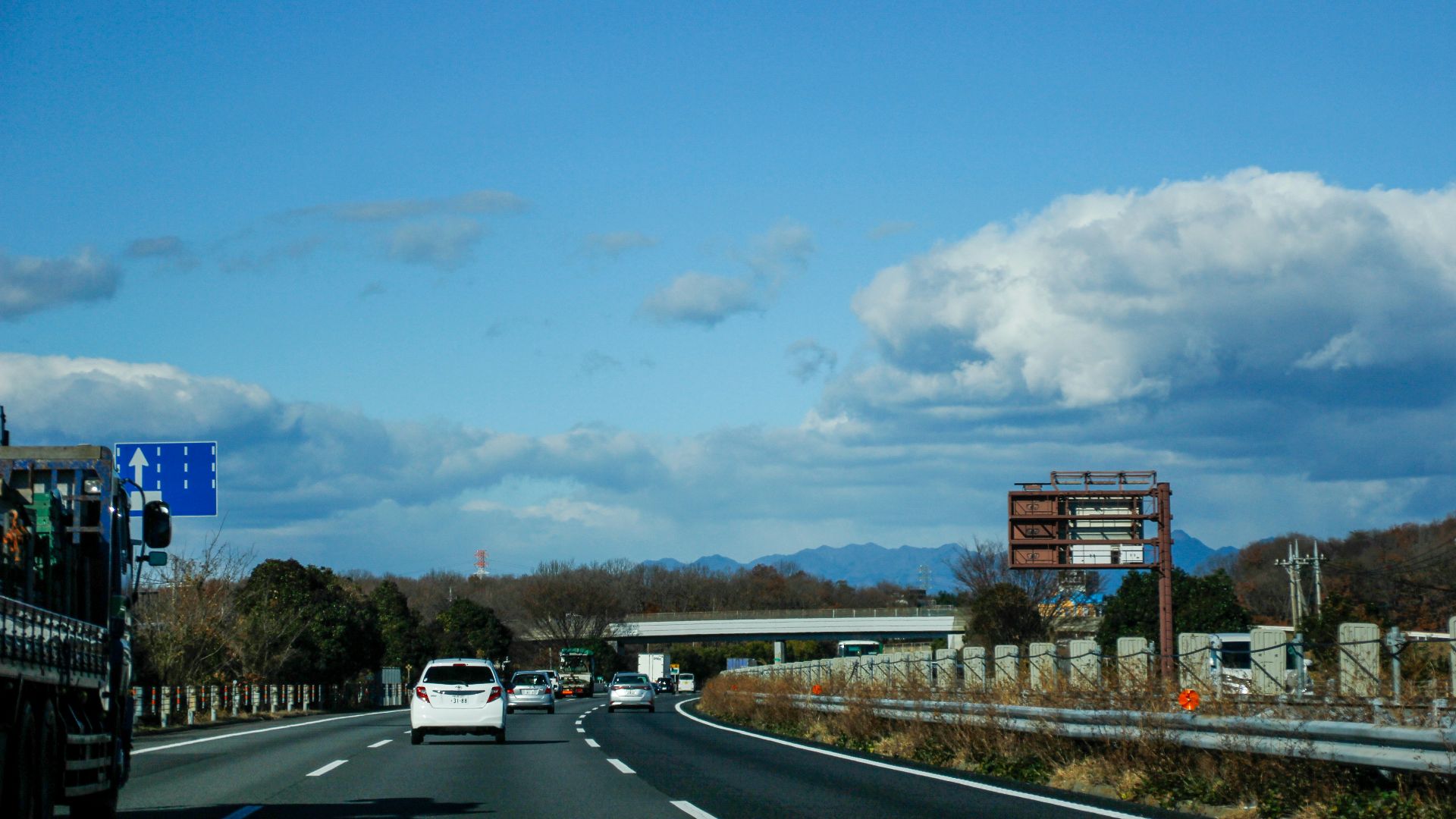
Many transportation agencies recommend using available road space and merging in turn when a lane ends. When drivers block the merge lane out of principle, the merge becomes more abrupt and emotionally charged. The result is harder braking, tighter gaps, and more opportunities for contact.
12. Stopping Short Of The Line
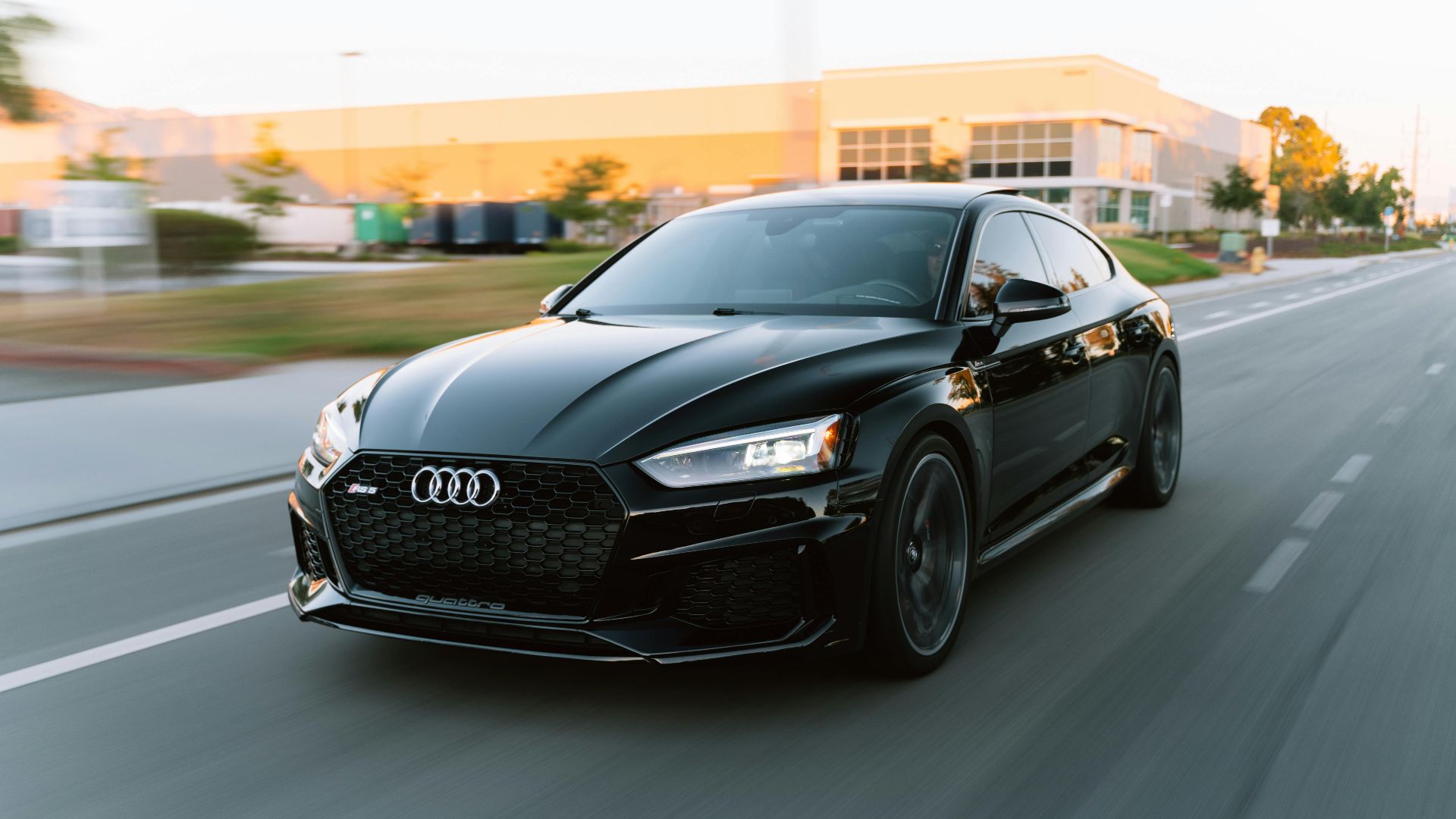
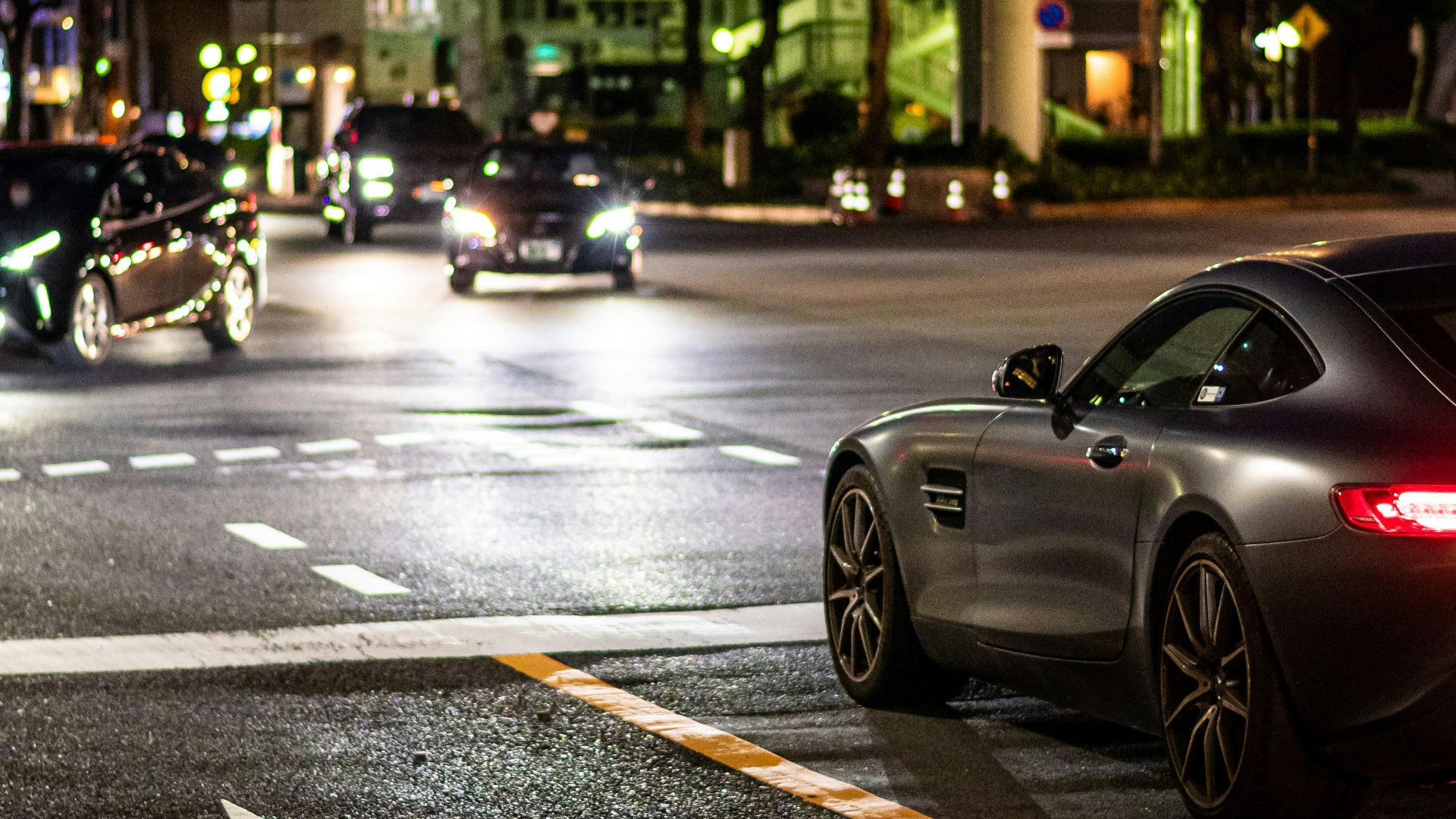
Stopping early to let someone turn out can feel tidy, like you are clearing the way. It can block sightlines for the driver who is trying to enter traffic, because your vehicle becomes a visual wall. It also creates confusion for pedestrians who expect the stop line and crosswalk area to behave consistently.
13. Rolling Stop Signs
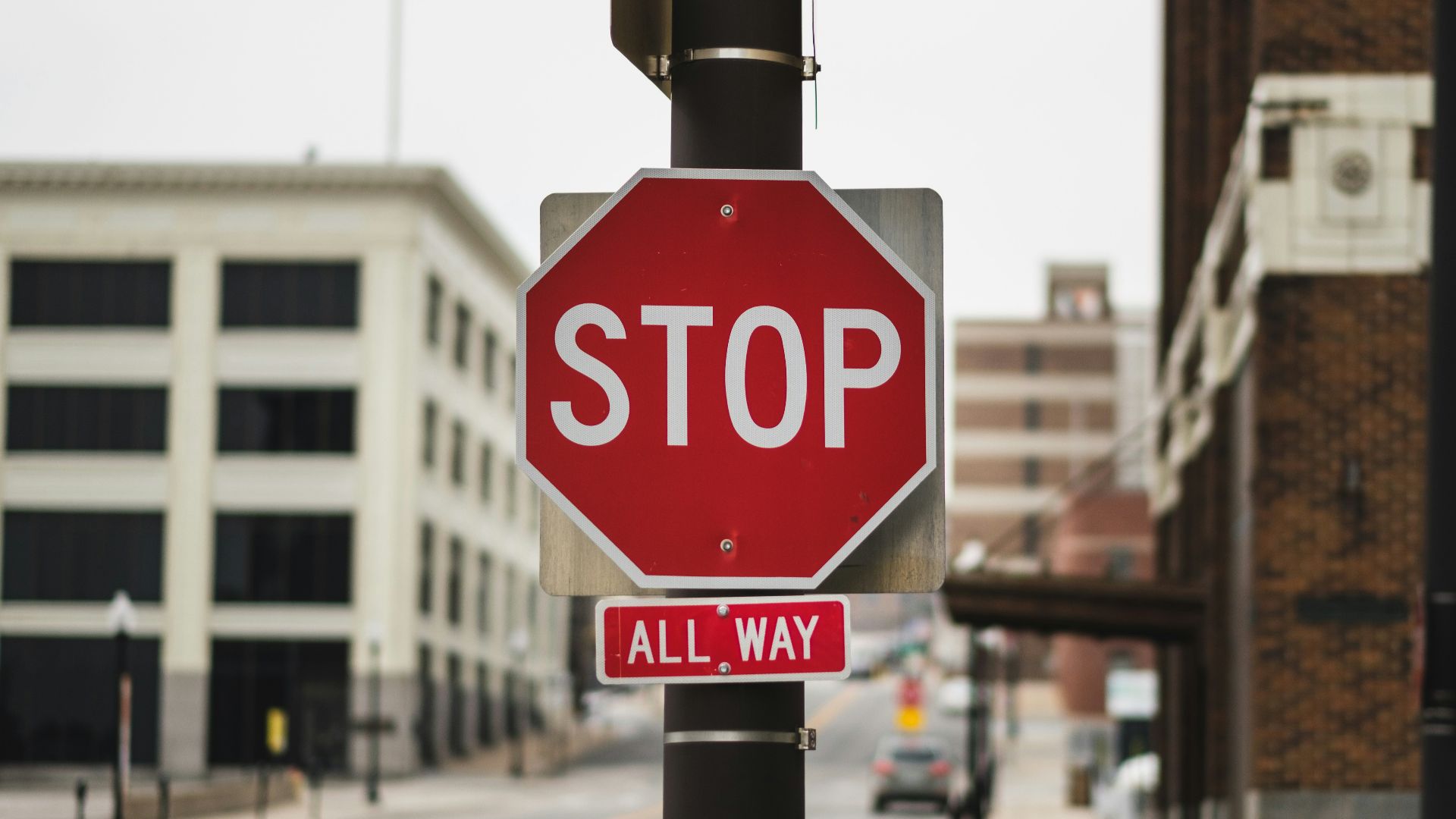
Rolling through a stop sign often comes from pressure, especially when someone behind you is close and impatient. The full stop is the moment you actually scan properly, and skipping it is when the brain starts assuming instead of verifying. Failure-to-yield crashes often begin with a driver who thought they looked long enough.
14. Never Using The Horn
Many people avoid the horn because they associate it with anger and escalation. Used briefly, it can be a safety tool that warns someone drifting into your lane or backing toward you. Silence can remove the only quick communication option left when signals and brake lights are not enough.
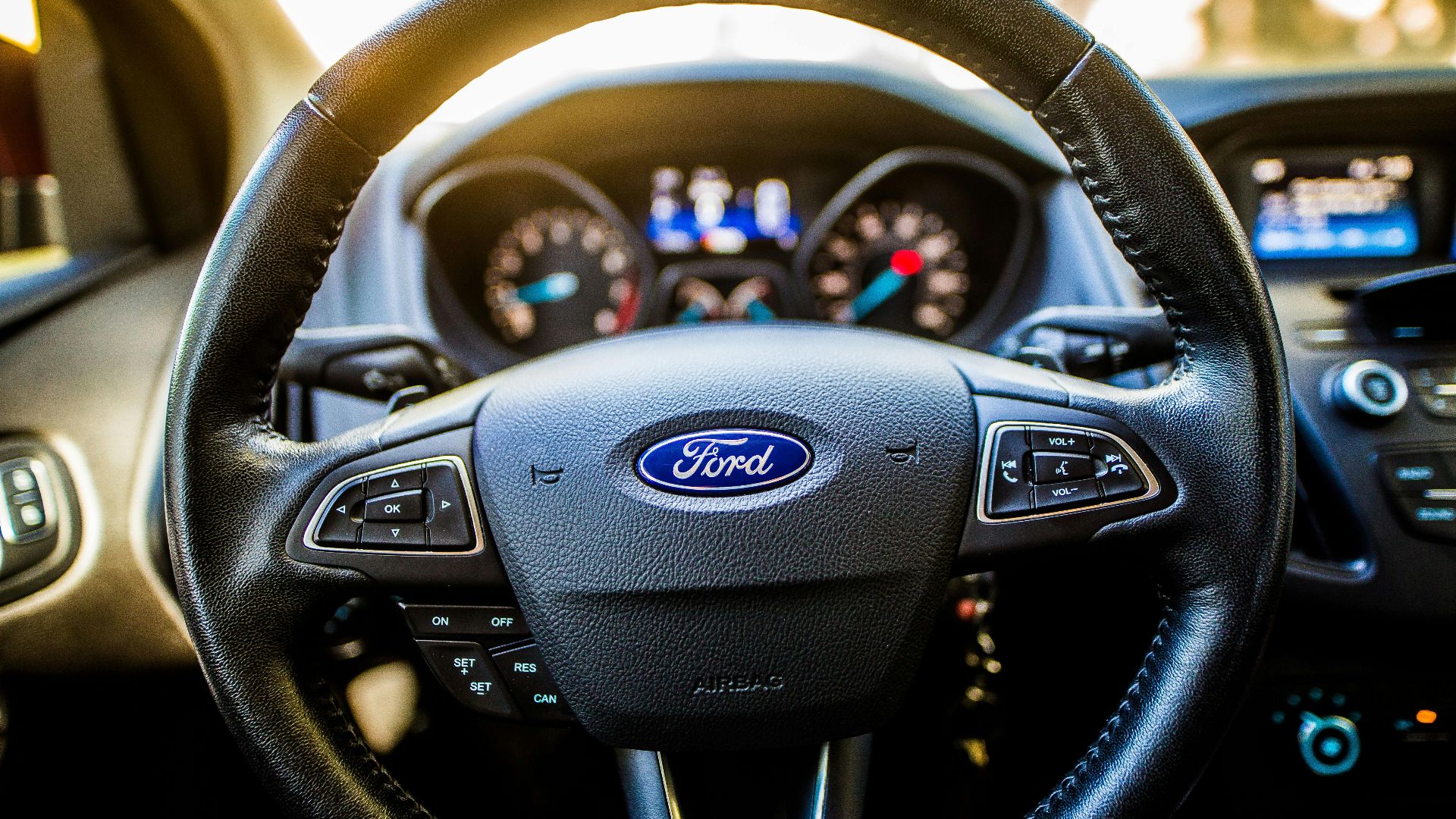
15. Using Hazards In Rain
Hazard lights can feel like extra visibility in a downpour, and the intention is understandable. They can also mask turn signals and make it harder for others to read lane changes, which is when clarity matters most. Some drivers interpret hazards as a disabled vehicle, and that changes how they approach you.
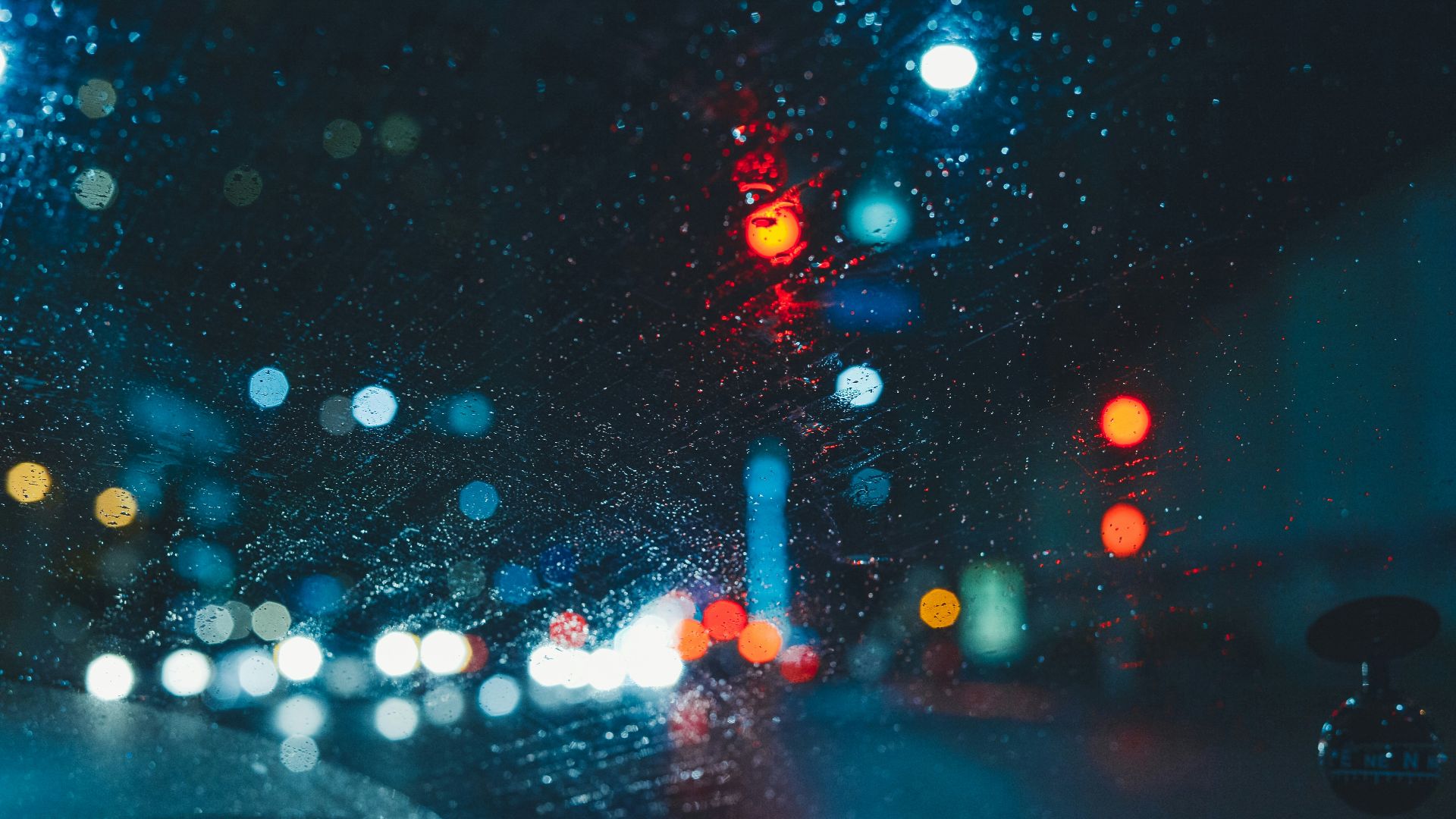
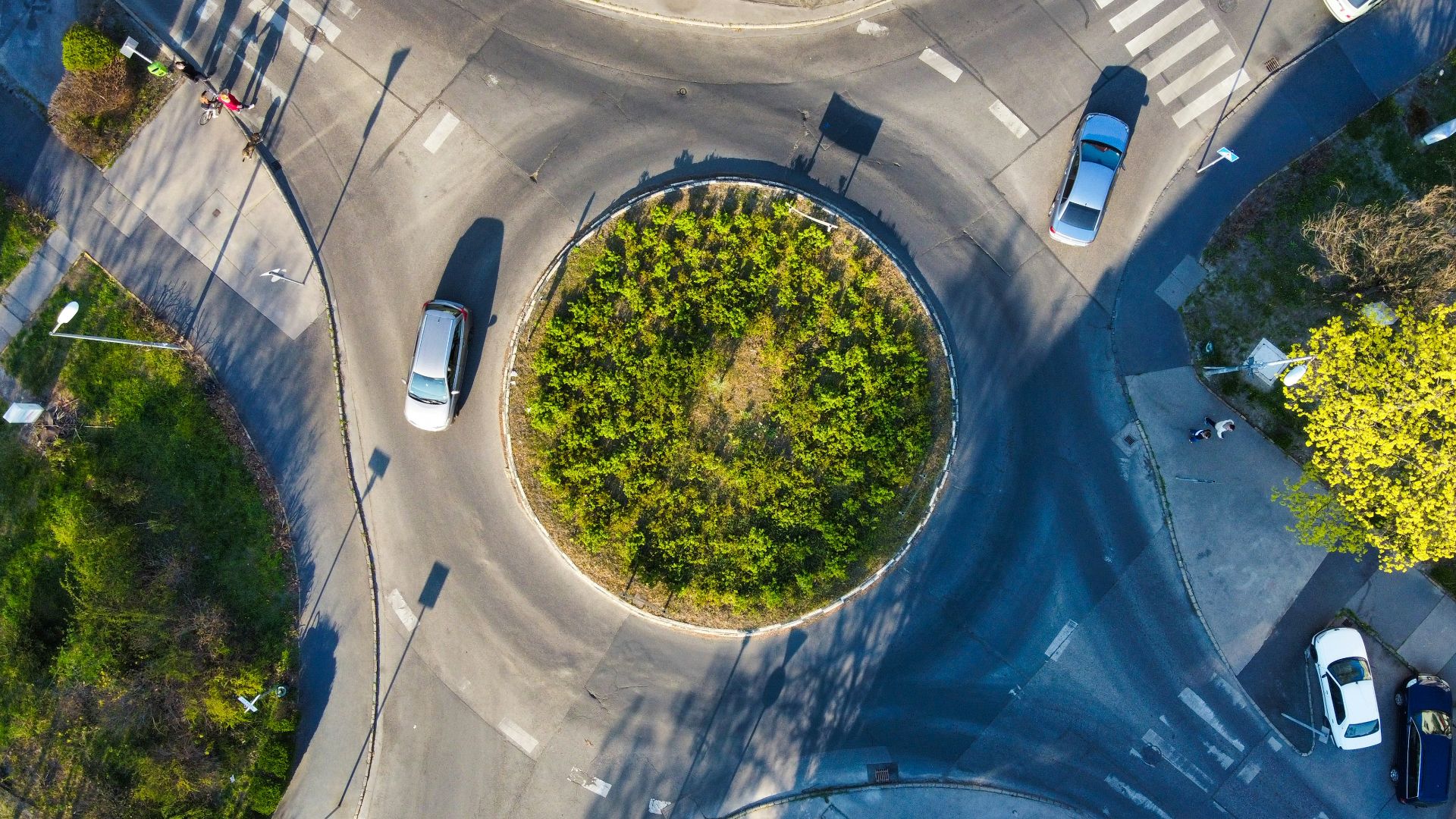
16. Stopping In Roundabouts
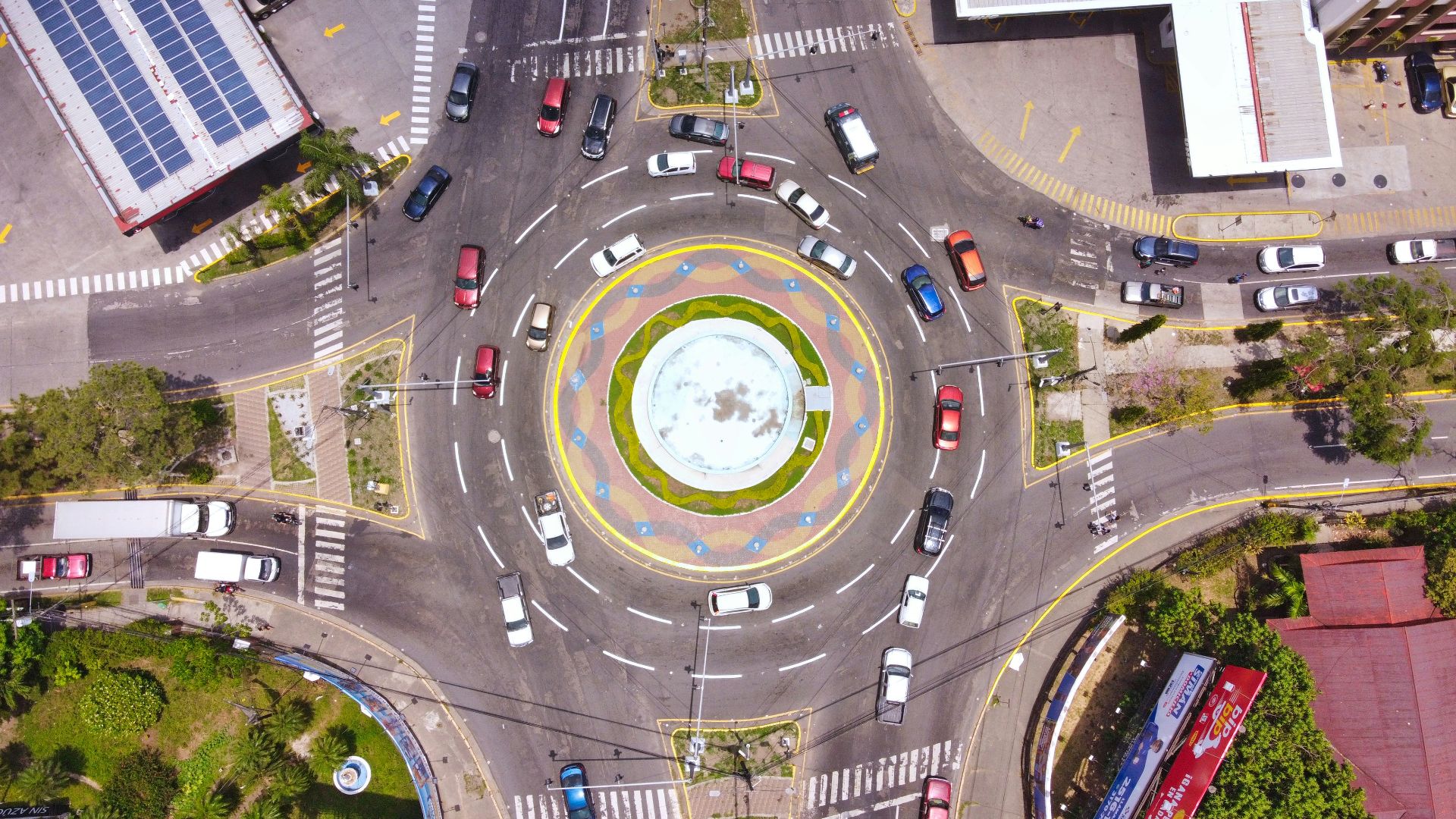
Roundabouts work because movement stays steady and entering traffic yields to circulating traffic. Stopping inside to let someone in breaks the design and increases rear-end risk. It also forces the entering driver to decide whether your stop is intentional or a mistake.
 Héctor Emilio Gonzalez on Unsplash
17. Braking In The Left Lane
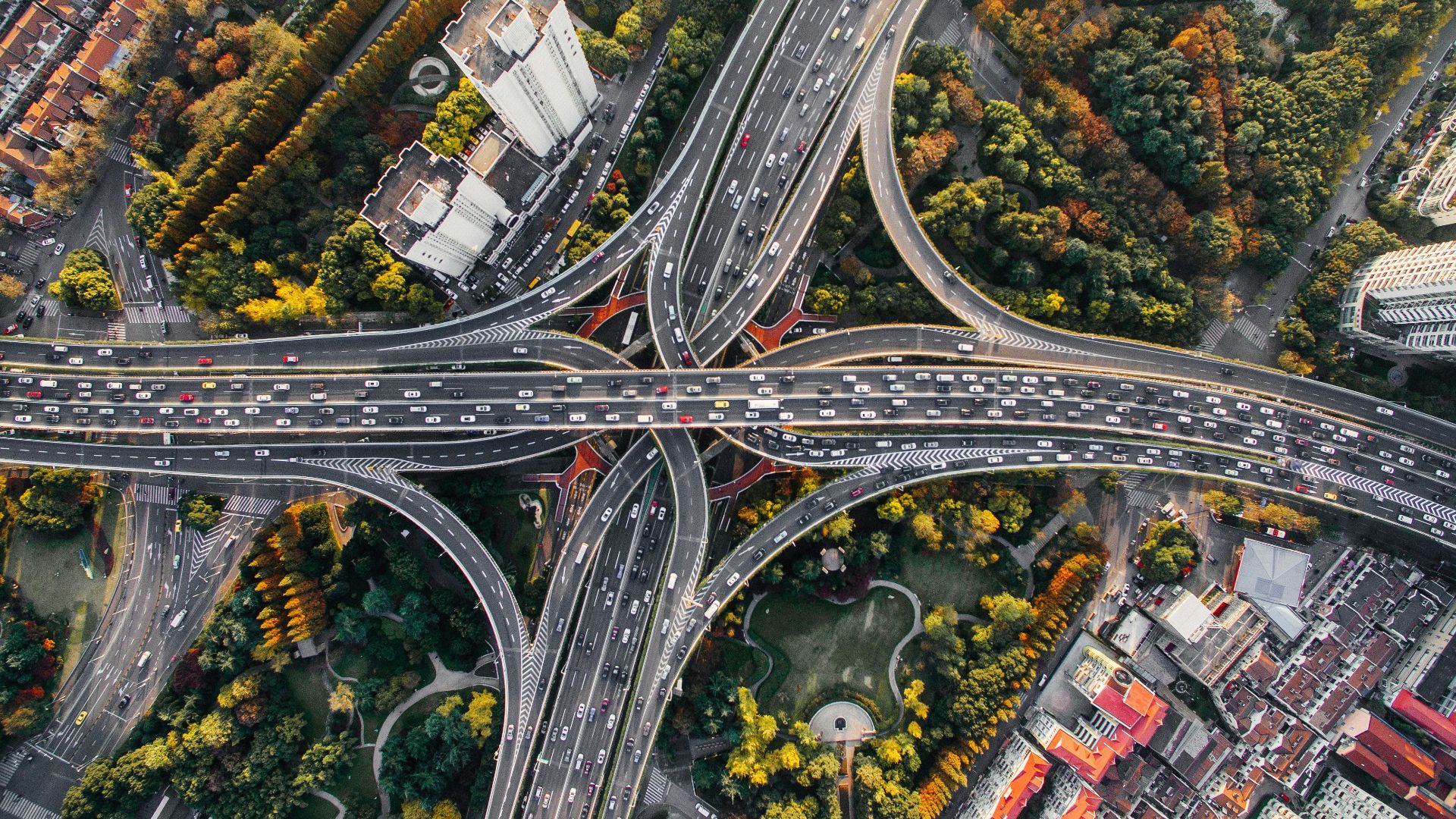
Moving right to let faster traffic pass is often sensible when conditions allow. Braking hard to help someone get around you is unpredictable, and the driver behind may not share your timing or your awareness. Sudden speed changes are a common setup for multi-car rear-end collisions.
18. Slowing For Driveways
On a quiet street, slowing to let someone exit a driveway can feel like basic neighborliness. On a busier road, it can cue a risky pullout, because the turning driver may assume other lanes will cooperate too. Drivers behind you may not expect the slowdown and may try to pass at the worst moment.
19. Stopping In The Box
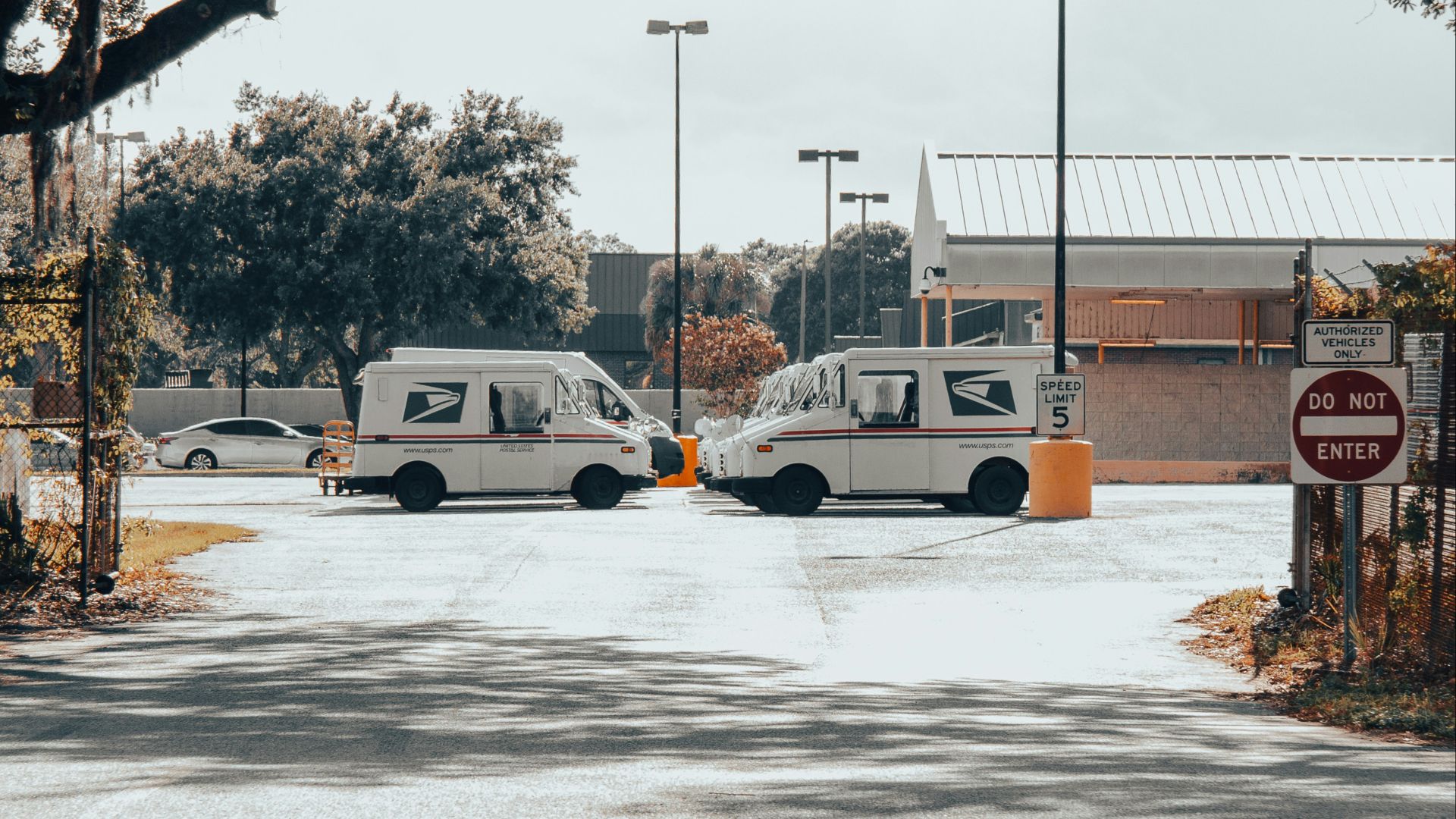
The safer choice is waiting behind the line until you have a clear exit, even if it means missing a light. Creeping into the intersection and then stopping forces cross traffic, pedestrians, and turning cars to route around you. That rerouting creates blind spots and unexpected angles, which is where near-misses turn into impacts.
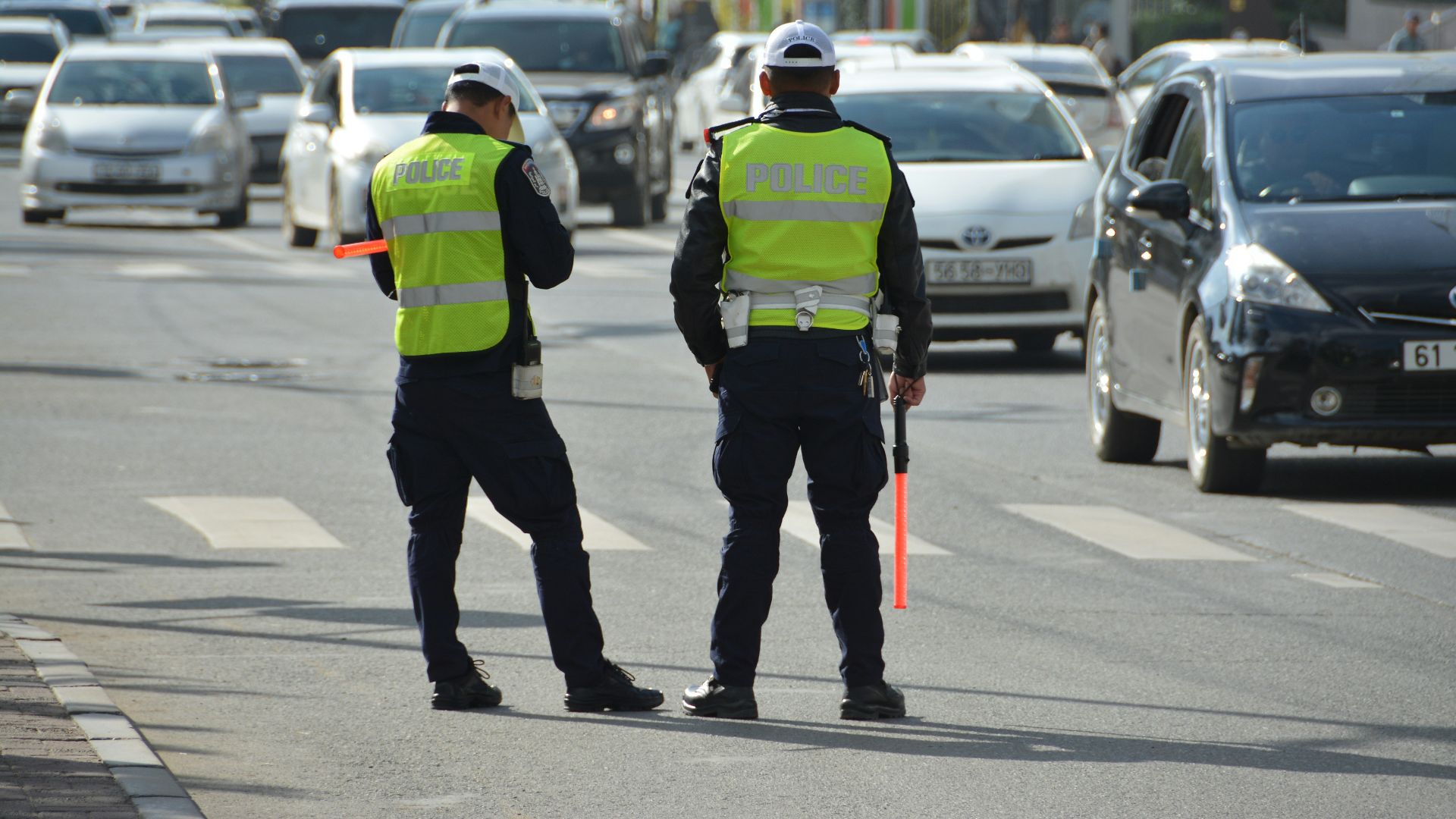
20. Directing Traffic Yourself
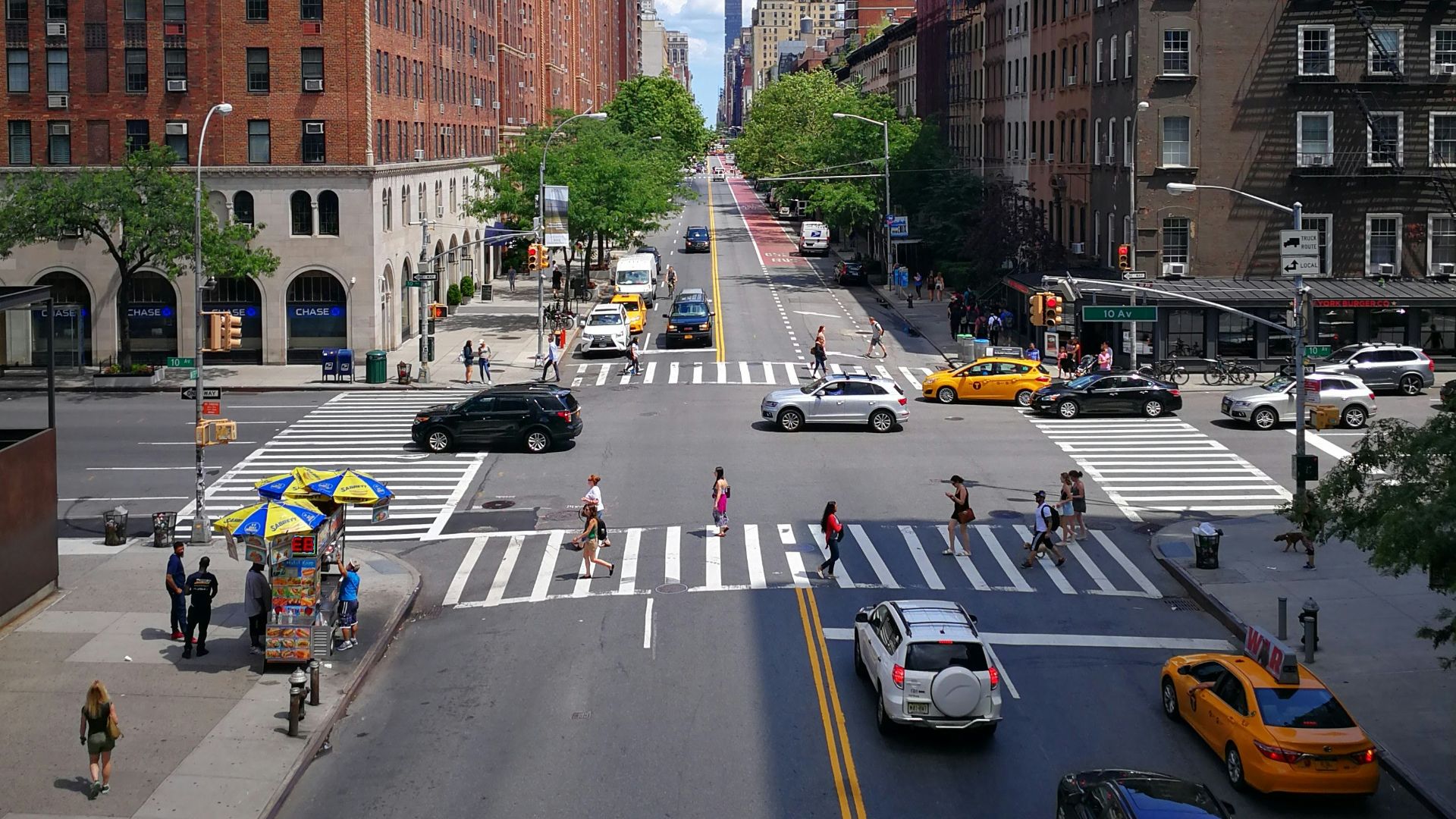
Pointing and waving can feel helpful near a confusing merge, a crowded lot, or a school pickup line. Unless you are trained and clearly authorized, your signals can conflict with signs and signals people are already following. One person obeying the wrong cue is enough to create a fast, irreversible mistake.