The Car Is Smarter But The Road Is Messier
Driving used to feel a whole lot simpler. If you paid attention, followed the signs, and stayed calm, you usually got where you were going, and the biggest challenge was catching the right exit before it slipped past. Now the road is crowded with bigger vehicles, tighter gaps, and situations that demand faster decisions, plus navigation apps that reroute you mid-thought and send unfamiliar drivers down streets that were never built for through-traffic. At the same time, today’s cars do more of the background work, from keeping you centered in your lane to warning you when someone is sitting in your blind spot, and that changes the feel of every commute and errand. Here are 10 reasons driving has gotten harder, followed by 10 reasons it’s easier than ever.
 Samuele Errico Piccarini on Unsplash
1. Cars Got Bigger, And So Did The Consequences
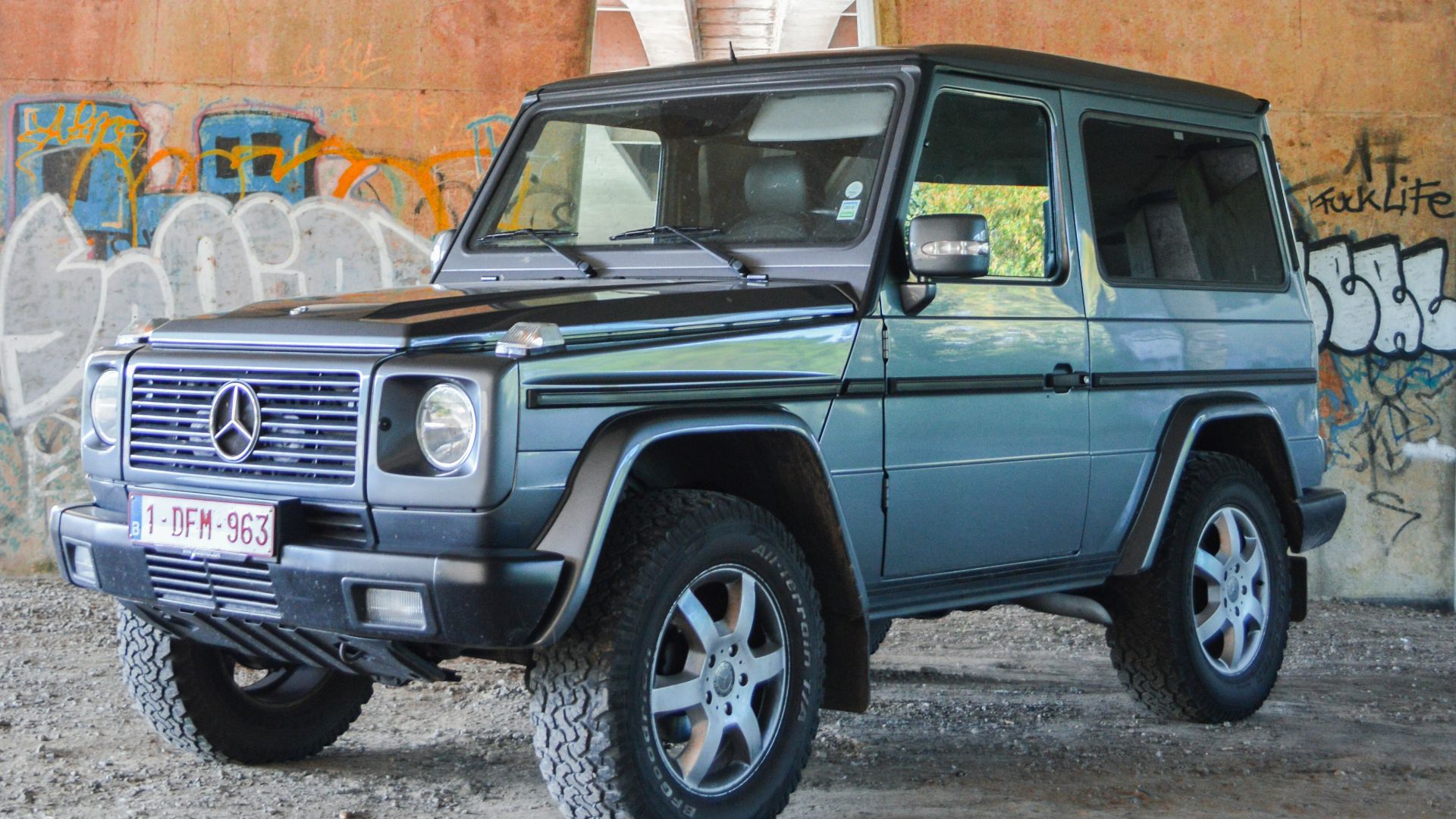
Pickup trucks and SUVs dominate a lot of American roads now, and the sheer size difference changes every merge, parking attempt, and near miss. When you’re surrounded by taller hoods and thicker pillars, sightlines shrink, and small mistakes feel less forgiving.
2. Phones Turned Every Stoplight Into A Distraction Test
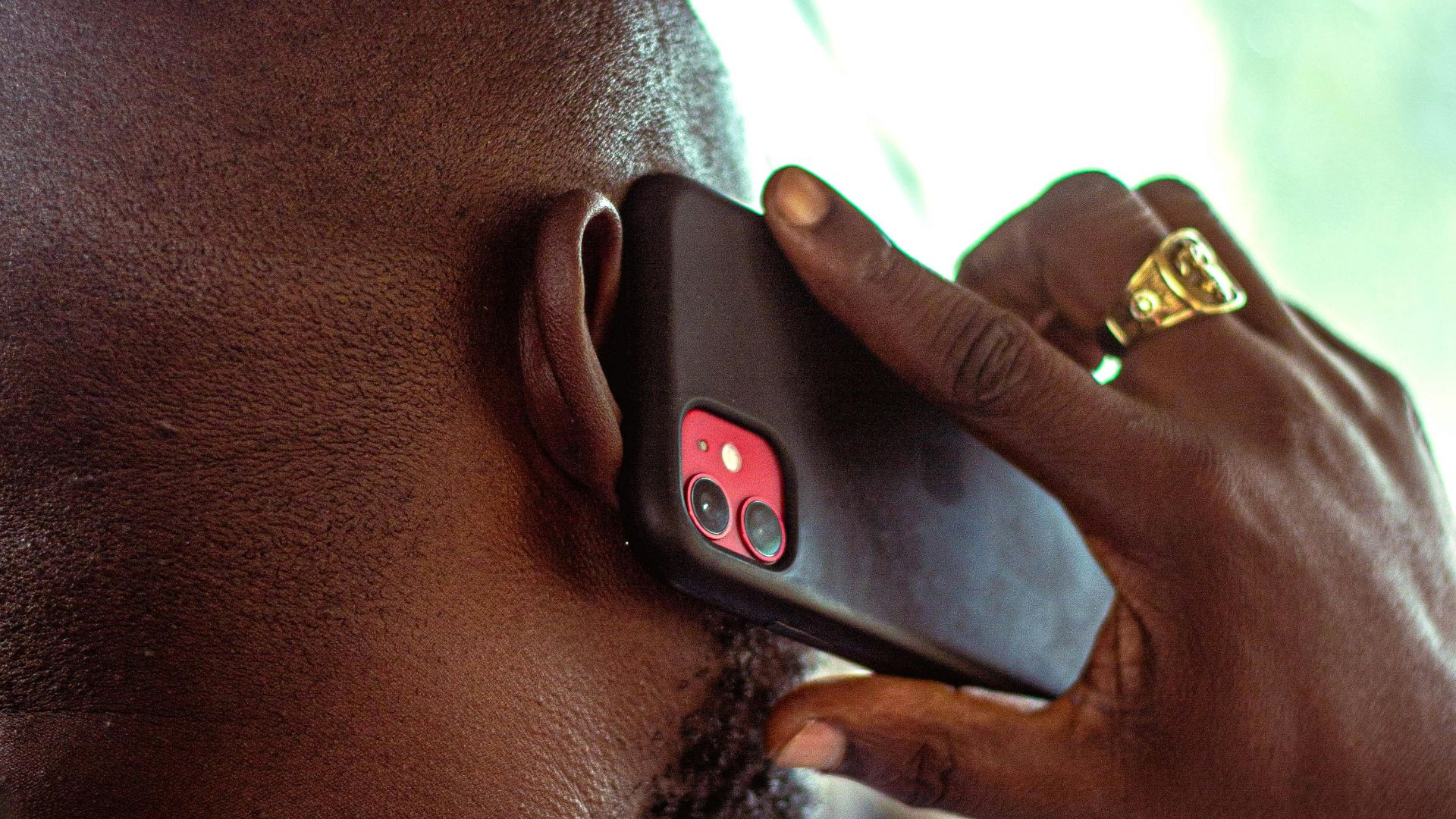
Even careful drivers have to share the road with people glancing down for a second that turns into five. You can feel it at intersections when the light changes and the first car doesn’t move, and the whole line behind them starts doing that irritated accordion squeeze.
3. Navigation Apps Make Traffic Smarter And Driving Weirder
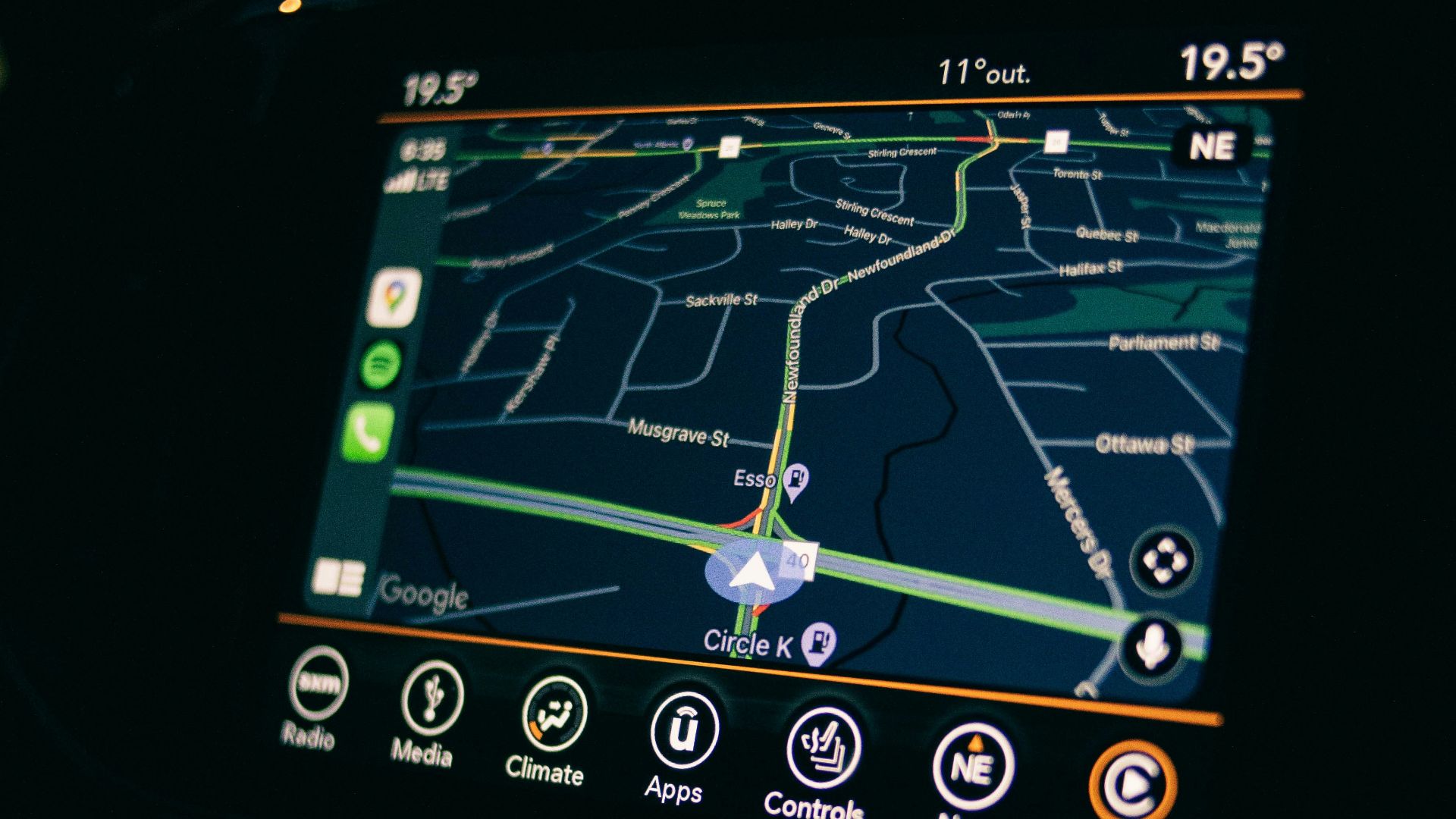
GPS routing saves time, yet it also pushes unfamiliar drivers onto residential streets that were never meant to be mini-highways. You end up with sudden stops, awkward three-point turns, and last-second lane changes that come from someone obeying a blue line instead of reading the room.
4. Cities Keep Adding Complexity On Purpose
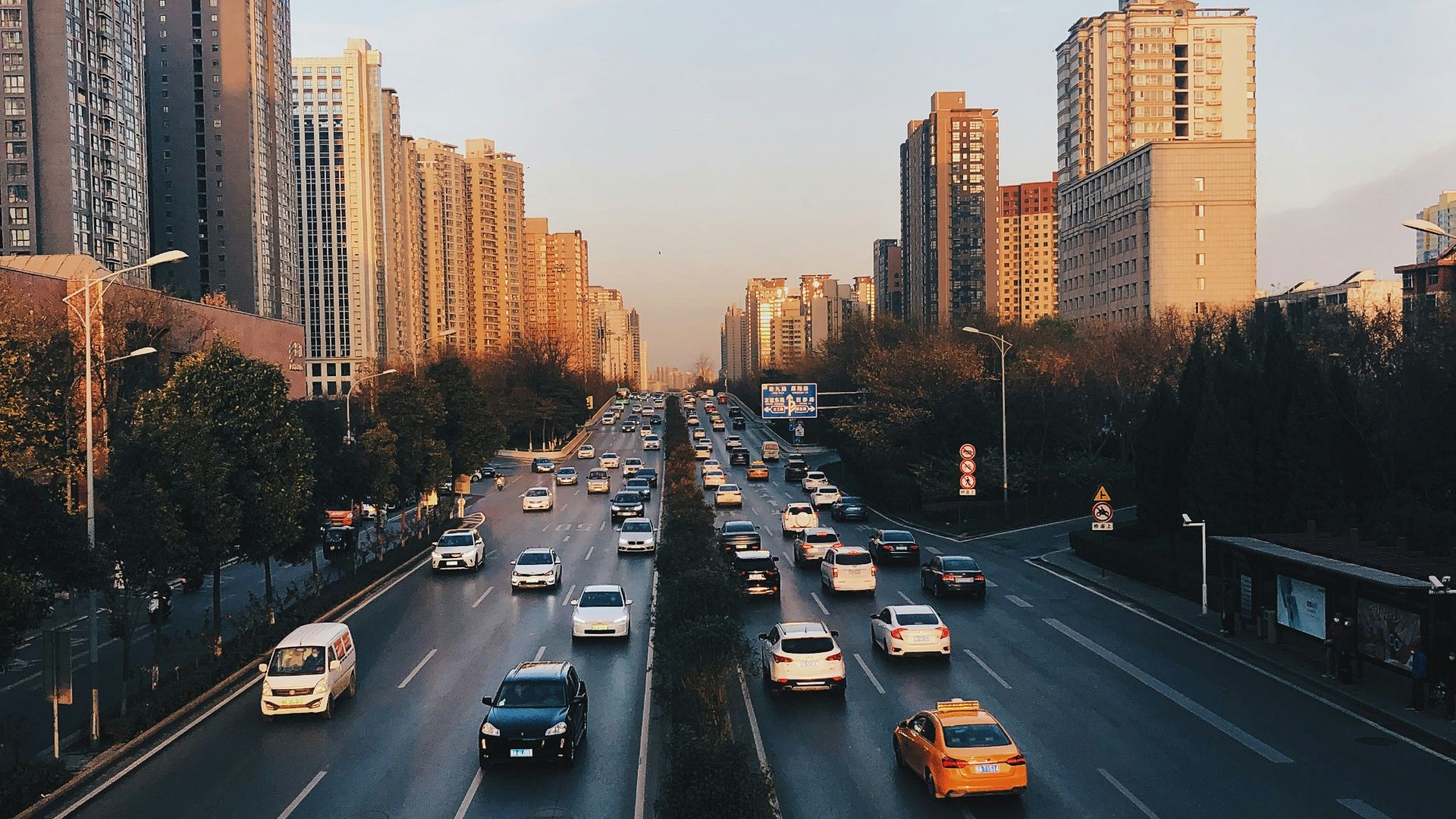
Protected bike lanes, bus-only lanes, pedestrian scrambles, and curbside pickup zones can make streets safer and more functional, yet they also require more quick interpretation from drivers. If you’re not used to the layout, you can miss a sign, drift into the wrong lane, and feel like you’re failing a pop quiz.
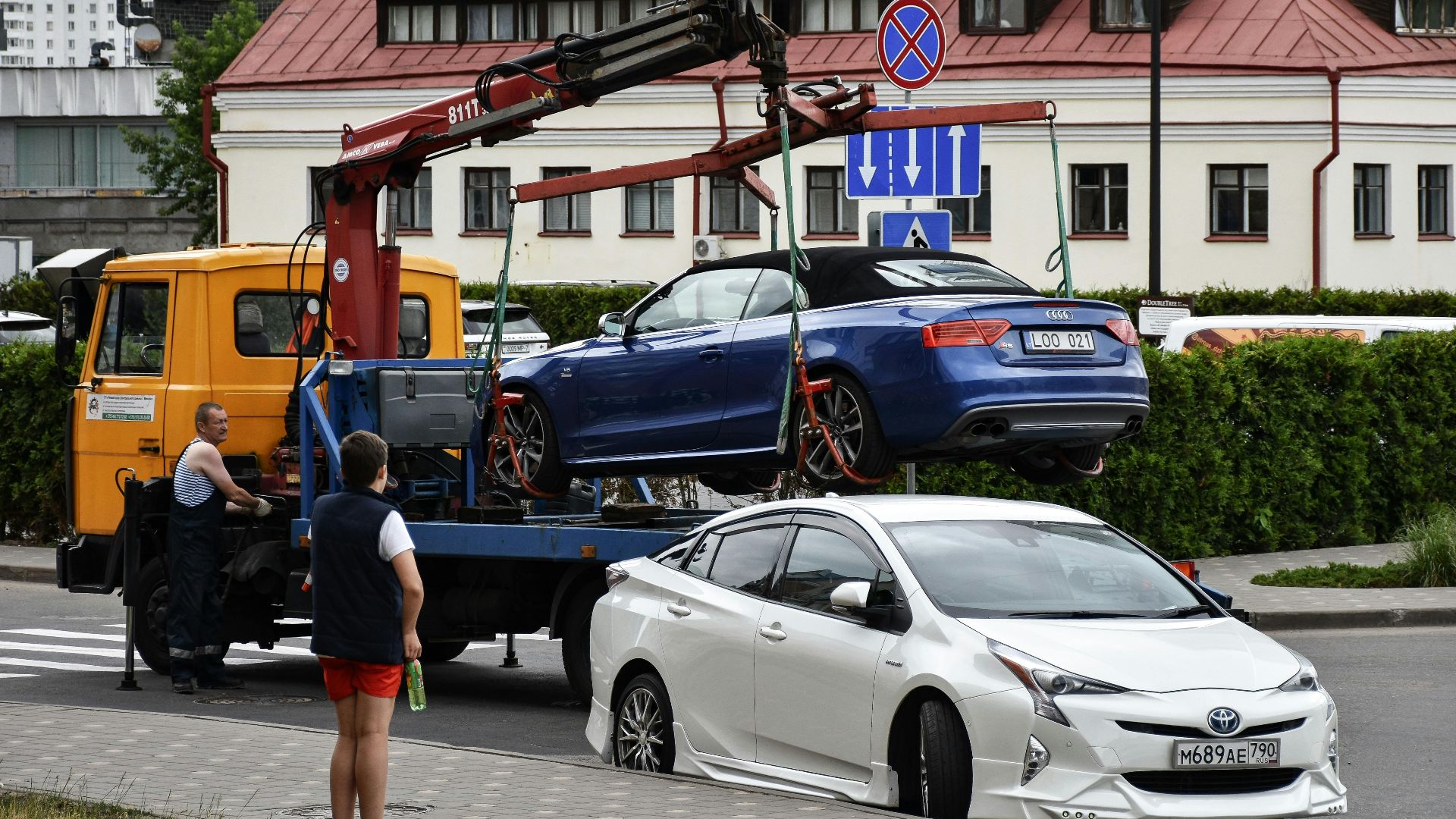
5. The Curb Became A Battlefield
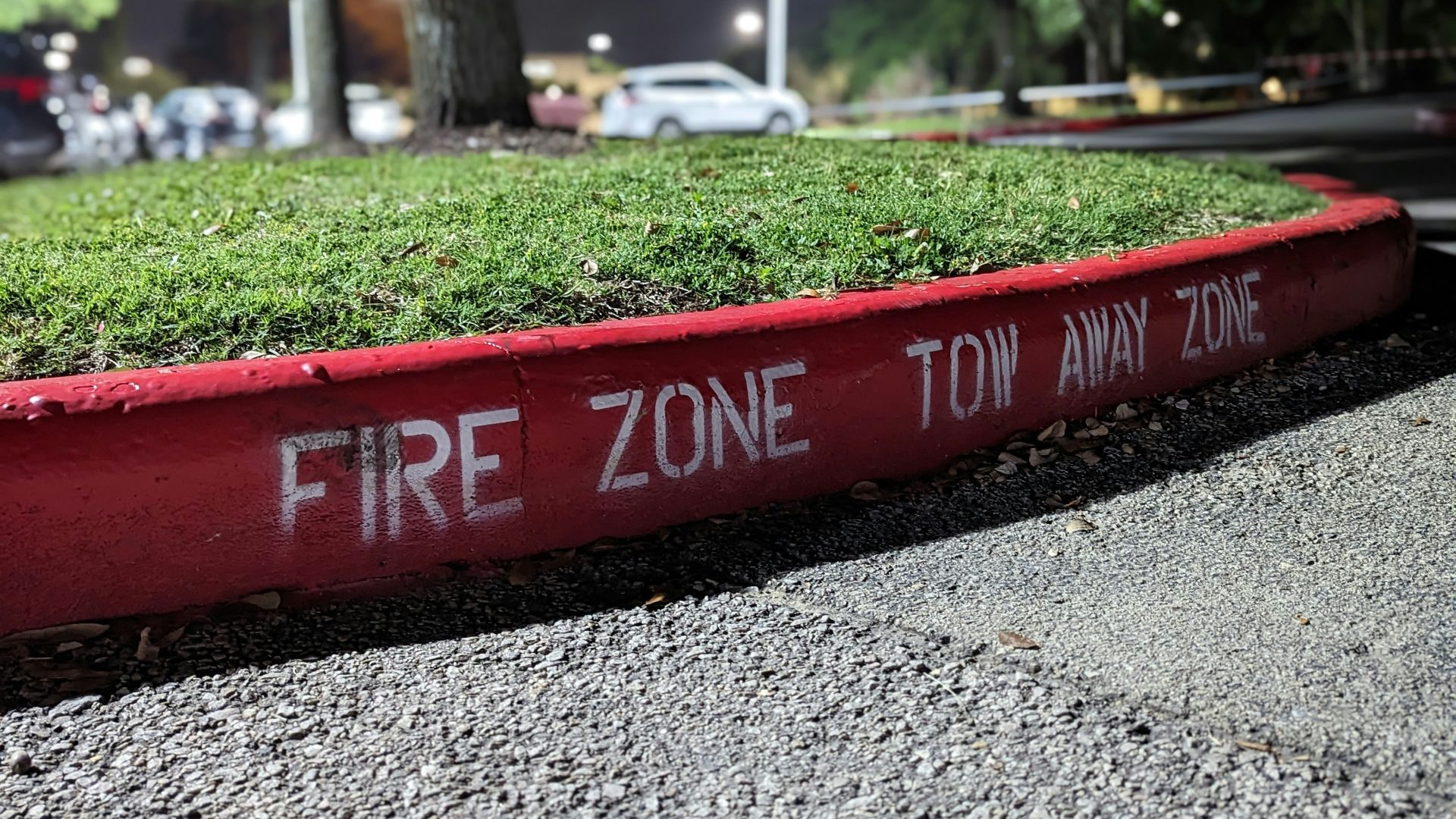
Ride-share drop-offs, food delivery, and online shopping returns have turned curbs into active loading zones all day long. Double-parked cars force sudden merges, and you learn to scan for hazard lights the way you used to scan for turn signals.
6. Headlights Got Brighter Than People Asked For
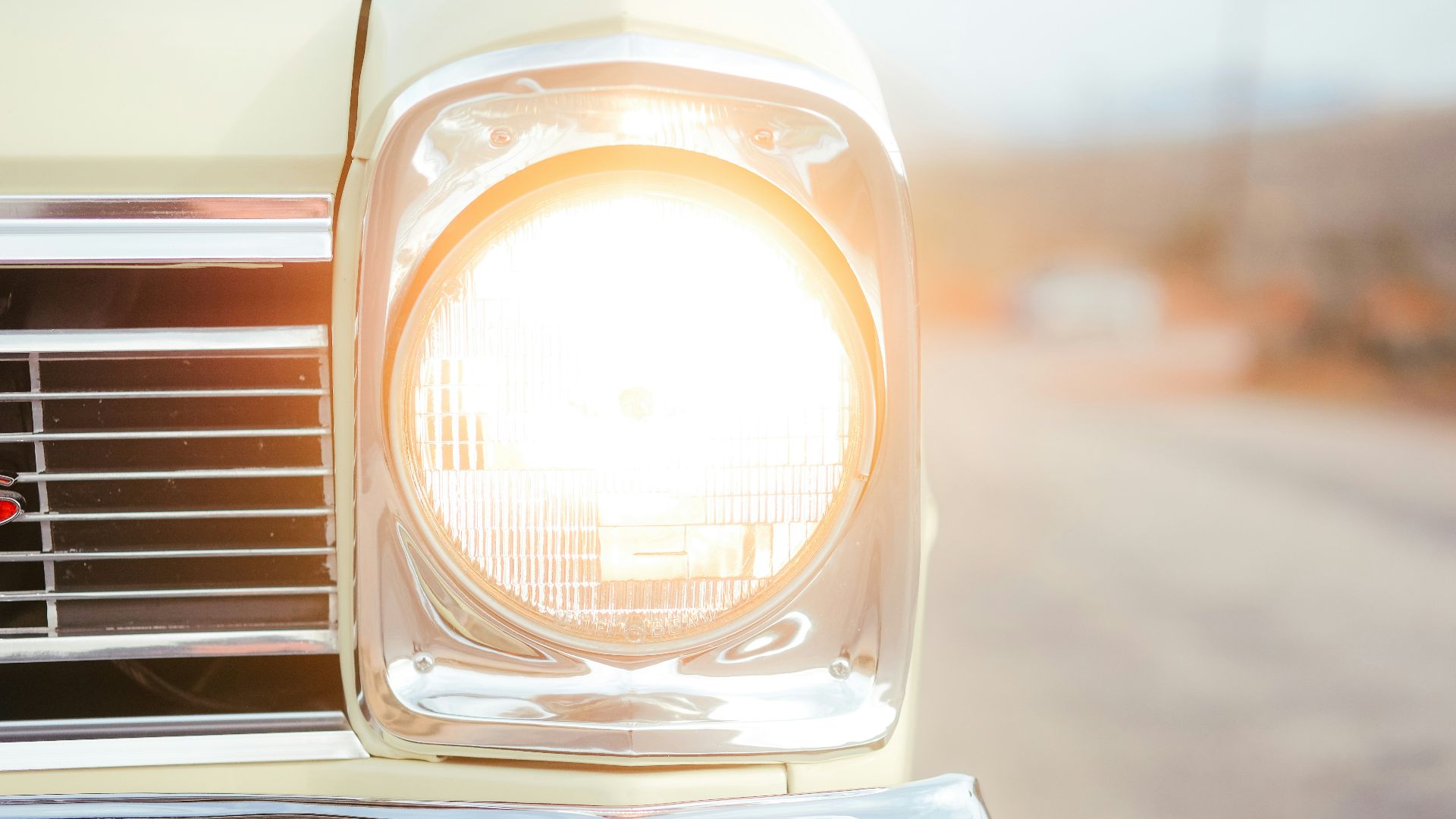
Modern headlights can be intensely bright, and on darker roads they can make oncoming traffic feel like it’s aiming spotlights at your face. Night driving becomes more tiring when you’re squinting through glare and trying to keep track of the edges of your lane.
7. Weather Is Less Predictable In Familiar Places
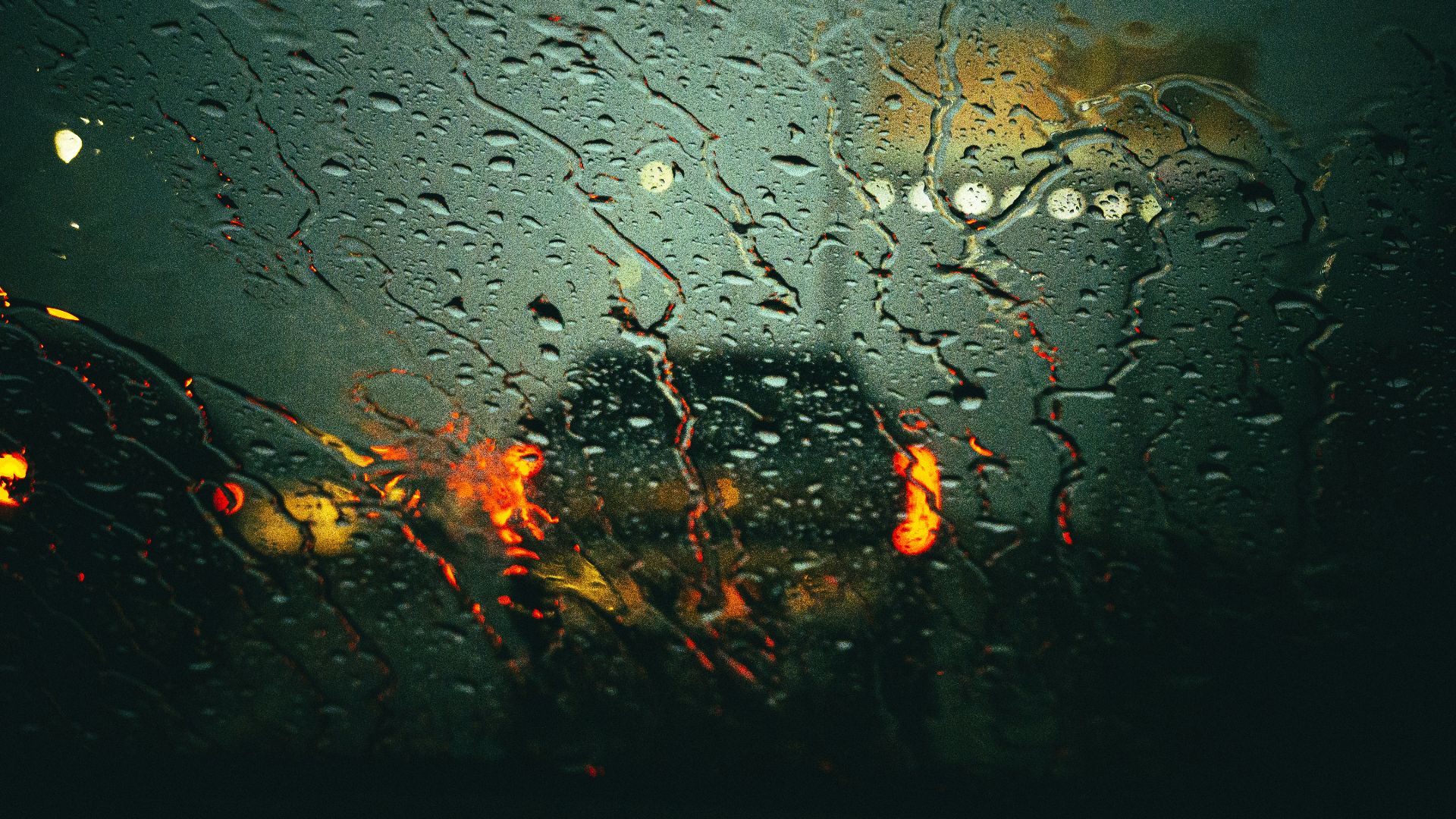
Even if you don’t label it as climate-related, you can feel the shift in the form of sudden downpours, surprise ice, and heat that turns the inside of a parked car into a dangerous waiting room. Harder weather makes driving harder because it forces constant adjustment and raises the cost of getting it wrong.
8. Speed Differences Are More Extreme
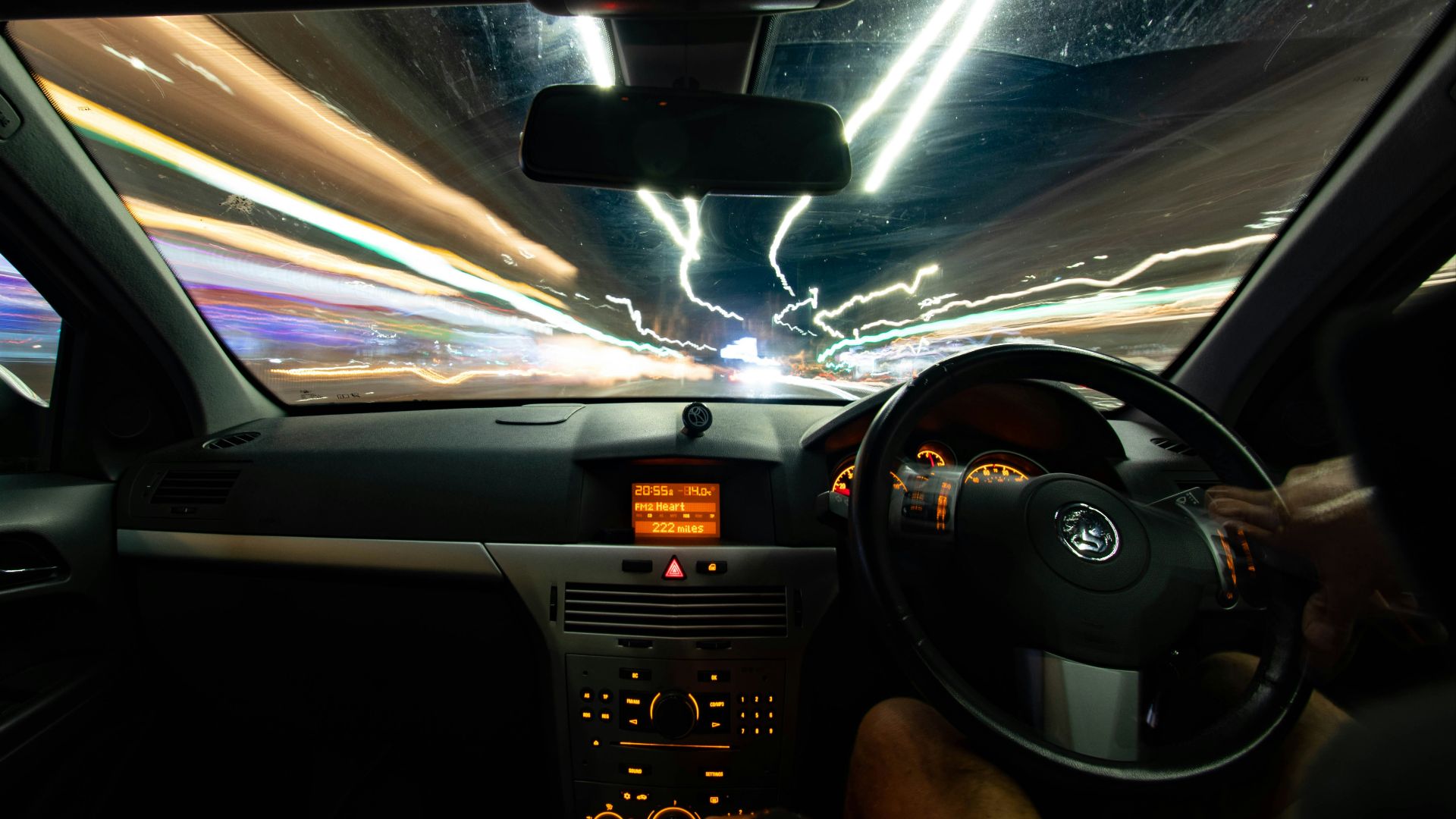
Some drivers treat a speed limit as a suggestion, others treat it as a maximum, and the gap between them creates risk. On many highways, the most stressful moments aren’t the average speed, they’re the sudden closing speeds when someone flies up behind you or cuts across lanes to avoid missing an exit.
9. Cars Are More Complicated When Something Goes Wrong
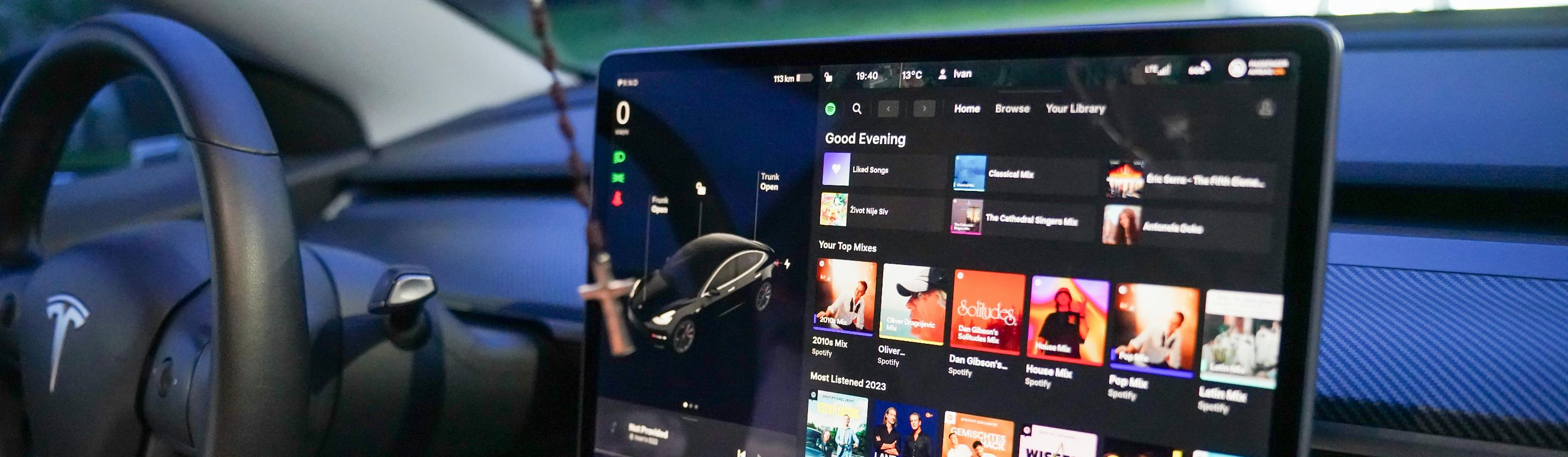
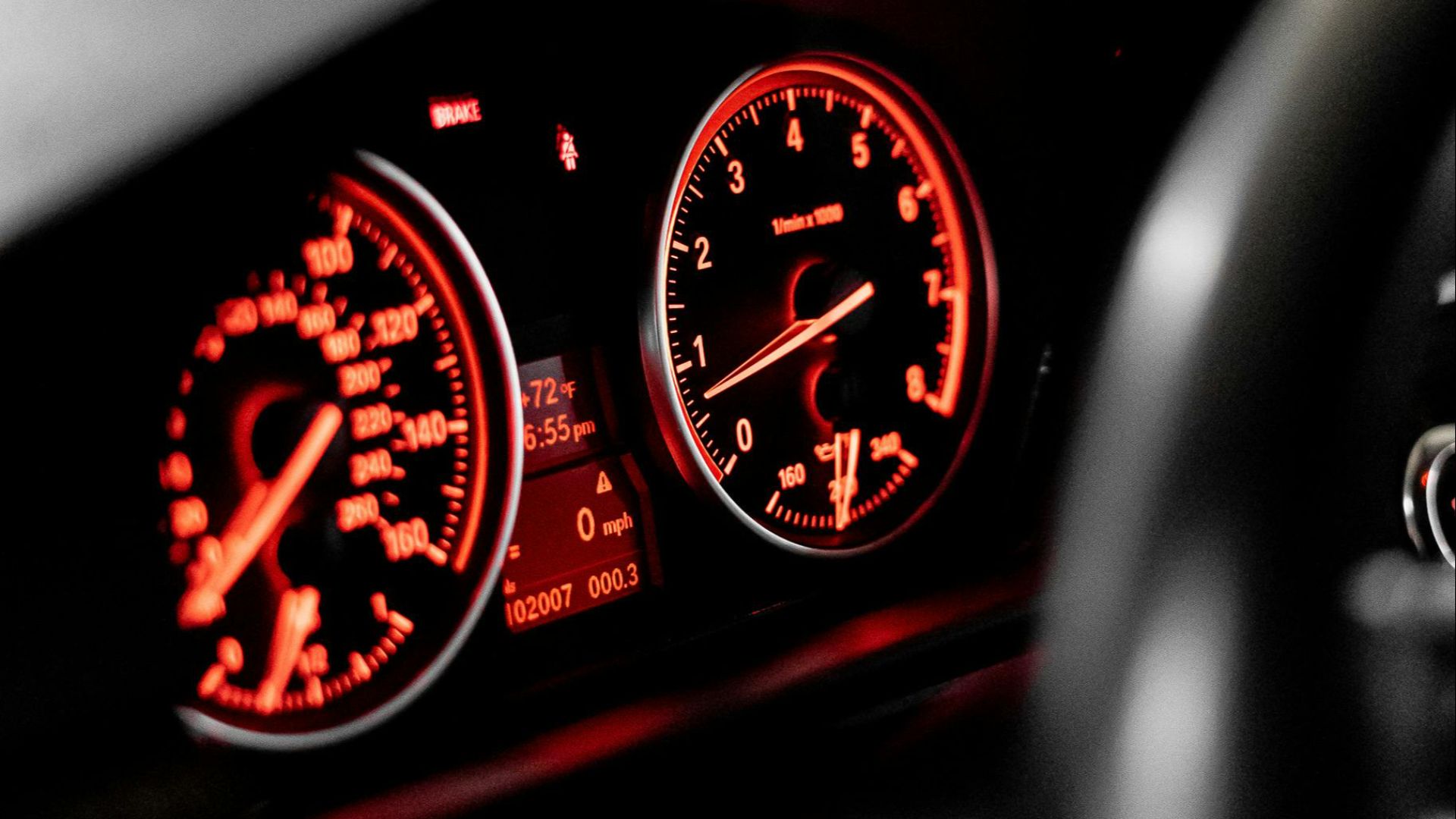
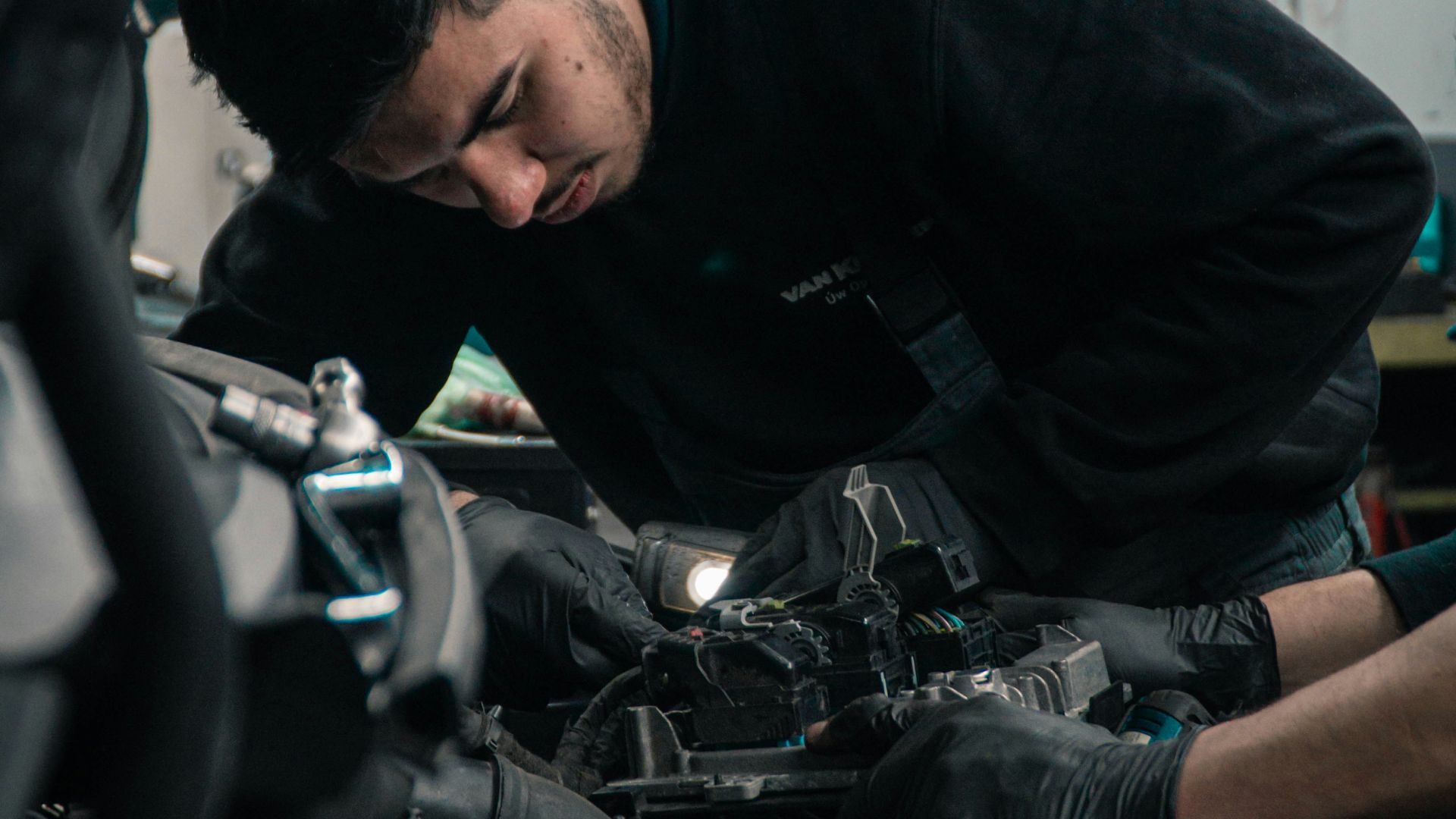
A modern dashboard can light up like a holiday display when a sensor fails, and the driver has to decide what is urgent and what is noise. Even basic repairs can be expensive and time-consuming, which adds a background stress that older, simpler cars didn’t always carry.
10. Traffic Enforcement Feels Less Predictable
In some places, you’ll see aggressive behavior go unchecked, and in others, a small mistake can turn into a ticket because enforcement is concentrated in specific zones. That inconsistency makes it harder to feel confident about what the real rules are on a given day.
Driving is harder in a lot of ways, yet it’s also easier than ever in ways people forget until they’re in an older car that expects more from them. Here are ten reasons why driving is easier than ever.
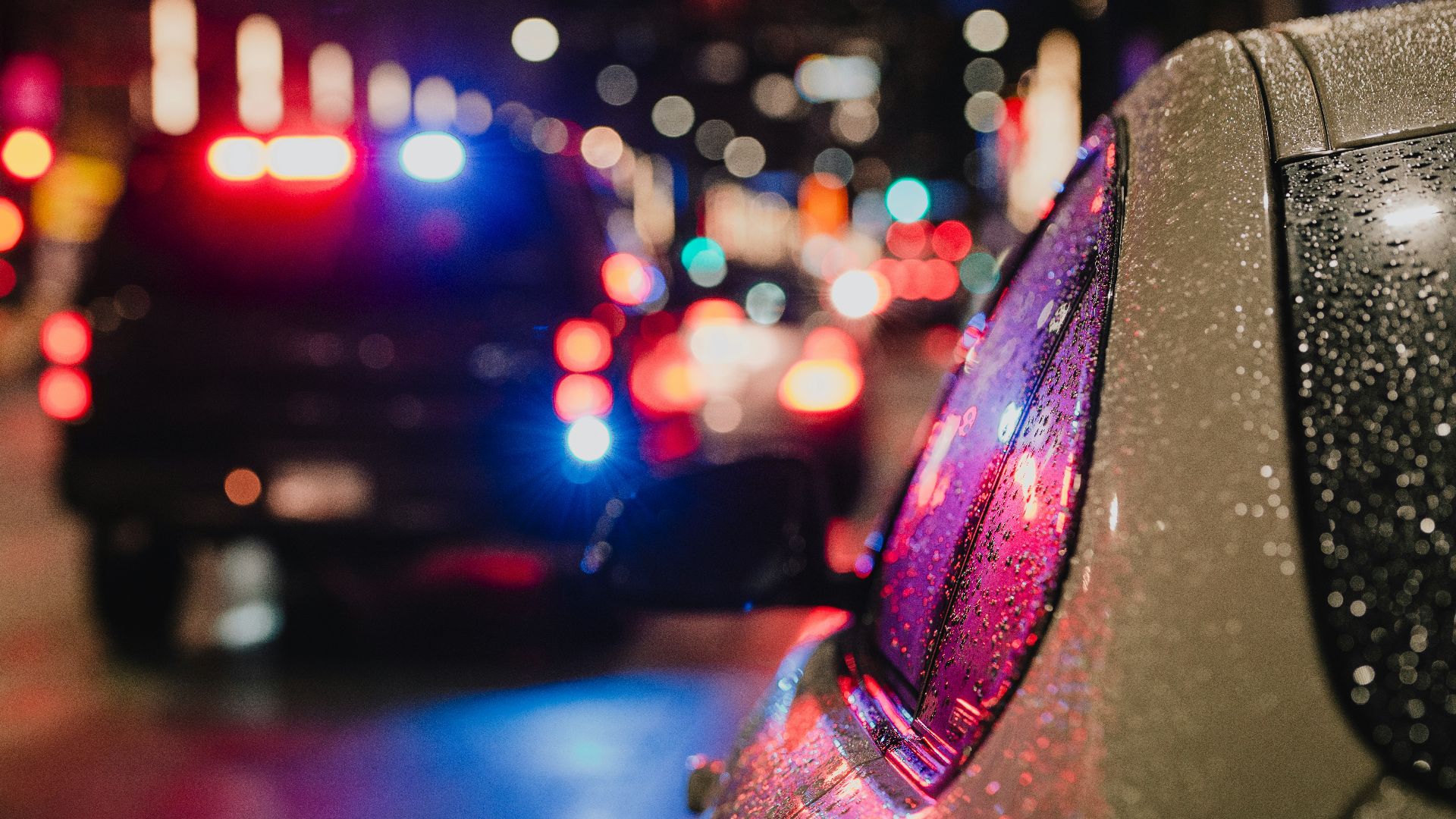
1. Navigation Is Basically A Superpower Now
Getting lost used to be a normal part of road trips and new cities, and now it’s mostly a memory. Turn-by-turn directions reduce stress, help avoid traffic jams, and make unfamiliar places feel manageable even when the street grid is a mess.
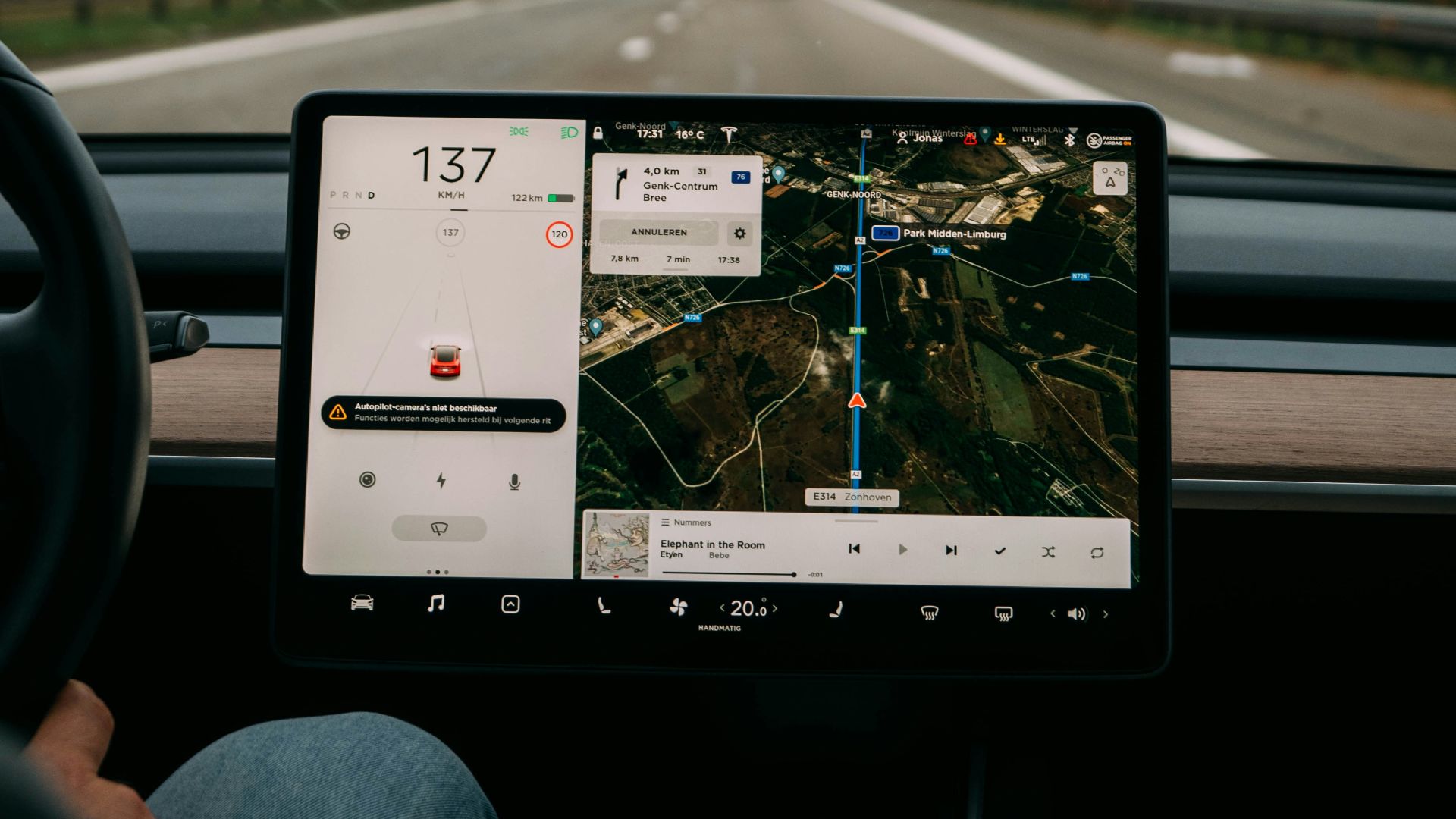
2. Cars Are Safer In Crashes Than They Used To Be
Modern vehicles are designed with advanced crash structures and safety systems, and that changes what survival looks like in common collision types. The road is still dangerous, yet the outcomes in many scenarios are less catastrophic than they would have been decades ago.
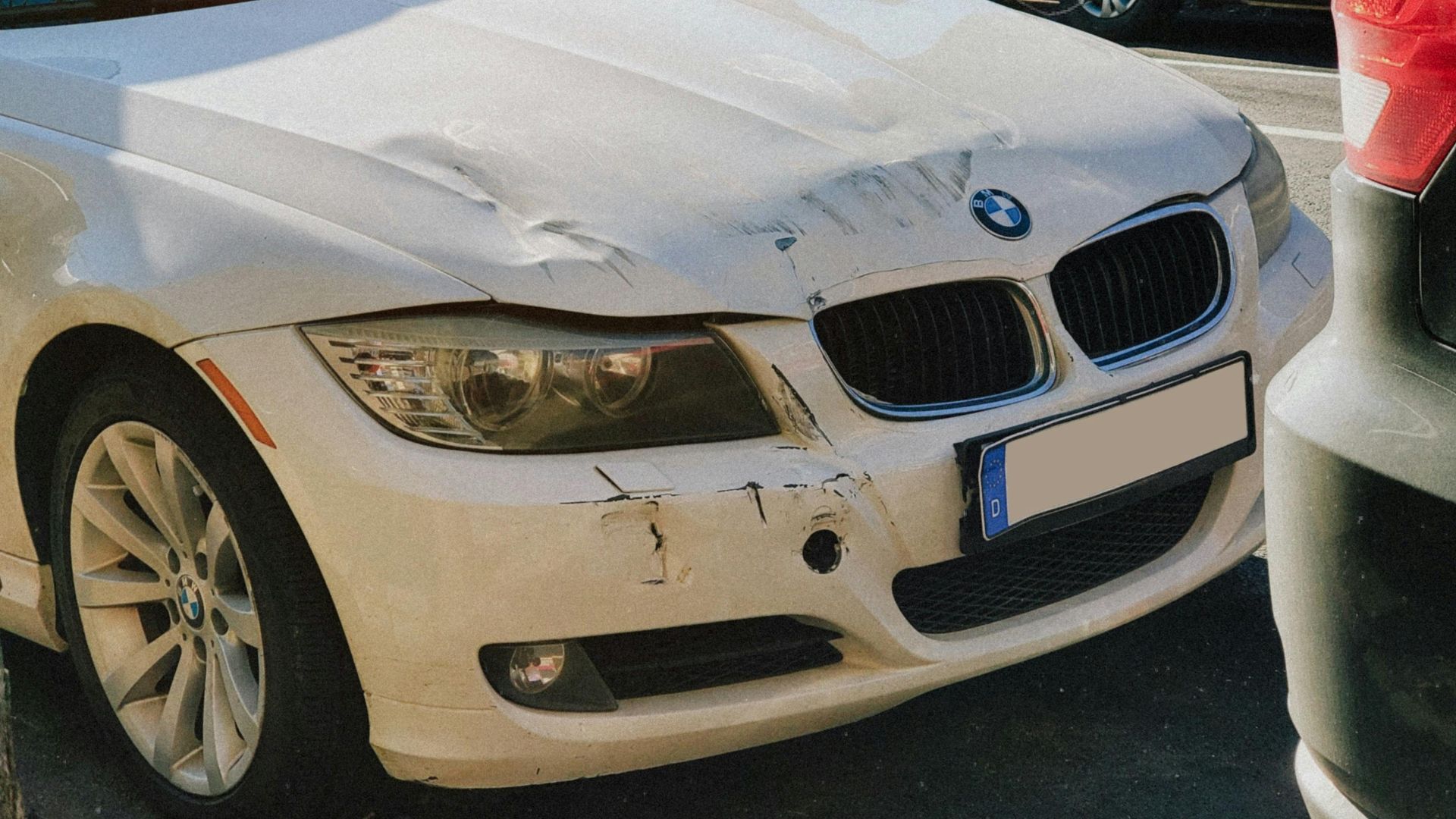
3. Driver Assistance Features Reduce Mental Load
Adaptive cruise control, lane-keeping assistance, and automatic emergency braking can take the edge off long highway stretches. Even when you’re still fully responsible, having the car quietly watching for the obvious mistakes can make driving feel less exhausting.
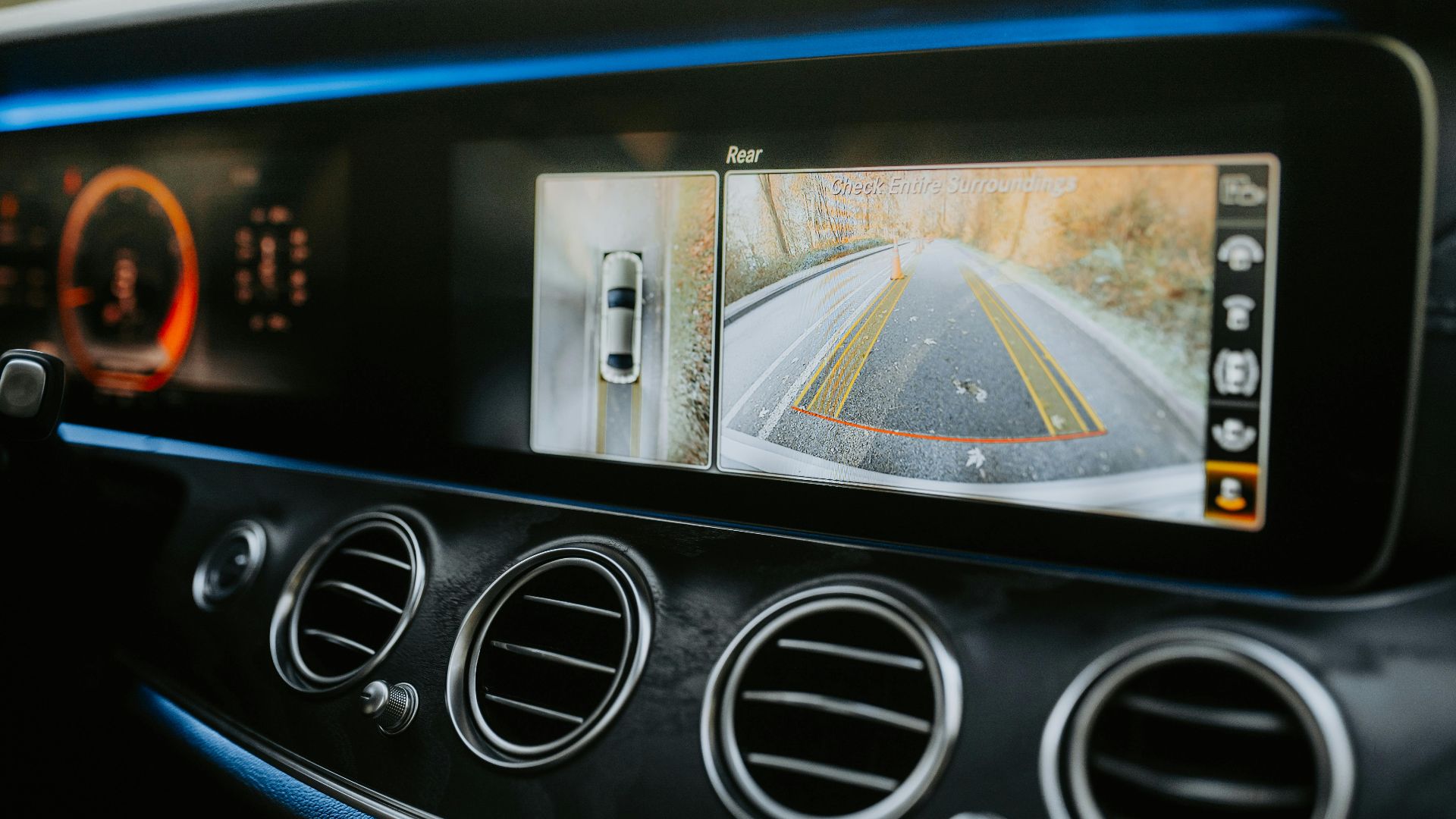
4. Backup Cameras Make Parking Less Of A Guess
A backup camera turns a blind spot into a clear picture, and that helps in tight garages and crowded lots where one bad angle can become a minor disaster. Once you get used to it, parallel parking stops feeling like a public performance.
5. Better Tires And Stability Systems Help In Bad Conditions
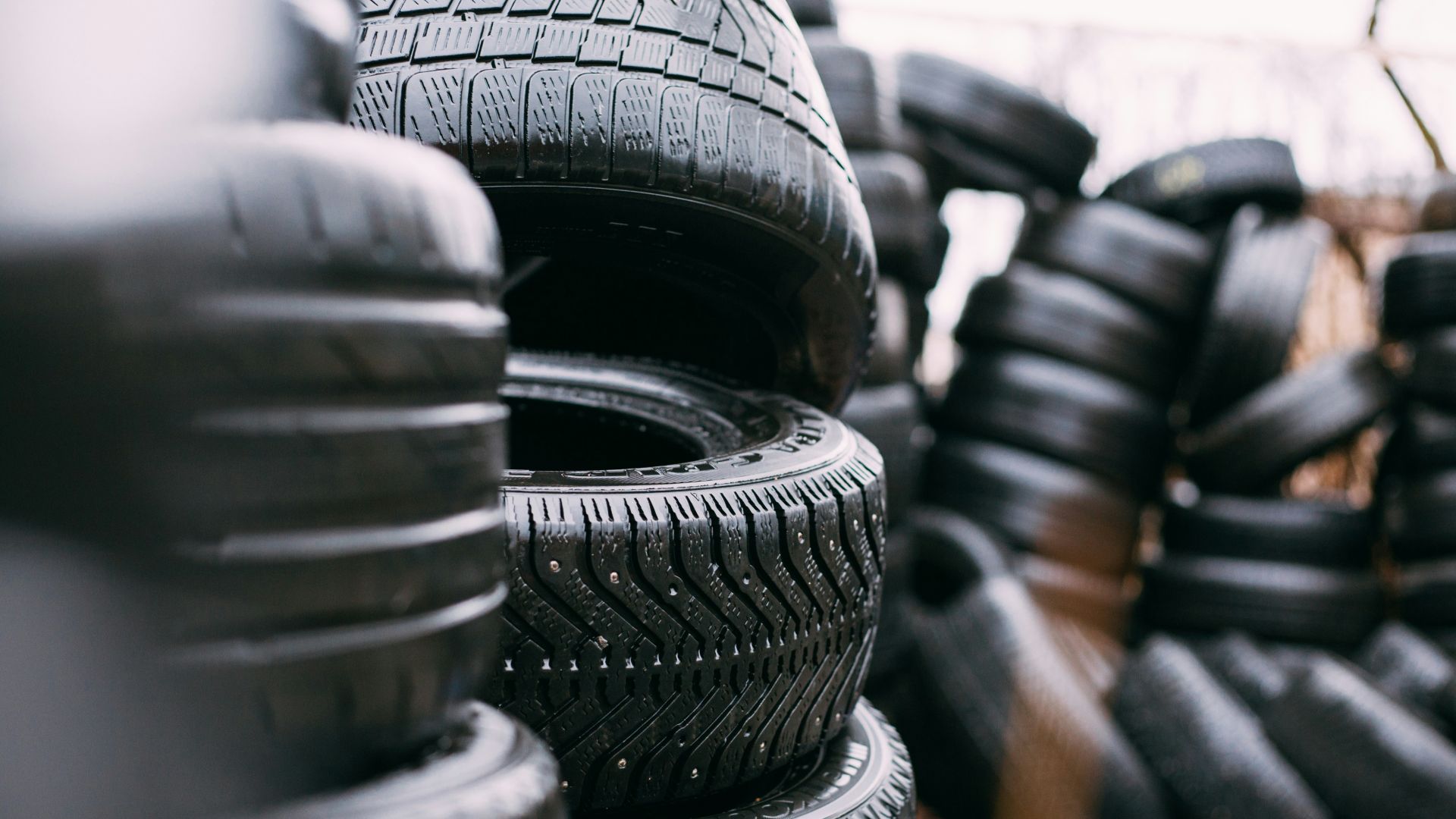
Modern traction control and electronic stability control can prevent skids in situations that used to spiral quickly. Pair that with better tire options, and you can drive more safely through rain and light snow without white-knuckling every turn.
6. Cars Tell You When You’re Doing Something Risky
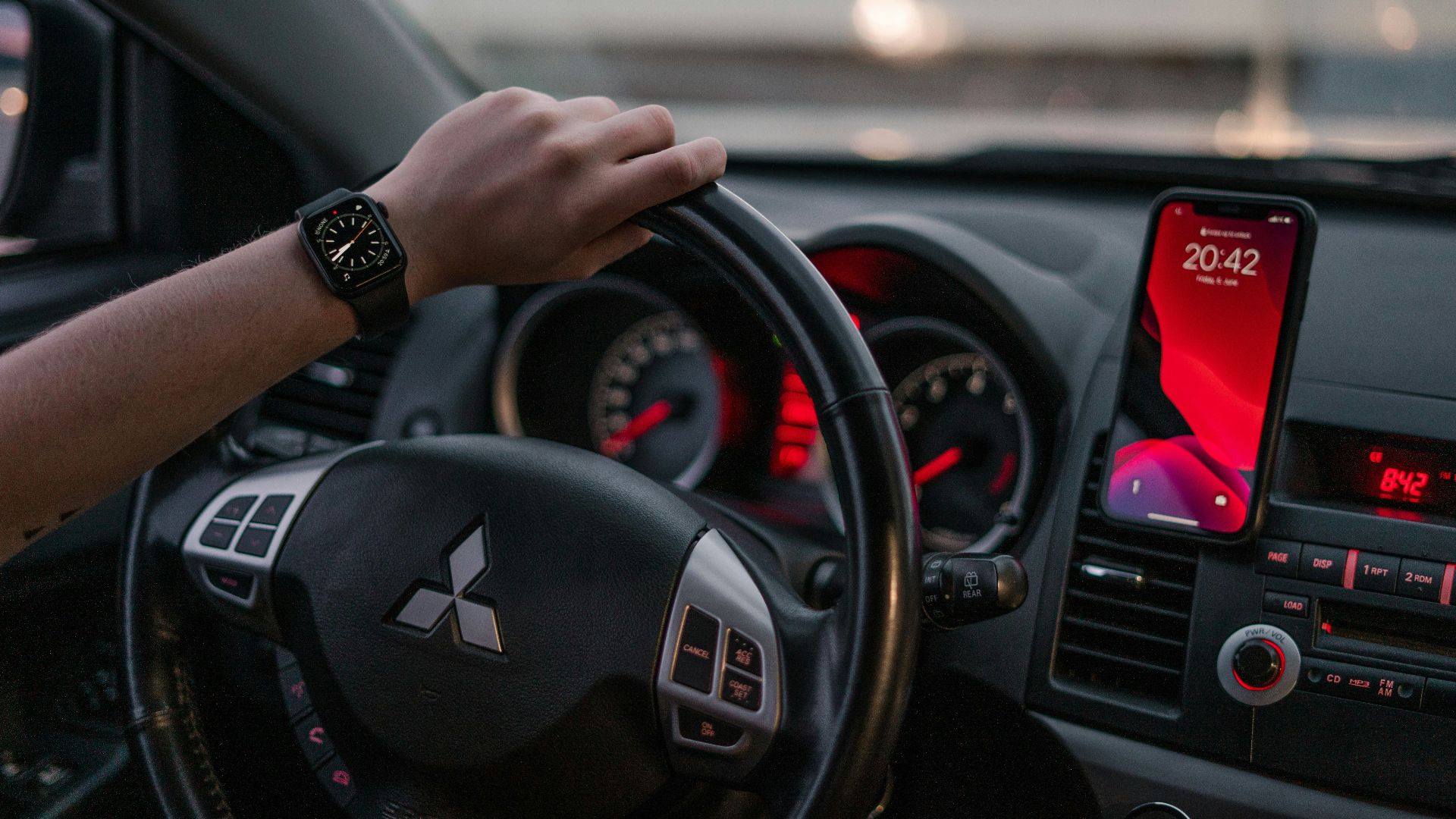
Blind-spot monitoring, cross-traffic alerts, and collision warnings are essentially extra sets of eyes that don’t get tired. They don’t replace judgment, yet they do catch the moments when another car is hiding exactly where you can’t see.
7. Roads And Signs Are Often More Standardized
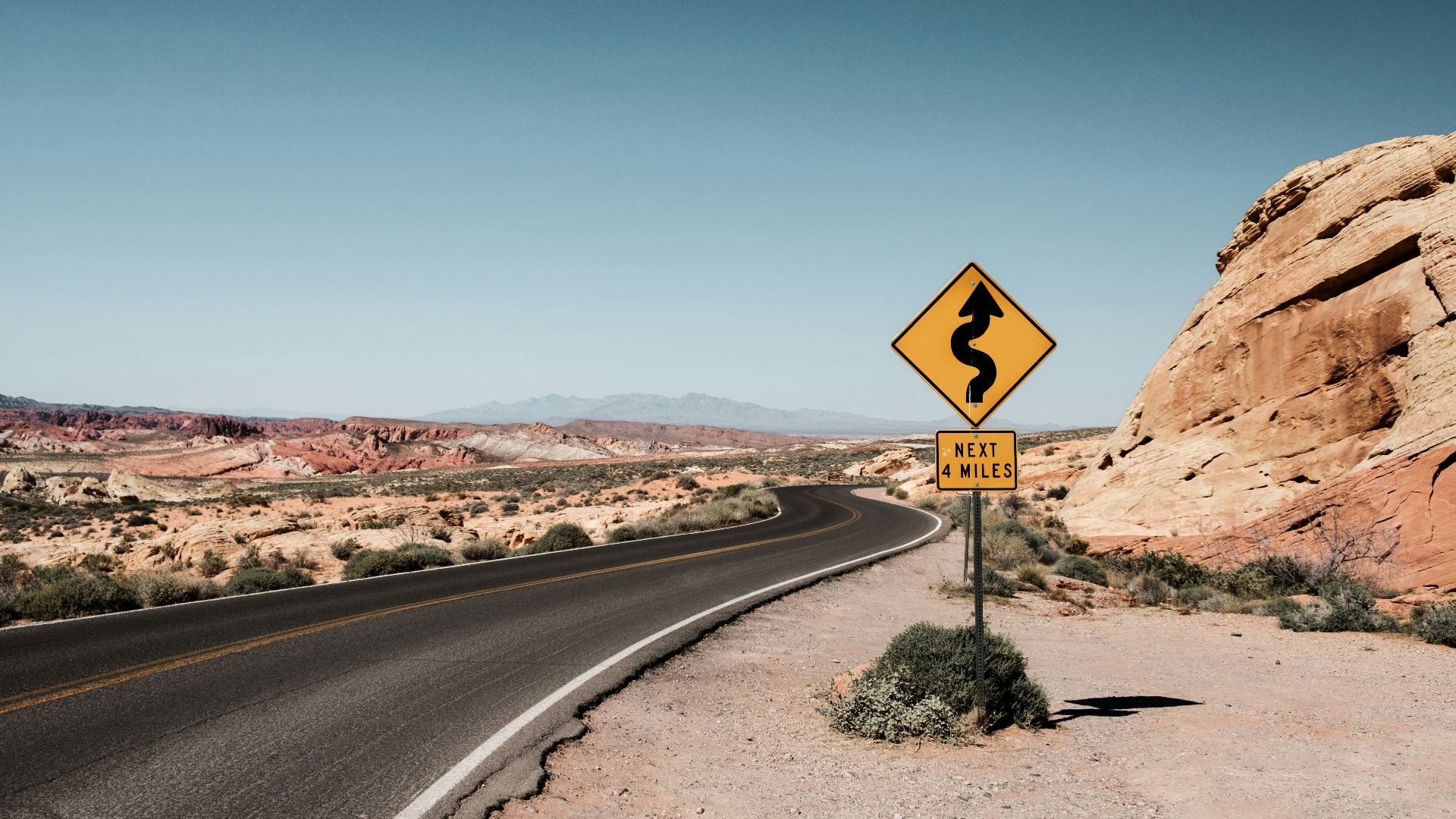
Highway signage, lane markings, and intersection design have become more consistent across many regions, which reduces the amount of decoding you have to do. Even when you’re traveling, the basic visual language of the road tends to translate.
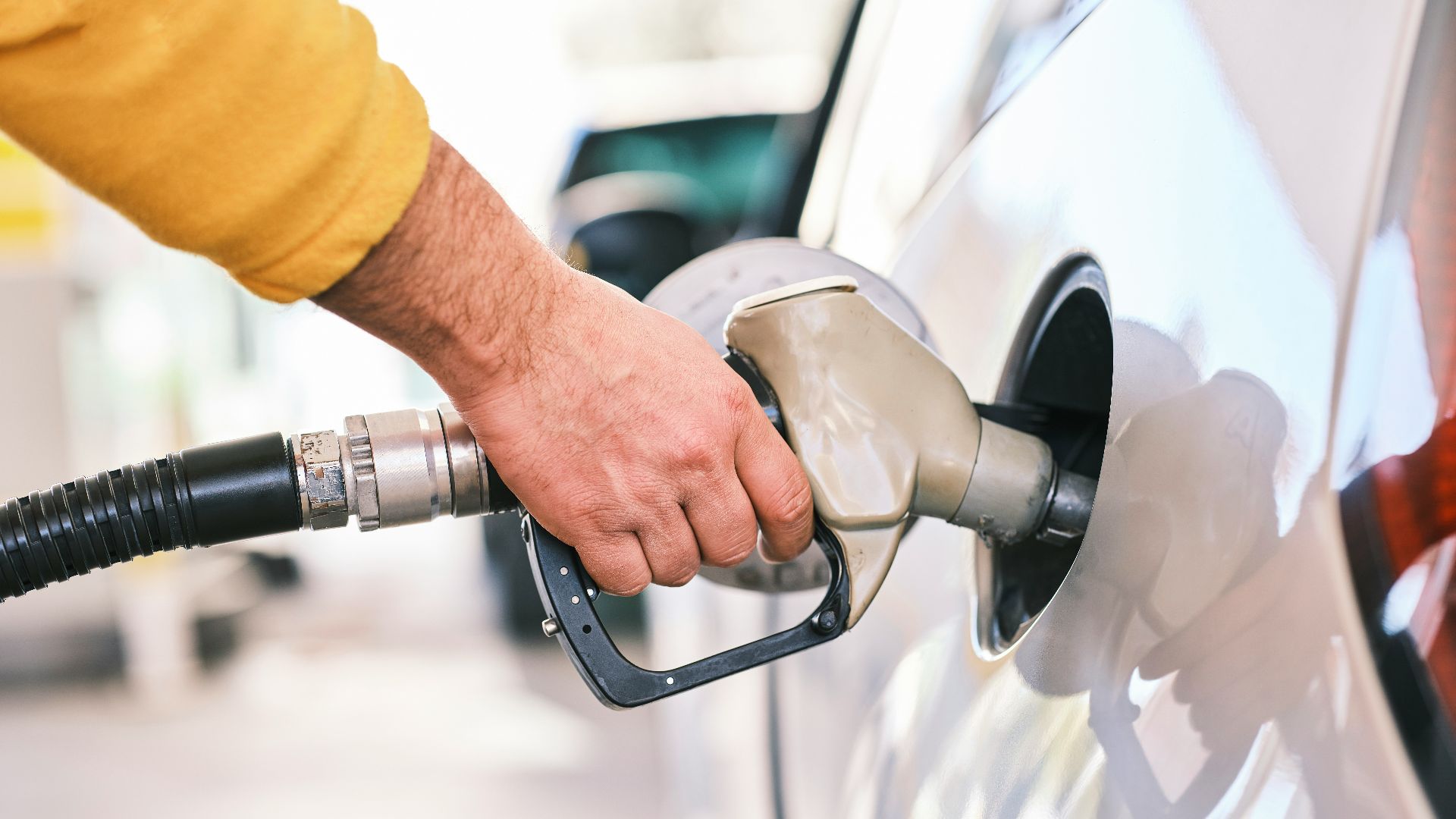
8. Paying For Gas And Tolls Is Faster
Tap-to-pay, app-based tolling, and fewer cash-only setups reduce the small hassles that used to stack up on long drives. You spend less time searching for exact change and more time just moving through.
9. Reliability Is Better For A Lot Of Drivers
Many cars go longer between major issues than they used to, and routine maintenance schedules are clearer. If you’ve ever driven an older car that demanded constant attention, the quiet competence of a modern vehicle can feel like relief.
10. Help Is Easier To Reach
If you break down, you can call for roadside assistance, share your location, and get updates, instead of hoping someone eventually notices you on the shoulder. Even a dead battery feels less dramatic when you can summon help without leaving your car.