Which Ones Hold Up
Honda has one of those brand reputations that can make people stop asking follow-up questions. A lot of that trust is earned: Honda still scores well overall for reliability, and used Hondas tend to rank strongly too, which is a big reason the badge carries so much goodwill. But that halo can get a little too bright, and that is when buyers start talking about every Honda like it is equally bulletproof, even when certain engines, transmissions, and model years tell a messier story. Some of these cars really do seem built to absorb commuting, neglect, and time without much complaint. Here are 10 Hondas that run forever, followed by 10 that age badly.
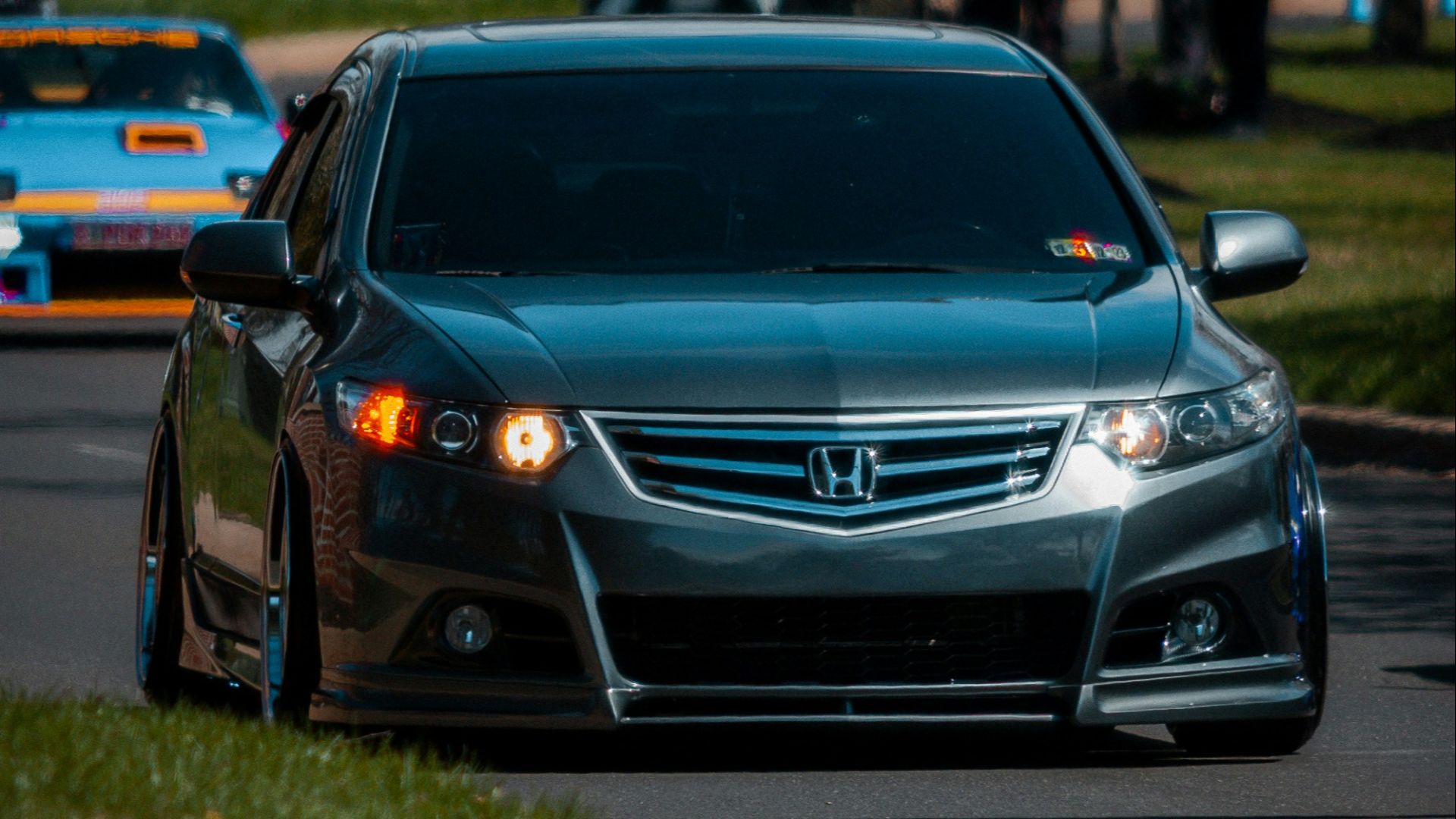
1. 2003–2007 Honda Accord 2.4
A four-cylinder Accord from this stretch is one of the clearest examples of Honda’s reputation being earned the old-fashioned way. These cars built their name on simple durability, and the 2.4-liter version has the kind of long-life reputation people still bring up when they want a used sedan that feels like a safe bet.
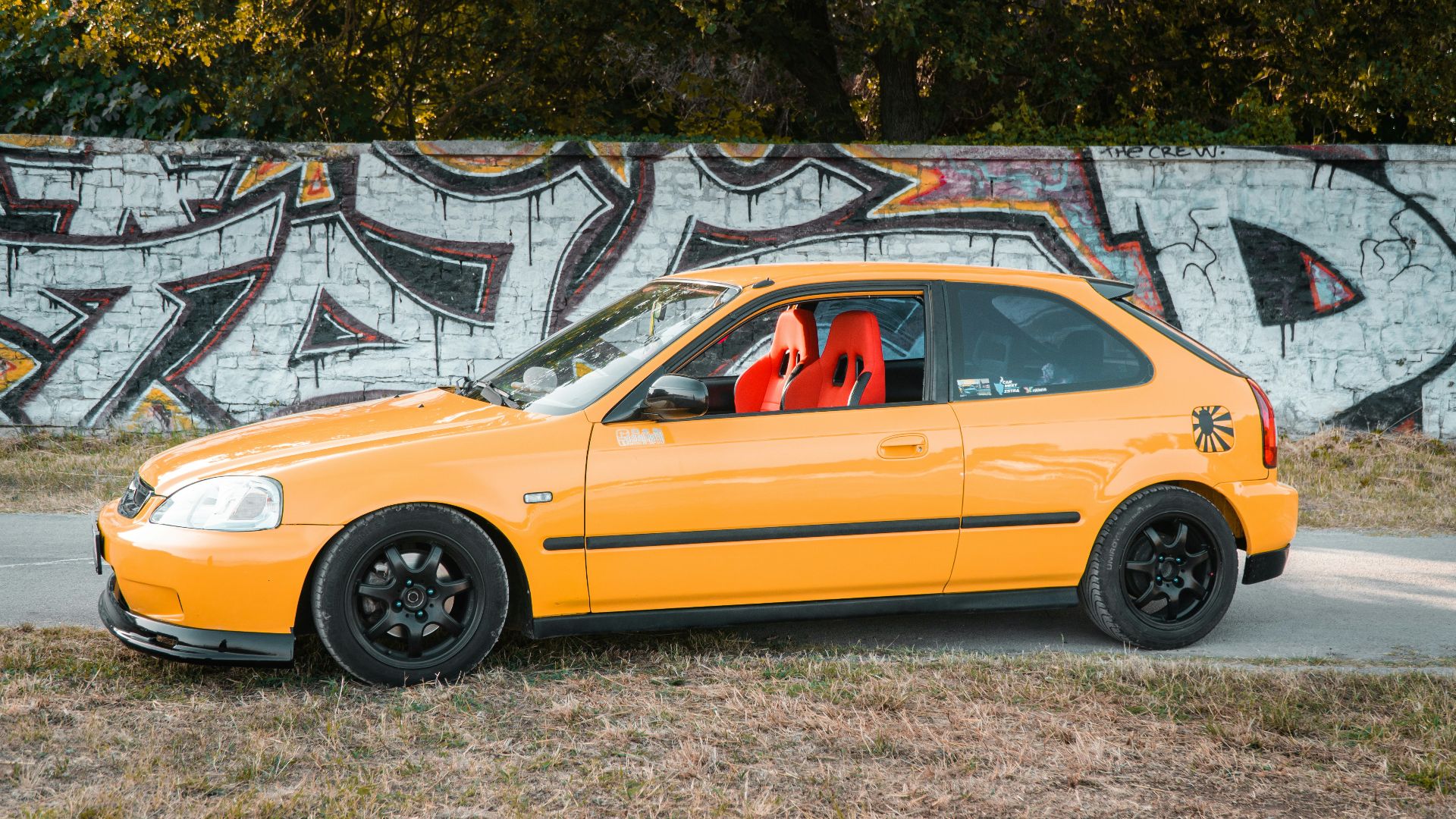
2. 1996–2000 Honda Civic
This generation of Civic is one of the models people mean when they talk about Hondas that seem impossible to kill. It is light, simple, efficient, and durable in a way that makes the car feel less like a used purchase and more like a household appliance that refuses to quit.
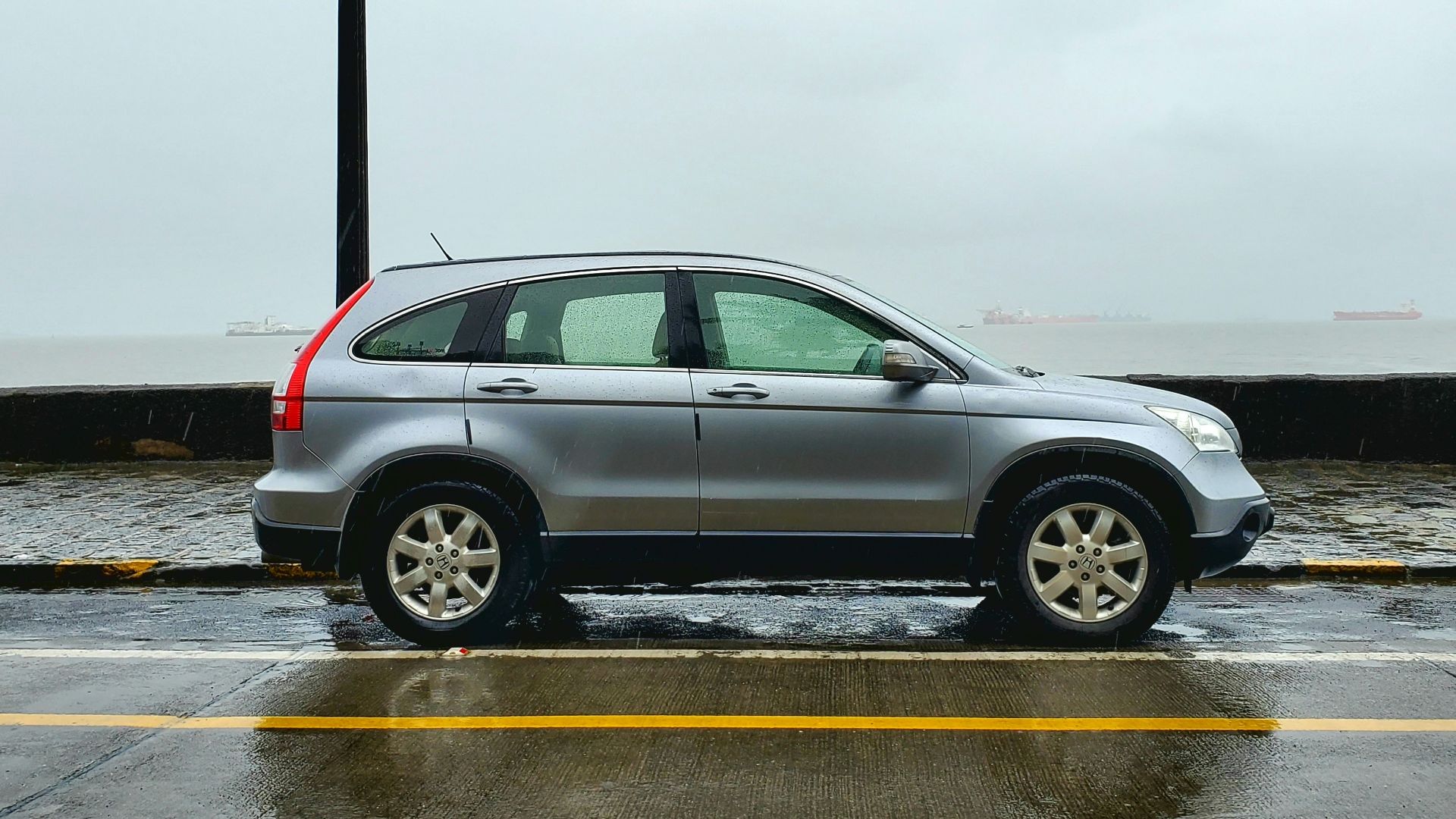
3. 2005–2006 Honda CR-V
The later second-generation CR-V is one of Honda’s best everyday formulas. It has the kind of long-term dependability that made it a default answer for people who wanted something practical and had no interest in spending weekends discussing repair estimates.
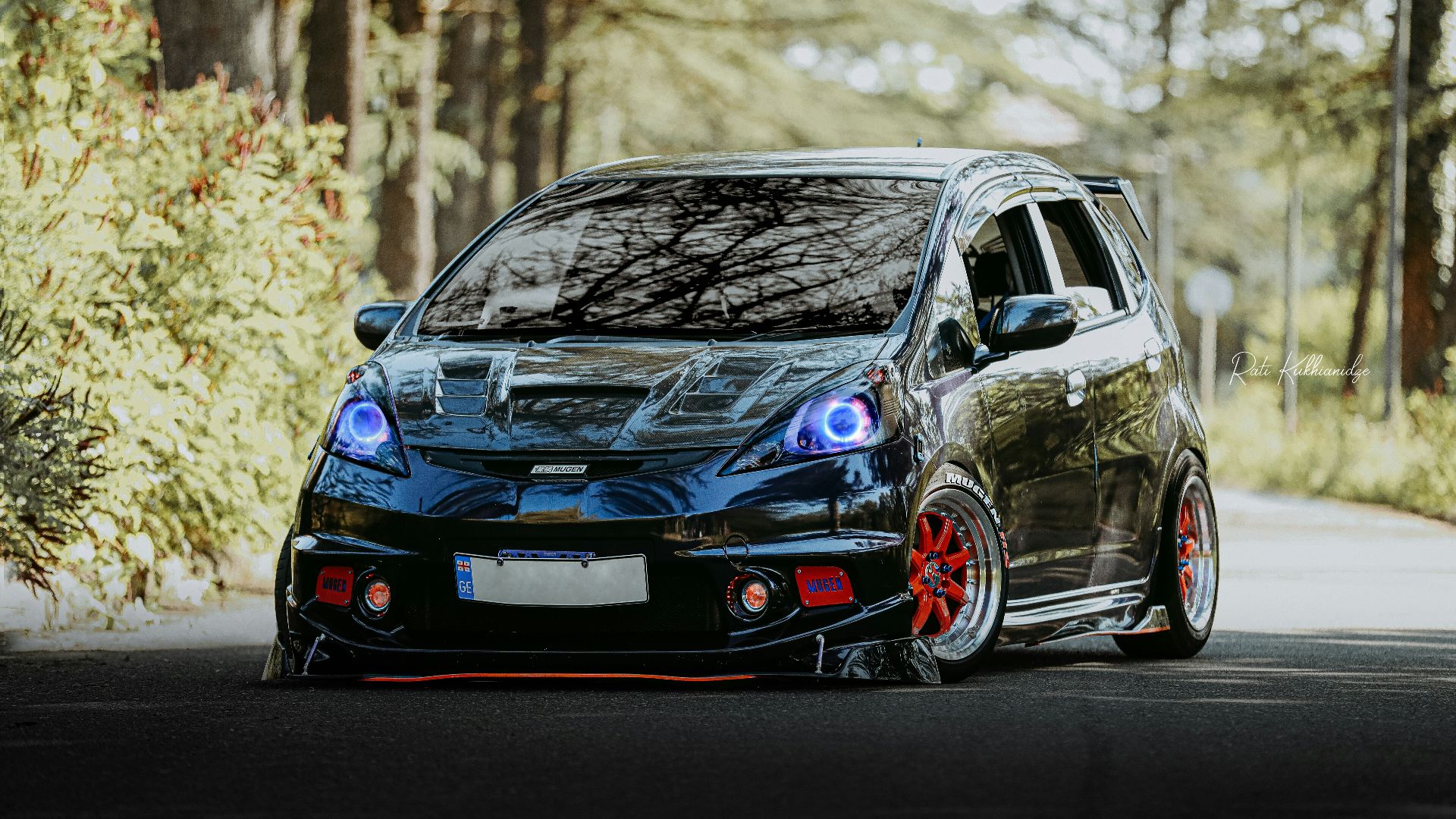
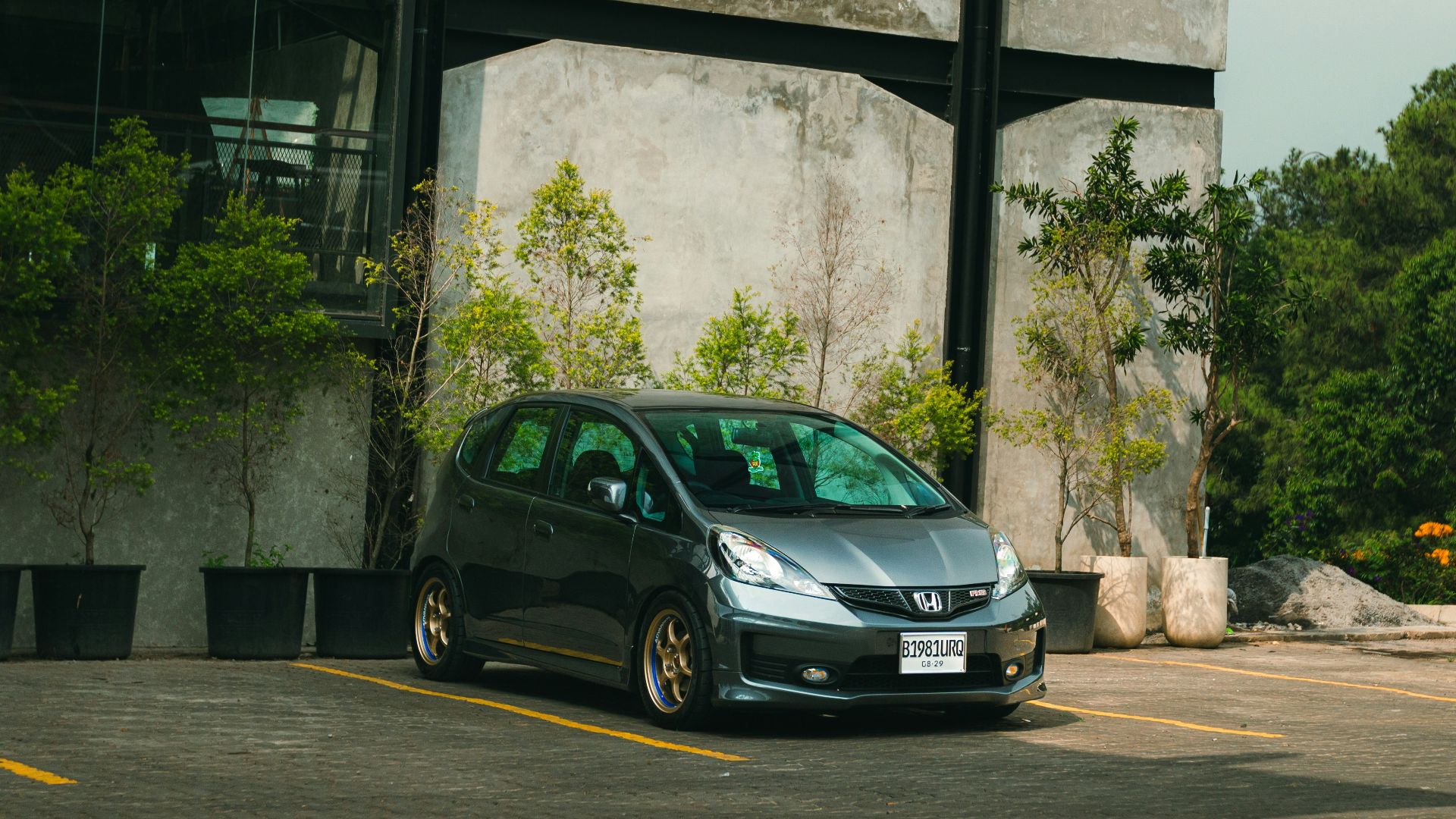
4. 2009–2013 Honda Fit
The second-generation Fit has always had more staying power than its size suggests. It is one of those Hondas that quietly built a great name by being cheap to run, easy to live with, and much tougher than it looks.
5. 2009–2015 Honda Pilot
A good Pilot from this stretch feels like the version of Honda family hauling people actually wanted. These model years are roomy, straightforward, and sturdy enough that they still make sense as long-haul family cars when they have been maintained without too much neglect.

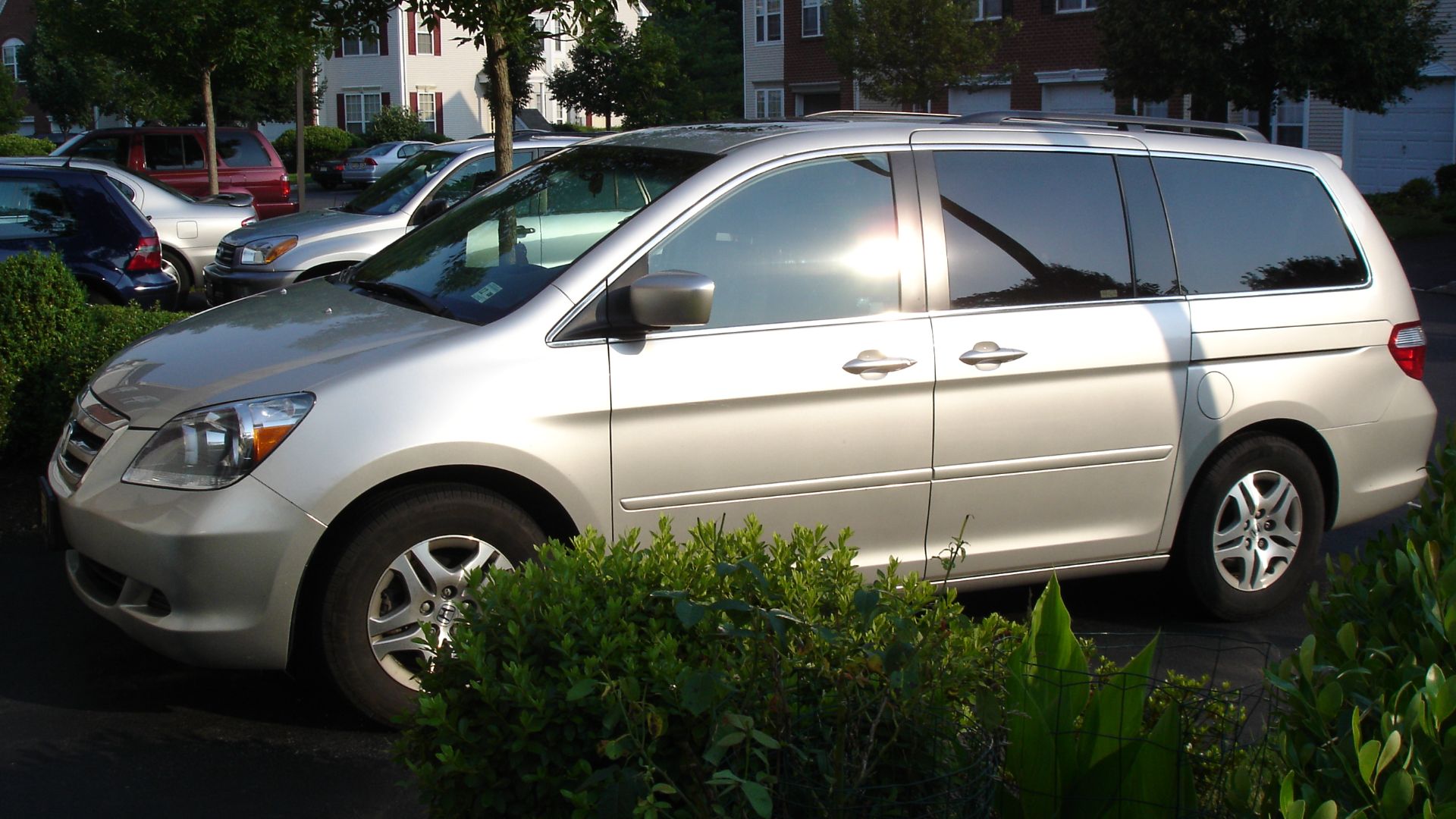
6. 2005–2006 Honda Odyssey
The Odyssey has enough troubled years that it helps to be specific, and these later third-generation vans are a better example of the model at its best. When they are sorted, they do exactly what people want from a Honda minivan: haul a family forever without turning every school pickup into a mechanical negotiation.
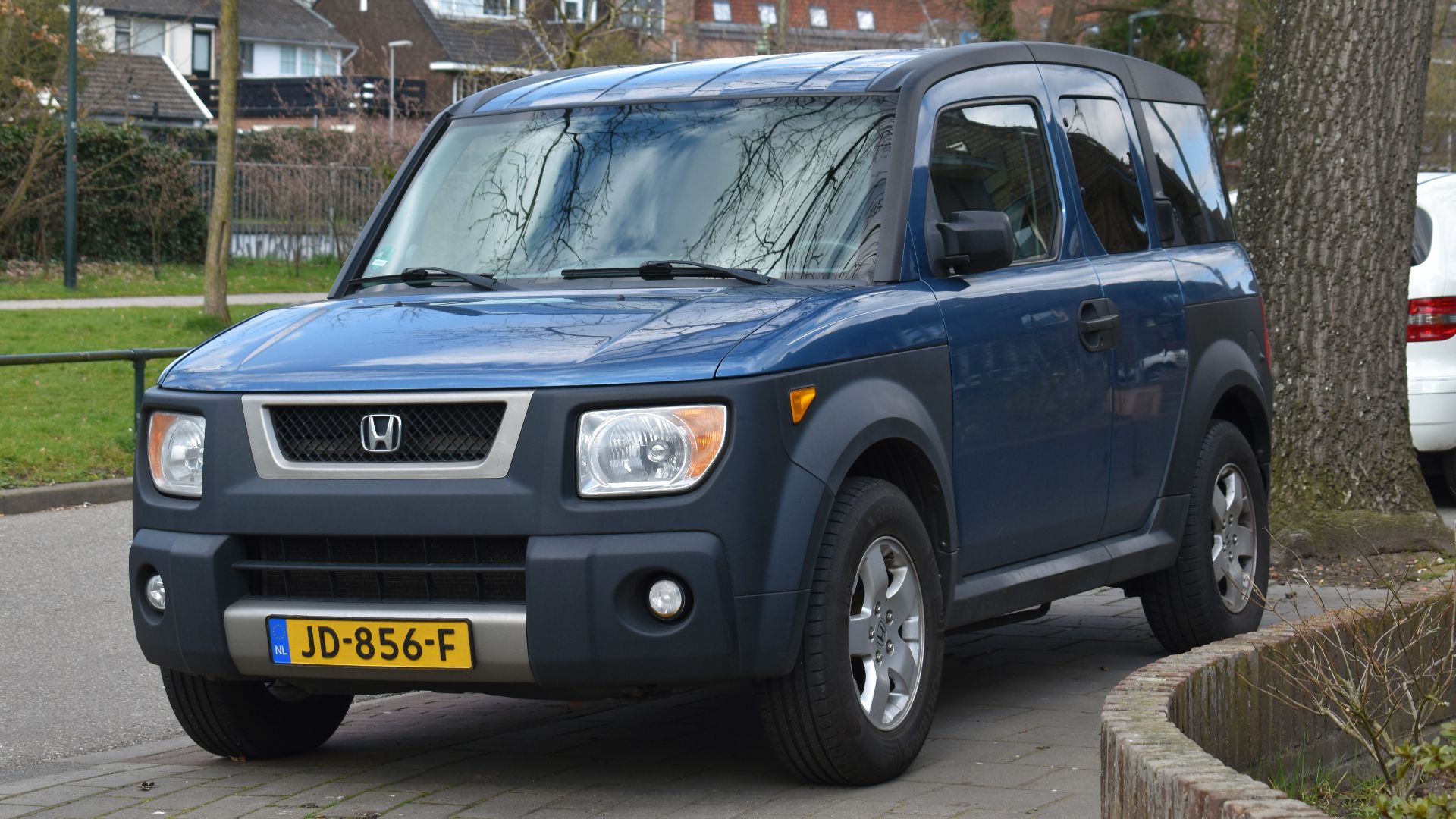
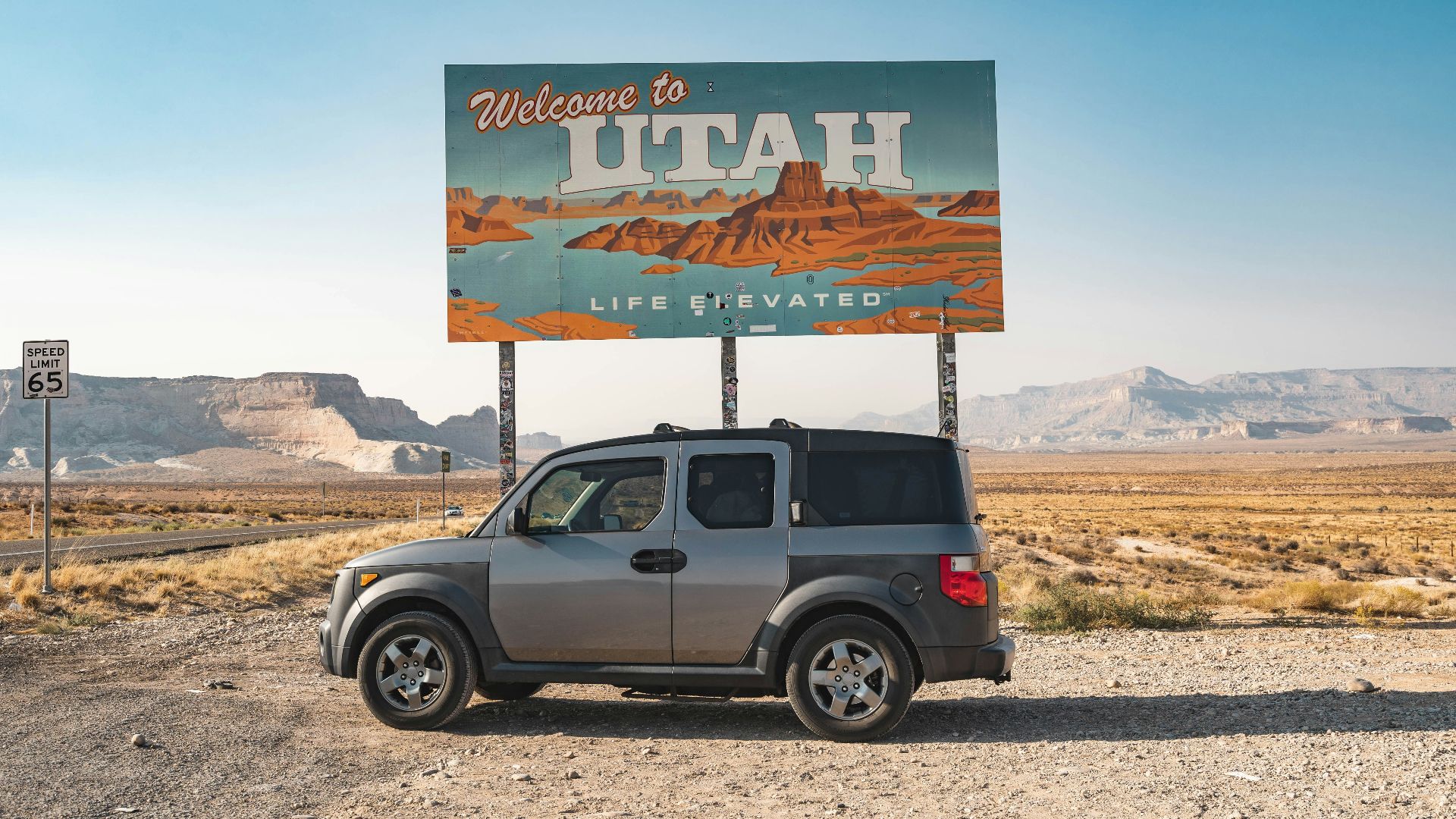
7. 2007–2011 Honda Element
The Element has aged into one of those Hondas people appreciate more now than they did when it was new. It is practical in a slightly oddball way, built on a durable Honda base, and loyal owners tend to keep proving that the thing can take abuse without becoming a constant project.
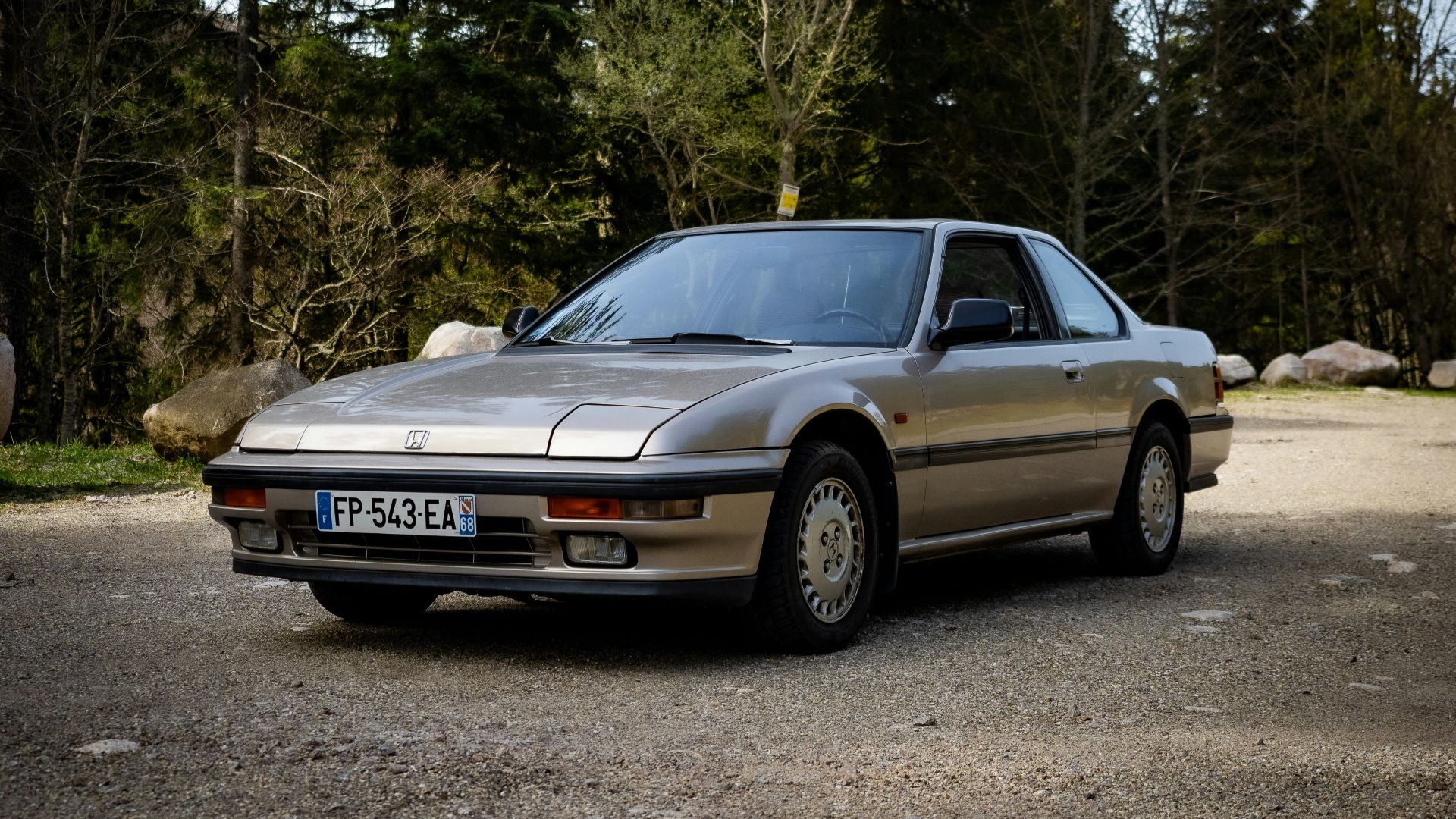
8. 1997–2001 Honda Prelude
The late Prelude is a good reminder that older Hondas earned their reputation on more than thrift. It had the engineering polish, everyday usability, and mechanical sturdiness that still make clean examples feel like real cars first and nostalgia objects second.
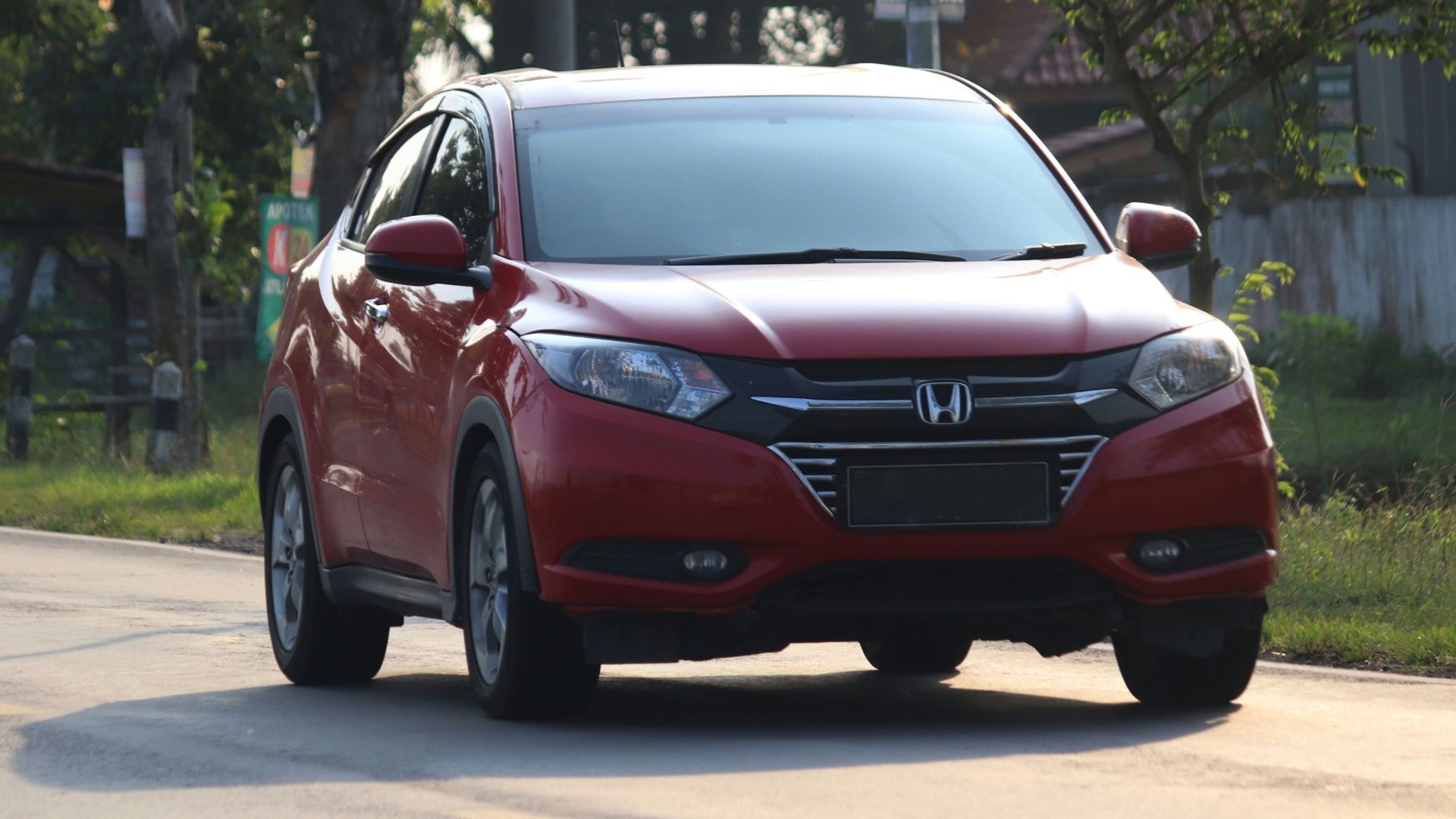
9. 2006–2014 Honda Ridgeline
The first Ridgeline has always had to deal with people who wanted it to be a different kind of truck. But judged for what it actually is, it built a reputation for sensible durability and the kind of low-drama ownership that keeps people in Hondas for years.
10. 2013–2017 Honda Accord Hybrid
Some hybrids age into expensive complications, but the better Accord Hybrids usually do the opposite. When Honda gets the drivetrain right, you end up with the same basic Accord strengths people already trust, plus fuel economy that makes the whole thing feel even smarter over time.
Then the reputation starts doing more work than the car itself. Here are ten Hondas that age badly.
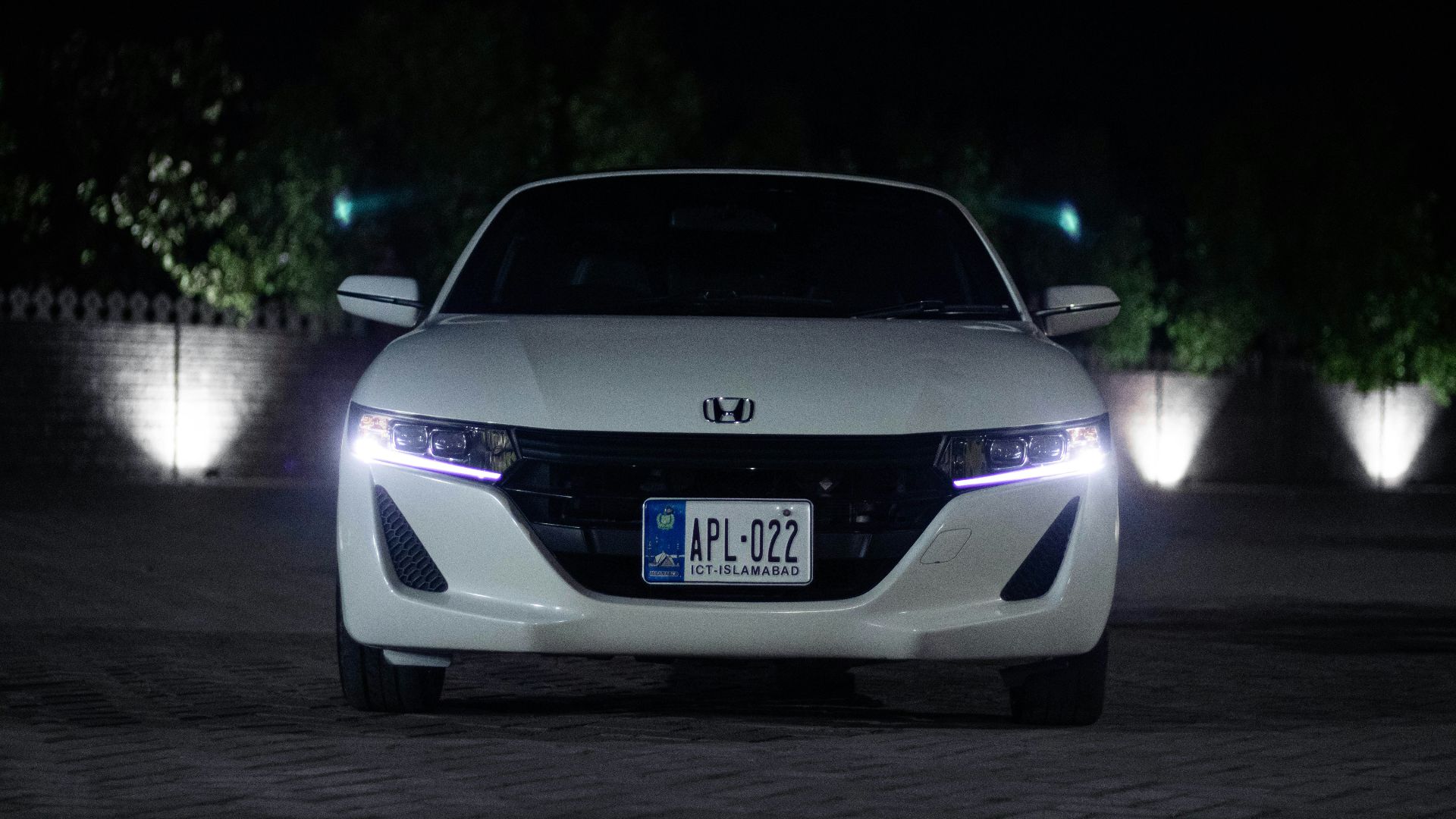
1. 2003–2004 Honda Accord V6
These years are a perfect example of why “it’s an Accord” is not enough information. CarComplaints lists transmission failure as the standout problem for both the 2003 and 2004 Accord, which is exactly the kind of issue that can age a car badly no matter how strong the nameplate is.
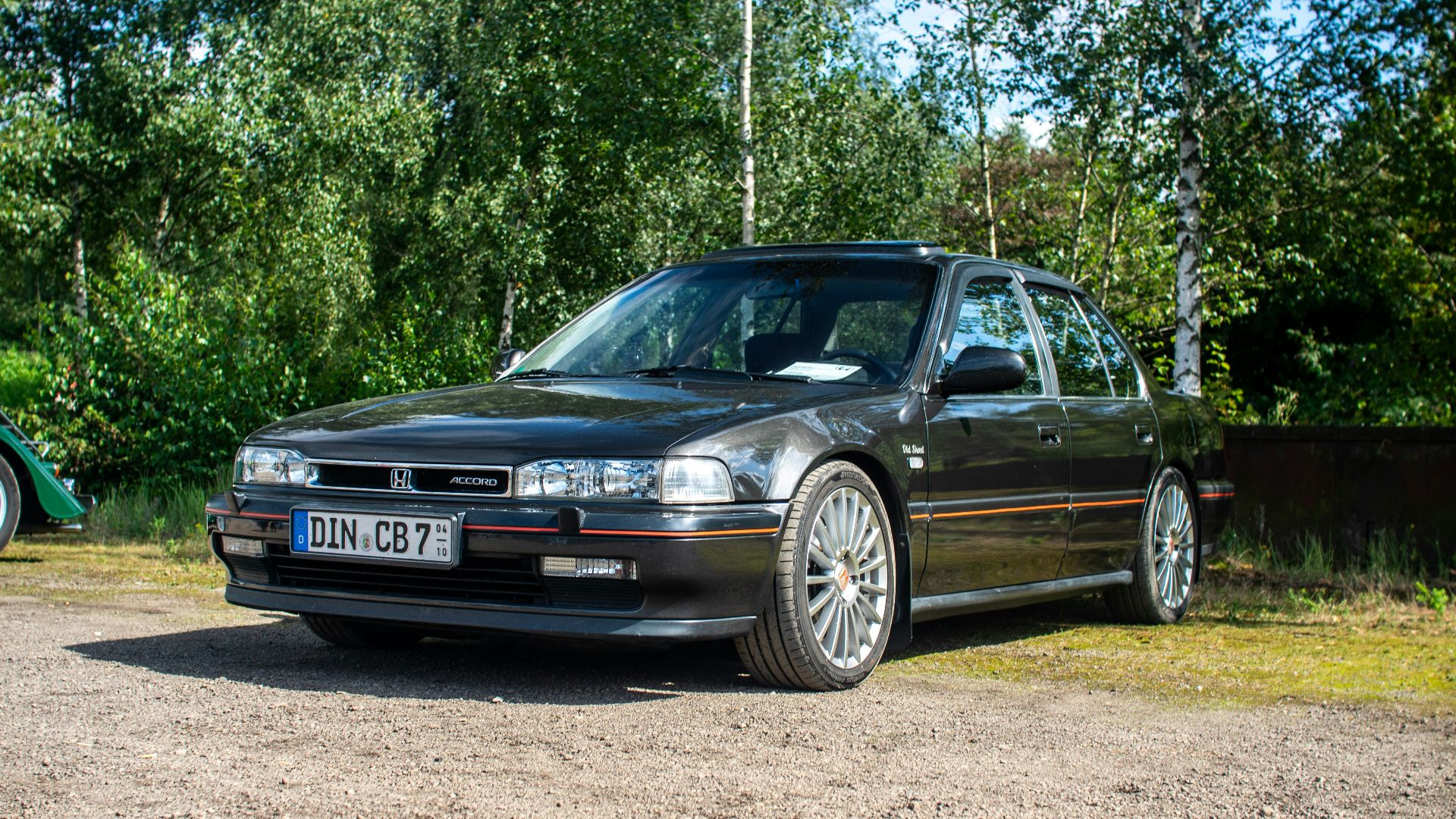
2. 2001–2002 Honda Civic
The Civic name is strong enough that people forget some years were much rougher than the myth suggests. CarComplaints flags the 2001 and 2002 Civic among the model’s worst years, with transmission failure again showing up as the kind of problem that can sour the whole ownership experience.
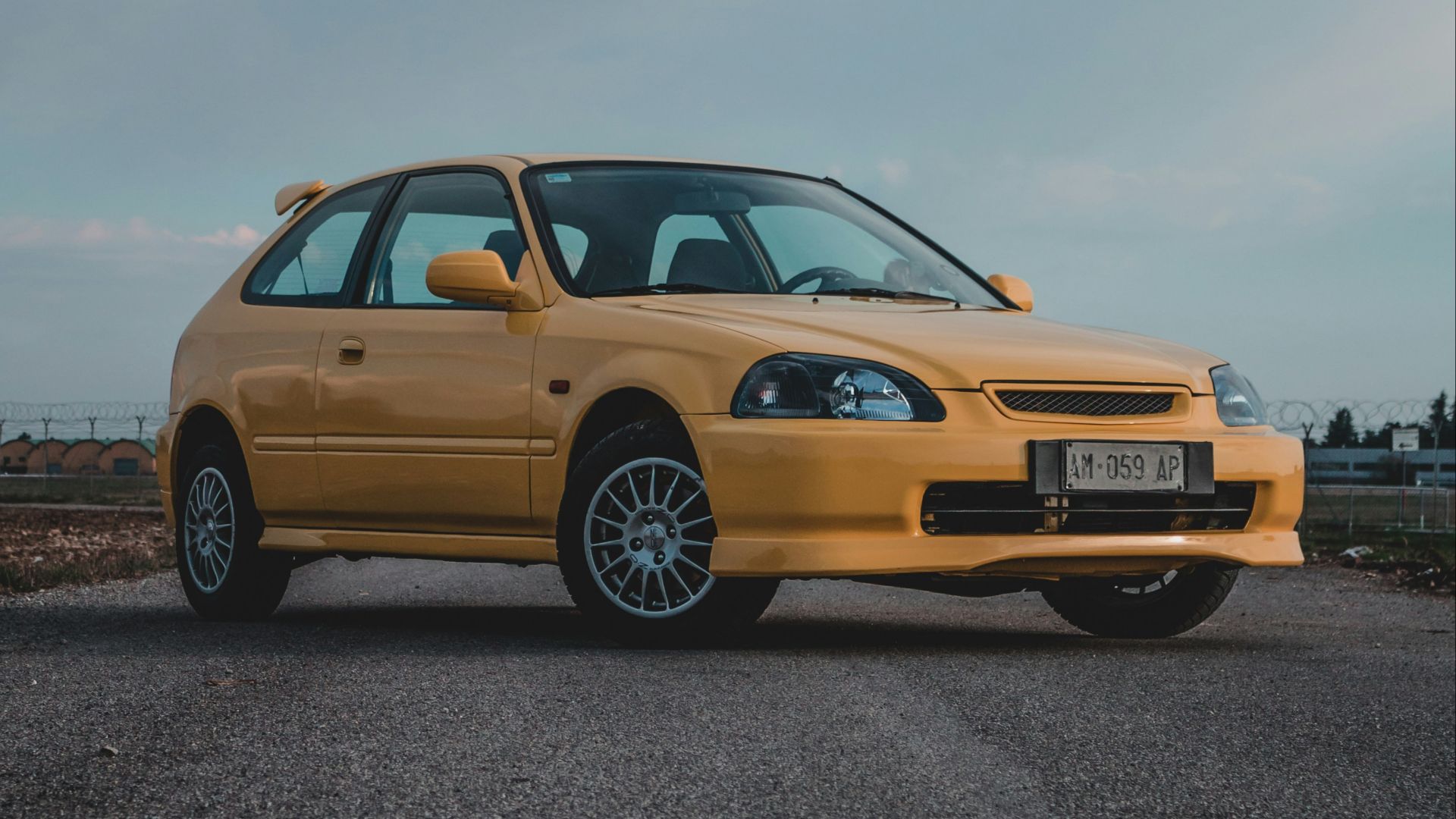
3. 2016 Honda Civic
This one surprises people because the Civic badge usually feels untouchable. But CarComplaints ranks the 2016 Civic among the more complained-about Hondas, which is a useful reminder that redesign years can bring more hassle than buyers expect.
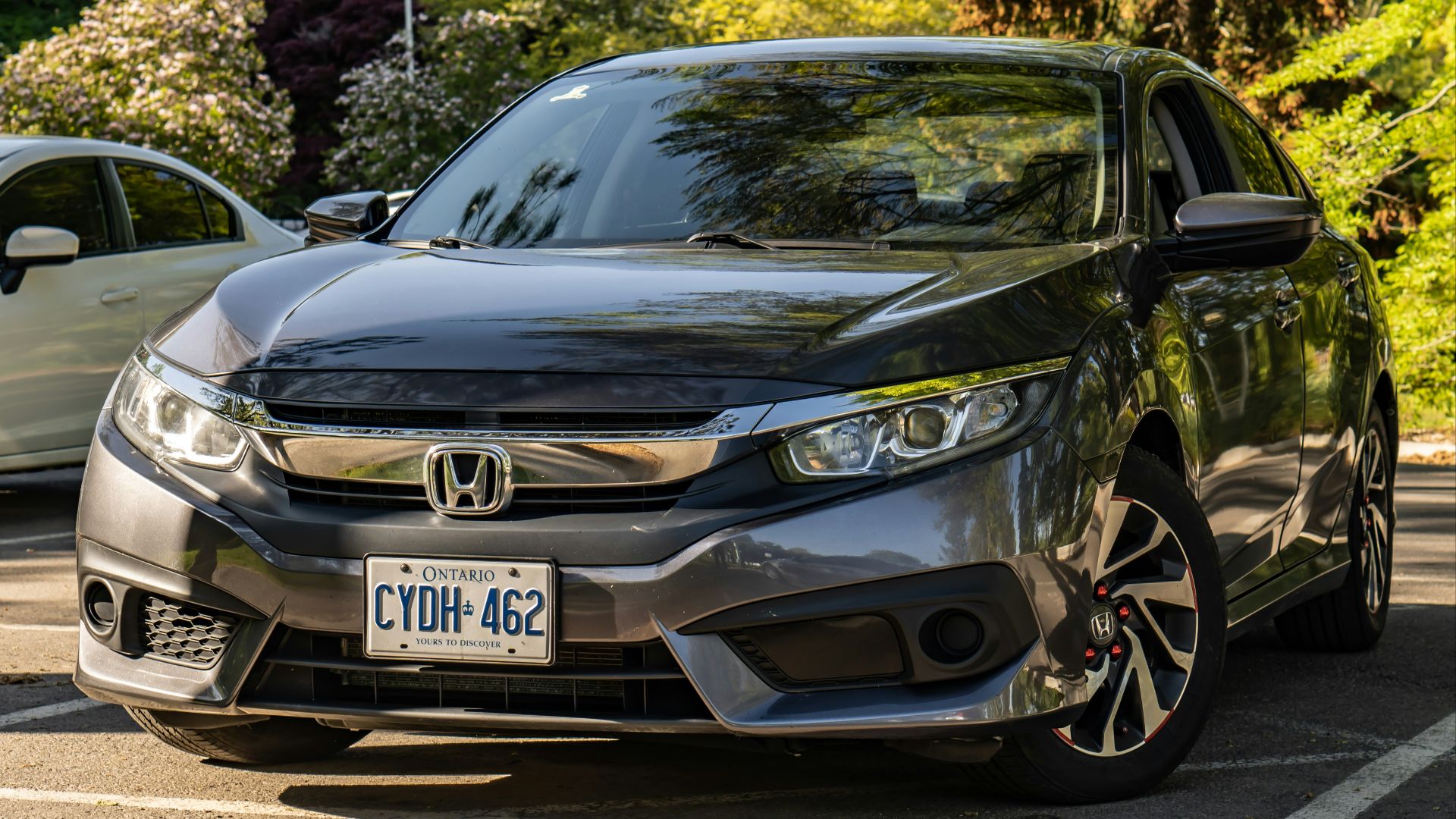
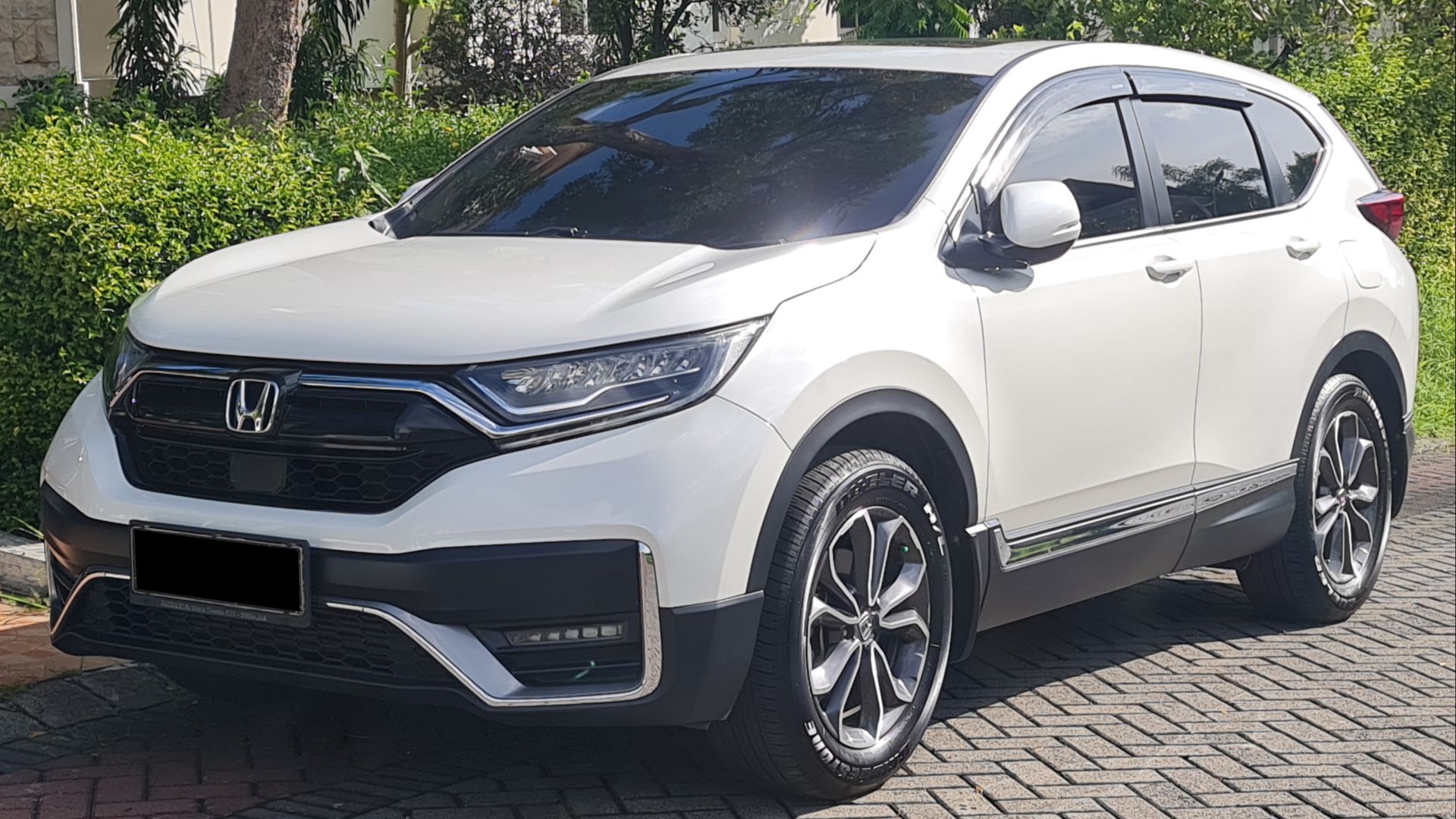
4. 2019–2021 Honda CR-V 1.5T
On paper, this should have been an easy Honda win. In real ownership terms, the oil-dilution issue hanging over certain 1.5-liter turbo CR-Vs gave the model a cloud it did not need, and once buyers start worrying about fuel mixing with oil, a car ages badly fast.
5. 2018–2021 Honda Accord 1.5T
The same issue hit certain Accords with Honda’s 1.5-liter turbo engine, and it lands harder here because the Accord is supposed to be one of the safest bets in the lineup. Once an Accord starts feeling conditional instead of dependable, the disappointment tends to be bigger than the defect itself.
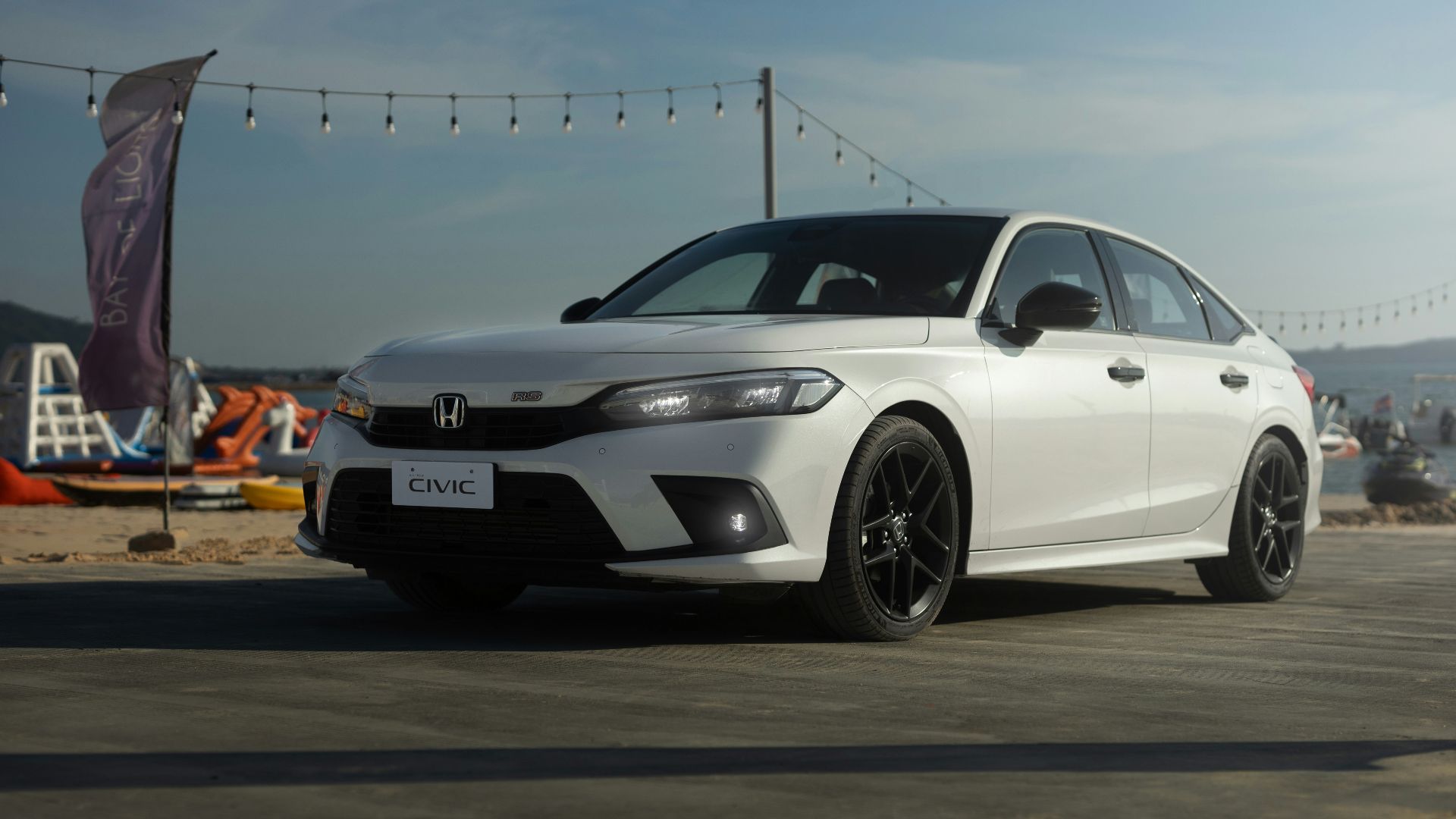
6. 2019–2021 Honda Civic 1.5T
Again, the problem is not that every single one turns into a disaster. It is that once a Civic is tied to a known complaint pattern involving oil dilution, the ownership story starts feeling a lot less Honda-simple than buyers probably expected.
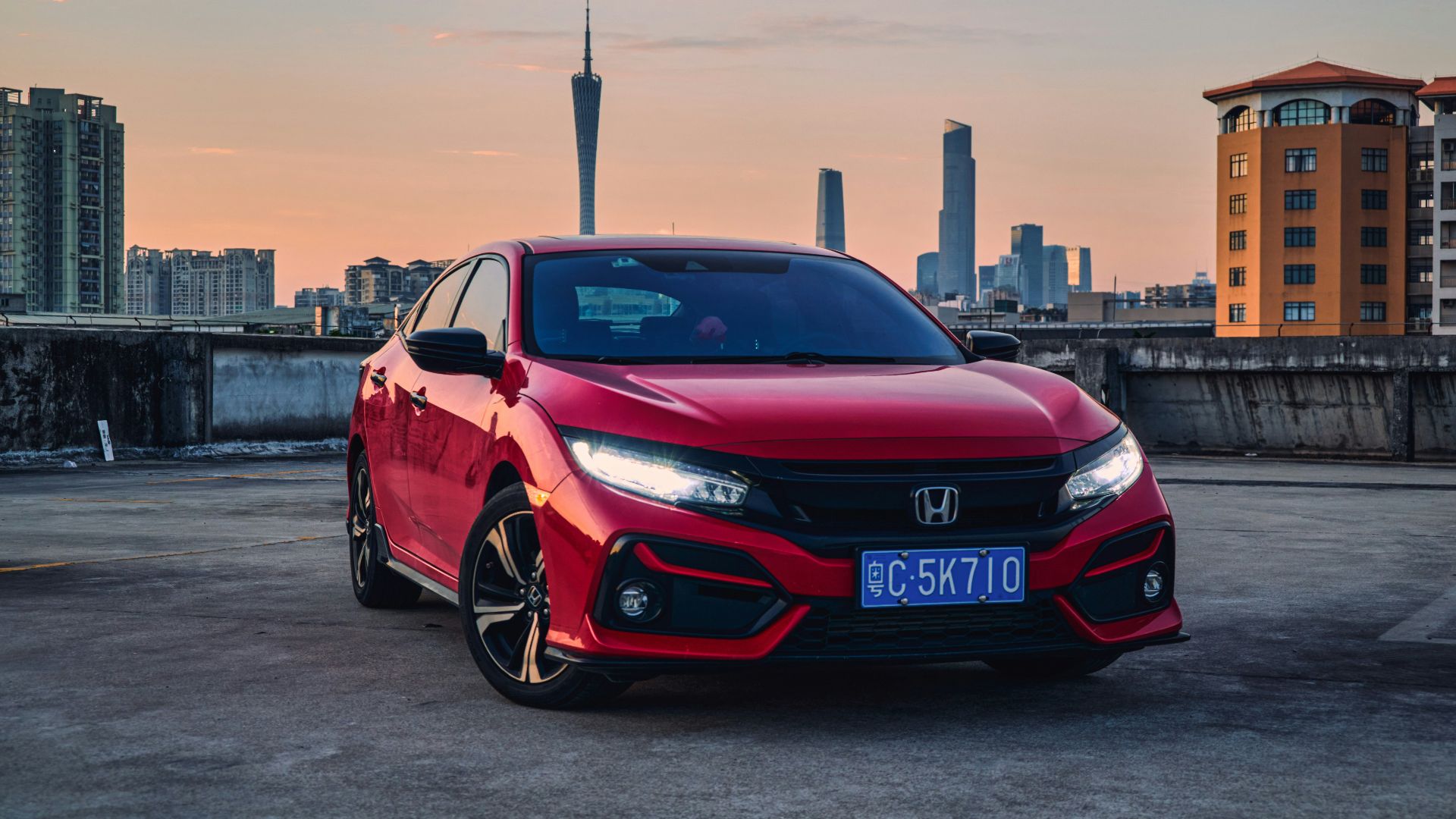
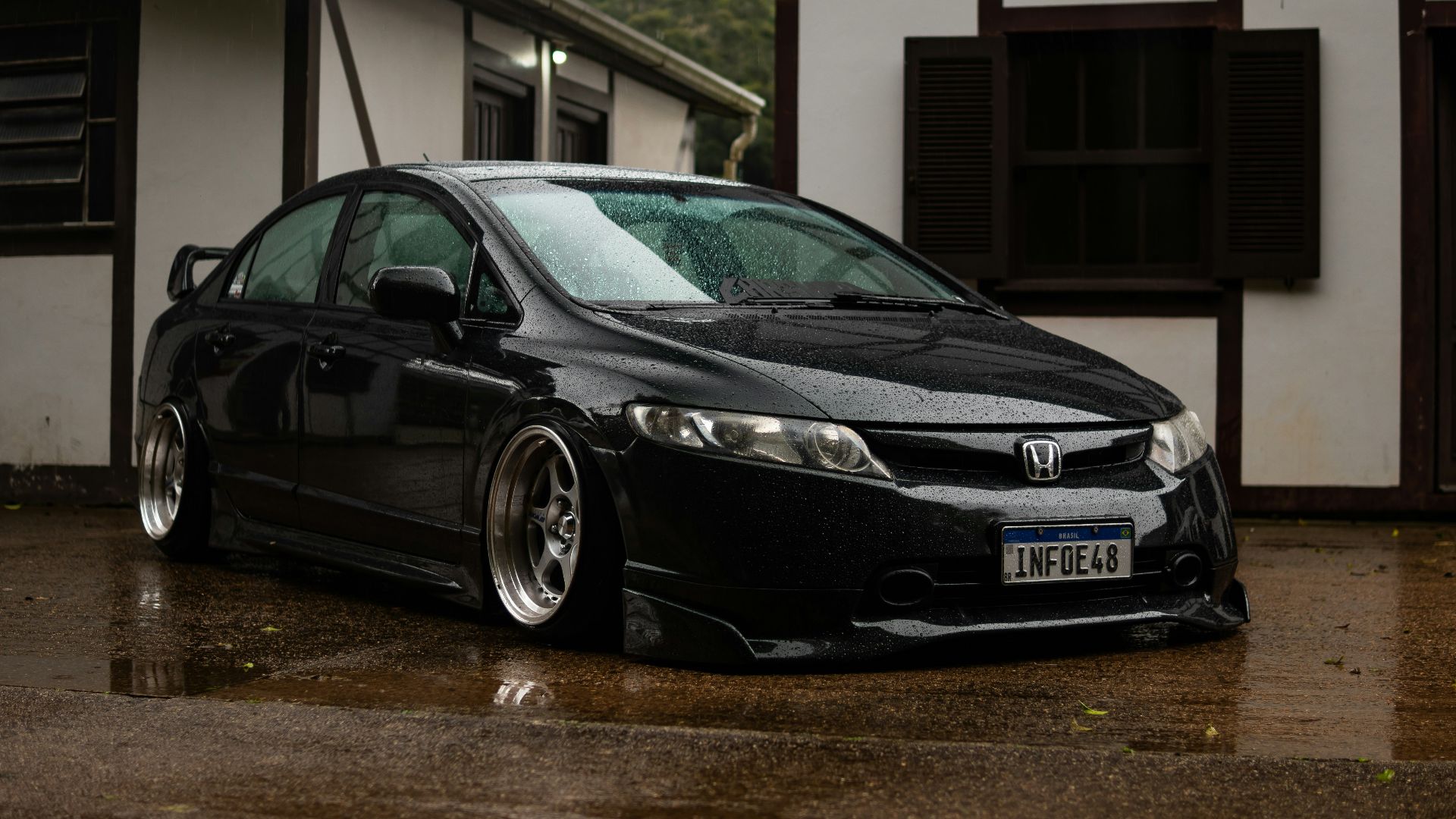
7. 2006–2008 Honda Civic
Some cars age badly mechanically, and some just start looking worse than they should. CarComplaints specifically flags the 2006, 2007, and 2008 Civic as the worst years for body and paint issues, which means even an otherwise solid car can start feeling tired faster than it should.
8. 2010–2015 Honda Crosstour
The Crosstour always felt like a car that wanted buyers to do too much interpretive work. It wore Honda reliability on its sleeve, but the odd shape and fuzzy identity made it seem dated almost immediately, which is its own kind of bad aging even before you get to resale or relevance.
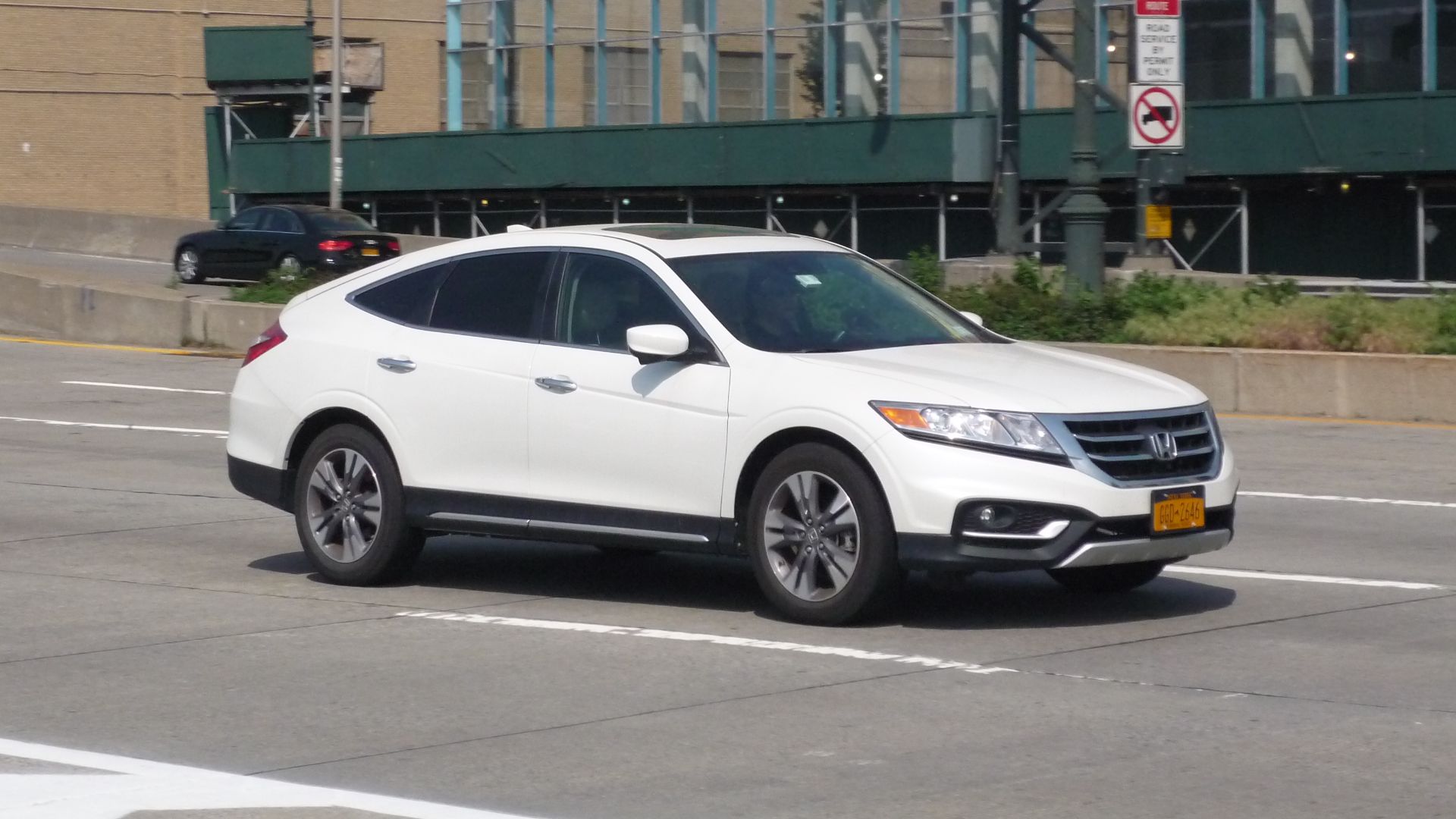 Jason Lawrence from New York on Wikimedia
9. 2010–2014 Honda Insight
The Insight had good intentions, but not every generation built the same durable affection as the Civic or Accord. These years often felt more like a compromise car than a clear Honda win, and once that happens, a model tends to age harder in the public imagination.
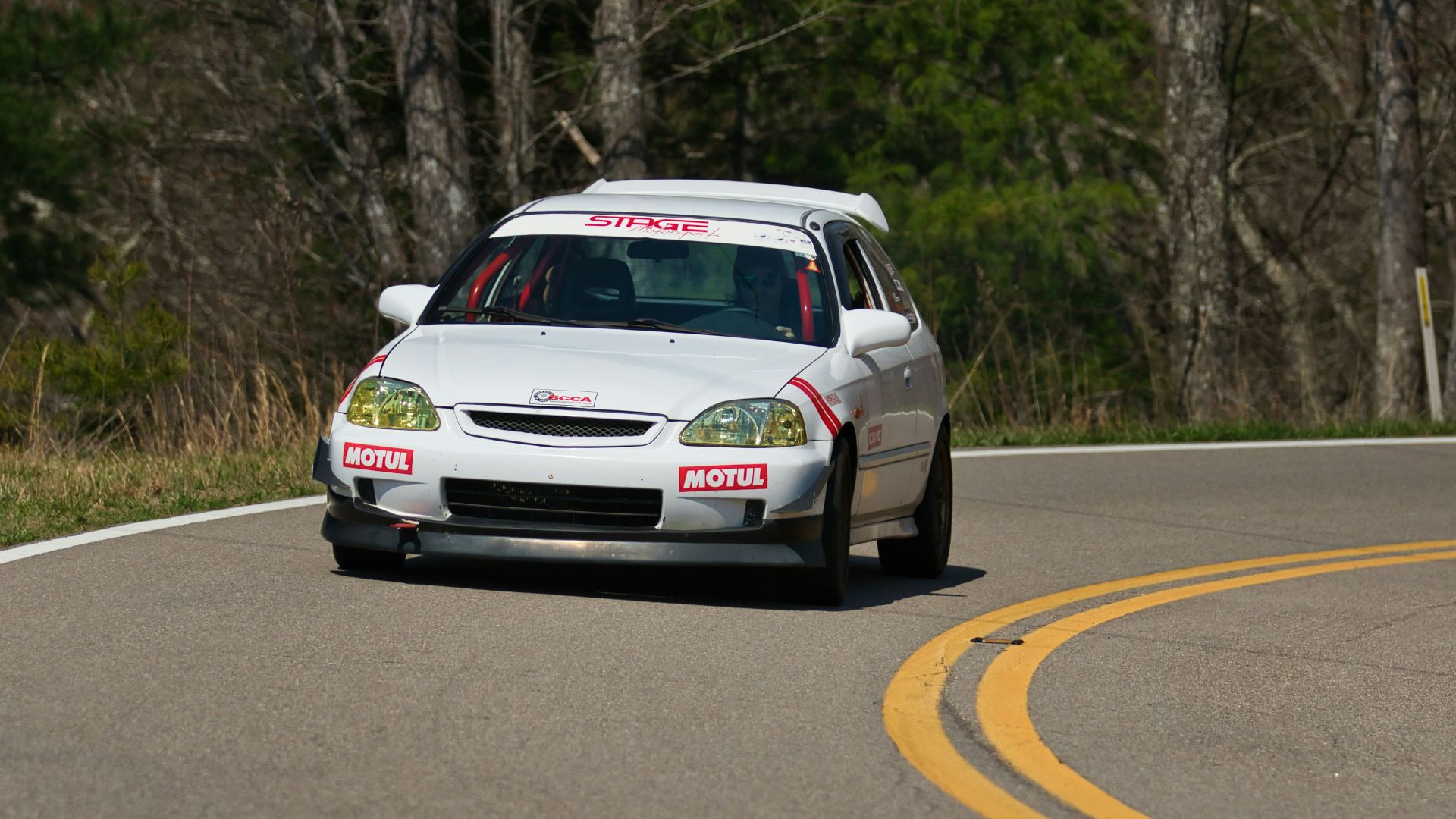 Chandler Cruttenden on Unsplash
10. 2003–2006 Honda Element
The Element belongs on both sides of the broader Honda story depending on which years you mean, and that is exactly why model-year specificity matters. Later Elements built a loyal following, but earlier ones have enough complaint-heavy baggage in owner data that they do not deserve the same automatic trust.