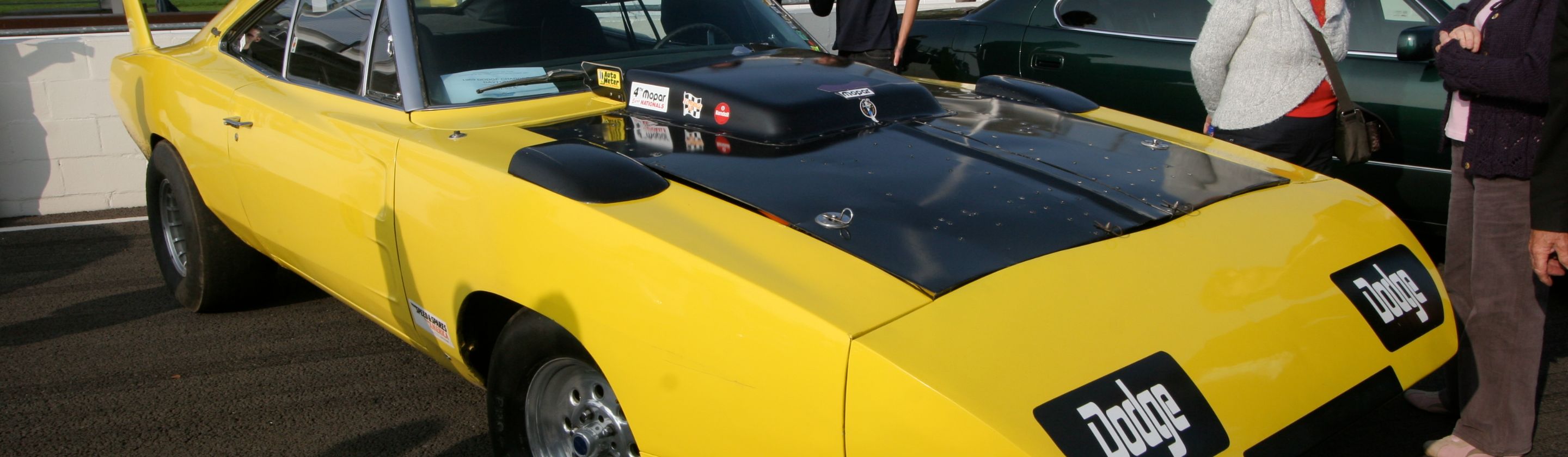
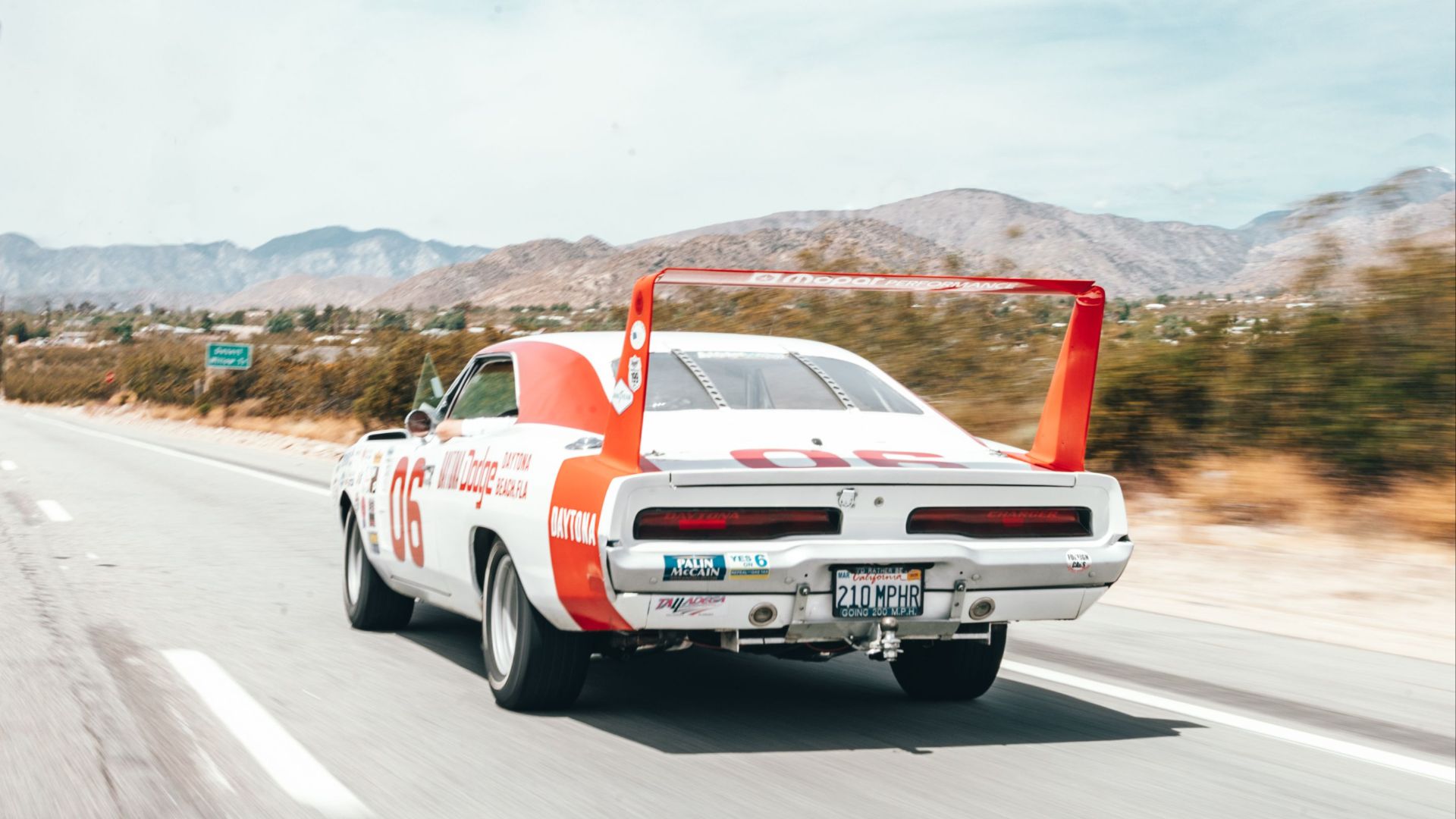
When you think of NASCAR, you probably picture powerful engines, roaring crowds, and drivers reaching incredible speeds. But there was a time when one particular car became so successful that racing officials decided they needed to step in. That car was the Dodge Charger Daytona, a machine that looked nothing like its competitors on the track.
Introduced in 1969, the Daytona featured an unusually long nose and a huge rear wing that made it impossible to miss. Its aerodynamic design gave it a major advantage over traditional stock cars, allowing it to reach speeds that were almost unheard of at the time. Unfortunately for Dodge, the car's impressive performance eventually pushed NASCAR to introduce rules that effectively brought the car's racing career to an end.
The Aerodynamic Revolution That Changed NASCAR
During the late 1960s, NASCAR manufacturers were locked in a fierce competition to build faster and more capable cars. Ford and Chrysler were constantly looking for ways to outperform each other, but adding more horsepower wasn't always the answer. Engineers were beginning to understand that reducing wind resistance could be just as important, especially on NASCAR's fastest tracks.
Dodge had already tried improving the Charger with the 1969 Charger 500, which included several modifications designed to improve airflow. While these changes made a difference, the company continued struggling against Ford's increasingly aerodynamic cars. Instead of making another round of minor adjustments, Dodge decided to pursue something much more ambitious that could give it a serious competitive edge.
The result was the Charger Daytona, which made its racing debut in September 1969 with a pointed nose cone and a massive rear wing. Its extended front end reduced aerodynamic drag, helping the car cut through the air more efficiently at high speeds. The rear wing also improved stability by generating downforce, proving that the unusual design served a purpose beyond attracting attention.
What made the Daytona especially interesting was just how different it looked from everyday passenger cars. Although NASCAR vehicles were expected to resemble production models, this particular machine looked like it had been designed almost exclusively for the racetrack. Dodge also manufactured street-legal versions to meet NASCAR's eligibility requirements, allowing its unconventional creation to compete against more traditional-looking cars.
The Car That Became Almost Too Fast to Handle
Once the Daytona started racing, it didn't take long for drivers and rival manufacturers to recognize its aerodynamic advantages. The car was especially impressive on superspeedways, where maintaining extremely high speeds was essential for staying competitive. With its powerful engines and carefully designed bodywork, the Daytona proved difficult for less aerodynamic vehicles to keep up with.
One of its biggest achievements came in March 1970, when driver Buddy Baker exceeded 200 mph at Talladega Superspeedway. Behind the wheel of a Dodge Charger Daytona, he became the first driver to officially break that speed barrier in a NASCAR stock car. It was a remarkable milestone that showed just how much racing technology had progressed in only a few years.
Dodge wasn't alone in taking advantage of aerodynamic improvements, either, as Plymouth introduced the similarly designed Superbird for the 1970 racing season. With its pointed nose and massive rear wing, the Superbird further demonstrated how important aerodynamics had become in NASCAR. Richard Petty raced the unusual Plymouth throughout the 1970 season, helping turn it into another highly respected competitor.
As these cars continued getting faster, NASCAR officials grew increasingly concerned about driver safety and the sport's competitive balance. Tires, brakes, and other safety equipment simply weren't developing as quickly as the vehicles themselves. Officials also worried that manufacturers would keep pouring money into specialized designs, leaving smaller racing teams struggling to compete with their better-funded rivals.
Why NASCAR Decided to Change the Rules
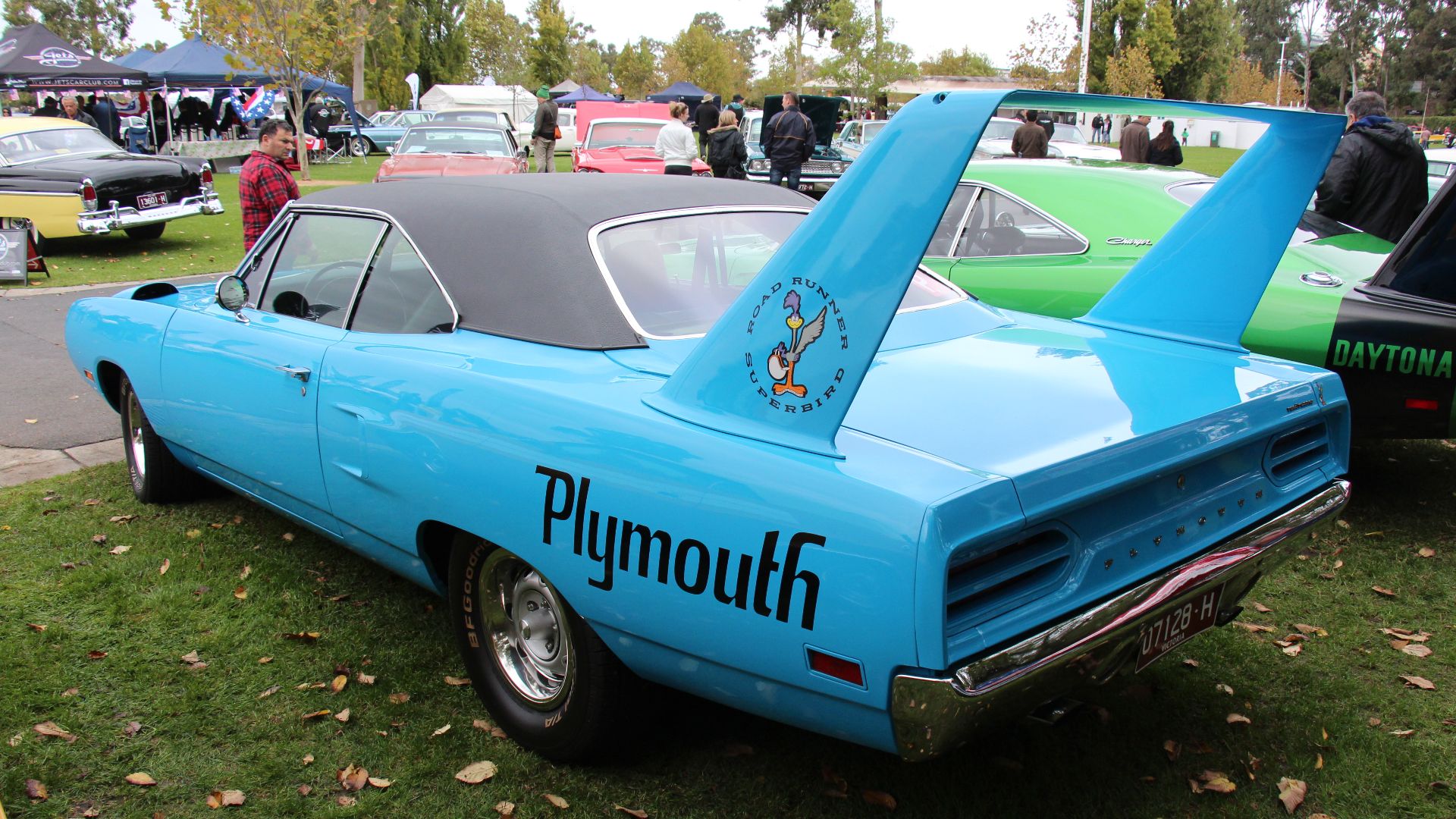
By the end of 1970, NASCAR officials had concluded that the race to develop faster aerodynamic cars was getting out of hand. Instead of banning winged cars completely, the organization introduced new regulations for the 1971 season that significantly limited their performance. Under these rules, specialized aerodynamic vehicles were restricted to engines with a maximum displacement of 305 cubic inches.
This was a major setback for the Daytona and Superbird, which had previously relied on much larger engines, including Chrysler's powerful 426-cubic-inch Hemi V8. Without that extra horsepower, their aerodynamic advantages became far less useful against conventional cars that could still run larger engines. Technically, the winged cars were still allowed to race, but the new restrictions made it extremely difficult for them to remain competitive.
A Charger Daytona, driven by Dick Brooks, did indeed compete in the 1971 Daytona 500. It ran with a smaller engine and even managed to lead several laps before an accident interrupted its race. However, that year saw the last of NASCAR's famous winged cars.
Today, the Charger Daytona and Plymouth Superbird are considered two of the most remarkable vehicles in American racing history. Their distinctive appearances and impressive achievements have made surviving examples incredibly desirable among collectors and automotive enthusiasts. Their story also serves as a reminder that automotive engineering can sometimes advance so quickly that even a racing organization built around speed decides things have gone a little too far.