Electric vehicles were once sold mostly as small, sensible cars for people who cared deeply about efficiency. That image has changed quickly. Today, many automakers are putting their biggest electric hopes into SUVs, crossovers, and family-sized models with high seating positions and roomy cabins. If you've wondered why every brand seems to be launching an electric SUV, the answer is fairly simple: this is what buyers want.
This doesn't mean the electric SUV boom is without complications. Bigger EVs need larger batteries. They can cost more to build, and bring new questions about weight, materials, efficiency, and affordability. Still, automakers aren't betting on them by accident. They're following consumer taste, protecting profits, and trying to make the EV transition feel smooth.
SUVs Are Already What People Want
The first reason isn't mysterious: SUVs sell. Drivers have spent years moving away from sedans and hatchbacks toward crossovers and sport utility vehicles. People like the higher seating position, flexible cargo space, all-weather capability, family-friendly shape, and sense of security that SUVs seem to offer. Instead of trying to invent demand, automakers are electrifying a body style that already dominates many showrooms.
That matters because electric adoption is easier when the vehicle feels normal. A buyer who already drives a gas SUV may not want a tiny futuristic pod just because it runs on electricity. They want something that they already know fits their lifestyle.
The global SUV boom also gives automakers a clear business signal. The International Energy Agency reported that SUVs accounted for 48% of global car sales in 2023, reaching a new record. That isn't a niche trend; that's nearly half the market speaking loudly. If automakers want EVs to move beyond early adopters, building electric versions of popular vehicle shapes makes practical sense.
Bigger Vehicles Can Make the EV Math Easier
Electric vehicles are expensive to develop, and batteries remain one of their biggest cost drivers. Larger vehicles can make those costs easier to absorb because SUVs often sell at higher prices than small cars. Buyers are already used to paying more for size, comfort, all-wheel drive, technology, and premium trims. That gives automakers more room to hide the expensive parts without making the sticker price look completely shocking.
There's also a packaging advantage. SUVs have more physical space for battery packs than very small cars, which can help engineers deliver the driving range buyers expect. Range anxiety remains one of the biggest emotional hurdles for EV shoppers, even as charging networks improve. A larger electric SUV can offer the size people want and the range they feel they need.
Of course, this strategy comes with trade-offs. Larger EVs are heavier, require more materials, and often need bigger batteries than smaller electric cars. That can make them less efficient and more resource-intensive, even if they produce no tailpipe emissions. Automakers know this, but they also know that a perfectly efficient tiny EV won't help much if buyers aren't interested in it.
Electric SUVs Help Brands Manage a Risky Transition
Legacy automakers are trying to move toward EVs while still selling gas and hybrid vehicles. That's expensive because they often have to support old and new technologies at the same time. Bain has noted that uncertainty around EV adoption weighs on profitability as automakers carry parallel portfolios of electric and internal combustion products. In that environment, brands tend to prioritize models with the best chance of selling in meaningful volume.
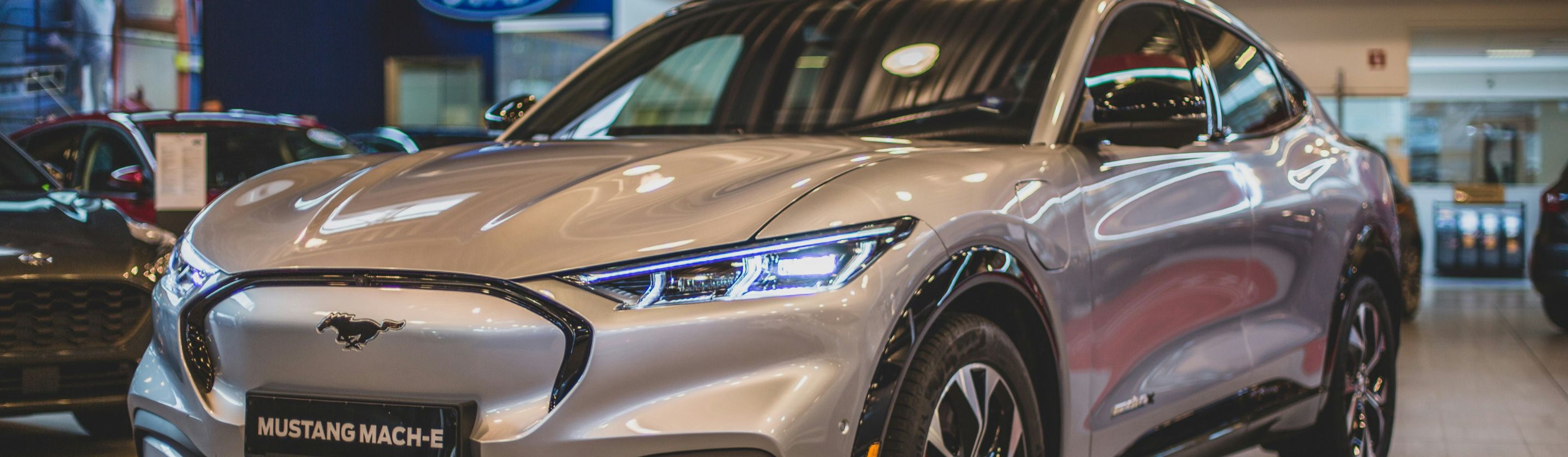
Electric SUVs also help car companies preserve their identities. Ford can make an electric Mustang-inspired crossover, Kia can sell a futuristic three-row EV9, and luxury brands can turn quiet electric power into a premium experience. The SUV shape gives companies a familiar stage for new technology. Buyers get big screens, quick acceleration, quiet cabins, and less sense that they have signed up for an experiment.
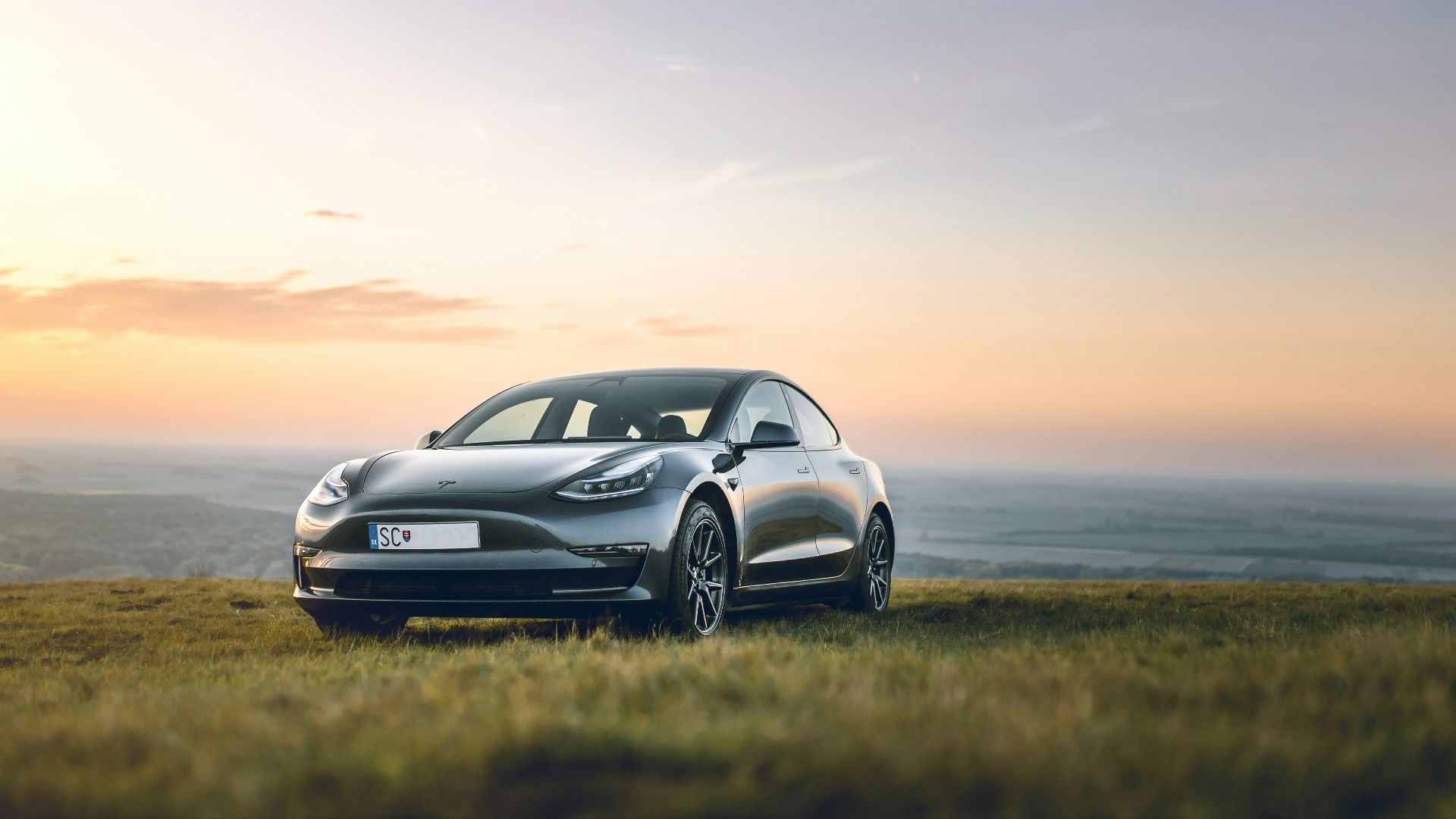
Competition is another reason automakers keep piling in. Tesla proved that electric crossovers could sell, Chinese brands are moving quickly, and mainstream companies don't want to be late to the party. The IEA reported that global electric car sales topped 17 million in 2024, rising by more than 25%, and more than one in five new cars sold worldwide were electric. If EV growth continues, automakers want their most desirable models ready before shoppers fully make the switch.
The bet isn't guaranteed to be smooth. Some EV programs have been delayed, resized, or rethought as demand, incentives, battery costs, and competition shift. Smaller electric cars may also gain ground as batteries get cheaper and cities push back against oversized vehicles. For now, though, electric SUVs sit at the sweet spot between what consumers want, what automakers can profit from, and what's propelling the EV transition forward.