Toyota didn't become the safe choice by accident. For decades, the company built its reputation on cars that started every morning, cost less to keep running, and rarely made ownership feel dramatic. That may not sound thrilling, but ask anyone who has dealt with a mystery warning light and suddenly “boring” starts looking very appealing.
The trust around Toyota grew from a mix of engineering discipline, manufacturing culture, practical product decisions, and long-term consistency. While other brands often chased flashier designs or risky technology first, Toyota usually moved carefully and made durability part of its identity. You may not buy a Toyota to impress the neighbors, but plenty of people buy one because they expect it to still be working even after the neighbors have switched cars twice.
Quality Became Part of the Company’s Culture
Toyota’s reputation starts with the way it builds cars. The Toyota Production System became famous because it focused on reducing waste, improving quality, and solving problems close to where they happened. Ideas like just-in-time production and jidoka, or building in quality checks, made Toyota’s factories unusually disciplined. That system didn't just build cars; it built confidence.
The company also embraced continuous improvement, often described by the Japanese word kaizen. Instead of treating quality as a final inspection problem, Toyota made it part of daily work. Small changes, repeated over years, helped create vehicles that felt carefully sorted rather than casually assembled. That's the kind of behind-the-scenes effort buyers may never see, but they feel it when the car simply works.
Toyota’s “customer first” and “quality first” principles weren't just nice slogans for a lobby wall. The company introduced statistical quality control after World War II and became known for Total Quality Management. Those habits helped Toyota move from a Japanese manufacturer trying to prove itself into a global benchmark. Trust usually comes slowly, and Toyota earned it one dependable model at a time.
Reliability Turned Ordinary Cars Into Legends
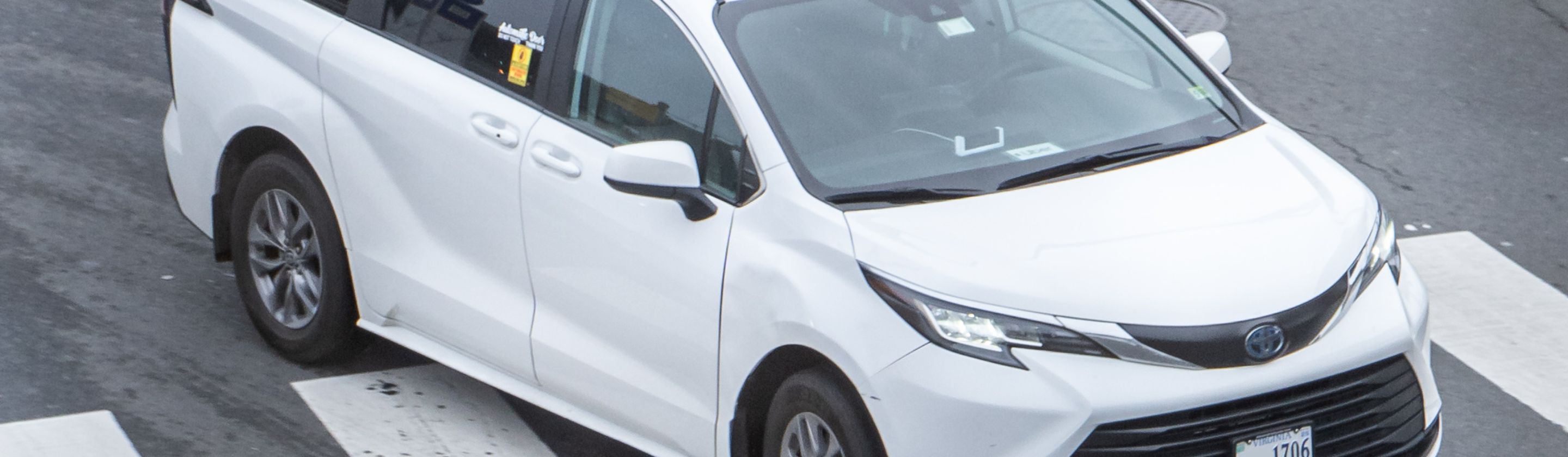
Toyota’s strongest reputation was built by everyday vehicles, not exotic machines. The Corolla, Camry, Land Cruiser, Tacoma, Prius, and RAV4 became familiar because they did their jobs without demanding constant attention. Owners noticed that these cars could handle commuting, errands, bad weather, family duty, and high mileage with fewer surprises than many rivals. Over time, that practical loyalty became a major part of the brand.
The Corolla deserves special mention because it made reliability feel accessible. It wasn't glamorous, but it was affordable, efficient, and famously durable. Families, students, commuters, and first-time buyers all learned that a modest Toyota could be a very smart decision. When a small car survives years of ordinary neglect, people remember.
The Camry helped Toyota become the default answer for anyone who wanted a midsize sedan without emotional turbulence. It offered comfort, good fuel economy, and a reputation for lasting well beyond the point when many owners expected to replace it. Even people who joked about the Camry being unexciting often understood the appeal. Sometimes, the most trusted car is the one that refuses to create a storyline.
Hybrids, Resale Value, & Caution Strengthened the Brand
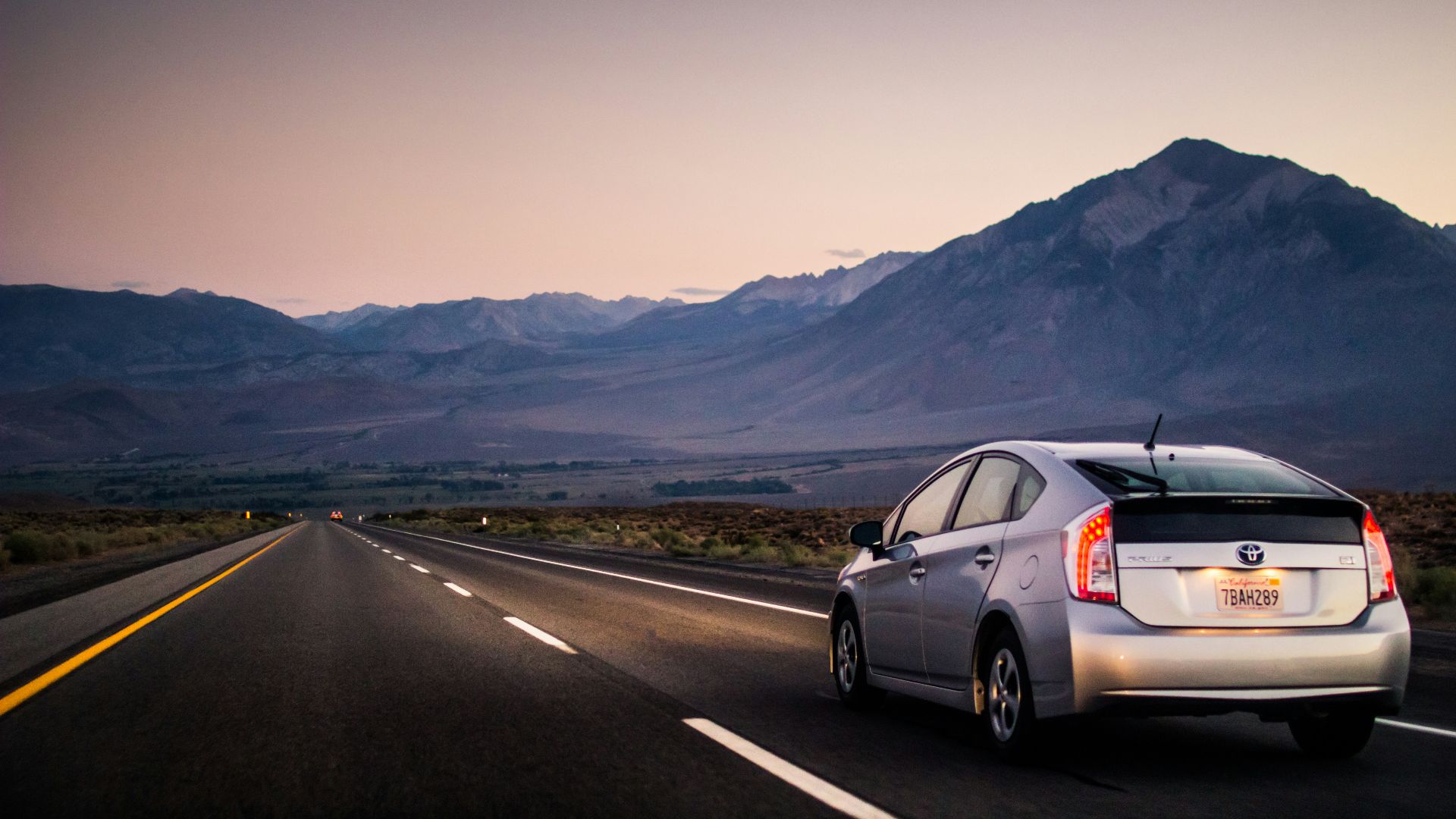
Toyota also built trust by making hybrids feel normal. The Prius could have remained a strange science project, but Toyota turned it into a practical household name. Later, the company spread hybrid technology across familiar models like the Camry, RAV4, Highlander, and Corolla, which mattered because buyers didn't have to choose between efficiency and a vehicle shape they already understood.
Resale value helped reinforce the trust cycle. Used Toyotas often command strong prices because shoppers believe they have life left in them. That makes new buyers feel safer paying more upfront, since they expect the vehicle to hold value later. A brand becomes powerful when both first owners and second owners want the same badge.
Toyota’s cautious personality has sometimes frustrated people who wanted it to move faster. The company has been slower than some rivals with fully electric vehicles, and not every recent model has been perfect. Still, that careful approach is part of why many shoppers trust it. Toyota usually prefers proven systems, gradual refinement, and broad usability over being first for the sake of headlines.
The result is an unusually strong brand image that transcends generations. Parents recommend Toyota to their children, mechanics often praise the simpler models, and used-car buyers keep hunting for clean examples. Consumer Reports has repeatedly placed Toyota near the top of reliability rankings, which keeps feeding the public perception. Trust becomes easier to maintain when the ownership stories keep sounding familiar.
That doesn't mean Toyota is flawless. Recalls happen, some models have weak spots, and newer technology can bring new headaches. The reason the brand stays trusted isn't that every Toyota is perfect, but because the overall pattern has been reassuring for a very long time. In a market full of big promises, Toyota became the brand people trust by making dependability feel almost ordinary.